Marketing Manager - Cuban/Italian-American Filmmaker - Personal Account - Check out my podcast “Young Indy Chroniclers”
Joined March 2020
- Tweets 2,334
- Following 485
- Followers 168
- Likes 25,045
155 Photos and videos
Daniel Noa retweeted

Jan 25
❌️ Rick McCallum the yes-man
✅️ Rick McCallum the mob Boss
Light & Magic Season 2 (Part I)
6
14
104
2,491
Daniel Noa retweeted
Jun 14
Rick McCallum talks about George Lucas' new museum and how he's currently making documentaries for him. One of them will focus on the history of digital technology. He still meets with him once a year on July 4th, and they watch movies together.
Part 3/5:
1
4
25
2,740

Jun 11
Gotta trust the Viceroy of Verisimilitude

This is essential viewing: youtu.be/TWRyh-MOb6g?si=xrLd…
1
2
1,685
Daniel Noa retweeted

May 31
We’ve hit 20,000 views! Thanks for all the love!
2
7
34
1,224
May 27
Thrilled by the amazing support for our film.
May 27

Thank you all for making this our most viewed video in the history of our channel, beating even our Rick McCallum Star Wars Underworld clip.
youtu.be/EEQ9QgFmu14?si=THQ_…
6
399
Daniel Noa retweeted
May 25
Our new first look drops today!
screenrant.com/george-lucas-…
1
16
46
4,188
May 25
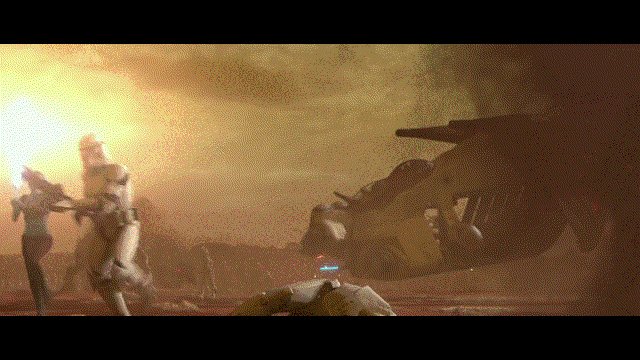
7 years now of Mandalorians in live action, and this scene has still not been topped.

Say what you want about Prequels...
...but they stacked dope action!
Kenobi vs. Jango Fett is still one of my favorite action scenes in all Star Wars.
Q: What's yours?
2
4
584
Daniel Noa retweeted

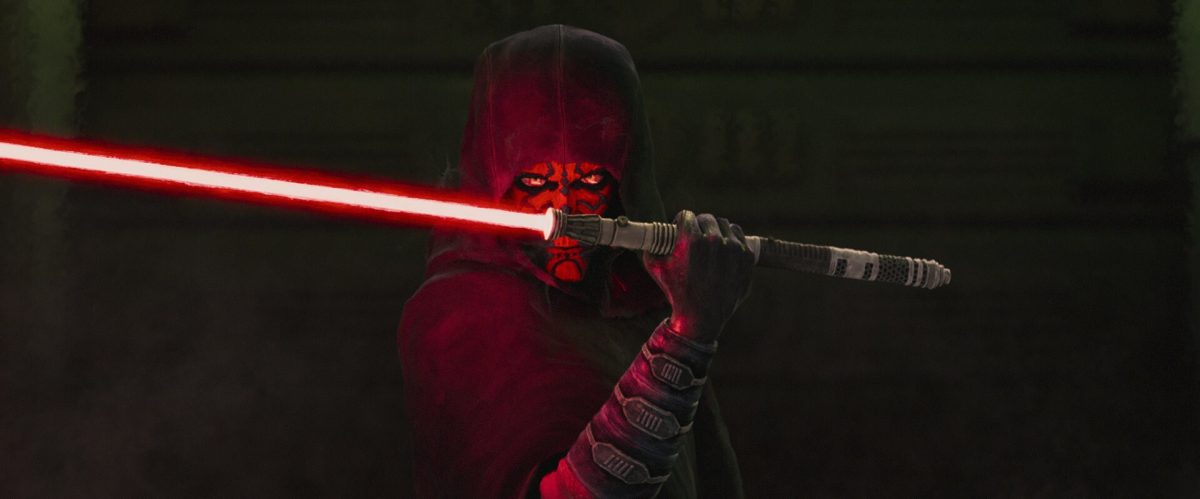
We still have some thoughts on #Maul Shadow Lord. To recap the season in full, we are rejoined by @DanielNoa5 from @YoungIndyPod. We also look ahead to the #MandalorianandGrogu film! Links below:
Apple: shorturl.at/BnGB7
Spotify: shorturl.at/TNLY3
#StarWars #Podcast
1
3
6
199
Daniel Noa retweeted
May 14
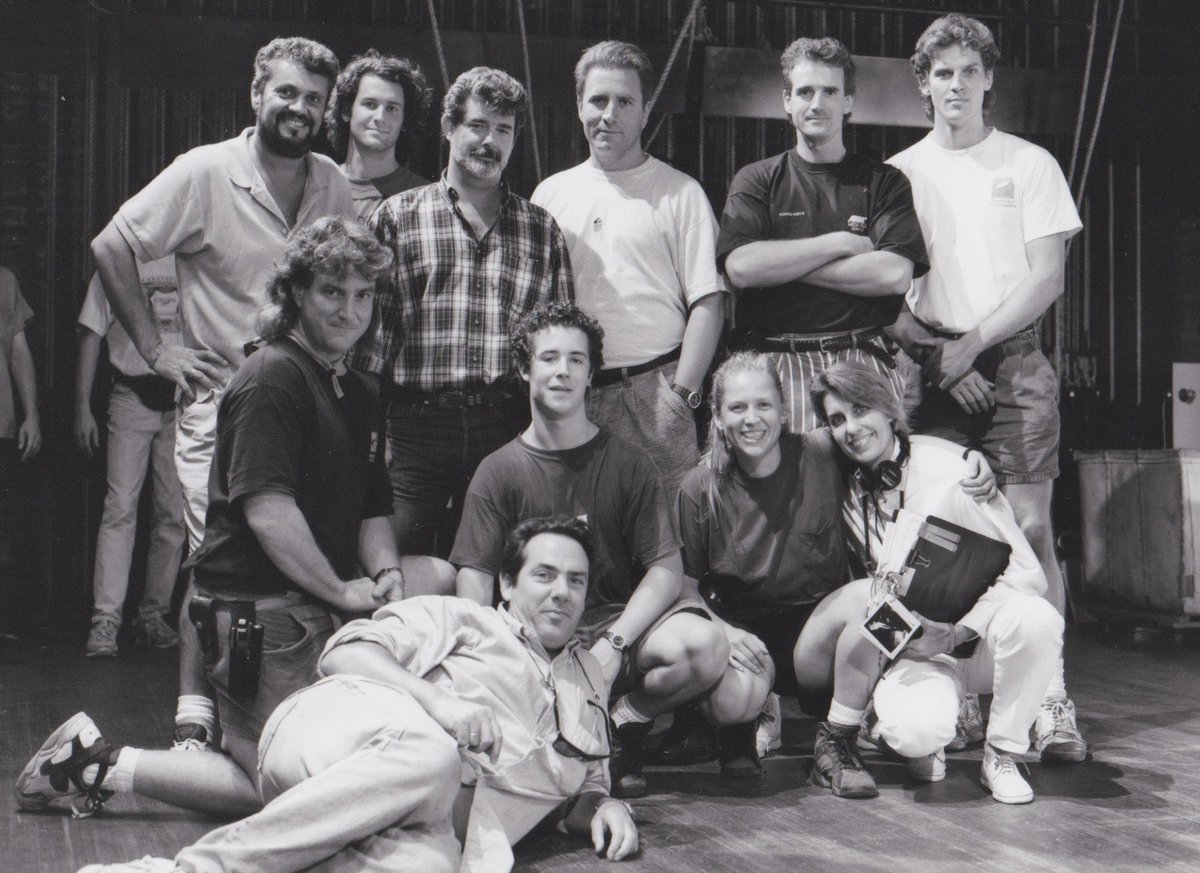
Happy Birthday George! We’re working hard on telling the story of your groundbreaking work in the 1990s, and we should have it in time for your next one!
Until then, thanks for everything.
9
40
732
Daniel Noa retweeted

We’ve got a good feeling about this.
Announcing Star Wars In Motion, the Inaugural Cinema Exhibition at the Lucas Museum. On September 22, we ride.
To learn more about memberships, our collection and more, visit lucasmuseum.org.
34
386
1,873
174,318
Daniel Noa retweeted

Donald Trump repeatedly made a promise to the American people: no new wars.
Now, he's threatening to wipe out an entire civilization.
4,710
11,042
77,704
1,090,214
Apr 7
RT @drmoore: That one can excuse or ignore this while claiming to be “pro-life” is a sign of a seared conscience. God have mercy on us all.…
1,081
Daniel Noa retweeted

Apr 7
An American president threatening the death of an ancient civilization is in some ways the end of the 250-year moral experiment of a constitutional republic that the framers saw as a model for all mankind.
611
3,228
11,159
399,013
Mar 27
I miss 1999-2005

Because I'm old and was of an age to be sentient when the Prequels were released, I can tell you that, until The Clone Wars was released and redeemed the series, the hatred for the Prequels was incandescent and pervasive and much worse than the hatred for the Sequels, although the Sequels (IMO) are much worse.
You have to understand, the Prequels were not "nerdy" when they began releasing in 1999. They were as mainstream as Jurassic Park or Titanic. Everyone watched them. You would be made fun of if you didn't, actually. Back then, we had a distinct monoculture, where everyone was expected to know of certain things. We did not have the fragmentation of the market into niches or gatekept streaming services. The Prequels were absolutely one of those things. Picture the cultural event of the Barbie movie, except ten-fold.
The Phantom Menace was released in 1999. The hype was absolutely massive. However, this was then met with almost uniform backlash. Most people, even famous standups or talk show hosts, were making fun of how incredibly annoying Jar Jar Binks and young Anakin were. This was extremely mainstream, it was not consigned to just fans. While the podracing and Obi-Wan's duel with Darth Maul were praised, the rest of the movie was considered childish, with stupid dialogue, and bad CGI. While Ewan McGregor, Liam Neeson, and Natalie Portman were sparred, the voice actor for Jar Jar, Ahmed Best, and the child who played Anakin, Jake Lloyd, faced such severe harassment that they later admitted in a documentary to suffering severe, long-landing mental health issues.
Attack of the Clones came out in 2002, and this was was considered not as childish as the Phantom Menace, but still very stupid. Everyone harassed Hayden Christensen for his wooden dialogue. The cultural consensus was that he was a pretty boy that lacked talent. This took its toll, as after the Prequel series, Christensen left mainstream Hollywood entirely. People really started concluding, around this time, that Lucas himself was to blame for how bad the Prequels were, citing the incredibly unconvincing romance between Padme and Anakin, and the ridiculousness of the dialogue in those scenes. However, Ewan McGregor remained very popular, Natalie Portman grew in popularity, and the key action scenes (e.g., Kenobi versus Fett, Yoda versus Dooku, and the Battle Of Geonosis sequence) were praised. Outside of the action scenes, people still criticized the CGI.
Revenge of the Sith is what this sequence was from, and it came out in 2005. This was, far and beyond, the most well-received of the Prequels. People liked the dark tone, increased action, and how it finally linked the Prequels to the Original trilogy. However, Padme's death sequence was the subject of mainstream and late night talk show ridicule, and people still noted Christensen's poor performance, melodrama, and stilted dialogue. There were some slap fights among fans whether this was on par with any installment of the Original trilogy, with people who had spent the last six years despising the Prequels extremely loud and insistent that it was still unredeemable garbage.
None of these movies were at all safe to admit that you liked until The Clone Wars, nostalgia, and the poor quality of the Sequels redeemed them in retrospect. However, what is interesting is that the action sequences in the Prequels were always its strongest point, and most reasonable haters could admit that they were quite good. In contrast, the action sequences in the Sequels were always noted to be lackluster in comparison, and were criticized at release.
However, the Sequel hate did not reach anything like the volume of the Prequel hate. Even The Last Jedi, the most controversial installment, was criticized only in niche circles. It wasn't the topic of mainstream jokes. When The Rise of Skywalker bombed, we all collectively winced and agreed it was bad, and moved on. There was little of the overwhelming monoculture discourse that accompanied the Prequels. Remember, the Prequels were released at a time when the monoculture was relentless in immiserating pop stars it deemed fair game. That dynamic of the culture no longer existed by 2015.
1
1
2
107
Daniel Noa retweeted
Mar 13
“It’s not a Pollock… it’s a Rembrandt.”
In this clip, Young Indiana Jones Chronicles script supervisor Hilary Momberger-Powers reflects on how George Lucas and Rick McCallum carefully built the team behind the series.
🎙️ Full interview available now.
#YoungIndy #IndianaJones
3
9
284
Daniel Noa retweeted
Mar 4
Last month we had the privilege to sit down with legendary director Michael Schultz. Before collaborating with George on Young Indy, Schultz had already made his mark with Cooley High (1975) — now preserved in the National Film Registry.
Sounds like George was impressed too. 🎬
1
6
8
523

Harrison Ford accepting Lifetime Achievement honor at #ActorAwards: “None of this happened on my own. Thank you, George Lucas. Thank you, Steven Spielberg”
12
249
2,450
308,552
Daniel Noa retweeted
Mar 1
Hilary Momberger-Powers, script supervisor on Young Indiana Jones.
From voicing Sally Brown in the classic Peanuts television specials to working behind the scenes on a globe-spanning Lucasfilm production, her journey is incredible.
🎙️ Coming this Thursday to YouTube.
1
1
4
114
Daniel Noa retweeted
Feb 17
We have Jonathan on the record discussing this. I encourage you to listen to the full interview, Hales is older than Lucas and the majority of his career actually pre-dates Attack of the Clones: youtu.be/gAkbdz3PmVM?si=XHPV…
1
2
11
208

The Mando Teaser they released at Star Wars Celebration a year ago is 10x better than any piece of marketing they've publicly released, this Trailer actually feels like a STAR WARS Film
Marketing has been so incompetent it feels like they're actively trying to tank the film
82
438
7,982
452,193