ᴄʜɪʟᴅ ʟᴇᴀᴅᴇʀ ᴏғ ᴛʜᴇ ʟᴏsᴛ ʀᴏᴀɴᴏᴋᴇ꙳𖤍 ᴀᴠɪᴅ ʜᴏᴇ; ʜᴏᴇ ᴀᴅᴠᴏᴄᴀᴛᴇ𓀏𖧃 ꙳ ᴍᴀᴅᴇ ᴀ ᴅᴇᴀʟ ᴡɪᴛʜ ᴛʜᴇ ᴅᴇᴠɪʟ—ɴᴏᴡ ɴᴏᴡ ɪᴍ ʜᴇʀᴇ ᴛᴏ ᴄᴏʟʟᴇᴄᴛ.
Joined August 2019
- Tweets 25,765
- Following 491
- Followers 143
- Likes 170,178
1,248 Photos and videos














Pinned Tweet
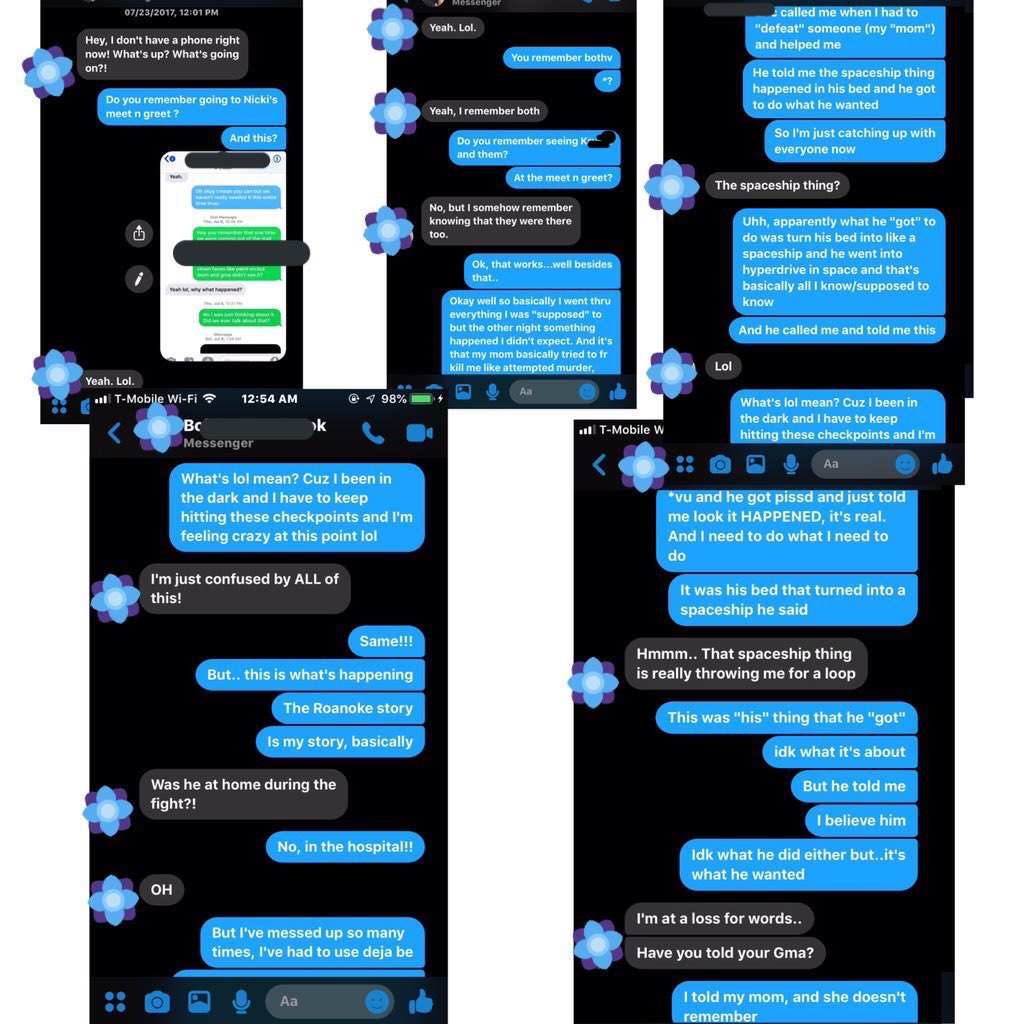
There’s more to her than you know, that I know.
1
ˢᴴᴱᴬᴹᴬ ᵀᴬᴮᴱ ᴰᴱᴬᴹ𝔤𝔬𝔡𝔡𝔢𝔰𝔰 𝔬𝔣 𝔤𝔬𝔯𝔢 retweeted

4 Sep 2025
People really just be out here bein whatever dawg, why the fuck are you a white lesbian Muslim cop like you know you not posed to be doin all that


1,608
18,507
301,692
14,336,922
ˢᴴᴱᴬᴹᴬ ᵀᴬᴮᴱ ᴰᴱᴬᴹ𝔤𝔬𝔡𝔡𝔢𝔰𝔰 𝔬𝔣 𝔤𝔬𝔯𝔢 retweeted

31 Aug 2025
The realest skit SNL has ever did. Nobody shifts the world like Beyoncé. Formation was unlisted on YouTube btw 😭
57
2,027
18,553
324,607

ˢᴴᴱᴬᴹᴬ ᵀᴬᴮᴱ ᴰᴱᴬᴹ𝔤𝔬𝔡𝔡𝔢𝔰𝔰 𝔬𝔣 𝔤𝔬𝔯𝔢 retweeted

16 Aug 2025
Samba is Brazil’s heartbeat today, a symbol of national pride, joy, and resilience. But its story begins far from the mainstream. Born on the fringes of Brazilian society, samba was once marginalized, tied to Afro-Brazilian communities whose traditions carried the rhythms of Africa across the Atlantic.
Rooted in drumming, dance, and call-and-response, samba drew heavily from West and Central African cultural forms, blending with local influences in Bahia and later flourishing in Rio de Janeiro’s favelas. What was once dismissed as the music of the poor and the Black population eventually rose to become Brazil’s cultural emblem, celebrated on the world stage through Carnaval, parades, and music that speaks to freedom and identity.
This is culture. 🇧🇷
🎥: archiveafrica
15
1,406
7,050
54,334
ˢᴴᴱᴬᴹᴬ ᵀᴬᴮᴱ ᴰᴱᴬᴹ𝔤𝔬𝔡𝔡𝔢𝔰𝔰 𝔬𝔣 𝔤𝔬𝔯𝔢 retweeted

1 Sep 2025
NEVER

366
1,782
9,423
231,680
ˢᴴᴱᴬᴹᴬ ᵀᴬᴮᴱ ᴰᴱᴬᴹ𝔤𝔬𝔡𝔡𝔢𝔰𝔰 𝔬𝔣 𝔤𝔬𝔯𝔢 retweeted

2 Sep 2025
A thread:
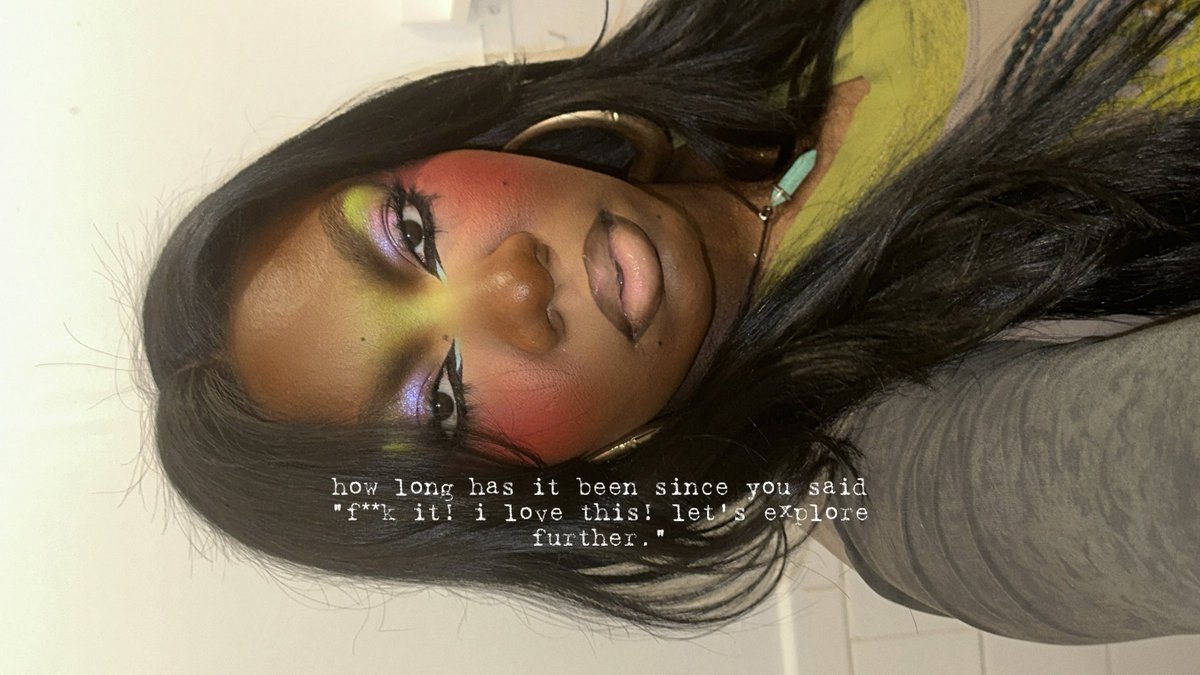
followed the beat of my own drum and continuing despite being bullied, mocked, stolen from, copied, not credited and more. look after look. impact after impact. influence after influence. trend set after trend set. .⋆. 𐙚 ˚⋆˚꩜。
do your thing despite the noise!
11
246
1,624
47,094
ˢᴴᴱᴬᴹᴬ ᵀᴬᴮᴱ ᴰᴱᴬᴹ𝔤𝔬𝔡𝔡𝔢𝔰𝔰 𝔬𝔣 𝔤𝔬𝔯𝔢 retweeted

31 Aug 2025
Again, I say to you,
Not even the wildest of hood niggas ever shot up a school.
2,349
16,657
151,957
6,510,478
ˢᴴᴱᴬᴹᴬ ᵀᴬᴮᴱ ᴰᴱᴬᴹ𝔤𝔬𝔡𝔡𝔢𝔰𝔰 𝔬𝔣 𝔤𝔬𝔯𝔢 retweeted

22 Jul 2025
i don’t care if i come off as insane because at least i’m being authentic and that’s all that matters to me bitch
21
3,862
8,942
434,545

21 Apr 2025
a time machine for what history has already recorded.. okay stupid
21 Apr 2025

You gotta get a Time Machine and ask them the hell are you arguing against people long gone for? Neither of us are Chinese anyway lol
59
ah naw, bring that ass here! #iaintblockedBIH!
this is so dumb & why u bitches are lost & STAY LOST.
MONEY AINT REAL MF. it’s a necessary tool for the society we live in but that shit is MADE TF UP & has nothin to do w/*LIFE*
“financial provider” isn’t real in the GIVEN world.

Men and women are different. A woman should prioritize family, a man should prioritize financial stability because he’s the provider, and they both should prioritize building together as one unit. This isn’t about who’s better, it’s about men and women needing one another.
1
69
"cock on his thigh" is making me cackle 😩
5 Mar 2023

That religious art shows a cock sitting on the person’s thigh, while the dancer has their bottom covered. gtfoh with your innate need to sexualize a person who is simply performing a beautiful classic dance.
1
245
ˢᴴᴱᴬᴹᴬ ᵀᴬᴮᴱ ᴰᴱᴬᴹ𝔤𝔬𝔡𝔡𝔢𝔰𝔰 𝔬𝔣 𝔤𝔬𝔯𝔢 retweeted

5 Mar 2023
So he got smacked on National TV, didn’t address it then, went into hiding out of embarrassment then waits a whole year to try to address it but couldn’t say it to his face?
11
64
609
35,382
ˢᴴᴱᴬᴹᴬ ᵀᴬᴮᴱ ᴰᴱᴬᴹ𝔤𝔬𝔡𝔡𝔢𝔰𝔰 𝔬𝔣 𝔤𝔬𝔯𝔢 retweeted

5 Mar 2023
If he was going to be mad a year later then he shoulda hit him back, idk🤭


51
952
11,974
627,411
ˢᴴᴱᴬᴹᴬ ᵀᴬᴮᴱ ᴰᴱᴬᴹ𝔤𝔬𝔡𝔡𝔢𝔰𝔰 𝔬𝔣 𝔤𝔬𝔯𝔢 retweeted
4 Mar 2023
Maybe im simply not a good woman.
3 Mar 2023

i’ll buy my nigga whatever nvr told a nigga imma see what i can do!
1
9
66
13,281
ˢᴴᴱᴬᴹᴬ ᵀᴬᴮᴱ ᴰᴱᴬᴹ𝔤𝔬𝔡𝔡𝔢𝔰𝔰 𝔬𝔣 𝔤𝔬𝔯𝔢 retweeted

2 Mar 2023
They say this, then ban books, Black history, reproductive rights, and try to legislate LGBTQIA people out of existence.


1,576
7,743
55,643
3,309,659
that coat with those boots is so 👩🏿🍳💋🤌🏿

103

ˢᴴᴱᴬᴹᴬ ᵀᴬᴮᴱ ᴰᴱᴬᴹ𝔤𝔬𝔡𝔡𝔢𝔰𝔰 𝔬𝔣 𝔤𝔬𝔯𝔢 retweeted

4 Mar 2023
Also, everybody should be paying attention this new WorkDay lawsuit.
75
2,277
8,215
712,503
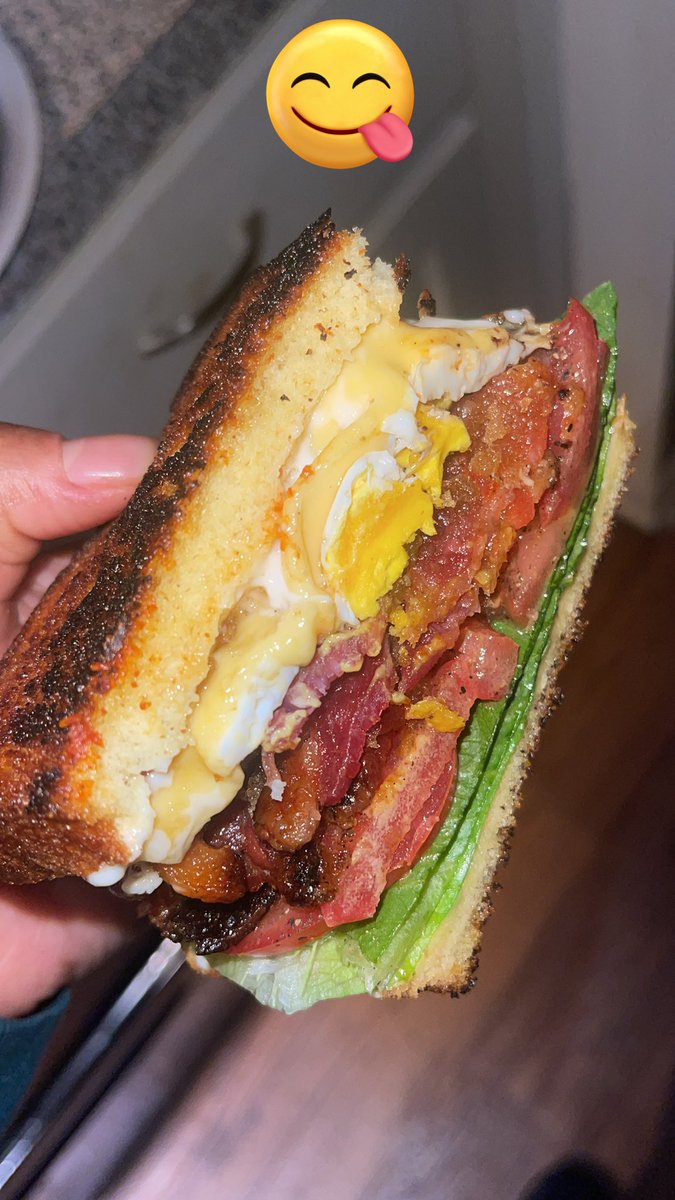
it's a BLT with egg and y'all need the recipe LMFAOOO
i see why y'all need somebody cuz what? 😭
2 Mar 2023

I be quiet when y’all talk about what you wouldn’t do for your man, bc this the exact sandwich I’m making at 3am 🤣
1
89