
A training institute specialising in data management and analytics, data governance and strategy, AI and machine learning, data science, and data engineering
Joined January 2024
- Tweets 273
- Following 16
- Followers 439
- Likes 181
148 Photos and videos

Pinned Tweet

2 Jul 2025
At Dataphyte Academy, we meet that need with practical, hands-on courses built for:
* Journalists and newsrooms
* Researchers and NGOs
* Policy advocates and CSOs
* Government agencies and private organisations
* Students and curious learners



1
1
1
222
Dataphyte Academy retweeted

Today, for @DataphytAcademy, we will start a new series on understanding data and its interpretation ahead of Nigeria's 2027 election. Journalists & Researchers interested in numbers aside from general incident reporting
Register now: bit.ly/eds1, Class starts: 10 am

3
5
50
Dataphyte Academy retweeted

As Nigeria prepares for the 2027 General Elections, understanding election data has never been more important.
This Saturday, Dataphyte Academy launches its new monthly series, Election Data Lab 1.0, designed to equip citizens, journalists, researchers, and democracy advocates with the skills to make sense of election results and statistics.
Topic: Understanding and Interpreting Election Results and Statistics
Learn how to analyse vote totals, percentages, voter turnout rates, margins of victory, and election trends to draw accurate, data-driven conclusions.
Date: 13 June 2026
Time: 10:00 AM
Venue: Zoom
Register now: bit.ly/eds1
Join us as we explore the numbers behind elections and strengthen data-driven civic engagement ahead of 2027.
#ElectionDataLab #DataphyteAcademy #ElectionData #Nigeria2027 #DataForDemocracy #CivicEngagement

5
9
172
This Saturday, we will launch our monthly series, Election Data Lab 1.0, designed to equip citizens, journalists, researchers, and democracy advocates with the skills to make sense of election results and statistics.
Register: bit.ly/eds1
#ElectionData #Nigeria2027
1
12
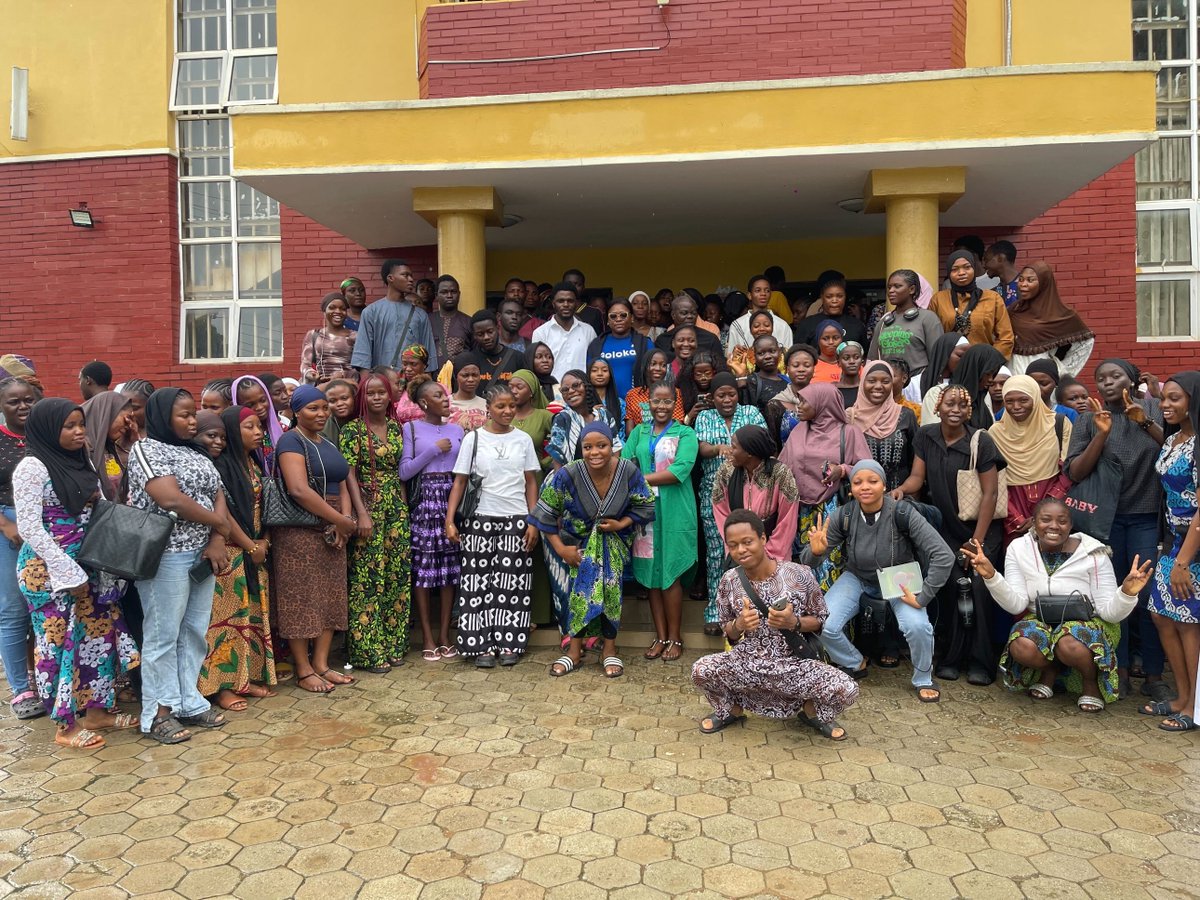
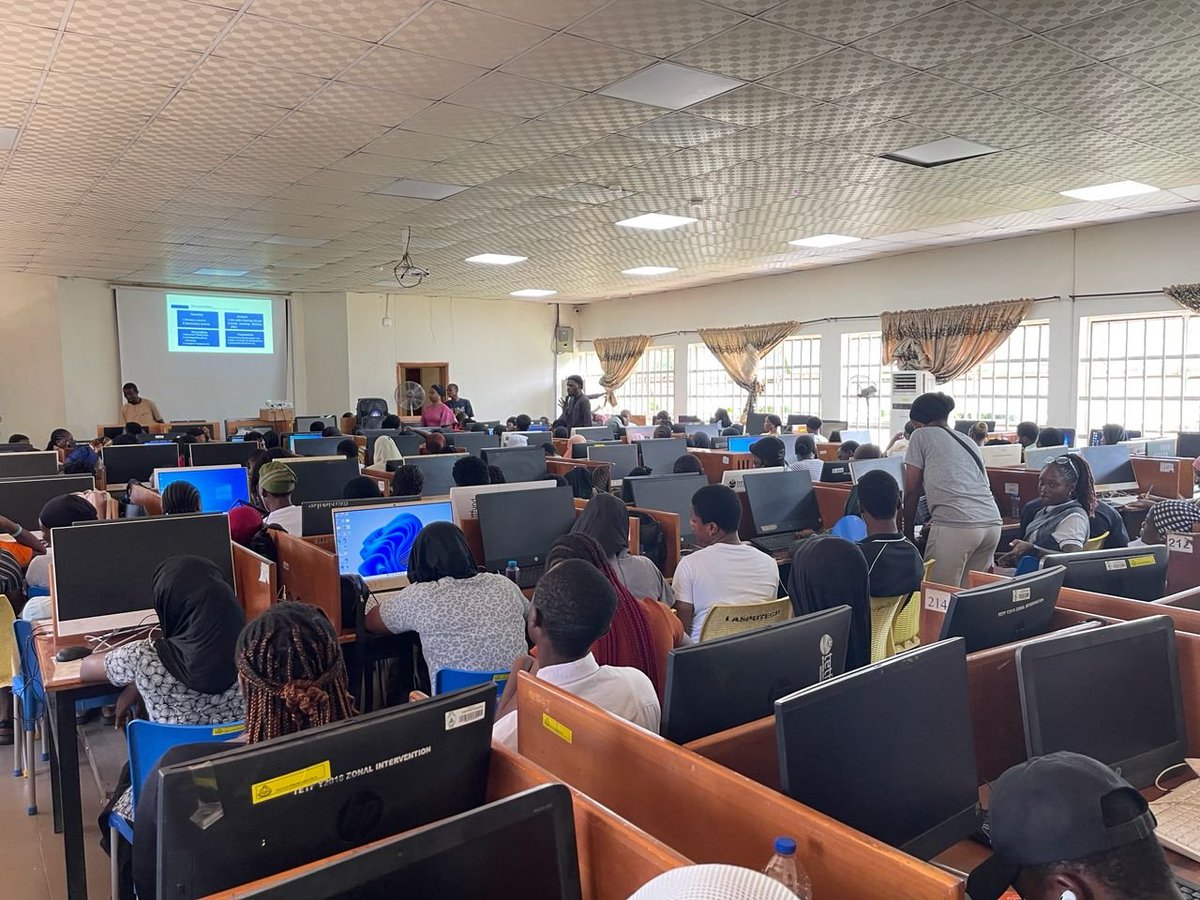
The Department of Mass Communication, @realLasustech has partnered with Dataphyte Academy to equip 300-level students on data journalism in a 2-day training on theoretical foundations & practical skills in data-driven storytelling and data visualisation.
guardian.ng/news/lasustech-d…
1
23
Last week, the Academy Team engaged mass communication student of @realLasustech on a two-day training on data journalism, analytics and visualization. This initiative is part of @Dataphytefdn commitment to strengthening the data journalism ecosystem and the next generation
1
19
Dataphyte Academy retweeted
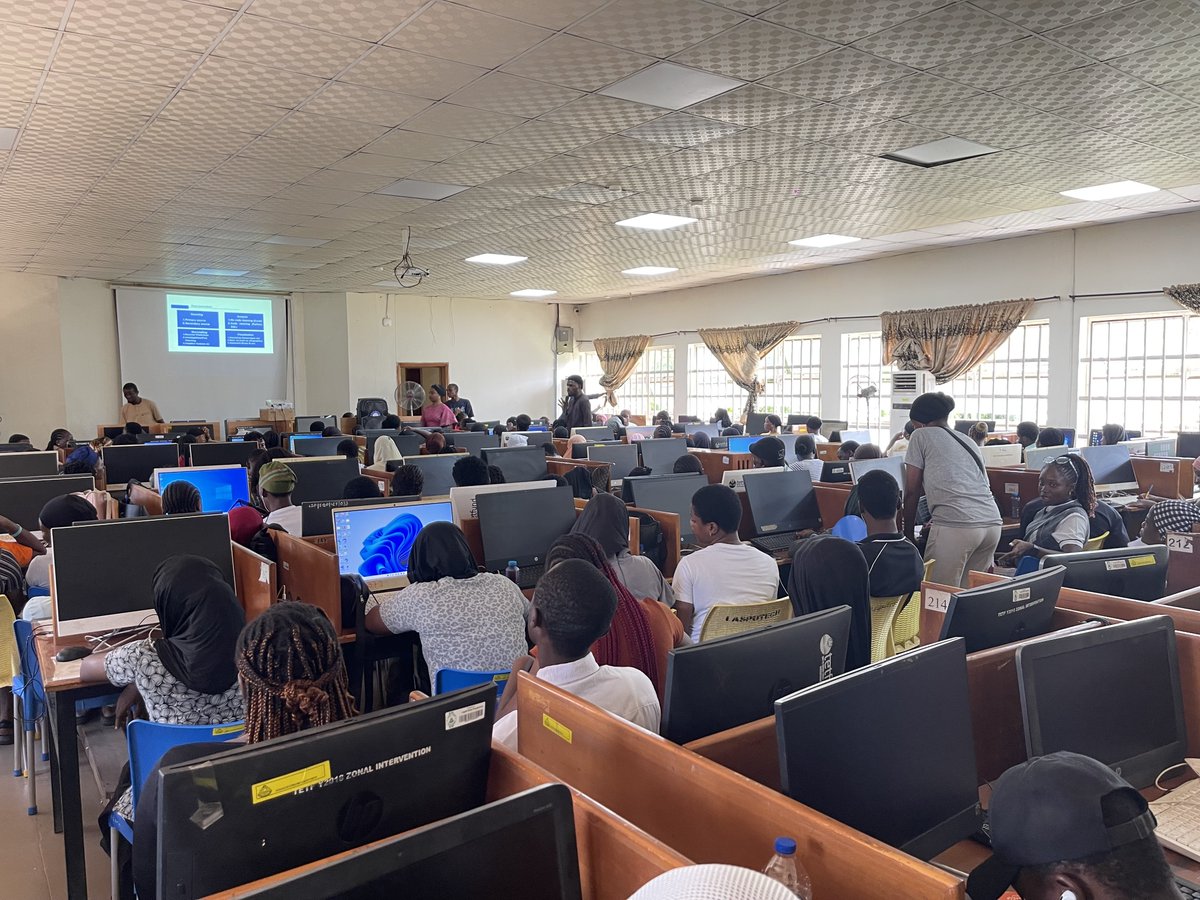
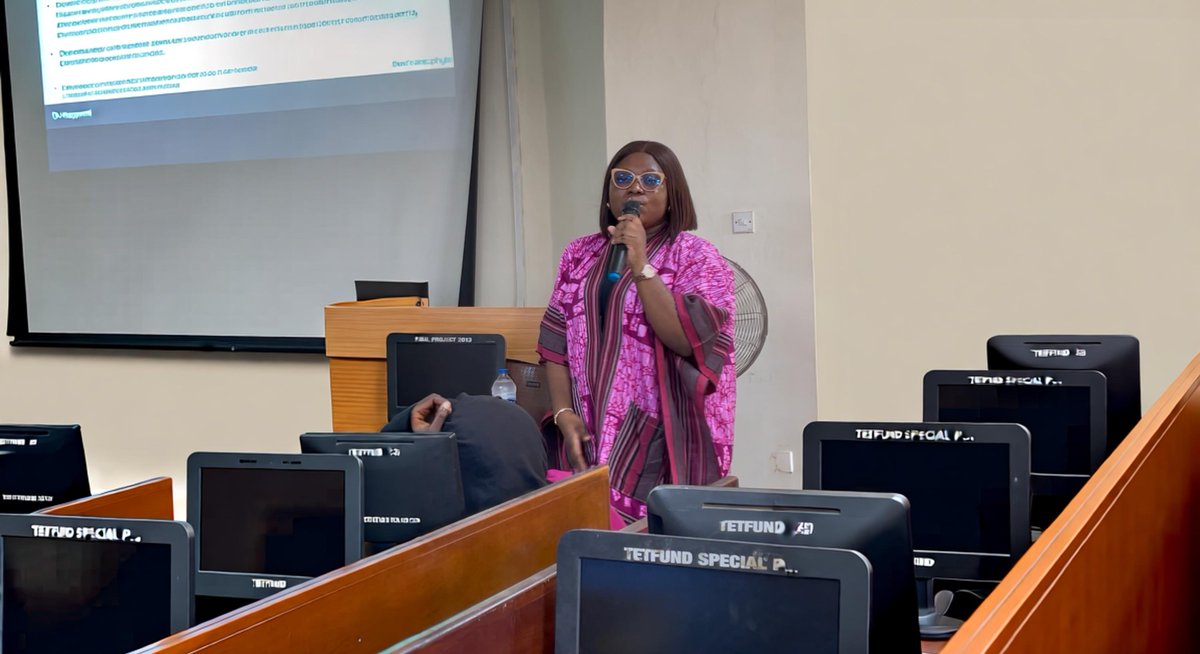
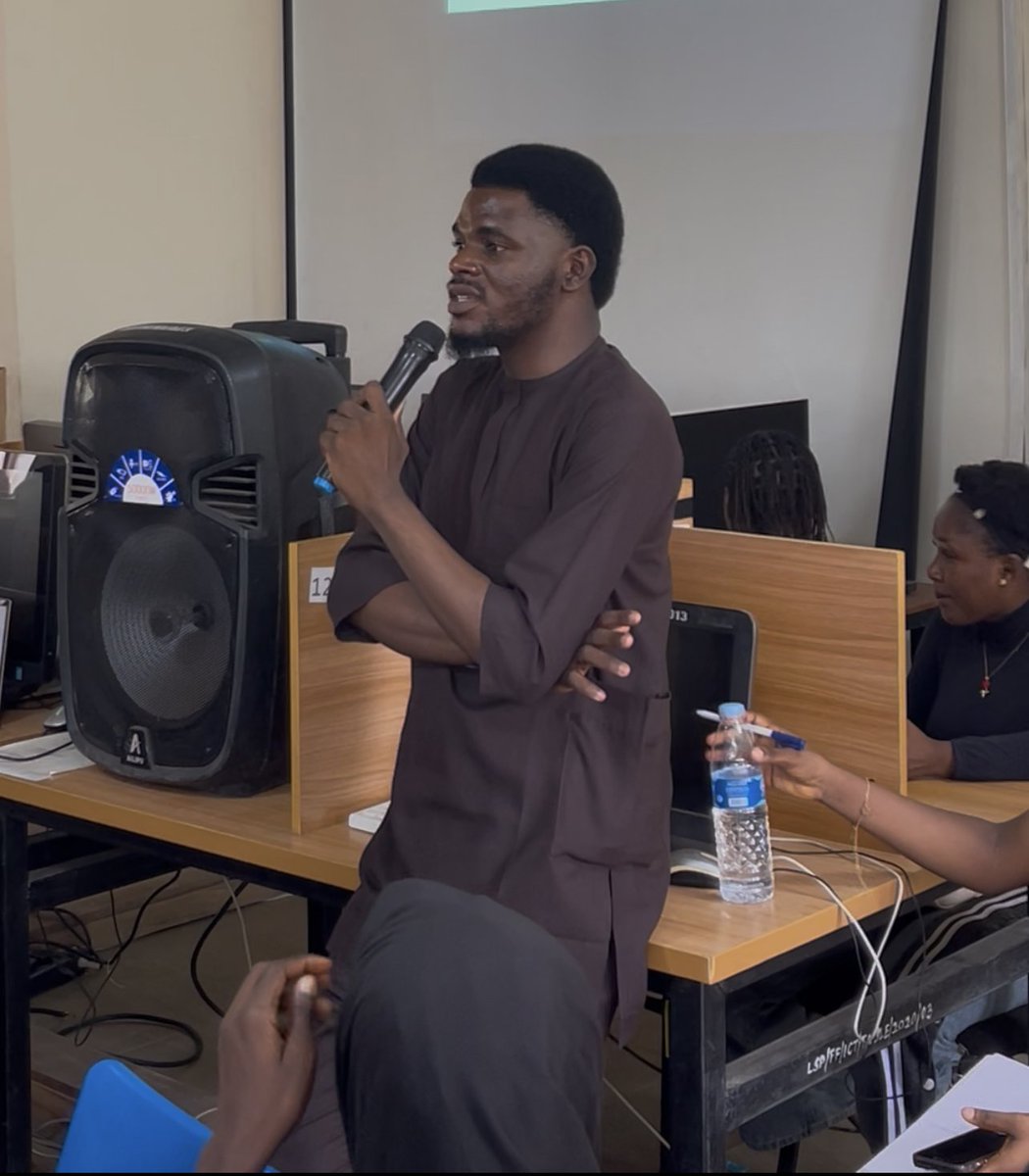
Today at the Lagos State University of Science and Technology, Dataphyte Foundation commenced a two-day training for students of communication department on data journalism, data analysis and visualisation, data storytelling, fact-checking, and the principles and processes of quality data journalism.
Our Head of PRC, Khadija Kareem during her session on why data journalism matters, emphasised the critical role of data in strengthening journalism and how data journalism helps journalists move beyond anecdotal reporting to, provide context, combat misinformation, and tell more accurate, and impactful stories.
Also, @DataphytAcademy Coordinator - Kehinde Ogunyale (@Prof_KennyJames) took the students through the processes of telling a data-driven story and the basic data analysis techniques.
This initiative is part of Dataphyte’s commitment to strengthening the data journalism ecosystem and nurturing the next generation of aspiring data journalists in Nigeria’s media landscape.
1
4
17
251
Dataphyte Academy retweeted
As we join the rest of the world to mark Workers’ Day, we’re taking a moment to celebrate our own people, the Humans behind Dataphyte
We’re proud of this team. A group of dedicated, thoughtful, and hardworking individuals who show up every day and give their best. Each of you brings something unique, and that’s what makes this place what it is.
Looking back, there’s so much to be proud of, the work we’ve done, the stories we’ve told, and the impact we’ve made together.
Let today be a moment to slow down and appreciate the fruits of your labour. Spend meaningful time with family and friends, rest deeply, and embrace the fullness of the moment.
Happy Workers’ Day.

1
5
20
600
Dataphyte Academy retweeted
Our academy coordinator, Kehinde Ogunyale (@Prof_KennyJames) was on Real FM 99.3 Abuja to discuss @Dataphyte's research on the Citizen Delivery Tracker (CDT) , developed by the Central Results Delivery Coordination Unit (@CRDCUPolicyFGN ) in partnership with @AccountLab.
The conversation was centred on the theme “You reported it. CDT recorded it. Did the government act?” and examined the effectiveness of citizen reporting mechanisms in driving government accountability and improvements in service delivery.
Our findings show there is strong public interest in accountability, but very low awareness and usage of the platform. About 82% of respondents said they are interested in tracking government performance, and 83% actively look for information about government activities. Yet 64% of them have never even heard of the CDT, and 74% have never used it. This gap between interest and actual usage points to a major awareness problem.
Among the small number of people who have used the platform, the experience is largely positive. Around 54% said the CDT is useful, and 87% found it easy to navigate. This suggests the platform itself is not the main issue, but rather how little it is known or accessed.
Citizen reporting across key sectors like insecurity, healthcare, education, and finance remains low, which weakens the system’s ability to drive accountability. Even when reports are made, only about one in three complaints are resolved either fully or partially, raising concerns about how serious feedback is being handled.
On the institutional side, adoption is inconsistent. Some Ministries, Departments, and Agencies (MDAs) are actively engaged, while others are not integrated into the system at all. Access is also highly centralised, meaning many MDAs cannot directly view or respond to complaints and must rely on the CRDCU to mediate. This slows down response time and reduces effectiveness.
There are also technical and operational gaps. The platform lacks strong analytics, real-time dashboards, automation, and a mobile-friendly experience, all of which limit its reach and performance in a country where many users rely on mobile access.
Overall, the CDT reflects a high-demand, low-usage reality. Nigerians clearly want accountability, but the systems meant to support it are not yet reaching enough people or delivering consistent results. With better awareness, decentralised access for MDAs, improved data systems, and stronger follow-through on complaints, the CDT could become a powerful tool for tracking government performance and improving service delivery.


1
3
16
355
Dataphyte Academy retweeted

Feb 24
In this virtual workshop, @DataphytAcademy’s @Prof_KennyJames shares tips on analyzing spreadsheets, turning datasets into stories, finding data on any issue, and tools for analyzing complex datasets.
Details in GIJN's Africa newsletter for January 👇 twp.ai/4iuUr3
3
4
334
Dataphyte Academy retweeted

Feb 21
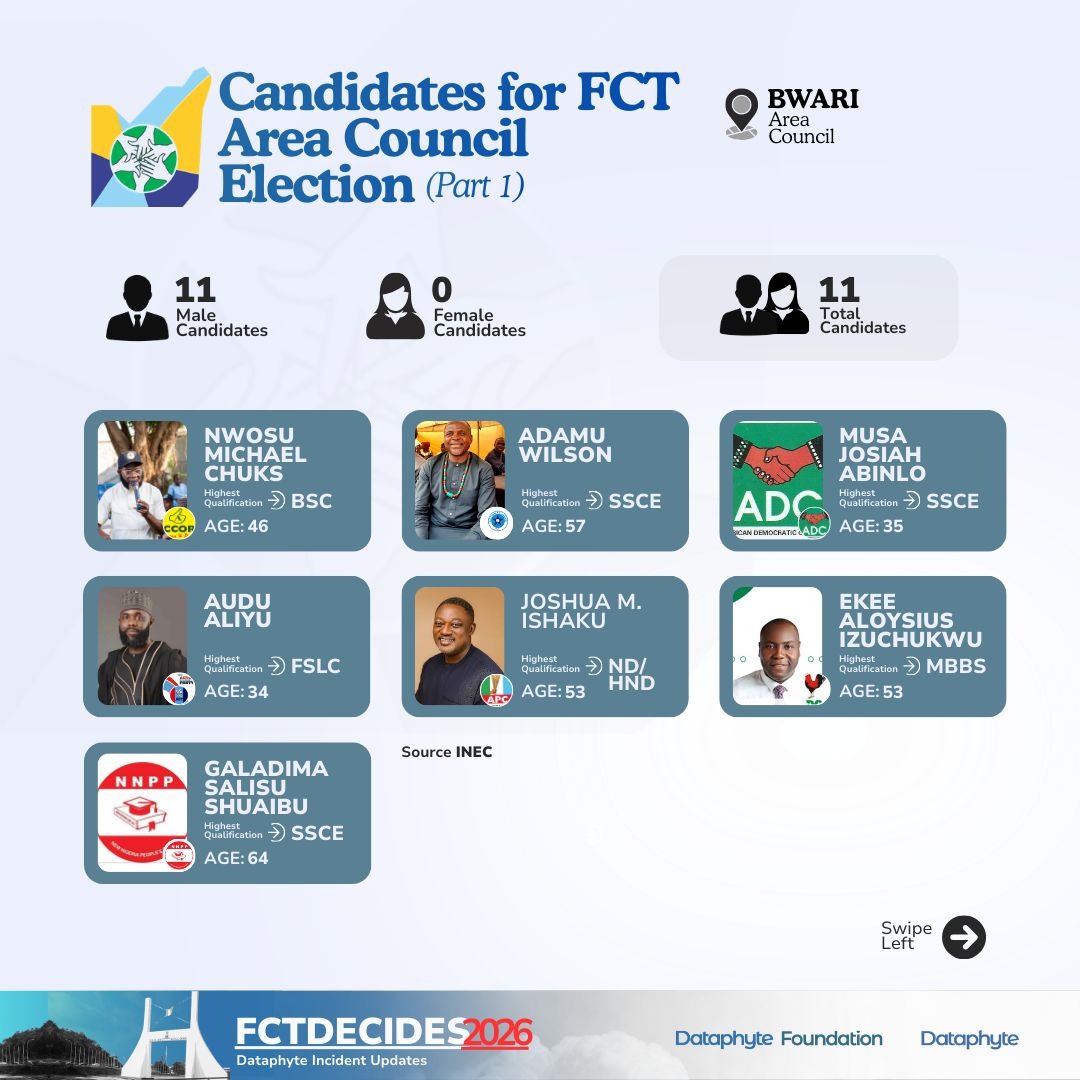
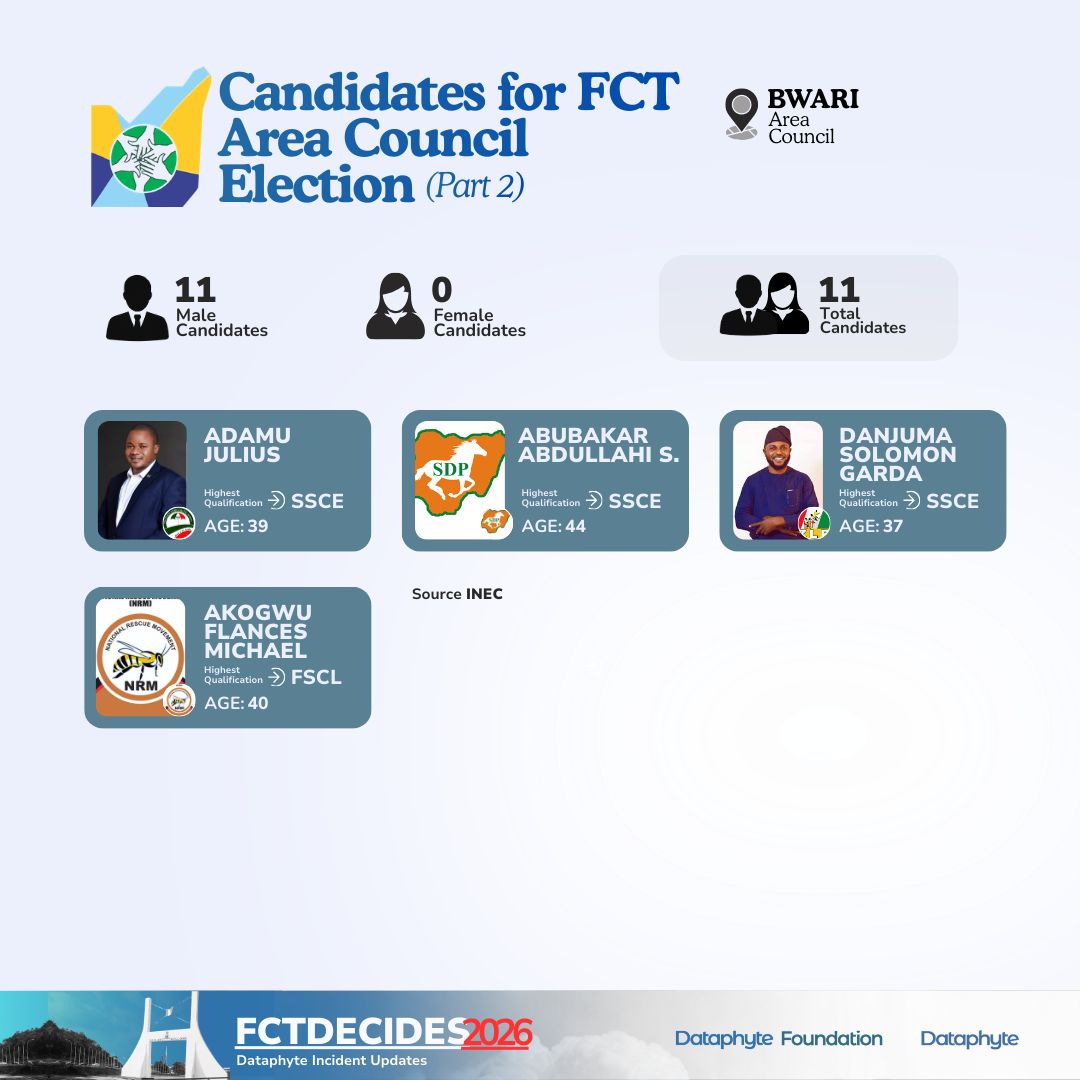
Meet the chairmanship candidates for Bwari Area Council.
In the Bwari Area Council, 11 candidates representing 11 political parties are contesting for the chairmanship position.
No female candidates among the 11 candidates.
#fctelections2026 #elections #Dataphyte
3
3
159
Dataphyte Academy retweeted
Feb 21
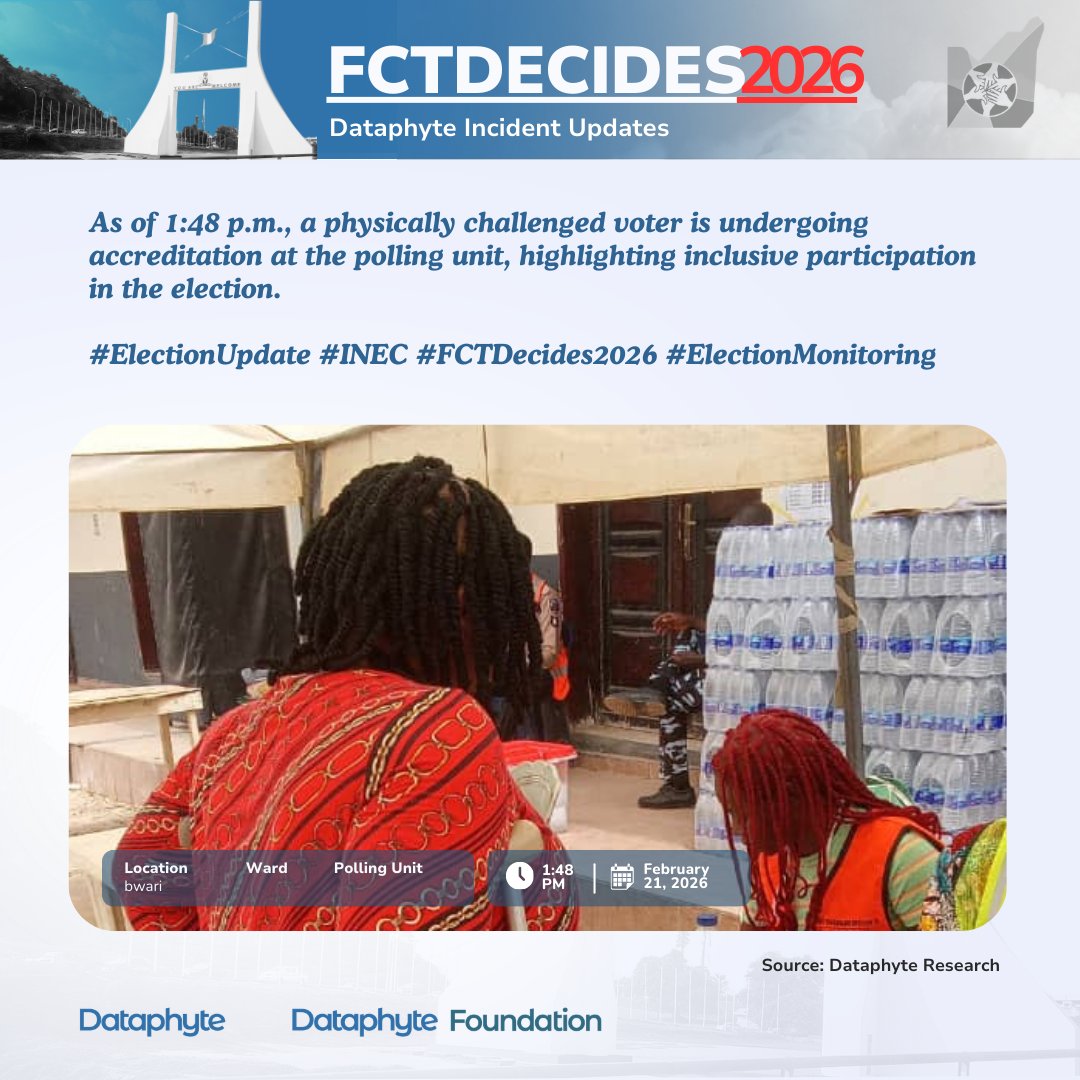
As of 1:48 p.m., a physically challenged voter is undergoing accreditation at the polling unit, highlighting inclusive participation in the election.
#ElectionUpdate #INEC #FCTDecides2026 #ElectionMonitoring
1
2
207
Dataphyte Academy retweeted
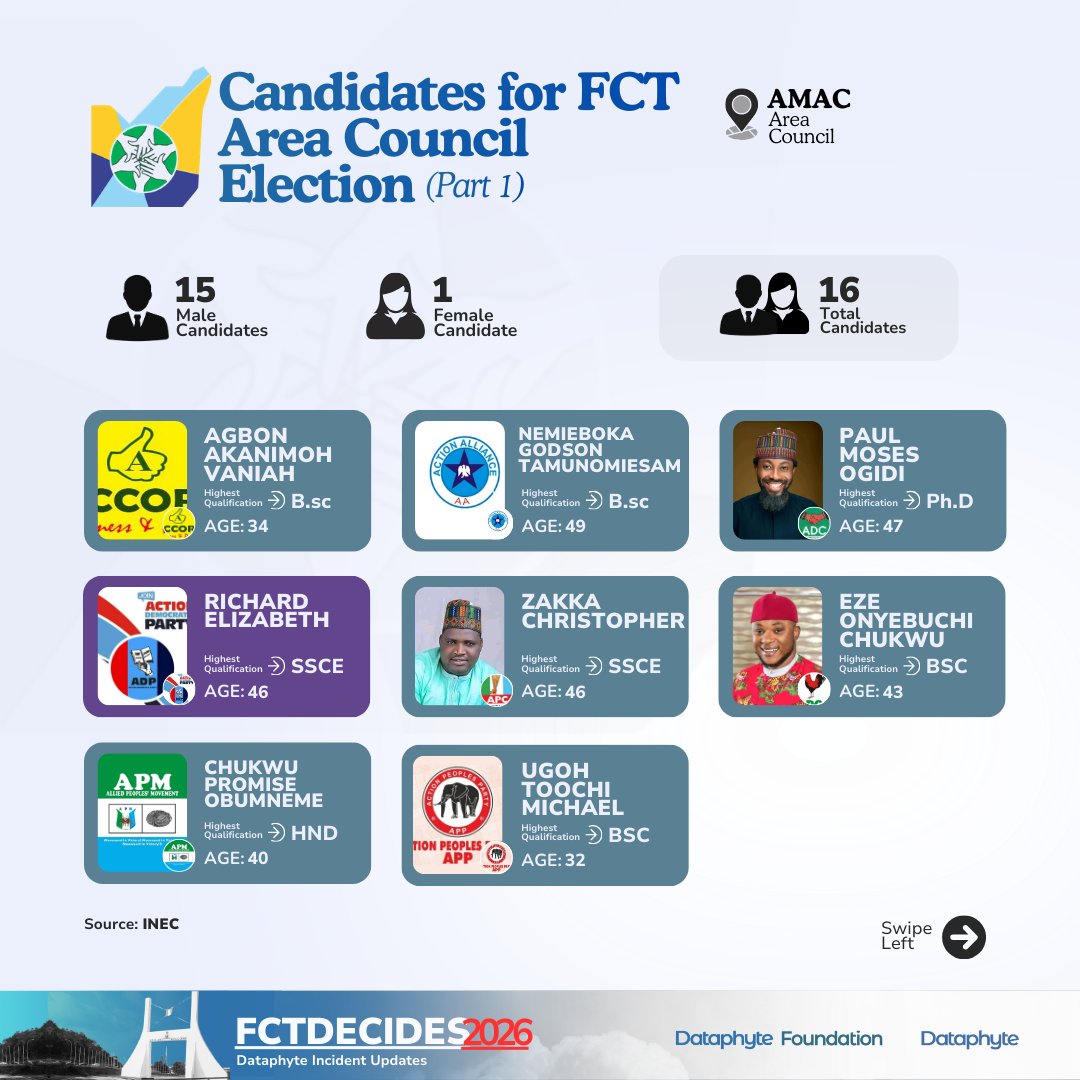
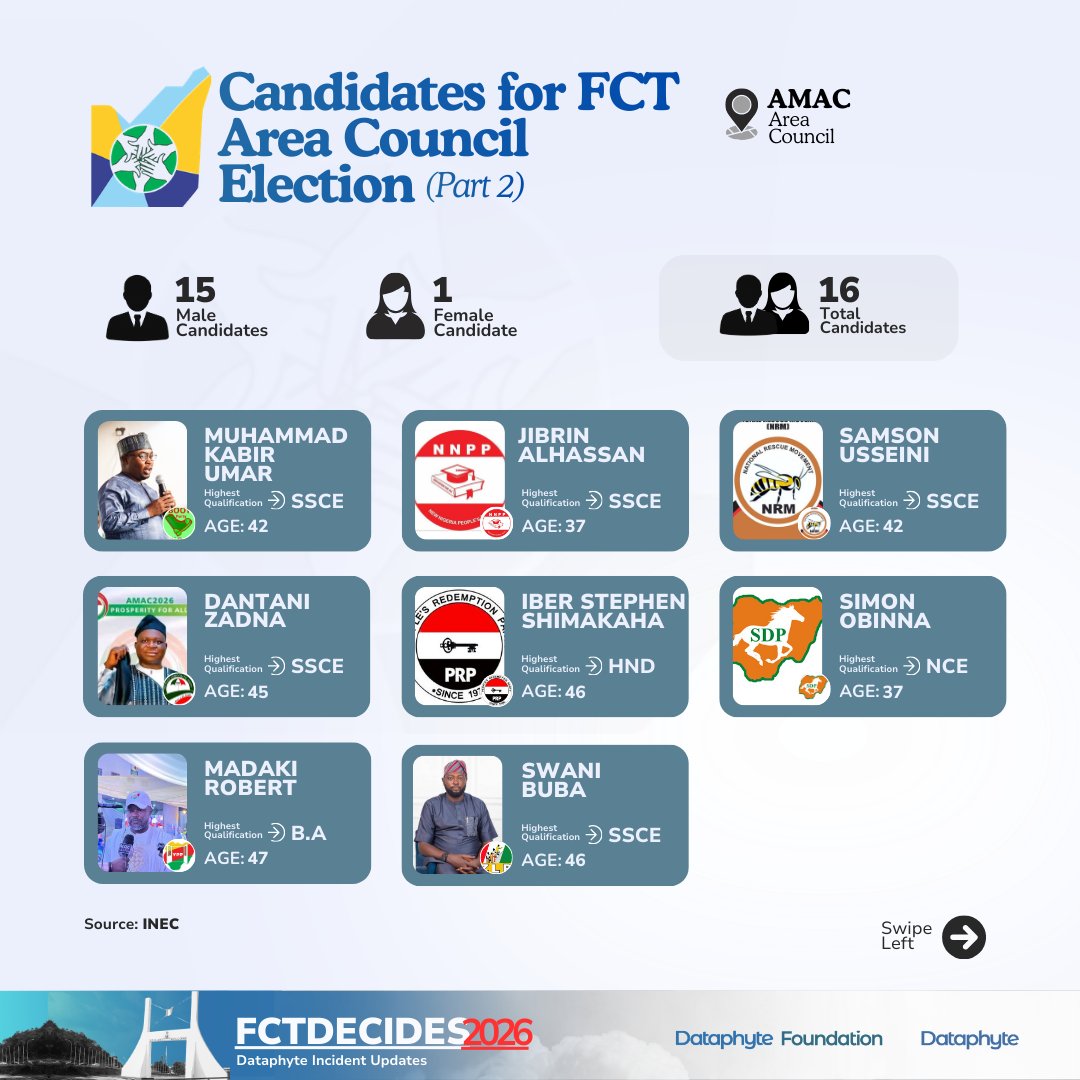
Meet the chairmanship candidates for the AMAC Area Council election.
In the AMAC Area Council, 16 candidates representing 16 political parties are contesting for the chairmanship position.
Only one out of the 16 candidates is female.
#fctelections2026 #elections #Dataphyte
1
2
4
758
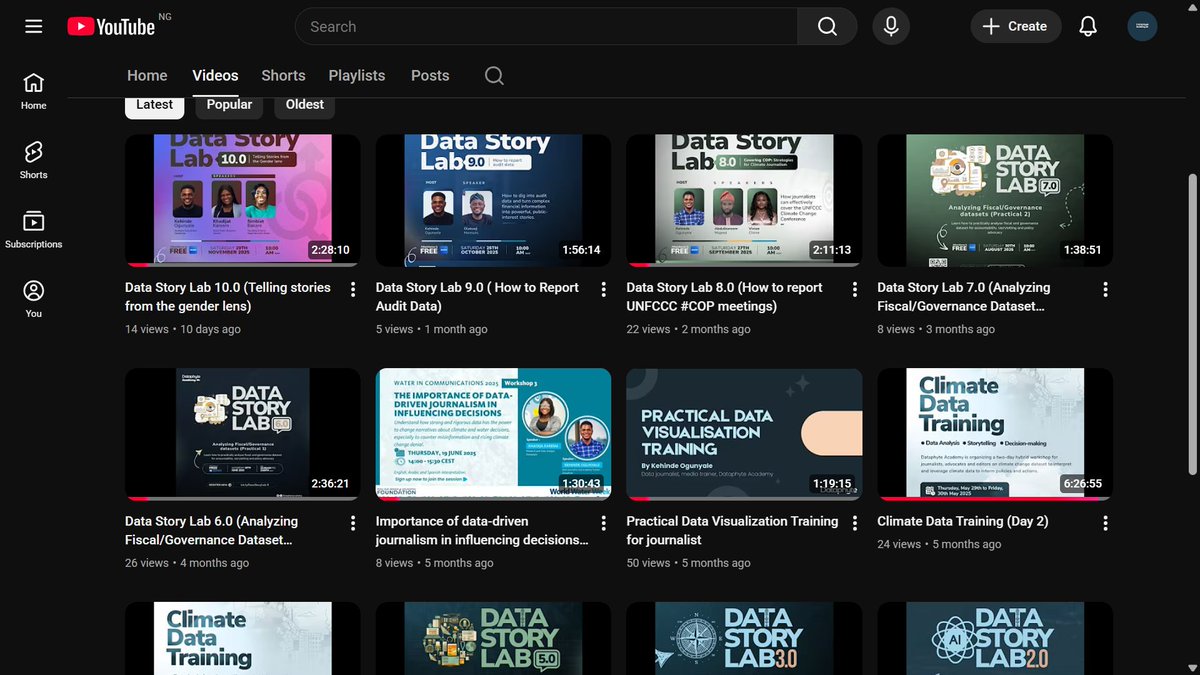
Looking to strengthen your understanding of data, policy, and research methods? 🎓
Our YouTube channel offers in-depth videos designed to build real skills and insight, perfect for journalists, researchers, and professionals alike.
Start watching here ▶️ youtube.com/@DataphyteAcadem…
1
2
74
Dataphyte Academy retweeted
Jan 10
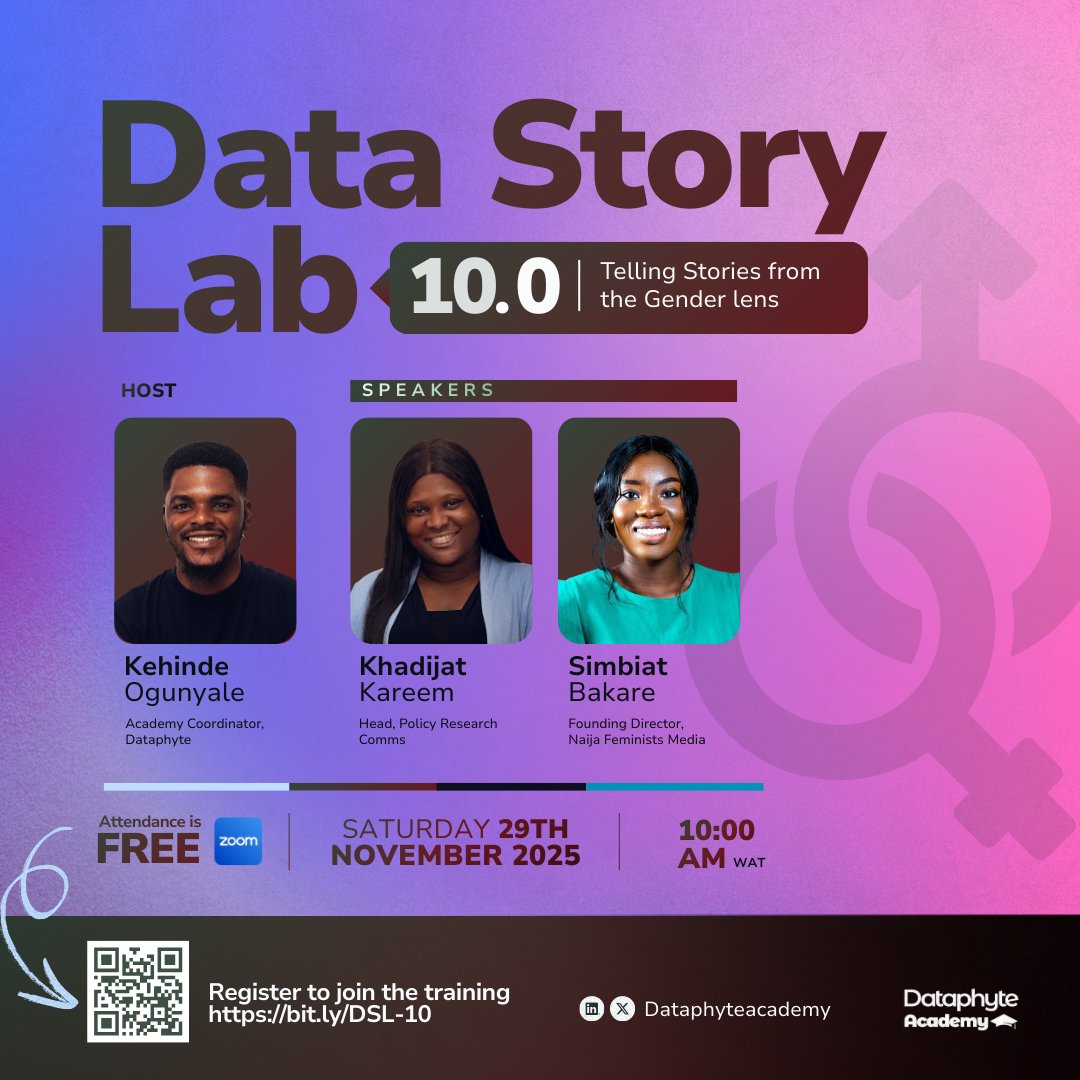
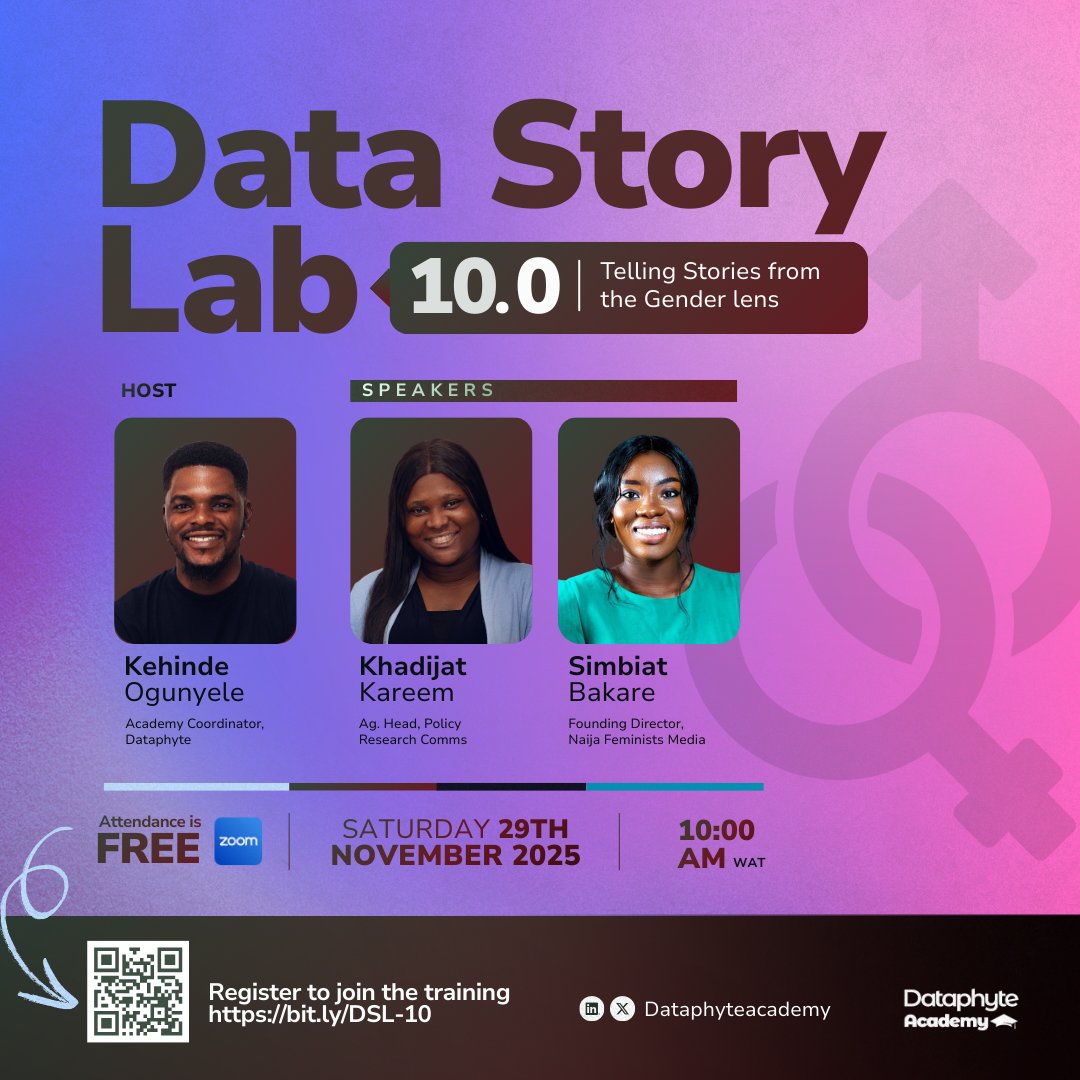
In 2025, @DataphytAcademy's #DataStoryLab delivered a series of lessons, equipping participants with toolkits and resources to report on a wide range of issues using data.
All their videos are available on YouTube. twp.ai/4itZyo
1
2
472
Dataphyte Academy retweeted
28 Dec 2025
Missed @DataphytAcademy's #DataStoryLab on December 20?
@Prof_KennyJames guided participants on practical steps it takes to report data-driven stories on any issue.
You can watch the full recording here 👇: twp.ai/4iuC33
4
3
574
22 Dec 2025
ICYMI: #DataStoryLab 11.
Our recording is now available online for you to watch: youtu.be/9fnqb527qQosi=H41kW…
16 Dec 2025

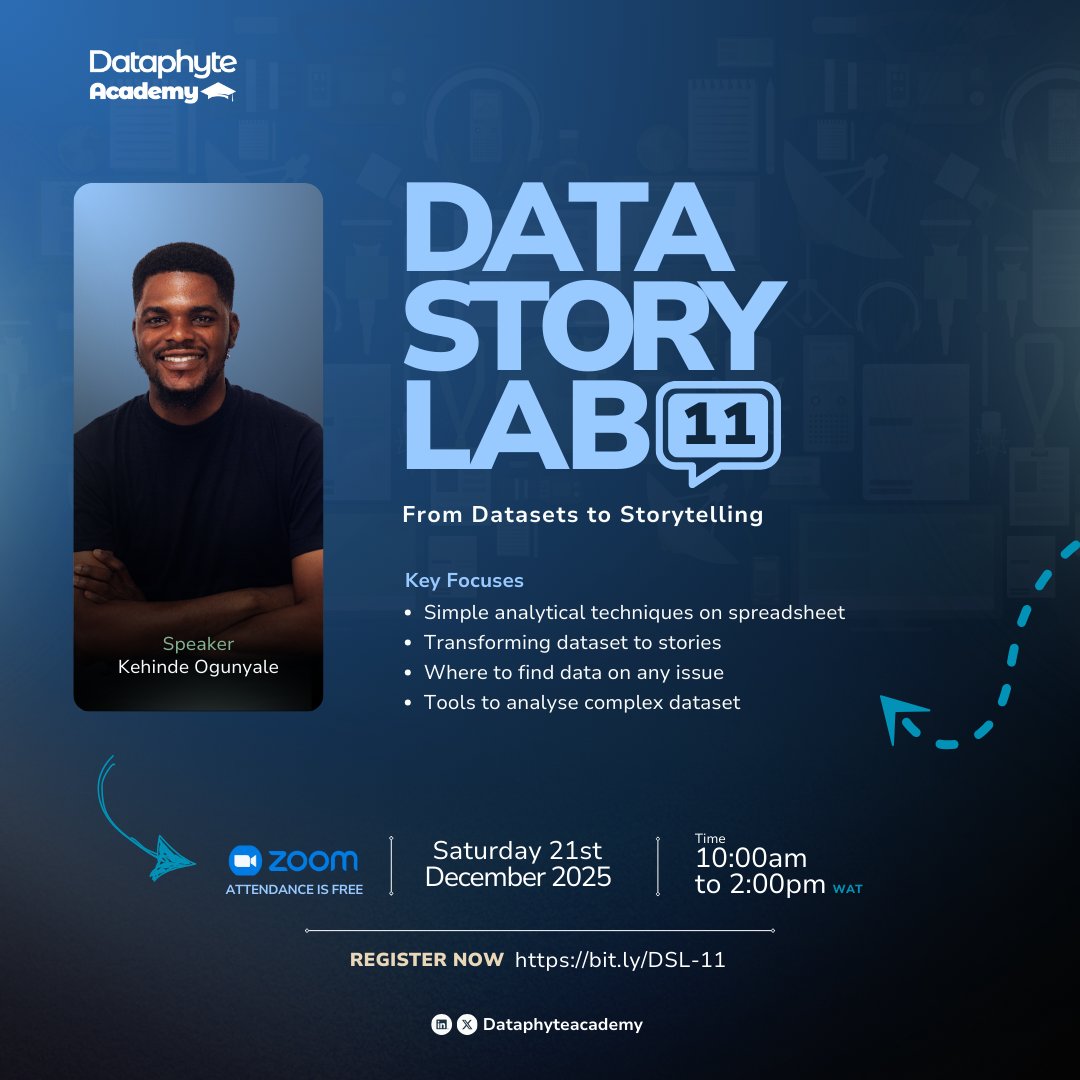
As we wrap up this year, our #DataStoryLab would focus on how to turn raw data into compelling stories.
@Prof_KennyJames would guide participants on practical steps it takes to report data-driven stories on any issue.
Register here: bit.ly/DSL-11
42
19 Dec 2025
We have one more day to go for our #DataStoryLab which would focus on how to turn raw data into compelling stories.
What to learn:
• Simple analytical techniques using spreadsheets
• How to transform datasets into powerful stories
and many more
👉bit.ly/DSL-11
1
80
16 Dec 2025
As we wrap up this year, our #DataStoryLab would focus on how to turn raw data into compelling stories.
@Prof_KennyJames would guide participants on practical steps it takes to report data-driven stories on any issue.
Register here: bit.ly/DSL-11
1
3
247
Dataphyte Academy retweeted
14 Dec 2025
Over the past year, @DataphytAcademy's #DataStoryLab has delivered a series of lessons, equipping participants with toolkits and resources to report on a wide range of issues using data.
All their videos are available on YouTube. youtube.com/@DataphyteAcadem…
1
3
316
10 Dec 2025
Over the past year, the #DataStoryLab has delivered a series of lessons, equipping participants with toolkits and resources to report on a wide range of issues using data.
All our videos are available on YouTube: youtube.com/@DataphyteAcadem…
ALT Data Story Lab
1
2
171