
Director of Economics & Economic Freedom at AIER, Aff. Scholar with Acton Institute and Mackinac Center, husband, and father. Views my own.
Joined January 2009
- Tweets 1,264
- Following 559
- Followers 860
- Likes 1,009
197 Photos and videos
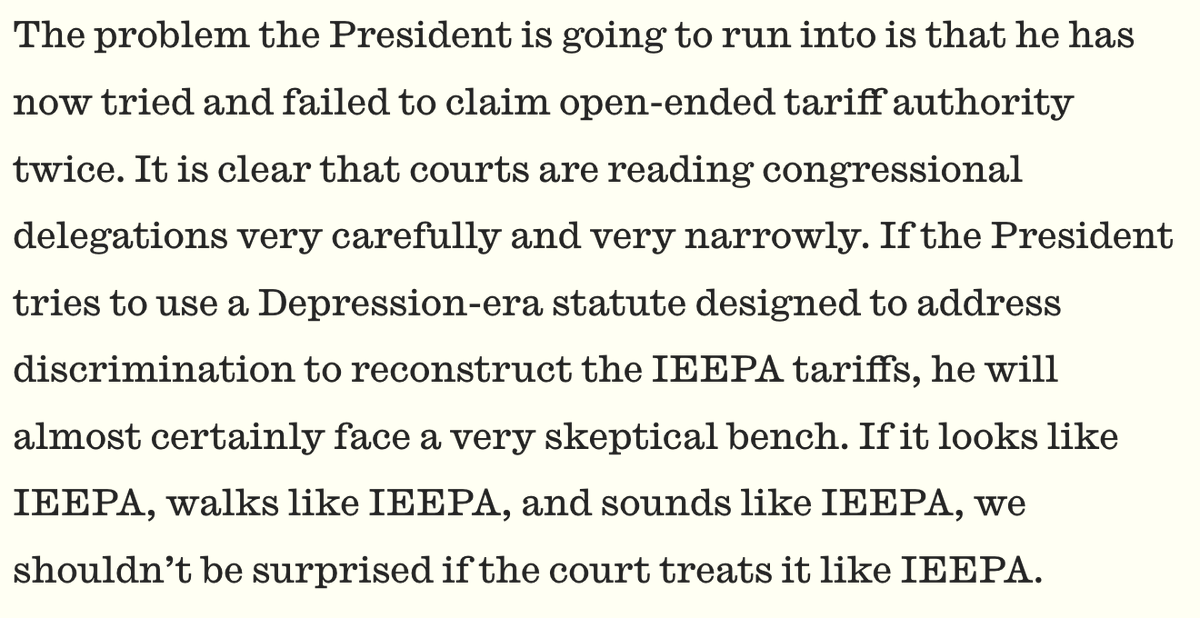
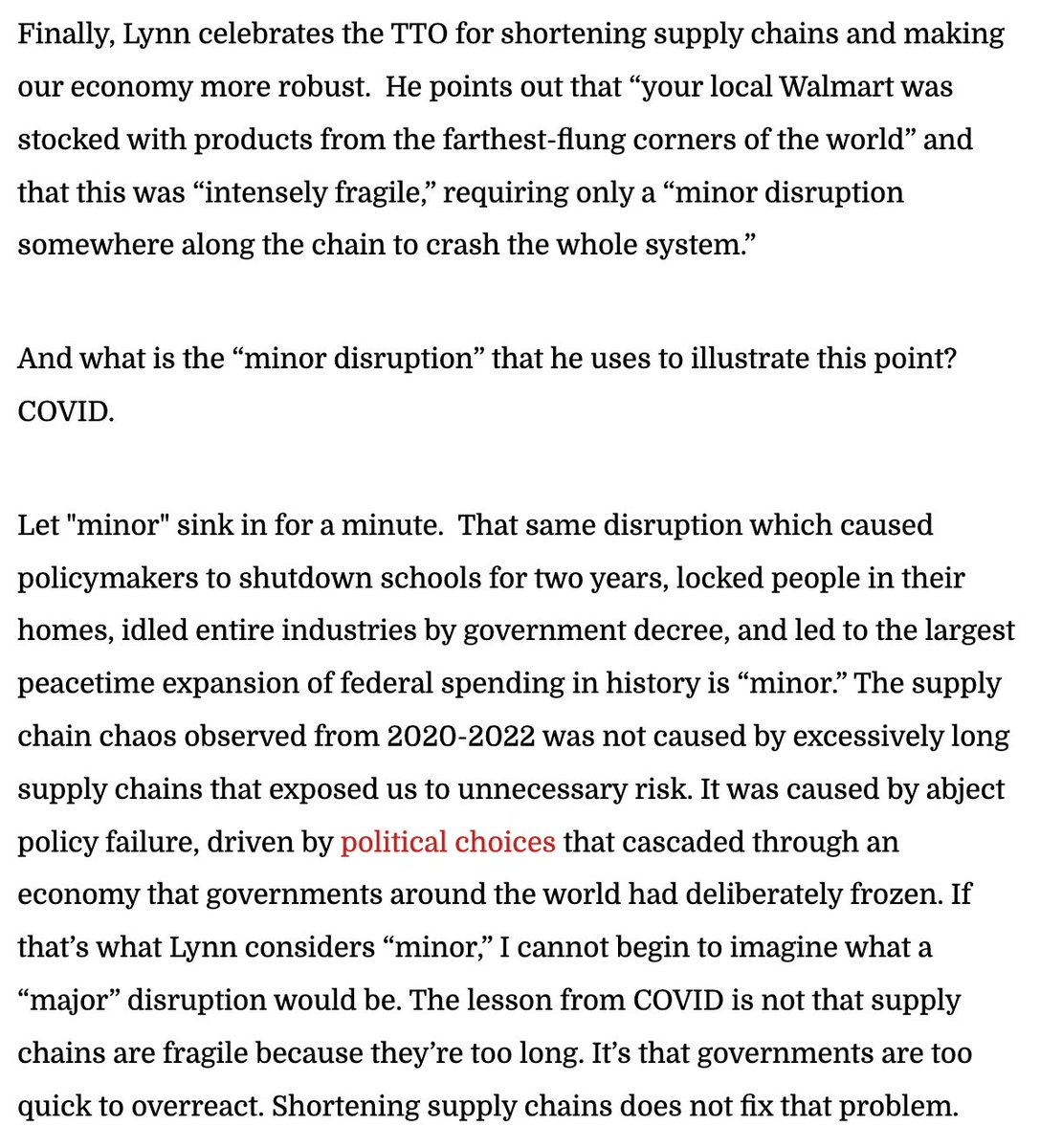
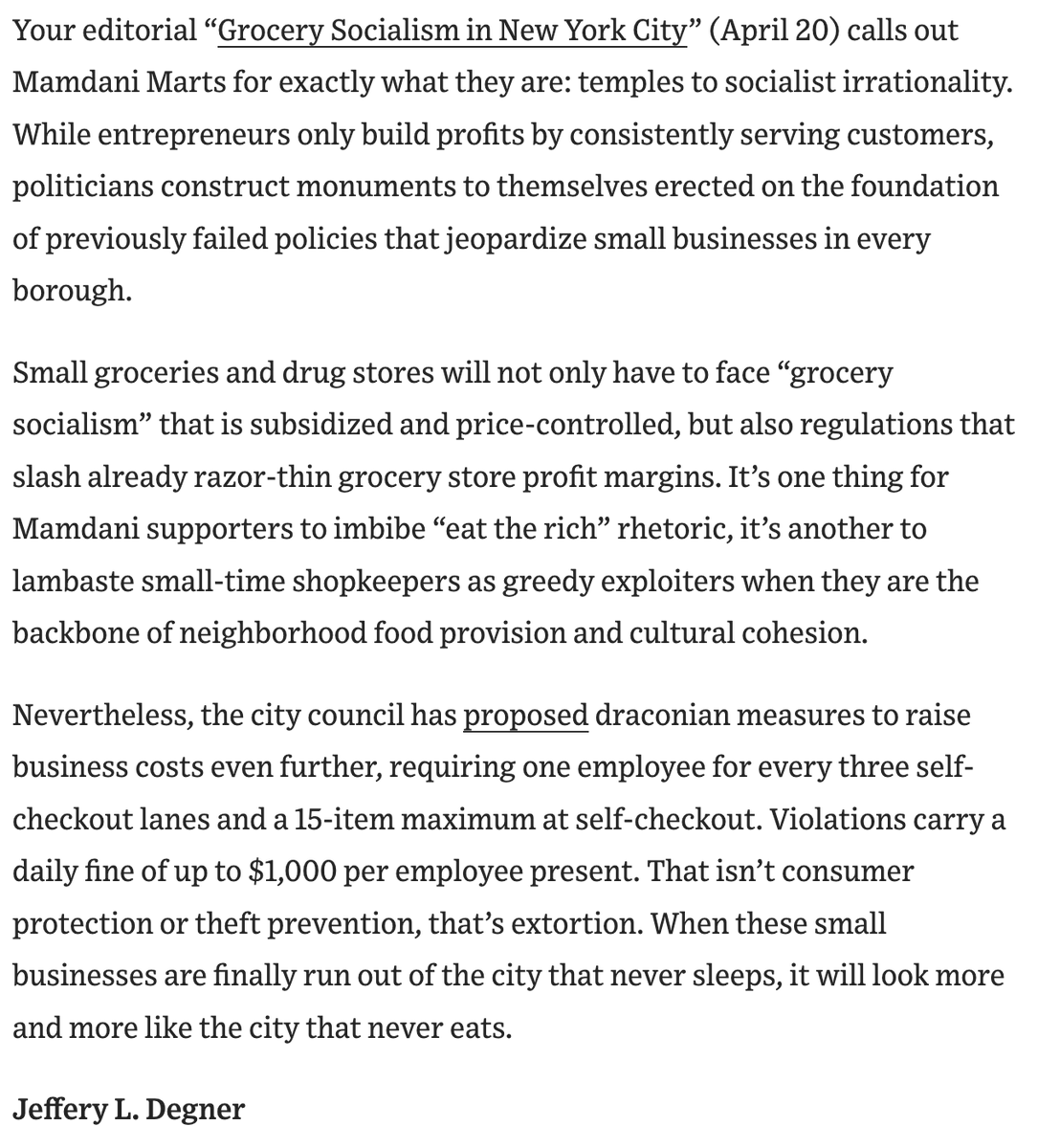
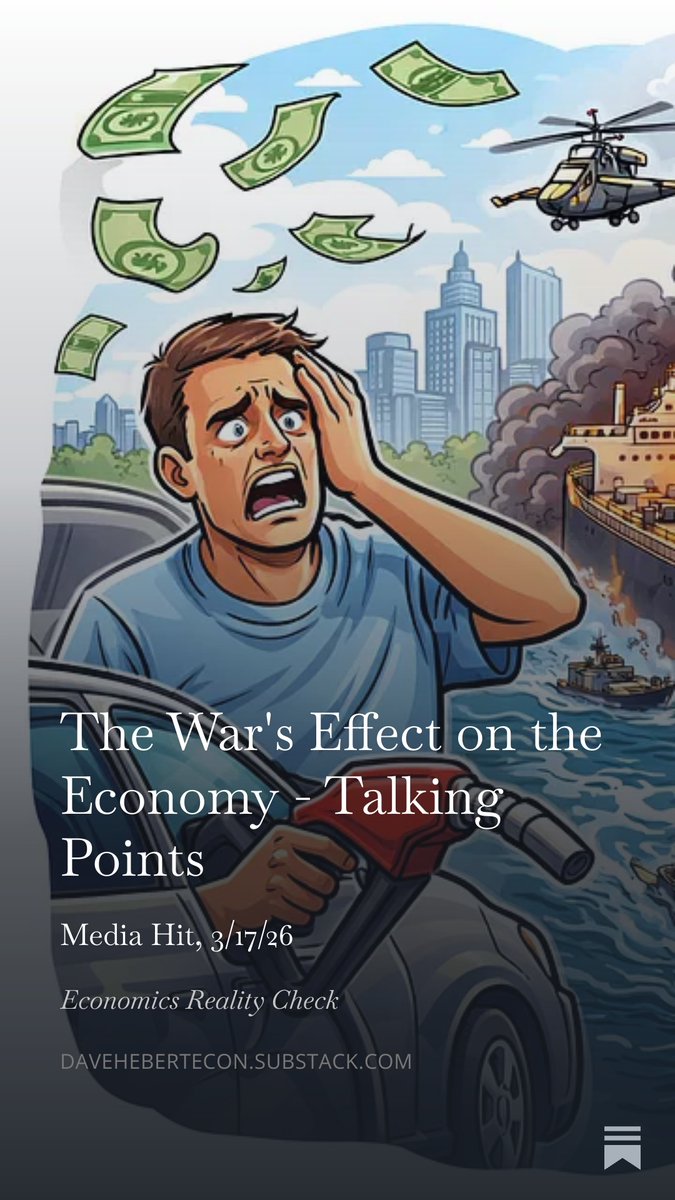
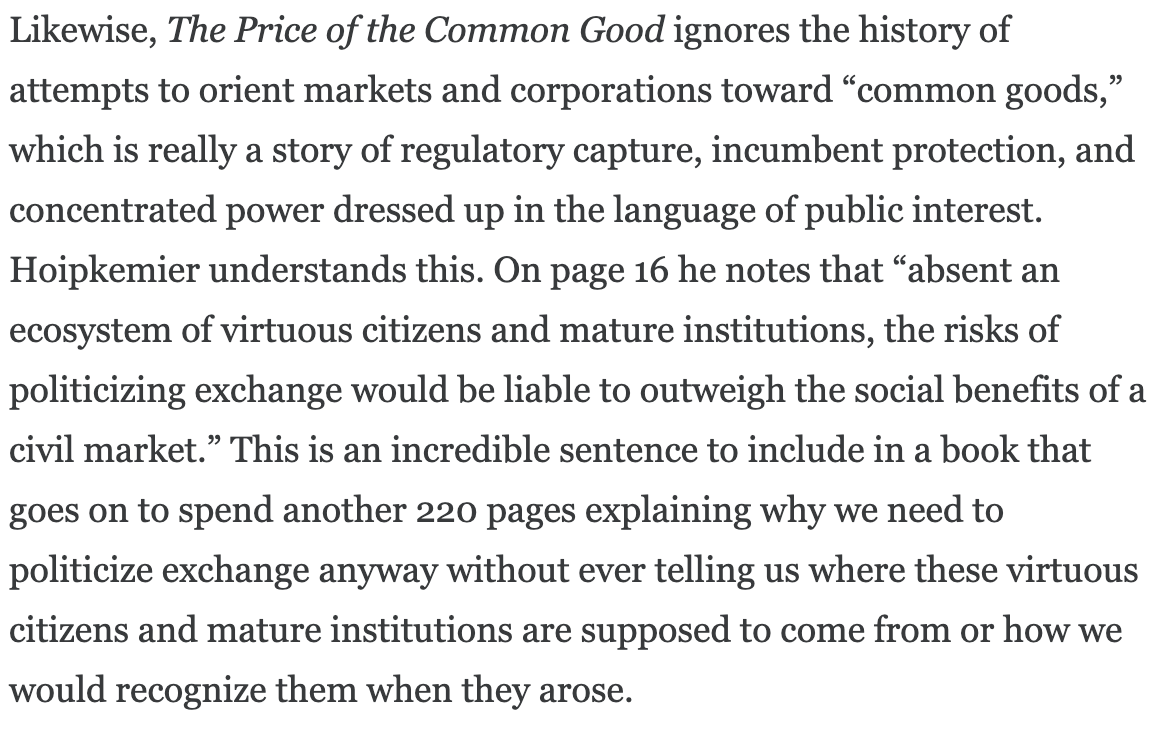
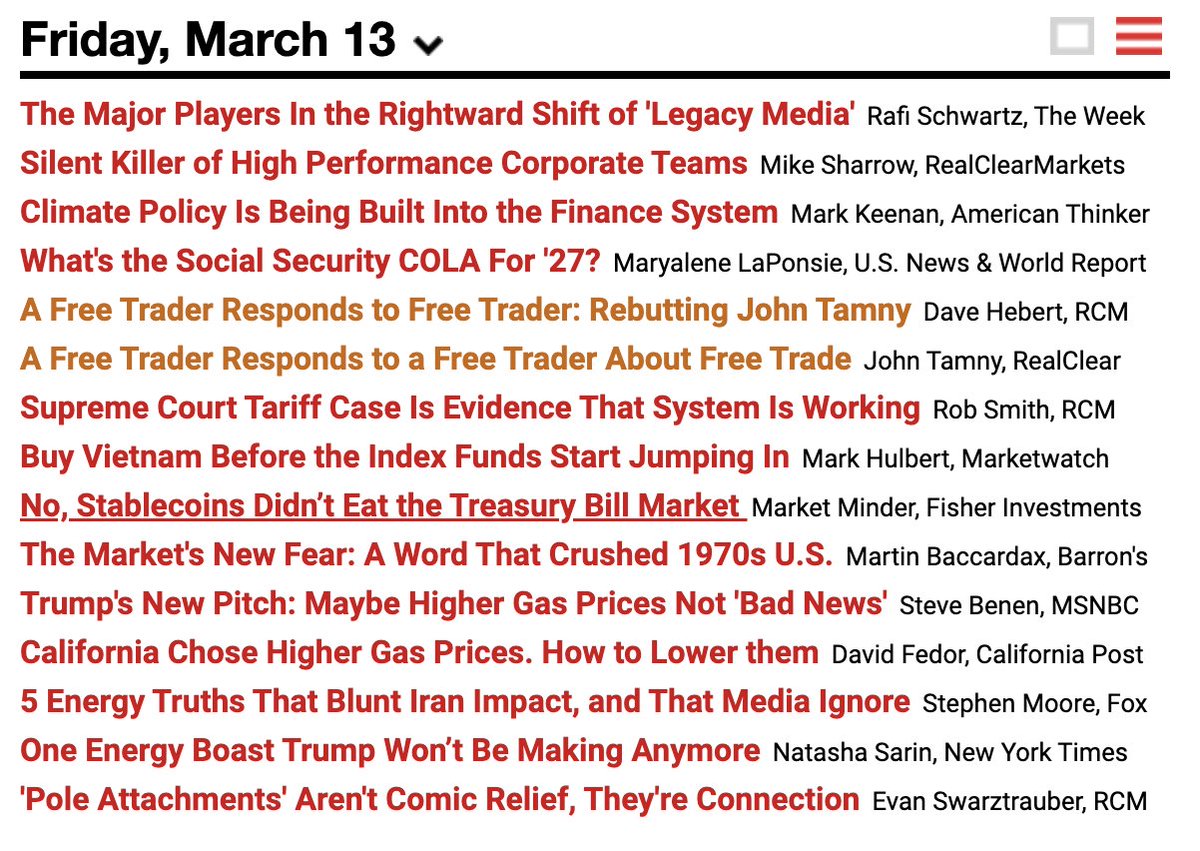
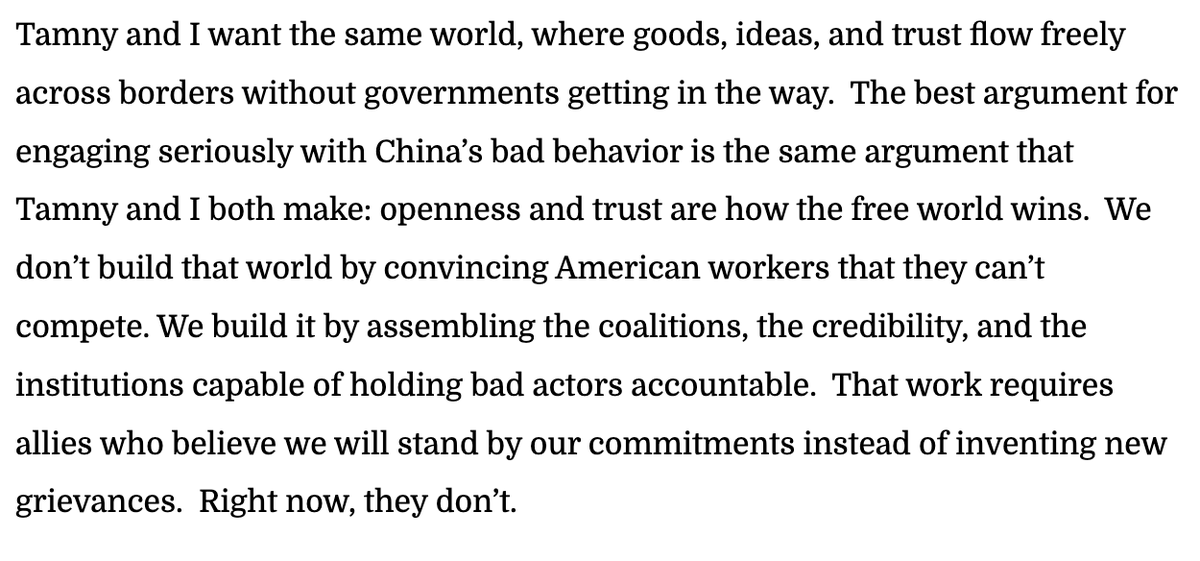
Unlike so many people today, I actually believe in the American manufacturing worker through and through. They don't need protection from the world; they need to be unleashed on the world!
I had the privilege of going on the @MackinacCenter's Overton Window podcast last week.
mackinac.org/podcasts/the-ov…
2
2
190
Dave Hebert retweeted

Jun 12
That the world’s first trillionaire is an immigrant to the United States who arrived with little, slept on floors, worked 100-hour weeks, & built companies now employing the population of Savannah, Georgia, will be entirely lost on the bitter arithmetic of envy and economic ignorance masquerading as egalitarianism.
Now, as always: markets and entrepreneurship for the win.
19
100
556
74,256

Jun 12
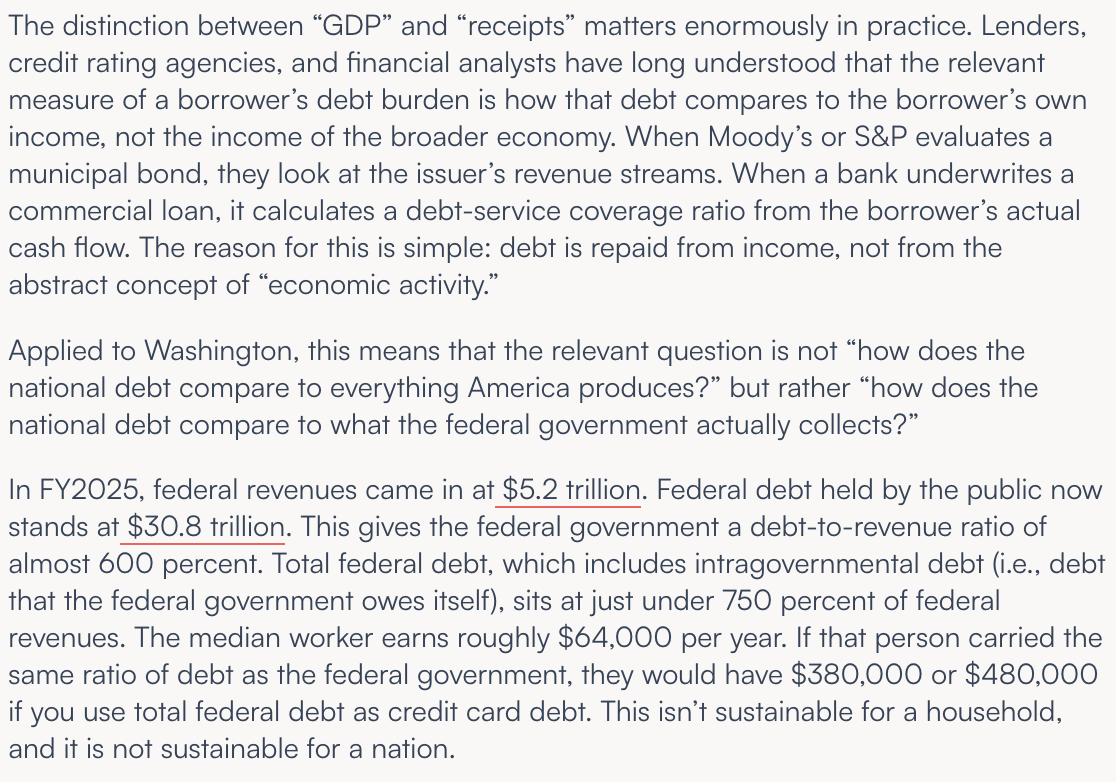
Imagine telling people that your financial problems were solved because your neighbor got a raise. That's basically what we do when we focus on debt-to-GDP ratios.
My latest with the @CivitasInst in @CivitasOutlook:
civitasoutlook.com/research/…
1
4
488
Dave Hebert retweeted

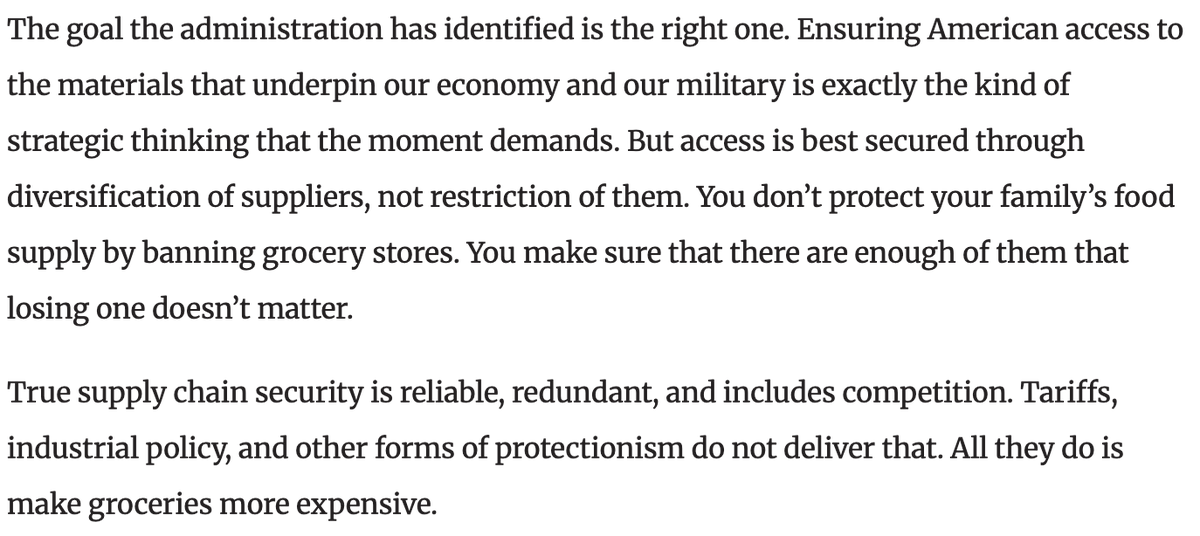
Treasury Secretary Scott Bessent and others argue that tariffs and industrial policy can restore America’s strength.
In reality, diversified supply chains and open markets provide greater resilience than economic nationalism.
cc: @Dave_Hebert
thedailyeconomy.org/article/…
1
3
9
407
Jun 8
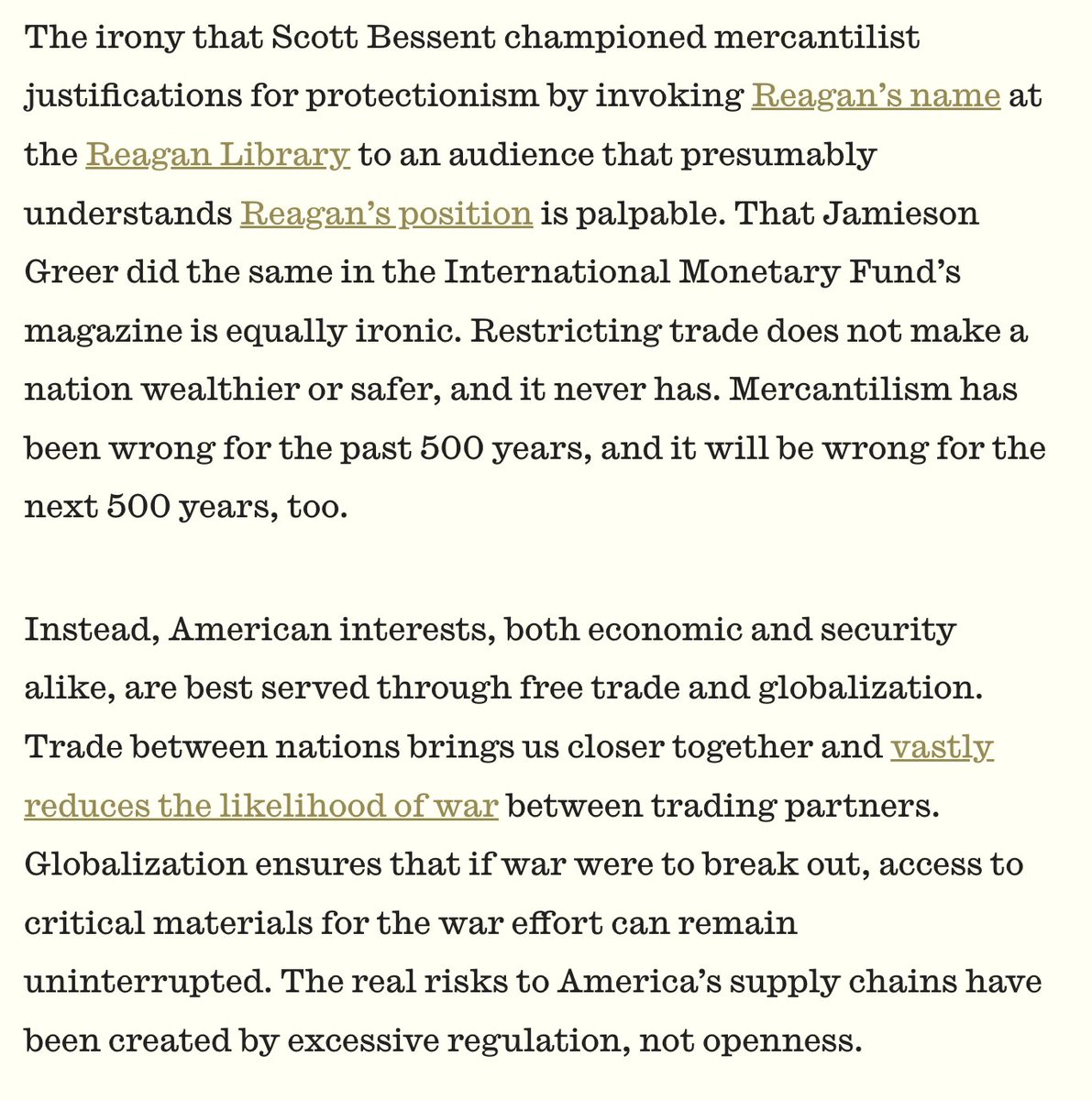
Today, for my birthday, all I want is for US officials to understand that mercantilism is a failed system. If you want economic and national security, what you really want is free trade and globalization, not isolationism.
My latest with @aier in @thedailyeconomy:
thedailyeconomy.org/article/…
2
3
10
464
Jun 3
Someone should tell him that self reliance is literally "depending on one country for 100% of everything."

SECRETARY RUBIO: "The United States, and I would argue the world, cannot depend on 1 country for 90% of anything."
1
127
Dave Hebert retweeted

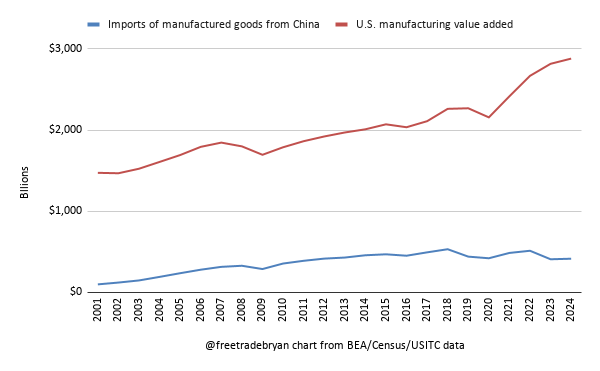
From 2001 (China joins the WTO) to 2012, every dollar in increased imports of manufactured goods from China corresponded to a $1.41 increase (not decrease) in U.S. manufacturing GDP. Since then, U.S. manufacturing growth has far outpaced imports of manufactured goods from China.
2
5
21
1,318
Jun 3
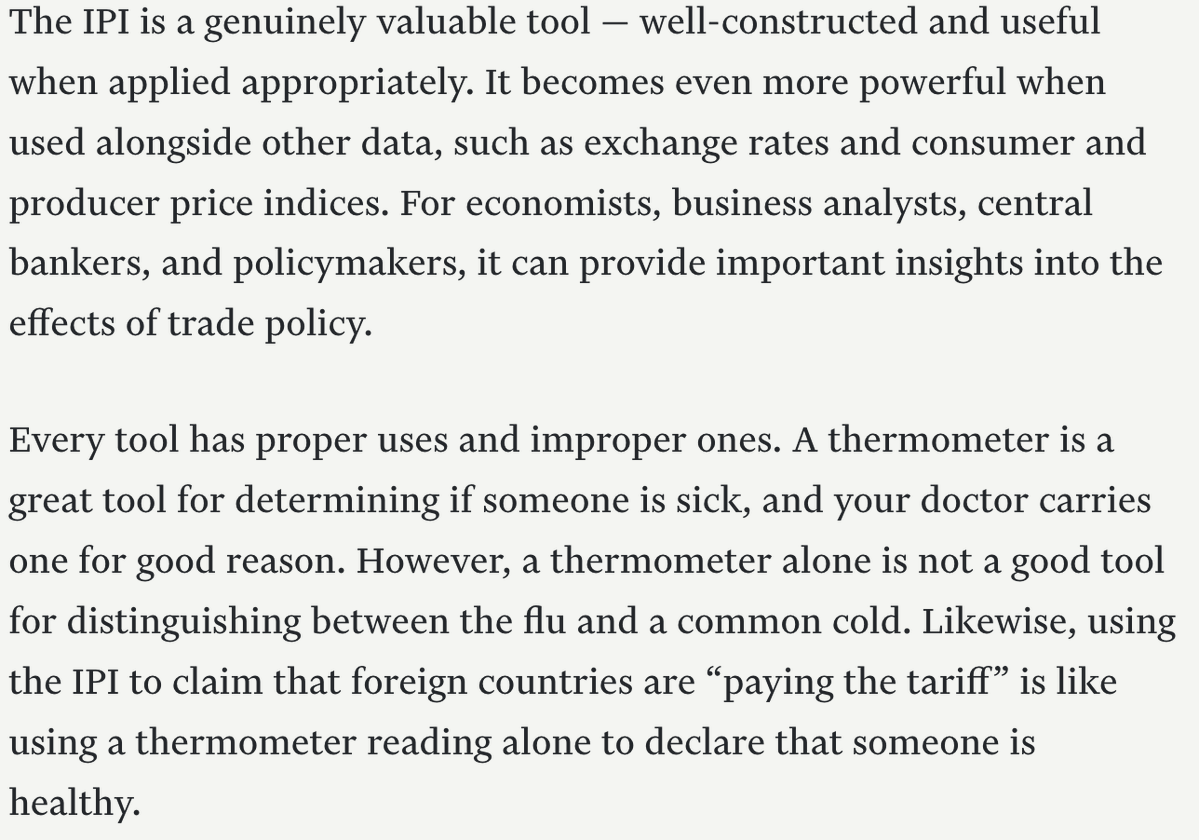
People should have a better understanding of statistics. By that, I don't mean "you should go take a stats course." I mean, "people should understand what certain statistics actually mean."
The Import Price Index is one such statistic and my latest @aier Explainer provides exactly this:
aier.org/article/understandi…
1
4
270
Dave Hebert retweeted

Should you encourage your kids to take on debt for college? @DrPaulMueller poses this practical question to @DrJeffDegner and @Dave_Hebert in the newest episode of The Economist Next Door.
1
4
10
745
Dave Hebert retweeted

May 30
With all due respect, @USTradeRep, since Adam Smith’s time, good theory has helped us understand what happens to the real economy when it is impacted by the type of mercantilist policies that the #Trump administration is pursuing: massive opportunity costs, severe misallocation of #capital, #cronyism on stilts, and declining competitiveness. The costs of all this are borne by consumers - ie 335 million Americans.🇺🇸
If you want to do something concrete about #affordability for #businesses and #consumers, may I suggest that you
1) reverse the present trajectory of US #tradepolicy and stop penalizing Americans from trading with whom they want, and cease the kowtowing to lobbyists seeking privileges for special interests as well as trade lawyers whose very existence (and incomes) depends upon a complicated and difficult-to-navigate tariff schedule.
2) discontinue the use of #industrialpolicy that is just as susceptible to cronyism and pours taxpayer dollars into sectors where there is little to no demand but where there are plenty of rent seekers anxious to persuade everyone that their particular line of business is somehow a vital national security concern.
As for your call for richer empirical tools in @IMFNews, the tools we have for studying trade are quite good, and, thanks to them, we have a very solid grasp of how free trade progressively enriches the United States and discourages Americans and American businesses from becoming uncompetitive and thinking that the world somehow owes us a living.
Certainly, good economic theory, sound empirical inquiry, and the tools with which they furnish us, are always in a state of development. They should be open to critique because that is one way we grow in our understanding of how the real economy works.
But we don’t change the tools because they give us results that some may not like. Indeed, part of the job of economists is to tell us what we may not want to hear: that trade offs are real; that interfering with the price system blinds us to the realities of supply and demand; that undermining property rights damages the general welfare; that #tariffs undermine our competitiveness, etc.
Ignoring these truths serves neither sound inquiry nor the formulation of good policy. And in no world is that good for the #UnitedStates 🇺🇸

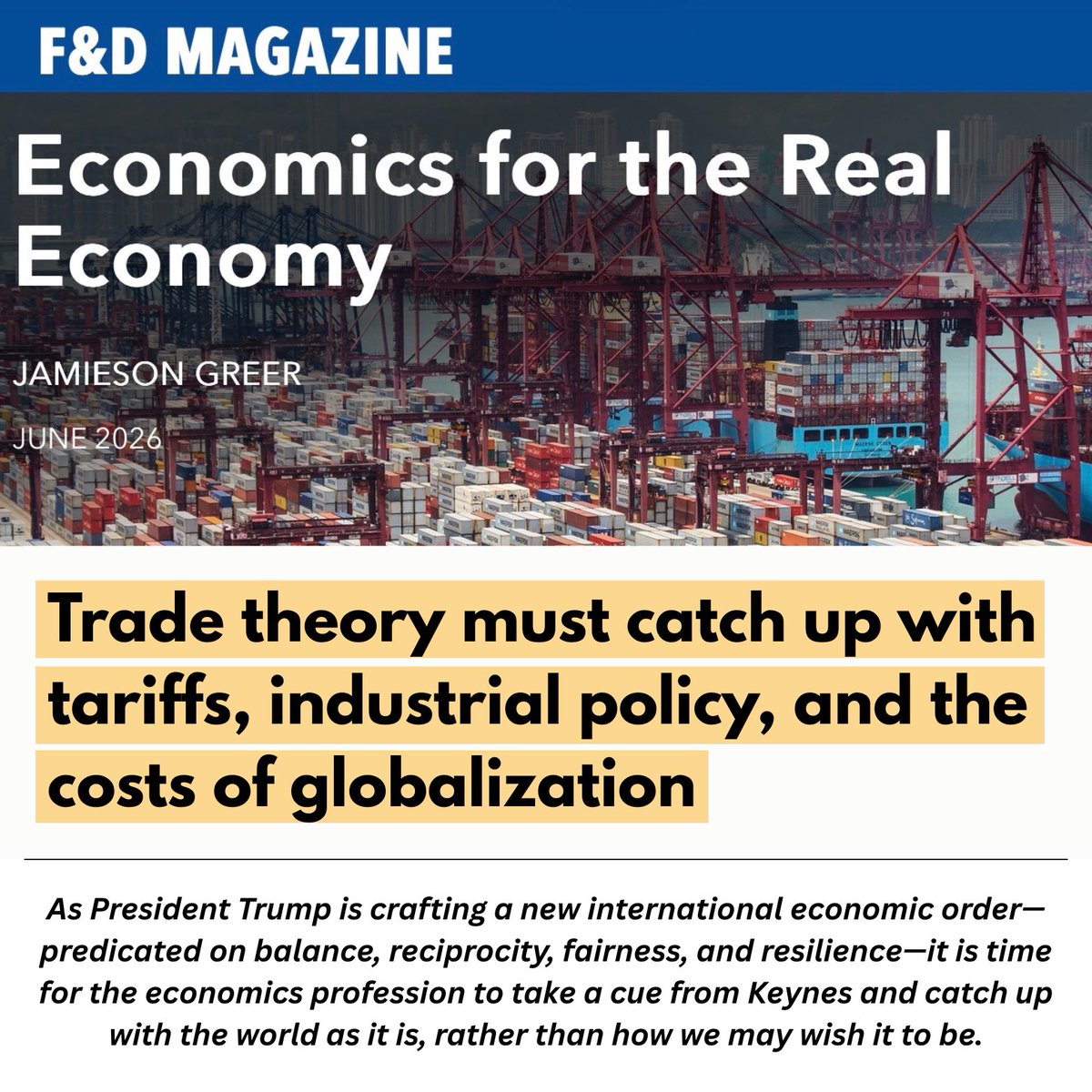
📰 In the @IMFNews' Finance & Development Magazine, Ambassador Greer calls for the economics profession to revisit its assumptions and develop models that capture what matters to the real economy.
If we want smarter policy, we need richer empirical tools that study how trade actually works.
1
7
19
4,455
May 30
Great. Here are three policy reforms that would actually address these issues:
1) Lift the tariffs. America already has the most productive manufacturing workers on the planet, bar none. Let them have access to the materials they need to do the work they can do.
2) Look into permitting/regulatory reform so that we can get American miners to work doing actual mining instead of mountains of paperwork and navigating bureaucratic red tape. Same goes for refining.
3) Repeal the Jones Act so that we can actually ship things around the country more effectively. It's absurd that New England has a harder time getting natural gas from Texas than virtually any other place on the planet. The Jones Act is what stands in the way of addressing this.

.@SecScottBessent: "A nation that cannot manufacture, mine, ship, or refine its needs gradually cedes its strength and sovereignty to others. That is a dangerous dependency for any country; it is an unacceptable one for the United States of America."
1
1
122
Dave Hebert retweeted

May 30
#MOU #EconomyWatch #AI and more on tap tomorrow 7-10ET/6-9CT #ToblerShow @NewstalkSTL with @ProducerJerome and guests:
@Dave_Hebert
@kjglobal88
Jared Knott-Tiny Blunders/Big Disasters
Be our guest—where AI stands for ALL IN!
2
3
93
May 29
People think China owns a bunch of land in the US. My @aier colleague @peter_c_earle sets the record straight.
May 29

Wherein my @aier colleague @peter_c_earle weighs into the issue of Chinese land ownership in America.
thedailyeconomy.org/article/…
2
85
Dave Hebert retweeted

May 22
My daughter taught me a lesson about Memorial Day that I'll never forget. I'm sharing wisdom that came from the 'mouth of a babe' 18 years ago in today's @thedailyeconomy from @aier :
thedailyeconomy.org/article/…
1
5
418
May 25
.@Roger_Koppl writes fascinating stuff and is one of those authors who constantly makes me think. Roger's co-authored paper here should be read by anyone who cares about AI and its effect(s) going forward.
May 25

I'm very happy "Why Claude is conscious" got 185 downloads in its first 7 days on Phil Papers. I'm told that's a good number. Available here:
philpapers.org/archive/KOPWC…
2
3
546
May 25
I've been having a TON of fun using Claude to write Substack posts based on lecture slides I developed over the years. I will continue trying to figure out how to list Claude as a co-author:
substack.com/home/post/p-199…
1
1
88
Dave Hebert retweeted
May 21
Excellent analysis by my @aier colleague @lydiamnewman on the dilemma that faces the new @federalreserve chair #KevinWarsh ⬇️
thedailyeconomy.org/article/…
3
9
507
May 21
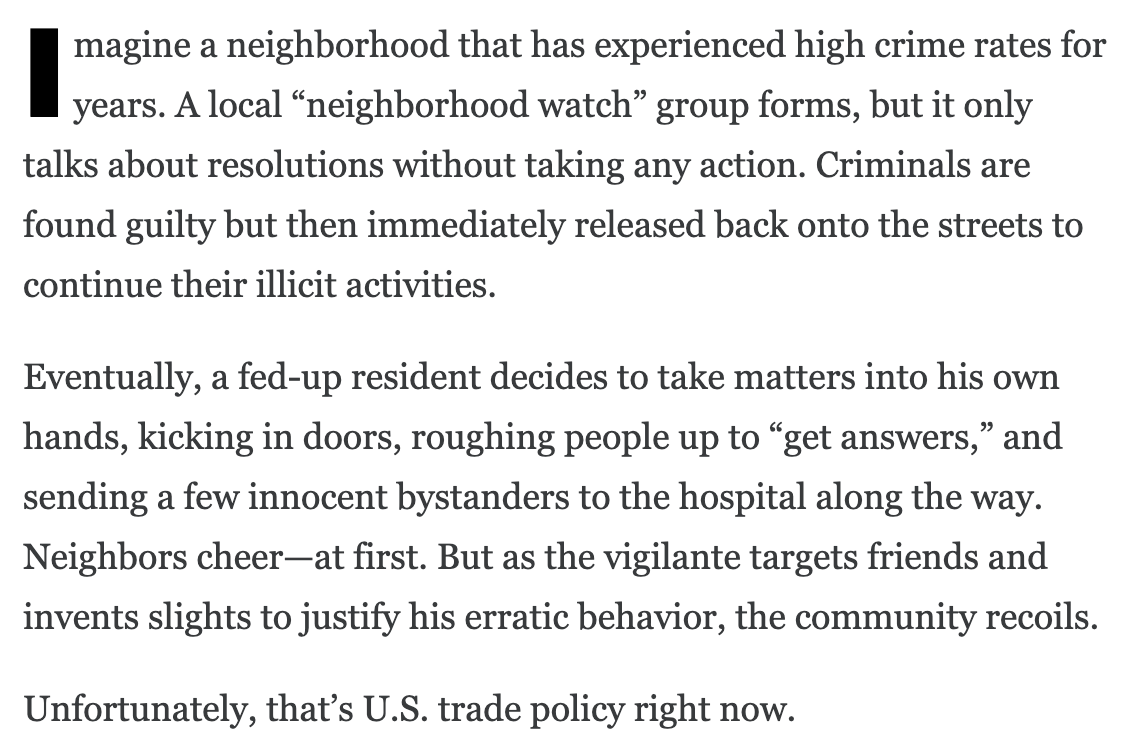
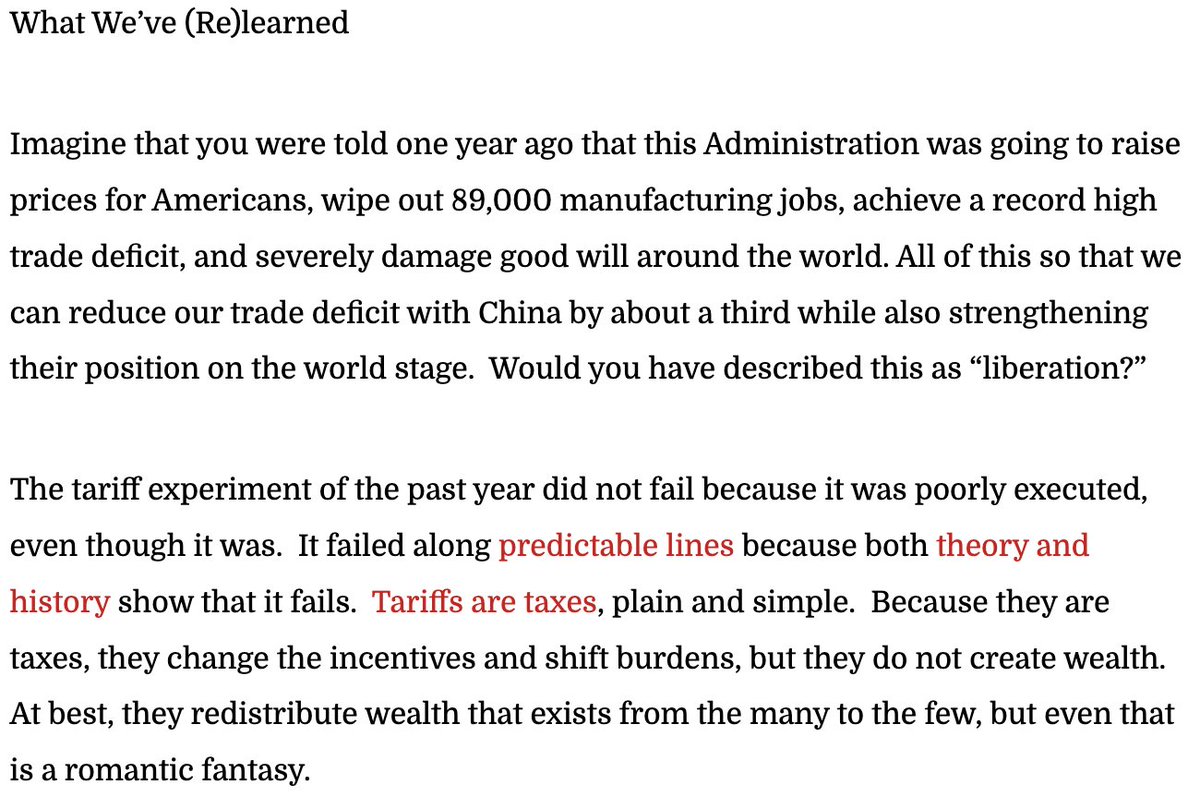
My @aier colleague, @DrPaulMueller, and I argue that trade policy over the past 15 months looks more like vigilantism than "justice" and that this has caused serious problems.
A snippet:
blog.acton.org/archives/1283…
4
8
531
May 19
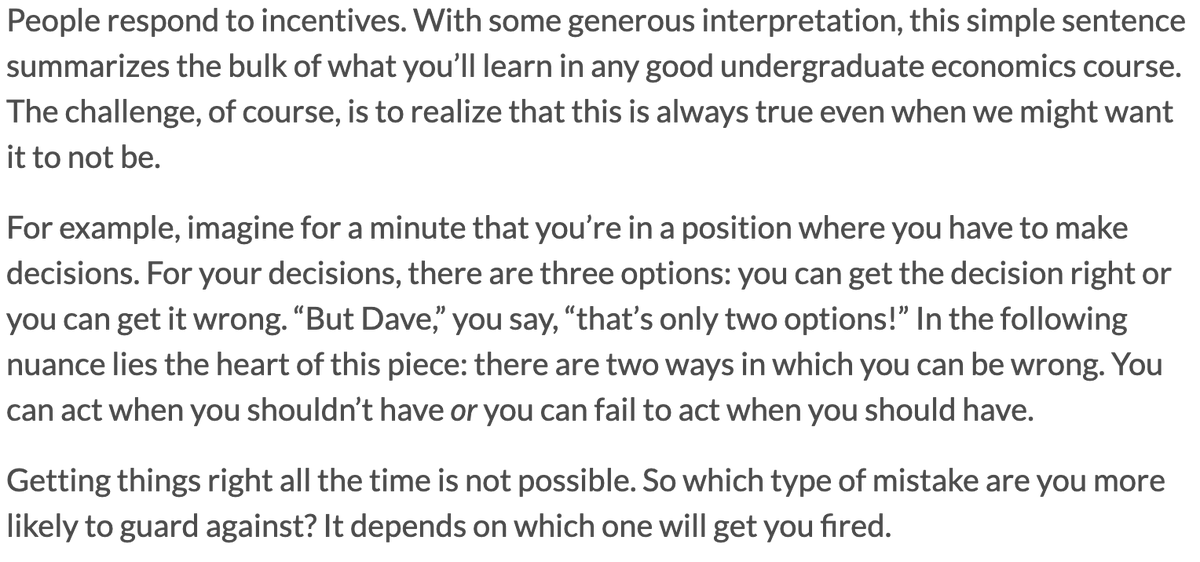
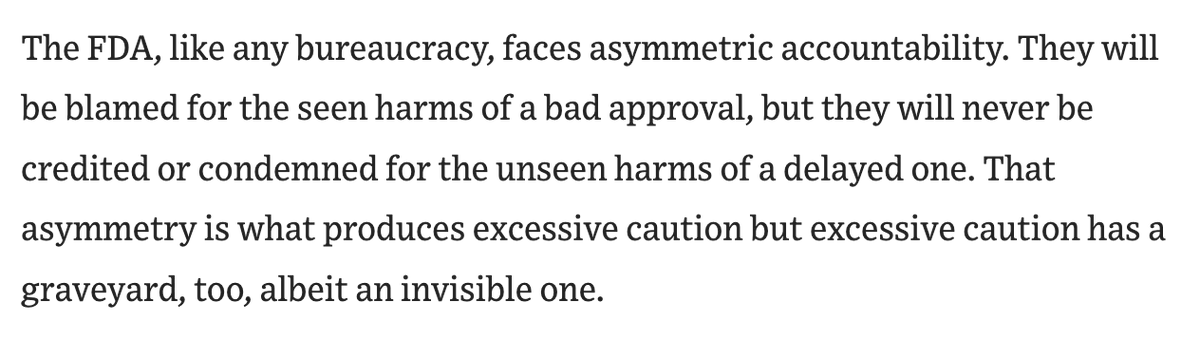
Here's the obvious: people don't like to get fired.
Here's the not so obvious: sometimes, there is asymmetric accountability, and that can produce some otherwise weird-looking results.
My latest with @Econlib: econlib.org/econlog/asymmetr…
1
4
61
May 18
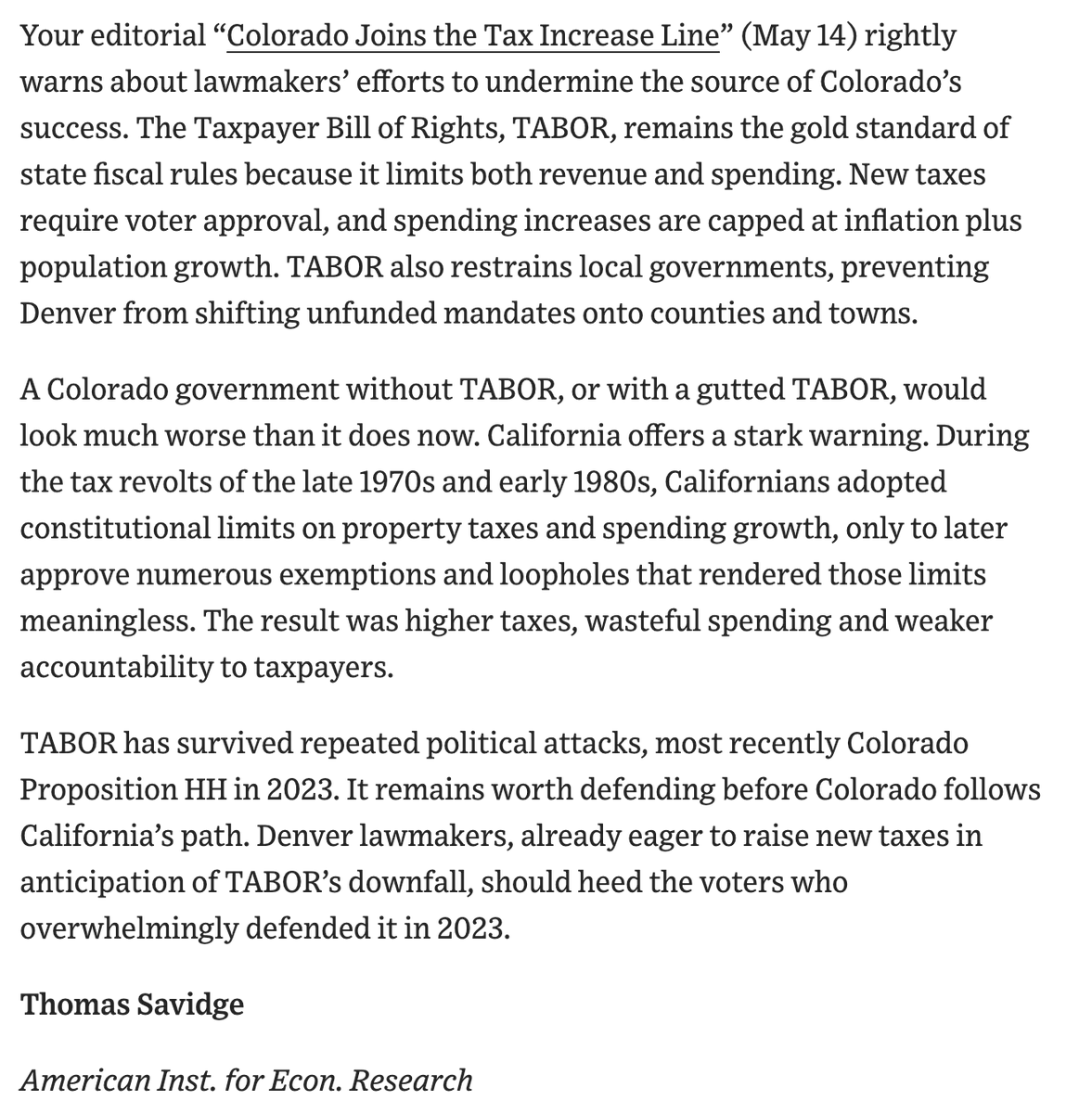
My excellent @aier colleague @thomas_savidge with an equally excellent Letter in tomorrow's @WSJopinion:
wsj.com/opinion/colorados-ta…
5
8
550