Neuroscience, Cognitive and Behavioral Neurology, Complex Systems, AI, Alzheimer's and Multimodal Neuroimaging, content personal opinion naip.mayo.edu
Joined November 2015
- Tweets 3,459
- Following 459
- Followers 1,678
- Likes 3,442
425 Photos and videos


Pinned Tweet

29 Jun 2025
1/
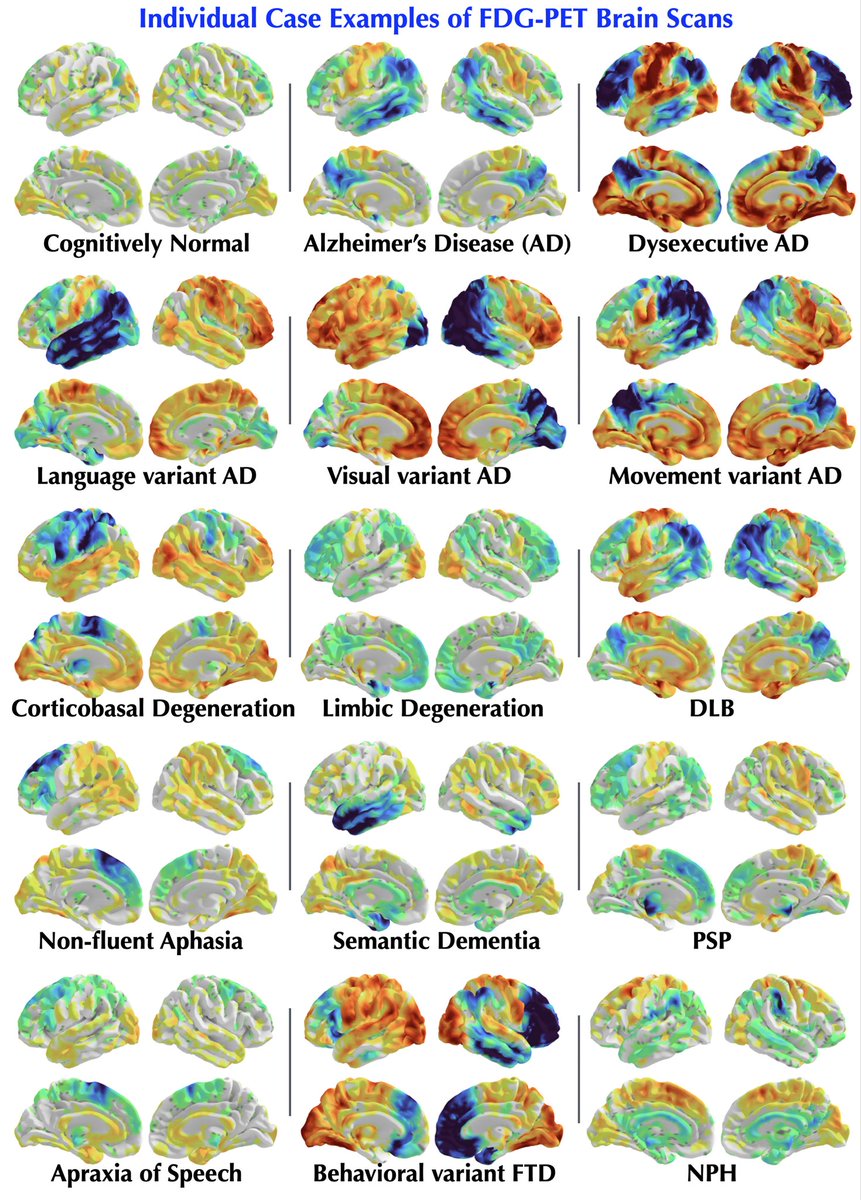
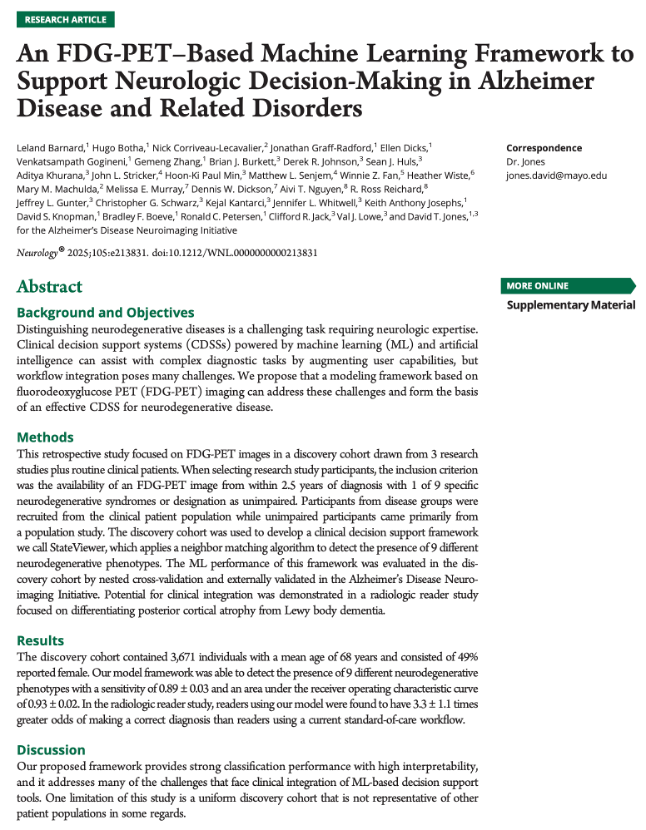
Every week in my neurology clinic, I see people lost in the search for a diagnosis.
Sometimes, what’s causing their dementia symptoms is treatable — but was missed for years.
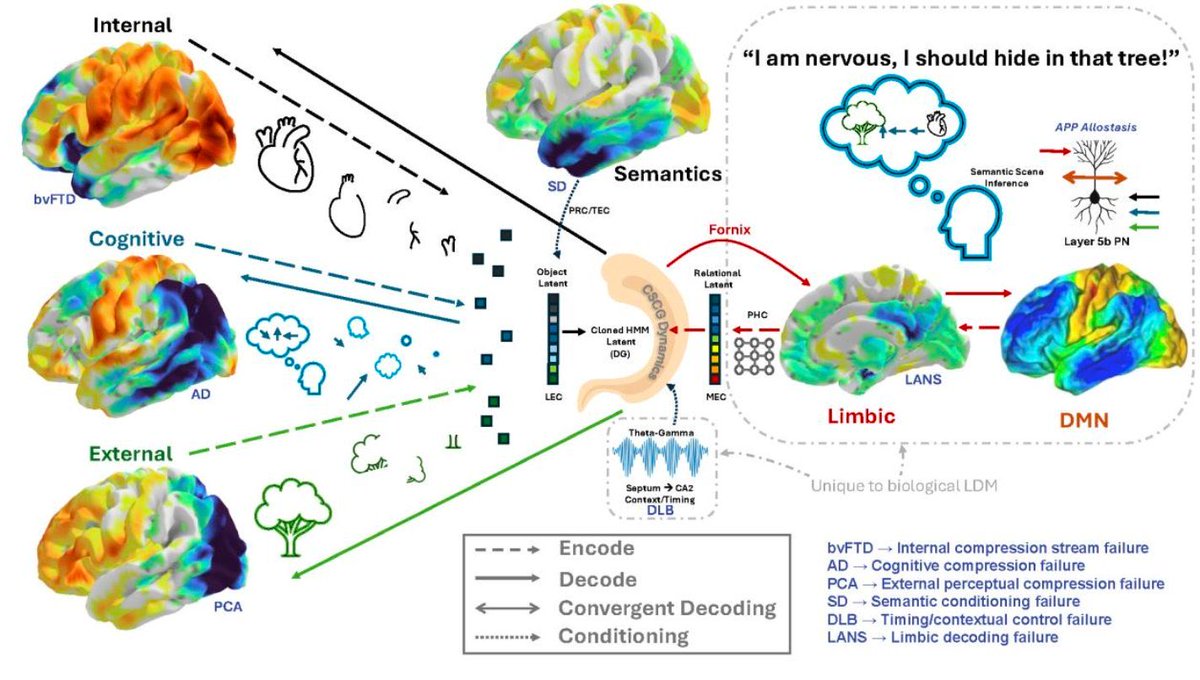
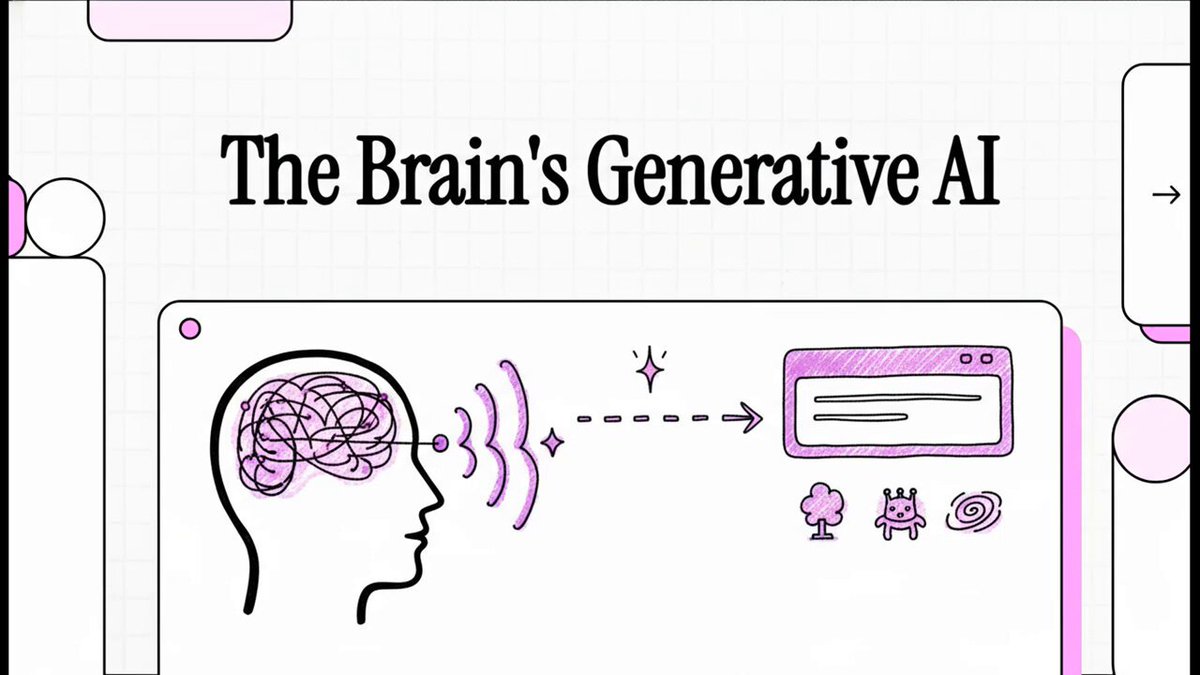
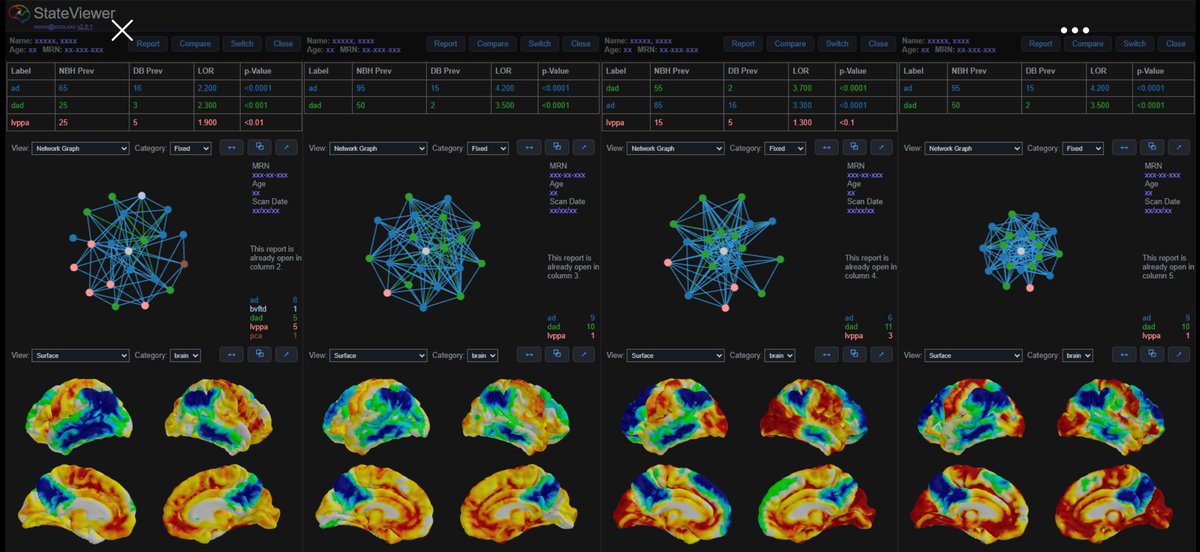
We just published a new AI tool to change that. Here's why it matters🧵
@NaipMayo @MayoClinic #ENDAlz
2
10
31
2,218
David Jones retweeted

Jun 11
How do brains plan actions towards goals?
To get at this question we studied mice navigating complex mazes as goals changed on every trial 🧵
New work with Thomas Akam @behrenstimb @KrisTorpJensen now on BioRxiv: biorxiv.org/content/10.64898…
4
31
96
18,986
David Jones retweeted

Jun 6
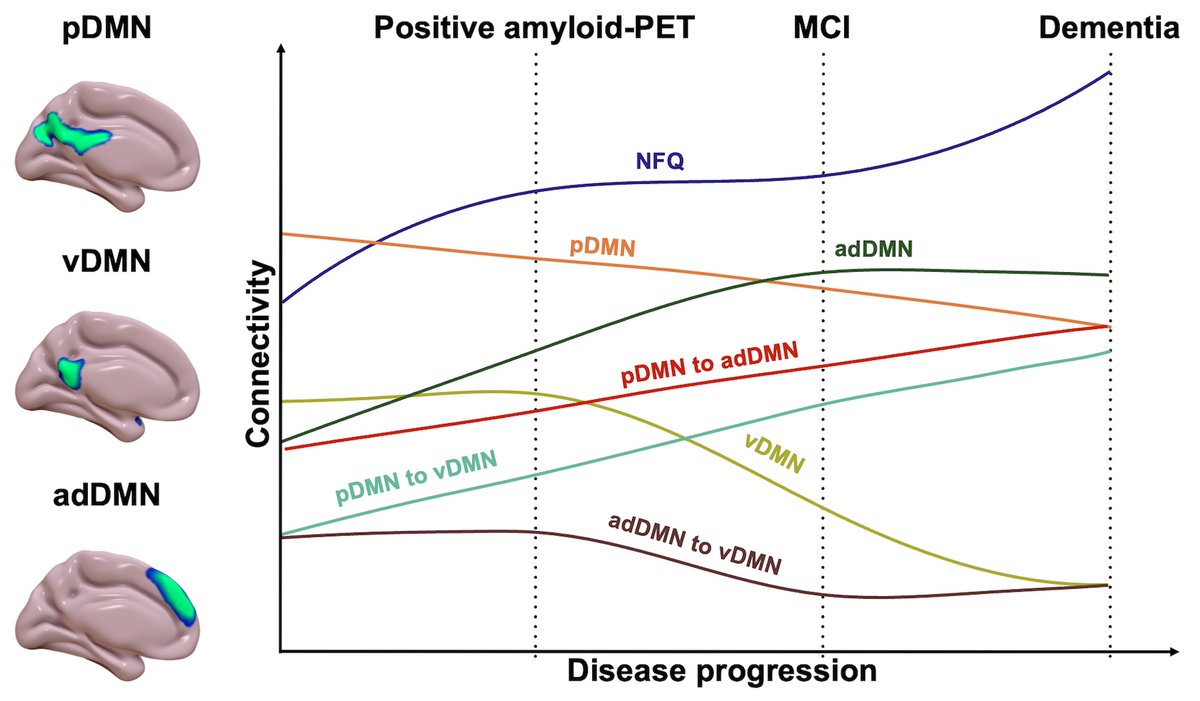
Corriveau-Lecavalier et al. show that patterns of default mode network dysfunction predict future conversion to amyloid positivity, mild cognitive impairment, and dementia, emphasizing the role of network dyshomeostasis in Alzheimer’s disease. shorturl.at/frhmE
1
15
64
3,256
David Jones retweeted
Jun 5
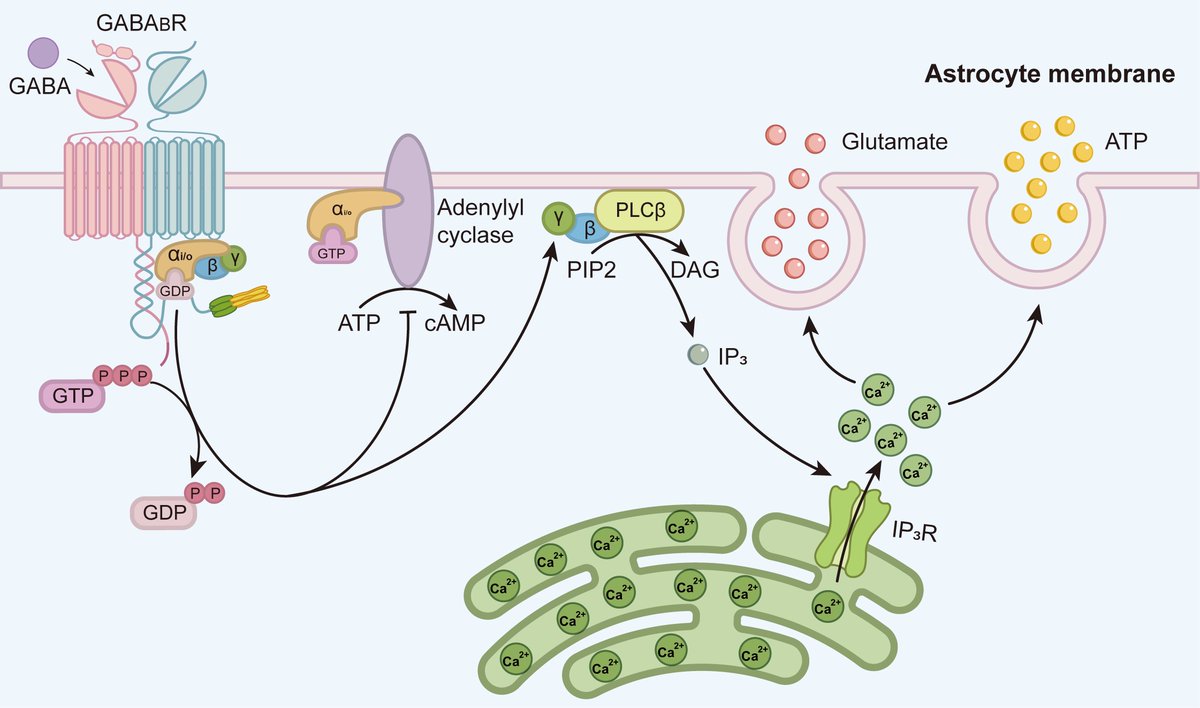
Wang et al. review how GABA-B receptors in glial cells regulate key CNS processes – including excitatory-inhibitory balance, synaptic pruning, and myelination – and discuss their roles in neurological disorders. shorturl.at/GeBOS
1
16
56
3,228

Low-dimensional prefrontal representations of objects during working memory
Abstract
There is an ongoing debate regarding the dimensionality of neural representations. Some accounts emphasize representation within low-dimensional subspaces or manifolds, while others suggest high-dimensional neural codes where neurons respond independently. Here, we investigate the dimensionality of prefrontal cortex (PFC) representations of visual objects held in working memory. We found that object representations are low-dimensional, occupying only 3-6 effective dimensions during both encoding and maintenance in working memory. Control analyses indicate this dimensionality was not limited by the number of objects tested (40) or neurons sampled (~100). We also compared PFC dimensionality to that of a well-established deep neural network model of its inferotemporal (IT) inputs and found an approximately 7-fold dimensionality reduction in PFC. These results suggest object representations are compressed into a low-dimensional manifold in PFC, which might be related to attractor dynamics for working memory, and might facilitate interaction with other variables and cognitive control.
biorxiv.org/content/10.64898…
2
21
67
4,830
David Jones retweeted
The cortex is not best understood as a set of fully separate, self-contained modules. Instead, regions work together in a more integrated, network-like way.
Brain-wide distributed processing underlying natural vision and audition
doi.org/10.64898/2026.05.26.…
#neuroscience
5
28
142
15,435
David Jones retweeted

Struggle to multitask? Try to avoid getting frustrated—that can make multitasking harder for your brain. @MayoClinic neurologist Dr. David T. Jones explains that people can multitask; it just requires practice.
@NBCNews | @DrDavidACox | @DavidJonesBrain nbcnews.to/4dU4nYg
3
4
359
David Jones retweeted
New results!
Theta rhythms flexibly routing information based on behavior and feedback, organizing local and long-range neural communication.
Theta gates and routes information in the frontal cortex
doi.org/10.64898/2026.06.03.…
#neuroscience
6
17
74
4,447
David Jones retweeted
Beta rhythms sending top-down feedback to refine perception.
Olfactory bulb-cortex oscillations encode perceived odor intensity rather than concentration
journals.plos.org/plosbiolog…
#neuroscience
9
48
3,723
May 24
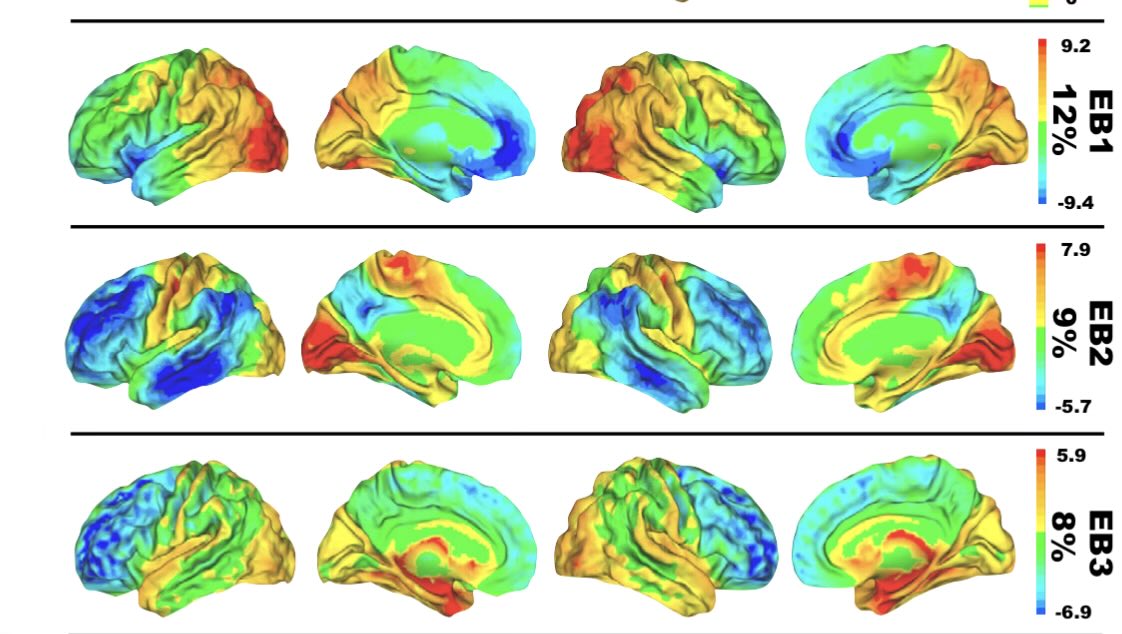
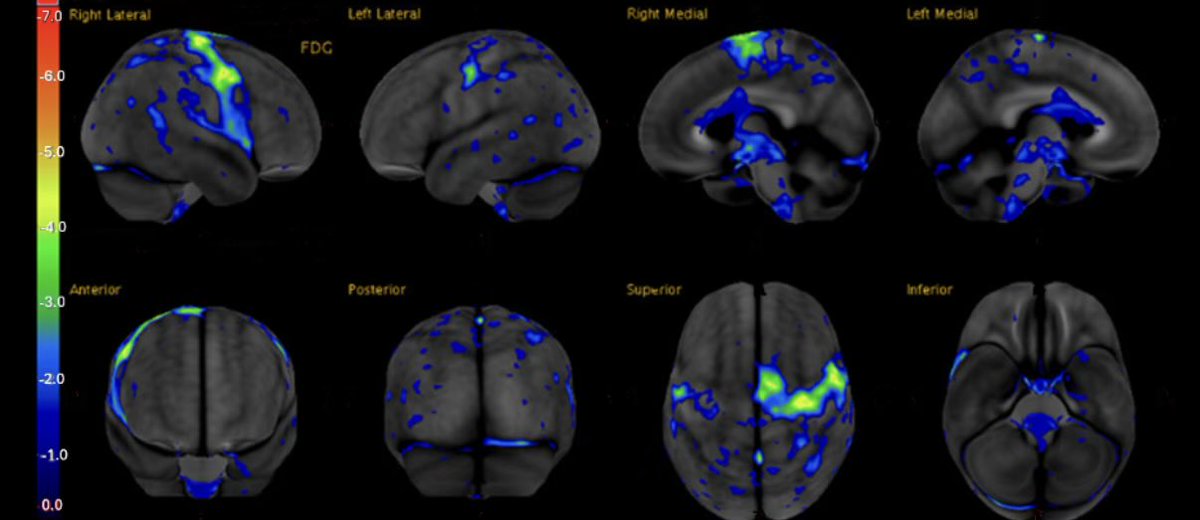
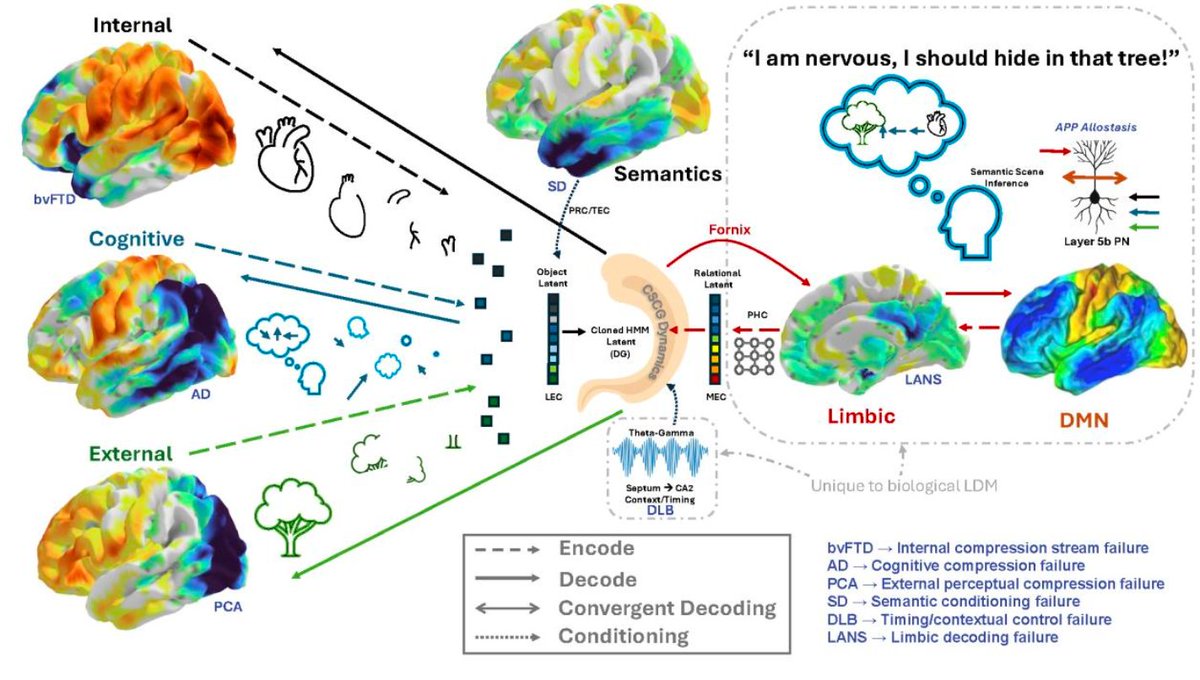
If we can connect these concepts to observations in clinical brain imaging we could make progress on delivering on the perpetual promise of clinical translation. Here are eigenbrains of degenerating human brains:
May 22

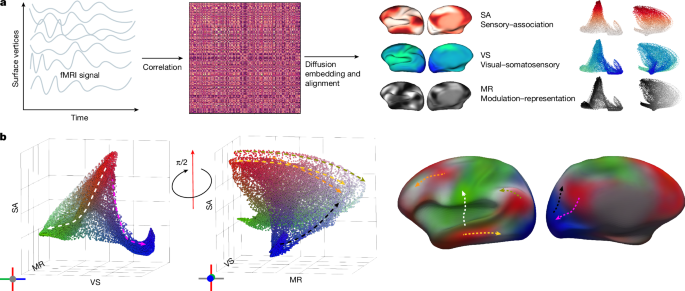
A new atlas reveals that functional connectivity patterns in the human neocortex shift dramatically from birth through old age, organizing brain regions along three dominant axes: sensory-to-association, visual-to-somatosensory, and modulation-to-representation.
nature.com/articles/s41586-0…
1
5
995
May 21
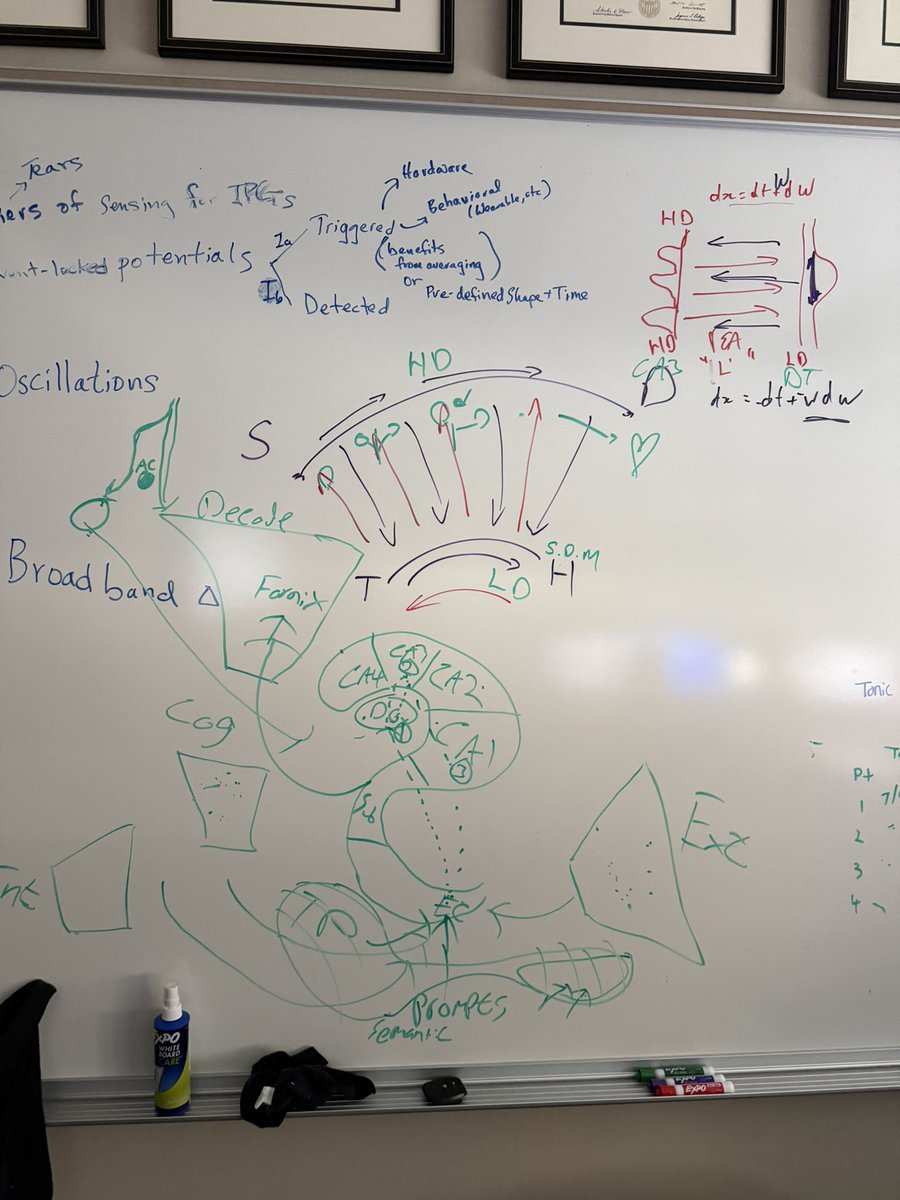
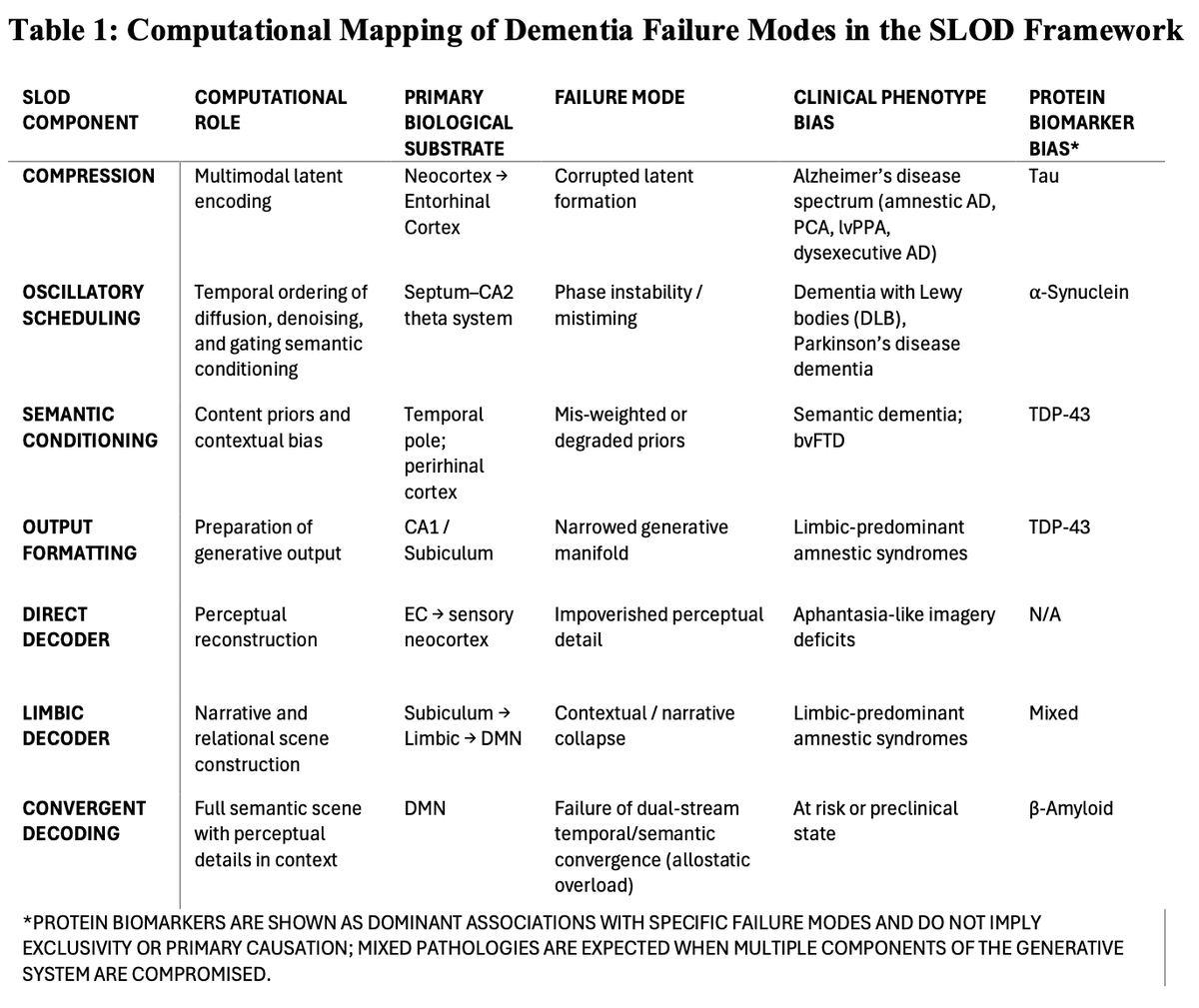
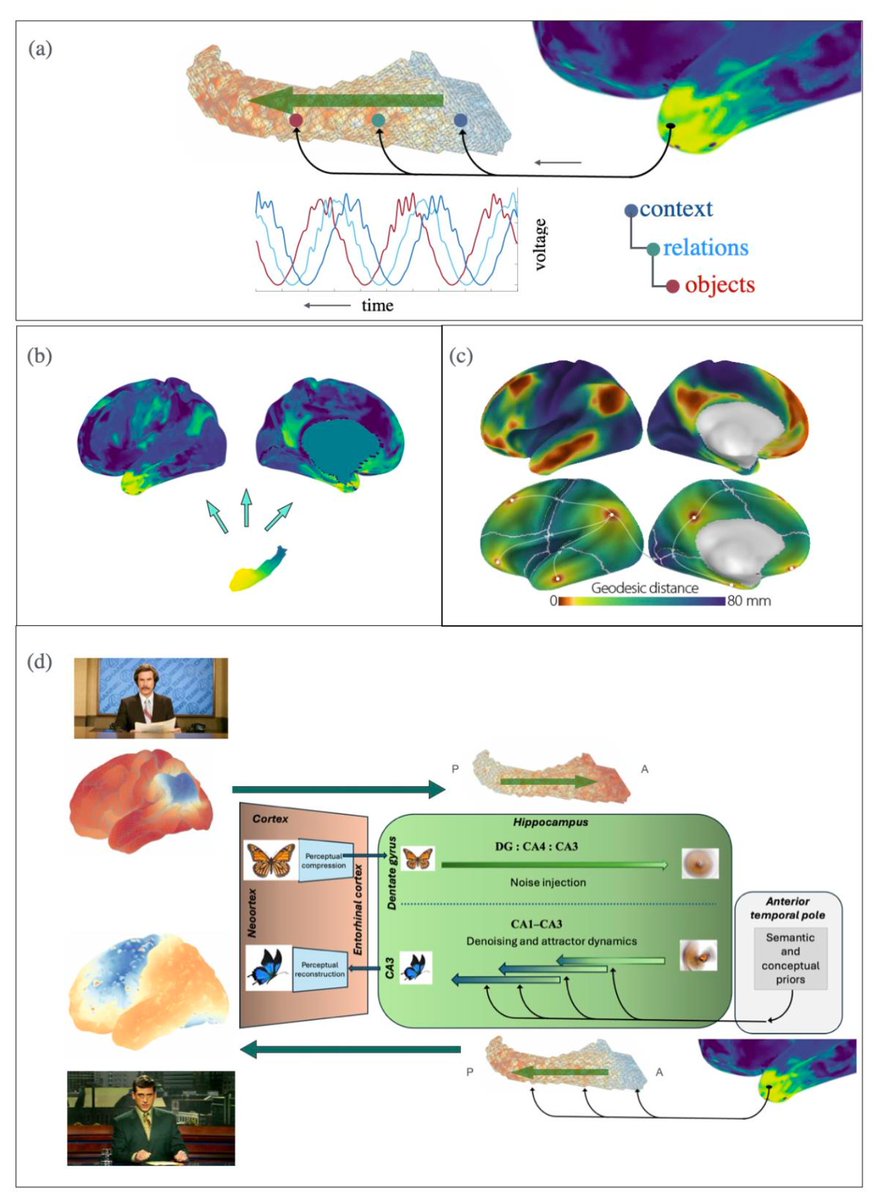
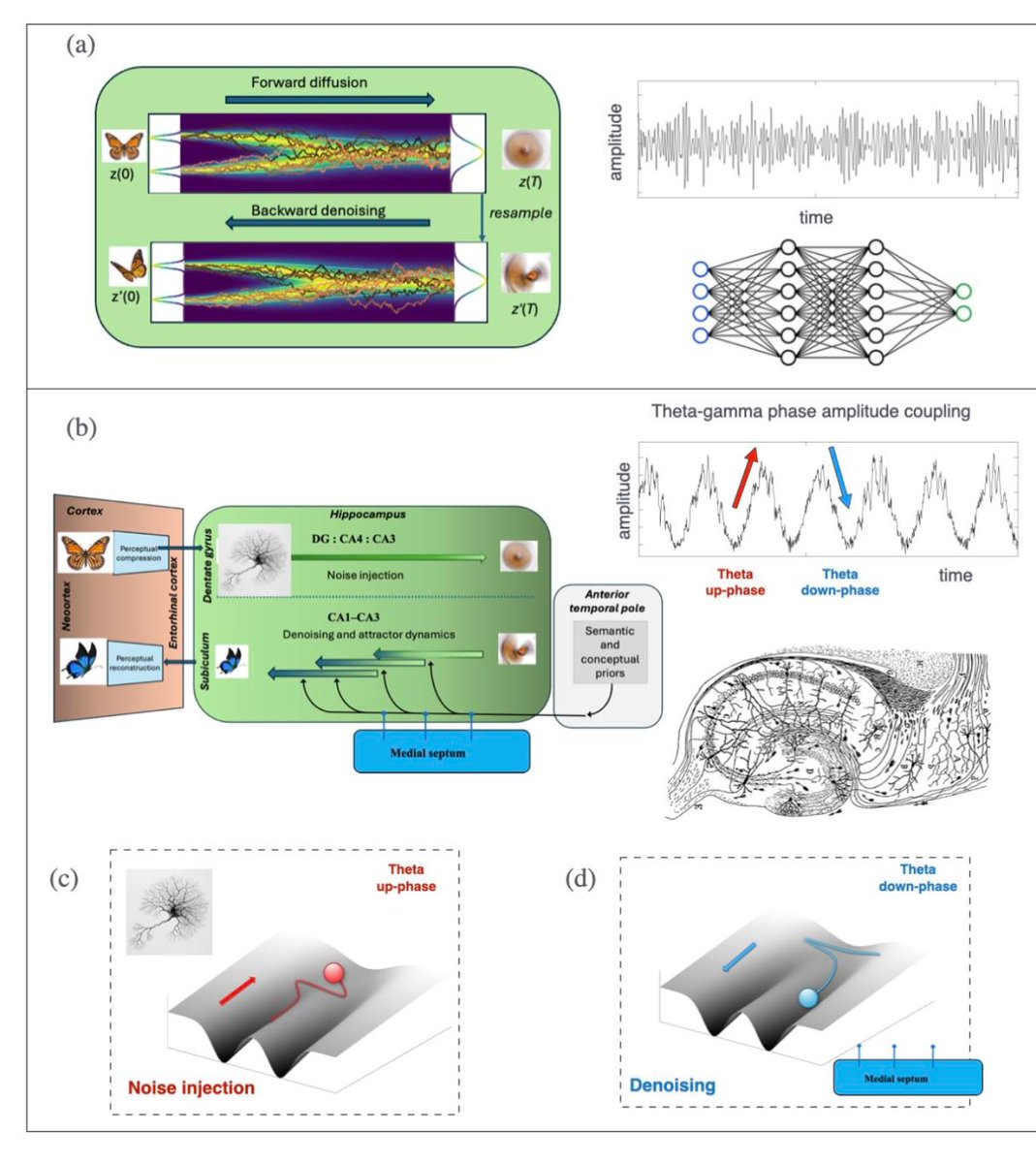
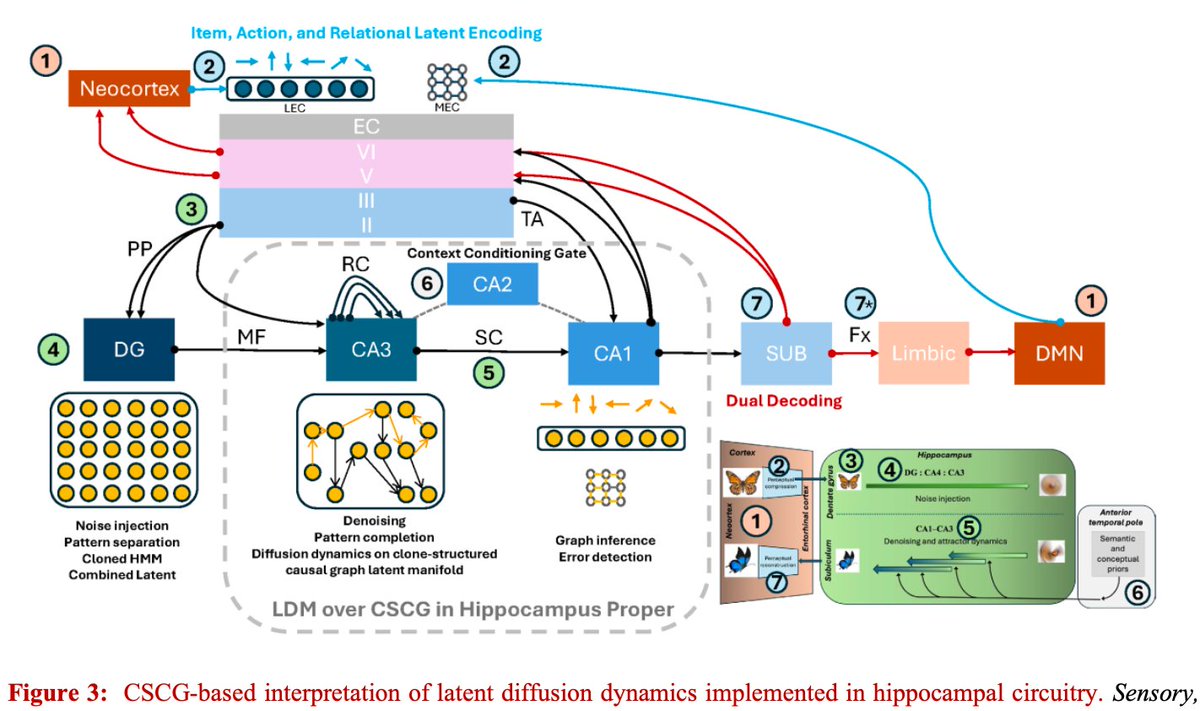
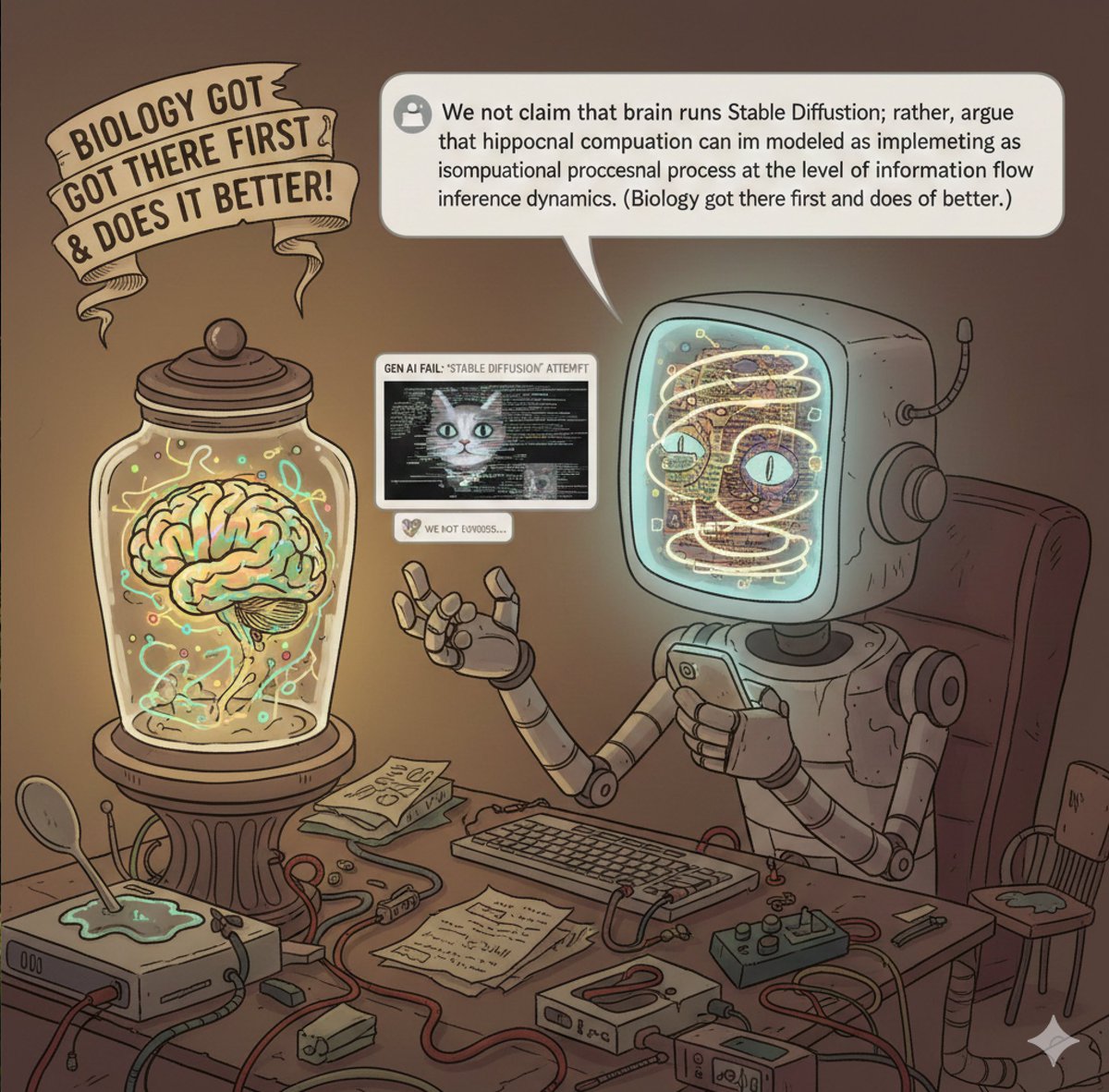
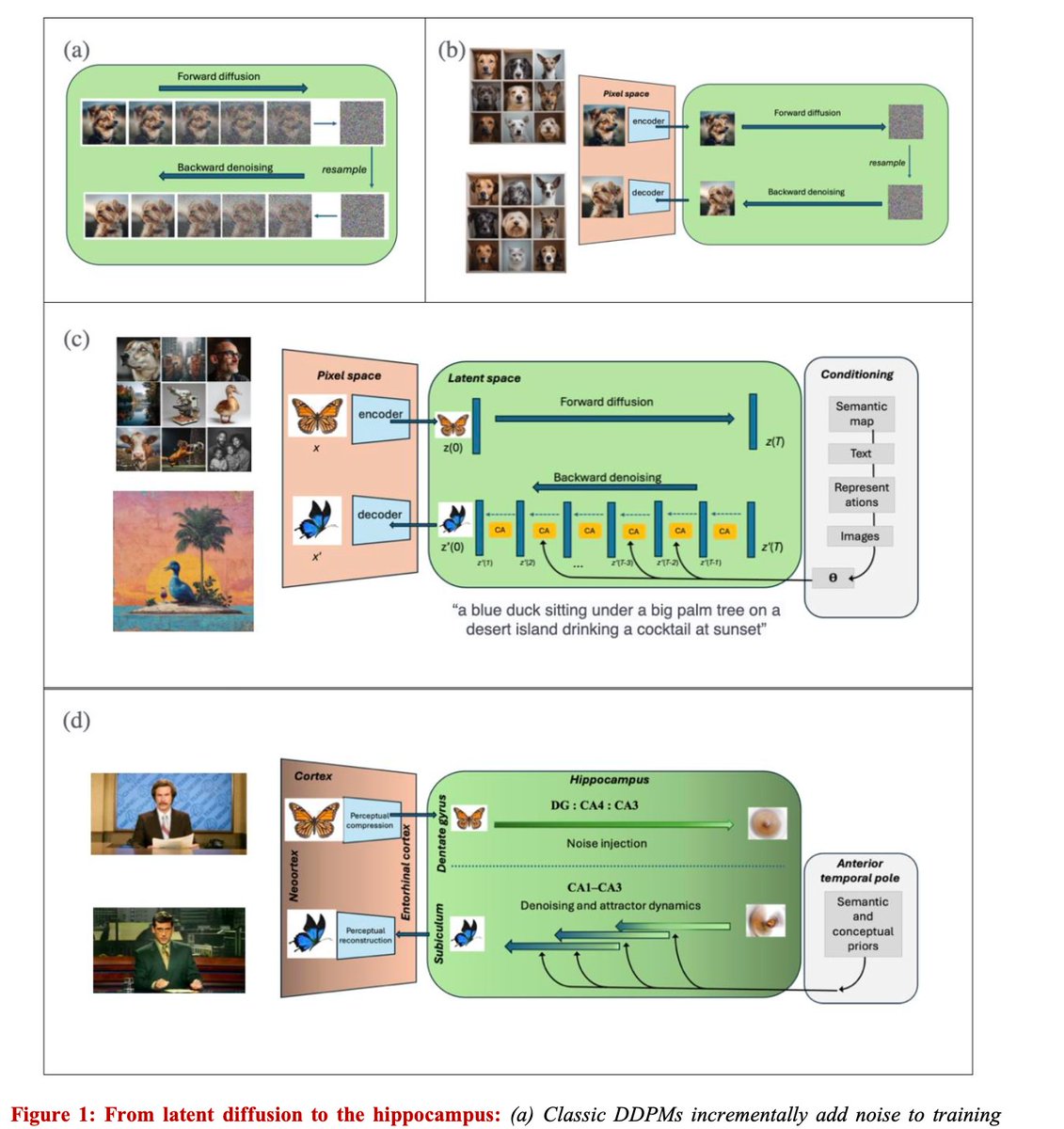
The Stochastic Latent Oscillatory Diffusion model is a framework that is not baffled by this observation :)
May 21

The brain’s code seems to be in constant flux.
Neurons fire much more erratically than researchers thought.
nature.com/articles/d41586-0…
#neuroscience
1
278
David Jones retweeted

May 21
The brain’s code seems to be in constant flux.
Neurons fire much more erratically than researchers thought.
nature.com/articles/d41586-0…
#neuroscience
9
34
130
21,765
David Jones retweeted
May 17
A communication subspace relays context-dependent actions from human prefrontal to motor cortex
nature.com/articles/s41593-0…
#neuroscience
14
88
6,910
PNAS
Traveling-wave transcranial alternating current stimulation (twtACS) causally links neural timing to cognitive function
This study developed a new brain stimulation method called traveling-wave transcranial alternating current stimulation (twtACS). Unlike conventional brain stimulation, twtACS creates electrical waves that move across the brain in a specific direction, similar to natural neural traveling waves.
The researchers showed that these artificial traveling waves could:
Change the timing of neural activity in the brain
Control how signals propagate across brain regions
Improve cognitive performance in humans depending on the direction of the wave
They confirmed these effects using:
Human intracranial recordings
Monkey neural recordings
Human behavioral experiments
The study suggests that traveling waves are not just correlated with cognition but may causally influence cognitive function. This introduces a new way to noninvasively manipulate brain communication and potentially treat neurological disorders.
pnas.org/doi/full/10.1073/pn…
1
30
119
9,095
David Jones retweeted

Human hippocampal ripples coordinate planning sequences and compositional representations in neocortex nature.com/articles/s41593-0…
1
19
66
5,564
I feel this! 💯
May 4

Studies seem to show that research is becoming less ‘disruptive’ of established ideas.
And this is a problem.
@Nature

1
4
191
Fits w/ consciousness in Dysexecutive Alzheimer’s: “Evidence of impaired executive functions are obtained by patient and/or informant reports in conjunction with formal evaluation of cognitive performance on mentally effortful tasks that require conscious active manipulation…”

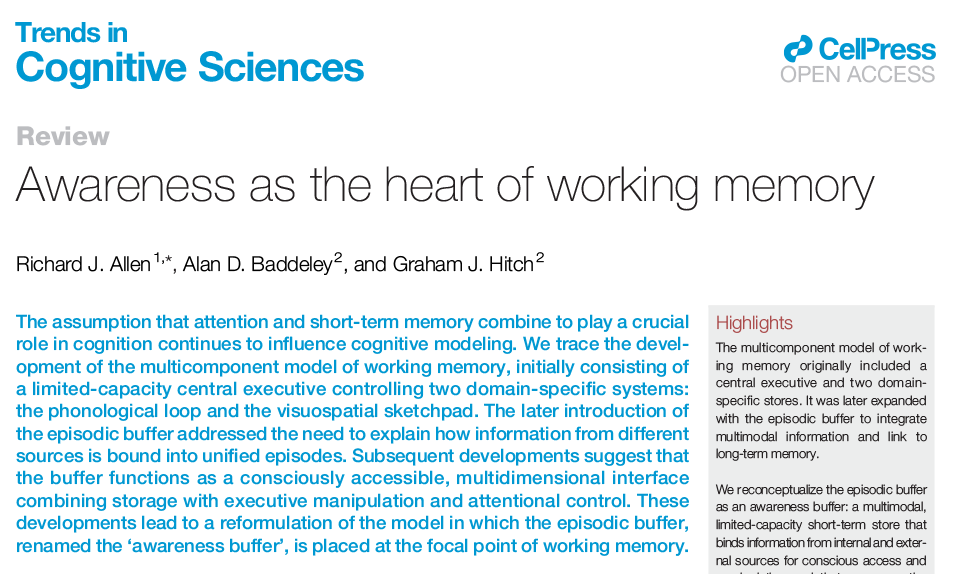
Awareness as the heart of working memory
Review by Richard Allen, Alan Baddeley, & Graham Hitch
tinyurl.com/5v87awss
1
1
4
687
David Jones retweeted
Apr 29
The prefrontal cortex controls memory organization in the hippocampus
nature.com/articles/s41593-0…
#neuroscience
4
29
118
5,707
David Jones retweeted
Apr 24
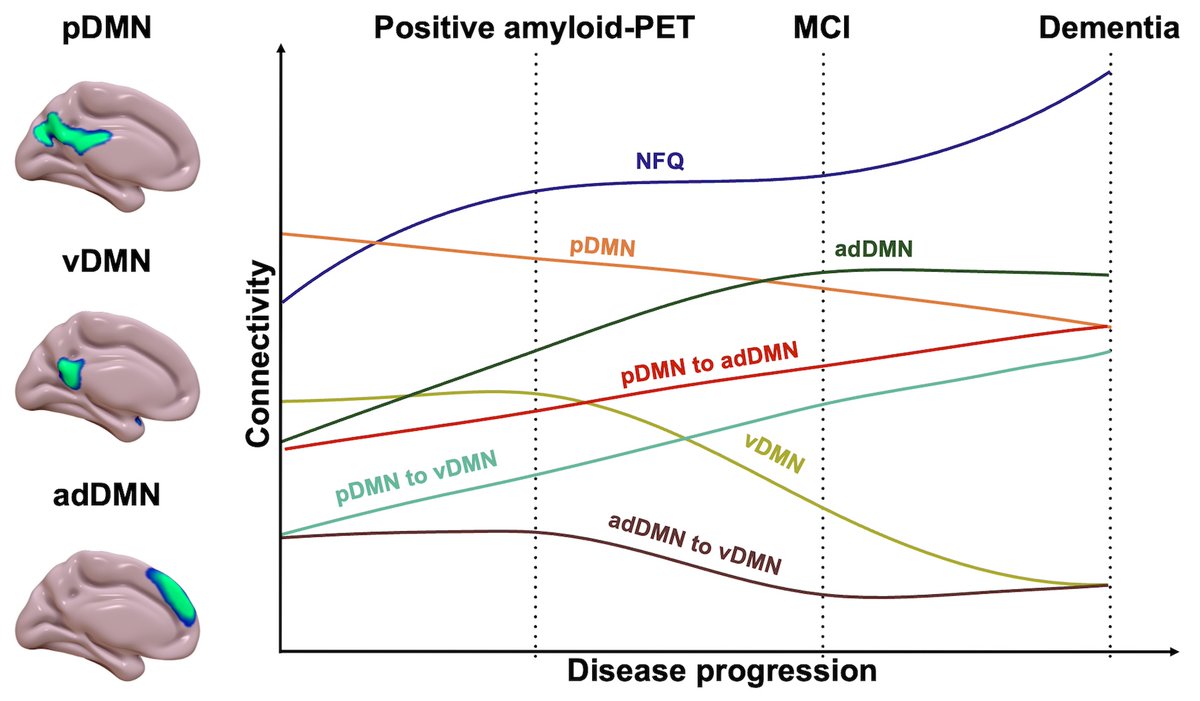
Corriveau-Lecavalier et al. show that patterns of default mode network dysfunction predict future conversion to amyloid positivity, mild cognitive impairment, and dementia, emphasizing the role of network dyshomeostasis in Alzheimer’s disease. shorturl.at/frhmE
1
12
65
4,758
“…these results suggest that conscious access to memory relies on a separable set of neural mechanisms from those related to neural reinstatement/reactivation”. The aphantasia literature suggests this true for perceptual memory as well. Fits w/ SLOD’s 2 generative streams.
Consciousness is rhythmic.
Alpha oscillations track the projection of reactivated memories into conscious awareness
doi.org/10.1523/JNEUROSCI.14…
#neuroscience
1
206
David Jones retweeted
Consciousness is rhythmic.
Alpha oscillations track the projection of reactivated memories into conscious awareness
doi.org/10.1523/JNEUROSCI.14…
#neuroscience
5
24
109
3,978