
Joined May 2011
- Tweets 10,698
- Following 1,745
- Followers 45,808
- Likes 10,207
724 Photos and videos


Macroscale traveling waves link perception, response selection, and vocal production during marmoset vocal interactions
doi.org/10.64898/2026.05.15.…
#neuroscience
9
30
1,430
Neural synchrony between prefrontal and visual cortex supports visual working memory
doi.org/10.64898/2026.06.05.…
#neuroscience
2
13
61
2,685
Earl K. Miller retweeted

Bonkers has been on hiatus, getting his paw fixed. But a new release is coming soon. In the meantime, enjoy our "This is General Bonkers" playlist.
open.spotify.com/playlist/1w…
2
3
443
Earl K. Miller retweeted

Jun 13
How does the brain turn brief experiences into long-lasting moods or habits? New preprint from the Flavell Lab at @mitbrainandcog deconstructs an aversive behavioral state in C. elegans (Roundworms-nematodes).
By mapping whole-brain dynamics during repeated negative encounters, the team discovered that a global state isn’t controlled by a single master hub. Instead, it is broken down into distinct features (like speed vs. sensory priming) controlled by parallel neural integrators (ADA, AVH, and PVQ) acting on different timescales.
While AVH relies on circuit-level feedback to drive sustained locomotion speed, PVQ uses cell-intrinsic persistence to prime the animal for future threats. H/T @MillerLabMIT
doi.org/10.64898/2026.06.04.…
#Neuroscience #Celegans #BrainConnectomics #SystemsNeuroscience #NeuralCircuits #Biophysics
5
22
72
3,711
Earl K. Miller retweeted
Jun 13
Is categorization something the brain does after perceiving the world, or is it how perception happens in the first place?
A groundbreaking Perspective by Lisa Feldman Barrett and Earl K. Miller in Nature Reviews Neuroscienceargues that categorization is completely "baked" into our neural infrastructure.
Rather than a final-stage sorting process, categorization occurs from the very moment a sensory signal enters the brain. Driven by predictive feedback loops that start at the limbic core, the brain continuously constructs functional context to optimize energy and anticipate metabolic needs (allostasis).
In short: meaning and metabolism are deeply intertwined, and your brain is constantly grouping the world to keep your body running efficiently. @MillerLabMIT doi.org/10.1038/s41583-026-0…
#Neuroscience #CognitiveScience #BrainResearch #Categorization #Allostasis #PredictiveProcessing #Neuroanatomy
21
88
359
14,304
Earl K. Miller retweeted

How do brains integrate sensory evidence over minutes to generate adaptive behaviors? A new Flavell lab preprint identifies C. elegans circuits that integrate aversive smells during foraging to control specific behavioral responses. biorxiv.org/content/10.64898… #neuroscience
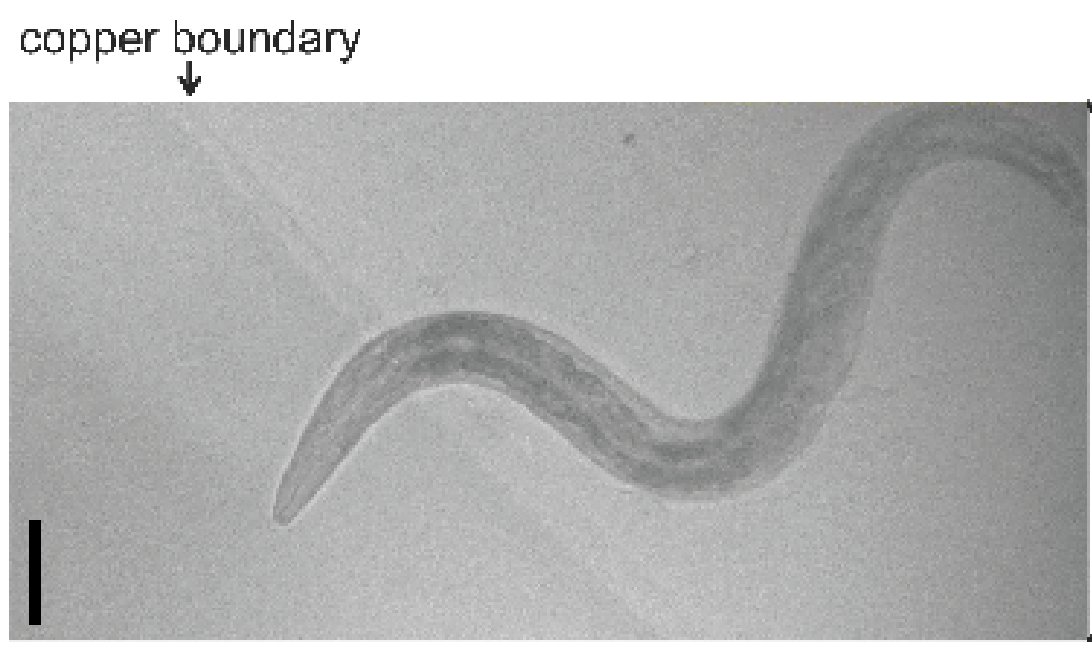
ALT A grayscale image shows a worm slithering from the upper right to the bottom left. It's head crosses a faint line labeled "copper boundary."
9
22
1,727

Jun 10
New results!
Mechanistic corticostriatal circuit model predicts learning-dependent fMRI dynamics and individual reward bias in humans
doi.org/10.64898/2026.05.28.…
#neuroscience #neuroblox
3
12
47
3,112
Correction: June *11* 8pm, I will give the PSW public science lecture at the Cosmos Club in DC
And you (yes, you) can watch online:
pswscience.org/meeting/2537/
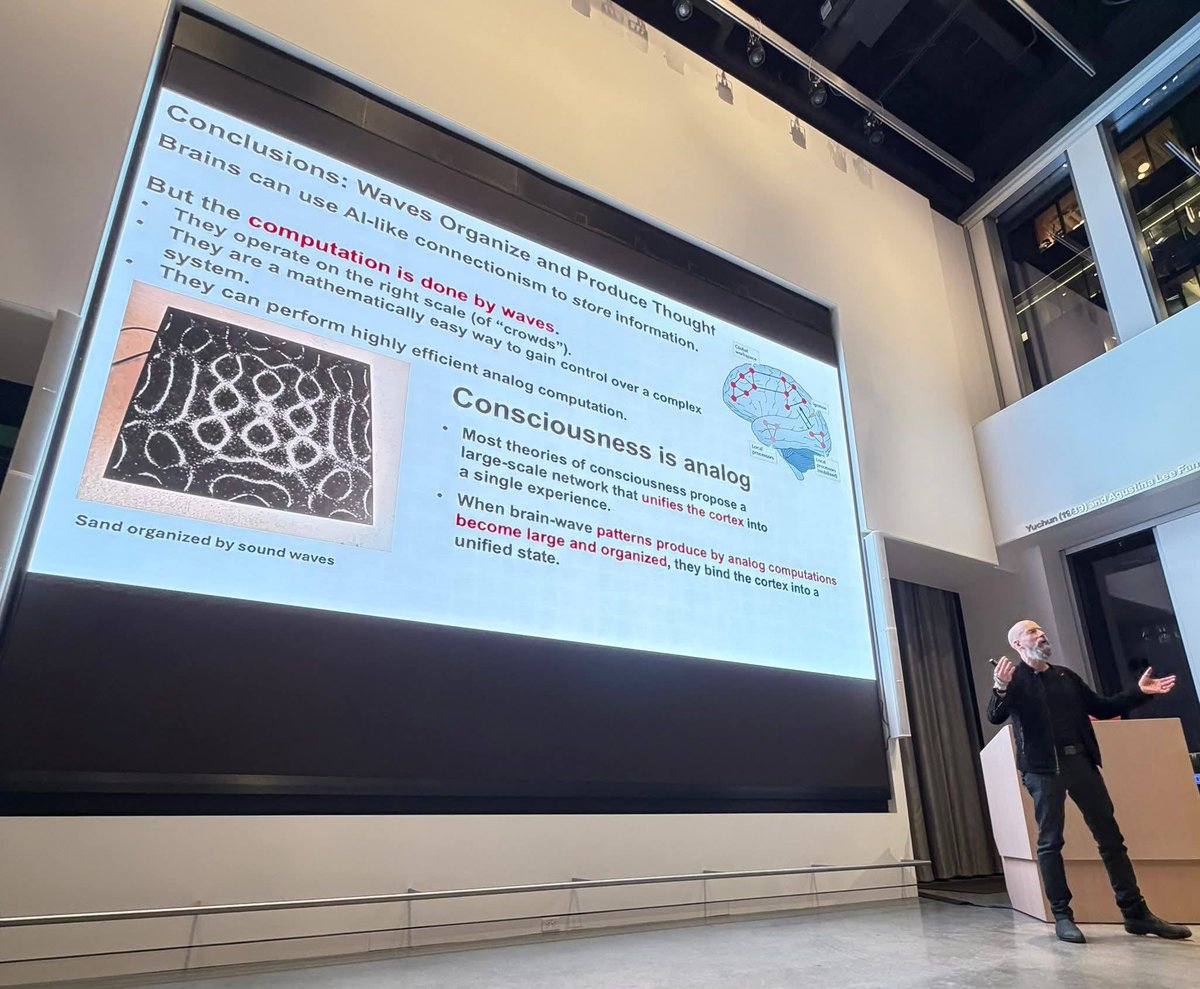
Thought Emerges from Neural Dynamics
How Science is Unraveling the Nature of Cognition and Consciousness.
#neuroscience
12
28
2,589
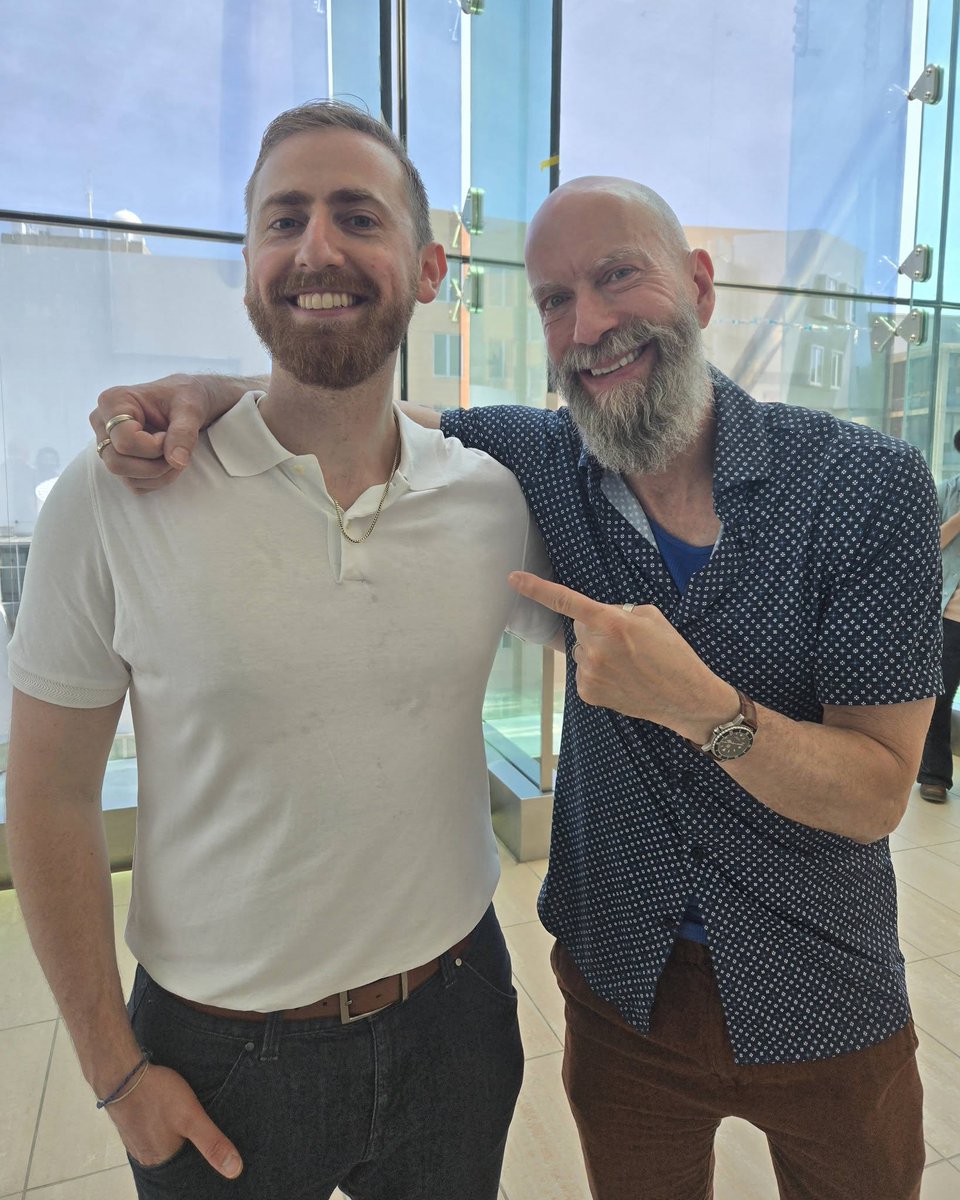
Congratulations to the newly minted *Dr.* Adam Eisen. He has that new Ph.D. smell. @adamjeisen @MIT_Picower
5
6
96
7,572
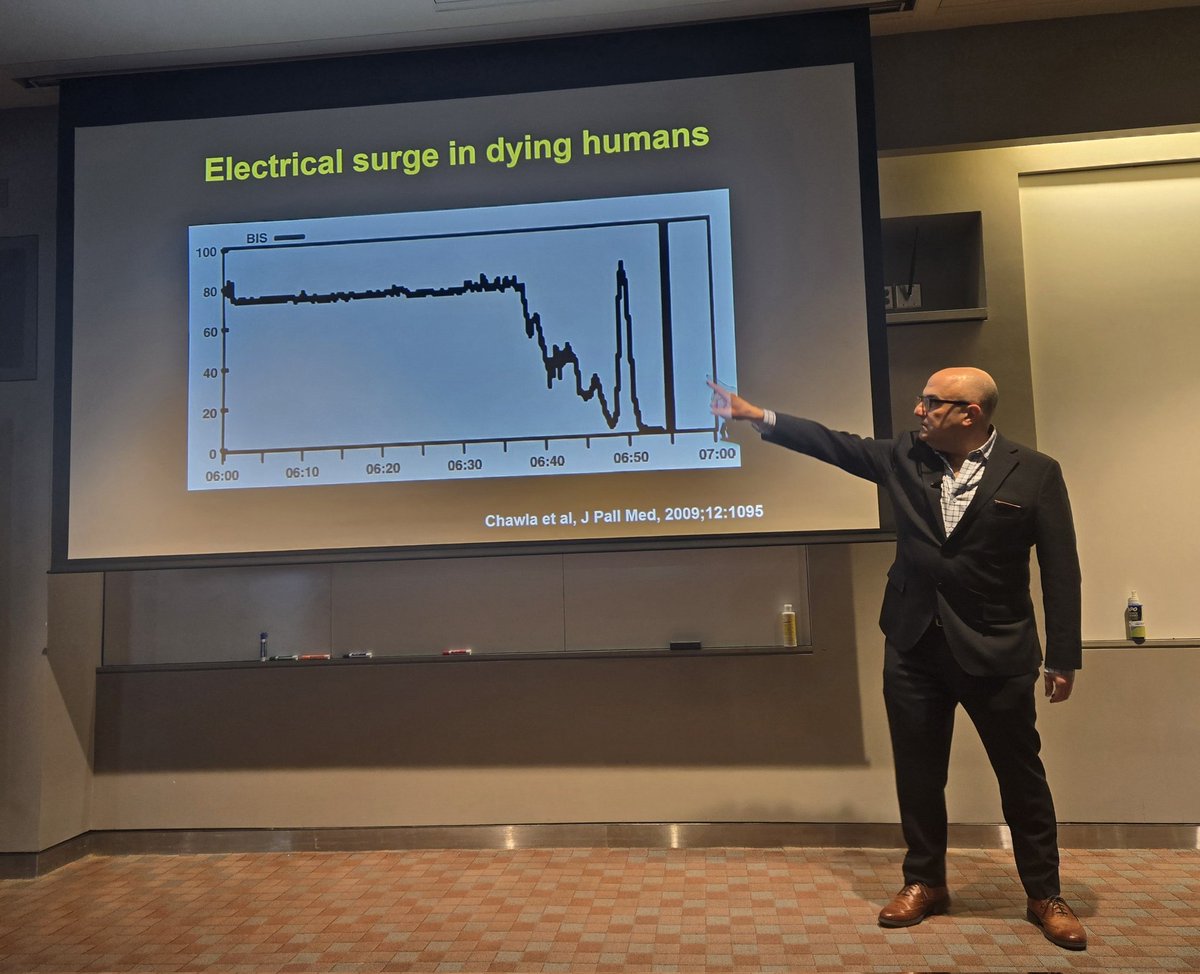
And check out his wicked cool work on anesthesia:
Similar destabilization of neural dynamics under different general anesthetics, Cell Reports, doi.org/10.1016/j.celrep.202…
Propofol anesthesia destabilizes neural dynamics across cortex, Neuron doi.org/10.1016/j.neuron.202…
1
4
24
10,360
New results! The prefrontal cortex uses a low-dimensional “coding space”. Info can be captured in just 3–6 dimensions. The brain compresses what we remember.
Low-dimensional prefrontal representations of objects during working memory
doi.org/10.64898/2026.06.03.…
#neuroscience
21
74
375
26,148
This results from a continual reduction in dimensionality and the organization of incoming signals via predictive feedback.
nature.com/articles/s41583-0…
5
24
5,418
The cortex is not best understood as a set of fully separate, self-contained modules. Instead, regions work together in a more integrated, network-like way.
Brain-wide distributed processing underlying natural vision and audition
doi.org/10.64898/2026.05.26.…
#neuroscience
5
28
142
15,313
Earl K. Miller retweeted

Jun 5
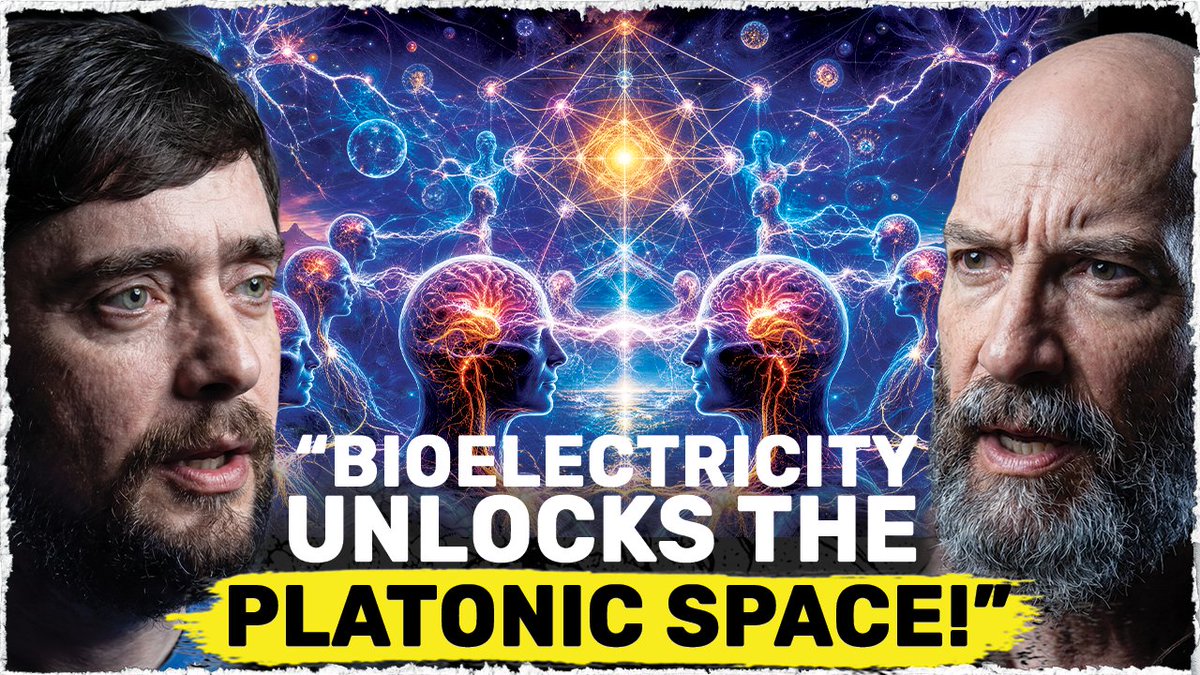
Michael Levin & Earl Miller: Platonic Space of Minds, Bioelectricity, Cell Intelligence & Neurobots
Youtube: youtu.be/6mU5nN5nlLA
Spotify: open.spotify.com/episode/6qJ…
Skool Ad Free: skool.com/the-giants-shoulde…
3
18
87
16,249
Earl K. Miller retweeted
🐈Amid finals and in advance of graduation, two of our most prestigious 'Purr-fessors,' Kinje and Torbie, held office hours at a cat cafe today, arranged the lab of Professor Myriam Heiman. Attendees also enjoyed boba, macarons and cat crafts. Thanks to @mitscience, @mit_bcs
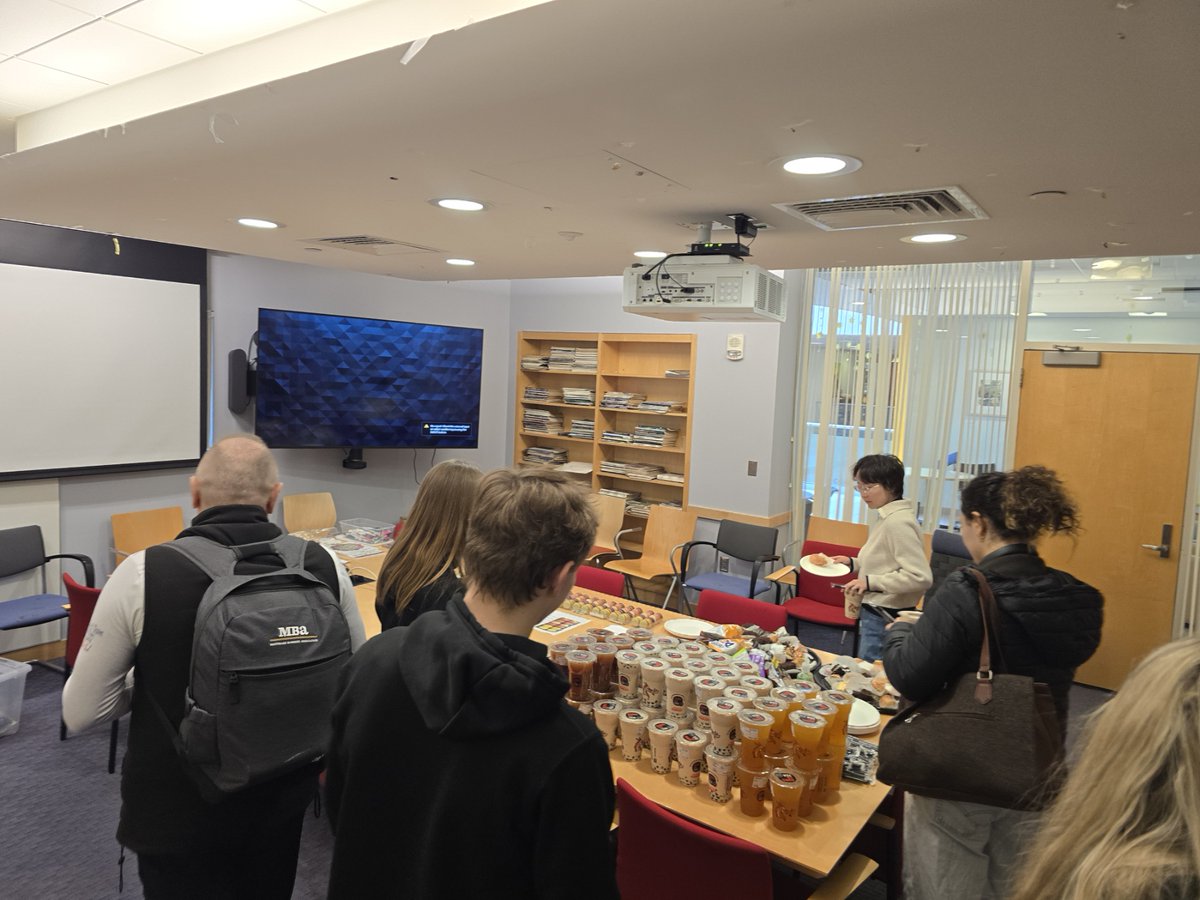
ALT A bund of people stand around a conference room table that is stacked with boba teas

ALT Close-up on the hands of a man as he colors in a wooden cat with a magic marker
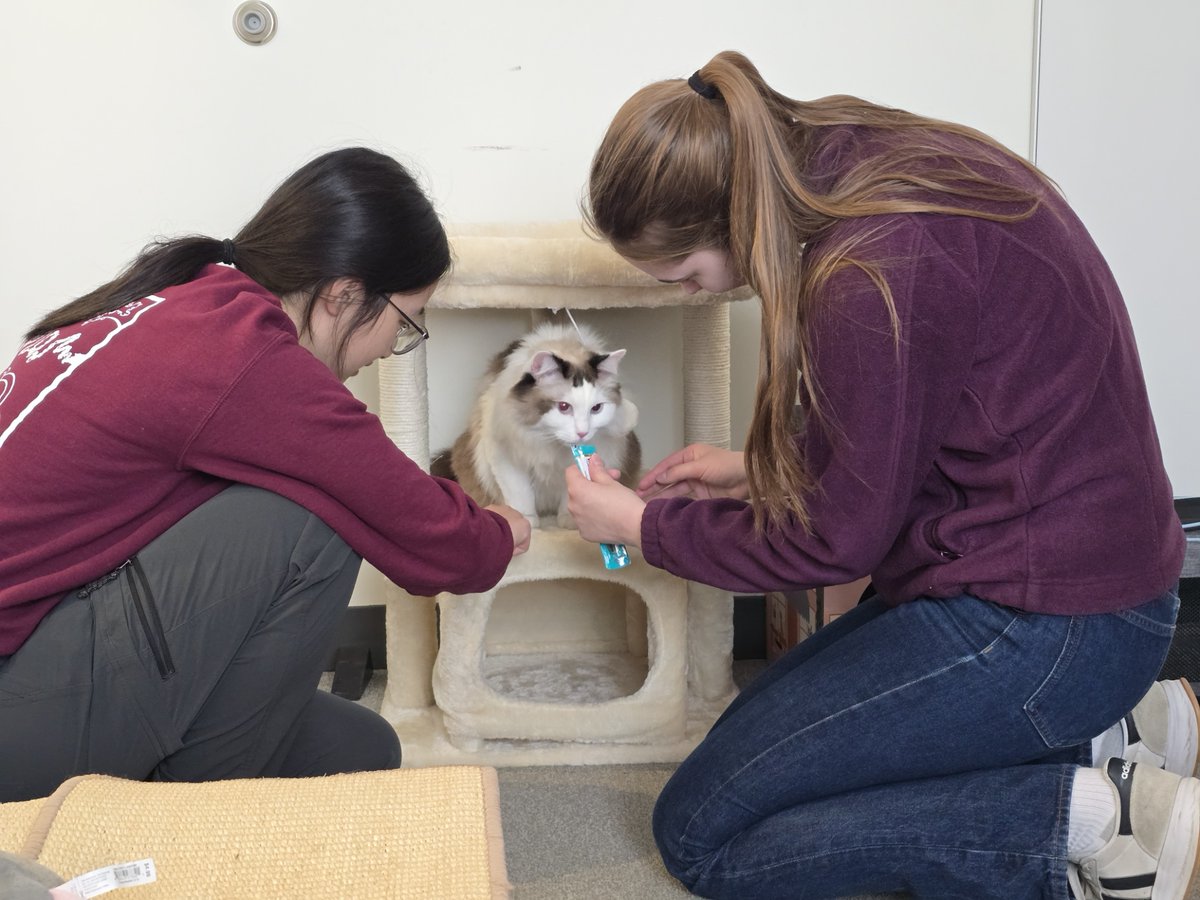
ALT A multi-colored cat stands on a cat tree while being petted by two adoring onlookers
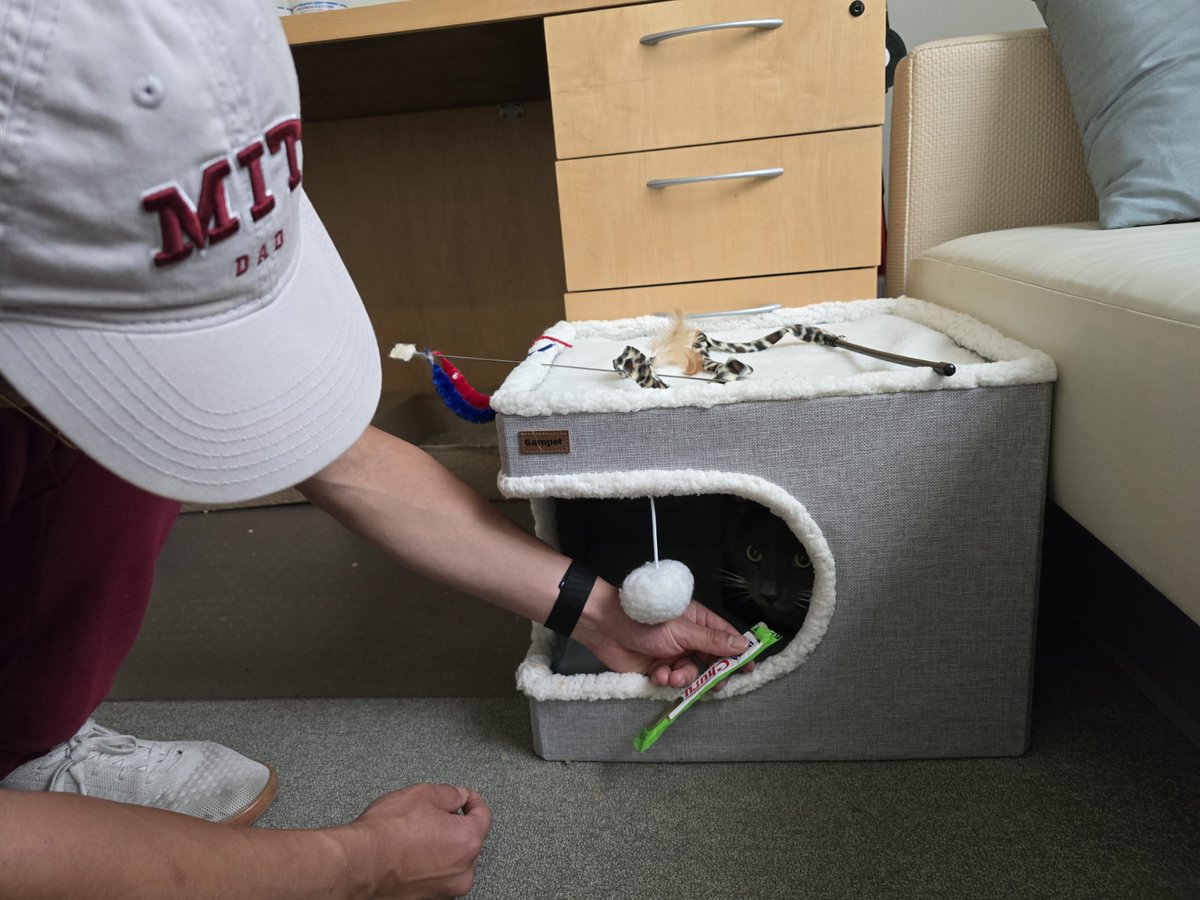
ALT A man in a grey MIT hat leans over to offer a treat to a dark grey cat in the recess of a fuzzy box
3
3
1,370
Earl K. Miller retweeted

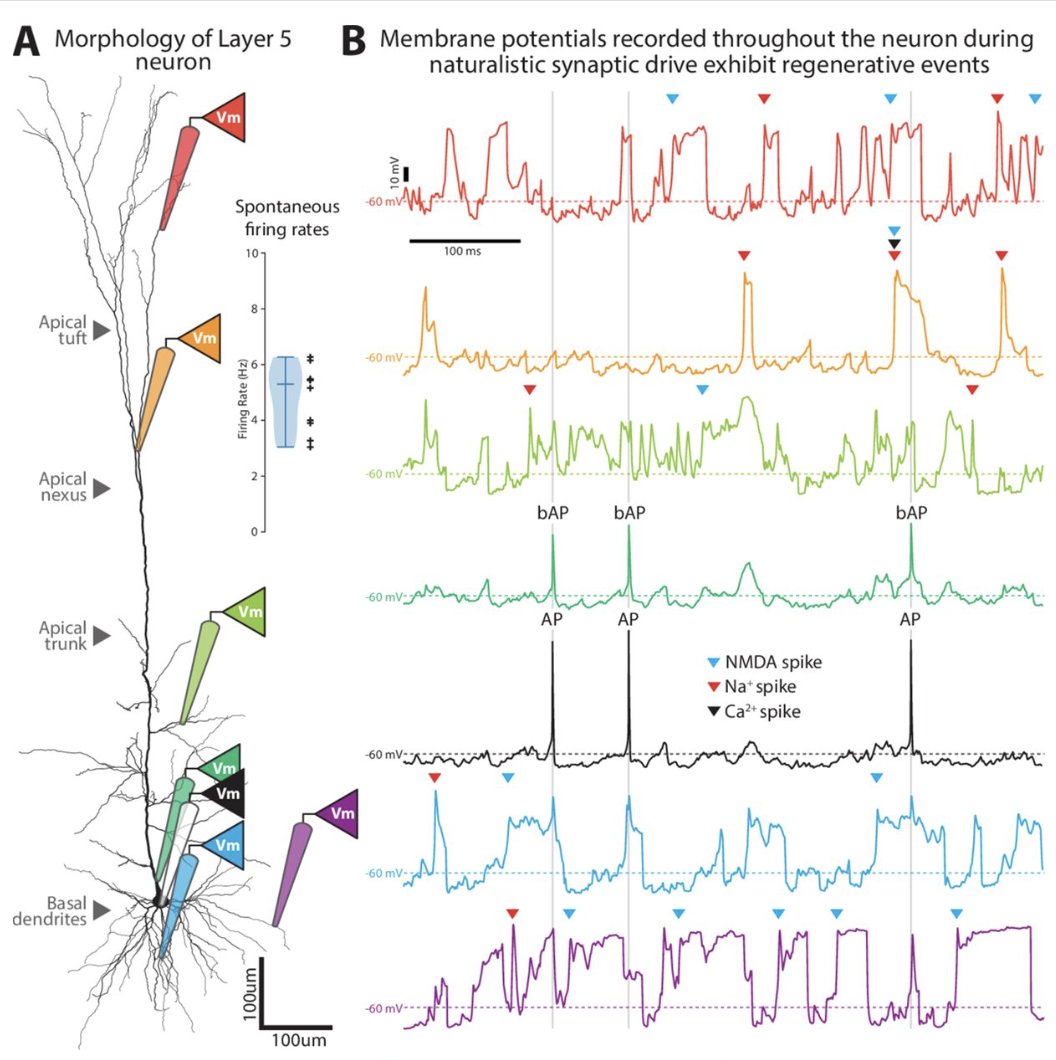
How do beta and gamma rhythms impact synaptic integration in pyramidal neurons? Our latest paper that examines this question studied this using a biophysically detailed pyramidal neuron model. Here’s what we found. A 🧵below.
elifesciences.org/articles/9…
1/10
2
32
138
8,185
New results!
Theta rhythms flexibly routing information based on behavior and feedback, organizing local and long-range neural communication.
Theta gates and routes information in the frontal cortex
doi.org/10.64898/2026.06.03.…
#neuroscience
6
17
74
4,438
Beta rhythms sending top-down feedback to refine perception.
Olfactory bulb-cortex oscillations encode perceived odor intensity rather than concentration
journals.plos.org/plosbiolog…
#neuroscience
9
48
3,721
May 28
Thalamic recordings show a rhythm that’s strong in wake and REM and absent in deep sleep: An electrophysiological signature of conscious states.
nature.com/articles/s41562-0…
#neuroscience
2
11
56
5,482
Earl K. Miller retweeted

May 28
*Thalamic oscillations differentiate sleep stages (consciousness states)*
Unusual chance to record from human neurons. nature.com/articles/s41562-0…
1
9
55
4,151