
Assistant professor in medical psychology @amsterdamumc @VUamsterdam. Studying social identities, relationships and health in stigmatized groups. 🏳️🌈 he/him
Joined January 2022
- Tweets 204
- Following 223
- Followers 309
- Likes 783
27 Photos and videos




Pinned Tweet

14 Feb 2024
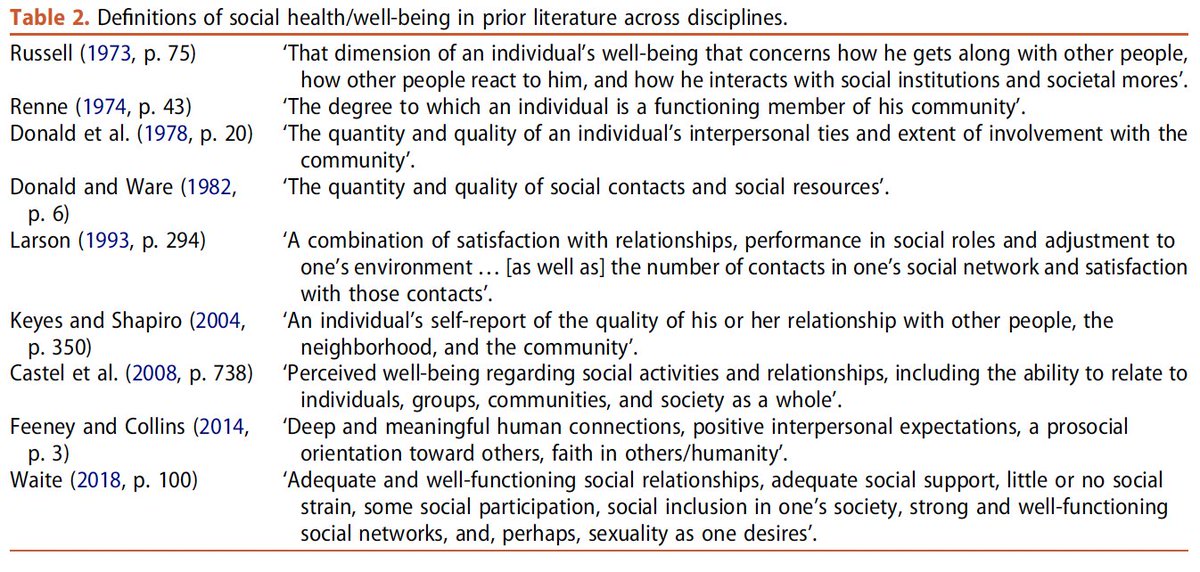
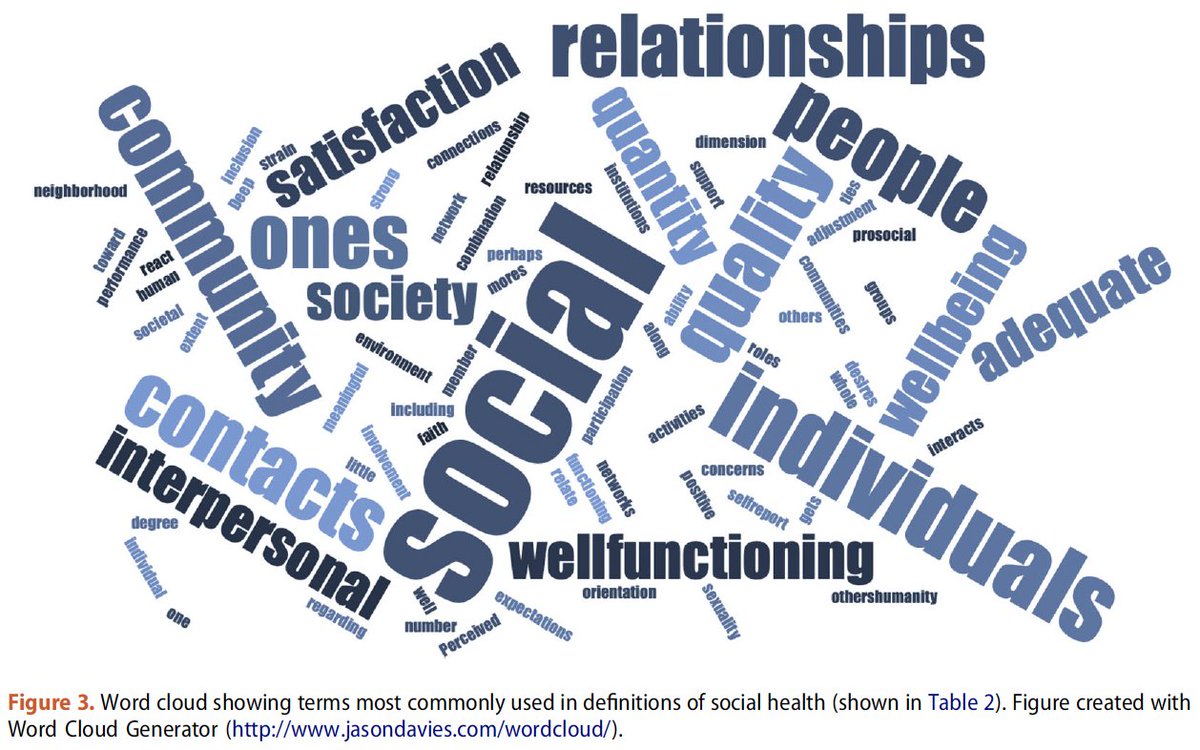
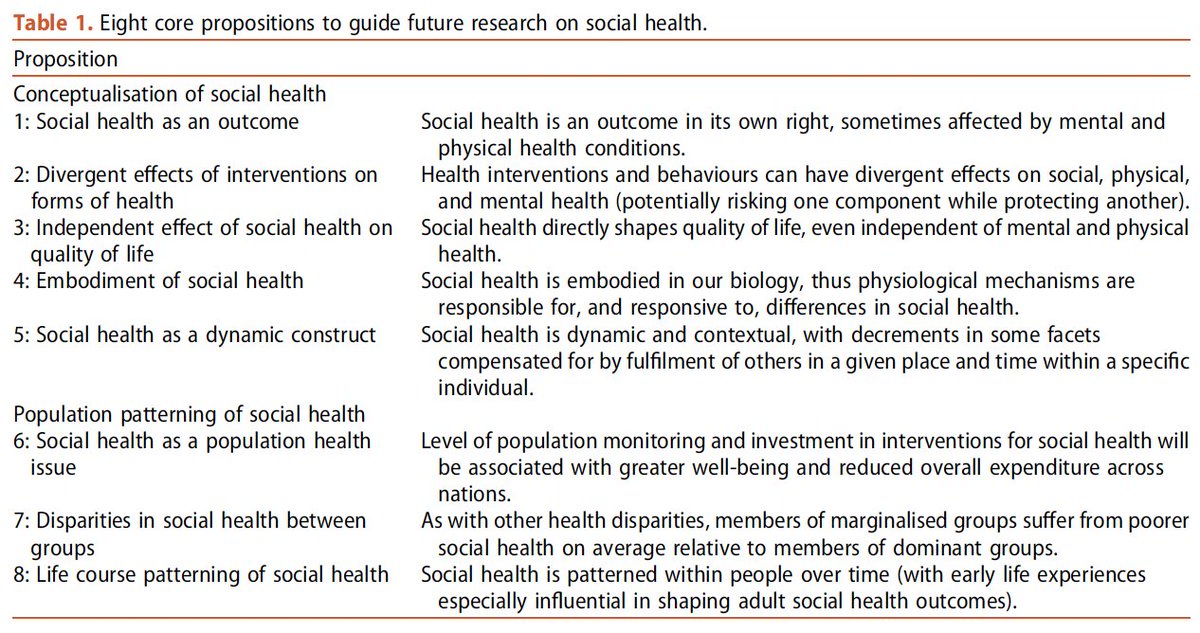
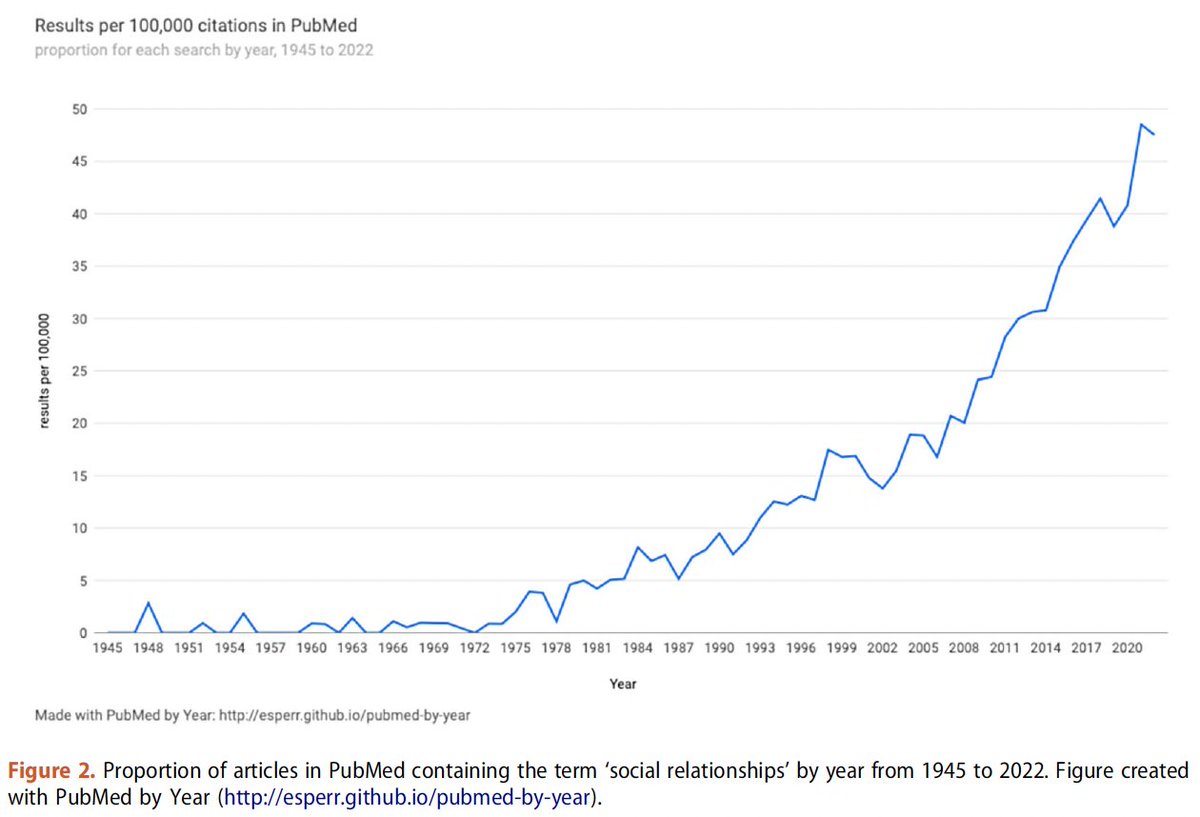
Fortuitous timing on #ValentinesDay to announce our new paper on #SocialHealth is now OA online @healthpsychrev. I am so proud of this work (w/ Bruce Link) setting an agenda for future research, policy, and practice on social health. tandfonline.com/doi/full/10.…
2
3
12
2,142
19 Oct 2024
So excited for Margot 🎉 and to see the results of this work!
18 Oct 2024

I am very excited to have received an Amsterdam UMC Startstipendium grant! With this grant, I will set up a new study on premenstrual exacerbation (PME) in depression: the TIDE project.
A short thread on PME and the project 🧵:

3
290
David Matthew Doyle retweeted

1 Oct 2024
PIs (especially senior PIs) in academia having to write DEIs statements, stating on their Twitter bios how diversity and inclusion matters to them so much, and then supporting the most openly LGBTQphobic scientists without even blinking twice. You are part of the problem.
1
6
476
30 Sep 2024
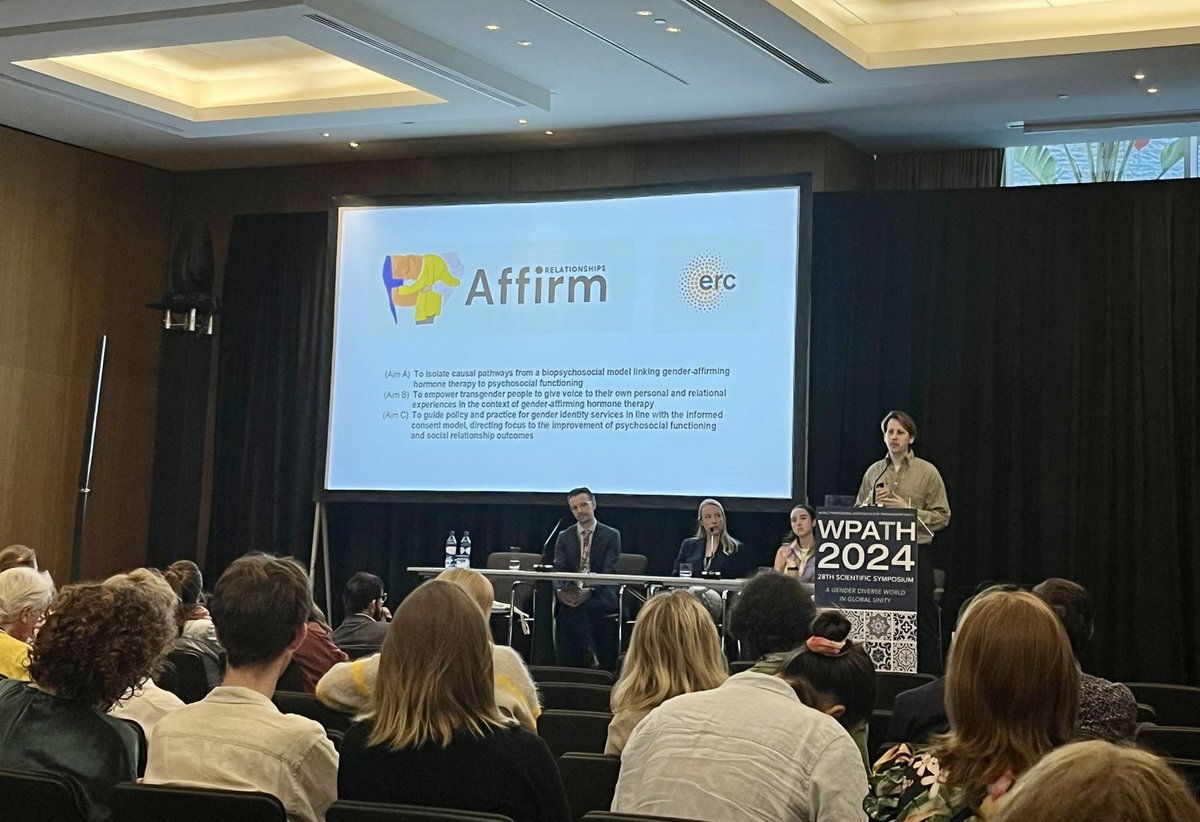
So proud of our symposium yesterday at @wpath on psychosocial and social health outcomes after gender-affirming hormones. Amazing presentations from @NessaMillet1 @HormonoGo from @AffirmRelation and @DrBrendanNolan1. This work is so important to healthcare equity for trans people
3
6
772
David Matthew Doyle retweeted
4 Sep 2024
Such a cool study 🤩
4 Sep 2024

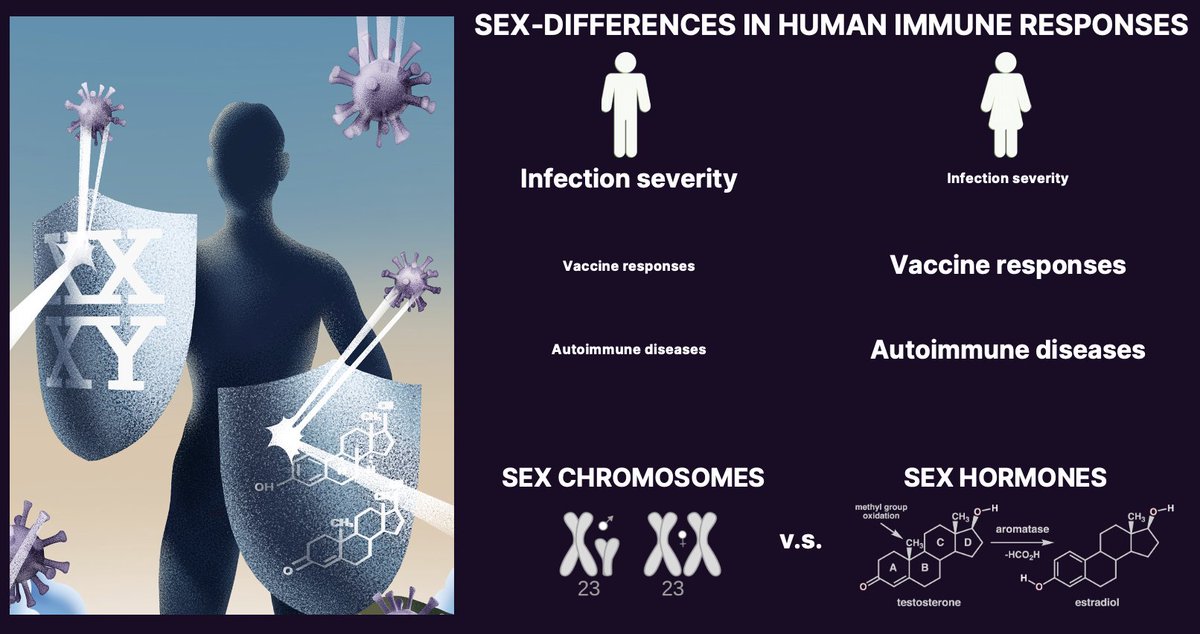
New paper out @Nature - why are males more vulnerable to severe infections (ex acute #COVID), while females suffer more from autoimmunity (SLE, MS etc and also #LongCovid)? sex chromosomes or hormones?
Here we studied adaptation of human immune systems to gender-affirming testosterone treatment in trans-men assigned female sex at birth: nature.com/articles/s41586-0…
1
1
5
611
David Matthew Doyle retweeted

29 Aug 2024
NEW PREPRINT! 🥳
I’m very excited about our new preprint, in which we report on changes in affect variability in transgender people starting gender-affirming hormones:
medrxiv.org/content/10.1101/…
A short thread on our study setup and results below 🧵:
1
3
7
663
19 Aug 2024
We investigated microaggressions (e.g., using incorrect pronouns) and mental health in trans people with nightly surveys for 10 days. Microaggressions were common, occurring at least once every other day, and increased dysphoria, anxiety, and depression. tandfonline.com/doi/full/10.…
1
5
701
David Matthew Doyle retweeted

29 Jul 2024
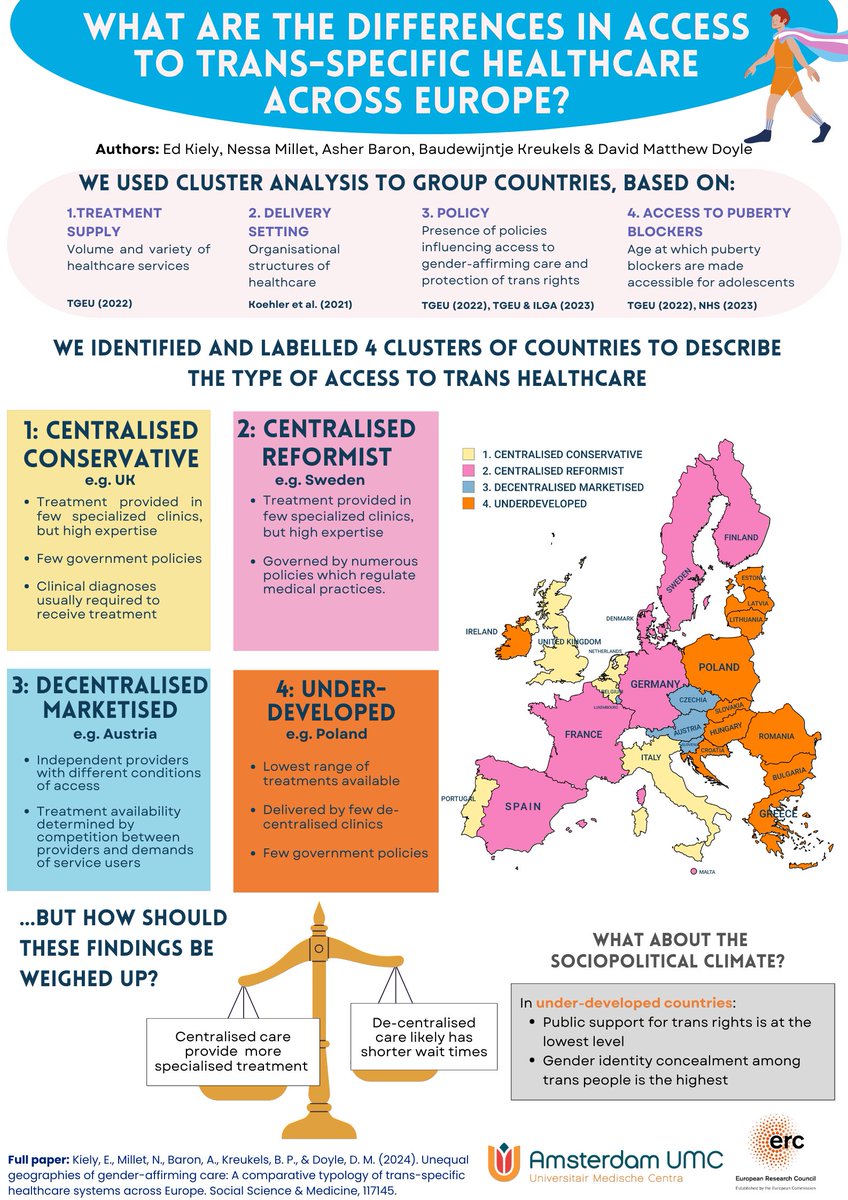
Interested in how trans specific healthcare differs across Europe? You can read more about this in our newly published paper, the results of which have also been summarised in an infographic: sciencedirect.com/science/ar…
1
5
574
David Matthew Doyle retweeted
18 Jun 2024
The work of @DavidMDoyle making it to @Forbes in this article by @WmHaseltine 🤩🥳 forbes.com/sites/williamhase…
2
2
289
31 May 2024
I am very honored that our project on adverse childhood experiences among trans youth seeking medical care in NL was selected for funding by @NWOFunding. Looking forward to working with @AnnelouDe and Skye Stanwich on this along with a researcher to be recruited for the project.
30 May 2024

SGW Open Competitie financiering voor @UvA_Humanities, @FMG_UvA en @amsterdamumc onderzoekers. De projecten beslaan een divers aantal onderwerpen, zoals onderzoek naar wat elk autistisch brein uniek maakt en de ontwikkeling van taal.
go.uva.nl/3X97Dbs
1
6
588
29 May 2024
If you have not seen Margot’s work already I strongly recommend checking it out. Very proud to have her working in our group as a ‘post’doc (soon officially post).
27 May 2024
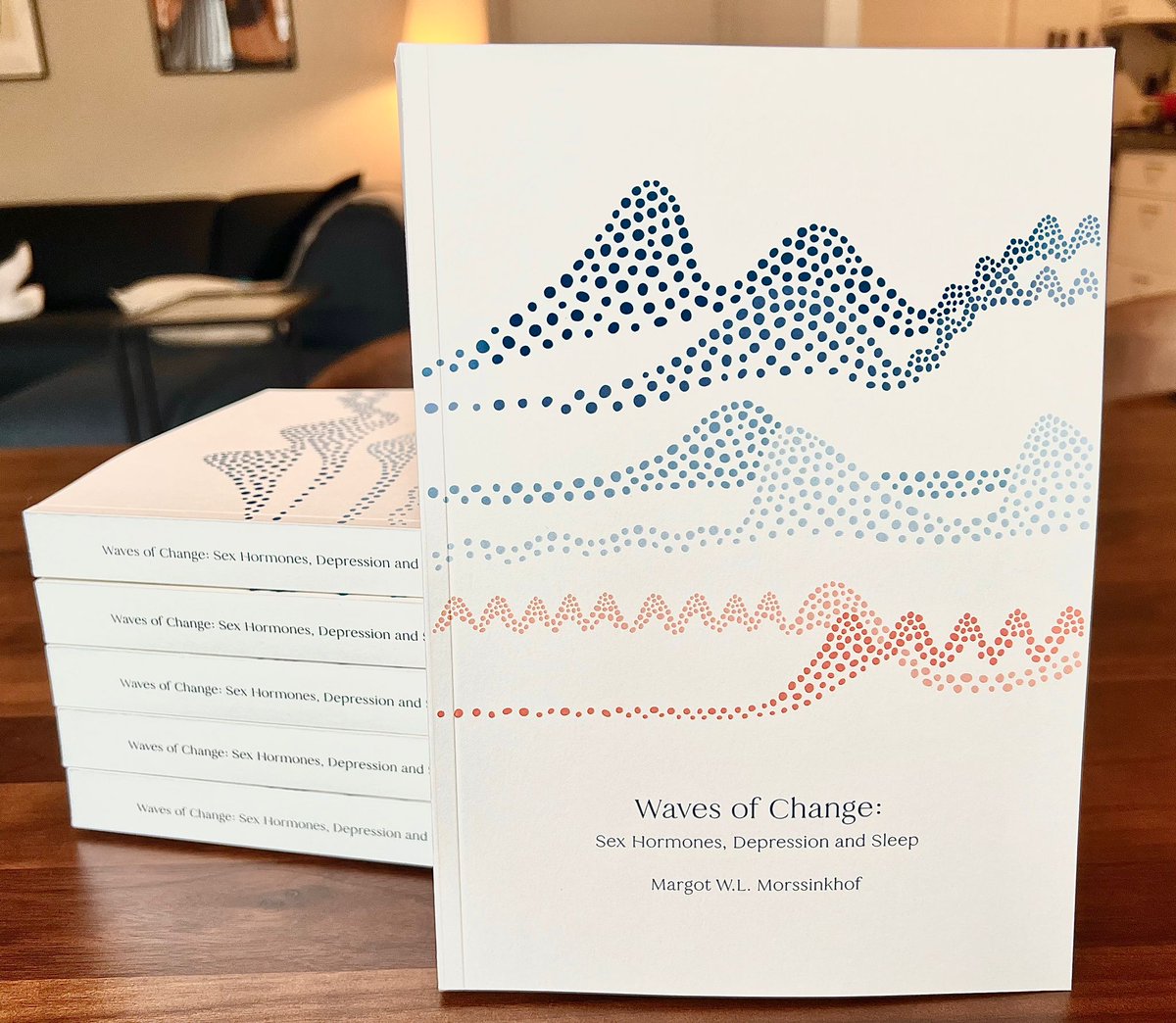
They're here! I received my printed PhD theses today🥹. So surreal to hold five years of research in my hands, but also excited for my defense on June 28th!
5
525
6 May 2024
While I have substantial concerns with the systematic reviews underpinning the #CassReview, it is interesting to see a similar conclusion regarding the efficacy of GAHT in reducing psychological distress to our own recent review on the topic nature.com/articles/s41562-0… 1/3
1
2
303
6 May 2024
"There is suggestive evidence from mainly pre–post studies that hormone treatment may improve psychological health although robust research with long-term follow-up is needed." adc.bmj.com/content/early/20… 2/3
2
1
143
6 May 2024
I hope that even the fiercest critics of GAHT can see the converging evidence here and the very real dangers of legislation/policy limiting access to vital healthcare services for trans and gender diverse people. 3/3
3
117
6 Apr 2024
While it is great to see #loneliness continue to garner high-profile coverage, pieces such as this one @Nature often perpetuate the individualized narrative that my colleagues and I, among others, have critiqued: onlinelibrary.wiley.com/doi/…. Let’s think about structural solutions!

A lack of social interaction is linked to a higher risk of cardiovascular disease, dementia and more. Researchers are unpicking how the brain mediates these effects. go.nature.com/3vEBnSs
2
7
1,187
3 Apr 2024
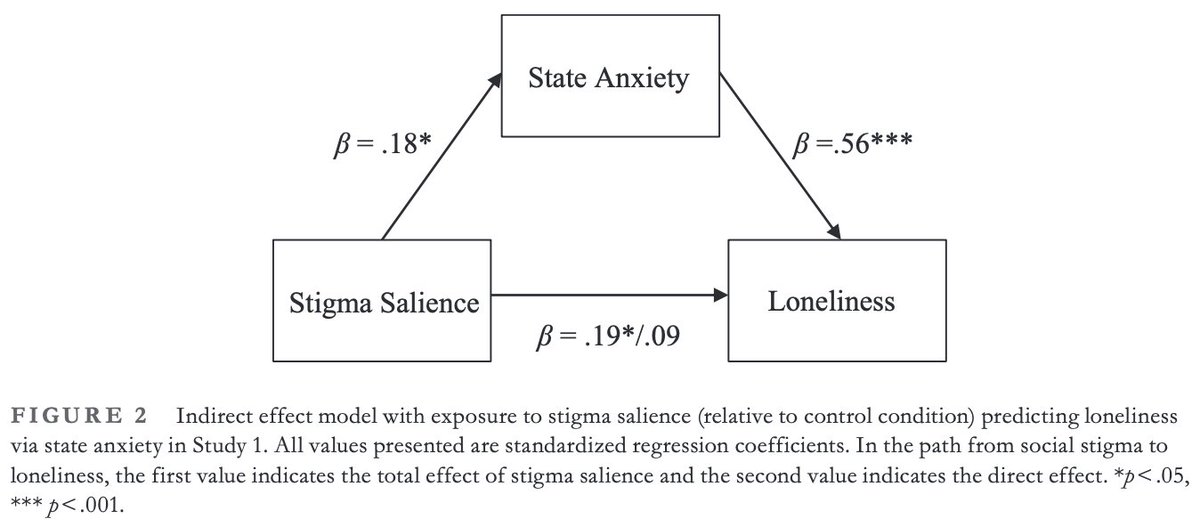
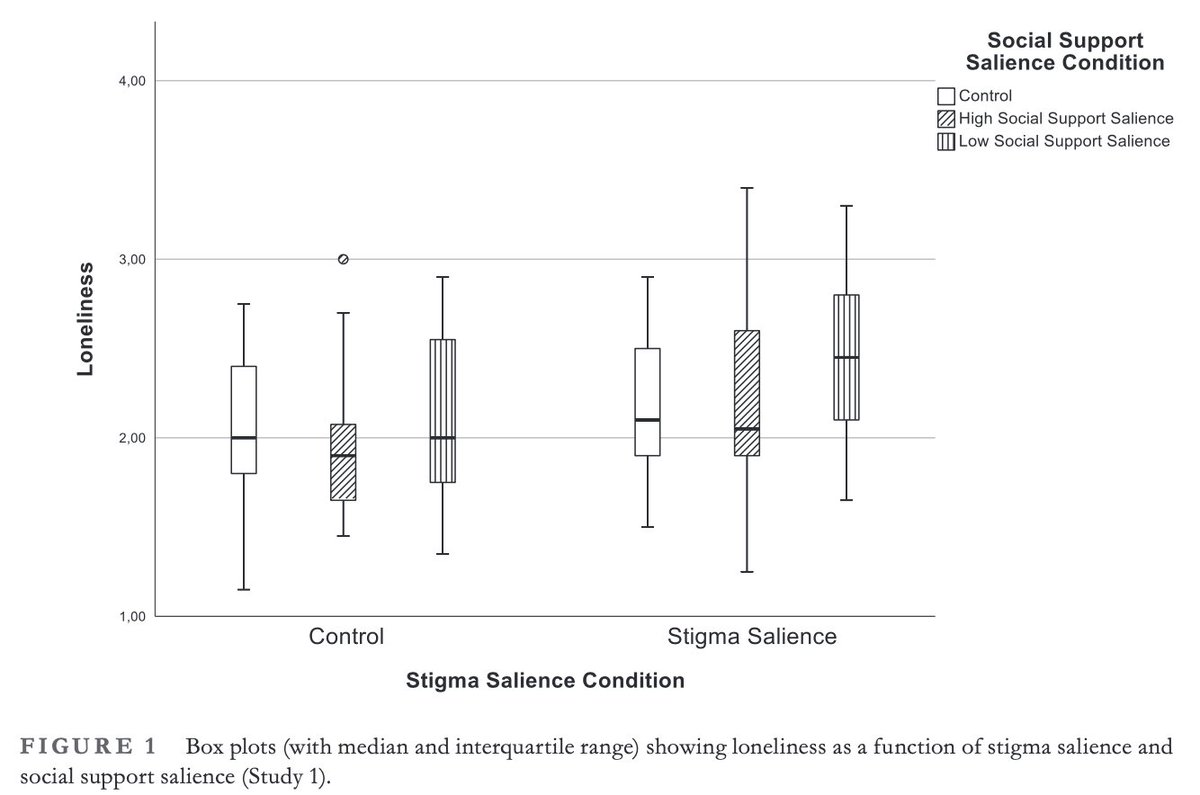
We know that people with marginalized social identities suffer from higher rates of #loneliness. But can making people conscious of marginalization causally increase loneliness? Across two experiments we find that it can. Now OA at #BJSP @BPSjournals/4 bpspsychub.onlinelibrary.wil…
1
6
407
3 Apr 2024
Although not conclusive mechanistic evidence just yet, we did find some indications that these changes may be driven in part by increases in anxious emotions, and potentially anxiety specific to one's marginalized identity (i.e., race-based rejection sensitivity).
1
1
174
3 Apr 2024
This work was done with the incomparable Manuela Barreto, and builds on conceptual/review pieces we have recently published highlighting social disparities in loneliness. Check those out here wcpp.org.uk/wp-content/uploa… and here onlinelibrary.wiley.com/doi/…
1
126
David Matthew Doyle retweeted

15 Mar 2024
👏This paper, by the authors of our Loneliness Inequalities evidence review, draws on the review to argue that loneliness should be tackled as a social justice issue ⏬
7 Mar 2024

Is #loneliness just a 'fault' of individuals? We argue no. Check out our new paper OA in @Journal_PoPs, with the esteemed Manuela Barreto and Pam Qualter, framing loneliness as a social justice issue in need of sociopolitical and structural solutions. onlinelibrary.wiley.com/doi/…
4
3
921
7 Mar 2024
Is #loneliness just a 'fault' of individuals? We argue no. Check out our new paper OA in @Journal_PoPs, with the esteemed Manuela Barreto and Pam Qualter, framing loneliness as a social justice issue in need of sociopolitical and structural solutions. onlinelibrary.wiley.com/doi/…
5
21
3,859