
I will not submit. I will not comply. 🩸
Joined February 2009
- Tweets 82,736
- Following 1,901
- Followers 310,222
- Likes 77,117
21,385 Photos and videos

When they say “be kind” they mean be kind to third world head choppers
1
4
23
756
Meanwhile head choppers welcomed in with open arms.

🚨BREAKING: Tommy Robinson has been detained at Heathrow Airport under Section 3 of the Counter-Terrorism and Border Security Act 2019, with his phone seized
10
65
415
6,611
What’s the collective noun?

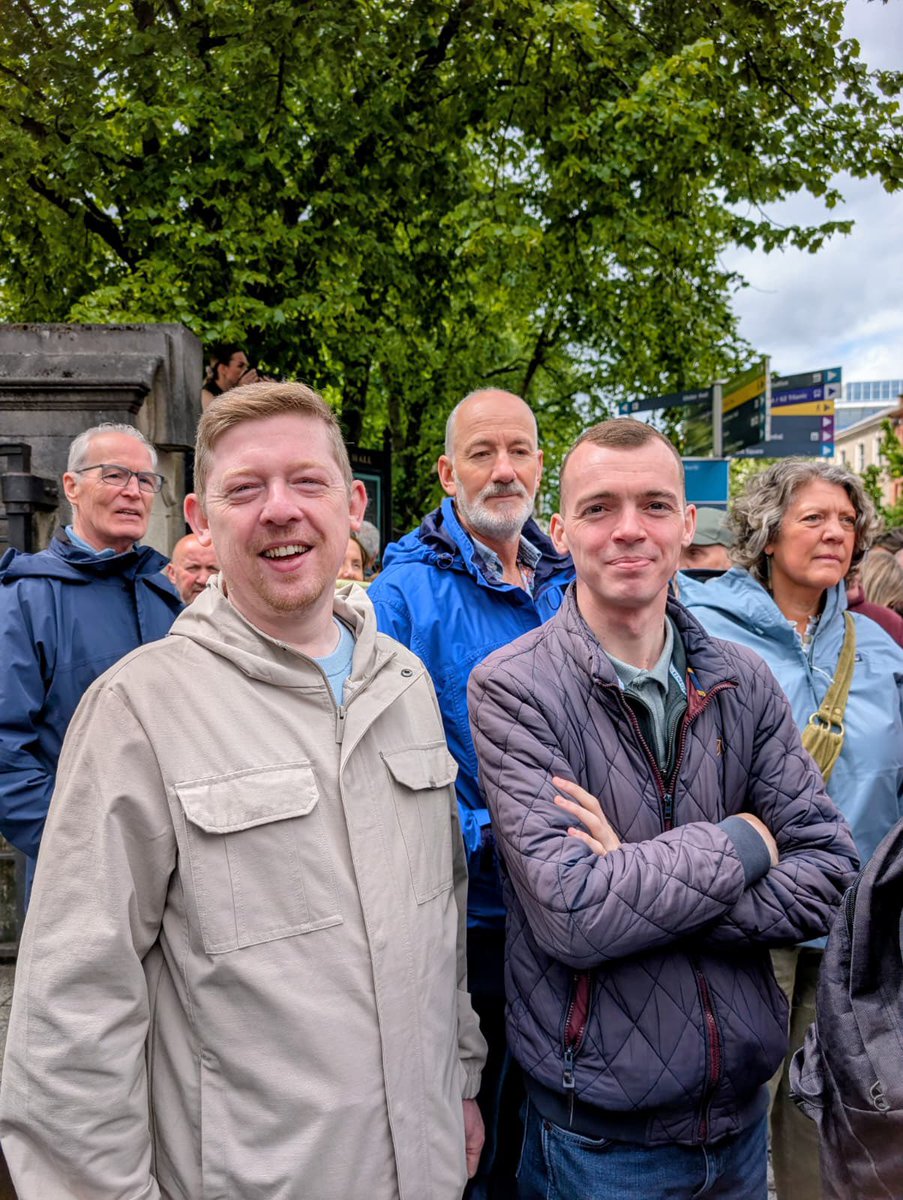
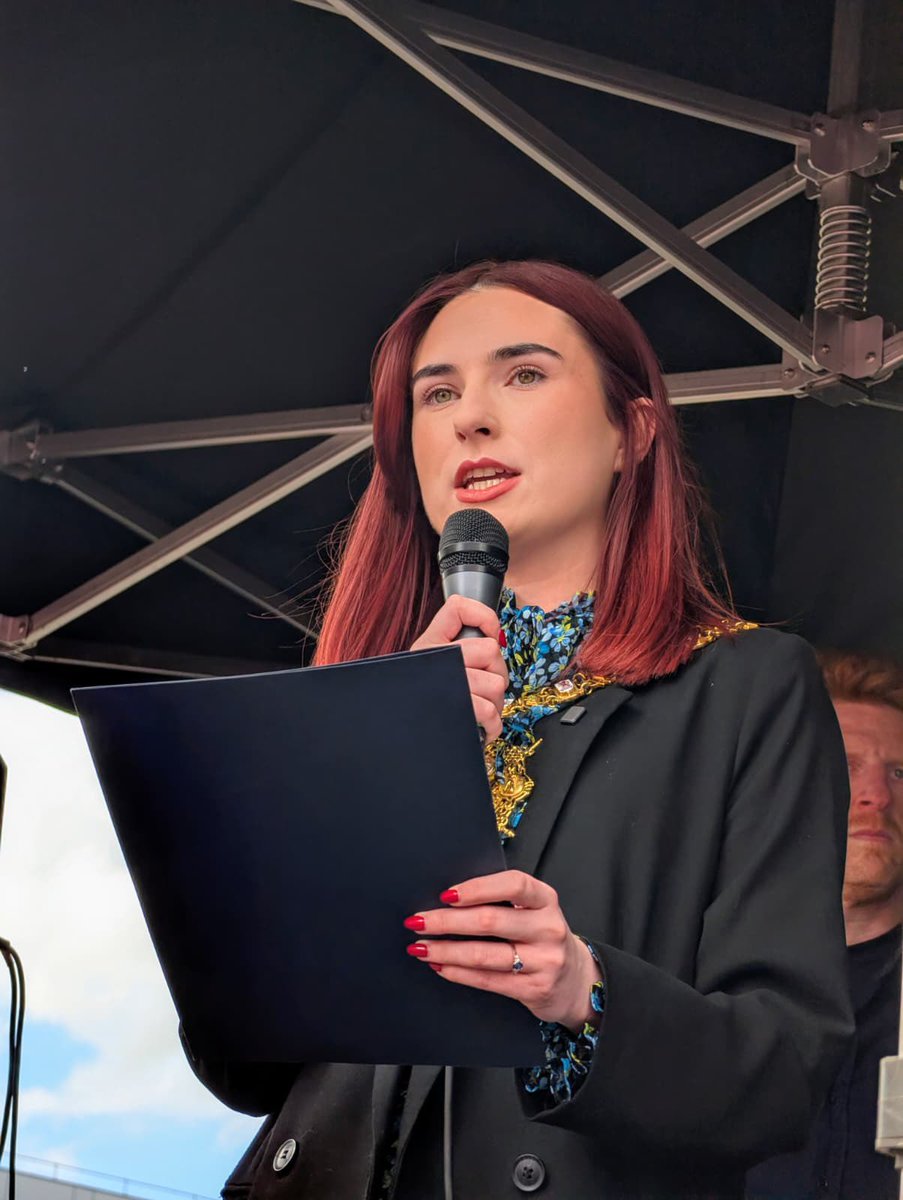
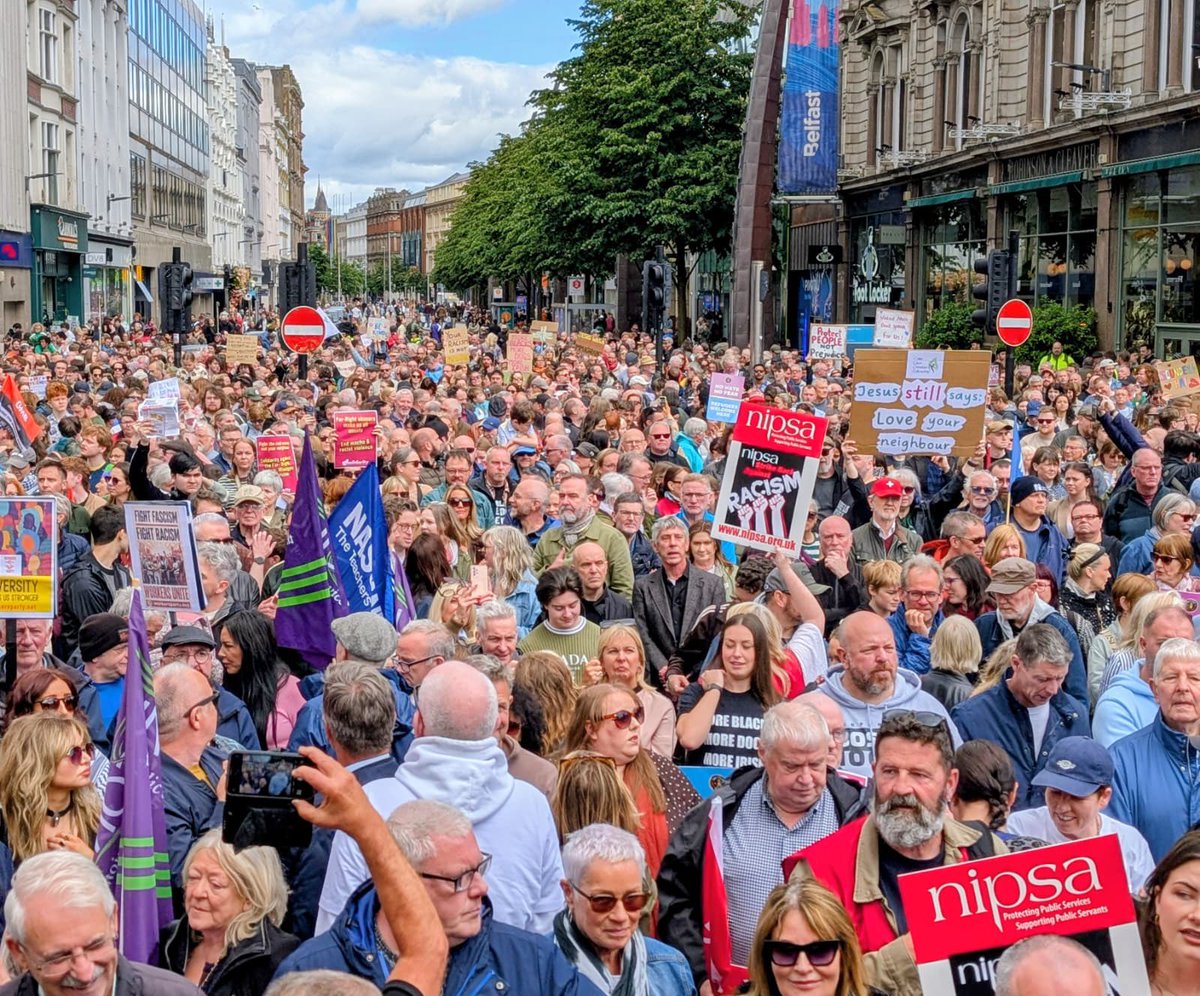
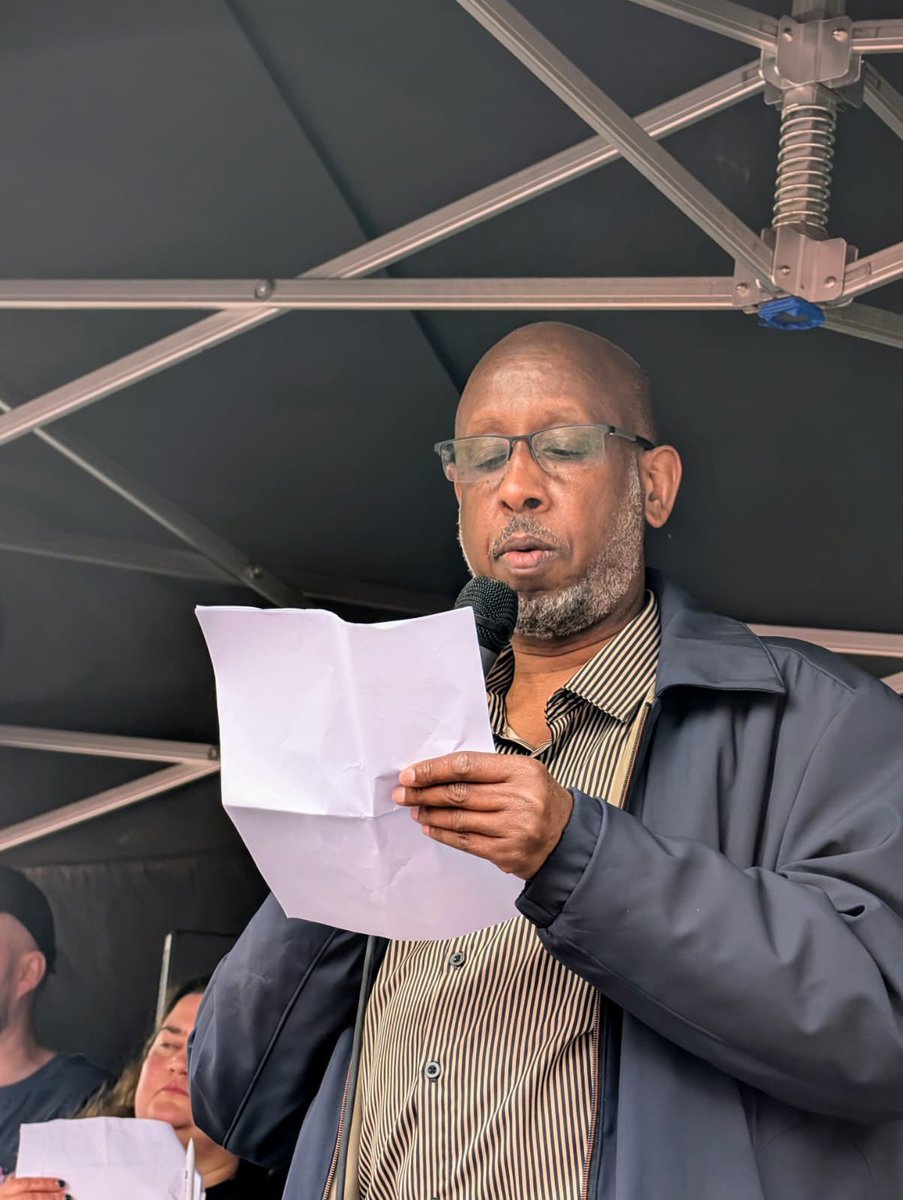
Today we joined together at Belfast city hall to take a stand against hatred and division.
This is our Belfast.
United against racism.
21
3
37
3,543
United against reality.

12
7
74
2,378
The Hidden Investment Network: The Muslim Brotherhood’s Playbook for Moving Money and Stirring Up Trouble
Look, the Muslim Brotherhood has always been more than just a political or religious group. For decades, they’ve operated like a sophisticated global enterprise—one that mixes ideology, business fronts, and murky financial flows to advance their vision.
Critics, especially in the Gulf and parts of the Arab world, argue that a big part of their strategy involves tapping into Gulf wealth, channeling it through seemingly legitimate investment vehicles, and using those funds in ways that destabilise countries while advancing their own agenda. Whether it’s full-blown money laundering or just clever exploitation of weak oversight, the pattern raises serious red flags for stability across the region and beyond.
It often works like this: Extremist networks (and the Brotherhood gets lumped in here by its opponents) wrap themselves in religious slogans—charity, Islamic finance, community development—to build trust. Then they set up investment companies and projects that look professional on paper. Prominent names, slick websites, and offices in major cities help them attract legitimate investors. But underneath, the money can slosh around in ways that are hard to trace: offshore structures, layered entities, and projects that somehow end up funding networks linked to political agitation or worse.
Gulf money has been a particular target. Wealthy donors and state-linked funds in places like Qatar have funneled billions into Brotherhood-aligned causes over the years—through charities, businesses, and political support. Some of this is overt aid or investment; much of it is more opaque. Reports and investigations point to networks moving funds from the Gulf into Europe, Turkey, and other spots, sometimes via front companies or NGOs. Saudi Arabia, the UAE, and Egypt have cracked down hard, designating the group a terrorist organization and highlighting its role in financing instability. More recently, the US has taken steps against specific chapters for ties to Hamas support.
The real danger isn’t just the cash—it’s how it undermines stability. These networks can bankroll political movements that challenge sitting governments. It spreads influence through media and institutions, and create parallel power structures that erode national loyalty. In places recovering from upheaval, the appearance of professional companies can lull people into investing or partnering, only for the underlying agenda to surface later. It’s not always crude terrorism financing; often it’s “civilisational” work—building influence, buying assets, shaping narratives—that slowly shifts societies toward their model of governance.
Why this matters now.
Investors and officials shouldn’t be fooled by the corporate sheen. A construction firm in Europe, a real estate play in the Gulf, or an Islamic finance outfit might check all the compliance boxes on the surface. But if the ultimate beneficiaries or decision-makers tie back to Brotherhood-linked figures, that money could be feeding networks that prioritise transnational Islamist goals over local stability.
Confronting this requires real cooperation.
Gulf countries and European authorities need to share intelligence more aggressively, track cross-border flows, freeze suspicious assets, and pursue legal cases without hesitation. It’s not about religion—it’s all about security. Financial watchdogs, banks, and regulators have to dig deeper into beneficial ownership.
This isn’t some shadowy conspiracy theory in every case; there are well documented networks, court cases, designations, and money trails from multiple governments and investigations. At the same time, the Brotherhood presents itself as a legitimate political & social movement in many places.
The tension between those views is why vigilance really matters. Hidden investment networks thrive in the gaps where oversight is weak and money moves fast.
6
15
1,091
BBC reporter oozing bias.


20
9
107
4,907
State approved and funded protest.

This is Belfast!
What an incredible turnout today in response to the shocking racism we have seen on our streets this week.
Belfast stands together. Hate will never win. Solidarity will!
9
16
78
2,838
David Vance retweeted

Sinn Fein - a wing of the IRA are defending foreign nationals who work in Belfast hospitals.
In 1991 the IRA bombed Musgrave Park Hospital in Belfast. A five-year-old girl and a baby of five months were among the injured.
Michelle O'Neill's father was a member of the IRA.
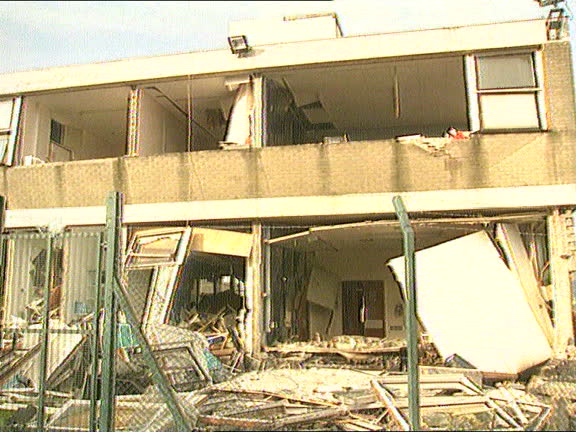
28
79
289
6,131
Well done Brighton

7
75
372
5,124
Sinn Fein claim to care so deeply for the NHS yet for decades their IRA pals murdered and maimed and even tried to kill patients in hospital. Utter scum.
47
31
252
6,145
Irish Nationalists and Republicans turn out to cheer on mass migration.👇🏻👇🏻🙈

The anti-racism rally has now began here at Belfast City Hall.
Cheers from the crowd as speakers take to the stage.
No major counter protest, unlike last years rally. @BelTel
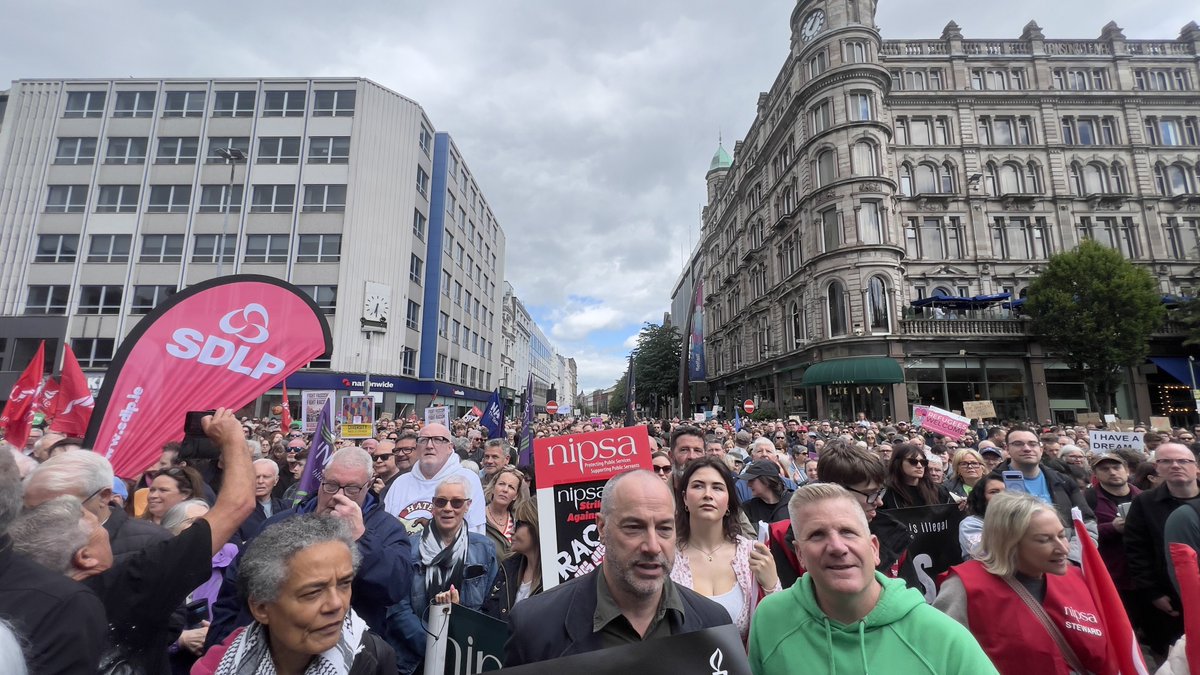
52
19
168
9,431
What’s happening to Ireland is horrendous and yet the political elite could not be more pleased.
Jun 13

So Clonakilty in West Cork gets a moslem mayor, Yousuf Janabali, & local sell-out TD, Michael Collins, is first in line to fellate him.
WTF is going on when even these independents who pose as a somewhat patriotic alternative, are just as treasonous ?
Clon is filled with leftists

6
9
68
2,682
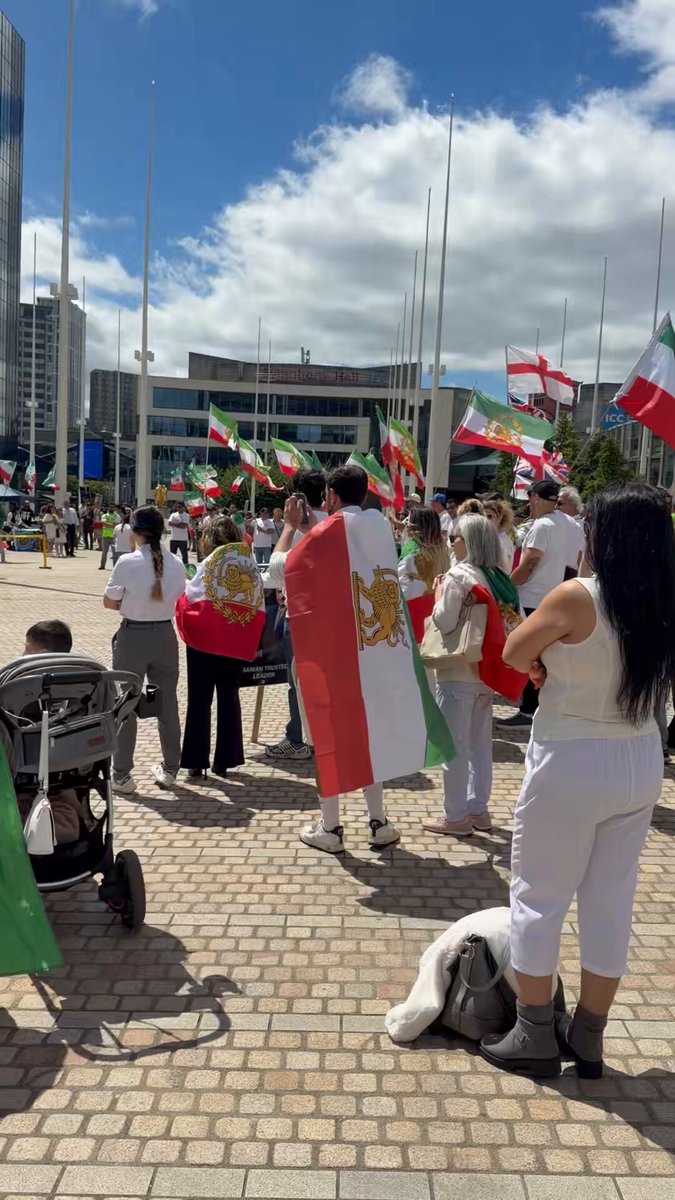
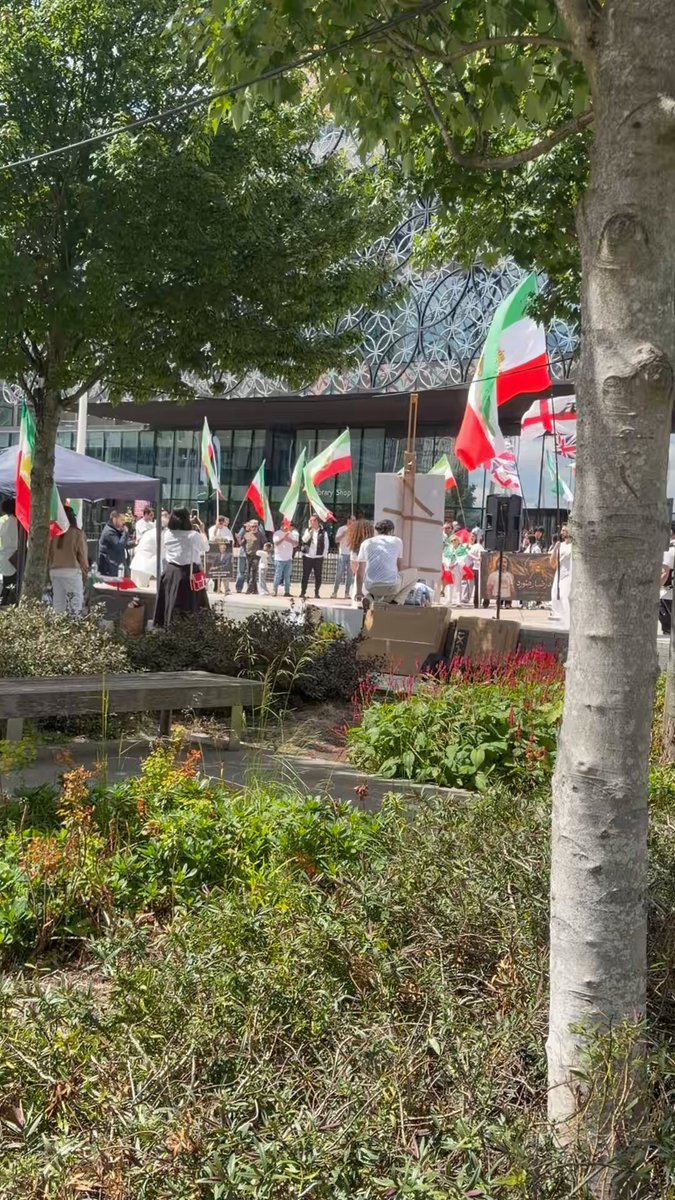
Diversity barriers surround central Birmingham. Who are they protecting us from?
8
10
108
3,842