
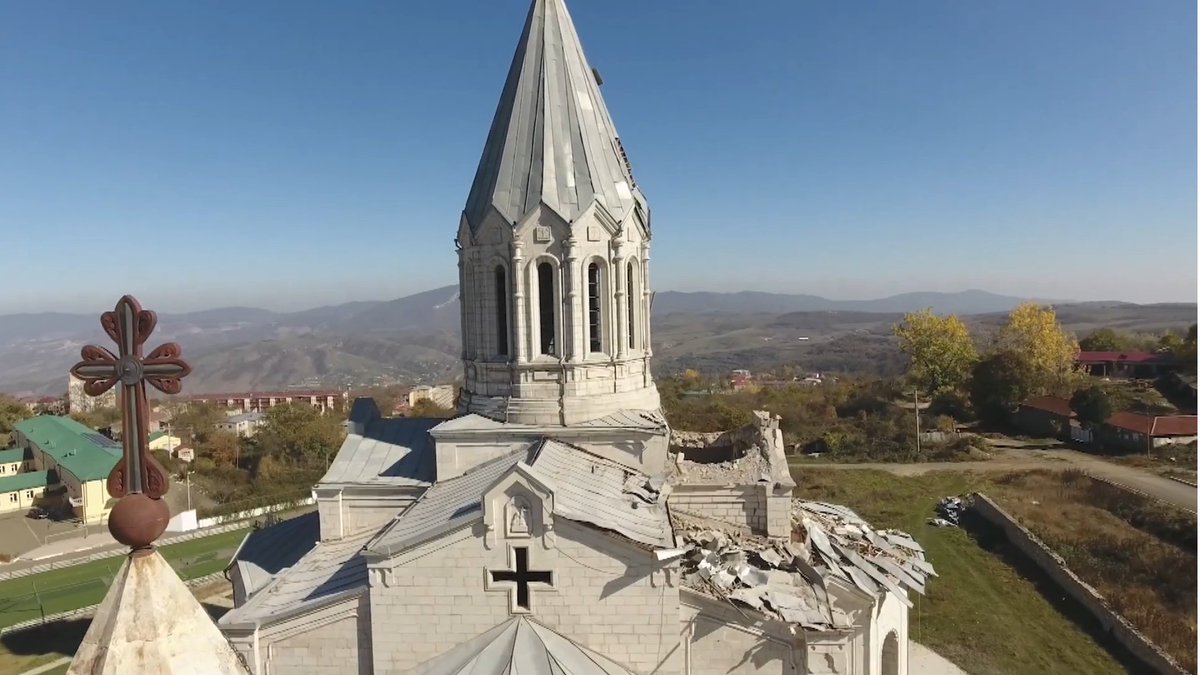
After destruction, it's time to build.
Joined October 2018
- Tweets 92,497
- Following 793
- Followers 2,348
- Likes 46,368
10,015 Photos and videos




Pinned Tweet

Mar 20
I'm thinking of starting a "business" in Armenia 🇦🇲, since I'm doing it of my own free will, it could be described as a hobby.
I'm going to calculate the cost of the project in terms of resources (maturation time).
1
757

May 10
RT @aldnmarki: Armenian Red Army soldiers dancing their traditional Kochari folk dance in the heart of Berlin, May 1945 t.co/qQ0JLo…
845
Դավիթ retweeted

Your reminder that in WW2 the Armenian SSR lost the highest proportion of dead out of the SSRs that didn't go through Nazi occupation
May 8

Armenian Red Army soldiers dancing their traditional Kochari folk dance in the heart of Berlin, May 1945
6
118
1,728
41,303
Դավիթ retweeted

May 9
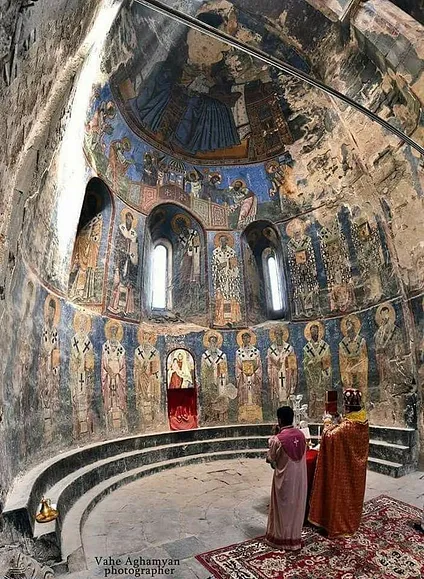
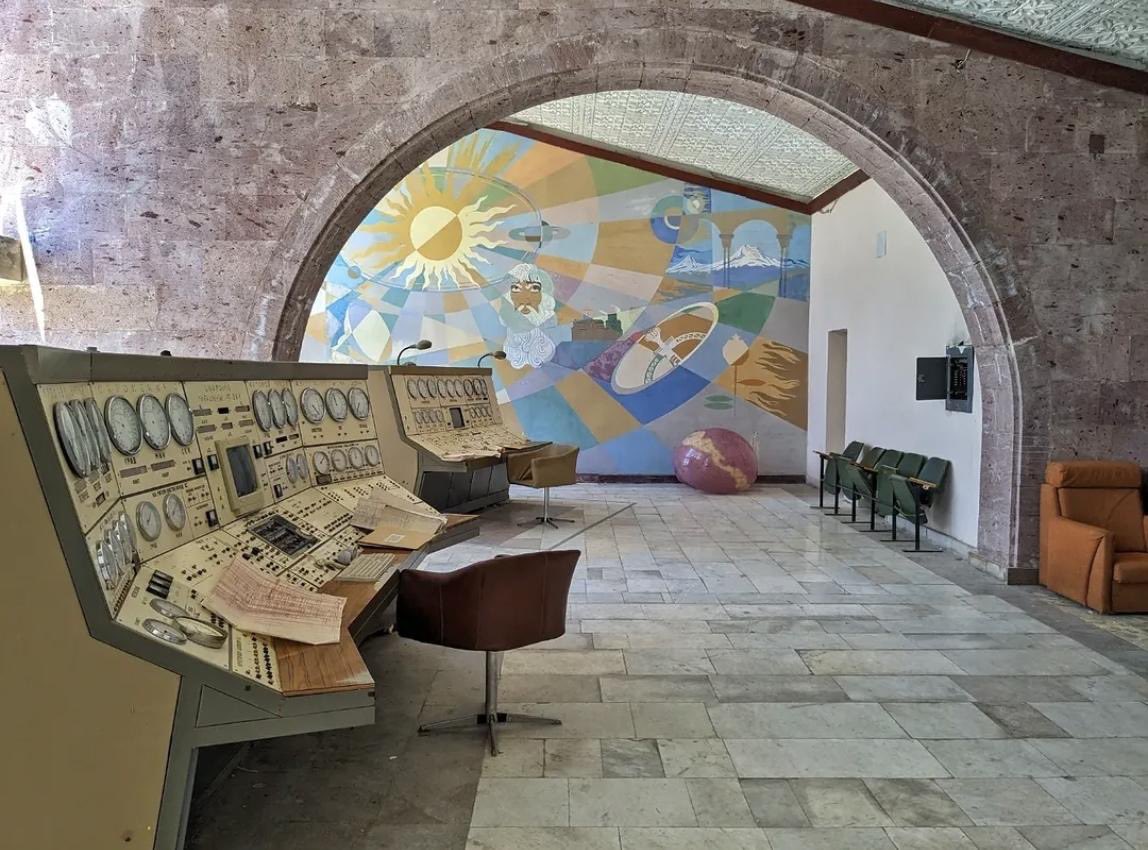
After just one day of dedicated tourism, I proclaim Armenia to be a hidden gem.
You see almost no western tourists yet everyone is very friendly to westerners, it’s very affordable and it’s rather beautiful. It’s very safe.
Although it’s a humble country, It’s the first Christian country and it shows.
When you get off the plane at the capital you’ll notice towering snow caked mountains, the capital center is filled with greenery and everyone dresses well.
It’s got a charm you can’t explain. It’s just worth visiting. I see it taking off in a few years. Thanks for having me Armenia ✝️🇦🇲
75
113
2,818
105,844
Դավիթ retweeted

Did you know one of the 12 apostles is buried in Iran? Who? Saint Thaddeus.
This is Qara Kelisa, built in 66 AD where St. Thaddeus was martyred. It was renovated in the 3rd and 7th centuries.
In 2008 it joined the UNESCO World Heritage List with several other old Iranian churches
260
3,425
11,278
295,683
Դավիթ retweeted

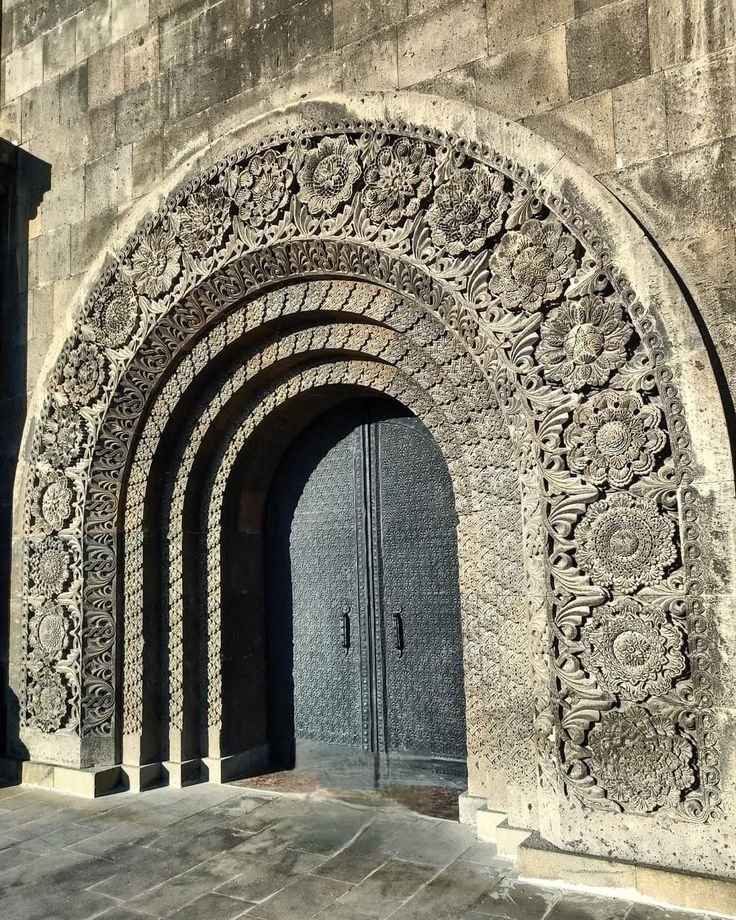
Inevitably in a country with an architectural tradition in stone dating back to Urartian times, the craftsmen who so carefully carved blocks of stones for walls, fortresses, and sanctuaries had acquired the skill to sculpt stone as relief decorations for buildings or as independent works of art. Little sculpture has survived, however, from the pre-Christian period because of the excessive zeal of St. Gregory and the newly convert royal court of Armenia in destroying all vestiges associated with earlier pagan religions. The major exception is a series of extremely large carved monolithic stones found in various parts of Armenia and often associated with water sources. They resemble large tailless whales. On them are fish-like designs, but they are know as vishap-k'ar, dragon stones. They date from 2nd-1st millennia BC.
Excavations have uncovered a miscellany of sculptures from the Artaxiad and the Arsacid periods, roughly 2nd Century BC to 4th Century AD. The famous bronze head of Aphrodite, found at Satala near Erzinjan, now in British Museum, or the small female torso in white marble dug up at Armavir, testify to popularity of Hellenistic sculpture in Armenia. Other stone heads, anonymous but no doubt of Armenian nobility, display a static pose far removed from classical style. Nearly a dozen boundary markers of king Artaxias I (Artashes) from early 2nd Century BC have also been uncovered in various areas of Armenia, but these are more important for their Aramaic inscriptions than for their art. Temple of Garni from 1st Century AD offers an enormous repertory of sculpted lion heads, acanthus friezes and geometric and floral reliefs associated with Ionic order of Hellenistic temple architecture.
There is a relative paucity of wooden and ivory sculpture perhaps because these materials were precious commodities in Armenia in historical times; furthermore, stone, especially the easily carved tufa, was very plentiful. The most important piece of ivory carving preserved in Armenia is the binding, with upper and lower plaques, each in five fitted sections, of Etchmiadzin Gospels. These were probably carved in 6th Century in Byzantine workshop and later imported into Armenia. The upper cover shows shows the Virgin with Christ with scenes from her life, including the Presentation of the Magi at the bottom. The lower cover has a beardless Christ in the central panel with scenes from His life.
There are also a number of finely carved ivory bishop's crosiers often with twin dragon heads. Wood was a much more fragile medium than stone or metal and much of what must have been produced has been burned or otherwise destroyed. We know, however, that wood carving was as favored a craft in ancient times as it is today in modern Armenia.
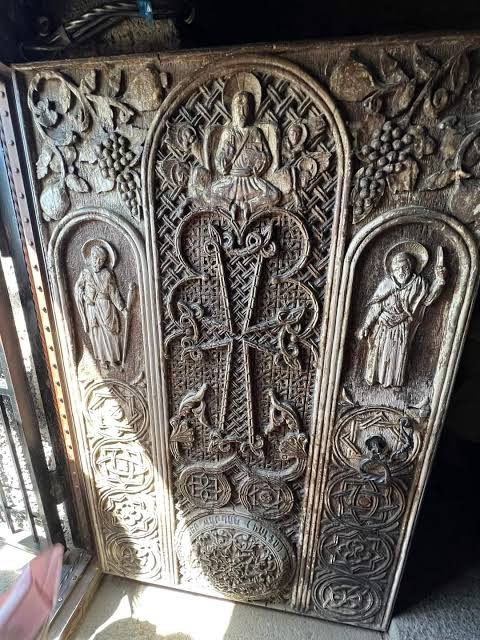
What remains of sculpted or carved wood from medieval Armenia are church doors, capitals used on columns of a 9th Century church, an important carved plaque of the Crucifixion, and a few miscellaneous items including lecterns. Most important carved wooden doors are dated by inscriptions: 1) 1134, double paneled door, Monastery of the Holy Apostles, Mush, now in Erevan, Armenian Historical Museum; 2) 1176, single panel door, Monastery of the Holy Apostles [ 26], Sevan, Erevan, Armenian Historical Museum; 3) 1253, single panel door, Monastery of Tat'ev; 4) 1327, double paneled door, Church of the Nativity, Jerusalem; 5) 1355/6, double paneled door, entrance to Chapel of St. Paul, Armenian Patriarchate, Jerusalem; 6) 1371, double-paneled door, from Armenian church in Crimea, now in the Hermitage, Leningrad; 7) 1486, single panel door, Church of Holy Apostles, Sevan, now in Erevan, Armenian Historical Museum. Borders or frames of all of these are covered with geometric bands or vine scrolls. Those of Mush show mounted warriors at top either fighting or hunting exotic animals; on sides there are rows of animals, too.
📷 : One of doors of 9th Century AD, Sevanavank Monastery Complex, Armenia.
#archaeohistories
6
45
236
9,078
Դավիթ retweeted

May 6
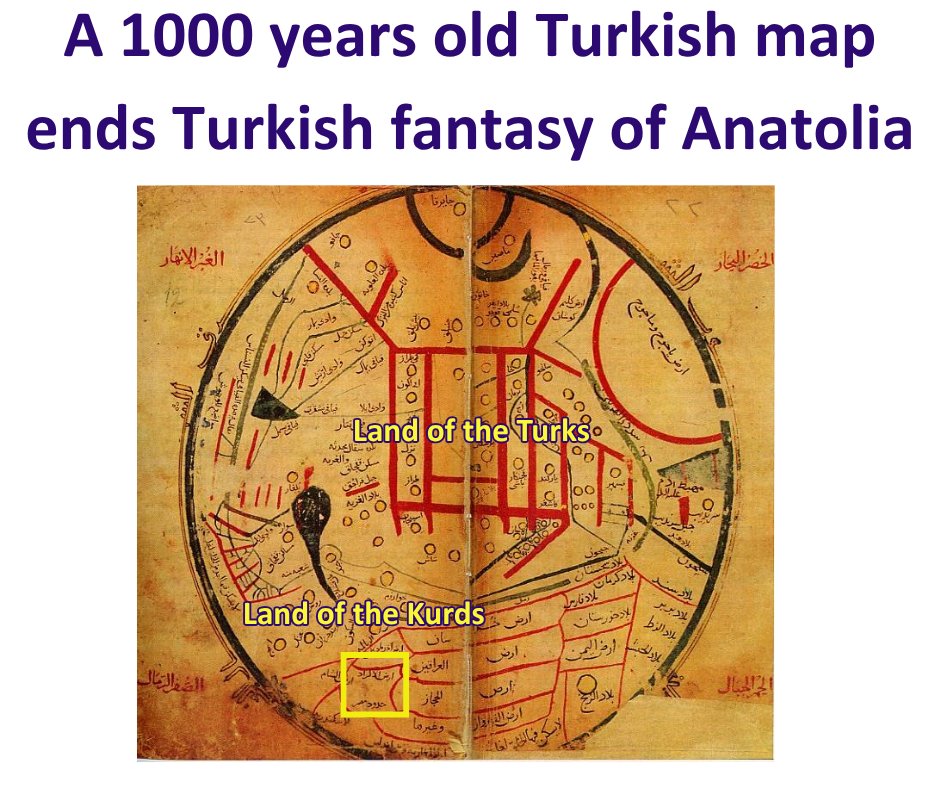
You often hear certain Turkish "academics" claim that Turks have been in Anatolia for 17,000 years while simultaneously asking Kurds, "Where is Kurdistan?"
Yet, the 11th-century Turkic scholar Mahmud al-Kashgari placed the "land of the Turks" in Central Asia while clearly identifying the land of the Kurds (Kurdistan) in its own original location. This is the difference between Turkish modern myth-making and primary sources. A 1,000-year-old document from their own people settles the debate.
#History #Kurdistan #Anatolia #MahmudAlKashgari #PrimarySources #TurkicHistory #Geography #KurdishIdentity #AncientMaps #MiddleEastHistory #Rojhelat #DīwānLughātalTurk
49
117
487
15,782
May 6
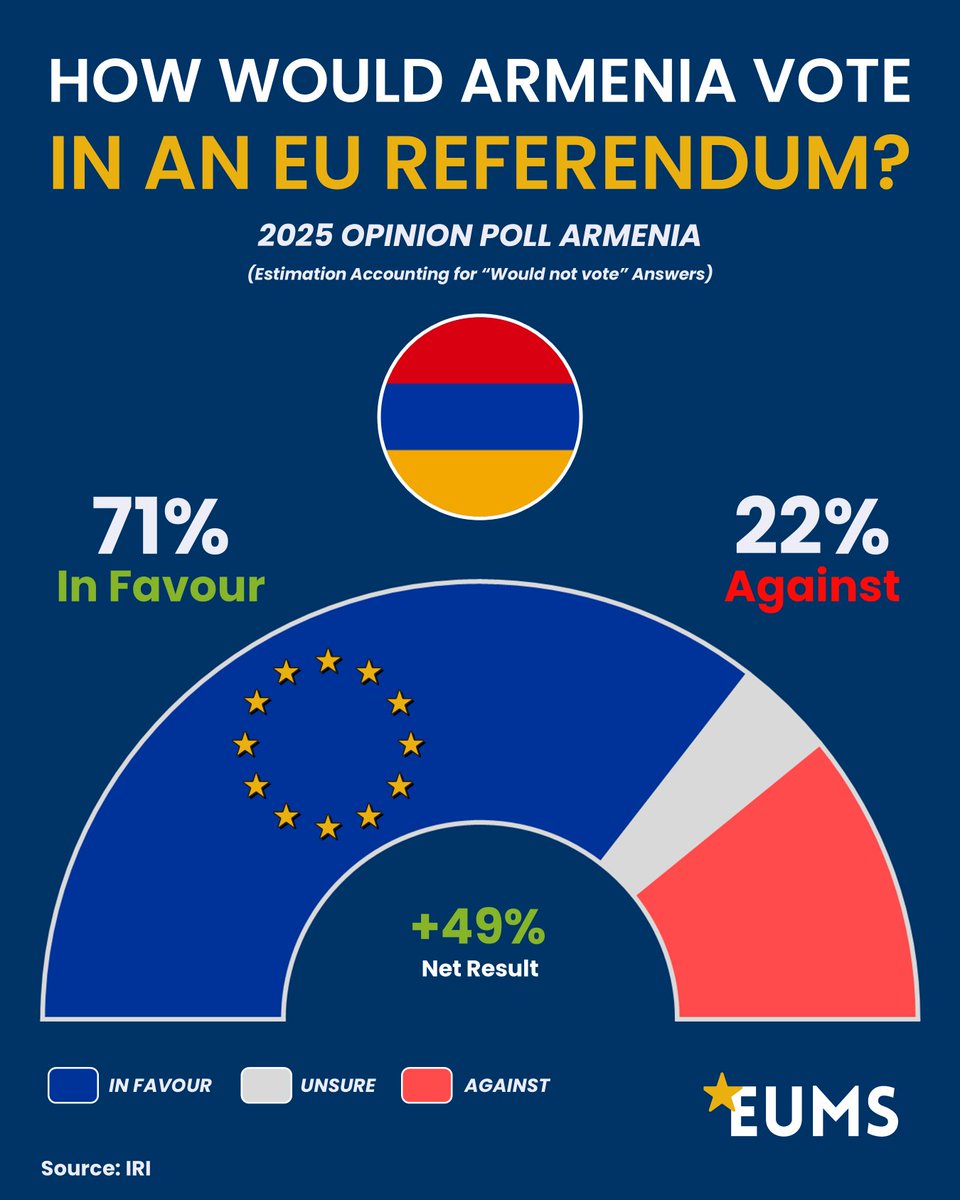
There are more pro-European voters than Nikol voters, I can't imagine Ժիրայր Սեֆիլյան obtaining the difference in votes.

Armenia is working towards becoming an EU candidate country.
71% of the country is in favour of joining the EU, a massive opportunity!
Do you support their accession?
Yes/No
292
Դավիթ retweeted

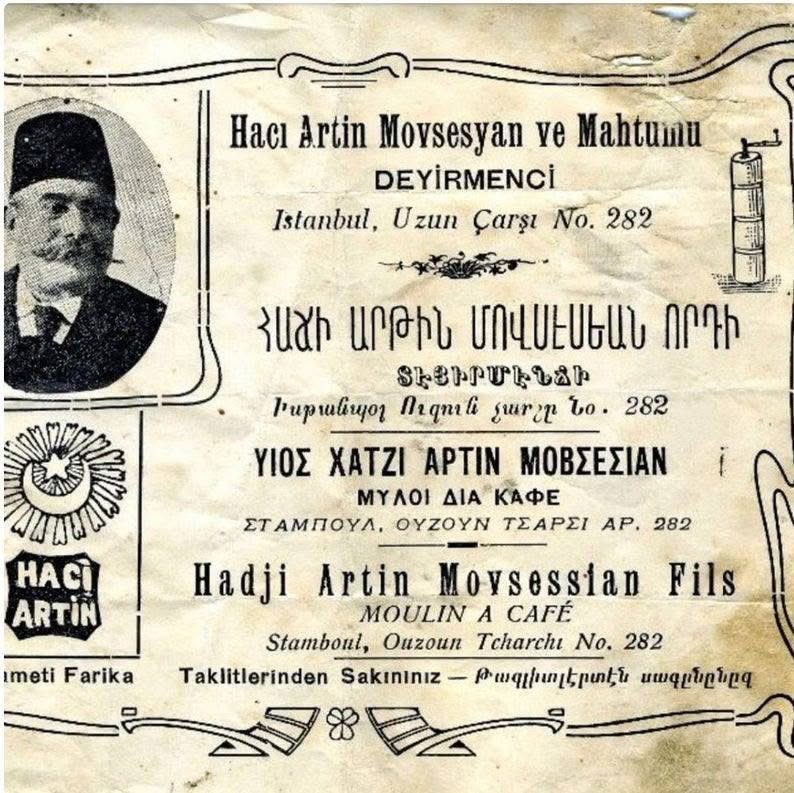
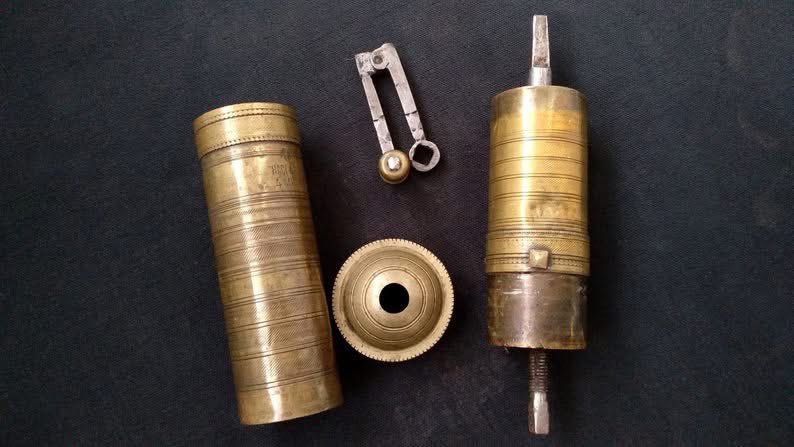
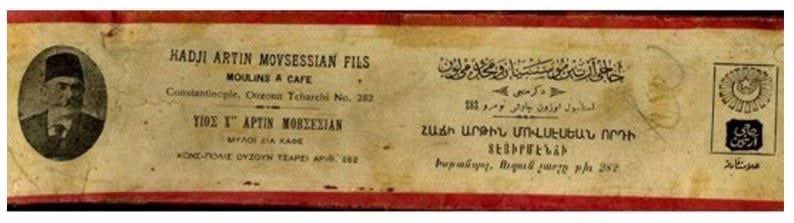
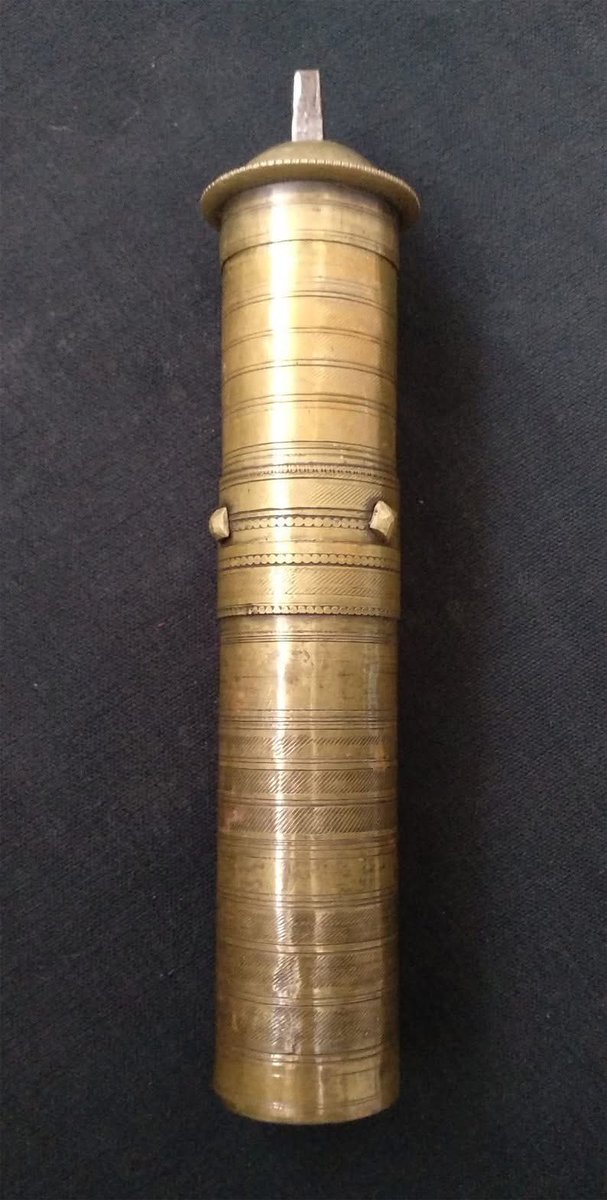
HACI ARTIN KAHVE DEĞİRMENİ
Manufacturers of bronze coffee grinders in the 18th-19th centuries of the Ottoman Empire master Artyn Movsesyan and master Parkev.
1
7
48
1,501
May 5
May 5

JUST IN: 🇷🇴 Romania's government has collapsed after losing a no-confidence vote.
110
Դավիթ retweeted

May 5
🇮🇷 A polyphonic choral work from the Christian Armenian culture in Iran.
✝️ In Iran, Christianity is under constitutional protection through ethnic minorities such as Armenians and Assyrians. They are represented by a total of three reserved seats in the parliament; they can freely perform their rituals in their own languages and churches, use wine in their liturgies, and possess alcohol in their homes.
14
412
1,200
38,921
Դավիթ retweeted

May 4
The Mother Armenia Monument, located in Victory Park in Yerevan, Armenia.
5
77
616
8,628
May 3
If he screams so much, it's because he is afraid of being eliminated.

Armenians should not serve in Congress.
Neither should Somalis.
Or Guatemalans.
Or — wait for it— Israelis.
If you are a citizen of a foreign country, you shouldn’t serve in ours.
We need to pass my bill to stop the invasion of dual citizens in Congress.
NOW.
1
5
240
May 3
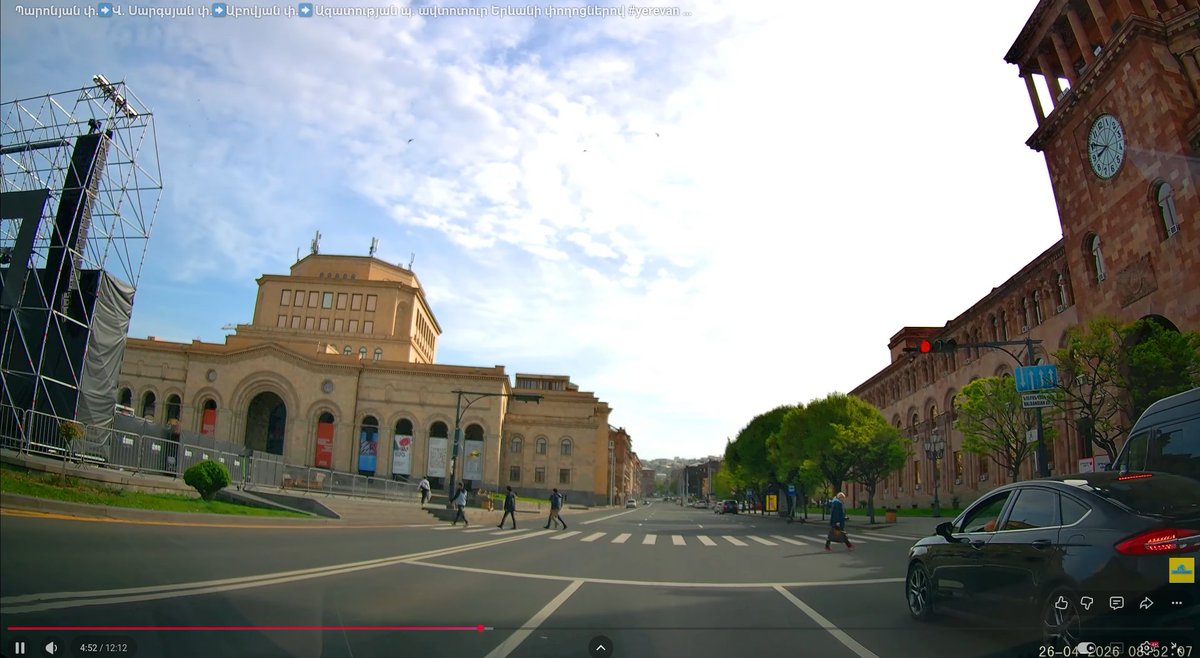
This "Driving in Armenia" channel is crazy, it's filmed the streets of Yerevan in 4K 🤣🤣🤣🤣🤣
1
2
29
1,761
Դավիթ retweeted
May 2
"Turkish is the world’s first language,”
claims Bedrettin Dalan, , founder of Yeditepe University. 🇹🇷
Evidence? None.
This is what happens when ideology replaces facts—echoing the Turkish History Thesis under Mustafa Kemal Atatürk.
You even hear claims withn academic circle of Turkey that figures like Abraham, Moses, and Muhammad were Turks.
Repeat a manufactured past long enough, and it starts to feel like reality. Turkey exists in a bubble of its own!
#Linguistics #History #Turkey #Atatürk #HistoricalLinguistics #BedrettinDalan #TurkishHistoryThesis #Etymology #NationalNarratives #AncientHistory
130
114
715
28,346
Դավիթ retweeted

May 3
In two days, Zvartnots is turning into Tokyo Haneda Airport #EPC26

1
7
91
6,404
Դավիթ retweeted

May 2
it’s a good day when there’s new armenian religious brutalism on the timeline
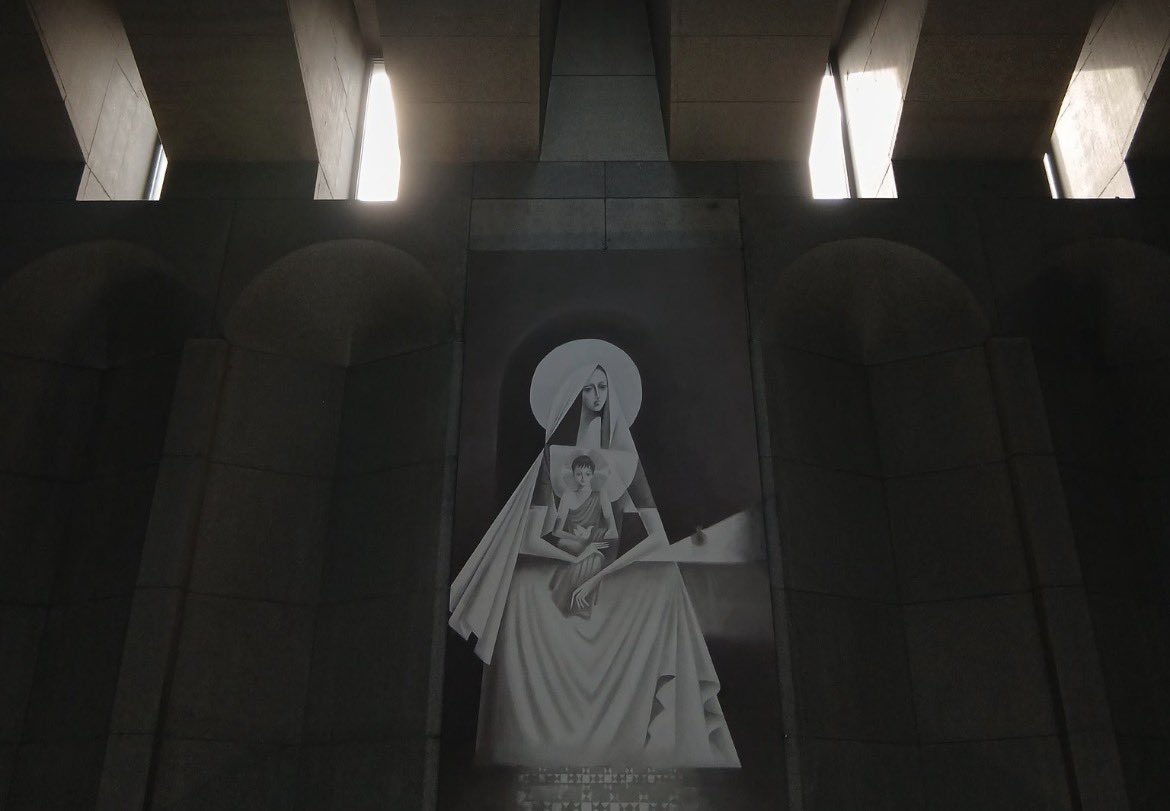

👁 Finally visited Etchmiadzin - Armenian counterpart to the Vatican, serving as the administrative and spiritual center of the Armenian Church. The 21st-century architecture here is quite successful in terms of its dialogue with the past and its sense of monumentality. #Armenia
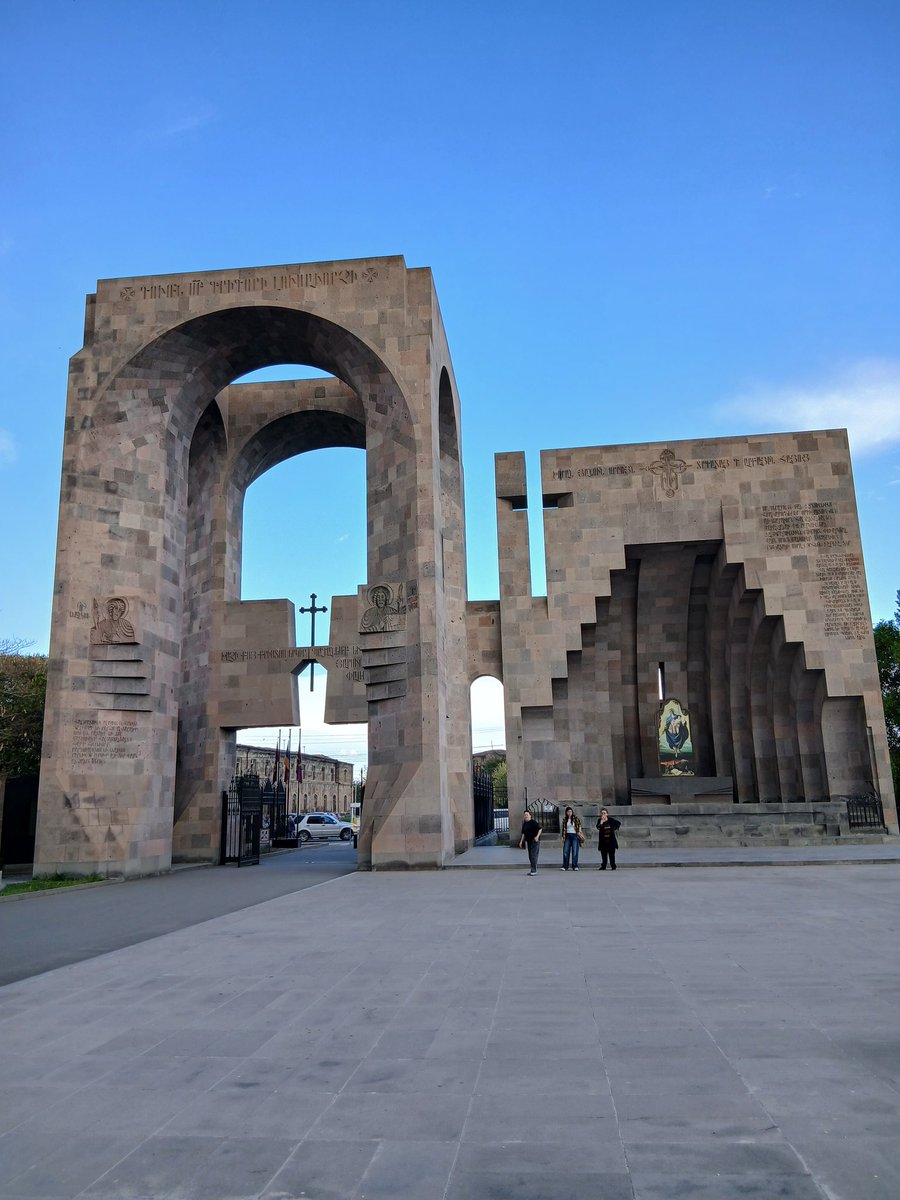
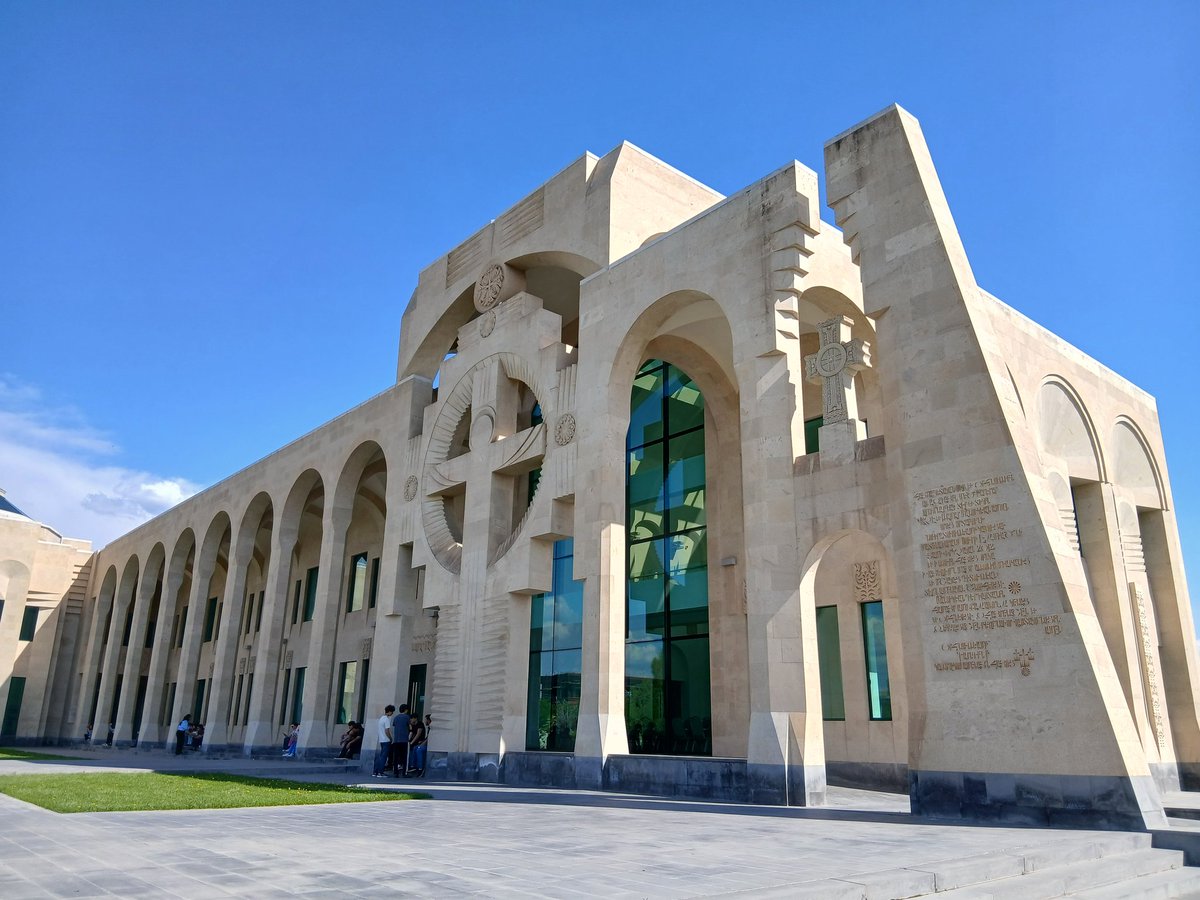
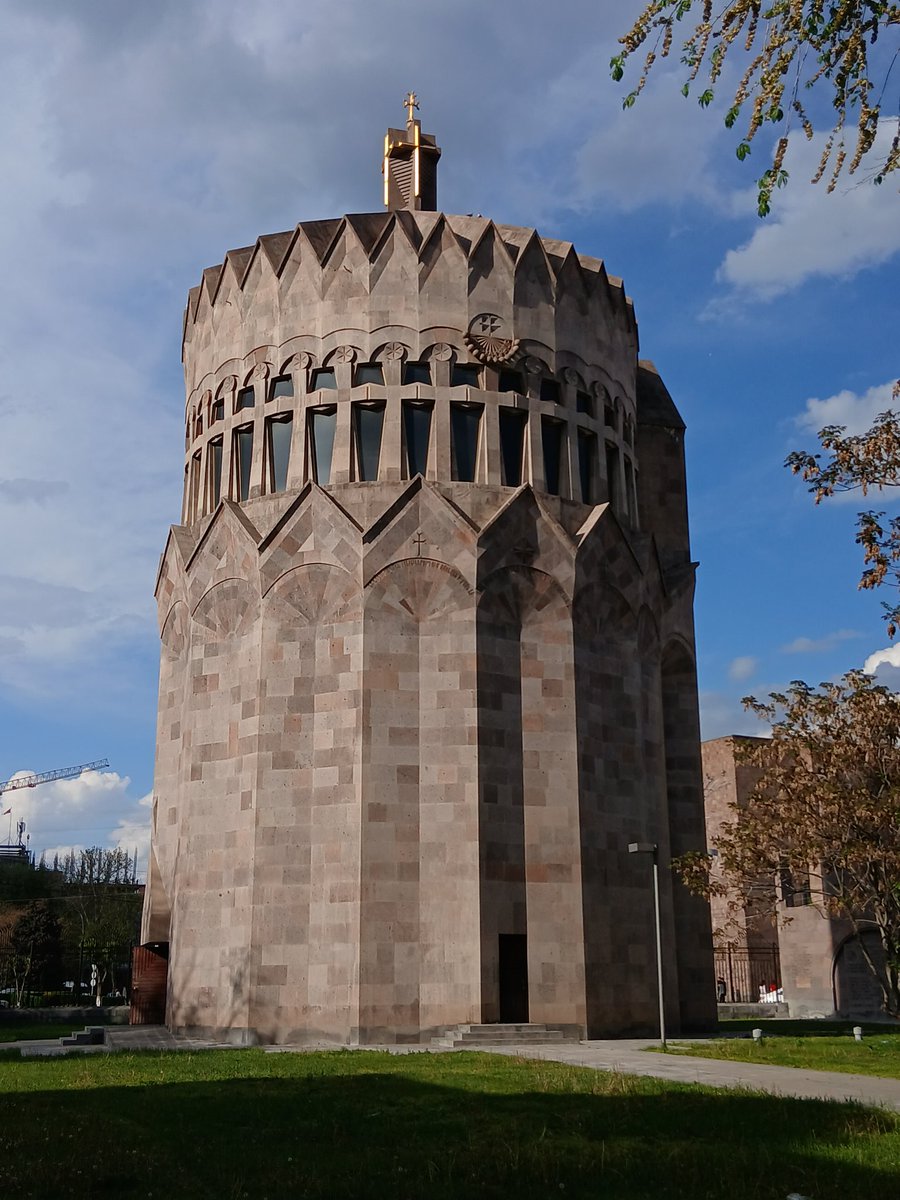
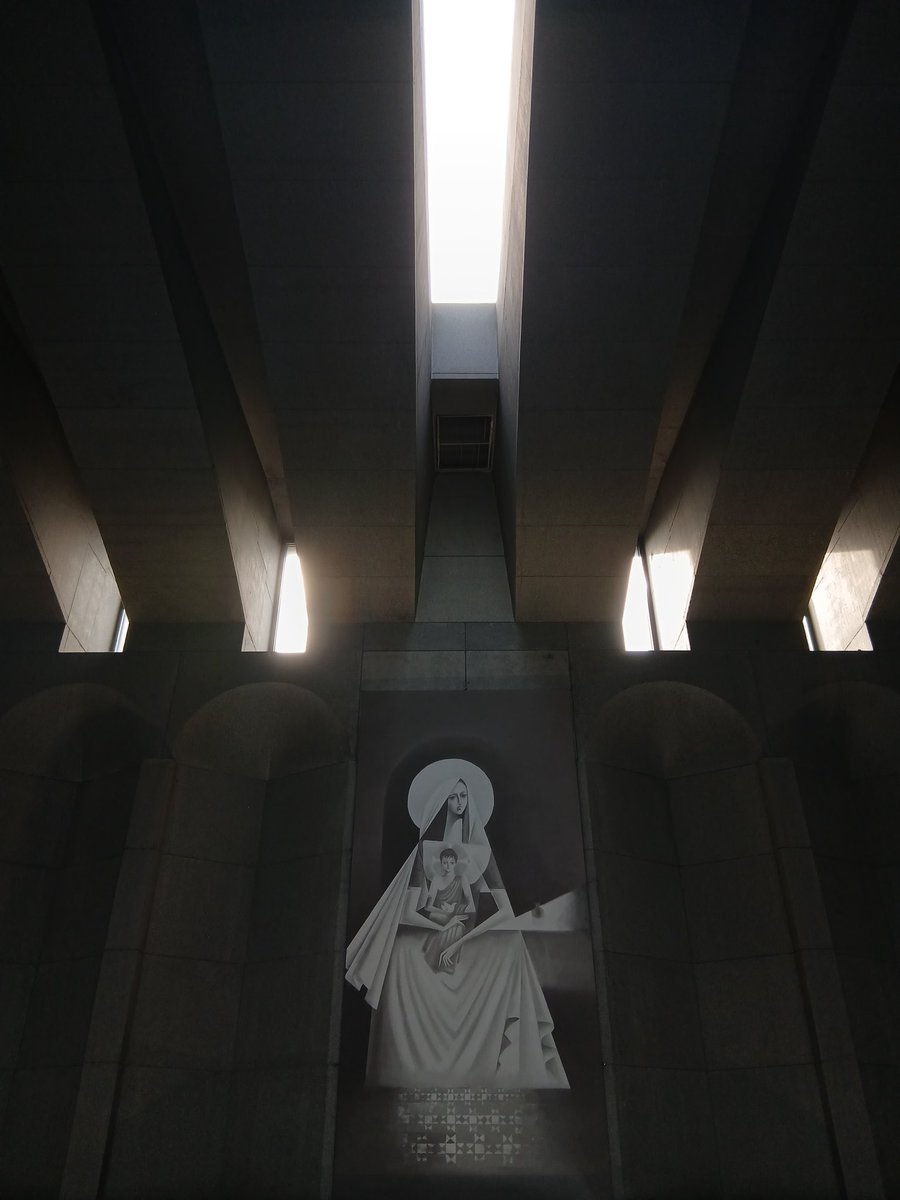
1
88
1,000
27,371
Դավիթ retweeted

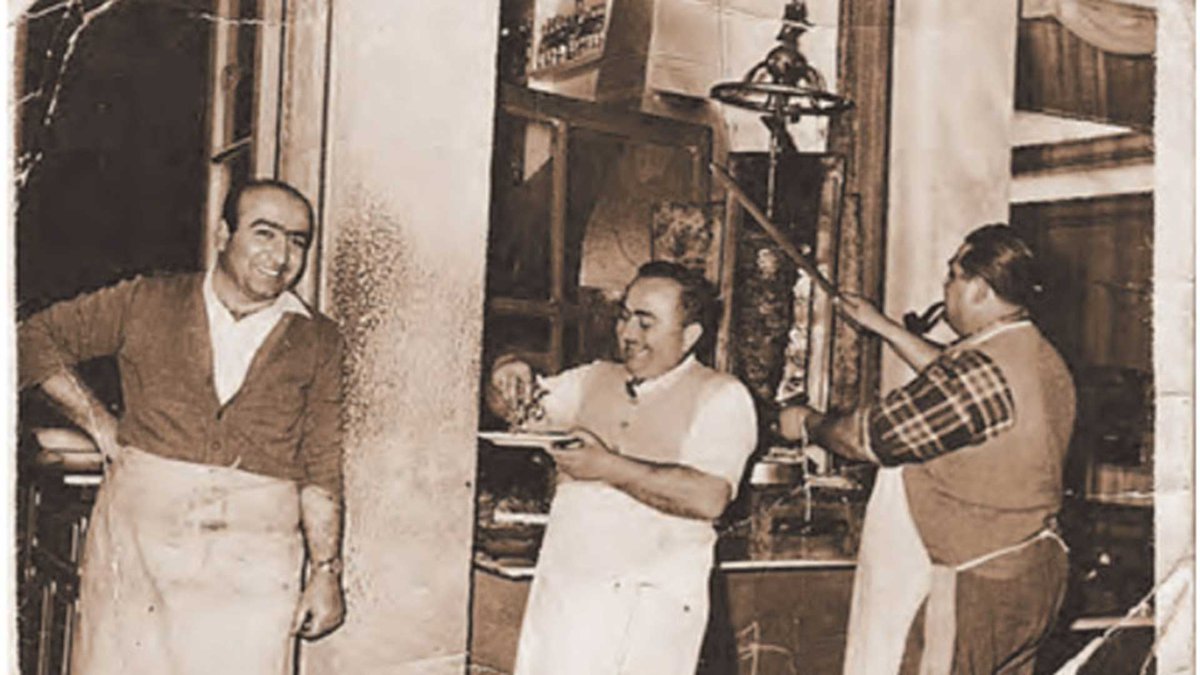
The Armenian Isaak Meraklidis (born as Misak Anispikian) in his shop selling the predecessor of the modern gyros pita in Athens, Greece
6
19
273
8,622
Դավիթ retweeted

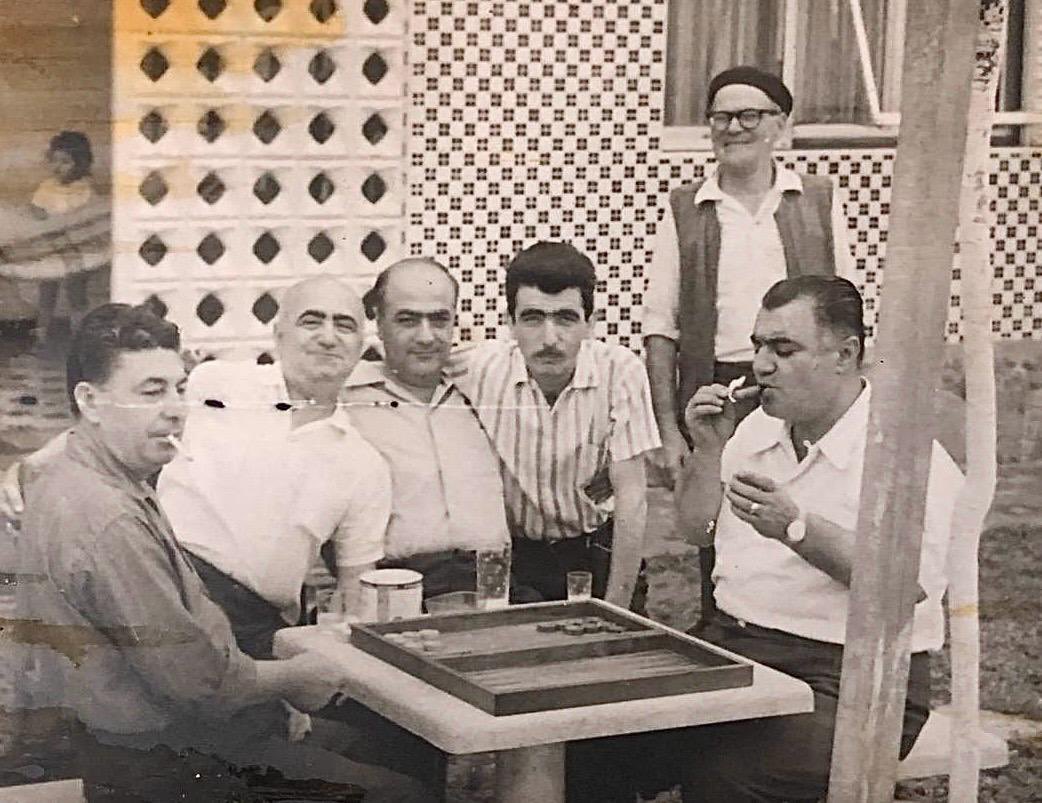
1963, Distchekenian / Chainian
Praia Grande, São Paulo, Brasil
8
7
52
2,833