We are the DLRG. We engineer bacteria to solve problems in biology and medicine. @Cornell University.
Joined December 2013
- Tweets 93
- Following 116
- Followers 337
- Likes 131
9 Photos and videos

DeLisa Research Group retweeted

19 Aug 2025
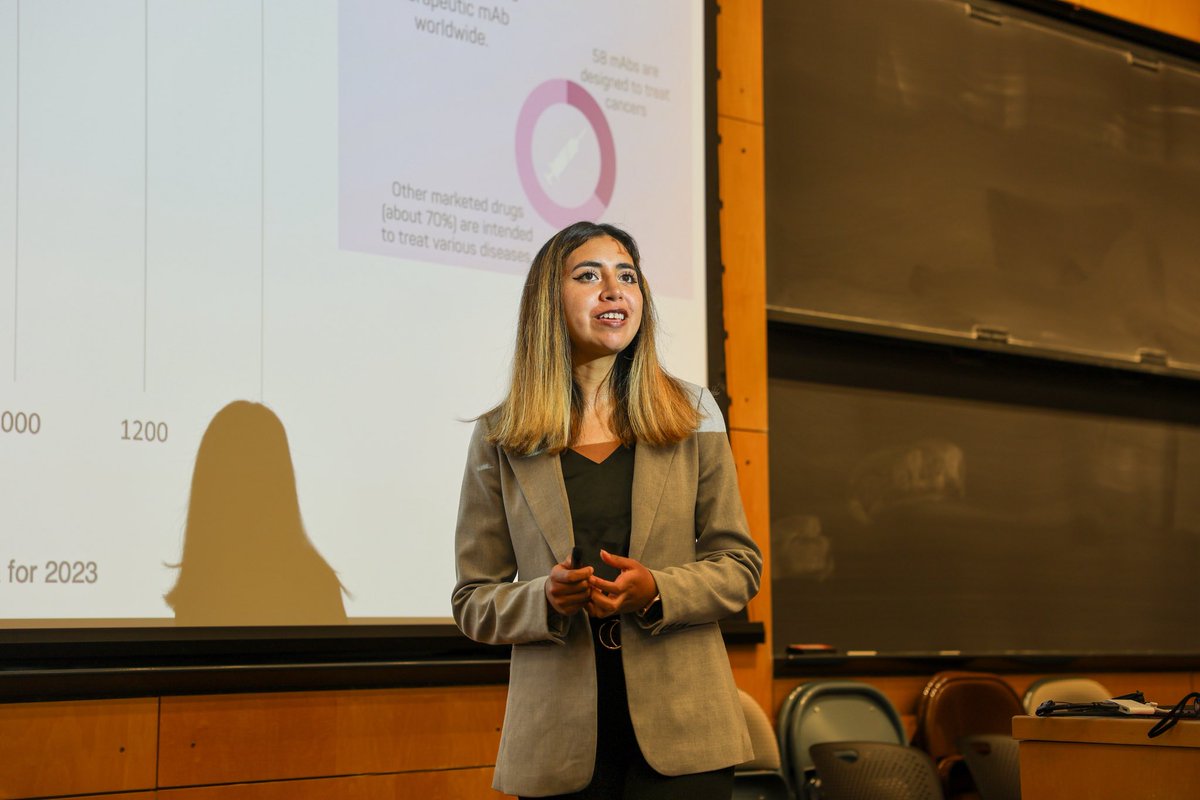
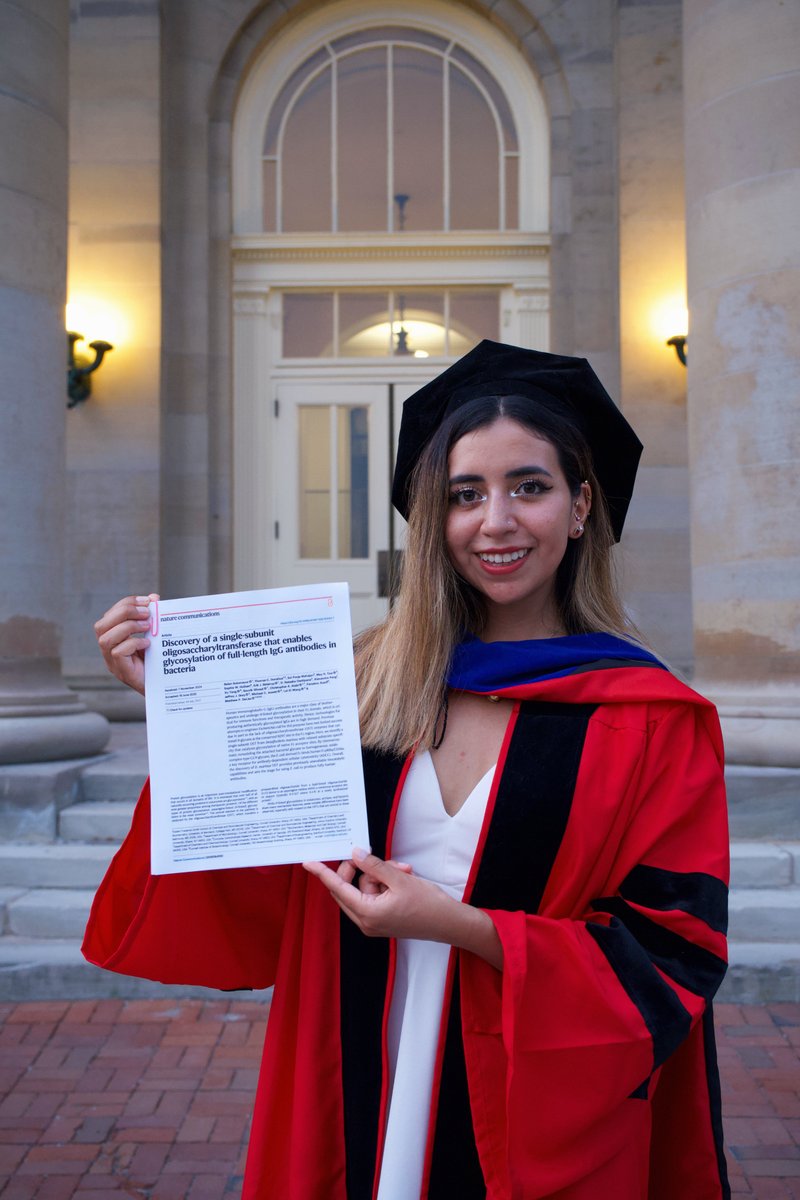
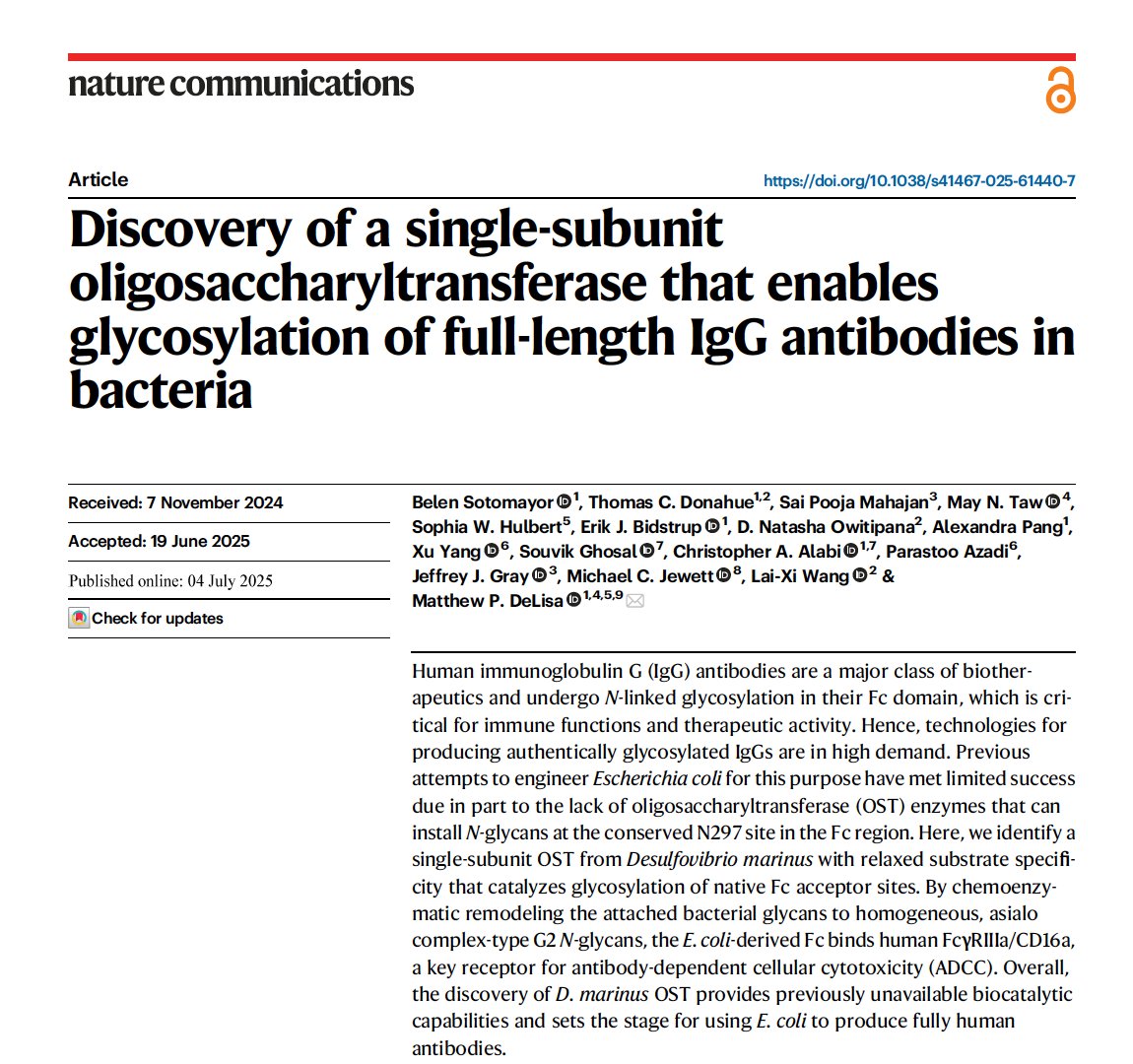
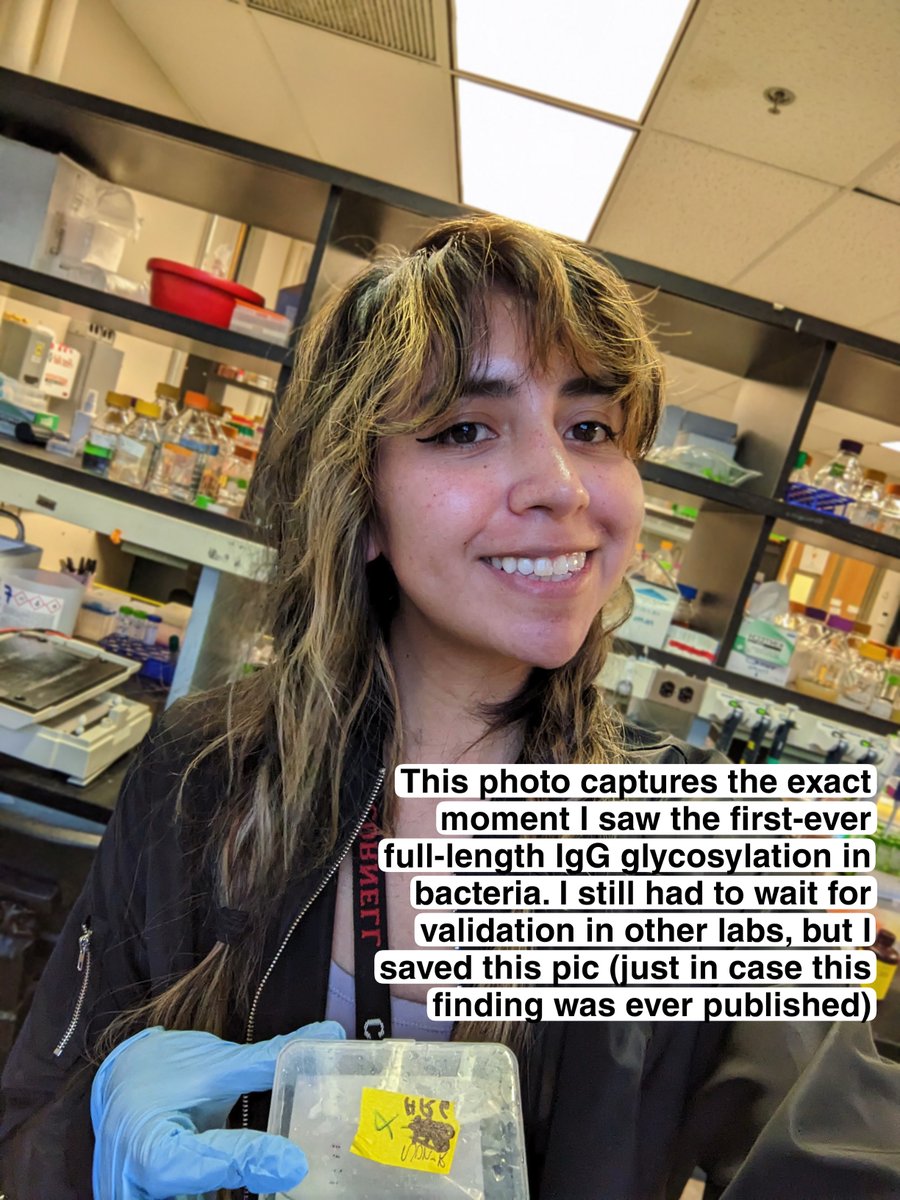
My PhD work is out in @NatureComms !✨For the first time, we show that bacteria can glycosylate full-length monoclonal antibodies. A proof of concept and a key step toward making antibody therapies accessible to all.. nature.com/articles/s41467-0… #biotech #glycotime #SyntheticBiology
18
47
581
27,736
DeLisa Research Group retweeted

14 Aug 2025
A wonderful article on PepMLM by @xiaofei_lin in @GENbio! 🌟 Really captures how we think about sequence vs. structure and how, via experimental collaboration, we've gotten biologists (like Ray Truant, @DeLisaGroup, and @AguilarVirology) to believe in sequence-based design. 💚
14 Aug 2025

Protein Language Model Hits Undruggable Targets, No Structure Required
PepMLM generates binders to challenging #therapeutic targets across cancer and neurological disease using protein sequence and no structure
@pranamanam @Penn
#AI #proteins
hubs.li/Q03CMPXh0
1
5
28
3,832
DeLisa Research Group retweeted
13 Aug 2025
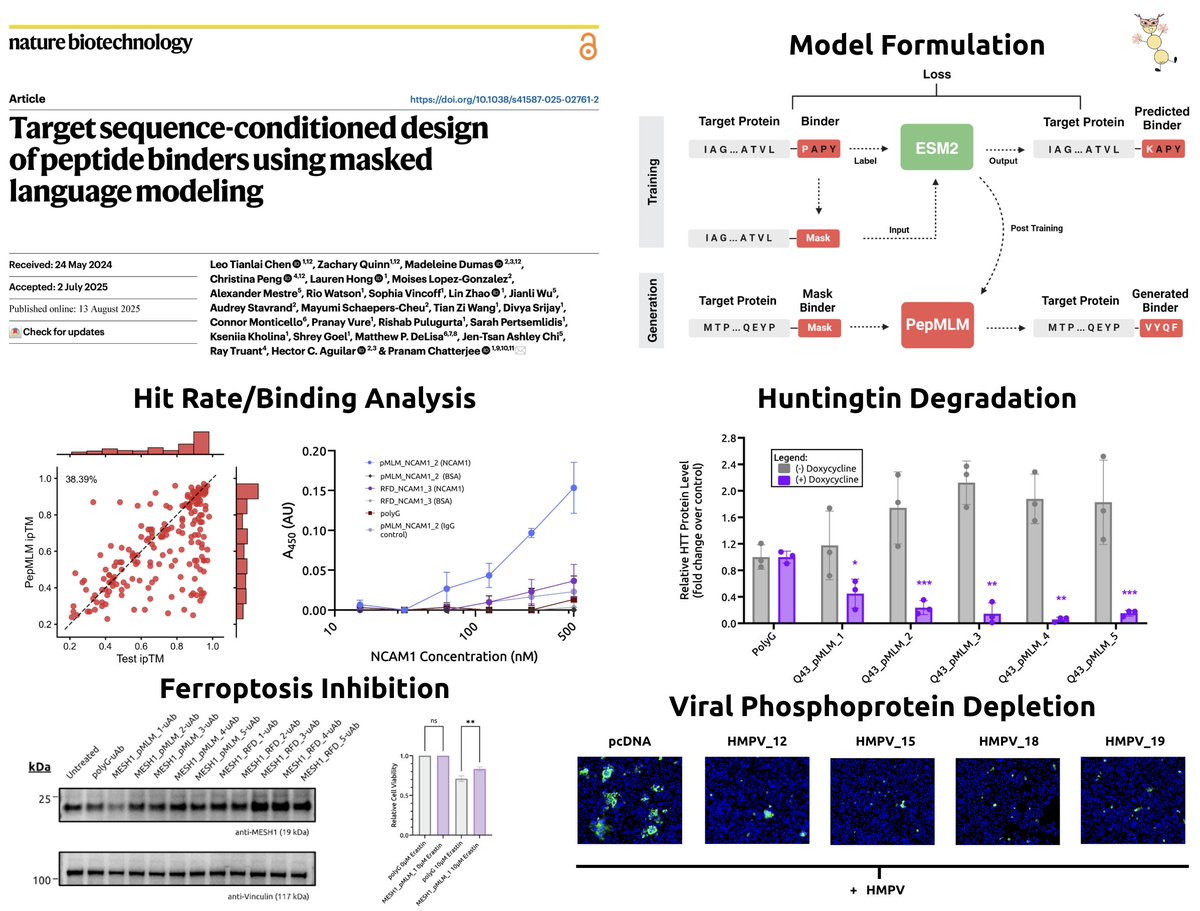
PepMLM is out in @NatureBiotech! 🎭Want a short binder for any target? Just input its sequence desired binder length → PepMLM unmasks it. Simple? No way? The results speak for themselves. 👇
📜: nature.com/articles/s41587-0…
💻: github.com/programmablebio/p…
🤗: huggingface.co/ChatterjeeLab…
A few years ago, I told my undergrad @SophieVincoff (now my PhD student) to try the obvious: given the target sequence, use autoregressive next-token prediction to generate the cognate peptide binder. After tons of work, we still couldn't get it to work too well. 😔Then, my Masters student (now Harvard PhD student) @LeoTZ03 said: what if we just attach the peptide sequence to the end of its target sequence and fully fine-tune an encoder (in this case, ESM-2-650M) to unmask it? Basically, a BERT-like take on conditional (short) sequence generation.
I said to @LeoTZ03: sounds kind of silly.😅 Well, he did what any good student would do: he ignored me, trained the model on ~10k putative peptide-protein sequence pairs, and the in silico results were pretty amazing! PepMLM consistently outperformed RFDiffusion on held-out/structured targets, with a higher hit rate (38% to 29%) and low perplexities that closely matched real binders, with generated sequences showing target specificity even in stringent permutation tests! 🦾
But the proof was in the experiments, and we did a LOT of them! 🧪 In our lab, Zach showed that PepMLM peptides achieved nM binding affinity on disease-related receptor targets, like NCAM1 and AMHR2 (RFDiffusion peptides failed to bind).
With the Truant Lab @McMasterU, we showed PepMLM peptides, when fused to E3 ubiquitin ligases (our uAb architecture), not only degraded MSH3 but completely eliminated Huntington protein in HD cells! 🧫 We showed similar results by identifying a PepMLM uAb that degraded MESH1, a protein controlling ferroptosis, in collaboration with @TsanJen's group @DukeU. Again, no hits for RFDiffusion there.
And with @AguilarVirology (led by @MadeleineDumas2), in collaboration with @DeLisaGroup @Cornell, PepMLM-derived peptides (in uAbs) bound and reduced levels of viral phosphoproteins from Nipah, Hendra, and HMPV, and in live HMPV infection models, they almost completely cleared the P protein! 🦠
I guess sometimes the "silly" ideas win. 😂
Even though my lab is theoretically-inclined (discrete diffusion/flow matching/Schrodinger bridges) to now design more specialized/optimized/specific molecules @Penn, PepMLM is still a go-to model for my experimentalists. Remember @lauren_hong11's duAbs in @NatureComms that stabilized THE tumor suppressor p53? Yep, PepMLM. 💁♂️
In fact, PepMLM has averaged ~600 downloads a month on @huggingface over the last year! It's so easy to use (takes seconds to run on Colab, with just a few lines of transformers code), you don't need to input (or go through) structure, you can enter almost any target sequence (disordered/stable, short/long), and you get a binder. And again, don't believe me, look at the diversity of proteins we've gone after! If you're an experimentalist, it's super worth it to try PepMLM. 😇 The code/model is now fully open-sourced for both academia and industry! 🔓
Btw, this was an incredibly collaborative undertaking: 5 labs, across multiple amazing universities, led by co-first authors @LeoTZ03 (who led all model design, training, and validation), and Zach (@DukeU), Madeleine (@Cornell), Christina (@McMasterU ) who led each of the experimental efforts!! I'm so proud and grateful for everybody's belief that yes, sequence can be all you need for binder design! 😉
6
61
286
28,381
DeLisa Research Group retweeted

7 Aug 2025
More than 30% of the world's population lacks access to essential medicines. What if we could make medicines when and where they are needed? Enter #cellfree biomanufacturing. With @DeLisaGroup @mattdelisa we show a new approach to portable medicine making.
biorxiv.org/content/10.1101/…
1
5
21
2,587
DeLisa Research Group retweeted
5 Aug 2025
The test phase of biological design is too slow.
How can we accelerate it?
We show how cell-free systems can be used to speed up the study of post-translational modifications for RiPPs and glycosylation. @NatureComms
nature.com/articles/s41467-0…
2
22
92
5,228
DeLisa Research Group retweeted
21 Jul 2025
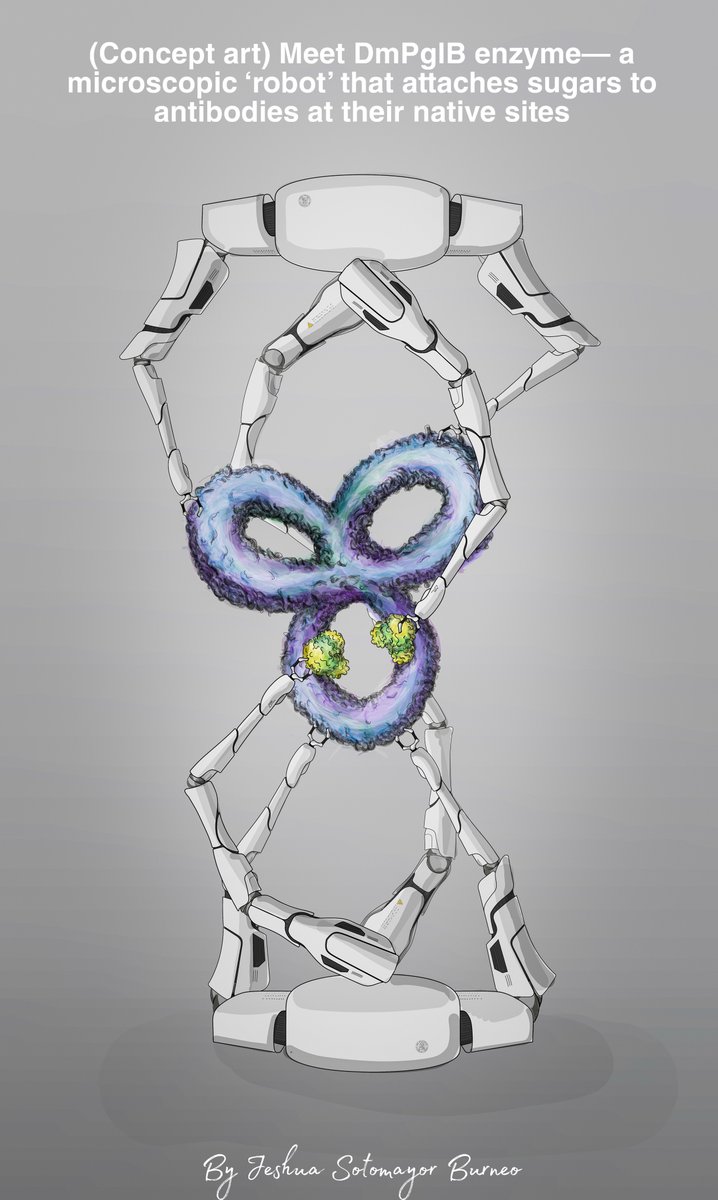
Antibodies are important therapeutics, but producing them in bacteria has been difficult due to glycosylation. w/ @mattdelisa @BelenSotomayor5 we discovered an enzyme that can glycosylate the native Fc acceptor sequence. Pretty cool. @NatureComms
nature.com/articles/s41467-0…
16
93
4,373

7 Jul 2025
What if bacteria could glycosylate full-length human IgG antibodies at their native site?
In our new @NatureComms paper, we discovered an OST enzyme that enables E. coli to do just that for the first time. @BelenSotomayor5 @mattdelisa
nature.com/articles/s41467-0… #glycotime #biotech
1
6
15
820
7 Jul 2025
1
101
27 May 2025
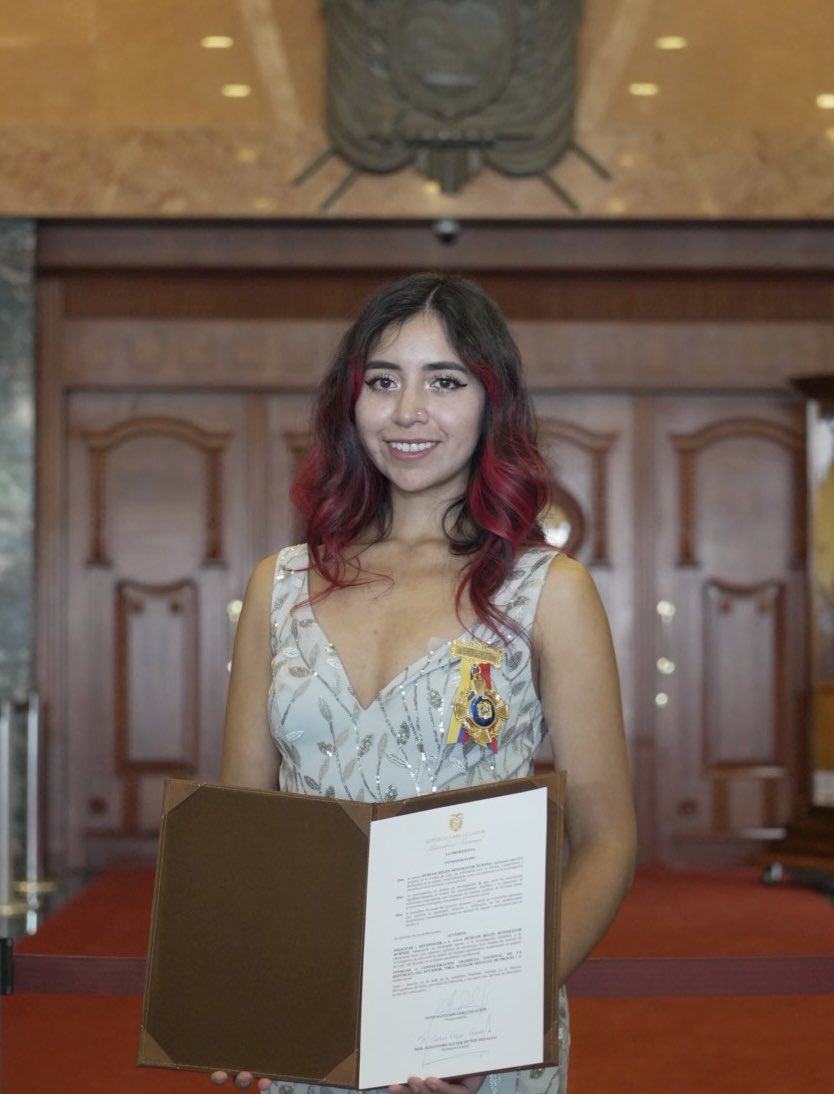
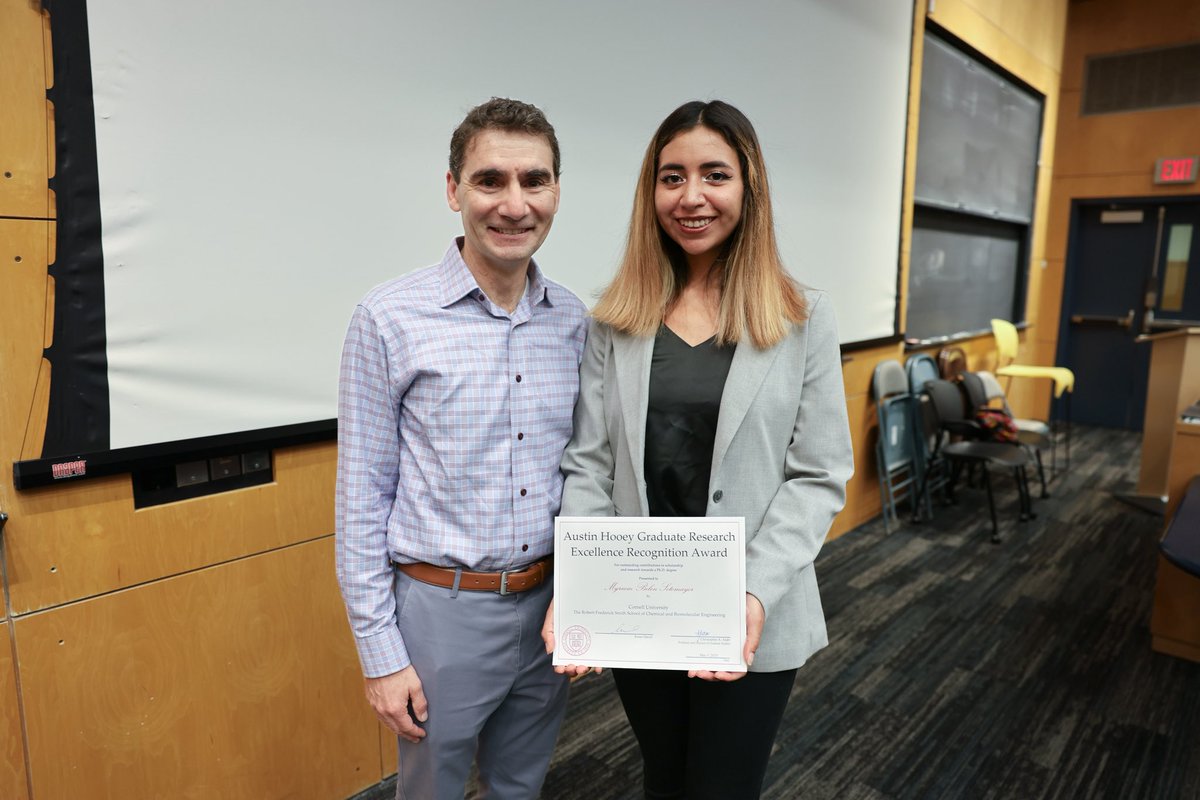
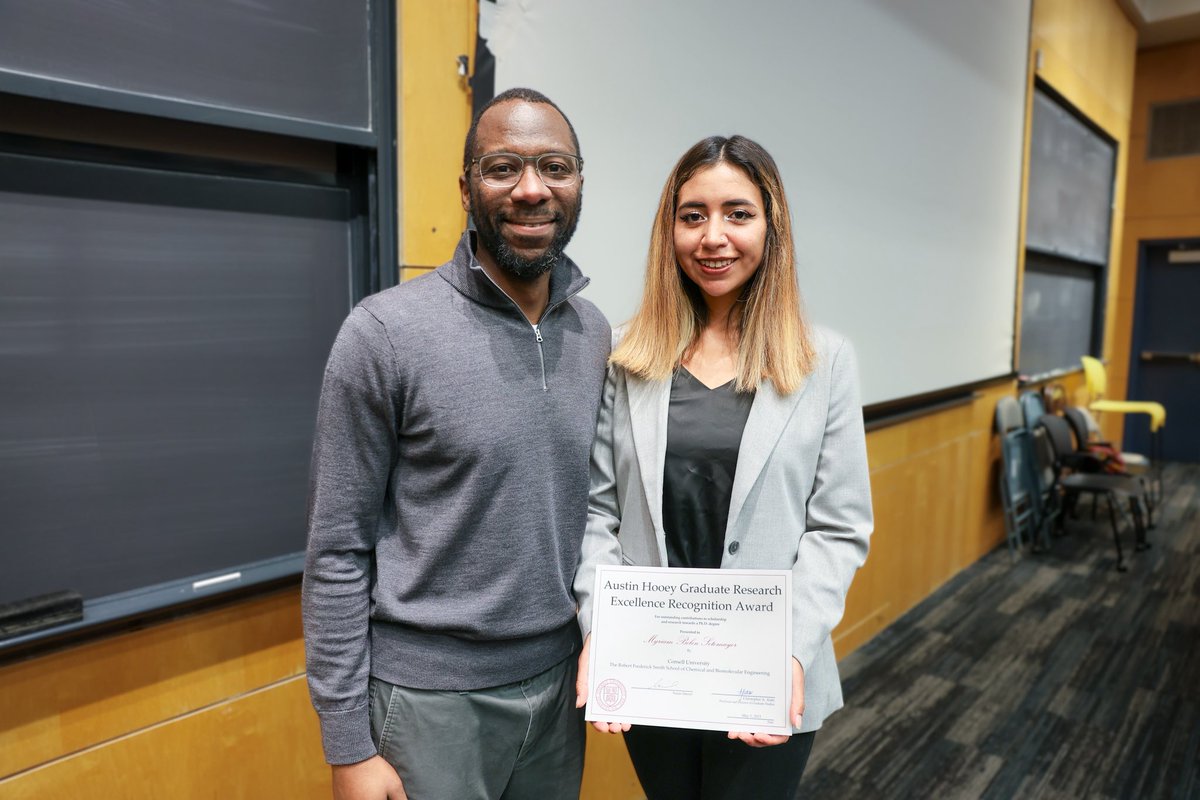
Congratulations to @BelenSotomayor5 on receiving the Spring 𝟐𝟎𝟐𝟓 𝐀𝐮𝐬𝐭𝐢𝐧 𝐇𝐨𝐨𝐞𝐲 𝐆𝐫𝐚𝐝𝐮𝐚𝐭𝐞 𝐑𝐞𝐬𝐞𝐚𝐫𝐜𝐡 𝐄𝐱𝐜𝐞𝐥𝐥𝐞𝐧𝐜𝐞 𝐀𝐰𝐚𝐫𝐝, the highest honor awarded to a graduate student by @Cornell’s CBE Department!
2
10
444
13 May 2025
Thrilled to share that Harry Zou has being awarded the NSF GRFP 2025!!! He’ll be working on novel delivery strategies for ubiquibodies, with applications in targeted protein degradation. Huge congratulations Harry!
6
307
DeLisa Research Group retweeted

1 May 2025
Thrilled to share our efforts in showcasing the manufacturing capabilities of cell-free gene expression for biotherapeutics.
29 Apr 2025

How are we going to develop more domestic manufacturing capability that can deliver medicines? #cellfree biotechnology can help. Check out our new manuscript on scalable cell-free protein synthesis w? @akarimlab @DeLisaGroup @aw_rochelle
doi.org/10.1002/bit.28993
4
5
1,149
DeLisa Research Group retweeted
29 Apr 2025
How are we going to develop more domestic manufacturing capability that can deliver medicines? #cellfree biotechnology can help. Check out our new manuscript on scalable cell-free protein synthesis w? @akarimlab @DeLisaGroup @aw_rochelle
doi.org/10.1002/bit.28993
10
37
4,334
17 Apr 2025
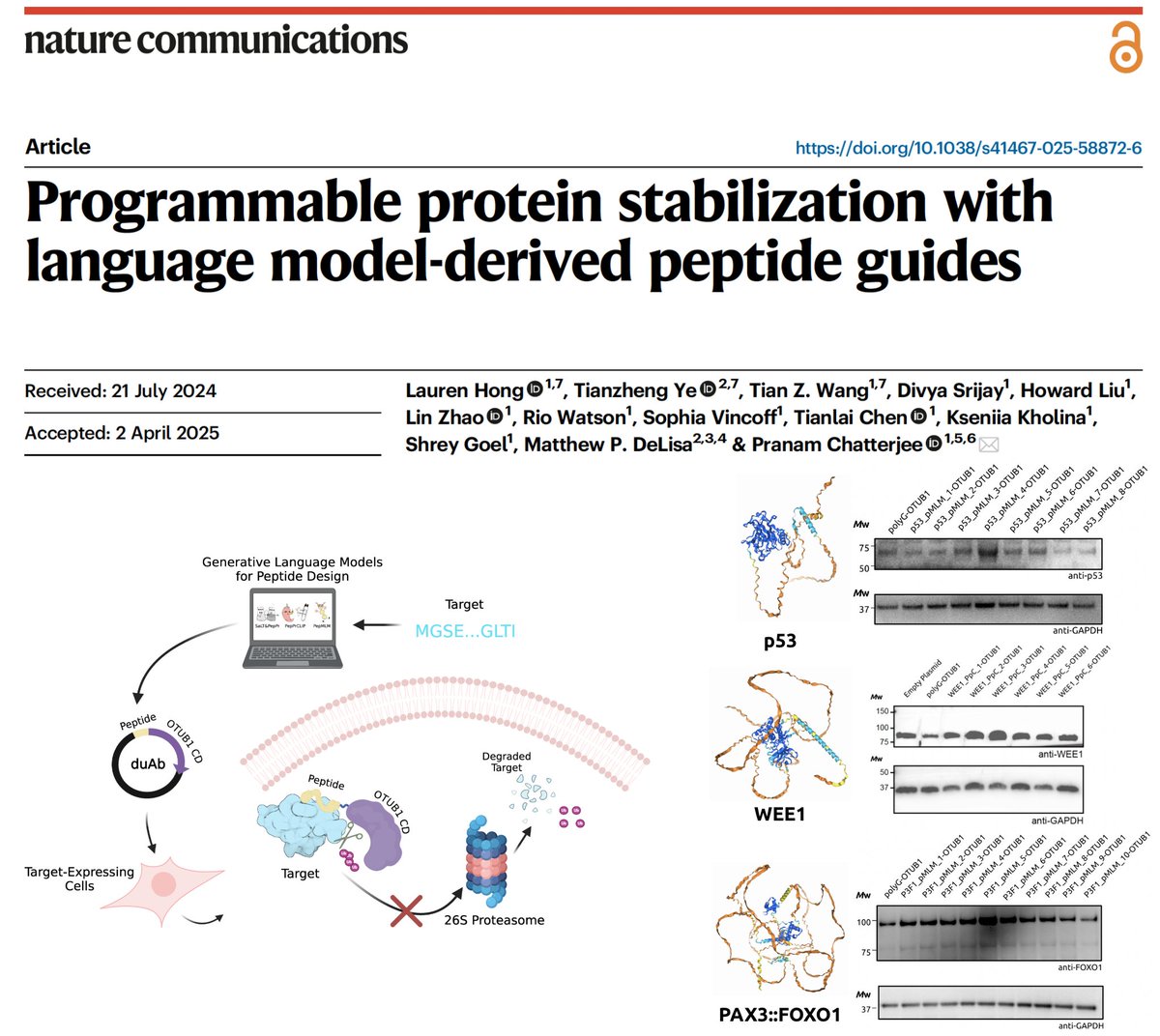
Congratulations to the Chatterjee Lab and Tina Ye from our lab on this exciting new publication! We introduce “deubiquibodies” (duAbs) that selectively stabilize proteins. Our study is now available at @NatureComms ! #SyntheticBiology #ProteinEngineering
15 Apr 2025

Our pLM-designed peptides, when attached to E3 ligases (aka uAbs), enable us to programmably degrade disease targets (think CRISPRi, but for proteins). But what if we want to STABILIZE useful proteins? In @NatureComms, we introduce duAbs! 🌟
📜: nature.com/articles/s41467-0…
🧬: addgene.org/232089/
CRISPR is so powerful because of it's programmability. 🧬 Design a guide RNA, and you can guide a Cas enzyme to almost any loci for editing, especially with our PAM-flexible Cas9s! And this is not just to edit, you can both activate (CRISPRa) and inhibit (CRISPRi) gene expression too! ⬆️⬇️
My lab's goal is to build an analogous system for programmable proteome editing—where we stabilize (CRISPRa-like) or degrade (CRISPRi-like) any protein using AI-generated "guide" peptides, like those from our peptide-generating pLMs: SaLT&PepPr, PepPrCLIP, and PepMLM! 💻
In the wet lab (yes, half of my lab is experimental! 👩🔬), we routinely design and clone guide peptides upstream of E3 ubiquitin ligase catalytic domains to create uAbs. As you've seen in our papers, because we don't use structure-based methods (i.e. RFDiffusion or AF-based methods), we've ubiquitinated and degraded diverse disease targets with uAbs, from stable to heavily disordered! 🧫
Here, instead of E3 ligases, we fused our peptides to the OTUB1 deubiquitinase catalytic domain (thus removing ubiquitin chains) — creating a fully programmable, genetically-encoded tool for targeted protein stabilization (TPS)! Our duAbs can work on pretty much any target! 🙌 Just design, clone, and transfect! 💻➡️🧬➡️🧫
We first showed that duAbs work through true DUB-dependent mechanisms—using catalytic mutants (🧬🔧) and pan-DUB inhibitors (🧪) to confirm that stabilization depends on active deubiquitinase function. We also confirmed, via whole cell proteomics, that duAbs exhibit low off-target effects. 🎯 Then, to show programmability...
We designed duAbs (via all of our algorithms) and successfully stabilized both semi-structured regulatory proteins like β-catenin and WEE1, as well as heavily disordered, undruggable TF targets like FOXP3 and the fusion oncoprotein PAX3::FOXO1 in ARMS cells! 🍝
Finally, we turned our attention to the holy grail target for TPS: tumor suppressor p53! 🧬 With PepMLM peptides, we first showed strong stabilization via plasmid transfection. 👍 We then encapsulated our best p53-targeting duAb as mRNA in LNPs 💊🧬, delivered them to human cells 🧫, and observed potent p53 stabilization along with downstream apoptosis induction (via cleaved PARP-1) ☠️— a major step toward in vivo proteome editing! 🐁
This is the culmination of a two year-long, herculean effort of my brilliant, first-ever PhD student, @lauren_hong11! 🌟 She is the glue of our lab, and I am just so grateful for the sheer persistence and positivity she brings every. single. day. 🦸♀️ I literally cannot imagine the lab without her. 🥹
We're also super grateful to our collaborators in the @DeLisaGroup, and the students (most of whom @lauren_hong11 mentored, like Tian who performed all of the LNP work!) who made this possible! 🫶
Please take a read and try out our duAb system to stabilize whatever protein you want! We have deposited the plug-and-play cloning vector on @Addgene (#232089)! 🧬
5
273
14 Apr 2025
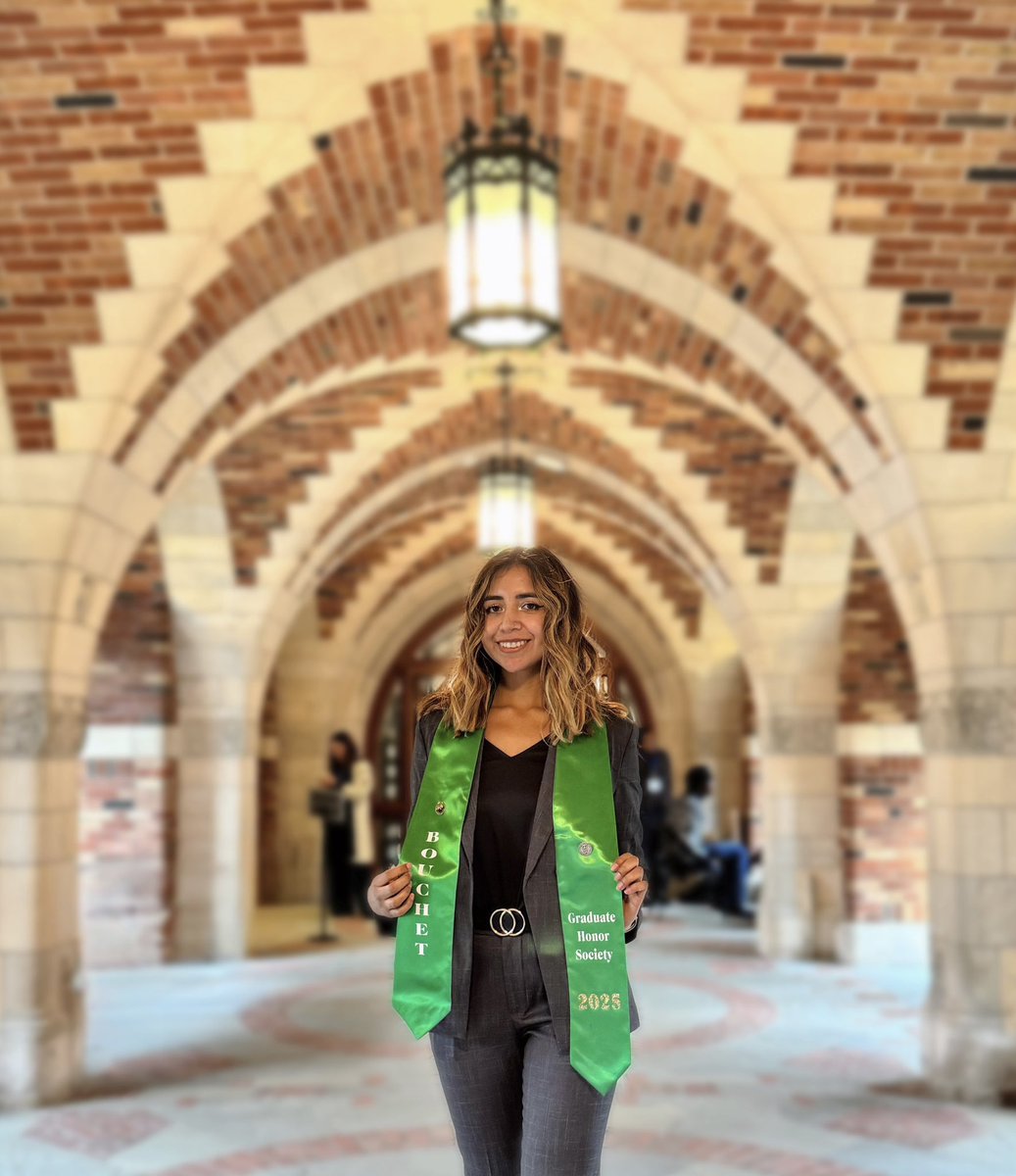
Congratulations to @BelenSotomayor5 on her induction into the 𝐁𝐨𝐮𝐜𝐡𝐞𝐭 𝐆𝐫𝐚𝐝𝐮𝐚𝐭𝐞 𝐇𝐨𝐧𝐨𝐫 𝐒𝐨𝐜𝐢𝐞𝐭𝐲 at @Yale as one of the @Cornell representatives! Her leadership, scholarship, character, service, and advocacy embody this prestigious honor #STEM #Leadership
2
7
339
13 Mar 2025
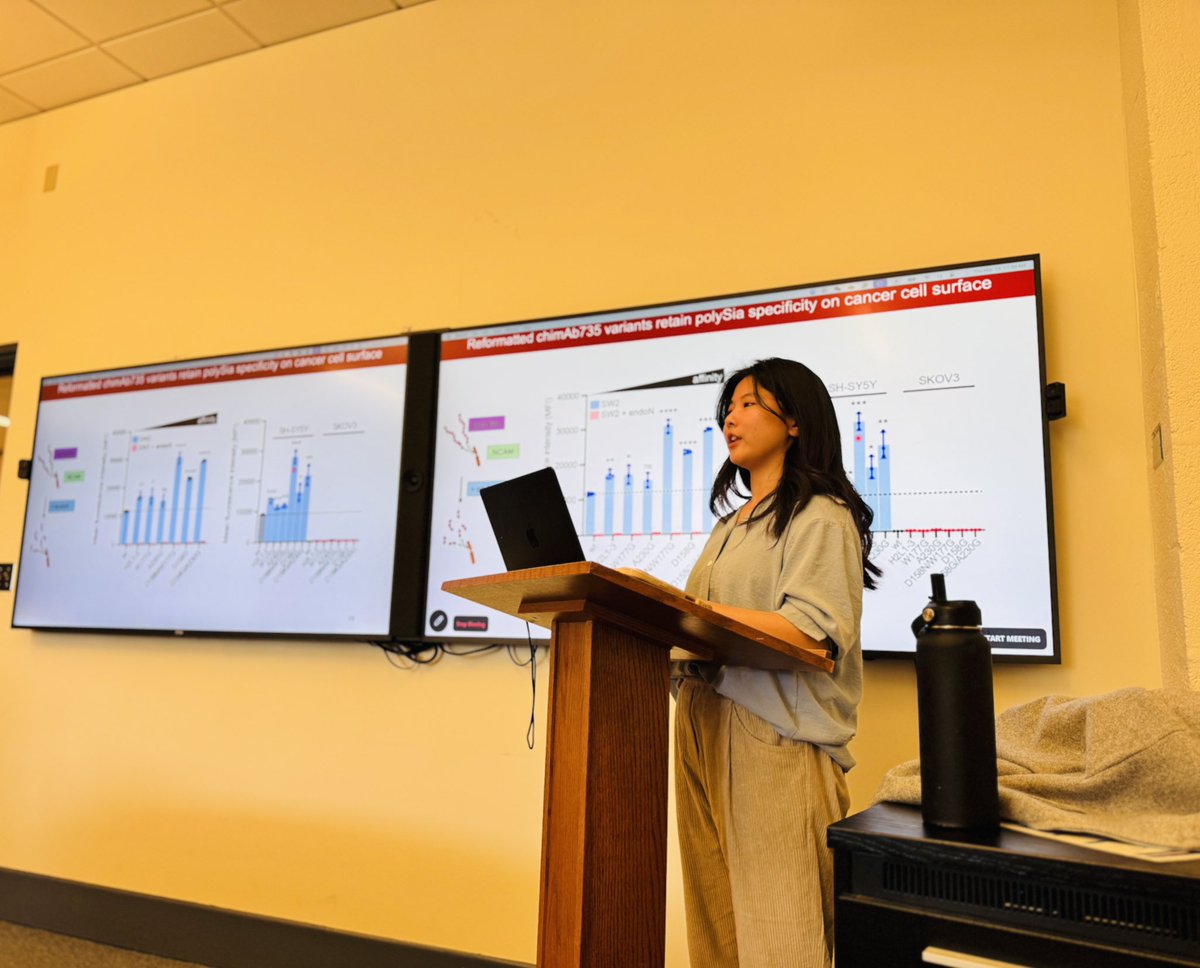
Huge congratulations to Weiyao Wang on successfully passing her B exam today! 🎉🎊 Check out her work on engineering affinity-matured variants of an anti-polysialic acid monoclonal antibody with superior cytotoxicity-mediating potency #antibody #Science
biorxiv.org/content/10.1101/…
8
270
24 Feb 2025
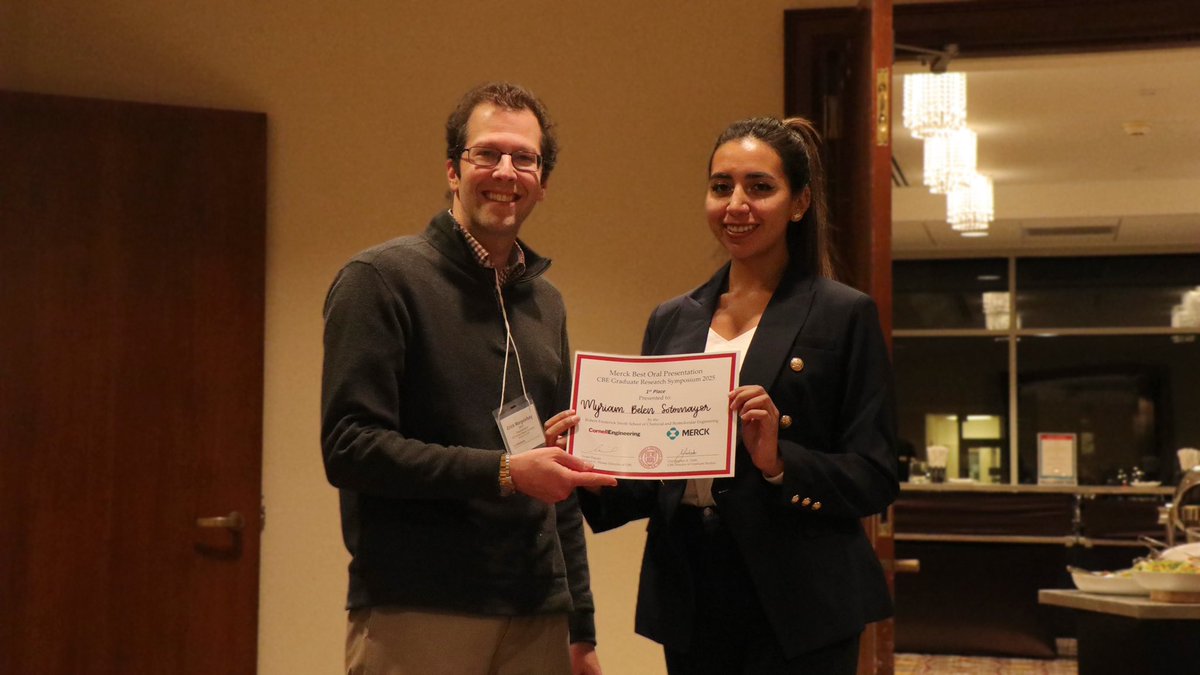
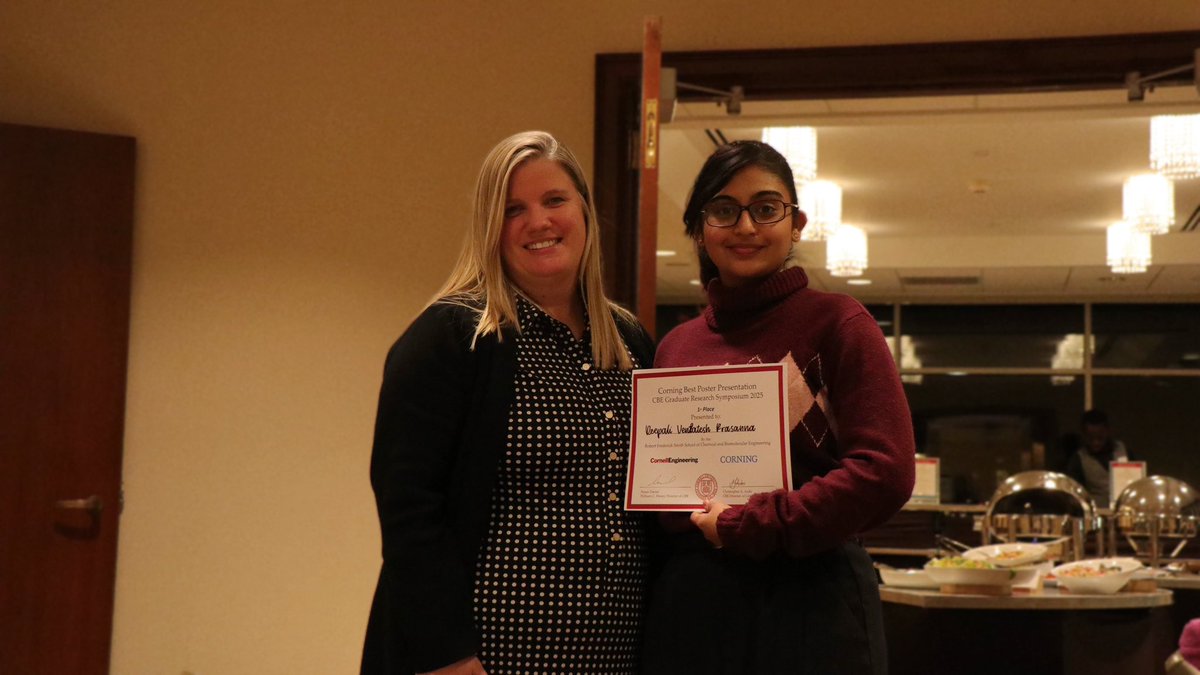
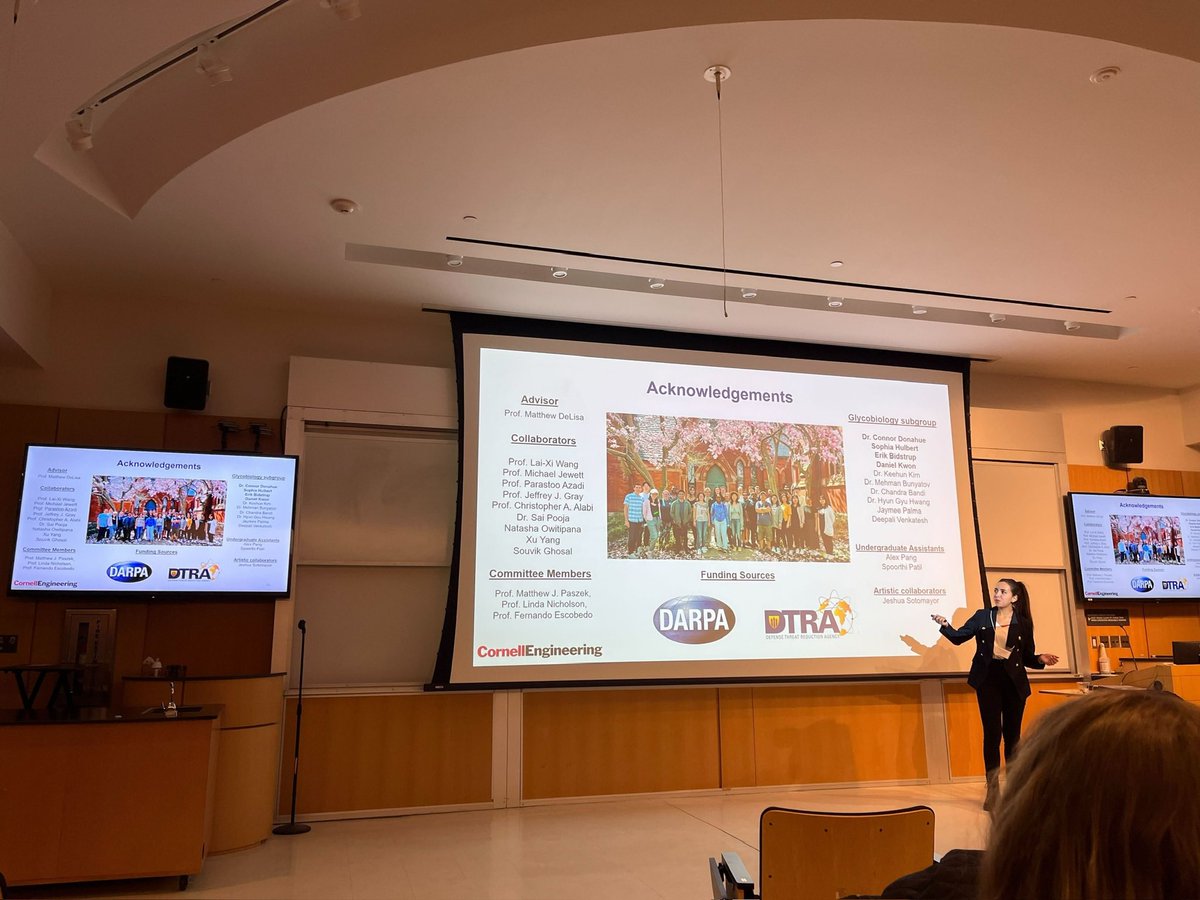
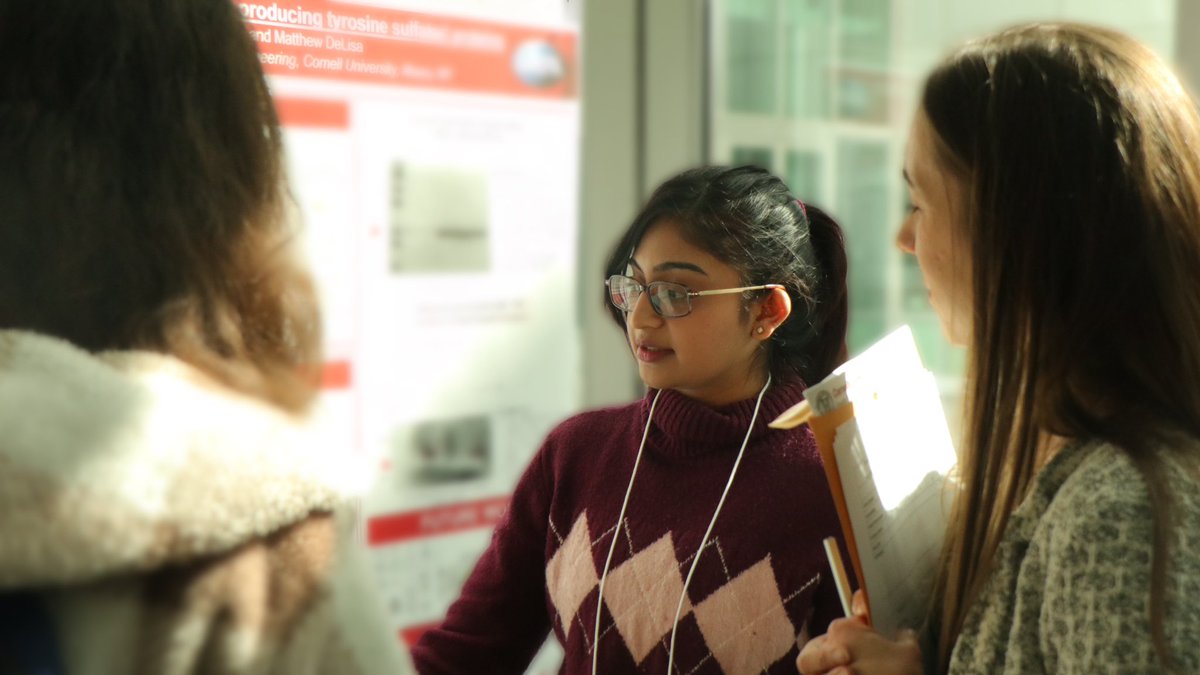
Congratulations to @BelenSotomayor5 for winning Merck’s Best Oral Presentation Award 🥇 and to Deepali for wining Corning’s Best Poster Presentation Award🥇 at the CBE Graduate Symposium! Delisa Lab is on fire, keep shining, team! #science
3
9
1,672