
Mechatronics and Bitcoin Cash
Joined November 2017
- Tweets 49
- Following 479
- Followers 648
- Likes 2,646
2 Photos and videos

Pinned Tweet

5 Jun 2022
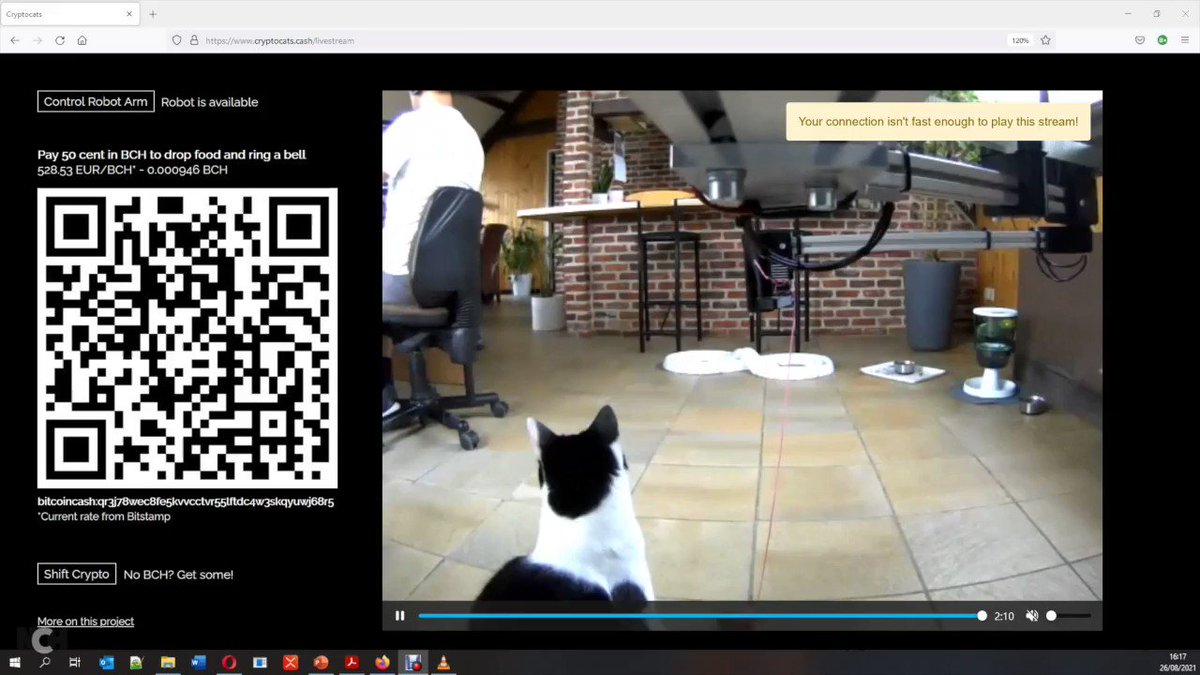
Some clips from during the development/testing phase of bitrally.cash
4
31
59
Kilian retweeted

3 Sep 2025
Good Morning Freedom Money Fans! ☕
Let's kick off the day with some enlightening BCH history and innovation.
You might recall the old tale: BCH as just a Bitcoin fork with bigger 32MB blocks for faster, cheaper transactions. But oh, how it's grown!
Today, it boasts dynamic block sizes that auto-adjust like a smart highway adding lanes during rush hour, keeping things smooth no matter the demand.
And that's not all: Enter CashTokens, baked right into the protocol for native tokens, NFTs, DEXes, and even DAOs. All secured by tried-and-tested SHA-256 Proof of Work.
It's reclaiming Bitcoin's roots as programmable, scalable peer-to-peer cash for the world.
Curious for more? Dive into this quick 6-min recap from @LaEconomiaP2P:
youtube.com/watch?v=0Sb3Un6O…
What BCH upgrade excites you most? Share below! 🚀 #BitcoinCash #BCH
2
23
65
2,188
Kilian retweeted

9 Aug 2025
Tossed this together, work in progress.
bitcoincashuniversity.com/
Know about BCH and want to help others who are interested? List yourself as a Mentor!
7
19
56
3,734

Kilian retweeted

11 Oct 2024
Just released a new page! Check out the entire Bitcoin (Cash) upgrade history here!
minisatoshi.cash/upgrade-his…
1
16
54
1,486
20 Apr 2024
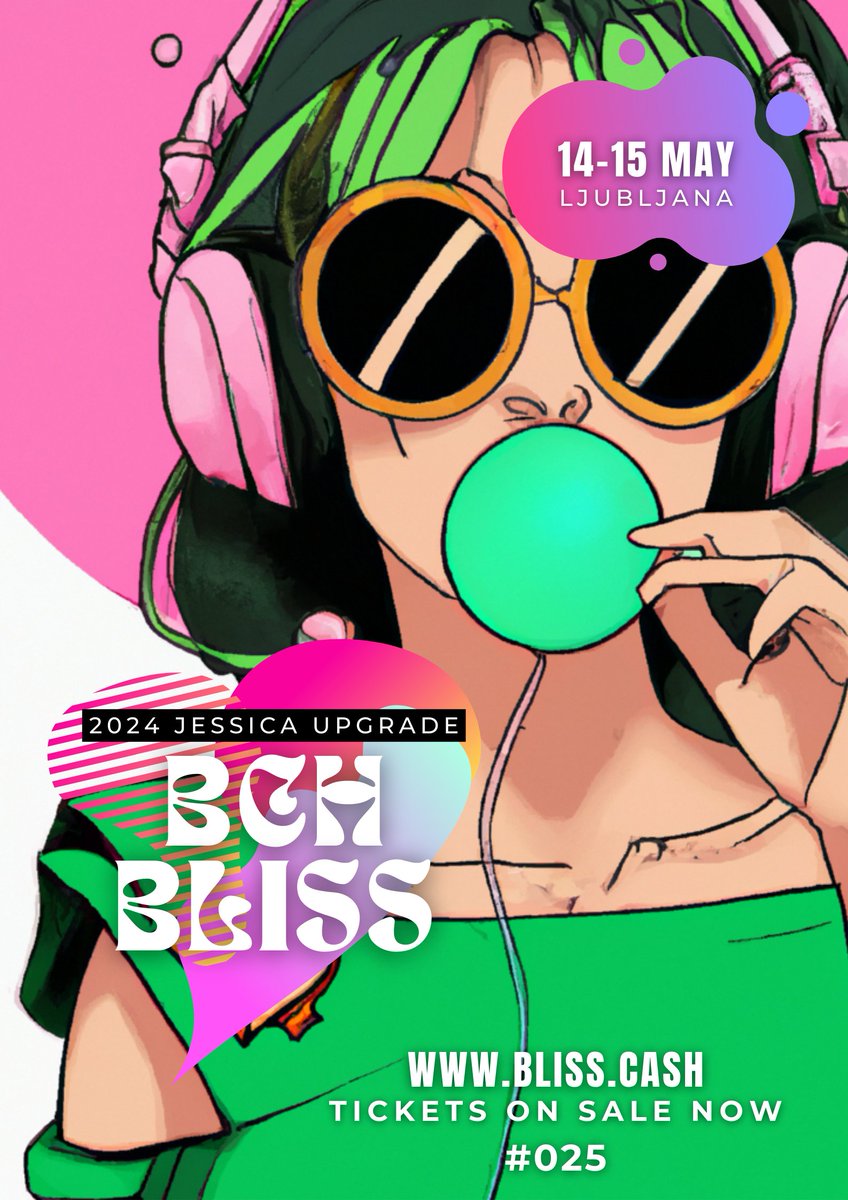
Exited to talk to so many wonderful people and see what they’ve been up to! Also looking forward to sharing some work of my own.

It's just 25 (!!) days until BLISS & only 11 (!!!!!) days until Jessica NFT sales cease!
That's right, on April 30th TapSwap NFTs will all be delisted & unwanted Jessicas 🔥🔥burned🔥🔥.
Better grab yours today! These ladies won't wait for much longer.
bliss.cash
1
16
694

What are the chances of having you and @TheBCHPodcast do a show together, @mike_maloney? 🙏😁
1
2
19
524
18 Jan 2024
I feel so incredibly grateful for all the advancements humanity has been able to achieve. Lets continue this trajectory and accelerate it so we can increase everyone’s standard of living. One great way to do this, is by using #bitcoincash, removing friction in an open economy.
4
19
686
Kilian retweeted

15 Jan 2024
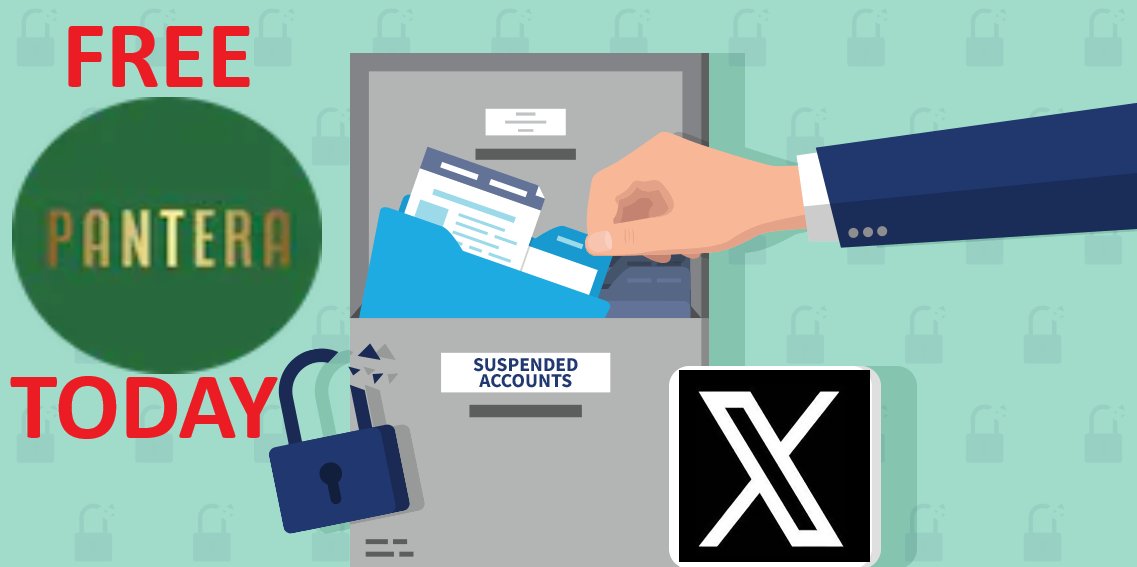
"Our lives begin to end the day we become silent about things that matter."
Like & Repost if you'd like to see @Panterabch unsuspended on X.
11
261
281
2,282
15 Jan 2024
Do you have your ticket for the #bitcoincash conference? tapswap.cash is where to find one! #bchbliss here's my Jessica NFT ticket:
1
3
15
588

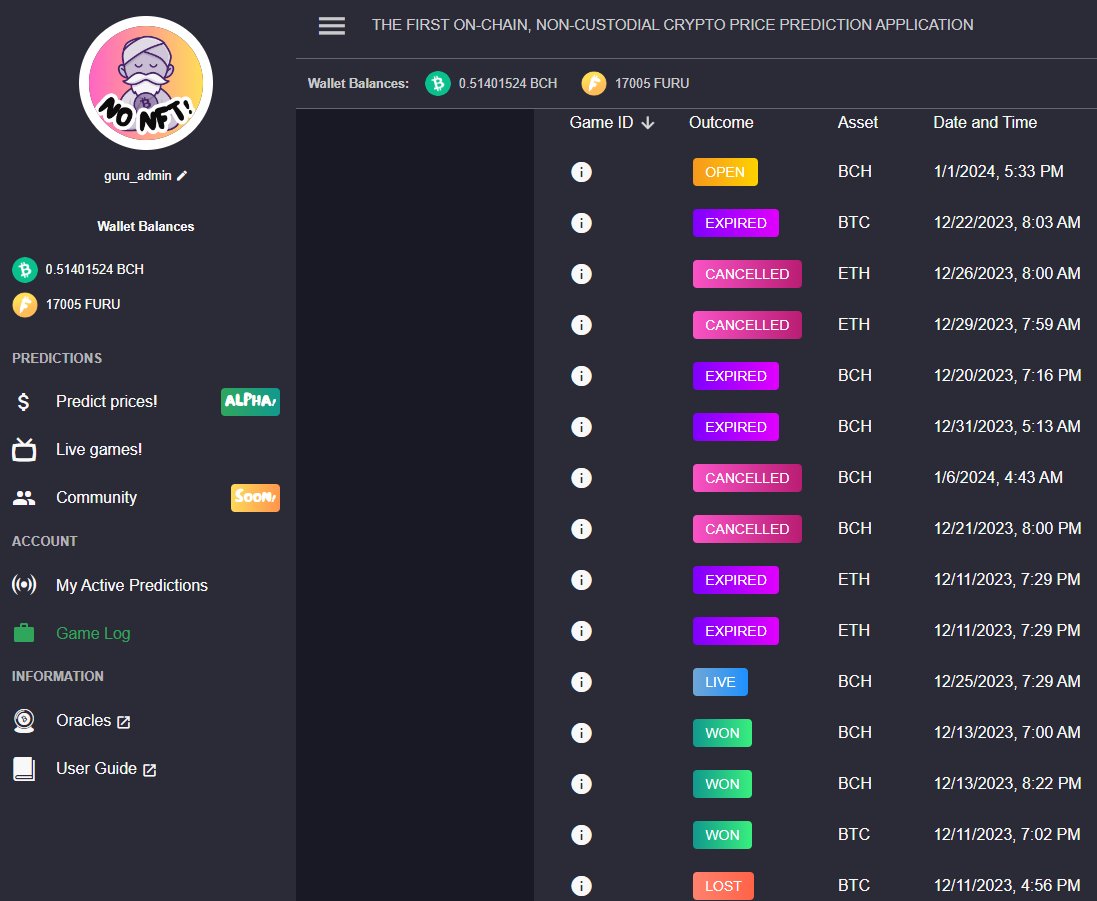
BCH Guru Alpha testing is going great, we are diligently testing and improving the application interfaces. We also decided to add a very pretty gamelog for each user, and the ability to not only choose your preferred BCH Guru NFT as an avatar, but now users can also add a nickname! #bitcoincash #cashtokens
3
13
35
1,774
Kilian retweeted

22 Nov 2023
4
7
23
1,872
Kilian retweeted

15 Nov 2023
The May 2024 upgrade to Bitcoin Cash (BCH), CHIP-2023-04 Adaptive Blocksize Limit Algorithm, is now active on chipnet at block #174519 (0000000068675ff881ff763de0c4b47b8da8f64c7800c016a9dac60f7f8e0007)! 🎉
This upgrade resolves an economic vulnerability that was introduced in 2010 and led to the BCH/BTC network split in 2017.
The algorithm automatically adjusts Bitcoin Cash's block size limit to reduce infrastructure costs during periods of lower usage while enabling up to a doubling of the maximum block size per year at peak growth.
Why Limit Block Size?
The block size limit caps the technical requirements of network infrastructure, enables reliable infrastructure cost projection, and prevents attacks that increase the cost of participating in the network.
Excessively large blocks could require users and businesses to waste resources on unnecessary infrastructure, switch to cheaper and less secure validation strategies, or even to abandon running their own infrastructure and instead rely on third-party service providers – reducing the overall privacy, independence, and financial freedom of all users.
Vulnerability of Static Block Size Limits
To limit block size, most bitcoin-like networks (BCH, BTC, BSV, XEC, etc.) employ a static block size limit. For Bitcoin Cash mainnet, this limit is currently 32MB.
If a payment network is growing, usage will eventually approach any previously-established static limit. If this limit is reached before a successfully coordinated upgrade, network service degrades: transaction fees and confirmation times become less predictable as size-limited blocks become more common.
Uncorrected, market actors begin to adapt to this artificial scarcity by using alternatives to on-chain transactions: custodians, intermediaries, and competing networks. This in turn compromises the long-term economics of mining – cumulative transaction fee revenue is suppressed, and long-term network security grows to rely on continuous inflation via block subsidies.
Because static block size limits can only be changed as part of a widely coordinated network upgrade, they present a focal point for network interruption or capture by motivated attackers: rent seeking institutions, competing networks, opponents of peer-to-peer cash, etc. To make matters worse, the attackers have a significant coordination advantage – while honest network participants must achieve near-unanimous consensus to activate an upgrade, attackers must only create sufficient uncertainty among the honest participants to delay limit increases, as inaction results in degradation of the network’s functionality and long-term security.
Adaptive Block Size Limits
Adaptive block size limits resolve the economic vulnerability of static limits by automatically adjusting the maximum block size over time.
While an adaptive block size limit could still diverge from a hypothetical "ideal" size due to significant changes in the rate of technological advancement or the availability of capital, such divergences would likely remain much smaller than with static limits, and attackers are no longer afforded an advantage.
Bitcoin Cash's Adaptive Algorithm
The new algorithm is conservative and based on observed usage. In cooling-off periods of falling network usage, the limit slowly decreases to preserve the resources of infrastructure operators. On the other hand, during periods of rapid growth, the limit can increase at a rate of up to 2x per year.
---
This post is adapted from my earlier blog post about the May 2024 upgrade. You can find more information about this upgrade and Bitcoin Cash's upgrade process in that post (link in bio). Thanks for reading!
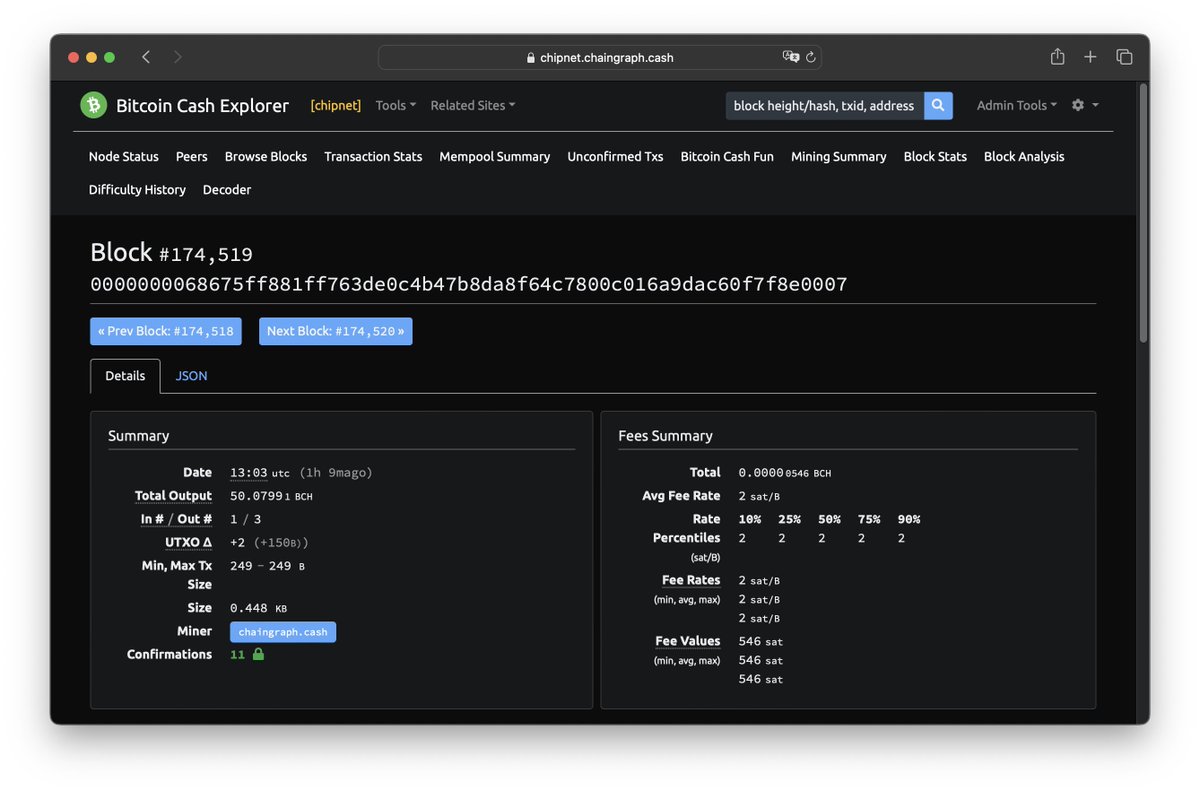
ALT A screenshot of a Bitcoin Cash chipnet block explorer displaying block #174519 with block header hash "0000000068675ff881ff763de0c4b47b8da8f64c7800c016a9dac60f7f8e0007".
18
76
191
15,389
Kilian retweeted
15 Nov 2023
4
10
390
Kilian retweeted

27 Oct 2023
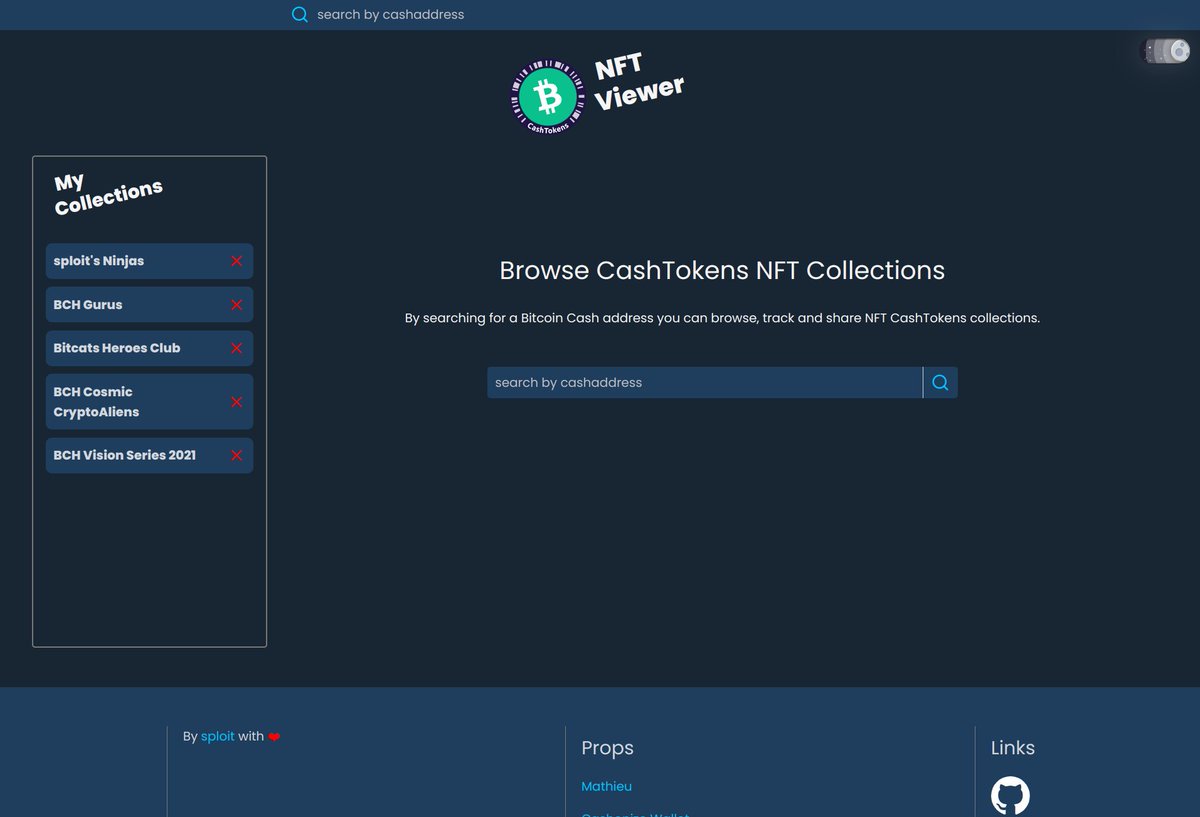
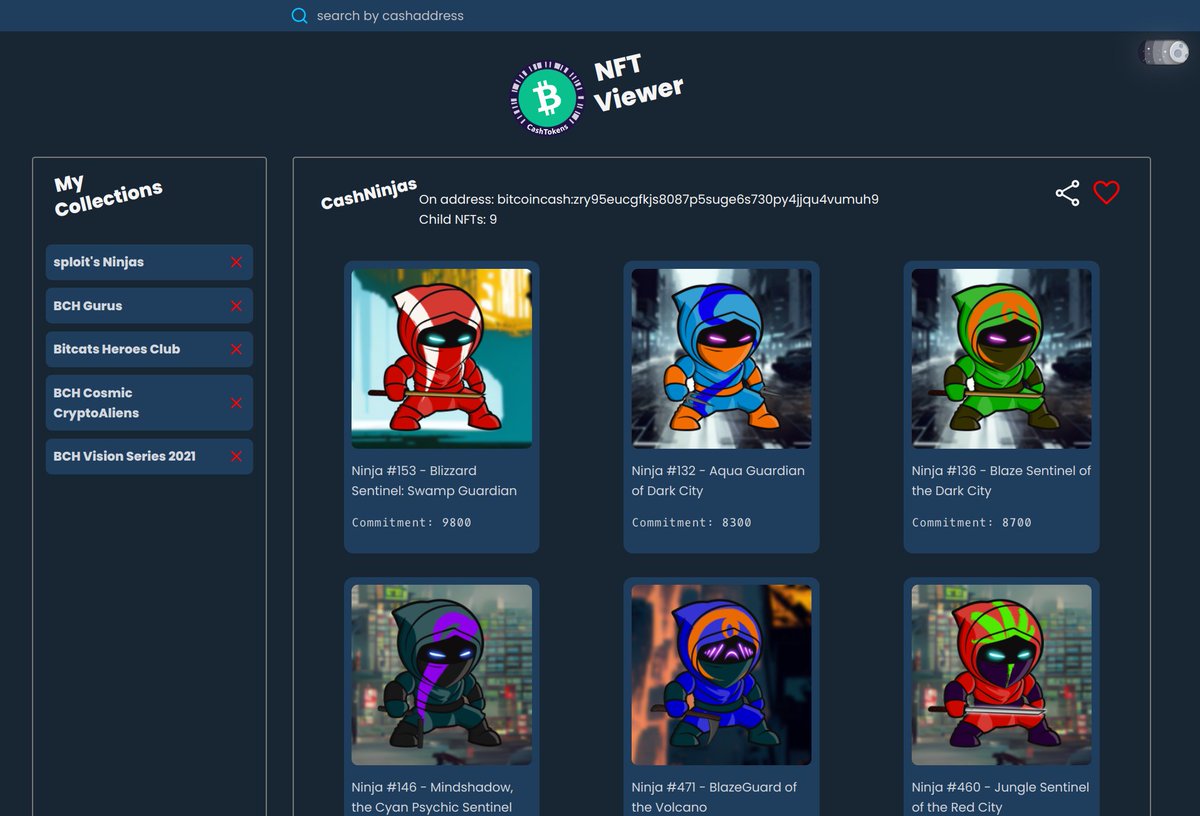
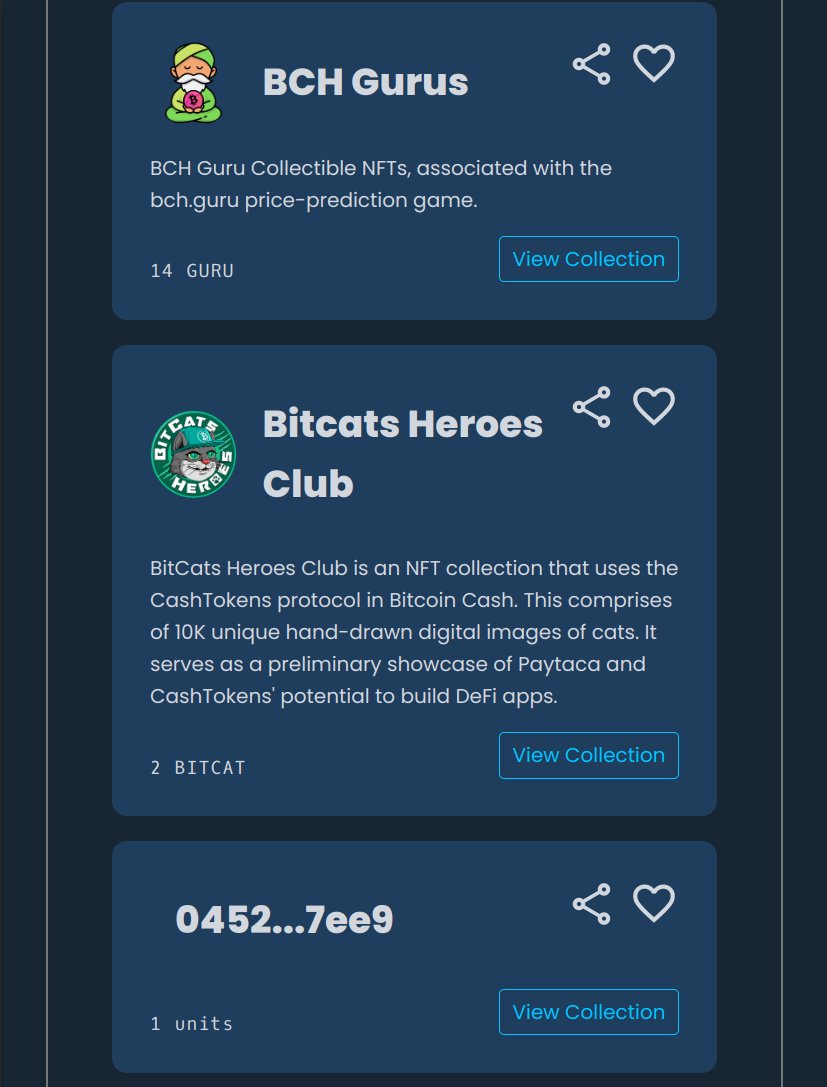
Announcing a super duper awesome and slick NFT viewer for CashTokens NFTs!
Check it out at viewer.sploit.cash
Development ongoing, so if you find any bugs, have suggestions or other feedback, don't hesitate to let me know!
3
12
27
1,351
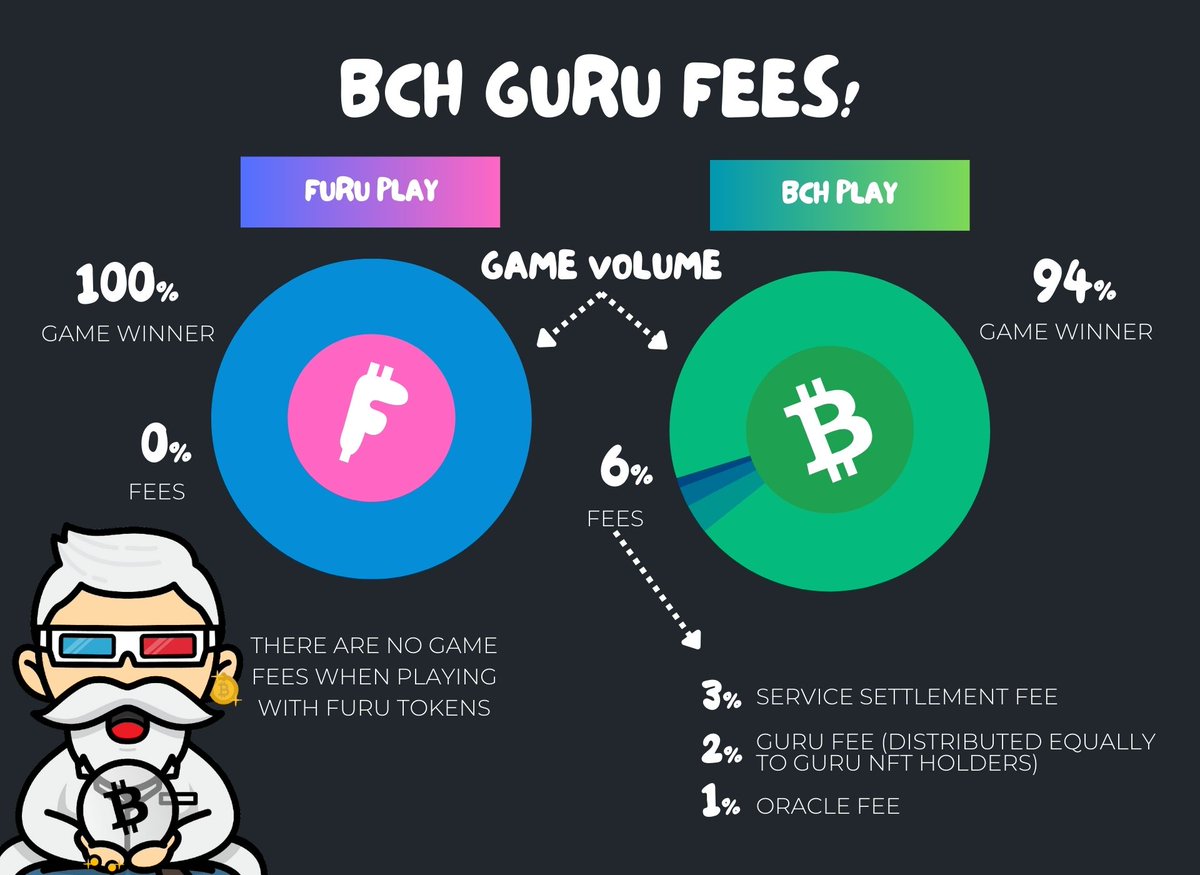
Announcing BCH Guru game fees for #bitcoincash gameplay. 6% game fee, with 2% of total game volume being distributed evenly to all BCH Guru NFT holders. Another unique utility for the collectors of BCH Gurus! Only 160 NFTs remain in wave 2: nfts.bch.guru
2
13
39
4,791
"There will ultimately be no #bitcoin being given away as a block reward in like 40 years from now. And so, the network has to be useful enough to people that they are willing to pay a lot of very high transaction fees to use it." — @alexlmiller
or... hear me out 👇
2
6
11
741
Kilian retweeted

7 Oct 2023
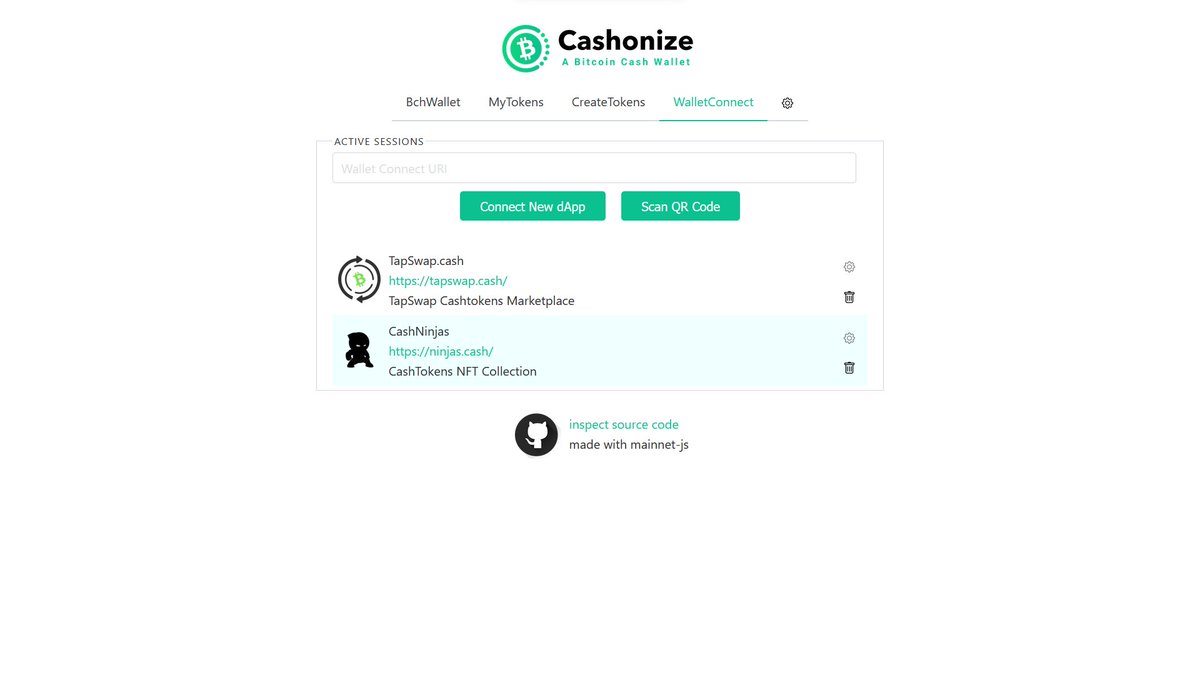
New chapter for Cashonize begins today:
Connect your wallet seamlessly to web3 BCH apps!
Thanks to the initiative & work by @mainnet_pat Cashonize now supports the WalletConnectV2 standard 🎉
Also big thanks to the funders of the flipstarter campaign & Jimtendo for code-review!
1
26
56
1,992
Kilian retweeted

19 Sep 2023
Dear friends,
Last week I was invited to give a short speech at the European Parliament in Strasbourg. In many respects, a speech in the European Parliament is a speech in the beating heart of one of the institutions at the forefront of the processes that I (we) have criticized in recent years. That's true, but at the same time I think such considerations should never stop us from going there. It is precisely with the people with whom we disagree, the people who we easily experience as our opponents, that we should try to speak.
This being said, if there's one thing I don't like, it's short speeches. I prefer speeches where I have enough time to let the words visit me as they want to come at that moment and in that place. As a result, I often talk for hours and if no one stops me at some point, I’d continue even longer.
Nevertheless, below you will find my 8 minute speech in the European Parliament!
219
1,429
3,613
342,550
Kilian retweeted

4 Sep 2023
We are starting a Flipstarter for the development of CashScript v1.0. Read on for details! 👇
flipstarter.cashscript.org/
1
18
45
8,809