
Joined October 2009
- Tweets 1,718
- Following 195
- Followers 3,229
- Likes 4,715
100 Photos and videos



Jun 12
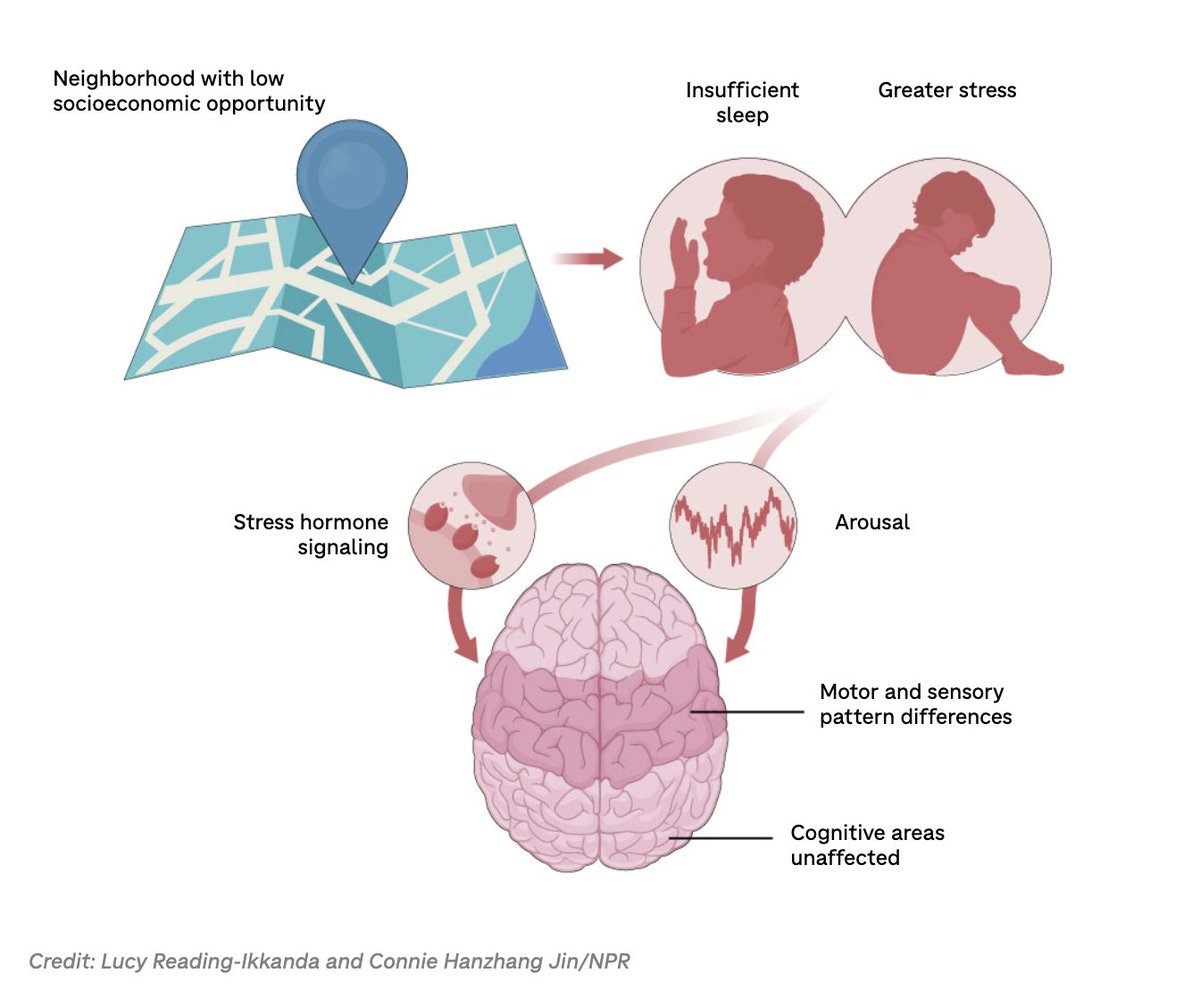
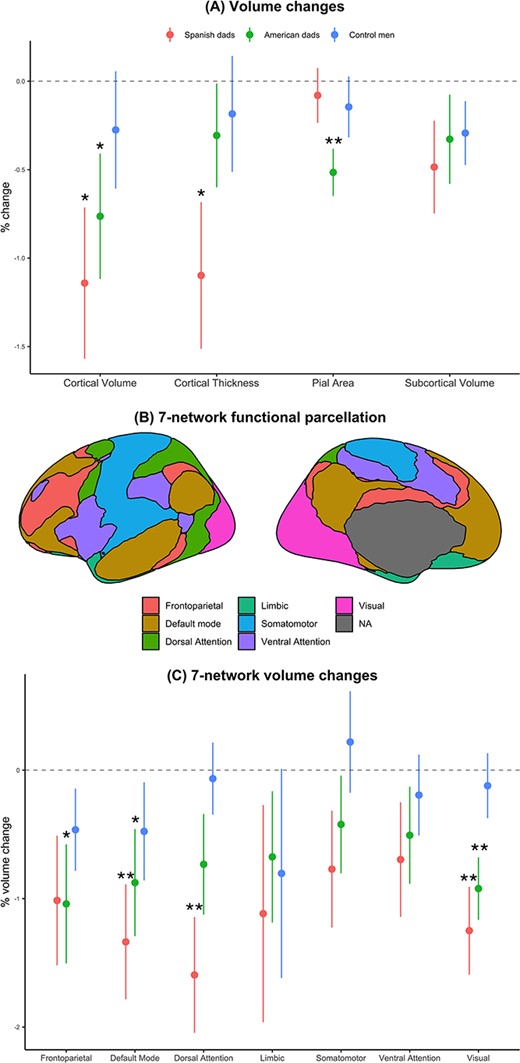
The environment in which we grow up and live has powerful impacts on our brain.
Preteens who grew up in neighborhoods with lower incomes and limited social support had brain differences associated with less sleep and more stress.
shorturl.at/xtQIp
3
114
Jun 2
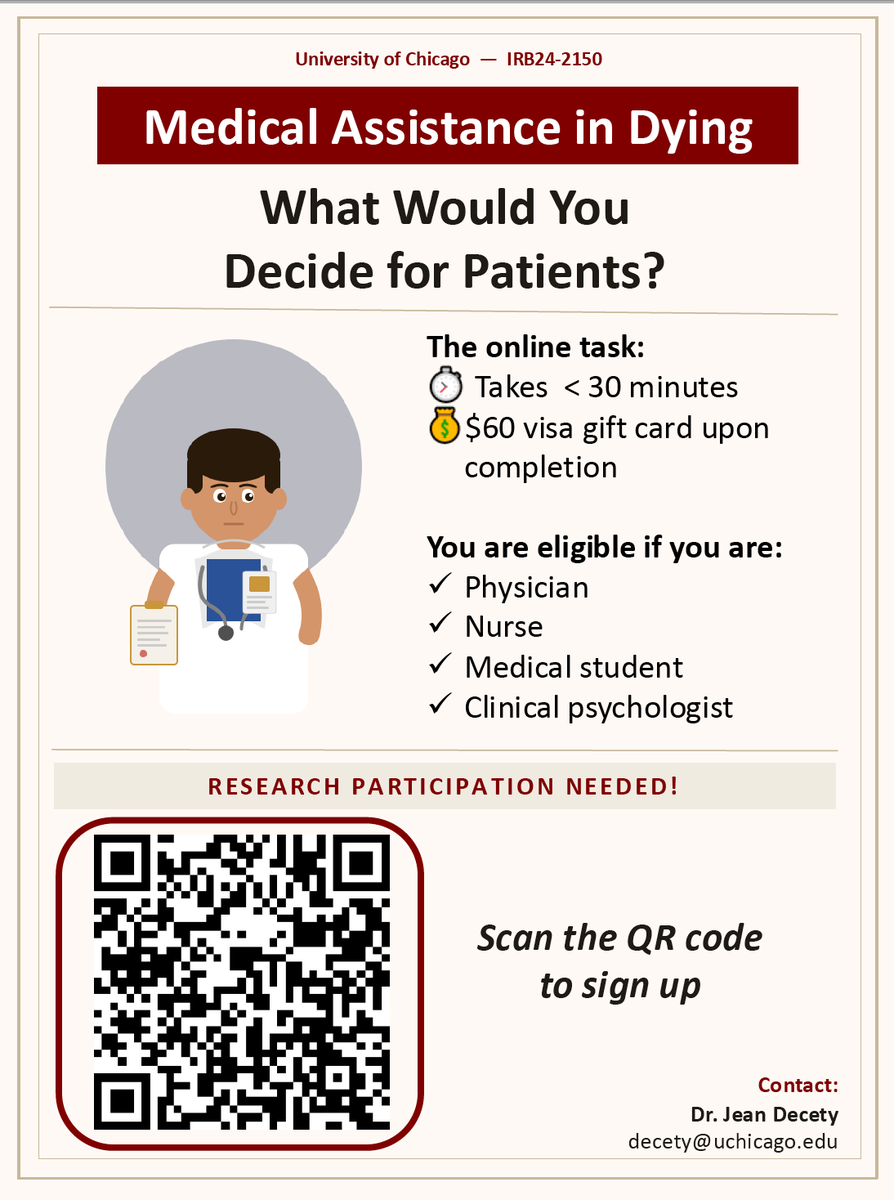
Medical professionals from the US and Canada are needed for our online behavioral study ‼️ 💊 🩺 ⚕️ 💉 🏥 🙏
1
1
288
May 23
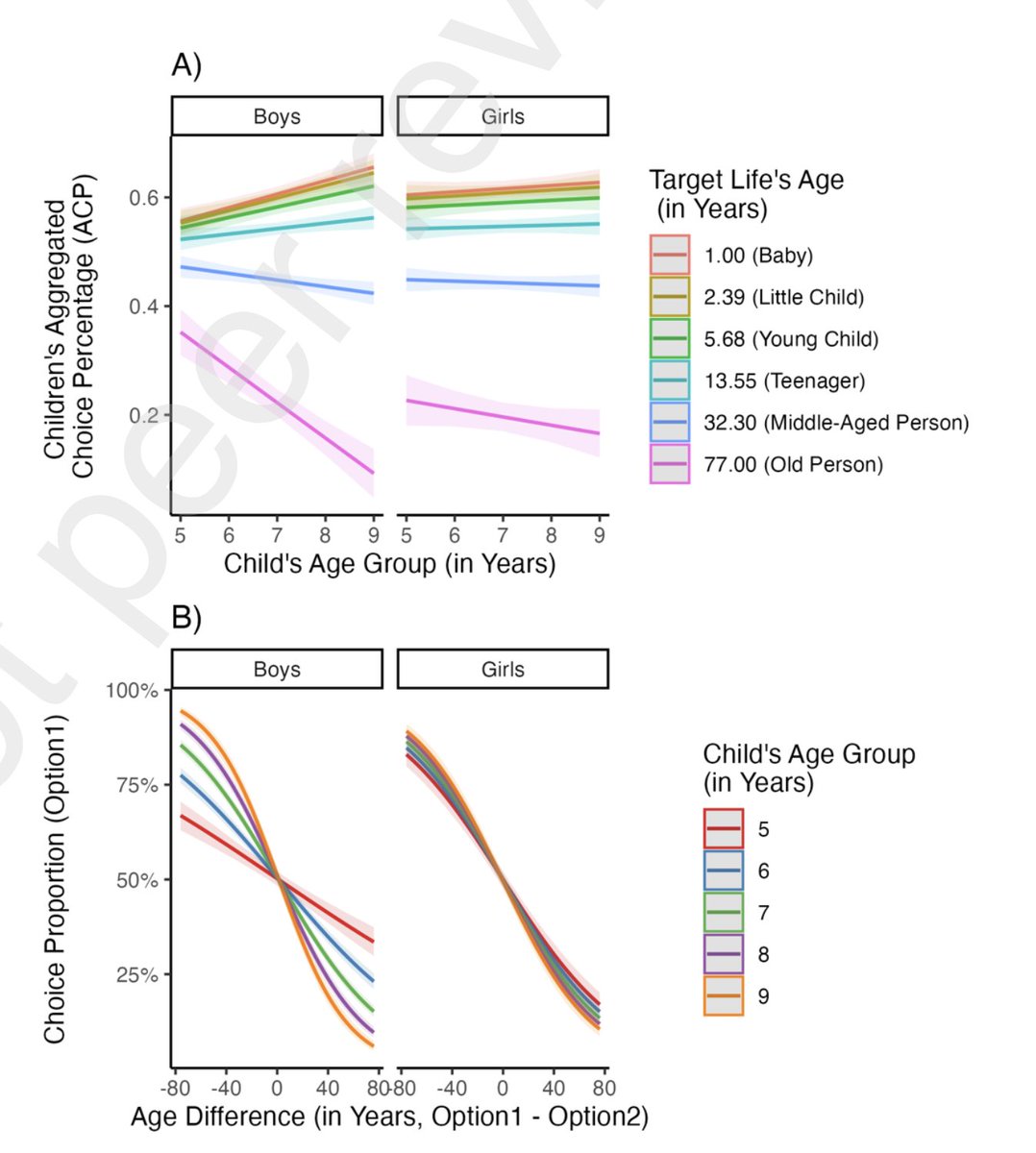
Young children's friendship expectations align with evolutionary frameworks. They attend to (and prioritize) notable and evolutionarily relevant cues such as loyalty and resource provisioning. sciencedirect.com/science/ar…
5
17
23,960
May 16
Brilliant @MaeveHalligan❗️
x.com/i/status/2055251113553…
May 15

"Instead of seeing your opponent as somebody you disagree with, you see them as morally wrong. So it’s not, 'I’m right, you’re wrong'; it’s, 'I’m right, you’re bad.'"
@MaeveHalligan @ #BattleFest North "Disaffected youth: are young people becoming more extreme?"
👇
1
316
May 14
Why do people so often champion policies that run counter to basic economic principles? The evolutionary cognitive model of folk-economic beliefs, developed by anthropologist @PascalBoyerUSA & political scientist @M_B_Petersen, offers an explanation.
thedispatch.com/article/econ…
11
21
2,168
May 11
A cabal of furry thieves snatch iPhones and other valuables from visitors to a temple in Bali—and trade them for mangos.
A nice read to start the week 🤣 wsj.com/lifestyle/monkeys-th… via @WSJ
3
227
Jean Decety 🇺🇸 🇪🇺 retweeted

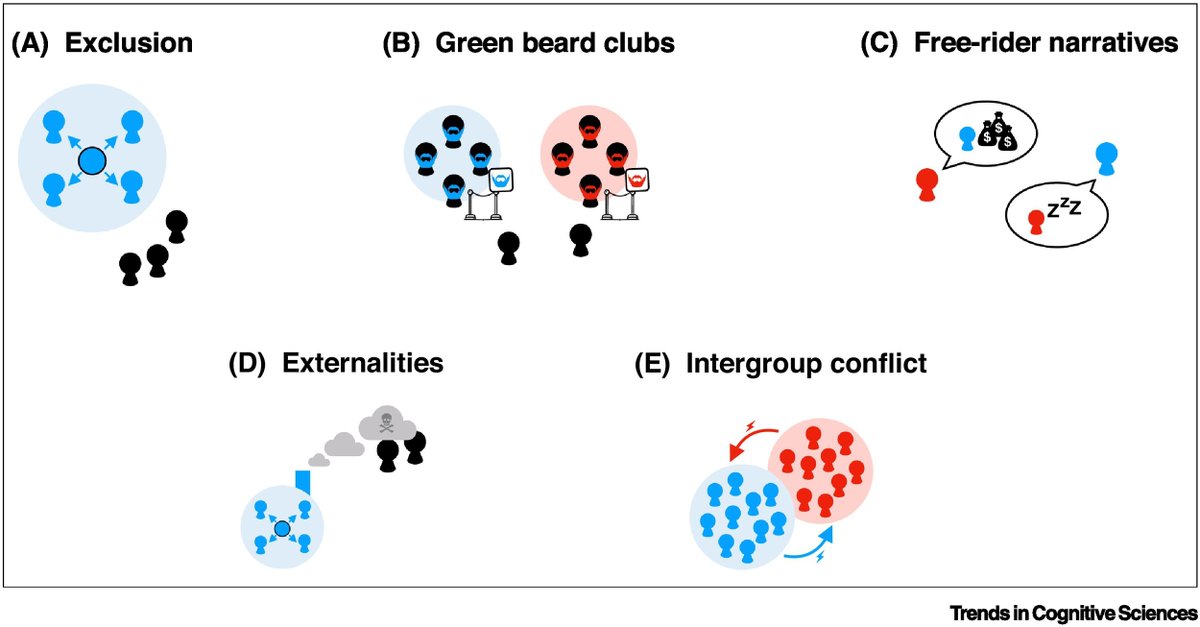
There are hidden costs of cooperation
Actions that support cooperation, such as indirect fitness, direct and indirect reciprocity, partner choice, or punishment, can also perpetuate social division
Group cooperation enforces sharp group boundaries and paves the way for intergroup conflict, while ambiguity and free-rider narratives can lead to intragroup polarization and identity-based conflicts.
Cooperation may no longer be much of a puzzle. The puzzle is how to foster sustainable, inclusive cooperation that leverages the unique capabilities of humanity without creating losers and laying the foundation for inequality, polarization, conflict, and environmental destruction. cell.com/trends/cognitive-sc…
2
19
50
4,571

Sarah Hrdy:
"no matter what label is attached, Wilson’s overall vision of greater integration between evolutionary biology and the human social sciences, is gradually being realized" link.springer.com/article/10…
6
23
1,895
Jean Decety 🇺🇸 🇪🇺 retweeted

May 6
Scott Galloway just said the quiet part out loud at The 92nd Street Y:
Marriage is now a luxury good.
80% of top earners get married.
Only 1 in 5 bottom-quintile men ever do.
Historically? 80% of women reproduced… only 40% of men. Left alone, we get “Porsche polygamy” — a few winners take most of the mates, the rest get nothing. That recipe creates volatile, angry young men, and we’re overproducing them.
We’re actively making it worse: pumping money from young to old while young men get judged ruthlessly on their ability to provide. Under-40s are 24% poorer than a generation ago. Boomers? 72% richer.
This isn’t just a dating problem. It’s breaking household formation, robbing men of purpose, and quietly making society more unstable.
I’ve felt echoes of this pressure in my own life — watching how economic headwinds make building anything lasting feel harder than it should. The data is loud if we’re willing to listen.
What’s your take — do you see this growing divide in marriage and opportunity playing out in your circle, and what do you think we should actually do about it?
321
556
3,771
741,185
May 4
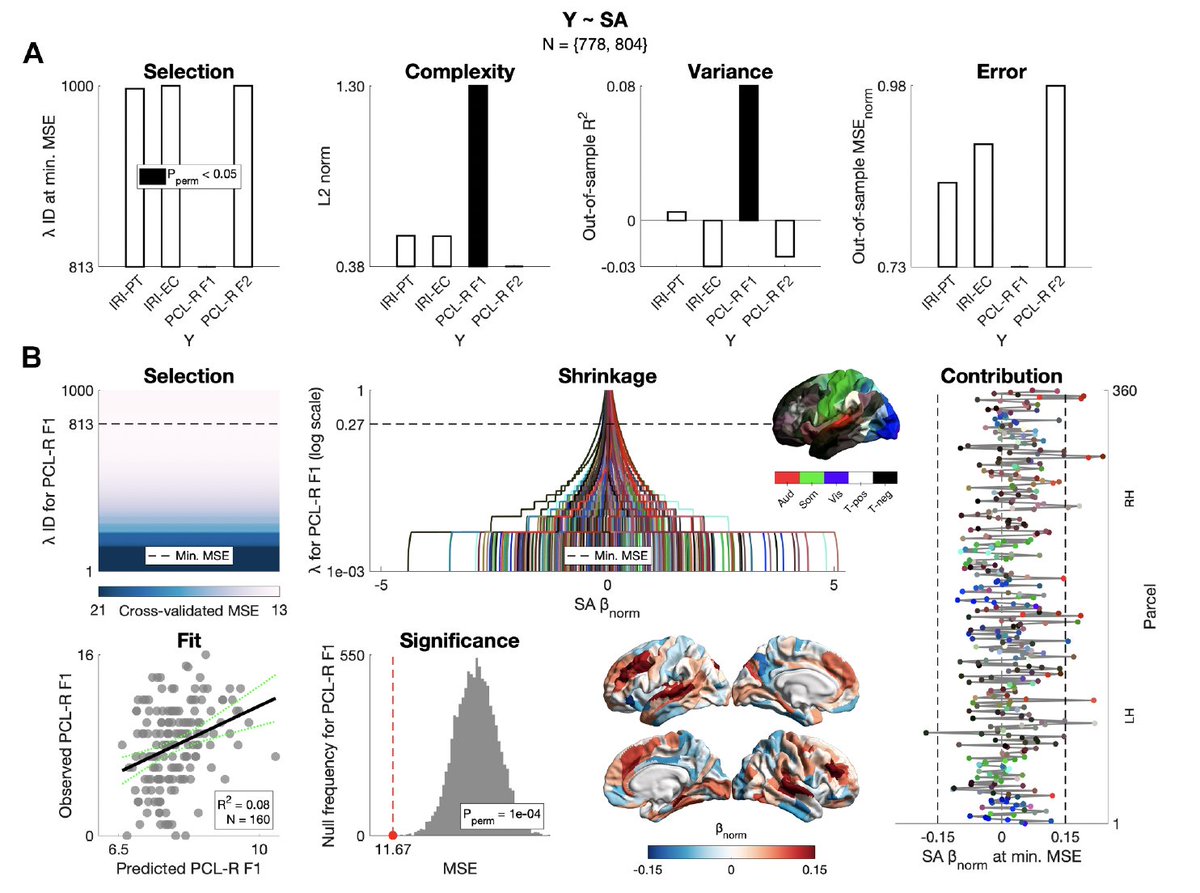
Brain scans of 800 incarcerated men link psychopathy to an expanded cortical surface area.
psypost.org/brain-scans-of-8…
226
Jean Decety 🇺🇸 🇪🇺 retweeted
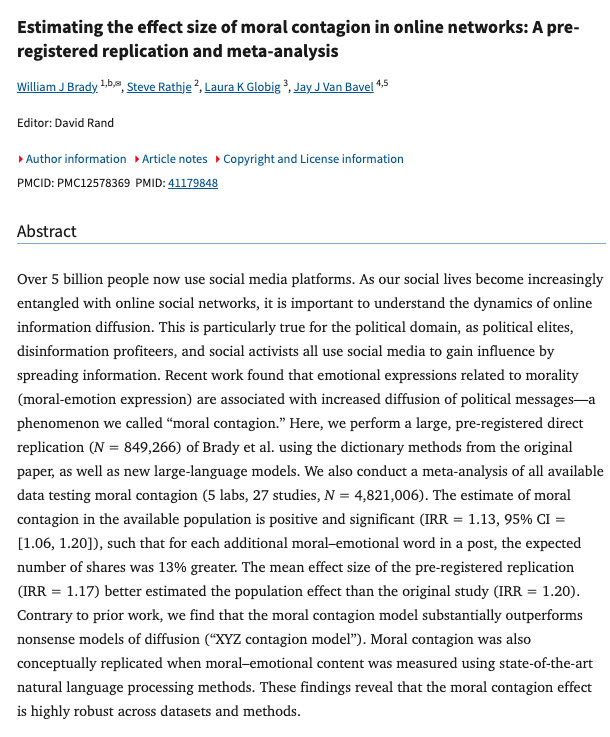
This is a nice summary of our meta-analysis on moral contagion via social media
Here is a link to the paper if anyone wants to read the details: academic.oup.com/pnasnexus/a…

NYU just proved it with numbers that should terrify anyone who cares about human decision making.
They analyzed over half a million social media posts and discovered something that changes how you should think about every piece of content you consume:
"Outrage has been reverse engineered into a science of manipulation."
Every post containing words that trigger anger, disgust, or moral superiority gets 6 times more reach than neutral content. Stack additional outrage triggers into the same post, and virality increases by roughly 20% per word. The platforms figured out that your ancient brain chemistry responds to perceived threats and tribal signaling faster than it responds to anything else, and they built their entire engagement architecture around exploiting that reflex.
Think about what that means for information flow in society.
The posts that spread fastest are not the most accurate, insightful, or useful. They are the ones most precisely engineered to activate your fight or flight response. Your timeline is being curated by an algos that has learned to simulate the feeling of being under attack, because humans share content when they feel like their worldview or tribe is being threatened.
The mathematical precision is what makes this so sinister. Traditional media used outrage as a tool, but social platforms turned it into a formula. Every word choice, every framing device, every emotional trigger gets tested against engagement metrics in real time. The algos doesn't care what the content says. It only cares how fast it spreads, and outrage spreads fastest.
This creates a feedback loop that fundamentally warps the information ecosystem. Content creators discover that measured, nuanced takes get buried while inflammatory posts reach millions. The reward system trains everyone to become more extreme, more divisive, more outrageous over time. The platforms profit from the engagement surge. The audience gets more addicted to the emotional highs. Everyone loses except the attention merchants.
The really disturbing part is how this exploits evolutionary psychology. Your ancestors survived by quickly identifying threats to their survival or social status. The humans who ignored danger signals died. The ones who overreacted to false alarms lived. Natural selection optimized your brain to err on the side of perceiving threats, especially social threats that could result in exile from the group.
Social media platforms discovered they could trigger that same ancient alarm system with words on a screen. Your amygdala cannot tell the difference between a real threat and a carefully crafted post designed to simulate one. It responds with the same stress hormones, the same compulsion to warn others, the same addictive rush of righteous anger.
But here's what makes modern outrage engineering different from anything humans have faced before: scale and speed. In a traditional tribe, false alarms eventually got corrected through face to face interaction. Someone spreading panic about a nonexistent threat would be called out directly. The social cost of being wrong acted as a brake on runaway fear cycles.
Online, that brake disappears. A manufactured outrage can reach millions before anyone can fact check it. By the time corrections appear, the original false alarm has already shaped opinions, triggered responses, and moved on to the next controversy. The platform algos amplify the correction much less than they amplified the original outrage because corrections generate less engagement.
The NYU study reveals something that should fundamentally change how you evaluate information: the posts you see are not a random sample of human thought. They are a carefully filtered selection optimized to make you angry, disgusted, or superior. Your worldview is being shaped by content that survived an engagement filter designed to promote the most emotionally manipulative material.
That realization should change how you consume media entirely. Every viral post, trending topic, and recommended video is the product of an optimization system that profits from your emotional reaction. The more outraged you feel, the more engaged you become, the more valuable you are to advertisers.
The platforms have turned human outrage into a renewable resource. They figured out how to harvest your anger, refine it, and sell it back to you in increasingly concentrated doses. The addiction cycle never ends because there's always a new target, a new crisis, a new reason to feel threatened or superior.
Breaking free requires recognizing the manipulation for what it is: a business model that depends on keeping you in a constant state of emotional arousal. The cure involves deliberately seeking out content that doesn't trigger outrage, following sources that acknowledge complexity instead of manufacturing certainty, and remembering that the posts designed to make you angriest are probably the ones least connected to reality.
Your attention is worth more than their engagement metrics.

1
16
57
11,887
Apr 30
Evolution explains the human condition.
A great paper about Robert Trivers's contribution‼️
open.substack.com/pub/persua…
1
143
Apr 26
𝗖𝗮𝘂𝘁𝗶𝗼𝗻 𝗮𝗴𝗮𝗶𝗻𝘀𝘁 𝘁𝗵𝗲 𝗴𝗿𝗼𝘄𝗶𝗻𝗴 𝘁𝗲𝗻𝗱𝗲𝗻𝗰𝘆 𝘁𝗼 𝗼𝘃𝗲𝗿𝗮𝗻𝗮𝗹𝘆𝘇𝗲, 𝘀𝘁𝗮𝗻𝗱𝗮𝗿𝗱𝗶𝘇𝗲, 𝗮𝗻𝗱 𝗽𝗿𝗲𝘀𝗰𝗿𝗶𝗯𝗲 𝗲𝗺𝗼𝘁𝗶𝗼𝗻𝗮𝗹 𝗹𝗶𝗳𝗲 𝘁𝗼 𝗰𝗵𝗶𝗹𝗱𝗿𝗲𝗻 𝗮𝗻𝗱 𝗮𝗱𝗼𝗹𝗲𝘀𝗰𝗲𝗻𝘁𝘀‼️
thelancet.com/journals/lanam…
1
3
442
Jean Decety 🇺🇸 🇪🇺 retweeted

Apr 22
YES!
Apr 22

Why does free speech have a “branding problem”?
Part of it is simple. Once an institution becomes ideologically one-sided, it stops needing free speech and starts seeing it as a threat.
That’s what I watched happen on campuses. A slow-motion train wreck.
3
4
35
2,924
Apr 22
Sex differences in brain-related health outcomes may result from differences in gene expression, which are likely influenced by both sex chromosome complement and circulating hormone levels. science.org/doi/10.1126/scie…
1
214
Jean Decety 🇺🇸 🇪🇺 retweeted

Apr 16
New paper out in @NatureHumBehav led by @LafolletteKyle & Doroteja Rubez.
Challenging the mechanism for the implicit association test (IAT)
rdcu.be/fdKtb
2
10
31
3,259
Apr 17
Collective intelligence exists in rats and roaches. By focusing on rats and cockroaches, we can begin to highlight insights into the minimal conditions for CI and how these expanded. Evolution is so cool. 🔥 💡
royalsocietypublishing.org/r…
2
11
803
Apr 14
RT @sapinker: Independent evidence, this time directly from the genome rather than twin comparisons, that specific cognitive abilities (in…
136