
Joined March 2025
- Tweets 1,536
- Following 381
- Followers 219
- Likes 4,091
145 Photos and videos











Pinned Tweet

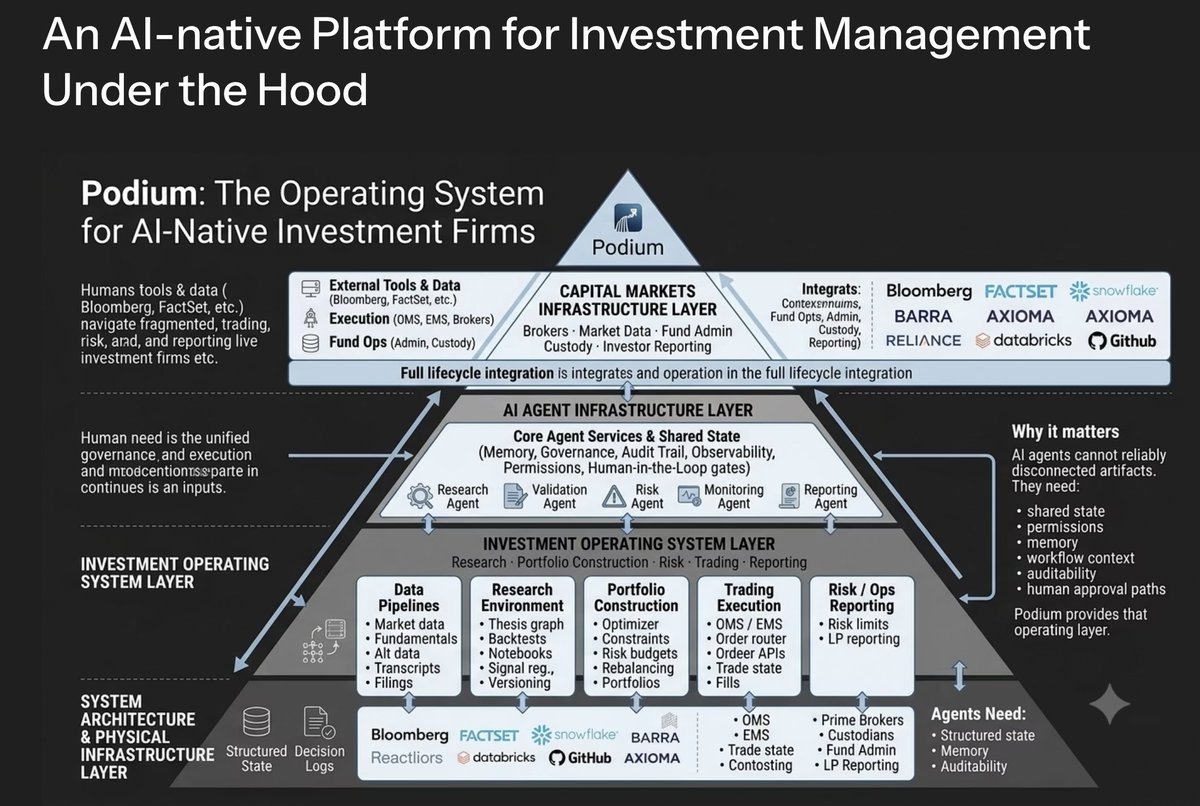
Applications are now open for Podium’s founding AI-native PM cohort.
We are selecting a limited number of serious builders, quants, founders, and emerging managers to test whether institutional-grade PM formation can be rebuilt for the AI era.
Oversubscription expected.

2
3
481
Basically the classic value vs growth debate, but still interesting to hear the interpretations from these icons.
cnbc.com/2026/06/13/moats-vs…
5
Forward-deployed engineering is becoming AI’s favorite operating model. But many startups are copying Palantir’s form without its economics.
Sometimes FDEs accelerate product discovery and help vendors get entrenched. Sometimes they simply hide the absence of repeatable PMF.
The real test: does each deployment make the next one easier—or just require another team of expensive engineers?

1
37
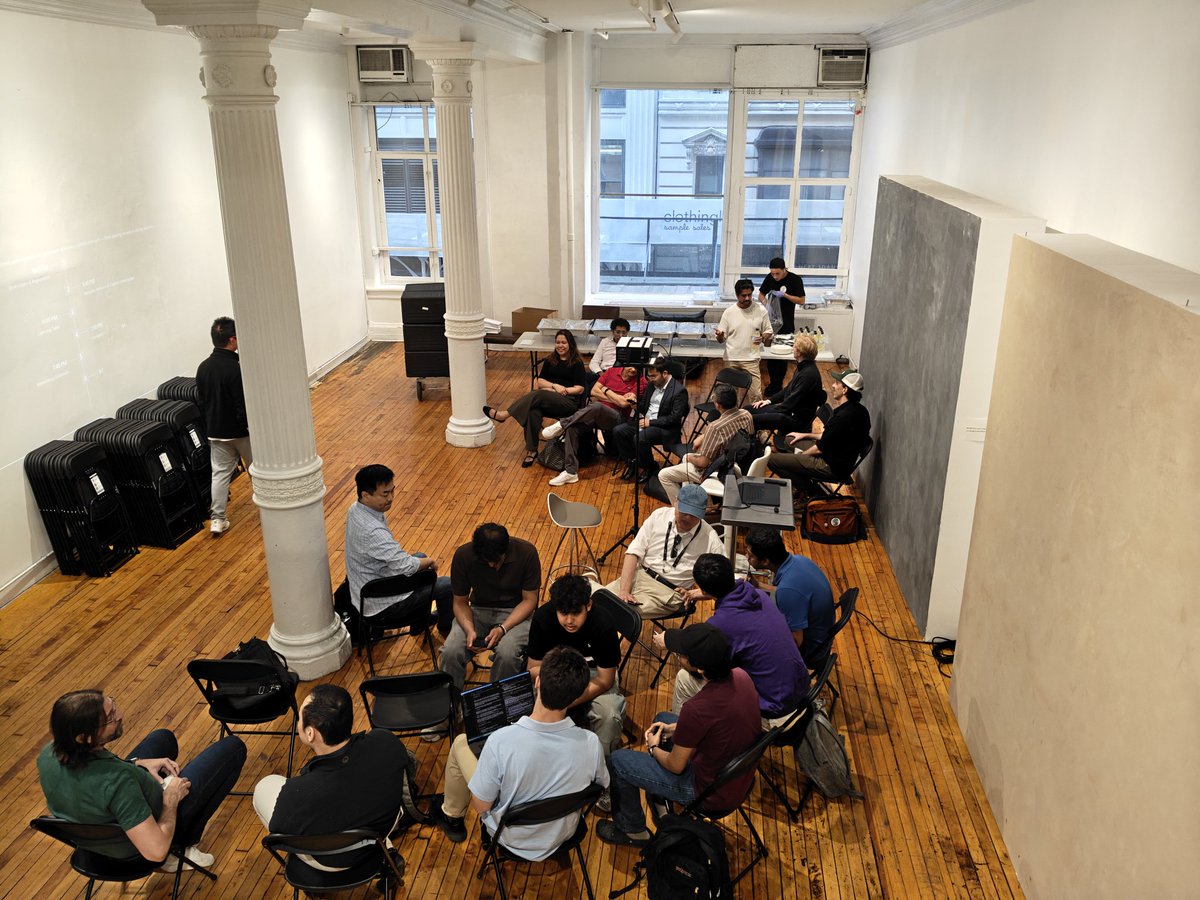
Hosted our first #NYTechWeek event this year and came away with one big realization:
The attendees only see half the story.
Behind the scenes, hosts are constantly helping each other with venue issues, waitlist strategy, sponsor introductions, logistics, and operational advice. It's one of the most collaborative startup communities we've experienced.
The most useful lesson everyone repeated?
RSVPs ≠ attendance.
The official host guide warns of up to 70% attrition, and almost every experienced organizer we spoke with had similar numbers. Many plan around only 35–45% of registrations actually showing up.
That single insight completely changes how you think about capacity planning.
For our event, From Thesis to Fund: The AI-Native Hedge Fund Competition, demand exceeded expectations. We increased capacity multiple times before registrations eventually closed while still oversubscribed—even while competing against rooftop parties, yacht events, and much larger productions.
The most rewarding part wasn't the RSVP count though.
People were still arriving around 9pm for a 9:30pm finish because they wanted to join the discussions. Conversations continued long after the scheduled end time, and we had to ask the venue owner for extra time to keep the networking going.
One thing we intentionally didn't do: hire DJs or play loud music.
We've attended too many "networking" events where you have to yell over the speakers just to introduce yourself. Instead, we optimized for conversation density, comfortable spacing, and an environment where people could actually connect.
Judging by how long people stayed, it was absolutely worth it.
If you're thinking of hosting @Techweek_ the future: don't just optimize for attendance. Optimize for conversations.


1
37
Does "sell before you build" still apply today now that building something can be done so quickly and cheaply?
0%
Yes
0%
No
0 votes • 5 days
2
47
So Cursor has reached the stage where they feel the need to take out ads? Has growth stalled or something?🤔
1
37
USG's new directives around Fable is a fable for the world on why open source and alternatives in the AI supply is necessary. 🤔
17
Everybody hyping over services as a software. What's an example of a hyper growth startup there?
1
30
I feel like lots of people expected that. Maybe not the ones with the most money, but a hell lot of people have surely pointed this out since forever.
Jun 10

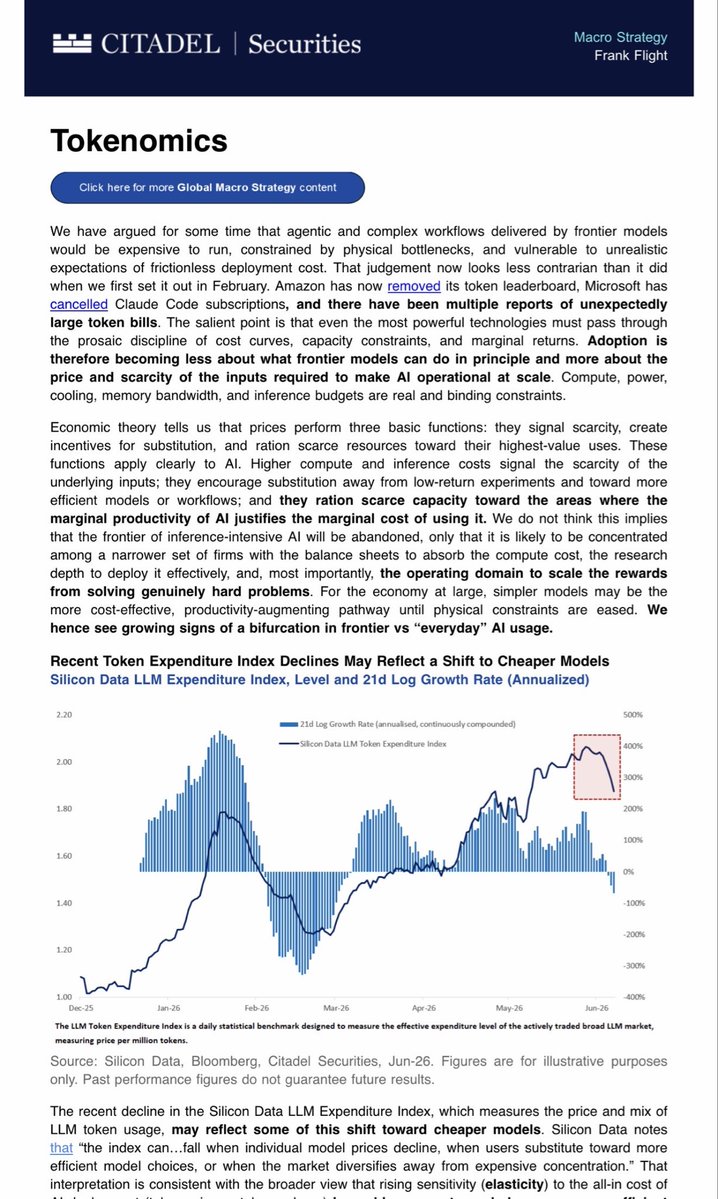
Citadel, is one of the most significant hedge funds, and they just dropped tokenomics …
And it’s not what you would have expected
1
22
Deep Insight Labs retweeted

Citadel Securities just put institutional weight behind what the AI bulls won't say out loud.
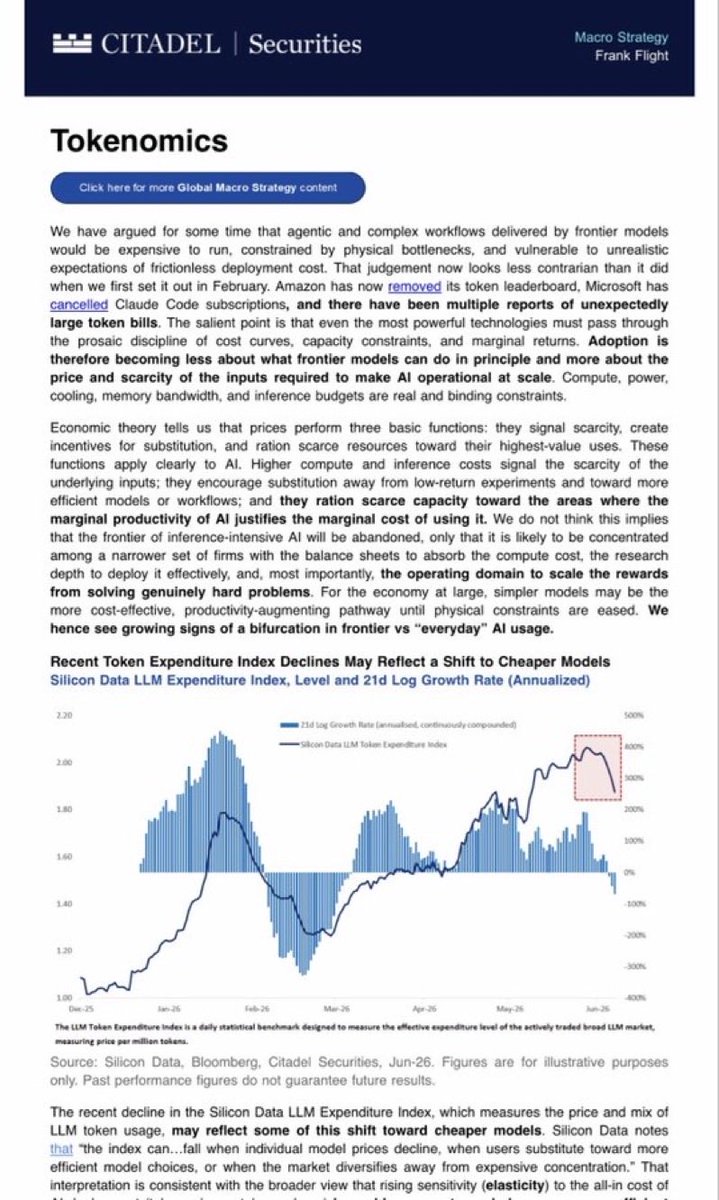
In a new macro note titled "Tokenomics," Citadel makes the argument plainly: even the most powerful technology on earth still has to pass through the boring discipline of cost curves, capacity limits, and marginal returns.
The evidence is piling up:
– Amazon removed its token usage leaderboard
– Microsoft cancelled Claude Code subscriptions
– Multiple companies reporting unexpectedly massive token bills
Their conclusion is the part that matters.
Adoption is no longer about what AI can do in principle. It's becoming about the price and scarcity of the inputs needed to run it at scale. Compute. Power. Cooling. Memory bandwidth. Inference budgets. All real, all binding constraints.
And here's the kicker from the chart.
The Silicon Data LLM Token Expenditure Index, a benchmark for how much the market is actually spending on AI tokens, has started rolling over. Citadel reads it as a shift toward cheaper models. Companies substituting away from expensive frontier AI toward "good enough" alternatives.
That's economics 101 doing what it always does. When the price of something rises, people use less of it, or find a cheaper version.
Citadel sees a bifurcation forming. Frontier AI concentrated among a few firms with the balance sheets to absorb the cost. Everyone else quietly downgrading to simpler, cheaper models.
This is the part of every technology revolution the early narrative ignores.
The technology being real was never the question.
The question was always whether the economics could carry the valuations.
When one of the most sophisticated trading firms on earth starts writing about AI in the language of cost curves and rationing instead of limitless demand, the conversation has quietly changed.
The hype was about what AI could do.
The reckoning is about what it costs.
116
492
2,561
482,169
Signal of good communication within a team/company -- Members can disagree with each other without starting a fight.
2
17

Magnetar Capital, the $18 billion hedge fund firm, will shun human analysts for its newest offering and instead deploy hundreds of AI bots to research stocks. bloomberg.com/news/articles/…
13
24
144
154,392
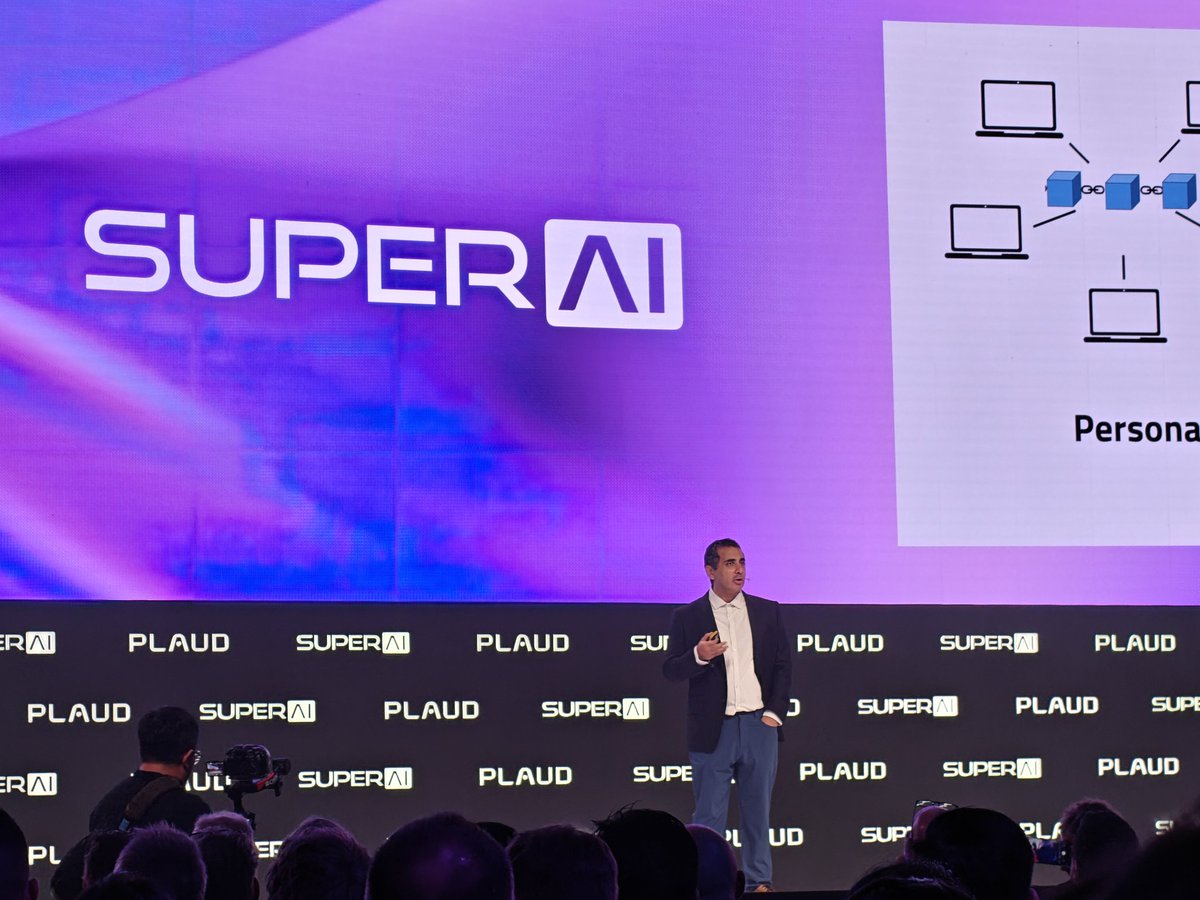
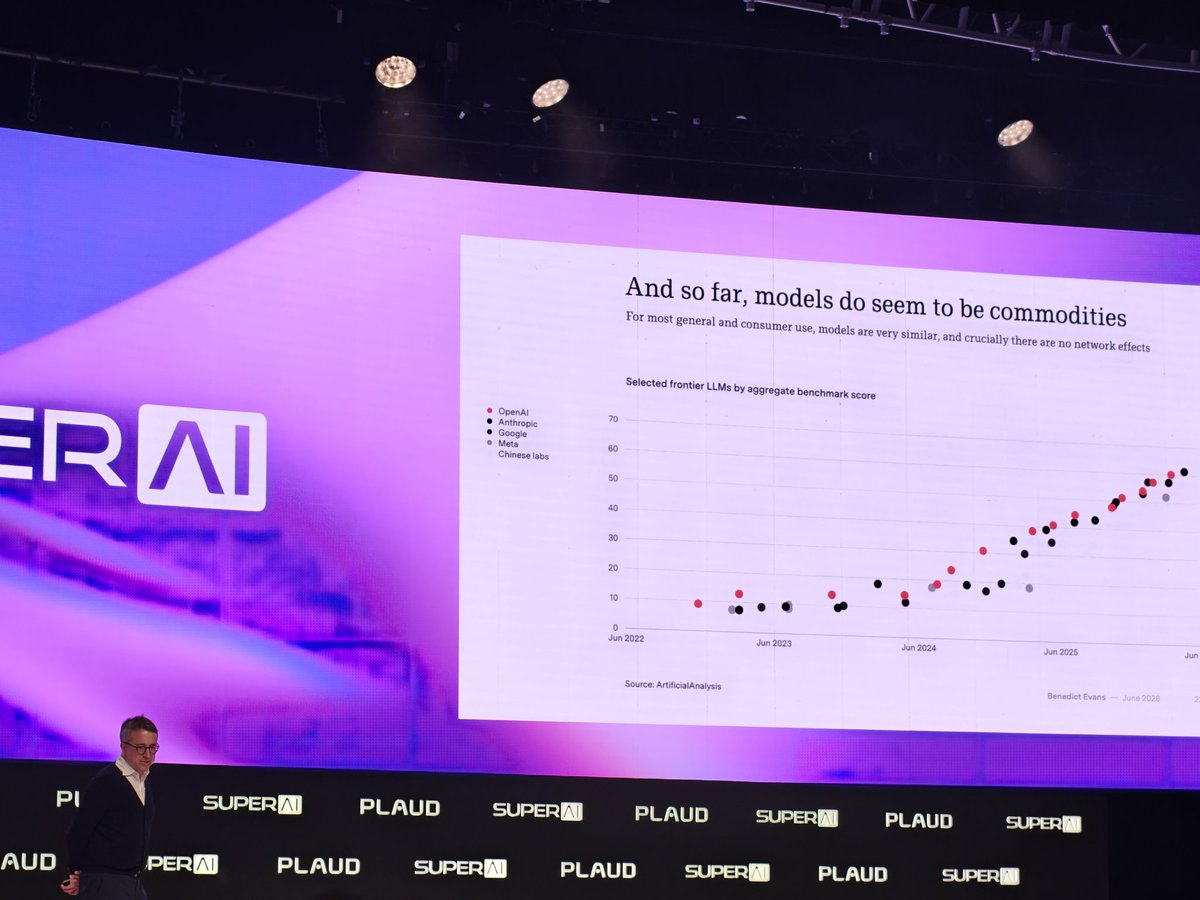
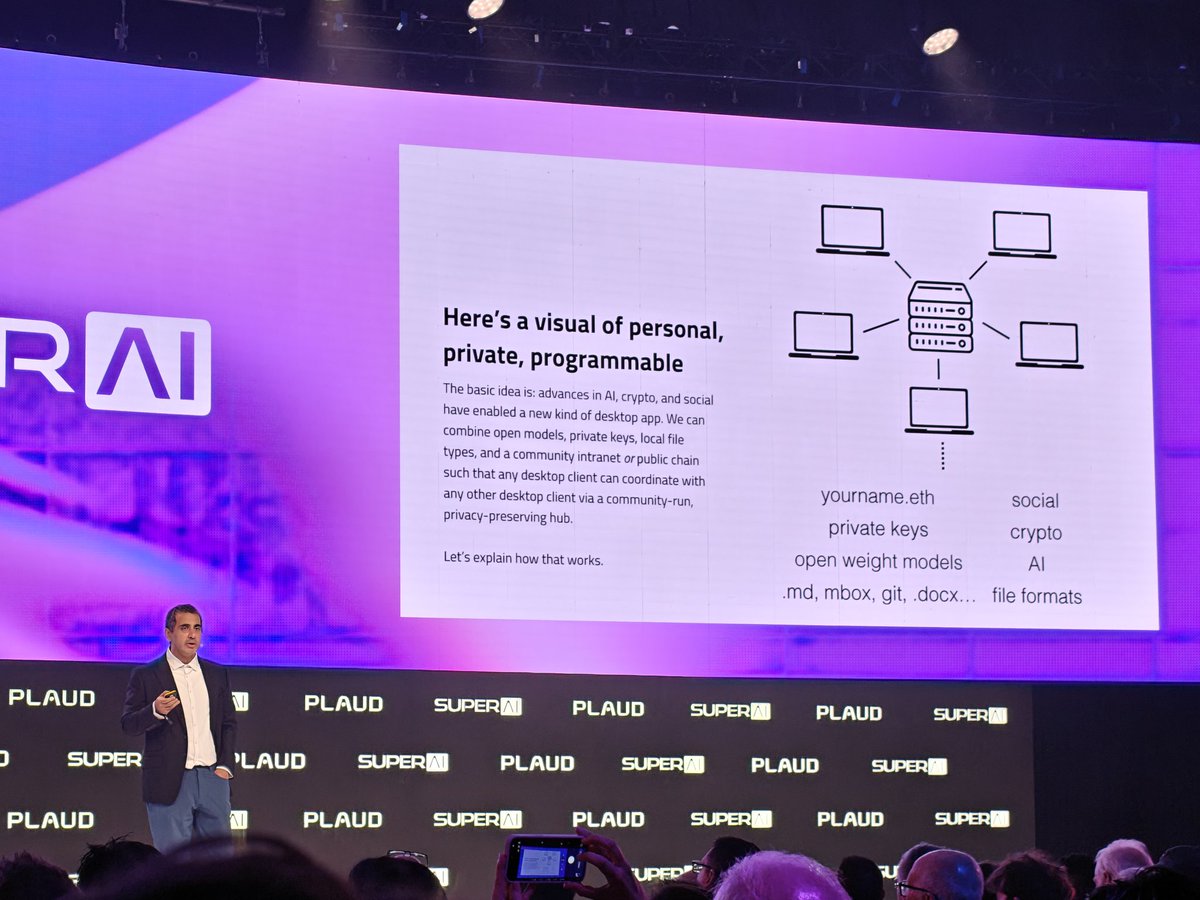
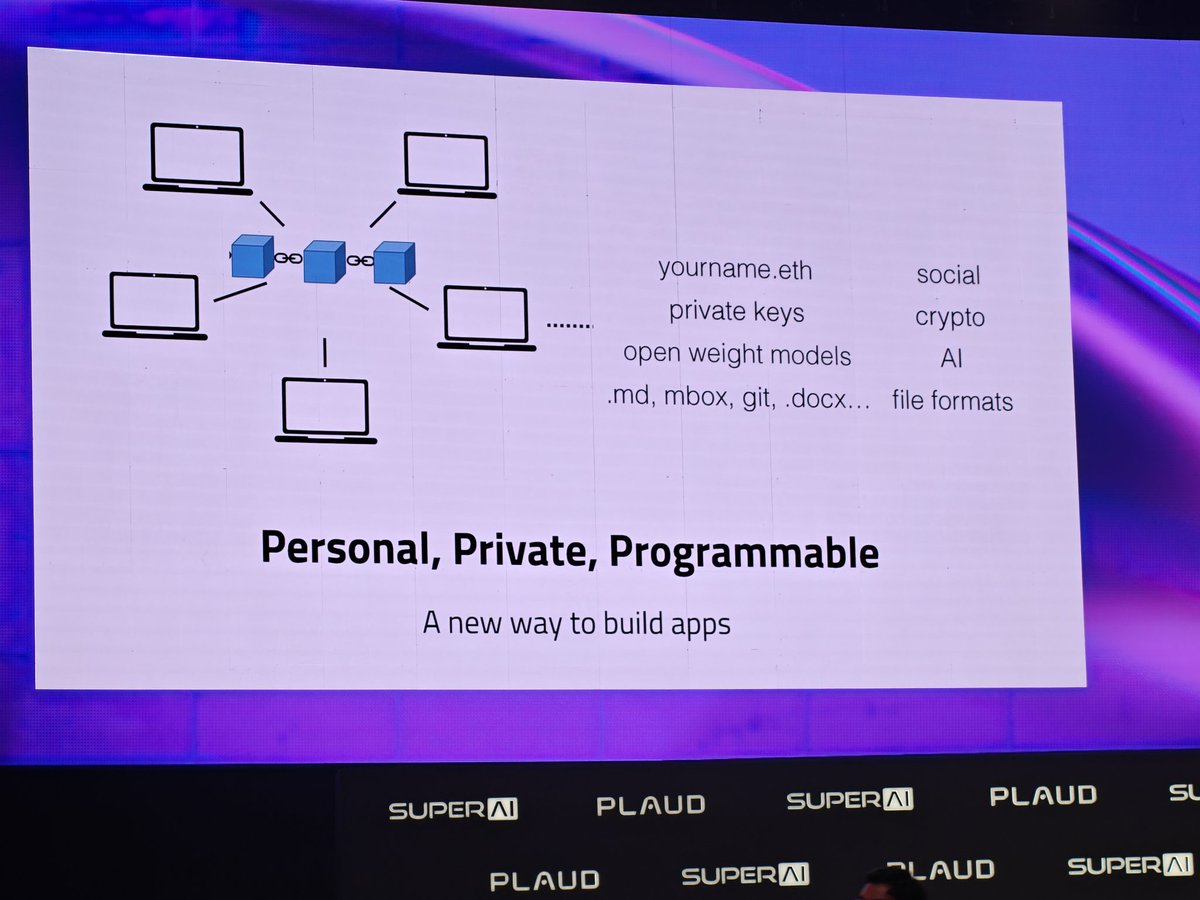
Just watched Balaji’s keynote at SuperAI: local AI, crypto wallets, and open file formats have reached critical mass. Build decentralized apps where users keep data on their devices—pick one vertical (Notion, Gmail, Discord, verification) and own it. You’ll win on security, AI superpowers, and timing. Start with a single-user MVP, use AI to accelerate UI. In 5 years, the best productivity apps will be local-first. The future isn’t in the cloud he claimed.
2
81


Everybody worried about housing inflation, but this is what's really busting the tech bros' balls 🤭
Jun 8

Escorts are charging as much as $6k per hour thanks to Silicon Valley's AI boom trib.al/EY38Nuz

1
52
Concentration risks aside, he's kind of doing it right. He's probably generating alpha the same way a good discretionary PM would -- through access (his background and network), but he's arguably better than the average PM in terms of fundraising.
The reason why people find this remarkable/uncomfortable is because he doesn't fit the typical pedigreed profile of the "master of the universe" on Wall Street. But you don't need pedigree to generate alpha.

22
The pod model is due for an overhaul when all stakeholders are miserable.
PMs want more PnL share and autonomy, new platform setups dying due to costs with billions raised, and LPs paying two layers of fees.
Jun 8

Has anyone had a good experience joining a pod/multi-manager? Exploring the path… most ppl tend to be negative but want to hear if any other perspectives.
(“Good experience” = it was worth the money, the work is still intellectually stimulating, your life was not ruined)
38
At this point, it's a meme now with Databricks and Stripe
Jun 9

Scoop: Databricks in early talks to raise capital at a valuation between $165B to $175B. This would be their Series M! 😆 theinformation.com/articles/… w/ @coryweinberg
2
111