
Joined February 2022
- Tweets 2,832
- Following 295
- Followers 283
- Likes 4,585
432 Photos and videos












DefyDisciple retweeted

He wasn't expecting that.
17
144
7,321
272,087
DefyDisciple retweeted

Apr 18
A Russian teacher made a video comparing how boys and girls of the same age develop differently 🤯
41
103
1,225
113,170
DefyDisciple retweeted

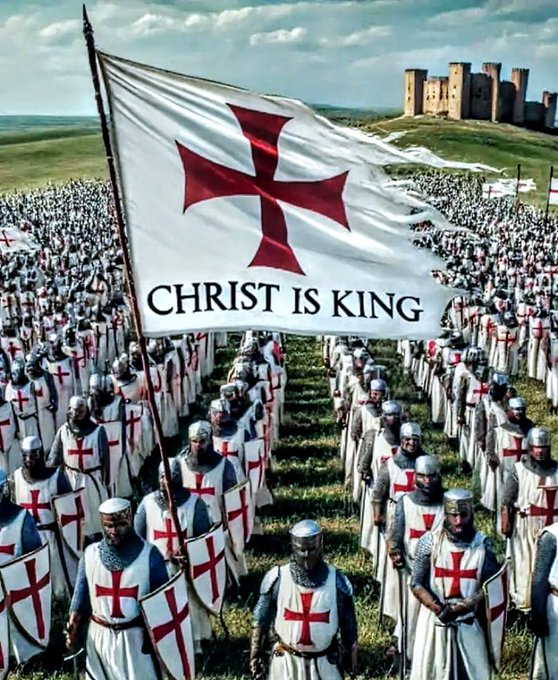
✝️☦️⚔️ If You believe it- Share it!
135
2,778
9,240
68,269
DefyDisciple retweeted

Mar 23
1,835
16,169
74,047
5,290,780
DefyDisciple retweeted

Mar 22
Elderly woman held a birthday celebration for her dog, but instead of paying attention to the food, the dog gazed lovingly at her the entire time
6
19
528
11,511
DefyDisciple retweeted

A man in Brazil said he needed to save his four children during a severe flood… rescuers later discovered he was actually saving his four dogs at home. 🥹❤️🫶
307
3,461
69,433
5,258,016
Death @POTUS
This cowardly government do NOT represent the will of the British people!!
We are in FULL support of you as a special ally and friend.
God Bless America and God bless you.
5

Feb 21
Just tried @WisprFlow to capture some chapter ideas for a book - it's rubbish. captures less than 50%, rewrites it losing the context of the voice note entirely. Uninstalled. standard voice cap on my phone wa 2x better.
shame, had high hopes for it after the marketing swarm.
16
DefyDisciple retweeted

Feb 12
🚨THIS IS HORRIFIC🚨
An islamic Family jailed for 95 years after raping and torturing girl from age six in 'shocking' household evil
Father (33 years), two brothers (26.5 and 13.5 years), mother (10.5 years), grandfather (9 years) and uncle (3 years) convicted of rape, sexual assaults, cruelty and perverting justice at Lewes Crown Court.
The girl was bound, beaten, burned with hot wax and cigarettes, rubbed with salt, locked in cupboards and groomed with toys – grandfather assaulted her during Eid celebrations.
Mother tortured her to "preserve family honour", enlisting uncle to silence her; judge branded it pervasive violence by those meant to protect her.
Please do not mention family names in comments to help preserve the girls anonymity, thank you!
662
3,203
8,370
398,793
Feb 11
What the heck?
Stop discouraging first cousin marriage, NHS staff told
WHAT???
msn.com/en-gb/news/uknews/st…
19
DefyDisciple retweeted

Jan 29
🚨 CONVICTED TERRORIST is set to stand in UK election.
810
9,847
22,461
473,571
DefyDisciple retweeted
That was so nice of him to be the caregiver. ❤️
A brilliant rescue that saved a life. This dog got a second chance thanks to kindness 🫶
173
1,678
22,910
367,228
DefyDisciple retweeted

Jan 21
When Robin Williams succeeded in bringing a smile back to Koko the gorilla after six months of grief.
455
3,879
50,936
1,195,545
DefyDisciple retweeted

Jan 18
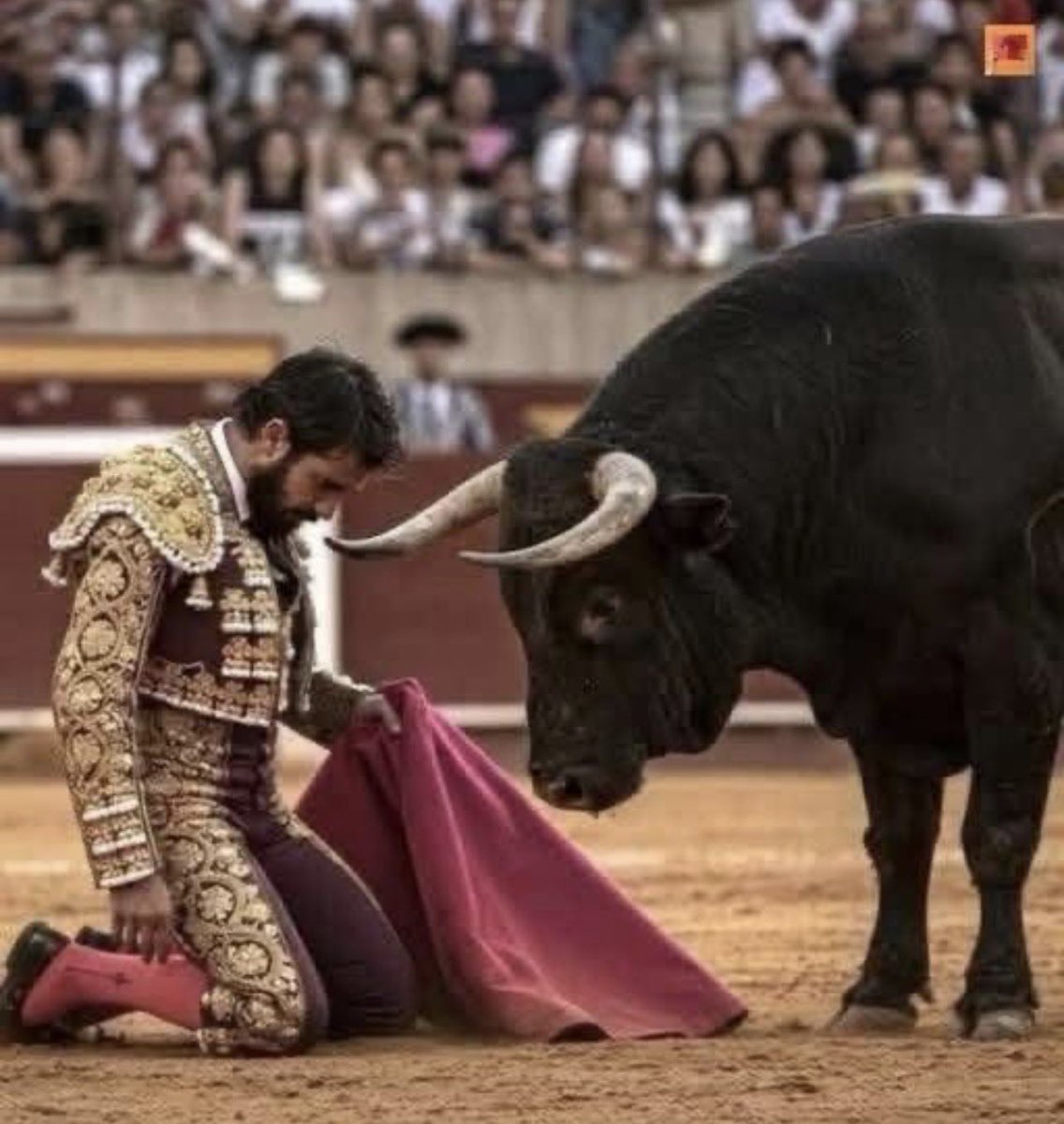
In the middle of a bullfight, Álvaro Múnera did something that stunned everyone watching.
The crowd was roaring. The bull charged hard. The moment the ritual demanded had arrived. Múnera lifted his cape, moving exactly as years of training had taught him to move.
And then he stopped.
He sank down into the sand and sat there. No pose. No gesture for the crowd. Just silence. The noise faded, replaced by confusion and disbelief.
Later, he tried to explain what changed inside him. He said the horns no longer looked like a threat. When he met the bull’s eyes, he did not see fury. He saw fear. Innocence. An animal forced into violence it never chose.
“This wasn’t a fight,” he said afterward. “It was cruelty.”
He set the sword down and walked out of the arena, knowing he would never return.
That moment ended his life as a matador, but it opened another path. Múnera became a vocal critic of bullfighting and animal abuse. He spoke to students, wrote about his transformation, and worked alongside groups defending animals. He taught that empathy matters more than tradition, and that real bravery can mean refusing to harm when harm is expected.
Many accused him of betraying his culture. Others laughed at the idea that compassion could outweigh applause. He did not back down.
The man who once killed for cheers chose instead to stand for mercy. His story reminds us that no custom is beyond question, and no life is locked into a single role.
Sometimes everything changes in one instant.
One look.
One choice.
One quiet decision to walk away.
Community note
The photo shows bullfighter Francisco Javier Sánchez Vara performing a "desplante" pose, not Álvaro Múnera having a mid-fight epiphany. Múnera quit after a 1984 injury paralyzed him, and the quote is from writer Antonio Gala. snopes.com/fact-check/the… factcheck.afp.com/false-tale-bul…
264
1,504
5,504
303,337
DefyDisciple retweeted

Jan 18
He slaps a preacher and this happens.
1,158
3,339
20,155
1,961,821
DefyDisciple retweeted

Jan 13
MAKE HIM FAMOUS! Erfan Soltani is scheduled to be executed by the Islamic Regime in Iran tomorrow (14th of January). We know Iran collapses under international pressure. Let's scream this out loud so Trump hears this. He will send help. Please share Erfan Soltani videos and news!
2,413
28,583
53,294
743,891
DefyDisciple retweeted

Jan 10
God bless you, boatman friend who saved the raccoon and its young from drowning; you have earned heaven. 🦝😇
174
1,133
11,214
162,567
DefyDisciple retweeted

Sometimes we take life too seriously.
110
1,673
26,663
784,589