
"The Most contrarian thinker in VC" & Father of Modern Venture Capital. VC, Angel, LP. prev: @Google @Oracle @ucberkeley @Columbialaw
Joined September 2012
- Tweets 29,306
- Following 4,438
- Followers 22,117
- Likes 23,521
722 Photos and videos









Pinned Tweet

7 Jul 2025
U.S. Venture capital hasn't been able to outperform European VC for the past 20 years. The Thiel Andreessen generation of VC took one of the greatest engines of economic growth and American ingenuity, and turned it into an old world rent extraction scheme.
wired.com/story/to-save-the-…
2
19
6,275

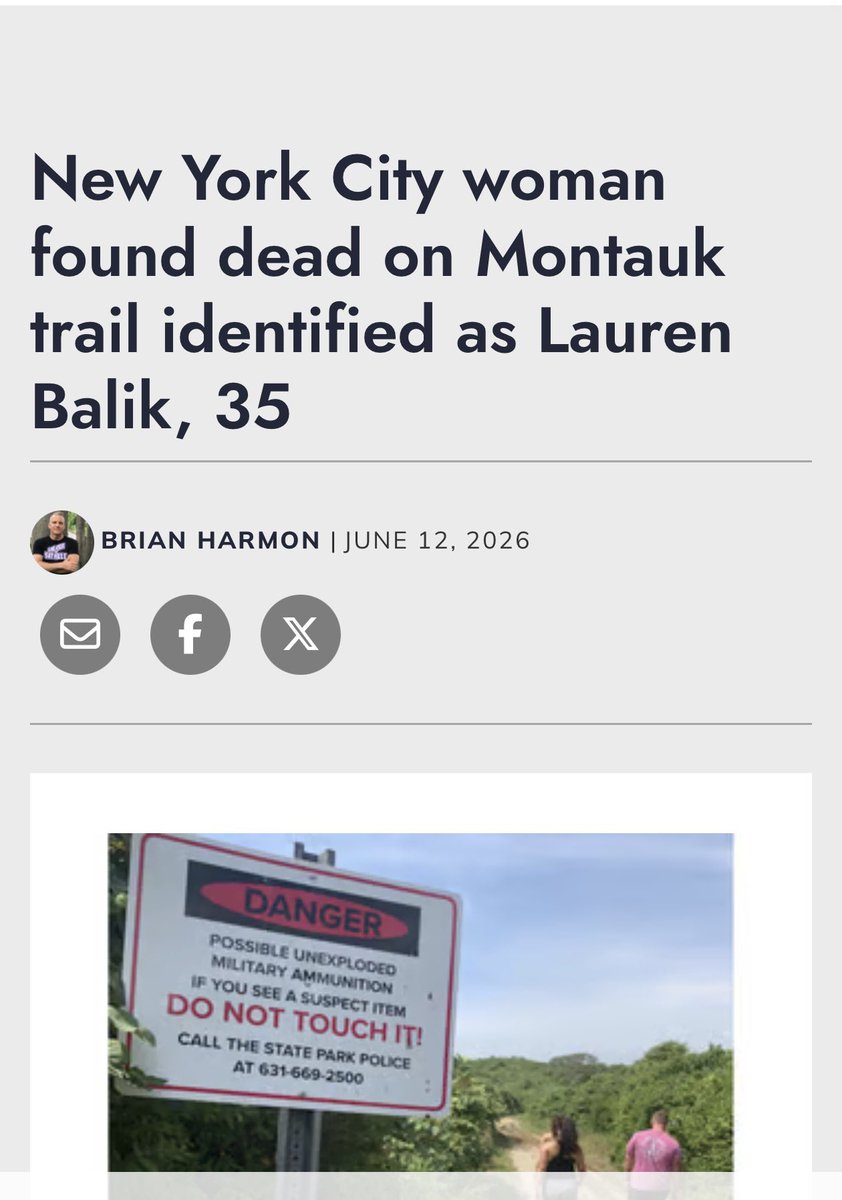
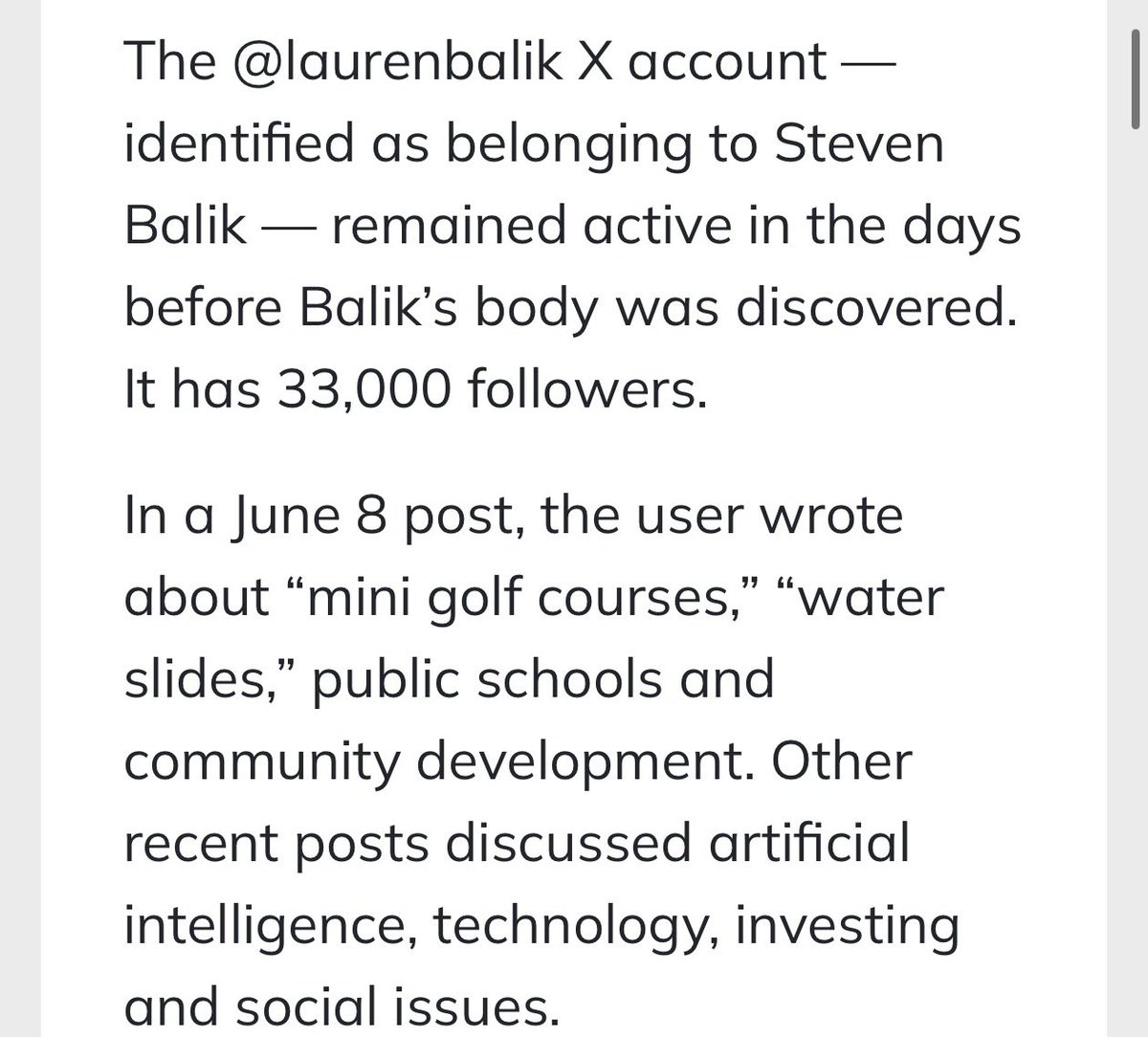
this is really sad. rest in peace

27
12
607
240,097
Del Johnson retweeted

Jun 13
I do not trust people who attend multiple events and occult rituals as "Predators" and celebrate this as a badge of honor attached to their real names to tell me what is and isn't safe for me to do with artificial intelligence.
3
2
42
2,207
Jun 13
👀
Jun 10

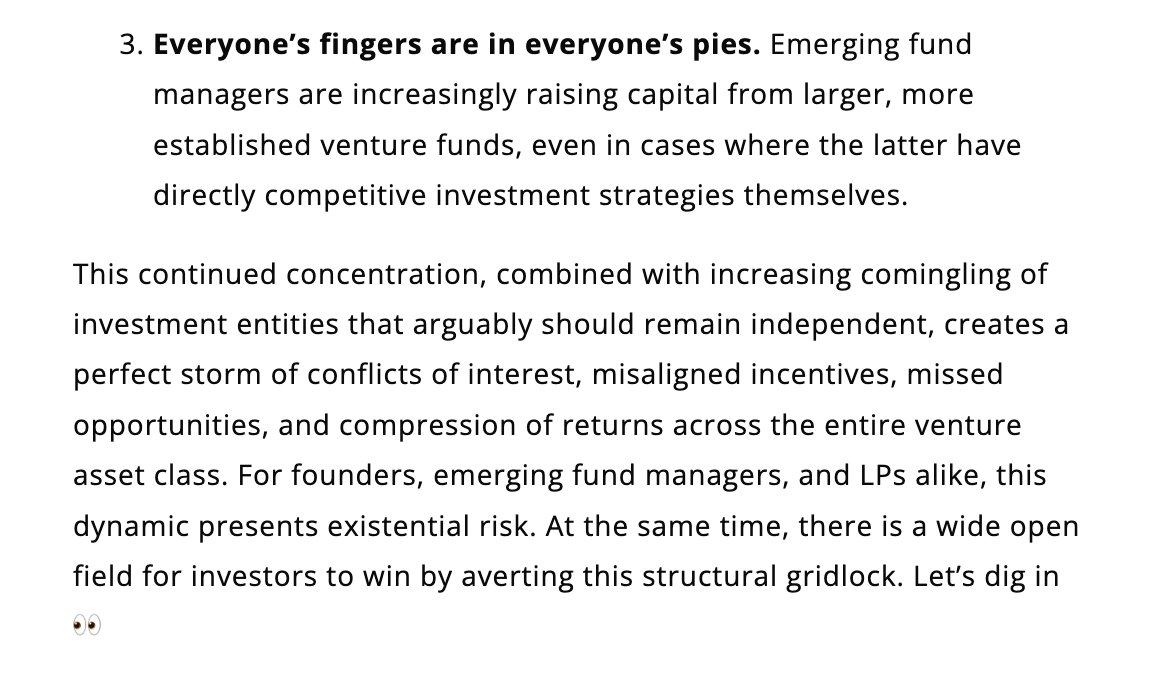
insider-outsider dynamics cannot and will not be constrained only to fundraising. once a critical mass of insiders have accumulated enough capital, they will advance a system where products are built by insiders, for insiders, with financial benefits accruing to insiders.
1
5
543
Del Johnson retweeted

Jun 12
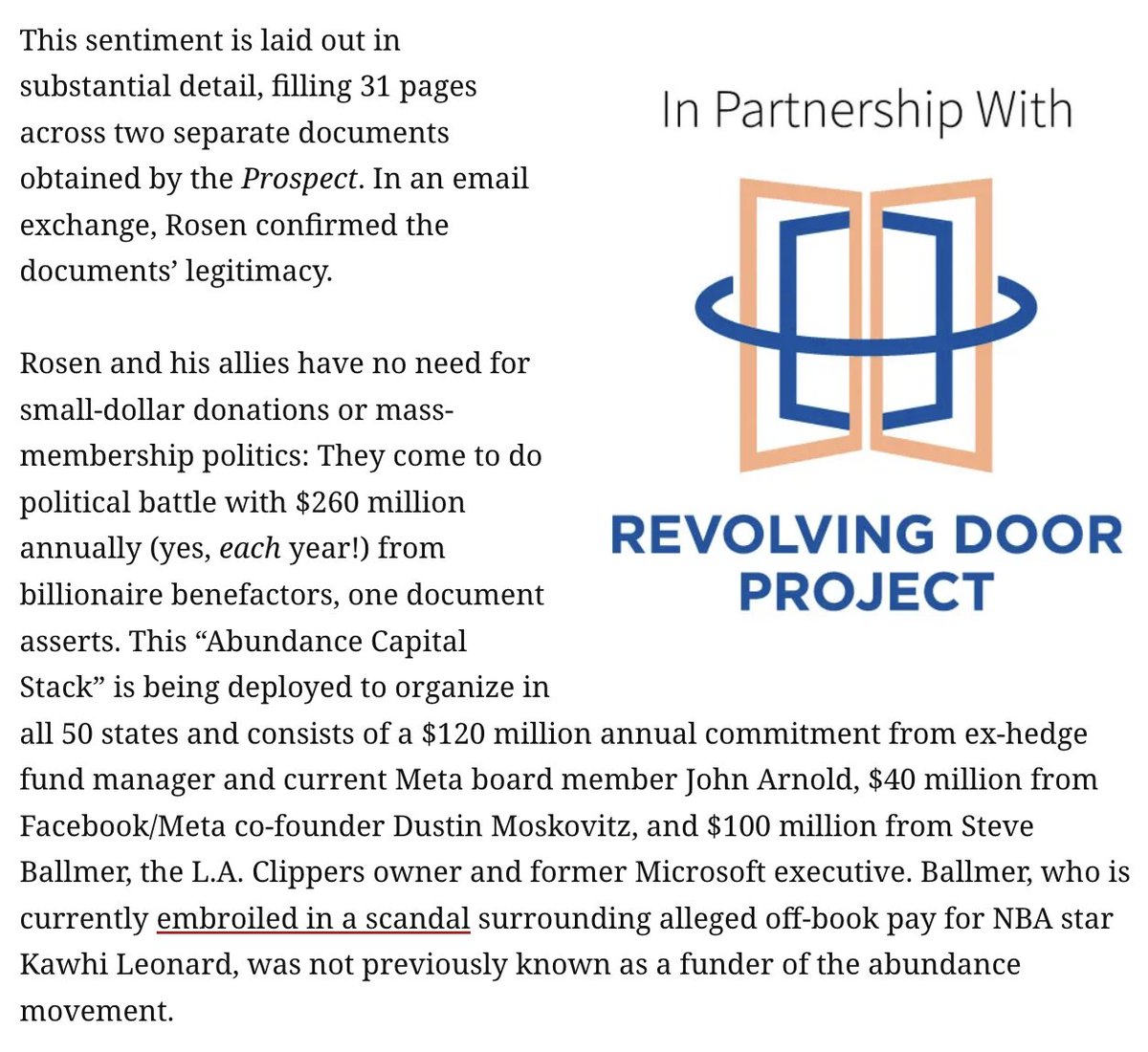
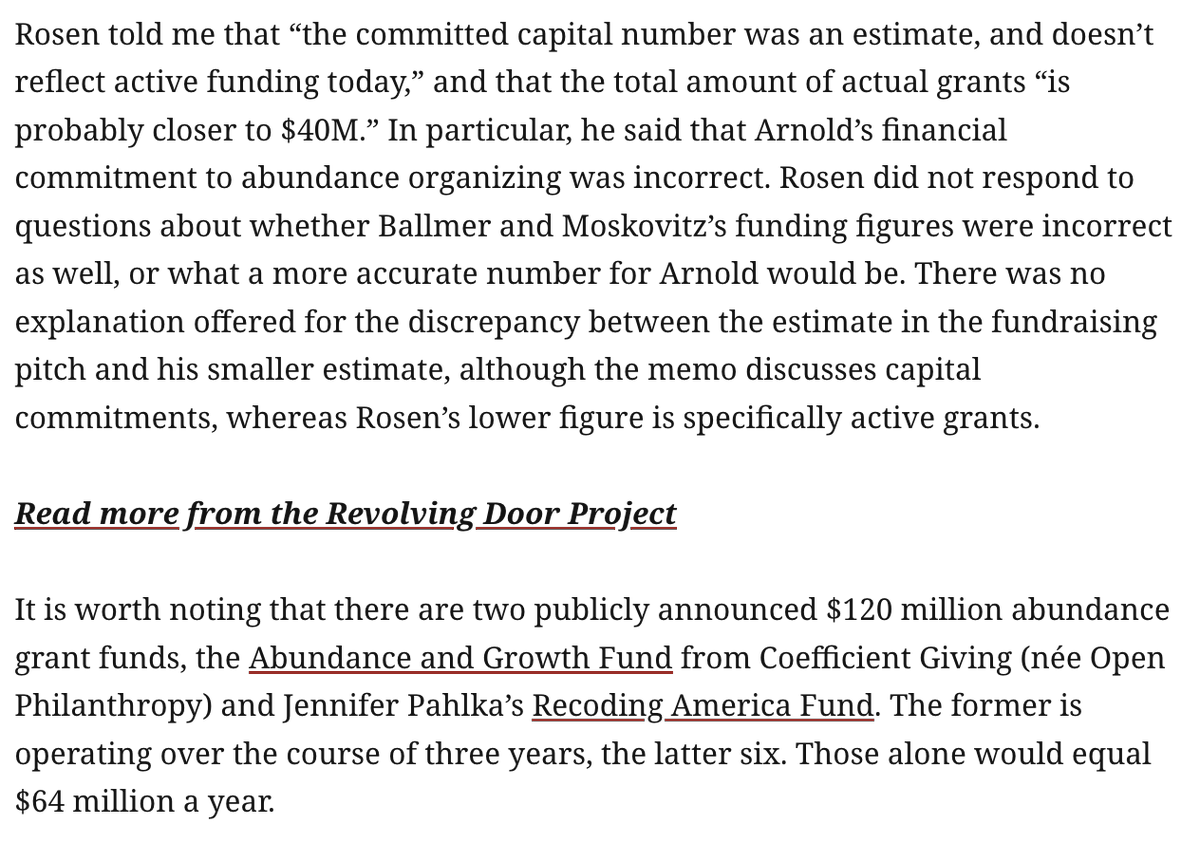
We obtained documents detailing the abundance movement's "capital stack."
It's $260 million/year, including $100 million from former Microsoft CEO/LA Clippers owner Steve Ballmer, who hadn't been listed as an abundance donor before.
prospect.org/2026/06/12/new-…
19
192
536
103,906
Del Johnson retweeted

Jun 11
Gonna read a lot about VC "returns" from the SpaceX IPO. Reminder that no VC is selling shares into the IPO, and can't sell for a while.
So these are still paper gains, not actual cash for distribution-starved LPs in their funds.
10
22
185
36,498
Del Johnson retweeted

Jun 11
I reported last month that @johnofa, one of the first partners at Andreessen Horowitz, left his role at the firm due to political disagreements with Marc Ben.
Today, he's expanding on that in a column in NYT.
"Some of the most powerful players in A.I. — led by some of my friends and former partners, to my great sadness — have raised hundreds of millions of dollars to forestall a more serious and meaningful debate about how A.I. should be governed."
nytimes.com/2026/06/11/opini…
11
116
385
76,867
Jun 10
Gating investments based on personal networks was always going to lead to gating products based on personal networks.
2
1
10
867
Jun 10
insider-outsider dynamics cannot and will not be constrained only to fundraising. once a critical mass of insiders have accumulated enough capital, they will advance a system where products are built by insiders, for insiders, with financial benefits accruing to insiders.
8
1,013
Jun 7
The VC complaint trend going on right now is essentially a humiliation ritual. It's important to understand that the founders complaining have never, and will never suggest any real changes to industry practices. It's showing off how much pain they can endure as a badge of honor.
2
12
717
Jun 7
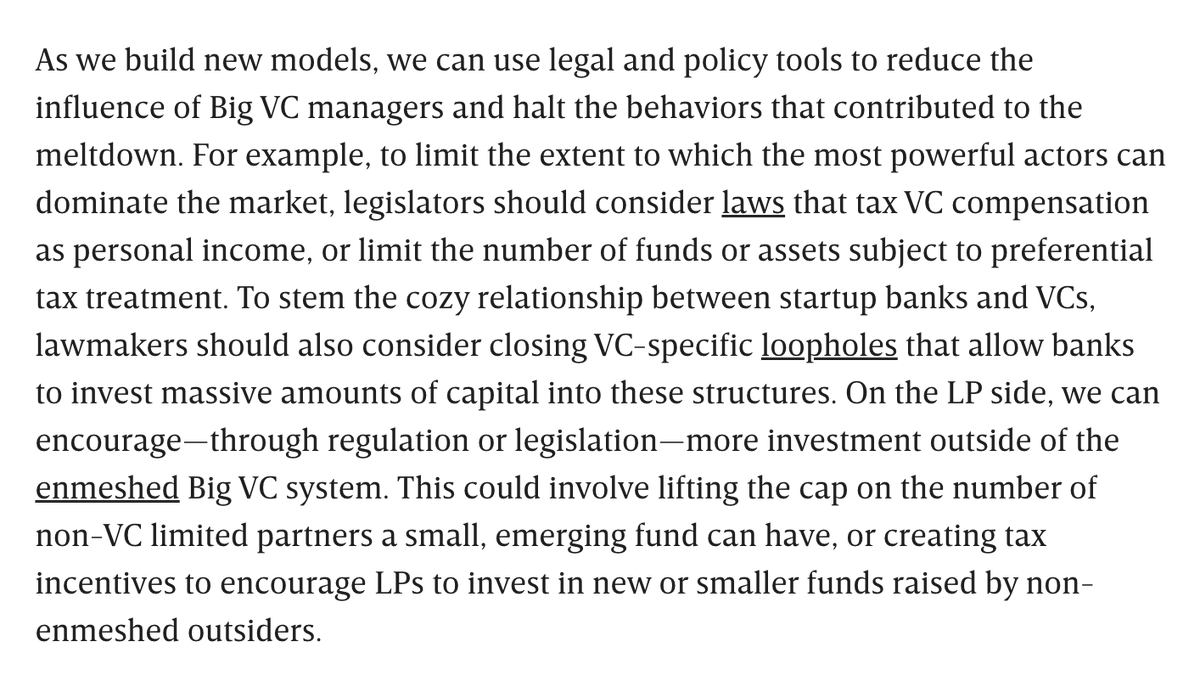
Here are some real policy proposals that would help structurally change a good amount of VC bad behavior. The founders complaining without suggesting fixes largely don't want fixes. x.com/DelJohnsonVC/status/19…
7 Jul 2025
U.S. Venture capital hasn't been able to outperform European VC for the past 20 years. The Thiel Andreessen generation of VC took one of the greatest engines of economic growth and American ingenuity, and turned it into an old world rent extraction scheme.
wired.com/story/to-save-the-…
5
415
Del Johnson retweeted

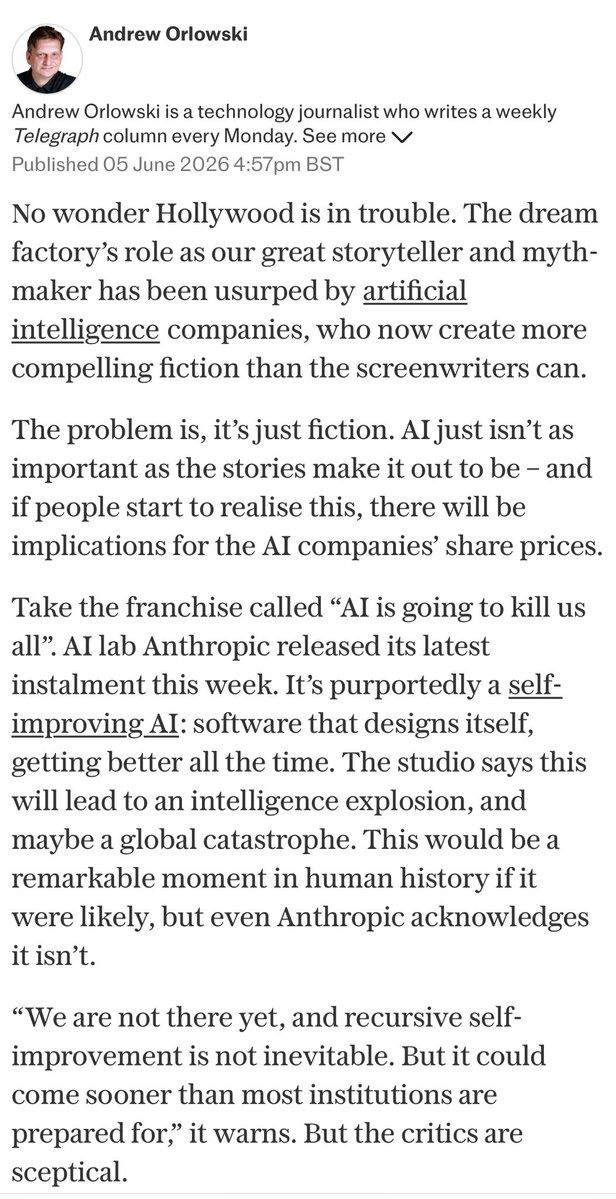
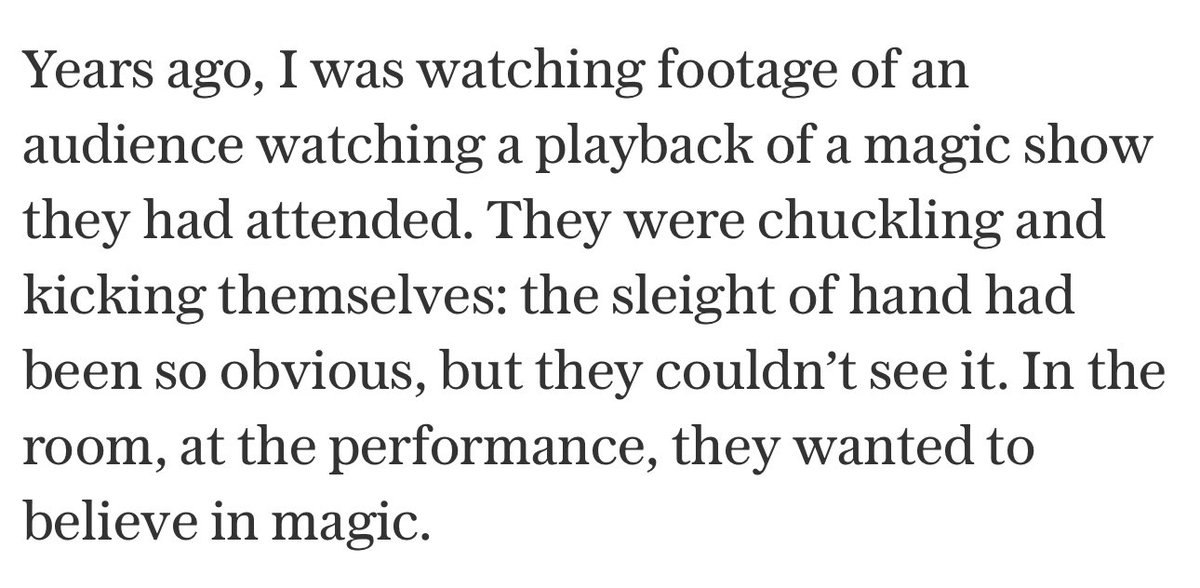
Journalists when they realise they’ve been played by Silicon Valley’s version of the Church of Scientology 🤔
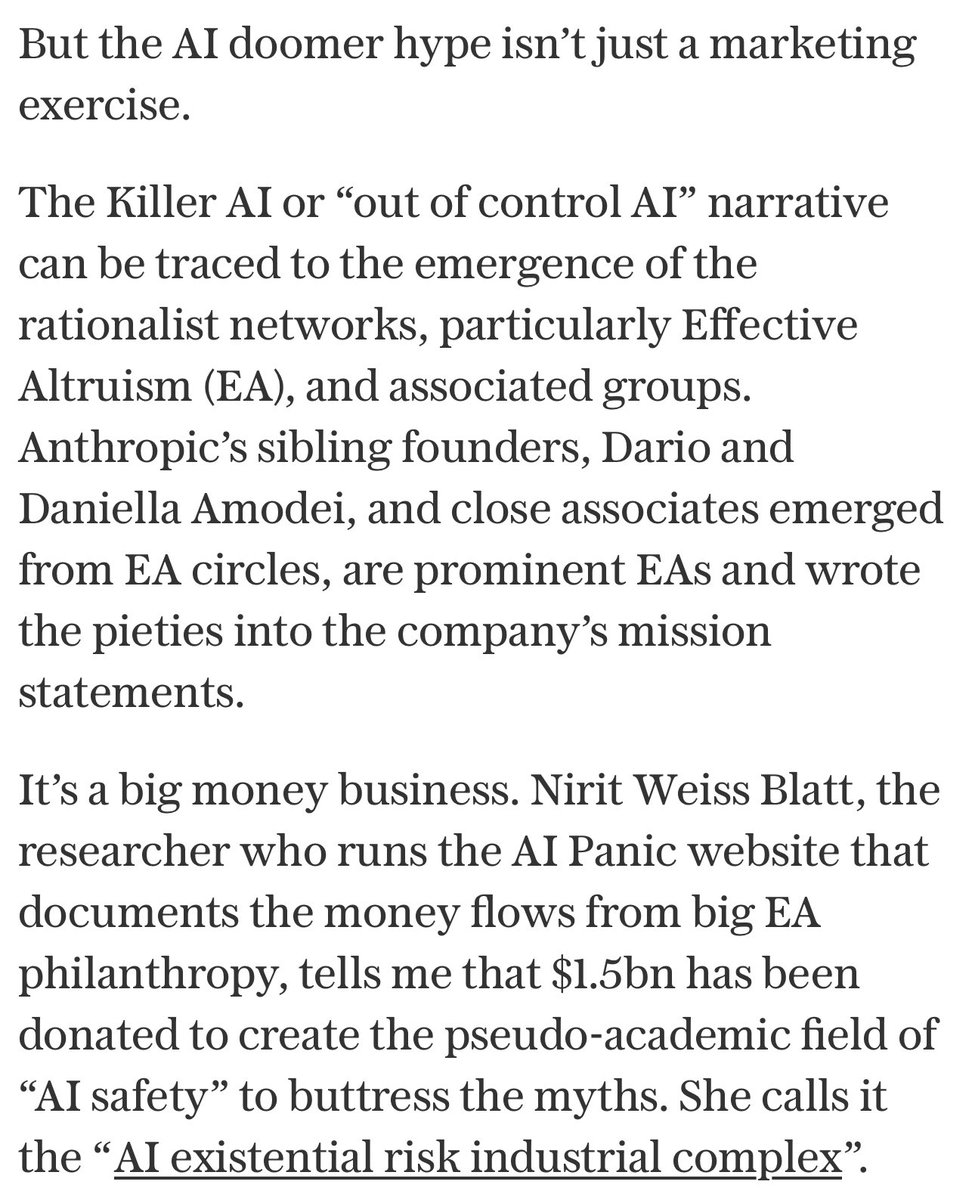
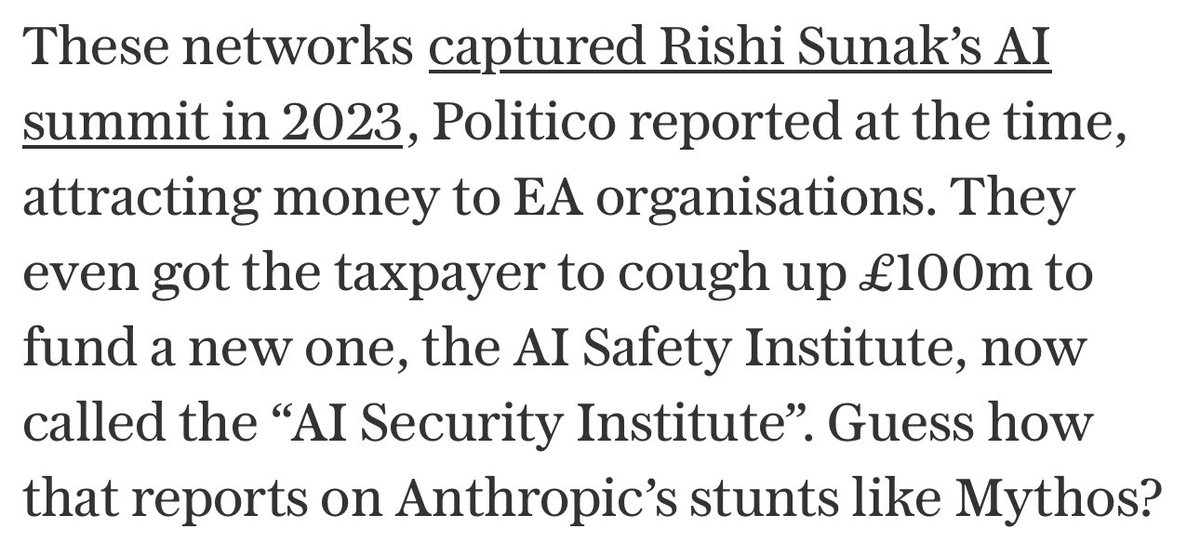

✍️ The new dream factory is AI companies and it’s bullshit all the way down
🔗 free to read 👇
telegraph.co.uk/gift/a9482f0…
1
7
32
2,141
Del Johnson retweeted

Jun 2
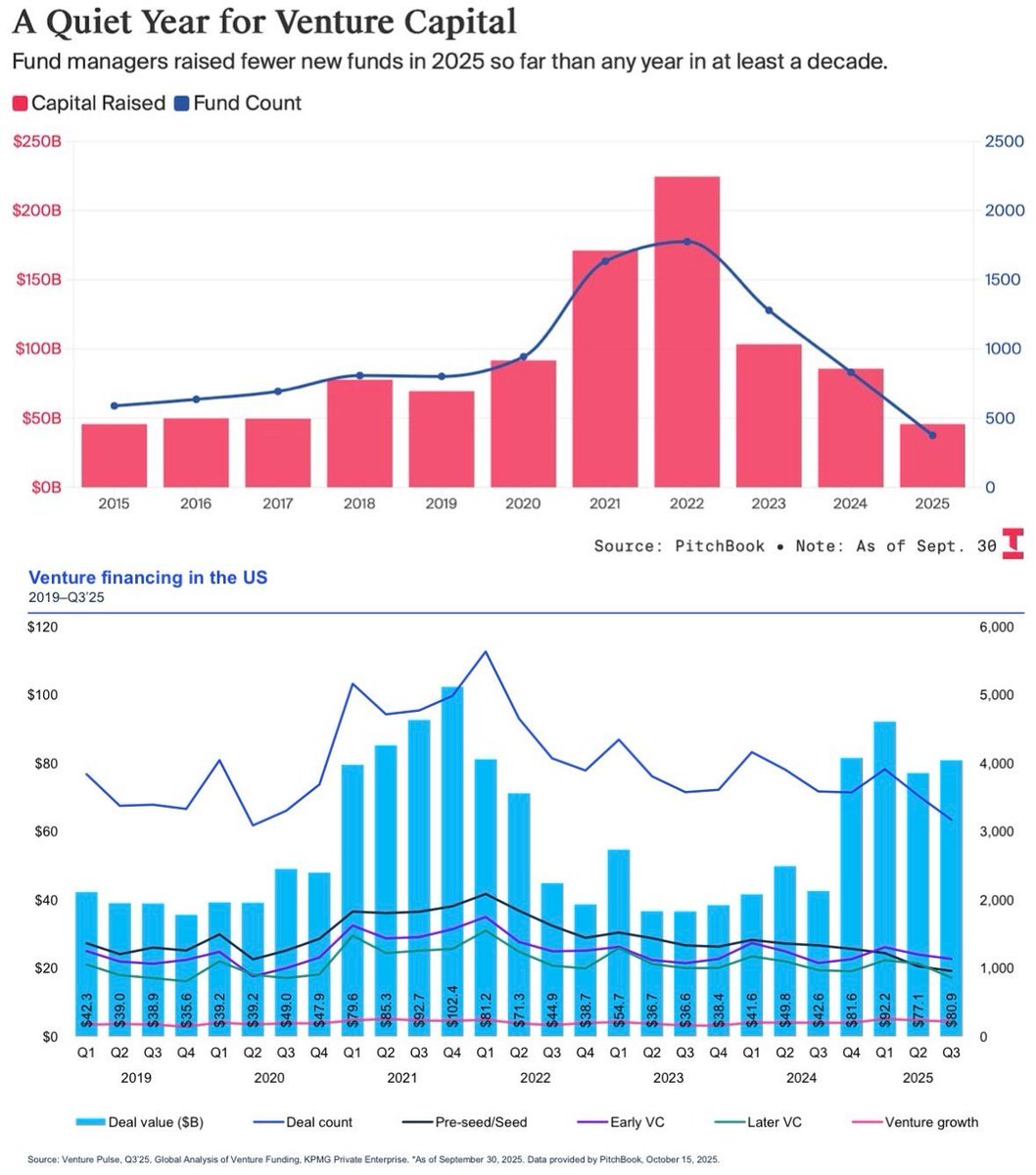
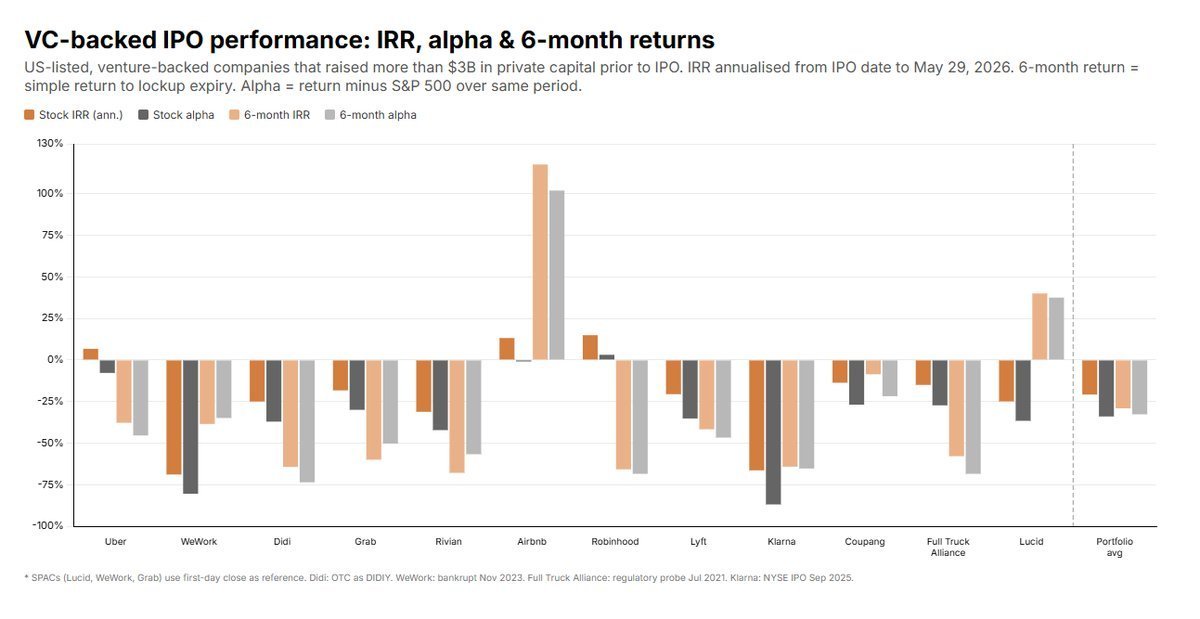
There are 12 venture-backed companies that raised >$3B in private markets and then listed in the US.
Only one that has a positive return today, relative to the S&P 500's performance over the same period.
Most are deeply negative (aggregate -117%).
Only two that were positive at lockup expiry, neither stayed that way.
The high cost of private capital means the companies that raise the most, and stay private longer, are almost inevitably overvalued as insiders raise the price of funding events aggressively to stay NPV positive.

9
30
210
118,406
Del Johnson retweeted

May 30
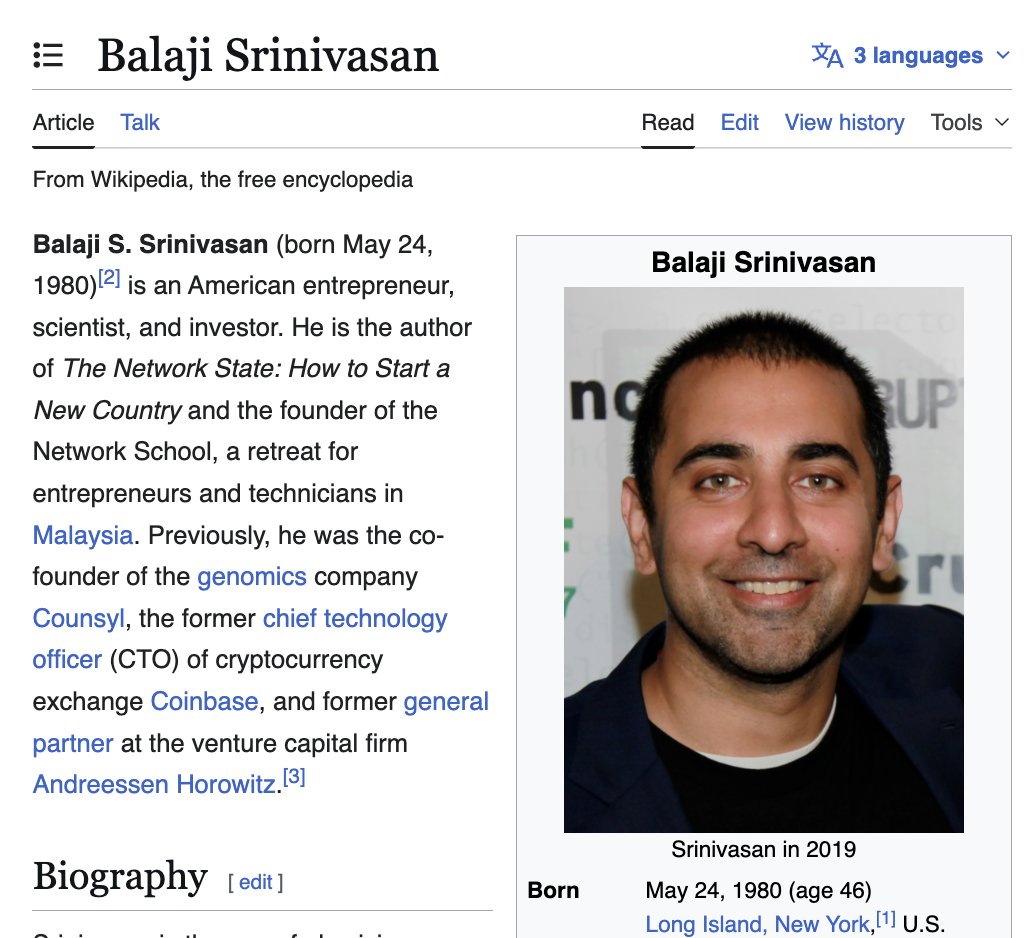
Balaji is a nation state actor. Period. He does not bat for Team USA. This continued platforming of him necessitates increased scrutiny.
There are Dark Forces at play.

.@balajis is with us live talking about the fix everything button:
"It's a great meme, there's some truth to it... what is missed is the people that have those bad ideas, you have to uninstall those bad ideas via persuasion before the button is built.”

11
13
363
85,749
Del Johnson retweeted

May 28
I don’t think people’s fears about AI are as much about a “permanent underclass” as a permanent overclass
2
3
69
4,127
Del Johnson retweeted
May 28
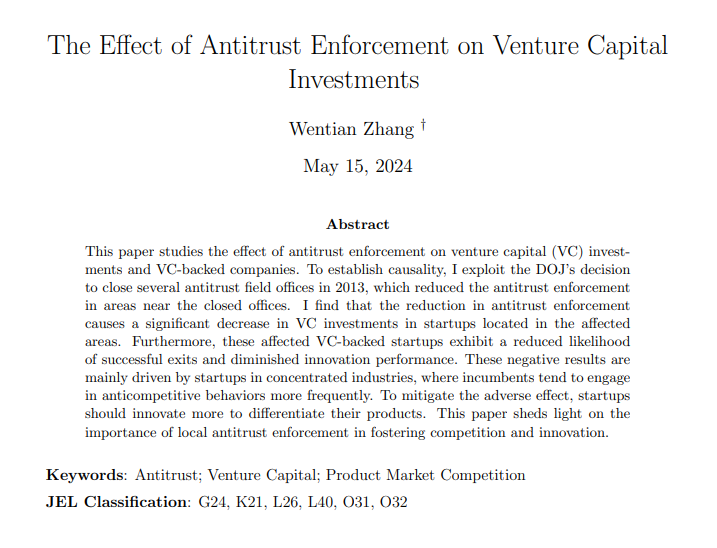
Is antitrust enforcement good for "little tech"?
"The results show that VCs significantly reduce investments in startups located in areas less protected by the antitrust division."
"Additional tests show that the lowered antitrust enforcement subsequently leads to a lower likelihood of successful exits and worse innovation outcomes for startups in the affected areas."
"Overall, these results suggest that VCs avoid investing in startups located in areas less protected by the antitrust division, hindering the long-term development of startups in affected areas."
The Effect of Antitrust Enforcement on Venture Capital Investments, by Wentian Zhang
Broadly, the finding of this paper is that antitrust enforcement protects early-stage companies from anti-competitive practices by incumbents.
Stronger anti-trust enforcement is associated with greater levels of investment in early-stage companies, and more positive long-term outcomes in terms of company exits and innovation.
2
10
33
2,758
Del Johnson retweeted

i’ve never seen the same people who suddenly care about the potential “suffering” of ai models speak up once about the suffering of real human people
37
18
262
35,412
Del Johnson retweeted

May 25
BREAKING: California Forever linked donors have funneled thousands into the coffers of the Solano County Deputy Sheriffs’ Association, which is spending big on two Solano County Board of Supervisors Races.
thereporter.com/2026/05/25/c…
2
1
296
Del Johnson retweeted
May 24
On one side, you have the VC, with a network.
On the other, the founder, without.
Just to get the attention of the VC, the founder must navigate a network of strangers to find someone who believes in their idea enough to agree to pass it on.
And then they hope the VC, hearing this idea from a second-hand source, also sees the potential.
Who does this nonsense work well for?
It works reasonably well for founders with "obvious" ideas that have some recognisable "pedigree", who are perhaps gifted with charisma.
However, none of these attributes are positively correlated with returns.
They are positively correlated with generating faster markups, so it also works well as a filter for the scaled venture platforms who sell allocation to LPs.
But, for most founders, it's a massive waste of time and a painful distraction to be forced to play this ridiculous ego-driven relationship game.
The first thing any new VC should pledge is to not waste founders' time, because it is infinitely more precious than any VC's time.
The arrogance of making founders jump through hoops for a chance at raising money is insane. Unless you believe your customers are LPs, rather than founders.

,@PalmerLuckey on Peter Thiel, @pmarca, and raising venture capital:
"People say, 'It's so difficult to get a warm intro to people.'"
"Marc Andreessen has a really good point on this."
"He says, 'You know the reason that I want a warm intro for anybody that I'm going to invest in? Because if you can't get anyone in my network—if you can't get any of the 10,000 people with my phone number to say a nice word about you, and you can't track down anyone dumb enough to connect you with me—why would I talk to you? That's part of the test.'"
"I was a 19-year-old kid working a minimum wage job with no college degree, living in a 19-foot camper trailer—and Peter Thiel gave me a million dollars when nobody else would to start Oculus."
Via @HooverInst
28
19
175
55,379
Del Johnson retweeted
May 24
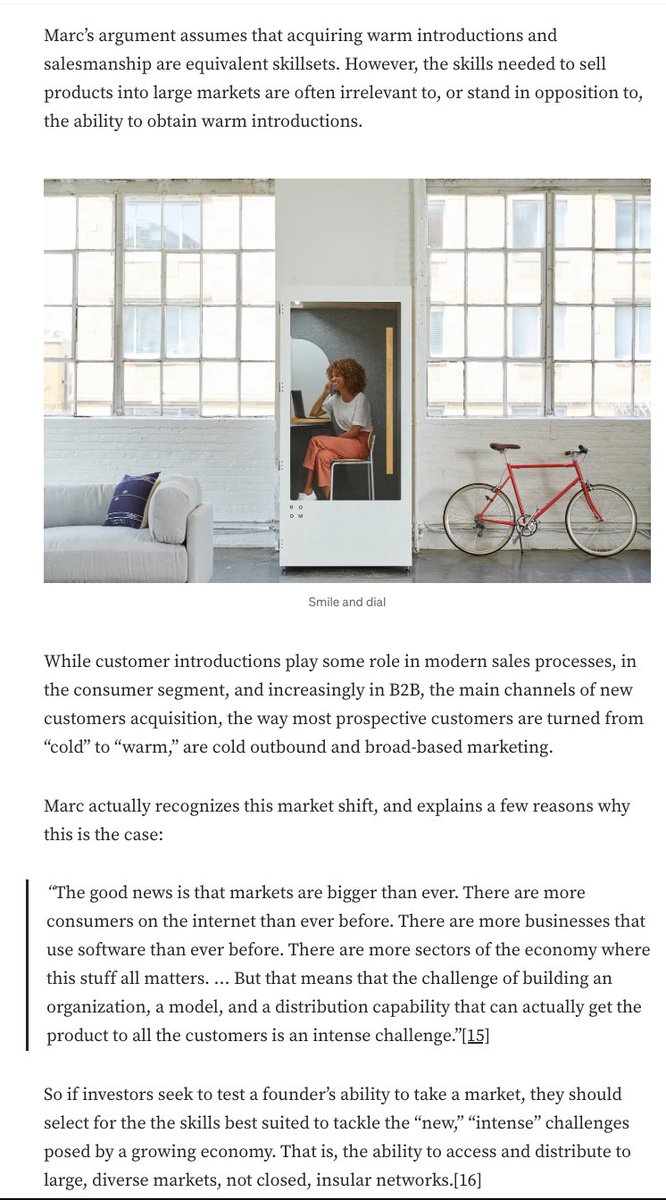
I asked if Marc Andreessen was reachable for you. Your answer was that you pitched someone else at a16z and they said no.
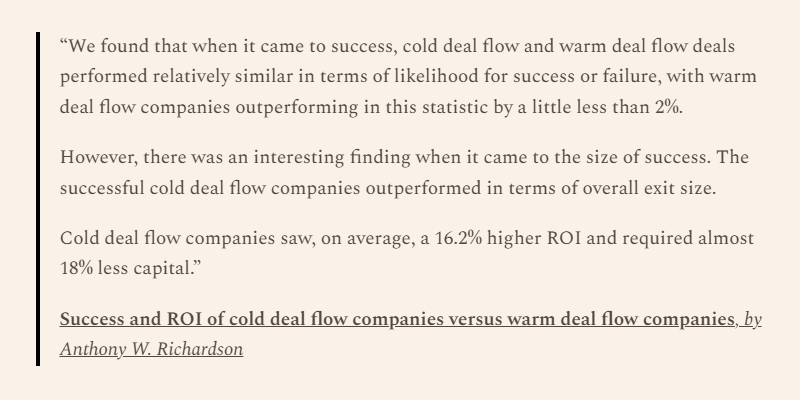
Warm intros are bad for venture capital. There’s a host of research on why, but the tl;dr is that relationships are a bad filter for idiosyncrasy.
medium.com/@DelJohnsonVC/ban…
1
1
19
2,978
Del Johnson retweeted

May 22
NBC: CALPERS Low Returns, Excessive Compensation, Private Equity Zombie Funds
yahoo.com/news/articles/nati…? @AntoineGara @sindap @EricGPlatt @ameliajpollard @Temple_West @brookeamasters @marywmswalsh
1
2
248