
Lean Vibe Engineer | Awareness Provider | Change Designer
Joined March 2016
- Tweets 475
- Following 85
- Followers 79
- Likes 1,273
6 Photos and videos

Pinned Tweet
The goal of the software game is to learn faster than you code
17
DevOpsCraftsman retweeted

Apr 23
Workshop: Implementing Domain-Driven Design
4 days: $400 total
- DDD Strategic and Tactical Design
- EventStorming, Impact Mapping
- Ports & Adapters / Hexagonal Architecture
- Event-Driven Architecture
- Live, virtual, online
- Limited registration--same seat limit as full price.
kalele.io/iddd-workshop
#DDDesign #DDD #DomainDrivenDesign

ALT Expert-led, advanced DDD by Vaughn Vernon

ALT #DDDesign #DDD #DomainDrivenDesign Vaughn Vernon IDDD Workshop #IDDDTour Throwback
1
5
8
1,108
DevOpsCraftsman retweeted
Apr 24
Workshop: Implementing Domain-Driven Design
4 days: ̶$̶1̶6̶0̶0̶ $400
- DDD Strategic and Tactical Design
- EventStorming, Impact Mapping
- Ports & Adapters / Hexagonal Architecture
- Event-Driven Architecture
Limited registration--same seat limit as full price.
kalele.io/iddd-workshop
#DDDesign #DDD #DomainDrivenDesign

ALT #DDDesign #DDD #DomainDrivenDesign Vaughn Vernon IDDD Domain-Driven Design Workshop #IDDDTour Throwback

ALT #DDDesign #DDD #DomainDrivenDesign Vaughn Vernon IDDD Domain-Driven Design Workshop #IDDDTour Throwback
6
12
8,618
DevOpsCraftsman retweeted

Apr 27
I don’t agree with it either. I hope that’s not a quote from something I wrote. I don’t remember writing that. But if I did write that, I have since changed my mind.
Two years ago, I did not think the AI’s would be as capable and potent as they are. I also did not think that there would be a way to wrangle them to producing good code.
13
8
216
23,035
Hack of the days: taking Opus 4.7, ask him to look at a prompt, and tell you what he find ambiguous in it, and propose to improve it. Then A/B test results! (this should be a skill by the way... nobody saw a skill like this somewhere?)
7
Right now, I’m using Opus 4.6 with 4.7 as an advisor. Seems to work well! I guess 4.6 knows how to prompt 4.7 better than me…
13
DevOpsCraftsman retweeted
Apr 20
If you are using gherkin for acceptance testing, you may find a gherkin mutation tester helpful. It makes changes to the gerkin tests and expects them to fail. If they don't that's worth investigating.
5
1
132
17,458
DevOpsCraftsman retweeted

Apr 5
You don’t have a lead gen problem.
You have a tool addiction problem.
Apollo.
Lemlist.
Hunter.
Sheets.
$300/month.
10 tabs.
Still no results.
Saw this on Product Hunt 👇
One tool to replace your entire stack.
Find leads.
Outreach.
Book meetings.
~$29/month.
If this works… most stacks are dead.
Try: launch.xp-one.io/
8
3
13
1,683
DevOpsCraftsman retweeted

Jan 5
Unpopular option: most change that AI tools will bring for software engineers are likely to be making the practices that the best eng teams did until now, the baseline for those that want to stay competitive move fast
Things like product-minded engineers, testing, o11y, CD etc
38
57
908
136,751


6 Nov 2024
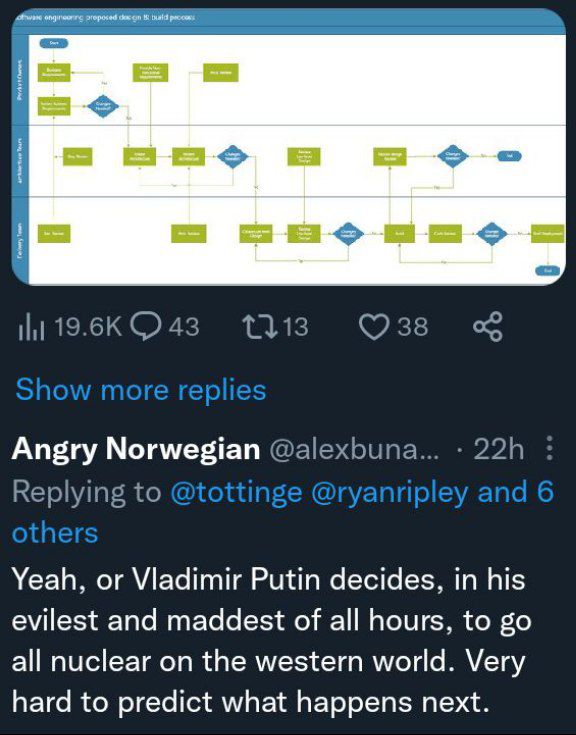
And here I thought Haskell was challenging to learn… How naive!
33
DevOpsCraftsman retweeted

5 Nov 2024
How to coach a team that has been burnt by bad TDD philippe.bourgau.net/how-to-…
1
1
98
DevOpsCraftsman retweeted

3 Nov 2024
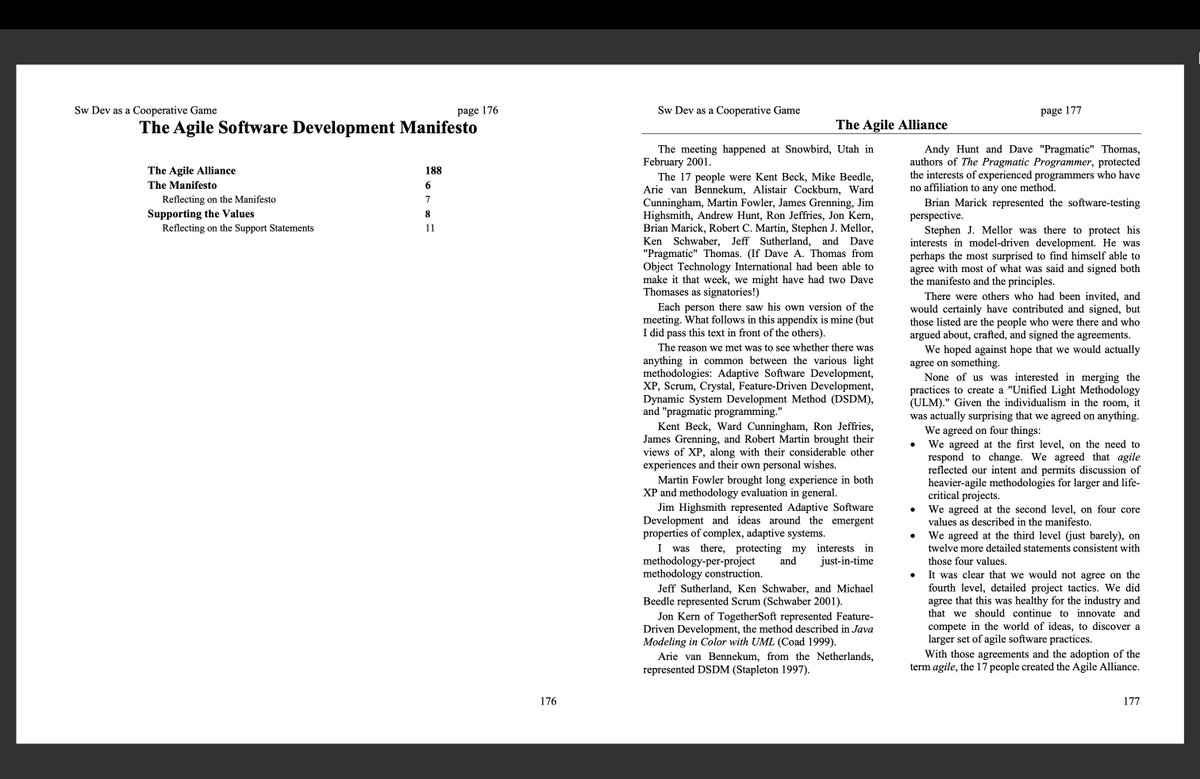
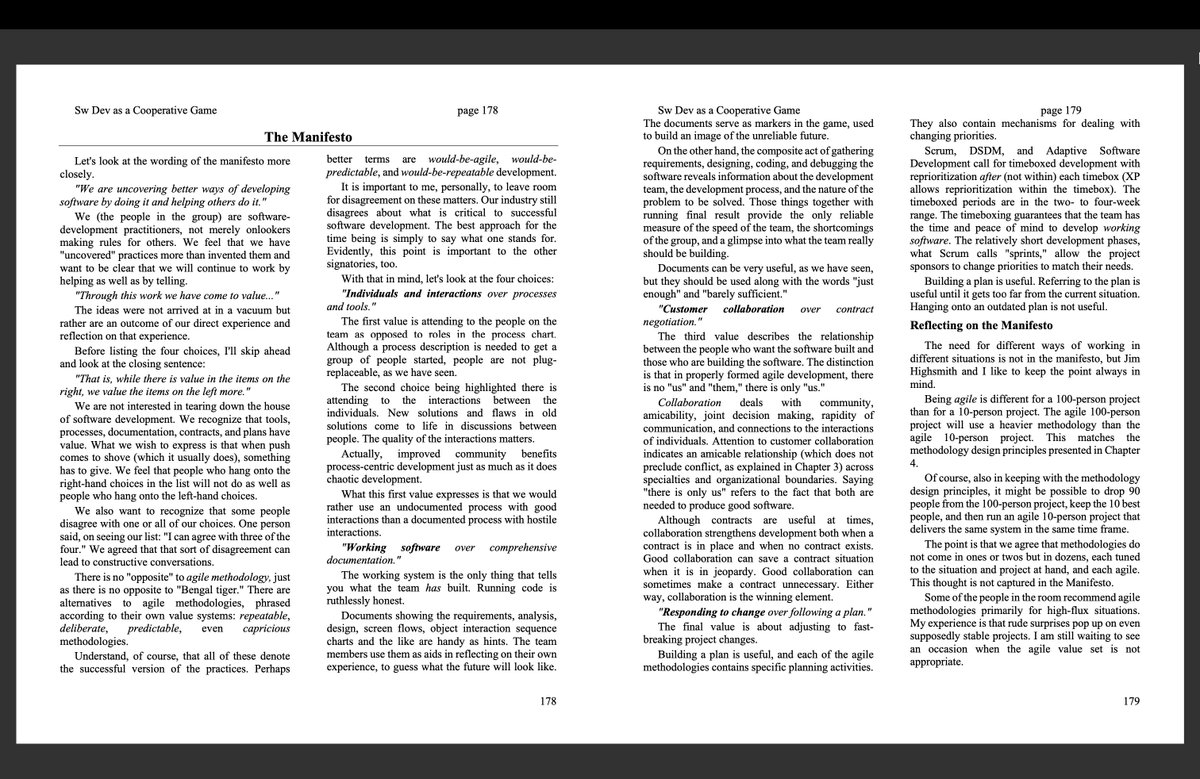
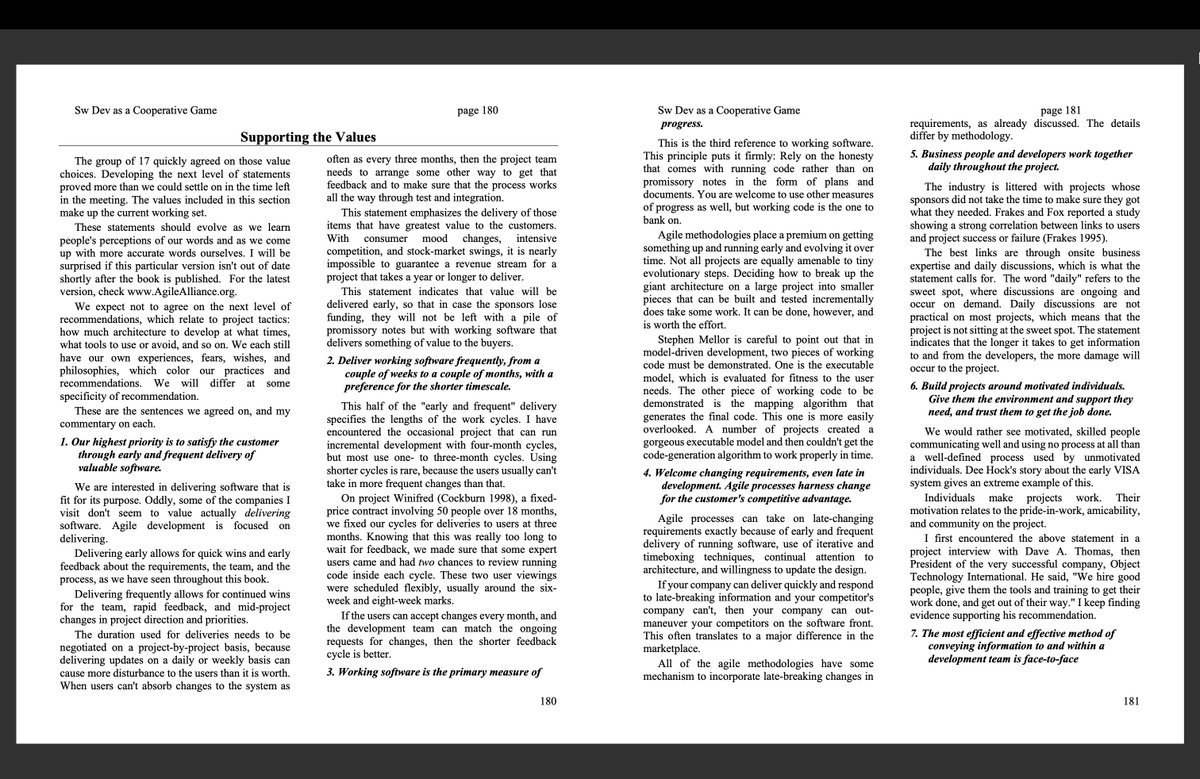
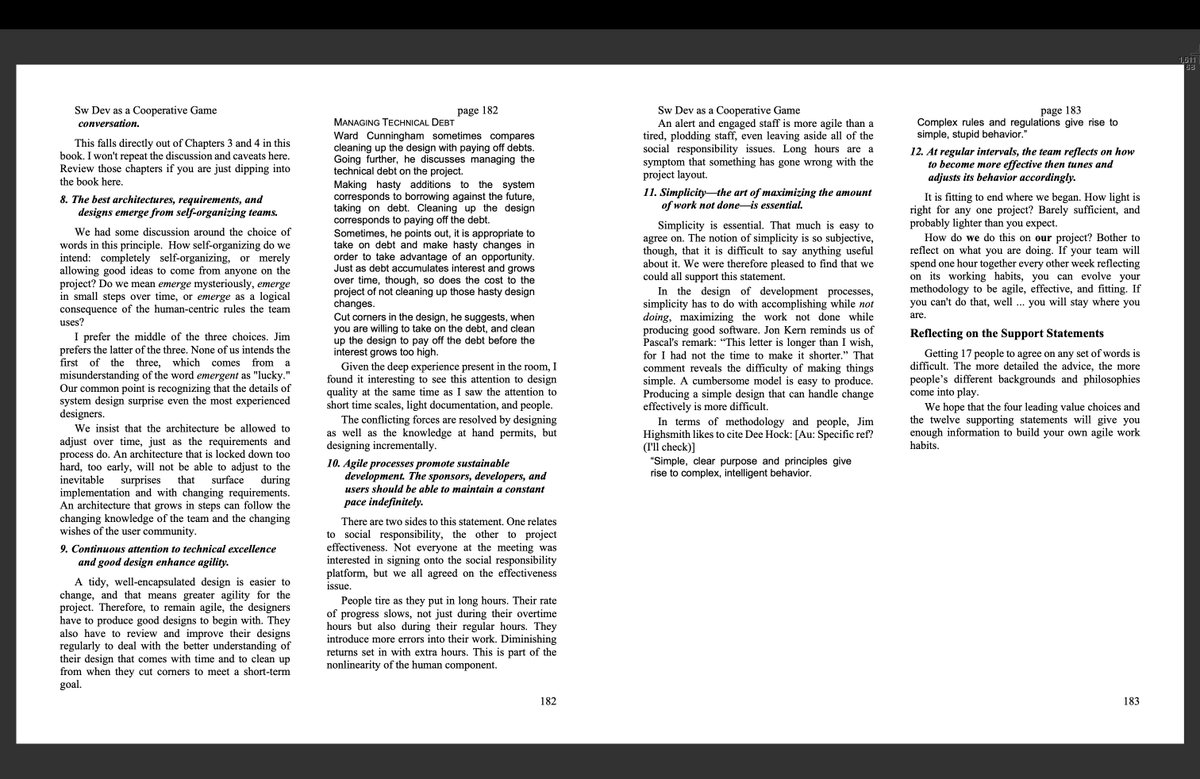
i was shocked to discover just now that my 2001 Agile Sw Dev book contains a discussion of the agile manifesto! knock me over with a feather duster, as they used to say. Take a look!
2
10
32
3,834
DevOpsCraftsman retweeted

of course, for a particular UI it can always be argued that an optimized JSON payload for that UI would be more efficient, but then your JSON API is specialized for your user interface, thereby loosing its generality
separate and thrive!
htmx.org/essays/splitting-yo…

another good point: hypermedia optimizes the data sent for a given user interface because hypermedia *sends the interface itself* in a single request
no series of requests to build a UI, no additional unneeded data that's there "just in case" or for another UI, etc
efficient!
1
2
22
4,308
26 Oct 2024
You can't bring a solution to somebody not aware of having a problem...
2
31
20 Oct 2024
Python is probably the best procedural langage out there IMHO
30
19 Oct 2024
My new dream stack for 2025:
. Scala (for fun)
. Kotlin (for profit)
2
61
DevOpsCraftsman retweeted
19 Oct 2024
Maybe. I think what you aren't exactly capturing is what an invariant is and why a root-based access is so important. Heres an oversimplified example:
// invariant rule
c = a b
a = 3
b = 2
c = a b
You can't trust clients to get this right. It's not the client's responsibility. The fact that a transaction is possible only ensures that a, b, and c are persisted atomically as one. The transaction doesn't guarantee the invariant. The business logic does, and that's the point of the encapsulating root, whether the behavior is on the root or on one or more other composed types.
These values could be held by any means, such as attributes on an object or set as keys that reference values in a map ("a" -> a).
Here's a more complex example that has a similar invariant rule:
// tork is a calculation using
// the current lever and stress
class Tool {
int lever
int stress
int tork
calibrateUsing(gauge) {
lever = gauge.increase(lever)
stress = gauge.lower(stress)
tork = gauge.tork(lever, stress)
}
}
// client
tool = Tool(settings)
tool.calibrateUsing(gauge)
repository.write(tool)
The point of the encapsulation by some kind of behavioral component (even a code modual of related functions) is that the invariants can only be enforced and protected by strict control. Here's another example of the same rule using different containment:
calibrateUsing(tool, gauge) {
lever = tool("lever")
lever = gauge.increase(lever)
stress = tool("stress")
stress = gauge.lower(stress)
tork = gauge.tork(lever, stress)
return
("lever" -> lever,
"stress" -> stress,
"tork" -> tork)
}
// client
map tool = Tool(settings)
...
tool = calibrateUsing(tool, gauge)
repository.write(tool)
This example may or may not be considered an Aggregate, and who cares? The principles are the same.
In both examples, there is explicit business logic that protects the invariants. The database transaction only ensures that the values persistent atomically as one unit.
1
3
10
1,724
DevOpsCraftsman retweeted
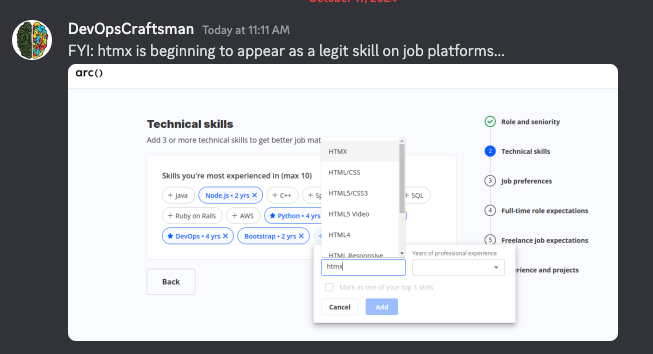
be on your guard hypermedia enthusiast: the temptations of employment loom increasingly large!
deny them your essence!
5
2
59
3,335