
An independent, award-winning African-led international #development consultancy, with strong expertise on #Africa-#China advice/support.
Joined September 2017
- Tweets 8,135
- Following 343
- Followers 5,320
- Likes 3,219
2,934 Photos and videos





Pinned Tweet

11 Apr 2025
Mom! Dad! We’re in VOGUE! Beautiful coverage by @VogueIta @sennait of our #africareimagined showroom and show, plus the incredible concepts behind the new collections our brands/designers brought to Shanghai Fashion Week 2025. #proud vogue.it/article/shanghai-fa…
1
2
15
4,338
African Multilateral Financial Institutions are reshaping how the continent finances its infrastructure.
A #Throwback to our side event at the 2025 #IMF #WorldBank Annual Meetings, where Mr. Babajide Sodipo, Acting Executive Secretary of @AAMFI_Sec , explains why these African-led institutions matter.
Watch the full discussion: bit.ly/4xpCnoo
#DevelopmentFinance #Infrastructure #Africa
1
1
74
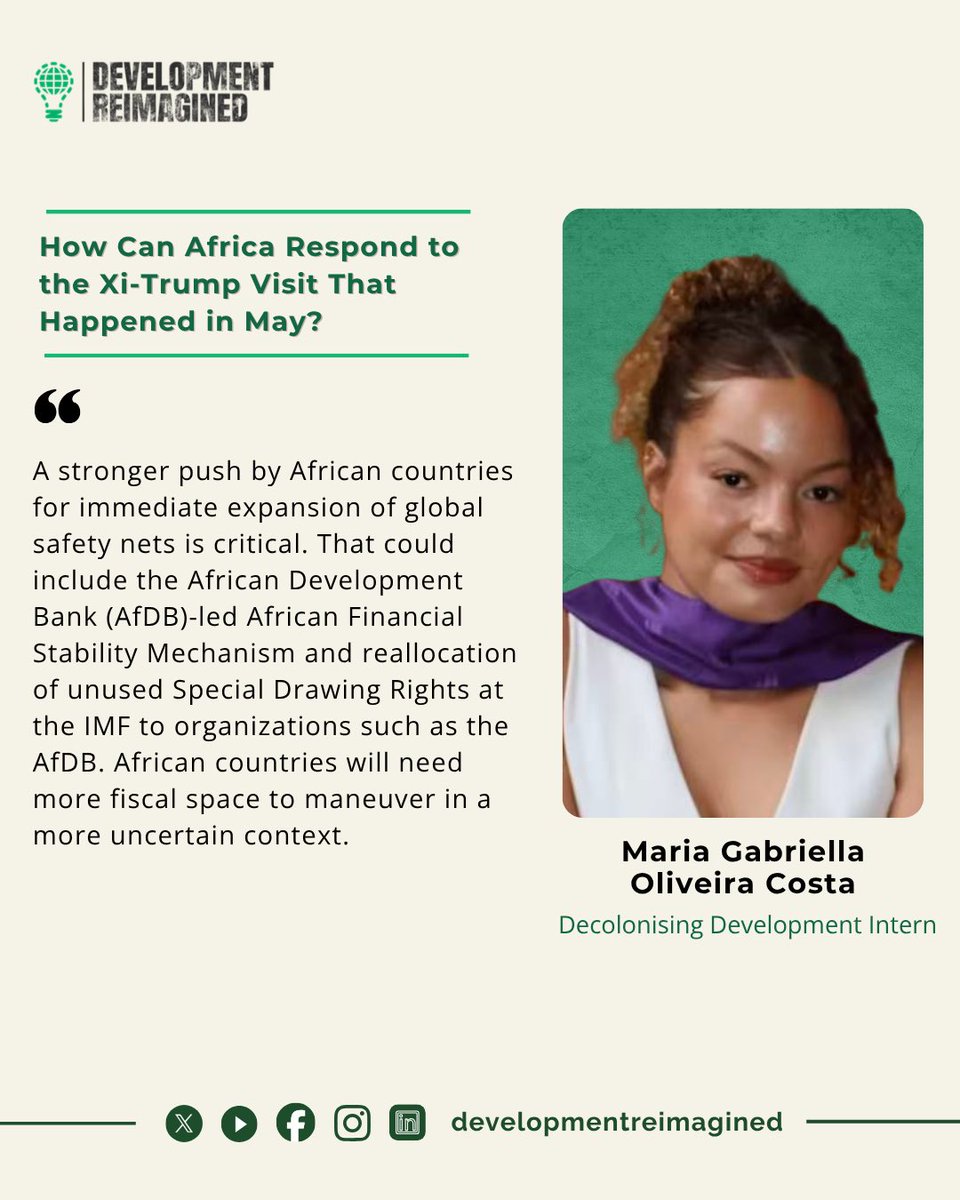
As global economic uncertainty grows, African countries cannot afford to wait for the next shock before preparing for it.
In a recent article, our Decolonising Development intern, Maria Gabriella , argues that African governments should push for stronger financial safety nets and greater fiscal space to navigate an increasingly unpredictable global environment.
Read the full article: bit.ly/3Q4W1Fz
#DevelopmentFinance #AfDB #IMF #FiscalPolicy
1
130
“Africa’s creditworthiness is not determined by economic fundamentals alone. Credit ratings shaped by a lack of local knowledge, flawed and biased governance narratives and narrow analytical thinking play a significant role in influencing investor appetite and borrowing costs for both sovereign bond issuers as well as African Multilateral Financial Institutions (AMFIs).”
developmentreimagined.com/sh…
2
9
221
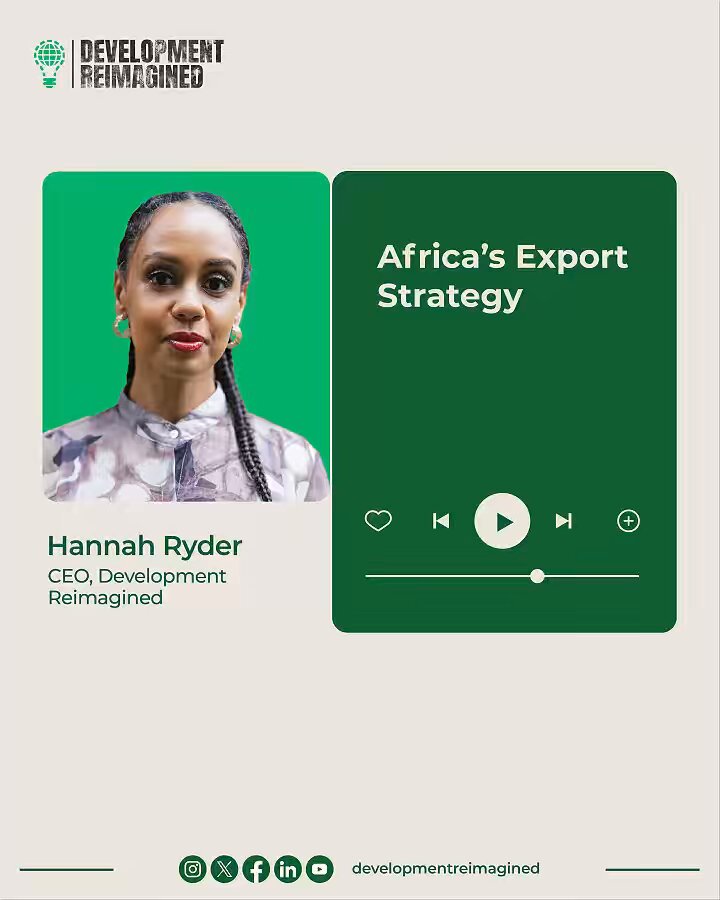
On Frontier Matters , our CEO @hmryder discusses what it will take for Africa to strengthen its role in global manufacturing and capture more value from trade.
As duty-free access to the Chinese market creates new opportunities for African exporters, the focus is increasingly shifting towards how African economies can produce more, export more and build industries that can compete globally.
Watch the full interview: bit.ly/4ohwNjN
#AfricaChina #Trade #Manufacturing #Industrialisation
4
8
307
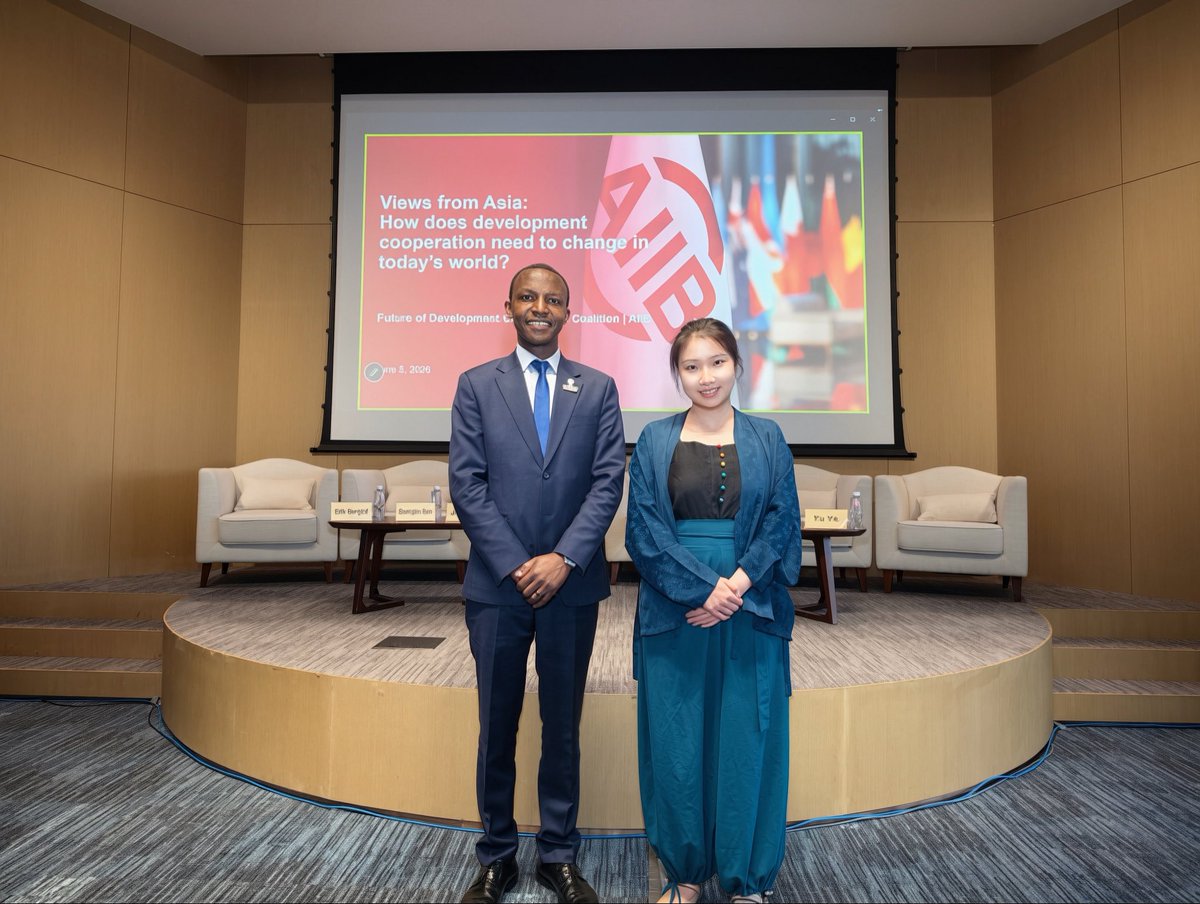
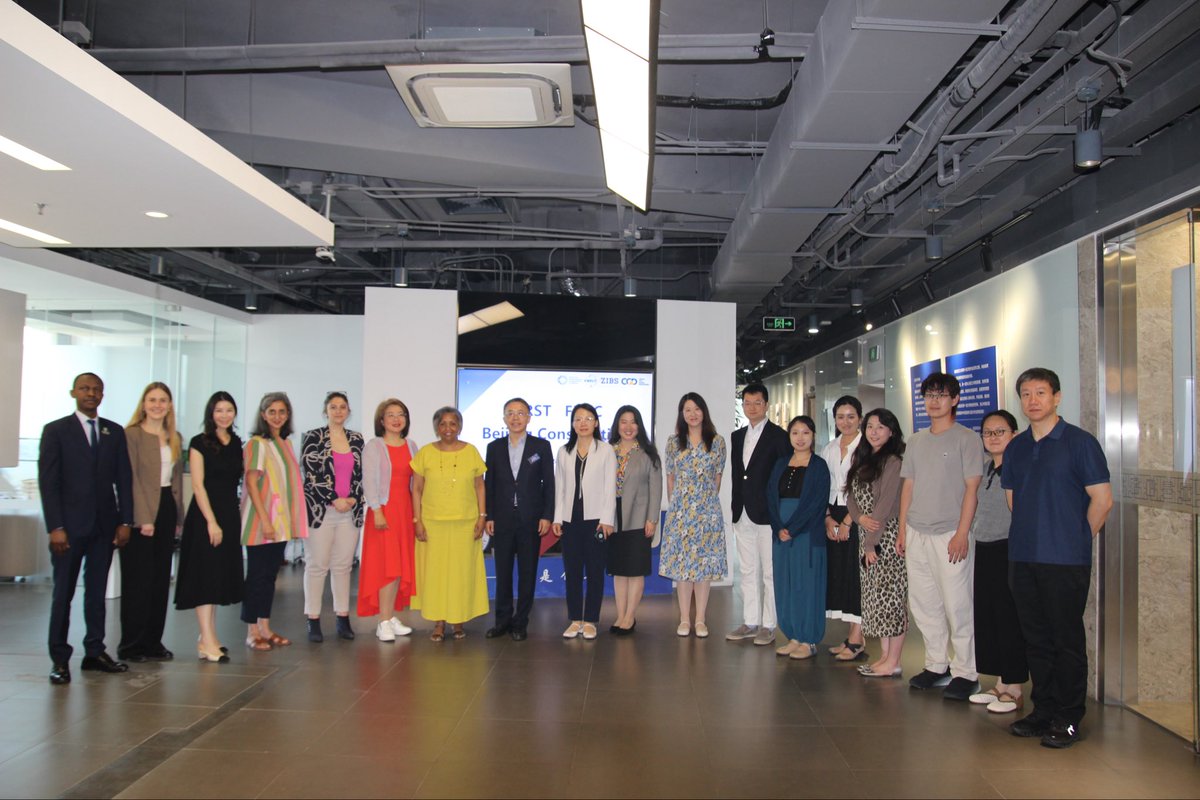
Earlier today, our Beijing team joined the consultation of the Future of Development Cooperation Coalition, co-hosted by @AcetforAfrica and @CGDev , contributing perspectives on how international development cooperation can evolve in response to shifting geopolitical, climate and demographic realities.
An important discussion on the future of development cooperation and Africa’s role within it.
#DevelopmentCooperation #GlobalDevelopment
2
4
202
As the week winds down, here’s a reading recommendation.
War in Iran, crisis in Africa?
Not necessarily.
Our experts @rugrat001 and Samiha Chowdhury explore the risks, opportunities, and often-overlooked implications of the conflict for African economies.
Worth a read: african.business/2026/05/tra…
#Africa #Trade #Geopolitics #GlobalEconomy
1
185
Who speaks for borrowing countries when the rules of global debt governance are being shaped?
📢 Our CEO, @hmryder, will join African finance ministers and senior policymakers at the @_AfricanUnion Commission’s Fridays of the Commission session on “The Borrowers’ Platform: Strengthening Africa’s Voice in Global Debt Governance and Development Finance.”
The discussion will explore how borrowing countries can strengthen coordination, technical capacity and collective engagement in shaping global debt reforms.
📅 5 June 2026
⏰ 15:00–18:00 EAT
💻 Virtual
Register: bit.ly/3S4OzL3
Ahead of the discussion, explore our work on the Borrowers Club: bit.ly/4oj8G4j
#DebtGovernance #DevelopmentFinance #Africa
2
3
186
What will it take for Africa to benefit from shifting global trade patterns?
In @ChinaDaily , our Policy Analyst, @OvigweEguegu argues that greater market access must be matched by stronger manufacturing industries, increased intra-African trade and policies that support value addition across the continent.
Read more:global.chinadaily.com.cn/a/2…
3
1
161
The conversation on Africa-China relations often focuses on what China is building, financing and selling in Africa.
On the Frontier Matters podcast, our CEO @hmryder explores another important dimension: how African businesses can sell more to China and build stronger manufacturing industries at home.
Listen to the full episode: bit.ly/4xosSWP
#AfricaChina #ChinaAfrica #Trade #Manufacturing
4
5
308
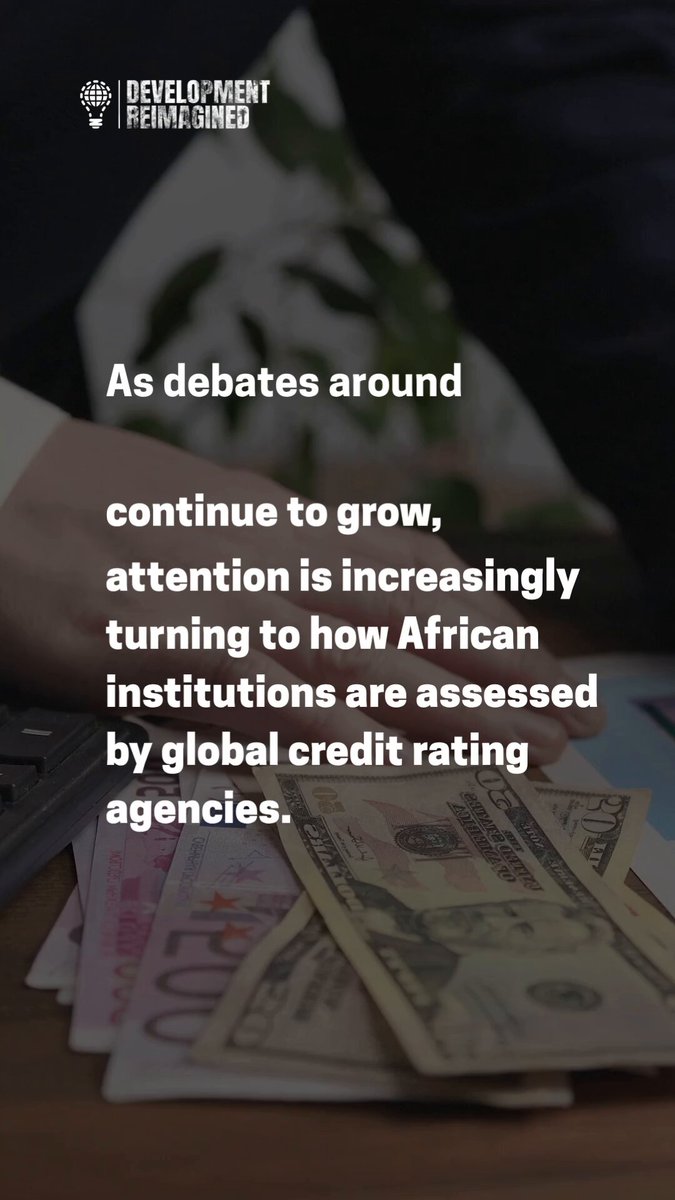
As conversations around risk, debt and global finance dominate headlines, it's worth asking: who pays the price when credit rating agencies disagree?
Our Report, 'The Africa Disagreement Tax' explores how rating divergences increase borrowing costs for African multilateral financial institutions, including Afreximbank, Africa Finance Corporation and Trade and Development Bank.
Read the report here: developmentreimagined.com/re…
2
2
154
Are African development banks being unfairly penalised by global credit rating methodologies?
In a new submission to Moody’s, DR argues that current rating frameworks apply commercial banking assumptions to African-led development banks, overstating risk and potentially increasing the cost of financing development across the continent.
Read our full response and join the conversation:
developmentreimagined.com/de…
1
4
6
430
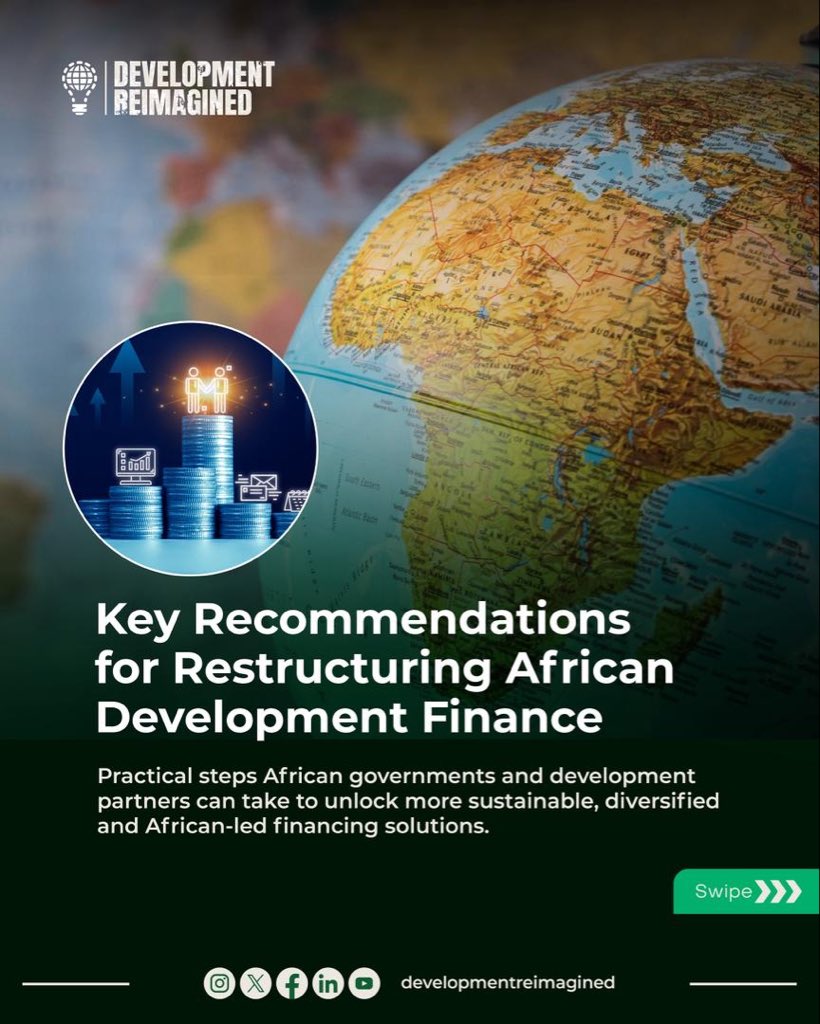
Africa’s development ambitions cannot be financed through traditional borrowing alone.
Our recent infographic explores how innovative financing instruments can diversify sources of capital and unlock new pathways for investment, alongside the policy actions needed to realise their full potential.
Explore the infographic: bit.ly/4ejvP2b
#DevelopmentFinance #InnovativeFinance
2
5
212
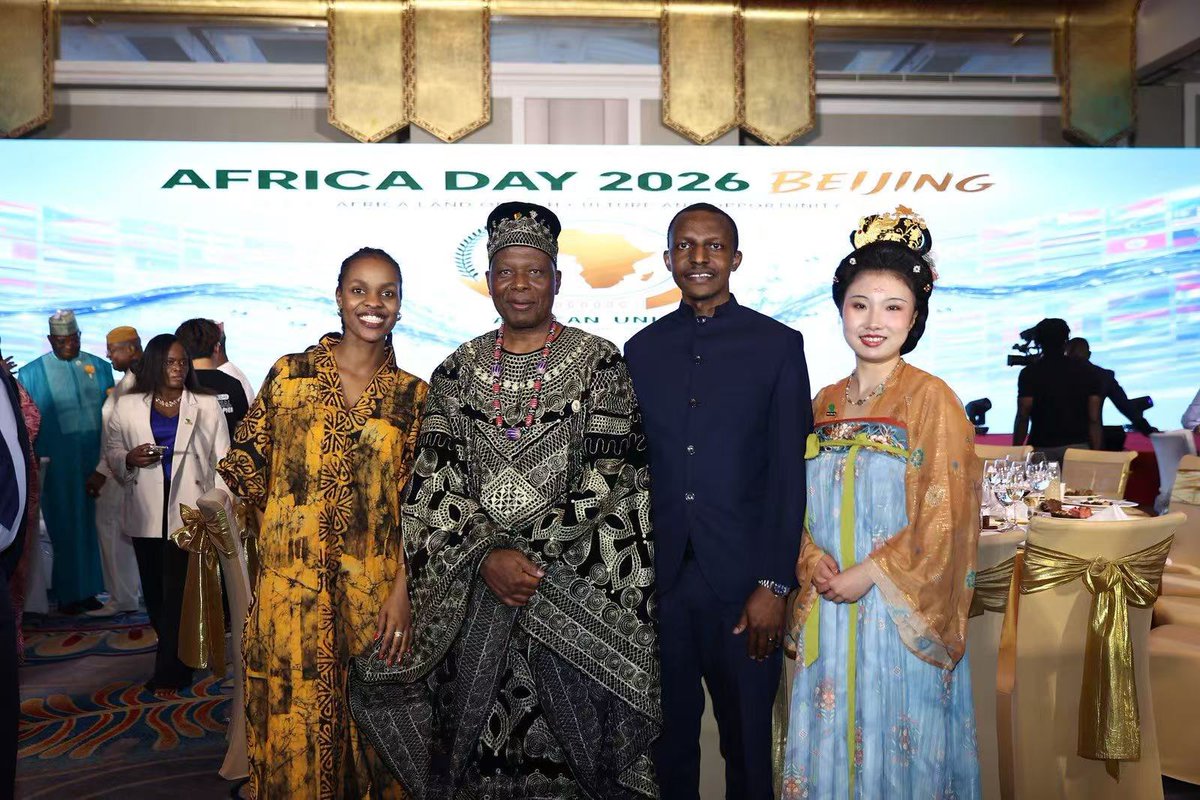
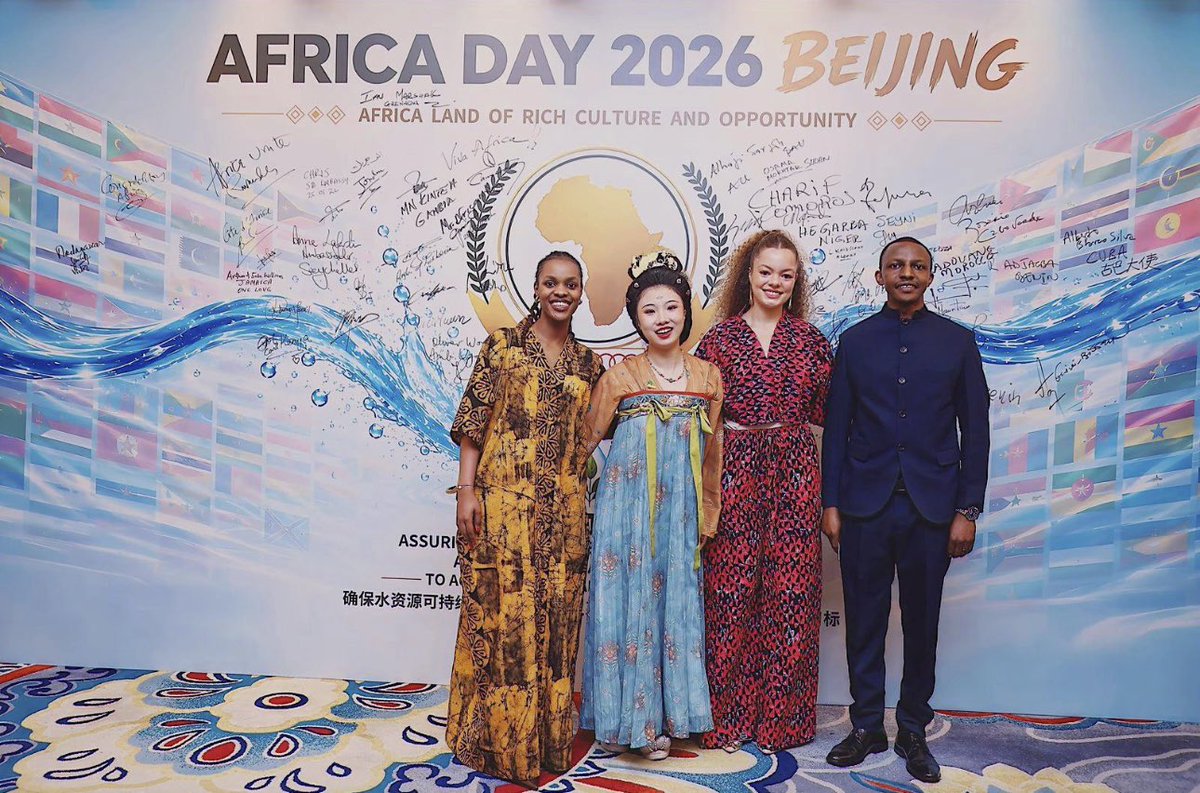
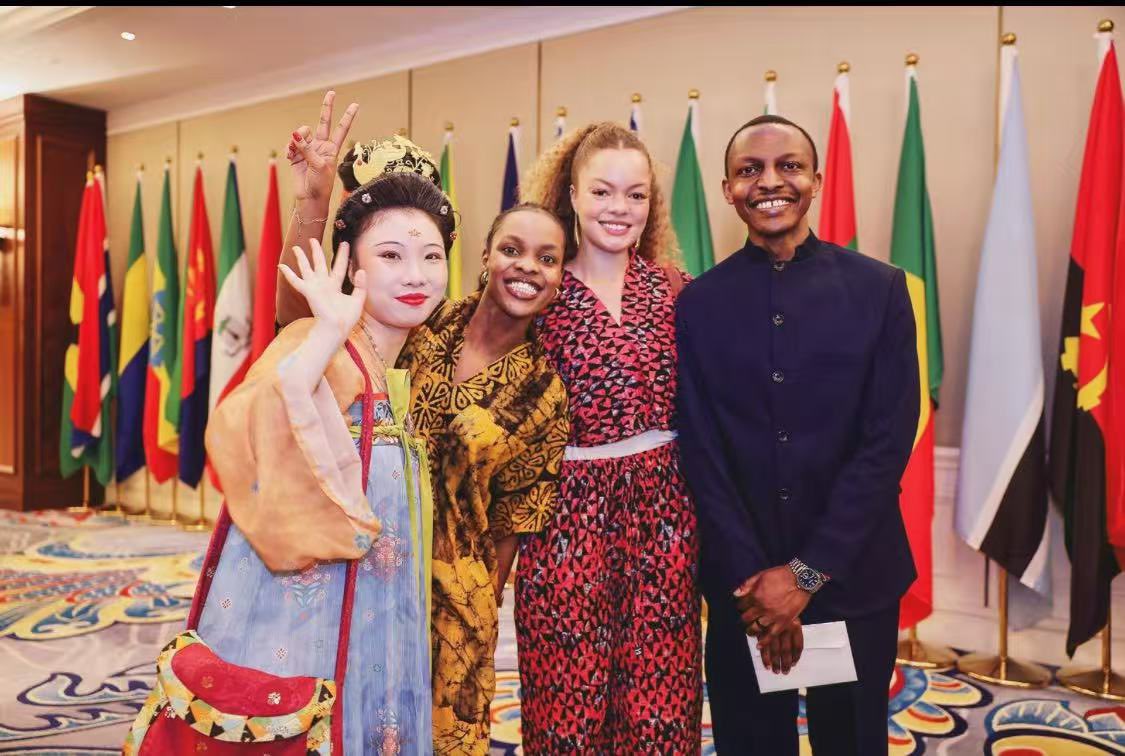
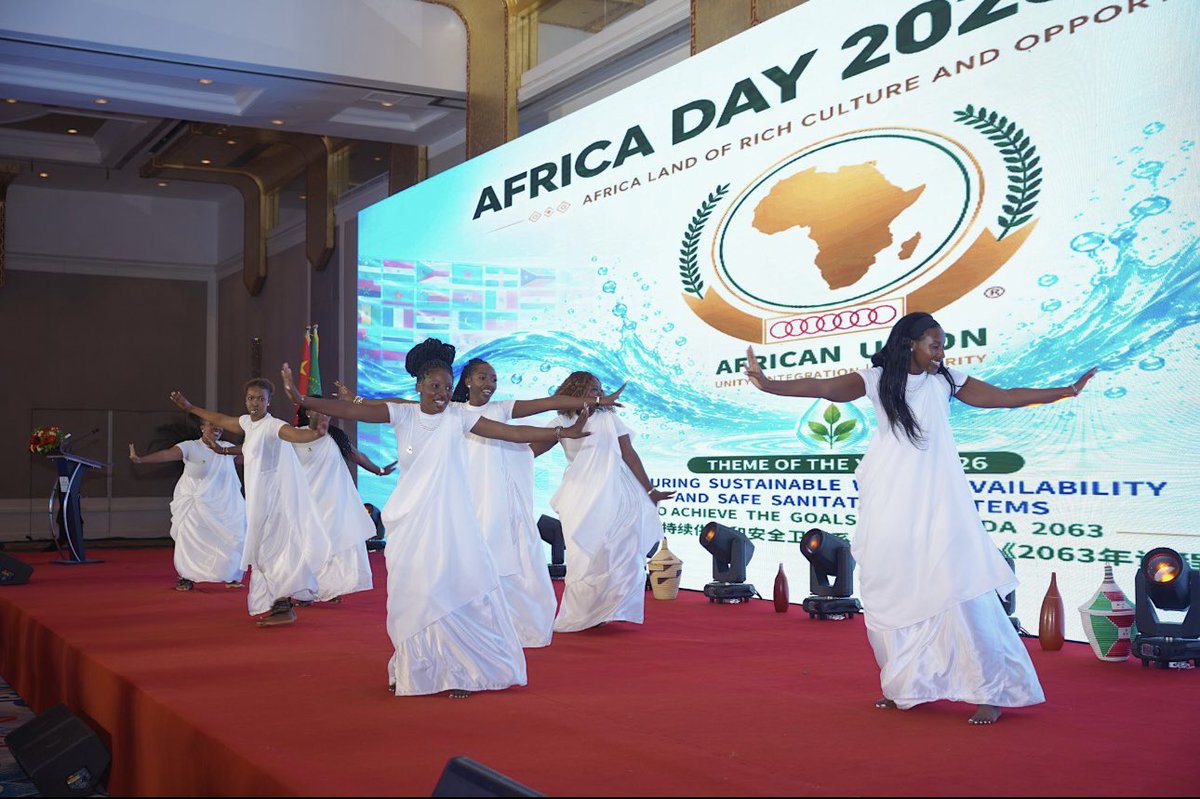
Our Beijing team earlier in the week joined the Africa Day Gala Dinner and had the opportunity to share a light moment with the Dean of the Diplomatic Corps, HE Martin Mpana and members of the African diplomatic community.
As we reflect on this year's Africa Day theme, "63 Years of Unity, Integration and Development," the evening was a reminder of the value of connection, collaboration and a shared vision for Africa's future.
#AfricaDay #AfricaDay2026
2
1
302
Our Research Intern, @gabriella_56558, has just published a new article in @Diplomat_APAC exploring what the recent #Trump-Xi summit means for Africa.
She argues that while the easing of #US-China tensions may have bought the world some time, African countries should use this moment to strengthen their own resilience through greater fiscal space, renewable energy investment, industrialisation and stronger African financial institutions.
Read the full article: thediplomat.com/2026/05/what…
1
2
167
As conversations around Africa’s cost of capital and global financial reform continue to grow, our recent report explores how rating differences between Fitch, Moody’s and S&P may be driving higher borrowing costs for African multilateral financial institutions.
The findings raise important questions around credit rating transparency and the financial cost of rating disagreements for African institutions.
Read the full report: bit.ly/4uCjGfD
#DevelopmentFinance #GlobalFinance
4
3
1,451
“Policy made in China and the United States echoes around the world. Naturally, analysts worldwide were watching the Trump-Xi summit with keen interest. Beyond the pomp and circumstance, how did these talks really play out?”
thediplomat.com/2026/05/what…
2
211
Development Reimagined™ retweeted

This is the first time the #African Ambassadors Group in Beijing have organised such an open public event for #Africaday - kudos to @DrHodanOsman for the initiative and drive - our pleasure and honour to have supported! #africareimagined

Members of the DR Beijing team attended the Africa Cultural Festival in Beijing celebrating Africa Day through music, dance, cultural exhibitions and community.
From African drum sessions to traditional performances, the festival brought together Africans and friends of Africa in a vibrant celebration of culture and connection 🌍
#AfricaDay2026 #AfricaDay



3
4
403
Development Reimagined™ retweeted

May 27
As leaders gather in Brazzaville, attention is turning to the AfDB’s next direction under Sidi Ould Tah.
Could the bank be preparing for a far more ambitious role across Africa?
⬇️ Read the full analysis below.

1
2
5
395
Development Reimagined™ retweeted

#AfDBAM2026: Congo’s President @SassouNGuesso_ announced visa-free access for all Africans on #AfricaDay 2026 and urged further action to deepen unity across Africa. His announcement at the @AfDB_Group Annual Meetings in #Brazzaville, marks another major step forward for continental integration.
More from the #AfricaDay2026 session: bit.ly/4wMOU52
4
32
71
3,276