
Finances Greatest Flawed Human 💎
Joined November 2022
- Tweets 2,766
- Following 733
- Followers 418
- Likes 10,557
320 Photos and videos









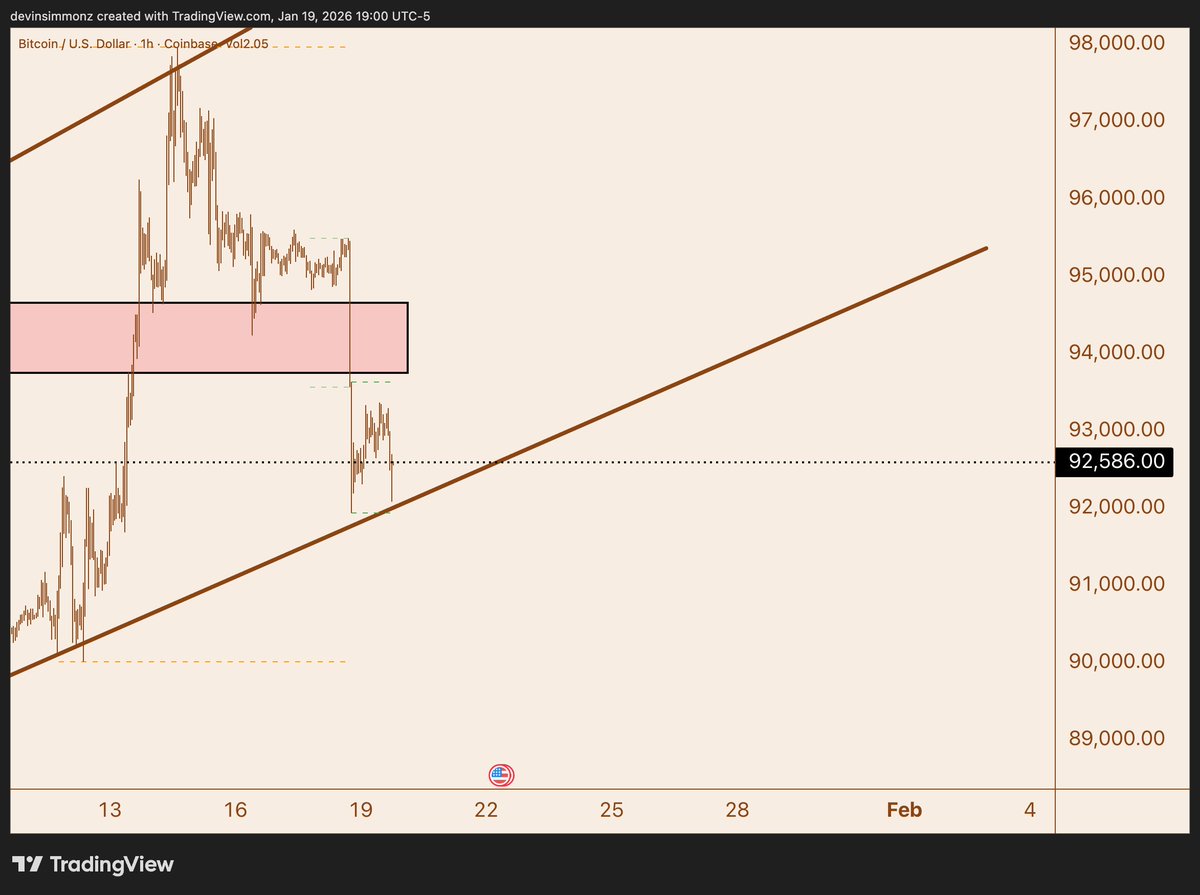

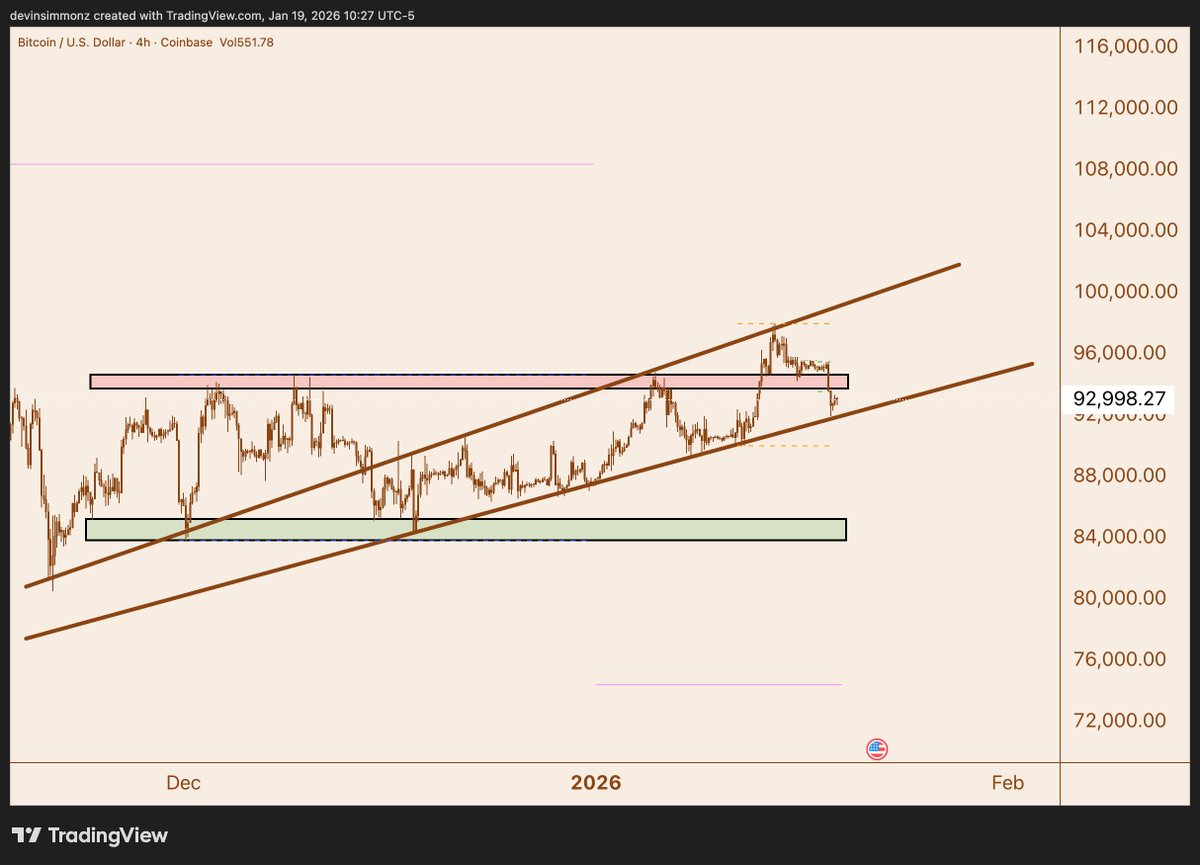

May 31
If your'e really about it than Learn Something Today! 🧠

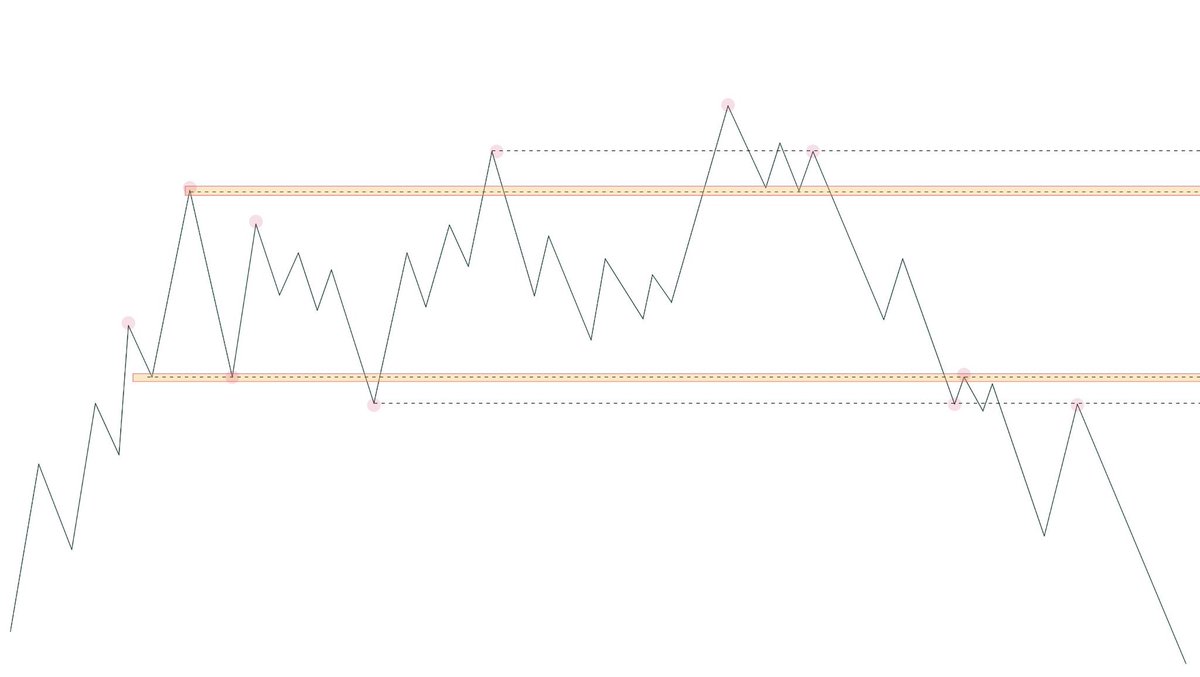
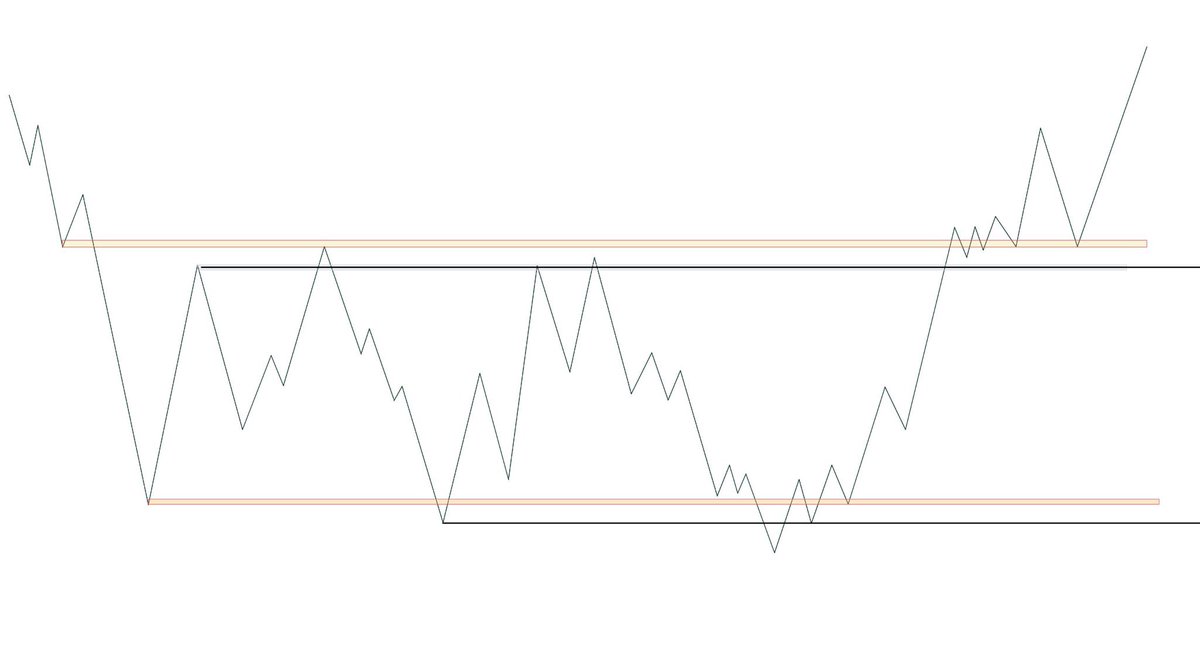
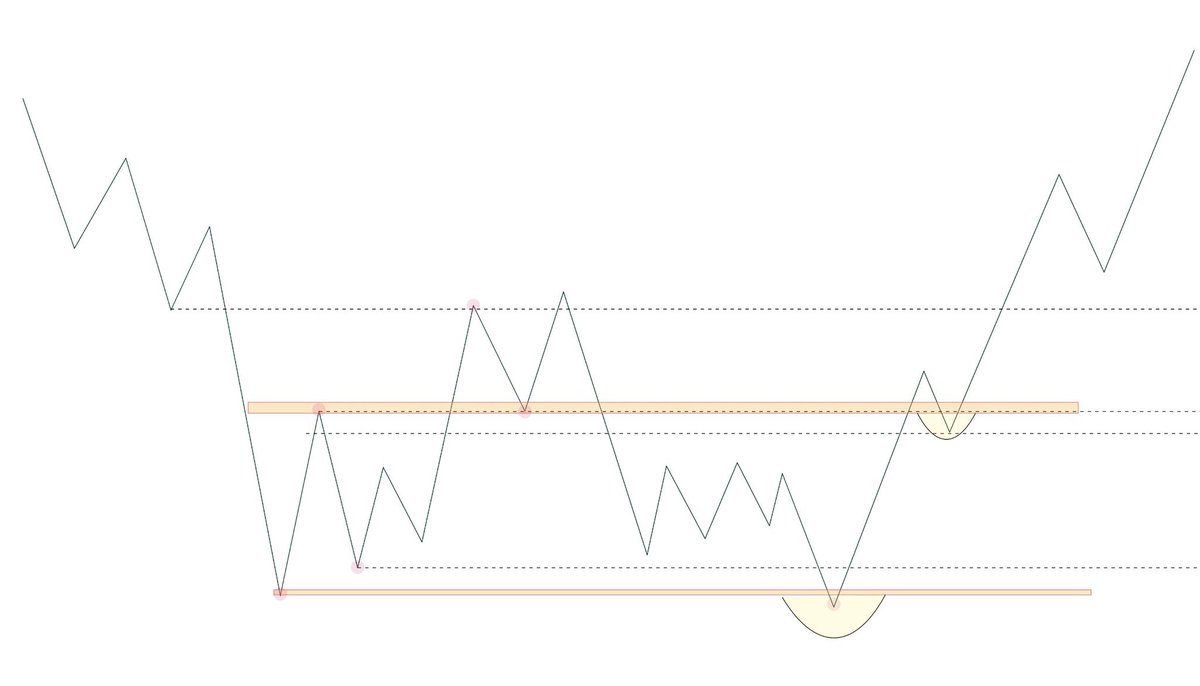
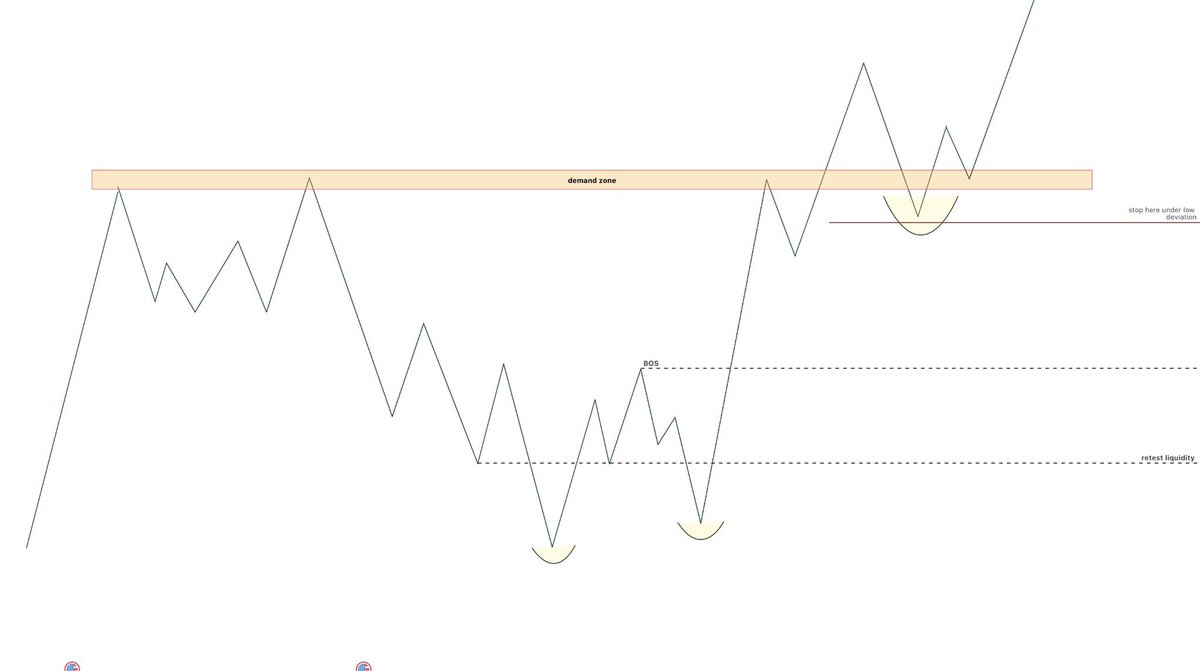
Support and resistance levels are among the simplest yet most misunderstood concepts in technical analysis. The longer a price zone holds over time, the greater its practical significance tends to be. The difference between an inexperienced trader and an experienced one lies in their approach: the former seeks the perfect level, whilst the latter observes how the market reacts within a zone of interest.
Liquidity sweeps, deviations, reclaims and structural confirmations are often the elements that allow us to distinguish a simple reaction from a high-probability opportunity.
Ultimately, support and resistance levels are not used to predict the future, but to identify areas where it is worth paying closer attention and waiting for the market to reveal its intentions.
Study these slides and they will be useful to you
A retweet would be helpful
2
3,545
Apr 25
You’re Retarded
Apr 25

You think the wealth divide is sickening, yet contribute to it by promoting crypto
Do you not see the irony?
Selling crypto isn’t the issue, acting like you care when you actually don’t is the issue
4
1,138
Mar 28
Listen up 👂
Retweet this post 👌🏻
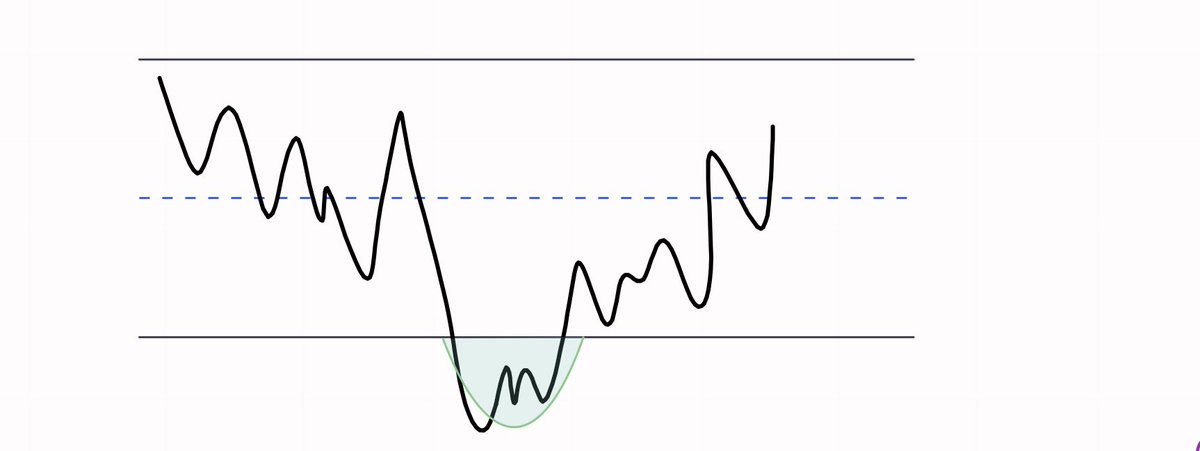
You need to start looking at the market in a more ‘streamlined’ way, without overcomplicating things: the point isn’t to try and catch every single move, but to understand when the price breaks out of the range and how it reacts.
When you see a deviation – that is, the price temporarily breaking above or below the range – it isn’t immediately a signal to chase. It’s a piece of information. It’s telling you that there’s a demand for liquidity out there.
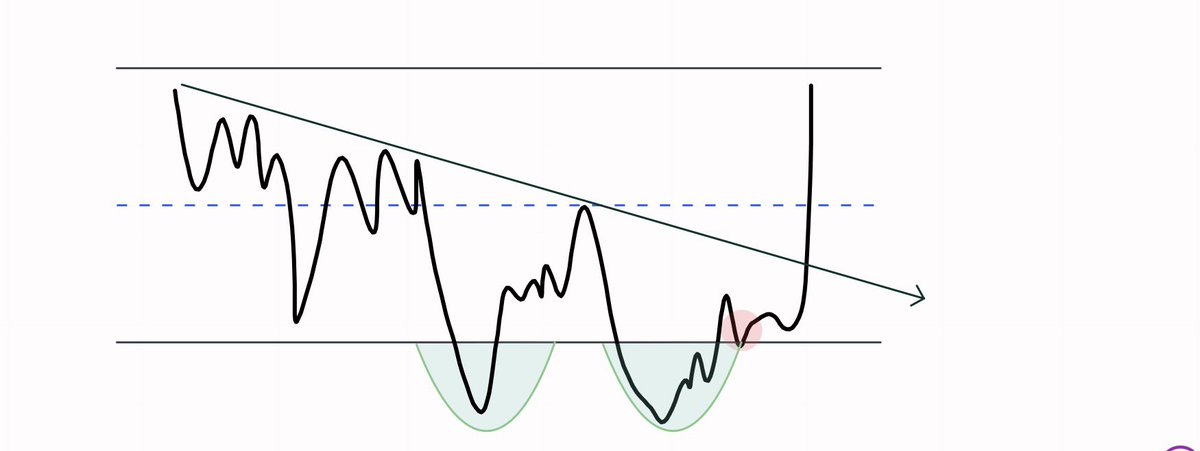
If that deviation is then repeated (double deviation), everything changes: it means that level has been tested several times and the market is clearly showing where it wants to react. That is the real confirmation.
At that point, you shouldn’t enter at random, but wait for the price to return and start forming a clearer structure. That’s when it makes sense to switch to a shorter timeframe and look for a more precise entry, without forcing it. (Rarely test it first if you want to do so with a small position size)
This way of reading the market always applies, whether you’re looking for a long or a short. The concept doesn’t change, only the direction: above, you work from a bearish perspective; below, from a bullish perspective.
In practice, stop chasing the price and start working on these extremes: that’s where the market becomes much clearer and gives you simple invalidations.
4
756
Mar 18
i think i like this a lot
Mar 18

We're excited to announce 'The Situation Room' by Polymarket is coming to Washington, D.C.
The world's first bar dedicated to monitoring the situation. 🧵

2
380
Mar 11
Shout out to the boyz!! Killin it 🔪
Mar 11

Big congratulations to @morrissey181, @TraderMouse95, and @EricTrader10728 on being recognized as our Upcoming Traders at @WealthGroup! 🎉
If you want to trade for @WealthGroup one day, join the community, start sharing your charts, and work your way up. We promote from within! 🚀
whop.com/wealthgroup/

2
292
Mar 10
too bad i dont have followers.. they could make lots of money with me... 🤷♂️
Mar 9

i did not catch the long on oil but I WILL catch the short
1
181
Mar 1
Imagine being Iranian and seeing how people in USA are reacting to the strikes. 💀
Feb 28

Sure, we just started a new Middle East forever war in Iran, but at least the memes are fire.
1
2
179
Feb 25
Come watch magic happen 🪄💰 @WealthGroup
Feb 25
🚨 Our exclusive $1,000 to $10,000 challenge by @eliz883 is active in @WealthGroup!
Join @WealthGroup and trade alongside @eliz883 as the challenge kicks off again, plus get full access to everything our community offers. Sign up here!👇
whop.com/wealthgroup/

2
139
Feb 21
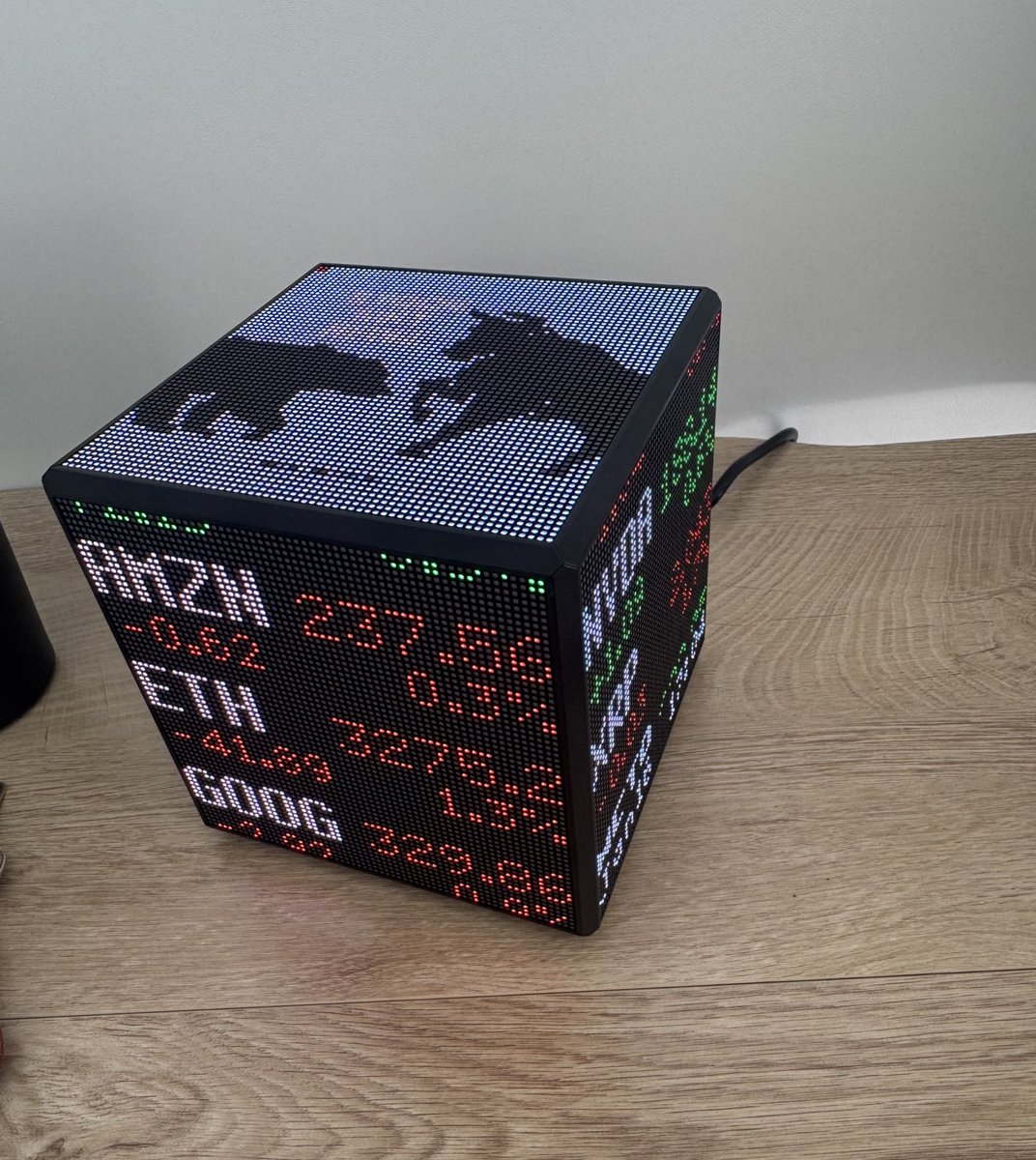
how cool is this?! 👌🔥

1
137
Feb 19
Probably time to chill on both sides
The shit talking and the cockiness are both bad looks
As traders and investors, we all go up and down
I don’t care who you are
Most people would honestly be better off just buying an ETF or two and calling it a day
Feb 18

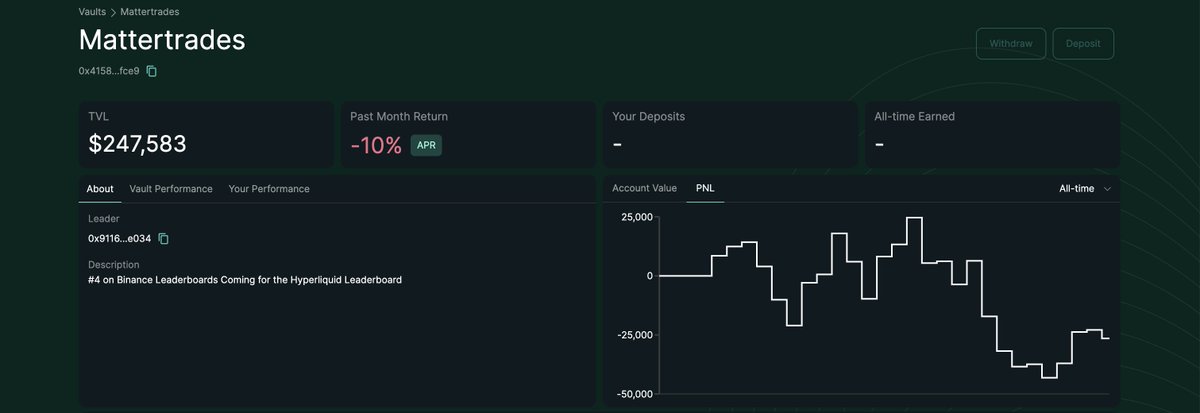
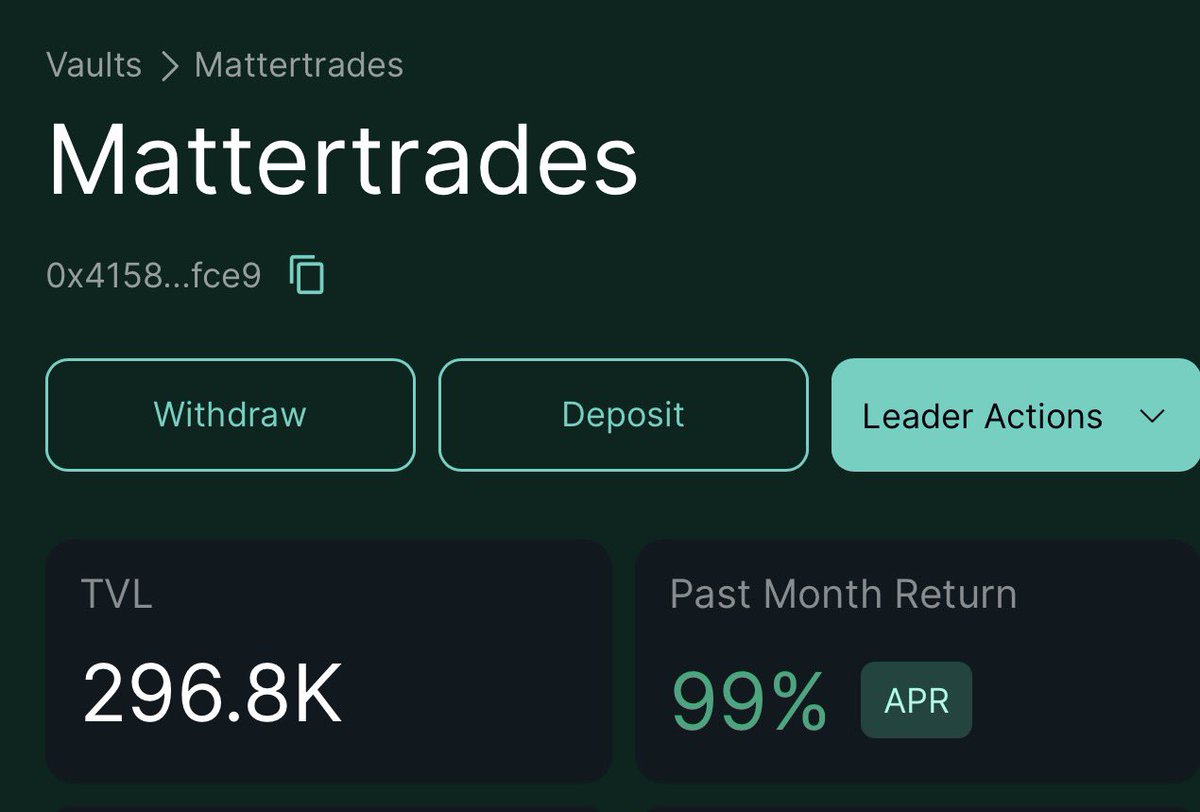
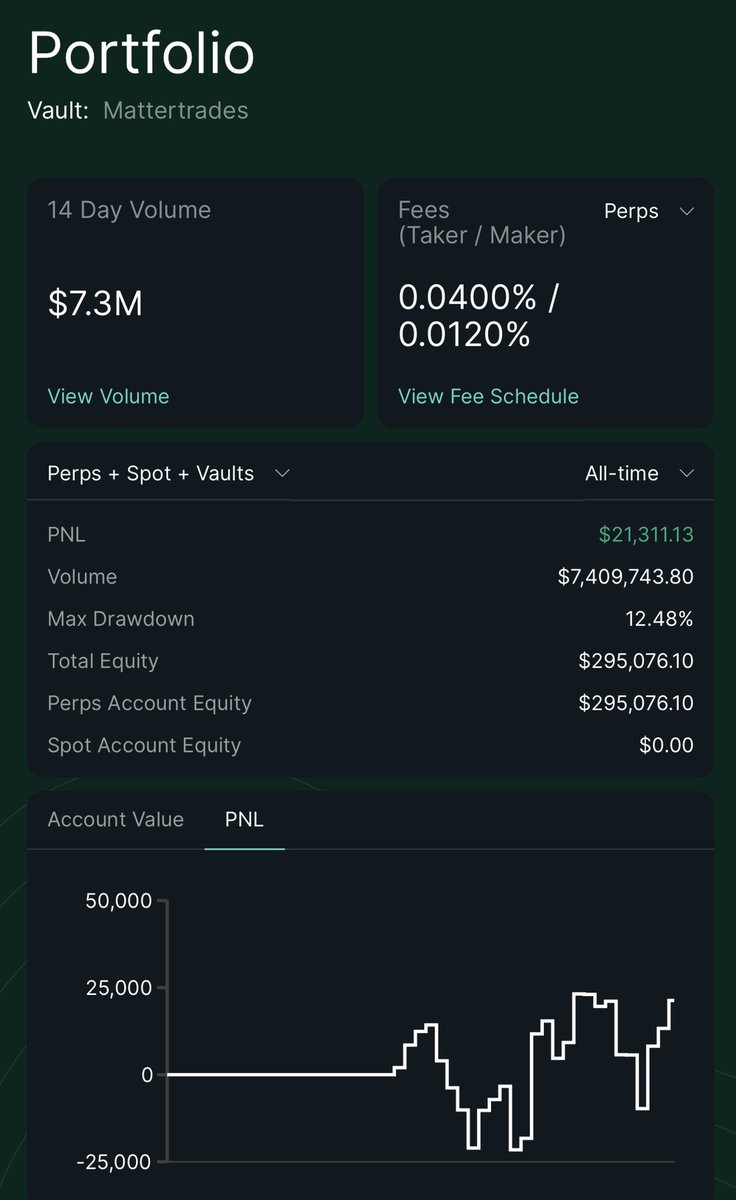
The best feeling is when you try to mog someone, and then you get mogged yourself
Honestly I like this a lot
AHHAHAHAHAHAHAHAJAJAHAHAHAHAHAHAHAHAHAHAHAHHAHA
app.hyperliquid.xyz/vaults/0…
1
146
Feb 15
Ok I’ve been proven wrong..
Holy shit. I did not understand how wild openclaw really is.
Building out now 🤯
Feb 12
For the median person, on a normal day, there is almost no economic reason to “code” anything.
You’ve confused capability with necessity.
The vast majority of you are spending hours a day building toys, not real tools.
Quit LARPing please
1
84
Feb 12
For the median person, on a normal day, there is almost no economic reason to “code” anything.
You’ve confused capability with necessity.
The vast majority of you are spending hours a day building toys, not real tools.
Quit LARPing please
1
127
Feb 8
Why on Gods earth.. 😅

1
86
Feb 7
My Goat 🐐
Blessed to be able to read his insights and chat with bro on the daily within @WealthGroup 💪 whop.com/wealthgroup/ 🚀 🌍
Conviction King 👑
22 Nov 2024

“there’s no way you actually bought bitcoin every day for 8 years straight”
oh, but i did. this is just coinbase btw
3
110
Feb 5
Buying $20,000 of btc at 65,000
Bookmark this.
Feb 5

Buying $2,000,000 of btc at 67,000.
Bookmark this.
2
4
160
Feb 3
Sorry what?
Feb 2

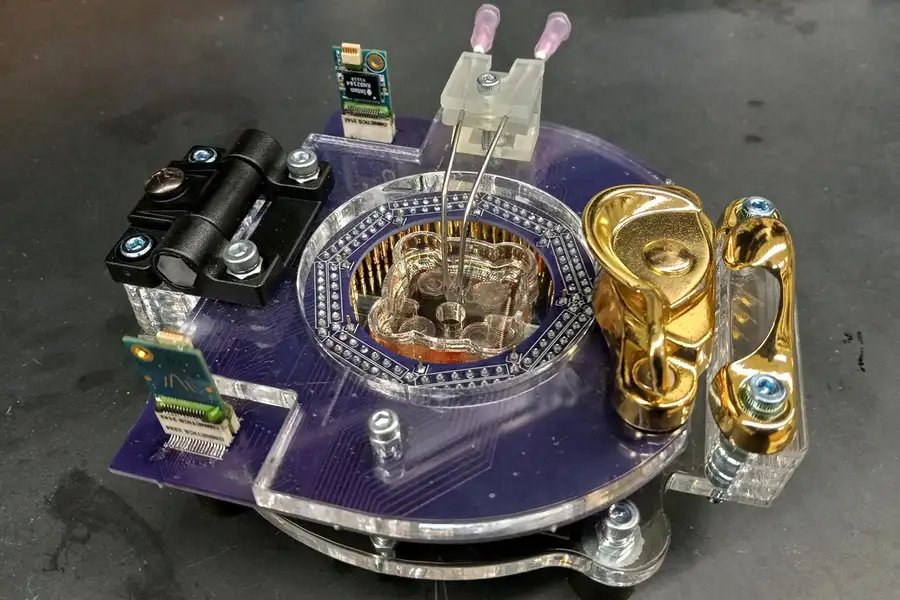
I have just been informed that one of the teams competing in the AI Grand Prix is using a biological computer built with cultured mouse brain cells to control their drone.
At first look, this seems against the spirit of the software-only rules. On second thought, hell yeah.
4
91