
Joined January 2023
- Tweets 194
- Following 122
- Followers 243
- Likes 648
32 Photos and videos

Pinned Tweet

12 Jun 2023
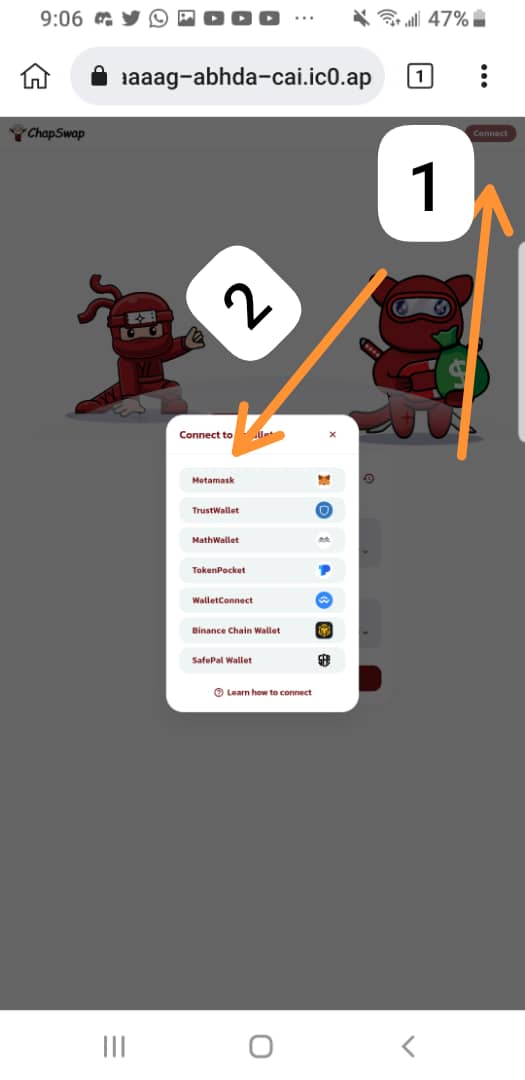
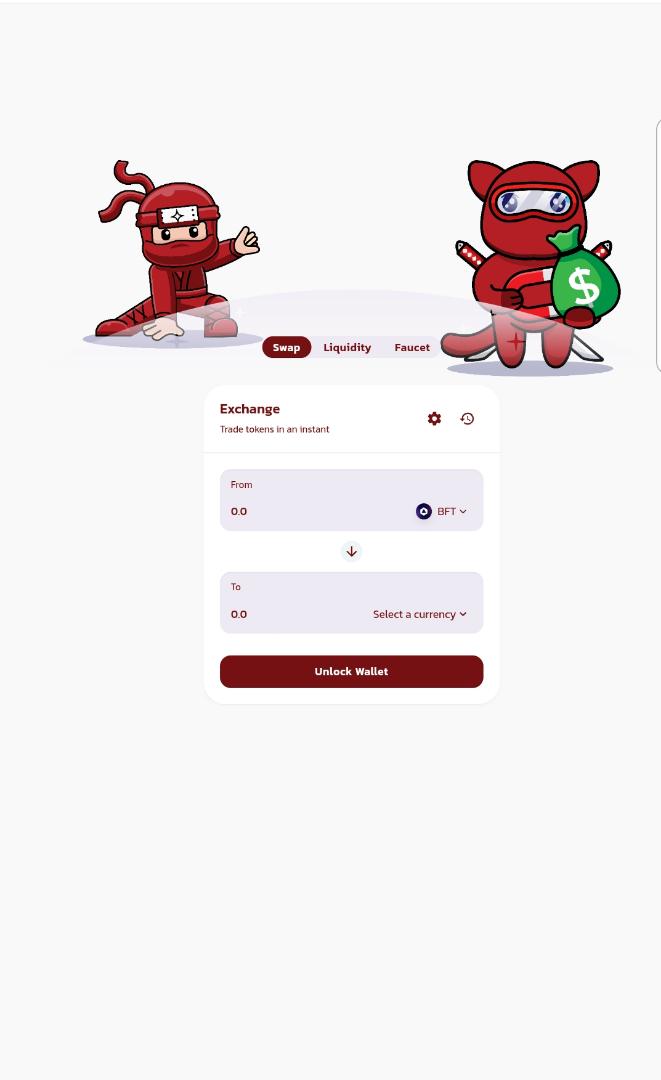
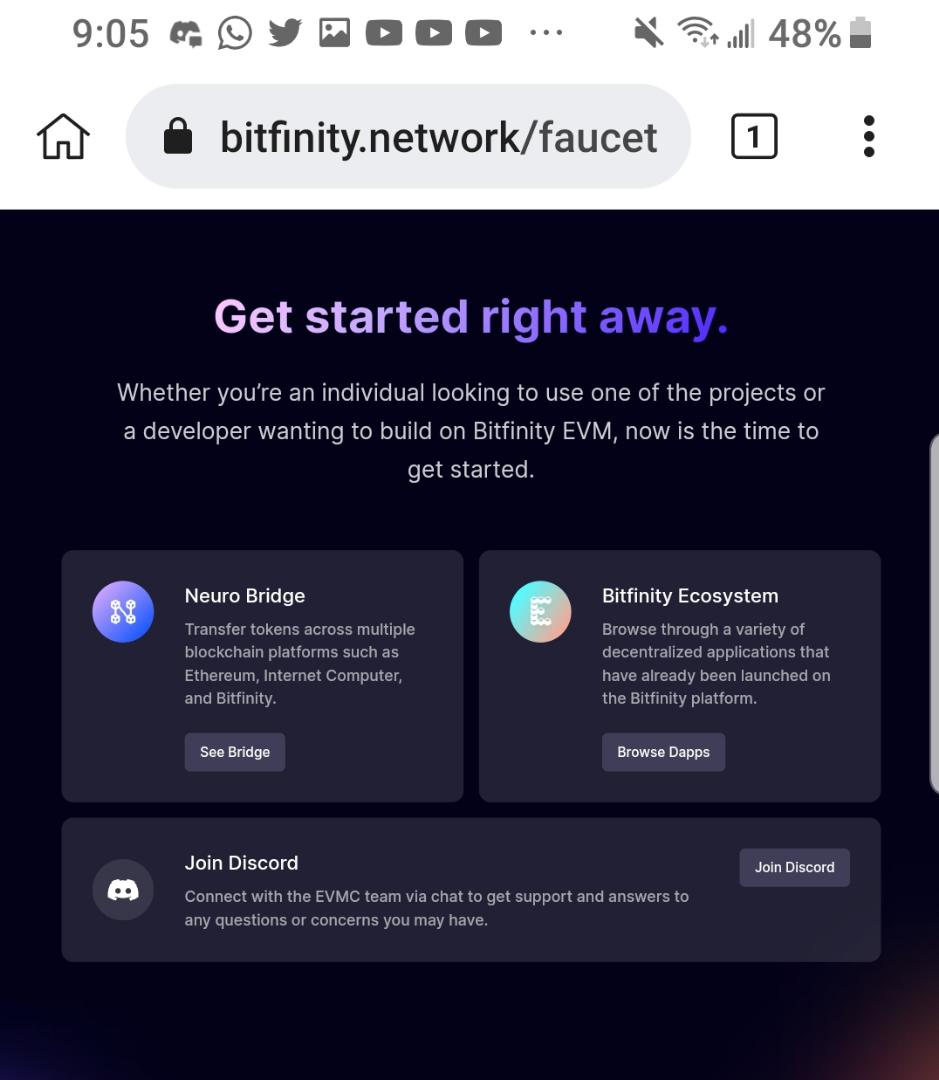
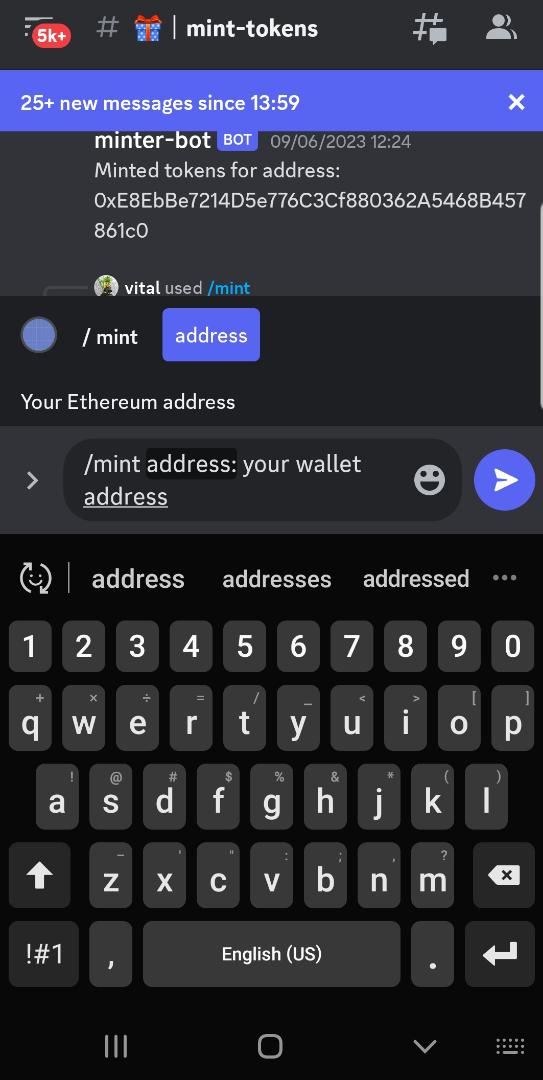
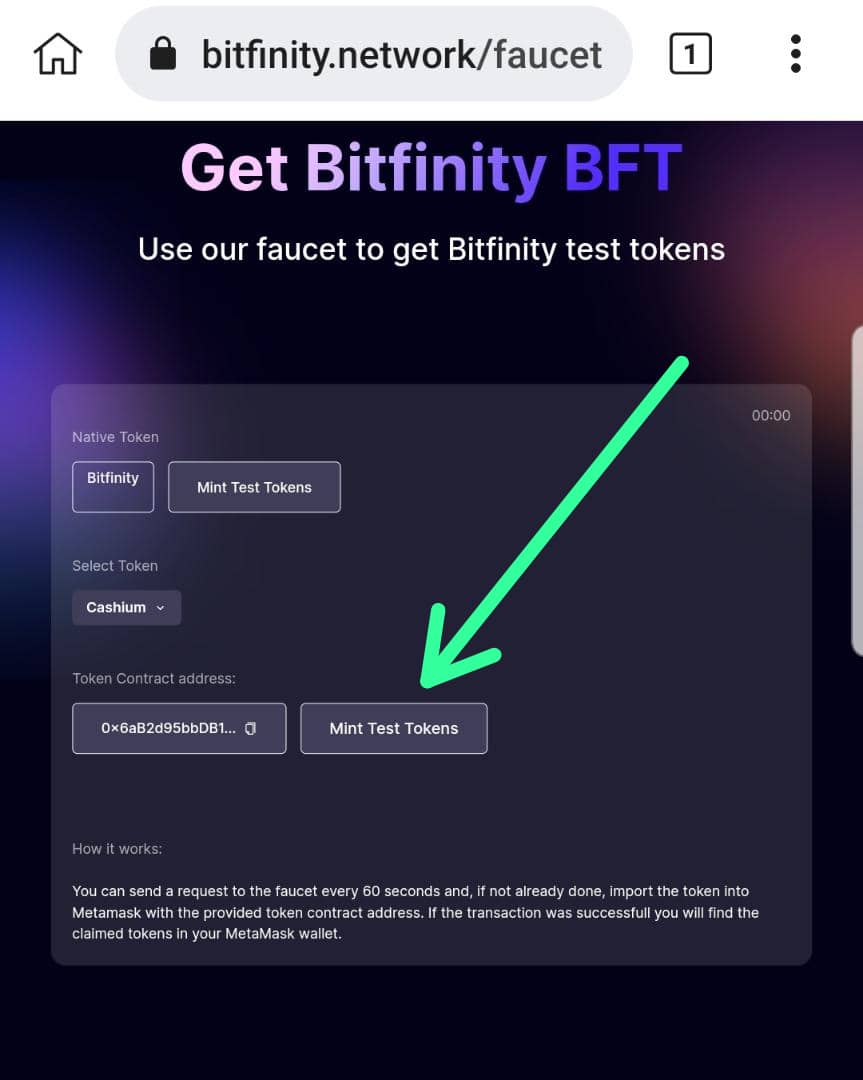
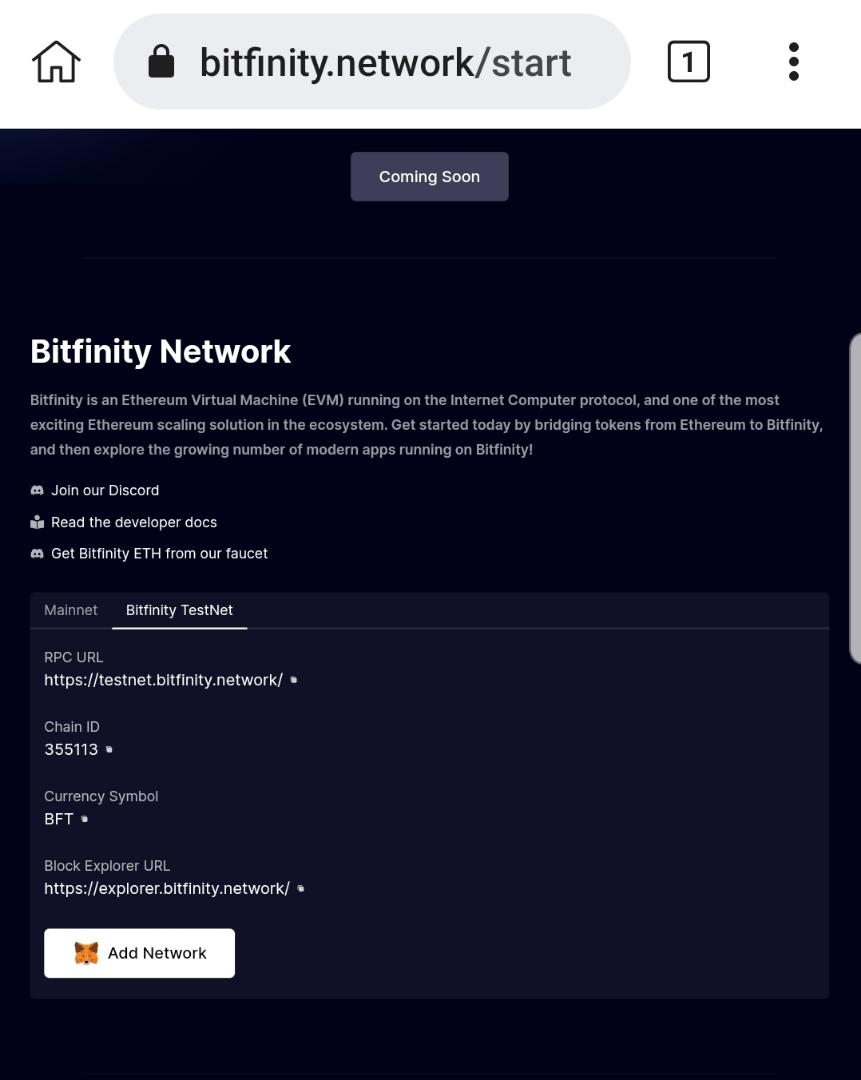
BITFINITY NETWORK EVM TESTNET..
POSSIBLE AIRDROP FOR TESTERS .... You never can tell.
Before we go down with the steps there is a small giveaway ... #1k to 10 random people
follow @DfinityGang LIKE, RETWEET , TAG 5 FRIENDS, COMMENT USING #AfricanGang #BITFINIANS
56
57
64
2,593
DFINITY GANG AFRICA retweeted

27 Jan 2025
New Feature Alert! 🖱️✨
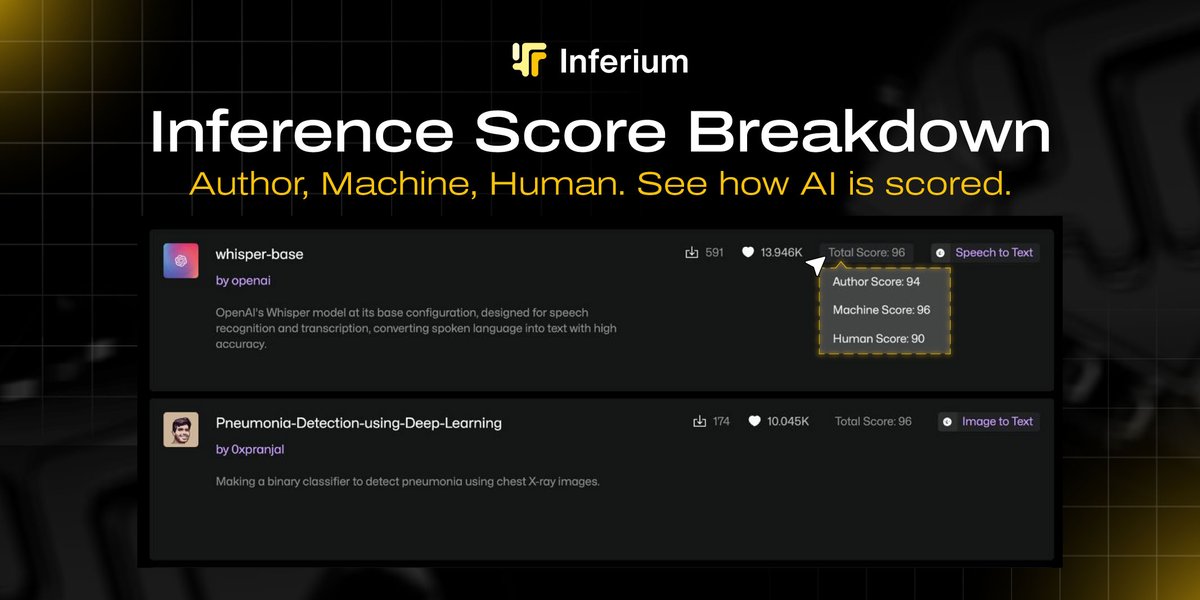
You can now hover over the Total Score to see a breakdown of our rigorous model evaluation:
👩💻 Author Score – From the creators themselves
🤖 Machine Score – Based on technical performance metrics
👥 Human Score – Insights from our end-users and experts
Check it out: inferium.io/#/inferenced-mod…
Later, with Proof of Inference, you'll be able to access the data we use, benchmarks we test against, and everything will be on-chain for full transparency.
5,303
6,797
3,325
68,021
DFINITY GANG AFRICA retweeted

30 Nov 2024
It's time for the November edition of the Public Global R&D 🧑🔬
✅ Speed. Simplicity. Space: the Tokamak, Beryllium & Stellarator milestones are live 💥
✅ Metrics: through the roof 📈
✅ Internet Identity security best practices 🚨
✅ Async checkpointing demo 📨
✅ Community demo by @tap_protocol 🟠
Don’t miss out!
youtu.be/iRmpCkzC6iI?feature…
18
78
360
16,710
DFINITY GANG AFRICA retweeted

13 Sep 2024
In this episode of Blockchain Bash, we went over some of our recent partnerships🤝🏻.
👉Particularly, the ones with @BitU_Protocol @Bitroot_ @moonberg and @dot_swap.
📰We dived into these protocols & explained how the partnerships are game changers🔥
blog.bitfinity.network/bitfi…
39
65
303
18,029
DFINITY GANG AFRICA retweeted

12 Sep 2024
Great news! 🎉
The BOB/ICP pool is now open on #ICDex! Start depositing to enjoy attractive APYs and expand your investment opportunities. 🌟 Don't miss out! 📈@dfinity♾ @bobdotfun #DeFi #ICDex #ICP $BOB
>iclight.io/ICDex/pools/pool/…
9 Sep 2024

📢 BOB/ICP is now listed on #ICDex! 🚀Dive into Blockchain-on-Blockchain (#BOB), a secure new layer on #ICP. Wining miners earn $BOB tokens as rewards!🎉@dfinity ♾@bobdotfun #Defi #ICDex
>iclight.io/ICDex/BOB/ICP
7
24
1,269
DFINITY GANG AFRICA retweeted
12 Sep 2024
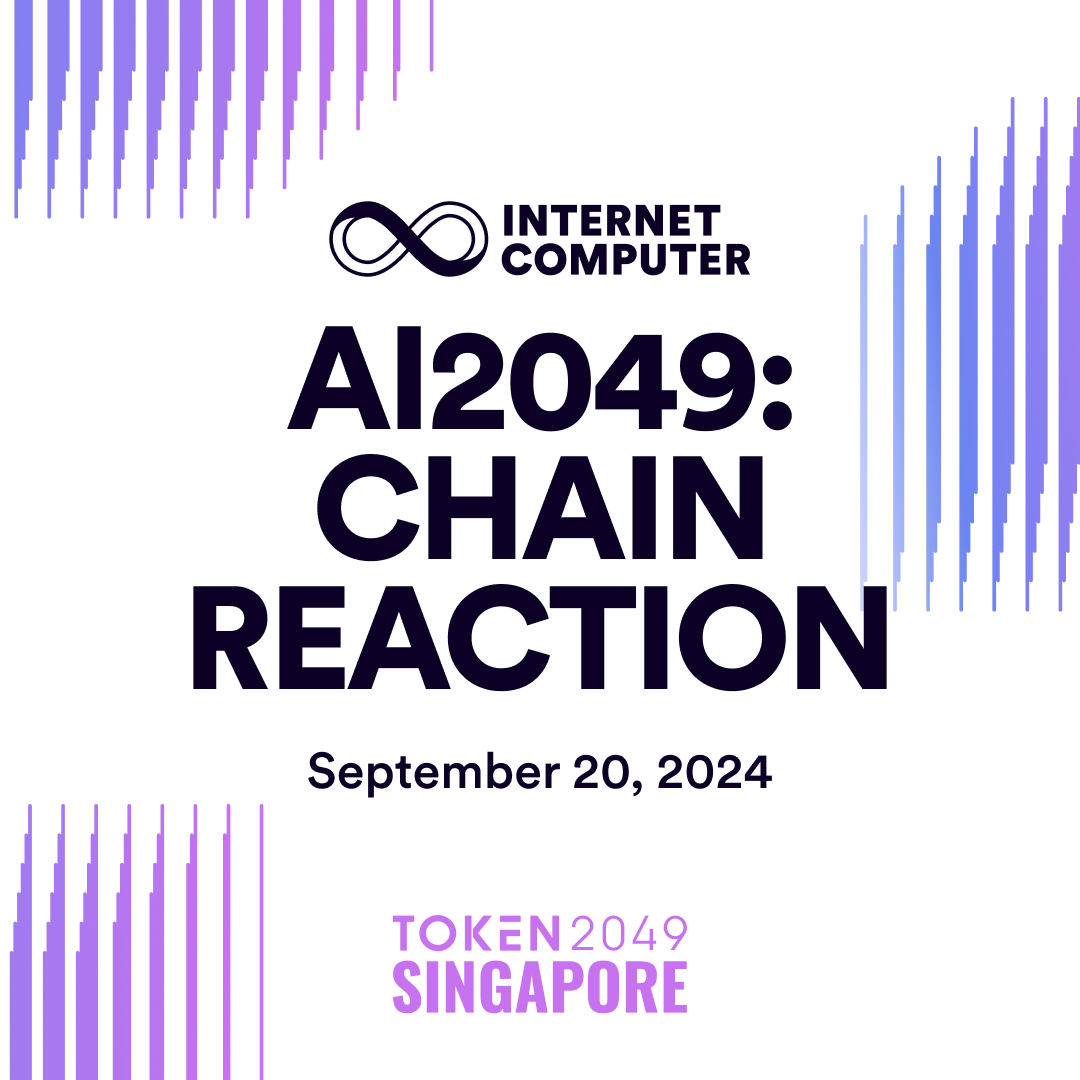
You're invited - AI2049:Chain Reaction, the premier AI event during @token2049 🇸🇬
🔥 Don't miss the most anticipated fireside chat with @dominic_w and @michaelterpin
🌍 Discover #ICP on-chain AI tech and the largest decentralized AI Web3 ecosystem
🤖 Join leading AI experts from education and industry to explore the future of AI and blockchain
Register now: lu.ma/ky9bpvik
15
49
212
12,534
DFINITY GANG AFRICA retweeted

17 Jul 2024
Handling Cycles Within the ICP NFT Ecosystem
One of the most interesting benefits of the Internet Computer also creates a challenge entirely unique to our ecosystem. That is reverse gas.
Reverse gas was one of the biggest reasons I became interested in the Internet Computer. I believe that for blockchain to ever gain significant adoption users cannot be required to pay a fee every time they interact with a smart contract. It can be easy for us to forget that these fee payments, however small, still need to be made by someone.
We do not currently have a decentralized long term solution for making sure that NFT canisters are maintained with cycles. Currently, Toniq supplies cycles to all collections that were deployed and still controlled by us, this is a majority of collections in the ecosystem.
Early on we set up a system that automatically tops up all canisters we control with cycles when the balance drops below a certain threshold. This includes canisters that contain the 1) basic NFT code 2) in-canister marketplace code and 3) associated asset canisters that host artwork.
Over the past year we added a payment requirement for creators that goes toward covering the initial cycles balance, however this payment does not cover keeping the canisters alive for an extended period of time and does eventually run out in which case Toniq covers cycles. While this system has worked so far it is not a self-sustaining solution as it primarily relies on Toniq.
There are 2 simpler alternative solutions for this, however I am not a big fan of either one, they are:
One of the most straight forward options would be for creators take over the responsibility of maintaining their canisters with cycles: Personally I do not believe that this is a good solution for a number of reasons:
- Why should creators be required to pay for actions that others take such as 1) Transferring NFTs or 2) purchase using the in-canister marketplace code
- Each collection relies on a single party to keep the collection active
- Marketplace Code (both in-canister or external) will break if a canister goes down. This then quickly becomes an issue that directly affects marketplace functionality
- Some projects do not have a centralized team, and if they do they may not have funds. If you want to have a zero-royalty collection how can you be expected to keep the canisters topped off with cycles
One of the next most straightforward options would be to reverse the reverse gas model for all actions. This change would mean that the user is required to pay a fee for every action they take against the NFT canister, almost exactly like how other blockchains work. This fee would go directly to the NFT canister and its asset canisters.
While this solution would work well, but I believe it to be overkill and takes away a lot of what makes the IC ecosystem soo attractive. The fact that we do not pay a fee to do simple asset transfers, list our assets, or claim a free NFT is what makes us special and I don’t think we should kill that.
So what do I think we can do to improve?
While I haven't been able to think of a 100% foolproof system for this I do think there are a number of things we can do to help improve the availability of these canisters.
1. Community Funding Platform: You could imagine a simple platform that shows all ICP NFT collections, their current cycles balance, how long it will last and an easy way for users to top off collections they like. You could even imagine a world where there are rewards and achievements for users to earn by topping off collections.
2. Payment of In-canister marketplace code fee: This is similar to adding a gas fee except it only exists on purchases. There are a few ways this could be done: One way would be to set the hardcoded fee for the in-canister marketplace code to automatically be sent to the NFT canister and associated asset canisters. Alternatively, these fees could be sent to an escrow canister that then splits the fee across many different collections. This approach would be more ecosystem wide, allowing collections with more volume to help support collections with less volume. A more advanced version of this could have a dynamic list of collections that are included in the list that can be topped off. This list could be based on recent canister activity, DAO vote, etc.
The biggest issue with #2 is that the in-canister marketplace code is optional for building a marketplace. It can be easily circumvented by building an external marketplace canister or smart wallet that uses the public transfer method. This means that if a marketplace wanted to avoid paying the hard coded fee in the NFT canister they could do so and so would avoid the cycles system. (The original MemeCake marketplace worked this way)
The more I think about it the more I believe that some sort of community cycles pipeline would be the biggest benefit to the IC NFT community. Even if it exists primarily as a backup system to catch collections that come close to running out of cycles for one reason or another.
If you can think of any other possible steps we could take to ensure the uptime of IC NFT canisters please feel free to let us know in the comments! It’s an especially interesting challenge because of how unique it is to our ecosystem.
Thanks for listing to my rambling! Glad I got this from my head onto paper.
7
7
21
6,594
DFINITY GANG AFRICA retweeted
22 Jul 2024
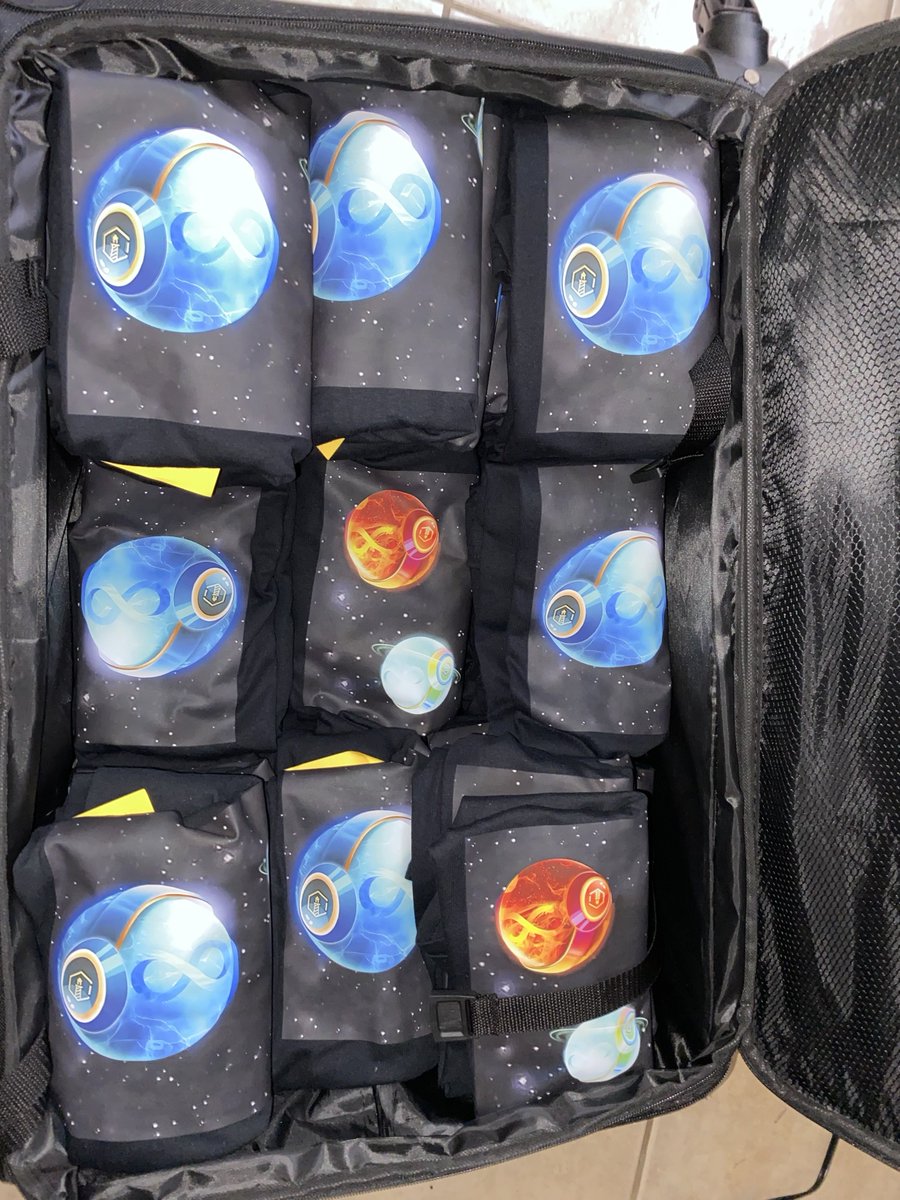
✨ We’re getting our bags packed for @TheBitcoinConf ! 🎒Going to have some nice merch to give away to attendees!👕💥Can’t wait to see you there🎉#ICP @dfinity #ICDex #BTC
5
16
73
2,834
DFINITY GANG AFRICA retweeted
19 Jul 2024
Me when I realize my Dapp can be deployed on both Bitcoin and EVM with #Bitfinity 😎

71
80
254
19,429
DFINITY GANG AFRICA retweeted

21 Jul 2024
"Decentralized AI" sales narratives and their tokens are proliferating. Confused?
EASY RULE: AI, like all software, can only be decentralized by running it as a smart contract (which can optionally be DAO-controlled).
Already happening on #ICP 🧠⚡
55
187
729
31,562

DFINITY GANG AFRICA retweeted

5 Jul 2024
Whether you're an entrepreneur looking for feedback, a developer seeking partners, or an investor searching for the next big thing, @SolutioApp offers the tools and community support to propel your projects to new heights.
@fairtal3
@JuanRezzio
@DFINITYDev
#ICP #Web3 #ideation
9
12
190
DFINITY GANG AFRICA retweeted
4 Jul 2024
Great Projects continue to build, no matter the lull, bull or bear. @SolutioApp is building non-stop. Exciting times lie ahead.
@DFINITYDev @fairtal3 @Phlaser247 @DfinityGang @Icpspace
4 Jul 2024

Exciting news for @SolutioApp 🧡 users: The mobile version is now live!
It’s been a thrilling week packed with hard work. Check out the updates:
1️⃣ Mobile version launch
2️⃣ Mobile profile
3️⃣ Enhanced loading dots
4️⃣ Juno Analytics integration
Dive in!
solutio.one
5
9
132
DFINITY GANG AFRICA retweeted
2 Jul 2024
By leveraging a decentralized crowdfunding model and rewarding contributions at various stages of idea development, Solutio aims to create a vibrant ecosystem where innovation is incentivized, and contributors are fairly compensated.
#ICP #Web3 #crowdfunding #ideation

4
14
17
318
DFINITY GANG AFRICA retweeted

25 Jun 2024
Gen 1 @ICPRenegades Gaming skin Giveaway
Just
✅️ Like & Retweet
✅️ Follow @ICPRenegades & @xSkApOnEx
✅️ Tag 3 Friends w # #ICPRenegades
48 hours $RENEGADE
50
41
53
1,384

Doing a PPP memecoin experiment that might or might not involve airdrops.
To be part of it, QT this w your address (or just RT & reply)
To kick it off, here’s mine:
AS3yMXa5yPRFeLgsdQkFR1KxBowExSY1JUzRGZj8iAMu
If we get enough real participants, the experiment will proceed 🐱
285,918
101,865
102,098
7,796,734
27 Jun 2024
RT @Simy_ade: Bitcoin's got secrets! 🤫 Ordinals aren't the first inscriptions on the blockchain 📝. Bitfinity's tech reveals the hidden hist…
4
DFINITY GANG AFRICA retweeted

26 Jun 2024
Inscriptions on #Bitcoin predate the #Ordinals Theory😯
From the Genesis block containing a message about bank bailouts, to blocks on marriage proposals, and artistic expressions, are many more fascinating Inscriptions.💎
Insightful article! A must-read👇
26 Jun 2024

🤖 Technical Deep-Dive
Bitcoin Ordinals have shone a light on Inscriptions on #Bitcoin, but did you know that there were many other inscriptions on-chain before Ordinal Theory came along?
📰 blog.bitfinity.network/unvei…
#Bitfinity #BuildOnBitfinity #BitfinitySummer
1
6
6
184
DFINITY GANG AFRICA retweeted
26 Jun 2024
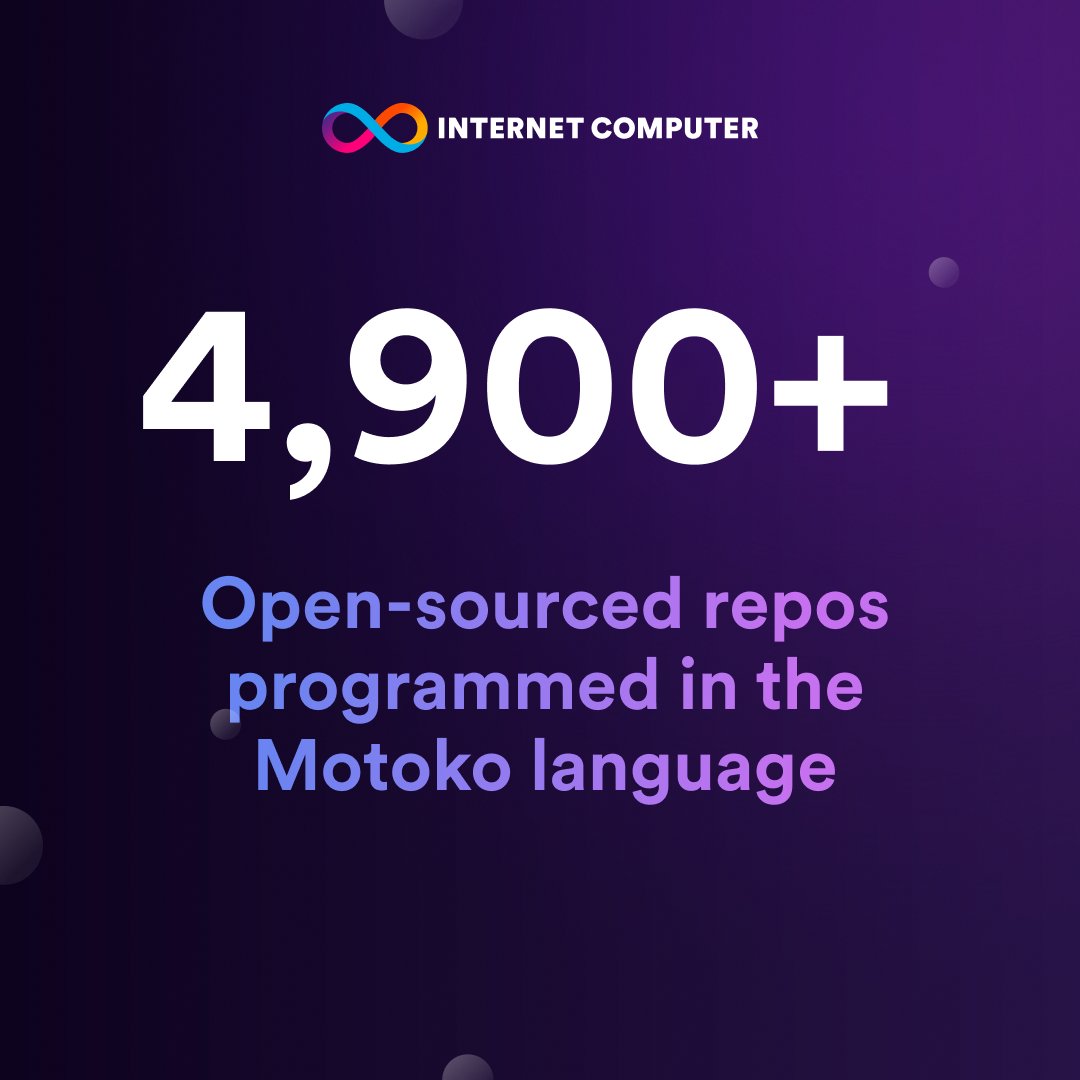
Stat of the week 📊
@ElectricCapital reveals that nearly 5,000 open-sourced repositories are programming in the Motoko language 👩💻
Keep up the great work devs 🫡
16
52
259
12,497

DFINITY GANG AFRICA retweeted
16 Jun 2024
gm #bitfinians ☕️
🦦Blaze, Bitfinity's new mascot, arrives next week! 🥳
We've done some research and we're pretty sure you guys are going to like him 😉
#Bitfinity #BuildOnBitfinity #BitfinitySummer

16
45
123
21,885