
Digital Futures Lab is a multidisciplinary research collective that examines the complex interaction between technology and society in the global south.
Joined October 2021
- Tweets 1,648
- Following 515
- Followers 3,246
- Likes 298
423 Photos and videos
Pinned Tweet

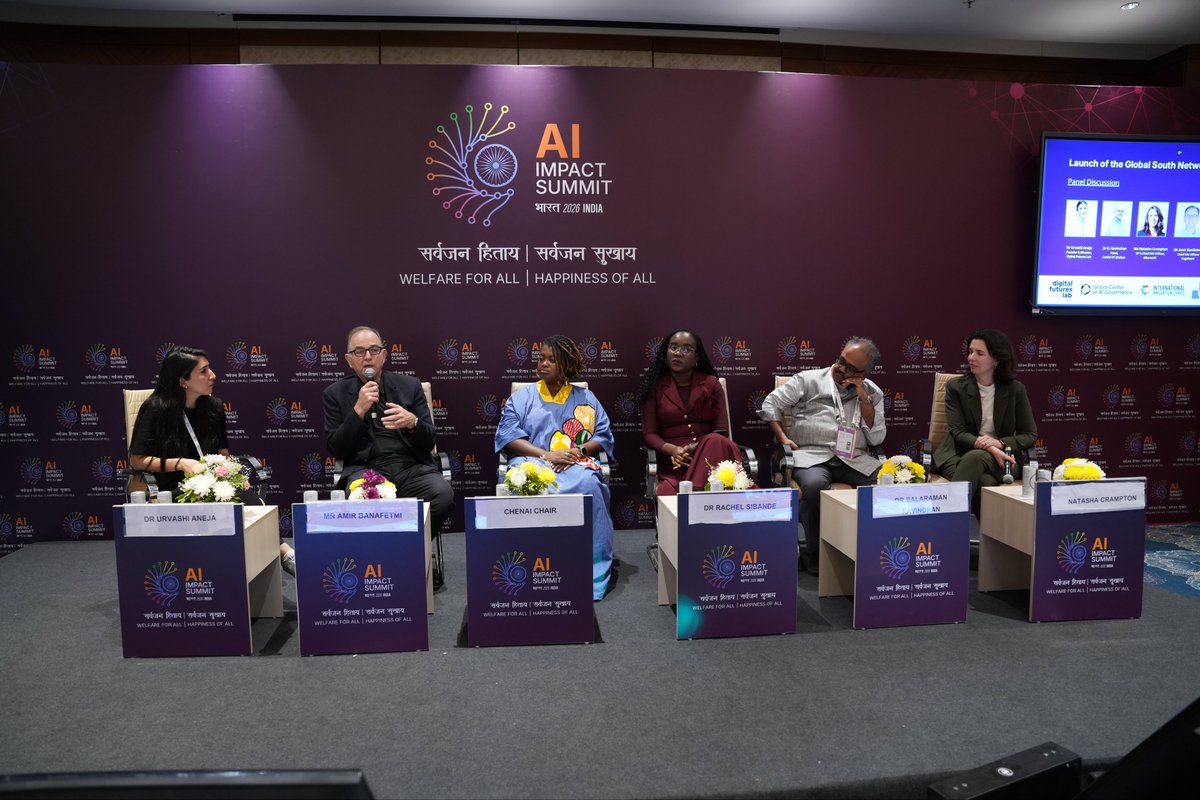
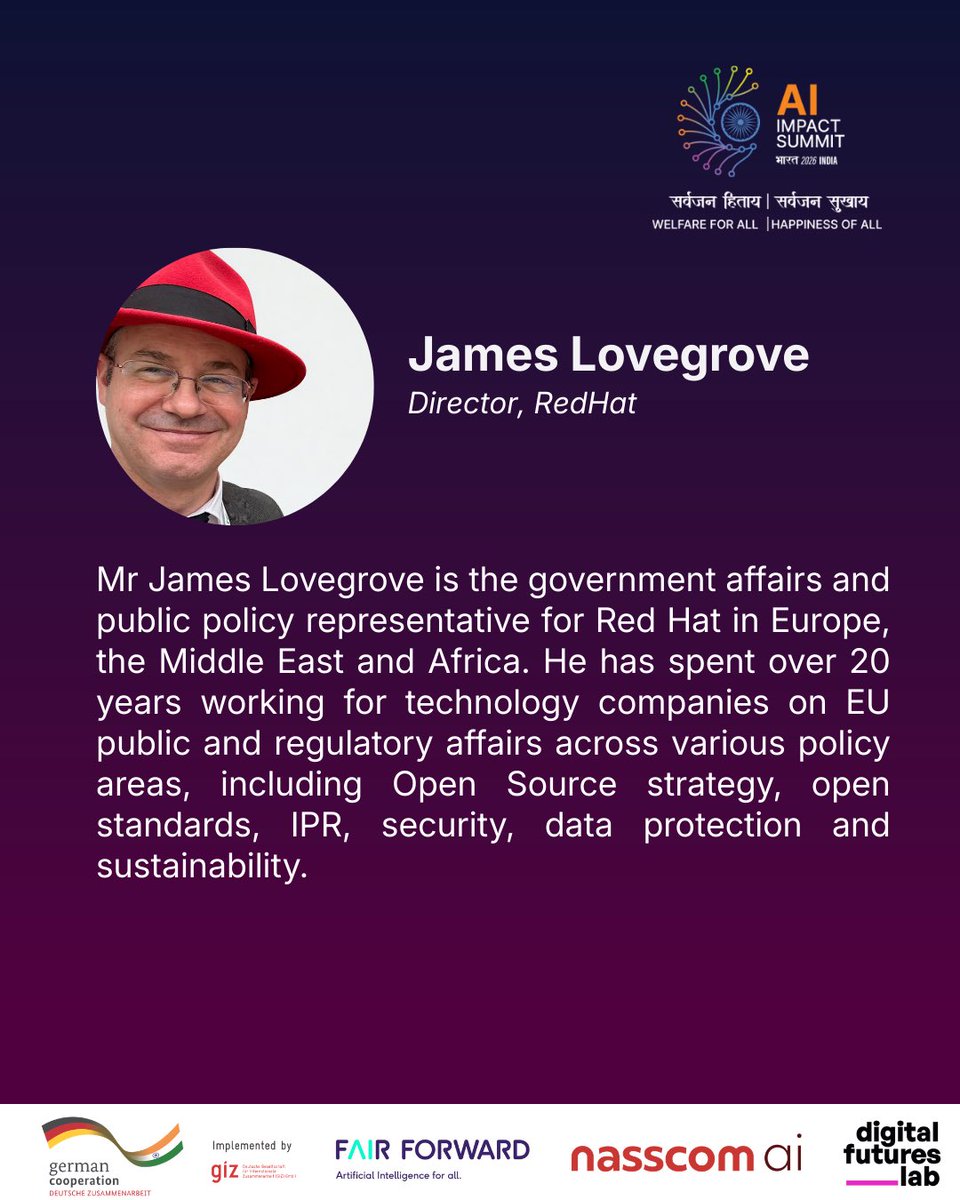
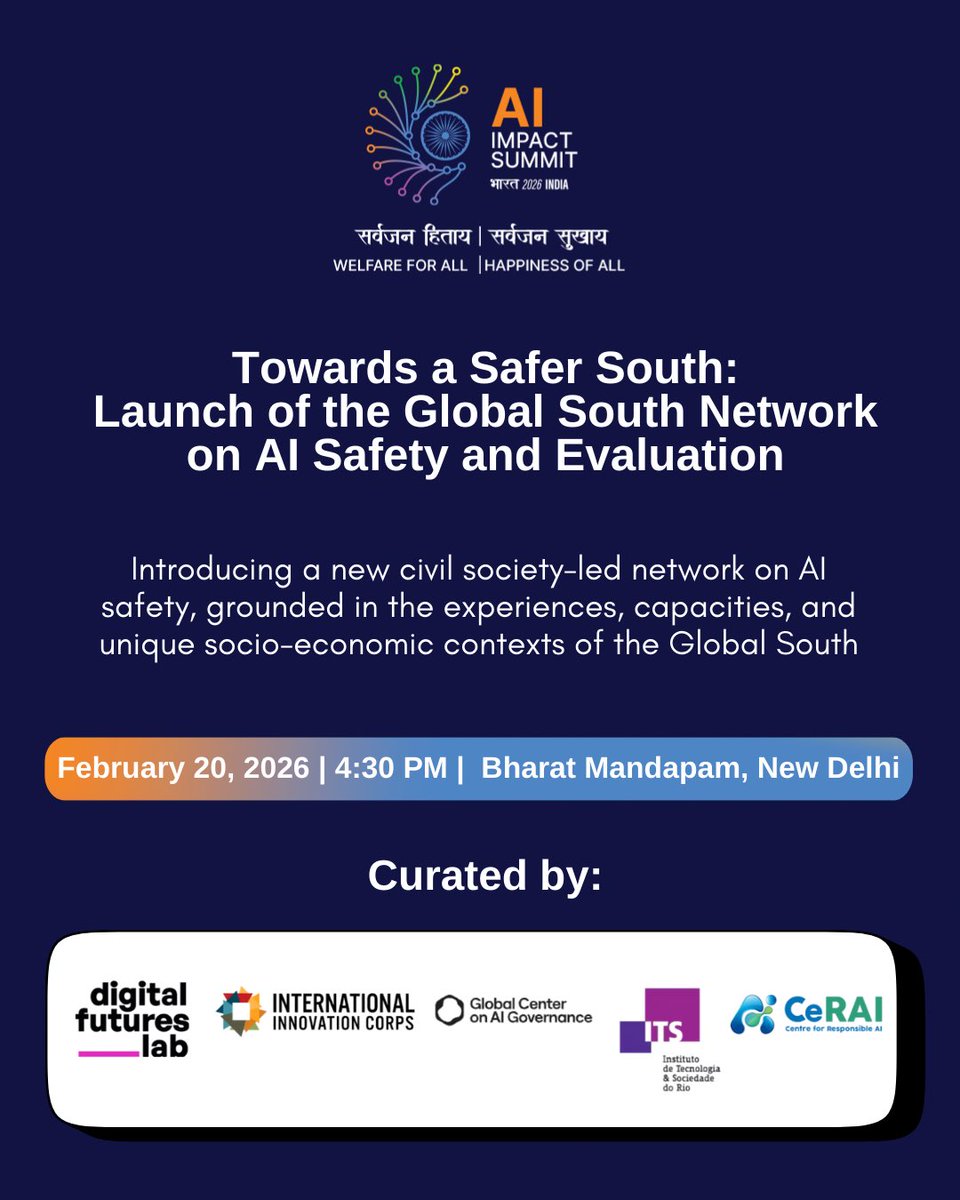
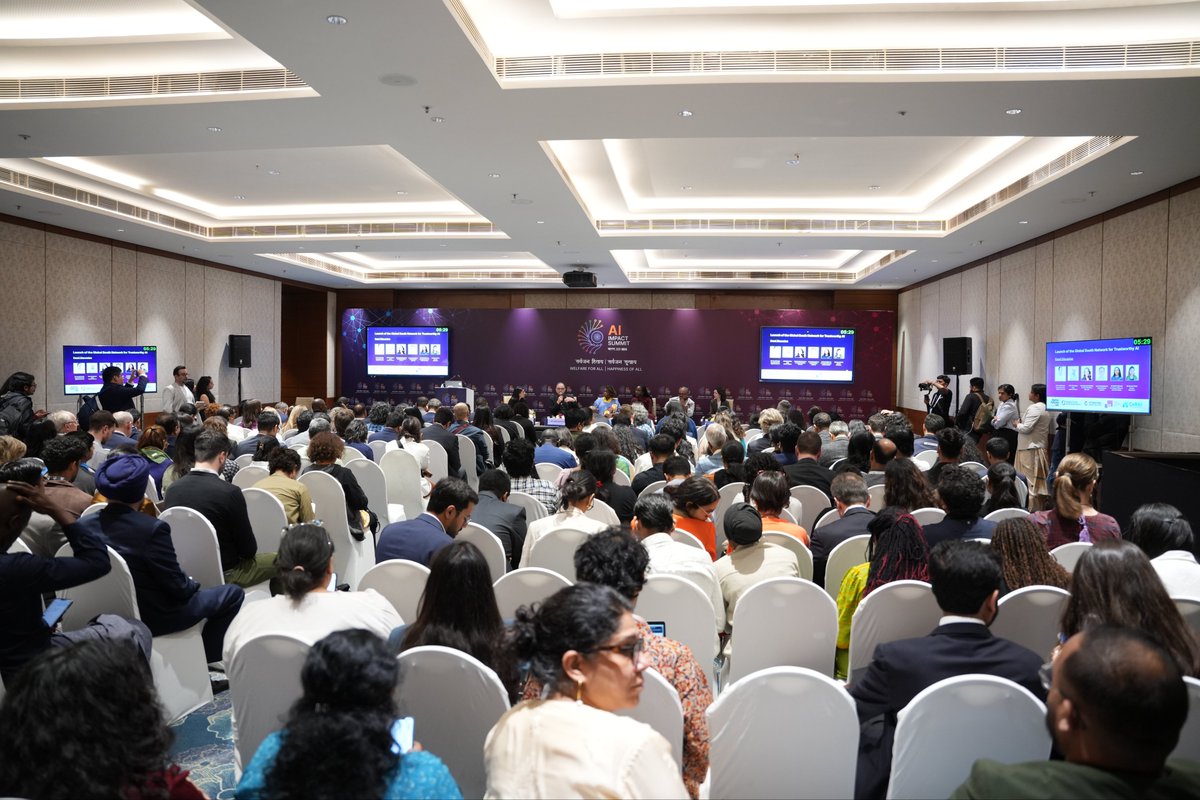
Two weeks since the launch of the Global South Network for Trustworthy AI at the IndiaAI Impact Summit 2026 — and we’re still energised by the response from leaders across government, industry, philanthropy, and civil society.
Why does this network matter? 🧵
1
5
439
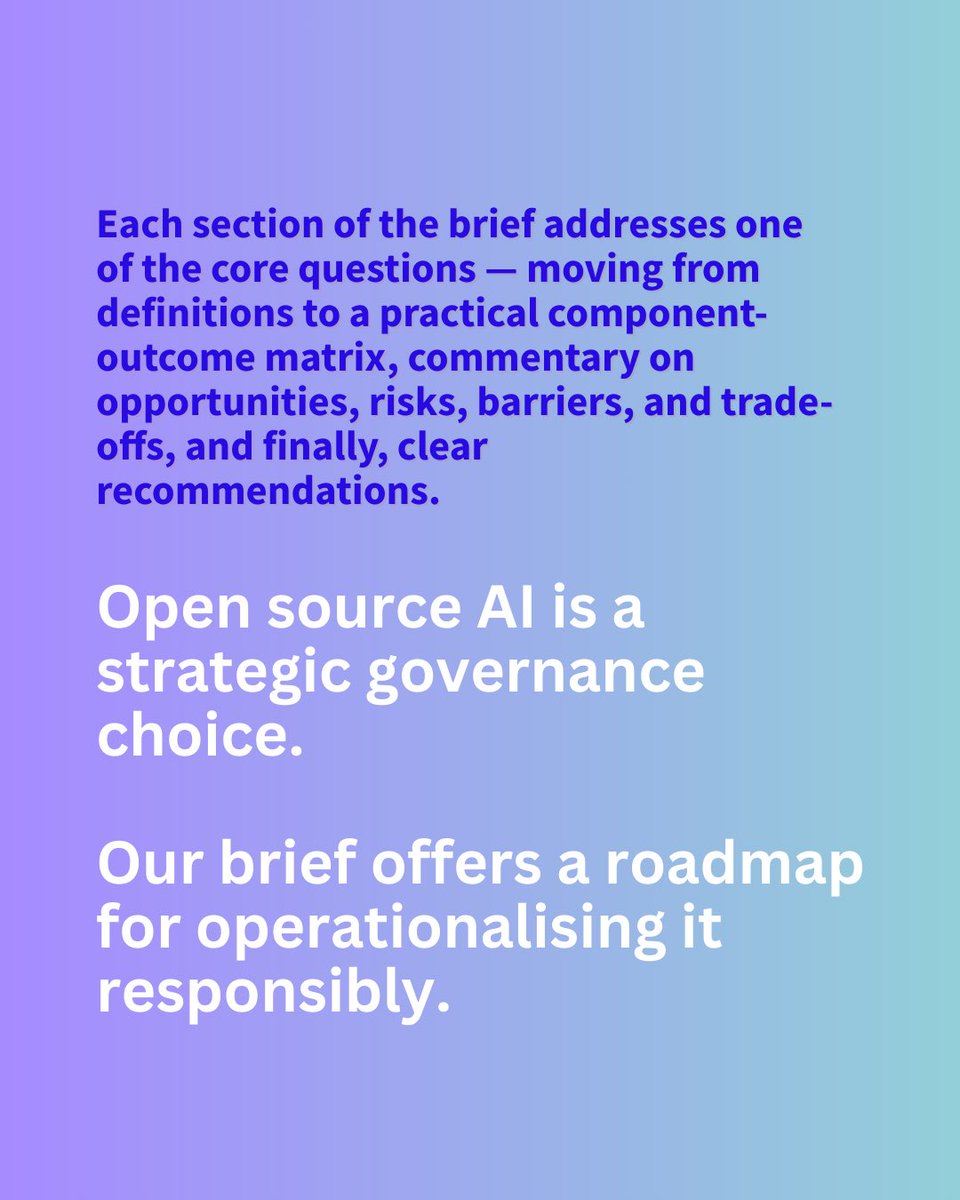
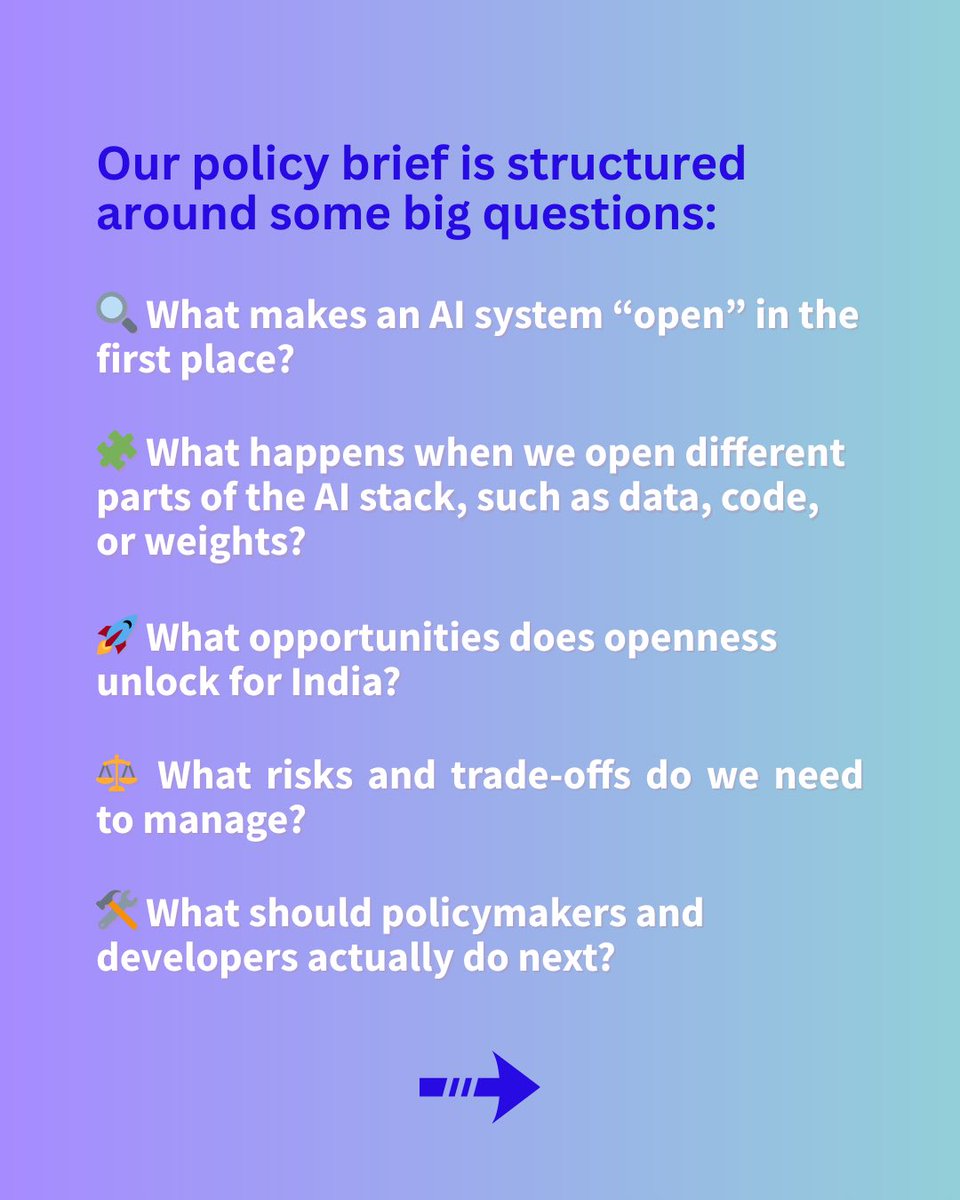
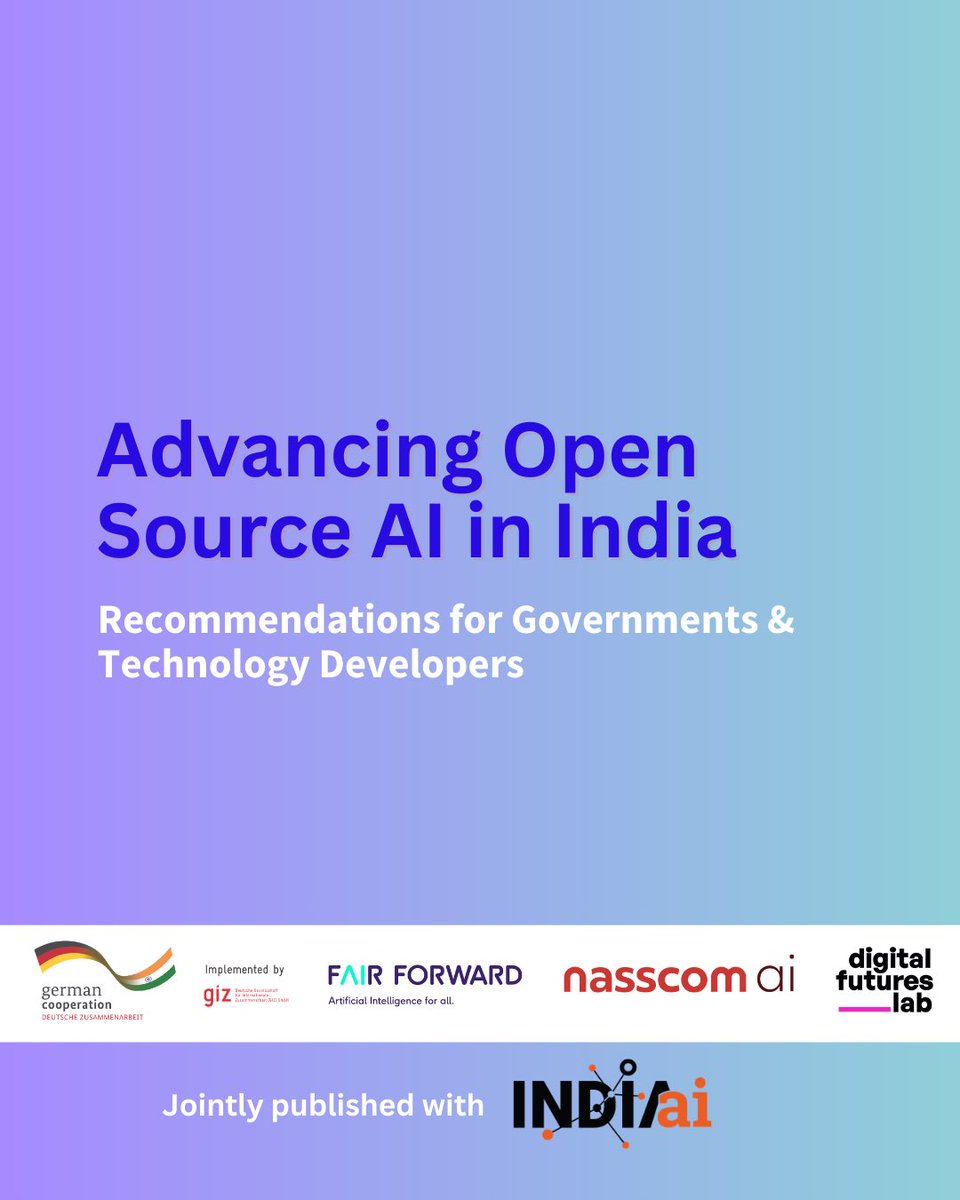
What will it take to build a robust open source AI ecosystem in India?
Our new report outlines what the state needs to do. 🧵
6
1
334
7/7 Jointly published with the FAIR Forward – Artificial Intelligence for All initiative (implemented by GIZ and funded by the German Federal Ministry of Economic Cooperation and Development (BMZ)), @nasscom , & the IndiaAI Mission.
The full report: lnkd.in/dsZVr58F
99
6/7 The state is one of India's largest tech buyer. Those choices shape the market.
→Prefer open-source AI in procurement, with context-sensitive exceptions where justified.
→Let teams prove fitness through pilots.
→Require transparency baselines for public sector AI.
69
5/7 As a standard-setter, the state must define what “open source” actually means in AI:
→ Set minimum openness thresholds for public AI systems
→ Prevent “open-washing” in publicly funded projects
→ Develop India-specific licensing frameworks
54
4/7 As a promoter, the state can expand who participates in AI development by:
→ Prioritising compute access for open source projects
→ Establishing long-term grants for open datasets and tools
→ Extending small enterprise support to open source AI firms
68
3/7 The state isn't one thing. It plays three roles, and each one matters.
→ Promoter
→ Regulator & Standard Setter
→ Procurer & User
Here's what each requires 👇
46
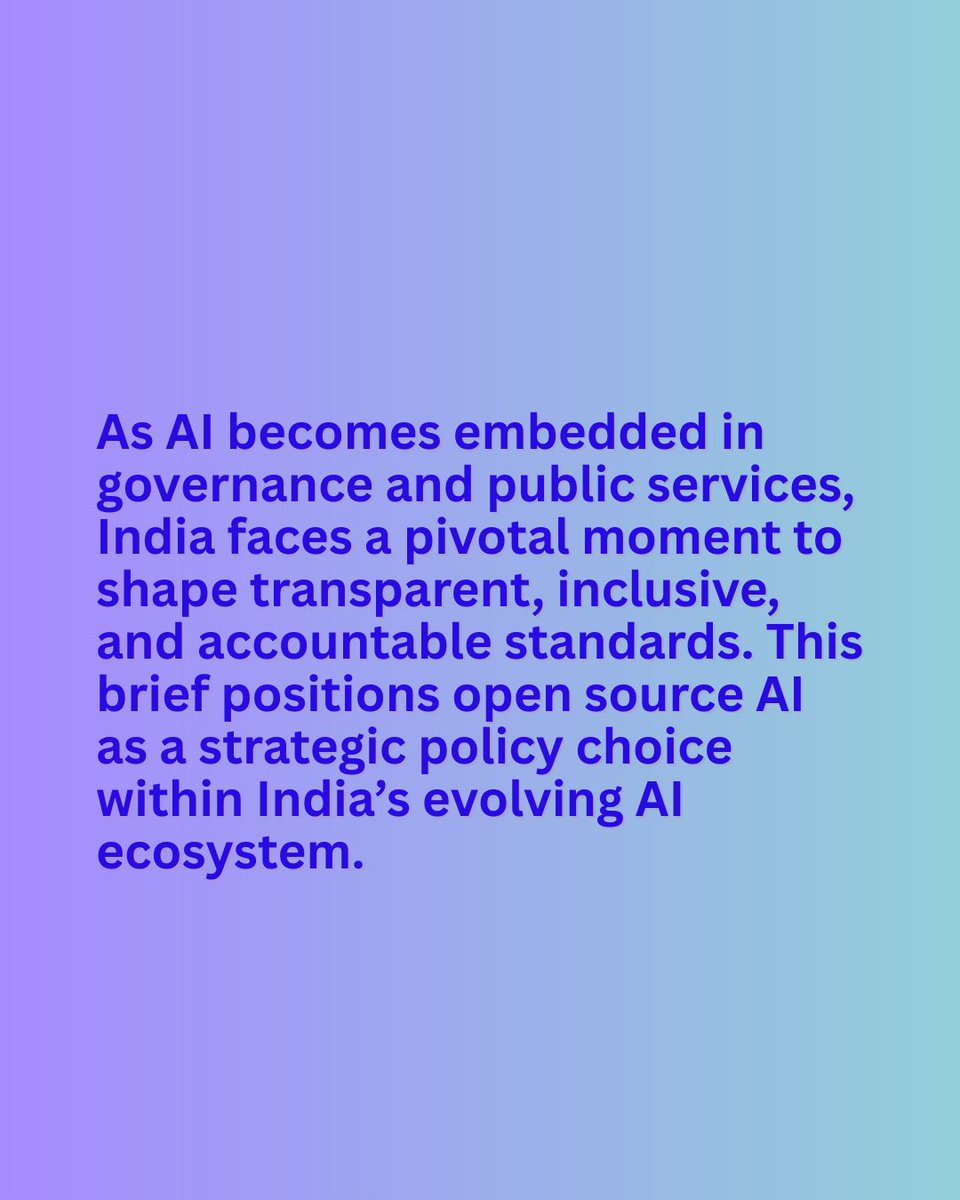
2/7 Open-source AI can democratise tech — lowering barriers, enabling local innovation, and reducing Big Tech dependence. For India, it’s a path to real AI autonomy. But this future isn’t automatic; it depends on deliberate state action.
69
Should court judgements be generated by AI?
🔘 Yes, data is more objective than humans
🔘 No, too much is at stake
🔘 Depends on the safeguards
Our report (launching today!) maps frameworks for courts adopting AI — rights, risks and tools.
Replies welcome. 👇

#HappeningToday
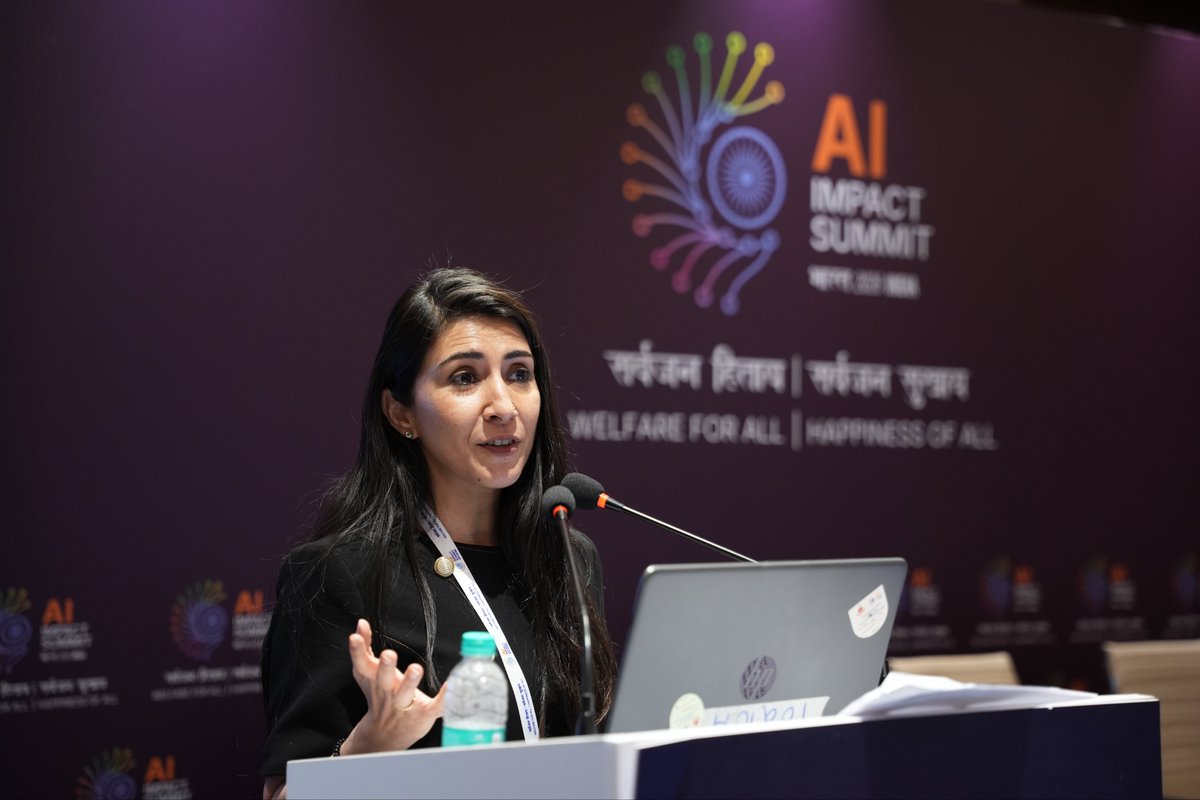
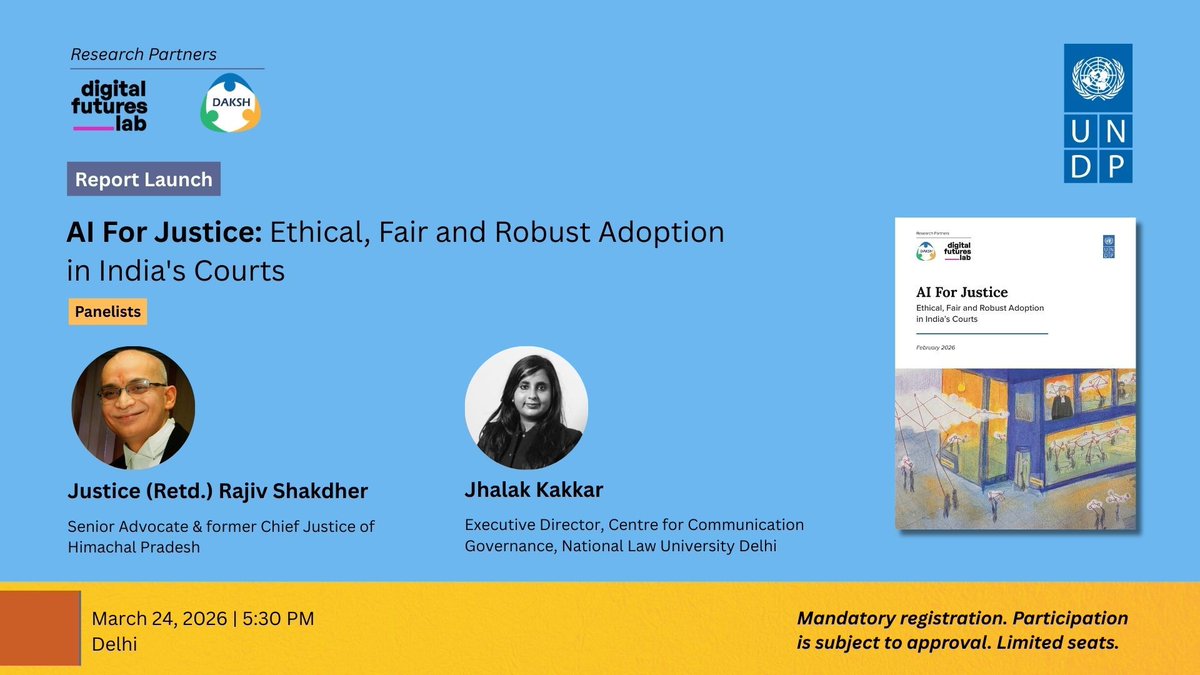
Our ED @JhalakKakkar will be speaking on the panel today, at the launch of the “AI for Justice: Ethical, Fair and Robust Adoption in India’s Courts” report by DAKSH in collaboration with Digital Futures Lab, supported by the United Nations Development Programme (UNDP in India).
@daksh_india @DigiFuturesLab @UNDP_India
1
258
1/4 The Supreme Court of India flagged it earlier this year: AI-generated fake citations in judgments. An "institutional concern" with a direct bearing on judicial integrity.
AI in courts isn't a future scenario. It's the present.
3
1
251
4/4 We'll be unpacking this live on March 24 with two panellists: Jhalak Kakkar (NLU Delhi) and Justice (Retd.) Rajiv Shakdher.
Registration is mandatory. Seats are limited. 👉 lnkd.in/gu_H55xt
56
3/4 Our report names four things most court AI adoption is missing:
- Readiness assessment before deployment
- Rights-based risk identification
- Independent technical evaluation
- Post-deployment monitoring
83
2/4 Here's why our March 24 report launch with DAKSH & UNDP matters. 🧵
Transcription that mishears. Translation that flattens nuance. Summarisation that drops context. In a courtroom, these aren't just errors. They affect real outcomes.
59
AI is already in India's courtrooms. The question is whether that adoption is happening responsibly.
With @daksh_india & @UNDP, we're launching a report that offers practical answers.
📅 March 24, 2026 | 📍 New Delhi
Register for the launch 👇🏽 docs.google.com/forms/d/e/1F…
1
2
3
255
Two weeks since the launch of the Global South Network for Trustworthy AI at the IndiaAI Impact Summit 2026 — and we’re still energised by the response from leaders across government, industry, philanthropy, and civil society.
Why does this network matter? 🧵
1
5
439
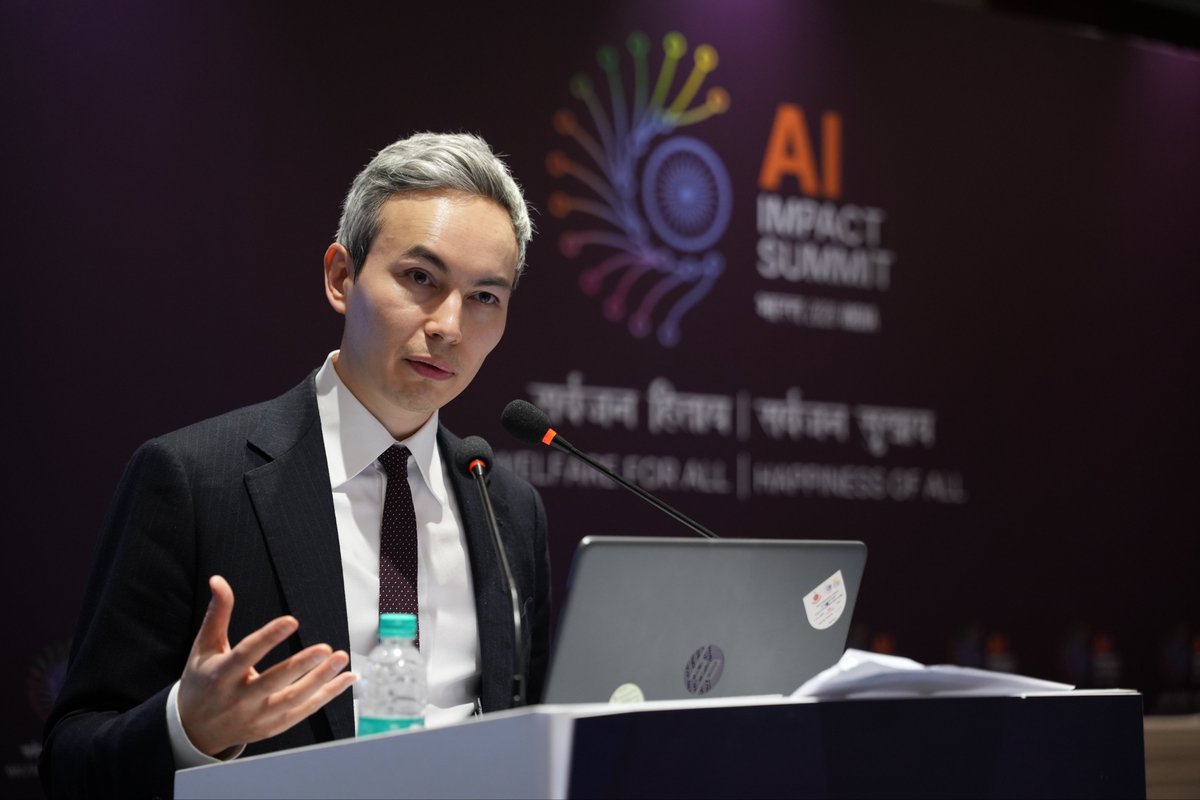
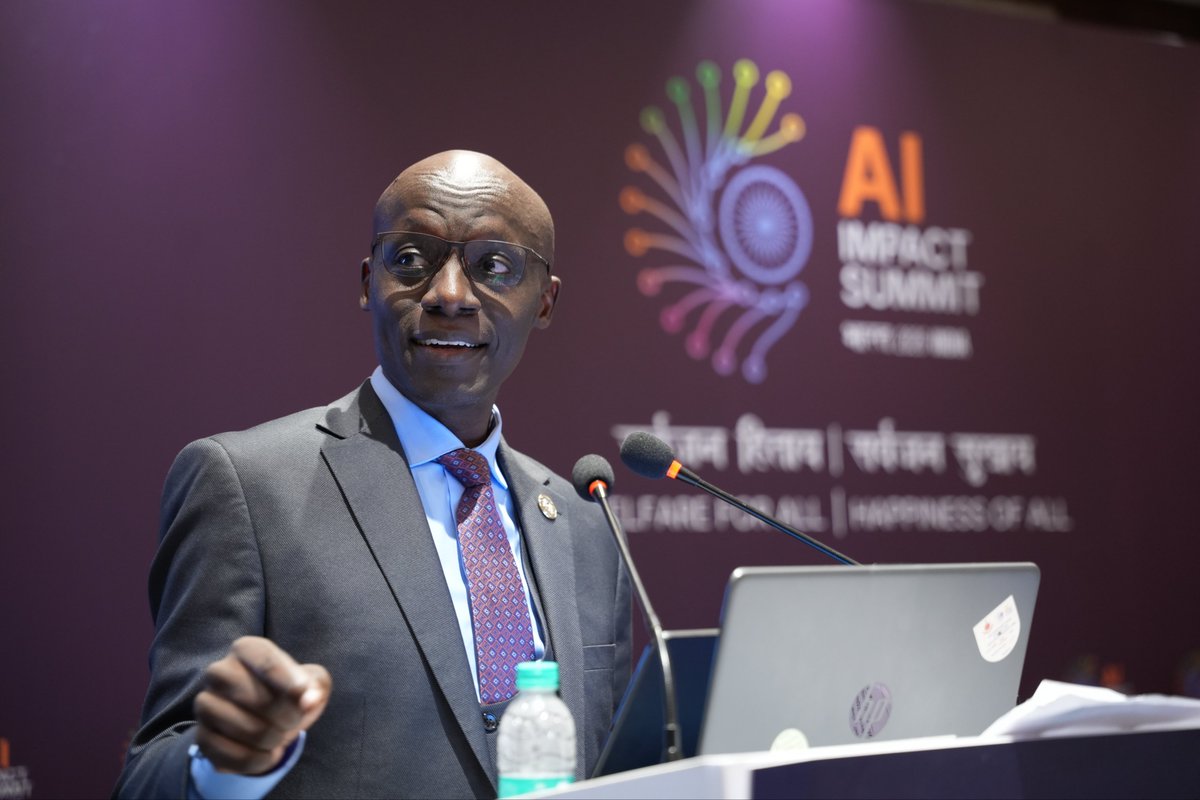
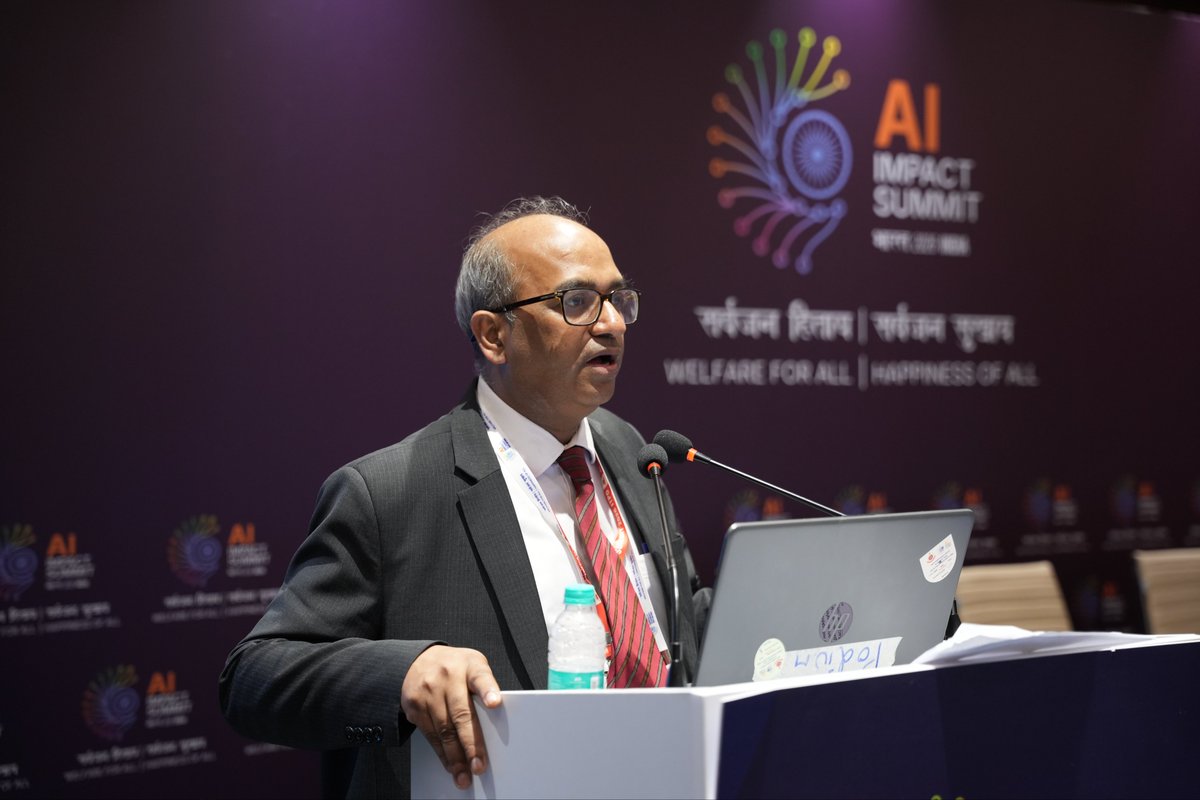
We were honoured to hear keynote remarks from Mr Abhishek Singh (@GoI_MeitY), Ambassador Philip Thigo (Republic of Kenya), and Mr Quintin Chou-Lambert (@UN), alongside a distinguished panel of experts across philanthropy, civil society, and industry.
1
58
At Digital Futures Lab, we’re excited to help grow this coalition and contribute to shaping a stronger conversation on AI trustworthiness in the Global South.
More to come. 🌍
Watch the launch event here: youtube.com/watch?v=pZd2-Pkh…
101
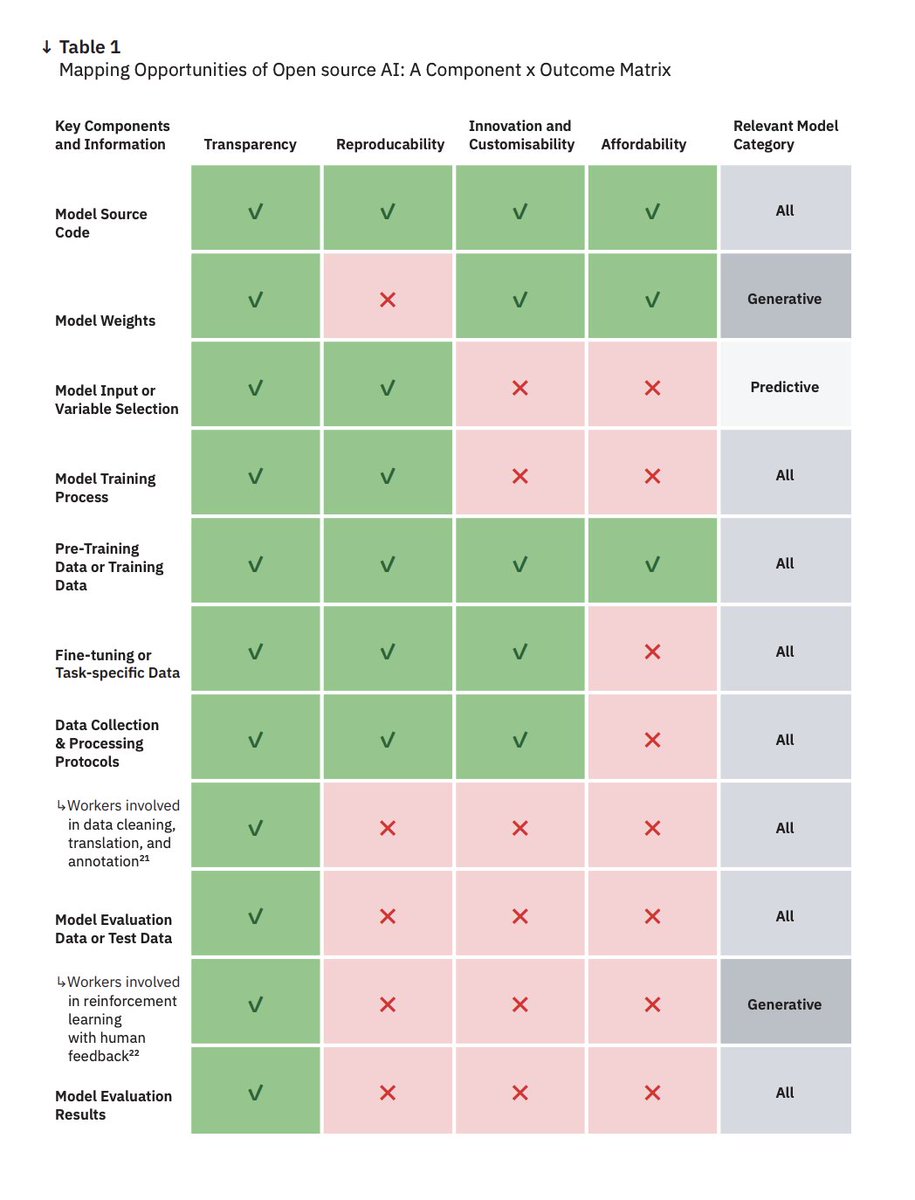
A key contribution of our new policy brief on advancing open source AI in India is the Component–Outcome Matrix to unpack what “openness” in AI actually means.
🔗 digitalfutureslab.in/publica…
1
1
5
255
Instead of asking simply “Should AI be open?”, the matrix helps frame a more useful question:
Which components should be open — and what outcomes might that enable?
1
1
63
By unpacking these relationships, the brief highlights the opportunities that open approaches to AI can create for India’s ecosystem, particularly around innovation and participation.
#OpenSourceAI
1
54