
A Self-Regulating Org for Crypto, Creating Fair Value Standards With Crypto Communities and Global Policy Makers, Making Digital Gold Assets Safe & Investable.
Joined March 2024
- Tweets 298
- Following 12
- Followers 433
- Likes 1,436
21 Photos and videos





Pinned Tweet

A masterpiece.
1
1
14
765
Digital Gold Foundation retweeted

DigitalGoldTalk State of the Crypto Markets & What Comes Next x.com/i/broadcasts/1DGleeOvV…
20
35
53
56,545
Digital Gold Foundation retweeted
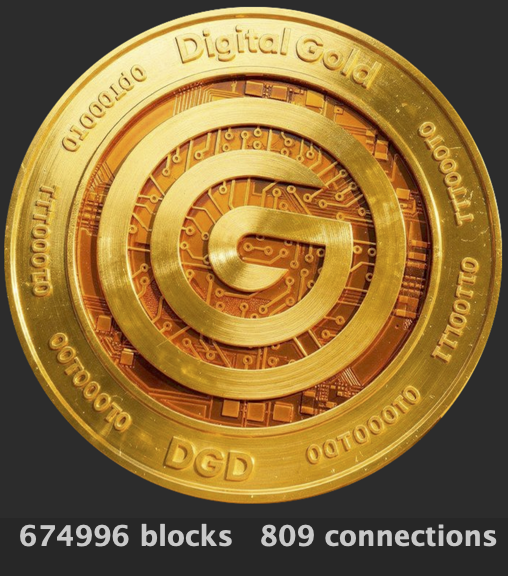
The DGD Network has 809 wallet/nodes; a new record. Now a top-350 coin by market cap.
Join at DigitalGoldX dot com. Use the referral link to double validation credit and join the movement.
SHARE THIS POST TO EARN 1 DGD.
Send a DM with your DGD address.
15
21
30
984
Digital Gold Foundation retweeted

Jun 8
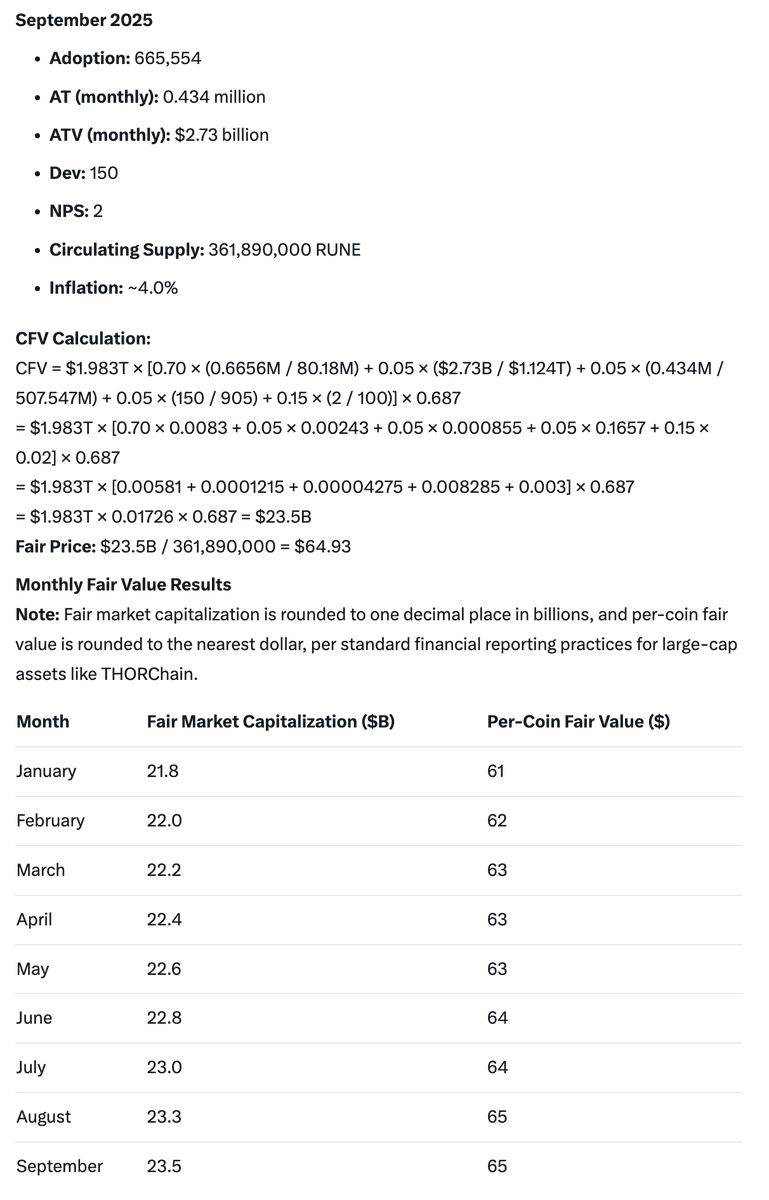
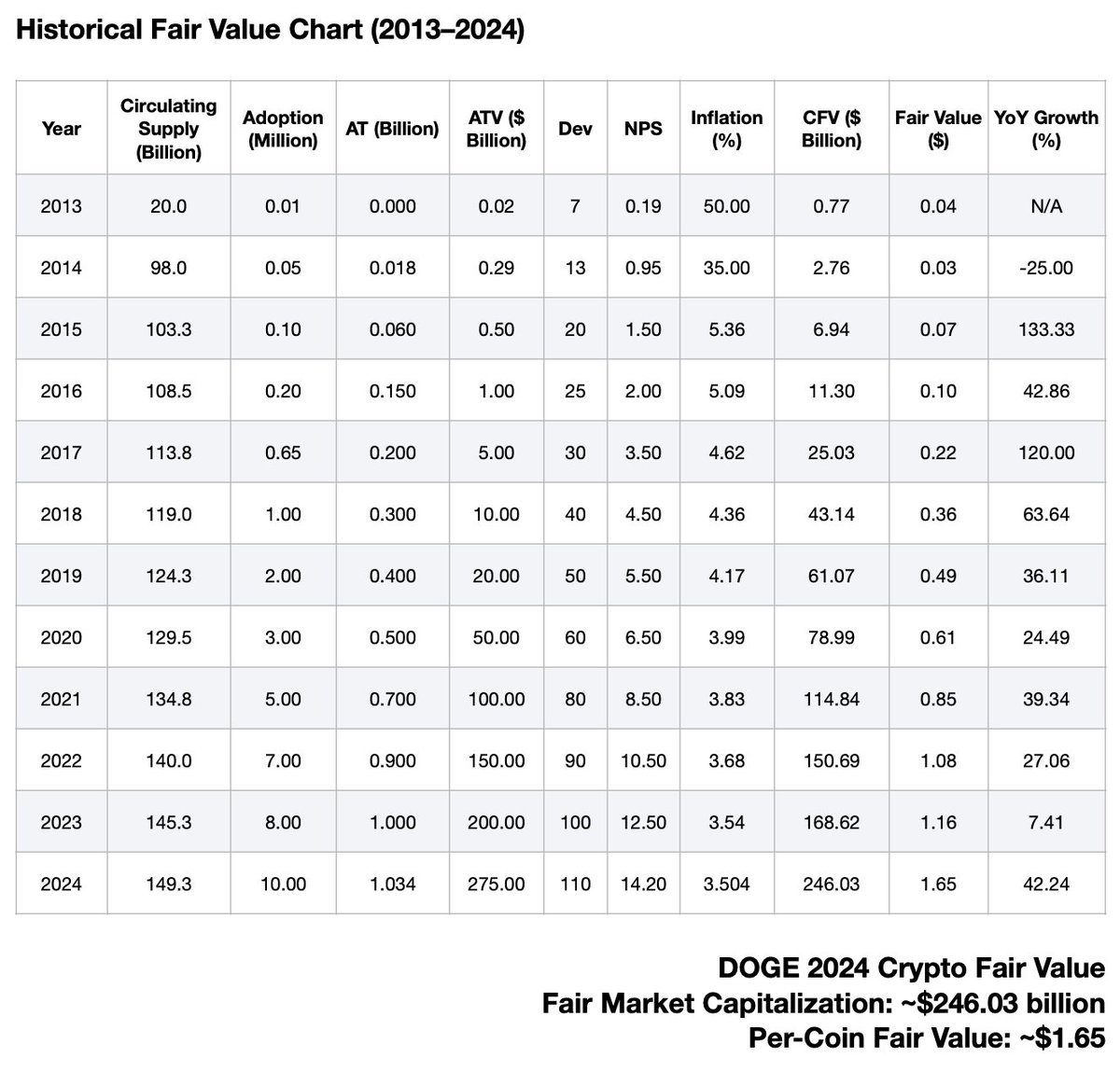
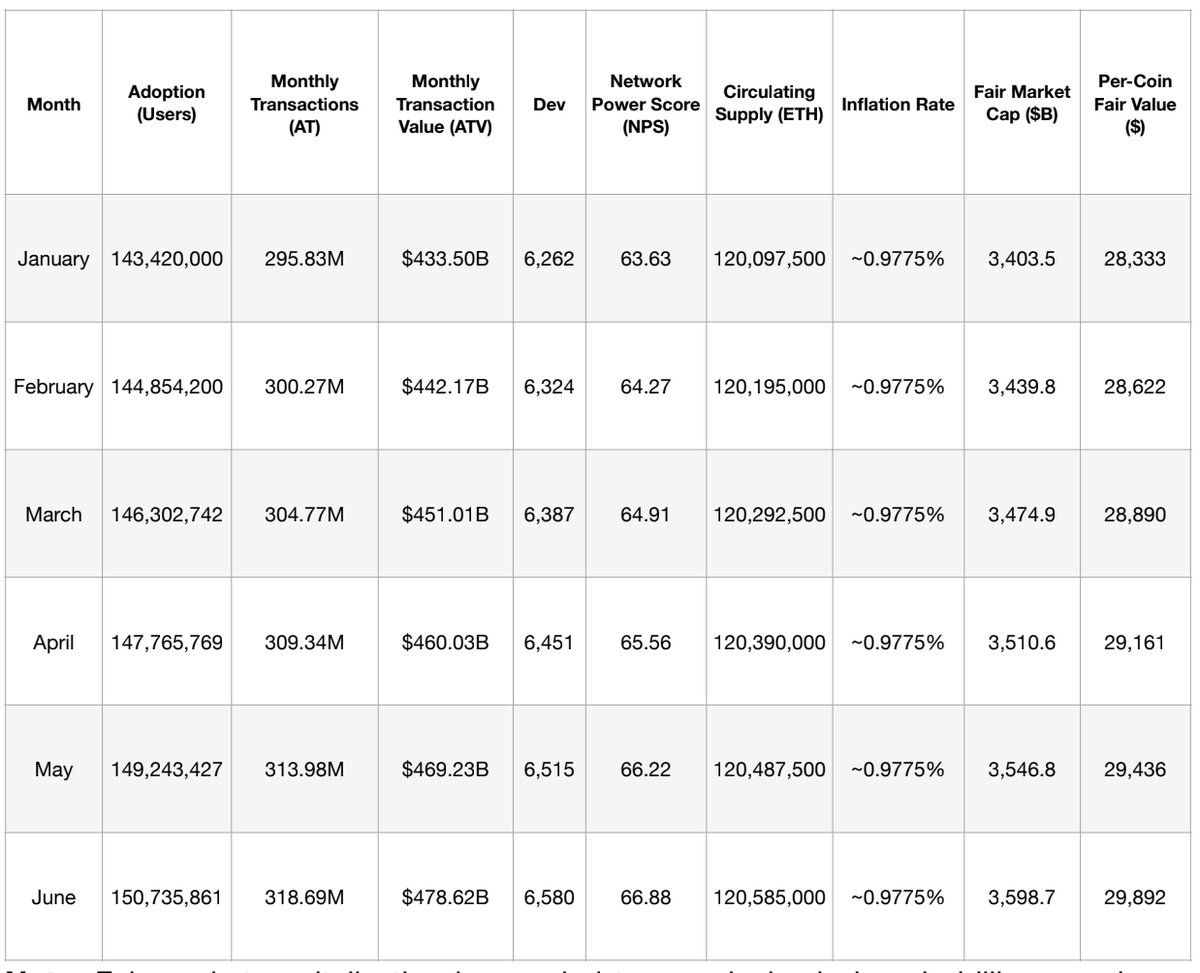
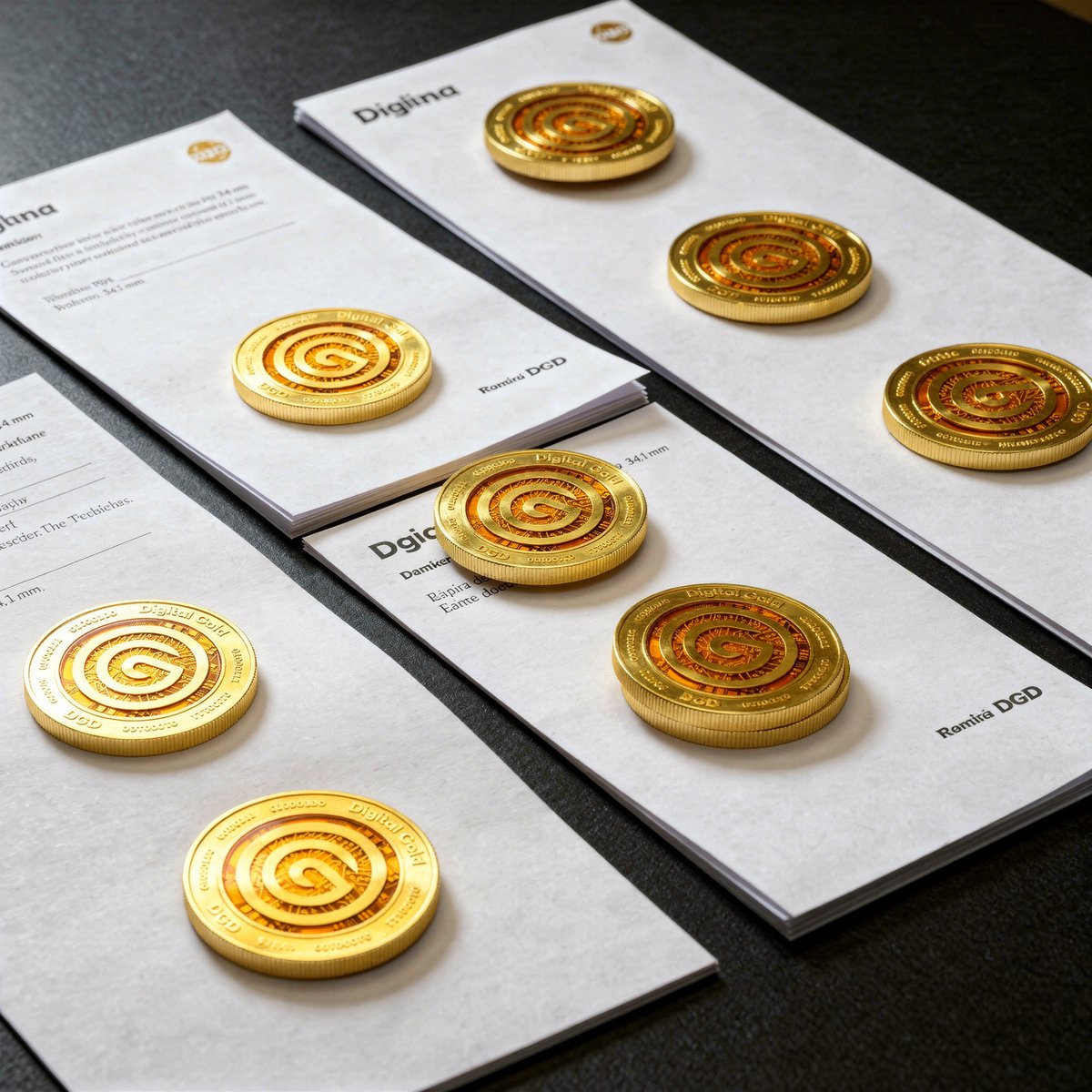
46/ DGSB as a fixed point: an objective anchor from fundamentals (Dec 2024; market valued at ~$1.983T). It enables cross‑chain comparability without drift.
15
10
19
508
Digital Gold Foundation retweeted
Join me for my daily podcasts.
Same time each day. We discuss cryptocurrency. Where is it headed and why it is headed there.
Sunday through Monday:
NOON EST
17
19
27
1,295
Digital Gold Foundation retweeted
Is it possible that after a decade of broken promises, rugs, tokens, and everything EXCEPT creating private digital money, crypto is running out of gas, and will now slowly drift down to nothingville?
Look at the wreckage. Satoshi's white paper had a title we've all conveniently forgotten: "A Peer-to-Peer Electronic Cash System." Not a security. Not a speculative chip. Cash. Money that moves from person to person without a bank, a broker, or Wall Street in the middle taking its cut.
That is not what crypto became.
Bitcoin was supposed to be private P2P money. Instead it became the thing it was built to escape, co-opted by the same institutions it was meant to route around, its price now steered through ETFs. And because the entire market trades in lockstep with Bitcoin, Wall Street effectively sets the price of all of crypto. Decentralized in name. Controlled from the top in practice.
Now everyone's talking about stablecoins. Stablecoins backed by Treasuries, which is just a polite way of saying offloading American debt onto the world at the exact moment nobody actually wants to buy those Treasuries. The "future of money" turns out to be a distribution channel for the very government paper crypto was supposed to be an alternative to.
And underneath all of it sit the CEX and DEX casinos, promising instant riches to people who used cryptocurrency to gamble instead of to spend. That's the dirty secret. Almost nobody in crypto is spending. They're betting. And a thing you only bet on is not money.
Here's why none of it can ever be money: the moment a coin has a bid and an ask on an exchange order book, the price swings minute to minute, so no merchant in their right mind will hold it. Watch what actually happens when you "pay" with crypto today. The processor converts it to a dollar-backed stablecoin the instant it lands. The coin touches the merchant for a fraction of a second and is gone. That is the exact opposite of what Bitcoin's white paper wanted. It isn't peer-to-peer cash. It's a dollar wearing a crypto costume for one transaction.
So the question is whether it's too late.
I don't think it is, because of one coin built from the ground up to be the thing all the others failed to become.
Digital Gold (DGD). Not a token riding on someone else's chain. Its own Layer-1 coin, on its own blockchain, engineered for a single purpose: to be money.
DGD has no bid/ask. None. No order book, no spread, no exchange-driven price discovery for Wall Street to manipulate. There is one published price at any moment, and that price is set by the community that actually uses the coin. It started at $3.40. It rises level by level as real adoption grows, on rules fixed at inception that every participant agrees to before they ever join. Nobody front-runs you. No whale scoops the supply. No insider gets a better price than you do. The community validates the price at each level by choosing to participate at it.
That one design choice changes everything. Because the price doesn't lurch around, a merchant can actually hold DGD. And if the merchant can hold it, the merchant can pay a supplier in it. And that supplier can pay the next one. The coin finally does what money is supposed to do, which is circulate, instead of getting dumped for dollars the second it arrives.
This is a coin engineered to be money: scarce, stable in price, freely adopted, governed by fixed rules rather than anyone's discretion, free to transact, and built to circulate. The six pillars of sound money the Austrian economists spent a century describing, DGD is built to satisfy every one.
I believe DGD is the only real safe harbor in this storm. The speculative ships, the rug-pulls, the meme tokens, the casino coins built to be gambled and never spent, are sailing for the bottom of the decentralized ocean.
DGD wasn't built to be gambled. It was built to be money.
That was always the whole point.

20
22
47
2,731
RT @RealMarkFinchem: Very cool graphic! @zpopo15 @DigitalGoldTalk @DigitalGoldOrg On a mission to preserve wealth through legit #standards…
6
Digital Gold Foundation retweeted

May 18
x.com/DigitalGoldOrg/status/… il en faut peux pour être heureux....

A masterpiece.
1
1
123
Digital Gold Foundation retweeted

The time has come ⌛️⏰
For years, the #Crypto #Market has been nothing but narrative, #Hype, and #Speculation.
Now someone is trying to introduce:
#Benchmarks,
#Methodology,
#Fundamental valuation,
permanent capital.
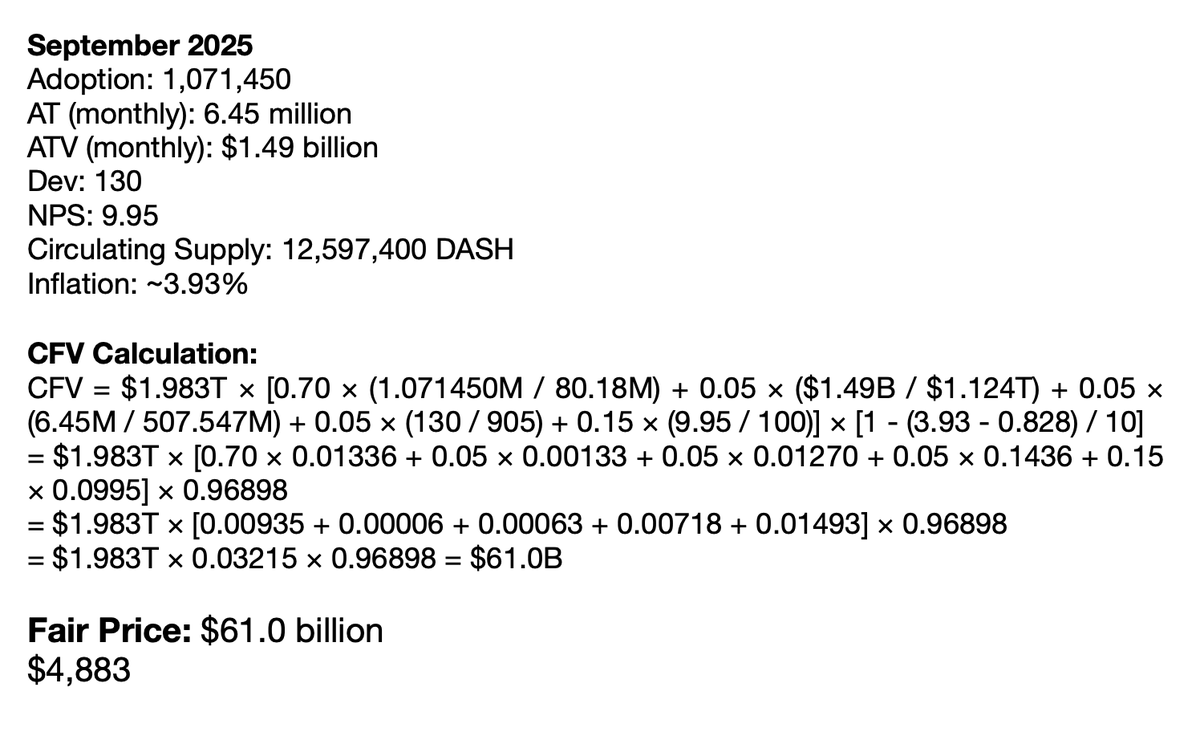
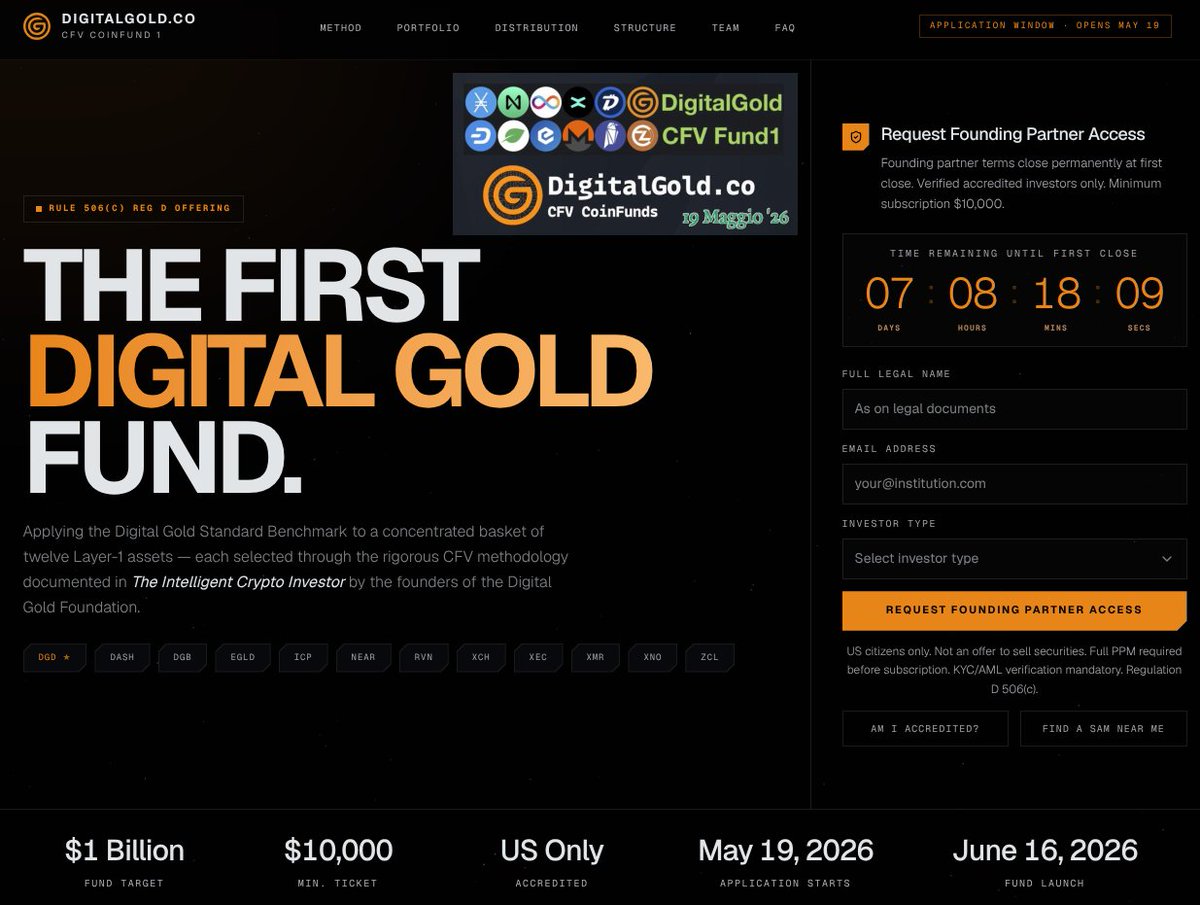
The launch of the @DigitalGoldOrg's CoinFund I represents a historic attempt to apply a #FairValue #Framework to the entire crypto sector. 🧪 @DigitalGoldTalk
And yes:
@Dashpay is part of the basket selected by the CFV model.
Whether you agree with it or not...
ignoring it is becoming increasingly difficult.
Join the shift towards Sovereignty and Fair Value 🫡
#CFV -> #DashTo8000 $DASH
#Dash #BuiltToLast #Crypto #DAO #Privacy #Freedom #Trustless #Sovereignty #Web3 #Fundamentals #Evolution
Important Link in first comment 😉👇
2
4
13
947
Digital Gold Foundation retweeted
4
8
112
Digital Gold Foundation retweeted

May 19
Enforcement is contractual.
Venues listing DGD sign integration agreements with @DigitalGoldOrg. These include exclusivity clauses: any DGD trading at a price other than the Explorer's = breach of contract.
Dozens of exchanges and wallets have already signed.
1
4
10
139
Digital Gold Foundation retweeted
May 19
DGD is the first cryptocurrency designed to be money — not a payment rail.
🔗 digitalgoldfoundation.org
Follow:
- @DigitalGoldOrg — the Foundation
- @DigitalGoldTalk — community
- @DGDAmbassadors — onboarding & education
Next thread: how the chain actually runs.
2
7
16
295
The Digital Gold Foundation has chosen the Tang Gang to help us with marketing. Stoked. Tune in and share this.

DigitalGoldTalk Chills with @orangegooey of the Tang Gang x.com/i/broadcasts/1AKEmOZkX…
1
4
177
RT @DigitalGoldTalk: DigitalGoldTalk Pod with Amaury & Paul regarding eCash x.com/i/broadcasts/1qJDzPynV…
50
Digital Gold Foundation retweeted
DigitalGoldTalk with Missouri Rep @benKeath x.com/i/broadcasts/1mGPaLRNE…
3
25
71
104,160
Digital Gold Foundation retweeted
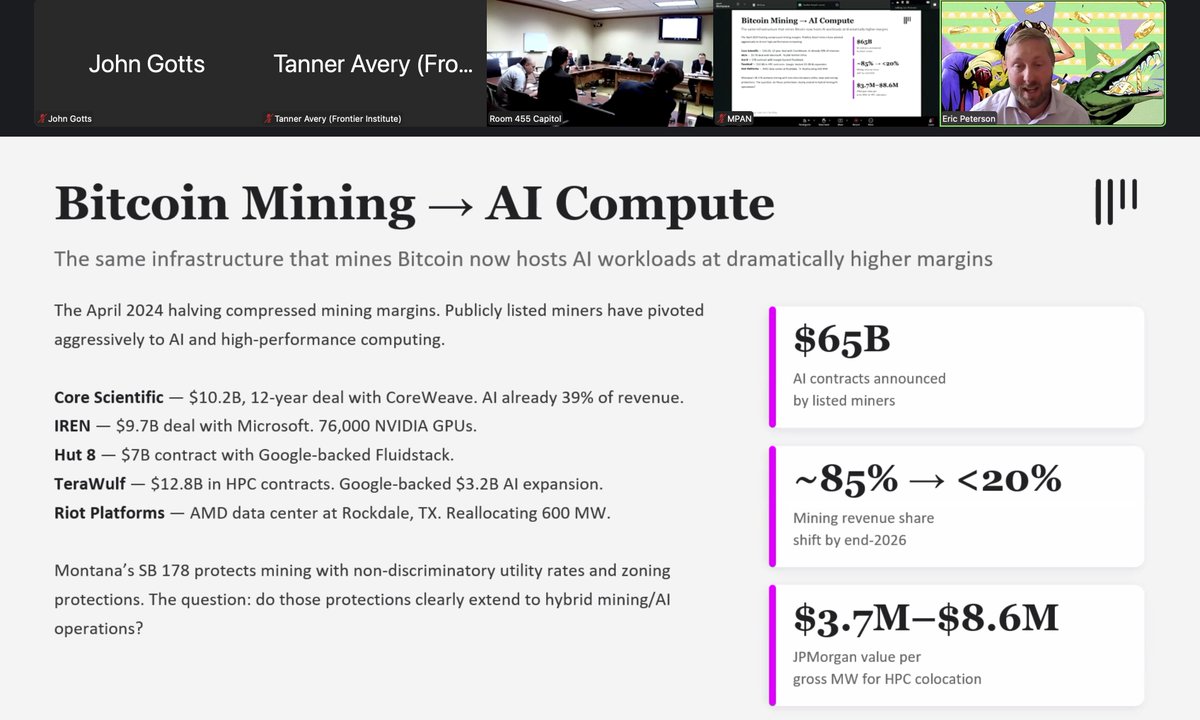
I had a great meeting in Montana with Senator @GayleLammers and the Blockchain Task Force.
They were all very receptive to the idea of protecting the citizens of Montana with legislation that promotes transparency, and how Montana could lead in the true Crypto Layer-1 Coin space.
Wyoming leads with stablecoins, and many states have legislation geared towards treasuries, and Senator @RealMarkFinchem has SB1649 focused on the Digital Gold Standard Benchmark and Crypto Fair Value, but no state has the lead currently on being THE place for the true L1 crypto space to find a home. Perhaps Montana could fill that role and see a MASSIVE exodus of companies around this space moving to the Big Sky state.
How Montana could do in this space to take that lead:
Industries that could relocate or set up shop
Layer-1 Coins mining operations — a natural fit given Montana's stranded natural gas, hydro capacity, wind resources, cold climate for cooling, and cheap land
Mining hardware businesses — ASIC distribution, immersion cooling manufacturers, containerized mining pod builders, repair depots
Self-custody and hardware wallet companies — manufacturing, firmware development, secure element R&D
Non-custodial exchanges and Lightning Network infrastructure — routing node operators, LSPs (Lightning Service Providers), channel liquidity providers
Layer-1 Coins-native financial services — collateralized BTC lending, multi-sig custody firms, inheritance/estate planning specialists, Bitcoin-denominated insurance Digital asset banks and trust companies — chartered to hold native crypto (similar to Wyoming's SPDI model but Bitcoin-focused)
Mining pool operators and protocol-layer R&D firms — Stratum V2 development, decentralized pool projects
Privacy tech companies — CoinJoin coordinators, Payjoin wallets, Cashu/Fedimint ecash mints
Layer1-focused media, education, and conference businesses — publishers, schools, annual summit hosts
Node hosting and infrastructure providers — sovereign node colocation, Umbrel-style appliance makers Venture capital and family offices specializing in Layer-1 Coins-native startups
Energy companies pairing generation with mining — flare gas capture, grid-balancing mining, microgrid operators
Legislative benefits the state could offer Zero state capital gains tax on native crypto held over a set period (e.g., 1 year), explicitly excluding stablecoins to sharpen the positioning
De minimis exemption for small everyday Layer-1 Coins transactions so spending isn't a taxable event below a threshold
Accept state taxes, fees, and fines in Layer-1 Coins via a payment processor, with the state optionally retaining a portion on the balance sheet
Strategic Layer-1 reserve — authorize the state treasury to hold a small percentage of reserves in Layer-1 Coins
Right-to-mine protections — codify that local governments and HOAs cannot ban home or commercial mining based on noise/energy use alone, with reasonable standards (Montana already has some of this; it could be strengthened)
Right to self-custody and run a node — statutory protection against any requirement to use a licensed custodian
Energy partnership incentives — tax credits for mining operations that monetize flare gas, curtailed renewables, or provide demand response to the grid
Regulatory sandbox for Layer-1 Coin-native financial products, with a 2–3 year safe harbor from certain state-level money transmission rules
Special Purpose Depository Institution (SPDI) charter tailored to native crypto custody, with 100% reserve requirements
Money transmitter exemption for non-custodial software (wallets, Lightning nodes, coordinators) — clarify that writing code isn't money transmission
Property classification clarity — treat Layer-1 Coins unambiguously as intangible personal property for UCC purposes, with clear rules for secured transactions and collateralization
Anti-debanking protections — prohibit state-chartered banks from denying services solely based on lawful crypto activity
Accelerated depreciation and property tax abatements for mining data centers, especially those paired with new generation
Inheritance and trust law updates clarifying multi-sig and shared-custody arrangements
Workforce and university programs — fund a Bitcoin/cryptography research chair at MSU or U of M, plus trade programs for mining technicians and electricians
Sound money recognition — recognize BTC (and gold/silver) as legal tender for voluntary private transactions without triggering state sales tax on the conversion
The sharpest differentiator would be the native-only framing: explicitly carving stablecoins and tokenized securities out of the preferential treatment would signal that Montana is betting on decentralized, commodity-like digital assets rather than becoming another fintech hub.
3
21
52
1,674
RT @DigitalGoldTalk: DigitalGoldTalk with Montana Senator @GayleLammers x.com/i/broadcasts/1PKqrEAjk…
35
This will be an excellent podcast.
Everyone please join and share.
DigitalGoldTalk with Montana Senator @GayleLammers x.com/i/broadcasts/1PKqrEAjk…
5
11
342
Let’s all cross our fingers.
2
7
40
753
Digital Gold Foundation retweeted
DigitalGoldTalk with Alabama Representative Mike Shaw @mikeshawnuff x.com/i/broadcasts/1RKZzjkZl…
8
40
83
5,394
This will be a great podcast. AL Rep Mike Shaw loves crypto.
DigitalGoldTalk with Alabama Representative Mike Shaw @mikeshawnuff x.com/i/broadcasts/1RKZzjkZl…
5
13
575