
Chemistry and computer science | Assistant Professor at @UCSF | Passionate about Judo and brain health 🥋🧠
Joined November 2013
- Tweets 760
- Following 1,204
- Followers 780
- Likes 19,485
89 Photos and videos







Pinned Tweet

10 Aug 2025
I'm excited to share that we are embarking on a new scientific adventure with @BennyChefetz, Evyatar Ben Mordechay, and Moshe Shenker. We’re grateful to BSF @usisraelbsf for their support and excited to deepen the collaboration between @UCSF and @HebrewU through this research.
2
7
822
Dimitri Abrahamsson retweeted

Jun 3
Most experiments fail, and negative results rarely get published. This means LLMs are unaware of the outcomes of most experiments.
150
745
7,732
579,470


Feb 22
"Give me the strength to be as confident as Reviewer 2 when he rejects a paper outside his expertise."
4
146
Dimitri Abrahamsson retweeted
Feb 14
Journals: "We need you to work for us for free, but only under our conditions"
oh and please send the reviewed manuscript back in less than two weeks, we have a business to run
Feb 12

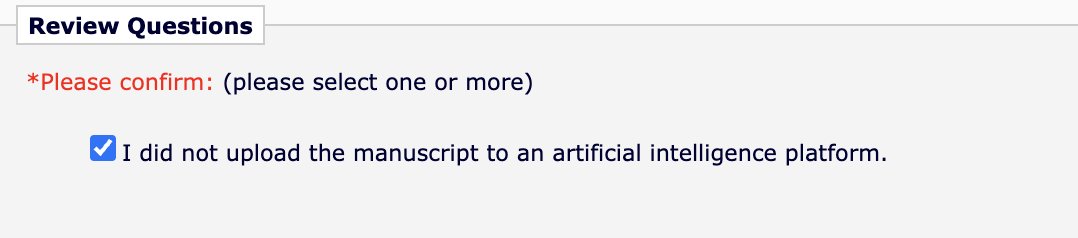
Some journals are now requesting reviewers affirm that they did not upload manuscripts into AI platforms.
7
11
161
20,277
Dimitri Abrahamsson retweeted

Feb 12
Today, the Trump administration repealed the endangerment finding: the ruling that served as the basis for limits on tailpipe emissions and power plant rules. Without it, we’ll be less safe, less healthy and less able to fight climate change — all so the fossil fuel industry can make even more money.
45,367
46,330
391,057
72,805,005
Dimitri Abrahamsson retweeted
Jan 28
The way to accelerate science is to SLOW it down.
Fewer papers please! We’re drowning in meaningless text.
One GREAT paper per lab per decade is more than enough.
q.e.d 👇
39
93
738
62,194
Dimitri Abrahamsson retweeted

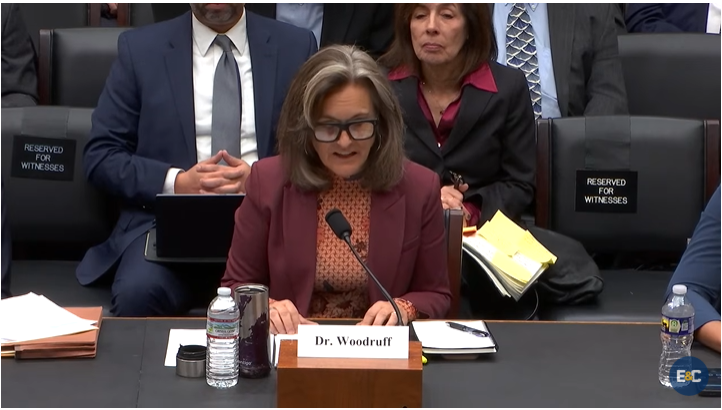
"The purpose of TSCA is to protect people and the environment from harmful chemicals. The proposed changes to this law are alarming: they remove public health guardrails, undermine EPA’s ability to protect people from harmful chemicals, and will lead to more death and disease."
4
5
217
Jan 13
And then he said: "How are we going to fix the reproducibility crisis in science if we only publish novel findings?"
2
73
3 Dec 2025
At EPA’s D4 meeting today:
- Most reviewers industry-affiliated
- Most EPA scientists in sync with industry
- EU, UK, Canada: “D4 very persistent and very bioaccumulatative”
- EPA: “maybe persistent but not bioaccumulative”
Corporate capture case study
youtube.com/watch?v=eTZ9rjVd…
4
118
Dimitri Abrahamsson retweeted

30 Oct 2025
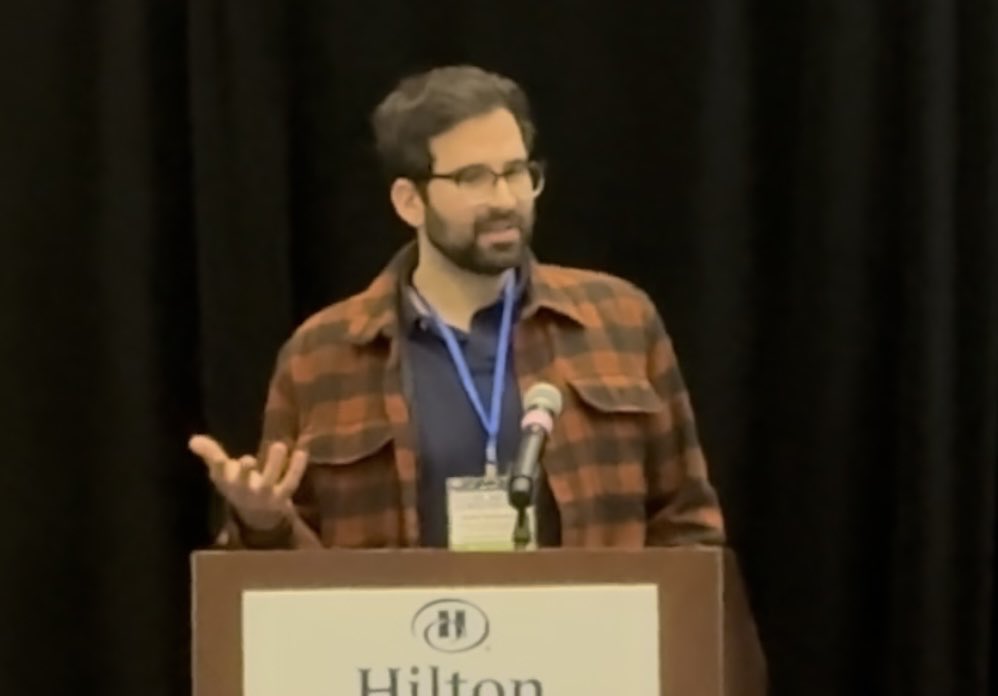
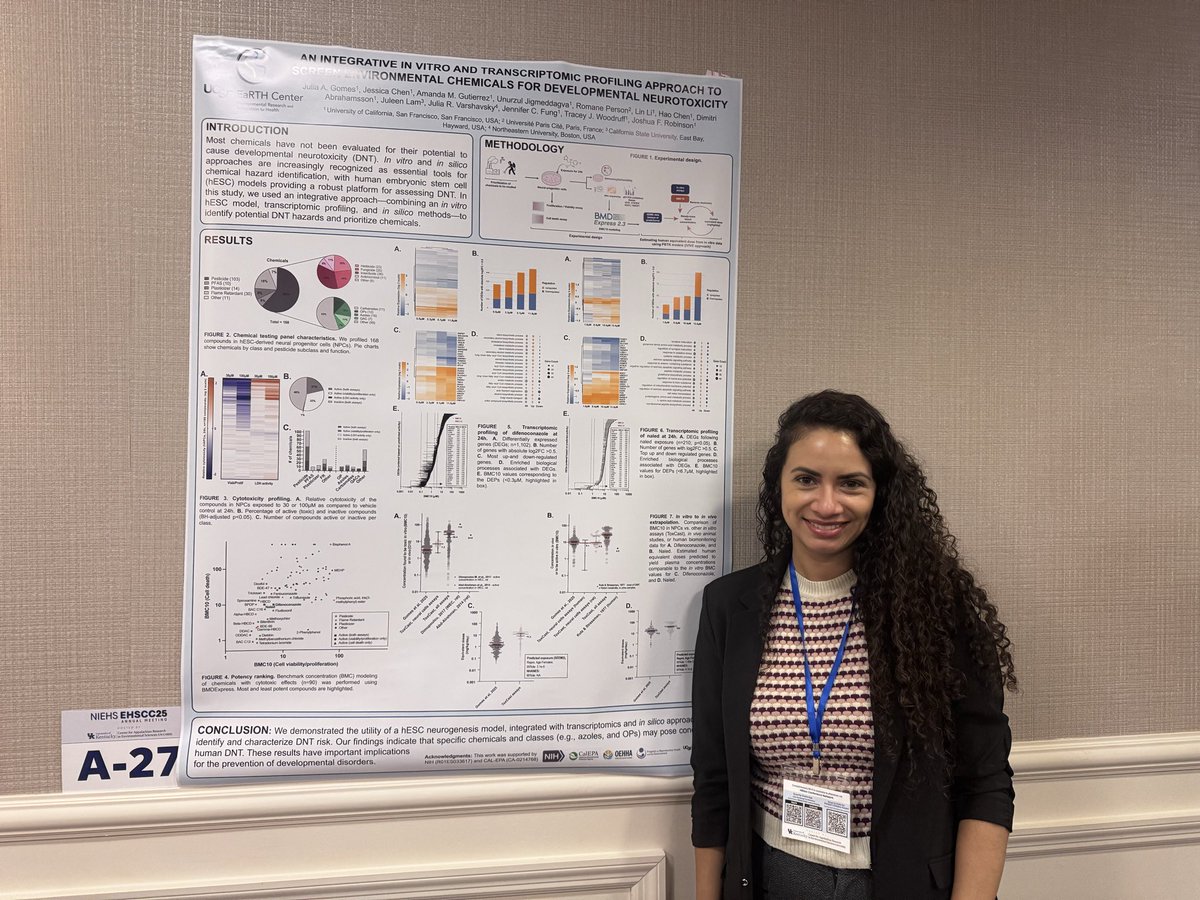
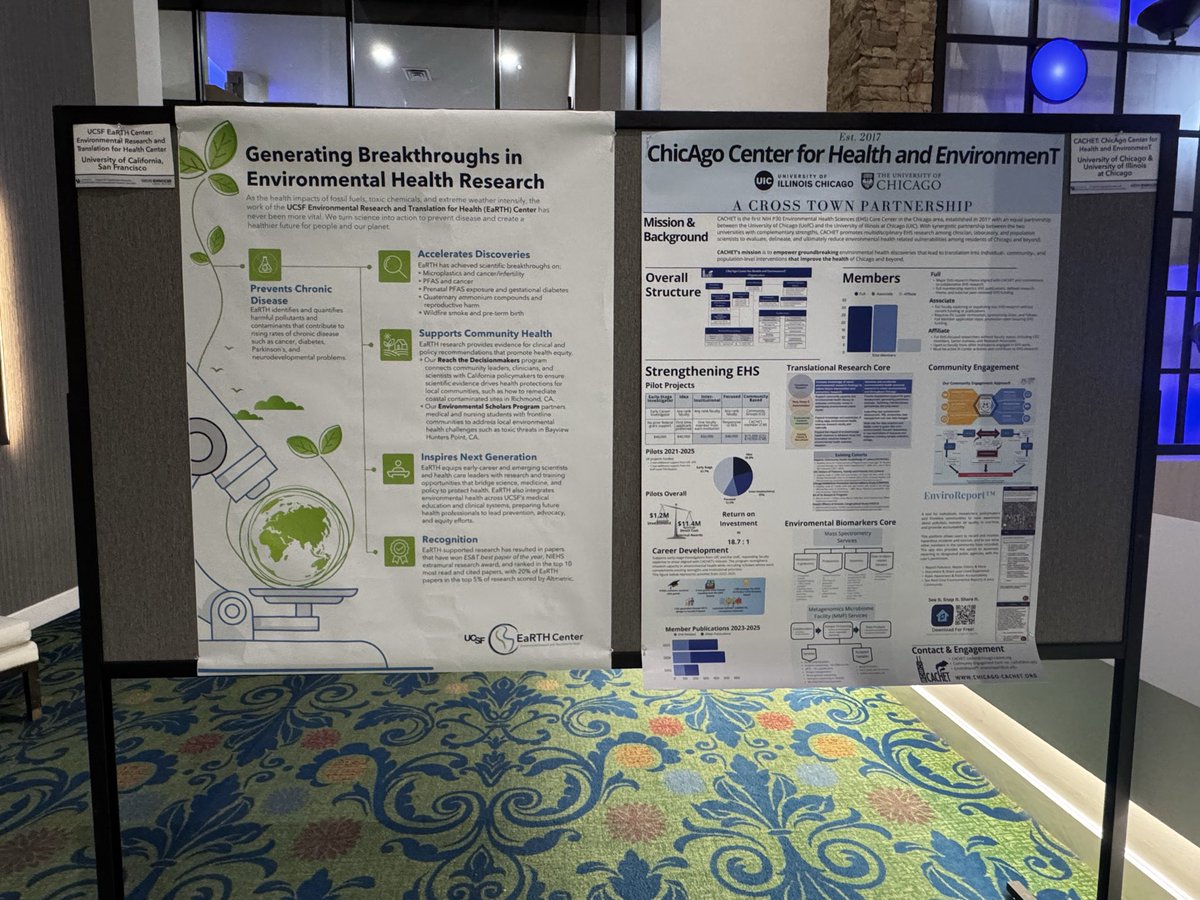
So proud of our @UCSF_ObGynRS early-career investigators presenting their critical environmental health research @ the #NIEHS_EHSCC Annual Meeting hosted by @ukcares1. Read more prheucsf.blog/2025/10/28/ucs…
3
6
203
15 Oct 2025
Reviewer 2 is about to lose his job to AI
15 Oct 2025

BIG ANNOUNCEMENT📣: I haven’t been this excited to be part of something new in 15 years… Thrilled to reveal the passion project I’ve been working on for the past year and a half!🙀🥳 It started from my frustration with the depressing effect that the current publishing system has on the well-being of myself, my team, and pretty much every scientist I know (maybe you’ve noticed from my stupid jokes… :) I was exhausted of dealing with the huge delays, reviewers that can be abusive, and how arbitrary it all is. Unfortunately, the most important factors are often WHO your reviewers are and who YOU are... It’s clear we need alternatives or at least ways to improve the situation. So, together with a really special and talented team we worked to develop this idea into “qed” a platform where you can get CONSTRUCTIVE feedback on your own work or CRITICALLY assess other people’s papers. It can be a real difference maker if many of you join us (thousands have tried it already, but today we release a NEW and much stronger version ;) Let’s harness qed to put the power back in the scientists’ hands, to do, to read & to publish science on our own terms. I’m dying for you to TRY IT, and it’s very simple - just drop a paper (the link to the website is in the replies👇) - it’s completely secure, private, and free, and you get results fast. Please show your support, SHARE, tell your friends, and let’s be the revolution 🫵!
4
5
51
15,433
11 Sep 2025
Never forget.
What terrorism did.
Never forget.
Those who perished.
Those who ran towards danger to help.
2
122
Dimitri Abrahamsson retweeted

11 Sep 2025
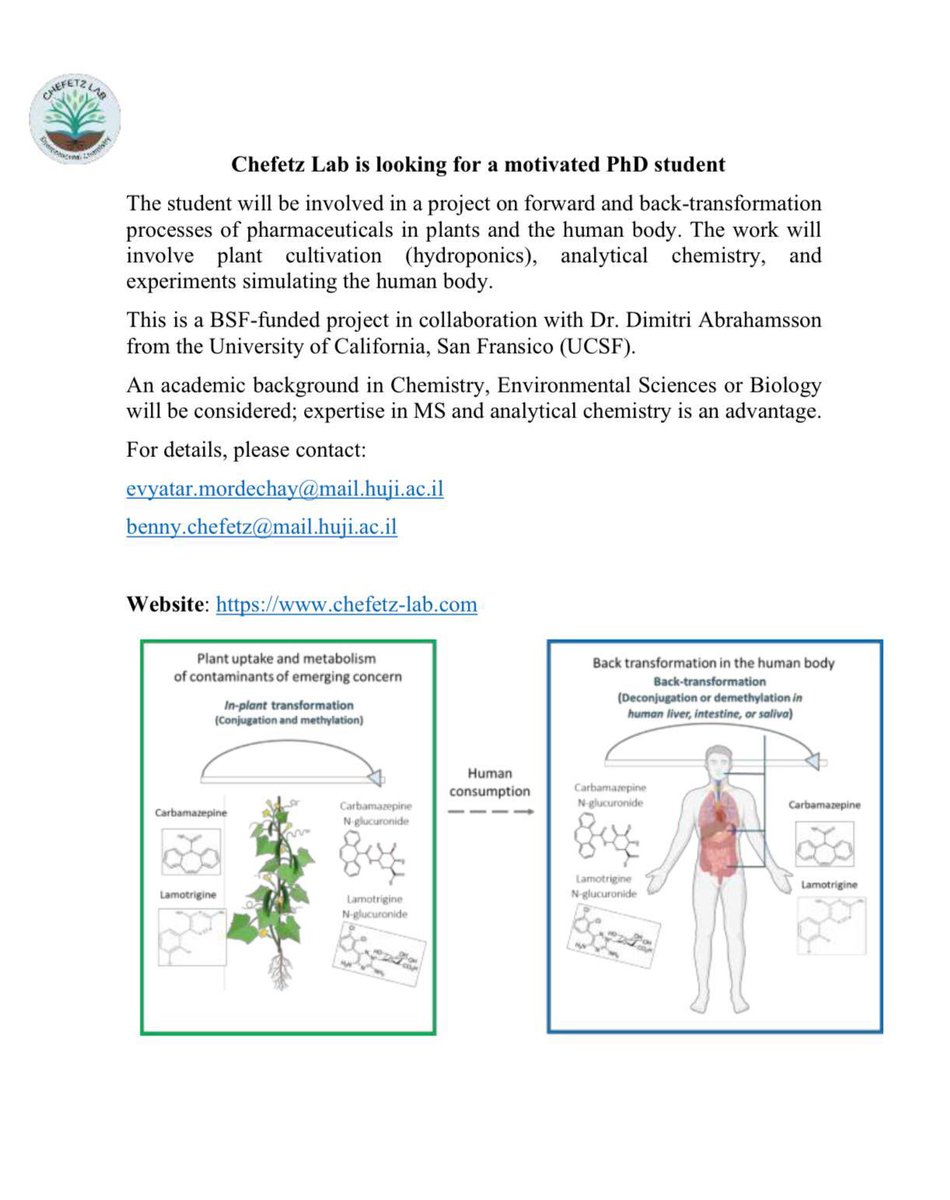
I’m looking for a motivated PhD student to join productive team and interesting project. See 👇🏻@DimiAbrams
2
2
200
Dimitri Abrahamsson retweeted

3 Sep 2025
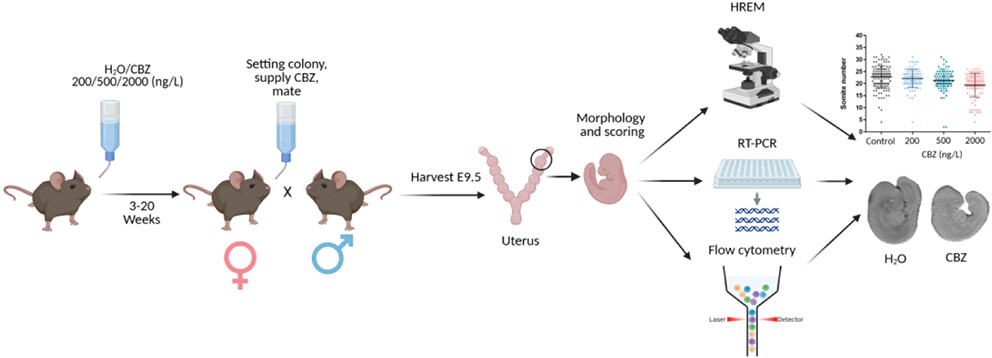
🐀 🔬 This study is the first to link maternal exposure to environmentally relevant carbamazepine concentrations with growth delay in mammalian embryos. 👇
pubs.acs.org/doi/full/10.102…
Prof. @BennyChefetz
@HebrewU
1
1
186
8 Aug 2025
One thing that our education system has screwed up is not teaching students the value of personal responsibility. Low conscientiousness leads to high neuroticism and depression. As Carl Jung so brilliantly put it, "Modern man doesn't see God because he doesn't look low enough."
1
222
Dimitri Abrahamsson retweeted

8 Aug 2025
This explains everything
5
9
76
9,265
Dimitri Abrahamsson retweeted

7 Aug 2025
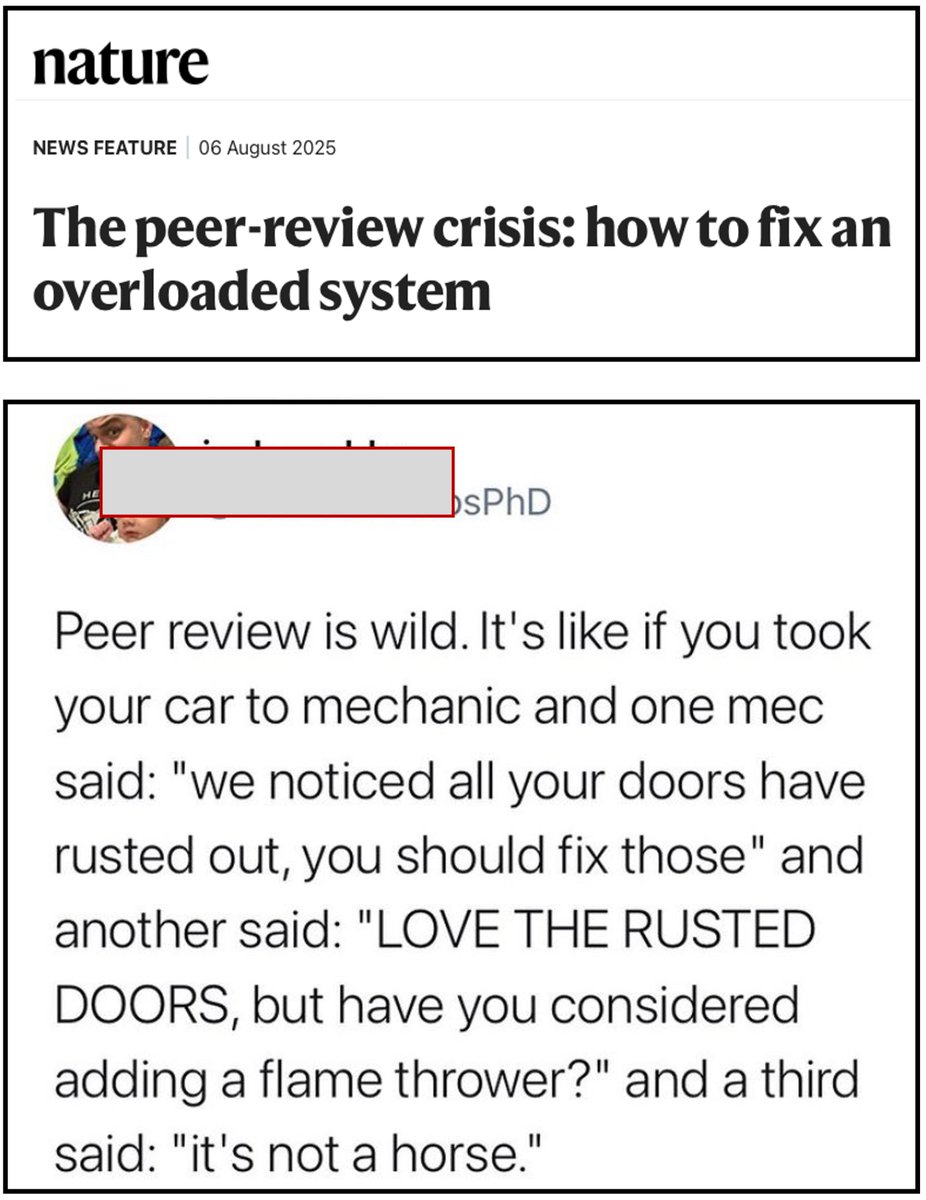
Journals can’t find peer reviewers. Preprints aren’t taken seriously. Garbage papers slip through peer review. Meantime, AI is slowly taking over.
Nature describes the current situation. I highly recommend reading the article.
📍 The summary ( my comments):
1. We are facing a SIGNIFICANT overload on reviewers. Fatigue is epidemic. Few scientists have time for much peer review. As a result, manuscript turnaround times are chaos. They’re unpredictable and painfully slow.
2. Grant and facility proposals demand massive peer review too. They push the system even further.
3. Review quality is decreasing. Rigor is inconsistent. Technical aspects are poorly assessed.
4. Gatekeeping and bias are very real (we all know how manuscripts are rejected due to competition & jealousy). It causes a growing dissatisfaction among scientists.
5. Paid reviewing does NOT automatically improve the acceptance rate. Trials show mixed results. For example, acceptance rates barely increased from 48% to 53% for Critical Care Medicine. The quality of PR remained the same. But for Biology Open, the PR process has become much faster. In either case, paid reviews are very hard to scale business-wise.
6. Distributed Peer Review is becoming more popular. Some funding agencies now require applicants to review peers’ proposals. But to to eliminate bias in it? I don’t know.
❗ There’re no simple solutions.
As a careful observer, I think that the complex picture is evolving along the following trajectory:
AI-assisted peer view (AI pre-screening, AI PR-assistant, AI audition of peer reviews)
Community reviewing
Some form of compensation
Involvement of wider community in PR lists (not only most recognized scientists)
What’s your view on it?
37
146
615
80,749
Dimitri Abrahamsson retweeted

5 Aug 2025
The New York Times was recently forced to issue a correction on a story about starvation in Gaza, which had prominently featured a misleading photo of a mother and her emaciated child.
@Coldxman: “I’m not saying there isn’t hunger or food insecurity or humanitarian disaster in Gaza… What I’m saying is that the pipeline that’s feeding you information about the humanitarian disaster in Gaza is fundamentally broken, biased, untrustworthy, and weaponized against Israel.”
53
229
1,251
78,093