Nisey, writer, researcher -facebook.com/groups/3695394…
Joined April 2012
- Tweets 14,115
- Following 1,506
- Followers 909
- Likes 21,219
878 Photos and videos
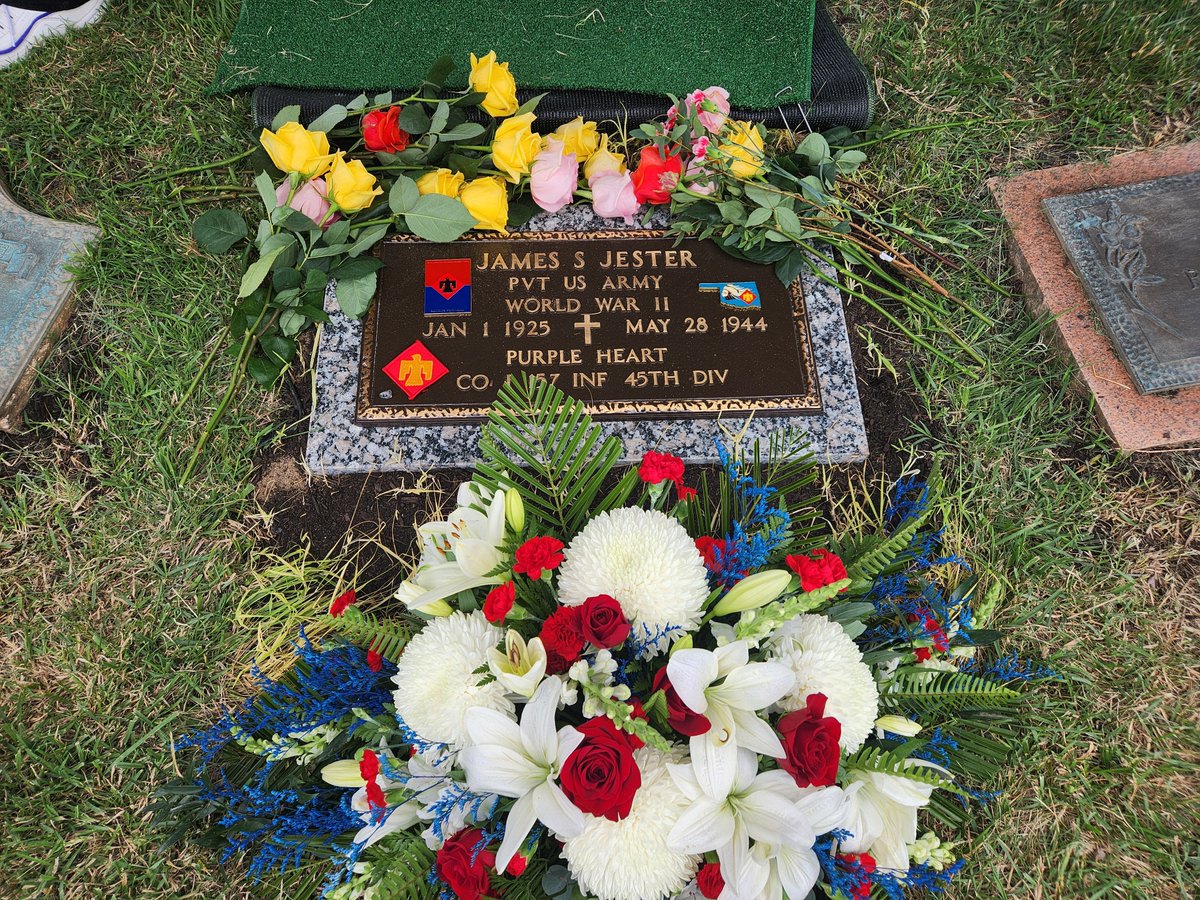
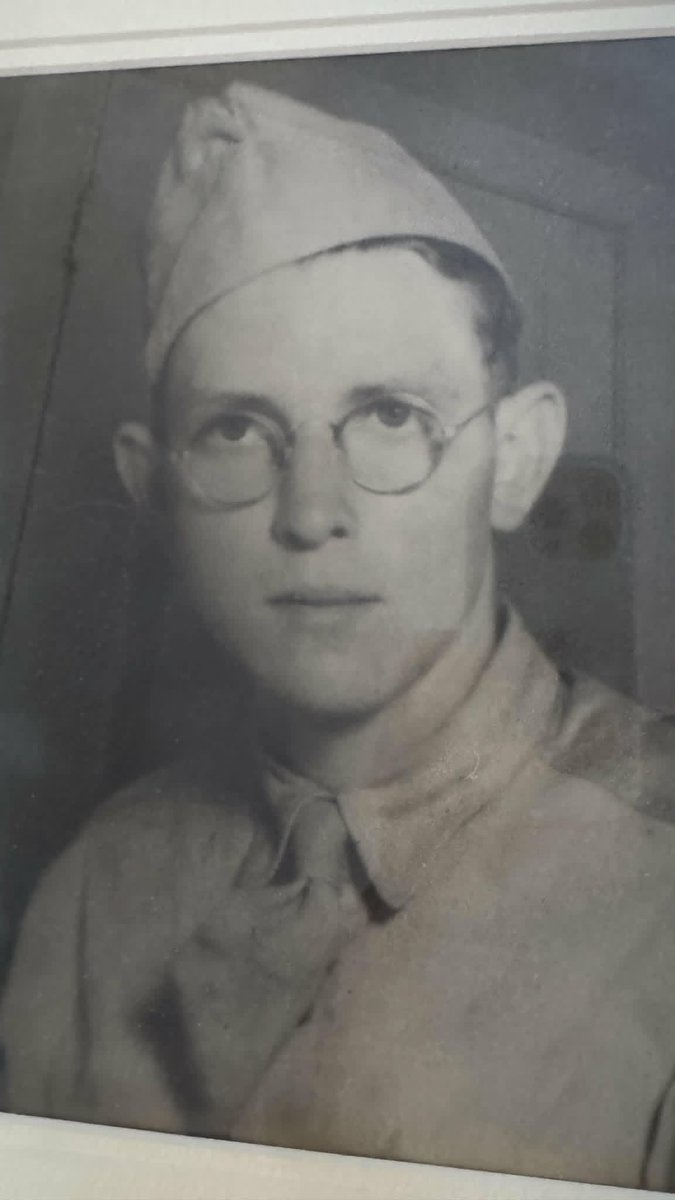
Thank you, @wbaltv11, for sharing the story of Pvt. James S. "Petey" Jester.
It was truly inspiring to see our community come together to honor one of our fallen heroes and ensure that his service and sacrifice are remembered.
I am incredibly grateful to see Pvt. Jester received the recognition he deserves. More importantly, I hope his story helps bring attention to numerous Marylanders who died for our freedoms and who still rest in unmarked graves, waiting for their service and sacrifice to be acknowledged.
Every veteran deserves to be remembered. Pvt. Jester's story reminds us that, even decades later, it is never too late to honor those who gave so much for our nation.
Pvt Jester's memory, and the memory of all who served and sacrificed, will not be forgotten.
Jun 15

Severn-native Army Pvt. James Stanley Jester was killed in WWII. His gravesite went unmarked for decades — until today.
What this day meant to his family: wbaltv.com/article/pvt-james…
2
Denise Kay retweeted

It is with profound sadness that we mourn the loss of eight teammates today at Edwards AFB. My thoughts are with the bomber and test communities during this difficult time. I am keeping the families, friends, and loved ones affected in my prayers.
118
216
2,556
69,864

12h
Integrity means owning one's mistakes and lies, admitting you're wrong, and telling the truth even when it is uncomfortable. To date, Moore has not done that.
Let's start with his statements regarding the Bronze Star Medal.
The statements he has made over the years were not accidental mistakes or simple misunderstandings. They were purposeful.
Military personnel know their records. Every service member has access to their personnel records through iPERMS and HRC. Throughout a military career, soldiers are repeatedly required to verify their awards, training, assignments, and qualifications. They are routinely instructed to review their records and correct any errors annually.
And let's be honest: if someone is awarded a Bronze Star Medal, they are authorized to wear that ribbon on their uniform. If it is awarded for valor, it includes the "V" device. Are we really expected to believe that throughout years of wearing dress uniforms, AGSUs, Blues, or Mess Dress, Moore never noticed the absence of a Bronze Star ribbon? Or did he wear one he was not authorized to?
When service members leave the military, they receive a DD-214 and are specifically instructed to review it for accuracy. Line 13 lists awards and decorations. Are we supposed to believe that an intelligent, educated officer simply overlooked the absence of a Bronze Star Medal on that document?
And if Moore believed the award was missing, why was a DD-215 never filed within the normal correction period? At discharge, instructions on how to correct records are given. The Army provides a process and timeline for correcting records. Anything beyond the two-year limit requires “extraordinary reasons:” "I forgot," "I neglected to," or "I misspoke" are not compelling explanations.
Now let's discuss Moore’s military service.
He stated:
"When I led soldiers in combat with the 82nd Airborne, I knew that we stood on the shoulders of giants. Our democracy endures, and our home remains free because of the courage of all who stormed the beaches of Normandy 80 years ago today."
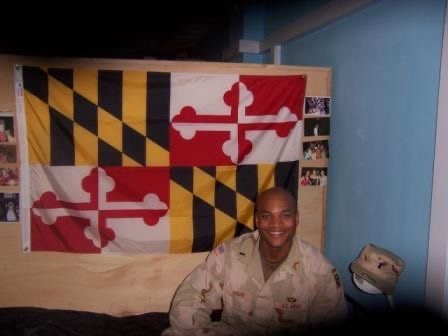
That raises a simple question: Who were the soldiers he led in combat? When were his combat missions? Moore was assigned a staff position, not a frontline combat position.
His training was as a Military Police officer, and his deployment to Afghanistan was based on that specialty. Yet the public has been given little documentation supporting the combat leadership claims he has made.
Why not release your DD-214? It would answer many questions. It would show his military schools and qualifications, including airborne training. It would show his dates of overseas service and provide a clearer picture of his military record and the actual time spent overseas. (time minus leave)
Another fair question: Where are the soldiers he claims to have led on combat missions? Why have none publicly come forward? Why are there no names, after-action reports, SITREPs, or other documentation being produced to support his claims?
The only public defenders of these claims appear to be his governors' staff, the democratic leaders,hip, and a few (mainly one) senior officers, not the soldiers who served under his command leading combat missions.
If combat missions were led, there should be records. Produce them. Questions would be answered.
What many Marylanders find remarkable is his continued refusal to release the one document (DD-214) that could resolve many of these questions and put the matter to rest.
Military service deserves respect. But military service should never place someone above scrutiny or accountability. Public officials, especially those who build part of their public image around their service, should expect reasonable questions about their record.
Integrity matters, especially for officers. The Army teaches that honor, duty, and honesty are foundational values. When leaders exaggerate, omit, or misrepresent the truth, they diminish the service of every man and woman who served honorably and lived by those standards.
The greatest disrespect is not toward political opponents, it is toward the men and women who served with honor and the countless Americans who died wearing this nation's uniform. They earned their reputations honestly. They earned their medals honestly. They earned the trust of the American people honestly.
Marylanders do not need another explanation, talking point, or carefully crafted sales pitch. They deserve the truth.
#releasetheDD214

"Moore served. Honorably. That is what matters. The rest is politics, not truth."
43
Jun 15
I wanted to share with you first. Pvt James Stanley Jester has a headstone!
It was a beautiful ceremony. So many people came out to honor him.
@HeidiJeanLK
1
2
40
Denise Kay retweeted

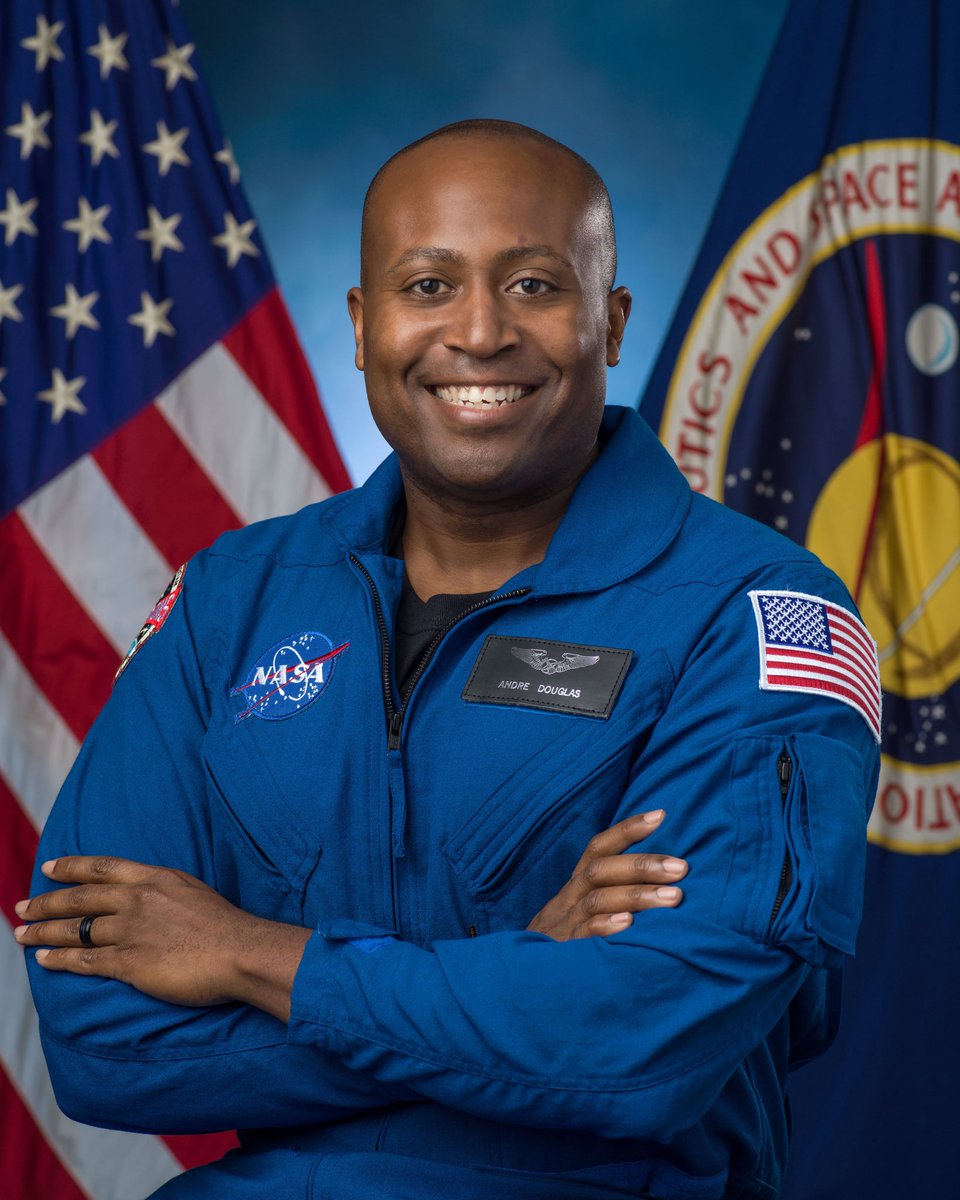
Did you know that @JHUAPL’s own Andre Douglas has been selected to be part of the Artemis III mission for his very first spaceflight? Best of luck to the Artemis III crew – we are #MarylandProud!
1
3
9
204
Jun 13
The flight crew lied or they are non- existent. No commercial air craft are allowed to fly over DC- definitely not the White House.
The White House is 6.2 Mike's away- please.
Have you ever seen the lights flying into Vegas?
Or any other city?
Please
Jun 13

Donald Trump’s 80th birthday UFC match is endangering the flying public.
88
Jun 8
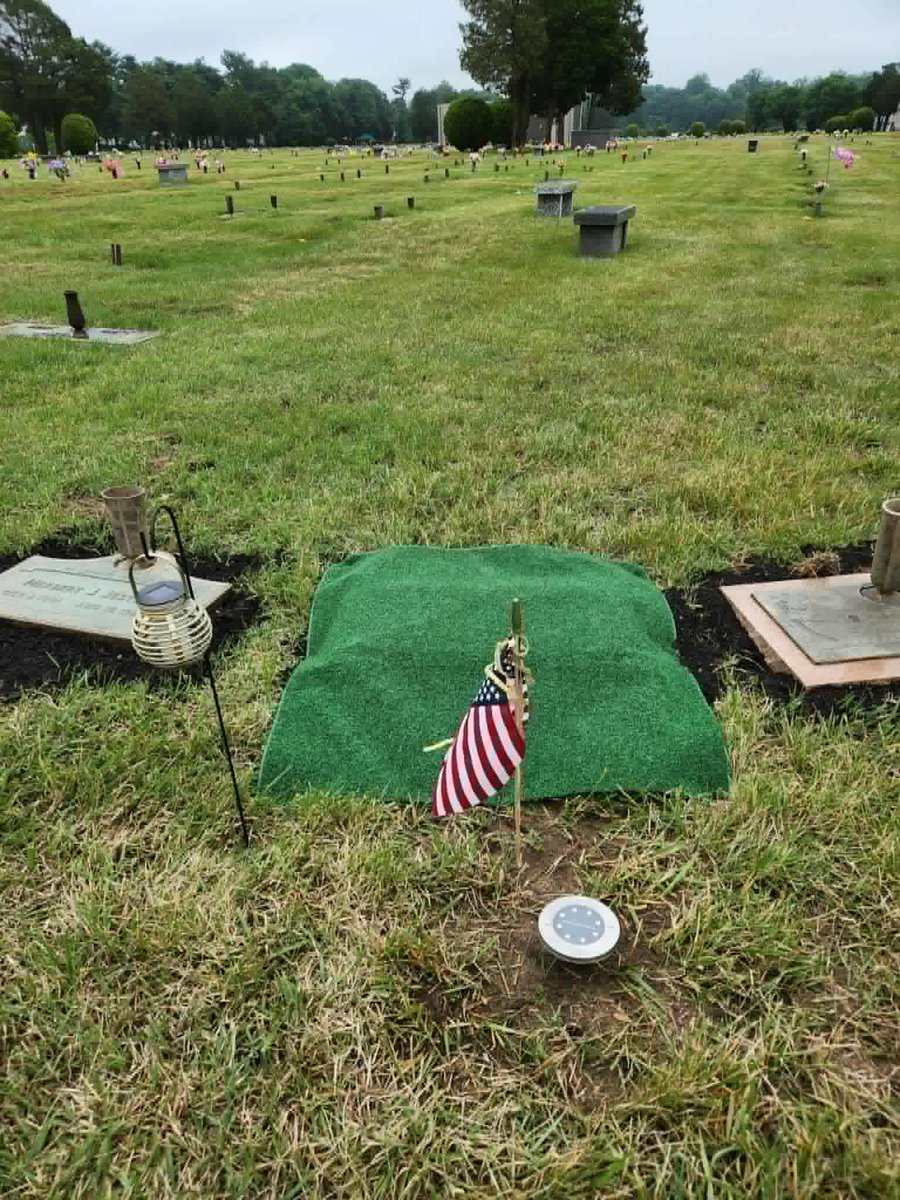
For 78 years, Pvt. James Stanley Jester's sacrifice went largely unrecognized as he rested in an unmarked grave.
A native of Maryland, Pvt. Jester served with Company I, 157th Infantry Regiment, 45th Infantry Division during World War II. He fought in the Italian Campaign, was wounded in action at Anzio on 19 February 1944, returned to duty, and continued the fight for freedom.
On 28 May 1944, during the Allied advance toward Rome, Pvt. Jester was killed in action just days before the Eternal City was liberated.
This Sunday, June 14, 2026, at 11:00 a.m., we will gather at Glen Haven Memorial Park in Glen Burnie, Maryland, to dedicate a long-overdue military headstone in his honor.
This ceremony is about more than one soldier. It is an opportunity to remember the men and women of the Greatest Generation, honor those who never came home, and recognize the many veterans whose graves remain unmarked and whose stories have been forgotten by time unless we take action.
Pvt. Jester's story reminds us that freedom is not free.
He was wounded at Anzio, returned to the fight, and gave his life in the liberation of Italy. Eighty-two years later, we will finally mark his grave and tell his story.
The Legacy of Honor Project and VFW Post 304 warmly invite veterans, military families, historians, community members, and everyone who values the legacy of the Greatest Generation to join us as we unveil Pvt. James Stanley Jester’s headstone and honor his service and sacrifice.
Headstone Dedication Ceremony
Pvt. James Stanley Jester
Sunday, June 14, 2026
11:00 a.m.
Glen Haven Memorial Park
7215 Ritchie Highway
Glen Burnie, Maryland 21061
#WWII #GreatestGeneration #GoldStar #Anzio #ItalianCampaign #45thInfantryDivision #LestWeForget
ALT PVT James S Jester, USA Purple Heart w/Oak Leaf Cluster, Combat Infantry Badge 1 January 1925 - 28 May 1944 CO I, 157th Inf, 45th DIV Stadi Campoleone, Italy
2
2
311
Jun 10
@JimmysSeafood can you help spread the word? He was 19 years old when he was killed in action in Italy.
48

In 250 years of American history, what would you say were the most significant days?
D-Day was more than a battle. It was a turning point in history.
82 years later, we still honor the courage and sacrifice of those who stormed the beach of Normandy in defense of freedom.
5
27
162
1,788
Denise Kay retweeted

Jun 6
Thank you to all who fought and sacrificed in freedoms defense all those years ago. Incredible footage here. Blessed that both my uncles survived and will never forget the over 400,000 who did not come home.

597
8,060
47,307
835,861
Jun 6
Eighty-two years later, the guns have long fallen silent on the bluffs of Normandy, but the legacy of those men endures. Their courage was measured not in words, but in the ground they gained, the comrades they carried, and the sacrifices they made.
#LestWeForget
#DDay
#operationoverlord
3
50
Denise Kay retweeted

Before sunrise in Normandy, thousands of flags were placed to honor thousands of lives.
@DeptofWar | @USArmy | @USArmyEURAF | @18airbornecorps | @usabmc | @SETAF_Africa | @173rdAbnBde
137
1,700
9,288
214,962
Denise Kay retweeted

This weekend will mark 82 years since D-Day, the largest seaborne assault in history. @TonyDokoupil spoke with 107-year-old veteran Arthur Rose, who was a Navy lieutenant on that day. “I love America. I think it's the savior of the world,” he said.
6
70
325
21,566
Denise Kay retweeted

4 Jun 2024
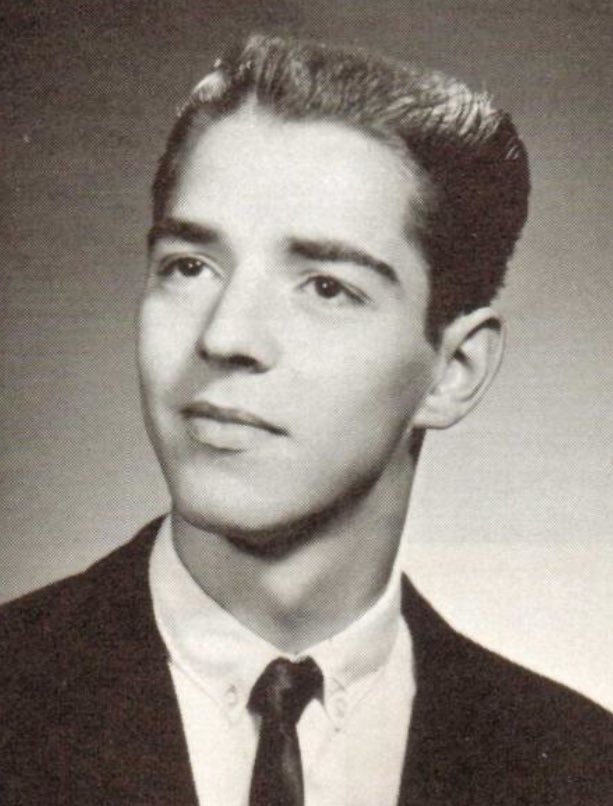
United States Army Specialist Four Earl Ray Webb Jr. was killed in action on June 3, 1970 in Pleiku Province, South Vietnam. Earl was 20 years old and from Newark, Delaware. B Troop, 7th Squadron, 17th Cavalry, 1st Aviation Brigade. Remember Earl today. Warrior. American Hero.🇺🇸
137
458
2,008
26,572
May 31
Welcome Home!!
#alwaysremember
#Untiltheyallcomehome
May 29

Today, the remains of a fallen U.S. Navy sailor were flown into Little Rock's Clinton National Airport, greeted with a reverent hero's welcome to the state he left more than 80 years ago as a teenager.
Fireman 3rd Class Royle Bradford Luker was just 17 years old when he was killed during the attack on Pearl Harbor on December 7, 1941. He was one of the 106 crewmen on the USS West Virginia who were killed in the attack. For decades, he was listed as killed in action, but his remains were deemed non-recoverable.
Through recent advancements in DNA technology and the work of the Defense POW/MIA Accounting Agency, F3C Luker was identified.
In the years since the "date that will live in infamy," F3C Luker was awarded numerous honors for his valor and sacrifice, including the Purple Heart.
A procession by Arkansas State Police, Little Rock Police Department, and other law enforcement agencies accompanied F3C Luker today on the final leg of his trip from Little Rock to Dardanelle.
Graveside services with full military honors will be held at 2:00 p.m. on Saturday, May 30, 2026, at New Bethel Cemetery near Plainview in Yell County.
His return home is a solemn reminder that America does not forget those who gave their lives in service to our nation.
2
46
May 30
What many people do not realize is that Memorial Day is not over once the ceremonies end. It is just as important to return to the cemeteries afterward to remove the flags and tributes that were placed in honor of our fallen.
Too often, organizations place flags and memorial items but never come back to retrieve them. Left exposed to the weather, lawn equipment, and the passage of time, flags become torn, faded, and damaged. What was meant to be a tribute can quickly become unsightly and disrespectful.
That is why I always make it a point to return after Memorial Day and carefully remove everything we have placed.
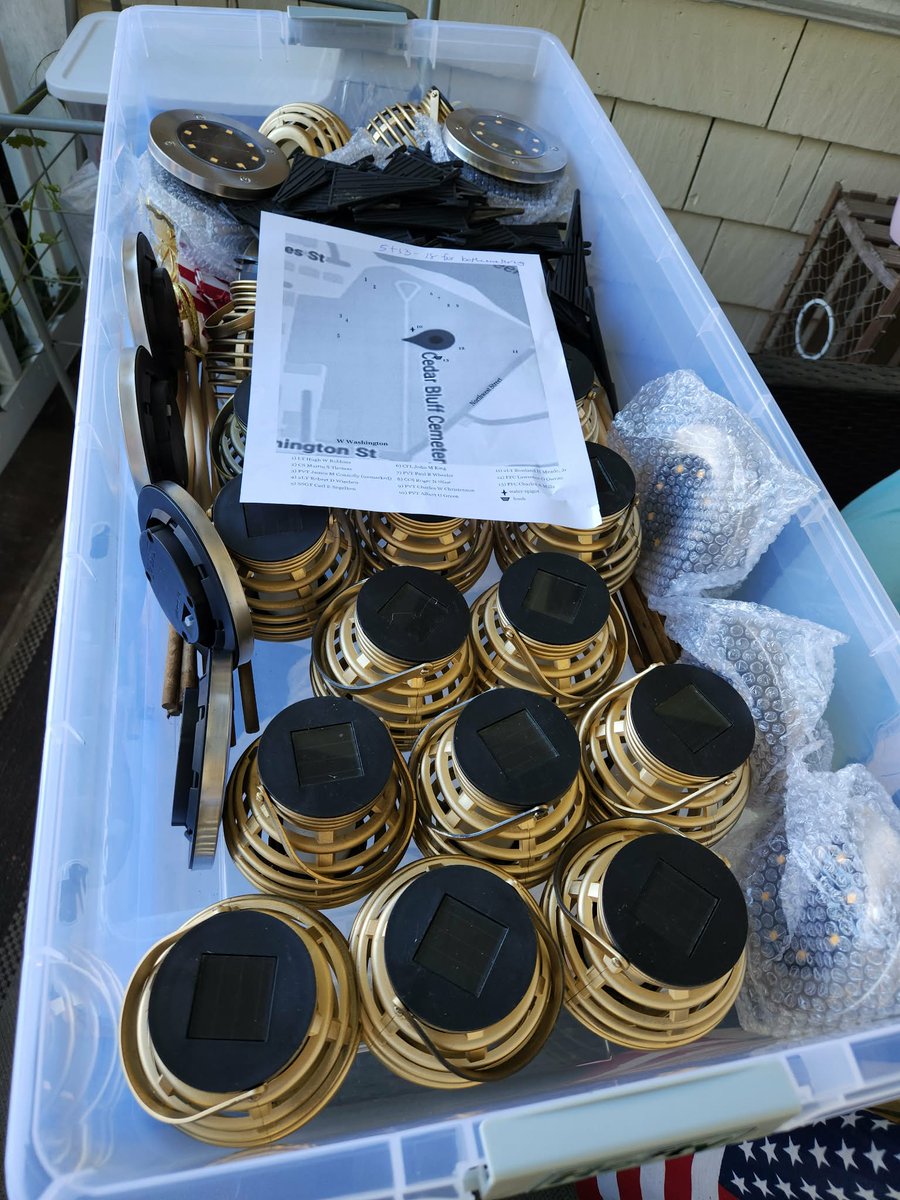
This year, after hauling large Rubbermaid containers through cold rain to more than 20 cemeteries, I decided there had to be a better way. To make future placements easier and more efficient, I am organizing individual storage boxes for each cemetery or containers for groups of smaller cemeteries located near one another.
Each box contains the exact number of flags, solar path lights, and lanterns needed for that cemetery. Attached to the top is a cemetery map showing the location of every one of our fallen heroes' final resting places. The correct number of shepherd's hooks are zip-tied together and clearly tagged for each cemetery as well.
I have also completed GPS mapping for the graves of our fallen throughout Anne Arundel County. Even without a cemetery map, GPS can now guide volunteers directly to each gravesite.
As I make my rounds, I am also touching up the gold paint on the lanterns and pulling any flags that need to be retired due to weather damage, fading, or wear. My goal is that when Memorial Day comes around next year, everything will be pristine and ready to honor our fallen in the dignified manner they deserve.
The work of remembrance does not begin and end on Memorial Day. Caring for these tributes throughout the year is another way we show respect to those who gave everything in service to our nation.
28
Denise Kay retweeted

May 28
On this day, May 28th, 2014 my only son,
PFC Jacob H Wykstra
took his last breath far away in the deserts of SE Afghanistan. He was just 21.
Jake, it never gets easier but I am eternally grateful that of all the women in this world, God chose me to be your mom. It was a joy and privilege to watch you grow into a faithful, strong, patriotic, funny, happy, artistic, athletic, intelligent, and caring man.
Thank you for the joy you brought and the memories you left behind. They will sustain us until we see you again and then there will be no more heartache and no more goodbyes.
All my love, your mom ♥️🇺🇸
145
359
2,311
15,052
May 26
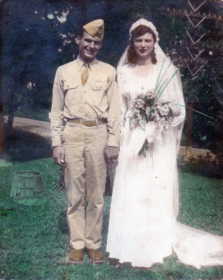
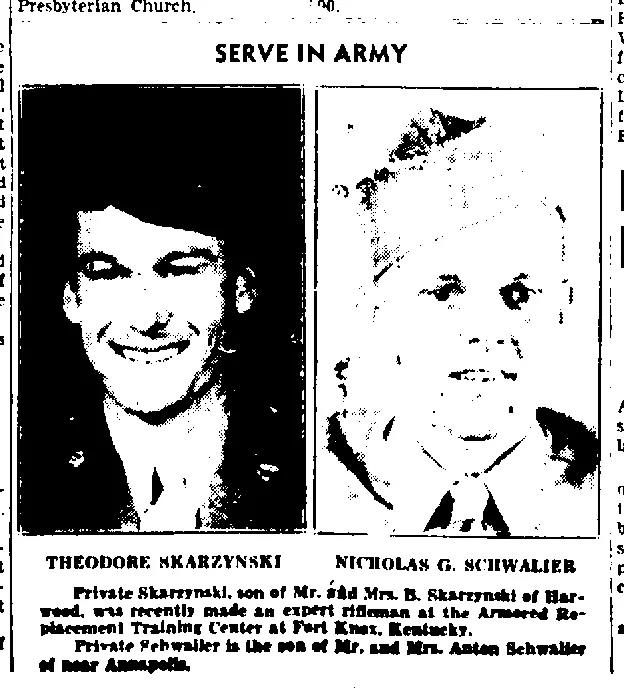
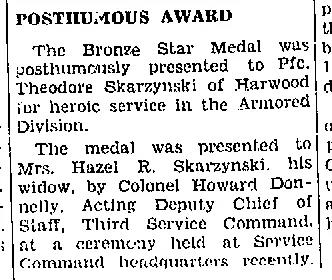
PFC Theodore Skarzynski, USA
Bronze Star, Purple Heart
26 July 1919- 2 January 1945
B CO, 68 TK BN
Margret, Belgium
Theodore was the middle child of Bronislaw and Helen Zajac Skarzynski. His parents were born in Poland, while Theodore and his siblings, Leo, Casimer, Helen, Bernard, and Mary, were born in Baltimore City and raised in Harwood, Maryland.
After graduating from high school, Theodore worked alongside his father on the family farm. During this time, he began courting Hazel Rebecca Taylor, whose family had moved to Mayo from Prince George’s County.
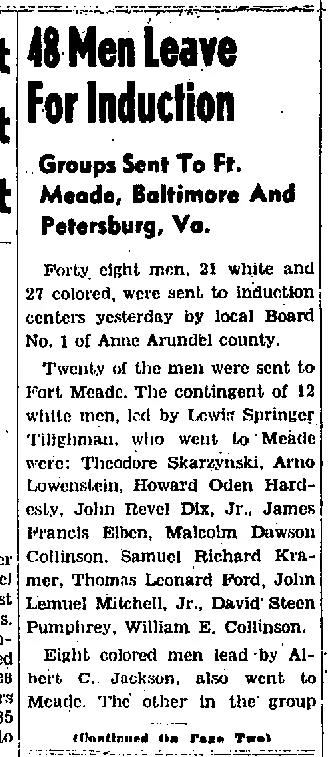
Theodore was drafted in February 1944. On March 23, he signed his induction papers, and the following day boarded a bus at Fort Meade, Maryland, bound for Fort Knox, Kentucky, where he began basic training.
During the summer of 1944, Theodore married his sweetheart, Hazel. In August 1944, he was transferred to Chaffee, Arkansas, for armored tank training. Like many wartime brides, Hazel followed him there, renting a room at a local boarding house so they could remain together while he trained.
After completing his training, Theodore returned to Fort Meade to prepare for overseas deployment.
In early October 1944, Pvt. Skarzynski was promoted to Private First Class and arrived in France as part of a contingent of replacement troops.PFC Theodore Skarzynski joined the “Super Sixth” Division while they were resting and refitting in the Lorraine region of eastern France near Nancy. He was assigned to B Co, 68th Tank Battalion. He was assigned to 2LT Millard F Watson’s tank. The tank crew consisted of TEC5 Roy J Hyde, TEC5 Willis W Webster, PFC Gilbert D Powers, and PFC Theodore Skarzynski.
Over the next two and a half months, Theodore and B Company fought through some of the toughest campaigns of the war, first in the muddy Saar Offensive in November 1944, pushing toward the German border, and then rushed north in late December to help stop the German Ardennes Offensive.
On 2 January 1945, during the Battle of the Bulge, B Company launched an attack on German positions near Arloncourt and Mageret, northeast of Bastogne. In brutal winter conditions of snow and ice, they faced devastating anti-tank fire.
By mid-afternoon, they were serving as part of the holding forces near Bixory, Belgium. While attacking enemy-held positions, their tank was struck by an armor-piercing shell that exploded inside the vehicle and set it ablaze. Second Lieutenant Watson ordered the crew to evacuate the burning tank, but only 2Lt Watson, who was severely wounded, and TEC5 Roy J. Hyde were able to escape. PFC Powers was killed instantly.
PFC Skarzynski was wounded but believed to be alive immediately after the hit, as he helped push TEC5 Hyde out of the tank before being trapped inside. For several hours afterward, Watson and Hyde remained pinned down by intense enemy fire. Multiple attempts by TEC5 Hyde to return to the tank and rescue his fellow crewmen were driven back by heavy enemy fire.
That day, B Company suffered catastrophic losses; only one tank survived the battle intact. PFC Skarzynski was not able to escape and is listed as Killed in Action during this intense fighting in the area around Bixory, Bizory, and Arloncourt.
After the battle, quartermaster personnel recovered the bodies from the destroyed tank. However, the fire had been so intense that the remains could not be positively identified. As a result, for the next four years, PFC Theodore Skarzynski, PFC Gilbert D. Powers, and TEC5 William W. Webster were officially listed as Missing in Action, presumed killed in action.
In September 1945, Hazel Skarzynski received her husband’s posthumous Bronze Star on his behalf.
In 1949, it was determined that TEC5 Willis Webster, PFC Gilbert Powers, and PFC Theodore Skarzynski would remain interred together. The three soldiers were brought home and laid to rest in a shared coffin at Jefferson Barracks National Cemetery. They fought together, died together, and now rest together in eternal peace.
At just 20 years old, Theodore gave his life helping to halt the German counteroffensive and defend the vital crossroads at Bastogne. Though his years were few, his courage and sacrifice endure, forever remembered by the freedoms he helped save.
2
59
Denise Kay retweeted

May 25
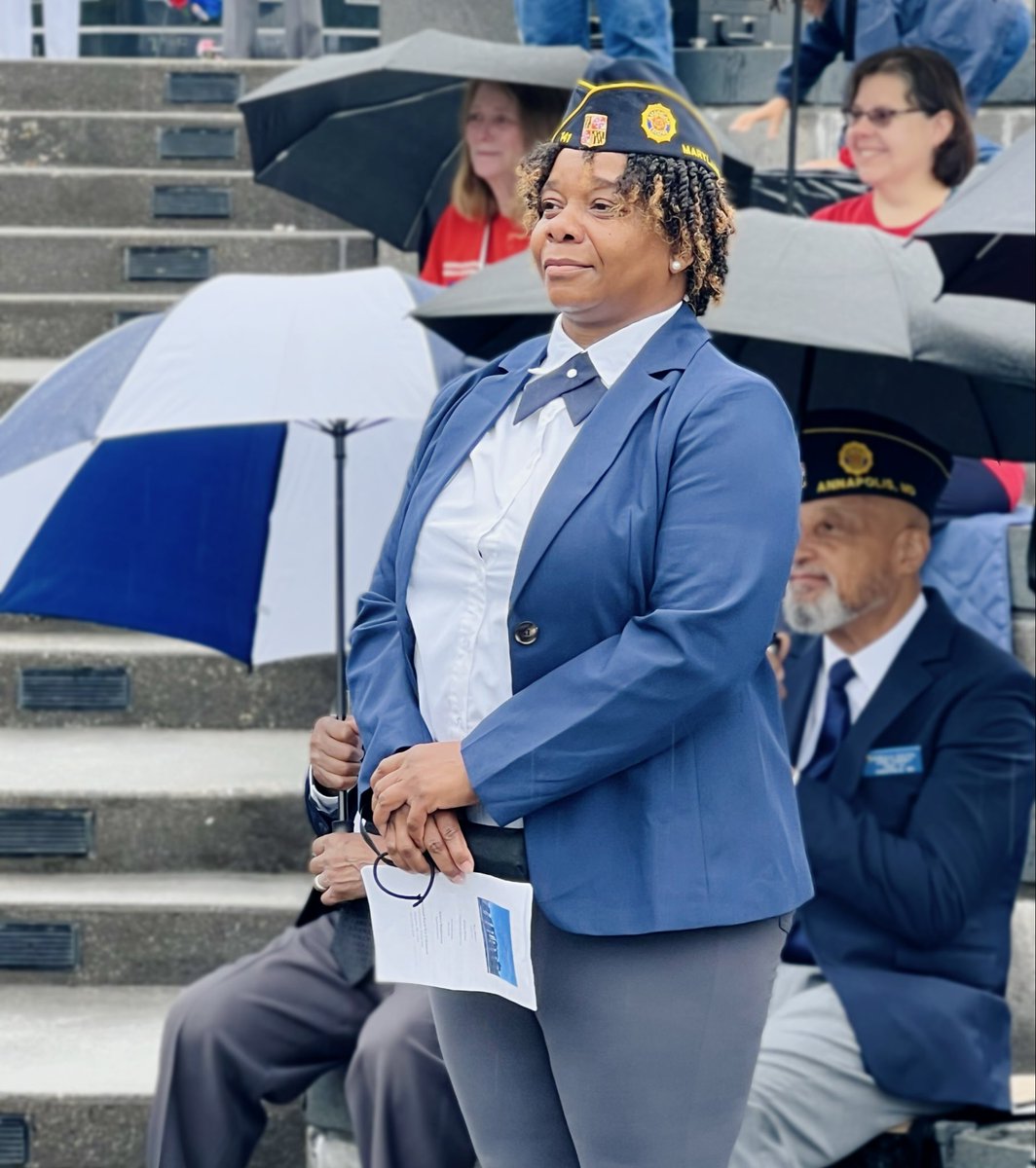
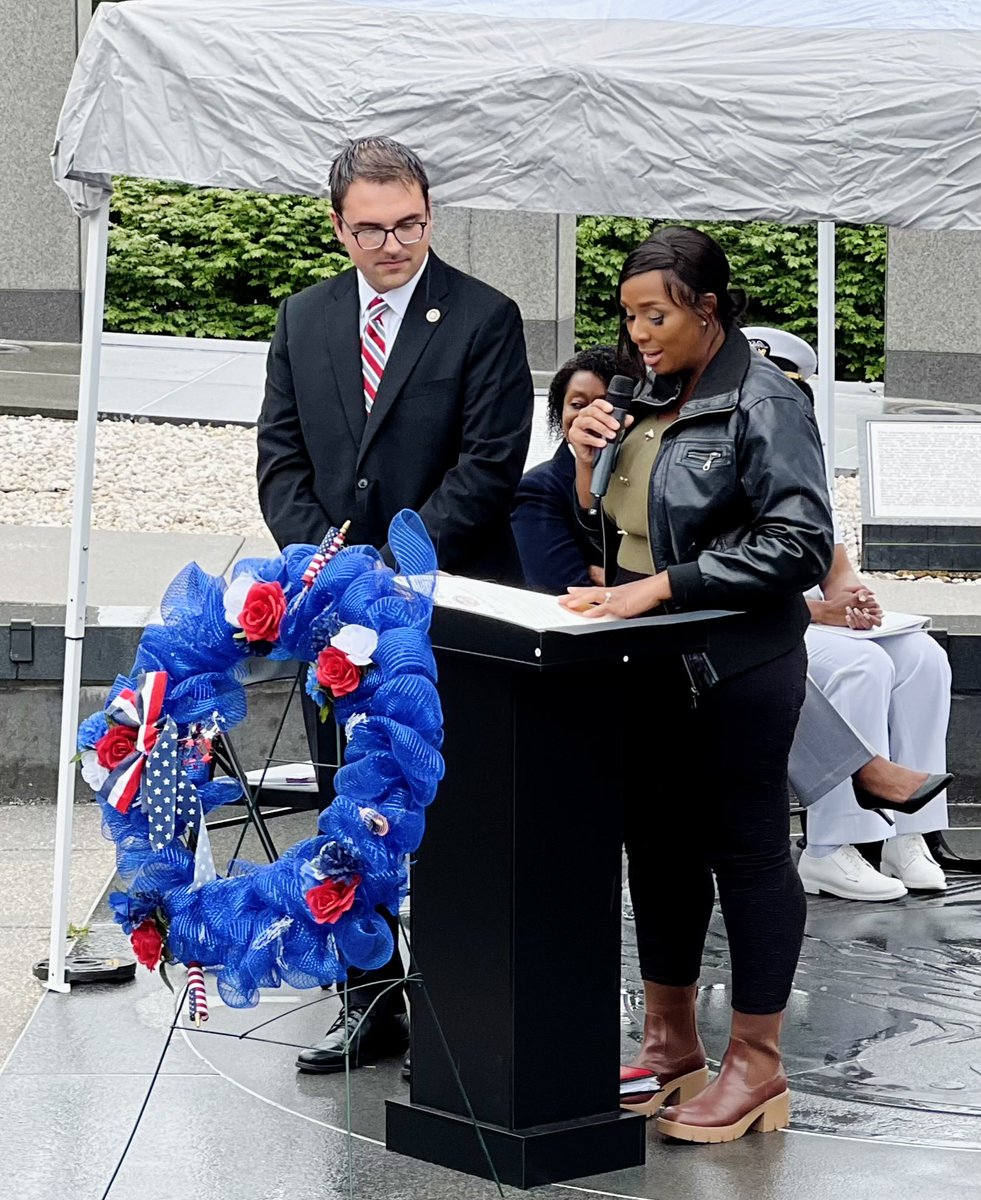
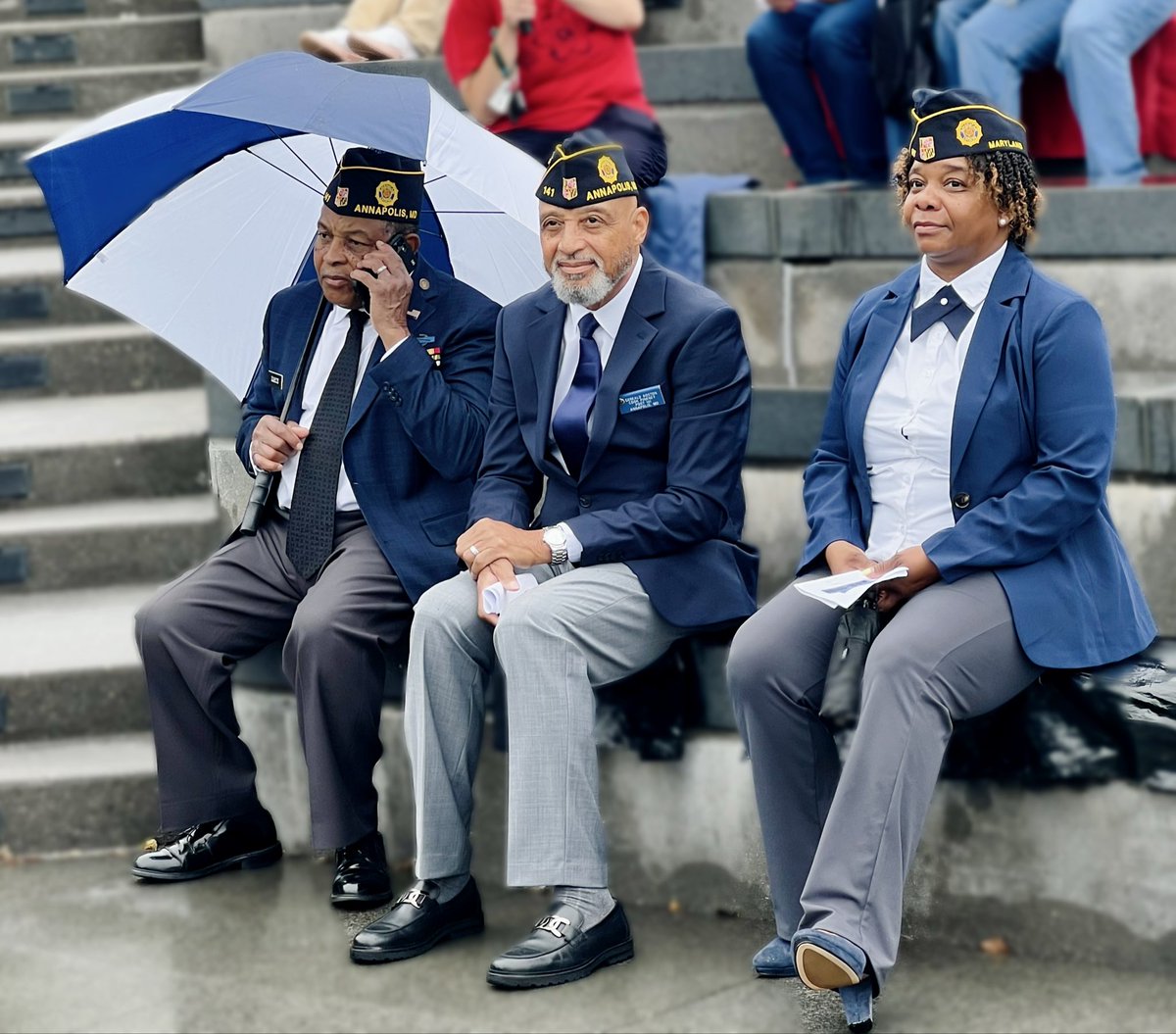
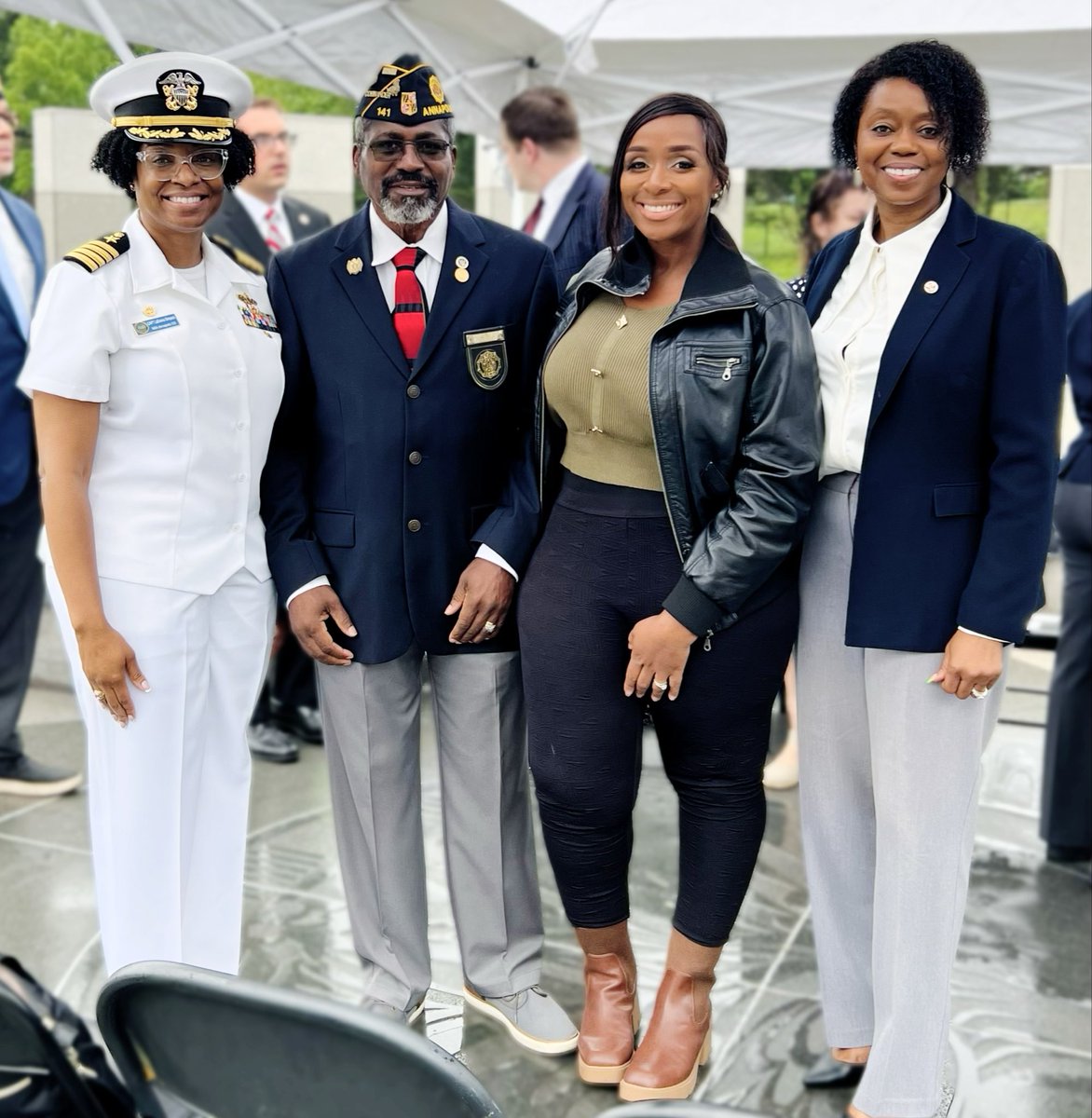
Honored to join American Legion Post 141 and the Maryland Department of Veterans & Military Families for a meaningful Memorial Day observance at the WWII Memorial. Thanks Captain La Donna Simpson for inspiring remarks honoring those who gave all for our country. #memorialday
1
2
3
86