
- Tweets 1,485
- Following 91
- Followers 33,248
- Likes 2,113
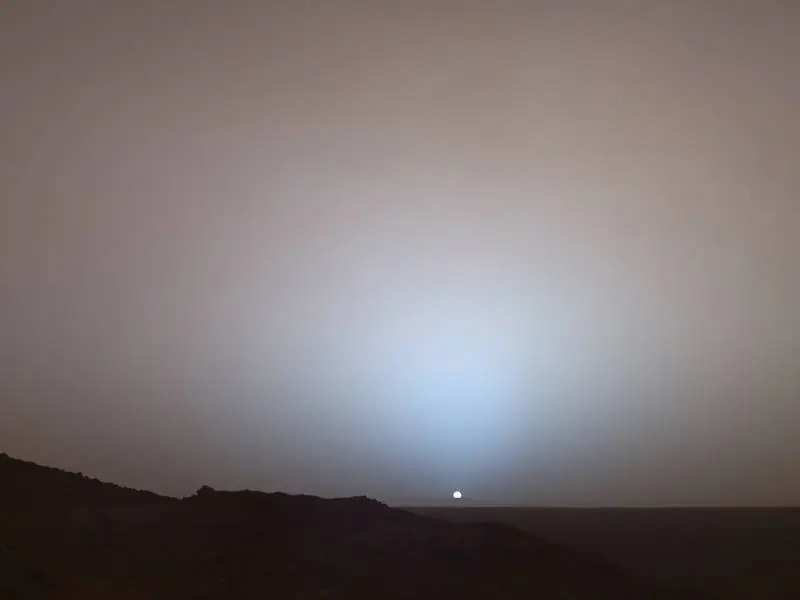



ALT On May 19, 2005, NASA's Mars Exploration Rover Spirit captured this stunning view as the Sun sank below the rim of Gusev crater on Mars. This Panoramic Camera mosaic was taken around 6:07 in the evening of the rover's 489th Martian day, or sol.

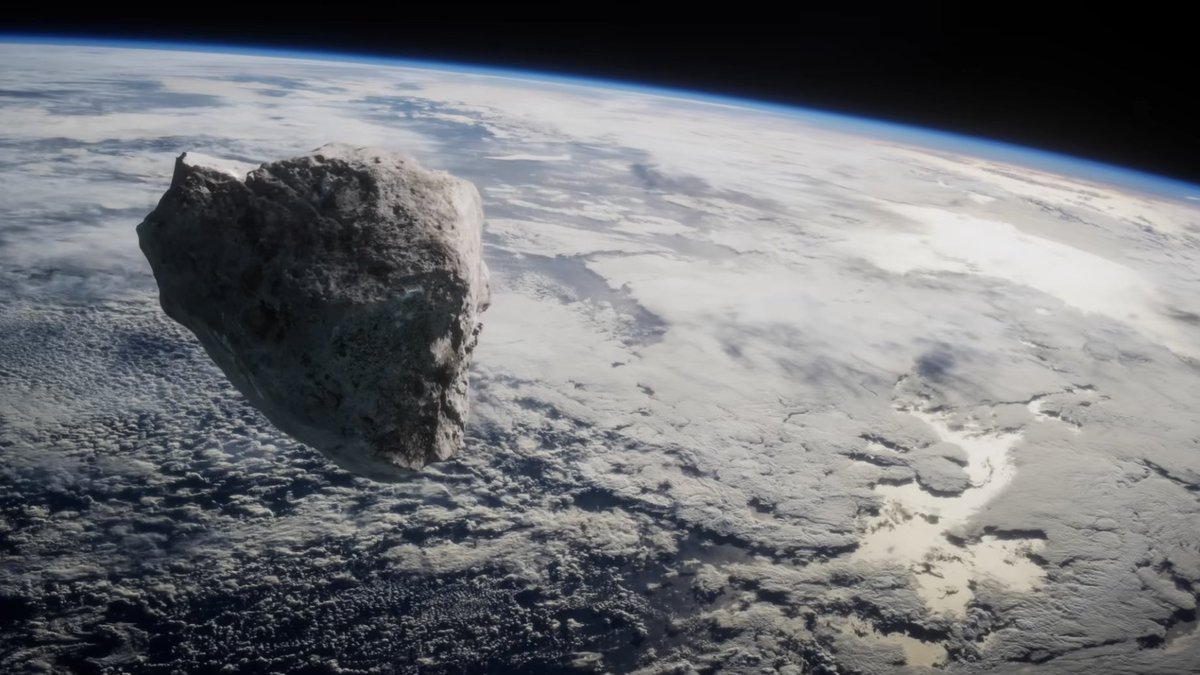
ALT An artist’s rendition of a large asteroid floating in space with Earth visible in the background. The planet's surface is partially covered by thick clouds, with glimpses of ocean and land below. In the distance, the arc of Earth's atmosphere glows softly blue against the blackness of space. The asteroid appears rocky, rugged, and gray.
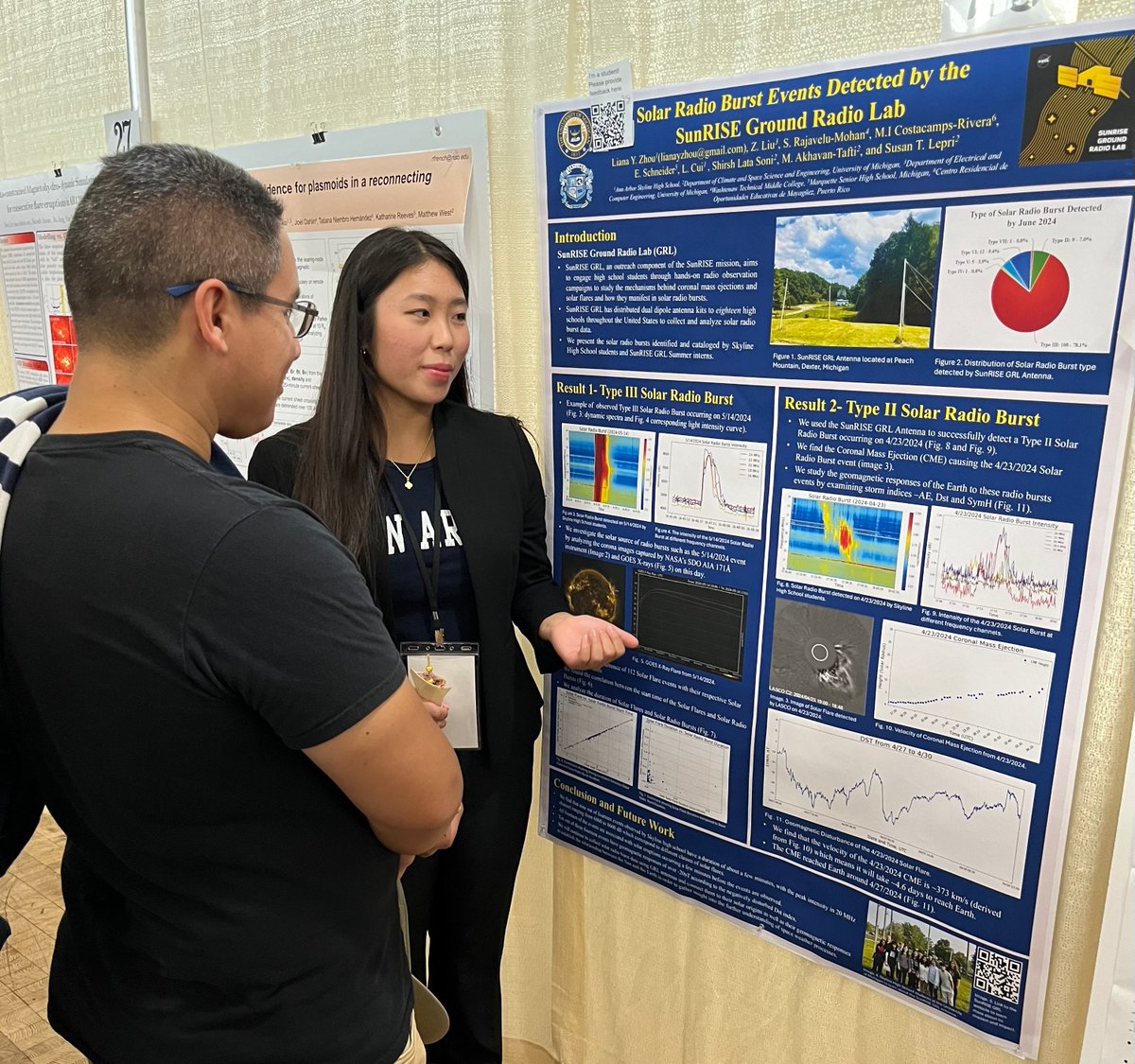
ALT A student presents a research poster titled "Solar Radio Burst Events Detected by the SunRISE Ground Radio Lab" at a conference. The student is explaining their findings to an attendee, while referring to the poster.

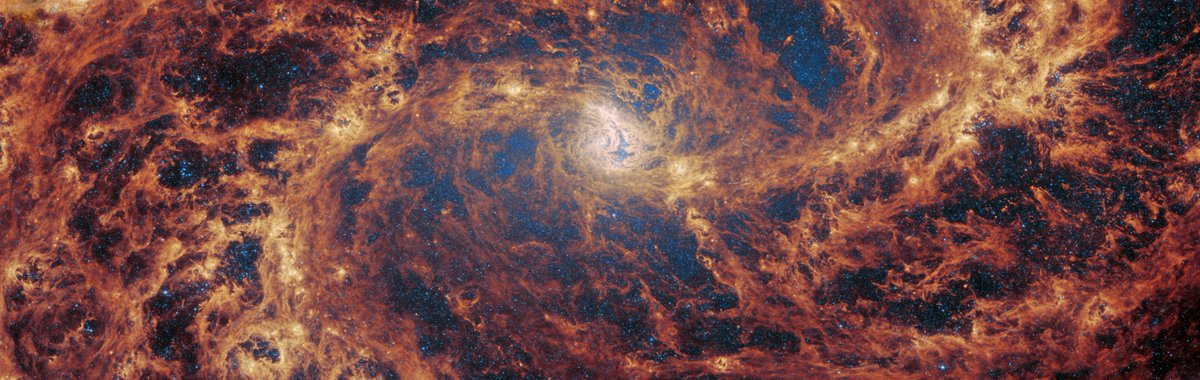
ALT Close-up view of a spiral galaxy with web-like structures in warm reds, browns and yellow hues, with a glowing bright star in the center


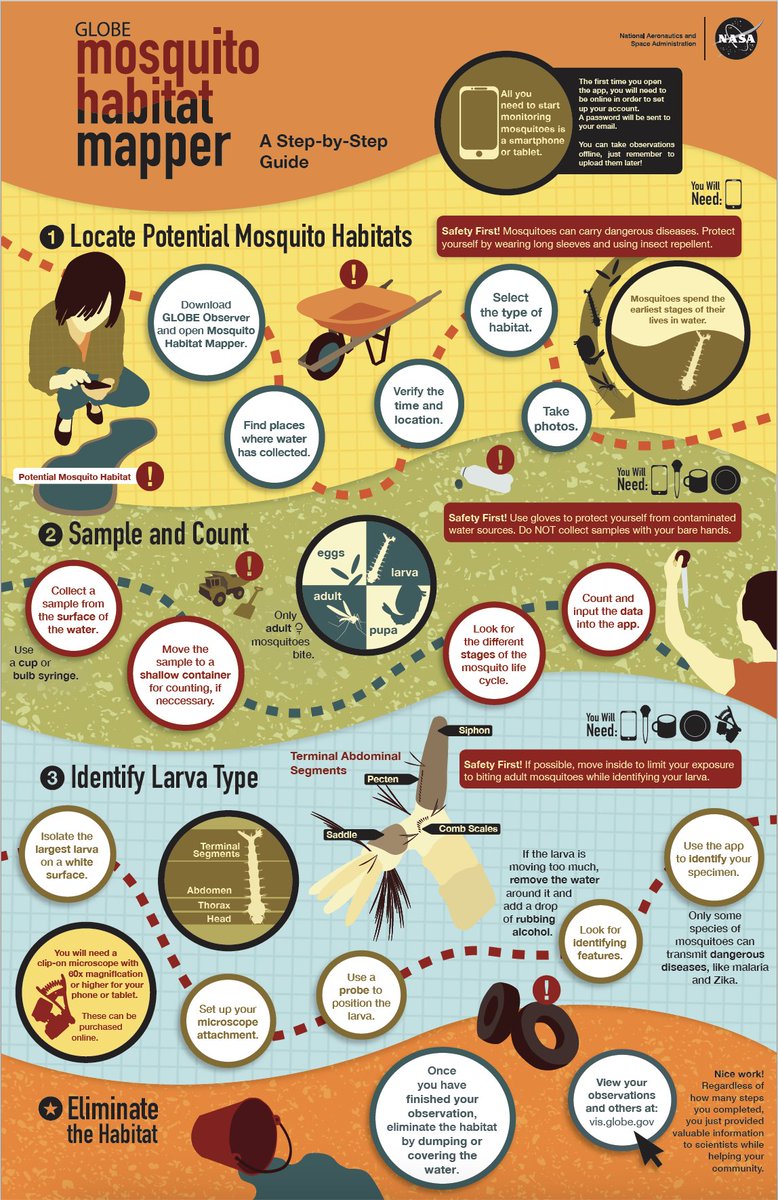
ALT GLOBE Observer Connect shareable showing two hands holding cell phones. There are backgrounds containing the ocean and vegetation and tires sitting in grass. There is also white text on a blue background.

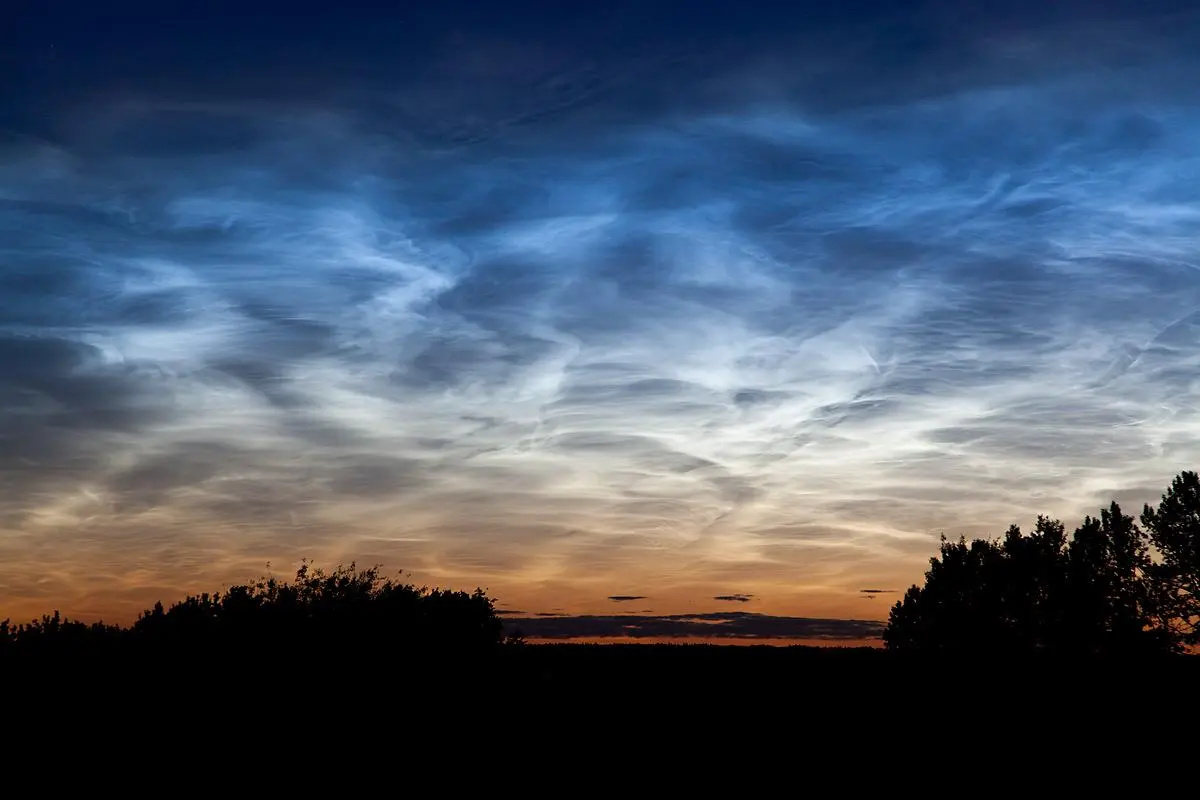
ALT A sunset sky with wispy, glowing clouds in shades of blue and white above a dark silhouette of trees and bushes on the horizon.
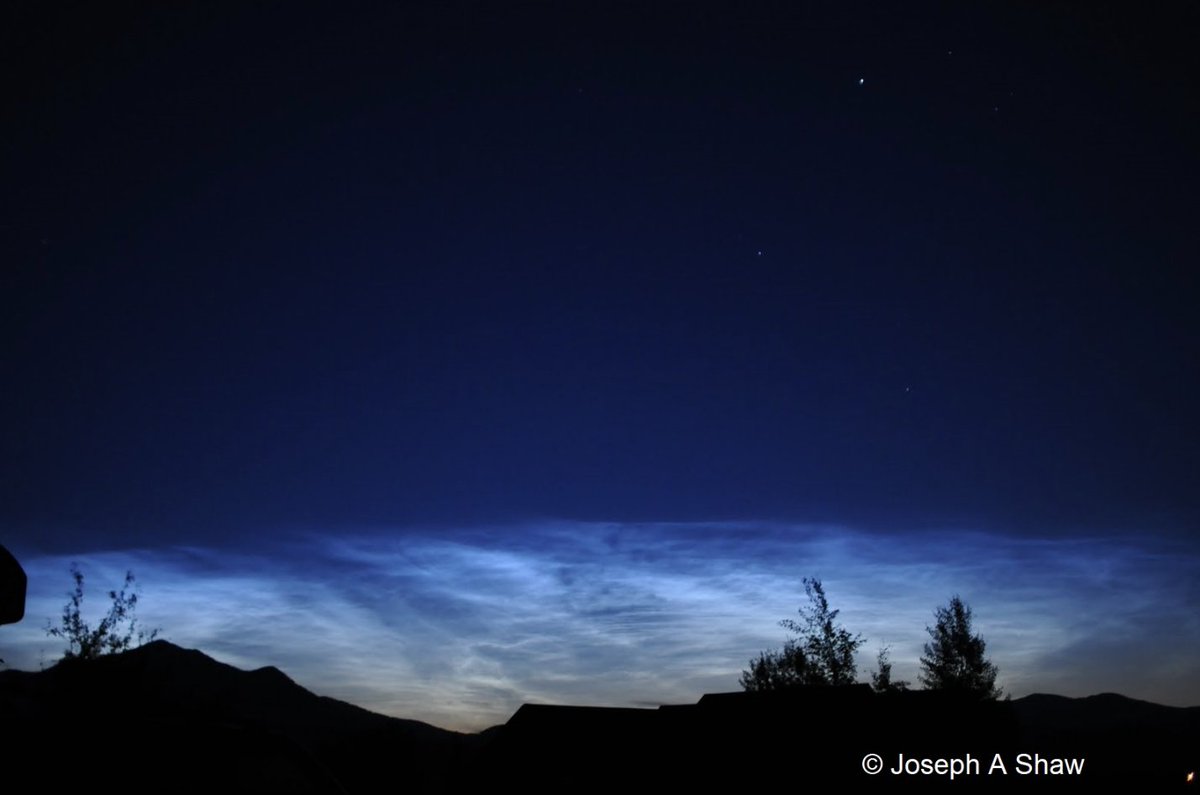
ALT A photo showing glowing noctilucent clouds over a dark sky, with a mountain silhouette and rooftops in the foreground. The clouds have a blue-silvery hue, typical of noctilucent clouds. Photo taken from Bozeman, MT on 16 July 2009. Copyright: Joseph A Shaw.
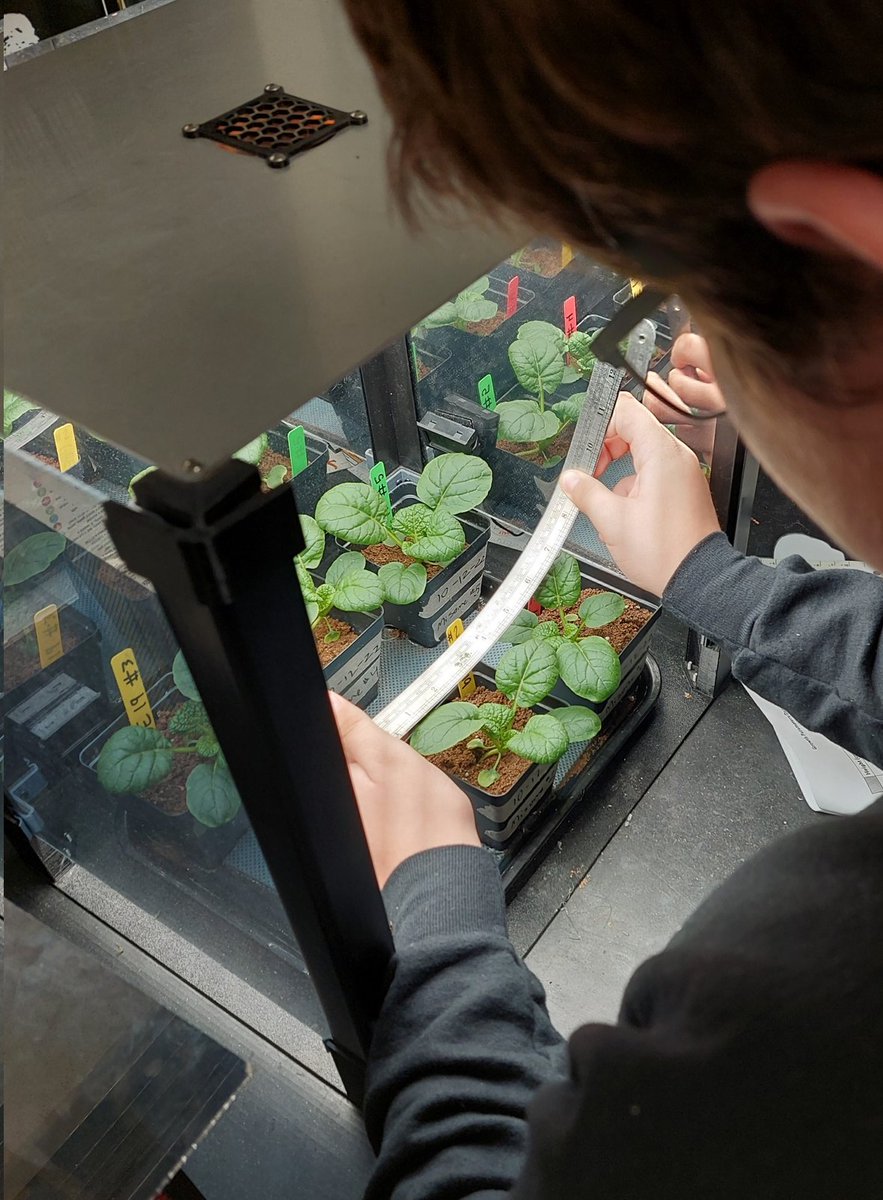
ALT A student participates in the Growing Beyond Earth citizen science project, measuring the growth of plants in a controlled environment. This view from over the student’s left shoulder shows the student using a ruler to measure several small, green, leafy potted plants in six different pots with colorful tags. The plants sit inside a special kind of box/chamber that replicates the growth chamber on the International Space Station.
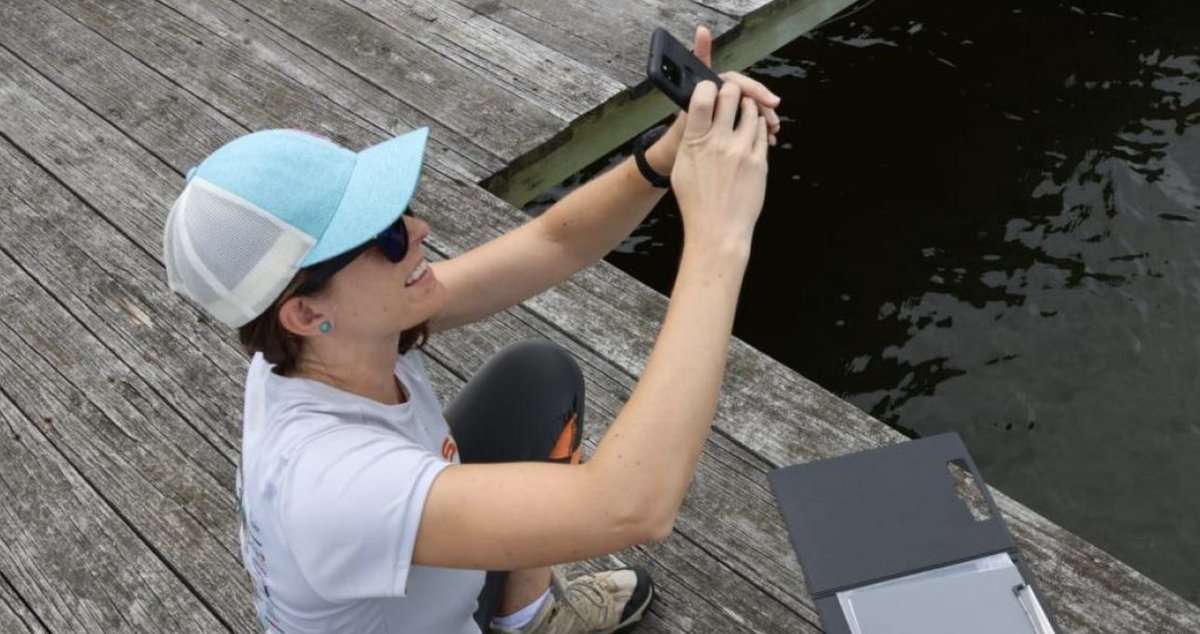
ALT A woman on a pier points her phone up to the sky while using the HydroColor app to collect water clarity data

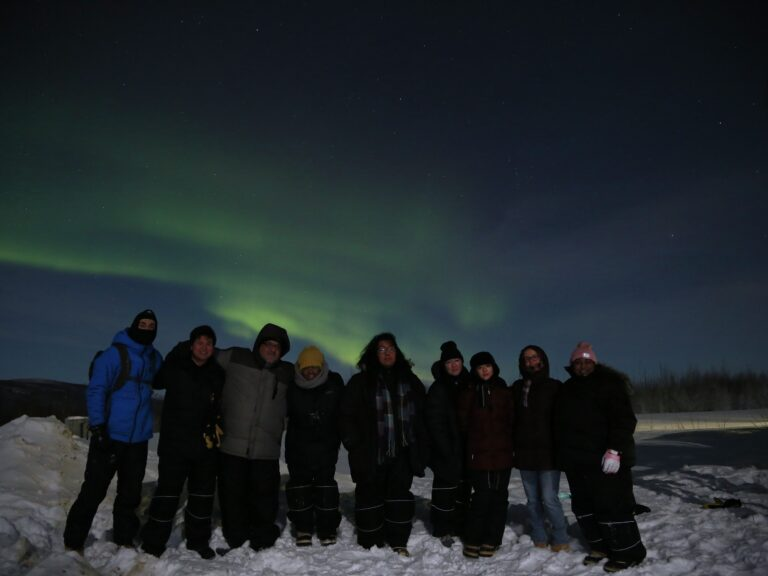
ALT A row of people bundled well against the cold, stand on snow beneath the green light of the aurora

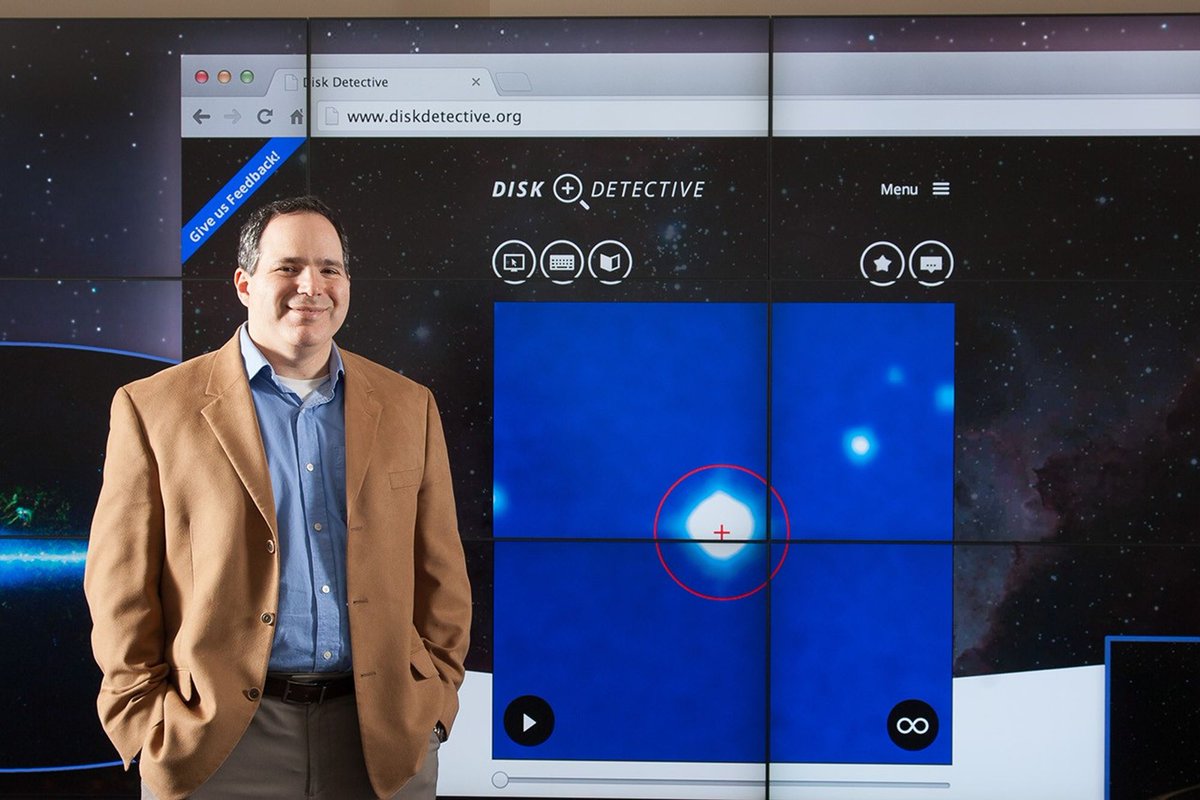
ALT NASA astrophysicist Marc Kuchner stands in front of a large display screen showing the Disk Detective website, which aids in studying planet formation. Kuchner, a pioneer for participatory science, is the NASA Citizen Science program officer and has been a principal investigator for various citizen science projects. He is seen wearing a tan blazer and standing with his hands in his pockets. The display on the screen highlights an image from the Disk Detective project. Image credit: David Friedlander.
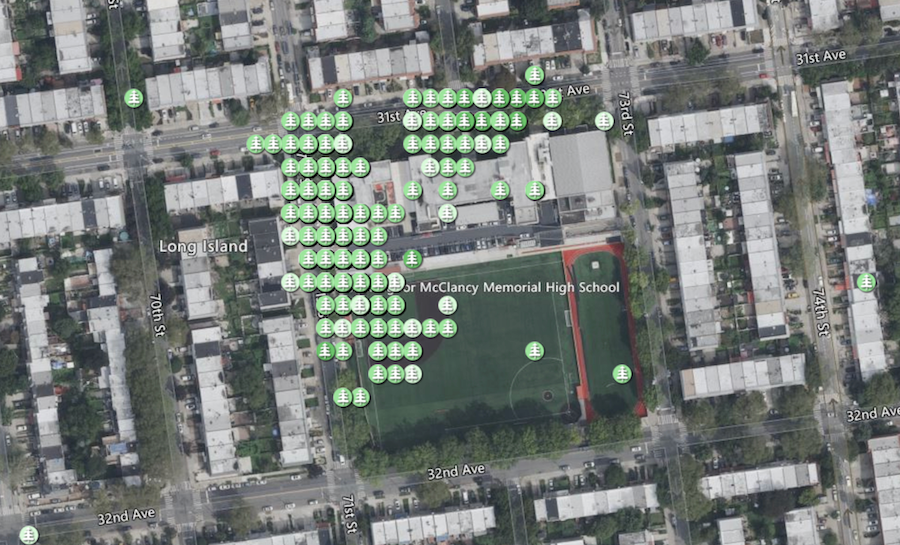
ALT A satellite map showing Monsignor McClancy Memorial High School in Queens, New York, with markers indicating tree height observation locations made by students. The green markers are distributed across the school grounds, particularly around the athletic field, with streets and surrounding areas labeled. This map is part of the GLOBE Observer Trees Tool project, where students are measuring tree heights to complement measurements made from satellites.
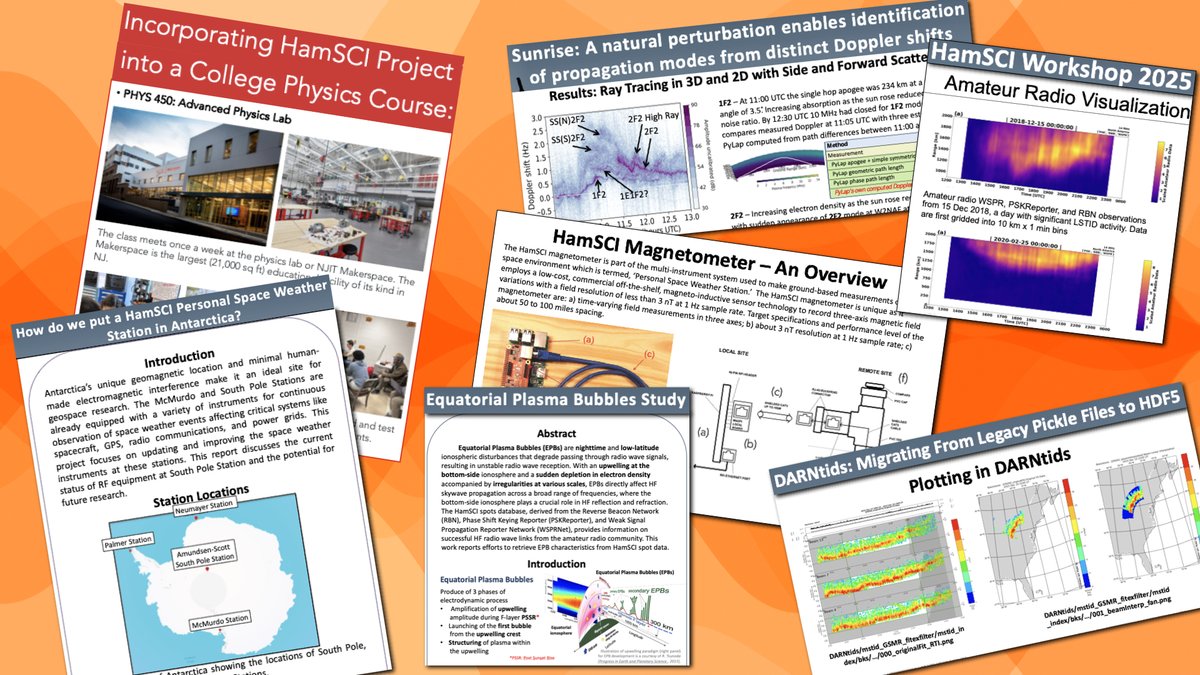
ALT A collage of posters from HamSCI’s March workshop. The posters cover various topics related to space weather and radio science, including incorporating the HamSCI project into a college physics course, equatorial plasma bubbles study, the HamSCI magnetometer, and amateur radio visualizations. Other posters discuss the use of space weather stations in Antarctica, and technical details on processing and visualizing radio data. The posters feature graphs, diagrams, and maps showcasing research results and instrumentation used in the HamSCI project.
ALT A student participating in the Growing Beyond Earth Citizen Science project, carefully measuring and observing plants in small pots. The plants appear to be leafy greens, and the student is holding a ruler to measure their growth. The lab has bright lighting, and scientific equipment is visible in the background. The student is wearing glasses, a shirt with an abstract design, and a lanyard with a badge. This project helps NASA research how to grow plants in space. Image credit: Growing Beyond Earth.

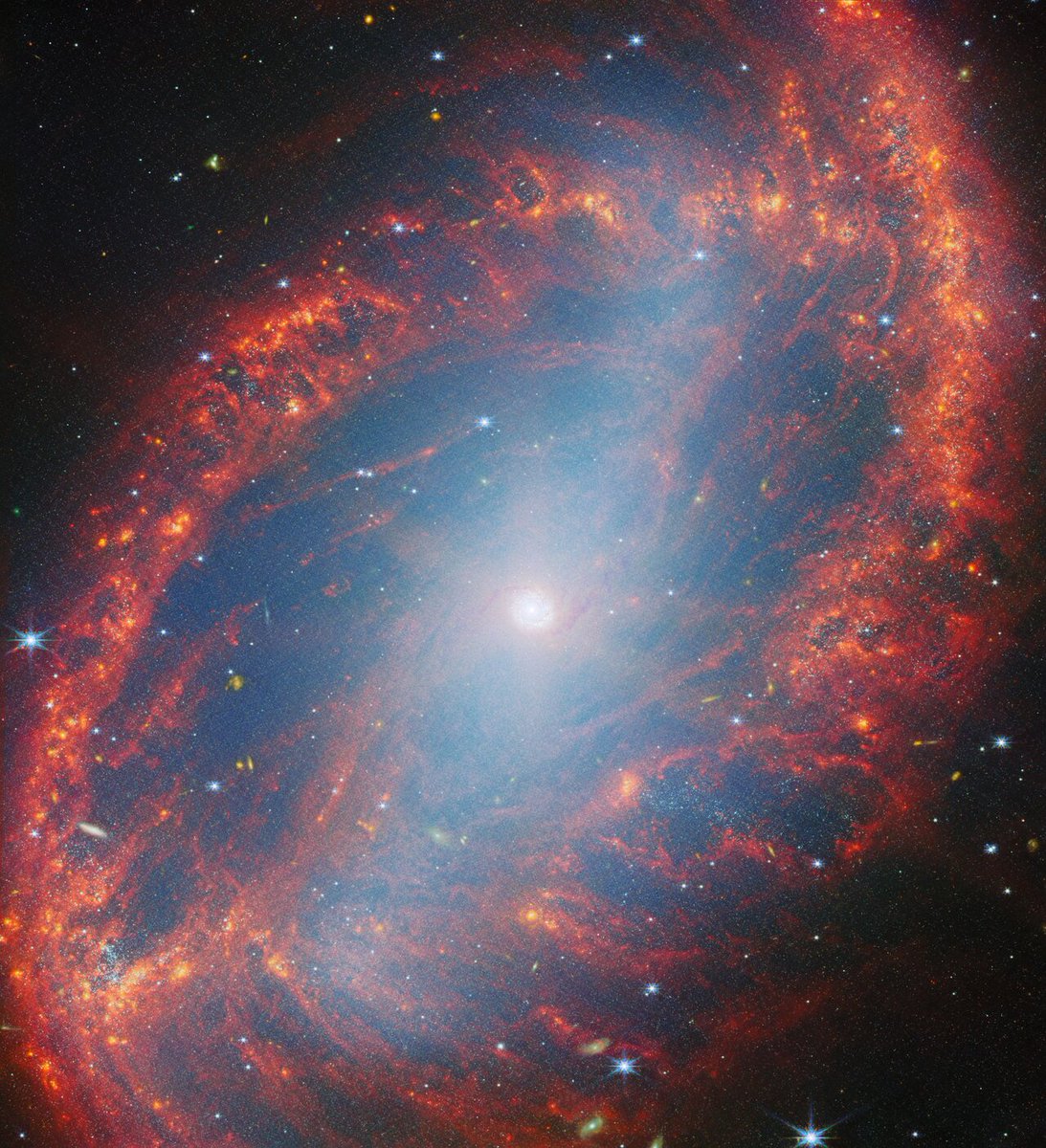
ALT Close-up, frame-filling view of the oval-shaped, spiral galaxy, NGC 2566, captured by the NASA/ESA/CSA James Webb Space Telescope. This galaxy is located in the constellation Puppis. Its core is a compact, pale spot that glows brightly, filling the disc with bluish light. Faint strands of pale reddish dust swirl out from the core to the far sides of the disc. They each join up with an arm of thick, cloudy, red dust with brighter orange patches that follows the edge of the disc around to the opposite end and a little off the galaxy.