Powered by data, driven by discovery, made for everyone.
- Tweets 20,549
- Following 84
- Followers 1,330,450
- Likes 12,235



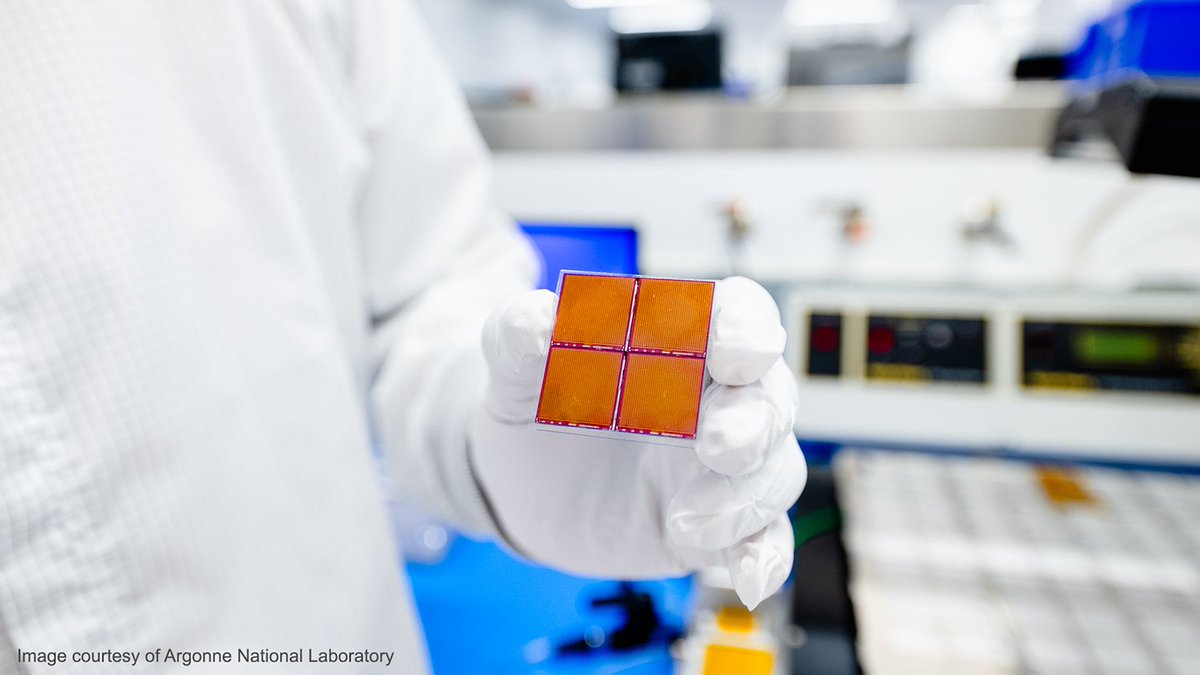
ALT A person in a white jacket and gloves holds an AstroPix chip, which is a two-by-two square of what looks like copper-colored computer chips. Only a portion of their torso is visible. Behind them, out of focus, is laboratory equipment. The image is watermarked “Image courtesy of Argonne National Laboratory.”
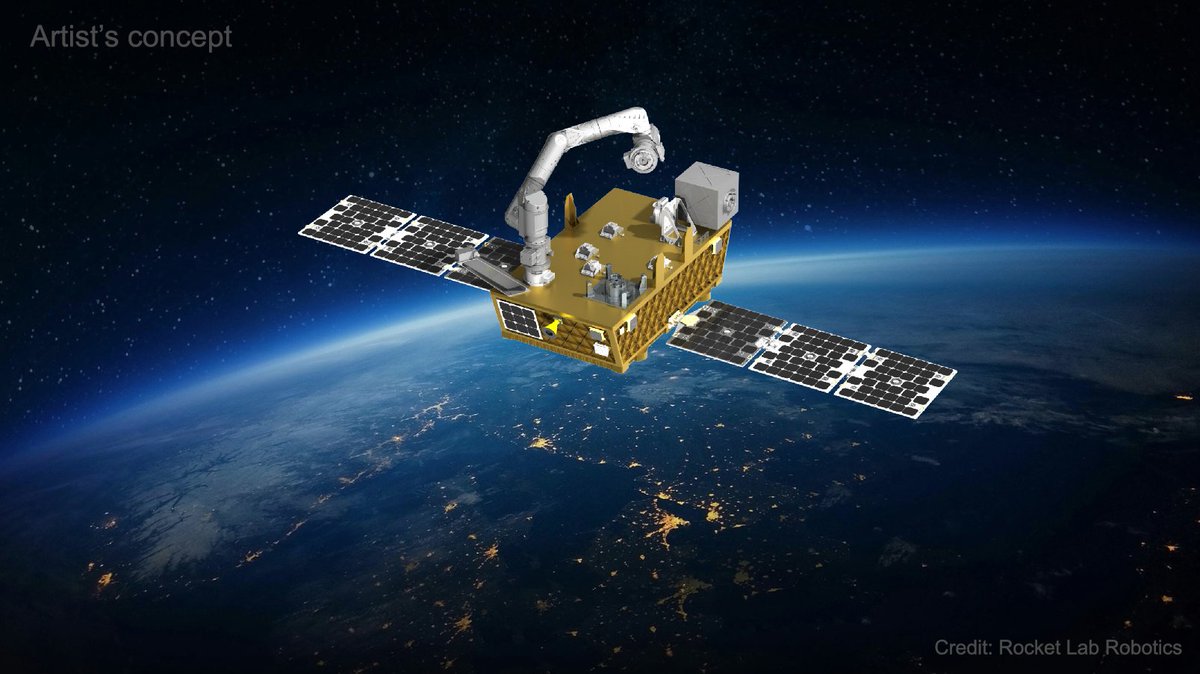
ALT In this illustration of NASA’s Fly Foundational Robots mission, a rectangular golden spacecraft sports a robotic arm extending from the bottom-left corner. The arm is reaching toward a small gray box attached to the spacecraft’s upper-right corner. Two narrow solar arrays extend to either side. The lights of various cities shine on Earth below the satellite, and the limb of the atmosphere glows blue in the distance. The image is watermarked “Artist’s concept” and “Credit: Rocket Lab Robotics.”

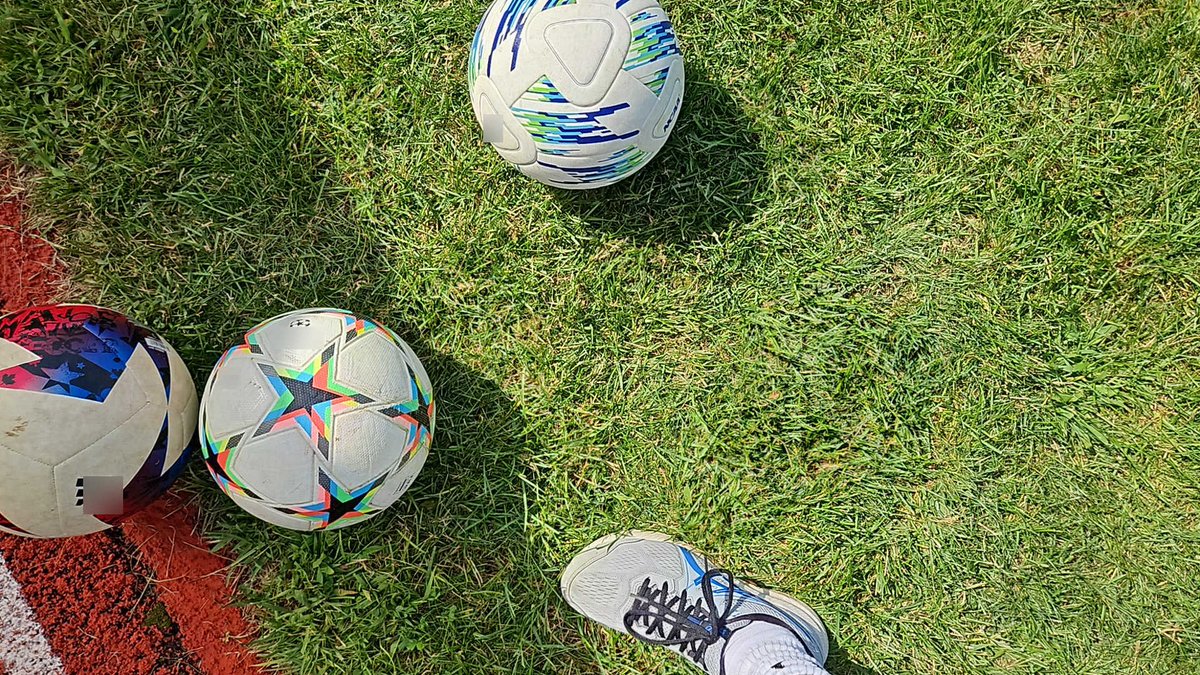
ALT Photograph of three soccer balls on green grass. There is red and white painted concrete visible in the bottom left corner of the image. A person’s foot, clad in a tennis shoe, is visible near the bottom of the photo, indicating that the person is taking a photograph straight down at the ground below their feet. Credit: NASA GLOBE

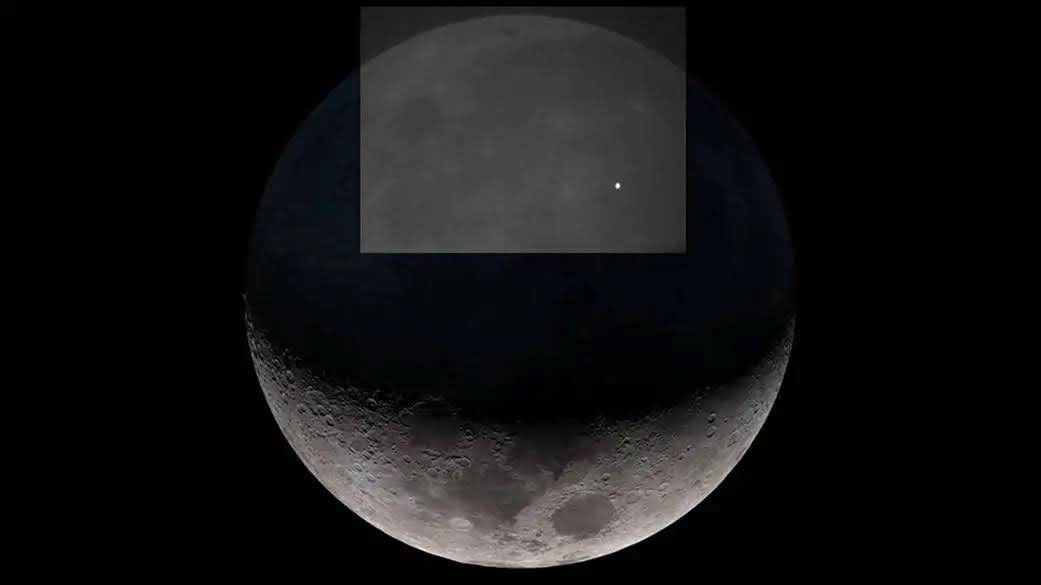
ALT Two images of the Moon are superimposed. In the first, a dark quarter-Moon fills the bottom of the image, fading into black above, where the shadowed portion of the Moon is indistinguishable from the black of space. The second image appears as a rectangle in that black space. It shows a pale piece of Moon in mid-grey tones, with one bright white blotch, an impact flash, in the lower right.
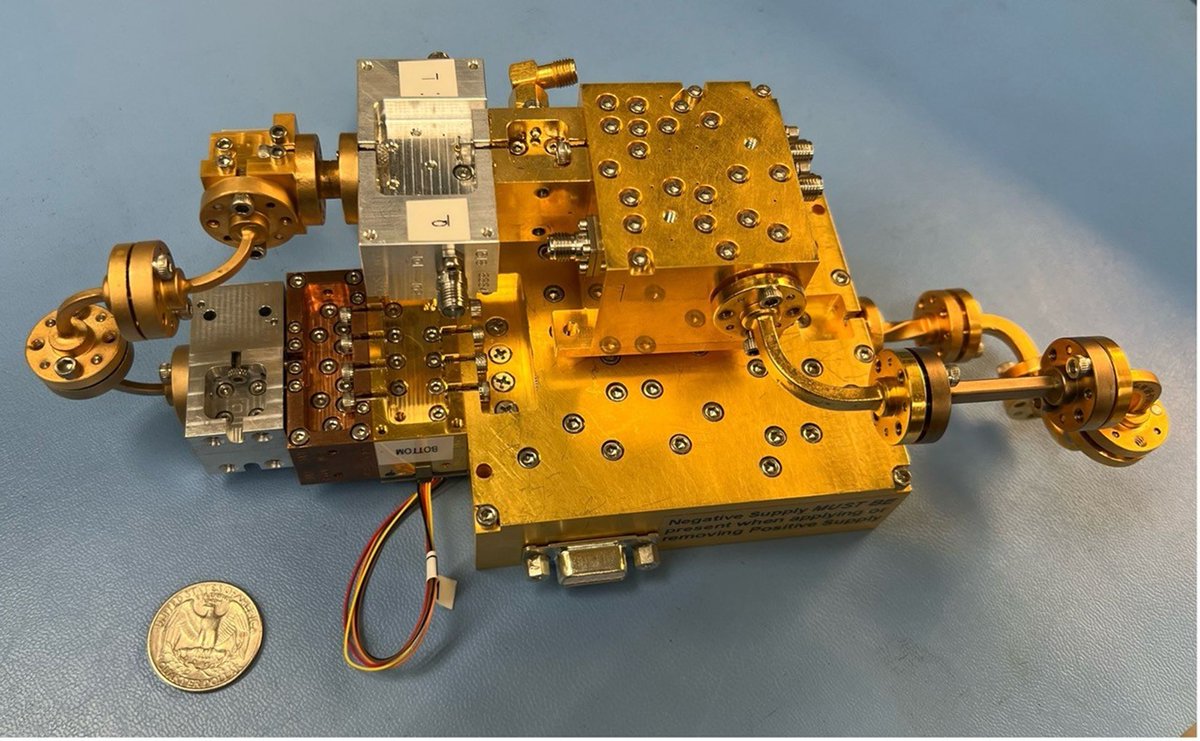
ALT A photo of the radar electronics for CloudCube’s compact G-band radar. Producing G-band radar signals requires a large amount of energy, and CloudCube is one of the first instruments to produce those signals effectively from a compact platform.
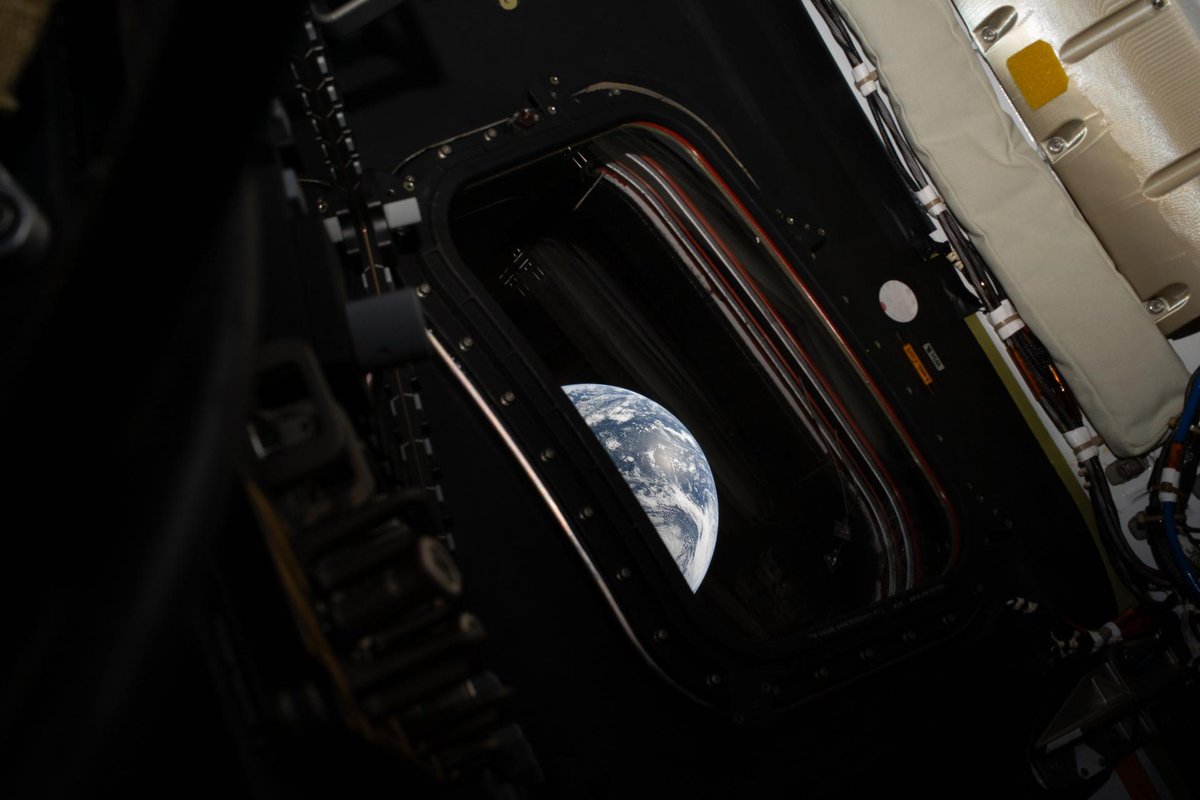
ALT A view of Earth through a spacecraft window, showing the blue-and-white planet partially framed by the dark interior structure, cables, and hardware inside the spacecraft.

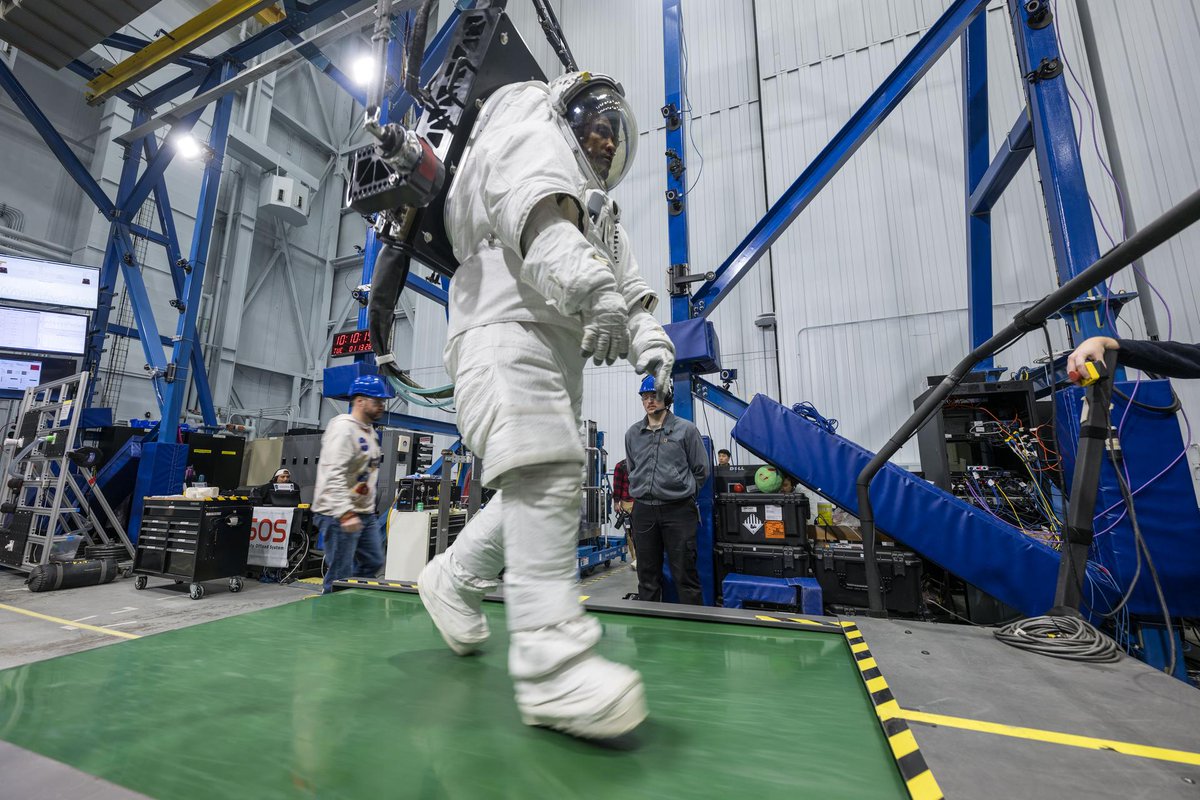
ALT An image of Victor Glover wearing a white spacesuit walks on a treadmill-like platform inside a large testing facility while attached to a support system that helps simulate lunar gravity. Engineers and technicians observe nearby as the astronaut tests mobility and movement capabilities for future Artemis missions. Blue structural frames, monitoring equipment, and cables surround the test area.

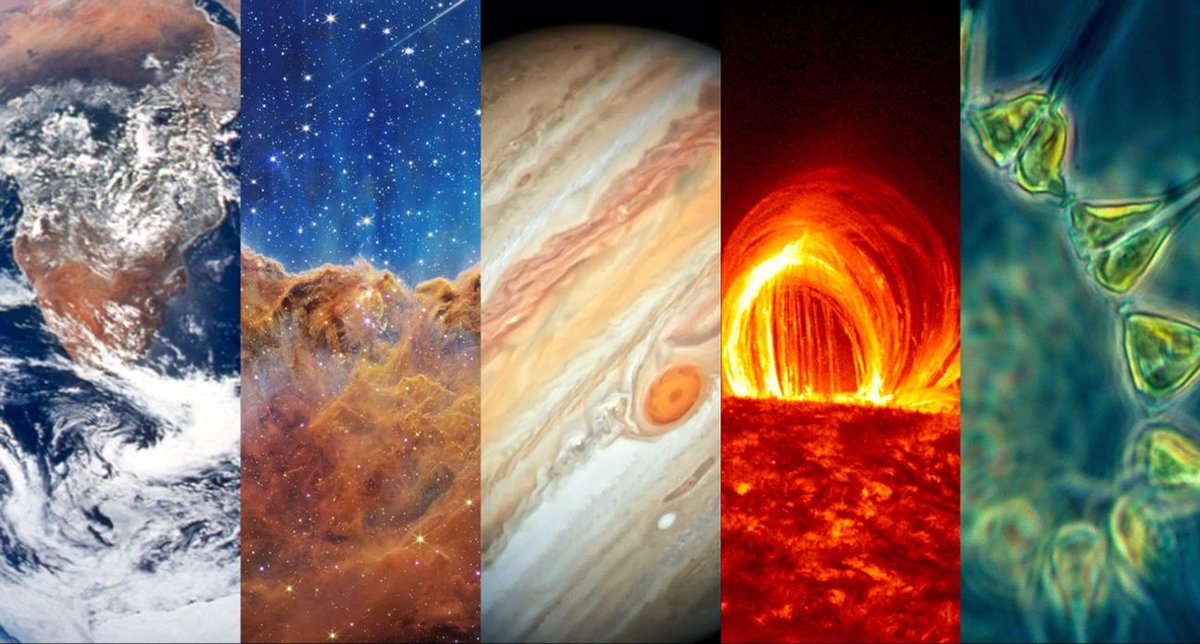
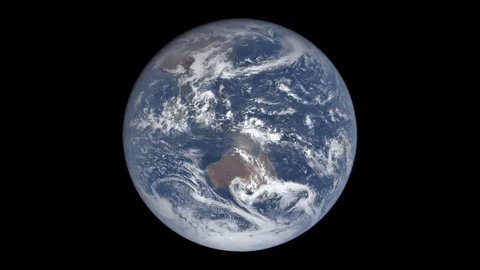
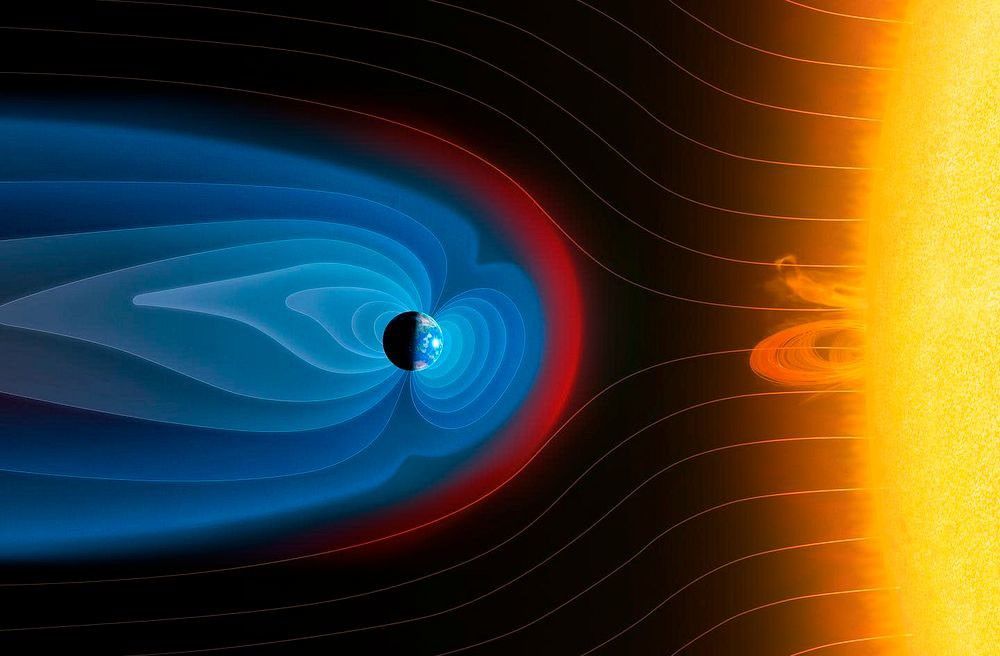
ALT Collage for 5 science related images, from left, Earth as seen from space, a deep space nebula as viewed by the James Webb Space Telescope, Jupiter's colorful cloud bands and great red spot, a solar prominence arching out from the surface of the Sun, and a close-up view of green phytoplankton


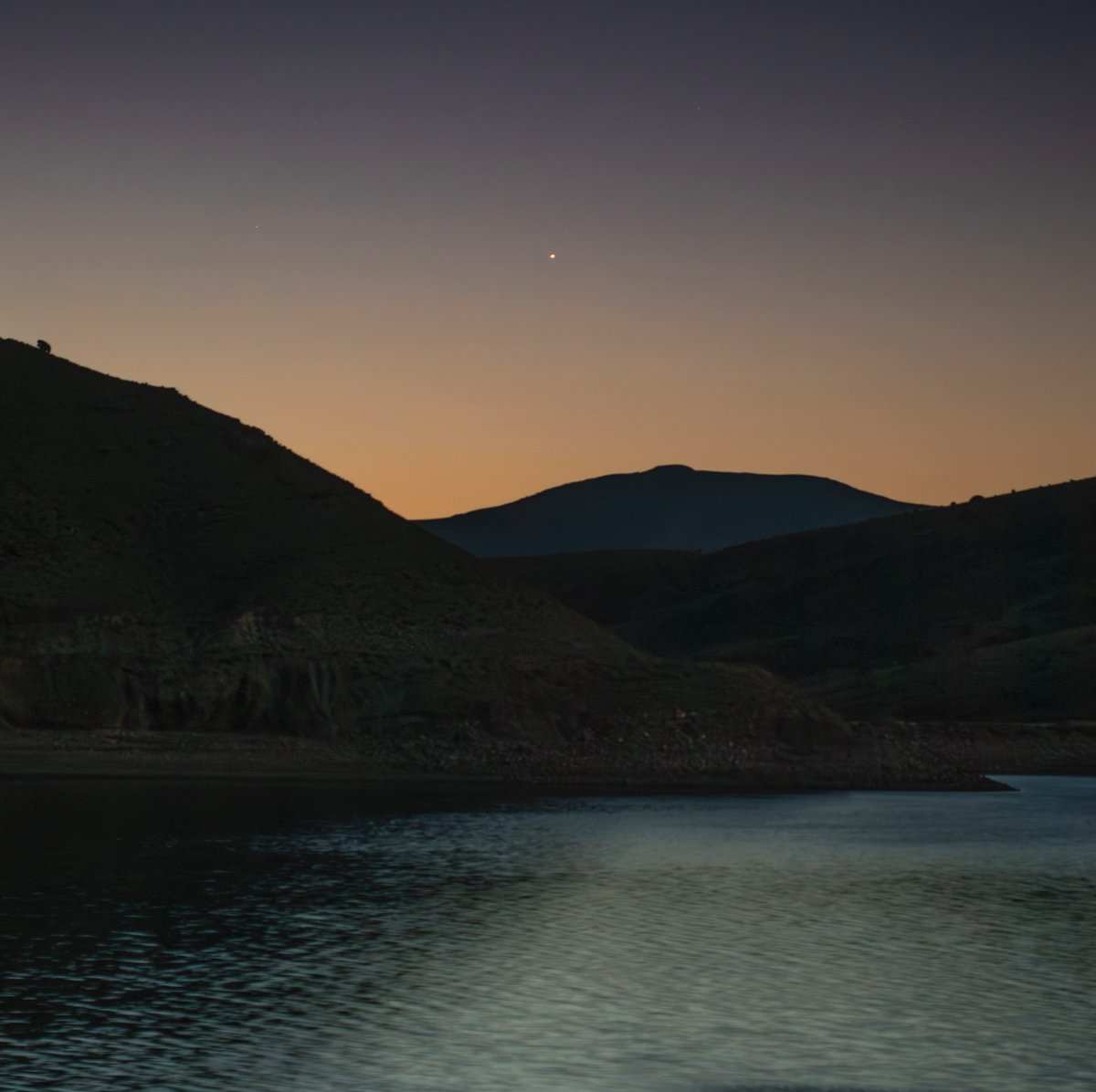
ALT Mars appears as a small, faint, reddish star in a clear pre-dawn sky above a lake rimmed with mountains on June 5, 2026. Photo: NASA/Bill Dunford

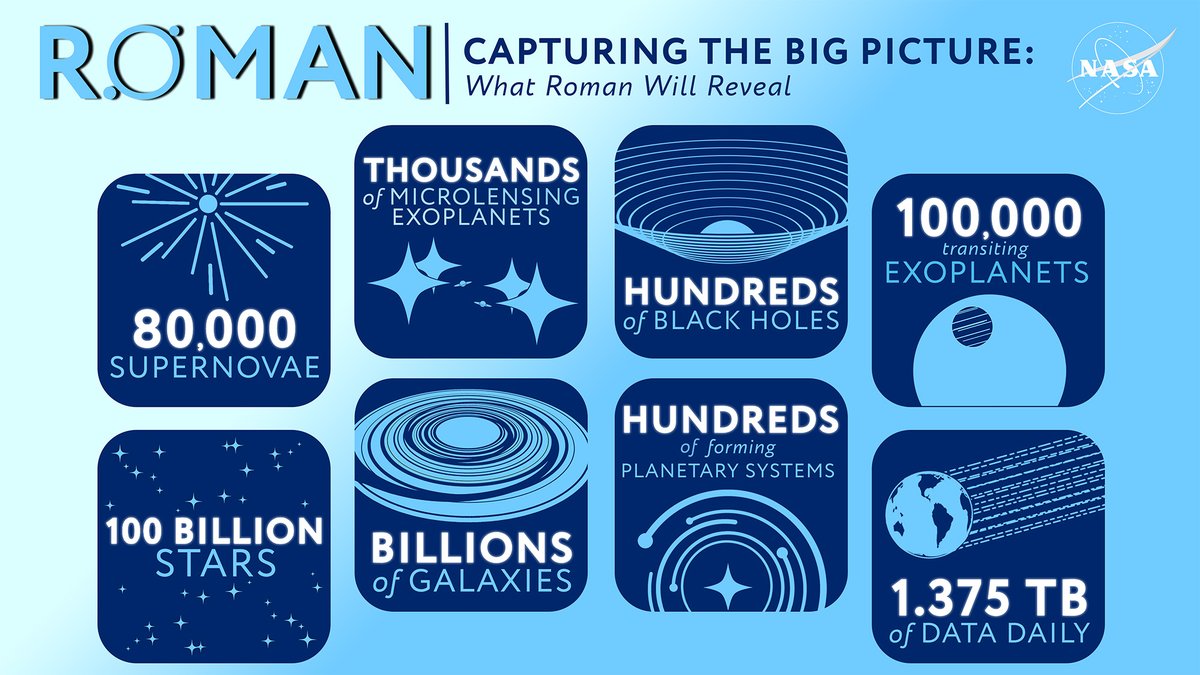
ALT An infographic about the Roman Space Telescope, titled "Capturing The Big Picture: What Roman Will Reveal." Various boxes beneath highlight that Roman will observe, for example, "80,000 supernovae" and "billions of galaxies". Credit: NASA's Goddard Space Flight Center

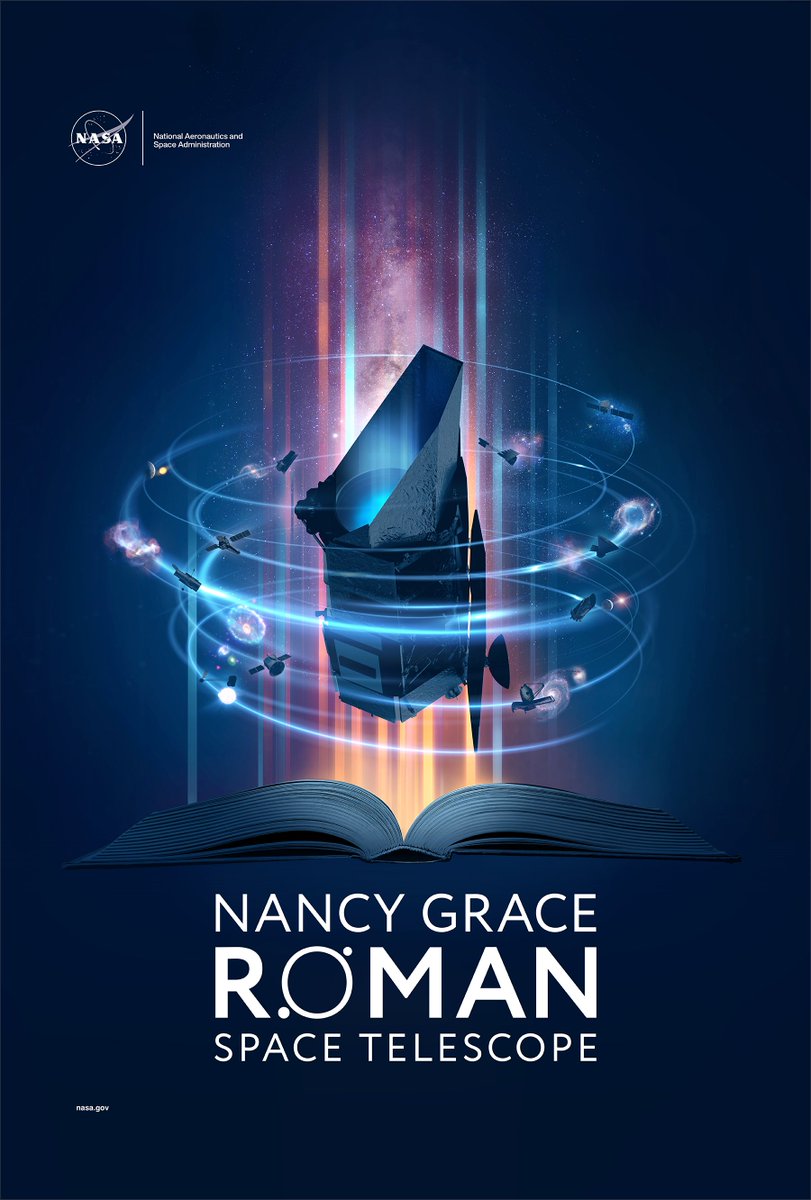
ALT An illustration depicting the Nancy Grace Roman Space Telescope floating above an open book, being orbited by small satellites, telescopes, and celestial bodies. Behind Roman is a rosy stripe of stars and golden light. Credit: NASA/Jenny Mottar

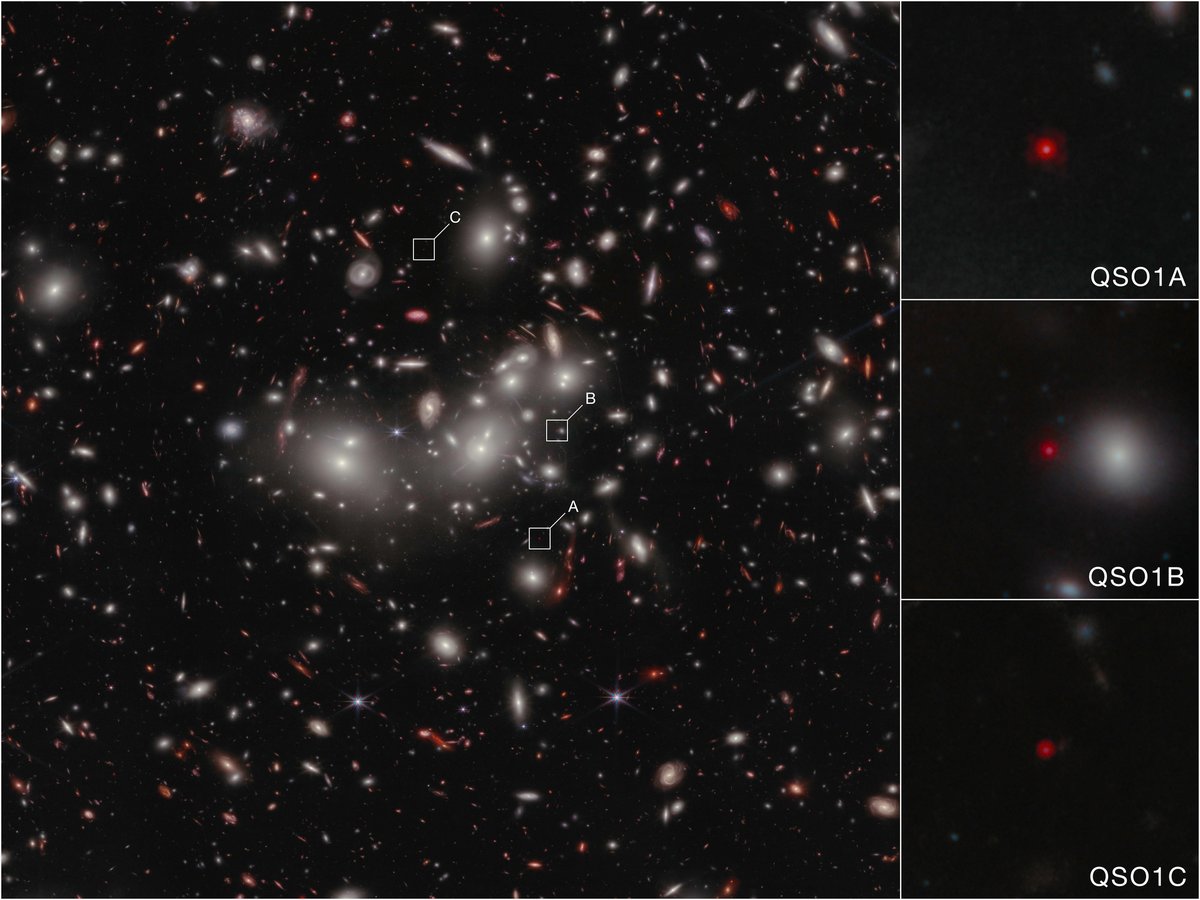
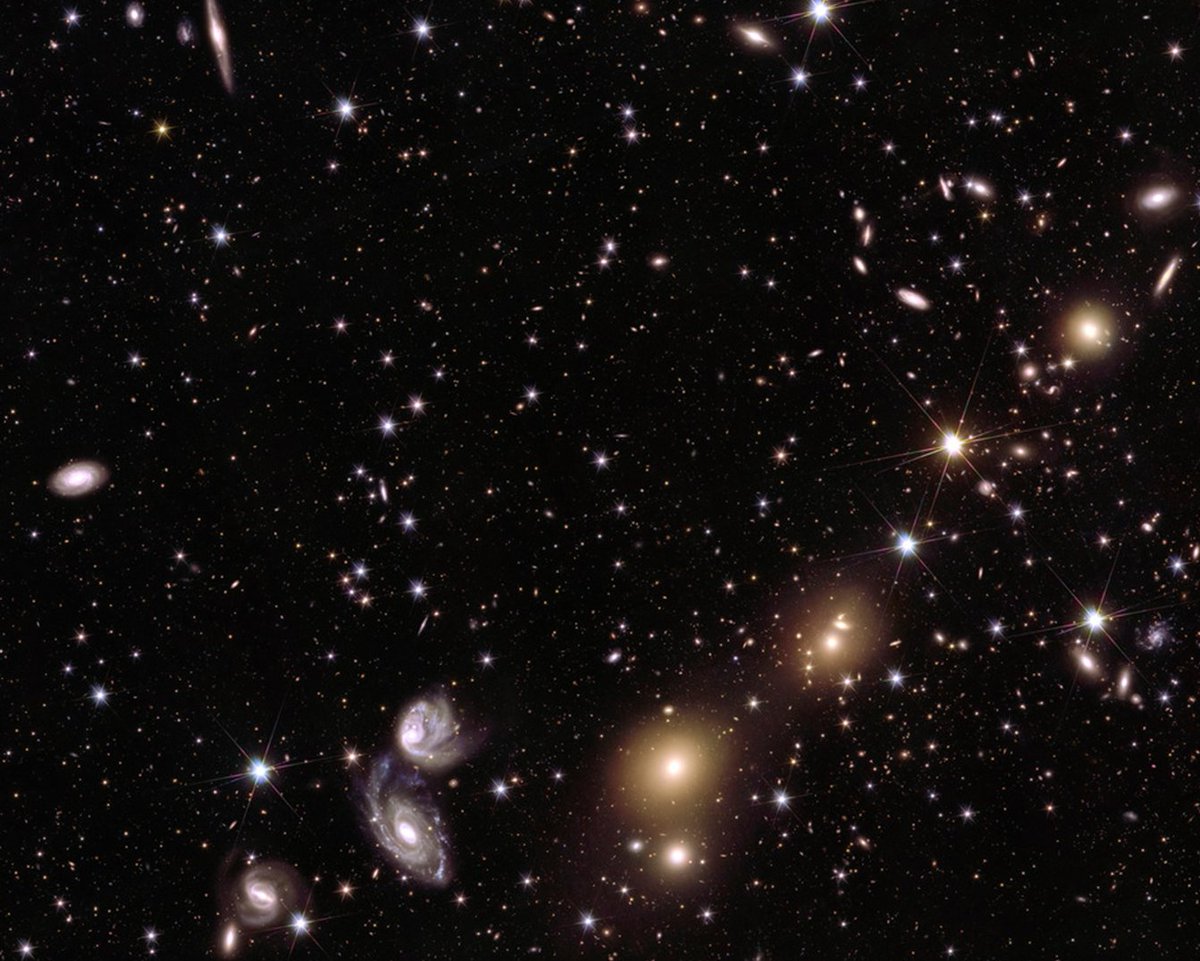
ALT Space telescope image showing hundreds of bright objects of different size, color, and shape on the black background of space. Colors range from white to deep red. Shapes include elliptical, spiral, dot-like, dash-like, and arcuate. Many of the large objects near the center of the image are fuzzy white, with bright white cores. Many smaller objects scattered throughout the image are pink to red. Three objects in the central part of the image are called out with small white boxes: A box labeled “C” at about 12 o’clock; one labeled “B” at 3 o’clock; and a box labeled “A” at 4 o’clock. Images of the three objects are enlarged in boxes running vertically along the right. From top to bottom these are labeled QSO1A, QSO1B, and QSO1C. At the center of each box is a tiny, circular red dot. QSO1A (top) is notably larger, brighter, and clearer than the other two. QSO1B, in the middle, is smallest and fuzziest, and is somewhat washed out by the light of a larger white object next to it.
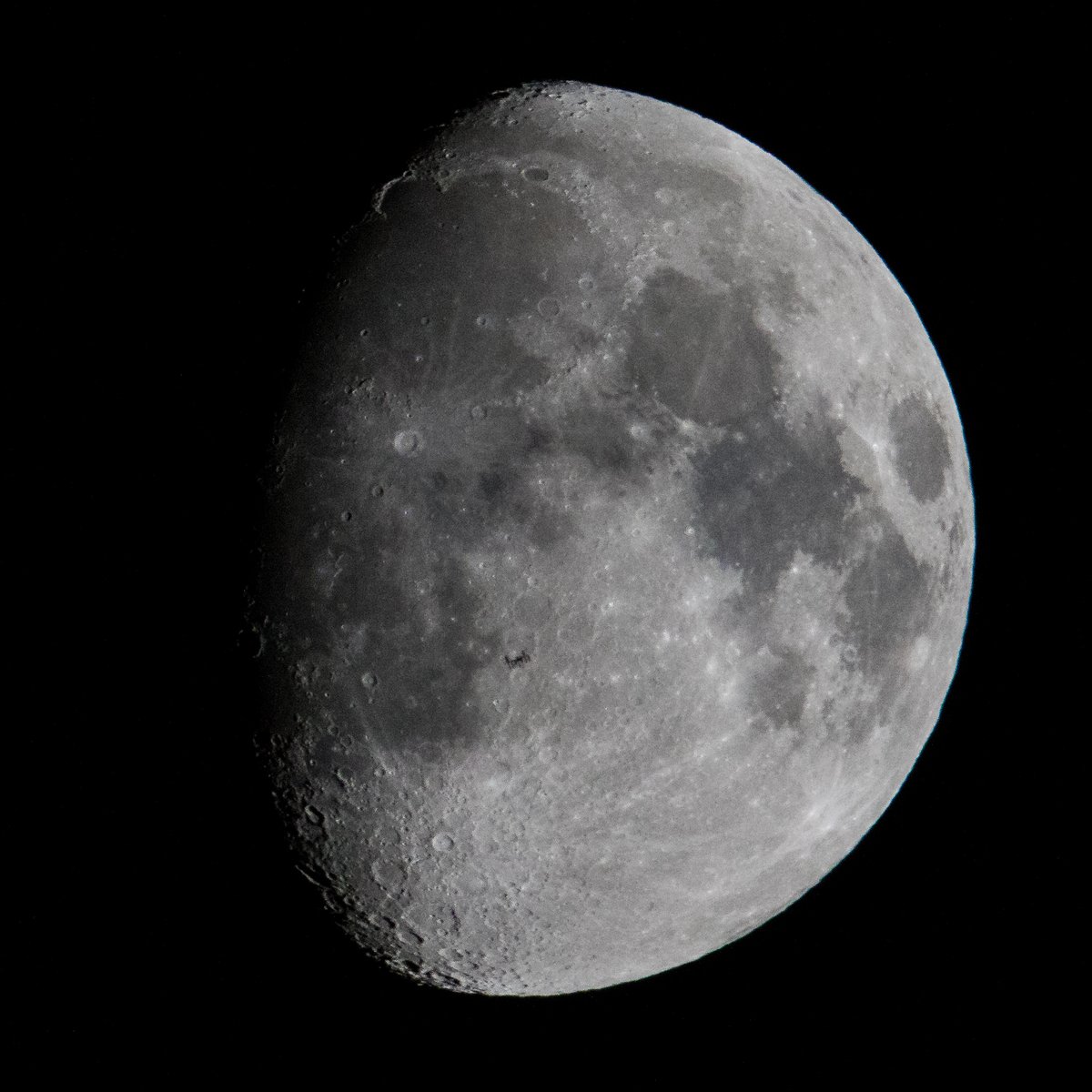
ALT A close-up photo of the Moon, which is about three-quarters full; its left side is in shadow. Its gray seas and circular impact craters are clearly visible. Near the center of the image, the International Space Station can just barely be seen passing in front of the Moon. Credit: NASA/Joel Kowsky
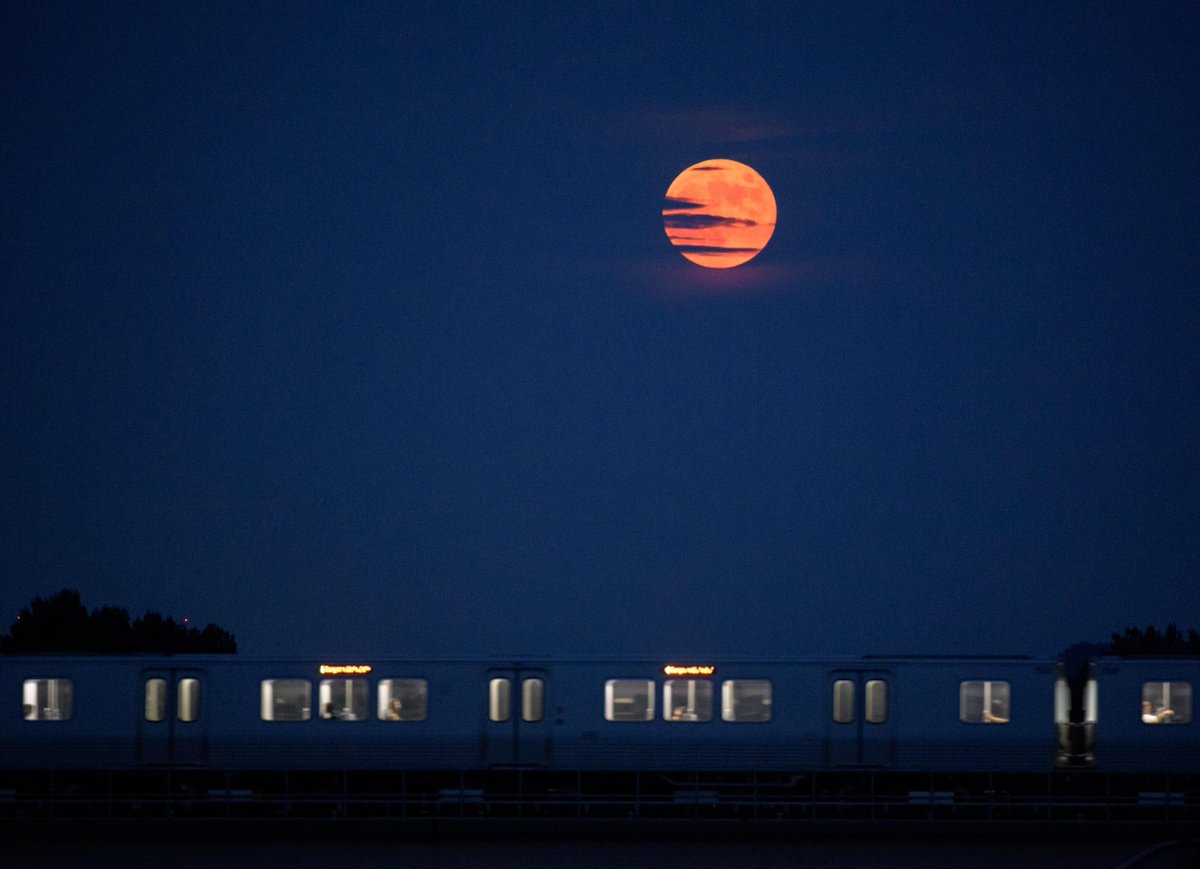
ALT A reddish Moon, with clouds passing in front of it, floats above a quickly-moving subway train at night. Credit: NASA/Bill Ingalls
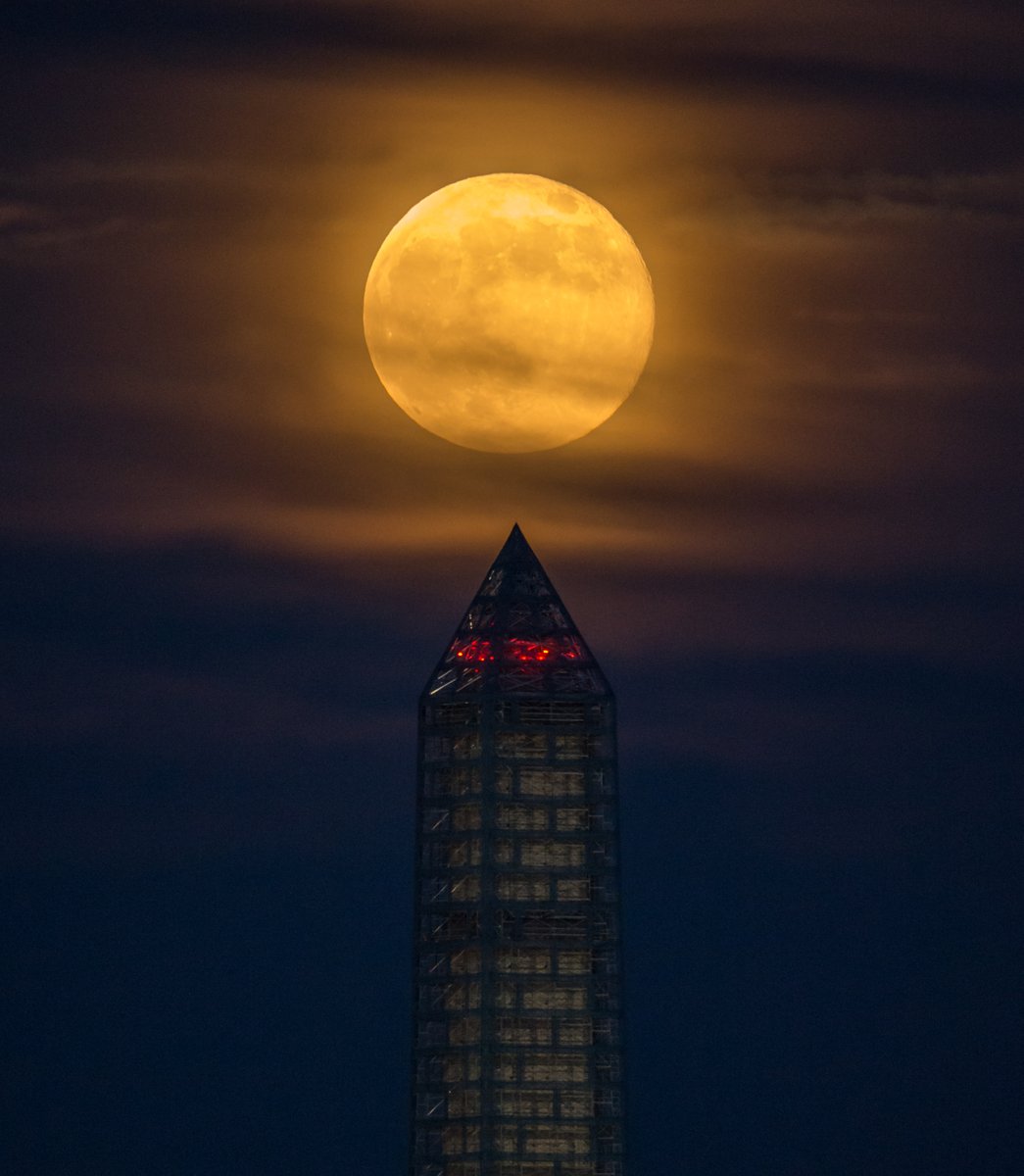
ALT A large, golden Moon, partially shrouded by light clouds, hangs above the peak of the Washington Monument, which is covered in scaffolding. Credit: NASA/Bill Ingalls
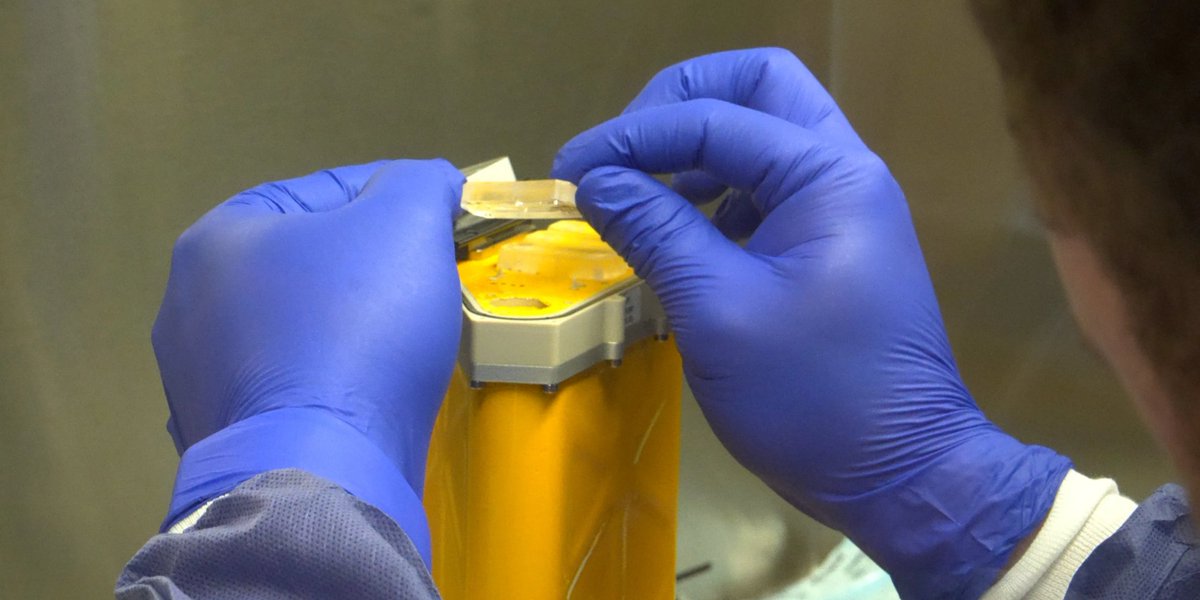
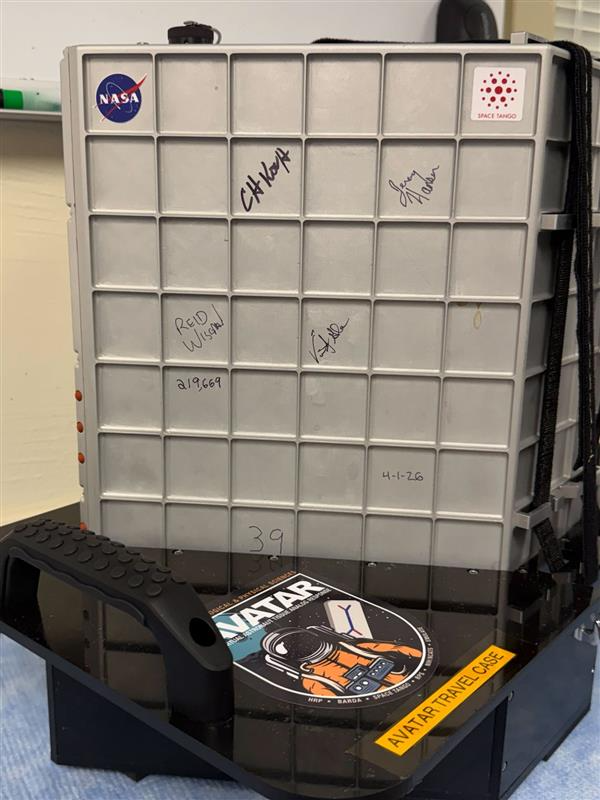
ALT A close-up view of a person wearing blue gloves carefully handling a NASA's AVATAR investigation above a yellow scientific instrument in a laboratory setting.