parks foreman town of wilbraham, ma. class A retired golf course superintendent. friend of Bill W. UMASSTurf 🌈 🇵🇱
Joined February 2013
- Tweets 10,661
- Following 3,865
- Followers 2,013
- Likes 119,688
764 Photos and videos


ron dobosz retweeted

Hole in one #4
Apogee Golf Club(North)
7th Hole, 147 yards, PW
Also my 2800th golf course!

17
7
340
21,609


13 Nov 2025
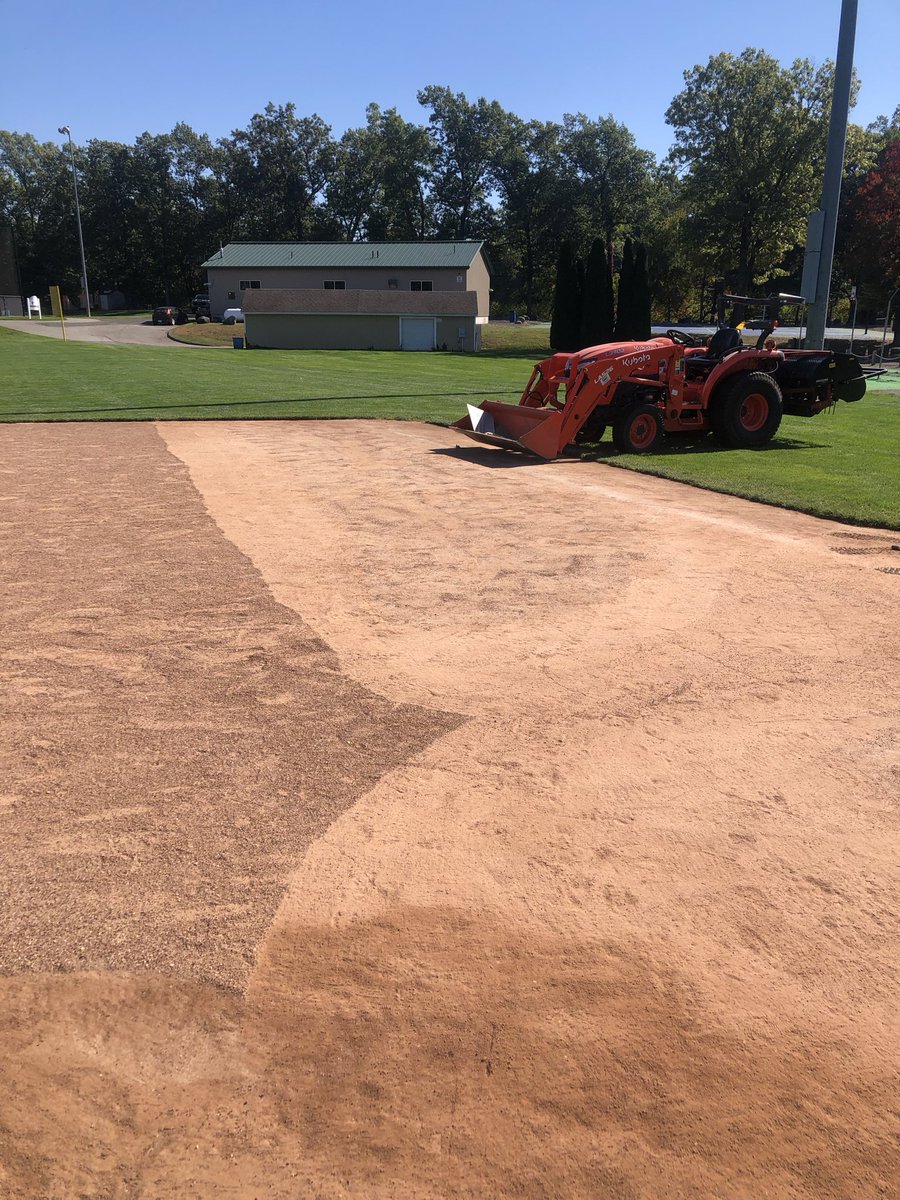
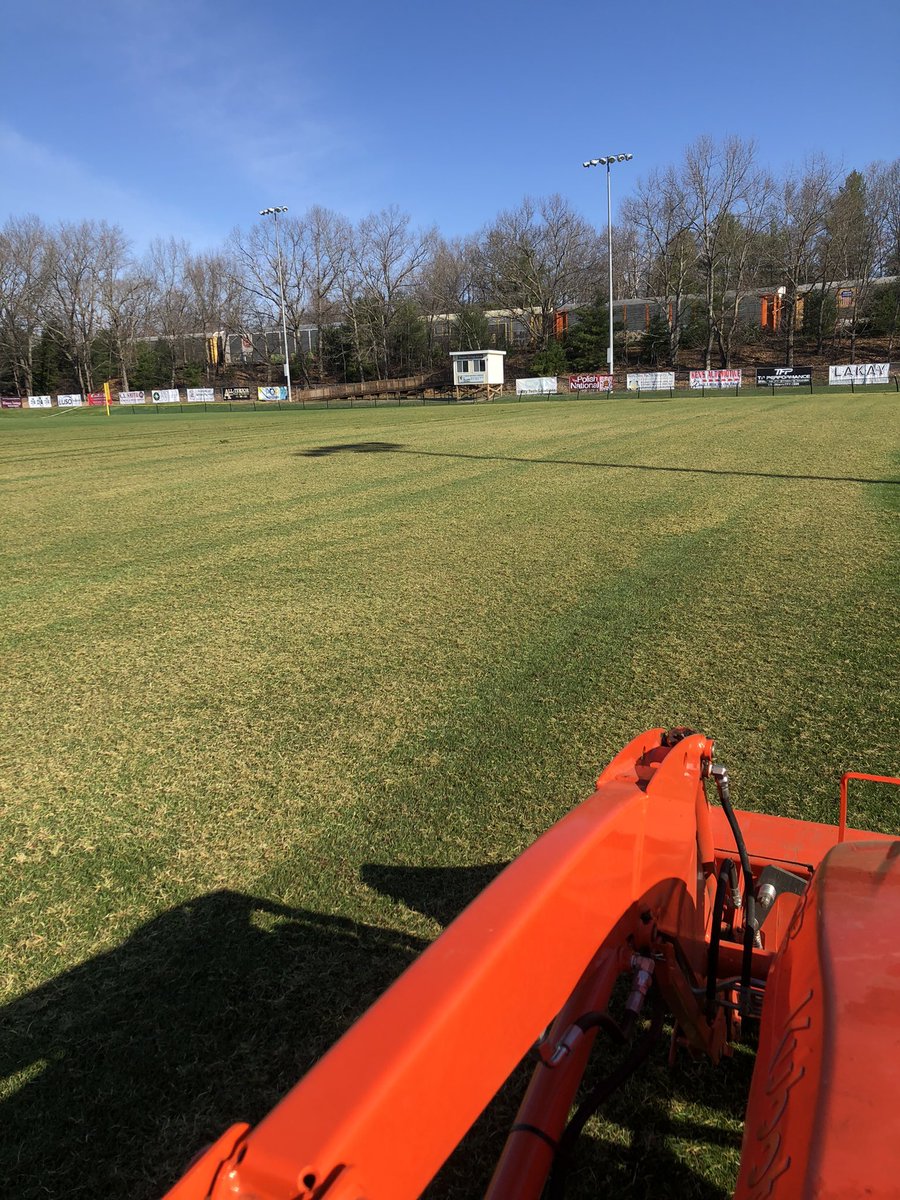
Dethatching fields and sweeping it up. Thank you residents of Wilbraham for providing us with the necessary tools! @FieldExperts
1
2
14
897
ron dobosz retweeted

8 Nov 2025
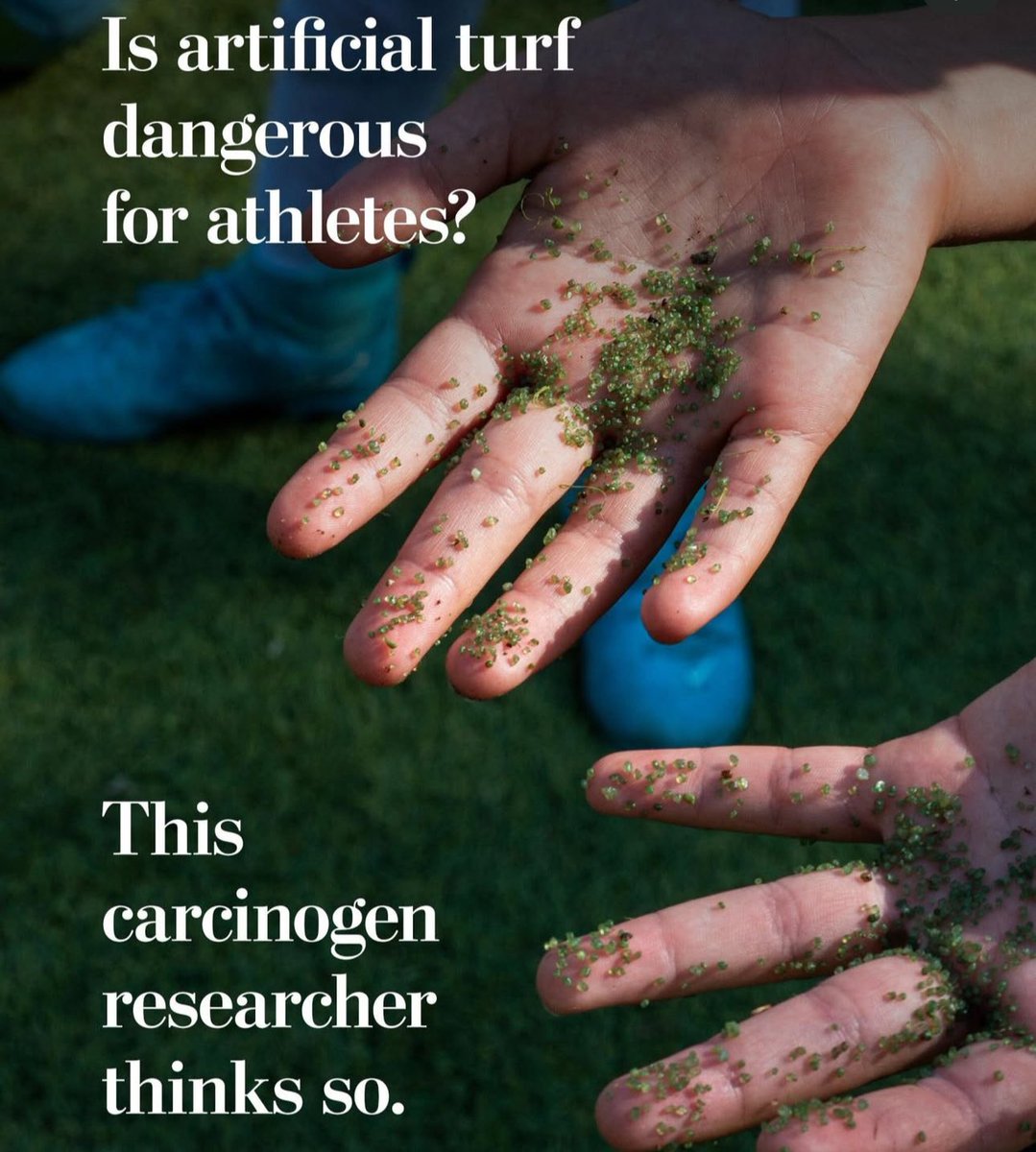
“Is artificial turf dangerous for athletes?
This [Yale] carcinogen researcher thinks so.”
10 Aug 2025

August 2025.
Yale scientist won’t let his kids play on artificial turf & recommends that you don’t let your kids play on it either.
Washington Post coverage: instagram.com/p/DNB0juaO_CV/…
6
8
566
6 Oct 2025
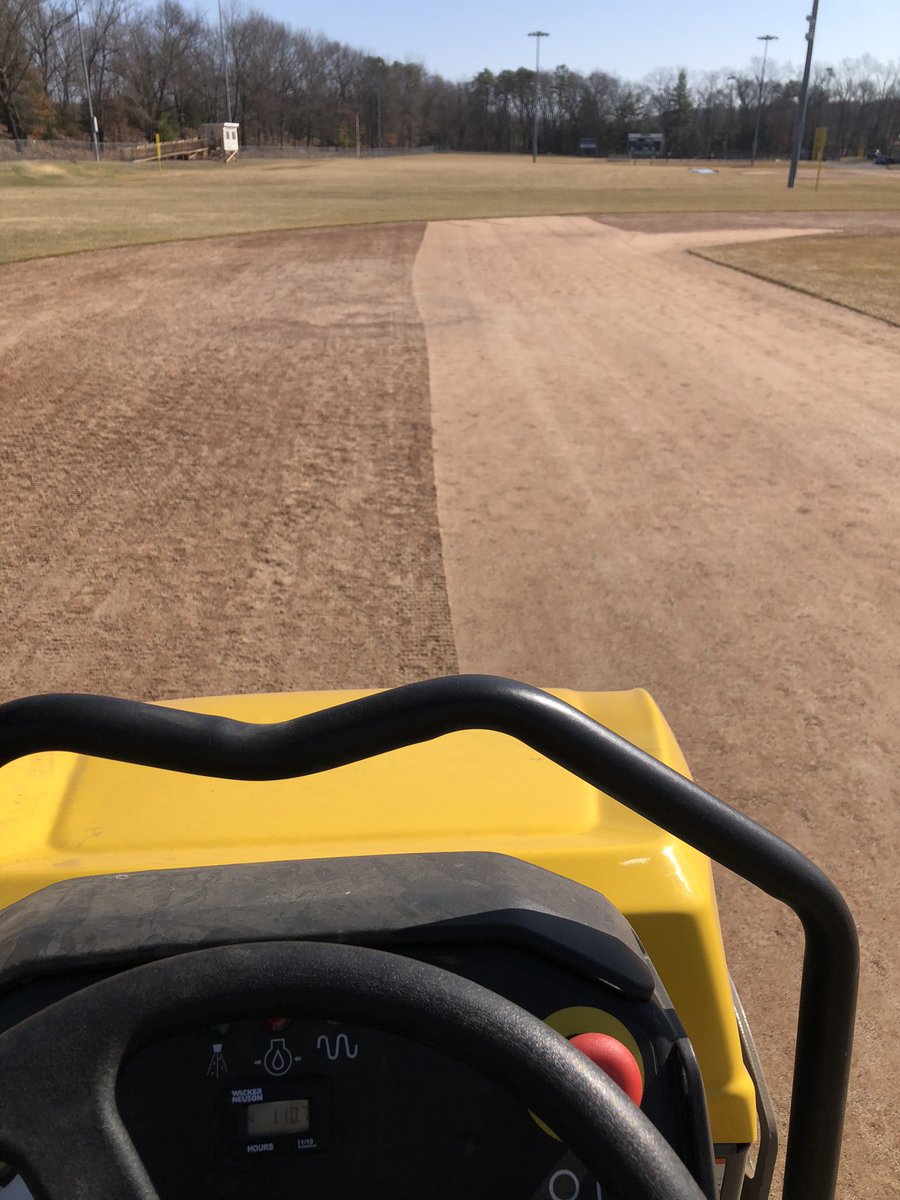
Removing conditioner on Farrell field. Then at @DuraEdge and laser grade and set for winter. @FieldExperts
13
322
30 Sep 2025
Natural grass is MUCH less expensive!!!
30 Sep 2025
It’s your money.
Your city council & school board were elected to manage it responsibly.
Nothing says “fiscal responsibility” like paying more for fake grass than real grass—short & long term. 🙄
9
330
28 Sep 2025
Now it’s time to get Bryson, Hatton and Rahm back on the real tour!
4
279
ron dobosz retweeted
25 Sep 2025
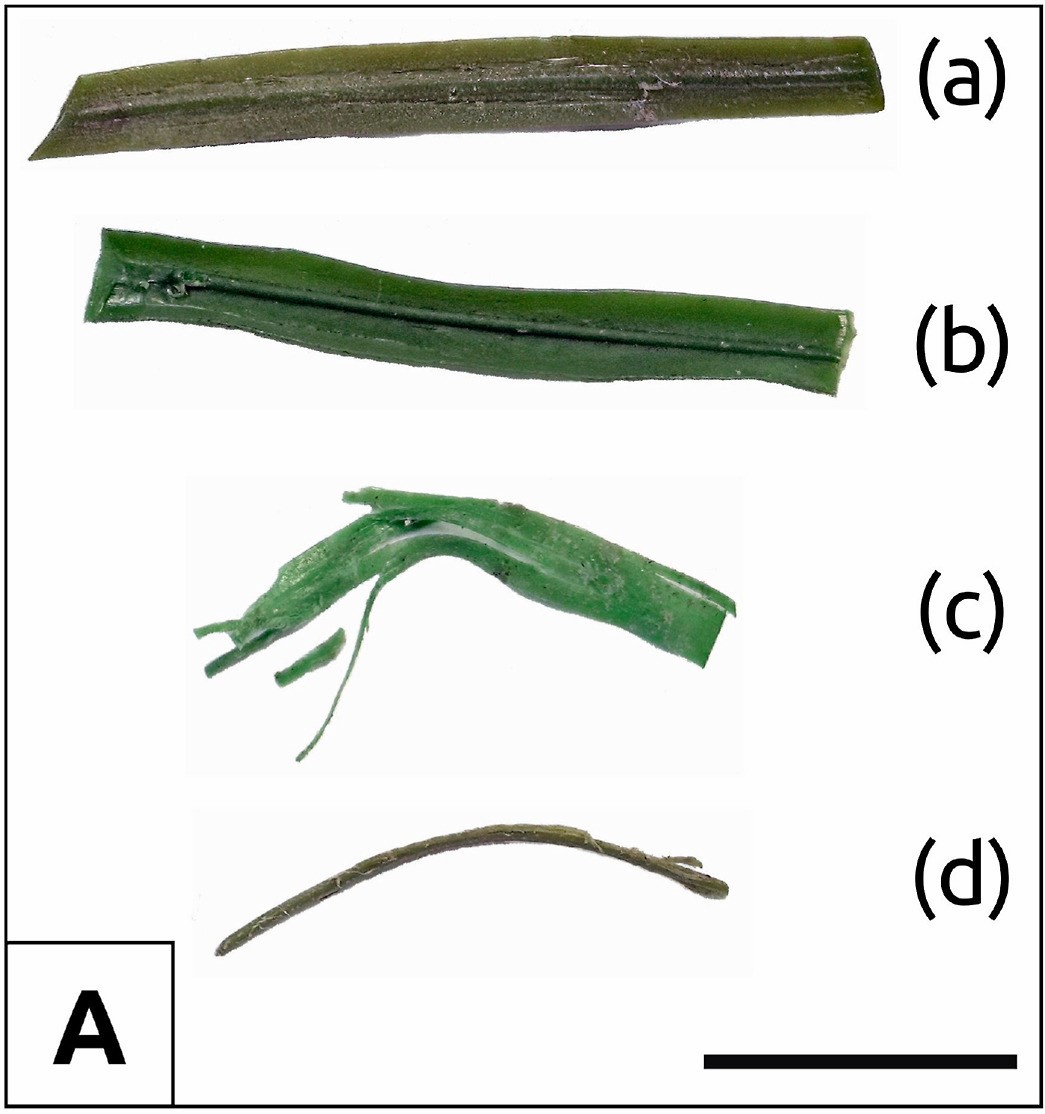
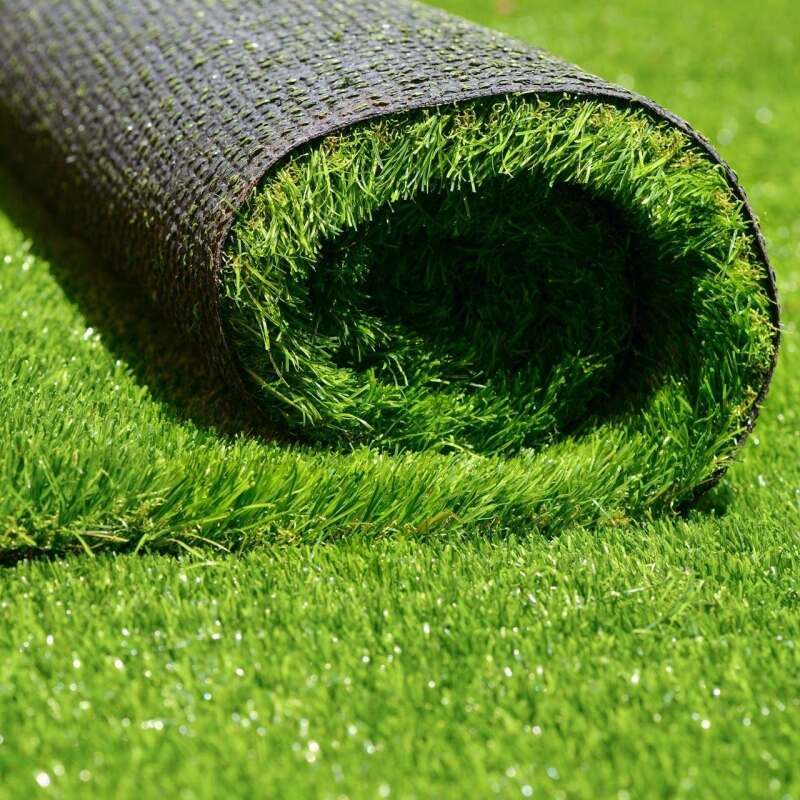
Synthetic turfs are literally plastic rugs.
The plastic carpet fibers break down & shed as a result of weathering & wear.
These fibers disperse into the environment & wash down storm drains into waterways.
Research shows how serious the resulting microplastic pollution is:
5 Jul 2023

📢New Publication! "The dark side of artificial greening: Plastic turfs as widespread pollutants of aquatic environments"🌿
We have found that artificial turf fibers account for up to 15% of the meso- and macroplastics in rivers and sea surface waters!
doi.org/10.1016/j.envpol.202…
12
22
767
29 Aug 2025
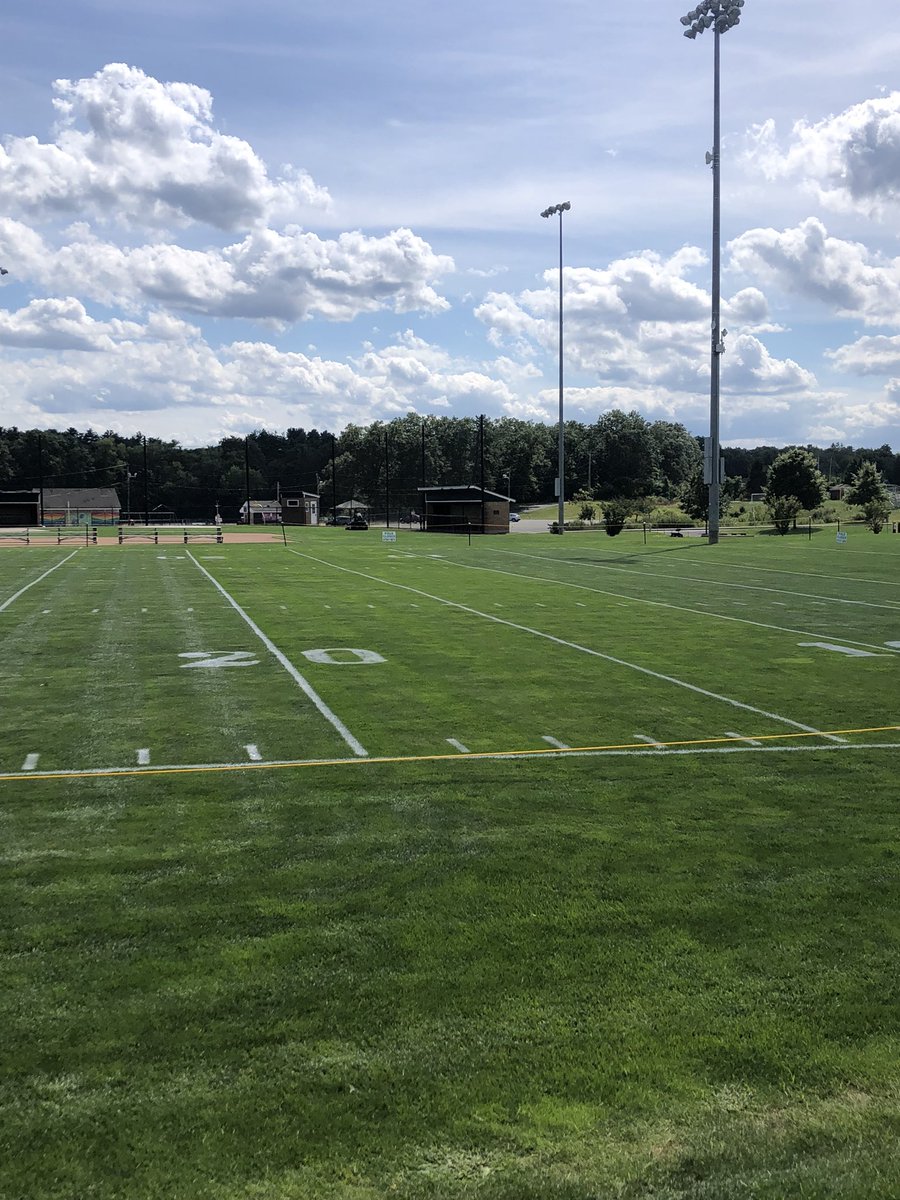
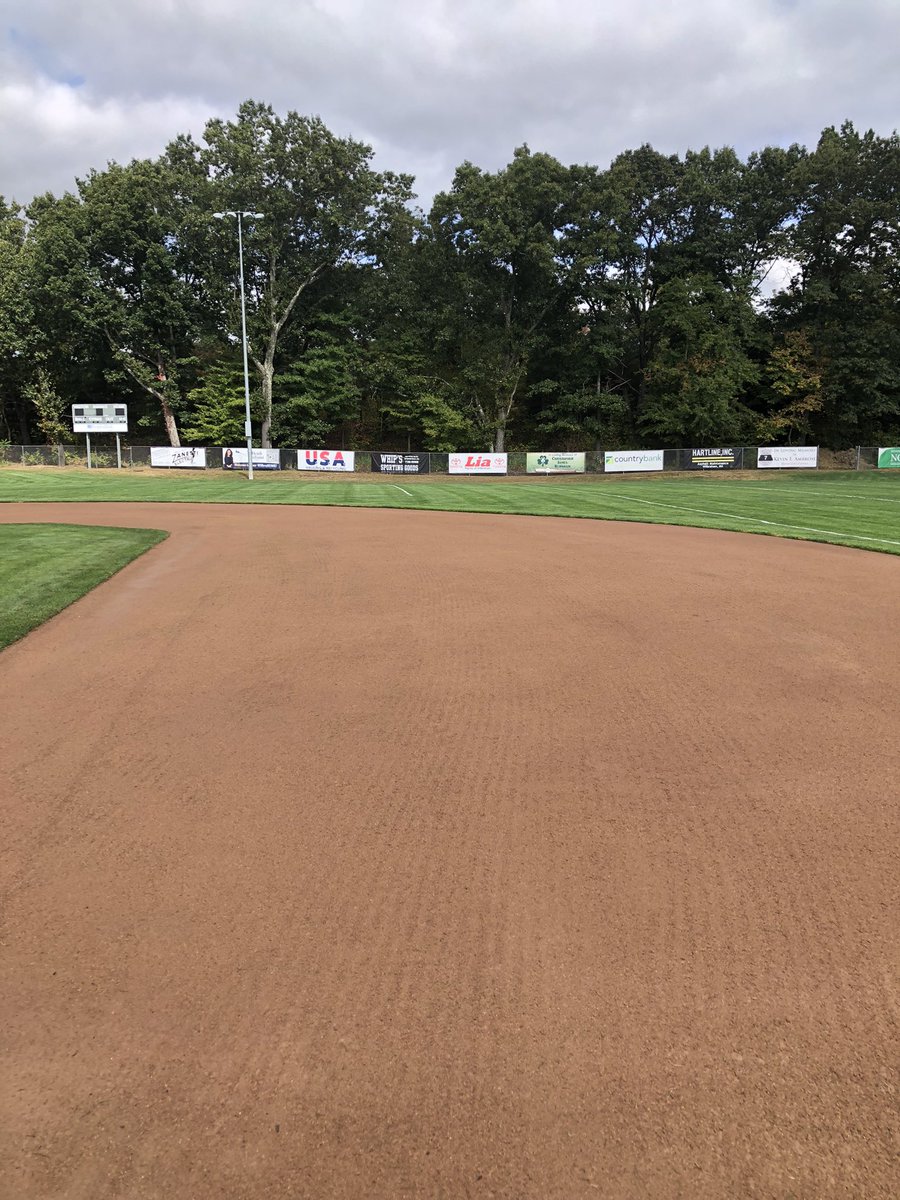
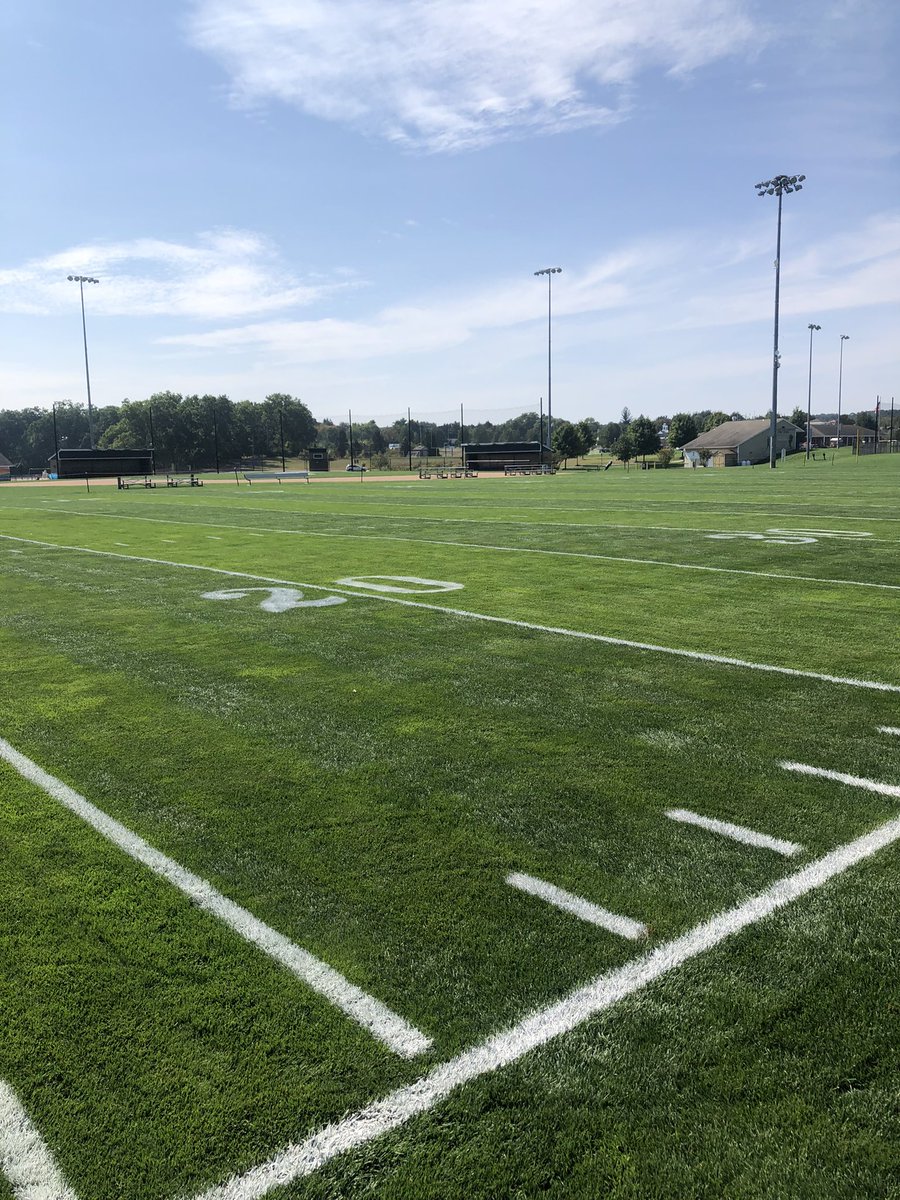
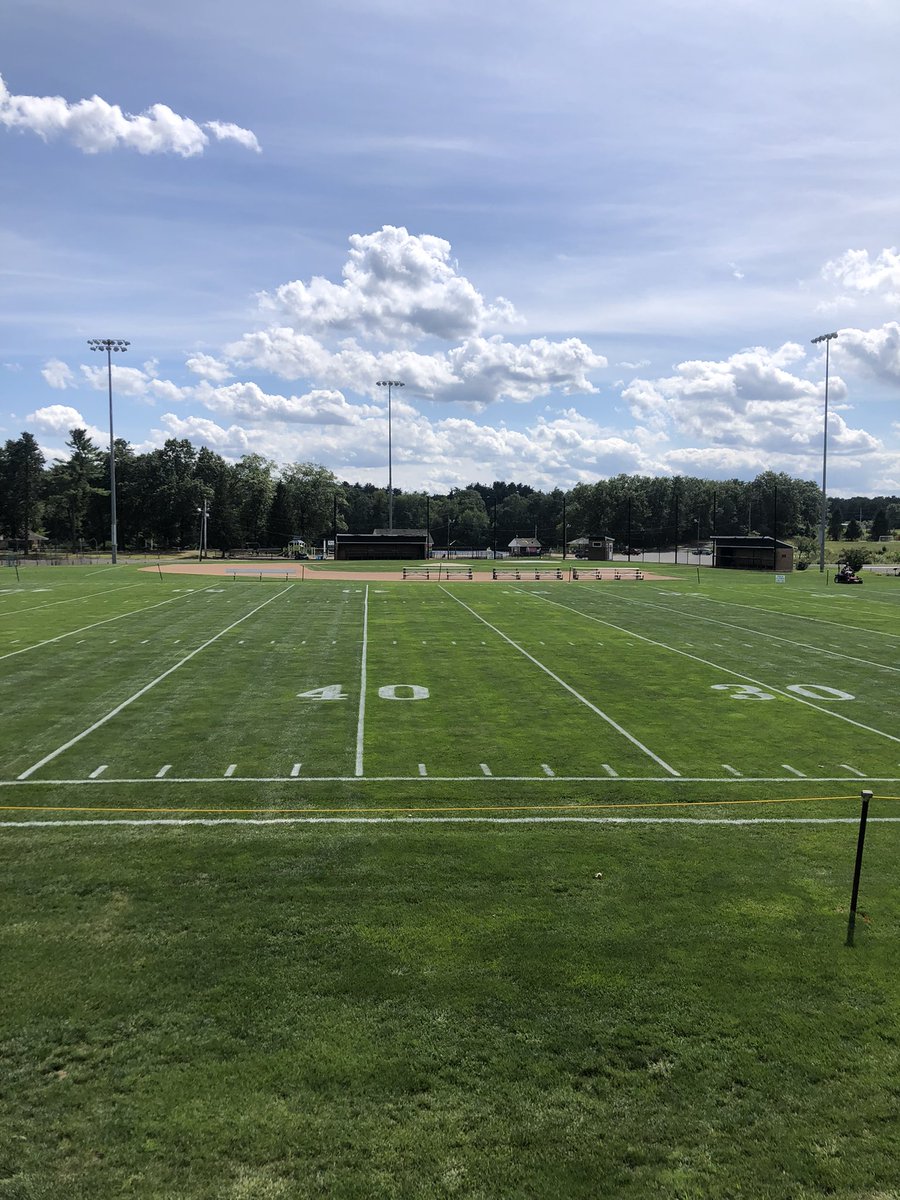
Football game field all painted and ready for games Saturday, 6 youth games!
1
11
398
ron dobosz retweeted
27 Jun 2025
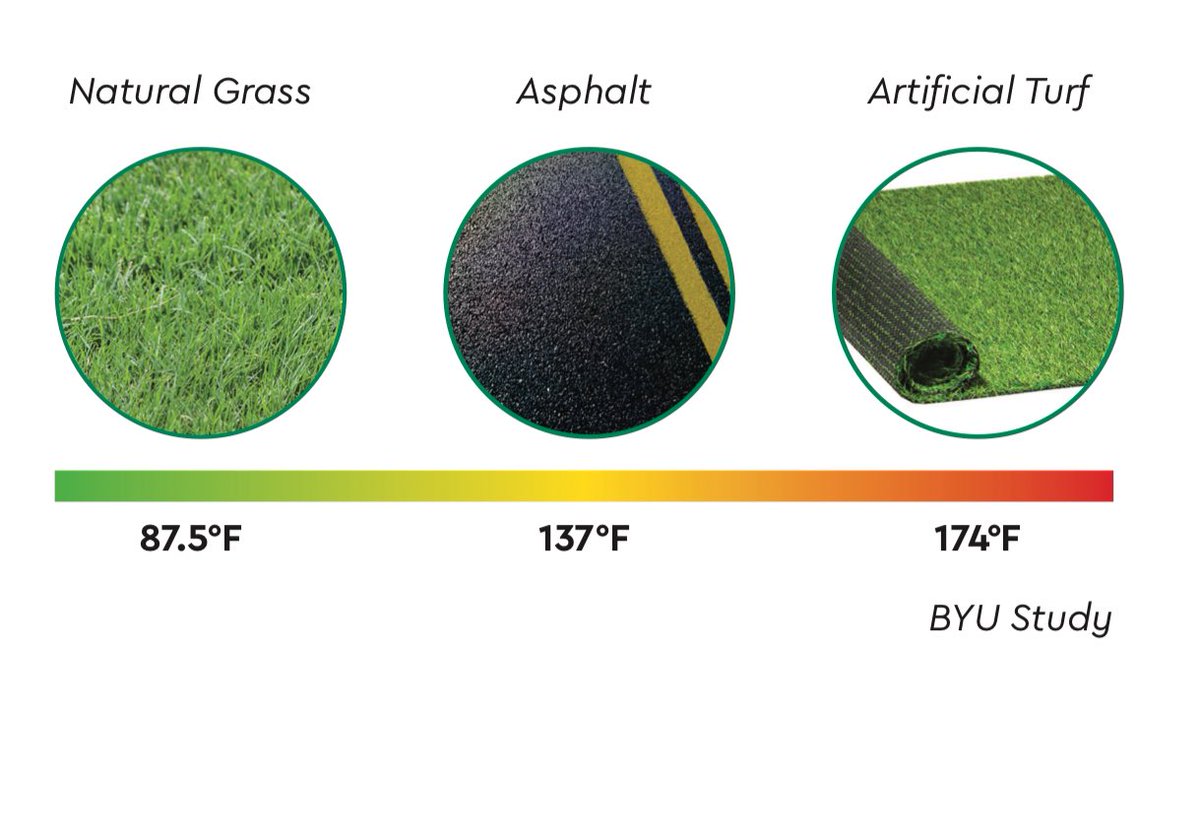
‘TEMPERATURE CONCERNS…
A study by Brigham Young University found that the “surface temperature of artificial turf was 37° F hotter than asphalt, and 86.5° F hotter than natural [grass] turf.”’
1 Jun 2025
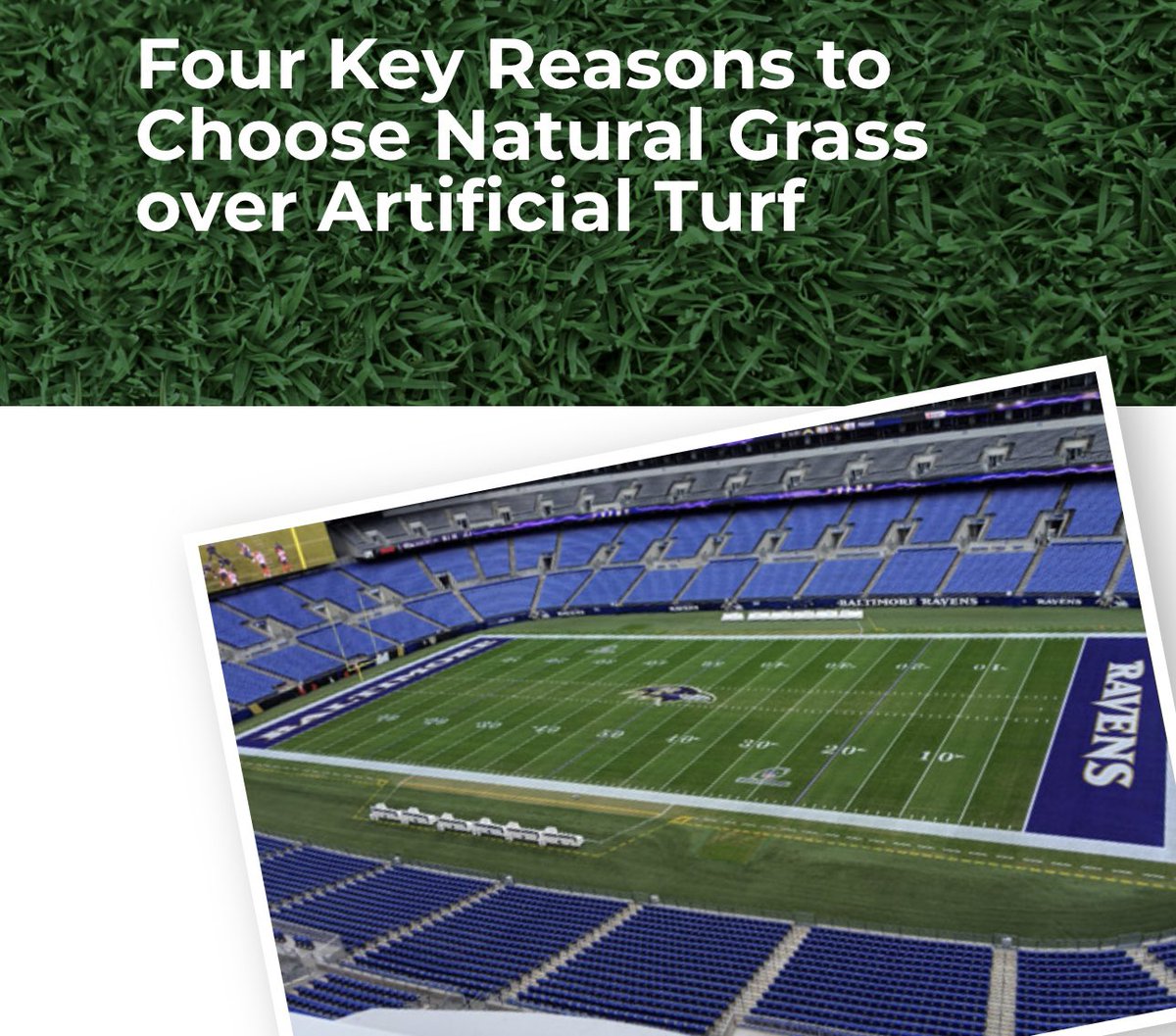
“Four Key Reasons to Choose Natural Grass over Artificial Turf” -@AGSodStockton
agsod.com/landscape-professi…
27
44
1,376
ron dobosz retweeted
22 Jun 2025
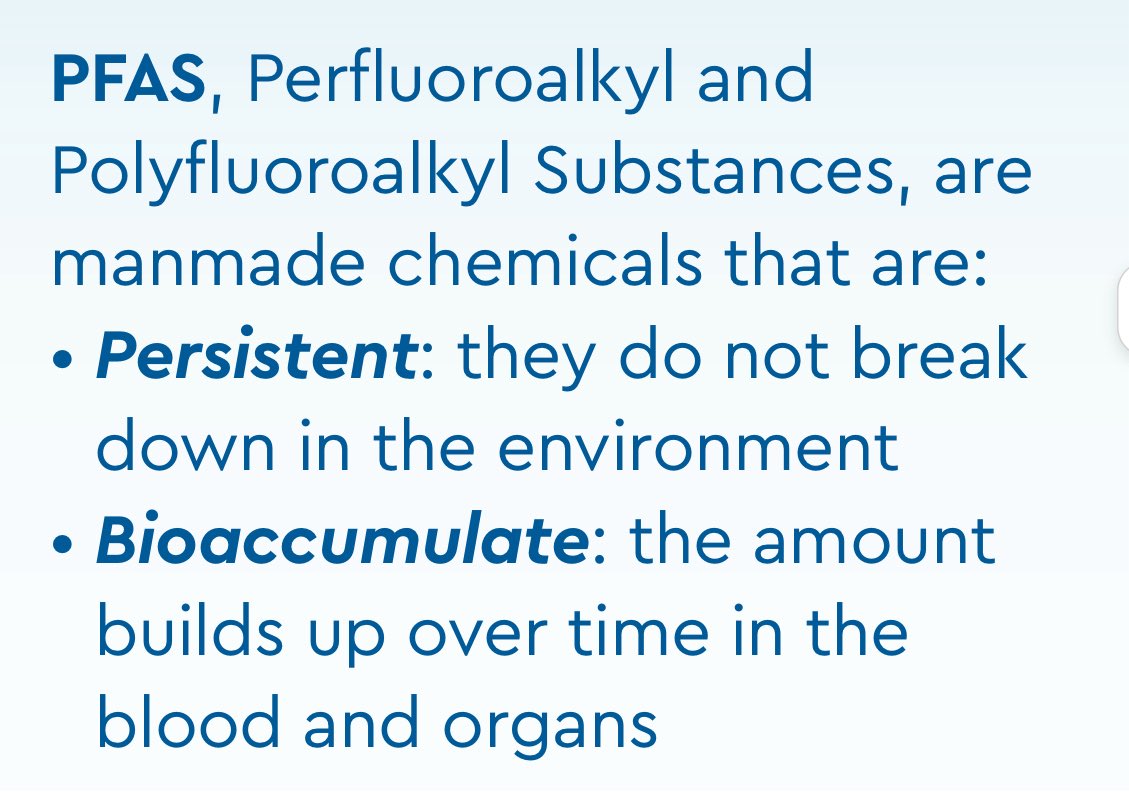
“PFAS are usually found in artificial turf.
The Environmental Protection Agency has found that there is virtually no safe level of several PFAS that should be used.
PFAS have been linked to… increased risk to certain cancers”
1 Jun 2025
“Four Key Reasons to Choose Natural Grass over Artificial Turf” -@AGSodStockton
agsod.com/landscape-professi…
2
43
80
2,118
ron dobosz retweeted
5 Jun 2025
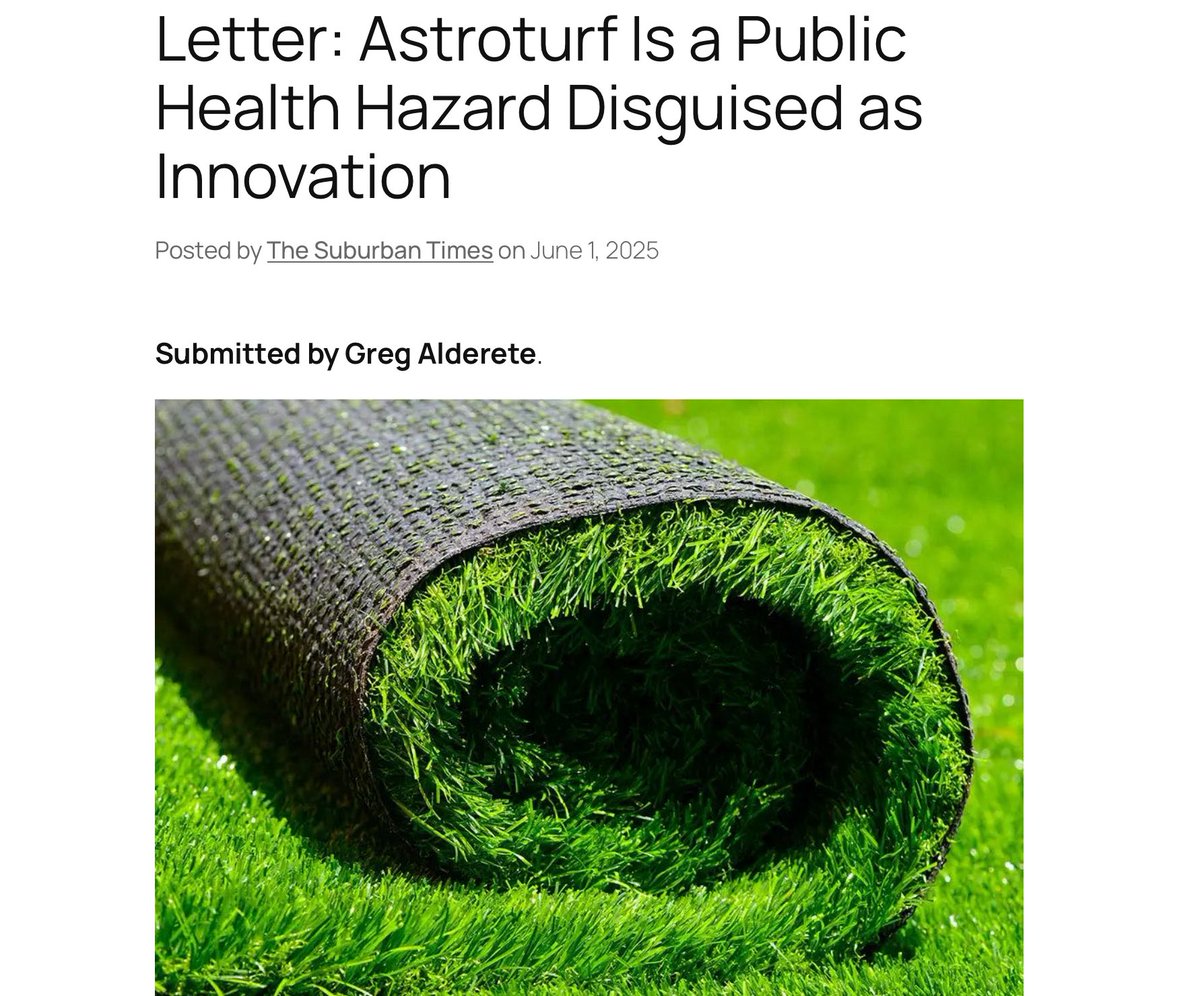
“We are sacrificing environmental integrity & public health...
Synthetic turf is not innovation—it’s a shortcut with consequences.
Communities need to stop treating green plastic as progress & start seeing it for what it is… environmental disaster.”
thesubtimes.com/2025/06/01/l…
11
15
486
3 Apr 2025
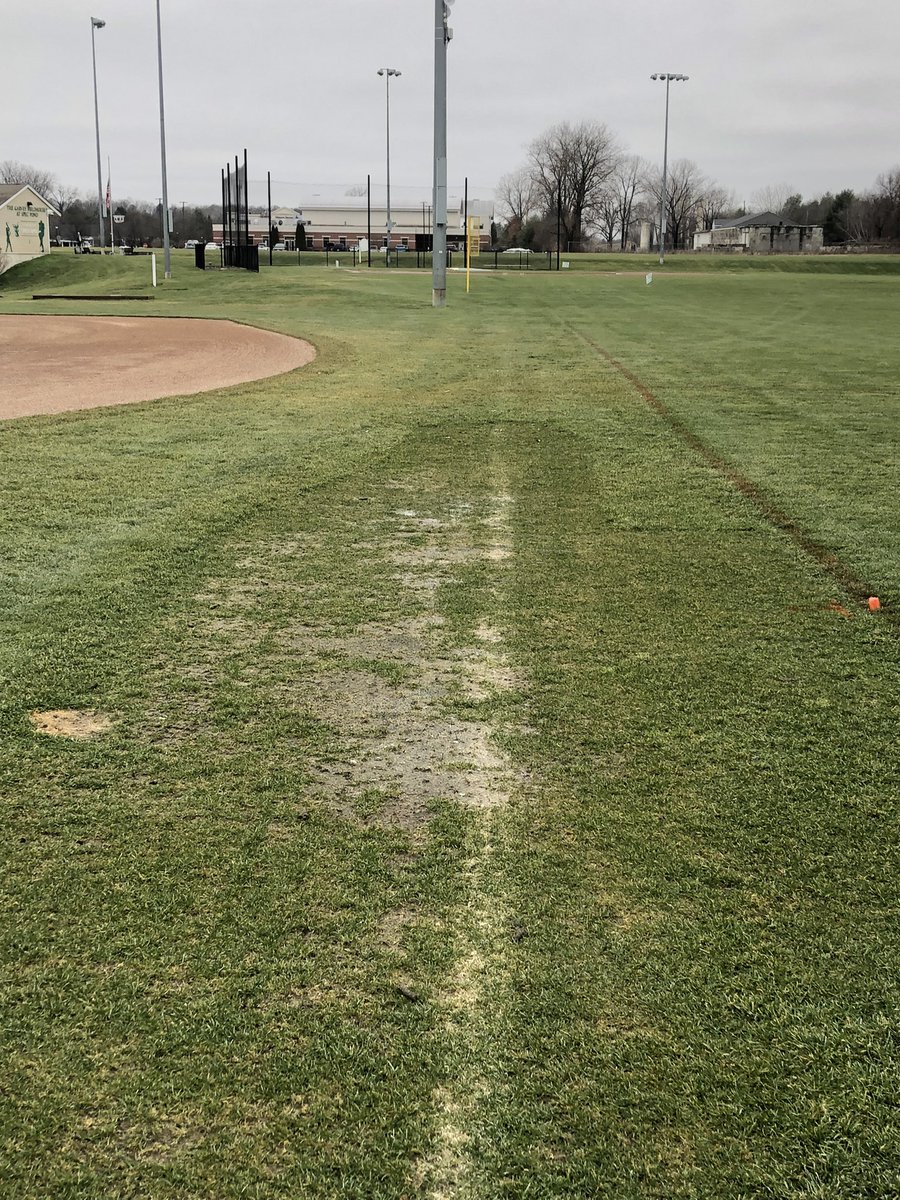
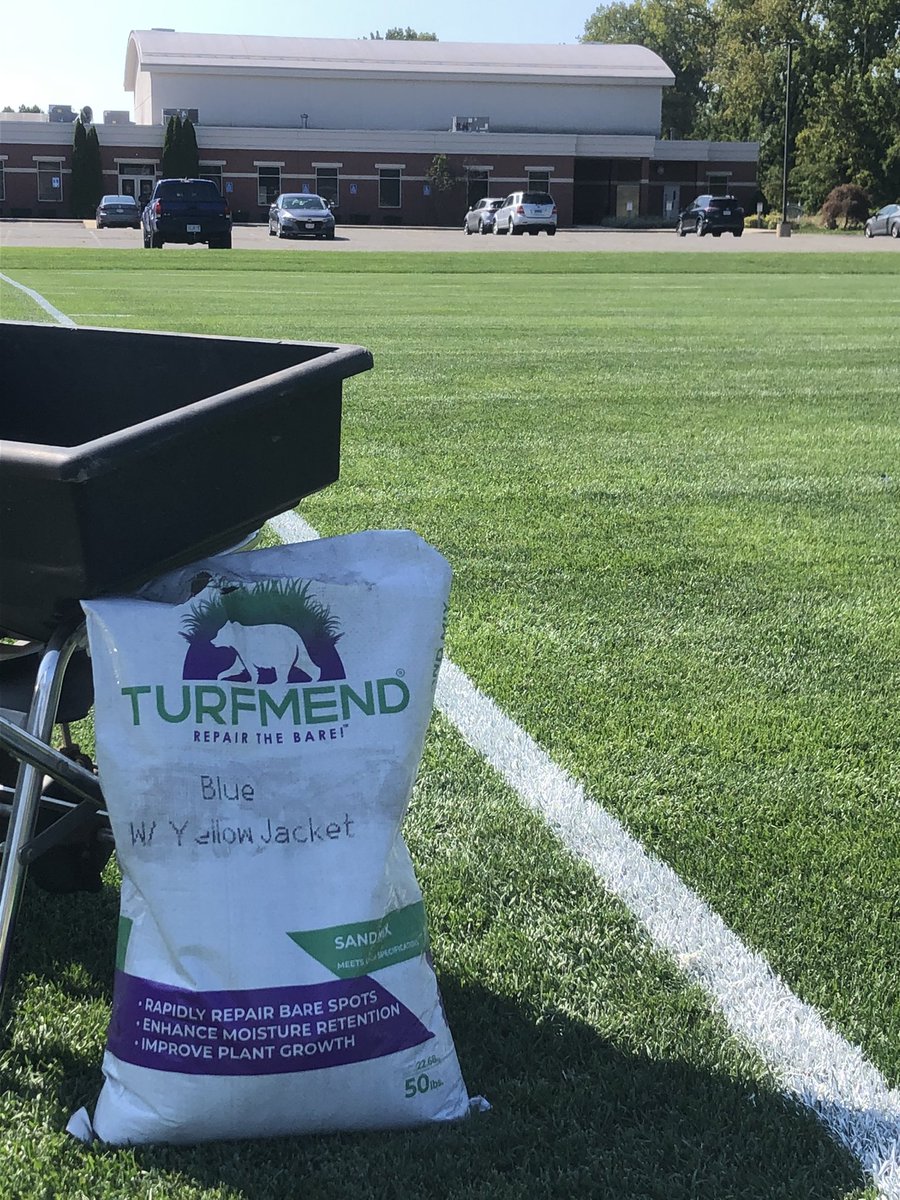
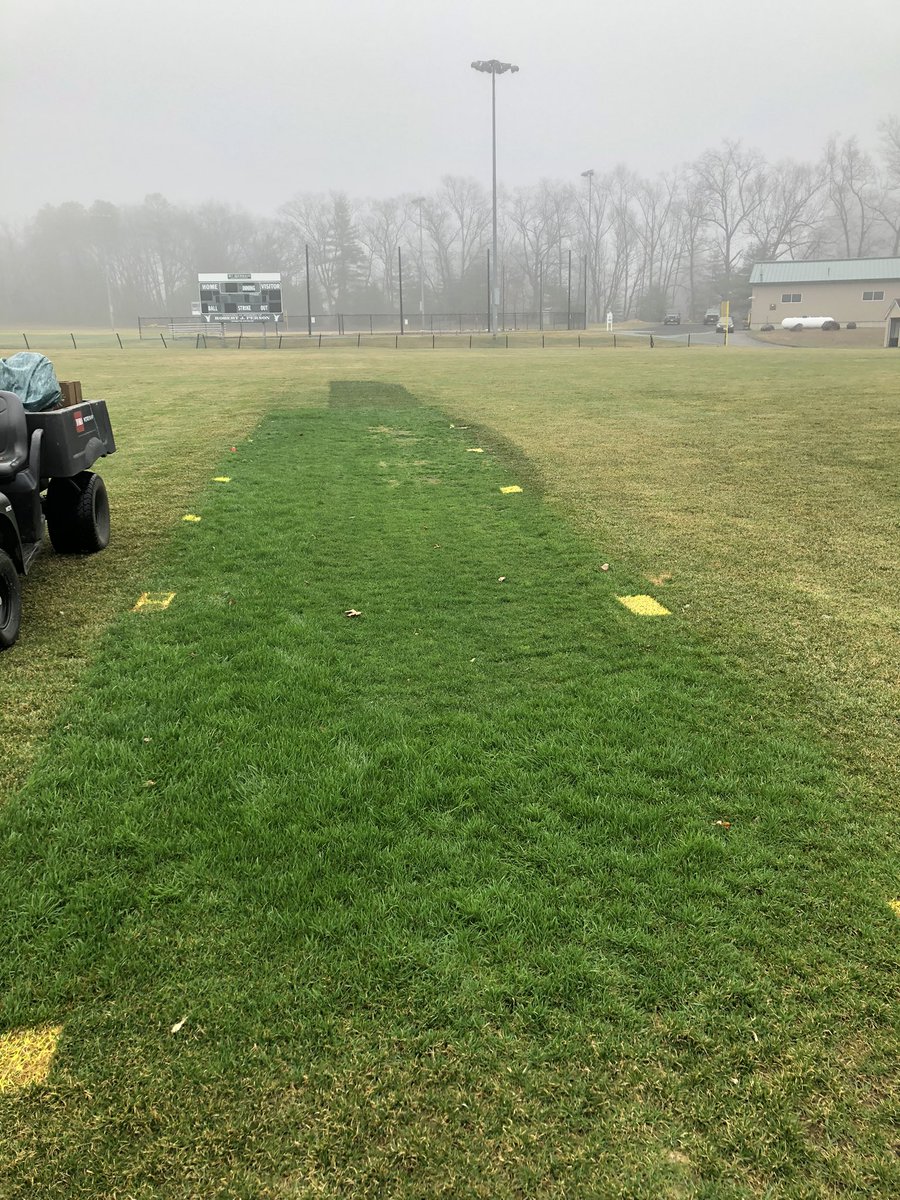
Turfmend applied last fall and growth cover all winter. @TurfMend @BillHartSeed @wilbparkrec @FieldExperts
1
3
12
1,289
3 Apr 2025
This 💯
2 Apr 2025

Dr. Grady Miller discusses the shift back to natural grass in sports field management, emphasizing its benefits for player safety and environmental sustainability.
#fieldexperts
heyor.ca/xayHkR
1
357
25 Mar 2025
Ban this crap!
25 Mar 2025
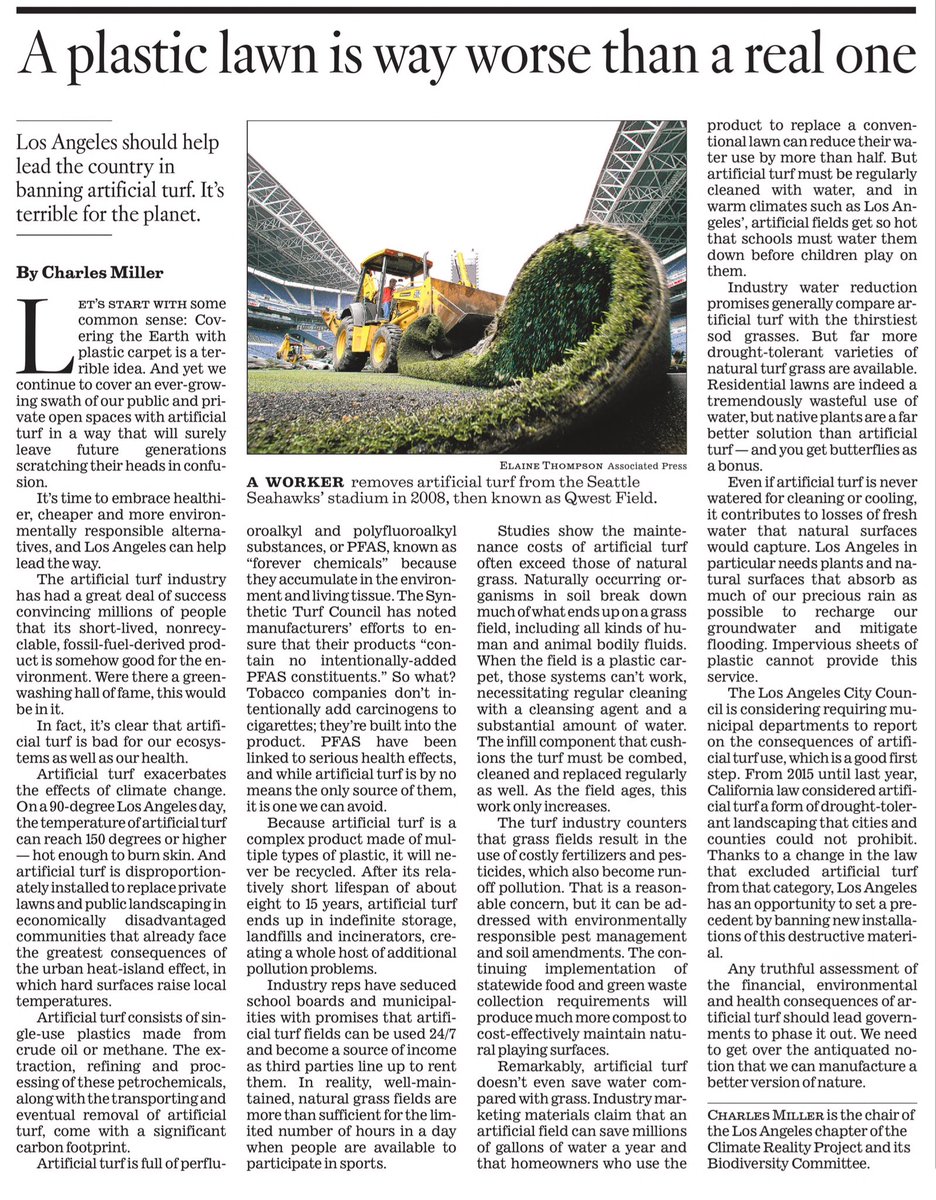
Because artificial turf is challenging to recycle…
“After its relatively short lifespan of ~8-15yrs, artificial turf ends up in indefinite storage, landfills & incinerators, creating a whole host of additional pollution problems.” 😔
#BanPlasticTurf
yahoo.com/news/opinion-whats…
1
1
4
1,591
20 Mar 2025
Bam this crap!
20 Mar 2025
Plastic turf fields grind down under use & weather so need relatively frequent replacing.
Your school/city being told the used plastic carpets will be “recycled” in Texas?
This is “an unproven marketing play so plastic production can keep growing.”
insideclimatenews.org/news/2…
2
373
14 Mar 2025
16
707
8 Mar 2025
This!
8 Mar 2025
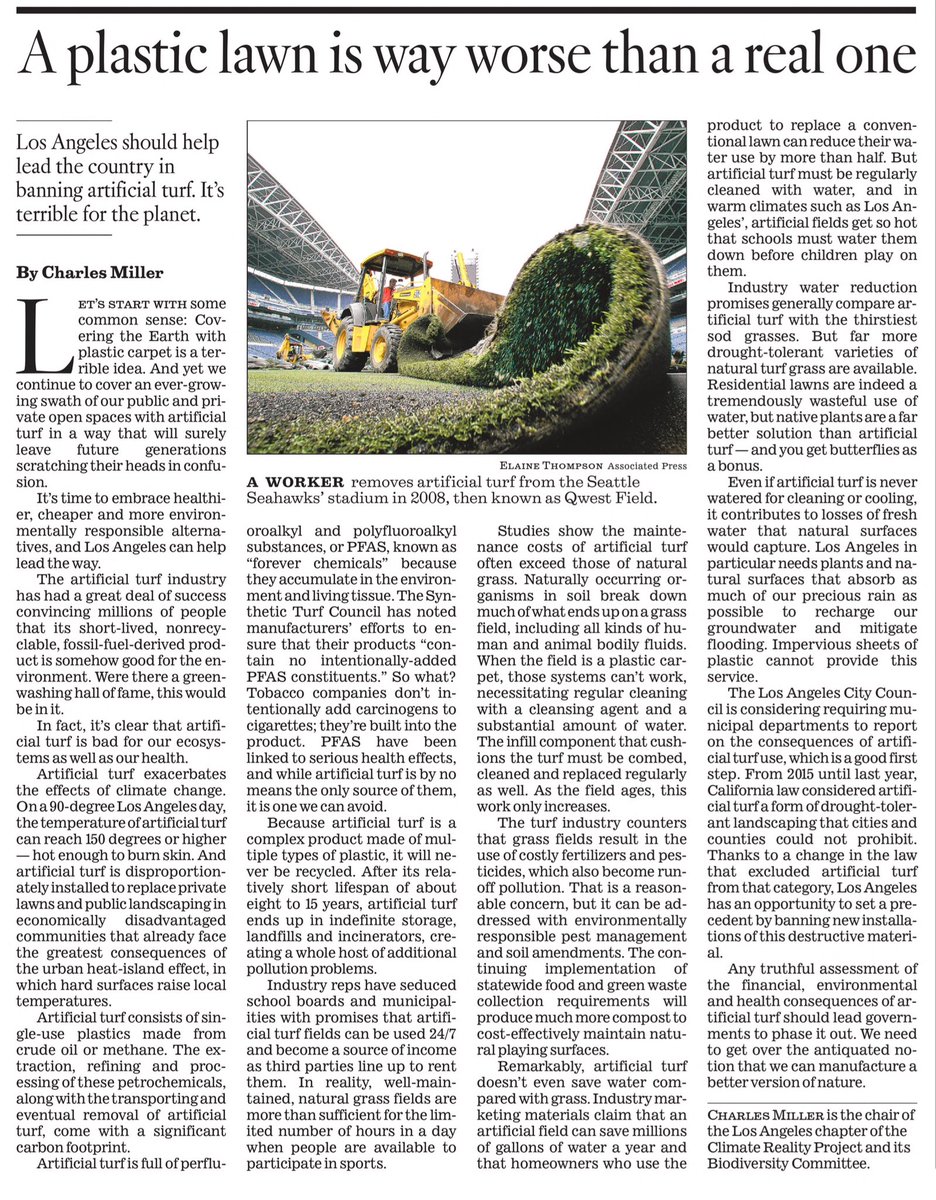
“The [plastic] turf industry counters that grass fields result in use of costly fertilizers & pesticides, which also become runoff pollution... a reasonable concern, but it can be addressed w/environmentally responsible pest management & soil amendments.”
yahoo.com/news/opinion-whats…
3
282
26 Feb 2025
Ban this stuff
26 Feb 2025
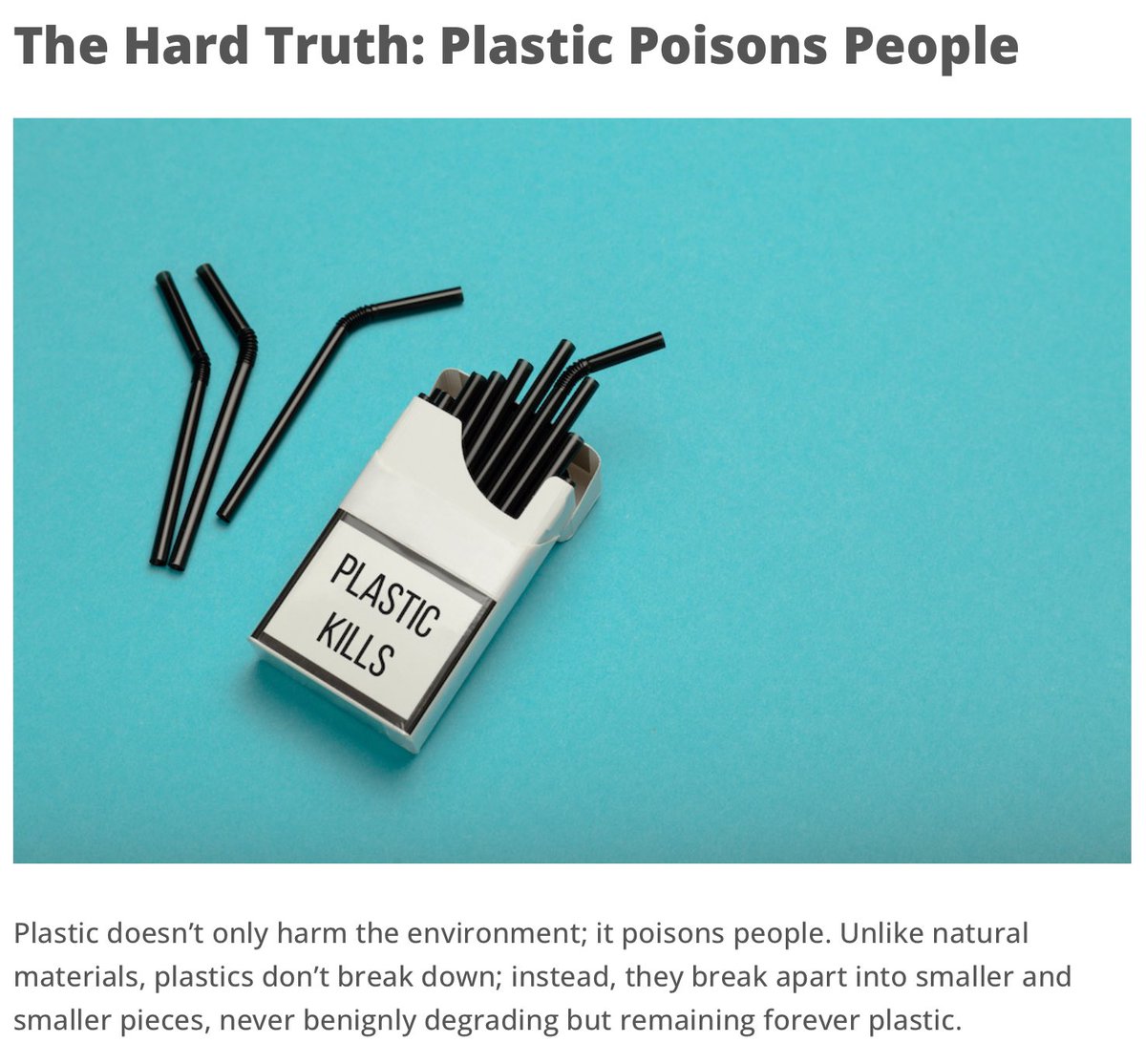
“This is much bigger than straws. Plastic is a product of the fossil fuel industry and Earth’s biggest oil spill…
It is crucial that our government representatives protect people and the planet by supporting a drastic reduction in plastic and chemical production globally.”
3
343