
Plymouth Pilot News Sports Writer & Sports Sales; Former Editor Gold & Black Illustrated (Purdue)
Joined January 2011
- Tweets 64,820
- Following 526
- Followers 3,190
- Likes 46,362
938 Photos and videos

Doug Griffiths retweeted

Strong Tom Izzo comments, which reflect recent controversies with MSU’s Board of Trustees.
“I can’t stand what’s going on. I’ve had it…… We’ve just lost the best president that may have ever been here, one of the best….I’m very upset about it. I’m sick of it….. What happened with our president…was ridiculous…… I’m ashamed, I’m disgusted. Hurt.”

64
144
1,586
501,845
Doug Griffiths retweeted

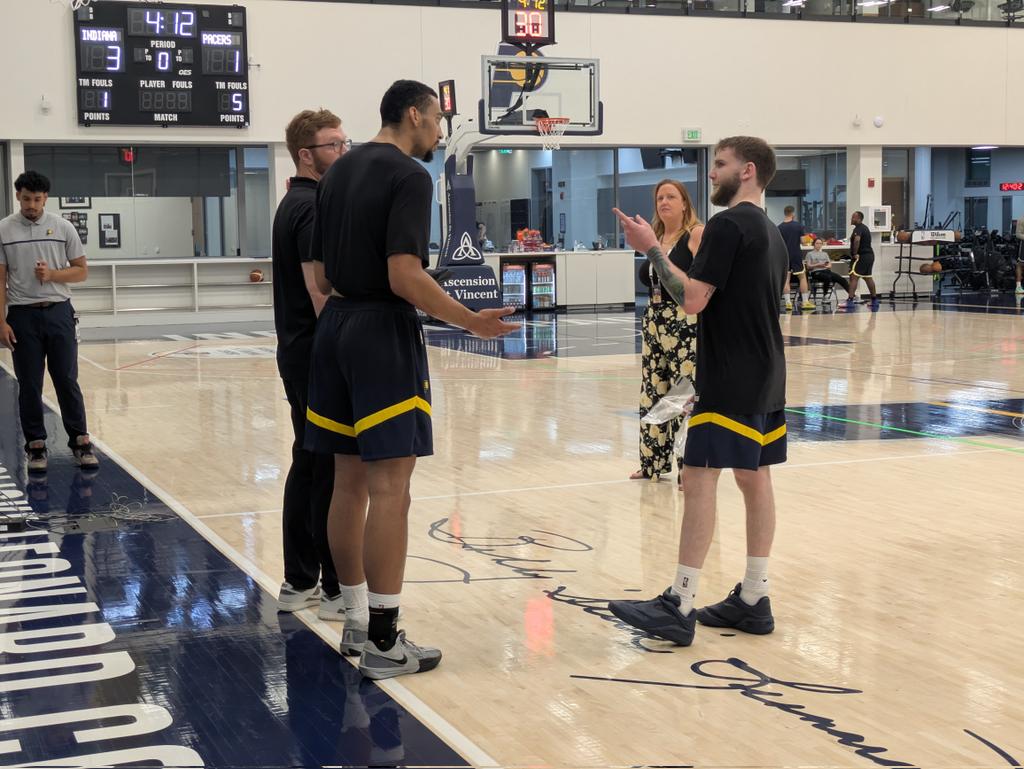
#Purdue's Braden Smith and Trey Kaufman-Renn catching up after Pacers workout. TKR said it was not fun being at same workout because "He was on the other team."
2
7
385
15,634
Doug Griffiths retweeted

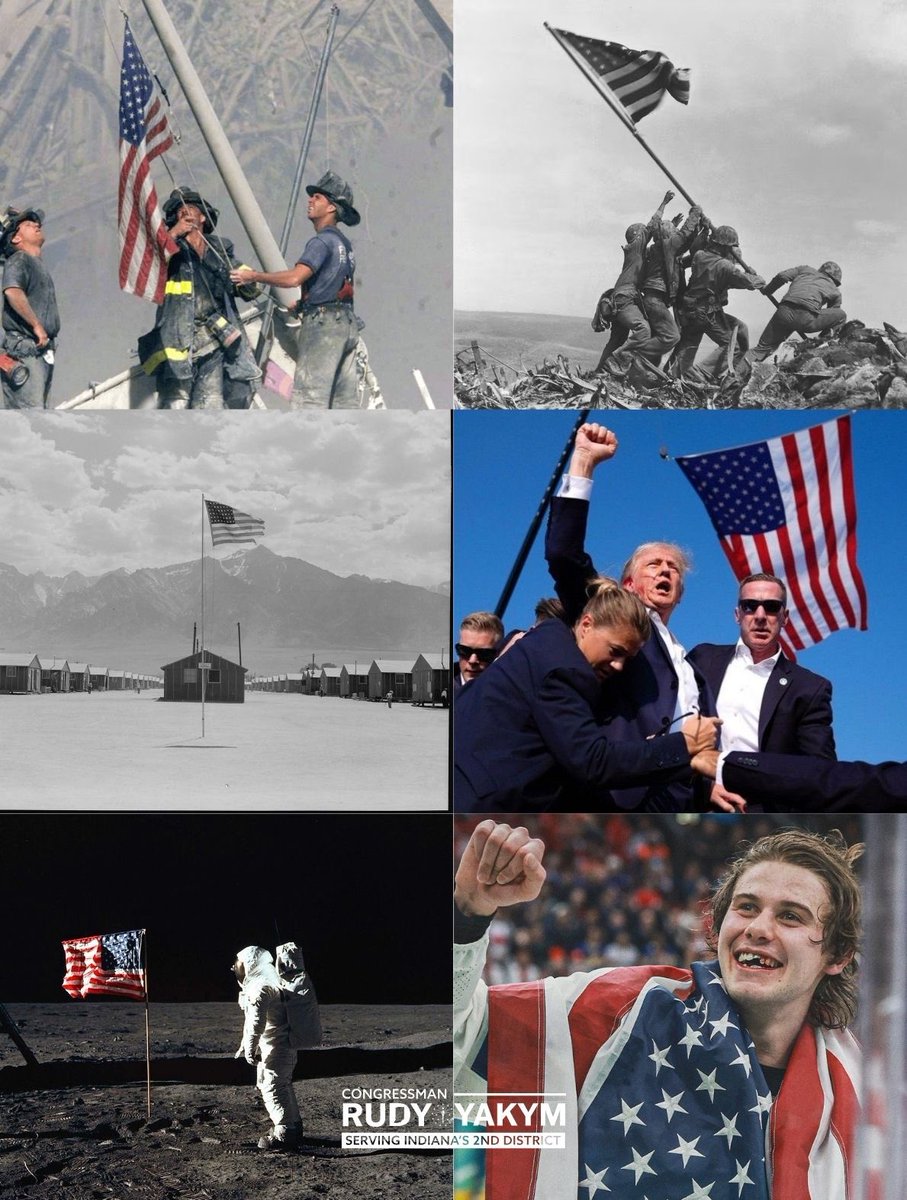
In case you thought this was just another flag.
Happy Flag Day 🇺🇸
255
5,318
37,187
370,669
Doug Griffiths retweeted

Jun 14
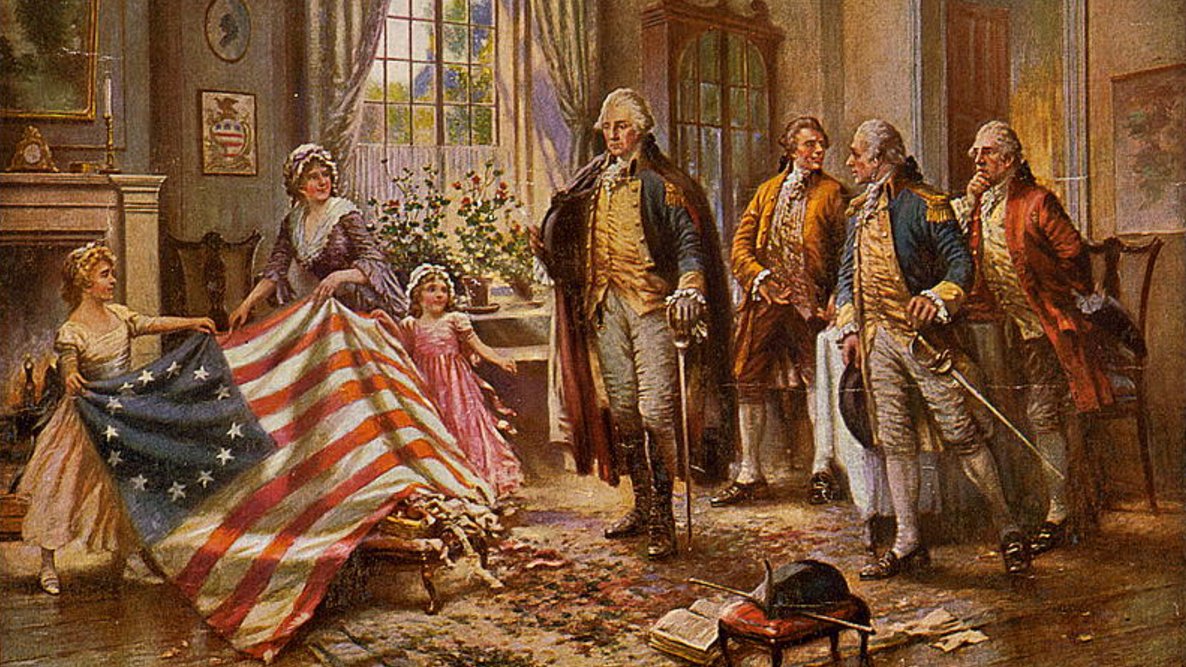
On this day in 1777, the United States chose its flag in one sentence, and the men who voted on it had no idea what they had just done.
The timing could not have been worse. The country was barely a year removed from declaring independence and it was losing. The British had taken New York. Washington's army was battered and short on everything. Congress was drowning in crises: no money, restless officers, a war that might collapse at any moment. Survival, not symbolism, was the daily business.
Yet on June 14, 1777, in the middle of all that, the Marine Committee tucked a brief resolution into the day's work. The full text was almost absurdly simple. "Resolved, that the flag of the thirteen United States be thirteen stripes, alternate red and white, that the union be thirteen stars, white in a blue field, representing a new constellation."
That was the entire thing. No record of debate. No designer credited. The popular story that Betsy Ross sewed the first one is a charming legend that appeared a full century later, told by her grandson, with no solid evidence behind it. The resolution did not even specify how the stars should be arranged, which is why early American flags came in wild variety, stars in circles, rows, and scattered patterns, each maker improvising.
These exhausted men, fighting for their lives, voting between a dozen other emergencies, accidentally created one of the most recognized symbols on the planet. That flag would go on to survive a civil war, fly through two world wars, get planted on the summit of Mount Everest, and be driven into the gray dust of the moon, where it still stands today.
249 years ago it was a single afterthought in the minutes of a desperate Congress. That sentence is why we celebrate Flag Day. Happy Flag Day.
23
414
1,640
20,824
Doug Griffiths retweeted

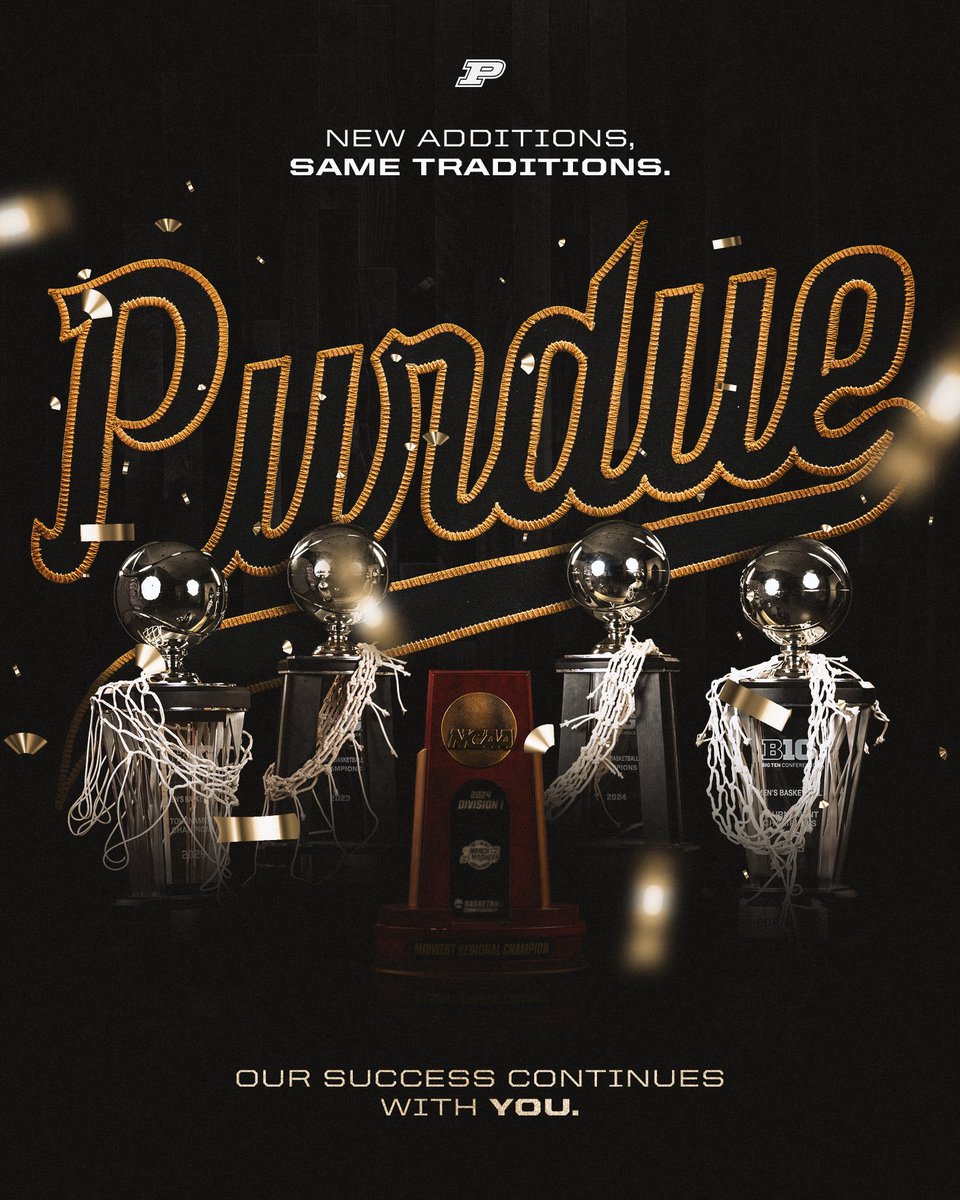
☎️ Answer the call.
9
28
718
21,866
Doug Griffiths retweeted

🇺🇸 Happy Flag Day
Find someone who loves you like Rick Monday loves his flag.
On April 25, 1976, while playing outfield for the Chicago Cubs as a U.S. Marine Corps Reserve veteran, Rick Monday saw two protesters soak the American flag in lighter fluid, ready to burn it.
He didn’t hesitate. He sprinted in, grabbed the flag, and carried it to safety.
One of the most American moments in baseball history.
Thank you, Rick Monday, for honoring our flag. 🫡🇺🇸
33
822
3,995
50,953
Doug Griffiths retweeted

Jun 13
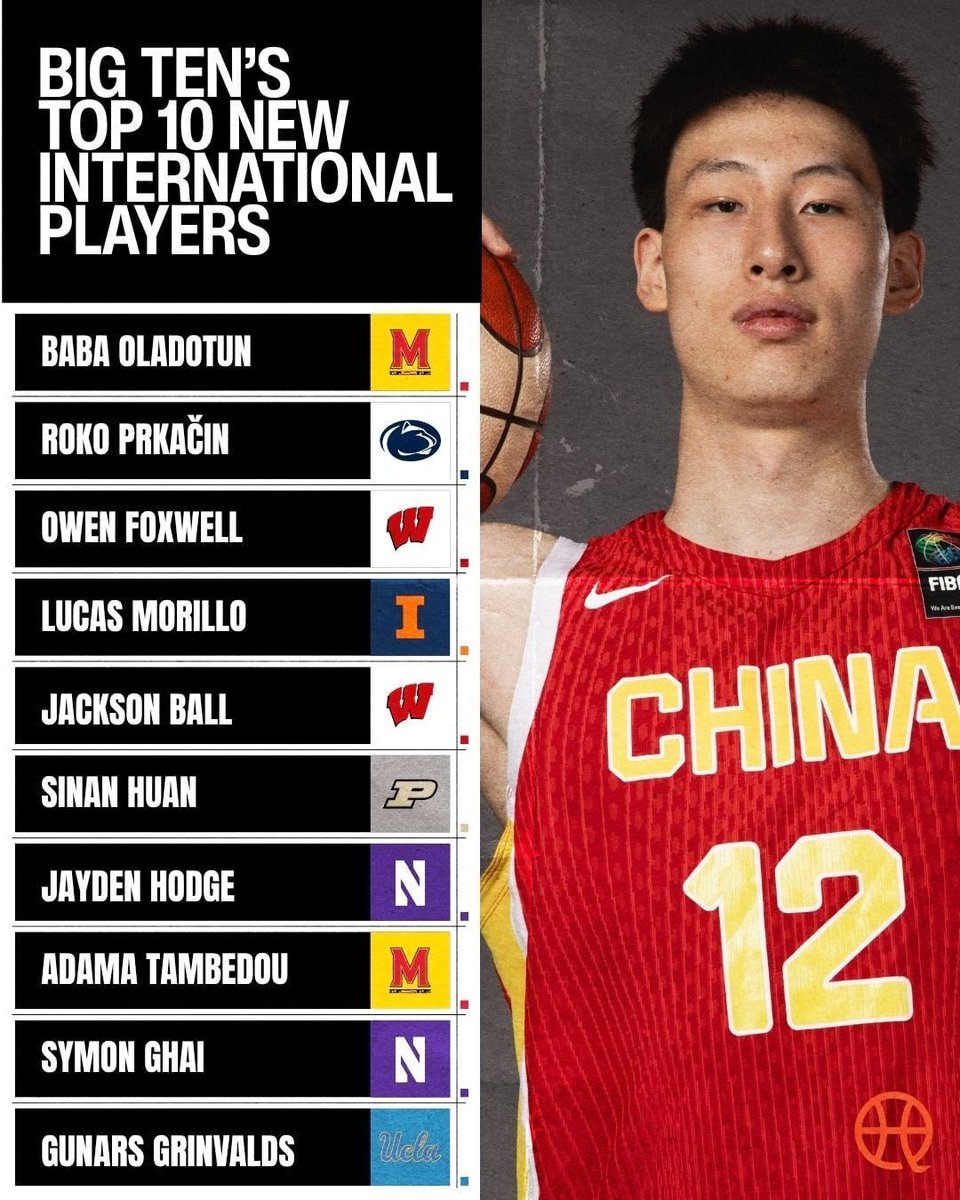
We ranked the Big Ten's top 10 incoming international players 👀
Read about each prospect here: hoopshq.com/big-ten/big-ten-…
3
7
43
15,541
Doug Griffiths retweeted

AP Top 25 Preseason Prediction 2026: Projecting the First College Football Rankings collegefootballnews.com/coll… via @PeteFiutak
1
3
1
835
Doug Griffiths retweeted

Jun 13
The Star-Spangled Banner hits different on home soil at the FIFA World Cup 🇺🇸
450
2,334
19,975
3,857,914
Doug Griffiths retweeted

Jun 12
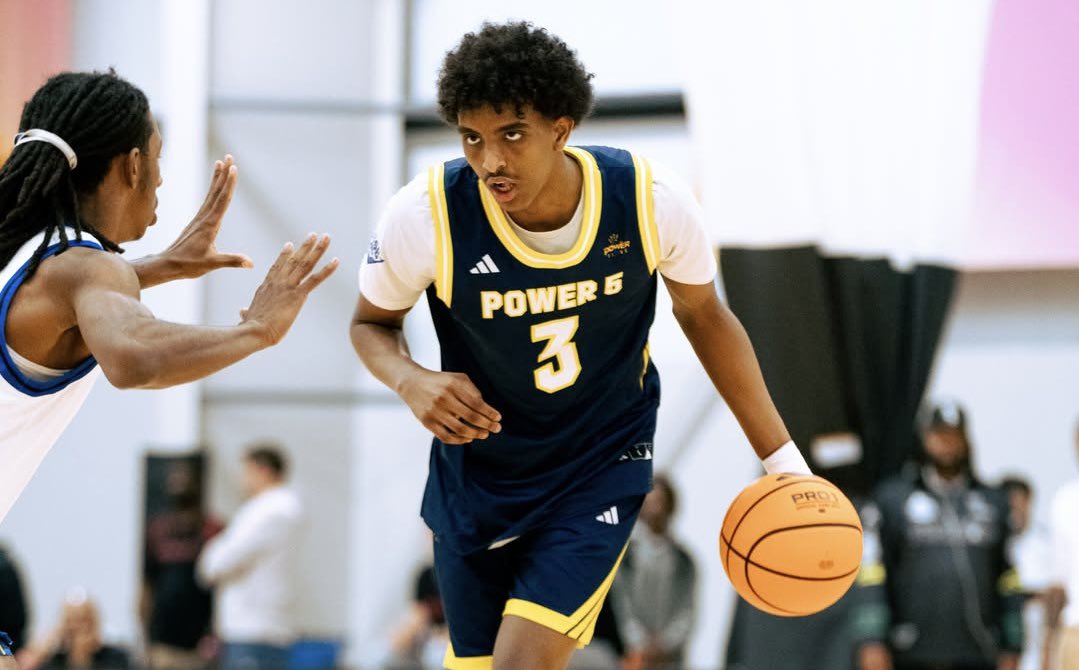
Who caught attraction at the @TheNBPA Top100 Camp in Rock Hill — Yann Kamagate, Micah Gordon, Beckham Black, Ahmed Nur, and others headline my list of prospects.
READ: babcockhoops.com/post/2026-n…
2
11
20
13,156
Doug Griffiths retweeted

Jun 12
In addition to this, if I’m reading stats right, he was 10th in scoring at the NBPA Top 100 camp through their 4 games at 15.3, 7th in assists at 3.8, on 63% from the field and 57% from 3. Just an absolute baller. @KevinSavage_K3 @BoilerBurner1
Jun 12

2027 Wheeler (GA) PG Kevin Savage III highlights from the adidas EuroCamp
10.3 PPG
2.0 APG
2.0 RPG
1
1
41
7,402
Doug Griffiths retweeted

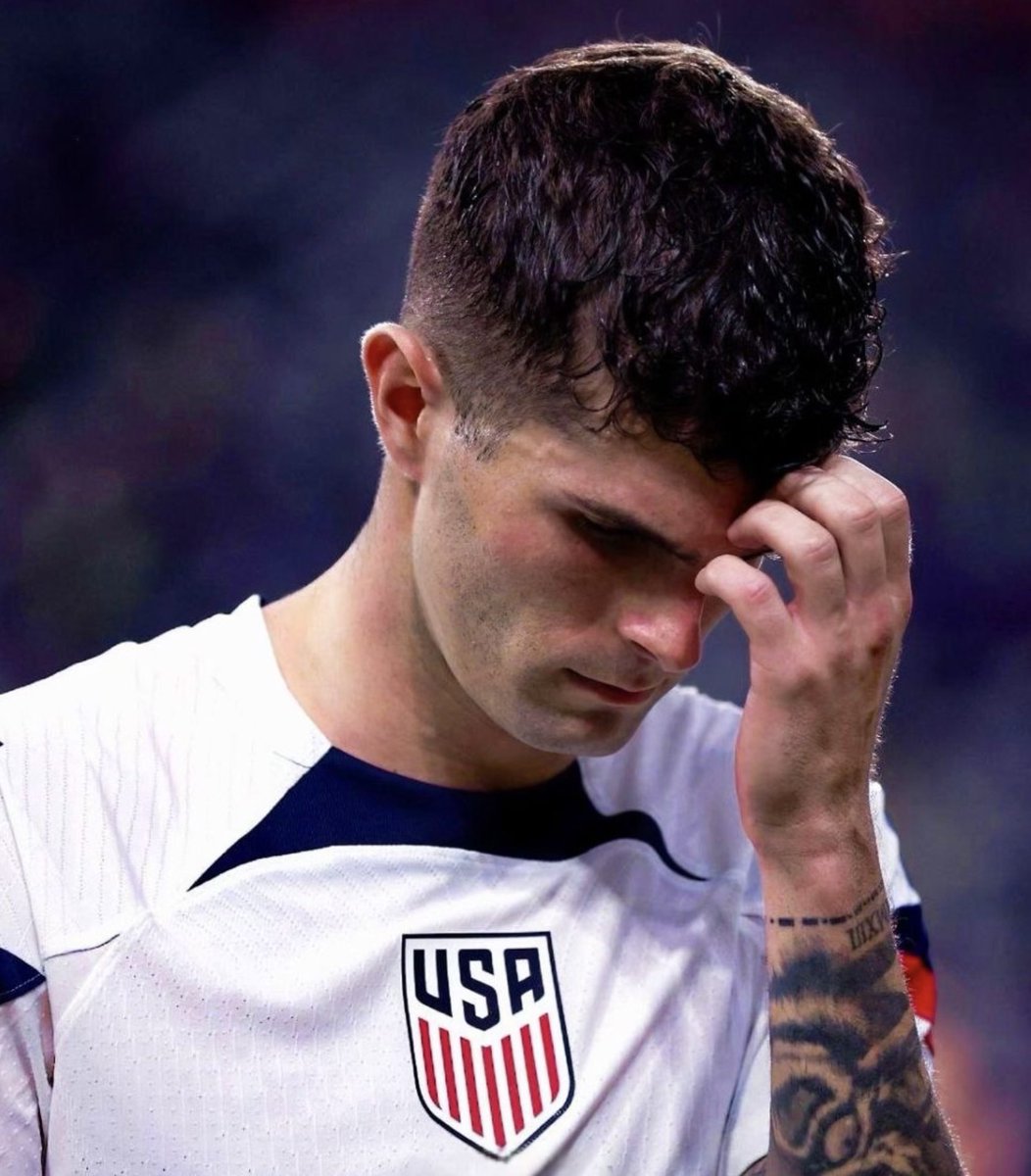
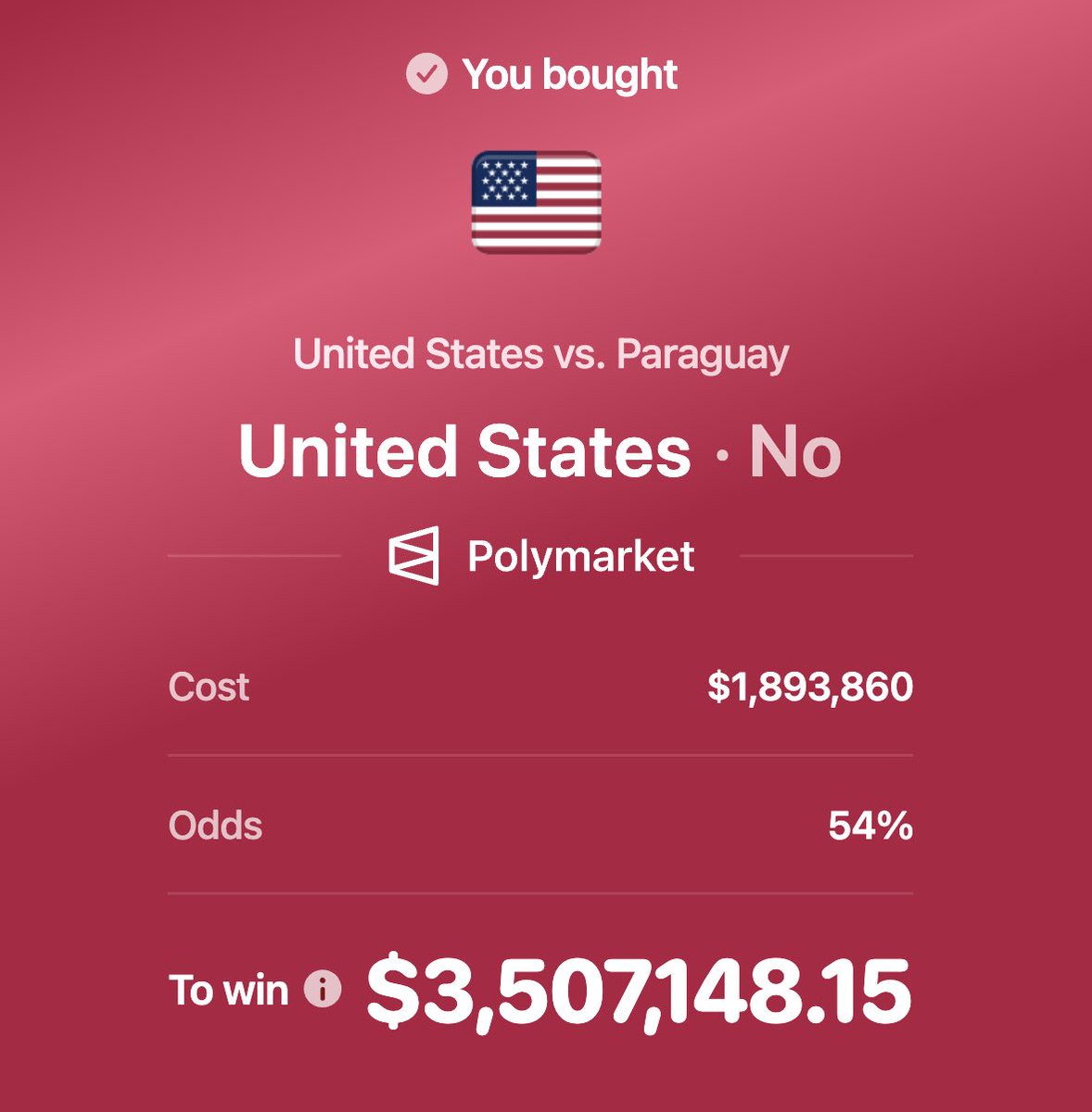
🚨BREAKING: Someone just put $1.8M on the United States to NOT win their match vs Paraguay tonight
The payout is $3,507,148.00 on polymarket
Community note
The largest position on Polymarket for the United States not winning vs Paraguay is $538K by one user, not $1.8M with a $3.5M payout. polymarket.com/@maxim8899 sports.yahoo.com/articles/polym…
1,522
882
12,674
4,343,014

Charles Barkley says a $300,000 Bentley car costs you way more than you think
"When I first got my money, I was an idi*t, I had like three or four cars. Dr. J asked me how many of those cars you got, you drive at the same time? I said, one. He said, well, why you got four?"
"This money's got to last you the rest of your life, don't waste all your money on cars, everybody know who you are, you pull up in a Kia, or a Mercedes-Benz or a Rolls-Royce, that's Charles Barkley"
"The problem isn't that you can't afford the car, it's that that $300,000 you spent on that Bentley, if you'd bought a cheaper car, you'd have had $200,000 more in the bank, and it would've been growing and growing"
"One year, three years, five years, twenty years… that $200,000 is gonna be worth a lot more"
128
504
10,118
2,307,240
Doug Griffiths retweeted

A HUGE THANK YOU to @DailyCaller for helping me put a spotlight on Gov. Pritzker's epic failure to keep the Chicago Bears in Illinois. The billions in taxpayer dollars he said were needed would have been there had he not spent them on illegal aliens.
The Governor didn't handle my questions well—not at all. #thatreporter

RAW VIDEO: I Cornered Pritzker About The Chicago Bears — And He Refused To Answer 🚨
I went to Gov. Pritzker's presser today and here's what happened:
Gov. Pritzker said he didn't want taxpayers spending billions to help a billionaire family keep the Chicago Bears in Chicago. But he's a billionaire himself. 💰
And he's been more than happy — even proud — to spend billions of taxpayer dollars on illegal aliens.
So I asked him: "We all know the Bears generate revenue. Illegal aliens typically are a drain on taxpayer dollars. Do you think long-term, especially when you're running for President of the United States, losing the Chicago Bears will be a bad decision?"
Pritzker refused to answer. Instead, he blamed Greg Abbott and defended spending billions on illegal aliens.
So I followed up: "Would those taxpayer dollars have been better spent on American citizens?" Pritzker refused to answer that, too.
When a governor can't answer a straight question from a reporter, taxpayers should ask themselves why. #thatreporter
50
456
1,686
53,774
Doug Griffiths retweeted

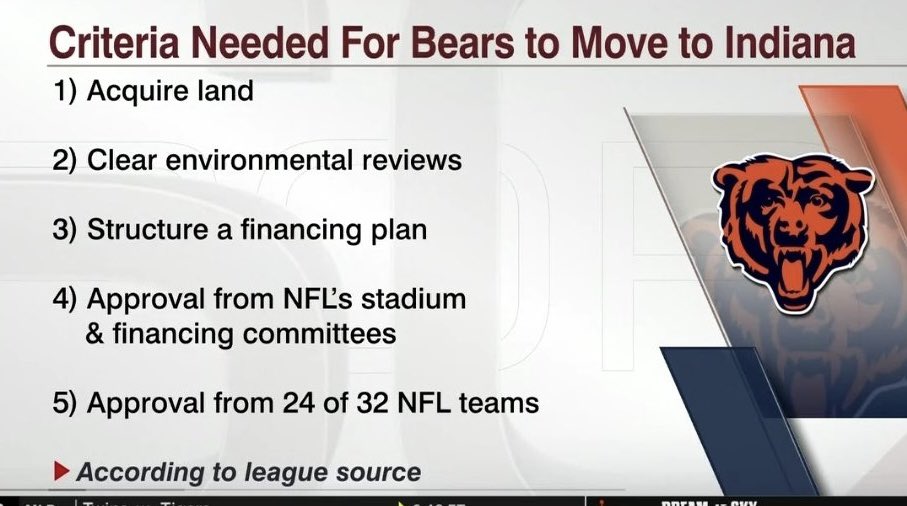
I keep seeing people say the Bears to Hammond deal is “dead” because no construction permits have been filed yet. Honestly? That’s amateur hour. Expecting permit filings right now is like asking for house blueprints before you’ve even picked the lot. We’re in the due diligence phase that’s the soil testing, the traffic studies, and the environmental checks. You don’t drop millions on land and pull permits until you’re 100% sure the dirt is actually buildable. Here’s the reality the "anti-Indiana" crowd is missing Everyone is looking for a permit as proof of progress but the real progress was the legislative framework. Indiana passed the laws created the Stadium Authority and locked in the financial backing months ago. Illinois spent years "exploring" and debating, but never actually gave the team the legislative "green light" they needed to get to work. Indiana isn't "pouring concrete" yet but they’ve already cleared the path. Illinois is still stuck in the debate stage. That’s the difference.
Jun 12

As I reported on @SportsCenter this week, the criteria the #Bears must checkmark in order to proceed with a new stadium in Indiana…
14
6
44
7,745
Doug Griffiths retweeted

Jun 12
Former #Purdue grad assistant Isaiah Thompson has landed a job at Notre Dame as the player development and recruiting coordinator.
8
10
297
20,240


Have some balls and fire him. Then Ricketts should fire Jed. You a spending millions & millions on this train wreck. Just glad I won't have to watch it next season because they'll be on strike!
Jun 11

Dustin thinks Craig Counsell could use a few days off for a mental reset like a few of his players have had before.
Meanwhile, @DavidHaugh calls the Cubs "dead."
"At some point in time, you do hold the manager responsible for the collective mentality of a team," Haugh says.
355
Doug Griffiths retweeted

Jun 11
The Cubs are 0-9-1 in their past 10 series.
2
6
29
3,971
Doug Griffiths retweeted

Jun 11
Cubs are 0-9 with one tie in their last 10 series. 7-22 record during that time since May 8th.They were last at.500 at 9-9 record wise on April 16th .
51
34
400
33,946