Social Scientist @Yale | Director of Z-CAFE | Founding organizer of Yale Population Studies Workshop & AI for Social Science Research Methods conference
Joined August 2010
- Tweets 2,722
- Following 994
- Followers 5,292
- Likes 6,214
67 Photos and videos
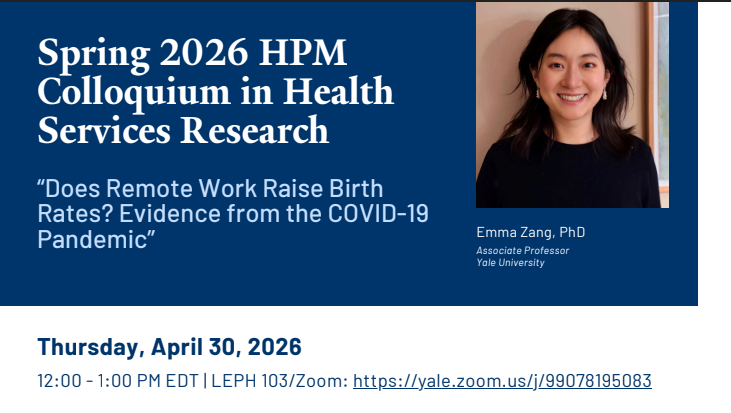
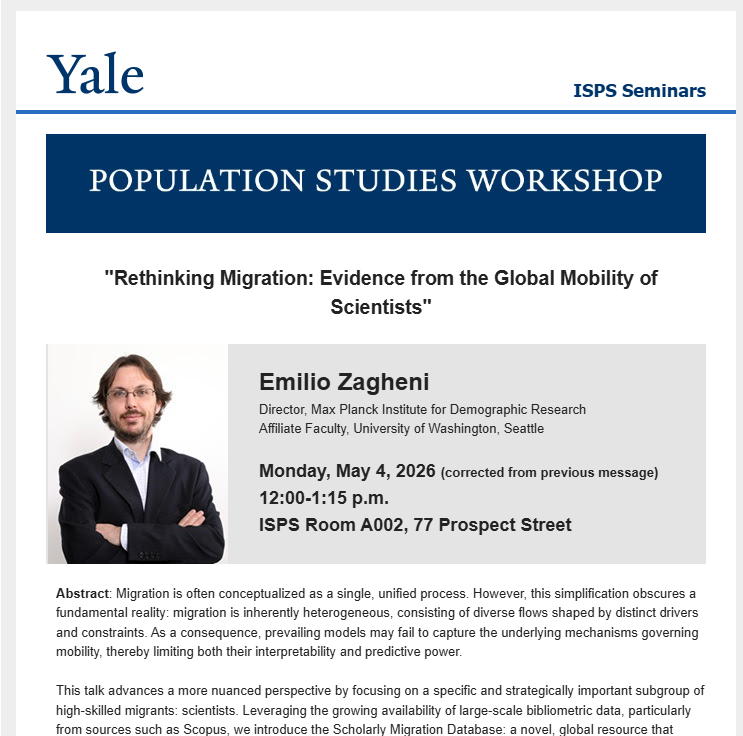
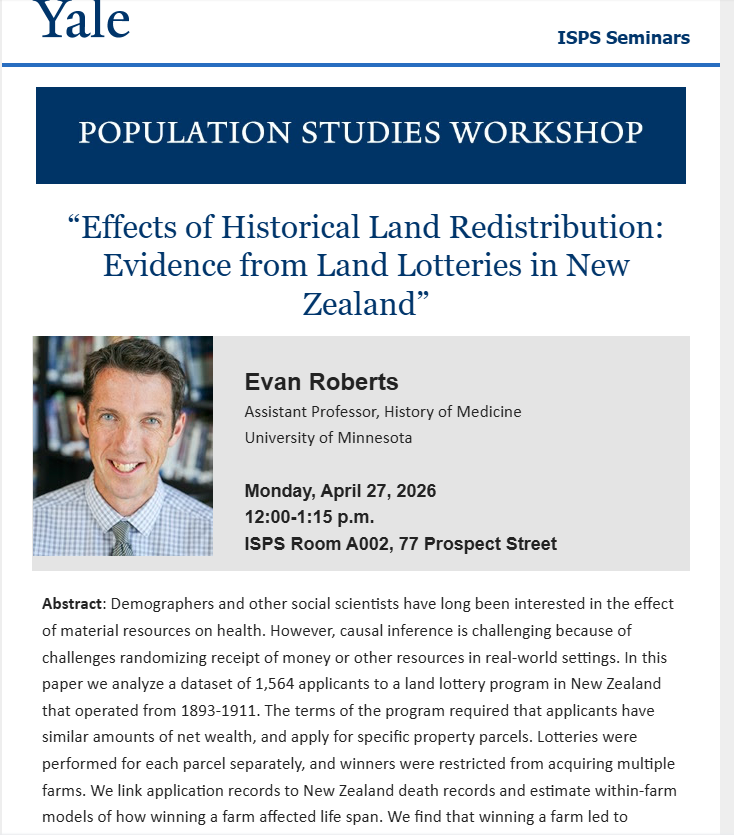
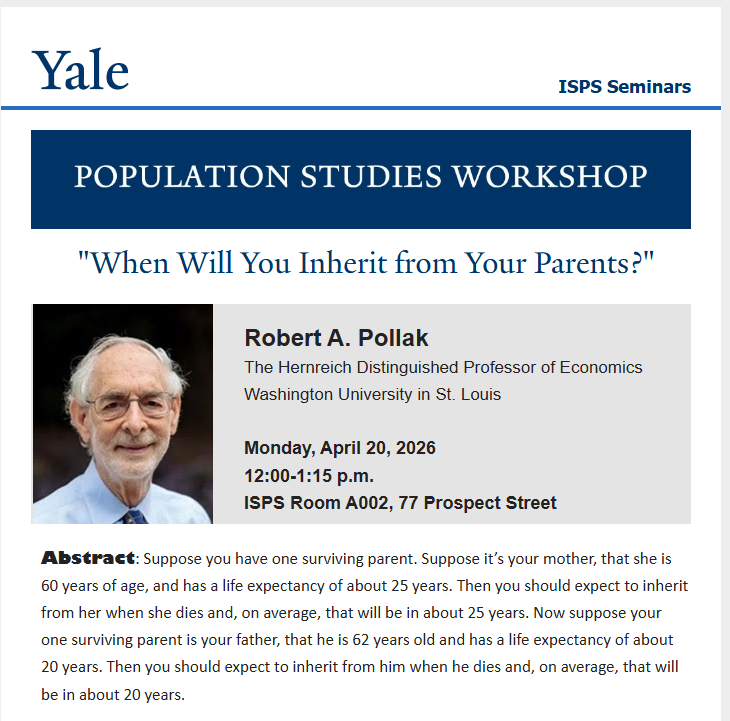

Jun 12
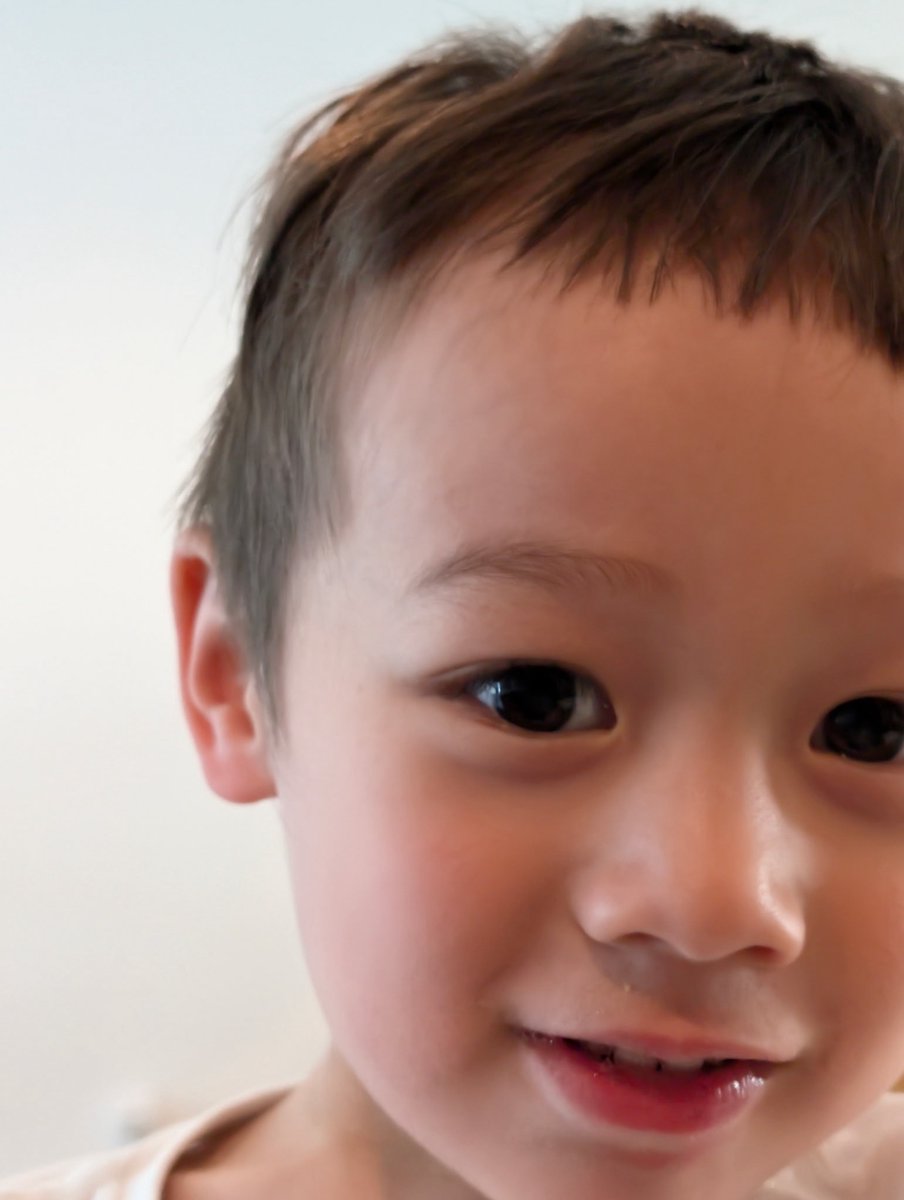
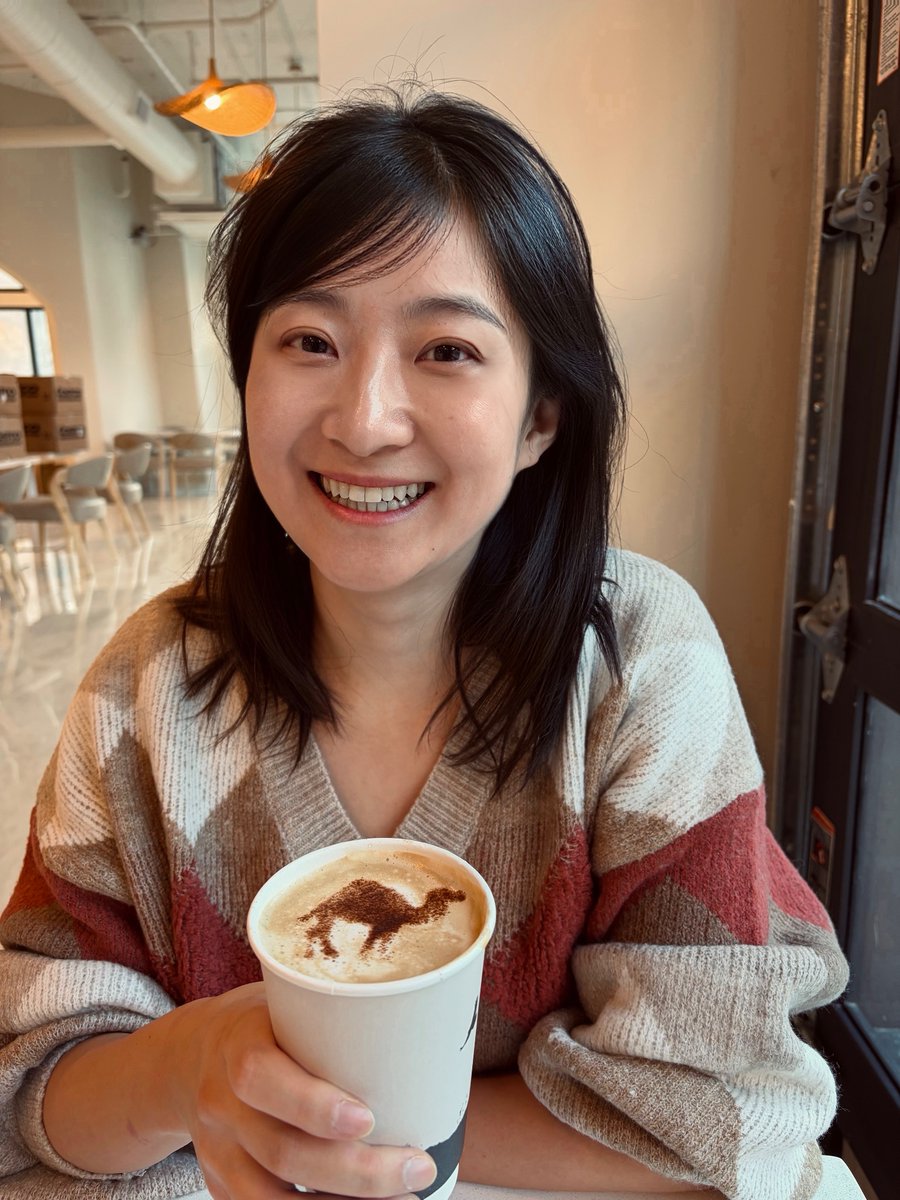
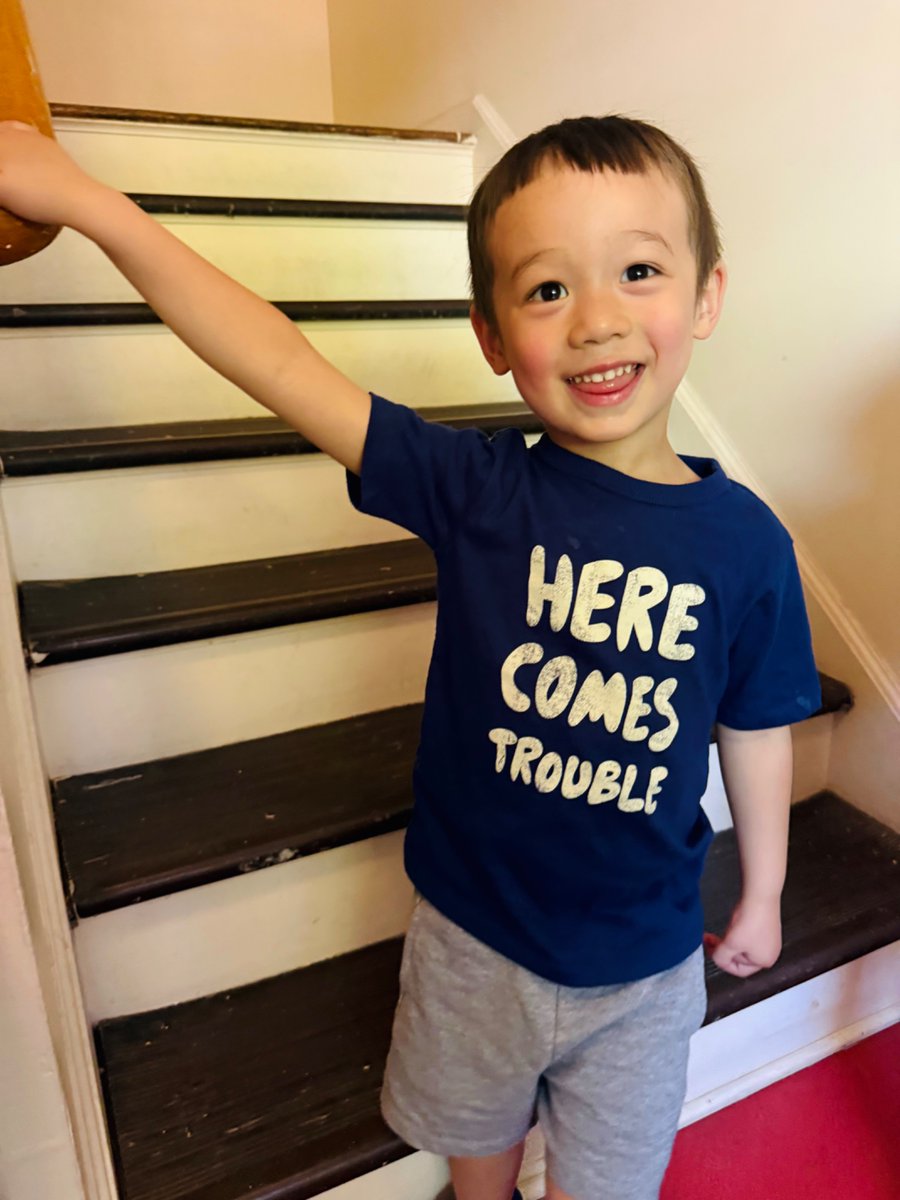
I’m obviously much less productive since becoming a mother… but honestly, so what? Look at this gorgeous little person I made. Productivity can wait. And when my son is older, I’ll beat all the men again in productivity. Life is long.

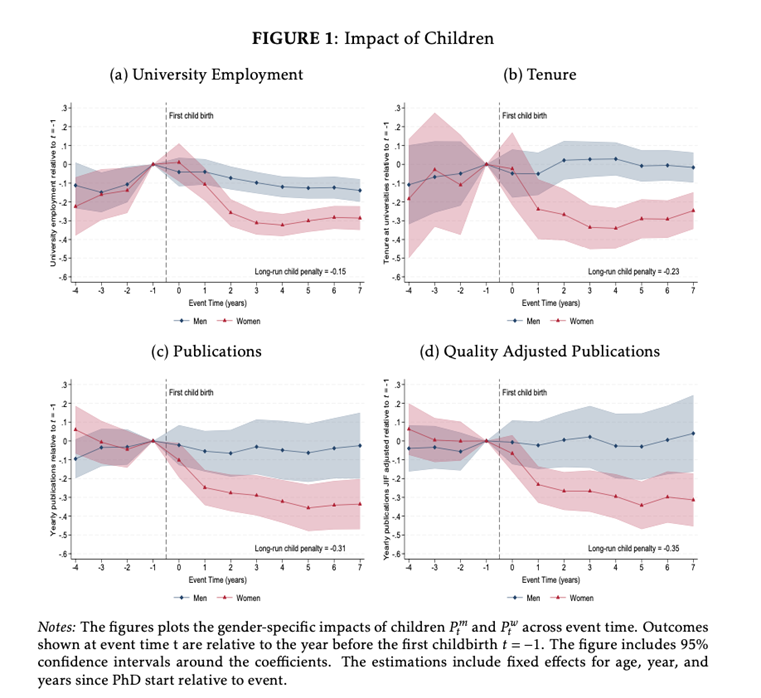
Children derail academic careers even in places with good social nets, like Denmark
25
15
349
37,245
Jun 10
Interesting study. But did high-AT&T places experience a different young-adult transition after 2007, through youth labor markets, college enrollment, migration, dating markets, Hispanic fertility decline, and urban cultural change, that is not captured by housing prices, unemployment, and poverty?

Wow, I didn't expect our paper on iPhones and fertility to generate this much buzz—thanks for all the feedback! Rather than scattershot replies, here's a compilation of thoughts and new robustness checks. 🧵1/15
5
1,635
Jun 10
Summer dilemma, every single day: should I get ice cream?
My brain: you just went to the gym.
My heart: exactly, you earned it.
My gym shoes: we did all that for nothing.
My summer self: but it’s hot and I’m just a girl 🍦☀️
3
547
Emma Zang 臧熙璐 retweeted

The rise in remote work caused by the COVID-19 pandemic has substantially increased time spent alone and worsened workers’ mental health, according to a new study in Science based on survey data from more than 500,000 Americans.
📄: scim.ag/43O4lws
#SciencePerspective: scim.ag/4x84kkC

24
33
110
26,120
Jun 5
As we discussed in our Perspective piece, the question may not be simply whether WFH is “good” or “bad” for mental health, but under what conditions, for whom, and with what organizational supports.

Remote work hurts mental health. New research out in Science with @emma_k_h and Amanda Pallais. science.org/doi/10.1126/scie…
1
1
7
1,990
Emma Zang 臧熙璐 retweeted

Remote work hurts mental health. New research out in Science with @emma_k_h and Amanda Pallais. science.org/doi/10.1126/scie…
4
47
201
98,224
Jun 4
Remote work is not going away. But loneliness at work is real.
I spoke with Science News about what we should take from the growing evidence on remote work, isolation, and mental health. The answer is not blanket return-to-office mandates.
sciencenews.org/article/remo…
3
443
Jun 4
New piece out today in Science.
Remote work gave many people flexibility. It also changed how workers build everyday connection, support, mentoring, and belonging.
In the piece, we argue that work has long served as a form of social infrastructure. As remote and hybrid work become more common, organizations need to design social connection more intentionally instead of assuming it will happen on its own.
Read our Perspective here:
science.org/doi/10.1126/scie…
1
3
34
2,055
Jun 4
Grateful to the Committee of 100 for the opportunity to discuss the model minority trap.
So-called “positive” stereotypes about Asian Americans—hardworking, high-achieving, resilient—may sound flattering, but they can erase real struggles, silence mental health needs, and make discrimination harder to recognize.
Our communities are diverse, complex, and deserving of support beyond the myth of success.
youtube.com/watch?v=8JgHVUBx…
5
817
Emma Zang 臧熙璐 retweeted

May 29
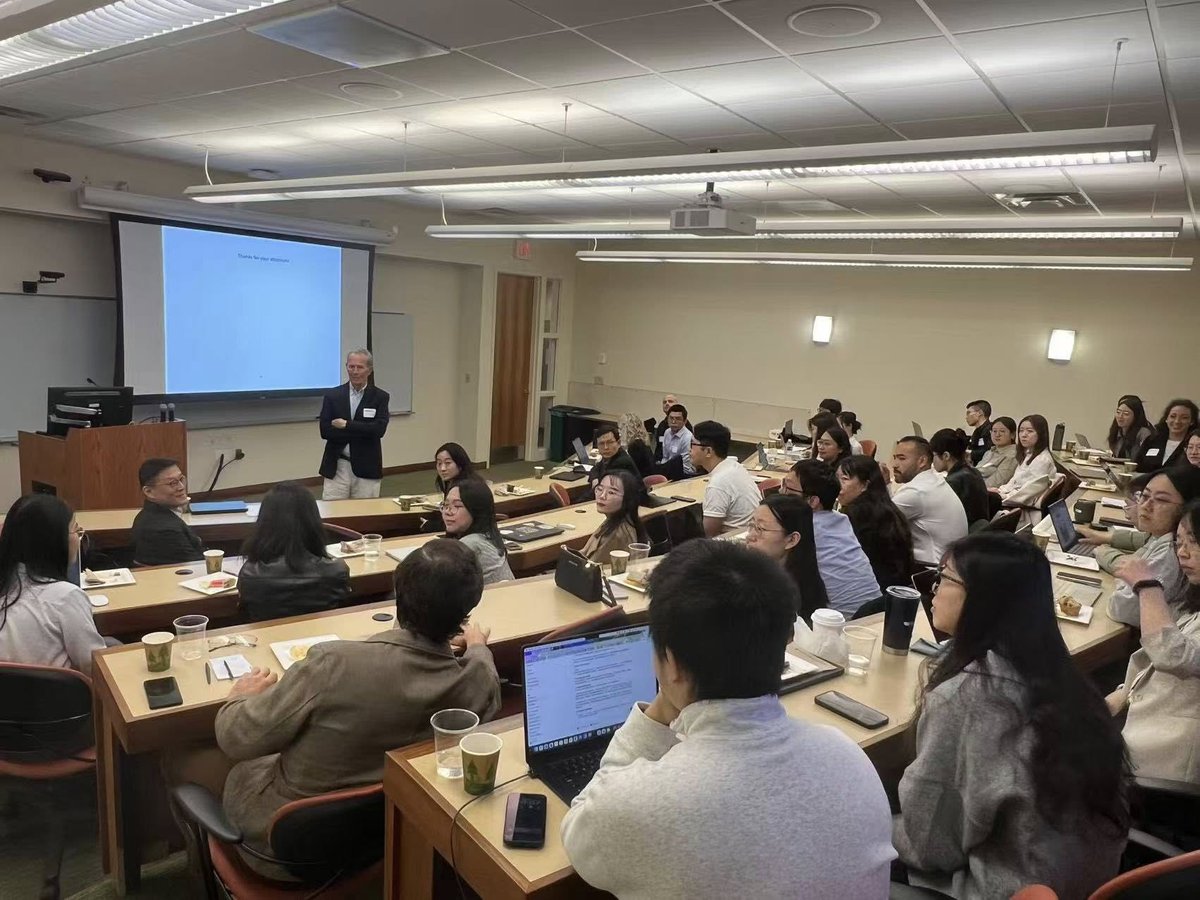
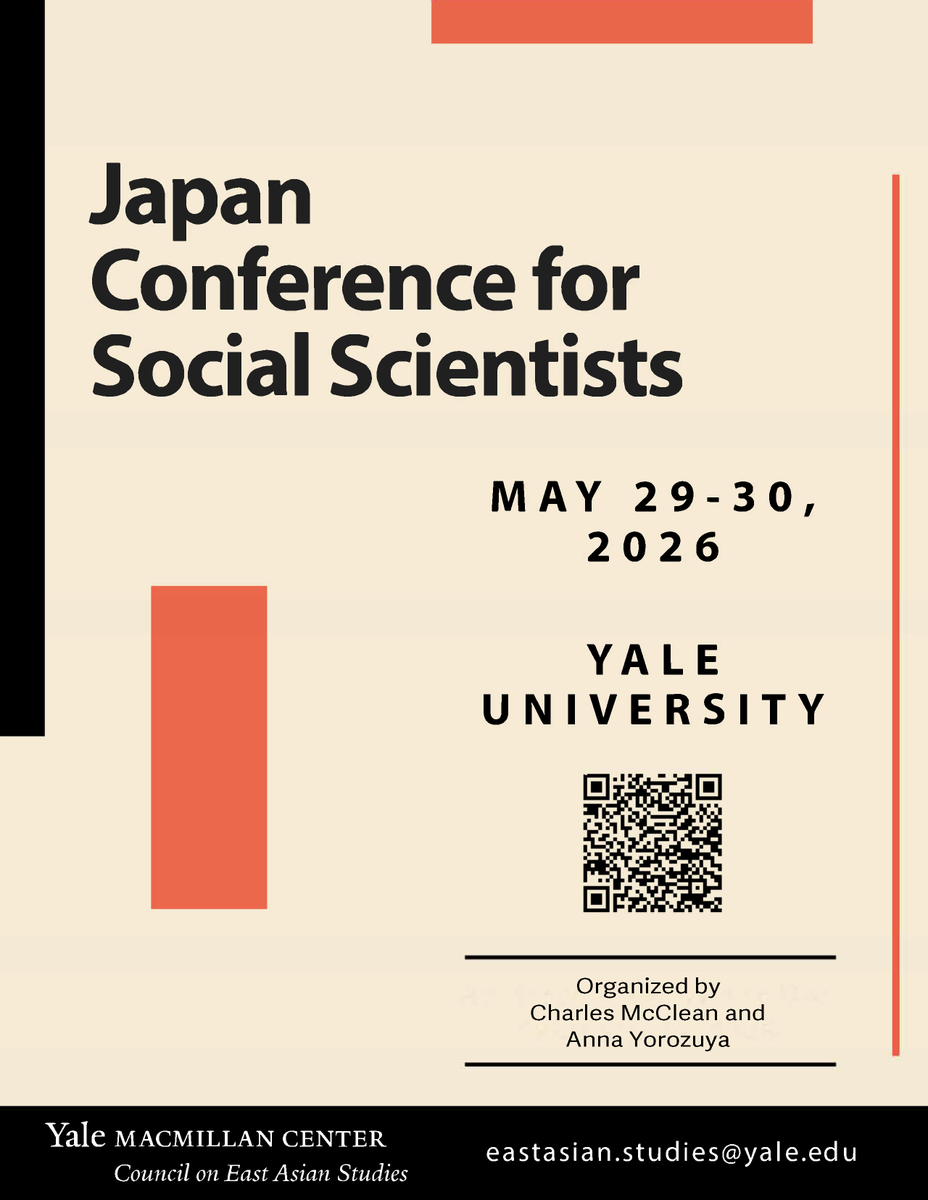
Now underway: Anna Yorozuya and I are delighted to kick off the Japan Conference for Social Scientists @YaleMacMillan.
The conference brings together 23 participants for two days of discussion.
More details here: macmillan.yale.edu/eastasia/…
1
6
20
1,728
May 28
Excited to share our new article: academic.oup.com/psychsocger…. In multi-child families, older parents do not have just one “parent-child relationship.” Some ties are close, some are distant, and some are strained. Our study asks: for older parents’ mental health, does the best tie, the average tie, or the worst tie matter most?
Using national panel data from China, we find that the most strained parent-child tie is especially important for depressive symptoms. One difficult relationship may weigh more heavily than several good ones. This suggests we need to look inside families, not just at whether older adults have children or receive support.
1
411
Emma Zang 臧熙璐 retweeted

May 27
I've seen @ATabarrok and some other folks recently joke that they're using Pangram to filter out the human-written content. Funny, except this is increasingly more true than funny: AI-assisted writing is often the more readable kind, and especially so in academia.
So in light of the Bskyesque pile-on dynamic now bleeding into Twitter, I want to push on something: what is AI detection actually for in the first place?
On the technical claim, Pangram seems to work: false positives are close to zero, and although false negatives remain a real issue (my own AI essay sailed through it easily at the time), the interesting question is what we should be doing with all these tools.
The "I ran this through Pangram" screenshot genre has been having a moment these days, most visibly around Pope Leo XIV's new encyclical. We constantly see some AI score deployed as a moral verdict, on the premise that AI involvement equals contamination. The Pangram people are now trying to encourage you to use their Chrome extension that puts an AI score on every page you read.
But the genuinely defensible uses of an AI detector are probably much narrower. If a student promised not to use AI on a particular assignment, by all means catch them. Beyond this, I'm not so sure.
For personal essays or anywhere the audience is paying for the human experience of making the thing, provenance still matters. But in research and journalism, where the only good test on the merits is whether the work is accurate and useful, who typed the words does not and should not matter.
AI tools keep improving while human attention doesn't, and "AI-assisted" is on track to be a positive quality signal in plenty of domains. In some academic contexts it already is.
So before you reach for Pangram on the next piece you don't like, ask what you're actually trying to catch. Our attention and time are limited. But human slop is already everywhere anyway. AI detector won't help you with figuring out what's worth your attention.
13
9
85
24,560
May 27
Unpopular Academic Advice #10: I started this series casually, but I have been really touched by how many students have reached out to say they found it useful. I have been busy giving talks and organizing conferences over the past couple of months, so I paused for a while. But at recent conferences, several students told me they had been reading the series and encouraged me to keep writing.
So, as many new PhD students are about to begin their programs, I want to say something about advisors.
It is very tempting to choose an advisor who seems easygoing and has low expectations. I understand why. Low expectations feel safe, especially when graduate school already feels intimidating.
But I would be careful about choosing comfort as the main criterion.
A good advisor should first be a decent human being. They should be willing to spend time on you, support you, and invest resources in your development. But they should also have high expectations. They should push you to think more carefully, write more clearly, and take your own ideas more seriously.
When I was a PhD student, my advisors were often very blunt and honest. They did not always try to frame feedback in a way that made me feel good. At the time, it was uncomfortable. But that discomfort made me take their advice seriously. It forced me to reflect on my weaknesses and improve.
You are not in graduate school simply to enjoy life. You are there to be trained. A key part of success and growth is the willingness to receive, reflect on, and act on constructive feedback.
Of course, high expectations should never be used to justify cruelty or abuse. But if an advisor is kind, invested, and demanding, don’t mistake discomfort for a red flag. Sometimes that is exactly where real training begins.
5
11
127
17,896
May 22
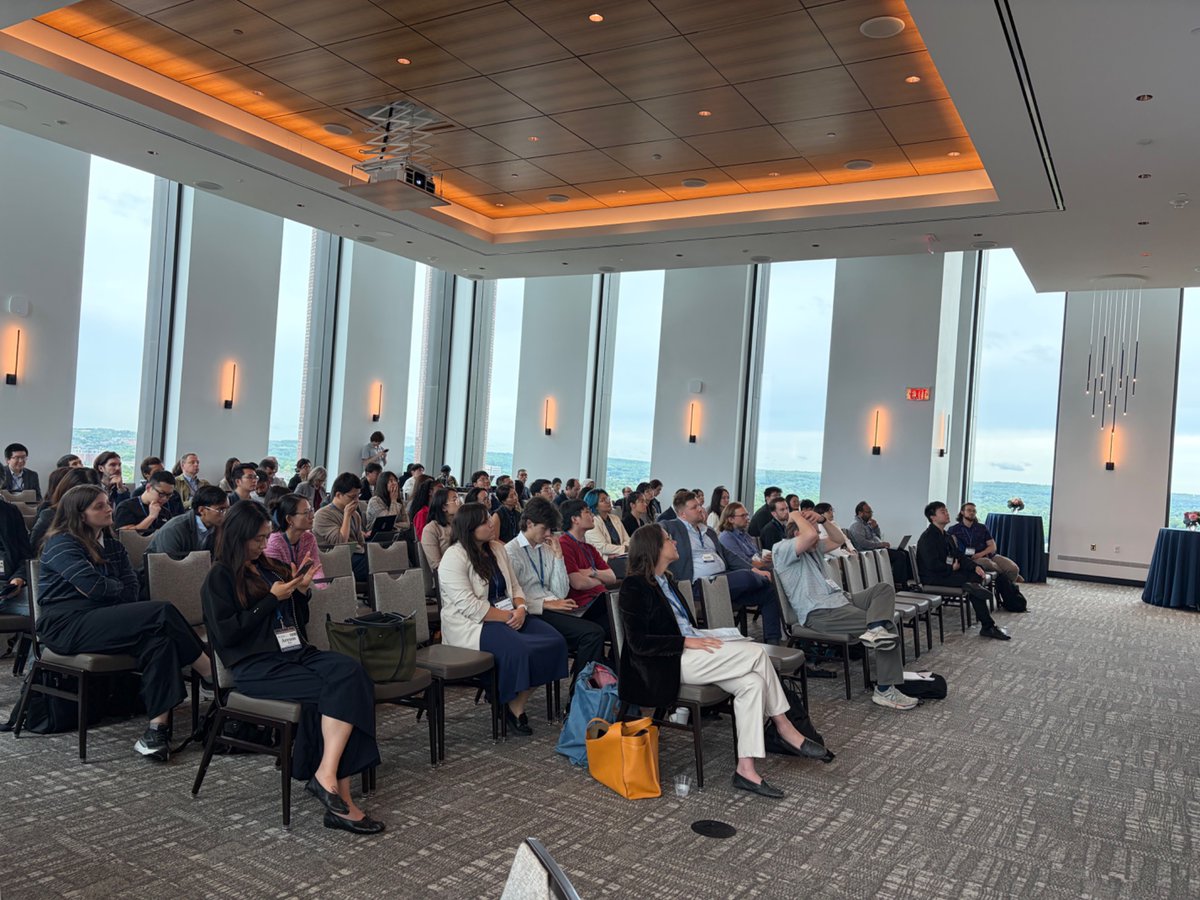
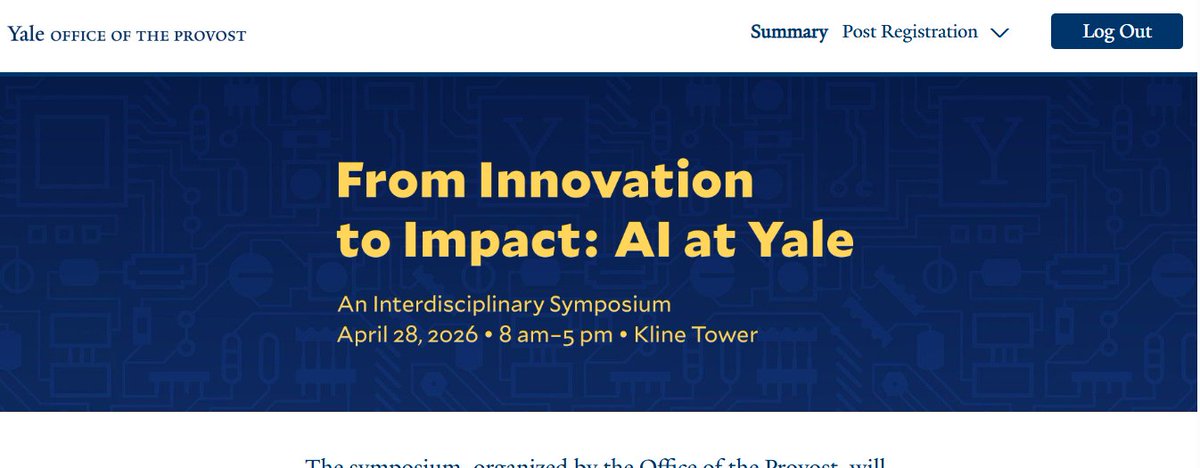
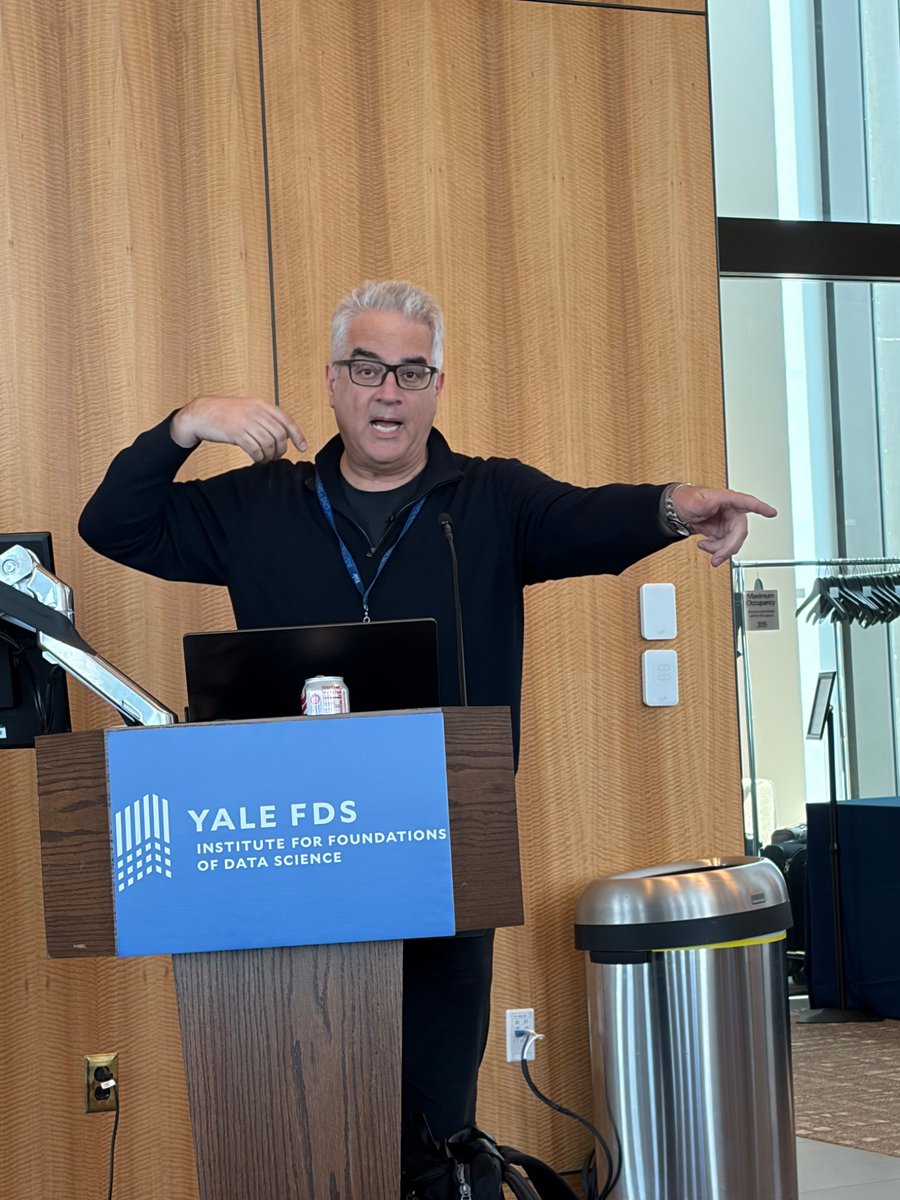
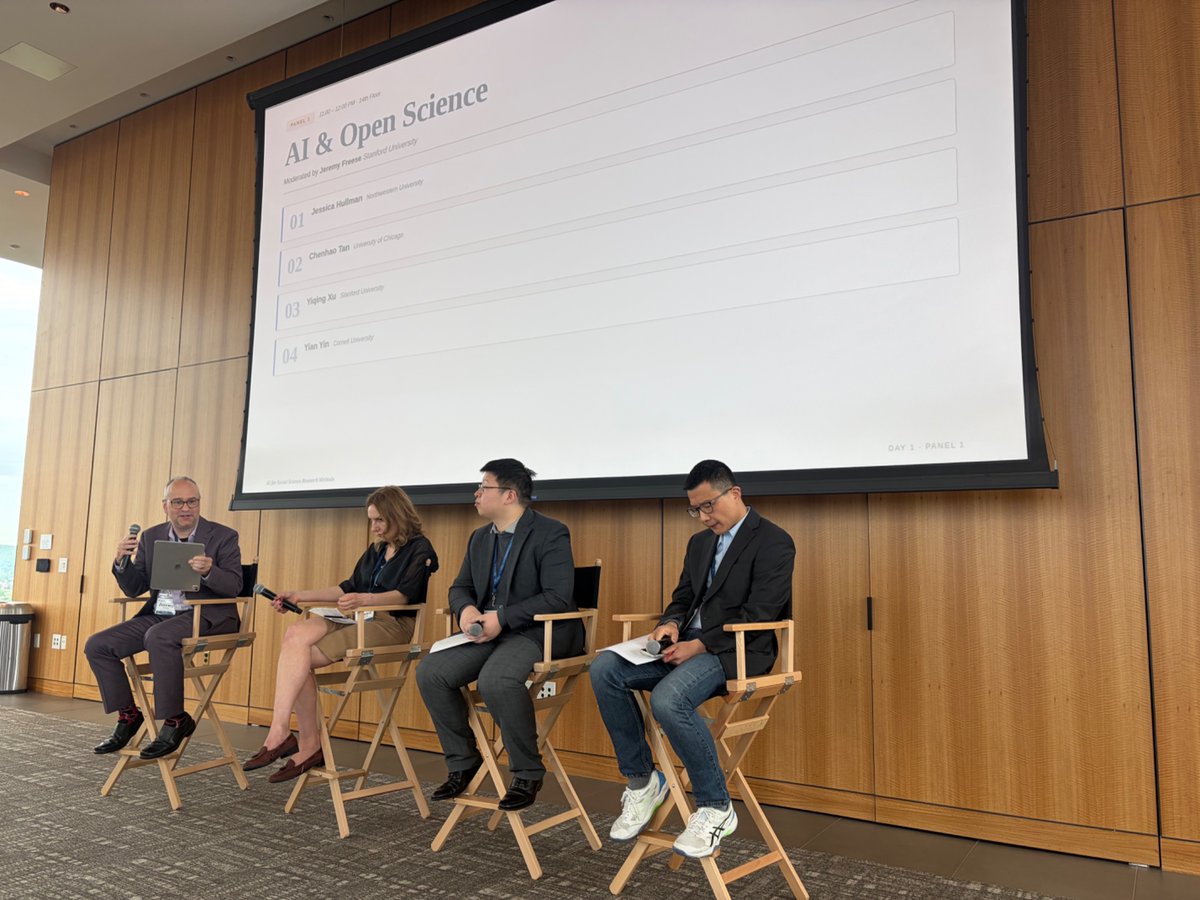
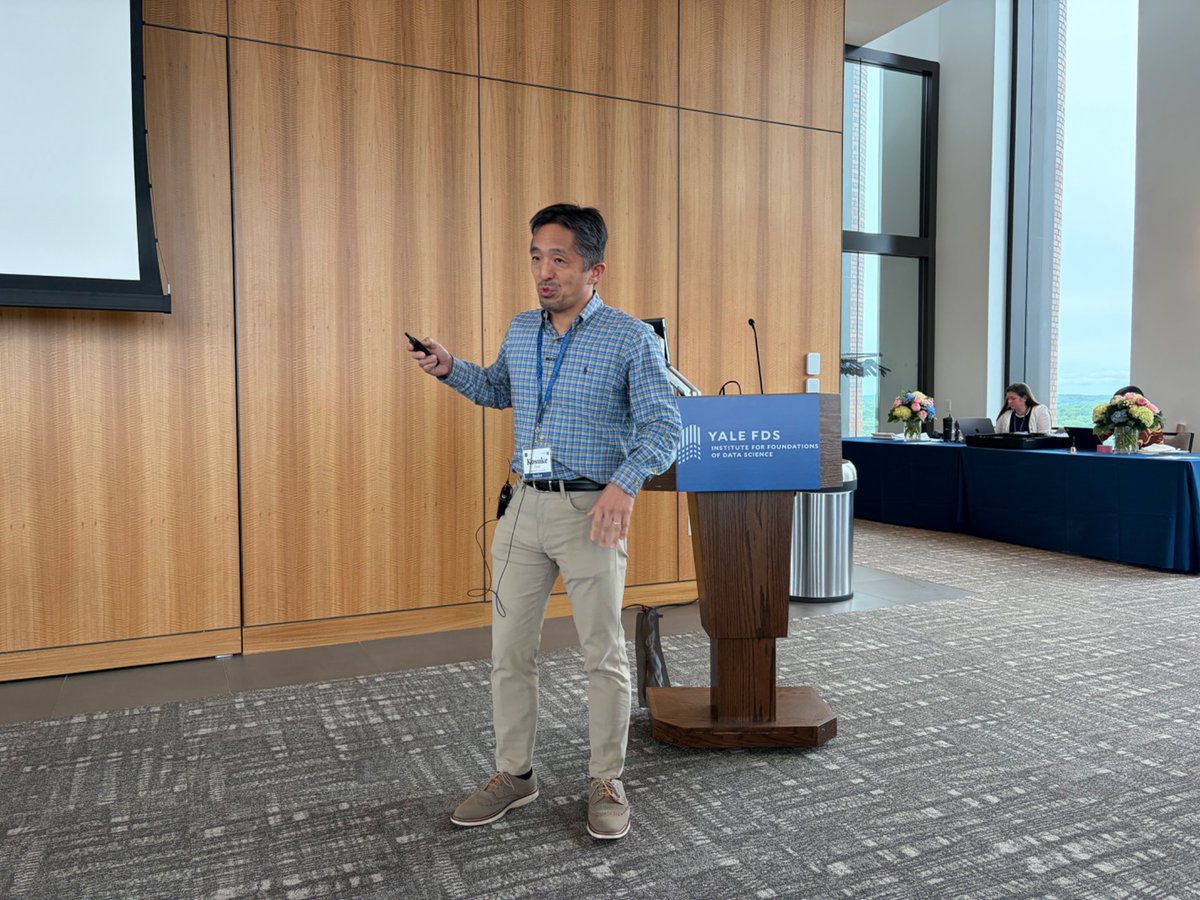
What an exciting two days at our Yale conference on AI in Social Science Research Methods. We brought together scholars across disciplines to discuss how AI is transforming measurement, causal inference, publishing, open science, and the future of research itself.
I left feeling energized by both the creativity and seriousness of the conversations. Huge thanks to all of the speakers, moderators, students, and attendees who made the conference such a success, and special thanks to my co-organizers and everyone working behind the scenes.
Looking forward to continuing to build this community in the years ahead.
1
3
32
4,684
Emma Zang 臧熙璐 retweeted

Friends in New Haven: I'm speaking today (Thurs) at the workshop on AI for Social Science Science Research Methods @yale. My talk is titled "Breaking out of the X matrix: Book of life and LLMs in social research" More info: yalefds.swoogo.com/socialsci…
5
19
2,732
Emma Zang 臧熙璐 retweeted

Looking forward to talking about AI and open science at this today, and on measuring human-AI complementarity at the Sloan-Nomis Cognitive Foundations of Econ workshop tomorrow
econ.columbia.edu/sloan-nomi…
May 17

Hard to believe the Yale Conference on AI in the Social Sciences is happening next week.
We’ve put together an exciting program featuring leading scholars on how AI is transforming measurement, causal inference, publishing, and the future of social science research.
Only a couple of spots remain due to space constraints.
Last chance to register: yalefds.swoogo.com/socialsci…
Looking forward to welcoming everyone to Yale!
4
11
2,713
May 20
As fertility declines and populations age, South Korea is increasingly turning to immigration to sustain its economy. But immigration raises a deeper question: Is the goal assimilation or inclusion?
In my recent interview with Morning Wave in Busan, I argue that tolerance is a low bar. We need something stronger: curiosity about one another and a genuine willingness to build a shared future.
Demographic change is an opportunity to rethink what kind of society we want to become.
Interview: youtube.com/watch?v=MFW19BJC…
1
7
1,494
May 19
Exciting news from Yale’s ZCAFE! We’re thrilled to welcome two outstanding predoctoral fellows:
🎉 Yao Sun — M.S. in Survey Methodology, University of Michigan
🎉 Tian Tong — M.S. in Data Science, Georgetown University
They will join our work on AI for social science.
We were also fortunate to attract a terrific pool of postdoctoral applicants. Although our two offers did not work out, we hope to recruit a postdoc next year.
Very excited for what’s ahead at ZCAFE!
1
3
32
3,906
May 17
Hard to believe the Yale Conference on AI in the Social Sciences is happening next week.
We’ve put together an exciting program featuring leading scholars on how AI is transforming measurement, causal inference, publishing, and the future of social science research.
Only a couple of spots remain due to space constraints.
Last chance to register: yalefds.swoogo.com/socialsci…
Looking forward to welcoming everyone to Yale!
4
26
120
23,329