
Dr. Scott Duke is owner of Duke Center for Chiropractic Sports & Spine CARE located in Boca Raton Florida. Expert in treating Sports & Spine injuries
Joined October 2011
- Tweets 3,836
- Following 903
- Followers 1,141
- Likes 430
629 Photos and videos
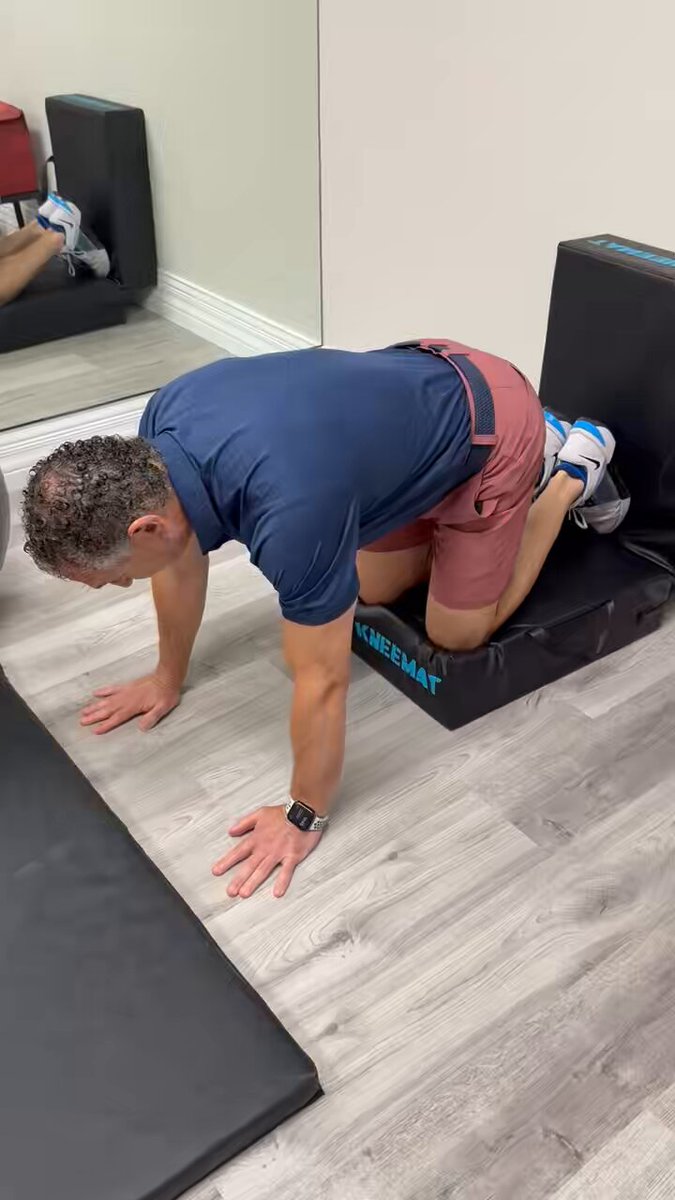
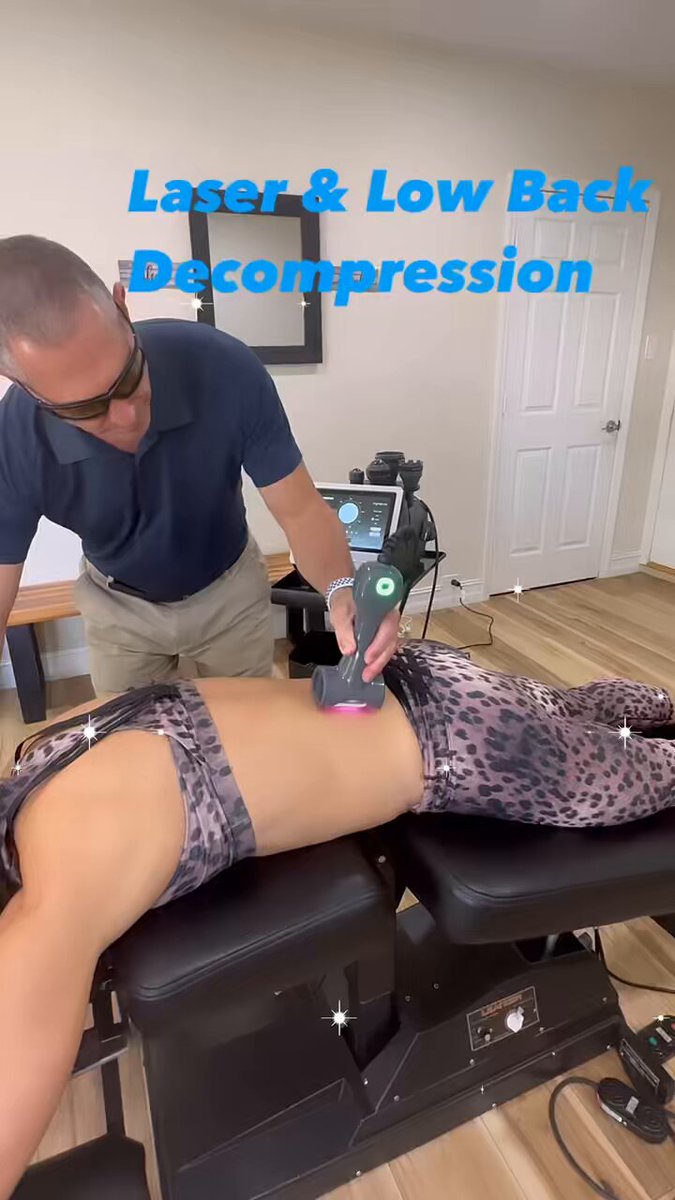
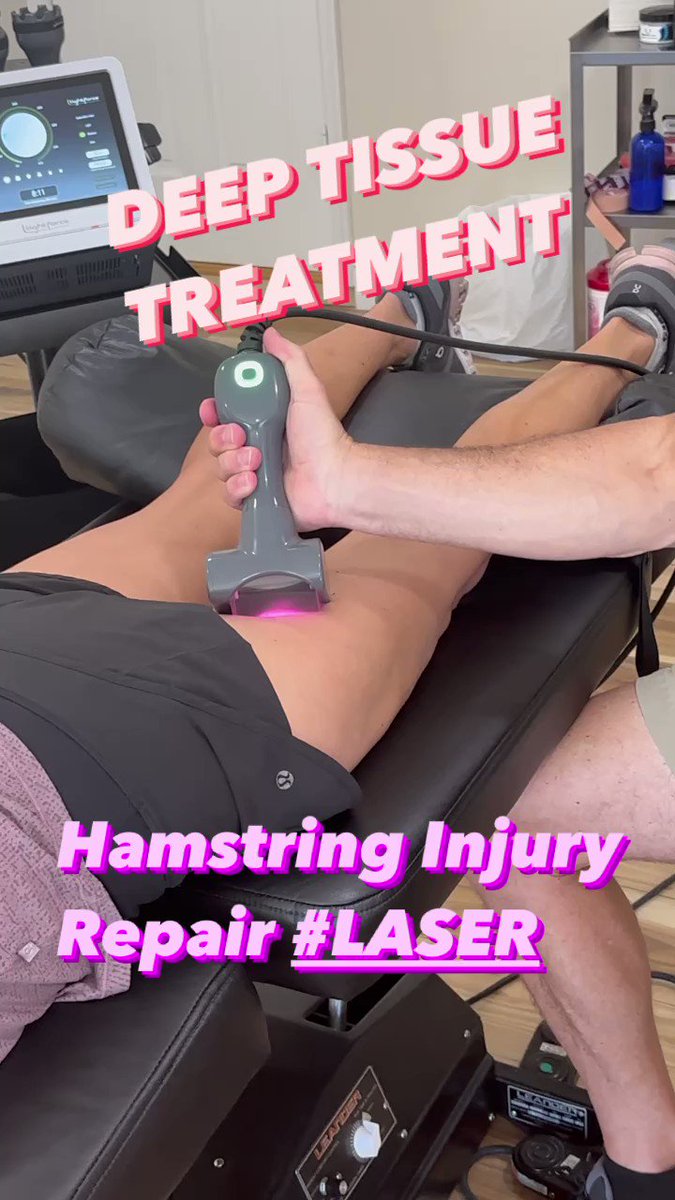
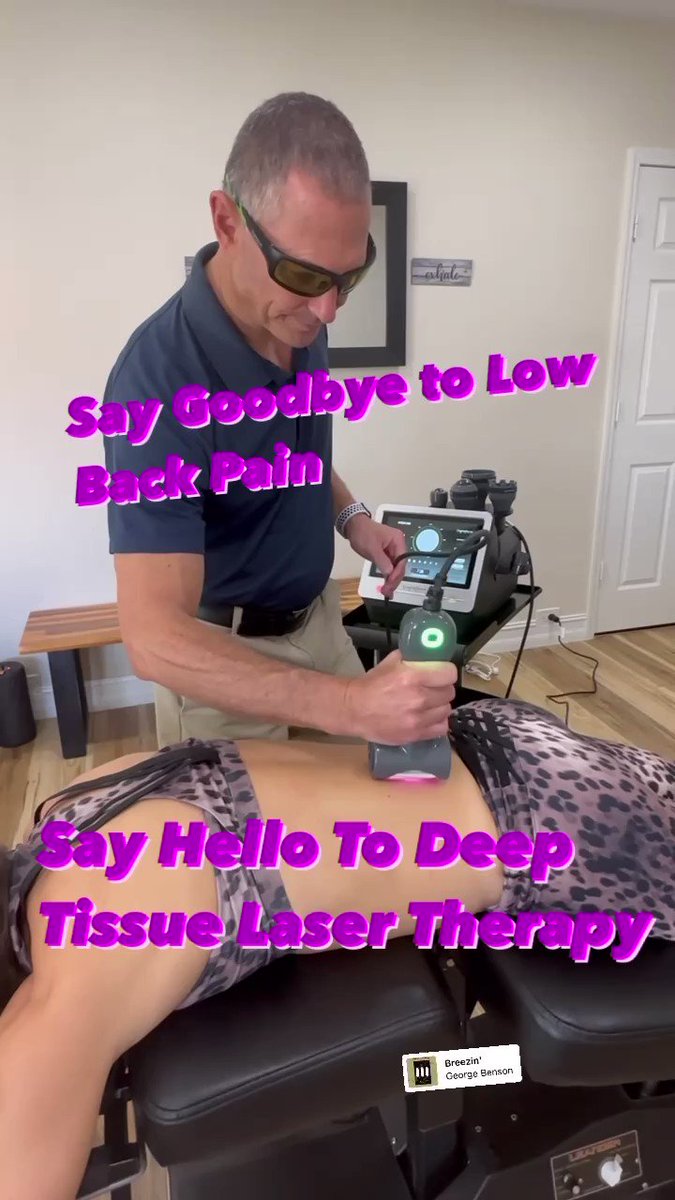
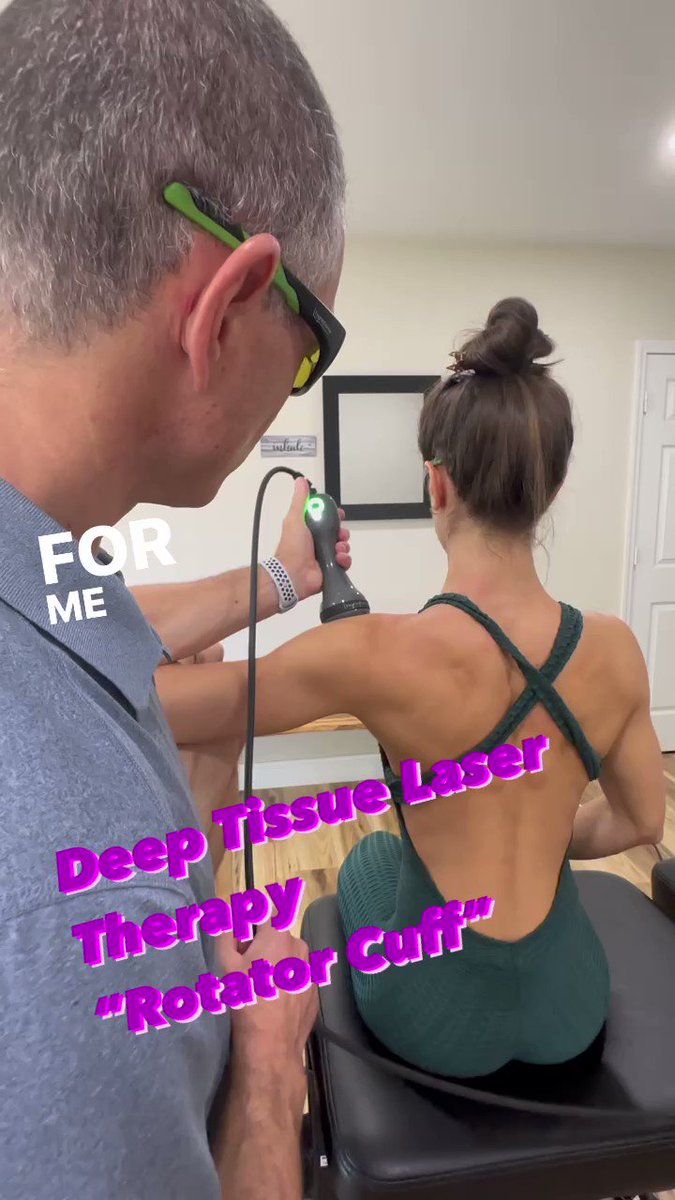
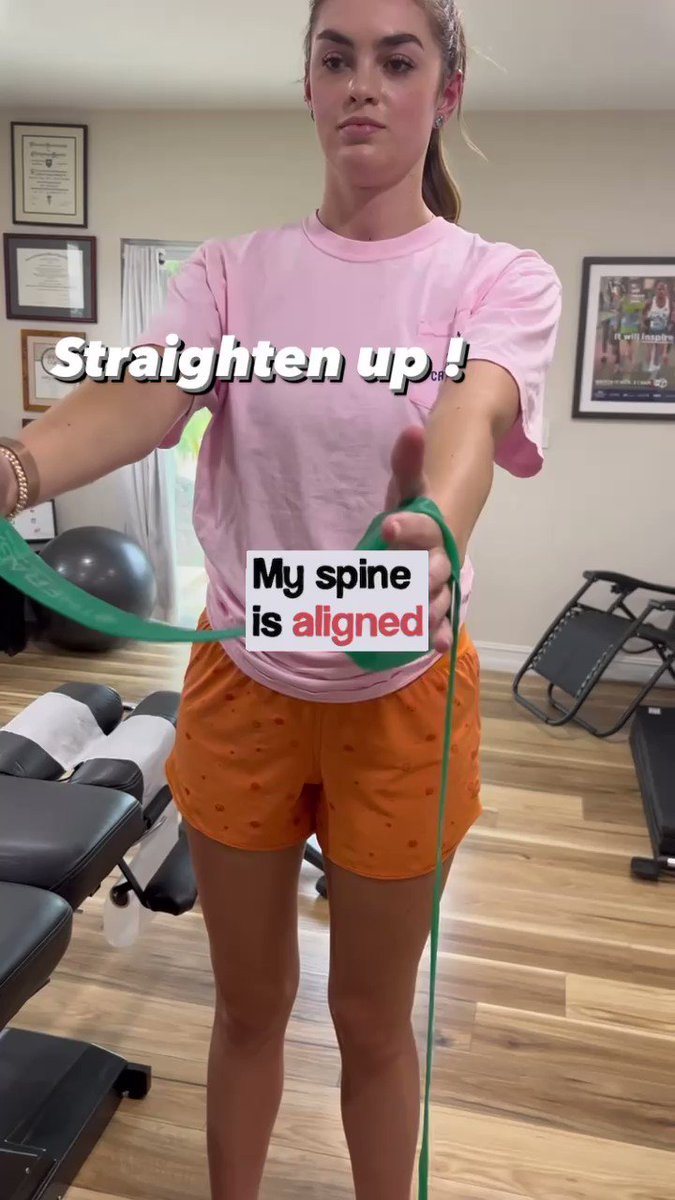
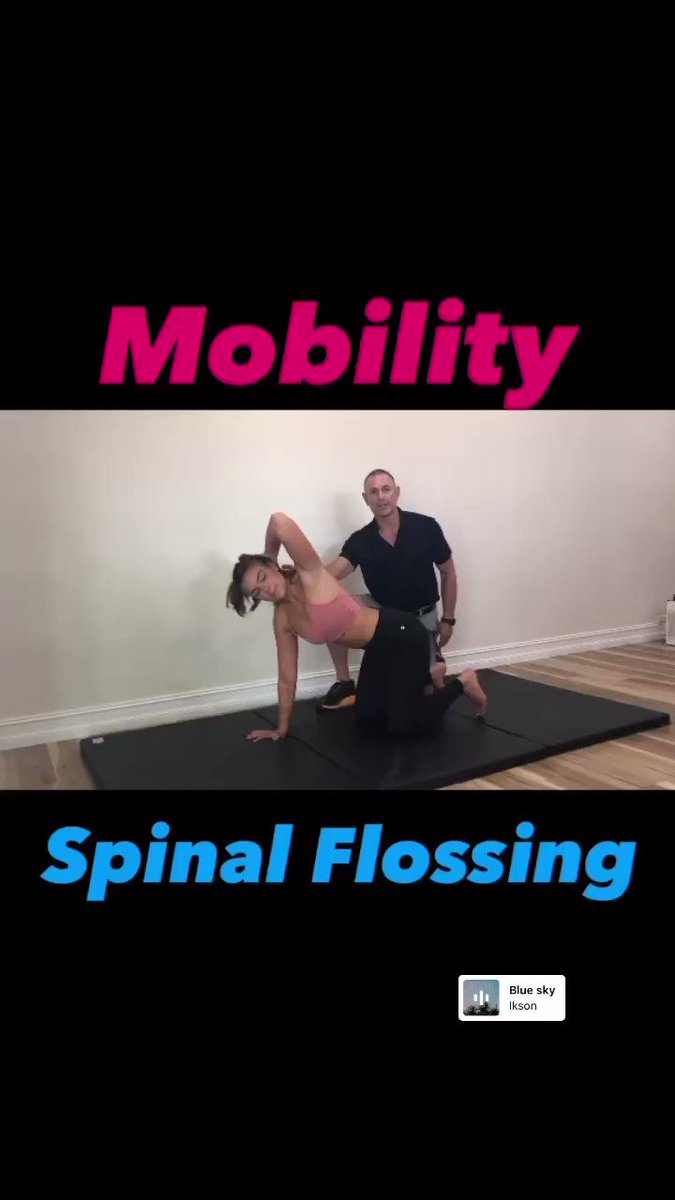
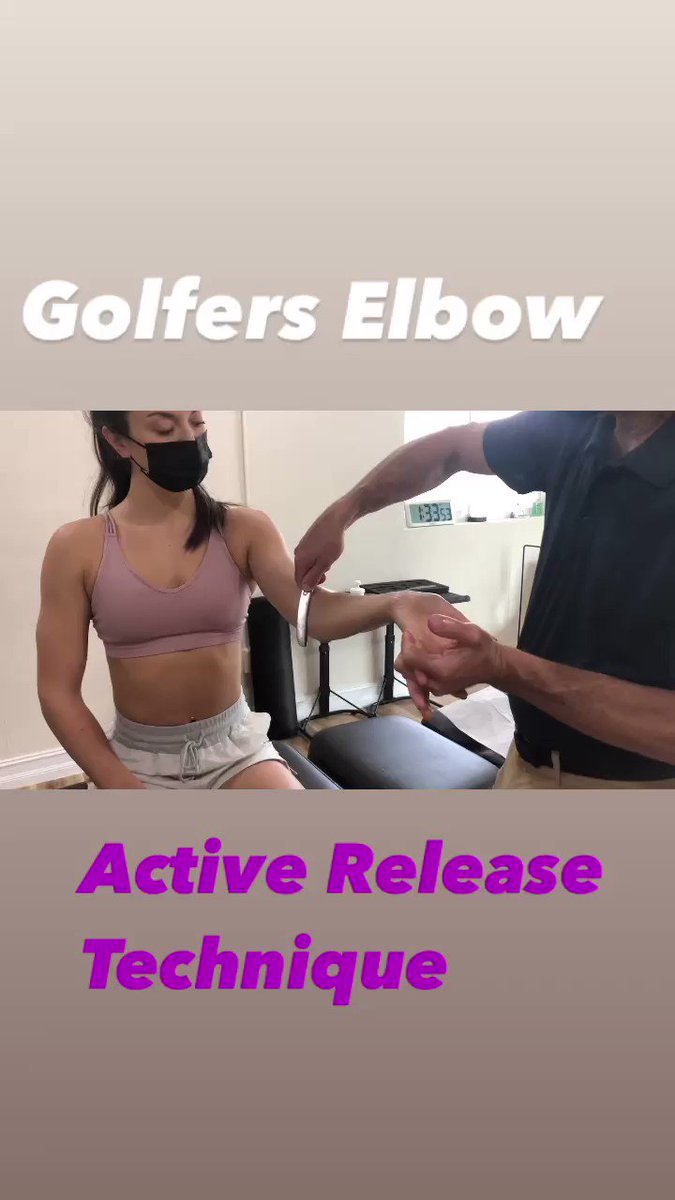
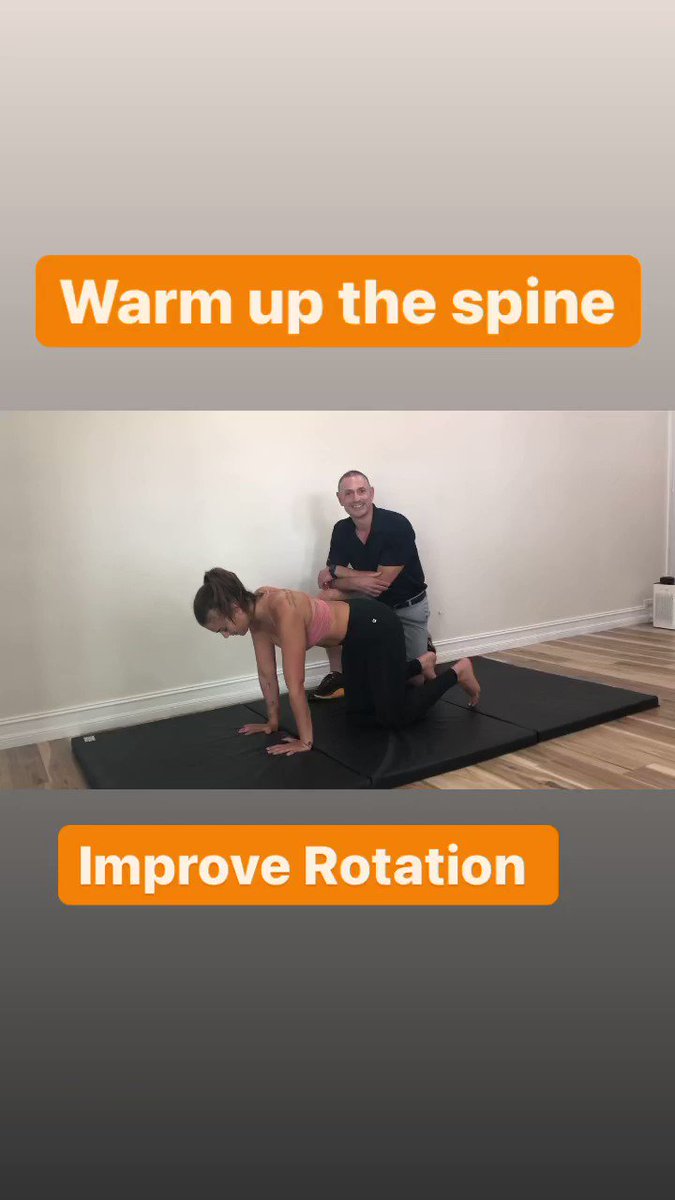


3 Aug 2025
Red light (630–660 nm): Targets skin-level concerns like fine lines, inflammation, and collagen production.
Near-infrared light (810–850 nm): Penetrates deeper to support muscle recovery, joint health, and mitochondrial function.
drfranklipman.com/post/healt…
1
54
16 Mar 2025
Magnesium's Role In Longevity
When falling short, your body offers a few clues. your body will likely start sending you not-so-subtle clues in the form of muscle cramps, mood swings, memory blips (where’s my phone… oh, it’s in my hand)
drfranklipman.com/post/the-m…
1
40
Dr. Scott Duke retweeted

15 Jan 2025
Ross Coulthart (@rosscoulthart) is dropping what I suspect will be one of the most consequential news stories in the last century: a firsthand UFO whistleblower who has retrieved non-human craft
184
410
3,497
240,642
Dr. Scott Duke retweeted

10 Jan 2025
If the commander of NORAD says that our best tech could not identify the mystery "drones", then we're shit out of luck. Plain as day.
"According to Glen VanHerck, the recently retired commander of North American Aerospace Defense Command, our most advanced aircraft attempted to identify the objects with 'extremely limited results."
New article, via @MvonRen
thehill.com/opinion/national…
#ufo #uap #ovni

29
117
460
27,977
Dr. Scott Duke retweeted

15 Dec 2024
I have spoken with sources inside government who would be responsible for responding to a potential nuclear threats within the U.S. I have high confidence the drone issue is unrelated to any potential nuclear threat.
527
851
6,944
1,474,664
Dr. Scott Duke retweeted

9 Dec 2024
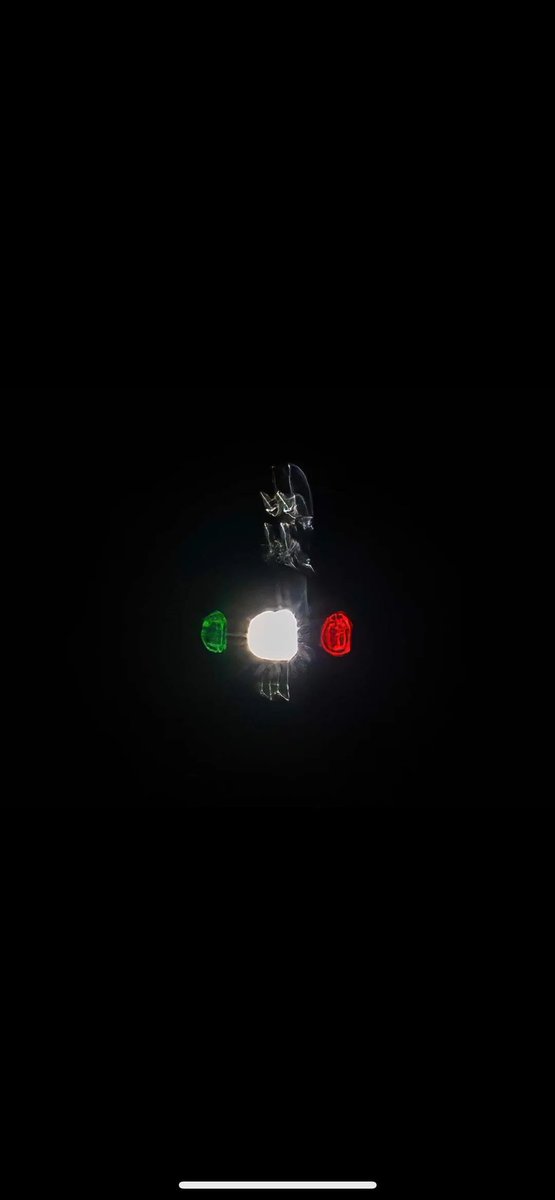
Photos Taken of alleged drone in New Jersey and Posted to Facebook (Now Deleted)
Poster Claims They Were Shot with a 300mm Lens and Cropped - December 8, 2024
#UAPTwitter #UAP #UAPx #UAPSightings #Ufos #ufosighting #Ufotwitter #UFOSightings #Ufox #ufodisclosure #dronesightings



42
45
357
72,198
Dr. Scott Duke retweeted

9 Dec 2024
Avi Loeb asked a former Lockheed Martin official about Grusch's allegations of Lockheed being in possession of 'material' related to Grusch's UAP programs - "I would not say that it is wrong"
6
82
447
31,375
Dr. Scott Duke retweeted

12 Nov 2024
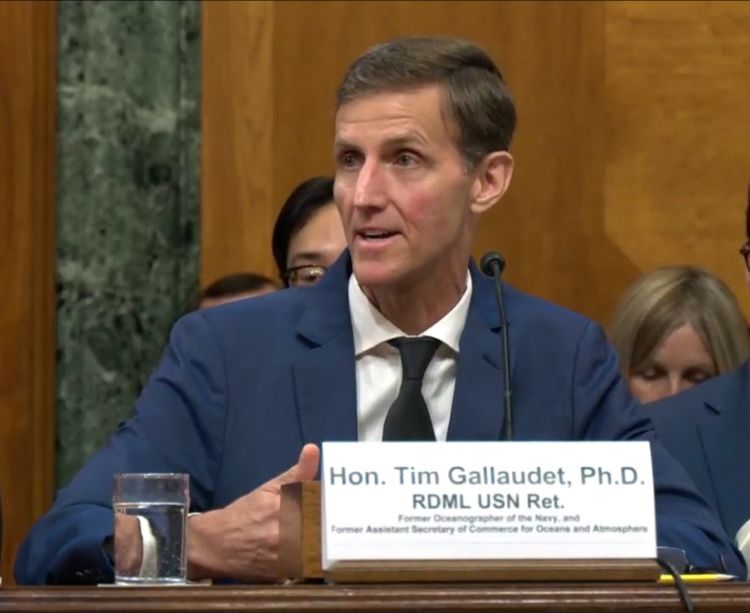
Navy Rear Admiral to give bombshell testimony to Congress about underwater UFOs that have been tailing US nuclear subs
A retired rear admiral, who served as the Navy's head oceanographer, will testify to Congress about the risks of UFOs that appear to traverse Earth's seas with impunity.
Rear Admiral Tim Gallaudet (ret.) has attested publicly in the past to 'an interesting correlation [...] where we see so many potential interactions of UAP [i.e. UFOs] and nuclear ships' — but has never before discussed the issue under oath.
And increasingly, Rear Adm. Gallaudet has also given voice to growing concern among military officials that these strange apparent craft possess 'capabilities [...] beyond our current understanding of science, technology as well as engineering.'
'We need to research these more, get a better understanding of them,' as he put it this week, 'both for the national security implications, as well as just the science.'
But despite Rear Adm. Gallaudet's openness on the once-fringe topic of UFOs, the substance of what he plans to reveal on Wednesday before the House Oversight committee's latest public UAP hearing remains a mystery.
The naval oceanographer did, however, reveal two startling UFO encounters on Monday, as reported to him by Navy personnel ahead of his testimony.
One submariner told Rear Adm. Gallaudet of an encounter a US sub had with a bizarre underwater object in the 1980s, which stopped on a dime while speeding deep under the Atlantic Ocean.
'It had all the signatures of a Russian torpedo,' Rear Adm. Gallaudet said, 'because it approached a rapid rate. But then it slowed down, which torpedoes don't do.'
Rear Adm. Gallaudet explained that this US Navy submarine — which was traveling 'at a deeper depth during a very significant North Atlantic storm' — had conducted evasive maneuvers to escape what its crew thought, at first, was a Russian torpedo.
'Because of its rapid rate of approach, they went to "crush depth." That was their SOP, standard operating procedure,' the retired rear admiral told NewsNation.
Sometimes known as 'collapse depth,' the term 'crush depth' is used to indicate a level of deep ocean where the density and pressure of water is a threat to the structural integrity of a particular submarine's design.
But, the dense water at 'crush depth' can also help a sub evade torpedoes following it, by helping to confuse the weapon's on-board sonar, used for 'acoustic homing.'
The sound waves emitted as sonar 'pings,' in other words, can be slowed, dissipated or otherwise disrupted when passing through dense water at these depths.
'It was an old sub, too,' Rear Adm. Gallaudet said of the risky defensive gambit, which could have imploded the undersea vessel, killing its crew. 'So, they were not happy doing that and not comfortable.'
'They really believed it was a Soviet sub,' he told NewsNation correspondent and veteran investigative reporter Ross Coulthart, 'launching an attack on them.'
'And then, of course, this object, it stopped, and it went around to their stern and followed them,' he continued. 'Then it rapidly accelerated out of the scene.'
'Back in the '80s, we know of no technology that could have done that. What was that?' as the rear admiral put it rhetorically to Coulthart. 'I can't explain it either.'
Link to full article in the next post below.
16
100
505
26,337
25 Oct 2024
With my purchase, Ultima Replenisher donated to Bright Pink NFP— Every purchase on this store creates a positive impact! undefined #ShoppingGives #SocialImpact #GiveBack #TheGivingEconomy
1
33
6 Oct 2024
Five signs you need a recovery day from fitness #canthurtme #takingsouls
drfranklipman.com/post/5-sig…
89
11 Sep 2024
2
93
14 Jul 2024
Wearing a Continuous Glucose Monitor (CGM) can be so helpful in learning which foods trigger an Insulin response #diabetes #cgm #chiropractic
newatlas.com/health-wellbein…
39
10 Mar 2024
How Does Exercise Influence Your Cortisol Levels? drfranklipman.com/2024/03/08… via @DrFrankLipman
2
44