
Innovative bioremediation for sludge reduction, odor control, and wastewater treatment. Trusted by municipal, ag & industrial sites.
Joined August 2015
- Tweets 694
- Following 726
- Followers 222
- Likes 882
520 Photos and videos


Jun 11
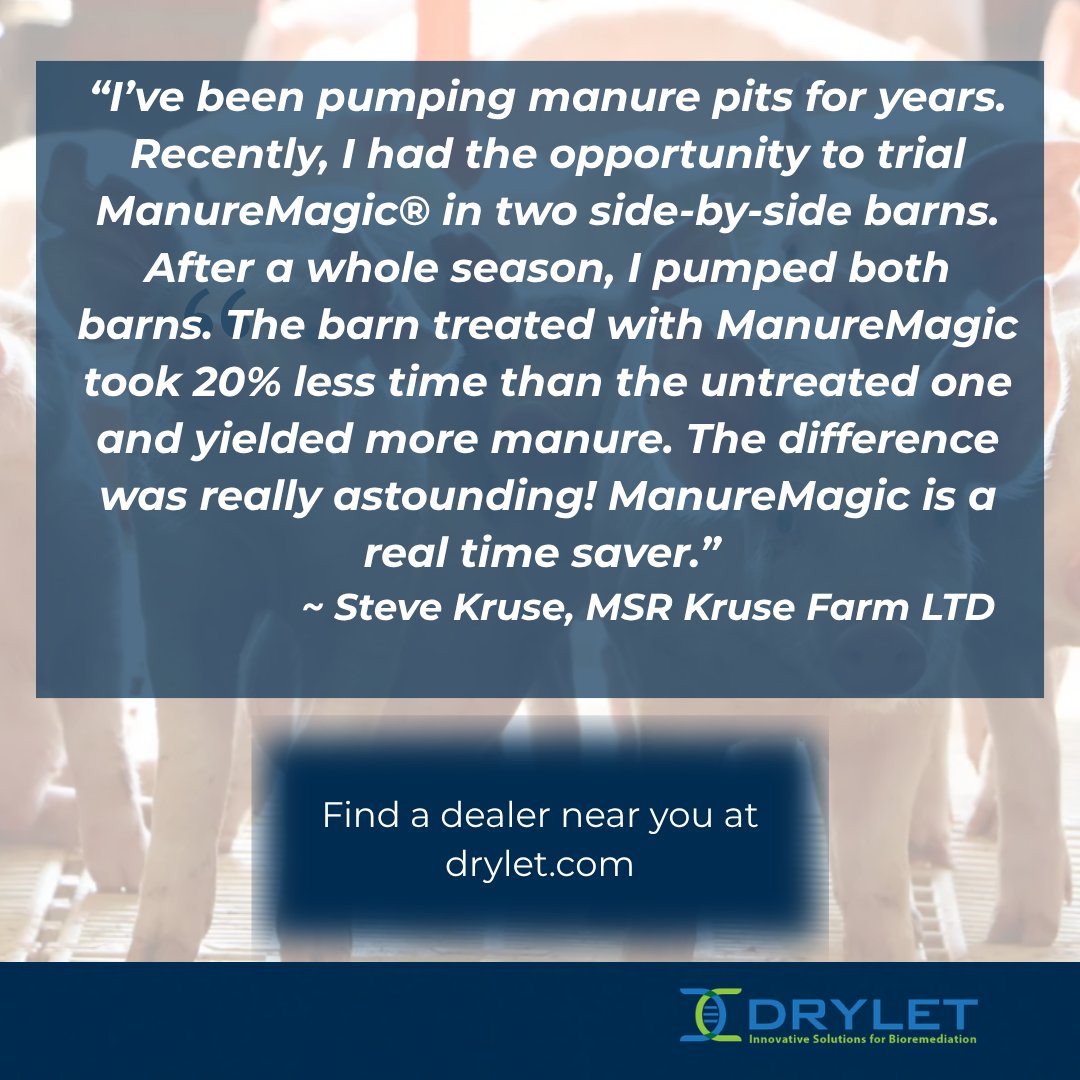
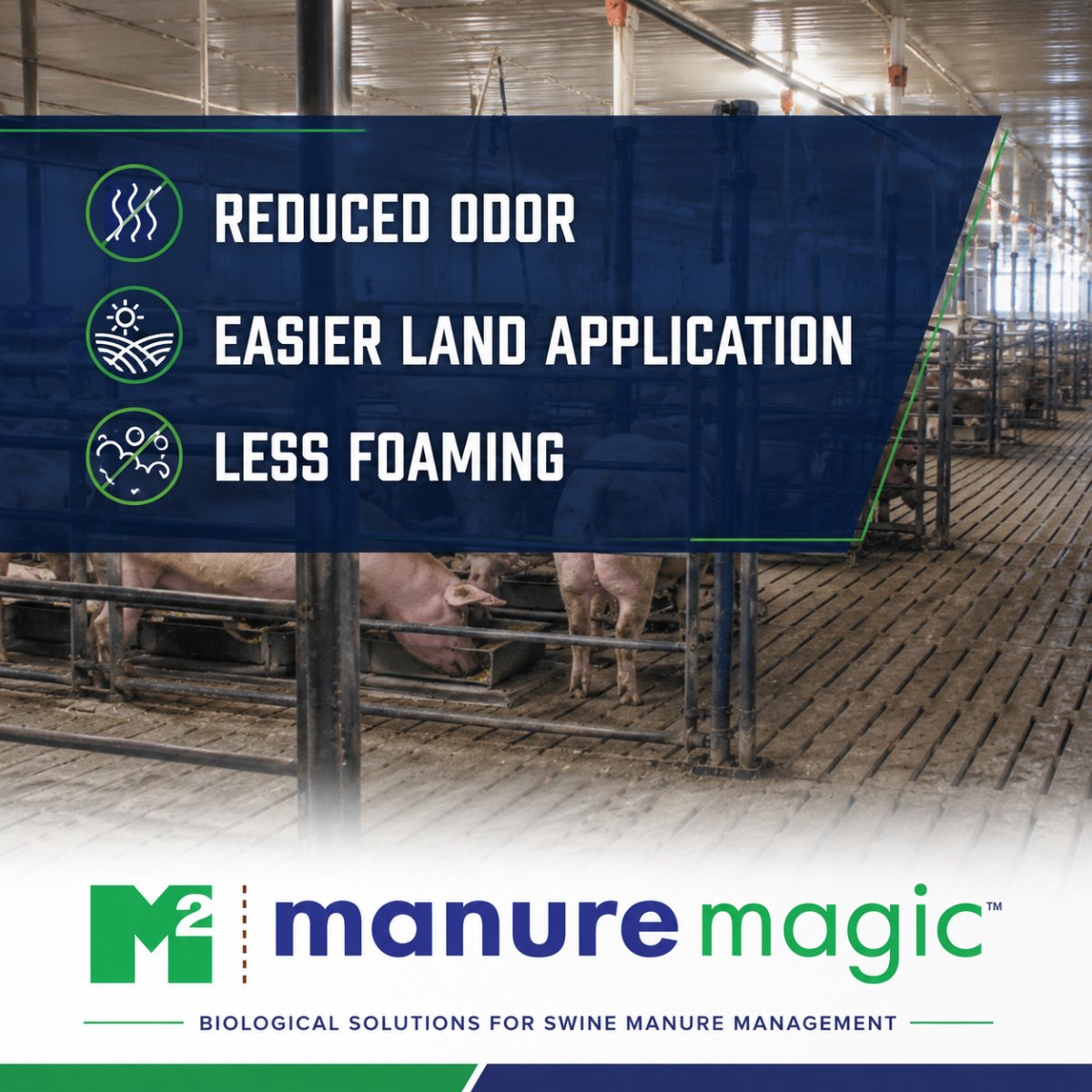
Side-by-side comparisons don’t leave much room for debate.
Two barns. Same operation. Different outcome.
After a full season, the difference showed up where it matters:
20% less pumping time
More usable manure recovered
Not theory—just what happens when solids break down and move the way they should.
#ManureManagement #SwineProduction #HogBarn #AgOperations #LivestockFarming
5
Jun 10
You can't manage what you can't measure.
Sonar Mapping provides a clear picture of sludge accumulation throughout a lagoon or treatment basin, showing where solids have built up and how much capacity has been lost.
That information helps operators understand current conditions and allows treatment programs to be tailored to the actual volume of sludge present—not guesswork.
In this episode of Inside Drylet, Justin explains how Sonar Mapping helps facilities make more informed decisions about sludge management and biological treatment.
#InsideDrylet #SonarMapping #SludgeManagement #WastewaterTreatment #LagoonOperations
13
Jun 9
Dealer Spotlight: AgVice
AgVice has built a strong reputation for helping agricultural producers improve efficiency, productivity, and profitability through practical solutions and trusted support.
We're proud to partner with AgVice in bringing ManureMagic® to livestock operations looking to improve manure management, reduce solids accumulation, control foam, and address odor challenges.
Thank you to the AgVice team for your partnership and commitment to serving producers throughout the region.
We appreciate the opportunity to work alongside organizations that share our focus on helping farmers get the most from their operations.
#DealerSpotlight #AgVice #ManureMagic #Agriculture #LivestockProductio
5
Jun 8
What does sludge reduction actually look like?
This time-lapse demonstrates the gradual breakdown of accumulated solids over time.
As sludge is reduced, treatment capacity can be restored, retention time can improve, and systems may operate more efficiently.
Whether you're managing a municipal lagoon, industrial wastewater system, or other biological treatment process, understanding how solids accumulate—and how they can be reduced—is an important part of long-term system performance.
#WastewaterTreatment #wastewater #LagoonManagement #WastewaterOperations #BiologicalTreatment
1
15
Jun 8
Learn more about your treatment system's performance, solids accumulation, and opportunities for optimization.
drylet.com/technical-assessm…
4
Jun 3
One of Drylet's core principles is listening to customers.
Sonar Mapping wasn't part of our original service offering. It started when a customer asked if we could help accurately measure sludge accumulation and treatment capacity.
That conversation led to the development of a service that now helps operators make better decisions based on real data—not estimates.
In this episode of Inside Drylet, Justin and Nick discuss how customer feedback helped shape one of our most valuable tools for lagoon and wastewater management.
#InsideDrylet #SonarMapping #WastewaterTreatment #LagoonManagement #CustomerFocused
1
11
Jun 2
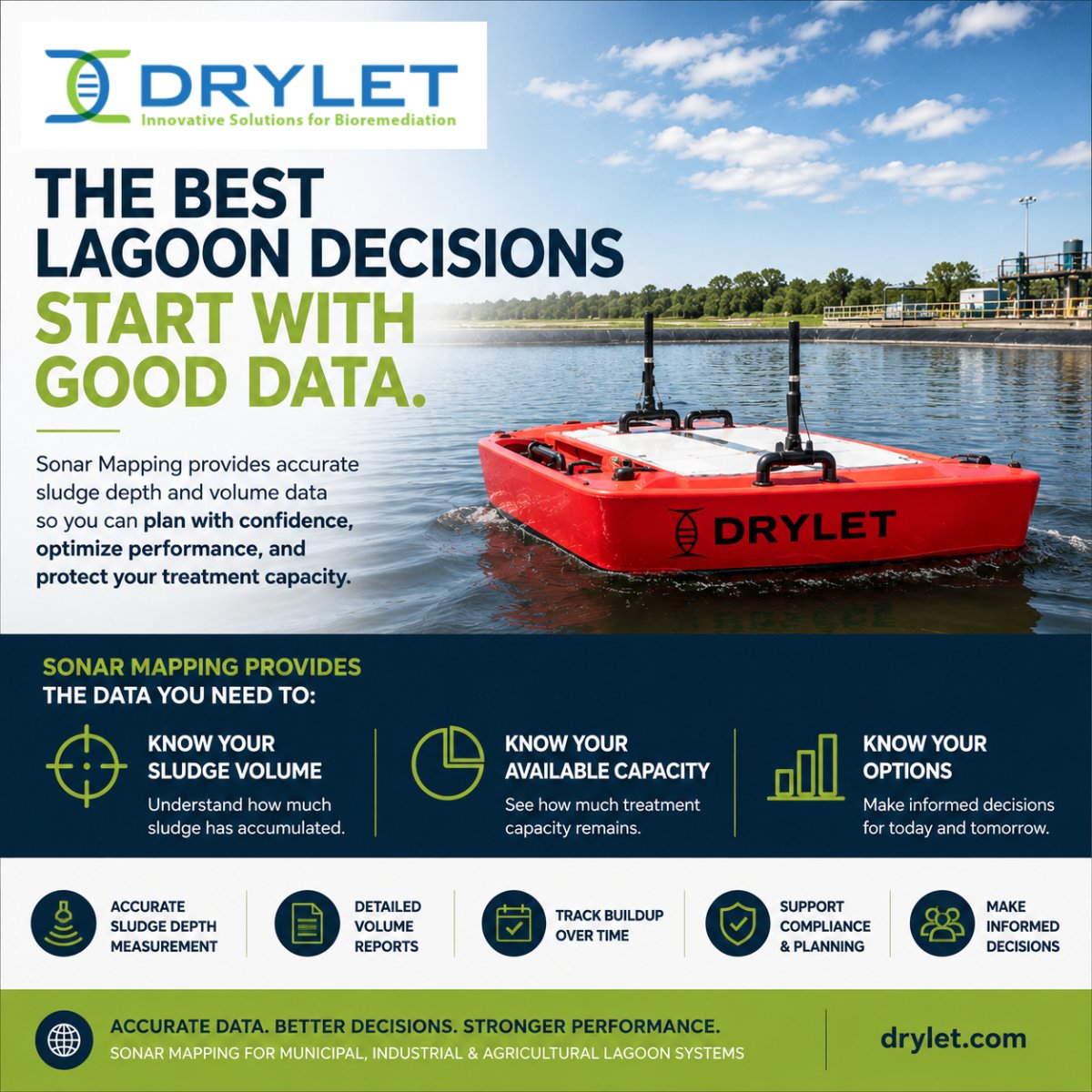
The best lagoon decisions start with good data.
Sludge accumulation impacts treatment capacity, retention time, and long-term system performance. But without accurate measurements, it's difficult to know when action is needed.
Drylet Sonar Mapping provides detailed sludge depth and volume data to help facilities:
• Understand available treatment capacity
• Track sludge accumulation over time
• Support maintenance and compliance planning
• Make informed operational decisions
Accurate data leads to better planning—and better outcomes.
Learn more about Drylet Sonar Mapping.
#SonarMapping #LagoonManagement #WastewaterTreatment #SludgeMonitoring #wastewater
9
Jun 1
The June edition of S2: Systems & Solids is here.
This month's theme:
Better Decisions Start With Better Data
Whether you're managing a municipal plant, industrial facility, agricultural operation, or lagoon system, better information leads to better decisions.
In Issue 3, we'll explore the data, trends, and operational insights that help wastewater professionals understand performance, manage solids, and make informed planning decisions.
Want to receive future editions directly in your inbox?
The signup link is in the comments.
#WastewaterTreatment #WastewaterOperations #SludgeManagement #EnvironmentalEngineering #WaterTreatment
1
6
Jun 1
Subscribe to S2: Systems & Solids for practical insights on wastewater treatment, sludge management, treatment capacity, and operational performance.
drylet.com/systems-and-solid…
5
May 30
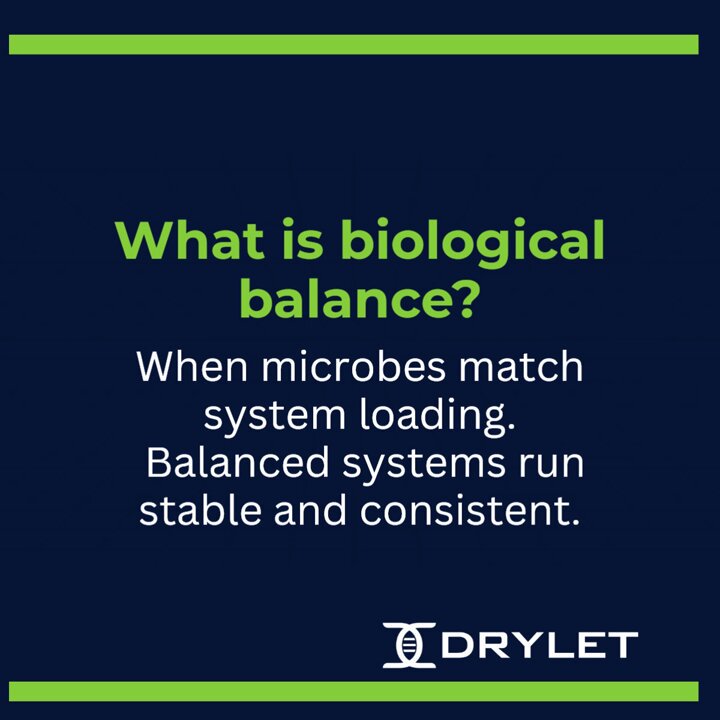
A balanced system doesn’t fight itself.
When biology matches loading, you get:
• Stable performance
• Better settling
• Fewer surprises
When it doesn’t… everything feels reactive.
#Wastewater #BiologicalBalance #WWTP #WastewaterOperator #ProcessControl
10
May 29
Manure pits become harder to manage when solids, foam, and crust buildup start affecting pumping and manure flow.
That usually means:
• More labor during cleanout • More difficult pumping • Increased odor and gas concerns • Reduced pit capacity • More time spent fighting buildup issues
ManureMagic® is designed specifically for hog barn pits and manure pits to help improve manure consistency and biological breakdown throughout the system.
Operations using ManureMagic® often report:
✔ Easier pumping ✔ Reduced solids buildup ✔ Less foam and crusting ✔ Improved manure flowability ✔ Better pit management overall
Studies from Purdue University also showed reductions in odor and hydrogen sulfide emissions.
For many producers, better manure management means less time fighting the pit — and more consistent operation throughout the barn system.
#HogFarm #SwineProduction #ManureManagement #ManurePit #OdorControl
15
May 28
Operators don’t say things like this lightly. Plants don’t run on promises—they run on performance.
When something consistently does what it’s supposed to do, it becomes part of the process… not an experiment.
In wastewater, reliability is everything.
Learn more at drylet.com
#Biosolids #SludgeManagement #EnvironmentalEngineering #WaterTreatment #OperatorLife
2
May 27
Not every lagoon — or tank — can be measured the same way.
In Episode 26 of Inside Drylet, Nick walks through how sonar mapping adapts to different systems.
From smaller, hard-to-access areas using a remote-controlled sonar unit… to full lagoon surveys using a boat-based system.
Same goal either way: Get accurate data on sludge depth so decisions aren’t based on assumptions.
Because when it comes to solids… guessing usually gets expensive.
#SonarMapping #Wastewater #LagoonManagement #SludgeManagement #WastewaterTreatment
9
May 26
This week’s Dealer Spotlight features NexGen Ag Supply.
Operations dealing with manure buildup, foam, odor, and difficult pumping conditions know how quickly solids can impact storage capacity and handling efficiency.
That is why strong local partners matter.
NexGen Ag Supply helps producers find practical solutions for improving manure management, reducing solids accumulation, and keeping systems operating more efficiently.
We appreciate having knowledgeable dealers who understand the real-world challenges producers face every day.
#DealerSpotlight #Agriculture #ManureManagement #SwineProduction #AgSolutions
6
May 25
This Memorial Day, we remember and honor the men and women who gave their lives in service to our country.
Their sacrifice made the freedoms we enjoy possible.
From all of us at Drylet, thank you to those who served, those who sacrificed, and the families who continue to carry that legacy forward.
Wishing everyone a safe and meaningful Memorial Day.
#MemorialDay #RememberAndHonor #HonorTheFallen #MemorialDayWeekend #ThankYouForYourService
2
May 23
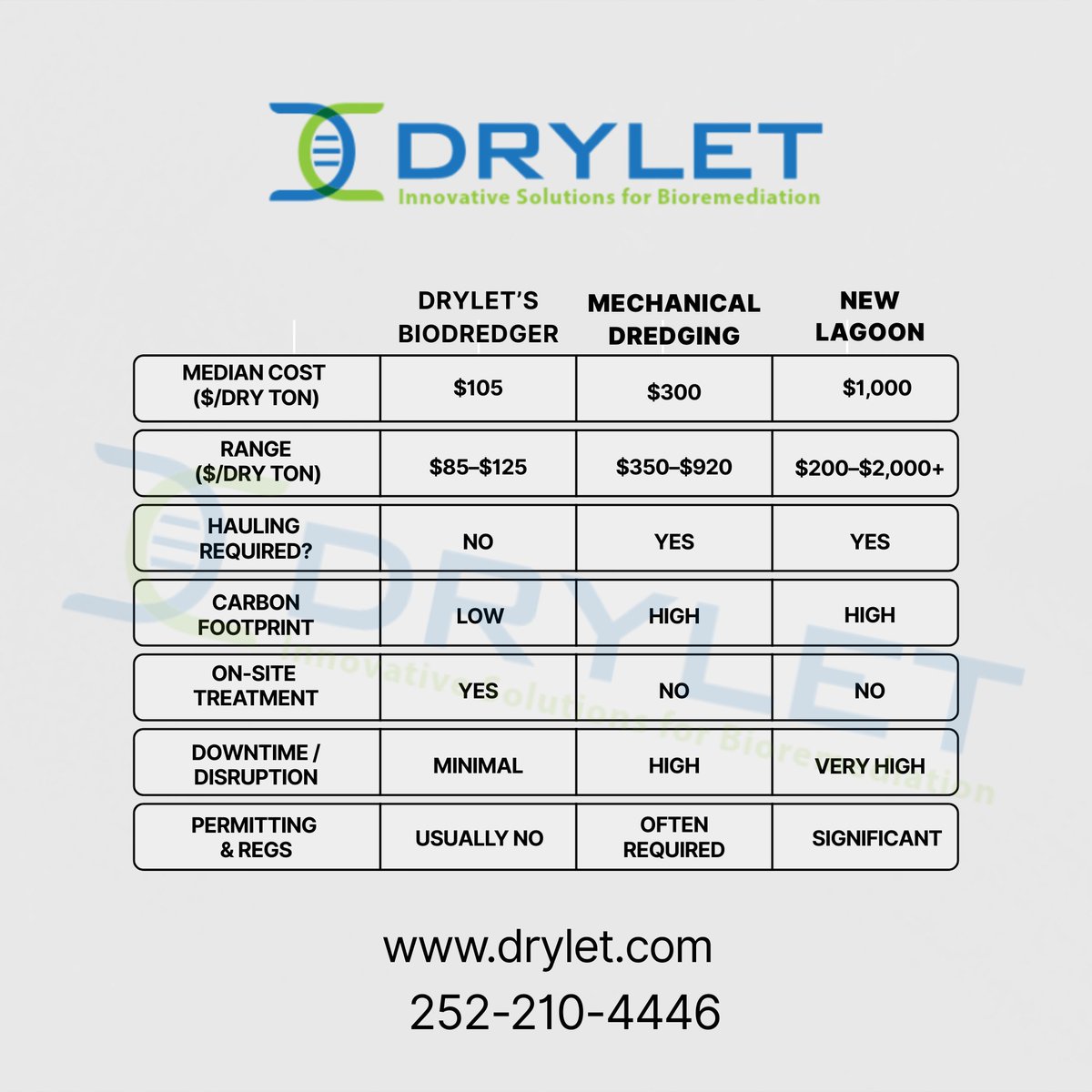
Sludge hauling is easy to understand—but expensive to maintain. The more solids you accumulate, the more you pay to move them.
For many systems, hauling isn’t the problem… It’s how often you have to do it. Bioremediation can cut hauling cost significantly.
#Wastewater #SludgeHauling #WWTP #WastewaterOperator #LagoonManagement
11
May 22
More sludge means:
• More hauling events • More contractor costs • More downtime • More polymer and chemical usage • More labor tied up managing solids
And over time, those costs compound fast.
Many industrial wastewater systems focus on removing sludge after it accumulates.
But reducing sludge production biologically before it builds up can dramatically lower long-term operating costs.
Less sludge produced = less sludge hauled.
That’s where the biggest savings usually happen.
Read the Full Article Here: drylet.com/news-press/reduce…
#IndustrialWastewater #WastewaterTreatment #SludgeReduction #WastewaterOperations
5
May 21
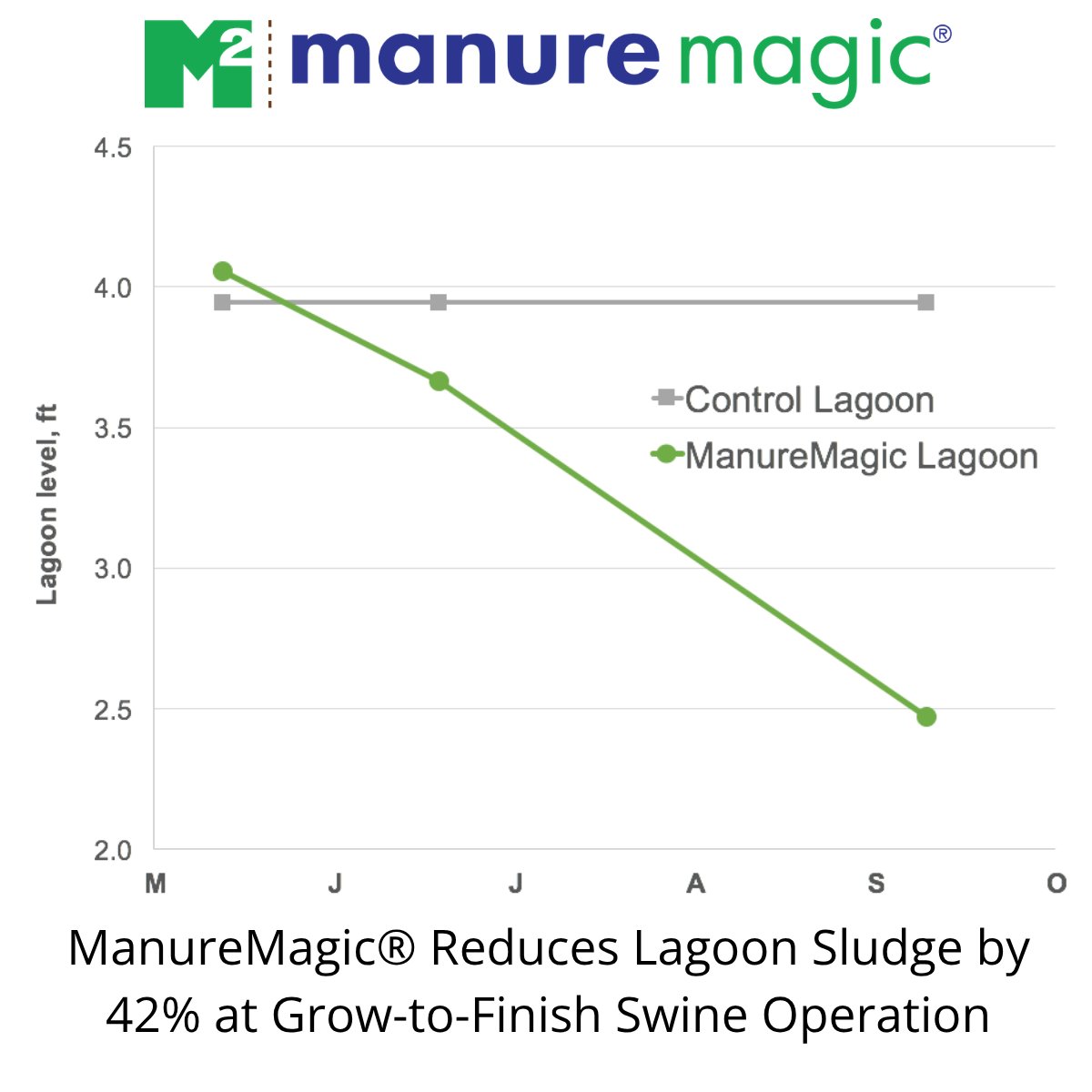
Manure solids buildup rarely becomes a major problem overnight. It builds slowly — until pits become harder to clean, manure stops flowing properly, and lagoon capacity starts disappearing.
In this swine lagoon trial, operators compared a treated lagoon against an untreated control lagoon under nearly identical conditions.
After 4 months:
• 42% average sludge reduction • Pit jetting eliminated • Improved manure flowability • Reduced crusting and solids mounding • No measurable change in the untreated lagoon
For livestock operations, solids management directly impacts labor, storage capacity, odor, and long-term lagoon performance.
Sometimes improving biology upstream changes the entire manure handling system downstream.
Read the full case study here: drylet.com/case-studies/manu…
#ManureManagement #SwineProduction #AgTech #LagoonManagement #Wastewater
17
May 20
Guessing sludge levels is where a lot of systems go sideways.
In Episode 25 of Inside Drylet, Nick (Sonar Operations Manager) walks through how sonar mapping is used to actually see what’s happening below the surface.
We work with facilities to:
Measure sludge depth and distribution
Calculate accurate product dosing
Track changes over time
Some systems are mapped to dial things in. Others are mapped annually to stay ahead of compliance.
Either way — better data leads to better decisions.
#SonarMapping #Wastewater #SludgeManagement #LagoonManagement #WastewaterTreatment
19
May 19
We’re excited to welcome Kohl Wholesale as a new LiquifyGT distributor.
Kohl Wholesale has built a strong reputation serving the foodservice industry with products and support that help kitchens operate more efficiently day to day.
Through this partnership, foodservice facilities now have expanded access to LiquifyGT biological grease trap treatment solutions designed to help:
• Reduce FOG buildup
• Improve grease trap performance
• Control odors
• Support smoother system operation
#LiquifyGT #FOGManagement #GreaseTrap #FoodService
1
5