
Joined August 2024
- Tweets 553
- Following 268
- Followers 266
- Likes 1,181
247 Photos and videos
Pinned Tweet

alright Johns can i get a reewinnndd
sLoPpy JoHn
thiiius thursday 21st 7pm bst
édition 131
Johnkin Assemble wl (FREE 0 SOL) @egfreid all stars
@johnsolnft
Podgy Pigeons
Pints
Poliworld
Extended Johniverse wl (0.03)
Lazy Lions 2 @STEENMS2
Drilady @CreamyDreamy
Drif 2 @bis__cut
Mif 2 @MMifella
Squishy Drifters @fairybaby420
1
9
20
791
Duc de Bevvy (schizo john) retweeted

I love this post Parker did
It's cool to see the process unpacked but it also makes me think about the legibility of everything we all do
Parker has dedicated so much of his life to painting- painting is such an ancient ur form that almost everything that can be conceived of has been either done or written about as a possibility
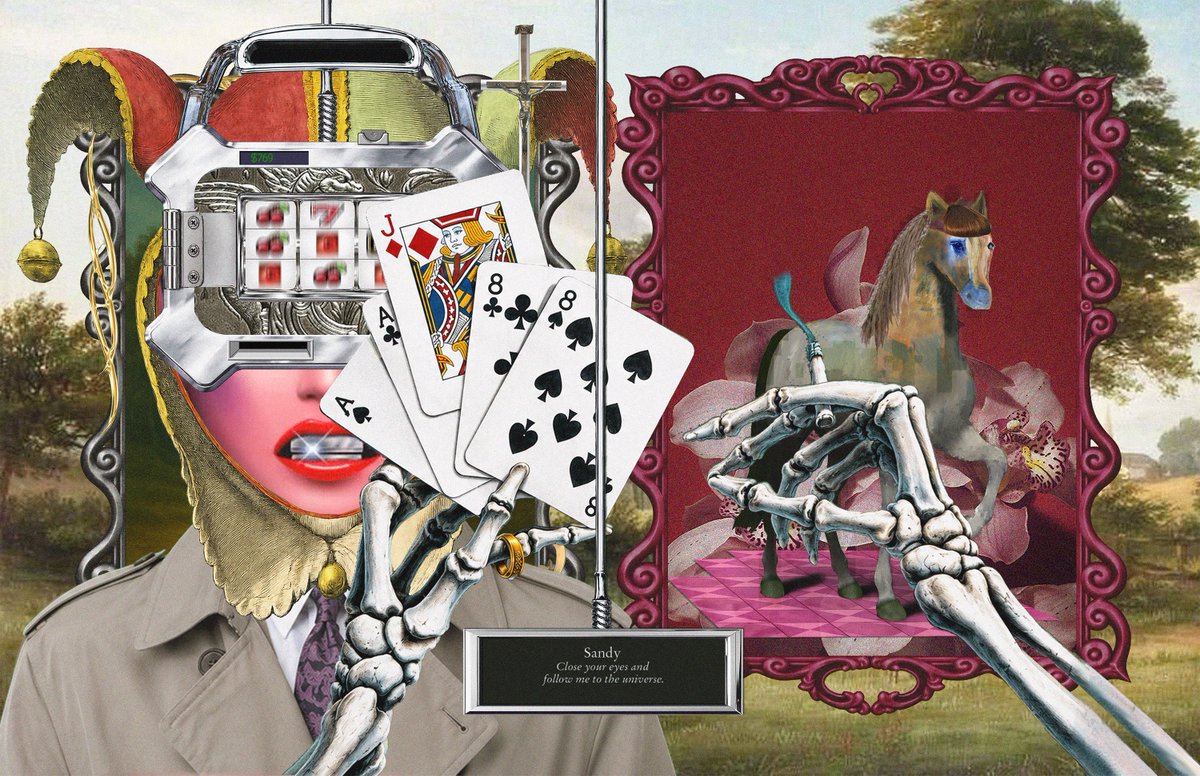
As I write the last sentence I realize maybe I need to shut the fuck up because if I walked into a room and saw one of Horses?7 on the wall... I'm not sure I've ever seen a composition like that anywhere... ever? In any medium?
But my point is- the conversation around painting is so hammered to shit there is almost nothing left to be said- everyone who plays that game at this point has the benefit of playing in the rubble of history with no responsibility for forward motion beyond novelty.... again writing this... seeing Parker's work recently makes me wonder if that's actually much more possible than other people are pushing for it to become in the last 20 years... really trying to show people somewhere they never conceived of before and surprise themselves in the process
But away from painting- these of course are not paintings in the most basic sense that they are not made with paint- I always think of something this pretentious dickhead I know talking about painting with oil and that it was such a unique experience and endeavor to undertake- that the material of paint was like flesh, that you were pulling flesh around on a canvas to show something
On the most basic level when talking about something like figurative painting- it's so much stranger of a proposition than we typically speak about it as- you're taking light.... which moves in rays and beams and bounces off surfaces and reflects and refracts... and you're capturing a subjective record of that in globs of wet colored paste....to translate light into smeared goop- it's so much stranger than the most basic public understanding of it which seems to identify it as a middle step obliterated by photography that people persist out of quaint sentimentality like people who buy mustache pomade. I think this is certainly how most tech people see it- I've heard so many times from people in crypto and tech more broadly that it's a huge problem that people still make paintings and place them in museums when it is obvious to them that all art should be algorithmic or robotic and engage with the technological fabric of our time directly. Which is interesting.... if you follow this to its logical conclusion I wonder if the end point is that women should never have sex and they should instead use the Rabbit vibrators that have the shaking lobster claw clit stimulator and the studded rotating shaft because this thing clearly slays whatever a real dick could bring to the table beyond warm throbbing
Sorry back to the way these aren't painting
There is almost no way to understand these concretely- the process is both too technical for a non technical person to understand (most people really never have a reason to think about probabilistic chained processes of randomization) ---- and at the same time much too subjective and poetically constructed for a systems obsessed autist to fully appreciate.... it's cool how in the same paragraphs Parker breaks down this extremely technical process and then simultaneously talks about how important the visibility of horse legs are and how much weighted decision making went into that
The compositions themselves are completely uncharted as far as anything I've ever seen? And the process is also equally brilliant... but so extreme in both systems orchestration and subjectivity the more you unpack it the more questions it surfaces
I still don't have a clear way of thinking about it yet.... there's something game like about constructing these aleatoric systems~~~~ and maybe even more game like about executing them?
The idea of more people understanding this is very exciting to me

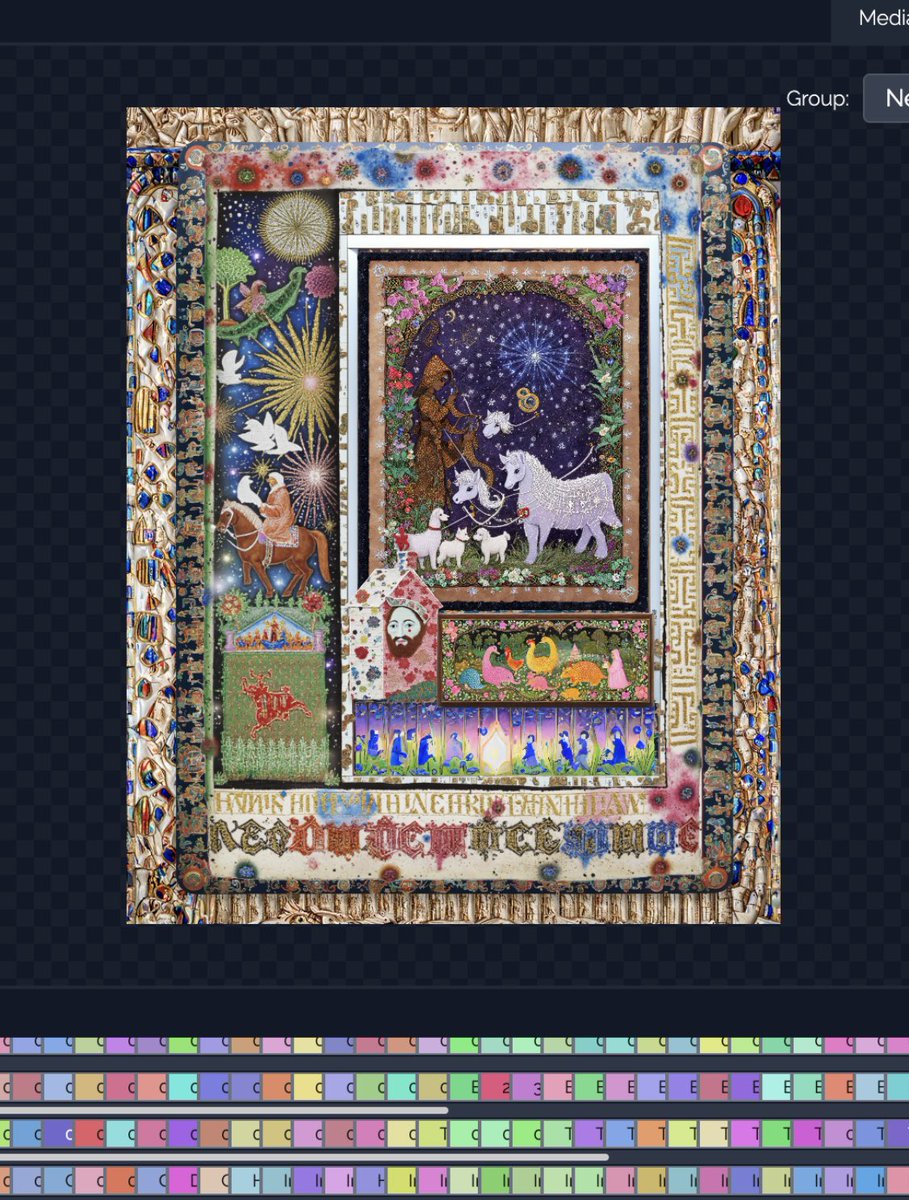
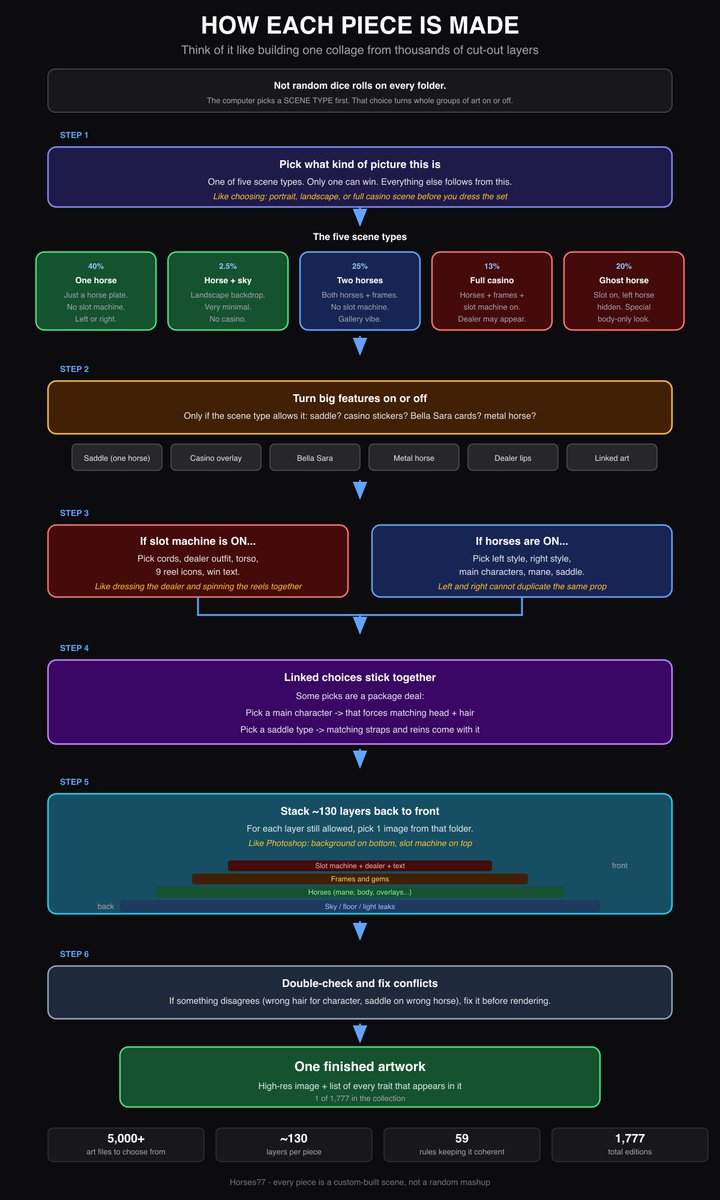
I tried to make this image to explain how Horses?7 was generated.
The tail end of working on Drilady I started using cursor to help me code hashlips. I have no experience coding so what I could actually do in hashlips had been very limited up until that point.
The next couple of projects I did used cursor to be able program increasingly more sophisticated hashlips outputs. Horse?7 is basically the peak in complexity and re-shifted how I think about hashlips as a tool. Previously I had just viewed it as a compiler tool, not really where the art took place, but as a way to organize the art. But as I've used it more and more I now understand it as a kind of system that I've developed my own language within, and see it as equally important as asset creation. I think my approach to hashlips is something that makes this collection very distinct.
Before cursor all of the assets had to be designed around fixed z axis positions, which created a lot of limitations, and this often meant I'd have to run separate layer configurations for specific assets. Example: traits like Drilady's "asian GF", or "full metal bunny" can't interact with a lot of other traits I had designed in the collection so they were run in their own designated layer configurations. This is why in the final output you see all of those traits lumped together (I forgot to scramble them post output).
But now I don't need to worry about having fixed z axis layers because it can all be programed to be shifted at any point. I also created a series of top linking traits that are paired with other traits in the collection. Sometimes the linking is setup to only happen a portion of the time, sometimes the traits always link. An example of this is any image where the bottom part of the horse's legs are covered. There's instances where the horse is walking in water or a field of flowers and in those cases the linking traits are designed to make it look like the horse's legs are submerged in that landscape and this way I didn't have to create separate horse leg assets for those scenarios.
As with all the other collections I've made I'm always trying to reach the most variety as possible from image to image, and this was always done with the multiple different layer configurations. Now the whole thing is just baked into one and/or tree system that has different paths at each stage depending on whats been picked. I gradually built this system over a couple of months and the end result is basically nested NFTs within nested NFTs ad infinitum. At the end the system had so many layers and rules built into it that were specific to every asset that it became indecipherable as to what I had actually done. The only way to verify that it was actually working was just to look at and say "ok this looks correct". And this is why there was the delay with the mint, one small part of that whole system broke, and because there was much shit trenched on top of that I had to do a bunch of work to even understand what was going on.
3
9
41
3,609
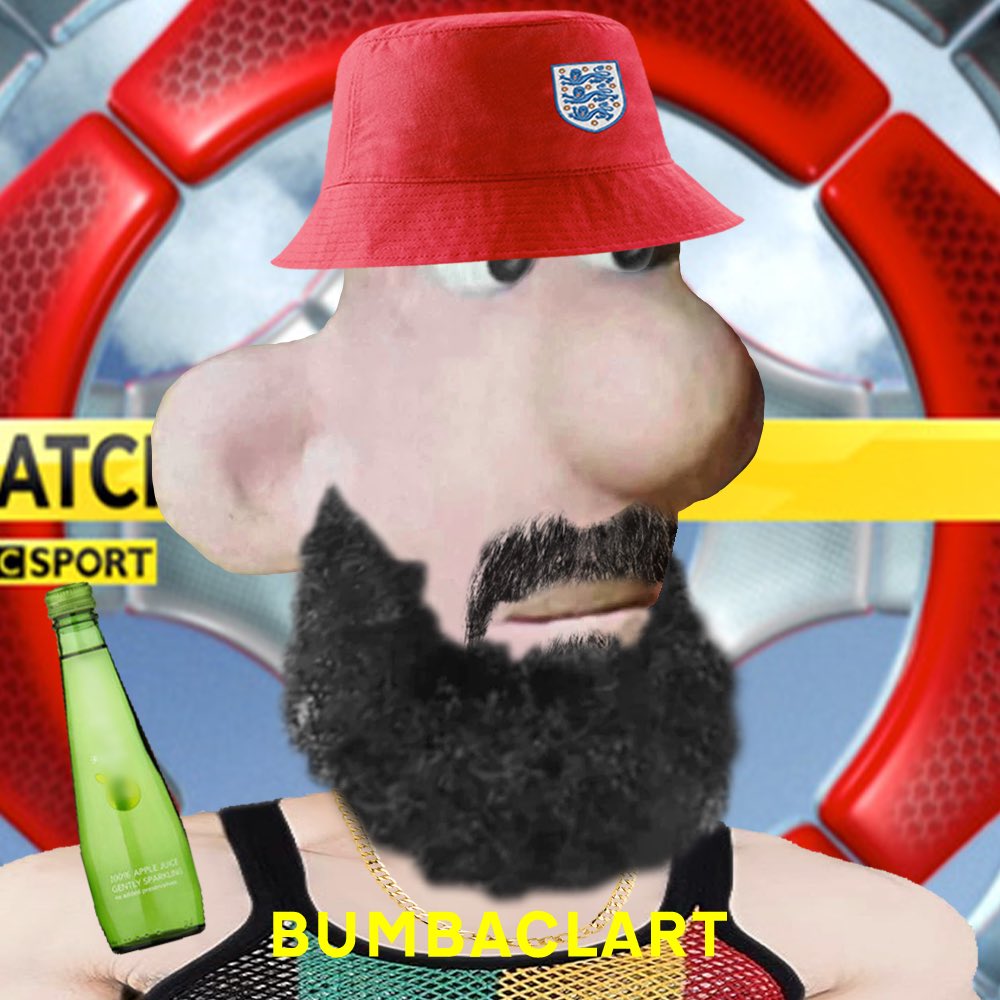
fuck the moment i realised i don’t got a bumbaclart john

2
2
6
282
boiga

1
6
106
poliwoiii
3
93
beautiful synchronistic mint.. only just caught this one at the end
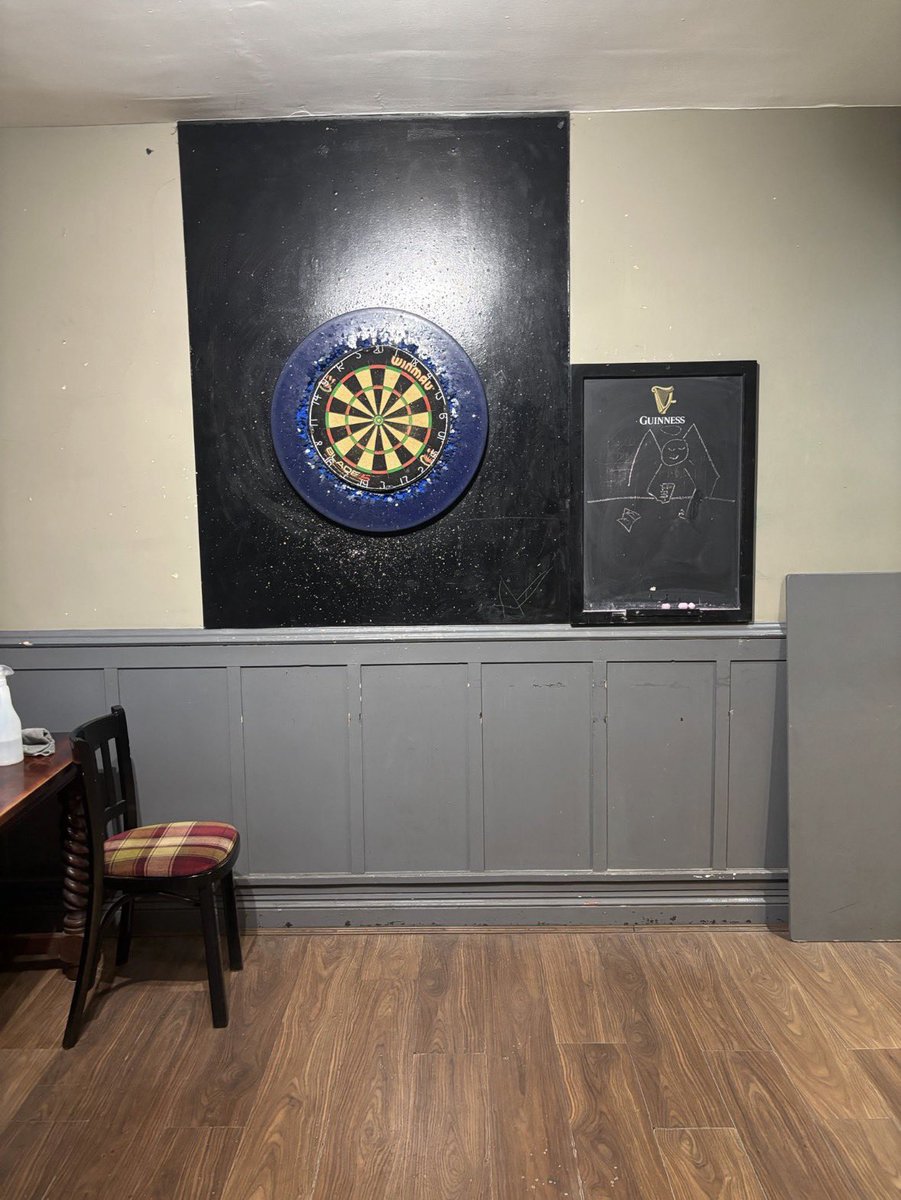
@archivepilled sent me this image when we where workshopping ideas for our new publishing project..
more details to come very soon
1
1
11
699
Duc de Bevvy (schizo john) retweeted

I tried to make this image to explain how Horses?7 was generated.
The tail end of working on Drilady I started using cursor to help me code hashlips. I have no experience coding so what I could actually do in hashlips had been very limited up until that point.
The next couple of projects I did used cursor to be able program increasingly more sophisticated hashlips outputs. Horse?7 is basically the peak in complexity and re-shifted how I think about hashlips as a tool. Previously I had just viewed it as a compiler tool, not really where the art took place, but as a way to organize the art. But as I've used it more and more I now understand it as a kind of system that I've developed my own language within, and see it as equally important as asset creation. I think my approach to hashlips is something that makes this collection very distinct.
Before cursor all of the assets had to be designed around fixed z axis positions, which created a lot of limitations, and this often meant I'd have to run separate layer configurations for specific assets. Example: traits like Drilady's "asian GF", or "full metal bunny" can't interact with a lot of other traits I had designed in the collection so they were run in their own designated layer configurations. This is why in the final output you see all of those traits lumped together (I forgot to scramble them post output).
But now I don't need to worry about having fixed z axis layers because it can all be programed to be shifted at any point. I also created a series of top linking traits that are paired with other traits in the collection. Sometimes the linking is setup to only happen a portion of the time, sometimes the traits always link. An example of this is any image where the bottom part of the horse's legs are covered. There's instances where the horse is walking in water or a field of flowers and in those cases the linking traits are designed to make it look like the horse's legs are submerged in that landscape and this way I didn't have to create separate horse leg assets for those scenarios.
As with all the other collections I've made I'm always trying to reach the most variety as possible from image to image, and this was always done with the multiple different layer configurations. Now the whole thing is just baked into one and/or tree system that has different paths at each stage depending on whats been picked. I gradually built this system over a couple of months and the end result is basically nested NFTs within nested NFTs ad infinitum. At the end the system had so many layers and rules built into it that were specific to every asset that it became indecipherable as to what I had actually done. The only way to verify that it was actually working was just to look at and say "ok this looks correct". And this is why there was the delay with the mint, one small part of that whole system broke, and because there was much shit trenched on top of that I had to do a bunch of work to even understand what was going on.
16
16
105
6,685
there will always be more orse

2
13
315
Duc de Bevvy (schizo john) retweeted

Jun 11
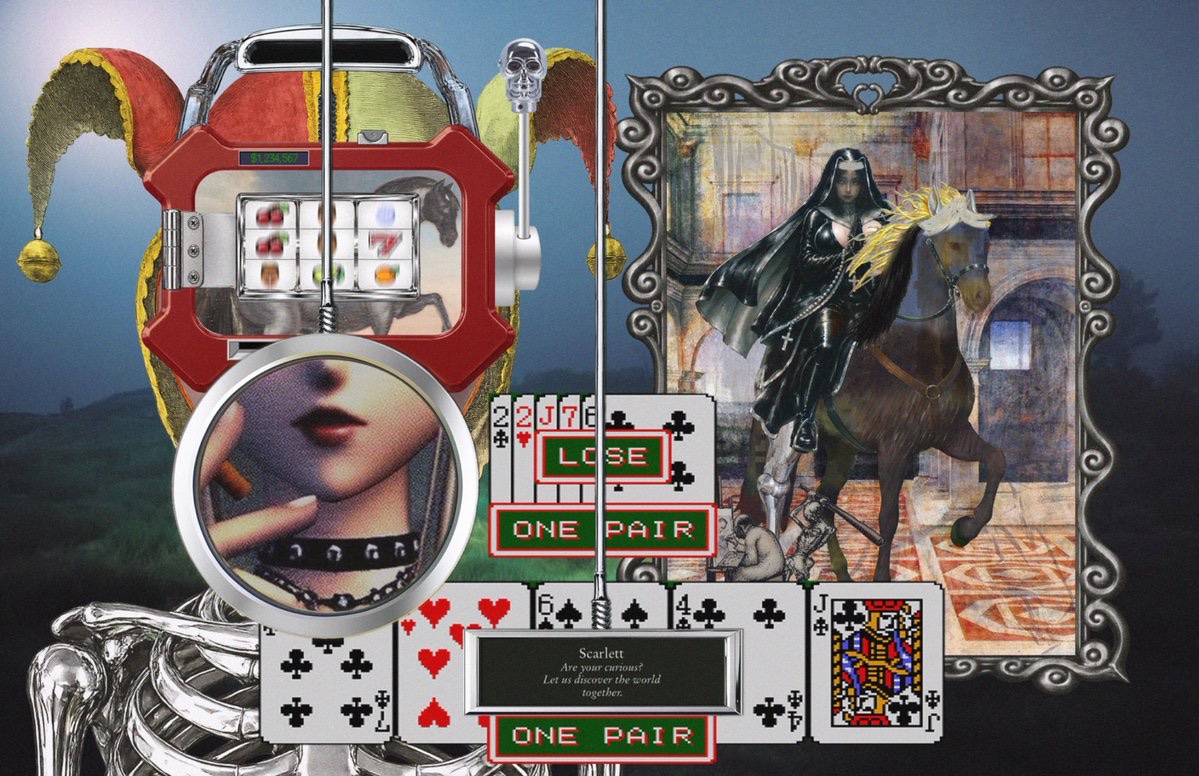
Are your curious? Let us discover the world together.
4
24
355
Duc de Bevvy (schizo john) retweeted
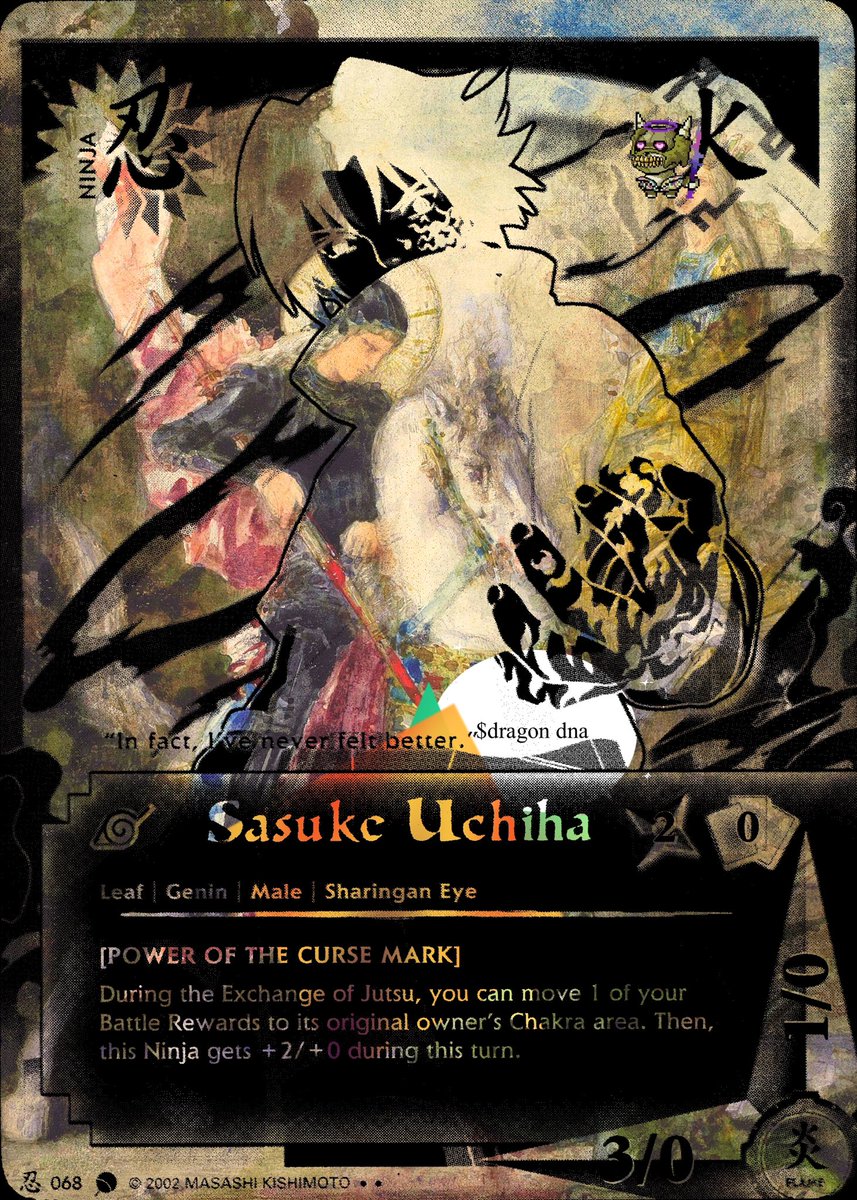
the donnas went back to the warm patch
it was gone they stood where it was
2
5
18
434
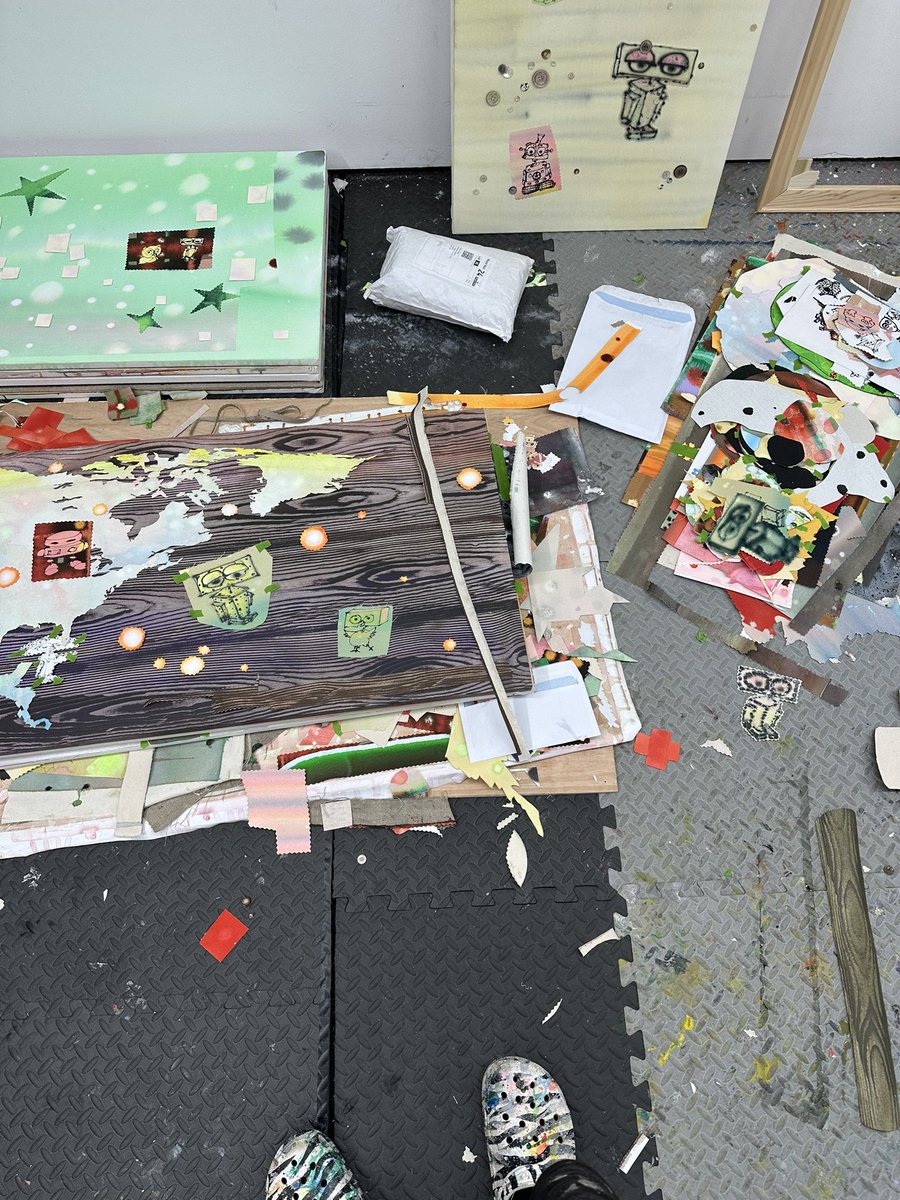
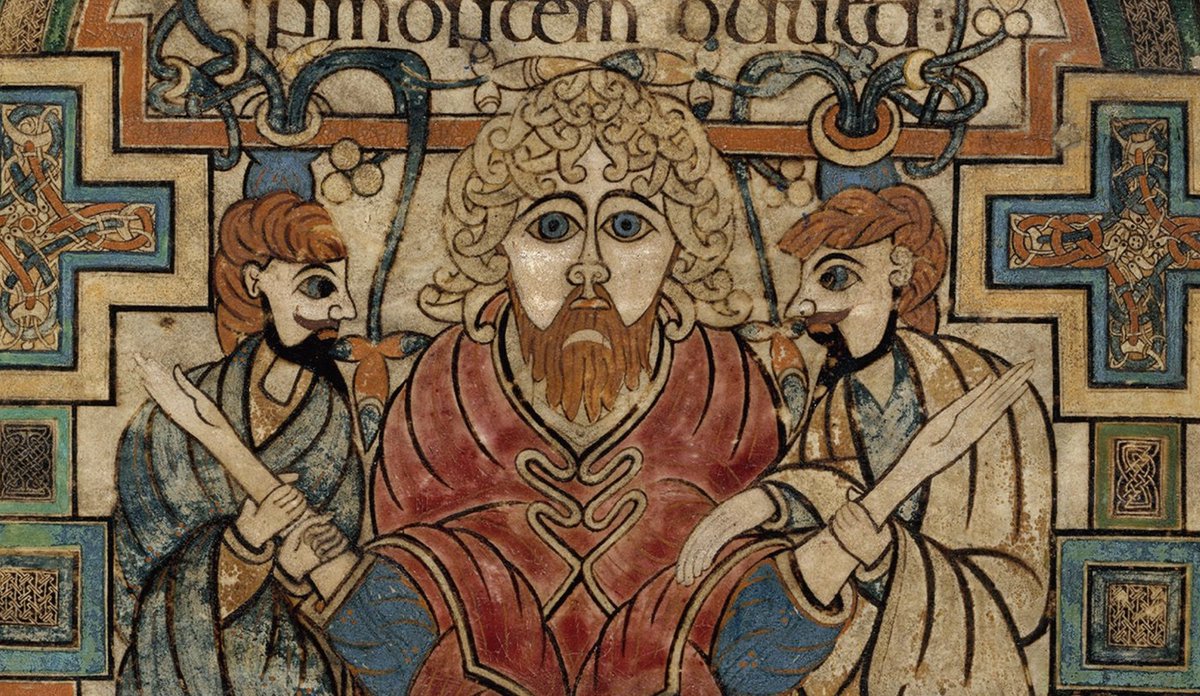
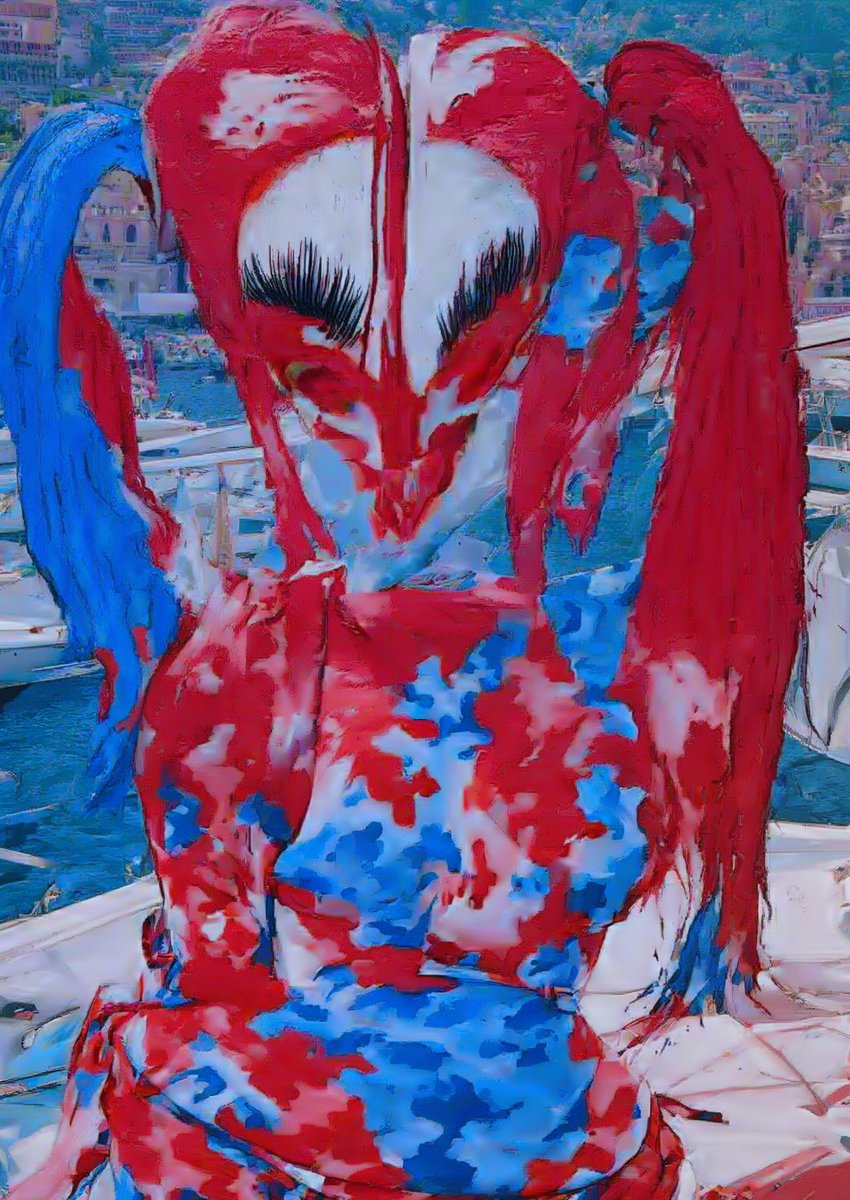
working on full frame overlays for scrapbook illuminations
3
12
211
Duc de Bevvy (schizo john) retweeted

If it ain't broke don't fix it mate. 🎸
1
9
317
Duc de Bevvy (schizo john) retweeted
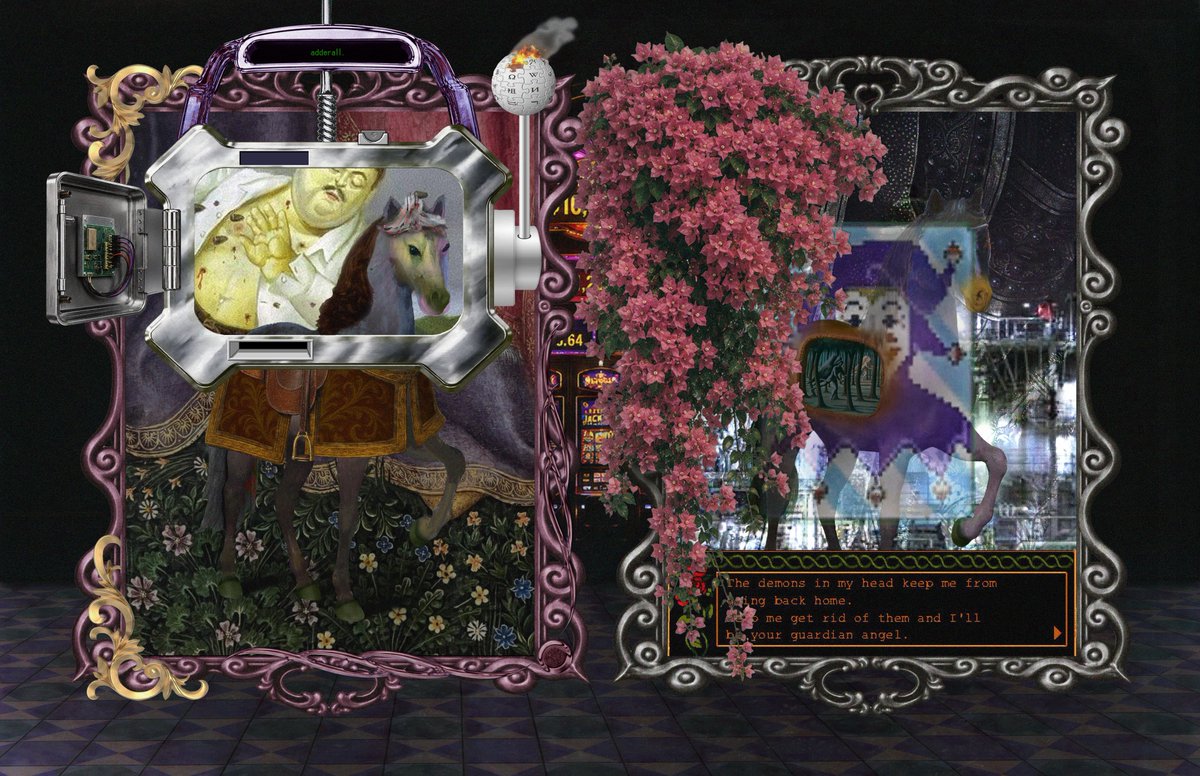
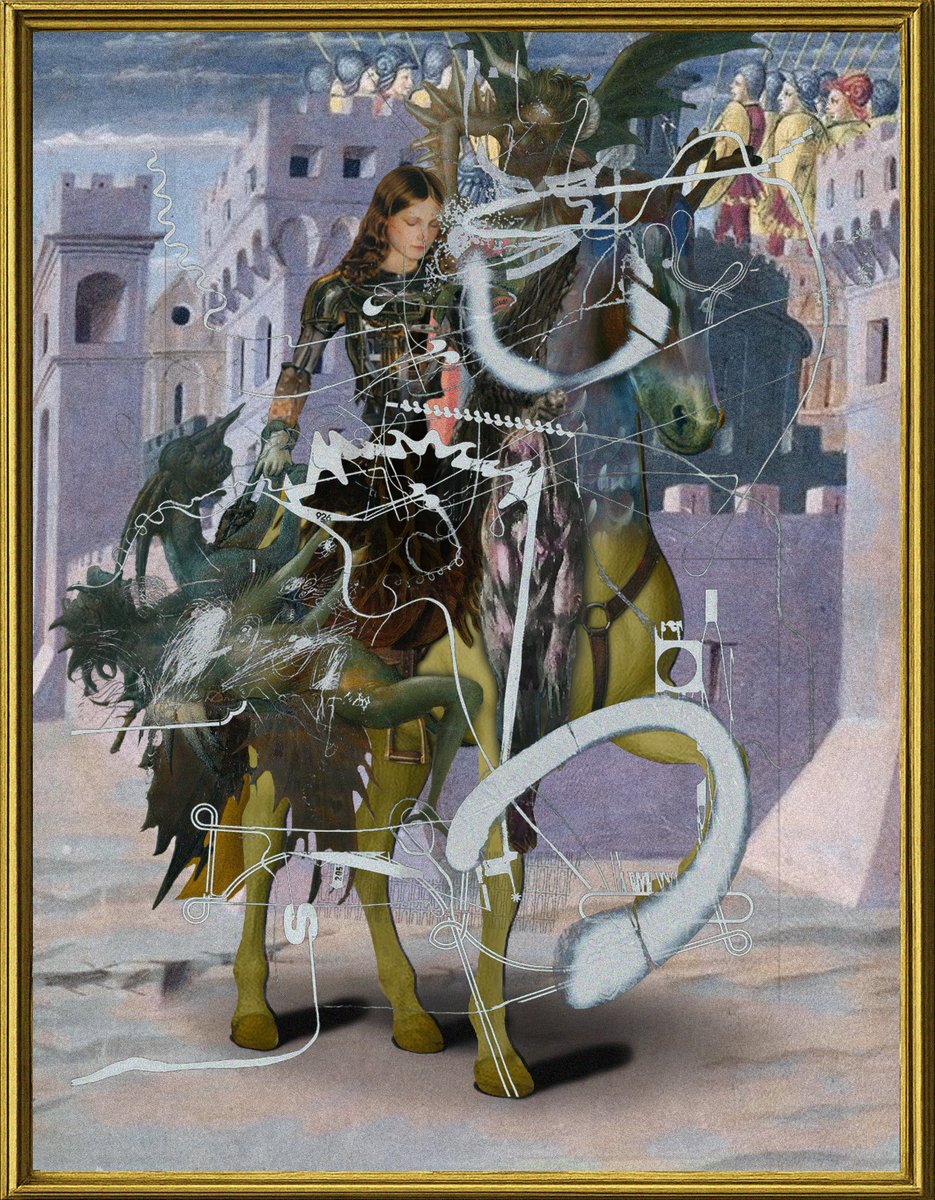
I have been trying to figure out how to deal with making super detailed NFTs that will be primarily viewed on small screens.
This collection is going to have not only different configurations for layouts, but also literally the sizes from image to image will be different- cropped/ zoomed in sections of larger configurations.
5
7
100
4,179
Duc de Bevvy (schizo john) retweeted

Jun 3
24
37
176
14,271