Journalist for 44 years. Mixed media mosaics artist. Gardener. Mother. Grandmother. Friend. Animal lover. Vigilant malarkey detector.
Joined October 2012
- Tweets 44,910
- Following 3,137
- Followers 1,762
- Likes 24,864
364 Photos and videos












Pinned Tweet

24 Jun 2020
5
4
26


Lady Leo retweeted

Jun 15
Lambchop is legendary. Back in the old days of childhood making our own fun all we needed was a sock, craft paper and glue.
Day 6 of COVID shutdown. Person after my heart.

2
5
103
2,376
Lady Leo retweeted

Jun 15
When Notre-Dame burned in 2019, the world stopped.
Today, Russia damages Kyiv Pechersk Lavra, a monastery nearly 1,000 years old and older than Notre-Dame itself.
A thousand years of history deserves the same attention, the same sympathy, and the same protection.


530
11,197
31,204
316,956
Lady Leo retweeted

Good morning my friends, I have become a fan of penstemon, such delicate bell flowers bringing colour right through summer and into autumn ☺️
Have a great day everyone 😊#Gardening #MyGarden

16
9
143
895
Lady Leo retweeted

Jun 15
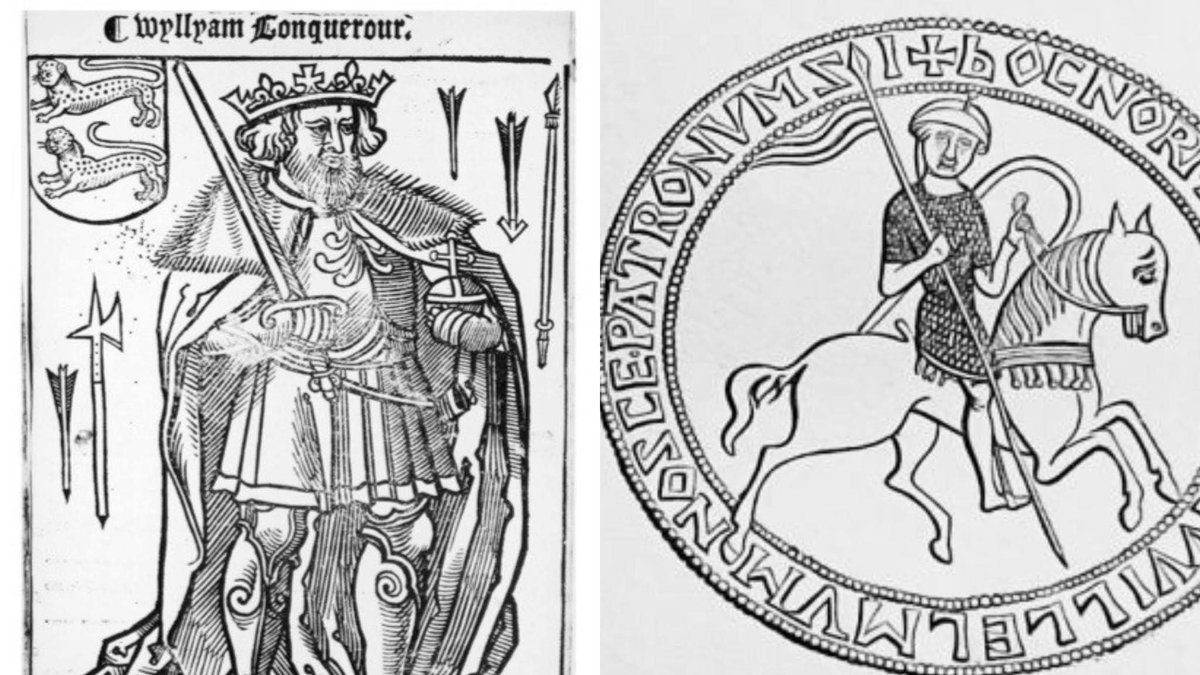
In 1087, William the Conqueror became too heavy to ride his horse. His solution was to stop eating entirely and subsist on nothing but alcohol. This is reportedly the first recorded fad diet in human history, and it didn't work...
The logic, as best historians can reconstruct it from the era, went something like this. Excess food makes you fat. Therefore, stop eating food. You will be hungry but you will not care about being hungry if you are drunk. Alcohol is a liquid not a food therefore it cannot make you fat. Every single step of that reasoning is wrong but it has a certain internal coherence that you have to admire. William confined himself to his room at Rouen castle, took to his bed, and drank. For the better part of a year the King of England consumed almost nothing but alcohol in an attempt to lose enough weight to get back on his horse.
The reason historians take this story seriously is Orderic Vitalis, a Benedictine monk and chronicler whose Historia Ecclesiastica, written around 1140 AD, is considered one of the most reliable accounts of this period and is the primary source for what happened to William in his final year. Orderic documents William's extreme obesity, his self-imposed seclusion at Rouen castle in 1087 to address his weight, and the catastrophic events that followed. The all-alcohol liquid diet detail comes from sources drawing on that same chronicle tradition and is consistent with everything Orderic records about the king's physical condition.
What Orderic confirms directly is that William had become so corpulent that King Philip I of France mocked him publicly, saying he looked like a pregnant woman lying in. When news of this reached William he was furious, leapt from his bed, demanded a horse, and invaded the French town of Mantes to teach Philip a lesson in manners. During the attack his horse stumbled and William was thrown violently against the pommel of his saddle. The blow ruptured his internal organs, and he died six weeks later in agony.
The burial was its own disaster. His body had become so bloated that the attendants could not fit it into the stone sarcophagus. When they tried to force it in, Orderic writes that the swollen bowels burst and an intolerable stench assailed the nostrils of the bystanders and the whole crowd. The priests were forced to hurry the service to a close, as the crowd could not handle the stench. The man who conquered England in 1066 and ruled it for twenty-one years was buried in a coffin too small for his body, in a church evacuated by the smell, attended by almost nobody because his household had fled the moment he died to protect their own property.
The all-alcohol diet is the part that might be slightly embellished by later sources. The obesity, the mockery, the rage, the catastrophic fall, the exploding coffin and the empty church are all Orderic Vitalis.
© Eats History
#archaeohistories
7
38
196
14,692
Lady Leo retweeted

Jun 14
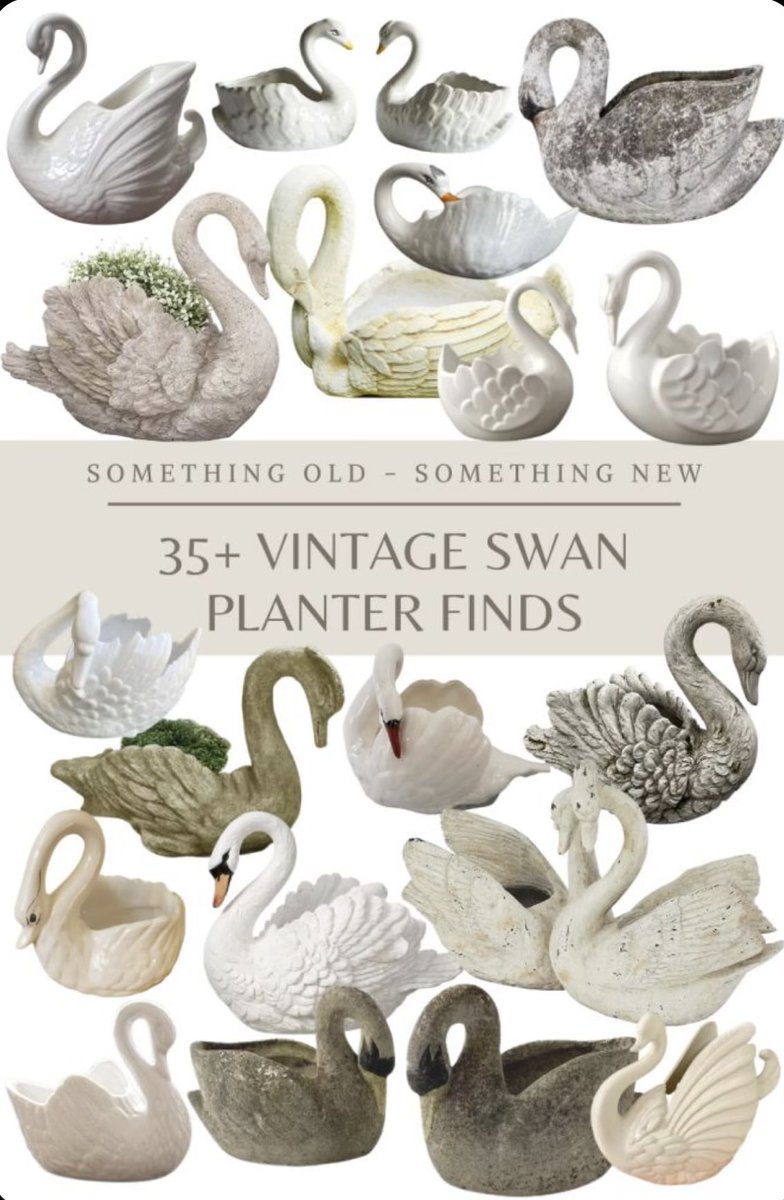
We must find these 🦢, we just must!
12
34
254
4,628



Lady Leo retweeted

Jun 15
Fata Morgana seen in Kaikoura yesterday morning. A Fata Morgana is a rare, complex type of superior mirage that distorts distant objects, making them appear to hover in the air, stretch vertically, or resemble hovering "fairy castles" or ghost ships.

1
19
99
1,307
Lady Leo retweeted

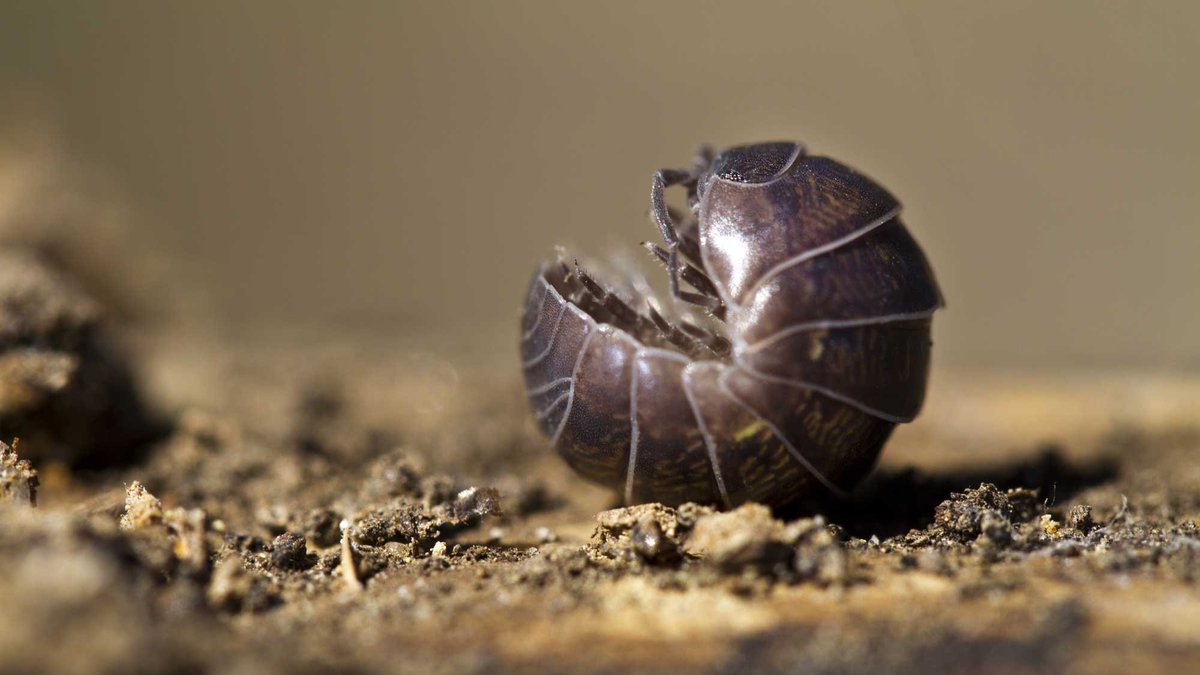
Lift a flowerpot and there they are: little gray things that roll into balls when you bother them.
Everybody knows roly-polies, but almost nobody knows they're crustaceans. Their cousins are crabs and shrimp.
Their ancestors lived in the ocean, and they still haven't completely broken the habit. They need damp places because they breathe with structures that have to stay moist. That's why you find them under logs, stones, and leaf litter. Leave one out in the sun too long and it'll dry out.
The females even carry their babies in a fluid-filled pouch on their underside, something inherited from their aquatic ancestors.
And they're not just hiding under your flowerpots. They're working hard for you.
Roly-polies spend their lives chewing up dead leaves and rotting wood and turning them back into soil. They can even absorb and store heavy metals like lead and cadmium, which is why scientists sometimes use them to monitor pollution.
So the next time one curls into a ball in your hand, remember you're holding something stranger, and more important, than it looks.
25
358
1,517
17,468
Lady Leo retweeted

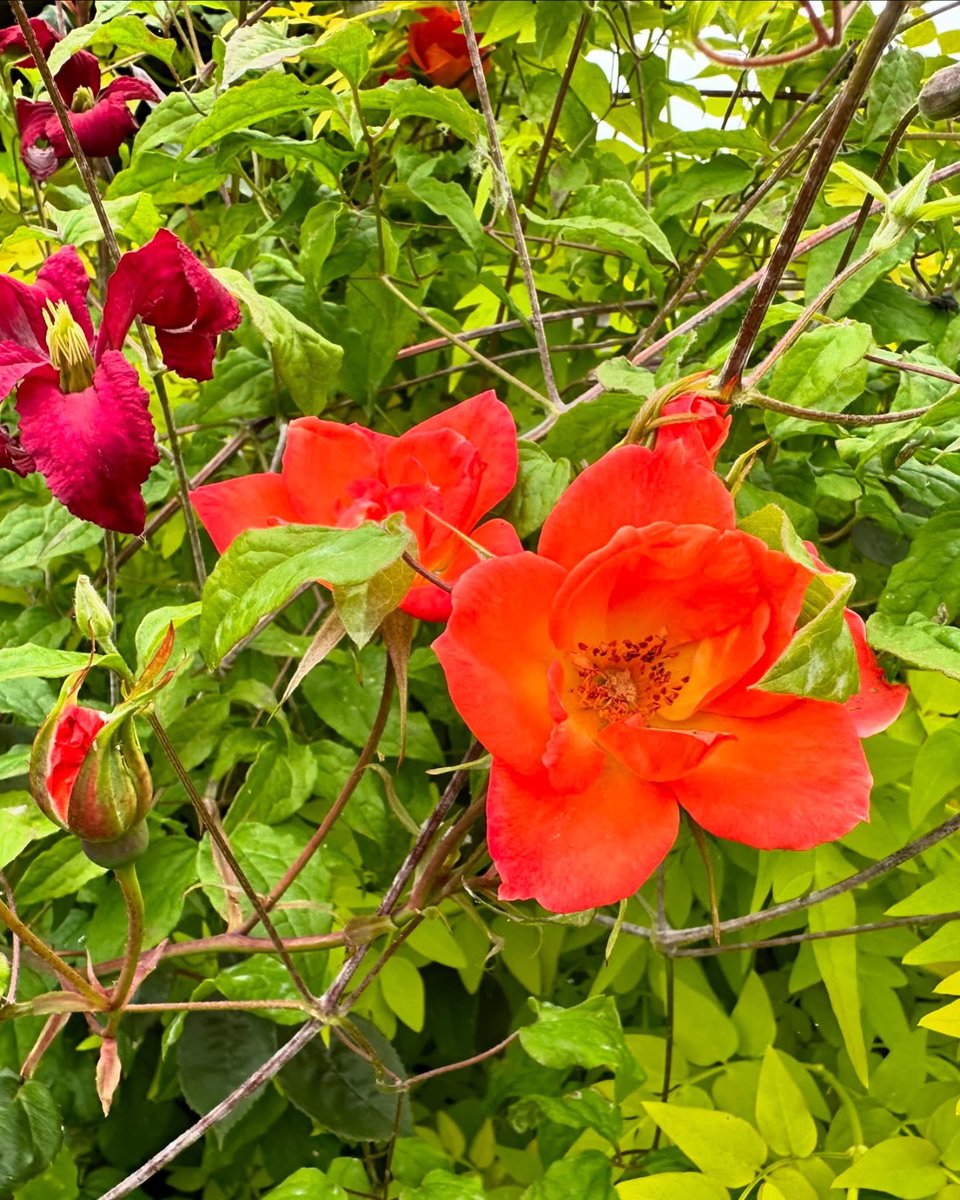
Back from the Car Boot.. it will always amaze me at what folks sell off cheaply…so a fresh coffee and sat in my garden trying to figure out why this year it looks so good..for me ! Combinations!! If I am learning anything through my garden redesign it is that...combinations..



2
3
60
1,058
Lady Leo retweeted

Jun 14
You can just tell she already loves her Humans. Her whole body language has changed ❤️



116
251
4,871
28,042
Lady Leo retweeted
Jun 14
It’s taken 7 months from start to finish but please enjoy this in 30 seconds.
Nobody deserves it more than Sienna ❤️
595
3,239
30,517
243,670
Lady Leo retweeted

I can say this to Dylan: It mattered
1
3
75
Lady Leo retweeted

Jun 14
Classic Dylan genius: Being 80 is like being "an old king from some vanished country."
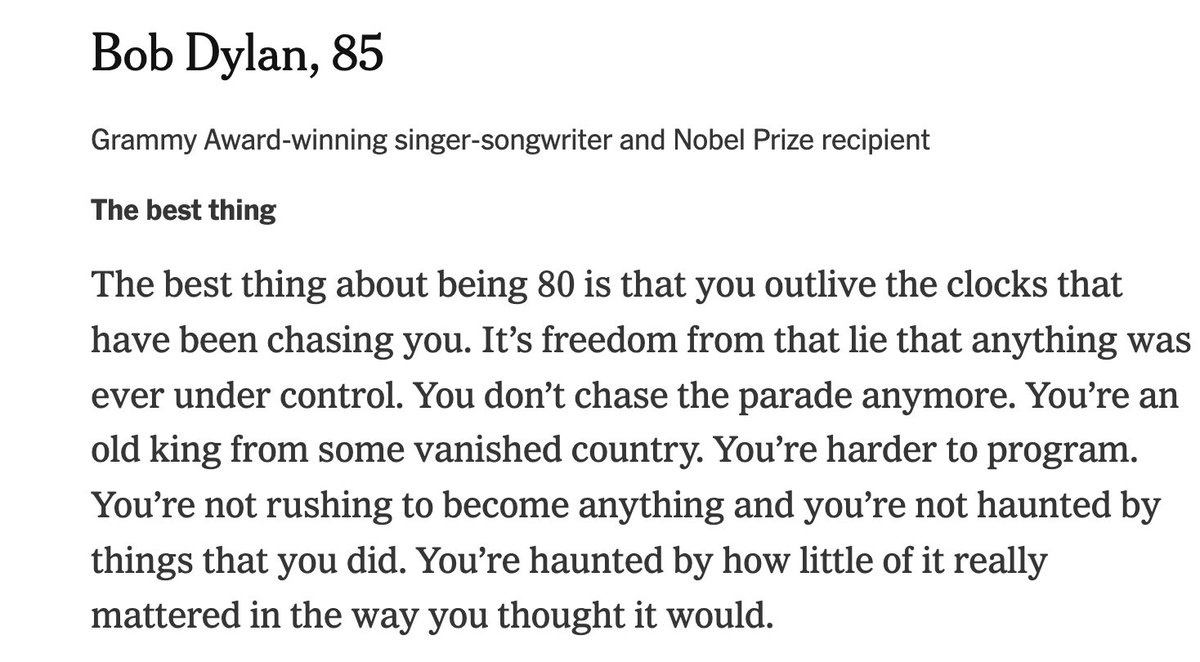
Jun 14

Being 80. I can tell you it’s a lot better than the alternative.
nytimes.com/2026/06/14/opini… via @NYTOpinion
14
84
433
11,838
Lady Leo retweeted

Jun 14
Most of the GF pastas are very good these days, but pay attention to cooking it, testing it around the time for the right moment. Also it can clump together so keep the water agitated.
1
1
24
Lady Leo retweeted

Jun 14
The Tartan Army are a credit to Scotland. Here they are in full voice singing ‘Loch Lomond’ in Boston Stadium last night for the World Cup match between Scotland and Haiti. Absolutely glorious.
557
4,729
36,258
1,079,270
Lady Leo retweeted

Jun 14
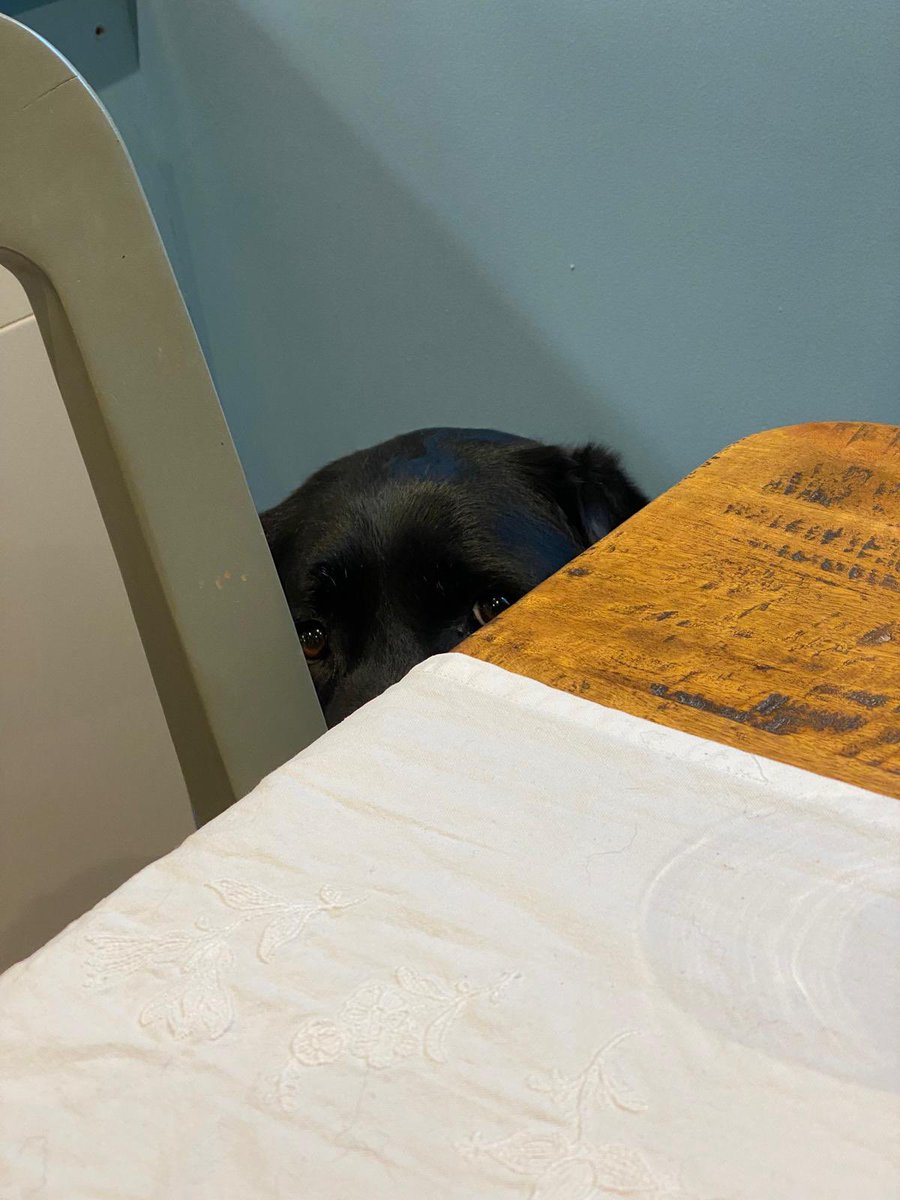
Dear @Tesco ,
I recently bought some apple turnovers from you.
Every time I sit down to enjoy one with a cup of tea, this appears…
Can you advise?
Regards,
A concerned customer.
312
670
20,261
1,011,621

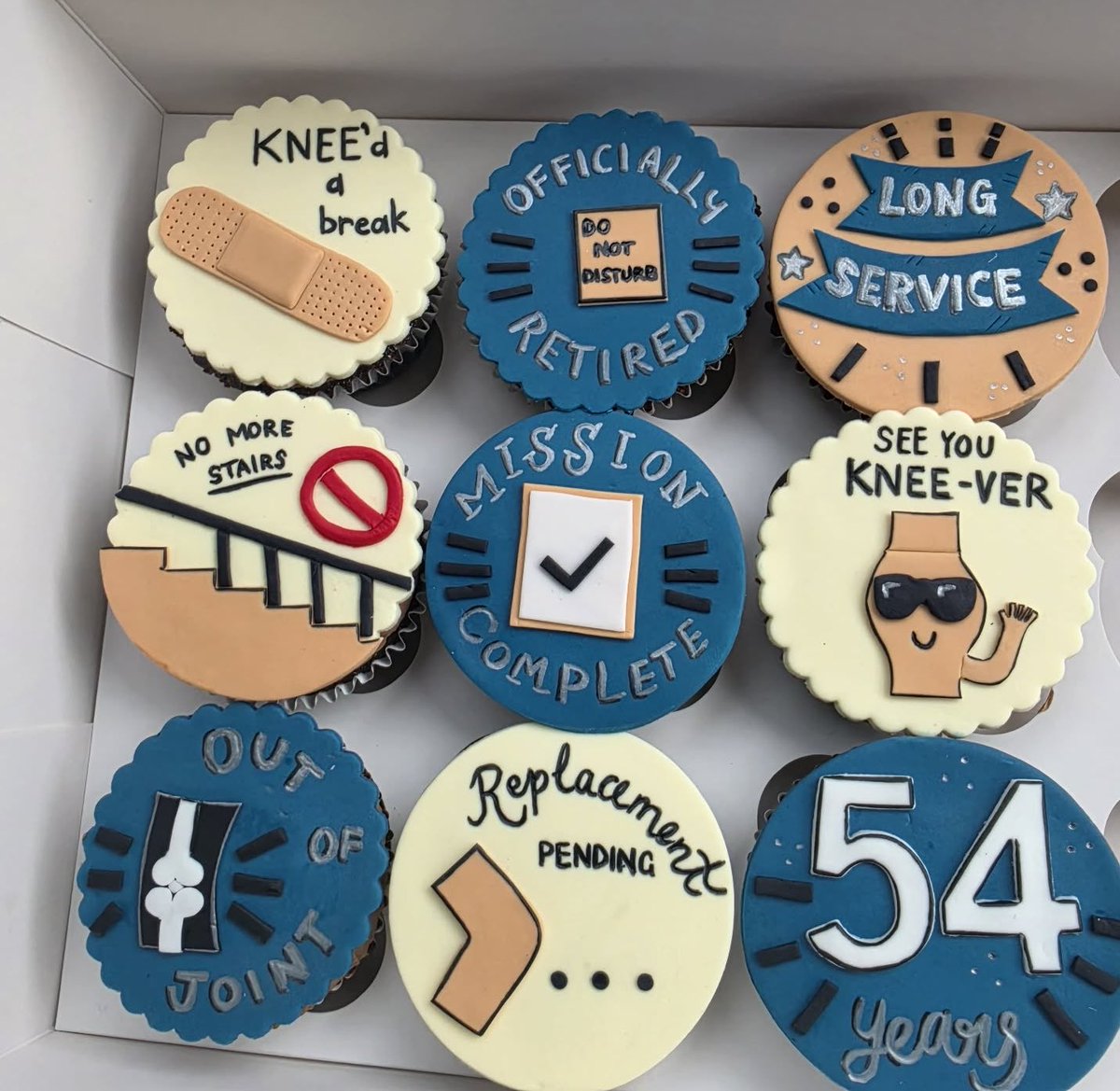
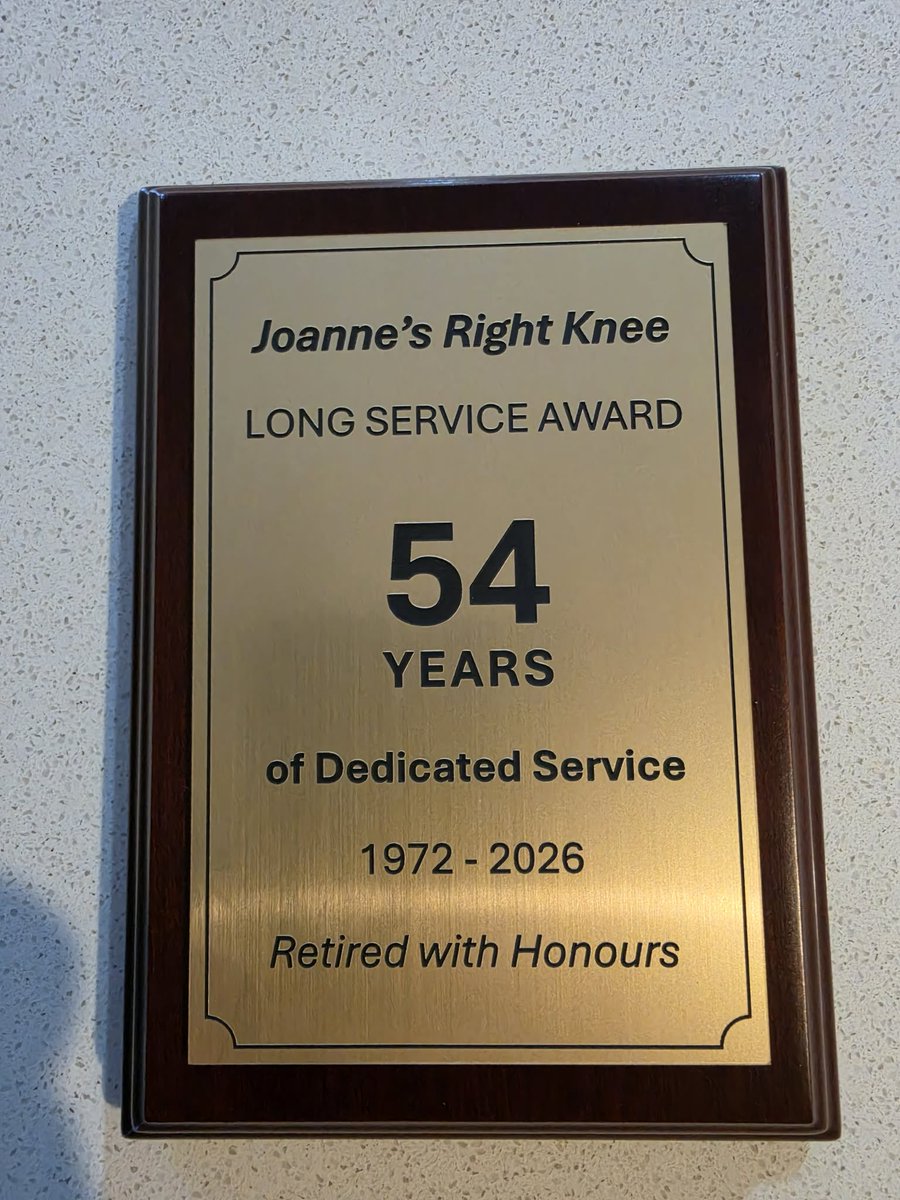
Had a lovely lunch at my sisters today with her family & our youngest son & dil.
She surprised me with throwing a ‘Goodbye Party’ to my knee 🥳😂
She’d organised a plaque, certificate & hilarious cupcakes!
Here’s to family, having a good laugh & my new knee 🙌🤣

39
5
147
2,199
Lady Leo retweeted

Our lavender looking lovely 😍


28
99
1,778
19,703