Dutch (Aero) Space Professional | PPL in training | ATC-fan | Drone pilot | Frequent-Traveler | Radio amateur & SDR geek | ADS-B/UAT feeder | Embedded | Media
Joined February 2010
- Tweets 4,758
- Following 3,224
- Followers 1,042
- Likes 2,716
1,133 Photos and videos




Pinned Tweet

12 Oct 2024
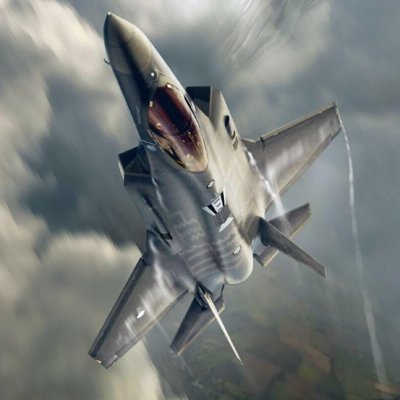
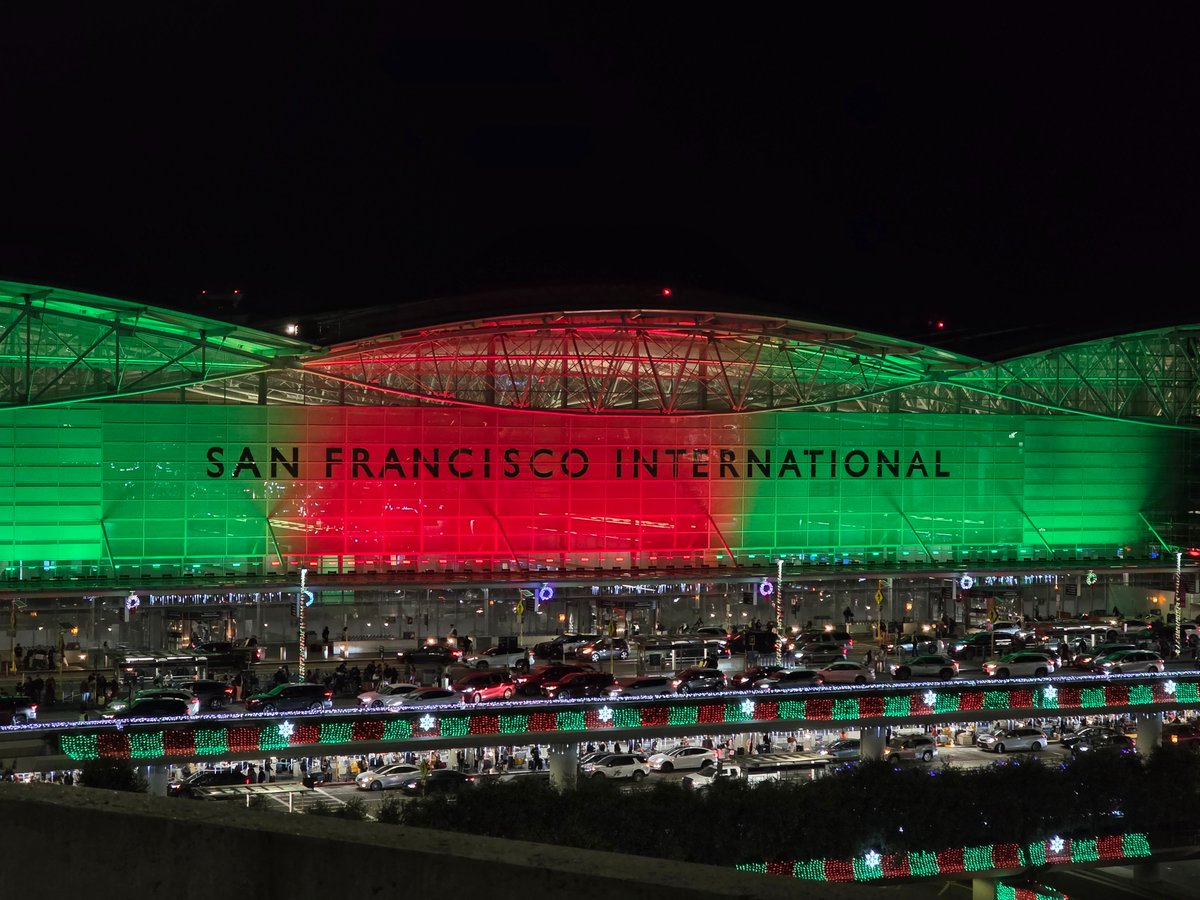
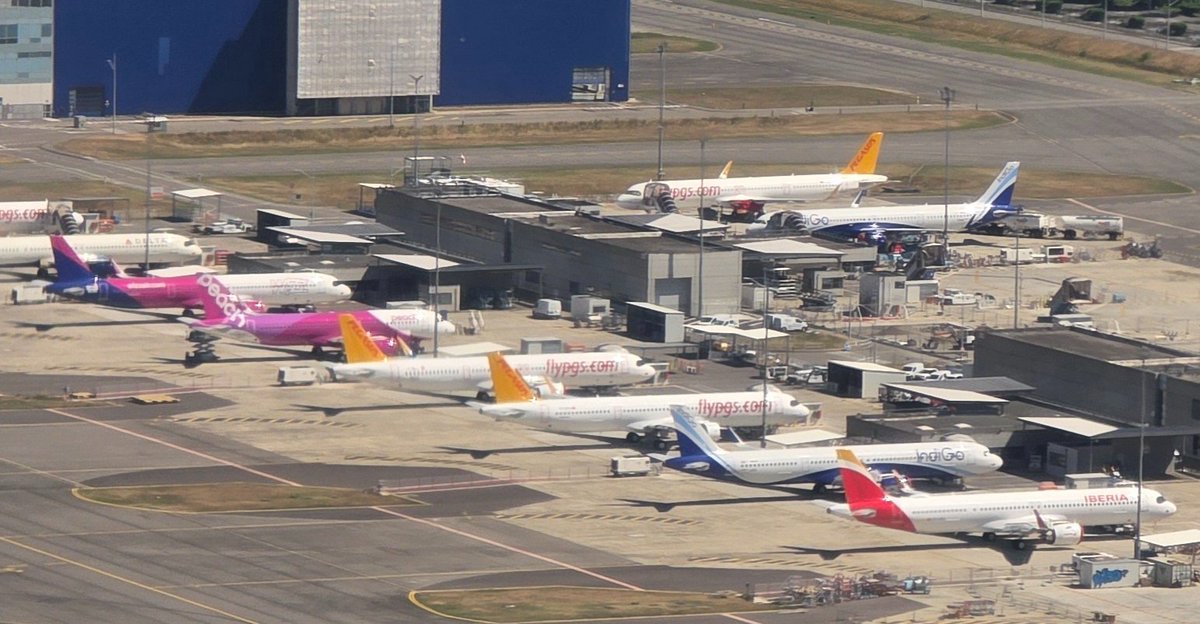
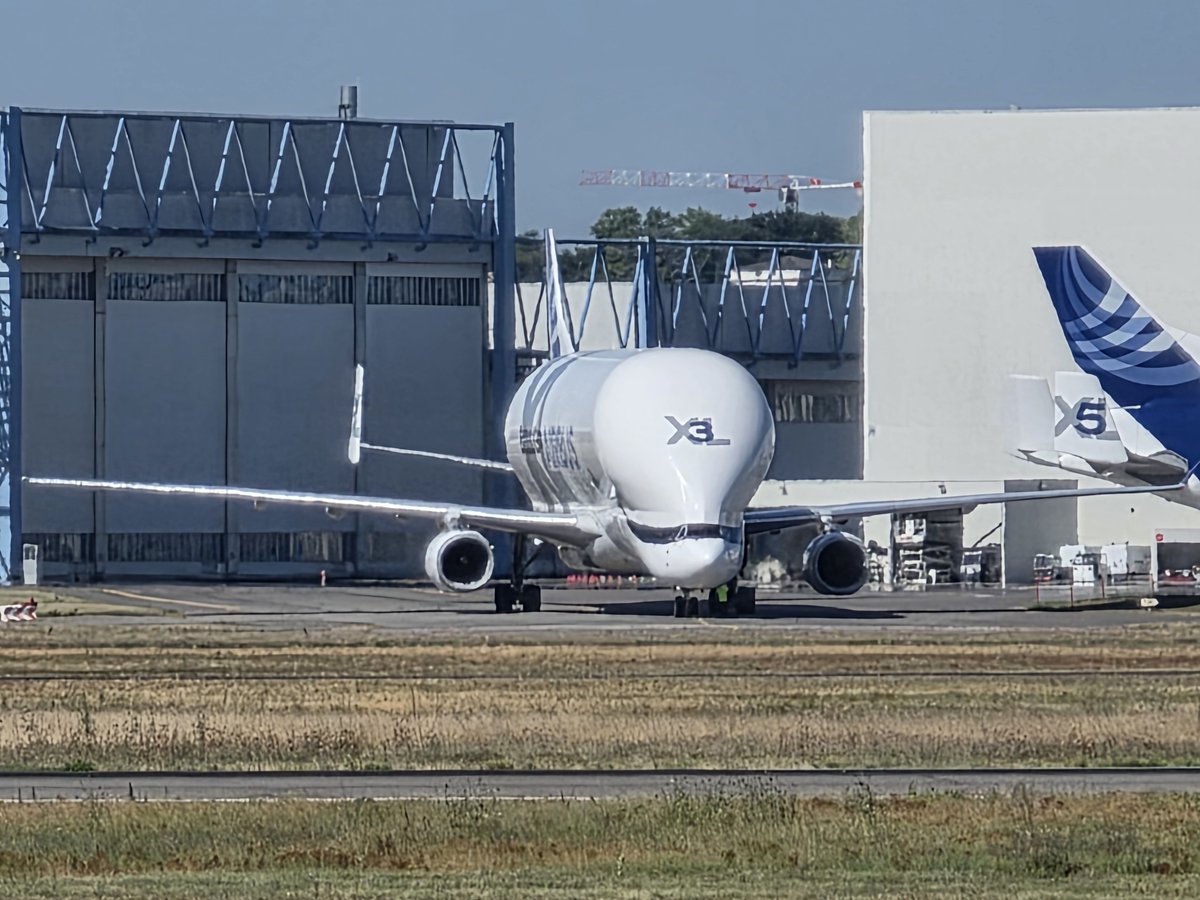
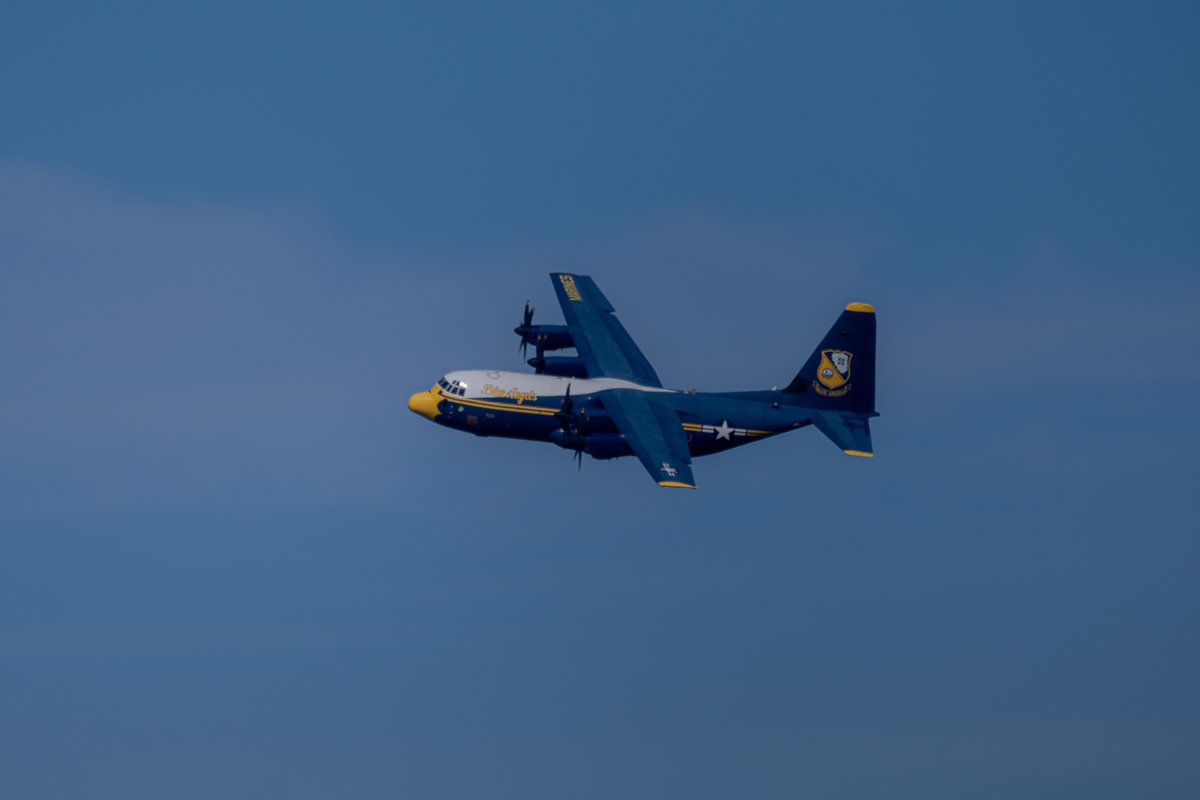
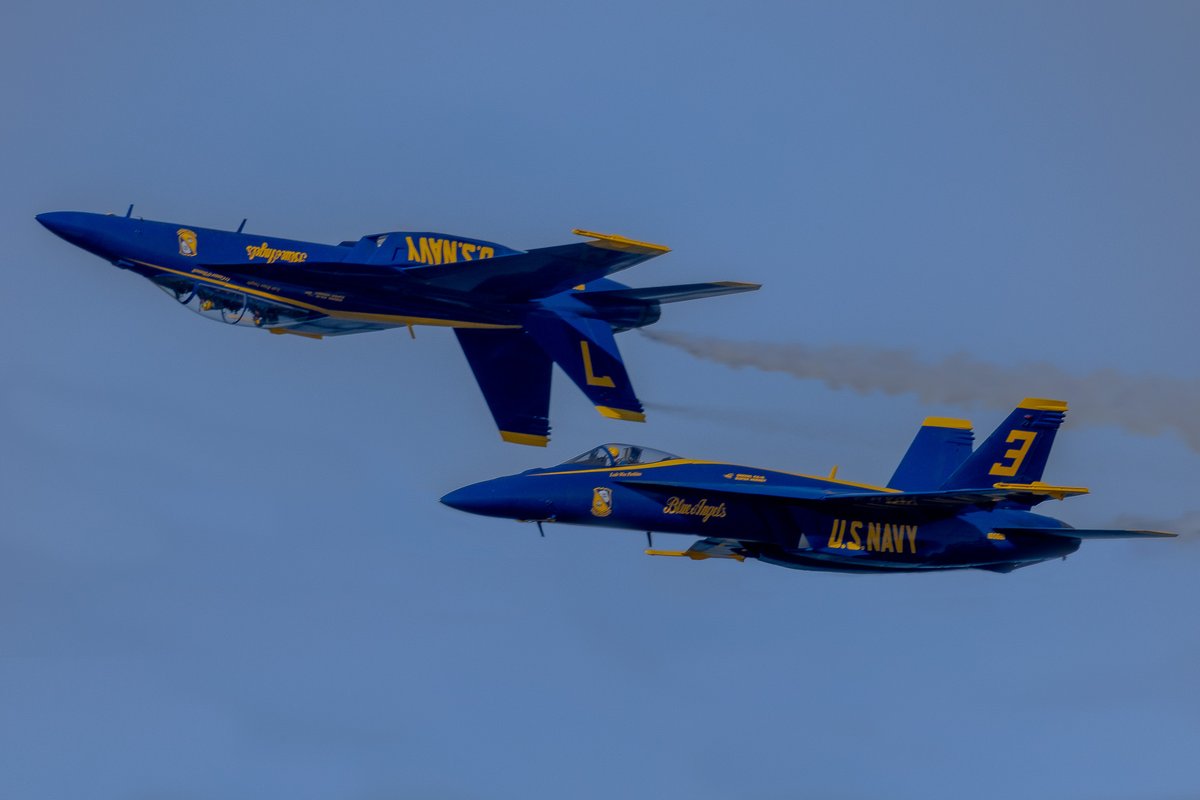
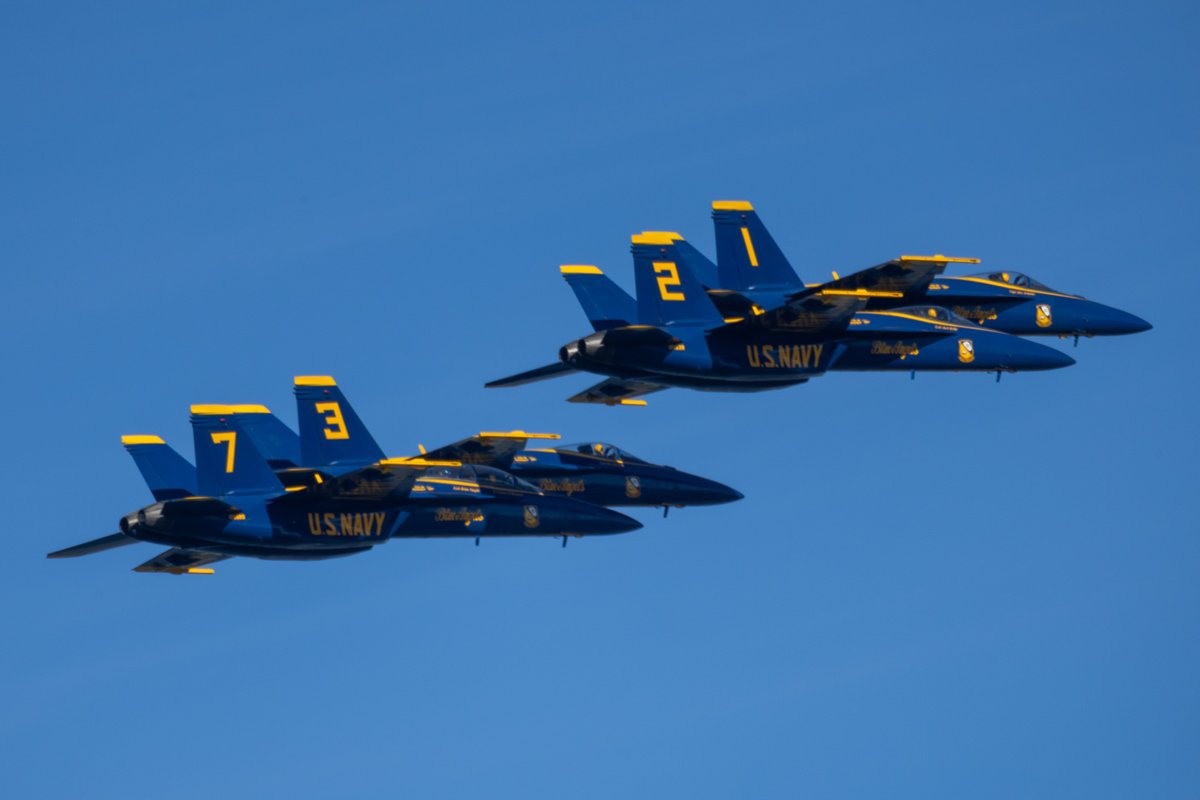
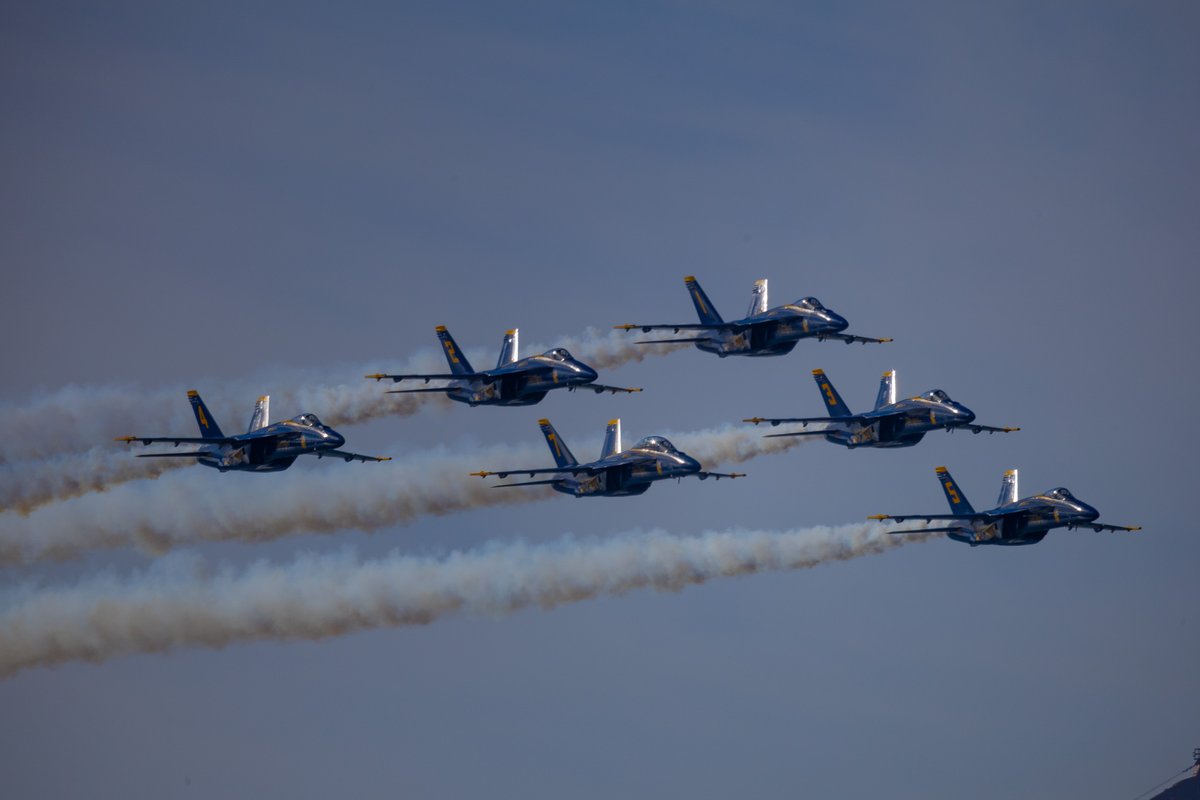
Some first shots from the Friday performance of the @BlueAngels at #SF #fleetweekSF @FleetWeekSF
Hope the weather will be as good tomorrow !
(more in thread)
5
7
1,148
DutchFlyBird retweeted

Apr 15
The U.S. Navy’s Blue Angels and U.S. Air Force’s Thunderbirds, two of the nation’s most elite flight teams, united Tuesday to perform an extremely rare formation flyover in “Super Delta” over Pensacola Beach, Florida.
203
1,358
12,760
818,232
Apr 3
1
4
95
Mar 28
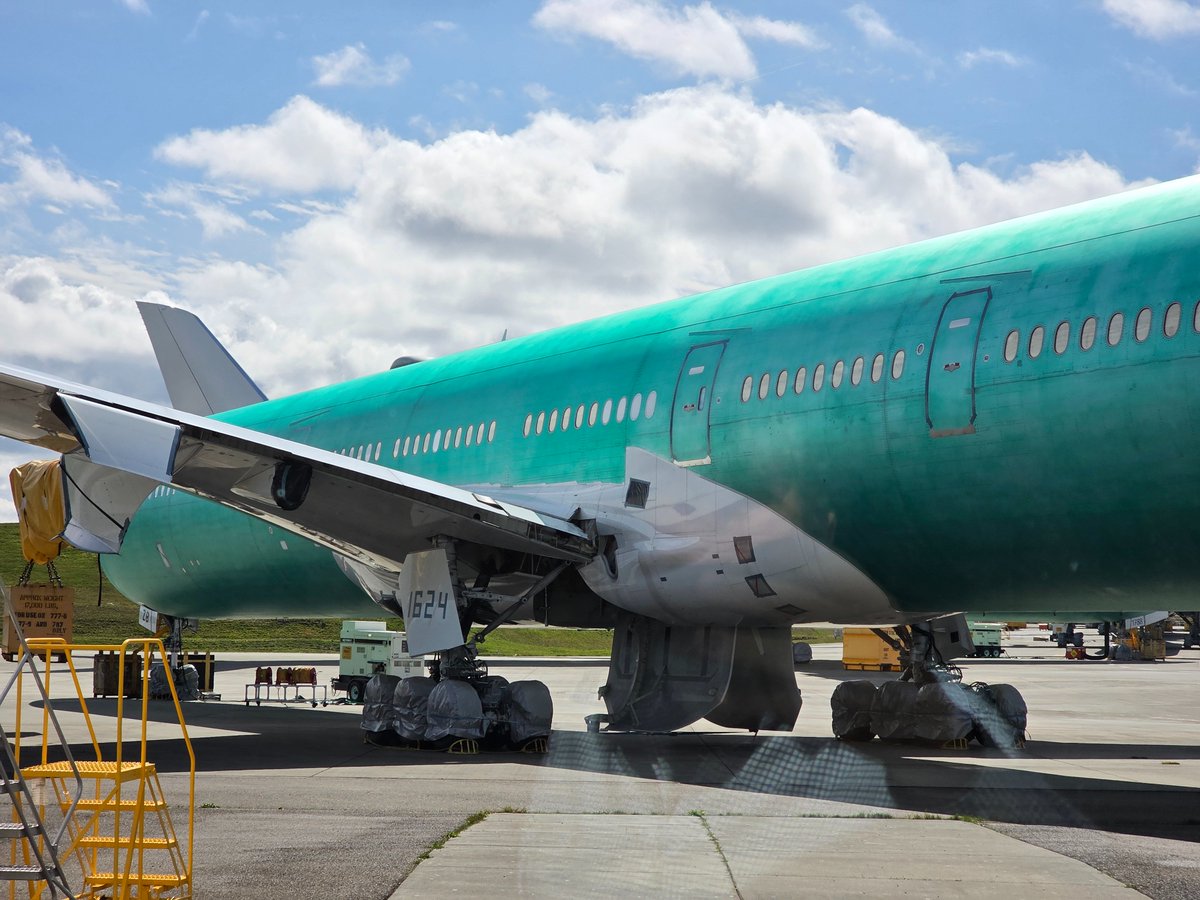
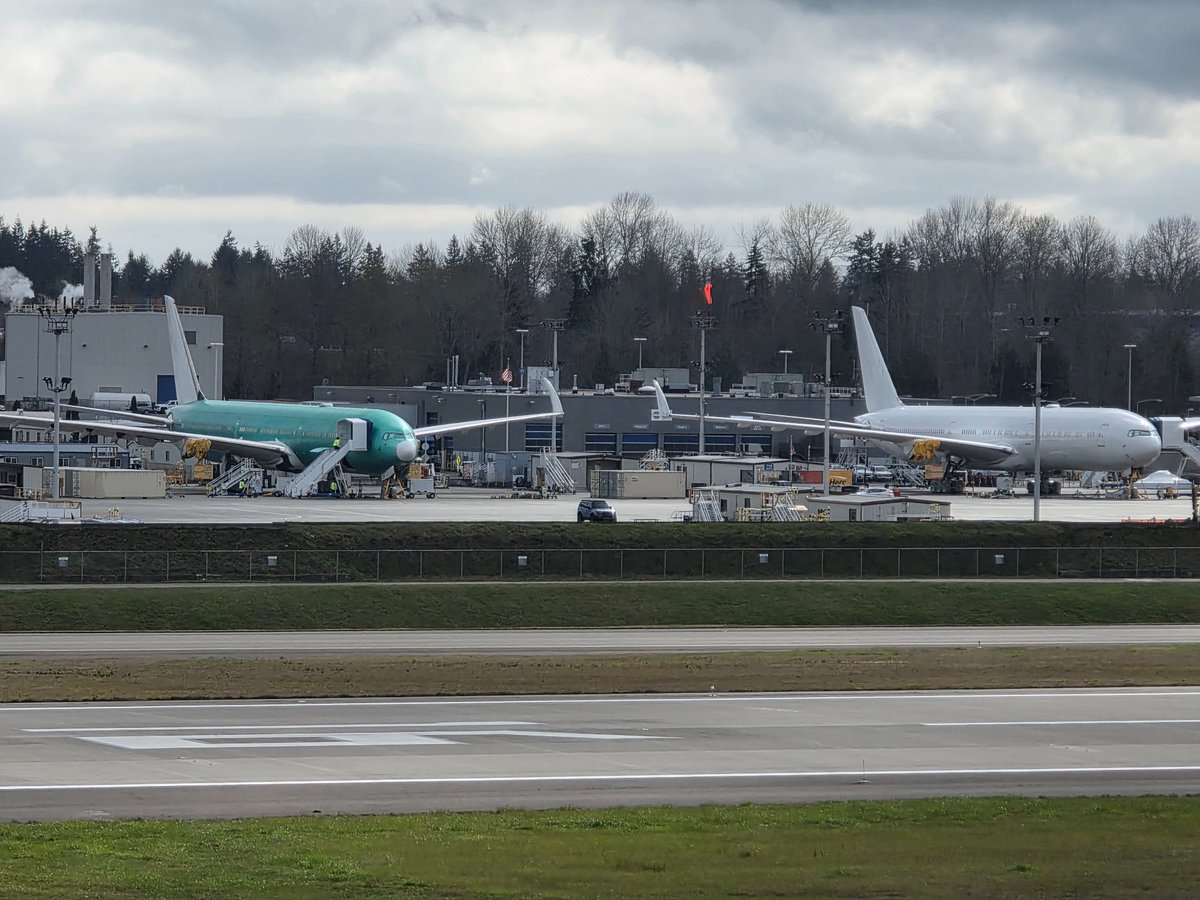
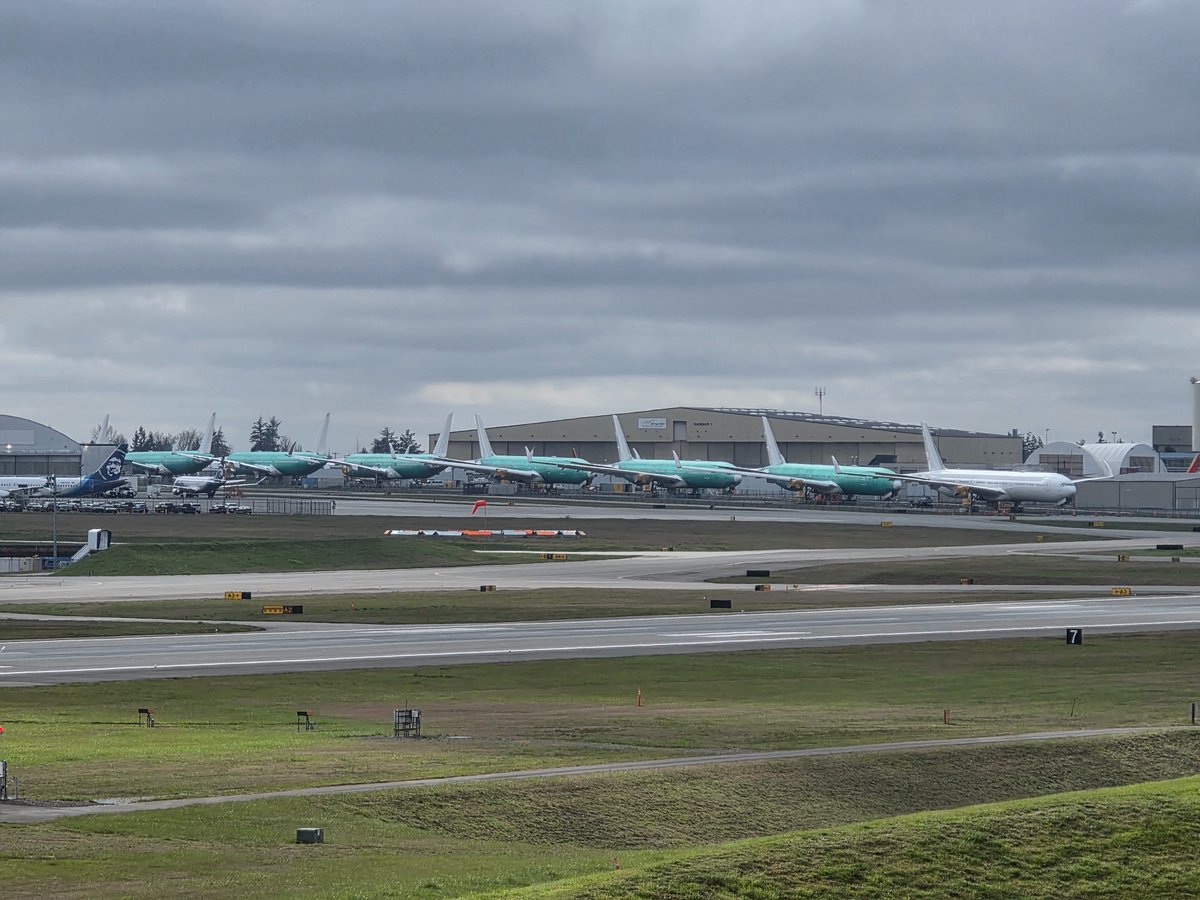
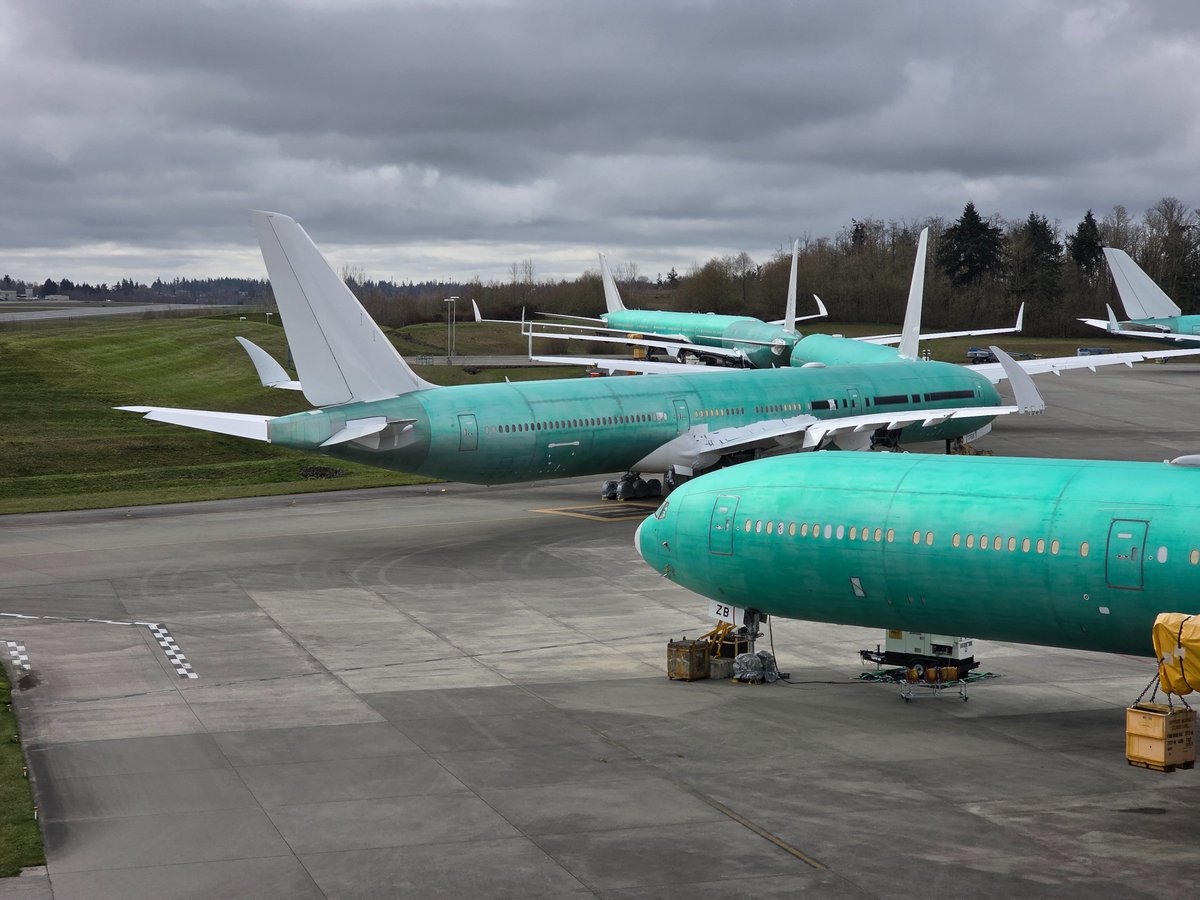
Finally got to visit @BoeingAirplanes #boeingfield near #Seattle Interesting to see the history, assembly line and the #B777X @b777xlovers
1
7
272

DutchFlyBird retweeted

Feb 9
I thought this might have been the coolest thing a sports coverage has ever showed
39
580
13,005
174,441


DutchFlyBird retweeted

SUPER BOWL FLYOVER! A primer to annoy your friends w/ useless facts while watching the game!
To start, flyovers don’t “cost extra”. I laid it out yesterday, but costs are already baked into the “Flying Hour Program”. The jets must fly, football or not.
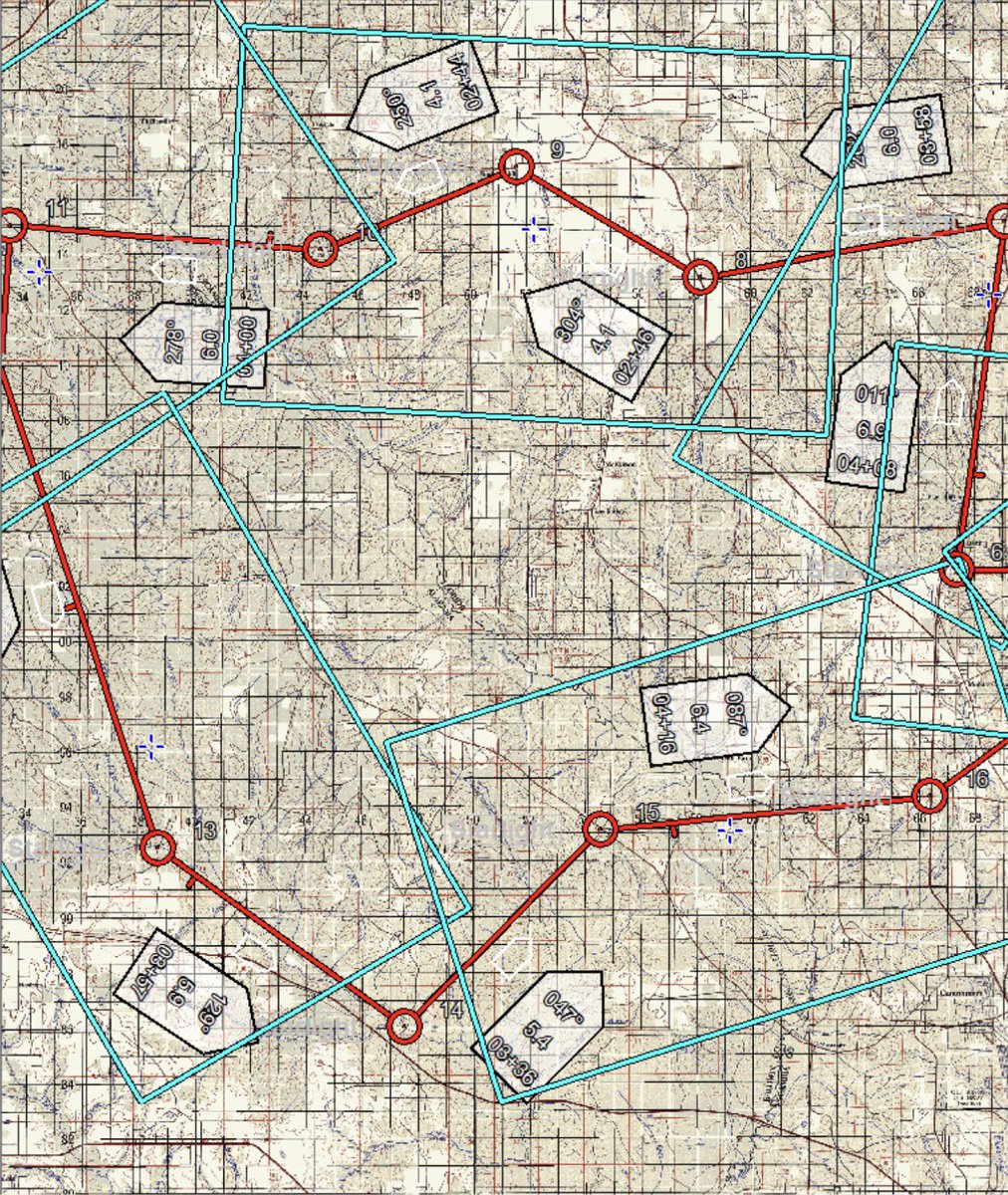
Flyovers look a lot like normal training. Crews do “Low Level” routes routinely, w/ simulated enemy defenses that must be avoided (that 7-11 is a SAM site!) & a target that must be hit at a precise time (“Time on Target”). Published low level routes are usually located around bases & depicted on charts (maps). Some feature is used as a target…maybe an abandoned factory, or a distant bridge. Today, the “target” is the Super Bowl.
Timing is critical. The route is carefully planned; special charts are prepared showing entry point, ingress to target & egress. There may be a bunch of turns, or it can be straight. Either way, multiple points along the ground are used as references. Say, a bridge over a creek.
On the chart, each point is annotated w/ a “Doghouse”…a rectangle divided into sections. At the top is a triangle pointing in the direction of flight. Vital information is entered in the doghouse, like compass heading to fly, how much fuel you should have & – most importantly – the time you should pass. If you’re off timing, it’s a chance to change speed & get back on time. More points are better in this regard!
A big part of the flyover will be assembling the formation. They don’t take off like that (well, fighters often take off in pairs), but there are plenty of areas nearby where airspace can be reserved for a “Rejoin”. They’ll launch, but not from the same places (the B-1 is out of South Dakota, the rest at two local bases), rendezvous in designated airspace & form up. They’ll hold until it’s time to leave & start the ingress. A tanker may be there to keep them fueled up in case the event is delayed. Eventually, it’s a “go” & they’ll head out, descending into the route. Timing to the entry point is crucial…don’t be late before you even get onto the low level!
The formation can do this all silently. The flight lead (the B-1) is in charge of everything & does all ATC communications; everyone else just holds position & listens. If lead speeds up, so do you. You back lead up using your chart, but they make the call. There are various hand signals used to relay information if needed. Today, they may use the radio, but not if it was real!
Ordinarily, low level routes are out of the way of the public, but this will go right through the Bay Area. Is that a big inconvenience?
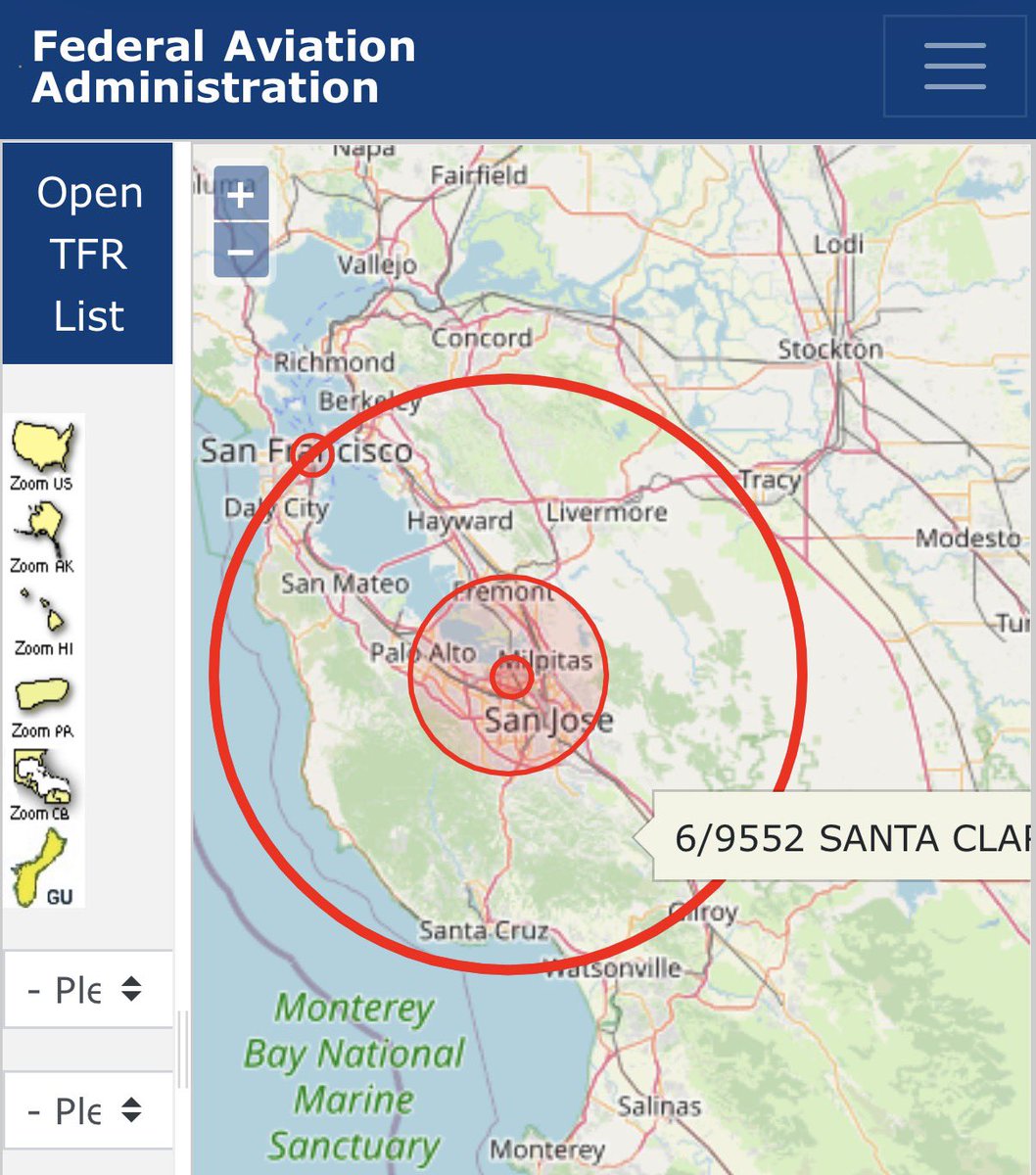
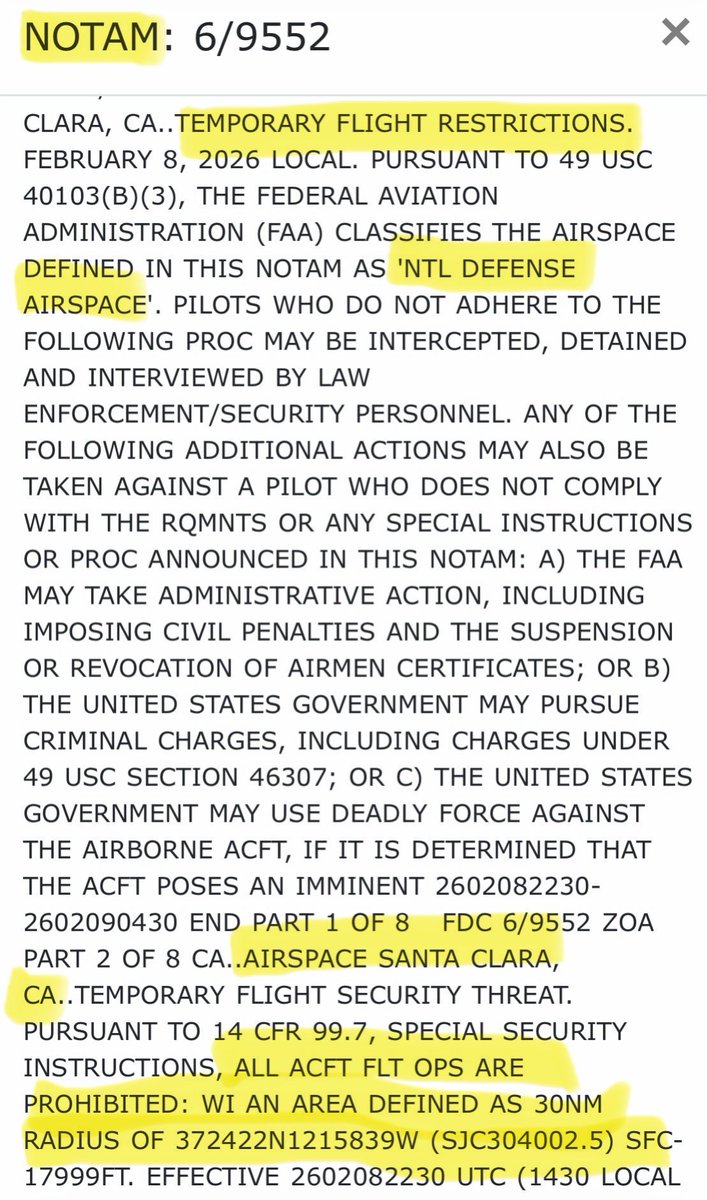
Not really. At all big sports event, a “Temporary Flight Restriction” (TFR) is placed over the airspace by the FAA. This blocks all aircraft, other than specially authorized ones, from getting close to the stadium. The FAA publishes a “NOtice To AirMen” (NOTAM), which pilots must consult before every flight. On our iPads, chart apps depict the TFR graphically, often as a big red circle around the stadium. Today, it’s a ring extending 30nm from the stadium, surface to 18k’. Don’t go in unless you like armed fighters intercepting you!
Today’s flyover will pass through busy airspace; San Francisco, Oakland & San Jose are all big airports there. Will it interrupt operations?
Yes, but only briefly. ATC works w/ the flyover, giving them airspace they need, clearing any other aircraft. It can work multiple ways, but it’s like an ALTitude ReserVation (ALTRV), a moving box of airspace in the vertical & horizontal. It centers on the formation & other aircraft aren’t allowed near; tankers use it for air refueling sometimes. Some arriving airlines might need to do a turn in holding to avoid interacting w/ the formation, while departing jets might have to wait an extra few minutes. Special approach & departure procedures may be used. Still, by 10-15 minutes after, disruptions have been ironed out.
Hope that helps, I’m out of space. The flyover is GREAT training for these crews…let’s see how they do! Enjoy!

74
202
1,534
98,719
DutchFlyBird retweeted

Feb 7
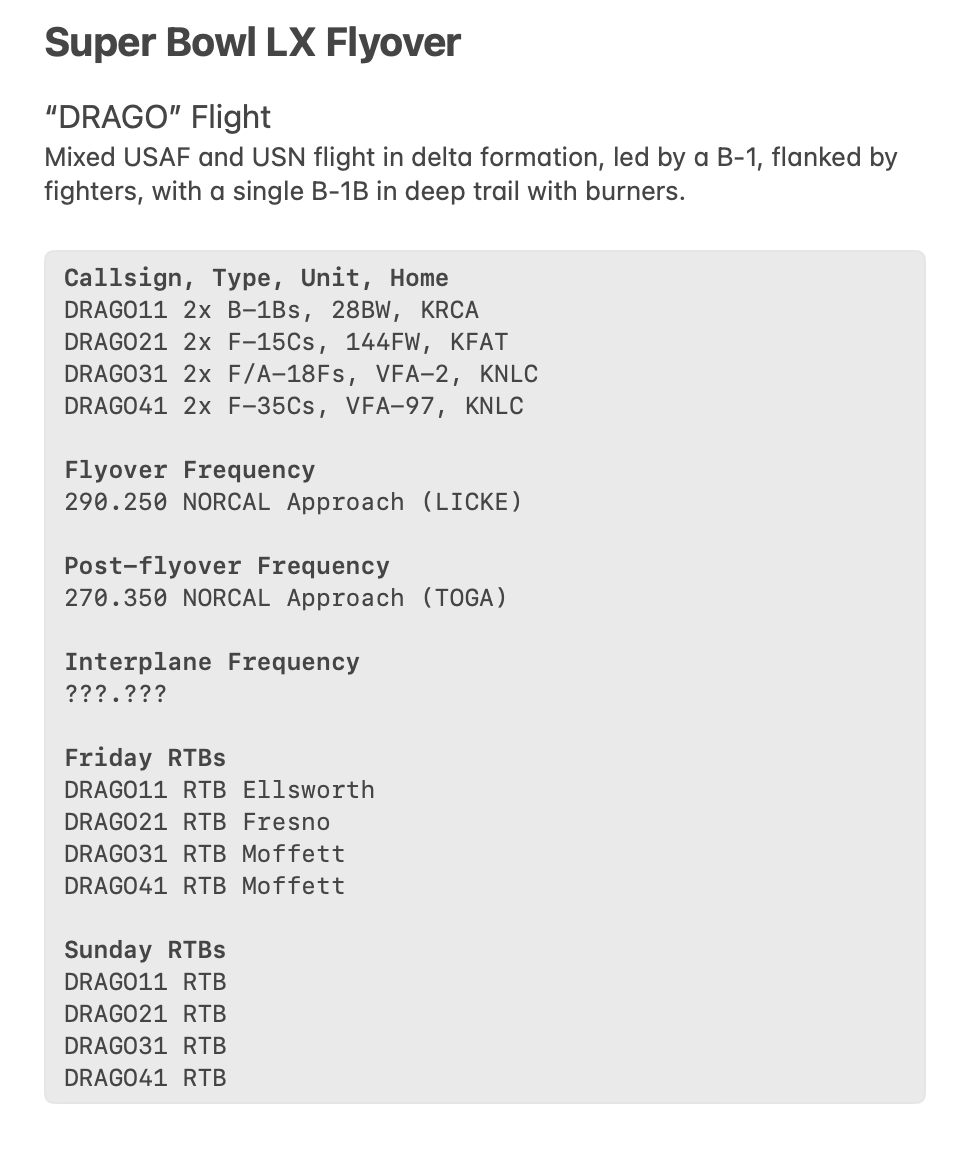
Everything you need to know about the Super Bowl flyover based on today's practice run!
5
25
169
13,718
DutchFlyBird retweeted

F-22 RAPTOR EN PUERTO RICO 🪖🇵🇷🔥
x4 Raptor despegando via PISTA07 de NRR/TJRV. Este siendo el avión caza mas letal que posee el US AIR FORCE. Los cuatro hicieron el famoso “Unrestricted Climb” , saliendo de Puerto Rico hacia su base.
Experiencia a otro niveeeeeel. #USAIRFORCE
¡GRACIAS PINCHITO!
IG: pinchito.avgeek
51
671
7,178
440,214
DutchFlyBird retweeted

U.S. RQ-170 stealth drone returning to Puerto Rico this morning.
This is immensely rare footage of the drone, spotted after supporting US strikes on Venezuela last night.
156
2,541
28,157
1,676,422
DutchFlyBird retweeted

9 Nov 2025
Incredible video of a Boeing 747 at 35,000ft overtaking a Boeing 737 at 37,000ft captured from a B777 pilot at 33,000ft.
73
972
9,892
620,161
27 Oct 2025
A more intense and interesting #ATC #MILAIR video of a @Kon_Luchtmacht #RNLAF #NAF #F35 formation flight with nr. 3 running into problems and picked up by lead.
youtu.be/Xocr9Eul10I?si=SdlA…
1
1
1
280

DutchFlyBird retweeted

28 Sep 2025
Now that I have your attention please allow me to vent for a moment.
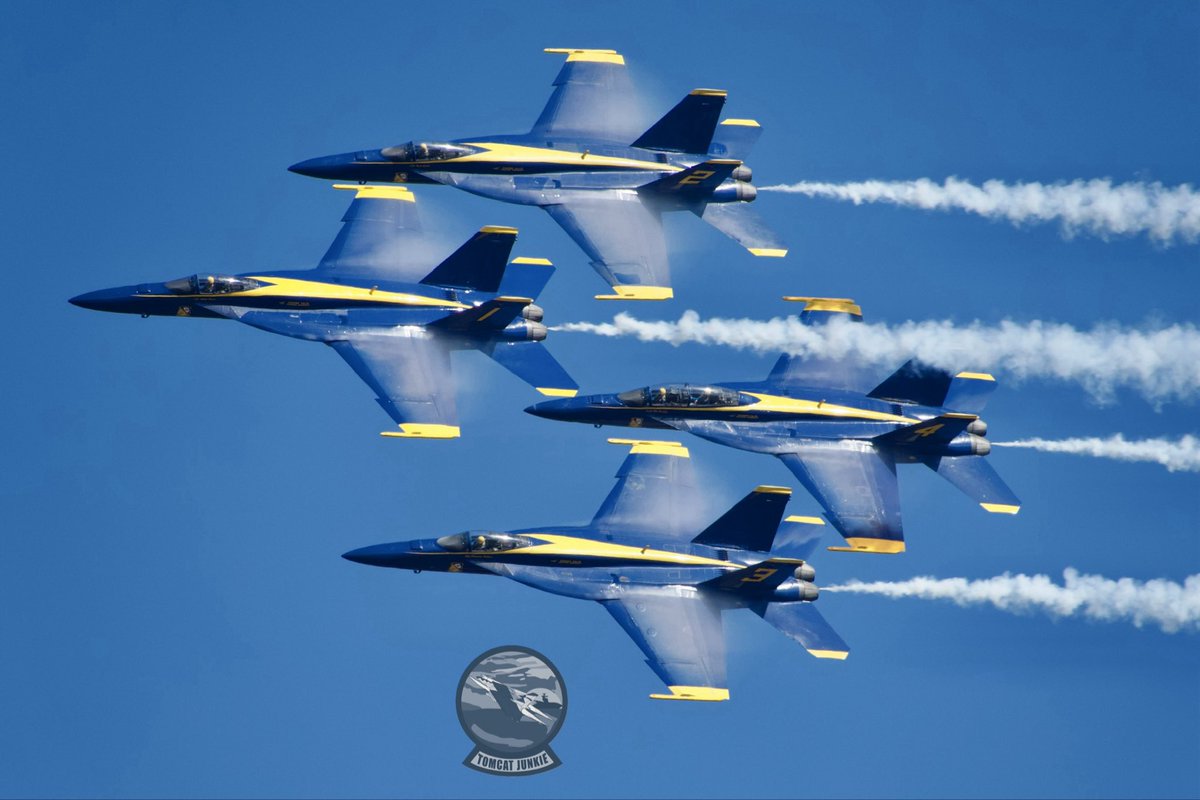
There are countless accounts on here (myself included) that go through the process of traveling, shooting, editing, and posting photos on here. These accounts are putting in work to show you the shots that you’ve never seen before… and yet they have a tiny fraction of the followers of some accounts that repost stuff they found online or outright steal from lesser known photographers.
Let’s try to change that. Stop following repost accounts. Start sharing and following the folks that actually make the effort to deliver photos that you’ve never seen before.
I don’t ask this often but if you could share and repost this, I would appreciate it.
Party on folks.
43
197
734
33,601