Joined September 2012
- Tweets 282
- Following 442
- Followers 559
- Likes 442
16 Photos and videos
Mark Dyble retweeted

6 May 2024
In this video, starring a Cetti's warbler, I compare the advantages of being resident against being a migrant and the need to consider the geometric mean. 7 seconds too long to add directly to twitter -n so here is the YouTube link.
youtube.com/watch?v=mB6Usian…
1
2
20
5,404
Mark Dyble retweeted

2 May 2024
Great ✨new paper✨ by @palaeoscientist, @er_crema (@CamBioanth / @UCamArchaeology) and colleagues!!
"The record of past human adaptations provides crucial lessons for guiding responses to crises in the future"
nature.com/articles/s41586-0…
1
14
31
2,751
Mark Dyble retweeted
3 Mar 2024
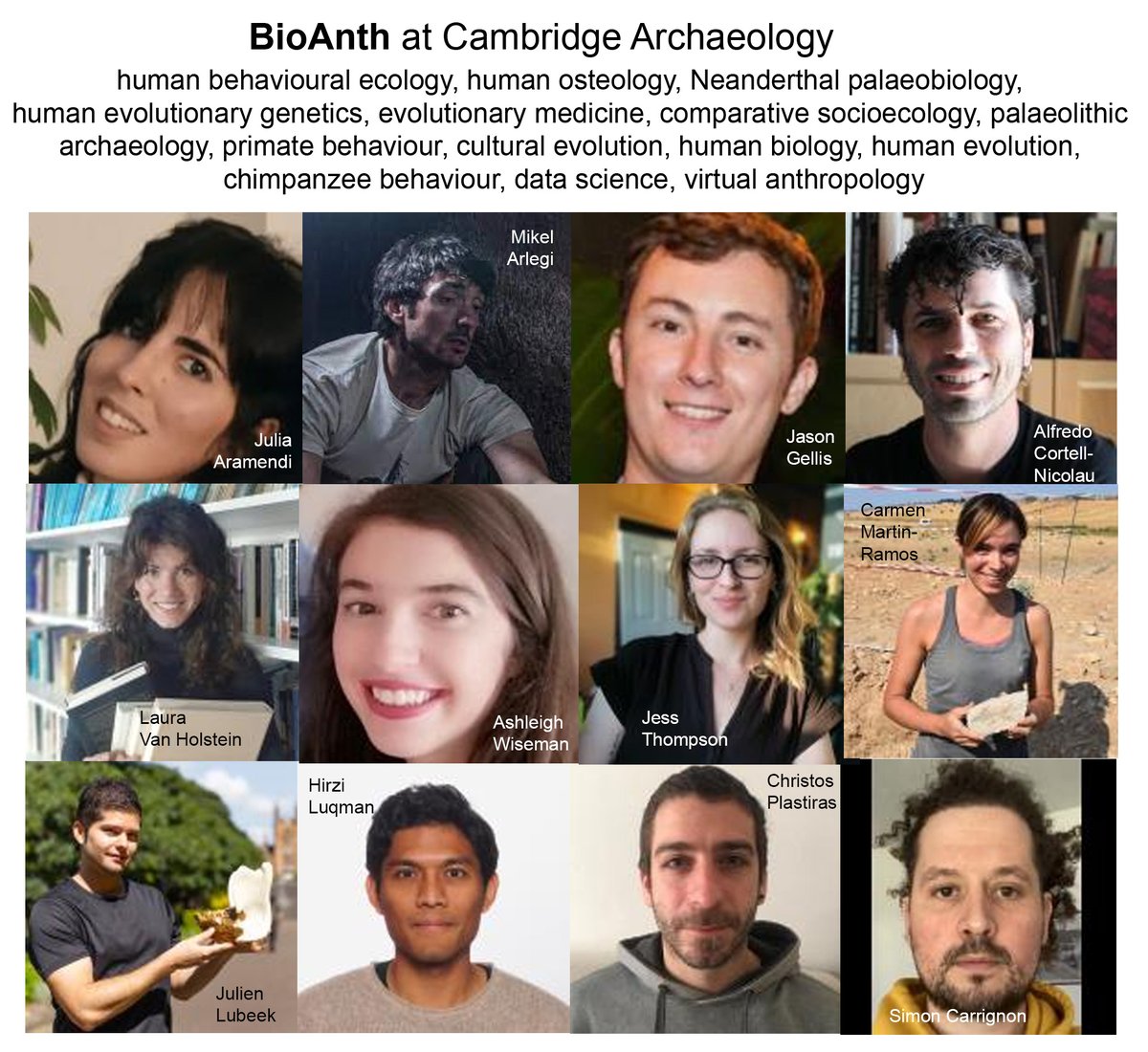
Wow!! Look at this amazing team of post-docs 🥰‼️
Come and join us!!
NEW✨tenure-track lectureship in Human Evolution
jobs.cam.ac.uk/job/44717/
@CamBioanth @UCamArchaeology
Deadline 2 April
21
53
3,678
Mark Dyble retweeted
3 Mar 2024
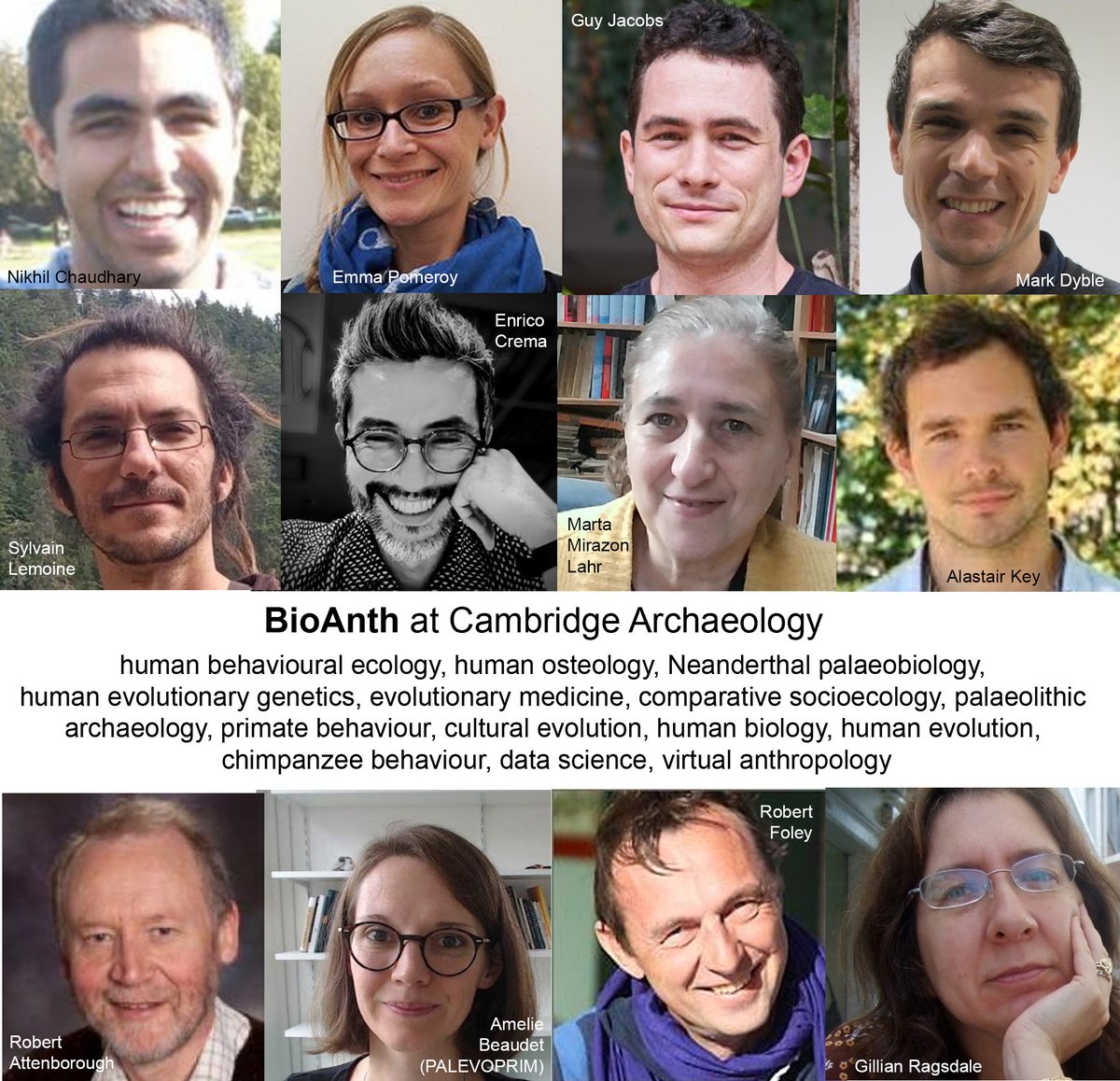
NEW✨✨ tenure-track lectureship in Human Evolution @CamBioanth @UCamArchaeology ‼️🥰🎉
jobs.cam.ac.uk/job/44717/
come and join this amazing team!!
Deadline 2 April
pls RT 😀
61
107
17,135

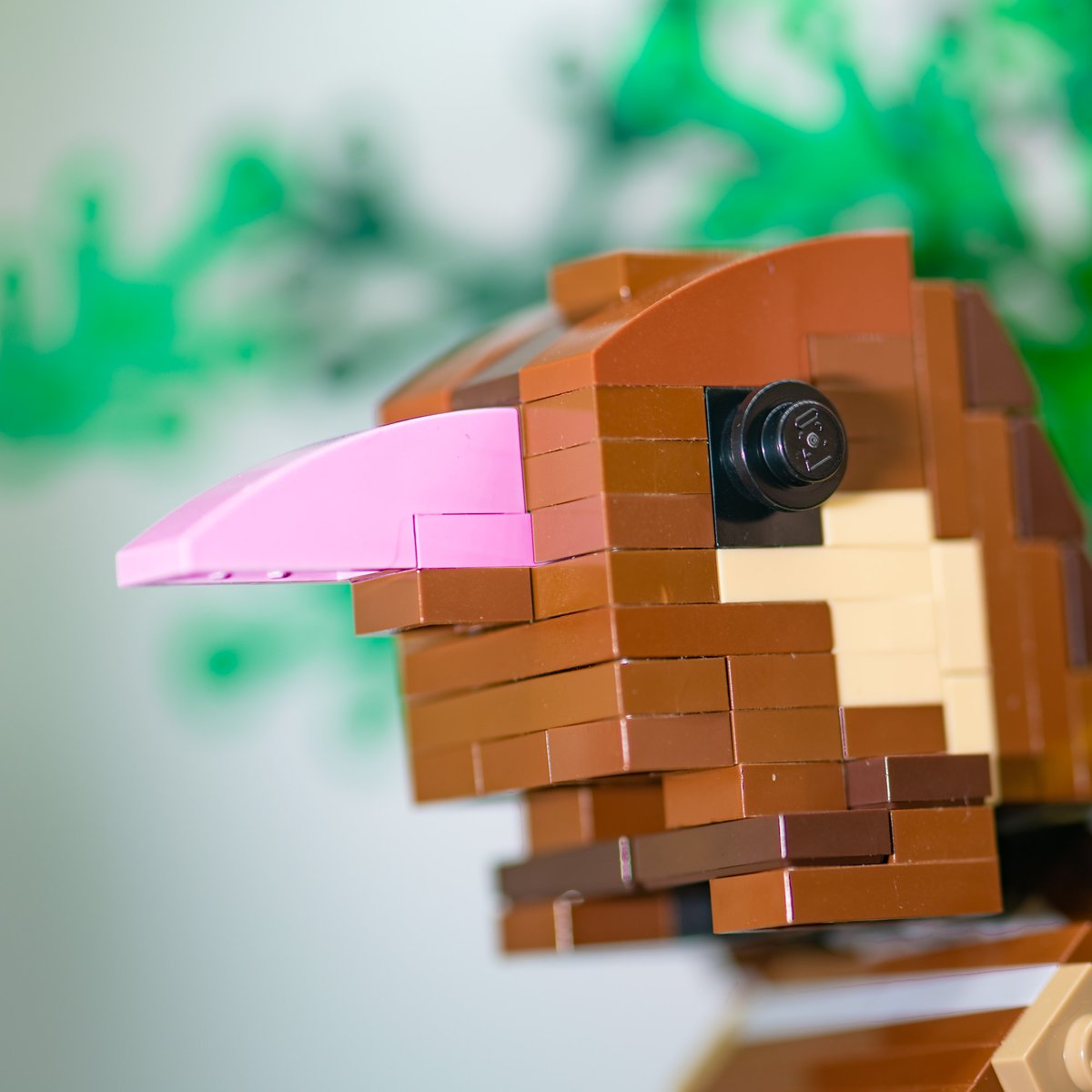
[Thread] I will now explain our new study about people cooperating with honeyguide birds, using Lego and graphs (and Lego graphs). This study was a great team effort: @honeyguiding @honeyguide @jesvanderwal @jesslund01 many not on Twitter.
1
27
71
12,558
Mark Dyble retweeted

Please sign and share to help save Anthropology at Kent. We offer so, so much….
chng.it/2PYFS5Y8
1
55
60
11,763
Mark Dyble retweeted

31 Jan 2024
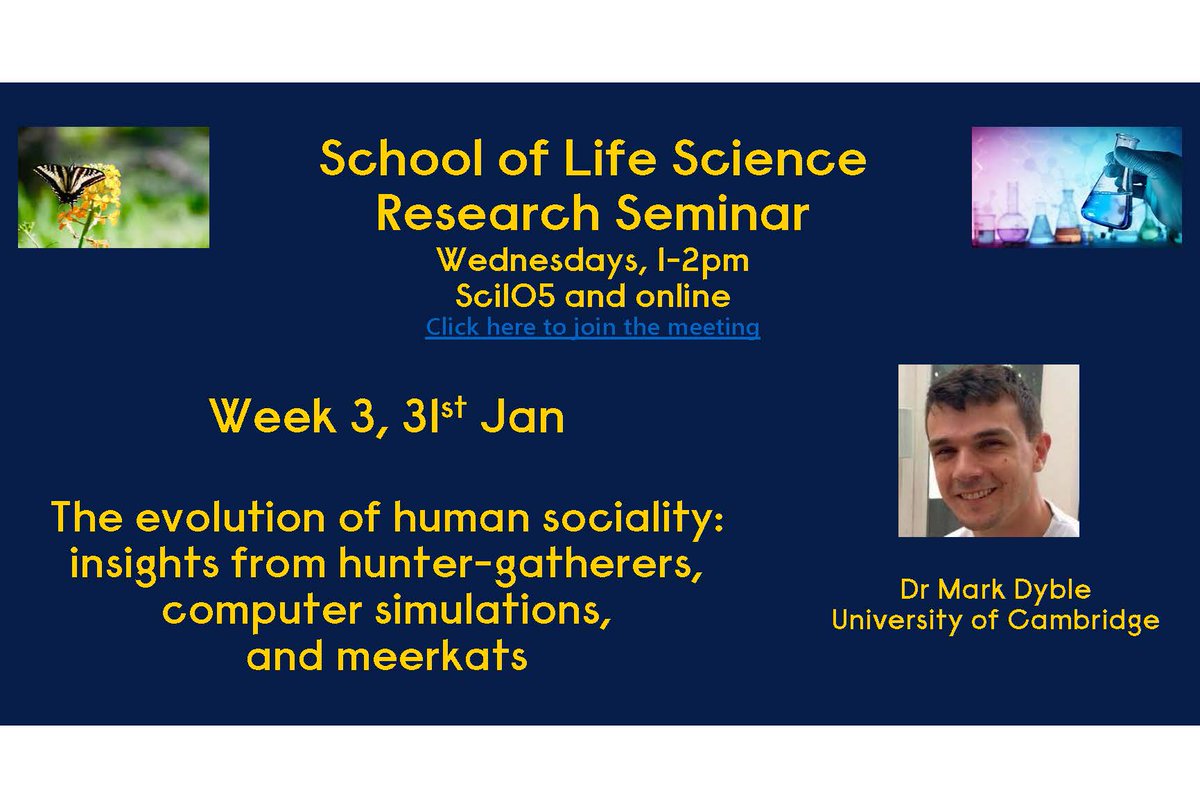
We're looking forward to hearing about how human sociality evolved this afternoon with @DybleMark Just one of the fascinating talks in our School of Life Sciences seminar series #behaviour #evolution
2
2
494

26 Jan 2024
New paper out with @AJCMicheletti: "Population turnover, behavioral conservatism, and rates of cultural evolution" academic.oup.com/beheco/arti…
5
13
1,106
Mark Dyble retweeted

1 Dec 2023
📣New Preprint
In new research done with @DybleMark Nik Chaudhary @davidabann and @DenizSalali we analyse patterns of physical activity amongst BaYaka children in comparison to US and UK children.
What did we see?
Three key observations in the🧵
1 Dec 2023

Patterns of physical activity in hunter-gatherer children compared with US and UK children. biorxiv.org/cgi/content/shor… #biorxiv_evobio
1
9
24
4,024
Mark Dyble retweeted
27 Nov 2023
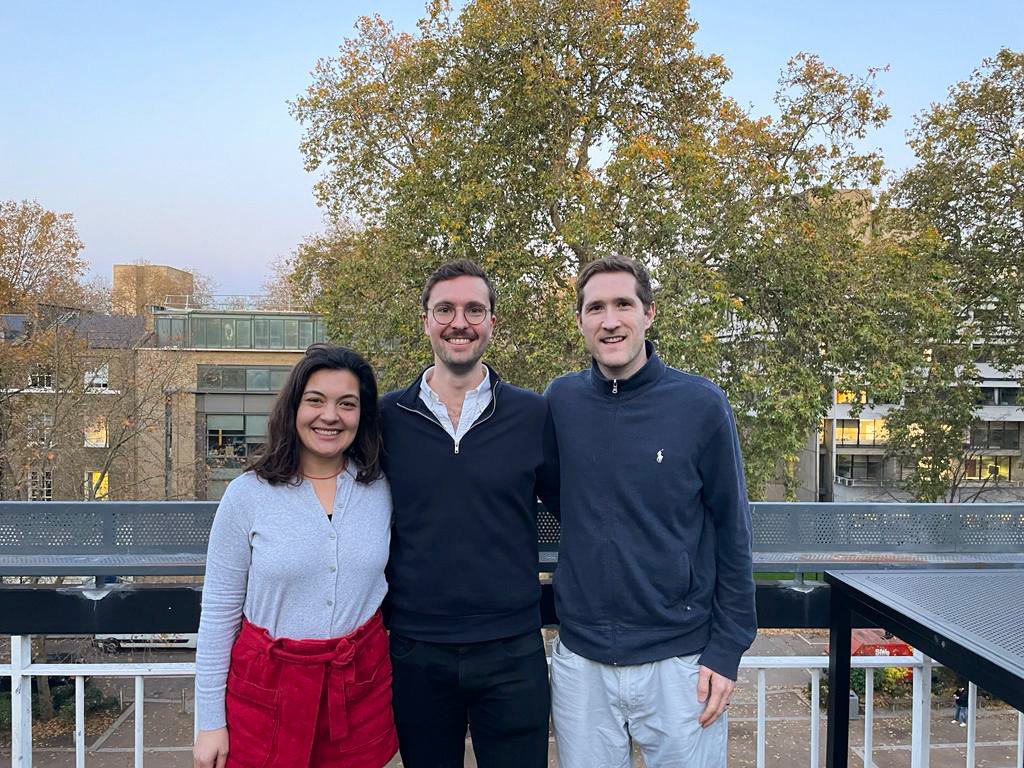
Delighted to say I passed my Viva with minor corrections. I owe a huge debt of gratitude to my supervisors @davidabann @DenizSalali and @DybleMark for their unending support throughout my PhD. Thanks too to my examiners @EvanSluijs and @danny_longman for a great discussion!
4
5
36
2,914
Mark Dyble retweeted
5 Sep 2023
🎉 New article out (and first from my PhD)🎉
In this paper, we examined differences in the distribution of physical activity between girls and boys in the multi-national ICAD dataset 🧵doi.org/10.1186/s12966-023-0…
4
6
20
1,443
Mark Dyble retweeted

13 Aug 2023
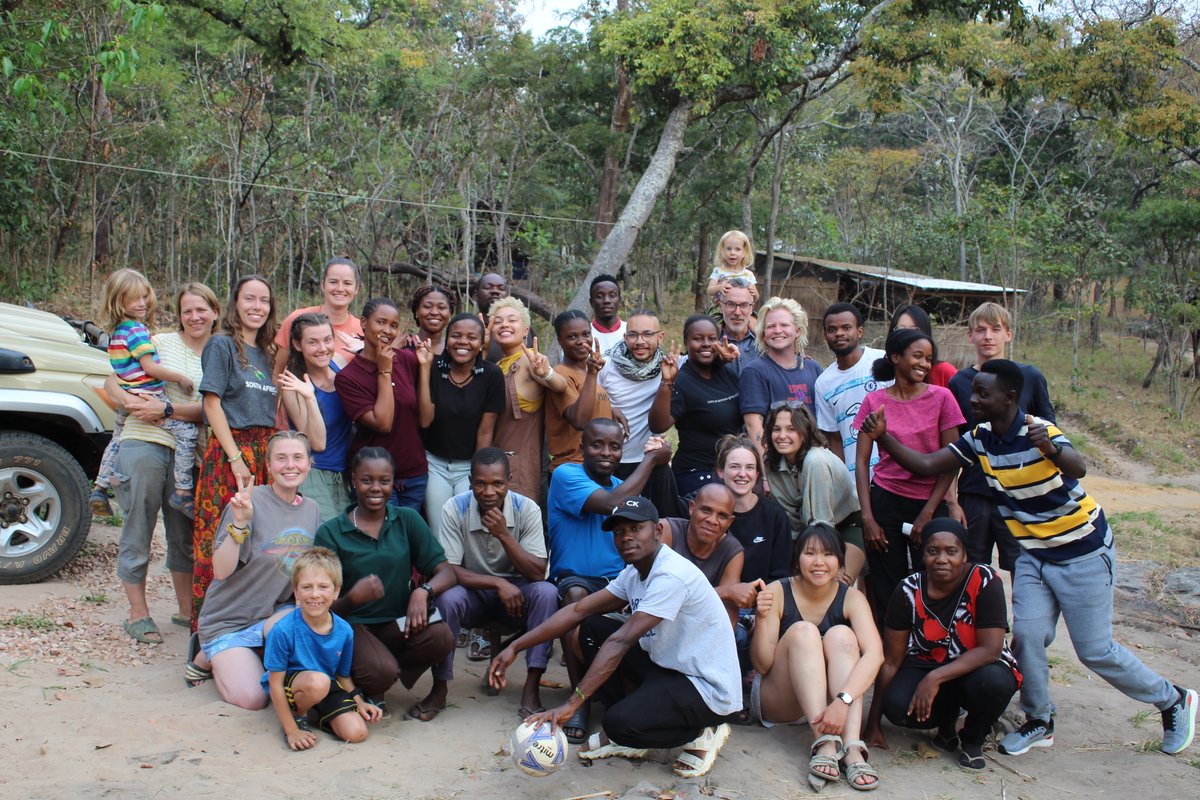
Many thanks to @GMERC_TZ & @UCL_evoanthro UG and PG students for a fabulous field primatology module. So glad the local (human AND non-human) primate population could accommodate us all! Safe travels to all!
1
11
883
Mark Dyble retweeted

9 May 2023
Call for abstracts! Knowledge exchange workshop on Understandin Adolescence, 12th September at @RoyalAnthro!
Looking to hear from researchers from across anthropology (evo/bio/soc/med, etc.) & hoping to catapult into special issue. More info 👇
therai.org.uk/events/events-…
2
10
19
3,158
Mark Dyble retweeted
27 Apr 2023
🎉 New Preprint! 🎉
(And 1st as 1st author)
In work done alongside @davidabann @DybleMark @DenizSalali and #ICAD collaborators we saw that in a multinational sample of 15k children, while boys did more activity on average, they were more unequal. [1/3]
20 Apr 2023

Gender differences in the distribution of children's physical activity: evidence from nine countries medrxiv.org/cgi/content/shor… #medRxiv
2
5
20
2,412
Mark Dyble retweeted

6 Apr 2023
Amazed to be part of the group researchers who received this grant. We will use Maths and anthropology to develop our work on unpredictability and sustainable use of natural resources! @DybleMark, @ucl_discovery
@ucl_herg, @KMHomewood
imperial.ac.uk/news/244237/e…
5
6
521
Mark Dyble retweeted

22 Mar 2023
🚨Job🚨 Lecturer in Experimental Psychology (3-Year) This is a great opportunity for an early ish career researcher who wants to transition to a fellowship / PI position. Seeking people with interests / expertise in social evolution broadly defined. ucl.ac.uk/work-at-ucl/search…
1
22
22
11,088
Mark Dyble retweeted

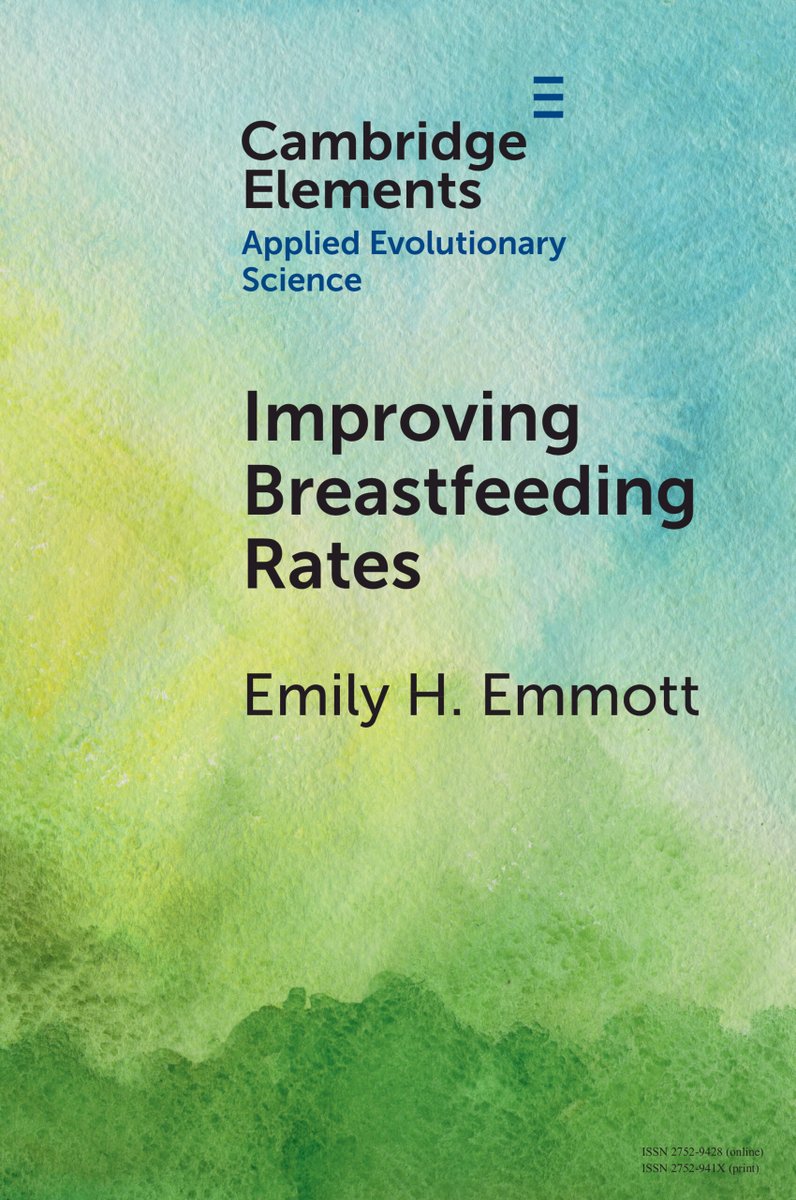
New Cambridge Element Improving Breastfeeding Rates by @Emily_Emmott @UCLanthropology @UCL_evoanthro out now! Read for free for 2 weeks
ow.ly/EgrE50MRLNG
#cambridgeelements #psychology
9
8
1,230
8 Feb 2023
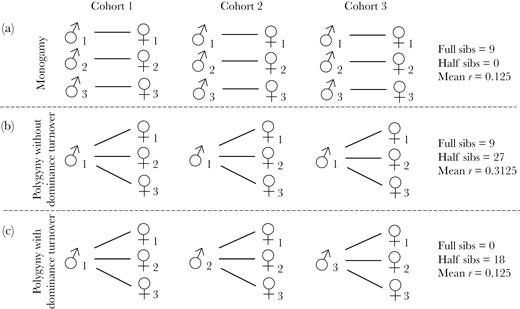
New paper out today with Tim Clutton-Brock: “Turnover in male dominance offsets the positive effect of polygyny on within-group relatedness”
academic.oup.com/beheco/adva… (1/5)
2
11
34
3,819
8 Feb 2023
In this new paper, we model the effect of male skew and turnover in male dominance on relatedness and show that high turnover in skew can offset (and in some cases completely cancel out) the positive effect of polygyny on within-group relatedness (4/5)
1
3
367
8 Feb 2023
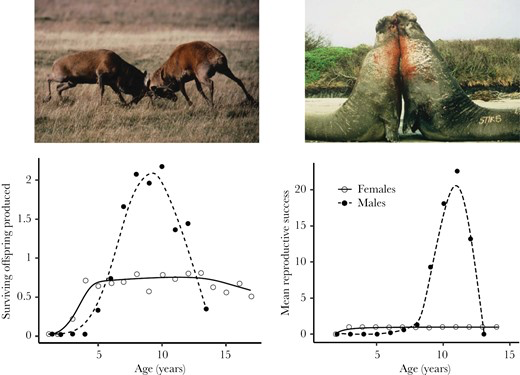
Because polygyny is usually associated with short male reproductive tenure, polygynous mating systems will not necessarily lead to the significant increases in average relatedness we might expect then too (5/5)
2
269