ESCMID Study Group for Clinical Parasitology - ESGCP
- Tweets 45
- Following 299
- Followers 214
- Likes 40




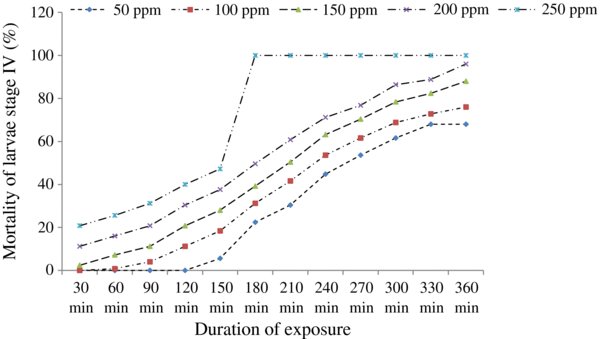
ALT The biological activities of essential oils from three plants grown in Cameroon: Ocimum basilicum, Ocimum canum, and Cymbopogon citratus were tested against Plasmodium falciparum and mature-stage larvae of Anopheles funestus. Gas chromatography and gas chromatography – mass spectrometry analyses showed that the main compounds are geranial, 1,8-cineole and linalool in C. citratus, O. canum and O. basilicum, respectively. Larvicidal tests carried out according to the protocol recommended by the World Health Organization showed that the essential oil of leaves of C. citratus is the most active against larvae of An. funestus (LC50 values = 35.5 ppm and 34.6 ppm, respectively, for larval stages III and IV after 6 h of exposure). Besides, the in vitro anti-plasmodial activity evaluated by the radioisotopic method showed that the C. citratus oil is the most active against P. falciparum, with an IC50 value of 4.2 ± 0.5 μg/mL compared with O. canum (20.6 ± 3.4 μg/mL) and O. basilicum ...
ALT The various mechanisms involved in the redox defence of norma erythrocytes are adequately known. They are herein briefly reviewed, outlining the principal enzymes and metabolic pathways, such as superoxide dismutase, catalase, glutathione peroxidase and reductase, the hexose monophosphate shunt (HMS) and glutathione synthesis and turnover. The intraerythrocytic malaria parasite is imposing an oxidative stress on its host cell. Malaria-infected cells produce O2- , H2O2 , enhance lipide peroxidation and activate host cell HMS. This stress is produced during the digestion of host cell hemoglobin by the parasite. Hence, both parasite and host cell must be able to confront this stress. The antioxidant defence systems of the parasite and the response of those systems in the infected host cell are reviewed, underscoring unresolved problems. Nothing is virtually known on the parasite's glutathione metabolism, and on possible interactions between host cell and parasite antioxidant defence ...
ALT Rapid and precise diagnosis of malaria is needed to take care febrile patient returning from endemic areas. Since the first description of the diagnosis of Plasmodium infection by polymerase-chain-reaction (PCR), the role of this kind of molecular method in the laboratory diagnosis of imported malaria is still a topical question. PCR-based assays were found to be more sensitive and more specific than all conventional methods. The highest contribution of the molecular diagnosis is that a PCR negative result would ascertain the lack of any malaria infection, thus quickly orienting the investigations toward other aetiology. This technique should be now considered as the gold standard for the diagnosis of imported malaria.
ALT Abstract Ferroquine (FQ, SSR97193) is currently the most advanced organometallic drug candidate and about to complete phase II clinical trials as a treatment for uncomplicated malaria. This ferrocenecontaining compound is active against both chloroquine-susceptible and chloroquine-resistant Plasmodium falciparum and P. vivax strains and/or isolates. This article focuses on the discovery of FQ, its antimalarial activity, the hypothesis of its mode of action, the current absence of resistance in vitro and recent clinical trials.
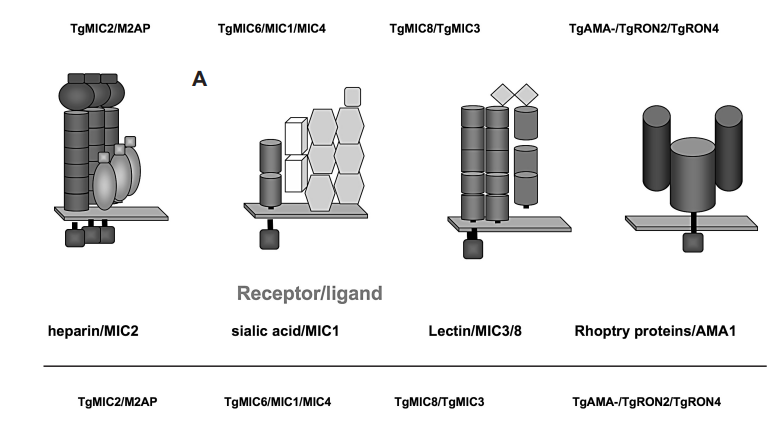
ALT Gliding motility is an essential and fascinating apicomplexantypical adaptation to an intracellular lifestyle. Apicomplexan parasites rely on gliding motility for their migration across biological barriers and for host cell invasion and egress. This unusual substrate-dependent mode of locomotion involves the concerted action of secretory adhesins, a myosin motor, factors regulating actin dynamics and proteases. During invasion, complexes of soluble and transmembrane micronemes proteins (MICs) and rhoptry neck proteins (RONs) are discharged to the apical pole of the parasite, some protein acts as adhesins and bind to host cell receptors whereas others are involved in the moving junction formation. These complexes redistribute towards the posterior pole of the parasite via a physical connection to the parasite actomyosin system and are eventually released from the parasite surface by the action of parasite proteases.
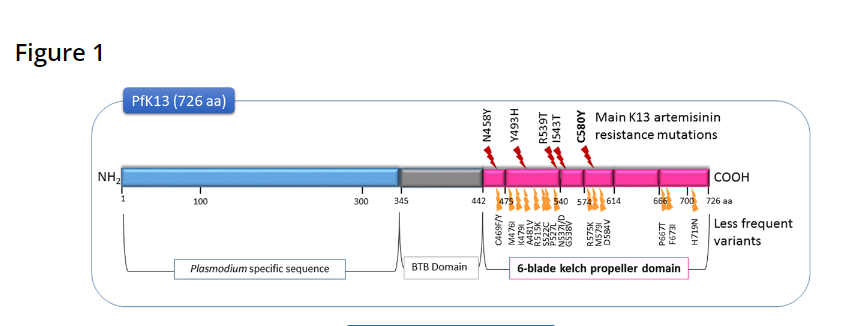
ALT The use of artemisinin-based combination therapies (ACTs), which combine an artemisinin derivative with a partner drug, in the treatment of uncomplicated malaria has largely been responsible for the significant reduction in malaria-related mortality in tropical and subtropical regions. ACTs have also played a significant role in the 18% decline in the incidence of malaria cases from 2010 to 2016. However, this progress is seriously threatened by the reduced clinical efficacy of artemisinins, which is characterised by delayed parasitic clearance and a high rate of recrudescence, as reported in 2008 in Western Cambodia. Resistance to artemisinins has already spread to several countries in Southeast Asia. Furthermore, resistance to partner drugs has been shown in some instances to be facilitated by pre-existing decreased susceptibility to the artemisinin component of the ACT. A major concern is not only the spread of these multidrug-resistant parasites to the rest of Asia ... ...




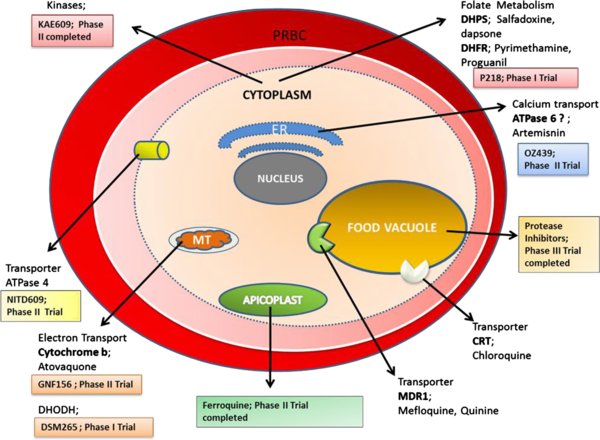
ALT Over the past six decades, the drug resistance of Plasmodium falciparum has become an issue of utmost concern. Despite the remarkable progress that has been made in recent years in reducing the mortality rate to about 30% with the scaling-up of vector control, introduction of artemisinin-based combination therapies and other malaria control strategies, the confirmation of artemisinin resistance on the Cambodia–Thailand border threatened all the previous success. This review addresses the global scenario of antimalarial resistance and factors associated with it, with the main emphasis on futuristic approaches like nanotechnology and stem cell therapy that may impede resistant malaria, along with novel medications which are preparing to enter the global antimalarial market. These novel studies are likely to escalate over the coming years and will hopefully help to reduce the burden of malaria.


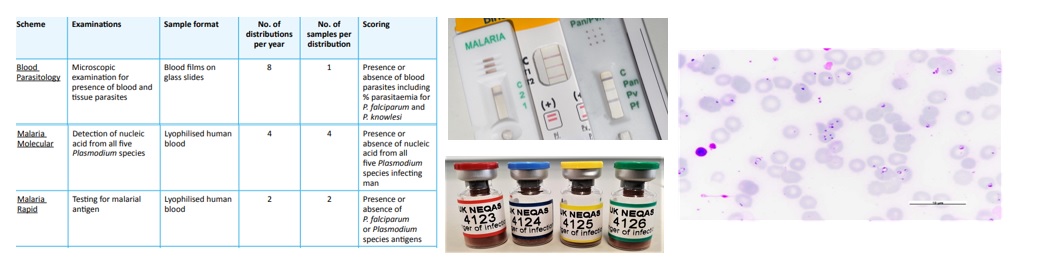




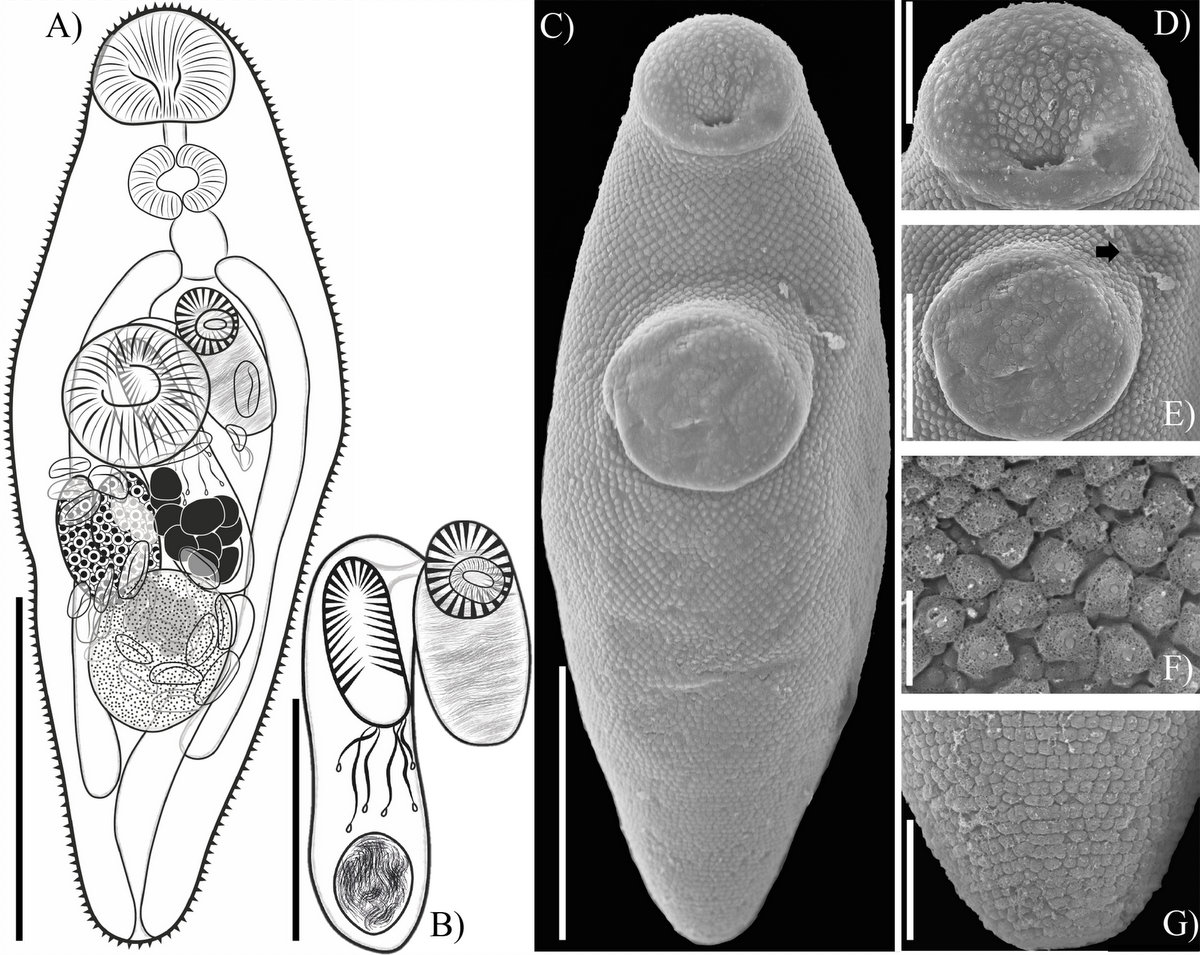
ALT Monorchiids (Digenea, Trematoda) of fishes in the Yucatán Peninsula, Mexico, with the description of three new species based on morphological and molecular data Abstract – Adult specimens of monorchiids (Digenea) were collected from the intestines of the white grunt, Haemulon plumierii Lacepède (Haemulidae), and the white mullet, Mugil curema Valenciennes (Mugilidae) from five localities off the Yucatán Peninsula and one locality in the Gulf of Mexico. Some specimens were photographed and sequenced for two molecular markers, the large subunit (LSU) of nuclear rDNA and the cytochrome c oxidase subunit 1 (cox1) of mitochondrial DNA. Other specimens were processed for morphological analyses. Newly generated sequences were aligned with other sequences available in GenBank. Bayesian inference and maximum likelihood analyses were implemented using the data sets of LSU and cox1 independently. Reciprocal monophyly evidenced through phylogenetic analyses ... ... ...