
Retiring IT-specialist, becoming ear-acupuncturist. Also, involuntary expert on wireless radiation biological effects. Occasional musician & filmmaker.
Joined March 2025
- Tweets 2,426
- Following 556
- Followers 205
- Likes 3,787
194 Photos and videos








Pinned Tweet

Mar 10
Waiting for the moment where all loud AI-hype'ster dev's realize they are now completely dependent on a 3'rd party subscription service and their brains have fallen out while they were high.
Then, subscription price goes up. Way up. Because AI-corp needs to feed angry investors.
6
378
My god I miss the pre-woke Britain 😂😂🐑

1
17
Wireless "electro-smog" causes blood cells (containing iron) to clump together in "coin-roll" formation, making oxygen transport worse and leading to hypoxia that manifests symptoms like:
dizziness, vertigo, anxiety, agitation, restlessness & similar.
Sound familiar?
#wifi

Dr Rob Brown discussed the effect of increasing levels of ambient radiation in the environment causing more rouleaux formation in people's blood.
I'd call it 'Rising Rouleaux'. 🛜🩸
(Rouleaux: 'stacking' and healthy blood)

2
3
6
154
Worth considering

7
Henrik Eiriksson retweeted

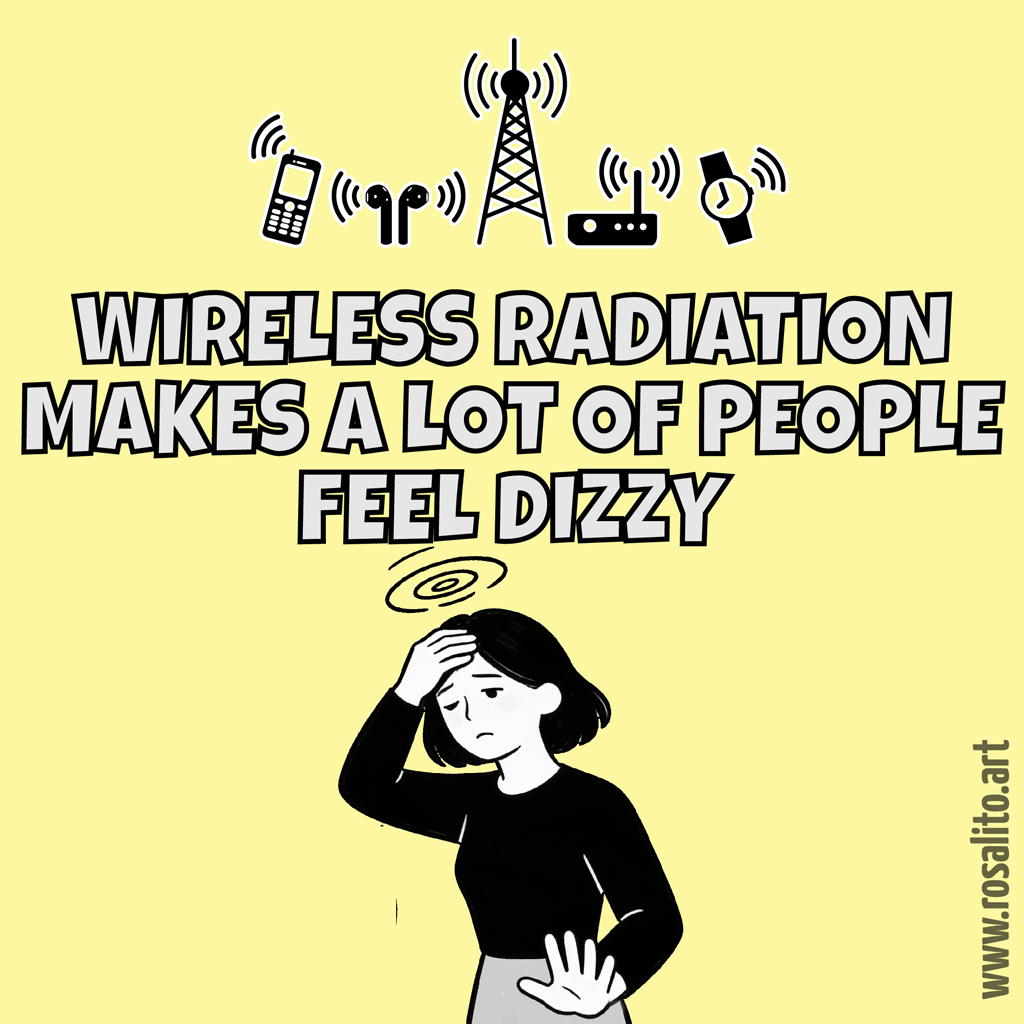
Wireless radiation makes a lot of people feel dizzy.
👉rosalito.art/radiation-sympt…
6
9
156
The internet was invented for this 🎤😾
Jun 12

1
1
8
Jun 13
Dogsitter wanted for totally, honestly, absolutely, swear-to-god well-behaved pooch 😂

This woman is trying to hire a dog sitter for her Yorkie… but the video is pure chaos from the jump.
She keeps insisting he’s a “very good dog” who just needs someone patient and gentle because he’s “not your typical Yorkie.”
Meanwhile, he’s biting and interrupting nonstop like it’s his full-time job 😭
Would you take this job, or would you run the other way?
2
49
Jun 12
Is this Ryan Rosling's brother?

21
Jun 10
Masterpiece 😂

14
Henrik Eiriksson retweeted

Jun 8
Vibe-coding is just a gambling addiction for SWEs
123
199
2,623
836,913


"Art of War", page 1: "When your enemy is making a mistake; don't interrupt"

Big Tech just ran out of money building AI and what they're doing to cover it up should be illegal.
Google, Amazon, Microsoft, and Meta are spending a combined $700 BILLION this year on AI infrastructure.
This eats up 94% of their total operating cash flow.
The richest companies in human history are almost broke. And instead of slowing down, they're covering it up with the biggest financial engineering operation since 2008:
Google just sold $80 billion in stock to fund AI infrastructure. That was their first equity raise in 20 YEARS.
The last time Google needed to sell stock, YouTube didn't even exist. Sundar Pichai admitted the thing keeping him up at night is "compute capacity."
The company that prints $100 billion a year in ad revenue just told Wall Street it isn't enough anymore.
Amazon's free cash flow is projected to go NEGATIVE this year for the first time ever. Morgan Stanley estimates a $17 billion deficit and Bank of America says $28 billion.
The most profitable logistics machine on Earth is about to burn more cash than it generates, and they quietly filed with the SEC saying they may need to raise even more debt and equity to keep building.
All four hyperscalers are now borrowing hundreds of billions in bonds to keep the AI buildout alive. These were the most cash-rich companies in human history, and they're leveraging themselves to the teeth to build infrastructure that nobody has proven will generate enough revenue to pay for itself.
And the cracks are already starting to show:
Broadcom makes the custom AI chips that power Google, Meta, OpenAI, and Anthropic. This week their AI revenue TRIPLED year over year, sales grew 48%, and profits smashed every Wall Street estimate.
The reward for all of that was $320 billion in value erased in a single trading session.
Their CEO Hock Tan went on the earnings call and exposed three things about the AI industry:
Google is already shopping for cheaper AI chip alternatives, broadcom abandoned its strategy of selling complete AI systems and is now retreating to selling bare chips at lower margins.
And despite supposedly "unprecedented demand," Tan refused to raise his full-year forecast, which tells you everything about what he's actually seeing behind the curtain.
Wall Street heard all three and hit the sell button so hard it dragged AMD, Intel, and the entire chip sector down with it.
When a company triples its AI revenue and gets punished because tripling isn't fast enough, the expectations have left the atmosphere entirely.
And here's the really scary part...
These companies ARE your retirement account. Apple, Microsoft, Amazon, Google, Meta, and Nvidia make up roughly 30% of the S&P 500. If you have a 401k or an index fund, you are already exposed to this bet whether you chose to be or not.
Every single one of these companies is telling you AI will generate trillions in revenue. But right now the math says they're spending trillions FIRST and hoping the revenue shows up later.
If the revenue catches up, this becomes the greatest infrastructure buildout in human history. Bigger than railroads and bigger than the internet.
If it doesn't, the companies that make up a third of the American stock market just leveraged their balance sheets into the largest write-down cycle since 2000.
And unlike the dot-com crash, this time the bubble companies aren't random startups with no revenue. They're the backbone of the entire global economy.
1
1
115
Smashingly accurate 👂👇

14
This punch packs a point

The Iranian navy, which has been destroyed eight times, has apparently closed the Strait of Hormuz again, because the United States, for the seventh time, won the war that wasn’t a war, so now the United States has to open the Strait of Hormuz that was already open before the not-war began.
The not-war began because Iran had uranium that was totally, completely, beautifully obliterated, so they can’t build the nuclear bomb they weren’t building, which is why the United States had to start the not-war it definitely didn’t start.
Now the United States, which has nuclear weapons, is threatening to use nuclear weapons to stop Iran from getting nuclear weapons, because nuclear weapons are far too dangerous for countries with nuclear weapons to allow other countries to have.
If the United States saw the United States doing what the United States does in other countries, the United States would invade the United States to liberate the United States from the tyranny of the United States.
8
we so vain 😂


2
18
🤔

17
Pathological greed makes you short sighted
9
May 28
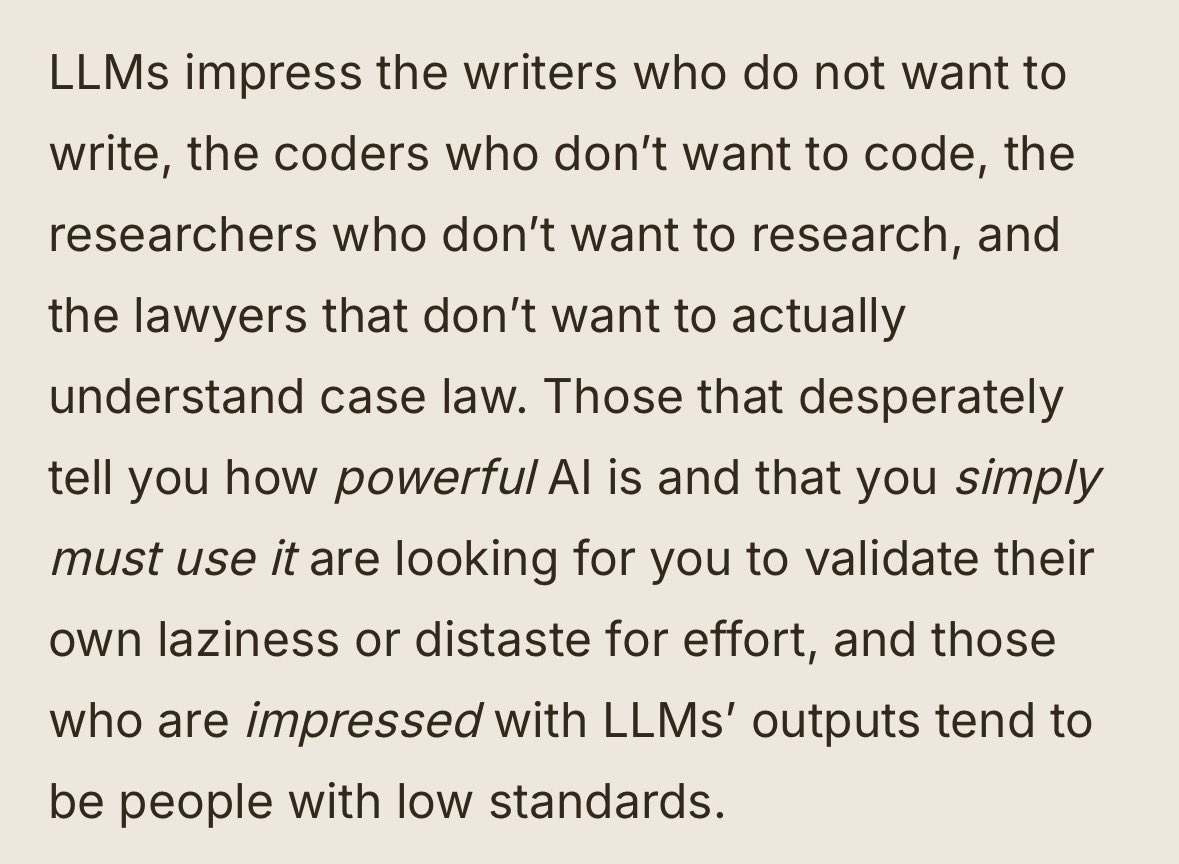
LLM's are simply pandering to the lazy 🧠

28
May 28
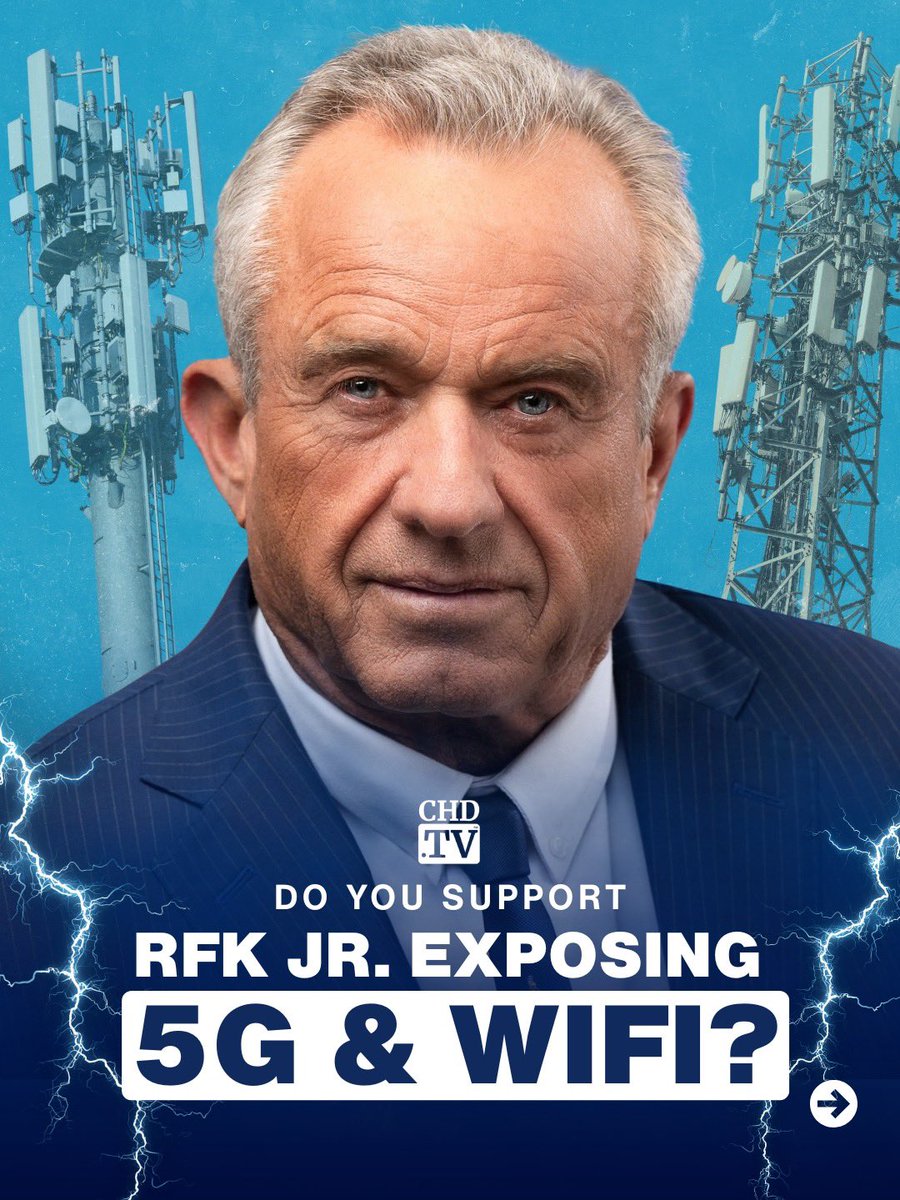
If you haven't heard of wireless exposure health damage, then look up "regulatory capture"

1
35
May 27
Quite interesting observation

1
15
May 27
Pay attention
May 26

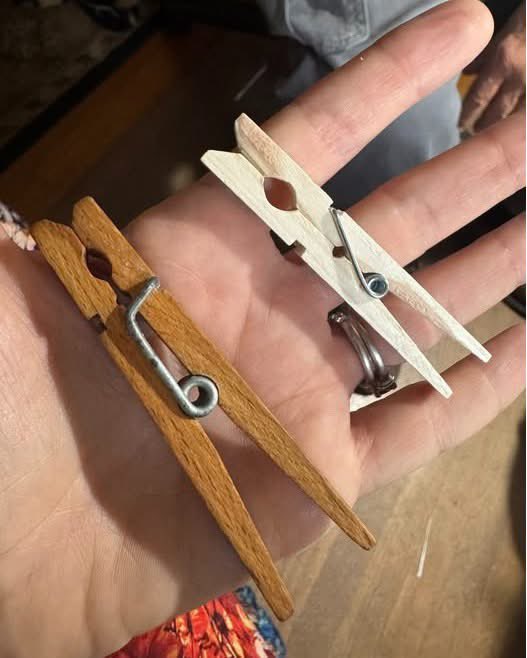
My dad handed me two clothespins. “This,” he said, “is the story of everything.”
In one hand: a clothespin from the 1960s. Solid hardwood, smooth from decades of use. It still works perfectly, some 60 years later.
In the other: a clothespin from 2025. Lighter, paler wood, brittle. The spring is thin and unstable. Marketed as “extra durable,” my dad just raised an eyebrow.
At first glance, it’s just two clothespins. But they tell a bigger story — the shift from durability to disposability, from craftsmanship to cost-cutting, from stewardship to constant consumption. This is planned obsolescence in action.
Products are designed to fail so we must keep buying. Slowly, subtly, they break. Frayed wires, cracked hinges, brittle springs. Not because we want more, but because the old was never built to last.
The costs are everywhere. Landfills overflow. Wallets empty. And maybe most quietly, our spirits grow accustomed to impermanence, to the idea that nothing is meant to endure.
What if this philosophy extends beyond objects? What if it shapes how we treat relationships, communities, homes, even the Earth — as temporary, replaceable, disposable?
It doesn’t have to be this way. That 1960s clothespin reminds us another path is possible. That we once made things to last, and we can again. That quality, care, and intention matter. That we can design for repair, for continuity, for meaning.
The story in my palm is about more than laundry. It’s about the choices we make and the world they create.
14