Americas Leader in Earthquake Early Warning, Official USGS Partner
Joined July 2014
- Tweets 848
- Following 282
- Followers 2,564
- Likes 702
90 Photos and videos




Pinned Tweet

9 Apr 2020
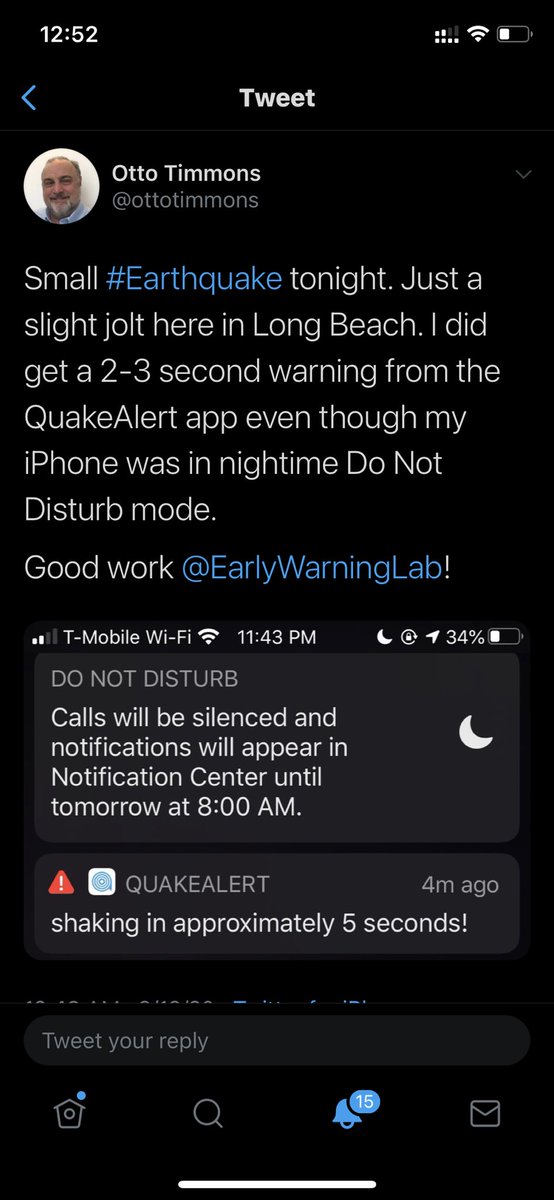
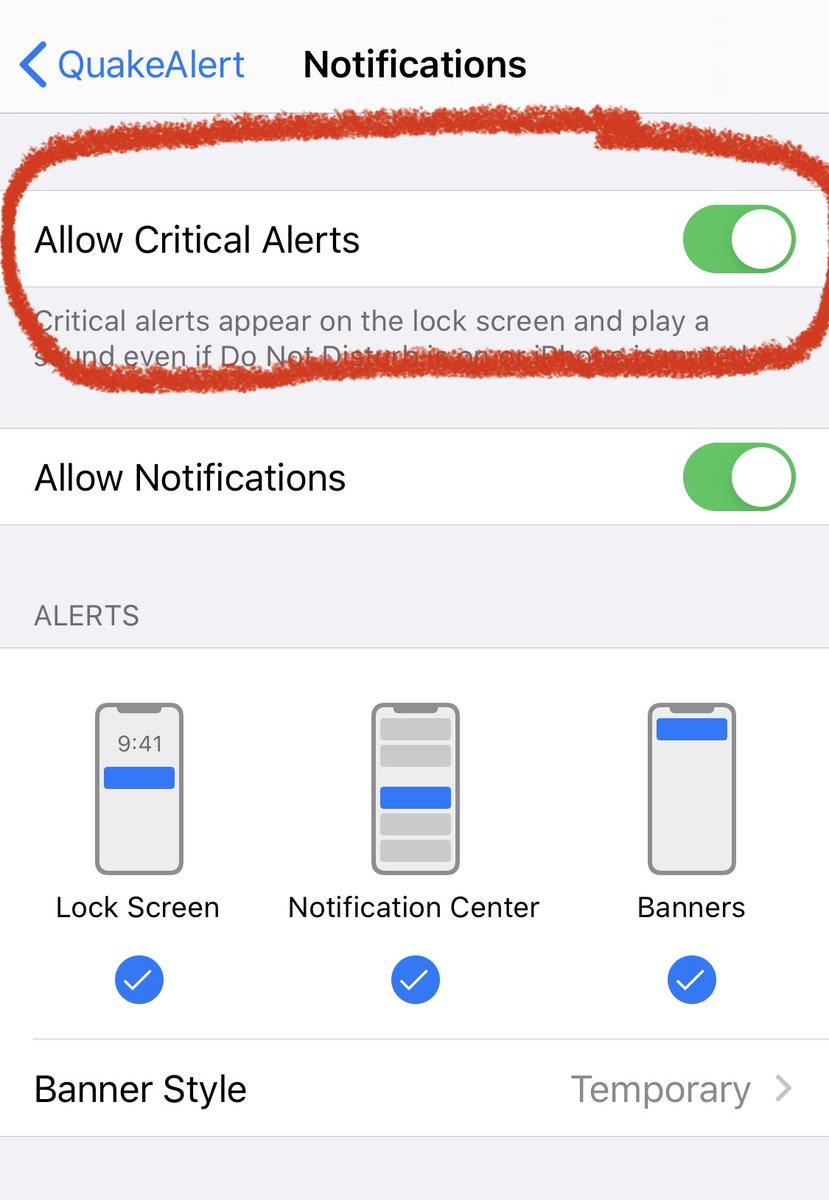
⚠️ To receive an early warning, the quake MUST be over M4.5 AND your forecasted Intensity is over MMI 3 - If the quake is smaller or your MMI is under 3 you might STILL FEEL LIGHT SHAKING but not be issued an alert under USGS rules usgs.gov/faqs/what-differenc…
5
9
29
Early Warning Labs retweeted

Jun 10
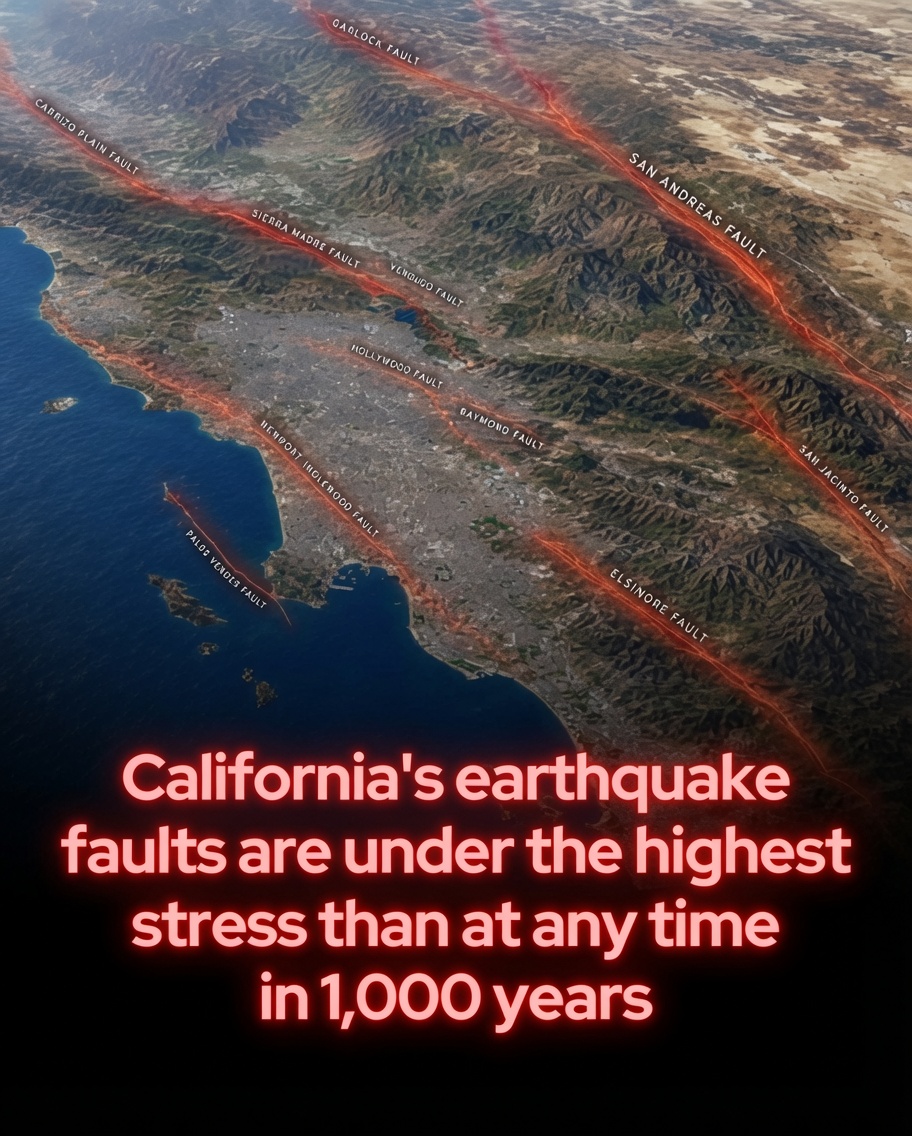
A new study has reconstructed 1,000 years of earthquake activity along Southern California’s San Andreas and San Jacinto fault systems and found that tectonic stress in the region has reached levels not seen in the past millennium.
Using a physics-based 4D earthquake cycle model, researchers combined paleoseismic data (from geological evidence, radiocarbon dating, tree-ring anomalies, and historical records) with simulations of stress accumulation and release. The results show that current stress on key fault segments, particularly around the Cajon Pass junction northeast of Los Angeles, equals or exceeds the highest values observed over the entire 1,000-year period.
Cajon Pass functions as an “earthquake gate”, a critical junction where ruptures on one fault can sometimes propagate to the other under the right stress conditions, potentially triggering much larger, multi-fault events. Historical patterns indicate that joint ruptures across both fault systems have occurred when stress levels on the adjacent segments (such as the Mojave South section of the San Andreas and the San Jacinto Bernardino section) become similarly high and aligned. Today, those segments are modeled at approximately 2.8 MPa and 3.6 MPa, respectively, placing the system in a configuration historically associated with through-going ruptures.
This has significant implications for the densely populated greater Los Angeles region, including San Bernardino, Riverside, and critical infrastructure corridors through Cajon Pass. However, the study does not predict the timing of the next major earthquake—such events cannot currently be forecasted precisely. Instead, it provides a physics-based assessment of accumulated stress and the range of plausible rupture scenarios that could occur.
[Burkhard, L. M. L., Smith-Konter, B. R., Scharer, K. M., & Sandwell, D. T. (2026). Cajon Pass and the Southern San Andreas Fault System: Earthquake Cycle Stress Accumulation and Present-Day Loading. Journal of Geophysical Research: Solid Earth, 131(6), e2025JB033213. DOI: 10.1029/2025JB033213]
73
345
1,317
83,911
Early Warning Labs retweeted

Jun 8
🫨 DID YOU FEEL IT?: Magnitude 6.1 earthquake strikes off the northwest coast of Cuba with reports of shaking felt as far north as Orlando, Florida. Stay with FOX Weather for the latest:
139
363
1,591
275,334
Early Warning Labs retweeted
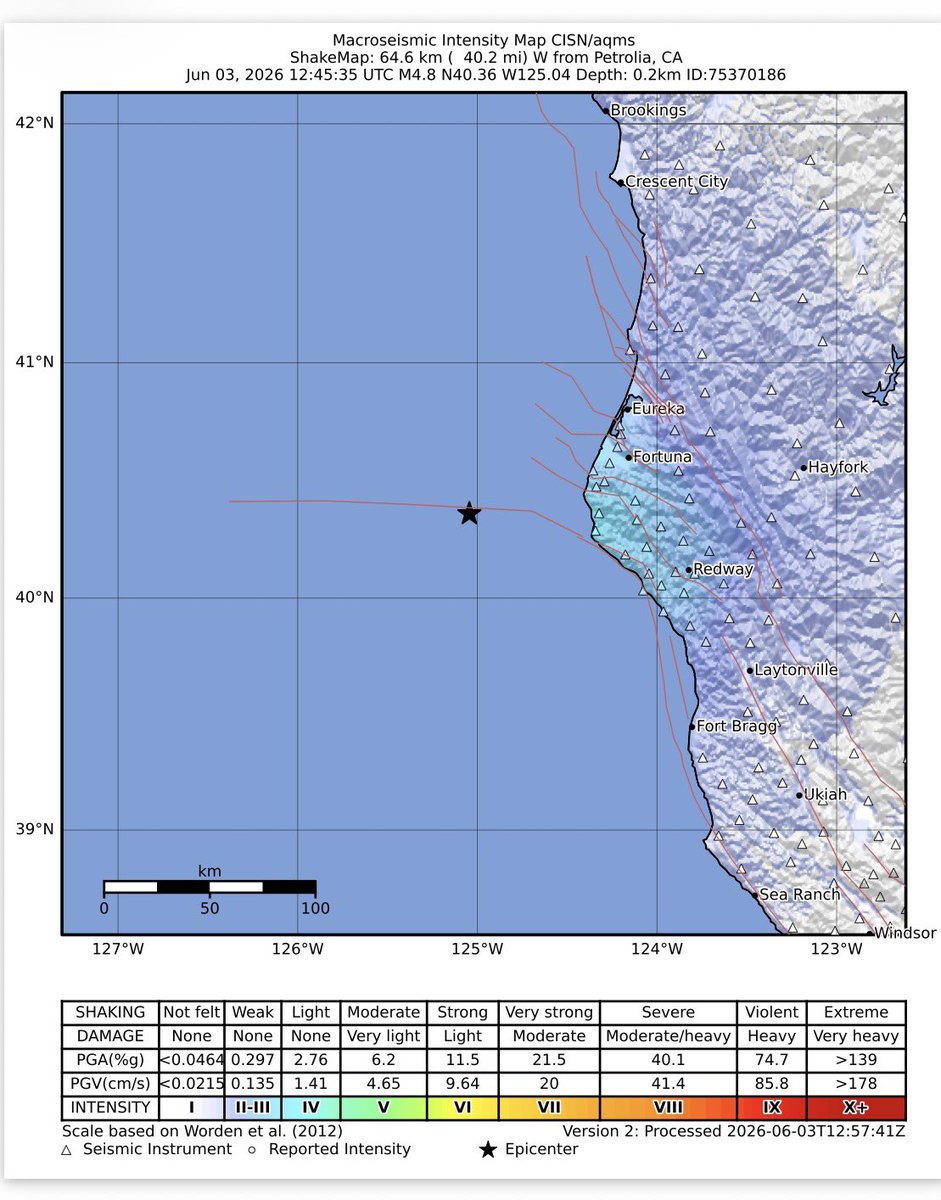
Good morning Redwood Coast, California. The ShakeAlert Earthquake Early Warning system was activated for a magnitude 4.8 earthquake about 40 miles west of Petrolia at 5:45 am.
Learn more about this earthquake: earthquake.usgs.gov/earthqua…
@OregonOEM @Cal_OES @USGS_Quakes @UOHazardsLab @CAGeoSurvey @humboldtcalpoly @FEMARegion9 @FEMARegion10
📷ShakeMap earthquake information from this earthquake.
3
27
101
14,309
Early Warning Labs retweeted
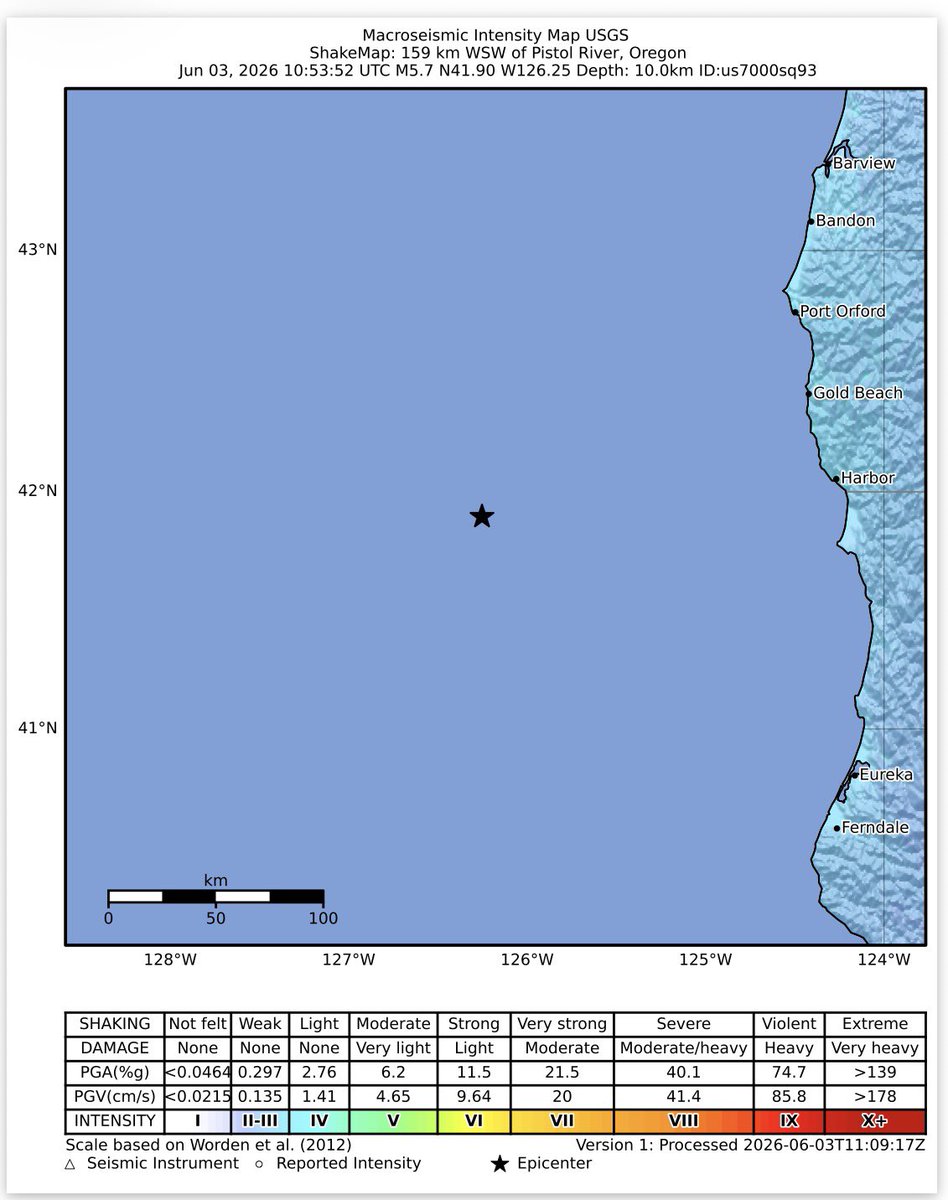
Good morning Redwood Coast, California and Southern Oregon. The ShakeAlert Earthquake Early Warning system was activated for a magnitude 5.7 earthquake about 100 miles southwest of Pistol River, Oregon at 3:53 am.
Learn more about this earthquake: earthquake.usgs.gov/earthqua…
@OregonOEM @Cal_OES @UOHazardsLab @CAGeoSurvey @humboldtcalpoly @FEMARegion9 @FEMARegion9 @FEMARegion10
📷ShakeMap earthquake information from this earthquake.
3
10
27
2,460
Early Warning Labs retweeted

May 27
Emergency managers rely on fast, reliable information during earthquakes. The USGS is helping them train with the tools used during real events.
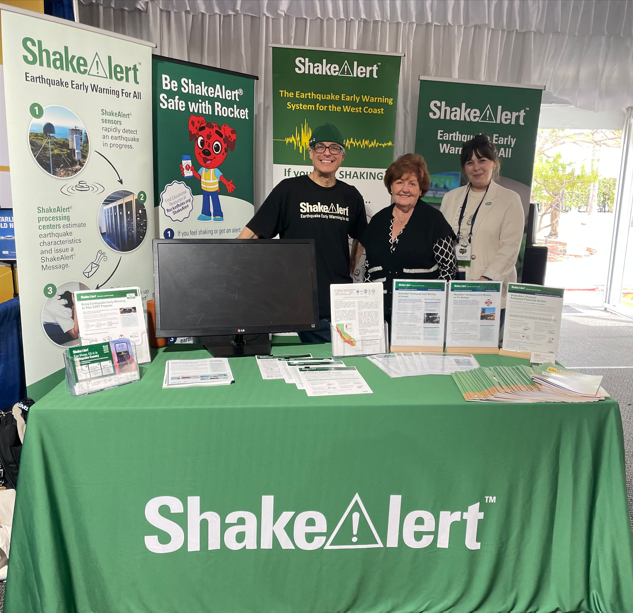
At the 2026 California Emergency Services Association (CESA) Conference in San Diego, the USGS ShakeAlert Team previewed the new Earthquake Information Tools for Public Safety training module for emergency managers and preparedness professionals.
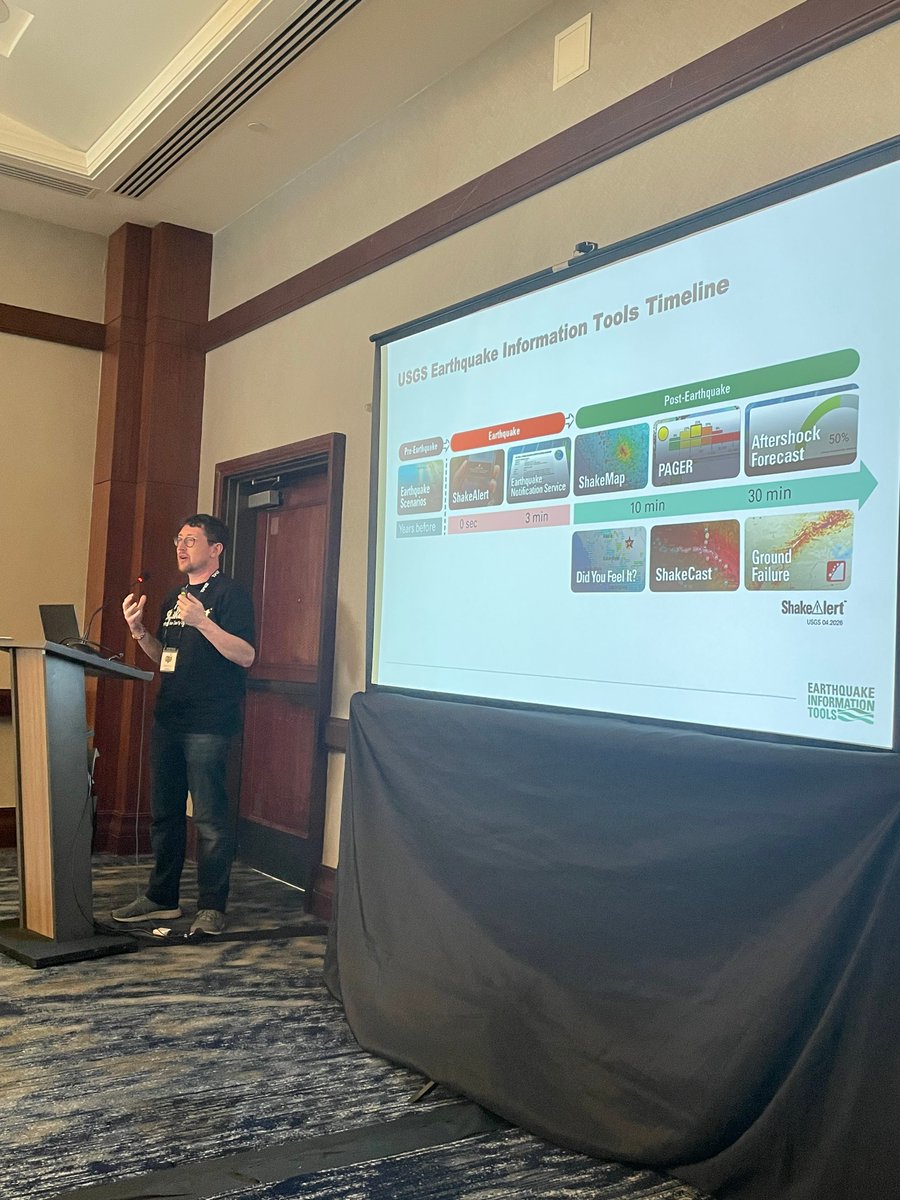
The training focuses on earthquake information tools that support decision-making before, during, and after earthquakes, including:
📲 ShakeAlert® Earthquake Early Warning — Detects earthquakes rapidly and sends alerts to people and automated systems, often before strong shaking begins.
🗺️ ShakeMap® — Provides maps showing ground motion and shaking intensity to help assess impacts after significant earthquakes.
📈 Aftershock Forecast — Estimates the likelihood and expected number of aftershocks following a significant earthquake.
Planned for release in early 2027, the module will include training resources and an immersive scenario designed to strengthen understanding and operational use of these tools.
Download a copy of the Earthquake Information Tools fact sheet here: ow.ly/i4O950Z2UXX
@USGS_Quakes @Cal_OES @CAGeoSurvey @FEMARegion9 @FEMARegion10 @waDNR @UOHazardsLab @OregonOEM @CaltechSeismo @BerkeleySeismo @EMCESA @NationalCERT1 @PNSN1
📸1: ShakeAlert team members engage CESA attendees about the Earthquake Information Tools Project and the ShakeAlert Ready Community Emergency Response Team Project.
📸 2: Project leader shares the timeline of when different earthquake information tools are available.
5
20
1,870

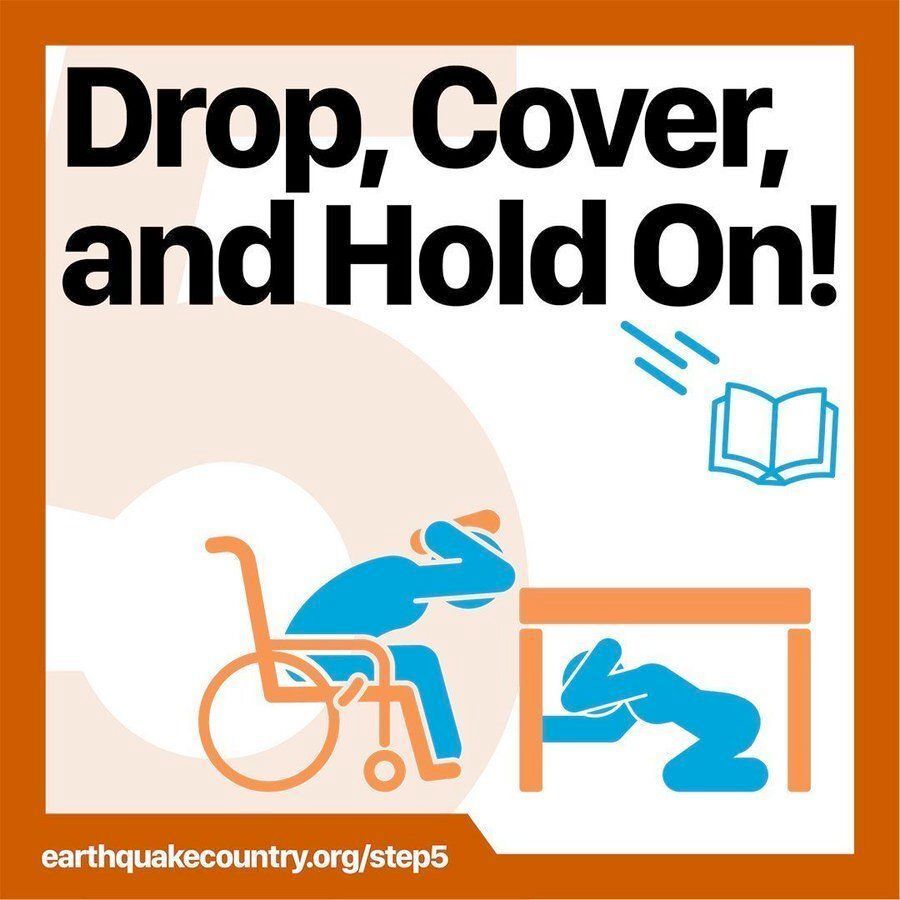
Earthquakes can happen without warning. If you feel shaking or get an alert, Drop, Cover, and Hold On. Review the safety steps at EarthquakeCountry.org/step5.
3
1
107
Early Warning Labs retweeted
May 10
It has been a shaky night in Imperial County, CA. 🫨
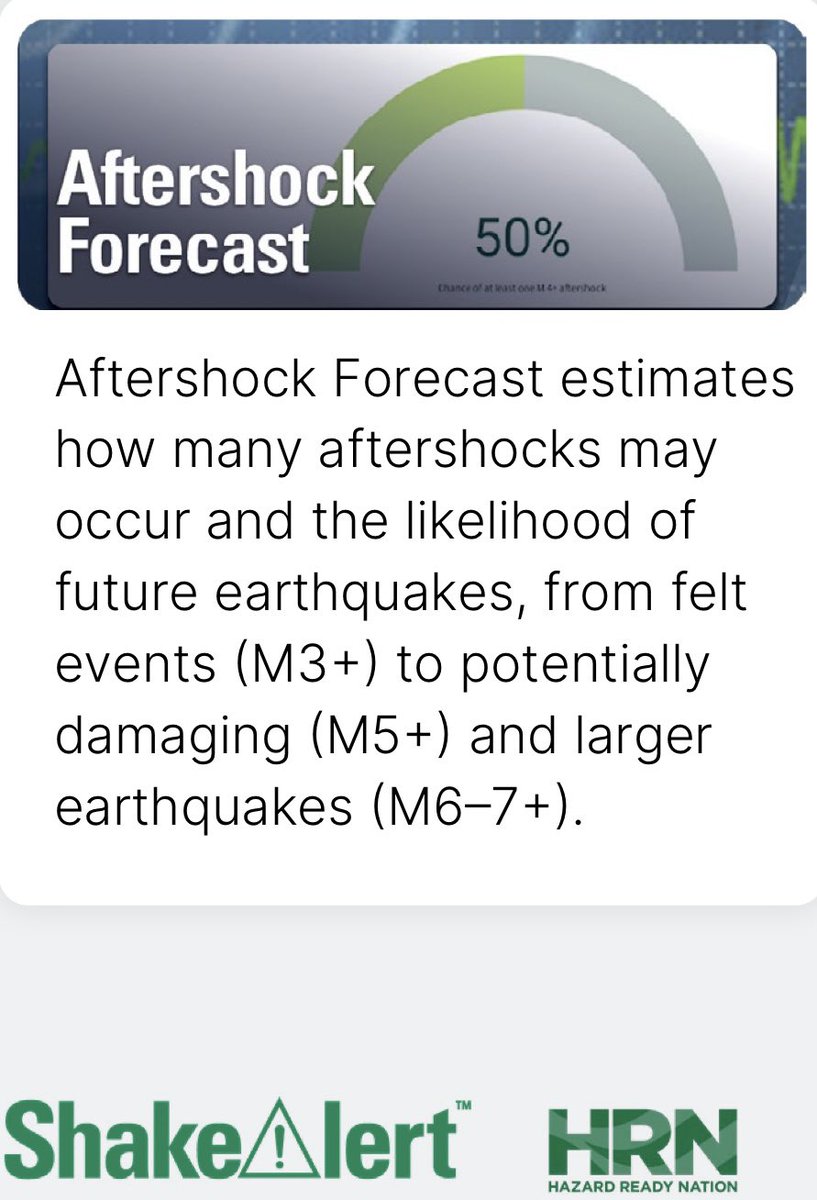
Wonder what USGS thinks might happen next?
USGS aftershock forecasts give us an understanding of the chances of having more earthquakes within a given time period in the affected area.
Check out the aftershock forecast since the magnitude 4.5 earthquake at 8:39 pm: earthquake.usgs.gov/earthqua…
Aftershocks can also activate the ShakeAlert system. If you feel shaking or get an alert: Drop, Cover, and Hold On.
@Cal_OES @CAGeoSurvey @ImperialCntyCA @SanDiegoCounty @FEMARegion9 @USGS_Quakes @USGS
📷Image with information about USGS Aftershock Forecasts.
1
29
106
13,113
Early Warning Labs retweeted
May 10
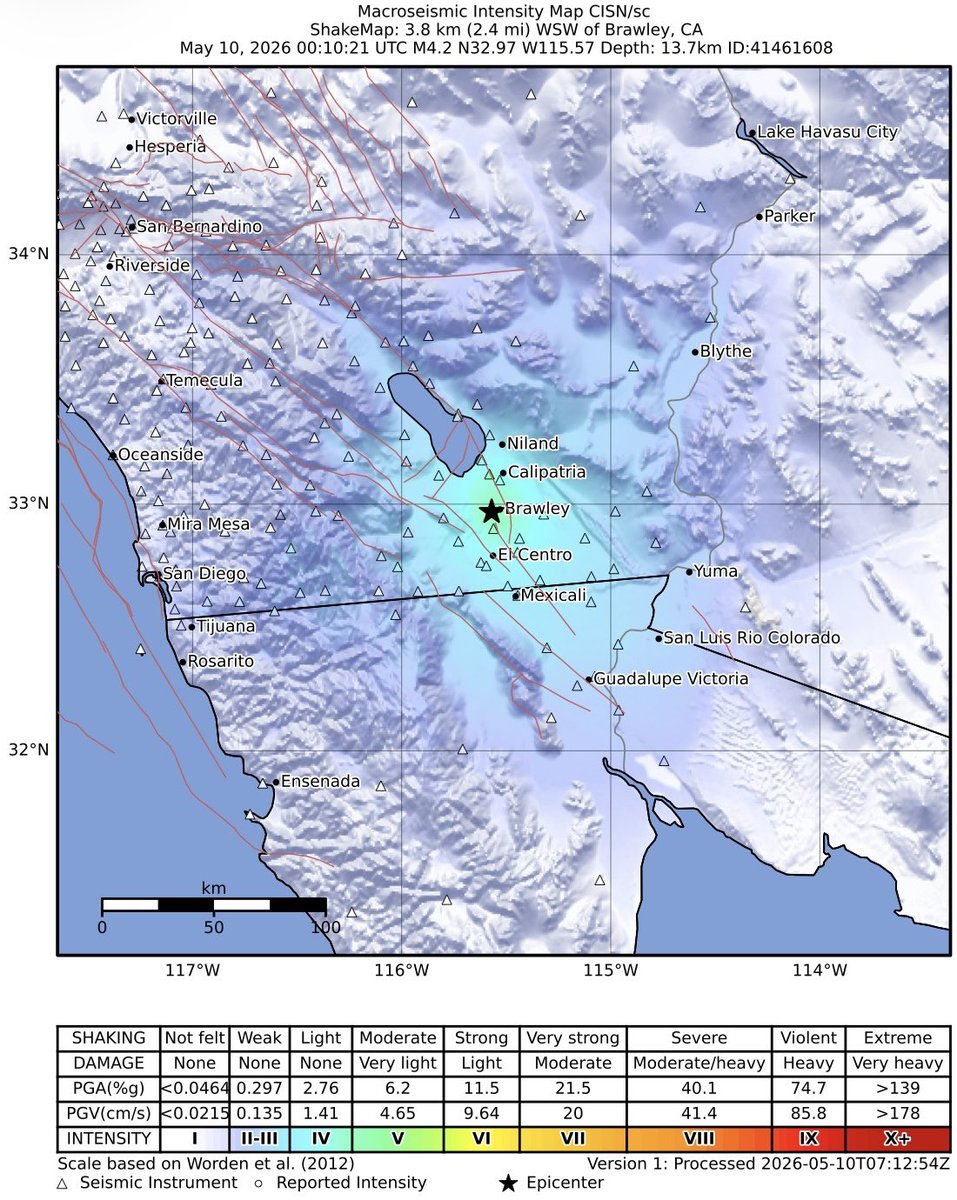
Good morning Southern CA. The ShakeAlert Earthquake Early Warning system was activated for a magnitude 4.2 earthquake about 2 miles northwest of Brawley at 12:10 am.
Learn more about this earthquake: earthquake.usgs.gov/earthqua…
@USGS_Quakes @Cal_OES @CAGeoSurvey @ImperialCntyCA @FEMARegion9 @SanDiegoCounty
📷Image showing USGS ShakeMap for this earthquake.
4
29
77
4,898
Early Warning Labs retweeted
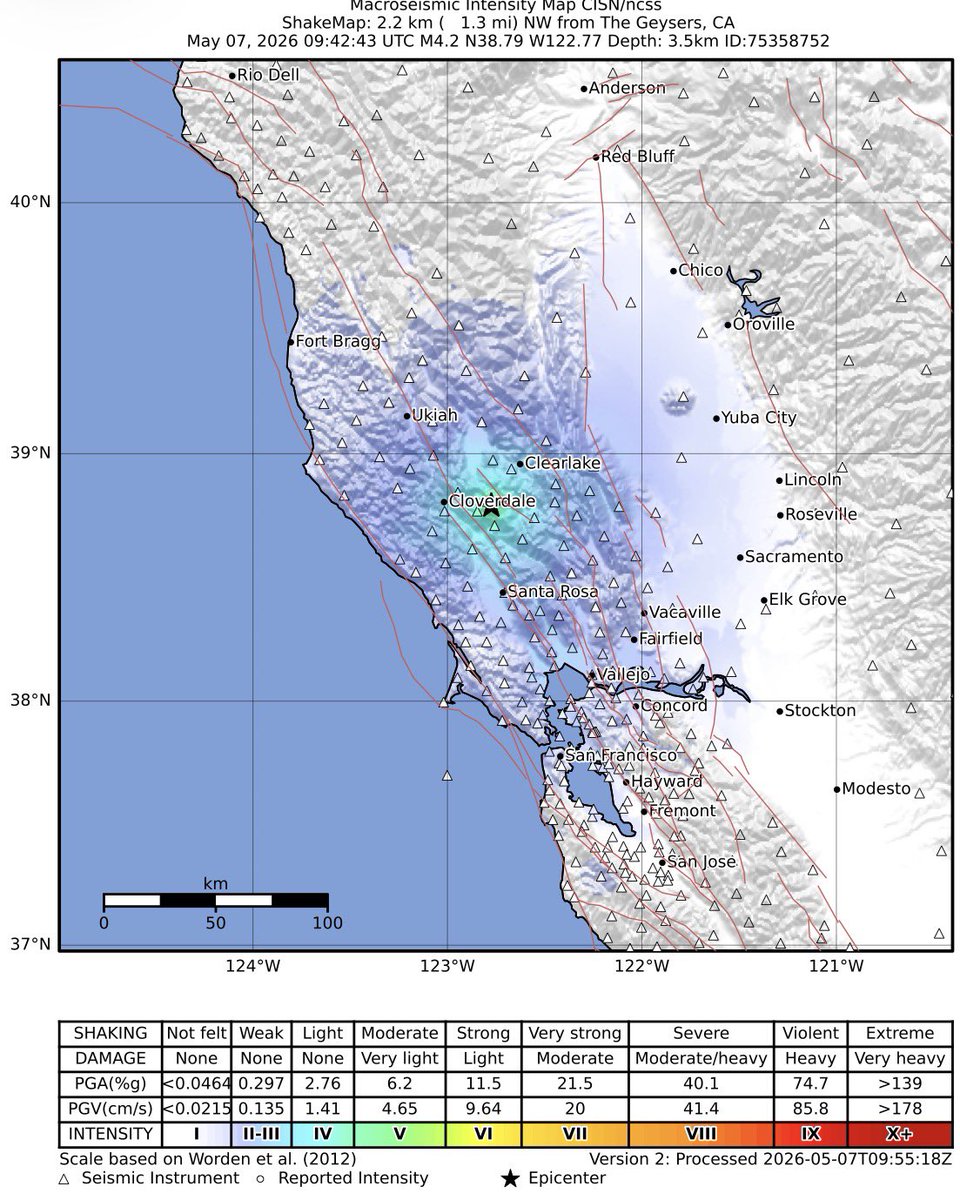
Good morning Northern CA. The ShakeAlert Earthquake Early Warning system was activated for a magnitude 4.2 earthquake about 0.5 mile northwest of the Geysers at 2:44 am.
Learn more about this earthquake: earthquake.usgs.gov/earthqua…
@USGS_Quakes @Cal_OES @CAGeoSurvey @CountyofSonoma @LakeCountyInfo @FEMARegion9
📷Image showing USGS ShakeMap for this earthquake.
7
32
138
13,287
Early Warning Labs retweeted
Welcome to the California Emergency Services Association Conference in San Diego 🚨. Stop by the ShakeAlert booth (#22) and learn about our newest preparedness initiative: ShakeAlert Ready Community Emergency Response Team (CERT). 🆘
Check out ShakeAlert Ready CERT: ShakeAlert.org/CERT
@EMCESA #CESA26 #EMCON @Cal_OES @SanDiegoCounty @SF_emergency @ReadyLA @ReadyLACounty @CaltechSeismo @Caltech @national @NationalCERT1
🎥Technical Engagement Coordinator Maragaret Vinci from Caltech welcomes attendees to CESA 2026
3
18
1,965
Early Warning Labs retweeted
Today! USGS Earthquake Information Tools 🧰🛠️ for Emergency Managers workshop at the California Emergency Services Association Conference.
Mission Ballroom 1: 1:15 - 2:30 pm.
Check out the workshop handout: ShakeAlert.org/wp-content/up……
@EMCESA #CESA26 #EMCON @USGS @ReadyLA @PNSN1 @NationalCERT1 @UW
🎥Gabriel Lotto from the University of Washington inviting you to the Earthquake information tools workshop.
4
5
17
2,829
This excellent new animation from @UNDRR shows earthquake safety actions and also includes guidance for people who use mobility devices; learn what to do in other settings at EarthquakeCountry.org/step5 and ShakeOut.org/dropcoverholdon

🫸 Drop! Cover! Hold on!
If the ground starts shaking & you're indoors, this reflex can protect you.
Run a Drop, Cover, Hold On drill – & make it a habit. The reflex it builds can last a lifetime.
➡️ ow.ly/8L5150YQsu2 #BuildingResilience #EarthquakeDay #DropCoverHoldOn
3
1
705
Early Warning Labs retweeted

The Hayward fault — running 74 miles through the Bay Area — is overdue for a major earthquake. Scientists at @Livermore_Lab & @BerkeleyLab simulated 50 magnitude-7 scenarios to understand ground motion and help engineers prepare vulnerable buildings. livermorelab.info/4t0hQU3
11
37
242
38,897
Early Warning Labs retweeted

If you're in N. Nevada you probably felt or at least heard about the magnitude 5.7 earthquake on Monday evening. Check out our video summary of the event and aftershocks on our Instagram: tinyurl.com/mrymdky9
2
3
355
Early Warning Labs retweeted
Apr 17
Ever wondered how #ShakeAlert can keep people safe in buildings during earthquakes? Find out at: Choose Your Own Adventure @USGS - @NSTA Anaheim Convention Center, 163, North at 2:40 pm today 4/17. Learn more: ShakeAlert.org/Learn @EERI_tweets @UOHazardsLab @kinemetrics @PNSN1 #NSTASpring26
1
10
1,359
Early Warning Labs retweeted
Apr 14
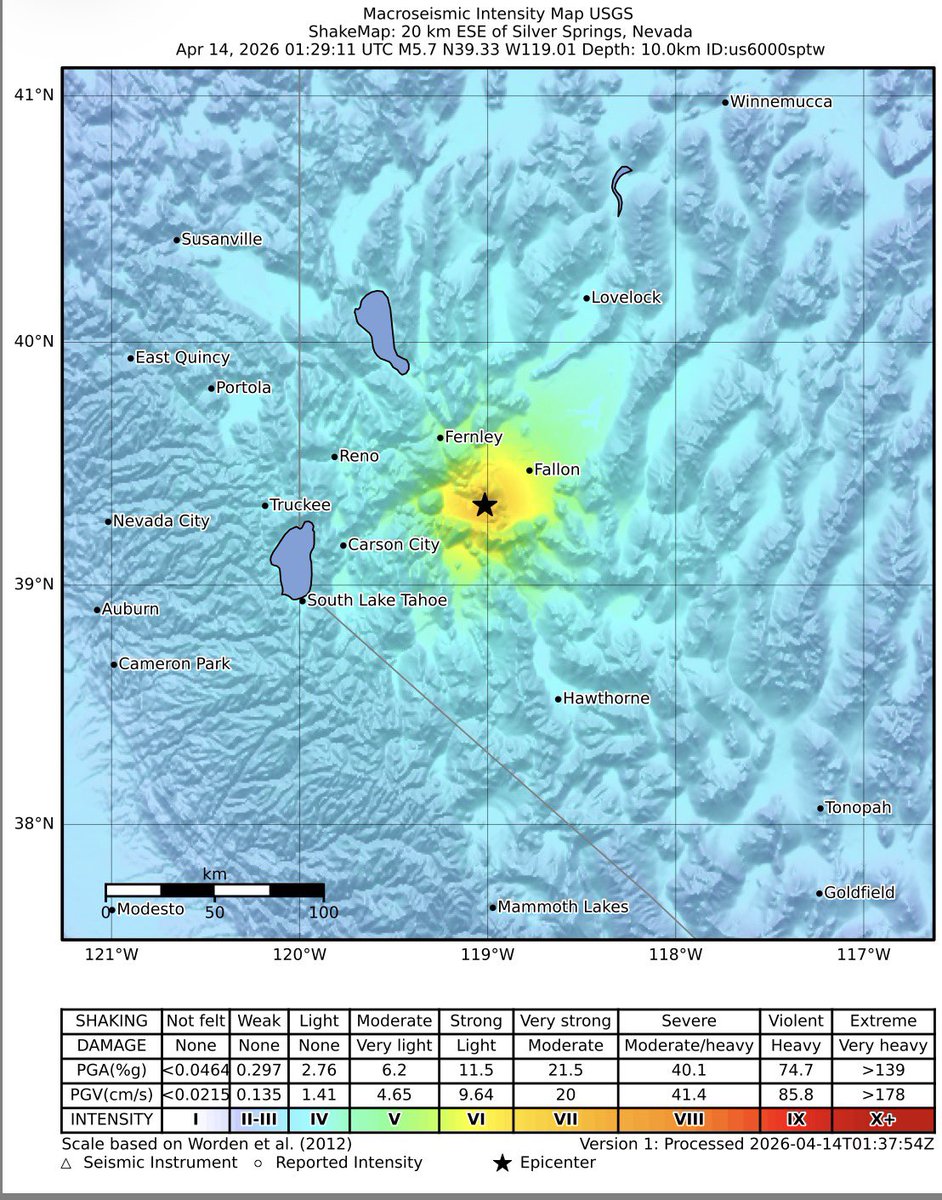
Good evening Eastern Sierra, CA. The #ShakeAlert EEW system was activated for a magnitude 5.7 earthquake about 12 miles southeast of Silver Springs, Nevada at 6:29 pm. See: earthquake.usgs.gov/earthqua… @NVEarthquakes @NVSeismoLab @Cal_OES @CAGeoSurvey @USGS_Nevada @USGS_Quakes
13
79
226
22,699
Early Warning Labs retweeted
Thank you @Pres_Sandoval, we're always proud to represent the Pack!

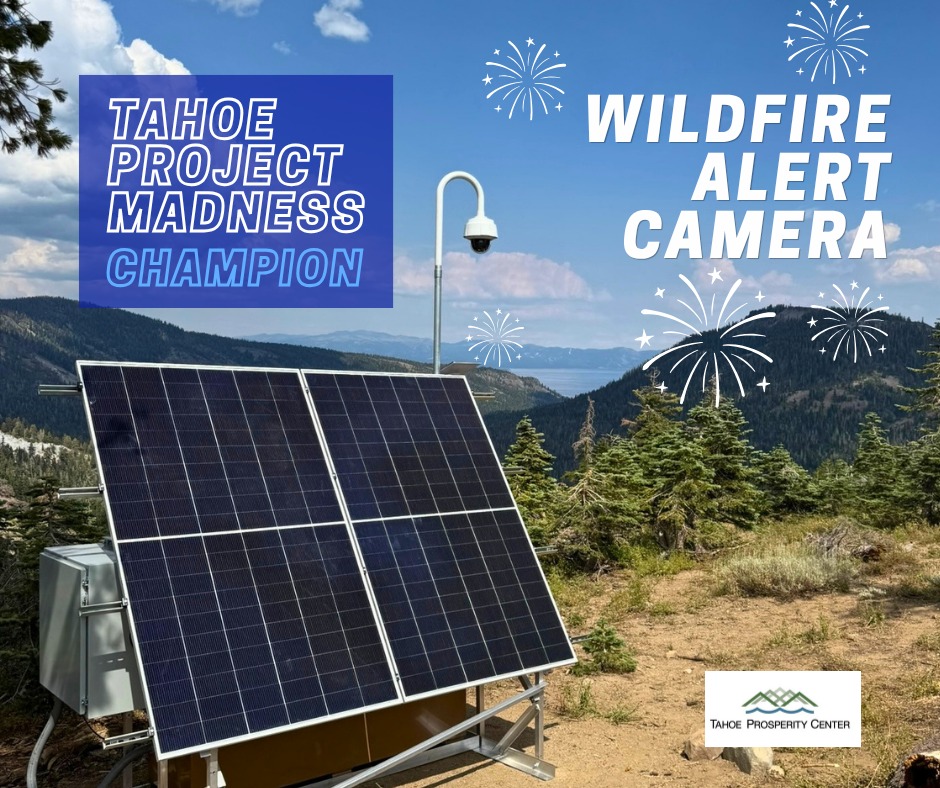
Thank you to the @tahoefund, our partners, donors, and everyone who voted for the @unevadareno Nevada Seismological Laboratory's ALERTWildfire during Tahoe Fund's "Tahoe Project Madness" event! We are grateful for your support and confidence in this critically important program that has stopped over 100 Tahoe-area fires before reaching one acre. Early detection of wildfires reduces the risk of catastrophic wildfires and protects Lake Tahoe. #GoPack
1
2
449
Early Warning Labs retweeted
Mar 27
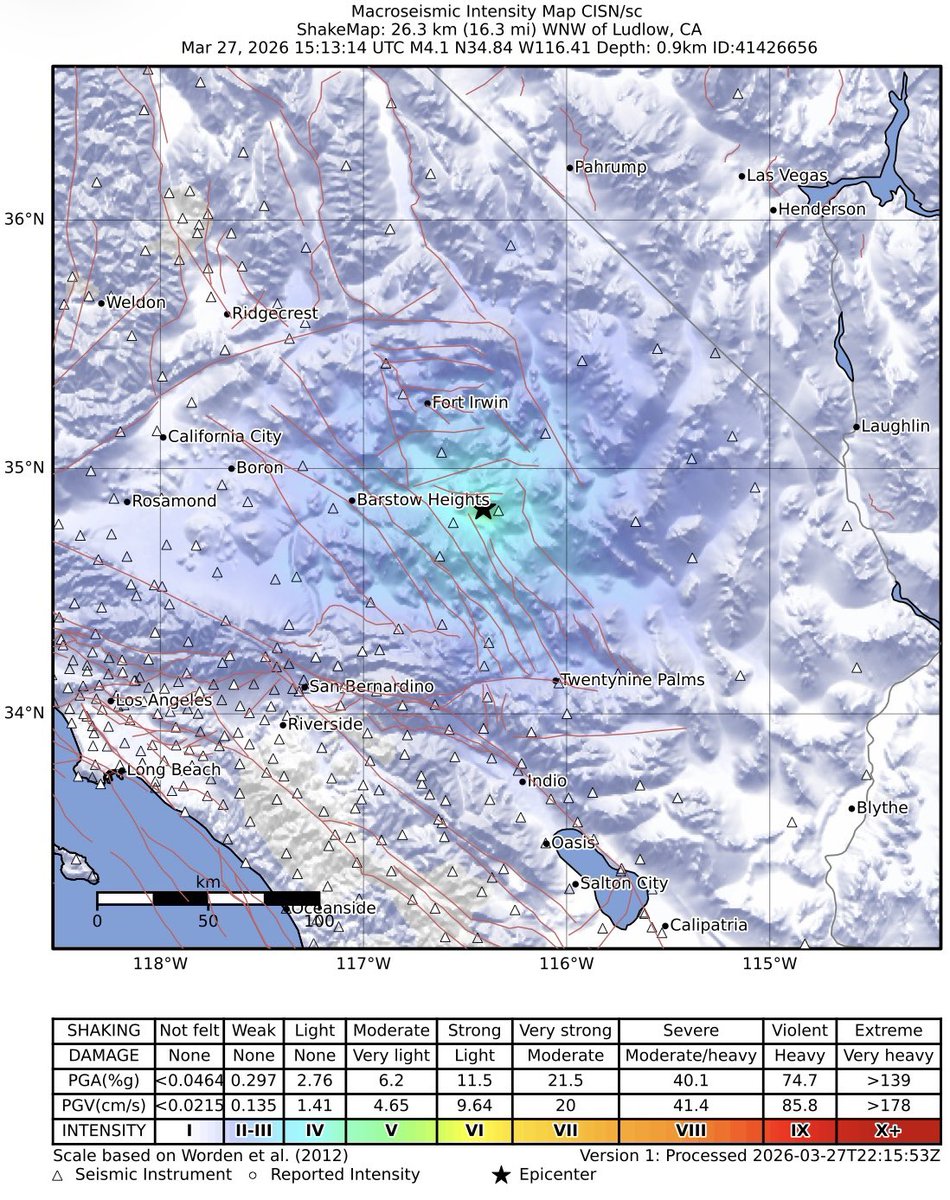
Good afternoon Southern CA! Did you feel the M4.1 quake about 16 miles northwest of Ludlow at 3:13 pm? The #ShakeAlert system was activated. More info: earthquake.usgs.gov/earthqua… @Cal_OES @CAGeoSurvey @SBCounty @CaltechSeismo @USGS_Quakes @FEMARegion9
6
26
113
15,574
Registration is now open for the 2026 October #ShakeOut! Join the millions of people each year who practice earthquake safety. When you feel shaking or get an alert, remember to Drop, Cover, and Hold On. Sign up and learn how to get prepared at ShakeOut.org!
4
8
1,098
Early Warning Labs retweeted

Tsunamis are more complex than just giant waves of water.
Check out the video to understand how tsunamis work and why Californians need to be #TsunamiReady.
For resources, visit tsunami.ca.gov
1
8
17
2,258