
Affiliated to @EnglandBoxing. Join our boxing family!
Joined September 2014
- Tweets 1,723
- Following 1,403
- Followers 1,160
- Likes 3,834
244 Photos and videos




Eastbourne Boxing Club 👊 🥊 retweeted

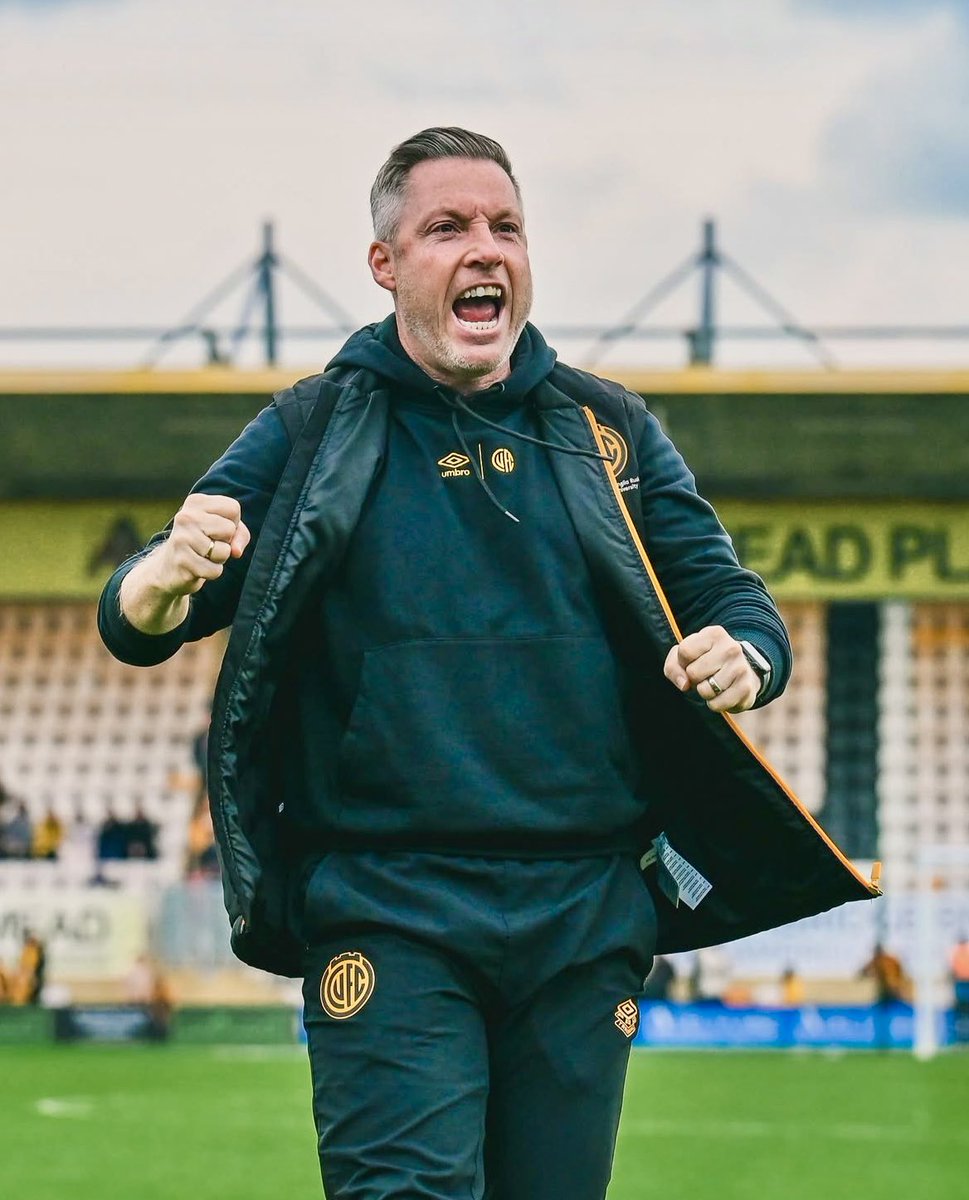
💛 “You’re now a proper geezer!” Neil Harris emotional promotion speech!
#EFL | @CambridgeUtdFC
10
101
1,544
110,350
Eastbourne Boxing Club 👊 🥊 retweeted
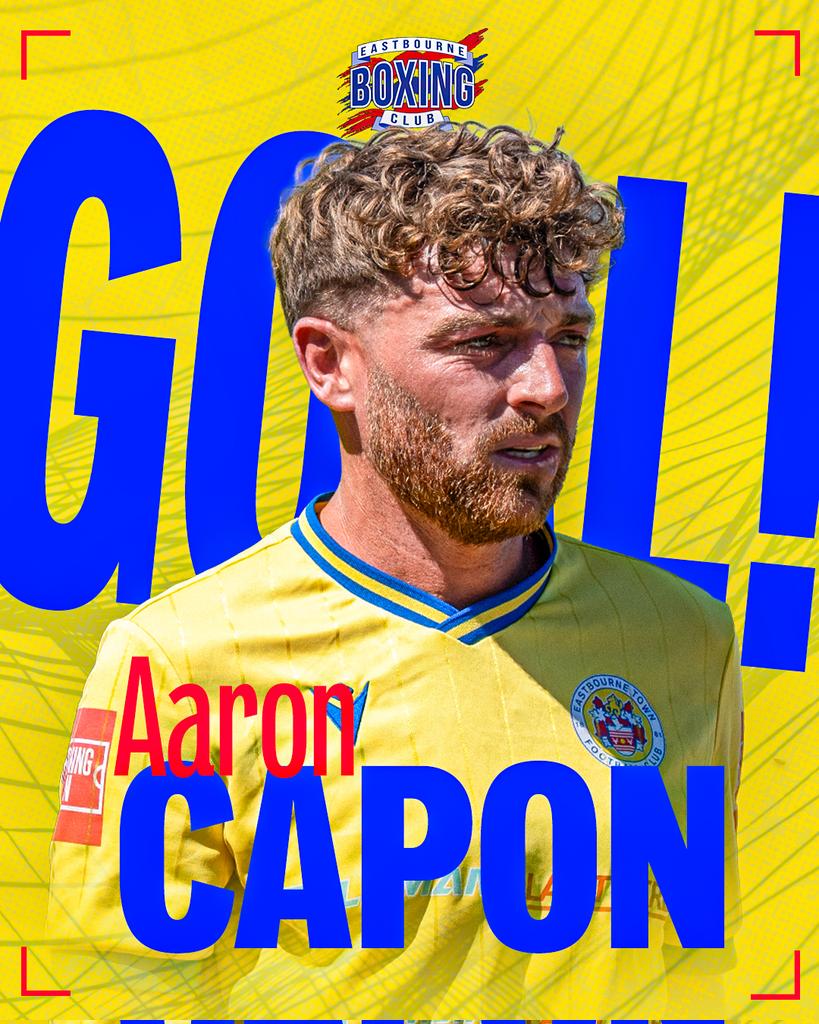
A long ball through the middle causes the Crowborough defence serious problems, Capes hunts it down, the ball falls to him and he slots home!
🟡1-0🟢 [83'] #UpTheTown🟡🔵

CAPONNNNNNNNNNNNNNNNNNNNNNNNNN YESSSSS! 😍😍😍😍😍
🟡1-0🟢 [75'] #UpTheTown🟡🔵
1
9
1,594
Eastbourne Boxing Club 👊 🥊 retweeted

Scanning (what it's not)-perception and why you may not be coaching it. Ultimately, the question shifts from “How do we get players to scan more?” to “What does the environment demand that makes searching for information necessary?” footblogball.wordpress.com/2…
1
15
52
8,394
Eastbourne Boxing Club 👊 🥊 retweeted

11 Dec 2025
Throwback to Dec 1997 🥊 Ricky Hatton vs Alvarez. From a hungry young fighter to a legacy that inspired a generation—passion that never changed 🩵
#rickyhattonfoundation #noonefightsalone #throwbackthursday #tt
3
63
1,267
Eastbourne Boxing Club 👊 🥊 retweeted

29 Nov 2025
“The bravery to fight back, shows we’re growing as a group.”
A delighted Neil Harris after seeing his @CambridgeUtdFC side snatch a 97th minute winner in today’s home triumph against Crewe
Interview coming up now on @BBCCambsSport @BBCCambs
1
23
1,096
Eastbourne Boxing Club 👊 🥊 retweeted

11 Nov 2025
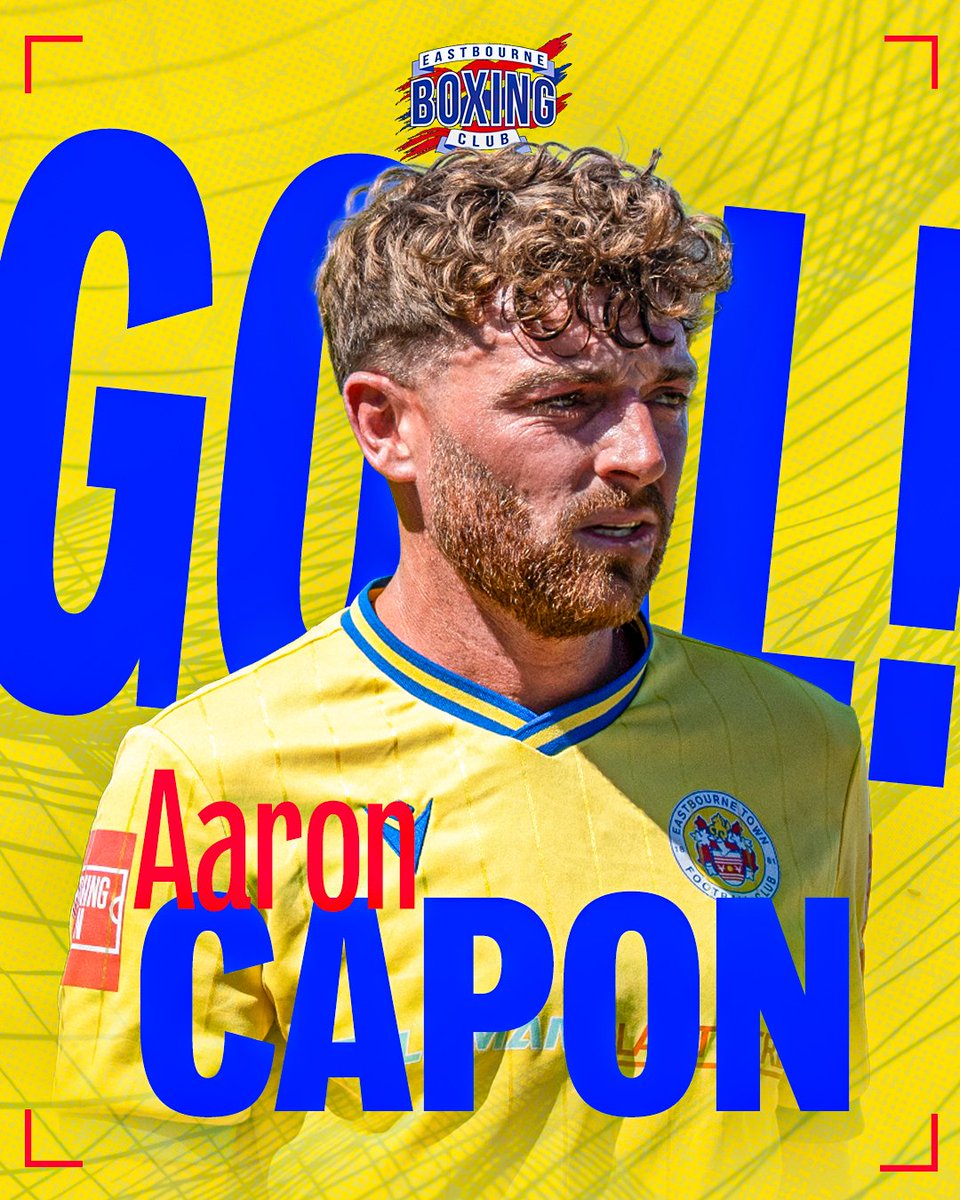
CAPON PULLS US BACK LEVEL!!! WHAT A START TO THE DERBY! 😅
🟡1-1⚪️ [5'] #UpTheTown🟡🔵
1
11
2,121
Eastbourne Boxing Club 👊 🥊 retweeted

1 Oct 2025
I'm taking in Prostate United challenge this month with a team of us @CambridgeUtdFC
Raising money and awareness for an amazing charity.
Link below if anyone wishes to sponsor us 🚴♂️🙏
#CamUTD
prostateunited.prostatecance…
1
8
34
4,589
Eastbourne Boxing Club 👊 🥊 retweeted

19 Oct 2024
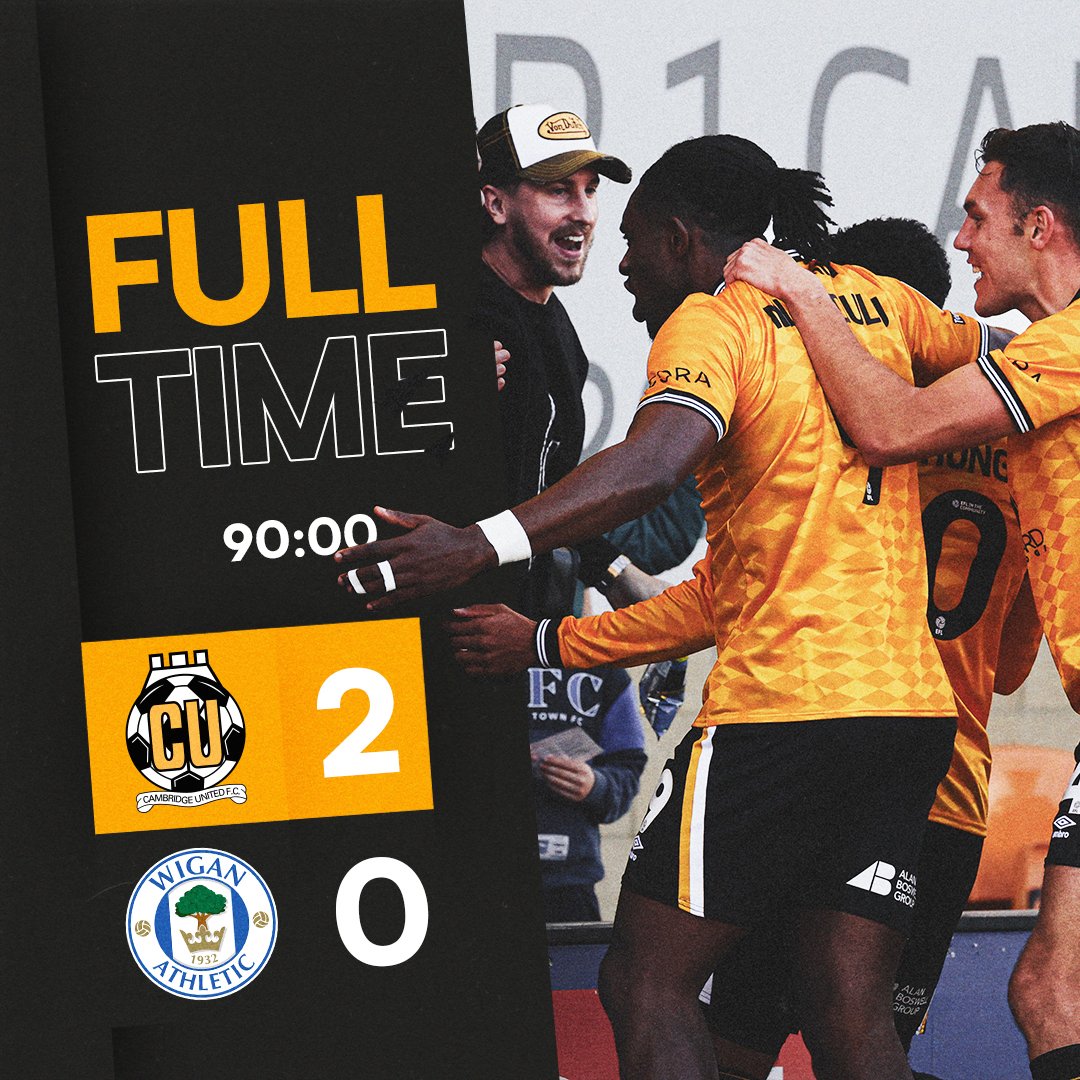
UP THE UUUU'S!!!! 😍
GET IN THERE!!!
#CamUTD | 🟡 2-0 ⚪ | FT
34
34
423
104,571
Eastbourne Boxing Club 👊 🥊 retweeted

19 Oct 2024
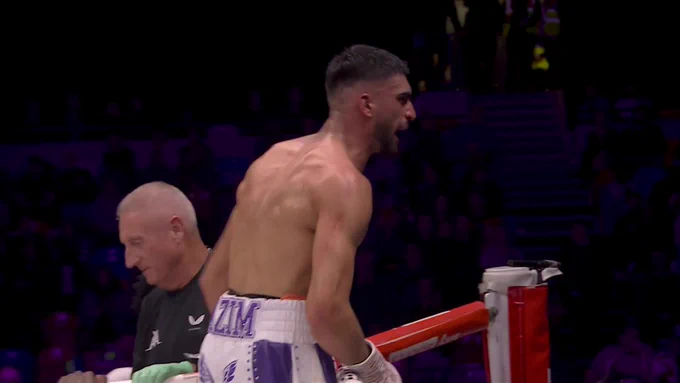
AZIM STOPS DAVIES 💥
A VICIOUS left hand from Azim forces the towel from Davies' corner 👊
#AzimDavies | Live Now
46
110
1,015
277,826
Eastbourne Boxing Club 👊 🥊 retweeted
15 Oct 2024
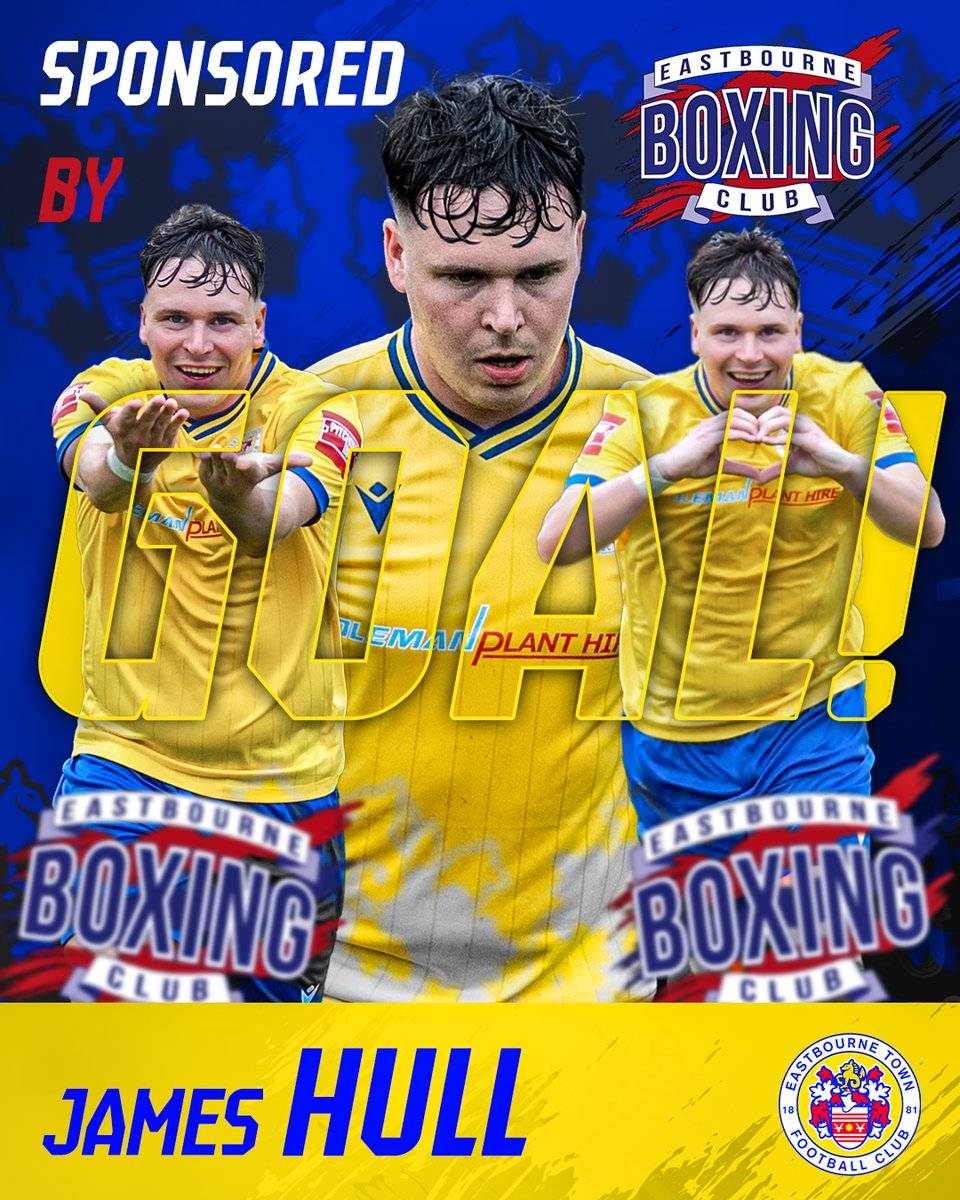
GOALLLLLLLL!!!!
Town overturn possession, Hull picks up the ball in the middle of the park and drives forward, weaving side to side and slams his strike home!!!
🔵0-1🟡 | '60
6
28
3,153
Eastbourne Boxing Club 👊 🥊 retweeted
12 Aug 2024
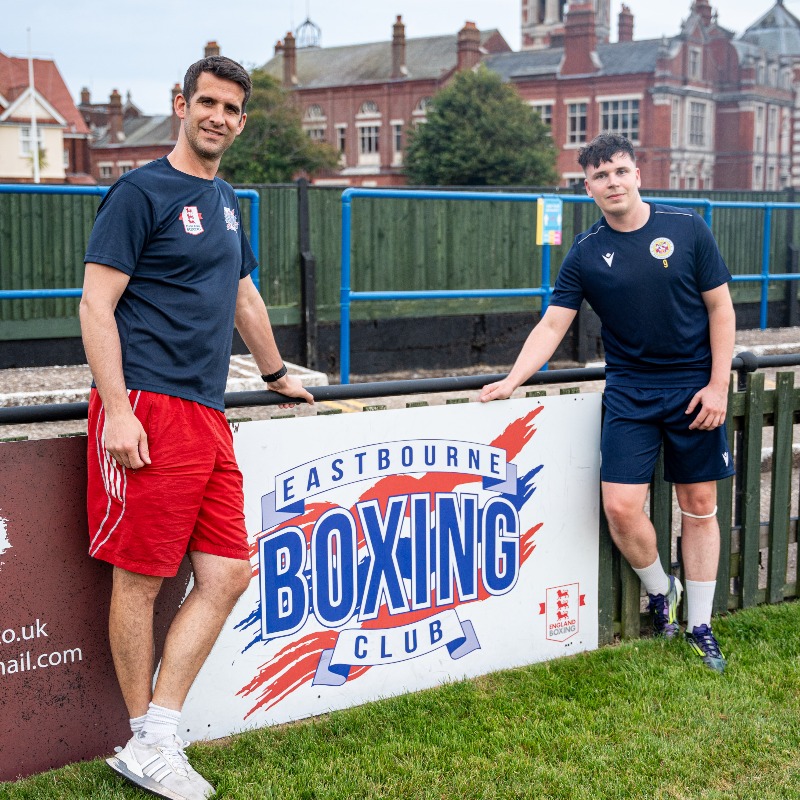
𝑵𝑬𝑾 𝑷𝑨𝑹𝑻𝑵𝑬𝑹𝑺𝑯𝑰𝑷 | @EastbourneBox
We are delighted to announce a new partnership with Eastbourne Boxing Club.
The deal will see their advertising board displayed at The Saffrons. Adam Haniver also wanted to support our striker @JamesHull33 with player sponsorship.
2
21
2,134
Eastbourne Boxing Club 👊 🥊 retweeted

6 Jul 2024
India have played Pakistan in the cricket at Edgbaston today, but the majority of the supporters from both sides, were on the concourse supporting England during the penalty shootout.
Quality that! 👏
524
2,253
28,380
3,031,758
Eastbourne Boxing Club 👊 🥊 retweeted

11 Apr 2024
The greatest round of all time?
@IanDarke on commentating Hagler-Hearns 🥊
2
4
24
7,409
Eastbourne Boxing Club 👊 🥊 retweeted

12 Nov 2023
Agility is one of the most important skills for successful performance in sport.
But most coaches aren’t taught how we can help develop this crucial skill in practice.
Luckily for us there’s a 3 step framework we can use to design more effective tasks.
👇Here’s how it works
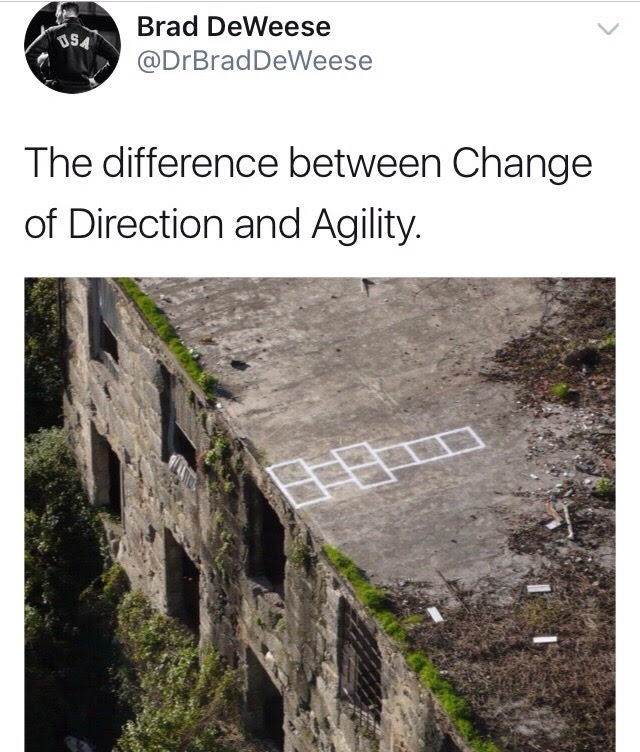
Before getting into the framework I think it’s really important for coaches to understand what agility is. Agility is not carrying out a pre-planned movement, instead it involves using perception to guide actions and vice versa. The perceptual side of agility is often overlooked and it’s why you see things like the ‘T-Test’ being used to measure agility. I think this graphic by @DrBradDeWeese here captures this message here really nicely.
Agility is a crucial skill in many sports, and as a coach, you want to help your athletes develop this skill to the best of their abilities.
One way to do this is by designing effective training tasks that align more closely with the demands of competition. In a 2022 paper called ‘Merging Athletic Development With Skill Acquisition: Developing Agility Using an Ecological Dynamics Approach’ the authors give us a 3 stage framework we can use.
Here are three stages to help you design more effective tasks for agility development:
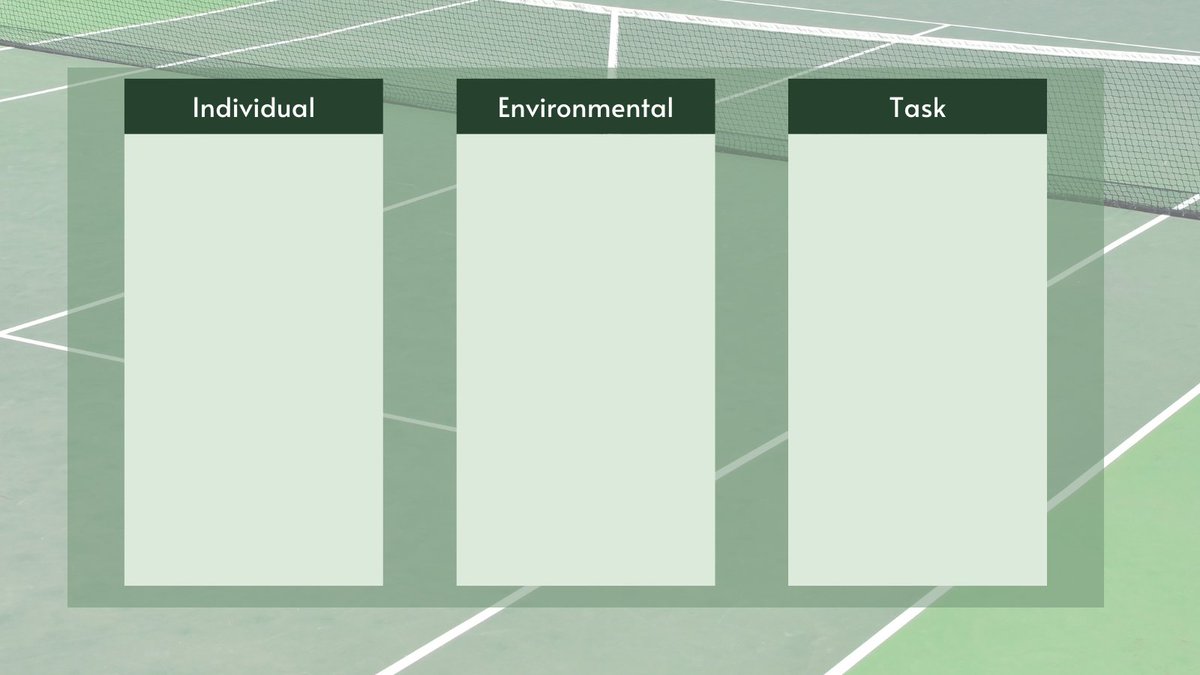
Step 1: Performance Analysis - The first step is to analyse the sport's performance demands. The purpose of this is to gain a thorough understanding of the sport and which will help to subsequent design of tasks to improve agility. This involves identifying the specific constraints of the performance environment which will then guide the creation of representative tasks. Here's an example of a template you could fill in.
Step 2: Sampling the Game Demands - The second step is to sample the constraints from the competition setting. This means creating more ‘representative tasks’ using the constraints you have identified in Stage 1. A key point that the authors mention is that these tasks don’t need to be fully representative. In fact, tasks that are ‘fully representative’ can often be too challenging for players. Therefore, we use ‘scaling’ to make the tasks more suitable. For example, 1 v 1 practice tasks are more representative than a 1 v 0 practice task.
Step 3: Monitor the Response - The third step is to monitor the response of your athletes to the training tasks. This means observing how your athletes respond to the tasks and making adjustments as needed. A phrase that I love from @MorrisCraig is ‘Observe to design, and design to observe’. A key role of the coach is to observe how the athletes are interacting with the practice task and see what adjustments to the task constraints are necessary. This is an ongoing cycle during the session.
So to sum up the framework it's:
1. Performance Analysis
2. Sample the Game Demands
3. Monitor the Response
Make sure to give the authors a follow below
👇
@jcassidy_sport @adam_gorman_1, @VinceKellySport & @woozleyoung
Reference for the paper
Cassidy, J., Young, W., Gorman, A., & Kelly, V. (2022). Merging Athletic Development With Skill Acquisition: Developing Agility Using an Ecological Dynamics Approach. Strength & Conditioning Journal, 10-1519.
1
17
55
14,642

Eastbourne Boxing Club 👊 🥊 retweeted

22 Oct 2023
The technique of Mental Contrasting by Gabriele Oettingen (a leader in the field of goal setting & future-oriented thoughts)
-What do I want to achieve?
-Where am I right now?
-What obstacles are going to stop me from reaching my goal?
-How will I deal with these obstacles?
2
10
4,938
Eastbourne Boxing Club 👊 🥊 retweeted

10 Oct 2023
Coaches.....
At night.
Just before you close your eyes to go to sleep.
Smile.
And remember that today you changed the life of someone who may not have even realised it or thanked you for it but you made a difference to their life.
Well done!
Good night
2
6
37
3,857
Eastbourne Boxing Club 👊 🥊 retweeted

10 Oct 2023
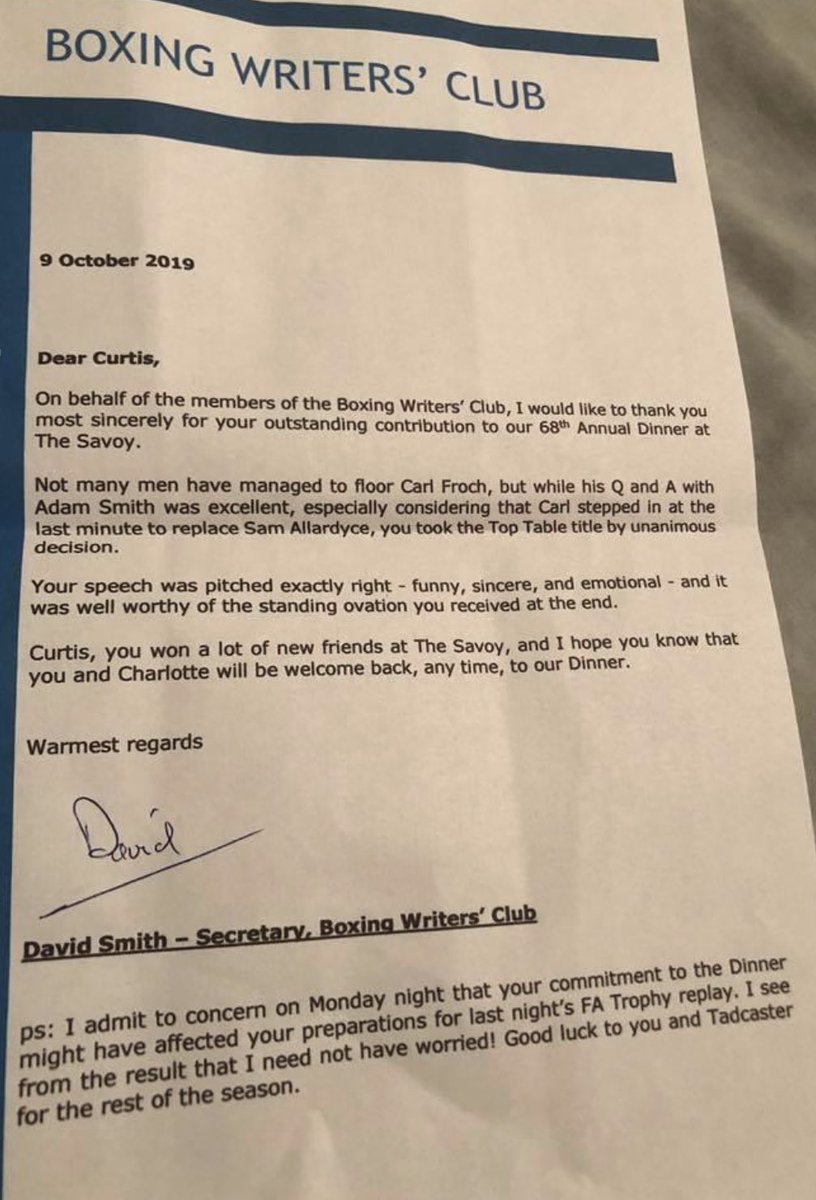
I finally won over my boxing peers. For many years I was looked at as a bit of a joke, the footballer I was always called! Well 1 English title and 1 British title later I finally got the respect of my peers. Ignore the outside noise, while your heart is beating your in the fight
31
8
353
54,413
Eastbourne Boxing Club 👊 🥊 retweeted
6 Oct 2023
To celebrate Ricky Hatton's birthday here's one of the many belting stories he told on the podcast earlier this year 😂
Happy birthday, @HitmanHatton 🎉
3
17
3,384