
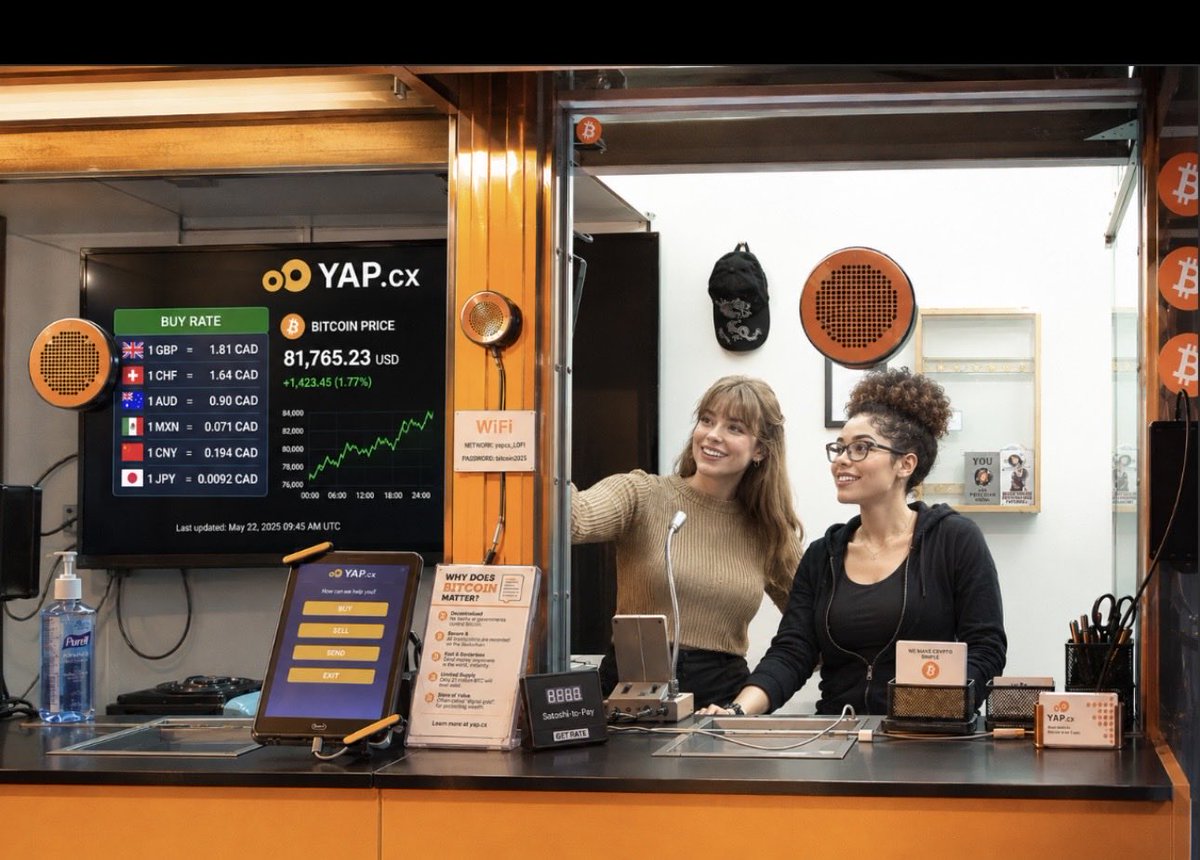
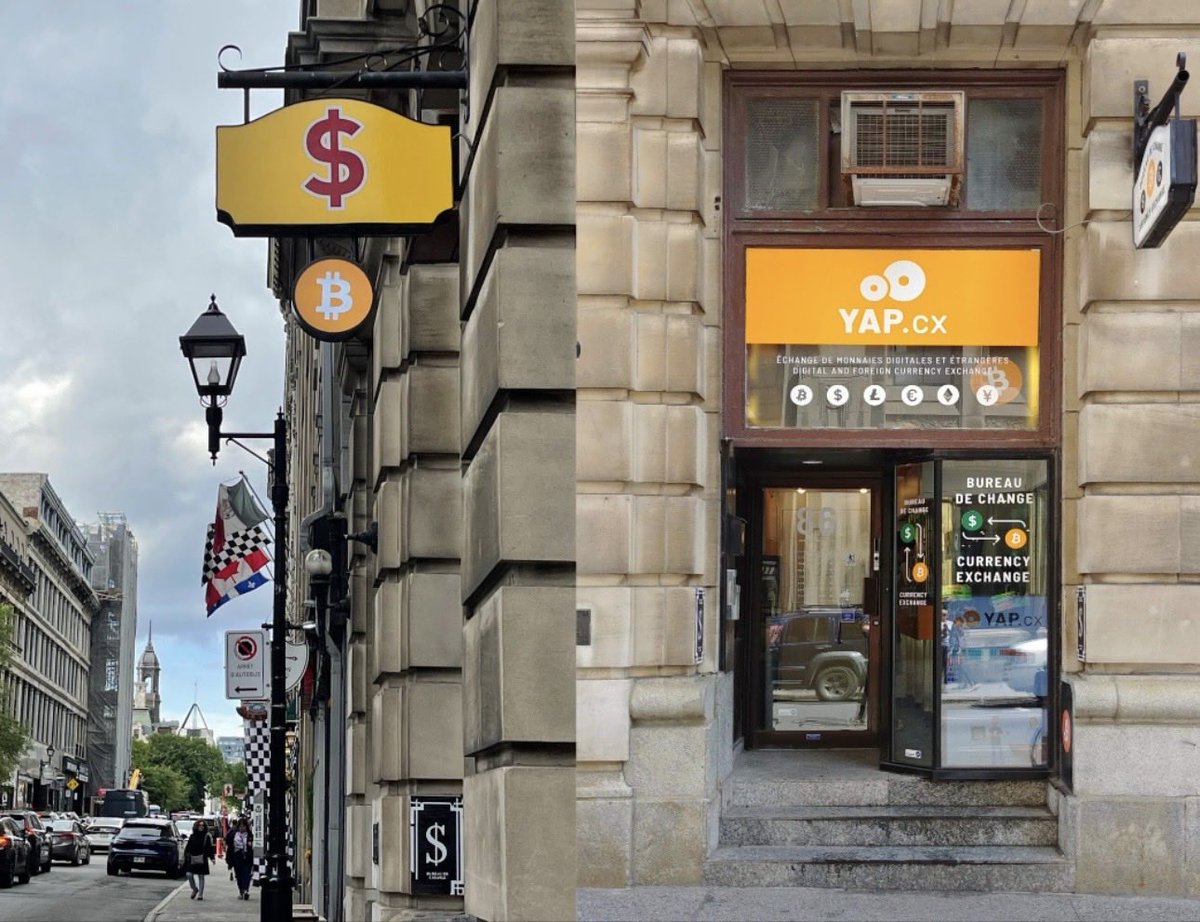
ÉclairBTC provides a simple and self sovereign Point of Sale system for modern merchants who want to accept Bitcoin with no KYC.
Joined March 2026
- Tweets 369
- Following 214
- Followers 206
- Likes 503
193 Photos and videos










Pinned Tweet

Apr 21
Le Bon Vieux Temps 🍸 in Montreal’s Latin Quarter is now accepting Bitcoin ⚡
Powered by EclairBTC:
• No KYC
• No custodians
• Direct-to-wallet payments
Leveraging @BullBitcoin_ wallet and @BtcpayServer @Liquid_BTC @Boltzhq under the hood.
Go grab a drink and pay in Bitcoin 👇
lebonvieuxtemps.com/
12
4
45
9,227
ÉclairBTC retweeted

Our first Women in Bitcoin Montréal brunch is almost full 🍊
Only 4 spots remain.
Men’s registration is now open.
RSVP:
satlantis.io/events/2286/wom…
4
7
139
Jun 13
Good news: the @Boltzhq API issues have been resolved, and all EclairBTC POS terminals are back to normal.
Thanks for your patience. Now go enjoy your weekend and spend some Bitcoin at your favorite local merchants. ⚡️🧡₿

And we are back online. Happy swapping!
Post mortem in the following days (the team is really tired) 🙏
1
3
87
ÉclairBTC retweeted

And we are back online. Happy swapping!
Post mortem in the following days (the team is really tired) 🙏
Boltz API and related services are currently facing an unexpected downtime ⚠️
We are looking into the issue and will be sharing more information soon 🙏
7
11
67
5,179
ÉclairBTC retweeted
Boltz API and related services are currently facing an unexpected downtime ⚠️
We are looking into the issue and will be sharing more information soon 🙏
2
15
53
9,867
Jun 13
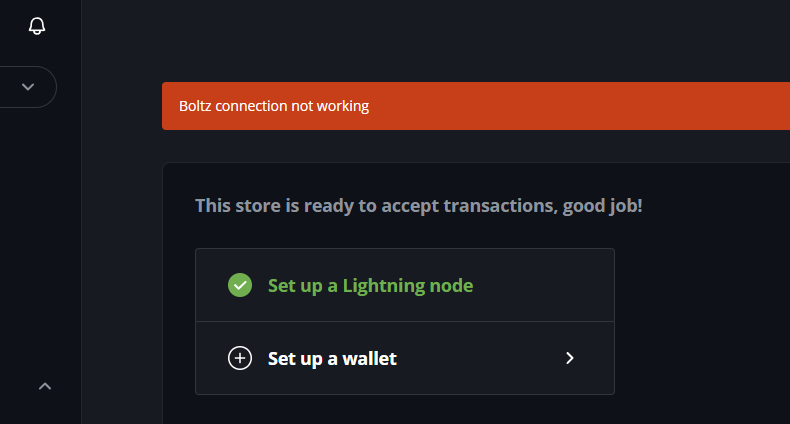
EclairBTC POS terminals are temporarily offline because of an API outage at Boltz. We'll post again when @Boltzhq brings their API back online and things are back to normal. Thank you for your patience.
Boltz API and related services are currently facing an unexpected downtime ⚠️
We are looking into the issue and will be sharing more information soon 🙏
1
1
72
Jun 11
Chargeback fraud is a broken feature of the legacy payments system.
With Bitcoin payments via a POS like EclairBTC, merchants get paid instantly and payments can't be clawed back months later by a customer claiming they never received the product.
Final settlement matters.
Jun 10

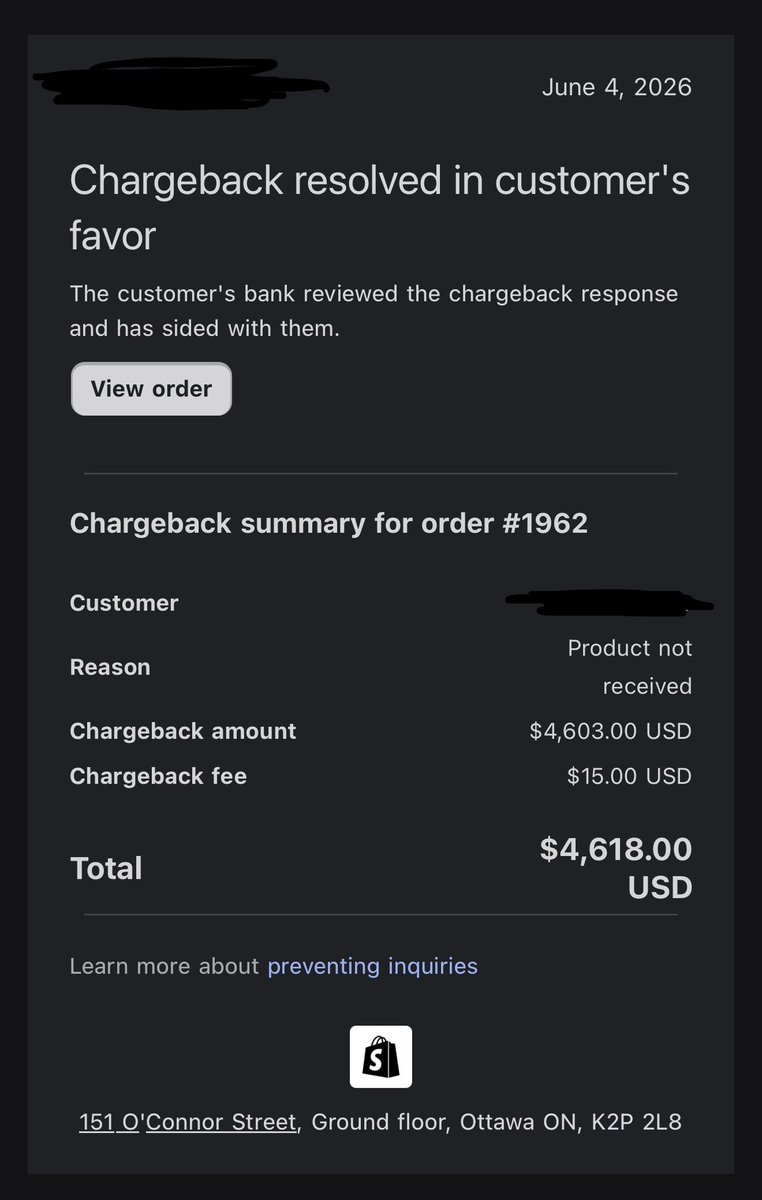
A customer just won a fraudulent chargeback for $4,603.00 USD stating he didn't receive the product
We have every single shred of evidence against him that this is just plainly false and fraud:
- Complete communication log: 10 email threads from 6 months of documented correspondence showing the customer was satisfied, received the product and that the team ALWAYS responded to his questions or concerns in a timely manner with a resolution
- PLUS signed proof of delivery receipt
Now shopify is telling us, as I quote, these are the only options of what I can do:
"Report the customer to your local authorities to create an official record.
Consider pursuing civil action, such as small claims court, where your evidence will be valuable.
Report the customer's card to Visa or Mastercard to flag repeat offenders.
Block the customer from your store to prevent future orders."
This so high tier bullshit @Shopify
Anyone ever filed a lawsuit against a customer? Would love to get some advice into what to do here
1
1
133


ÉclairBTC retweeted
A few seats are still available for our first Women in Bitcoin Montréal brunch 🍊
Join us for thoughtful conversations around Bitcoin, entrepreneurship, wellness, and intentional living.
June 20 · Montréal
Registration:
satlantis.io/events/2286/wom…
1
5
21
541
ÉclairBTC retweeted

Jun 10
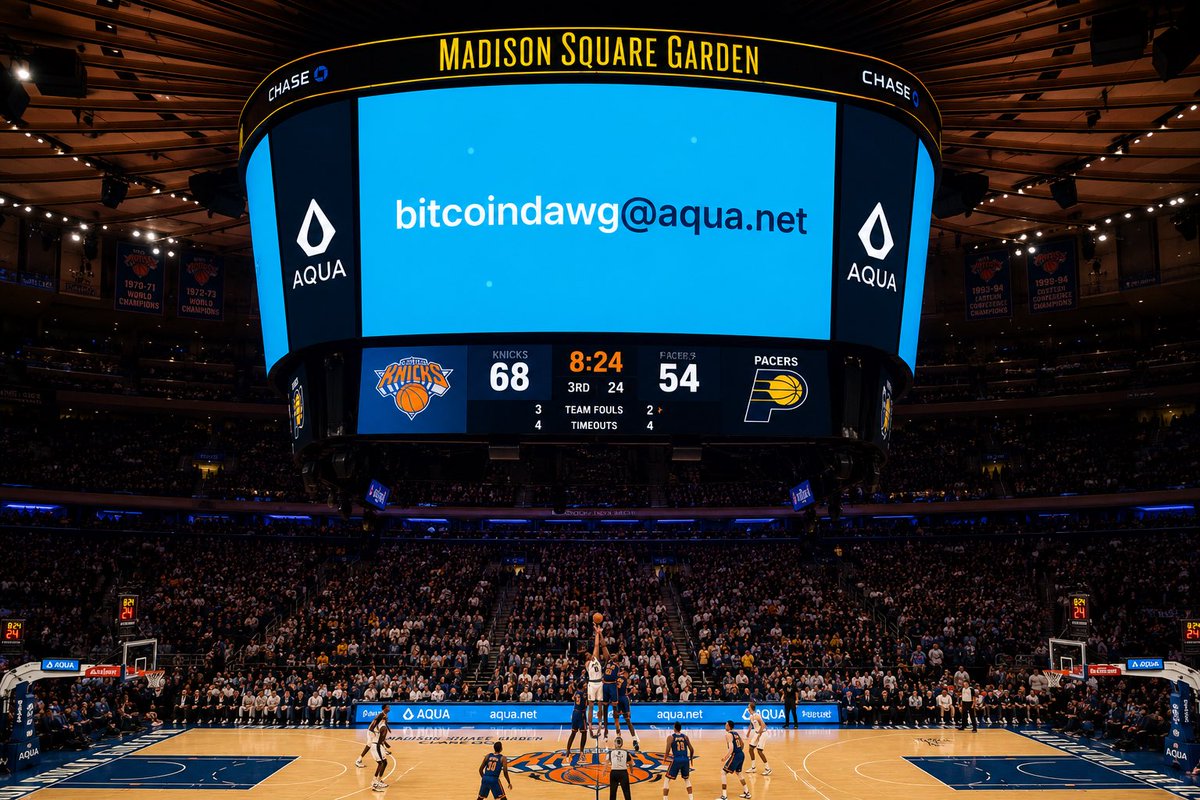
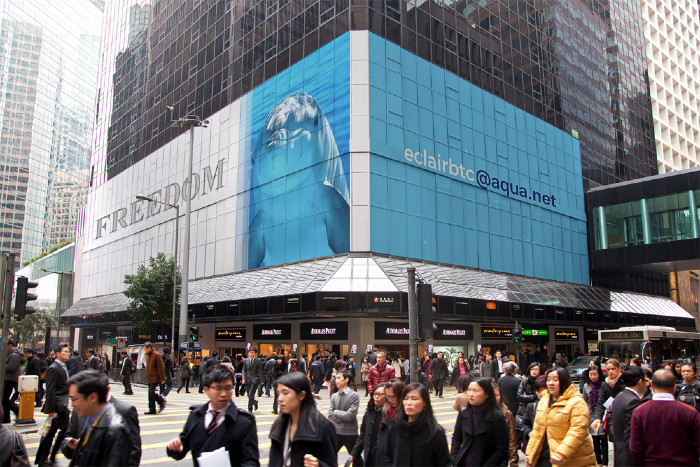
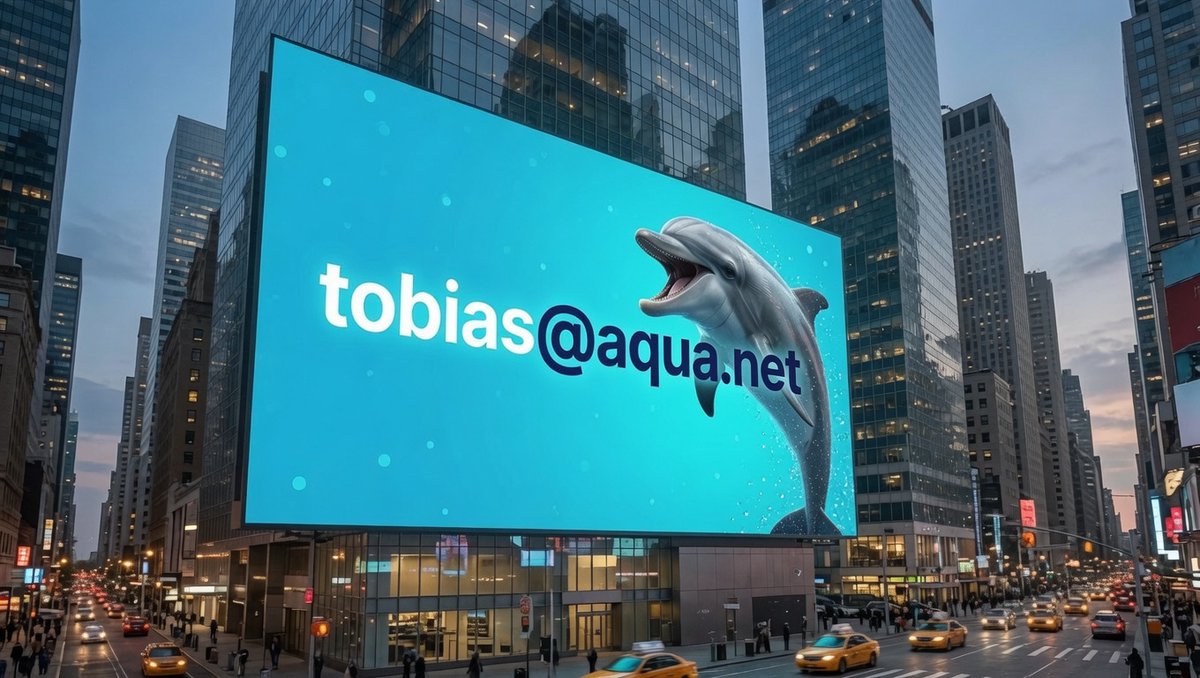
Time for another Lightning Address giveaway! 🎁🌊⚡
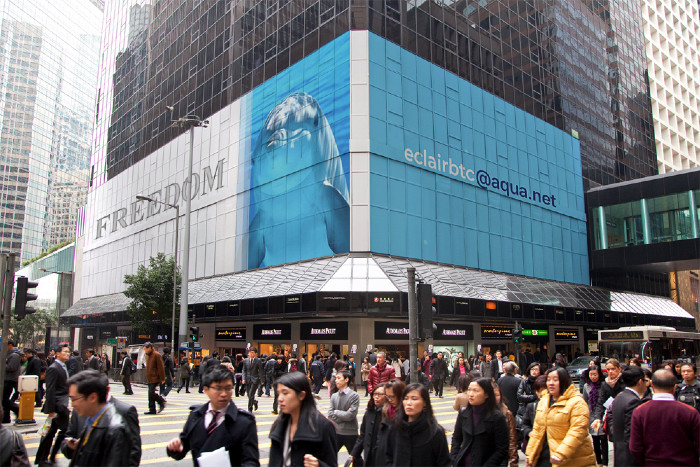
Put your desired handle on a billboard and drop it below. We will pick the five best ones and award them their premium aqua.net Lightning Address.
What will yours say? 🐬🌊


18
13
69
12,596

The period from 1870 to 1913 witnessed the most spectacular economic growth in human history, and you can thank the gold standard for making it possible. Real wages doubled in America. Railroad mileage exploded from 53,000 to 254,000 miles. Steel production increased twenty-fold. Population centers transformed into industrial powerhouses virtually overnight. Sound money created the foundation for genuine capital accumulation.
Under gold, entrepreneurs could calculate decades into the future without worrying about central bankers debasing their savings. Andrew Carnegie built his steel empire because he knew the purchasing power of his profits wouldn't evaporate through monetary manipulation. John D. Rockefeller revolutionized oil refining because stable money allowed long-term planning. These men risked enormous sums precisely because gold prevented government from stealing their wealth through inflation.
The productivity gains were staggering. Between 1880 and 1900, manufacturing output per worker increased by 65 percent. Prices fell consistently (deflation was normal and healthy), which meant your purchasing power grew every year you delayed consumption. Real interest rates reflected actual time preference and productivity, not central bank targets. Capital flowed to its most productive uses because price signals weren't distorted by monetary debasement.
Compare this to our fiat era: since 1971, productivity growth has stagnated, real wages have barely budged, and asset bubbles have replaced genuine wealth creation. The Federal Reserve calls 2% annual theft "price stability" while wondering why inequality keeps rising. They've replaced the automatic discipline of gold with the arbitrary whims of PhD economists who think they can fine-tune a $26 trillion economy.
You want to understand why your generation can't afford houses while previous generations built transcontinental railroads? We abandoned the monetary system that funded the greatest economic boom in recorded history.

46
189
591
44,535
ÉclairBTC retweeted
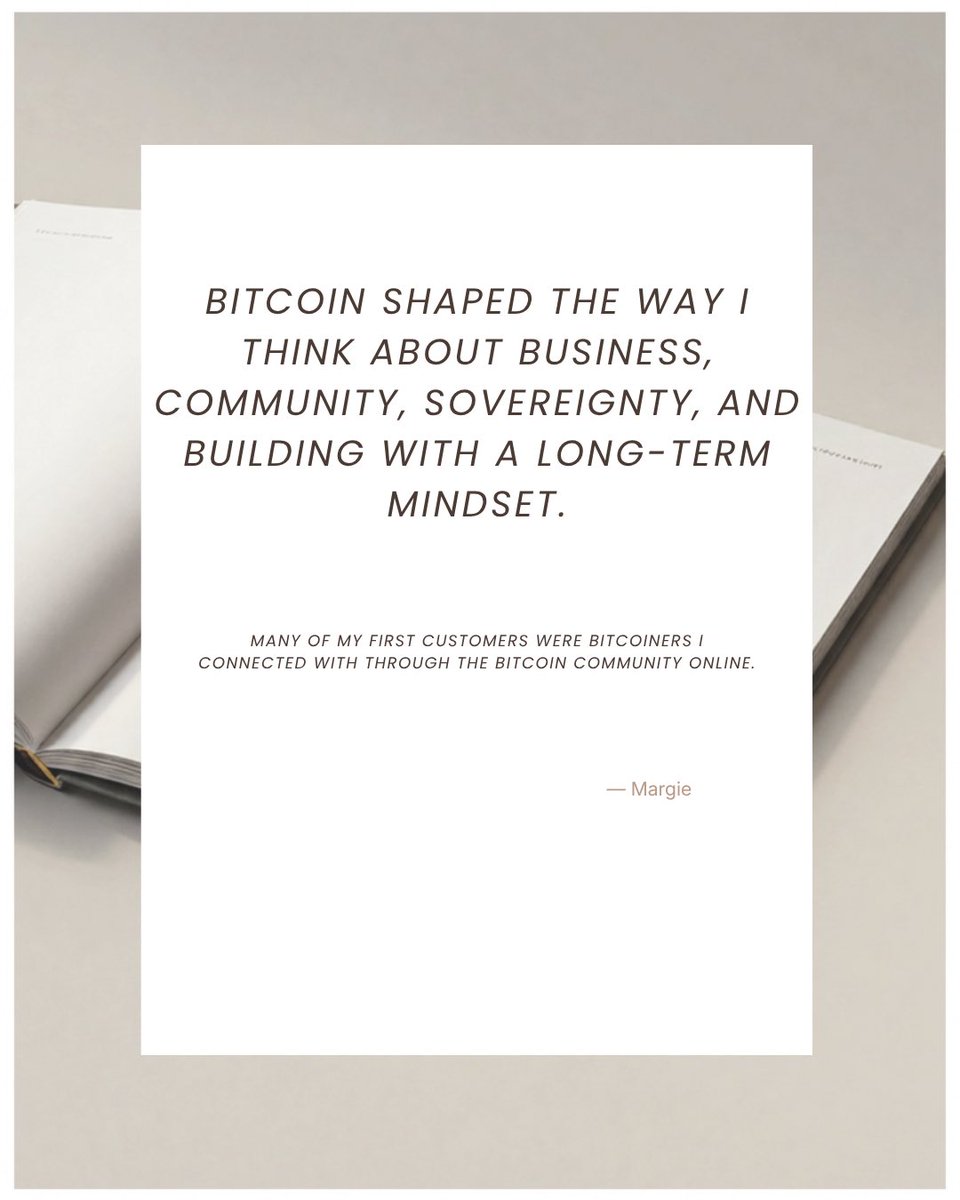
Meet Margie 🍊
Entrepreneurship.
Wellness.
Community.
Looking forward to welcoming @withmargie to Women in Bitcoin Montréal on June 20.

6
13
391
ÉclairBTC retweeted
Jun 9
Lightning Addresses are now live in AQUA. ⚡
This is HUGE! You can now receive Bitcoin on Lightning without setting an amount first! Share your AQUA Lightning Address once and anyone can send to you, anytime, for any amount.
Log in or create a @JAN3com account to enable it. 🌊
9
19
104
6,673
ÉclairBTC retweeted
Jun 8
Happy Monday! ☀️
The dolphins are already showing off their aqua.net Lightning Addresses.
Have you got yours yet? 🐬🌊⚡

10
10
73
13,225
ÉclairBTC retweeted
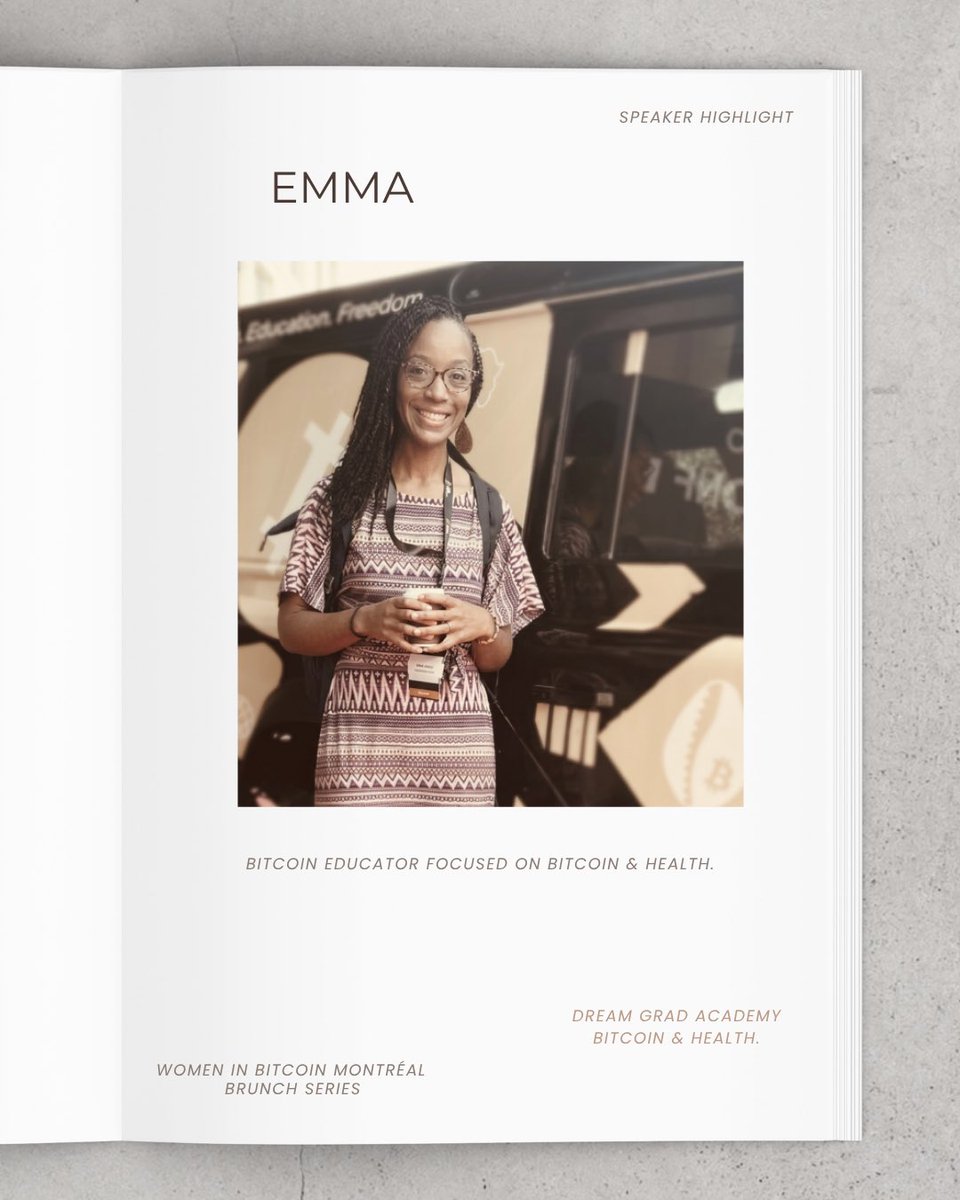
Meet Emma 🍊
Bitcoin education.
Health.
Long-term thinking.
Looking forward to welcoming @dreamgrdacademy to Women in Bitcoin Montréal on June 20.
1
2
15
307
ÉclairBTC retweeted
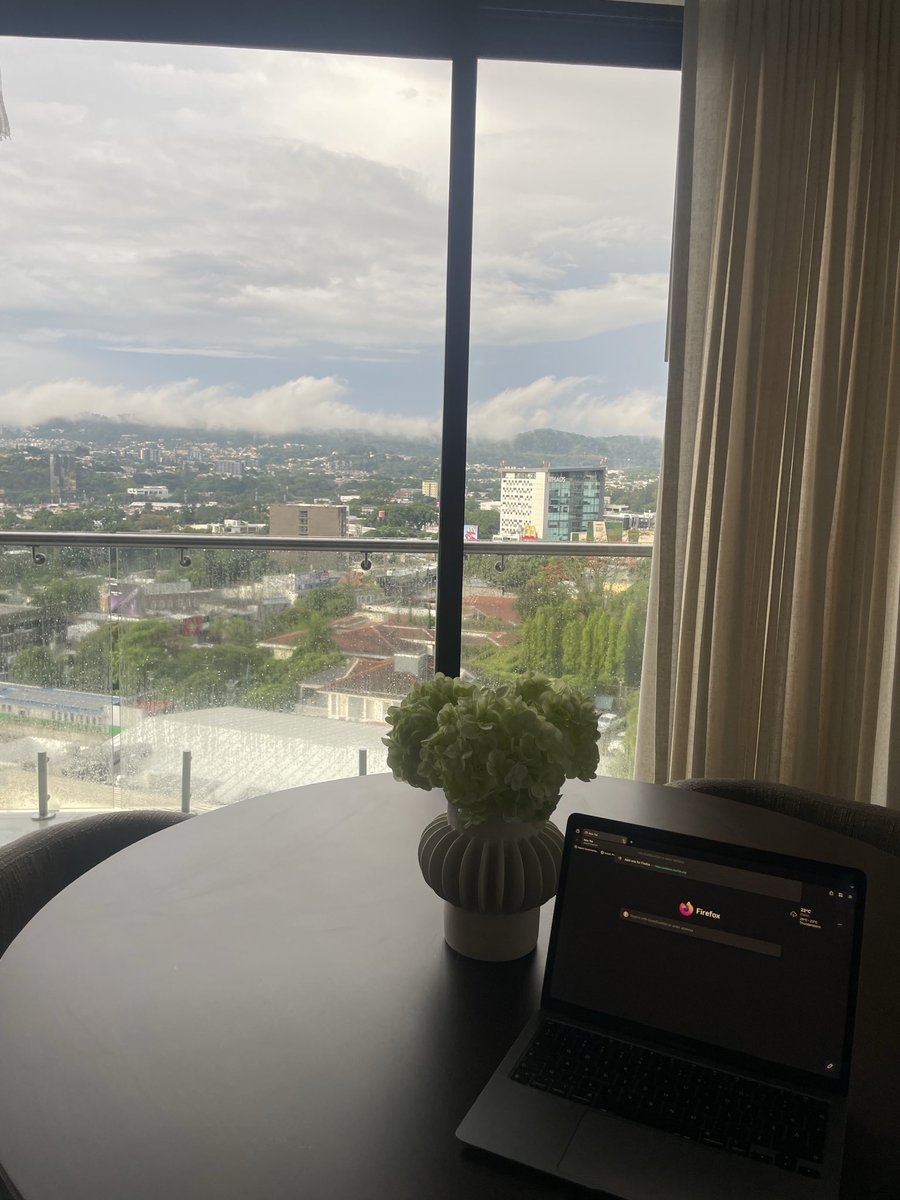
Building Women in Bitcoin Montréal from San Salvador today
Speaker highlights coming soon 🍊

1
17
474

Jun 5
🐬 Another reason we recommend @AquaBitcoin wallet to every EclairBTC merchant: you can now get your own Lightning Address and receive Bitcoin as easily as sending an email. ⚡️
Simple. Self-custodial. Bitcoin-first.
Big thanks to @Excellion and the amazing team at @JAN3com for building tools that make Bitcoin more accessible to everyone. 🧡
3
4
33
11,869