Independent/isolationist politics; love travel, Bears' football, Italy/Med, history, nature; trad Catholic; married with adult progeny
Joined July 2024
- Tweets 45,388
- Following 680
- Followers 965
- Likes 35,596
1 Photos and videos

Ed retweeted

Jun 13
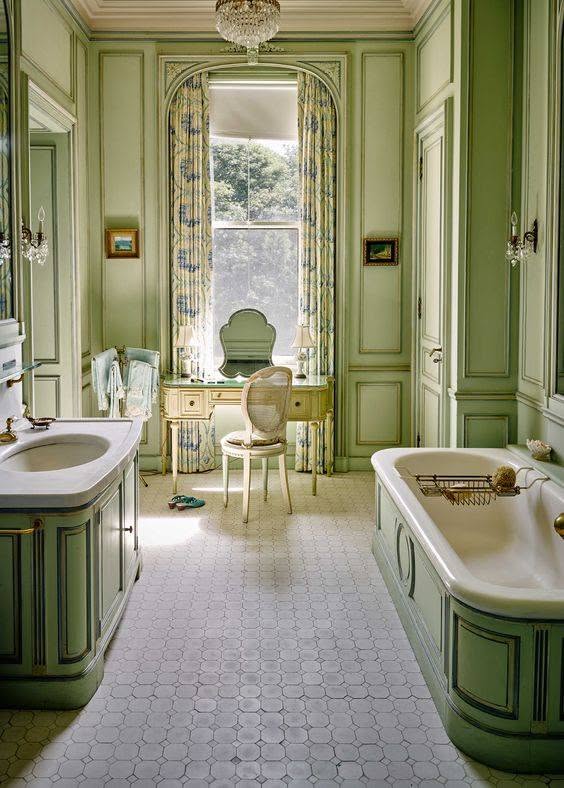
Vintage Bathroom from the 1930s, a Newport House.
25
152
1,294
17,821





The details are insane. Watch till the end. It’s 100% worth your time.
A lamb with human eyes. A pierced heart. Blood pouring into a chalice. This 15th century Flemish painting is quietly one of the most unsettling and brilliant works ever made.
Ghent Altarpiece, Jan van Eyck
16
96
424
11,595
Ed retweeted

Mar 2
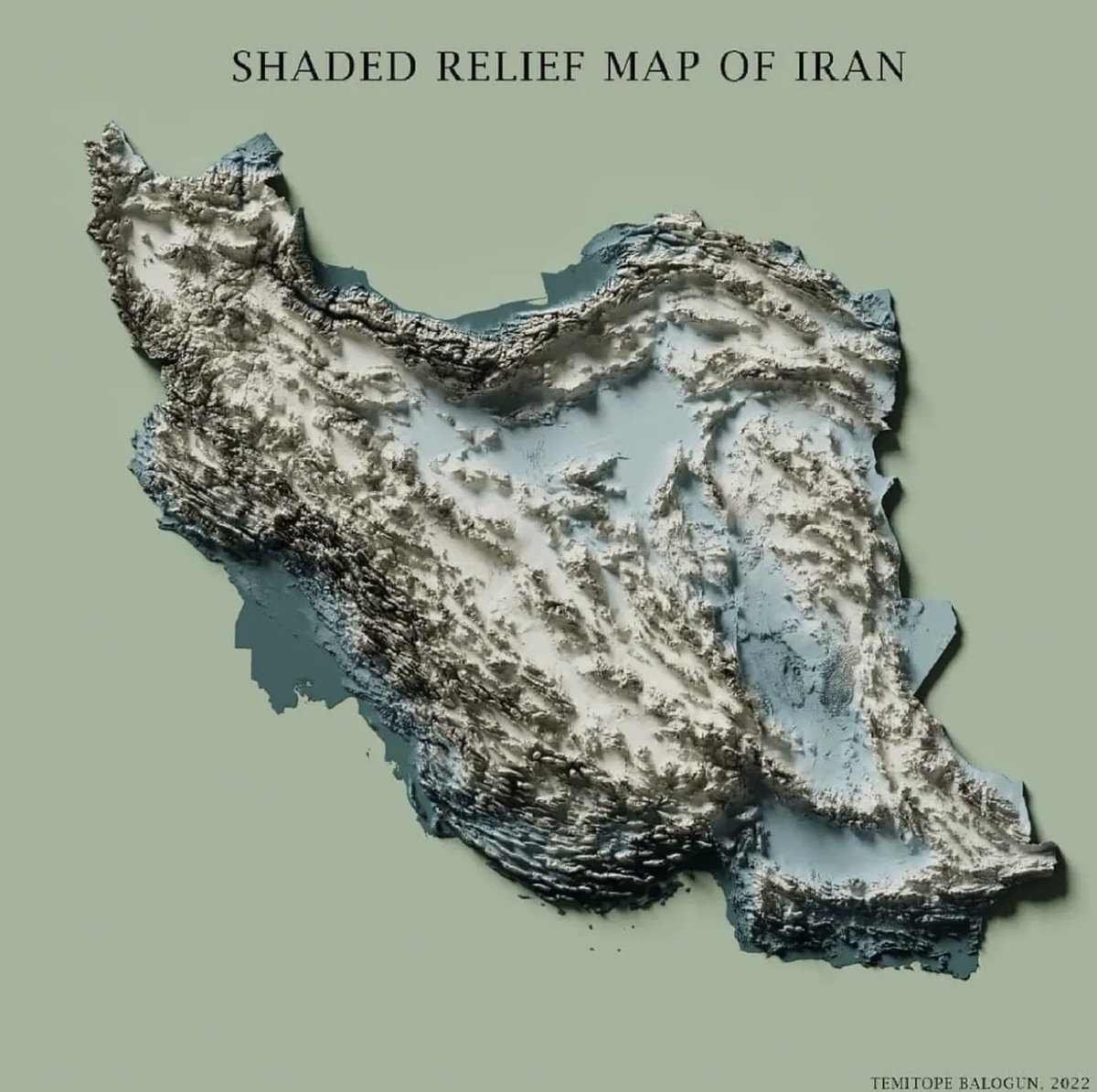
Pete Hegseth says the US will use ground forces in Iran if necessary, “we’ll go as far as we need.”
Treacherous mountain terrian, four times the size of Afghanistan, with a far larger and more sophisticated decentralized fighting force.
Send the politician’s kids to fight.
1,462
9,359
43,361
2,020,468
Ed retweeted

Feb 28
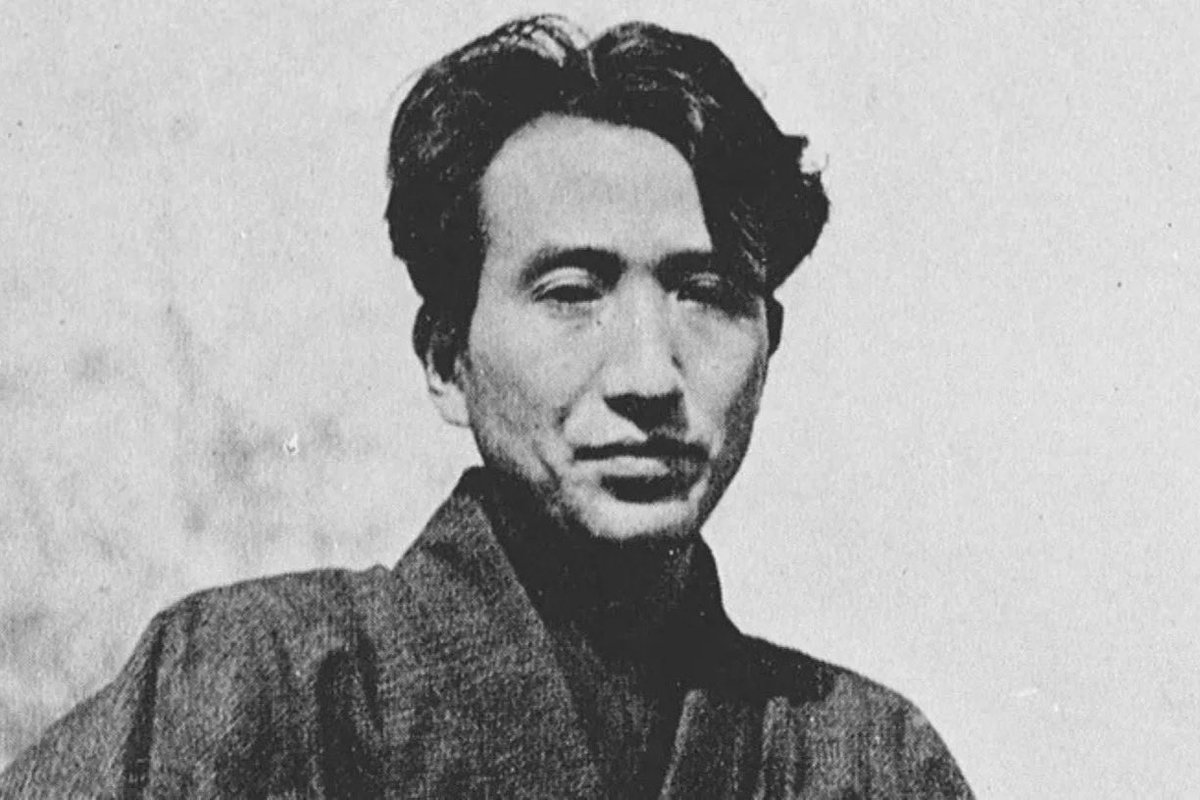
“I lived so carefully, thinking someone was watching. But the stage was empty, the audience never came.”
— Osamu Dazai
117
4,963
35,569
1,207,853
Ed retweeted

Jan 30
You don’t need an hour. You don’t need a gym. You don’t even need motivation. Just a few minutes of simple morning movements
118
1,633
11,640
617,593
Ed retweeted

Jan 24
The Amur leopard is hunted for its beautiful coat, while its habitat is being destroyed by human development. Fewer than 200 are believed to remain 🐆
50
553
3,262
40,125
Ed retweeted

Jan 22
Why does EVERYONE with power eventually turn corrupt? John McAfee explained it better than anyone.
"We give people power over others, through governments, through military, and we expect them not to be corrupt. Wake up, people. Be very cautious who you give power to."
22
217
860
25,376
Ed retweeted

Jan 16
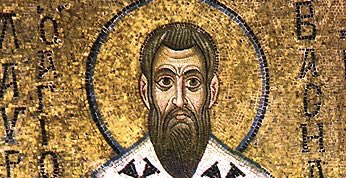
“Hell can’t be made attractive, so the devil makes attractive the road that leads there.”
— attributed to St. Basil the Great
4
97
606
7,499
Ed retweeted

29 Dec 2025
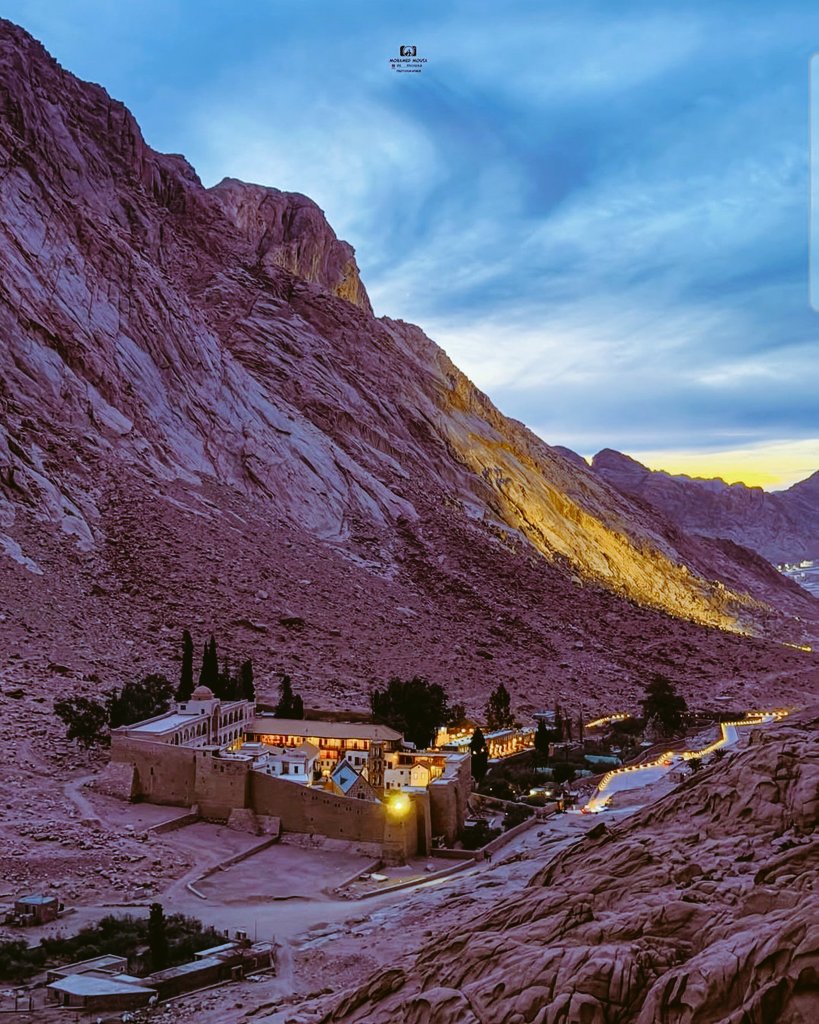
St. Catherine Monastery in Sinai Peninsula, Egypt ☦️🇪🇬
Located at the foot of Mount Sinai, it was built between 548 and 565, and is the world's oldest continuously inhabited Christian monastery.
Photo by Mohamed Mousa
33
264
1,439
49,086
Ed retweeted

22 Nov 2025
🌳 The stunning Ginkgo tree at Kirkstall Abbey, Leeds
A living fossil standing beside 12th-century ruins — one of the oldest tree species on Earth.
Each autumn, its fan-shaped leaves turn a brilliant gold, lighting up the abbey grounds like a medieval lantern
#Leeds
4
14
86
3,090
Ed retweeted

2 Oct 2025
When the most recorded drummer in history shows you how it’s done — Bernard Purdie and the Purdie Shuffle.
111
792
5,184
182,891

Ed retweeted

16 Jun 2025
Hopefully something changes, but thus far:
We aren’t getting mRNA vaccines off the market or any accountability for COVID whatsoever.
We aren’t getting any accountability for Epstein’s handlers or customers.
We aren’t getting accountability for the stolen election in 2020.
We aren’t getting mass deportations.
We aren’t getting any spending cuts.
But we are getting into a regime change war in Iran.
32
131
518
18,214
Ed retweeted

1 Jun 2025
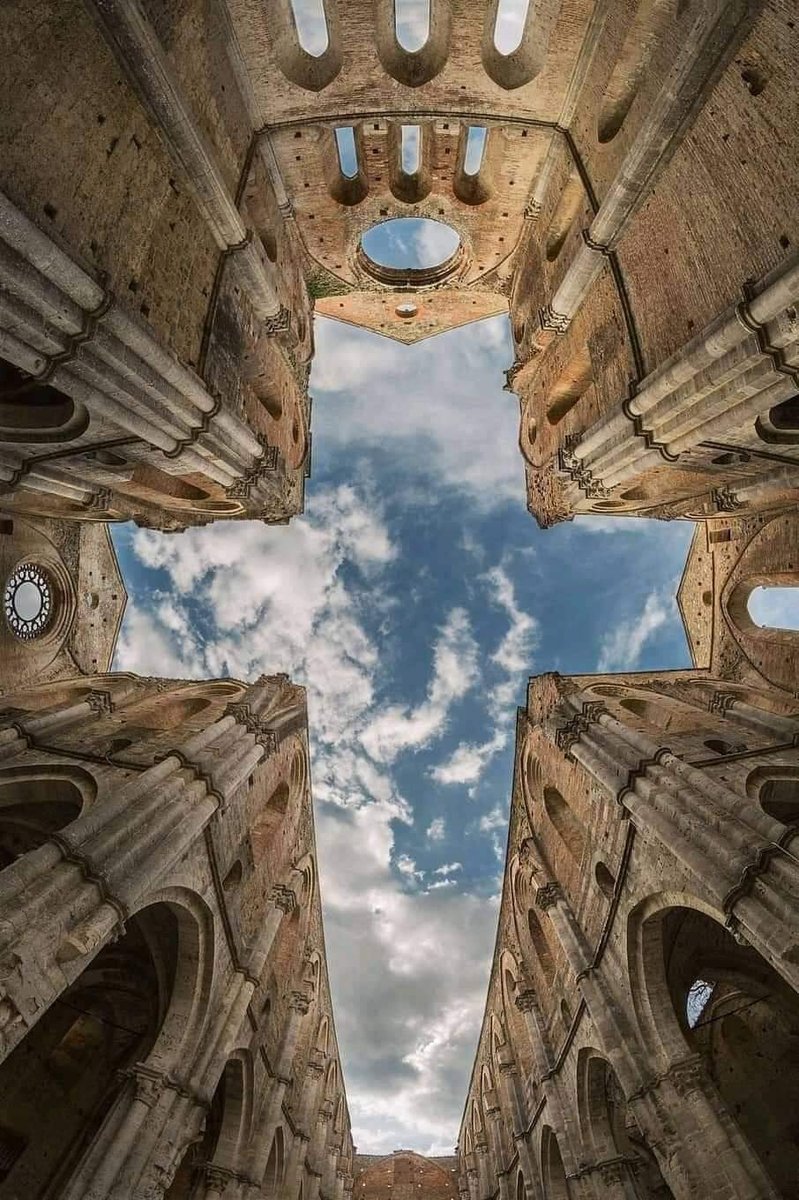
The most beautiful monasteries on Earth 🧵
1. Abbey of San Galgano, Italy
146
1,787
19,120
1,049,258
Ed retweeted

12 Apr 2025
Absolutely love this. Physical in person conversation is so important in my eyes.
11 Apr 2025

A wholesome thread 🧵
Don't open if you can't handle too much happiness ❣️
1. Good one

9
7
101
5,501
Ed retweeted

3 Apr 2025
This is Thomas Seyfried.
He’s a professor of biology, who’s studied cancer for 30 years.
His message? Cancer isn’t bad genes or bad luck—it’s damaged mitochondria.
This flips everything you’ve been told about how to treat & prevent cancer: 🧵


1,639
22,176
115,183
26,961,014
Ed retweeted

11 Mar 2025
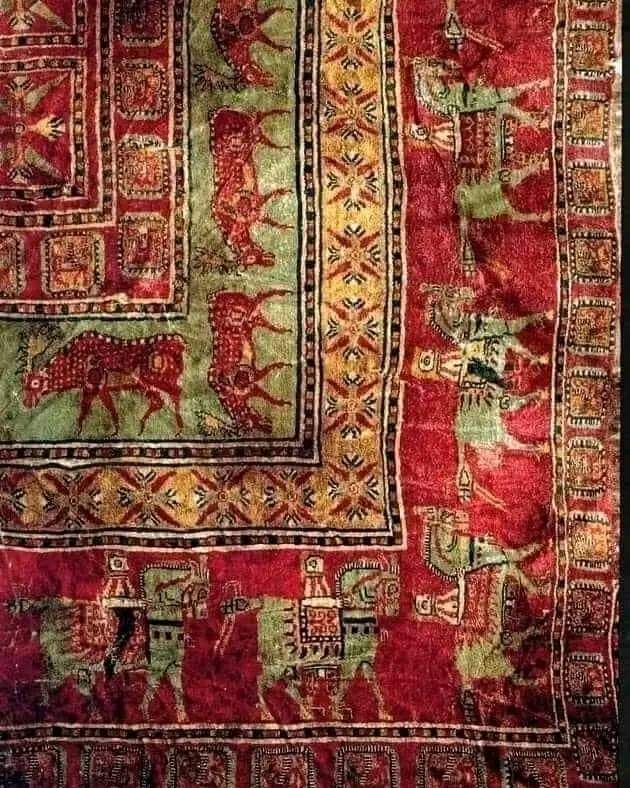
Detail of horseman on the Pazyryk Carpet (500 BC) -
Pazyryk Carpet - the oldest hand-knotted oriental rug known was excavated from the Altai Mountains in Siberia in 1948. It was discovered in the grave of the prince of Altai, in Scythian kurgan burial in the Pazyryk Valley of the Ukok plateau in Altai Mountains (5400ft above sea level), Siberia, south of the modern city of Novosibirsk, Russia. Tomb mounds discovered there are now part of the Golden Mountains of Altai UNESCO World Heritage Site. It clearly shows how hand-knotted rugs were produced thousands of years ago. Radiocarbon testing revealed that Pazyryk carpet was woven in 5th Century BC, thus approximately 2500 years old. The advanced weaving techniques and the sophisticated design and construction, used in this rug, suggest the art of carpet weaving to go back much further than 5th Century BC, to be at least 4000 years old. Today the rug is in the Hermitage Museum in Leningrad, Russia.
When the prince of Altai died, he was buried in a grave mound with many of his prized possessions, including the Pazryk Carpet. Unfortunately, soon after, the grave mound was robbed of its prized possessions, with the exception of the rug. The rug was semi-frozen because the thieves did not bother to cover up the hole they had dug to retrieve the items, rendering the hole exposed to the elements within the tomb. The combination of low temperature and precipitation within the tomb subsequently froze the carpet, and preserved it in a thick sheet of ice, protecting it for 25 Centuries. This somewhat ironic story is the reason that the Pazyryk rug still exists today.
Although it was found in a Schythian burial-mound, most experts attribute the Pazyryk rug to Armenia, but some scholars considered the origin of the carpet in Persia, as its design is in same style as sculptures of Persepolis, The outer of the two principal border bands is decorated with a line of horsemen: seven on each side, 28 in number - a figure which corresponds to the number of males who carried the throne of Xerxes to Perspolis. Some are mounted, while others walk beside their horses. In the inner principal band there is a line of six elks on each side.
The horseman of the Pazyryk culture apparently accumulated great wealth through horse trading with merchants in Persia, India and China as evidenced by the variety of grave goods including Chinese silk, the pile carpet, horses decked out in elaborate trappings and wooden furniture and a full-sized burial chariot found there. Some horses were provided with leather or felt masks made to resemble animals, with stag antlers or rams’ horns often incorporated in them. Bearded mascarons (masks) of well-defined Greco-Roman origin were also found. Scholars think these may have been inspired by the Hellenistic kingdoms of the Cimmerian Bosporus.
The extra figures inside the elks are depicting the inwards and the vertebra of the elk, all parts in real positions with nearly clinical precision:
1. The heart, just above the, front legs (a yellow framed red sphere, black contoured).
2. The aorta (a long red protuberance on the heart).
3. The maw, on the right hand side of the sphere (a large yellow area with a widening upwards on the end).
4. The intestine, in the rear end (a yellow square surrounded by a light blue and a yellow bow).
5. Possibly the urethra, on the upper part of the right hind leg (a yellow line with a black point), better to see on some others deer on the border.
6. The vertebra, directly below the brown back contour (an alternating black-white chain).
These finds were preserved when water seeped into the tombs in antiquity and froze, encasing the burial goods in ice until their excavation by archaeologists M. P. Gryaznov in 1929 and Sergei Ivanovich Rudenko in 1947–1949.
#archaeohistories
5
35
126
14,863