Joined March 2011
- Tweets 1,004
- Following 255
- Followers 277
- Likes 1,380
106 Photos and videos

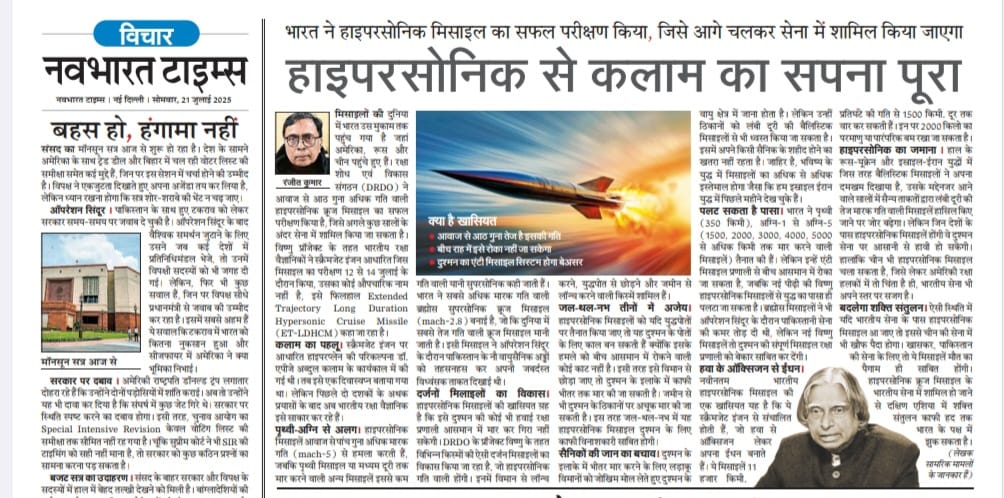
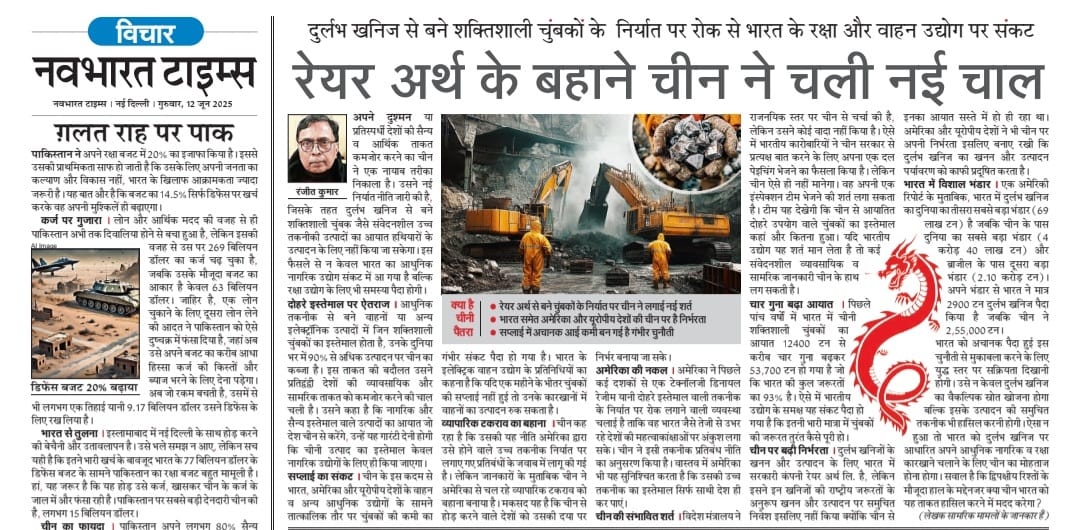
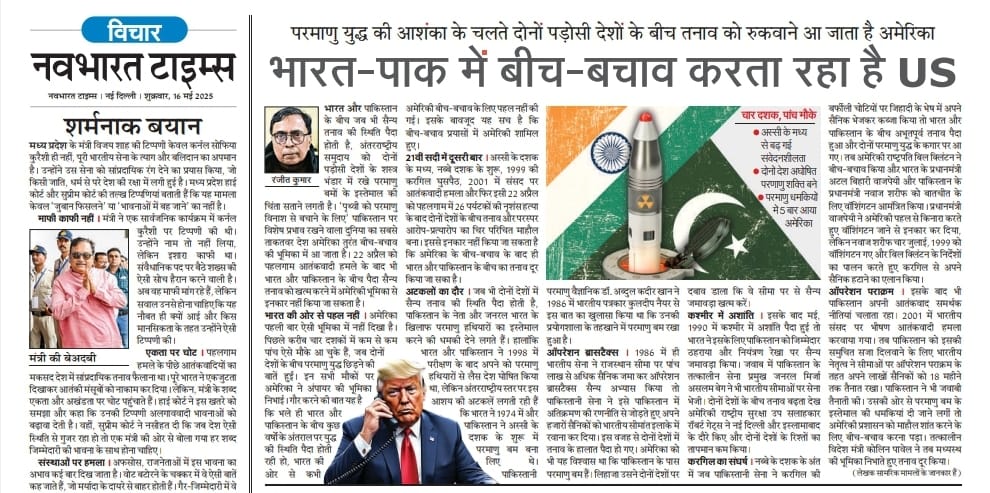
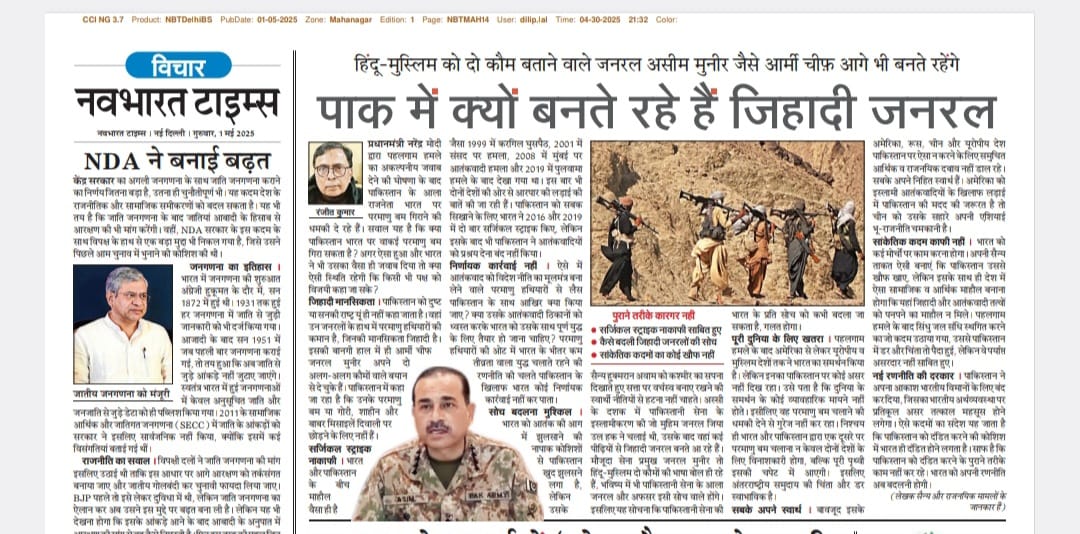

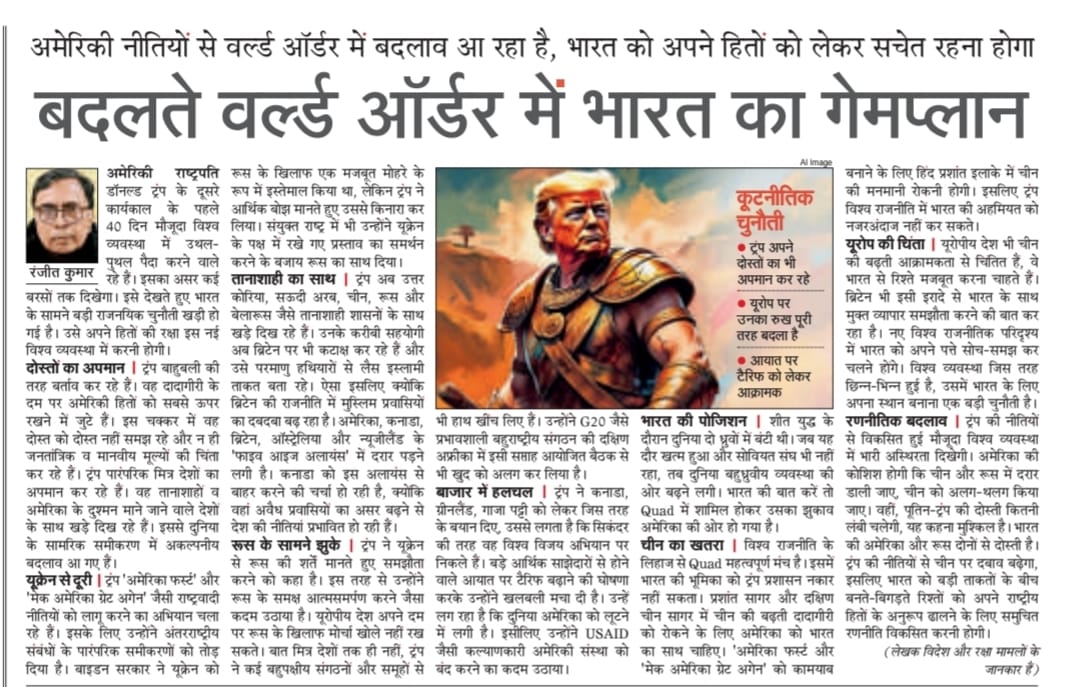

Jun 15
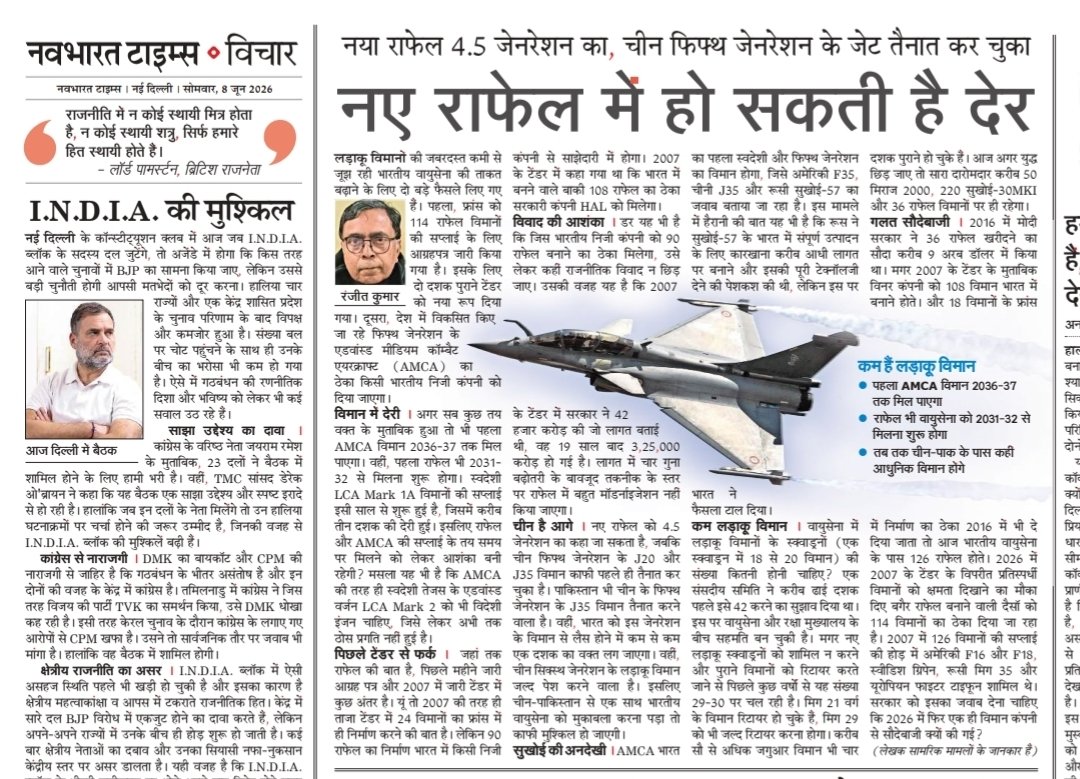
India will spend USD 40 billion for 114 Rafales deal, which if signed in 2012 would have been USD 10 B. Why? Read my commentary in news@abplive
@abplive
@modindia
news.abplive.com/news/india/…
1
1
82
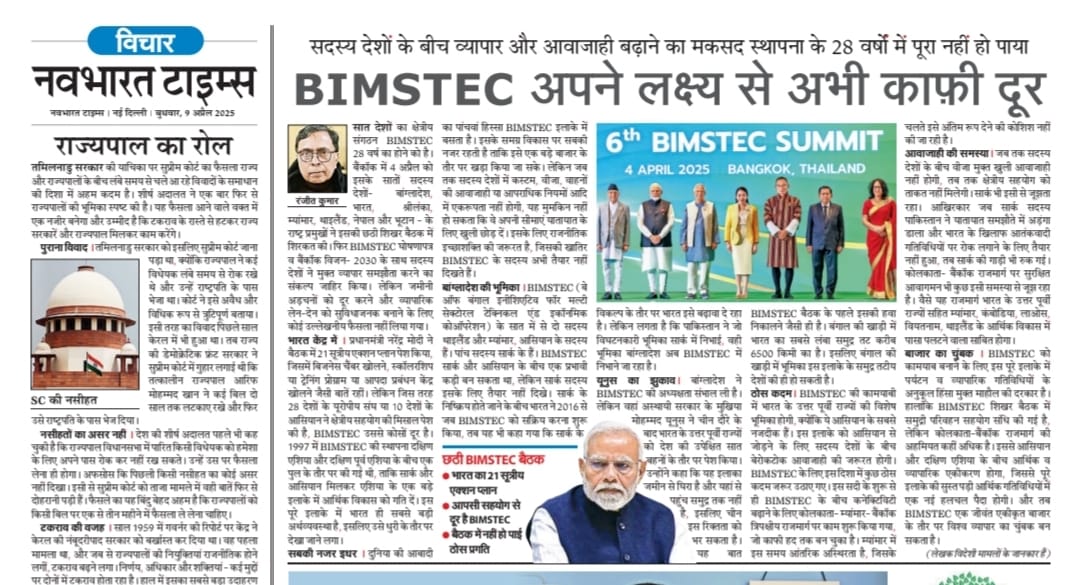
India will be negotiating with France for supplying 114 Rafale ac for Rs 3, 25,000 crores ( 40 B USD) . Almost same ac India first negotiated in 2012, when Rafale was winner under RFP issued in 2007, COSTING, Rs 42,000 crores(USD 10 B) for 126 Rafale. Read Navbharat Times.
4
187
India's Brahmos supersonic cruise missile is expanding it's footprint in south China Sea, posing a big challenge to
China's bid to dominate over the maritime area. Read my commentary in ABP LIVE.
@abplive
@MEAIndia
@indiannavy
@modindia
msn.com/en-in/autos/photos/o…
1
76
May 31
India will soon join the exclusive club of lithography. To acquire this most advanced and complex machine, China has initiated a national program likened to Manhattan Project in tech circles. Read my commentary in ABP LIVE
msn.com/en-in/technology/har…
@MEAIndia
@modindia
1
1
52
May 24
Why China can't invade Taiwan. Read my commentary in ABP LIVE
@MEAIndia
@modindia
msn.com/en-in/news/world/opi…
1
34
May 19
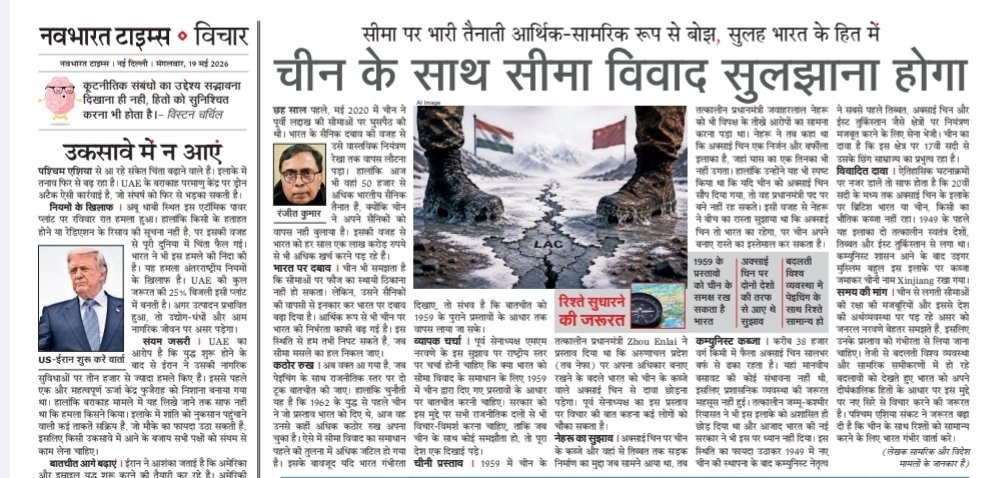
China has deployed 50,000 forces on E. Ladakh border for 6 years, putting huge ECON burden on India. Is China pressuring India to resolve border dispute on its own terms. Should India go back to 1959 proposal ? Read NBT.
@MEAINDIA
1
52
May 10
A discussion with Senior journalist Shailesh on SATYA HINDI. Why China officially admitted that Chinese military helped Pakistani Air force during Operation Sindoor.
youtu.be/nV7cKQ6xpGM?si=76Je…
86
OPINION | India Fuels Bangladesh Nuclear Ambitions news.abplive.com/blog/opinio…
@MEAIndia
@modindia
1
37
Apr 28
OPINION | From Chabahar To Energy Security: Why India Can’t Ignore A Resurgent Iran news.abplive.com/blog/us-isr…
@MEAIndia
@modindia
1
30
RANJIT KUMAR retweeted

America’s Shadow Diplomats — and Their Conflicts of Interest
Instead of the secretary of state, Trump has turned to his son-in-law Jared Kushner and his business associate Steve Witkoff to conduct high-stakes diplomacy, from Ukraine and Russia to Iran. Their latest mission, talks with Iran in Pakistan, underscores a troubling pattern: the outsourcing of U.S. foreign policy to individuals whose private financial entanglements collide directly with their public roles.
Start with Witkoff. As the president’s special envoy, he is negotiating in Pakistan even as the Trump-Witkoff families’ crypto venture, World Liberty Financial, has secured a major stablecoin deal with the Pakistani government. A country serving as the host of sensitive Iran talks is simultaneously a business partner of the Trump-Witkoff families. The structure invites a perception of pay-to-play diplomacy — where access and influence are inseparable from commercial gain.
Kushner’s case is even more stark. His private equity firm, Affinity Partners, has been fueled by billions from Gulf sheikhdoms, including roughly $2 billion from Saudi Arabia’s sovereign wealth fund. Riyadh’s strategic objective has long been to isolate and weaken Iran, not reconcile with it. Crown Prince Salman reportedly pressed Trump to ramp up attacks on Iran.
Yet Kushner, while financially beholden to a Saudi leadership that prefers the Iranian regime’s collapse over a diplomatic thaw, positions himself now as a broker of détente. The contradiction is glaring: Can a negotiator financially dependent on Saudi backing credibly pursue an outcome that Saudi leadership may detest?
These are not just ethical concerns; they go to the core of diplomatic credibility.
When foreign governments know that key negotiators have private business interests, whether in crypto, real estate or investment funds, the incentive structure shifts. Concessions may be offered not through formal channels of statecraft, but through commercial opportunities that benefit these individuals personally. Diplomacy becomes transactional in the most literal sense.
Pakistan provides a telling case study. Alongside its role in facilitating talks with Iran, it has also been linked to business dealings involving Trump-associated ventures, including real estate projects. It reached an agreement with the U.S. to revamp the Roosevelt Hotel in Manhattan.
Compounding the problem is the lack of transparency. Unlike Senate-confirmed officials, Kushner and Witkoff operate in a gray zone — described as an “adviser” or “special envoy” — that allows them to bypass standard ethics disclosures and oversight. This shadow diplomacy shields potential conflicts from scrutiny while concentrating immense power in unelected hands.
The deeper issue is not just Kushner or Witkoff. It is Trump’s governing philosophy: a view of foreign policy as an extension of private business interests and, at times, the family business itself.
25
160
404
25,811
RANJIT KUMAR retweeted

Apr 25
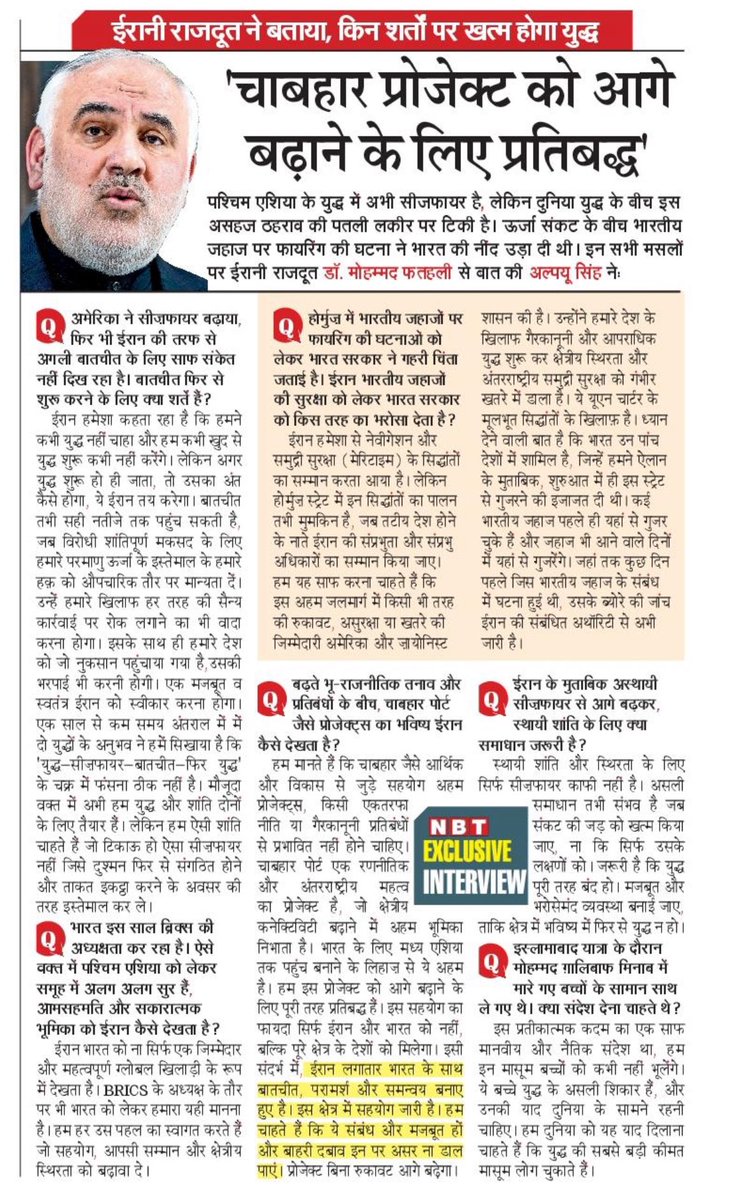
किन शर्तों पर बंद होगा युद्ध? भारतीय जहाज़ पर फायरिंग के मामले में आगे किया हुआ ? सब मामलों पर ईरान के राजदूत का नवभारत टाइम्स को दिया गया इंटरव्यू
2
8
13
617
Apr 19
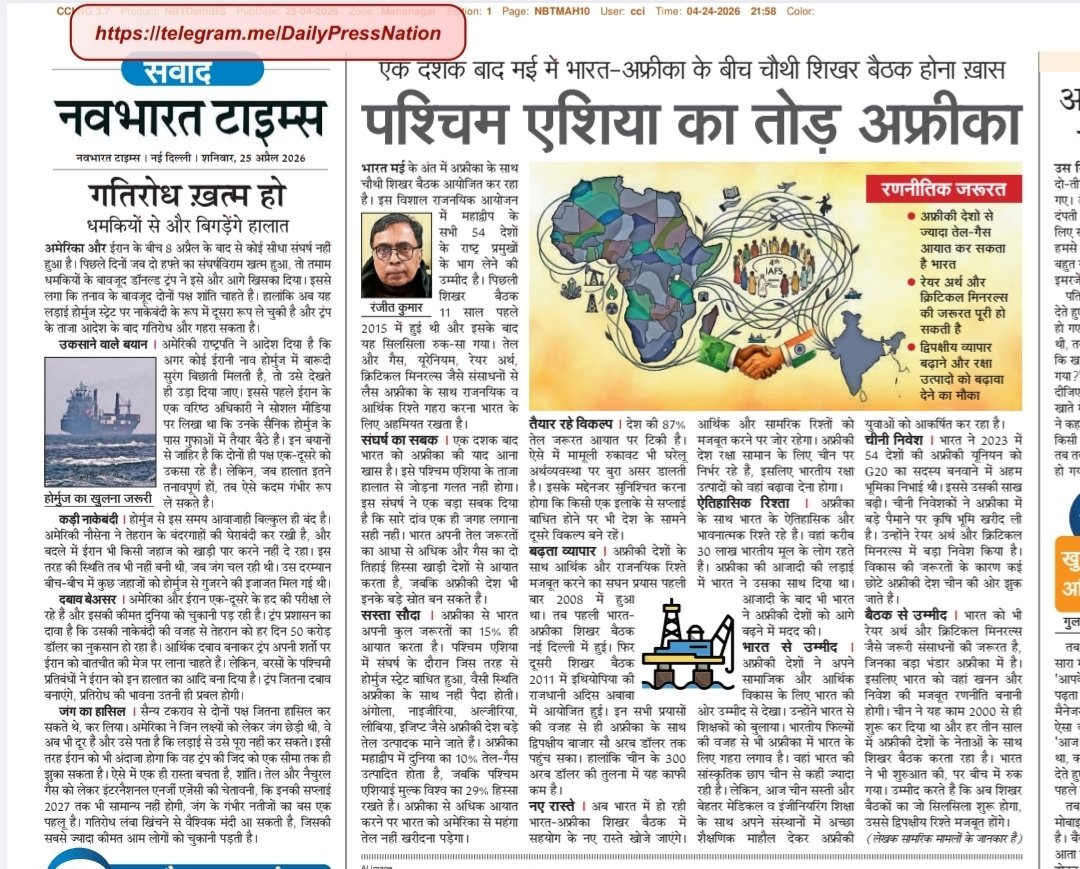
OPINION | Why India Has Invited 54 African Leaders news.abplive.com/blog/opinio…
@MEAIndia
@modindia
1
56
Apr 13
OPINION | Is India Ready To Utilise Thorium?
news.abplive.com/blog/opinio…
- Shared via ABP Live App
26
OPINION | Engaging With 16 Navies — India’s Unique Naval Diplomacy
news.abplive.com/blog/opinio…
- Shared via ABP Live App
27
Mar 26
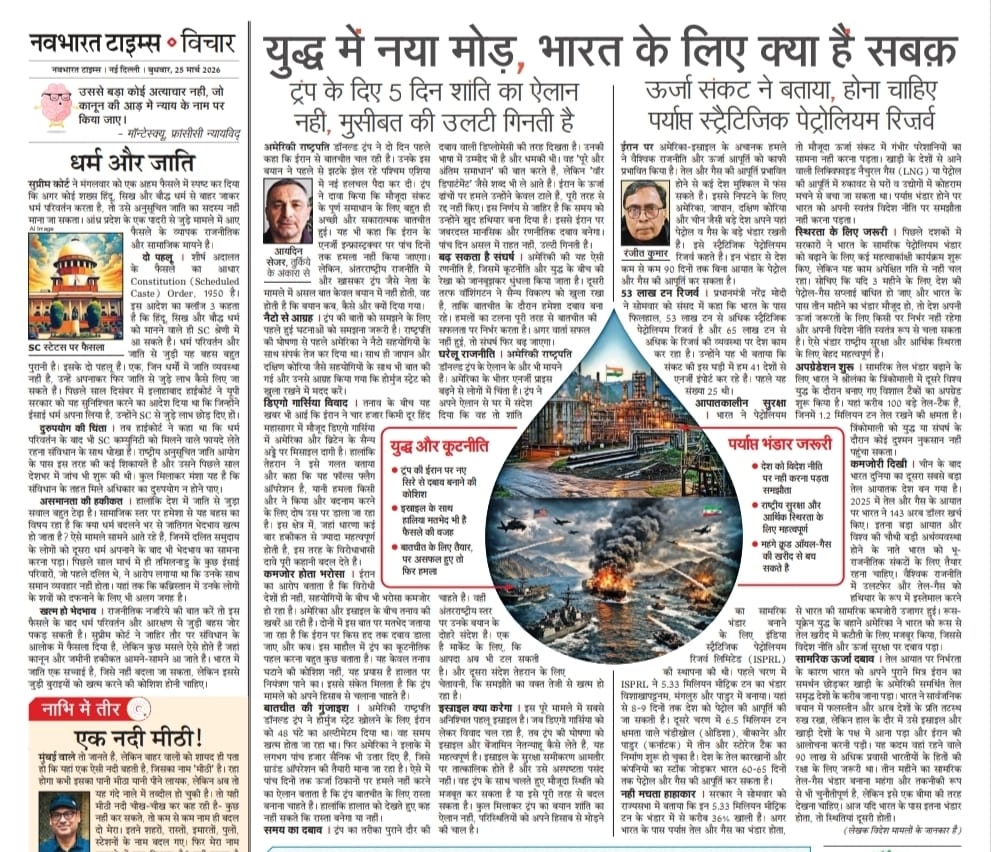
India should establish strategic petroleum reserve capacity equal to 90 days of it's national petroleum uses. Read my commentary in Navbharat Times.
@MEAIndia
@pMODIndia
1
2
86
Mar 22
OPINION | Whither India’s Energy Security: India Needs To Speedup Strategic Petroleum Reserve Program
news.abplive.com/blog/opinio…
- Shared via ABP Live App
1
31
Jan 26
OPINION | Can Water Replace Oil As Energy Source? India’s Hydrogen Mission Explained
news.abplive.com/blog/opinio…
- Shared via ABP Live App
14
Jan 13
OPINION | German Subs To Rejuvenate Ailing Submarine Fleet
news.abplive.com/blog/german…
- Shared via ABP Live App
25