
866 Photos and videos





Ak, vai! Ko rītdiena nesīs?
99,9999% no tiem, kam bailes lidot - aizlido gala mērķī...
"Tāpēc nezūdaities par rītdienu, jo rītdiena pati par sevi zūdīsies. Katrai dienai pietiek savu bēdu." /Jēzus/

3
97
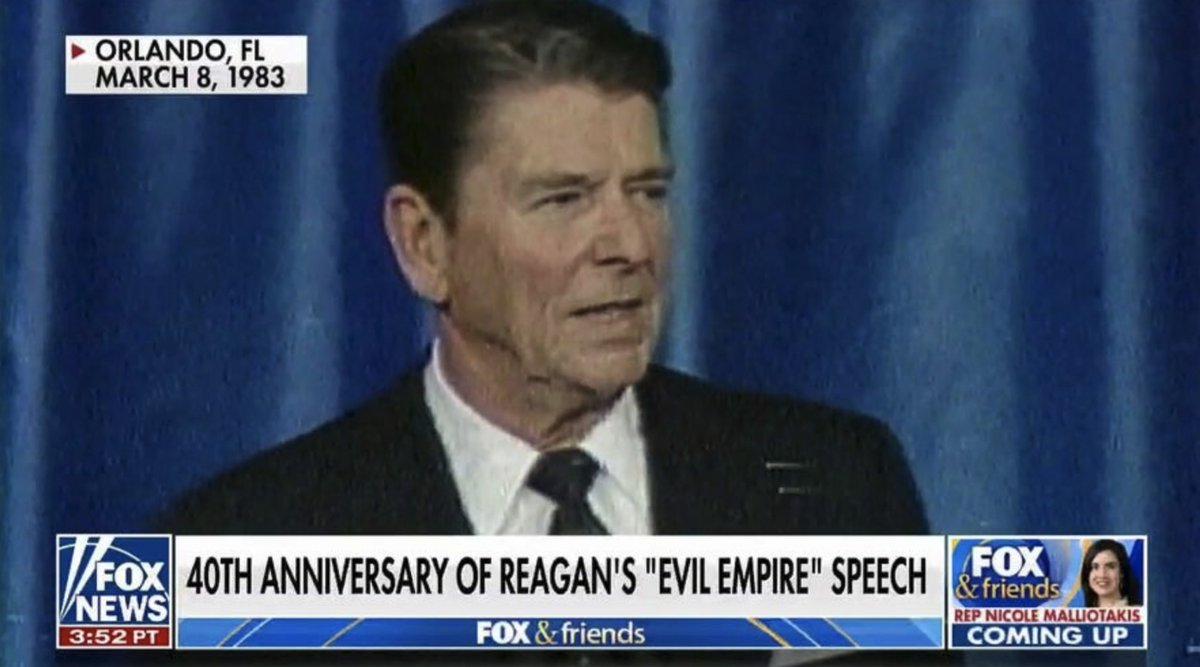
"Net zero" - nav ekonomiski pamatota. Laiks to beigt. Trūcīgie un vidusslānis to nevar vairs panest. Tonijs nav nekāds ekstrēmists vai neprātis. Pasaka skaļi to, ko daudzi eksperti jau sen pa kaktiem runā. Es esmu par tīru vidi un tīru dabu 100%, bet "Net zero" ir par pilnīgi ko citu...
May 27

🚨 BLAIR BOMBSHELL: SCRAP NET ZERO NOW! “THERE’S NO LOGIC TO IT!” 🔥
Tony Blair Demands Starmer Scrap Milibands Mad Expensive Green Agenda Immediately‼️
Blair has just shredded mad Miliband and the entire net zero agenda. There’s zero logic to it!
Asked directly for total clarity: “For total clarity, are you advising Keir Starmer to rip up Ed Milibands green energy targets?”
Blair bluntly replied: “Yes I am!”
He explained that the 3 biggest emitters in the world today are China, America and India. Together they “account for just over 50% of global emissions.”
All are pursuing cheap energy. They still do renewable energy. “China for example builds more renewable energy than the rest of the world put together.” “It just means that the lens from which they judge policy is cheap energy.”
He rightly points out Britain’s emissions are “under 1% of global emissions” so we can’t solve climate change.
And says he “doesnt understand the logic behind” imposing costs on businesses and consumers to pursue net zero when the rest of the world is not doing so.
He says again he doesnt understand why we’re shutting down North Sea oil and gas industry in circumstances where no other country in the world is doing that if “they’ve still got a requirement to import energy from oil and gas”.
It costs way too much and “is not the right priority!”
Net zero is not saving the planet. It is economic self-harm. Blair has just blown the entire agenda apart.
118
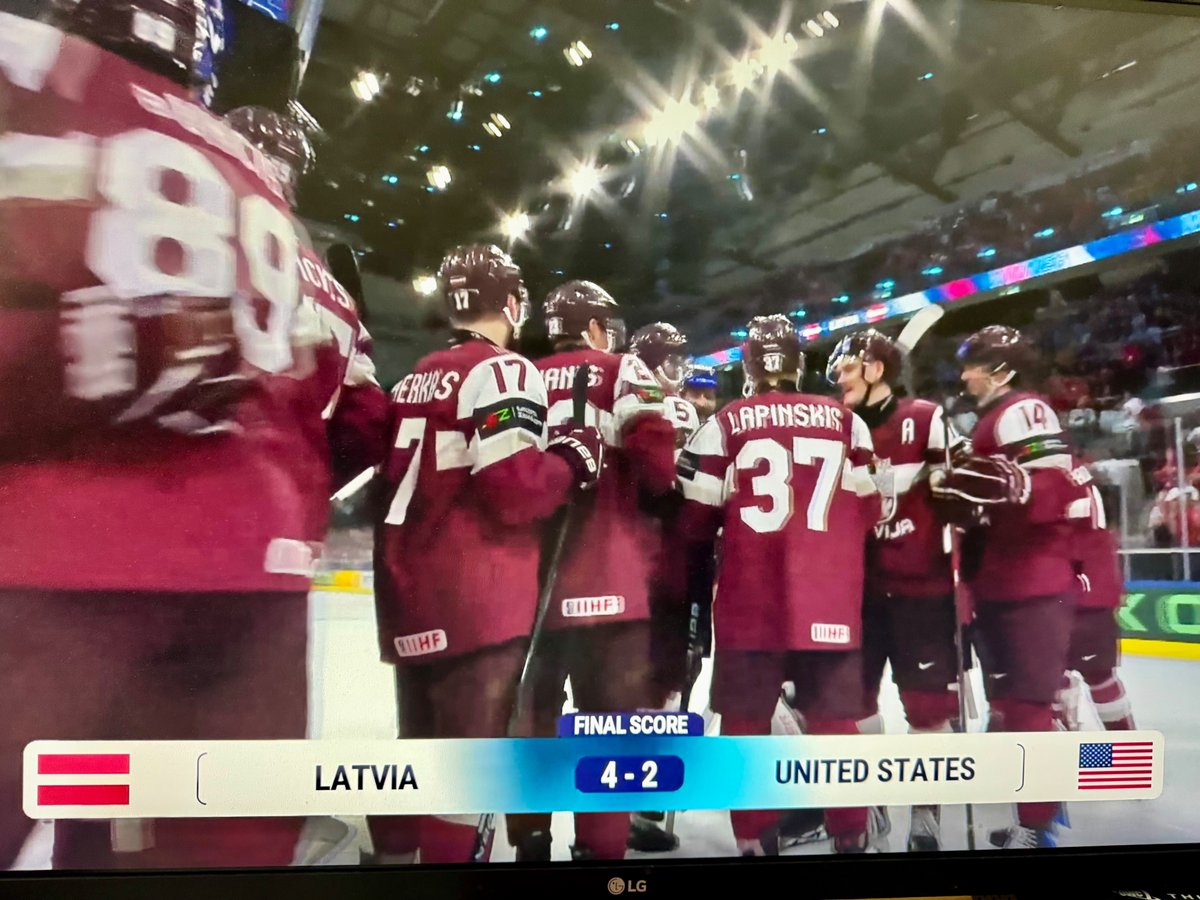
Tiem, kas neskatījās cīņu...
Kurš uzvarēja?
scorecard :)

1
49

Cukurs ir inde!
Pa ceļam no darba veikalā nopirku pudeli Mangaļu menerālūdeni. Pirms manis rindā jauneklis. Viņam prasīja uzrādīt pasi. Ko viņš pirka? Enerģijas dzērienus. Nu, pienāk gadi, kad minerālītis ir labākā izvēle... Visādi sīrupūdeņi pieder pagātnei...
May 22
This video perfectly explains the real difference between Coca-Cola and Coca-Cola Zero
1
151
Provokatīvi…
Apr 30

‘Do you know how hard you have to abuse a mammal for them not to have children?’ (re humanbeings)
1
87
Eju uz Lidl!
Ne pēc sardelēm, bet pēc datiem....

Everyone's been waiting for "the European Amazon" for 20 years.
Turns out it might be a discount grocery chain.
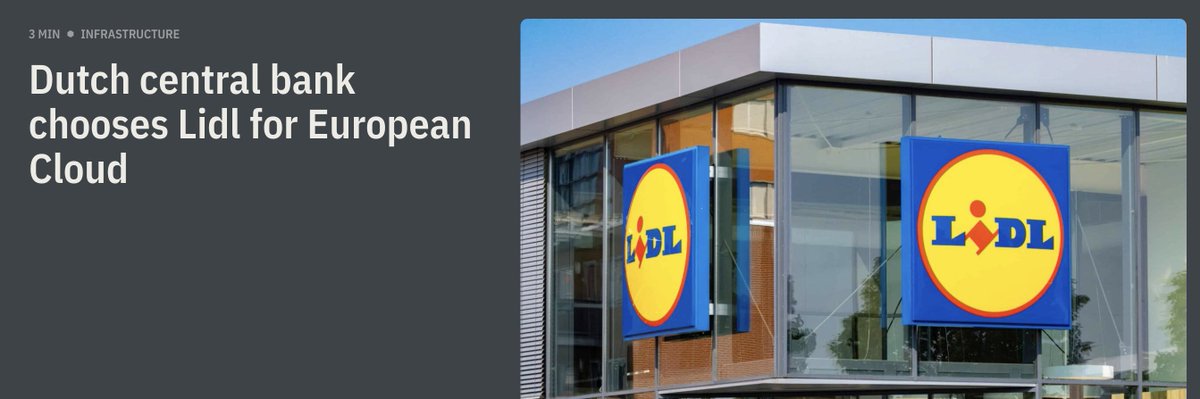
Dutch Central Bank just picked Lidl as its cloud provider. Not AWS. Not Google. Not Microsoft. Lidl.
The reason: trust in US tech is eroding across European institutions. Data sovereignty rulings, the political climate, tariff drama. Every quarter the case for sitting on top of US infrastructure gets harder to defend.
So Europe is decoupling. Quietly. Contract by contract. While everyone watches the political theatre.
Lidl pulled in nearly €2B from cloud last year. All infrastructure built inside the EU.
The "European alternative" people have been waiting for?
Turns out it's a grocery chain that's been quietly investing for years.
If a discount supermarket can win central bank cloud contracts, is US big tech's moat in Europe thinner than anyone admits?
Last place anyone was looking. First to deliver.
102
@Eisans retweeted

Everyone's been waiting for "the European Amazon" for 20 years.
Turns out it might be a discount grocery chain.
Dutch Central Bank just picked Lidl as its cloud provider. Not AWS. Not Google. Not Microsoft. Lidl.
The reason: trust in US tech is eroding across European institutions. Data sovereignty rulings, the political climate, tariff drama. Every quarter the case for sitting on top of US infrastructure gets harder to defend.
So Europe is decoupling. Quietly. Contract by contract. While everyone watches the political theatre.
Lidl pulled in nearly €2B from cloud last year. All infrastructure built inside the EU.
The "European alternative" people have been waiting for?
Turns out it's a grocery chain that's been quietly investing for years.
If a discount supermarket can win central bank cloud contracts, is US big tech's moat in Europe thinner than anyone admits?
Last place anyone was looking. First to deliver.
147
836
5,207
340,701
Jeruzāleme. Šis nav OK.
Jebkurš 100kg vīrietis, kas uzbrūk 50kg sievietei no muguras - ļaundaris.
Apr 30

🇮🇱 A Catholic nun was shoved at King David’s Tomb in Jerusalem; a 36-year-old was arrested.
Clergy in the Old City face rising spitting, attacks, and harassment despite "condemnations".
A city sacred to 3 religions isn’t protecting those coming to pray.
1
1
59
Šķiet, ka Korāna autors ir saputrojies daudz senākos stāstos. Šo visu māca semināristiem otrajā kursā...
Apr 30

Most Muslims or Christians have never caught this, but it’s one of the clearest mix-ups in the Quran.
Surah 28:23–27 tells a story about Moses meeting two women at a well, helping water their flocks, and then being offered marriage in exchange for working 8–10 years.
Sound familiar?
That’s not Moses’s story. That’s Jacob’s story, straight out of Genesis 29.
Jacob meets Rachel at a well, helps water her sheep, stays with her father Laban, and works years to marry her.
But in the Quran, that entire arc gets assigned to Moses. Same setup. Same well. Same daughters. Same marriage-for-labor structure. No Laban, Rachel or Leah.
Moses becomes the stand-in for Jacob’s entire journey. This isn’t poetic overlap or a creative choice, this is a full narrative transplant. A story pulled from one patriarch and reassigned to another, with no explanation, no context, and no Torah reference. For a book that claims to confirm previous scripture (Surah 2:41, 10:94), that’s not confirmation. That’s confusion.
So now you have to ask:
Did God forget who He gave the story to?
Or was this revelation recycled?
Because the Torah lays it out clearly, Jacob, Laban, the years, the deal.
But the Quran blends it like it’s interchangeable. If you can’t trust the characters, how can you trust the authority of the Quran?
56
Korupcija valdības pasūtījumos???
Nekā jauna. Visur pasaulē ar to cīnās...
Apr 24
🇪🇬 Egyptian opposition politicians tore up a freshly paved road with their bare hands.
Their verdict: goat excrement, not asphalt.
Built to last… about 5 minutes.
1
1
104
Šonedēļ lūgšanas par Irākas kristiešiem vajadzētu lūgt. Tur vajāšanas. Tur sistemātisks genocīds. Asīrijas kristiešu skaits samazinājies no 2 miljoniem uz 100 tūkstošiem nieka 25 gados. Mūsu acu priekšā tas noticis. Daudzus no viņiem esmu personīgi saticis Jordānijā. EU izlikšanās, ka visi patvēruma meklētāji ir vienādi - liekulība. Daži bēg no genocīda. Daži - atbildīgi par genocīdu.
Apr 19

Christian children praying at their church in Iraq.
In the last 25 years, Iraq’s Assyrian Christian population has fallen from over 2 million to only 100,000. A true genocide.
Even after the horrors of the Islamic State, their faith remains unshaken.
3
8
14
556
@Eisans retweeted

Apr 11
Singapore’s Foreign Minister on why he cannot accept negotiating with Iran for safe passage of ships. Definitely worth listening to:
1,088
6,038
22,632
4,103,276
Ir divu dabu cilvēki pasaulē...
Tu esi tas, kāds tu esi, kad neviens neskatās...

78
Pucē zobus!
Vēl viens iemesls to darīt.
Alzhemera slimība paies garām.
Tā stāsta zinātnieki, kas pēta baktērijas mutē...
Apr 9
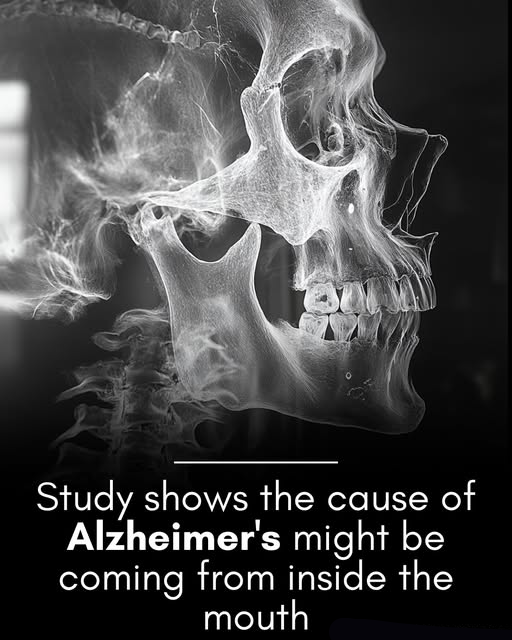
Alzheimer’s may be linked to gum bacteria, new research shows.
Scientists have repeatedly found Porphyromonas gingivalis—the chief bacterium that causes periodontitis—inside the brains of people who died with Alzheimer’s.
When researchers deliberately infected mice with this oral bacterium, the animals rapidly developed key Alzheimer’s pathology, including the buildup of amyloid-beta plaques.
Perhaps most alarming, the bacteria’s toxic enzymes have been detected in the brains of people showing early Alzheimer’s changes years before memory loss or other symptoms appear, suggesting the infection may quietly initiate damage long in advance.
These discoveries have sparked serious interest in new treatment approaches. An experimental drug called COR388 (from the company Cortexyme) has already succeeded in lowering both bacterial load and amyloid-beta levels in preclinical models. Although large human trials are still needed, the evidence is mounting that at least some cases of Alzheimer’s may have an infectious trigger rather than being purely degenerative.
[Dominy, S. S., et al. "Porphyromonas gingivalis in Alzheimer’s disease brains: Evidence for disease causation and treatment with small-molecule inhibitors", Science Advances, 5(1), eaau3333]
84
Piekrītu.
Režisora talants ir apgriezti proporcionāls seksa ainu daudzumam.
Apr 8

Sex scenes are 100% unnecessary in film
1
2
125
Ko daudzi mediji un cilvēki saputro? NATO budžets un izdevumi savas valsts bruņotajiem spēkiem nav viens un tas pats. NATO budžets ir ap 4 mijardi. Saskaņā ar ChatGPT - valstu procentuālais sadalījums. ASV un Vācija ir līderi. Ja runā par valstu tēriņiem savai armijai, tad ir pilnīgi citi cipari. Bet tos nejaukt ar tēriņiem priekš NATO izmaksām. Savu bruņoto spēku budžeta apjomā ASV ir līdere ar atrāvienu. Taču nevienam citam nav tik daudz bāzes visos kontinentos, stratēģiskie kodolieroči utt.
🇺🇸 ASV ~16%
🇩🇪 Vācija ~15–16%
🇬🇧 UK ~10–11%
🇫🇷 Francija ~10–11%
🇮🇹 Itālija ~8%
🇨🇦 Kanāda ~6%
🌍 pārējie ~30%
🇱🇻 Latvija ~0.15–0.18%
1
1
114
Mēs visi zem vienām debesīm dzīvojam, bet nav mums visiem vienādi horizonti...

48