
Agent gaslighter 🪤 | Wannabe engineer @ITBA
Joined June 2018
- Tweets 562
- Following 298
- Followers 167
- Likes 28,364
15 Photos and videos



May 21
Hey @conductor_build team, desperately need this: when i approve a plan, auto-switch to another model. Would be a good feature!
2
134
May 19
Skill issue...
May 18

Google CEO tries to tell University students to love AI.
They tell him to BOO off.
This is what most people think of the hated AI, we don't want it.
2
149
May 18
40 minutes of light Claude Code usage = 50% of my Max plan gone. The limits are cooked. @AnthropicAI @claudeai fix this
4
395
Eduardo Tormakh retweeted

Apr 14
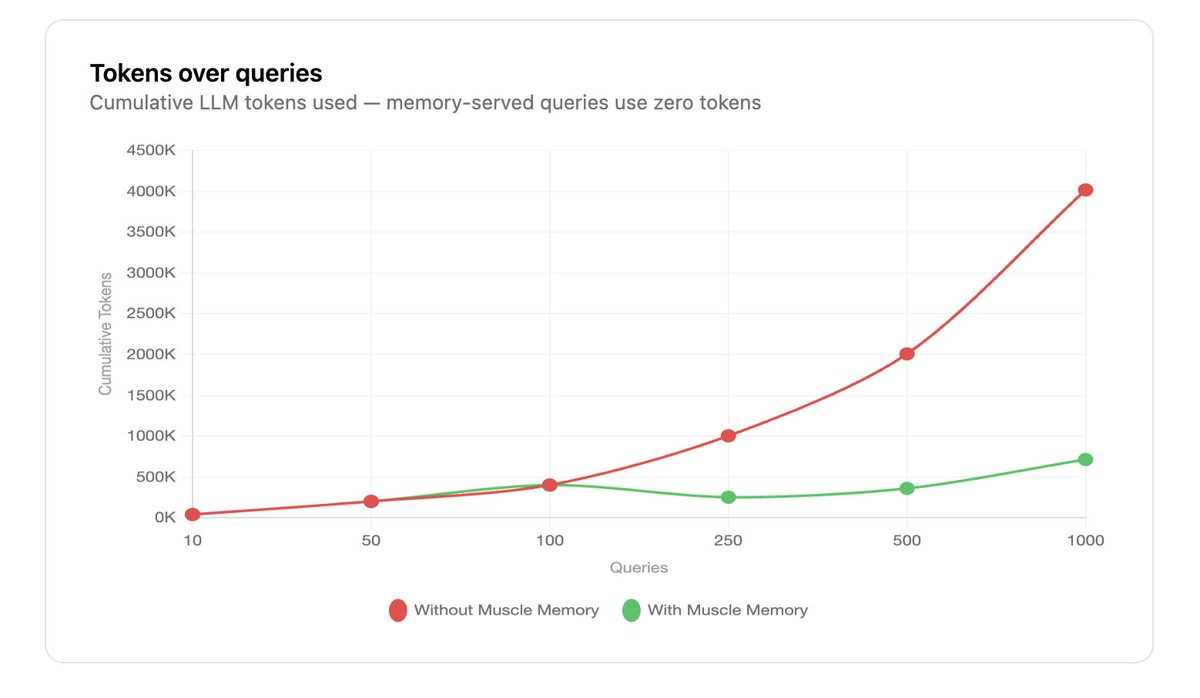
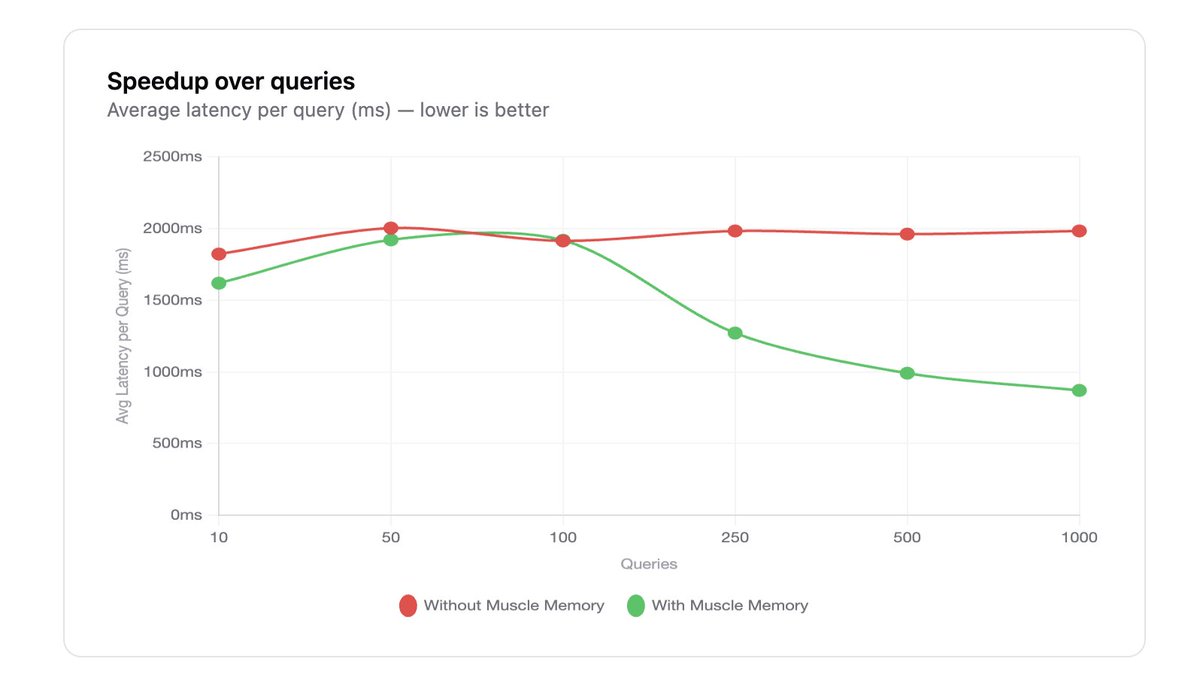
At the @AnthropicAI hackaton we've been testing a way of adding muscle memory to LLMs on top of the @aisdk. You follow a recipe the first 10 times, then you don't need it. Same with repetitive workflows, tool calls get automated, skip the LLM entirely. Less cost & latency
6
11
65
15,497

Eduardo Tormakh retweeted

Apr 5
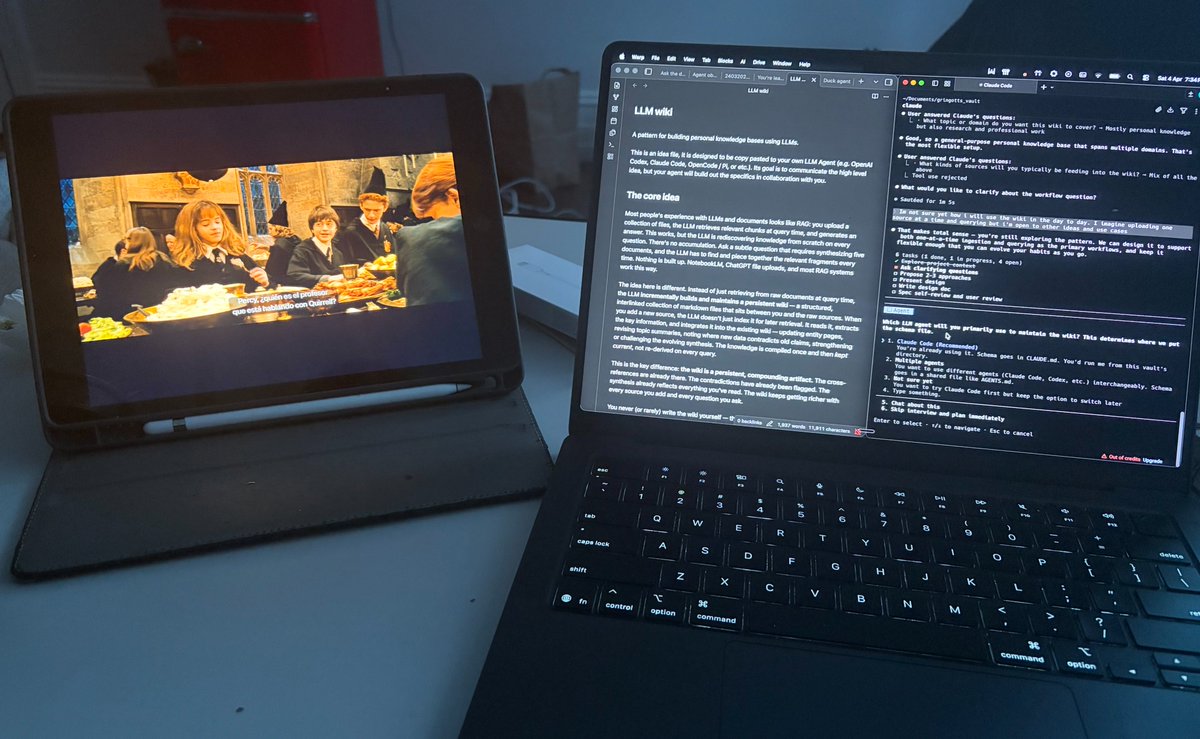
I wanted to give @karpathy’s LLM knowledge bases a try.
I’ve always struggled to find one place to drop all my notes. I write stuff down and then it just sits there, never used again.
So I’m building my own right now… and naming it after the goat: Hermione
Will see if it actually becomes useful in the next few weeks. Anyone else building one?
3
1
11
676
Eduardo Tormakh retweeted

Apr 5
1
7
14
1,243
Eduardo Tormakh retweeted

Apr 2
La NASA mintiendo una vez más. Buena suerte tratando de llegar a la luna de DIA

HISTÓRICO | Misión Artemis II: la Nave Orión despega hacia la Luna.
todonoticias.info/3PGHKOQ
740
5,770
99,127
2,651,661
Mar 31
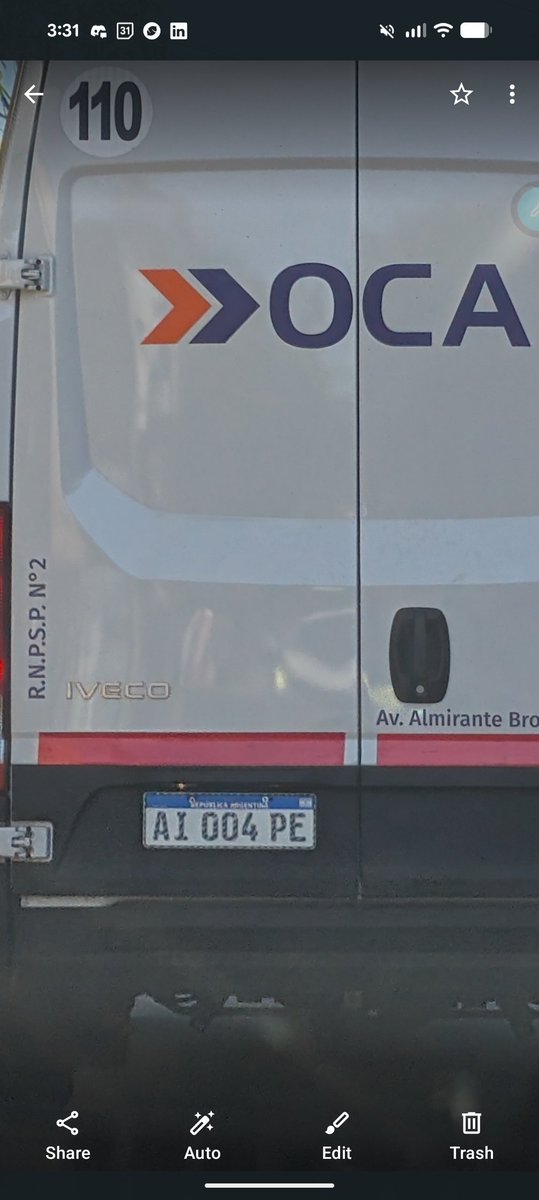
Se vienen los autos AI.
La verdadera pregunta es cuándo se va a poder elegir tu propia patente en la Argentina.
Si fuese gobierno, me imagino:
Comprar una patente custom: le ponés un precio alto, así el fisco recauda más de gente que ELIGE pagar más. El consumidor está contento porque tiene la patente que más le gusta.
No le veo ningún downside. @JMilei @madorni @fedesturze para cuando?
2
10
375
Eduardo Tormakh retweeted

Mar 31
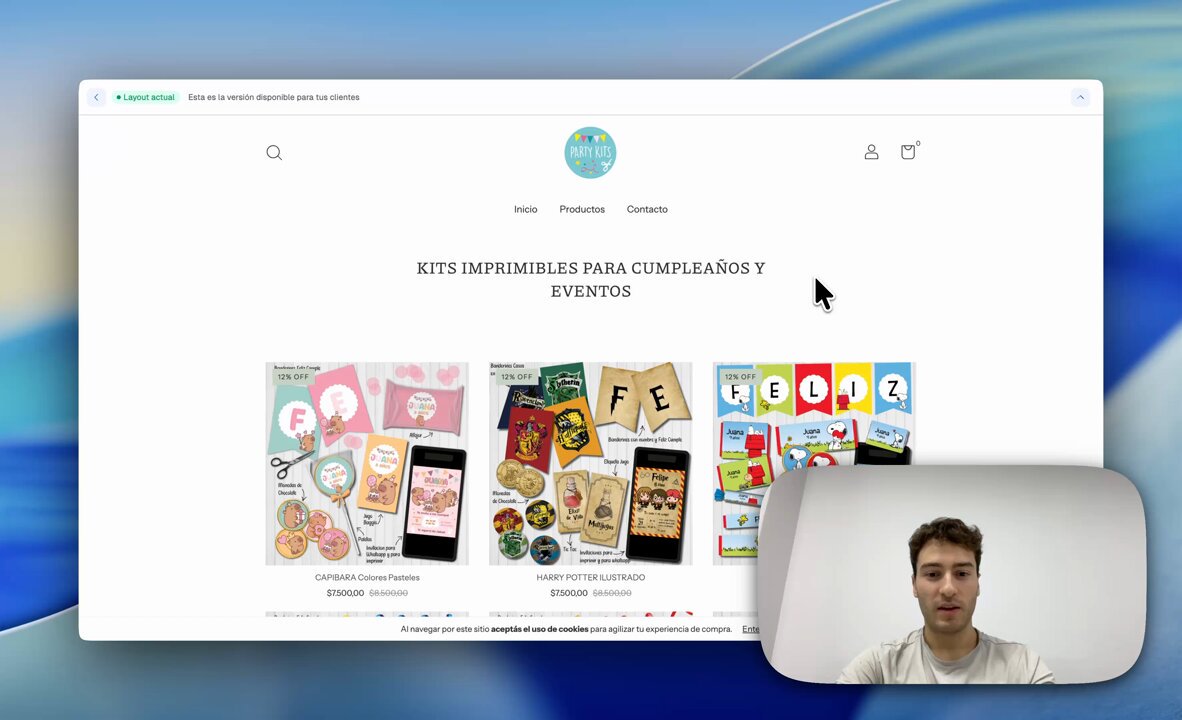
Les dejo otra demo de mi amigo @ElEduTor donde demuestra que tener un e-commerce único no tiene por qué ser difícil.
Tu tienda 100% integrada con @Tiendanube. Con solo un click tenés tu marca, tus productos, tu logística y, por fin, TU diseño.
Proyecto de HackITBA (@cs_itba)
Mar 31

v0 para tu ecommerce.
Conectás tu cuenta de Tiendanube y prompteás el front como querés.
Productos reales. Checkout funcionando.
Construido en 48 horas de sudor, código y Red Bull en el HackITBA (@cs_itba) con @guerrerojuli_,@BPessagnoo y @santimorenofr.
Demo 👇
5
4
24
2,560
Mar 31
Fui a Japón en Febrero de este año y con el poco japonés que se, les decia a los dueños de locales que era Argentino y su cara SE ILUMINABA (no jodo) de la nada te empezaban a tratar bien y a querer sacarte charla. País INCREIBLE. 友好国!!! 🇦🇷🇯🇵
Mar 31

🇦🇷🤝🏻🇯🇵 日本ぜんぜん、なぜそんなにアルゼンチンが好きなのですか?🇦🇷🤝🏻🇯🇵
El CEO de Toyota Argentina cuenta la historia de esta amistad entre países.
( ˘⌣˘)人(˘⌣˘ )
6
445
Mar 31
v0 para tu ecommerce.
Conectás tu cuenta de Tiendanube y prompteás el front como querés.
Productos reales. Checkout funcionando.
Construido en 48 horas de sudor, código y Red Bull en el HackITBA (@cs_itba) con @guerrerojuli_,@BPessagnoo y @santimorenofr.
Demo 👇
30
21
131
12,198
Mar 31
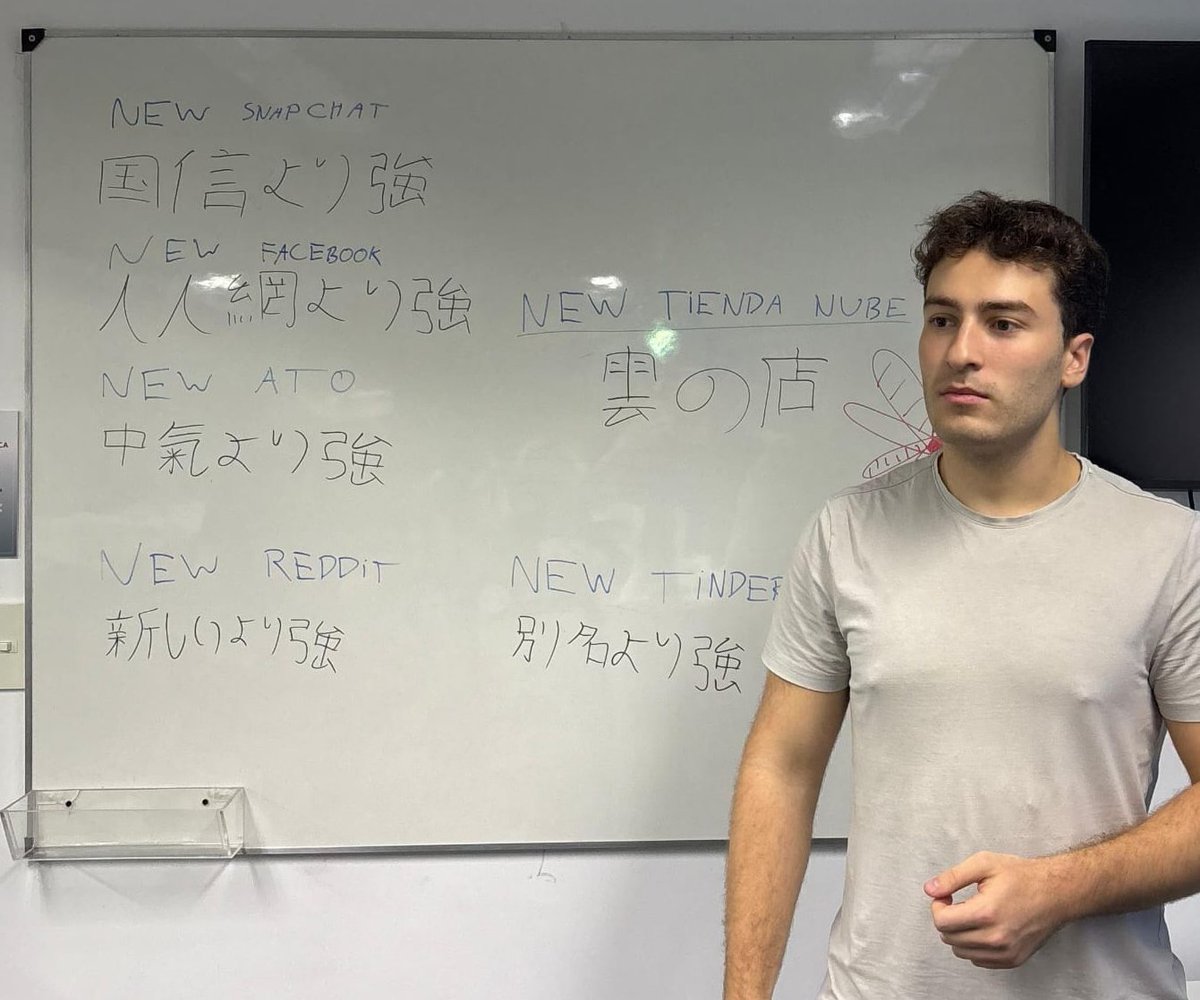
Ya no hace falta que todos los ecommerce usen los mismos templates aburridos.
Conectando tu cuenta de TN ya tenes un asistente para promptear tu front como mas te guste. Ayudando a los que no saben como migrar su front a algo mas custom sin perder el back de TN.
8
609


Eduardo Tormakh retweeted

Mar 9
Arrancamos el lunes fuerte.
Hoy lanzamos el Talo-SDK. Recibir transferencias ahora es APB.
Te da paja integrarlo ?
No pasa nada !
Pedile a tu cursor o claude que aprenda como hacerlo usando context7 o leyendo el README del repo.
Si usas cualquier modelo como la gente es un one-shot garantizado. (minimax abstenerse)
Conciliacion automatica transfiriendo desde cualquier banco y con menos de 1% de comision.
Acreditacion AL INSTANTE(!!!).
npm install talo-pay
74
38
574
206,826
Eduardo Tormakh retweeted

Mar 5
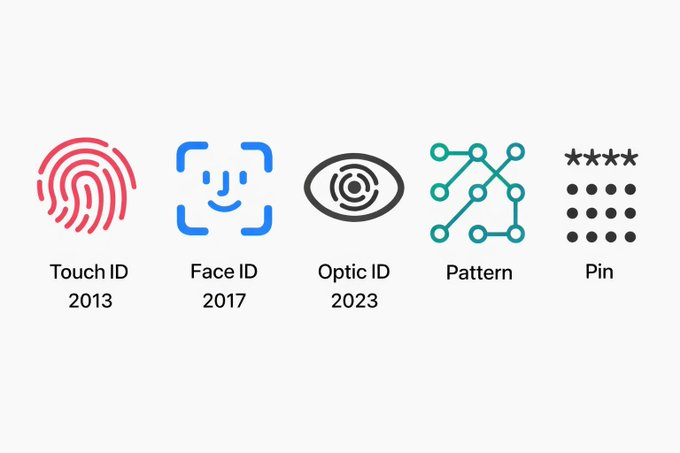
An algorithm cracked 87.5% of “complex” Android pattern locks on the first try, using phone camera footage from 8 feet away.
That cool-looking swipe pattern is the weakest option on this list. A 3x3 grid technically has 389,112 combinations, but the average person connects just 5 dots (about 7,000 combos) and most use only 4 (1,624 combos, fewer than a 4-digit PIN). 44% of patterns start in the top-left corner, 77% start in a corner, and about 10% of people just draw the first letter of their name.
The biometrics tell a different story. Touch ID’s false acceptance rate (odds a stranger’s finger unlocks your phone) is 1 in 50,000. Face ID jumped to 1 in 1,000,000 using 30,000 infrared dots to 3D-map your face, though twins and kids under 13 can sometimes fool it. Optic ID matches that 1 in 1,000,000 rate, but the biometric underneath is far richer: your iris has over 200 measurable features versus 40 to 60 for a fingerprint, patterns form randomly in the womb, and even identical twins have completely different irises.
PINs look decent on paper (10,000 combinations for 4 digits) but collapse in practice. In a 3.4 million sample, 10.7% of people chose 1234. Try just 61 combinations and you’d crack a third of all PINs. A study found 6-digit PINs provide “little to no increase in security” over 4-digit ones, because people just pick 123456 or a birth year.
Random stranger picks up your phone? Face ID and Optic ID are 20x more secure than Touch ID and orders of magnitude ahead of most people’s PINs or patterns.

194
739
13,690
3,225,838
Eduardo Tormakh retweeted

20 Oct 2025
Me and the other cracked founders of Talo who insist on hosting all our web pages on @vercel
3
2
16
1,523
Eduardo Tormakh retweeted

7 Oct 2025
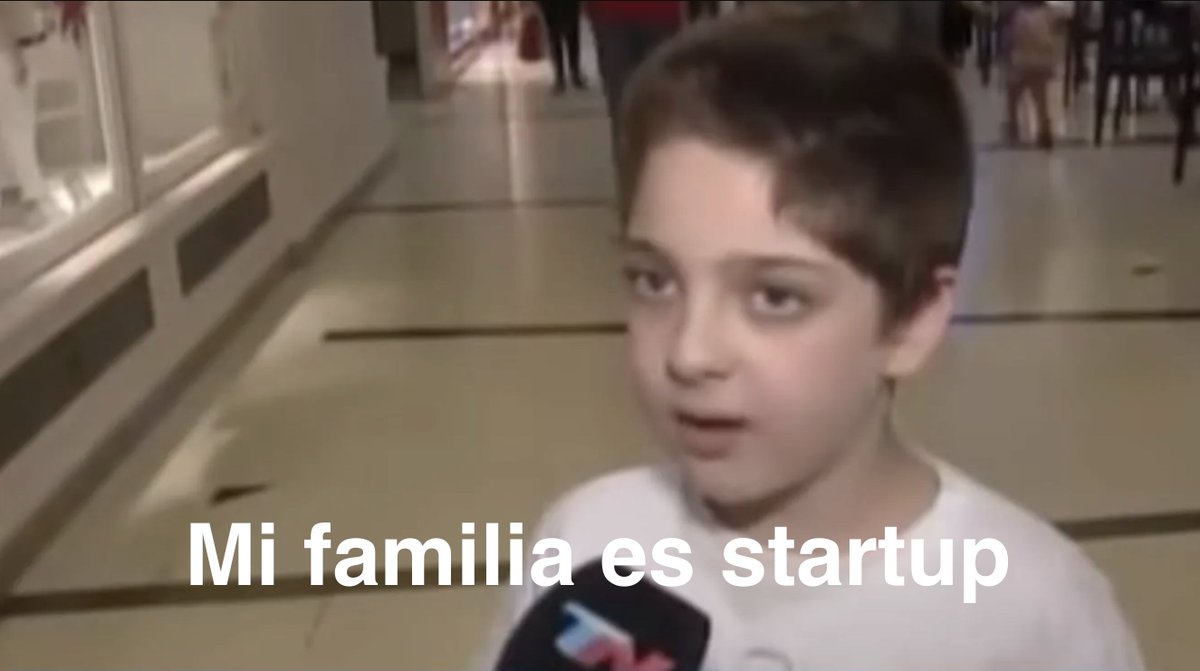
- ¿Cobrás aguinaldo?
-
4
45
732
22,567