Physician, musician, wannabe archeologist. These opinions are my own. No one else would even think of taking responsibility for them.
Joined April 2013
- Tweets 2,642
- Following 460
- Followers 1,350
- Likes 5,635
102 Photos and videos
Eleanor Lederer retweeted

15 Jul 2025
Let’s show our support!
15 Jul 2025

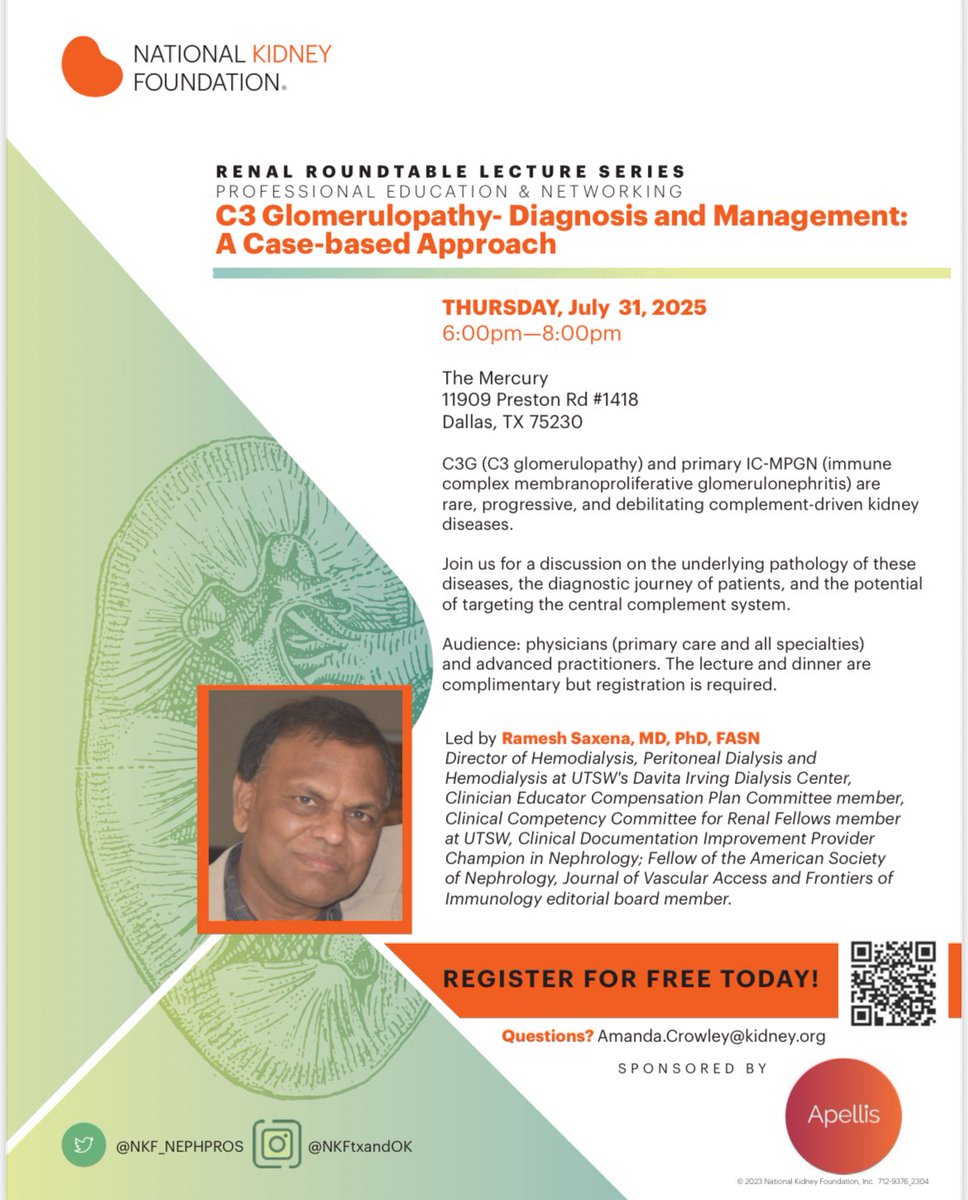
🚨DFW physicians & advanced practitioners 🚨
Do not miss this @NKFTexas Renal Roundtable with Dr. Saxena from @UTSWNephrology❗
📆 Thursday, July 31st, 2025
⌚ 6pm
It is free!
Registration link in the comments ⬇️
1
2
7
984
Eleanor Lederer retweeted
14 Jun 2025
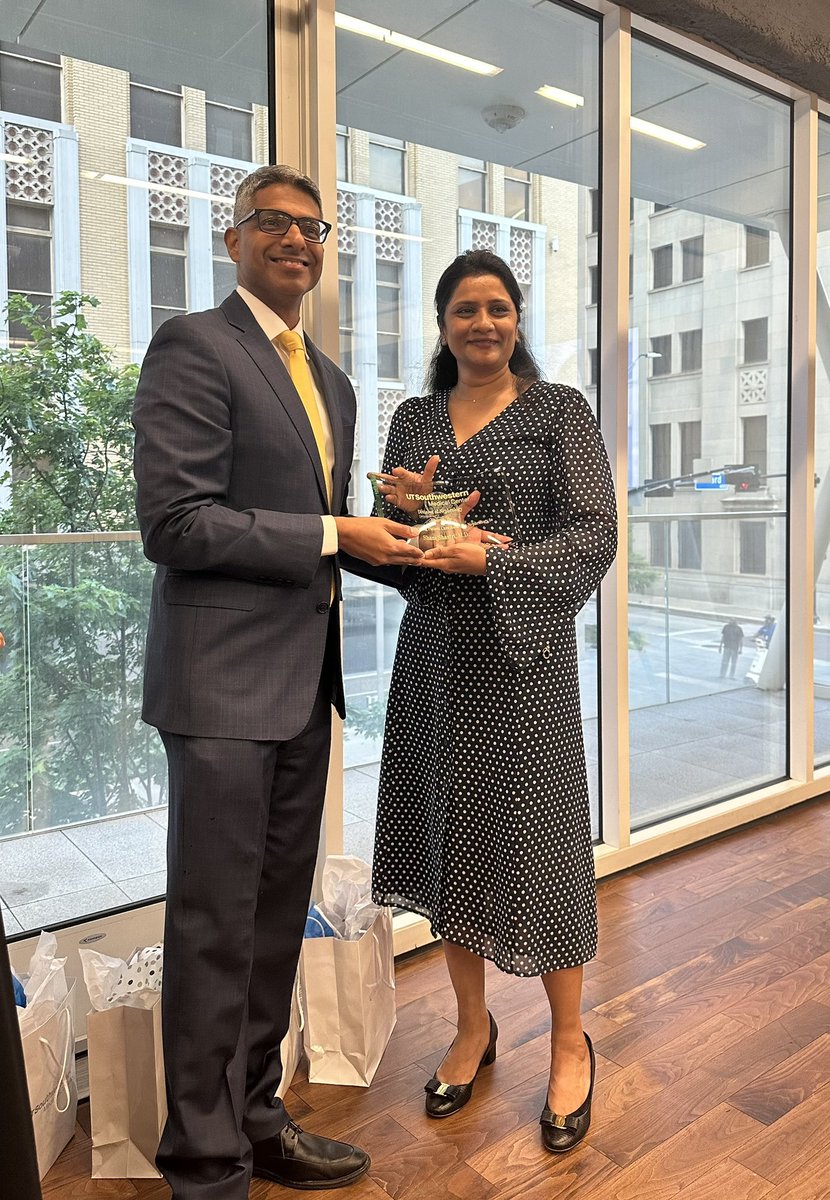
Outstanding Nephrology Faculty Clinician Award goes to Dr. Shani Shastri.
Thank you so much for your dedication to excellence and providing top-notch Nephrology care!
1
3
25
898
Eleanor Lederer retweeted
14 Jun 2025
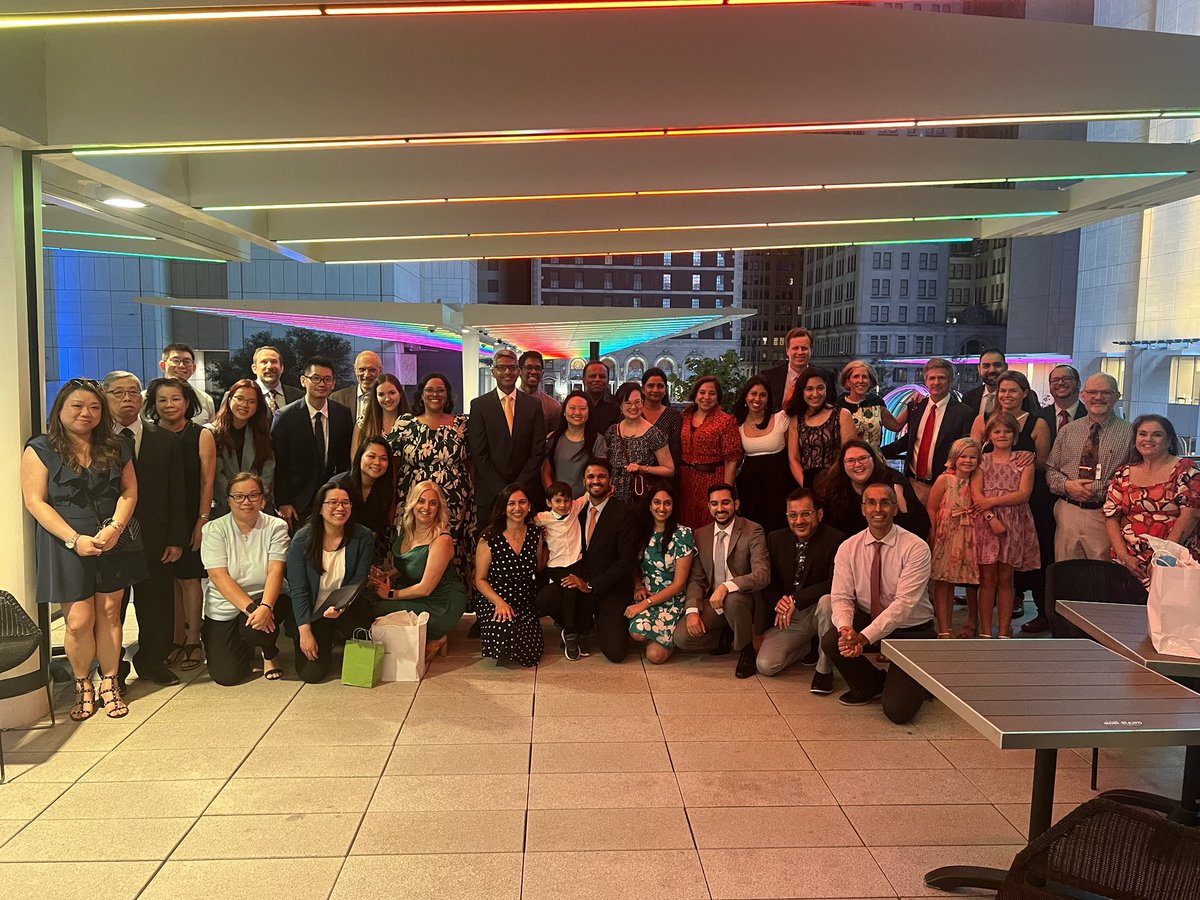
Always fun times at Graduation day!
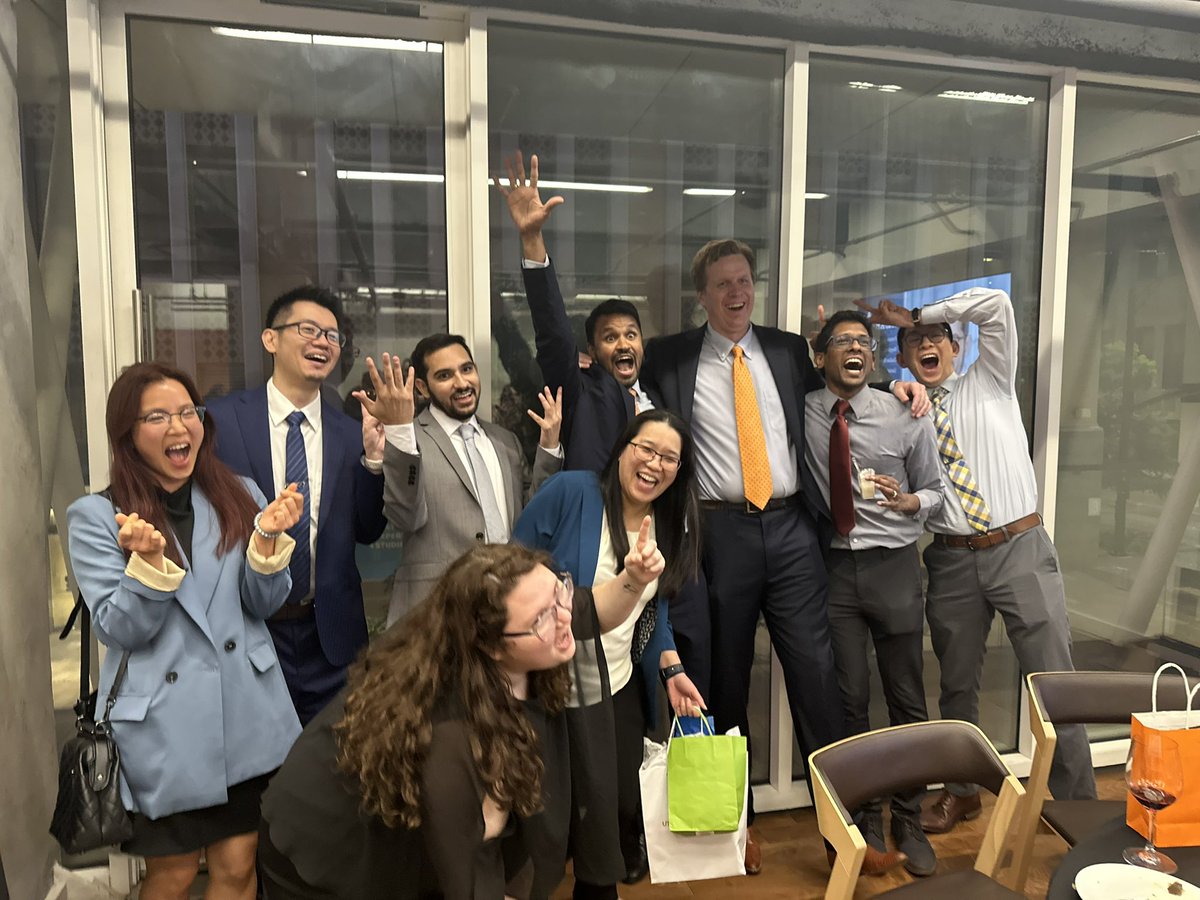
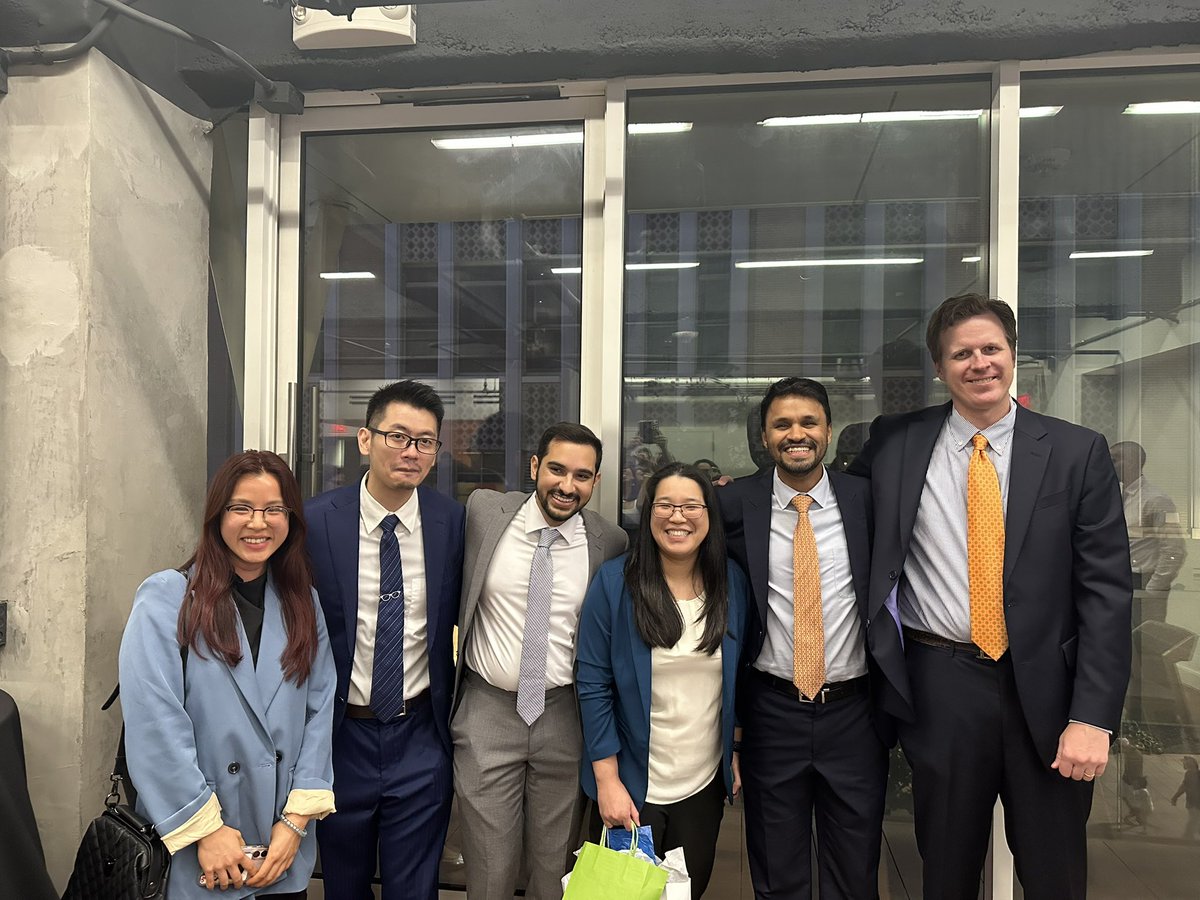
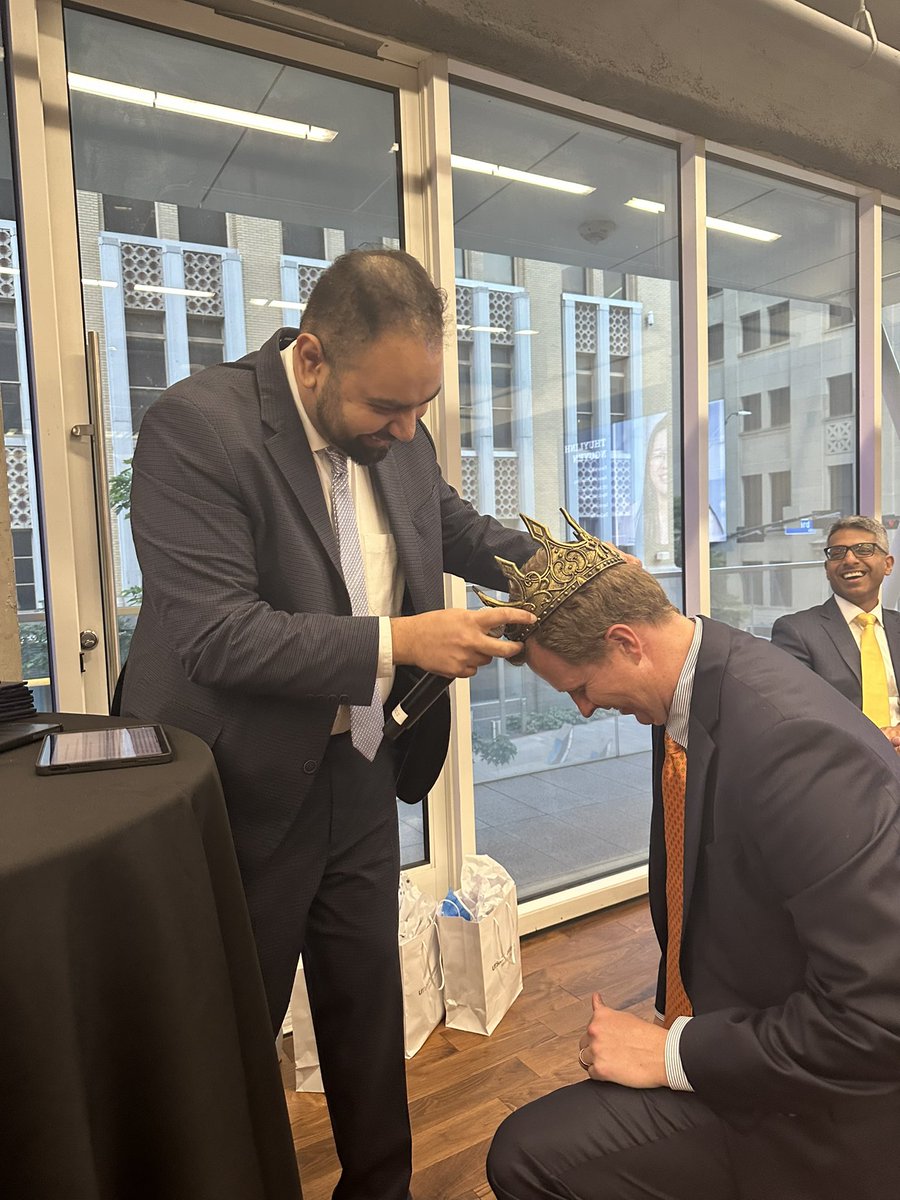
4
13
816
Eleanor Lederer retweeted

8 Jun 2025
Grateful to @AJKDonline and @Maximal_Change for hosting such a thoughtful interview ❤️
Amazing to reflect on how much progress we've made since that conversation.
8 Jun 2025

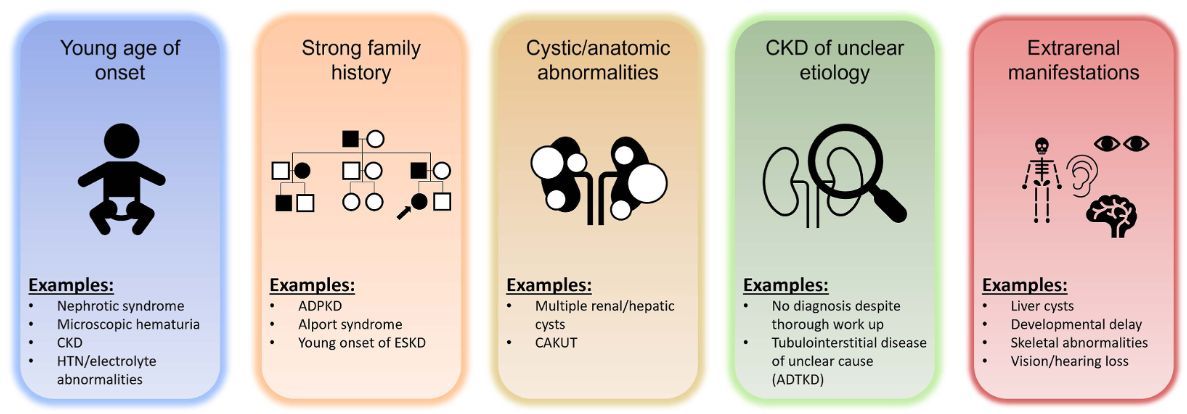
In case you missed it on the #AJKDBlog, Interviews Editor @Maximal_Change sat down with @anuja_java to dive into the benefits of clinical genetic testing in the nephrology patient population.
bit.ly/IntJava24 (FREE)
7
20
2,290

31 May 2025
Oh, that is so clever!
30 May 2025

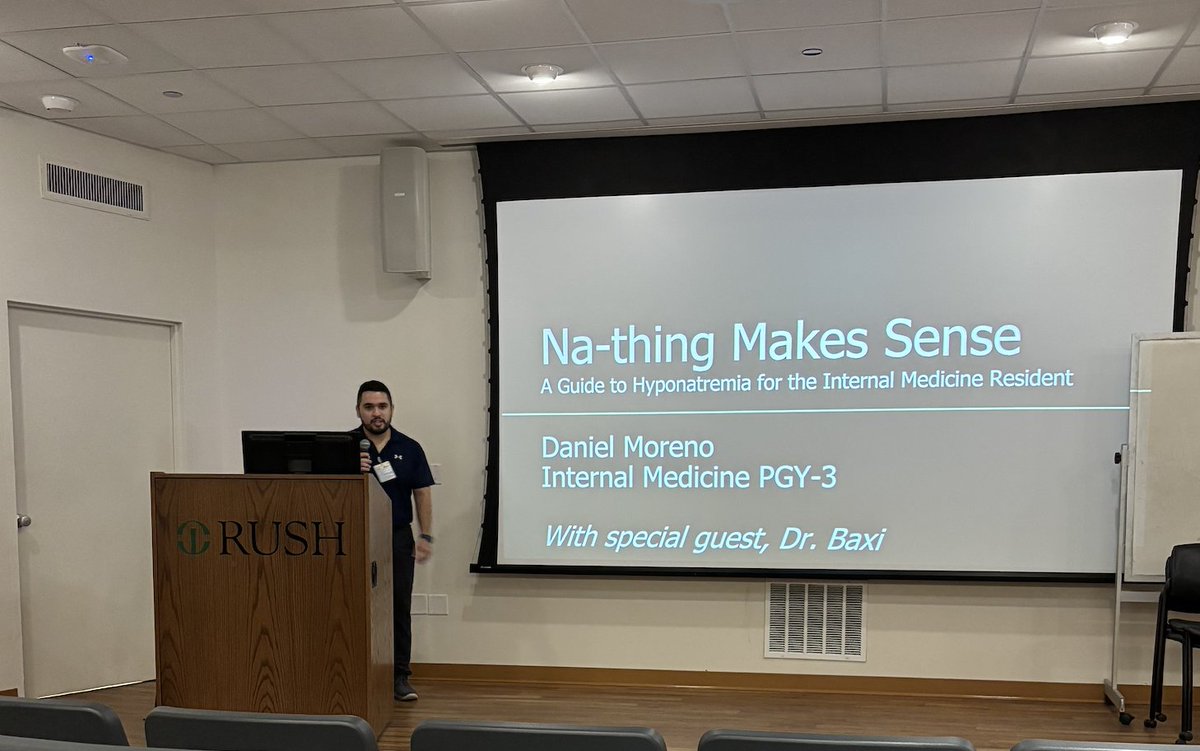
Future @Rush_Nephrology fellow Dan Moreno giving his senior presentation on about as difficult a topic that a resident could tackle. 👏👏👏👏👏. And for someone who prides himself on great titles, I cannot believe I never thought of this one ! Go Dan! @RushDOIM.
1
6
462
Eleanor Lederer retweeted
28 May 2025
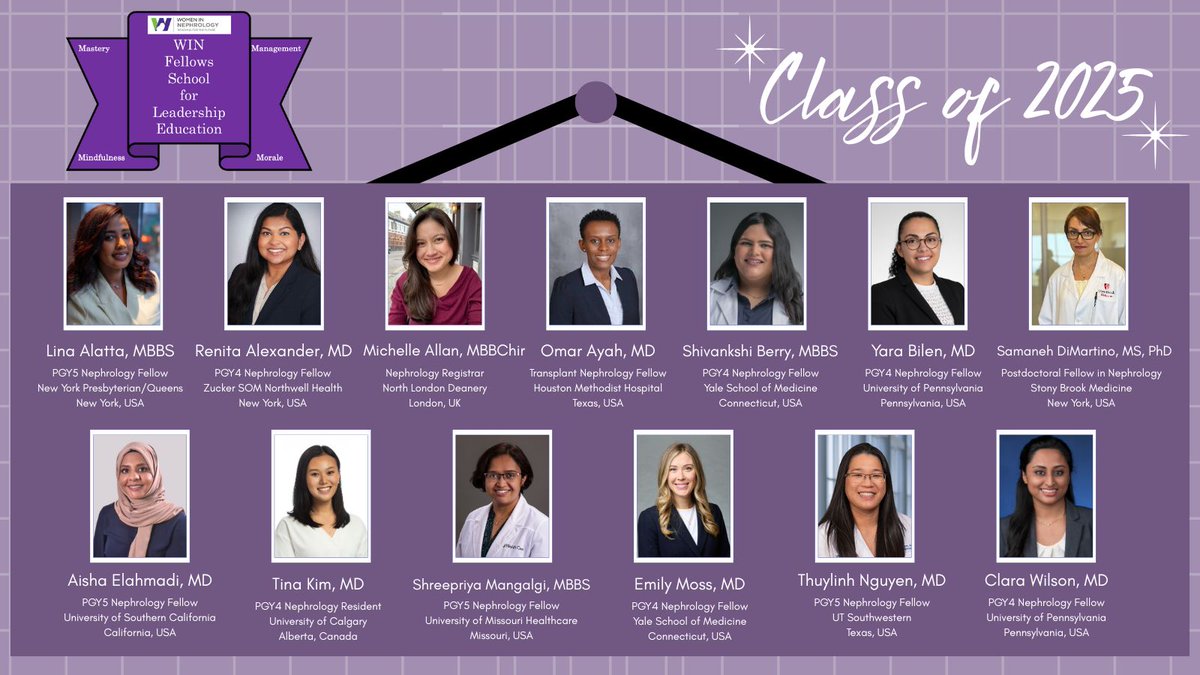
Congratulations to our fellow, Dr. Thuylinh Nguyen @tnguyen143637 !
26 May 2025

Meet the Fellows School for Leadership Education (FSLE) Class of 2025! 🌟
We’re thrilled to welcome these exceptional women in nephrology to this year’s WIN leadership cohort.
The program kicks off on 5/27/25 — and we can’t wait to begin this journey together!
2
7
750
Eleanor Lederer retweeted

7 May 2025
🎉For folks interested in understanding @Vishal_D_Patel trailblazing path @UTSWMedCenter, a few of his key papers on mir17 and ADPKD:
1. 2013: pnas.org/doi/10.1073/pnas.13…
2. 2017: nature.com/articles/ncomms14…
3. 2019: nature.com/articles/s41467-0…
4 May 2025

Novartis to acquire Regulus Therapeutics and farabursen, an investigational microRNA inhibitor to treat ADPKD, the most common genetic cause of renal failure finance.yahoo.com/news/novar…
1
4
26
2,847
18 Apr 2025
And it was a fabulous talk!!
18 Apr 2025

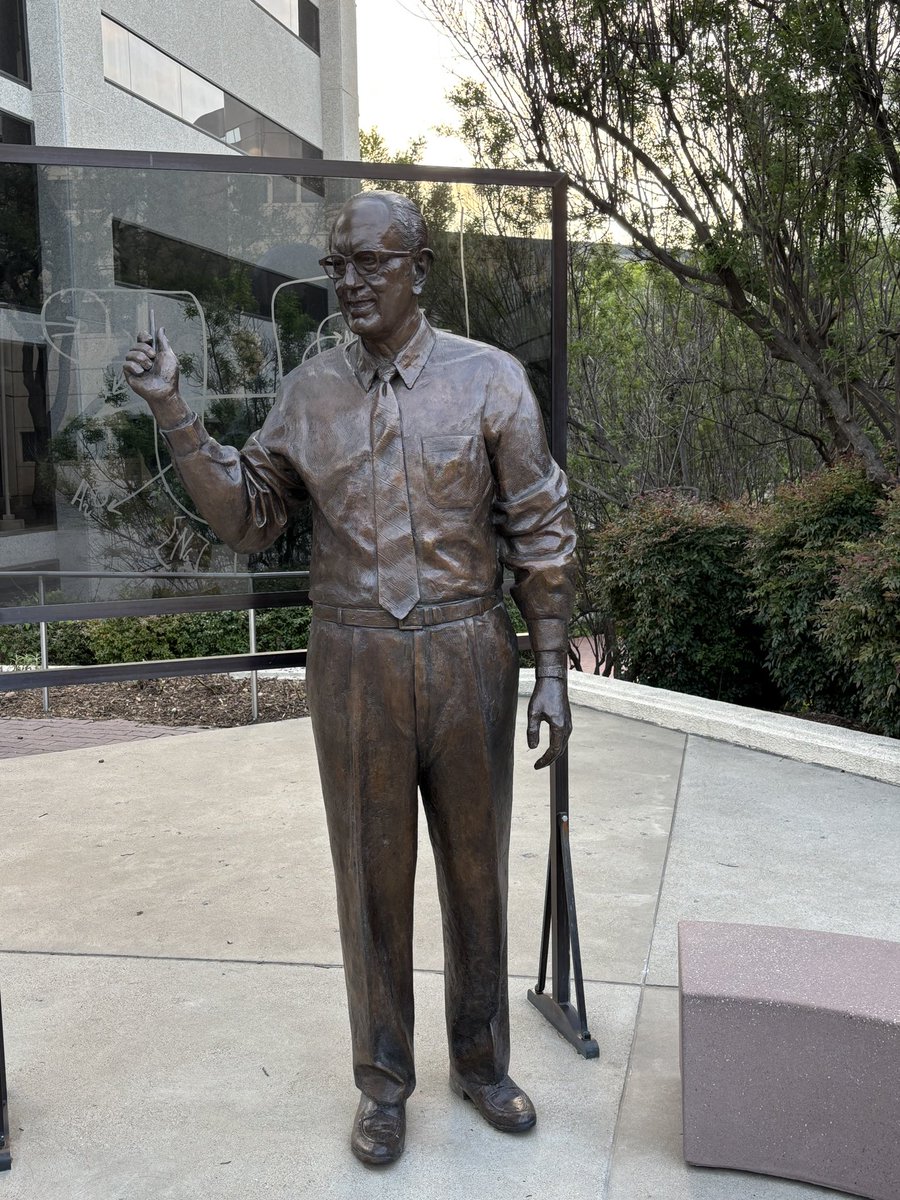
I was honored to present at the @UTSWInternalMed Grand Rounds and share insights on innovation in AKI this week. It was great to visit @UTSWMedCenter, home to historical leaders like Dr. Donald Seldin. I am thankful for this incredible experience! @samirparikhmd
1
3
464
Eleanor Lederer retweeted

12 Apr 2025
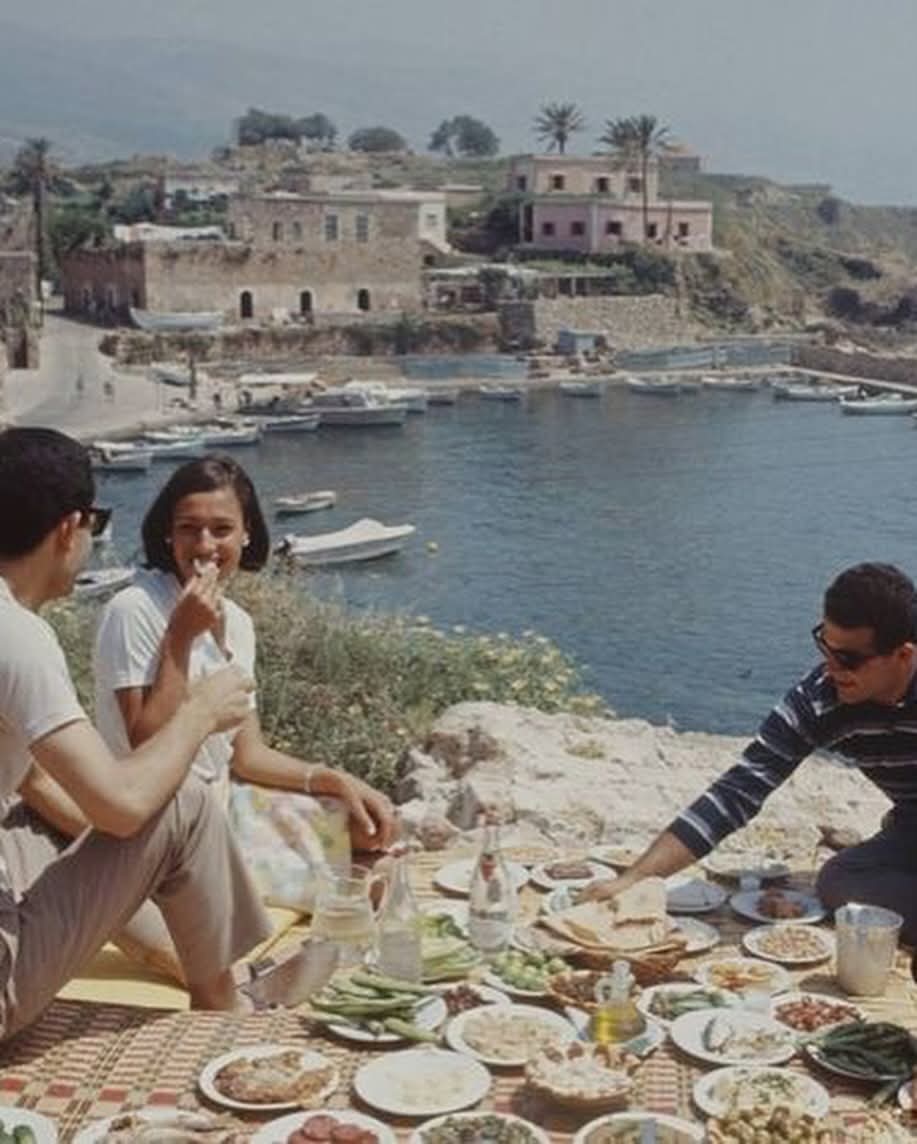
Lebanon in the 60s and 70s was a vibrant mix of rich culture, bustling markets, and lively streets. The country was a melting pot of traditions and modernity, with Beirut emerging as a cosmopolitan hub. During this time, the city was famous for its vibrant café culture, with outdoor terraces filled with people enjoying coffee, chatting, and watching the world go by. The streets were lined with shops selling everything from traditional Lebanese handicrafts to imported European goods, creating a unique blend of the old and new.
Lebanese cuisine during this era reflected the country’s diverse cultural influences, with traditional dishes like hummus, tabbouleh, and falafel being staples in every meal. Street vendors often sold freshly baked bread, sweet pastries, and fruits, while families gathered to share hearty meals at home. The food was rich in flavors, with an emphasis on fresh vegetables, olive oil, and aromatic spices. The social aspect of dining was just as important as the food itself, with meals often lasting for hours and involving lively conversation and connection.
By the 1970s, Lebanon’s reputation as a center of intellectual and artistic life grew, with a burgeoning nightlife scene and a thriving music industry. Jazz bars and nightclubs flourished in Beirut, and the Lebanese music scene was at its peak, with artists blending traditional sounds with modern influences. This era was marked by a sense of cultural optimism, with the country positioned as a beacon of arts, culture, and culinary excellence in the Middle East.
© Historical Photos
#archaeohistories
12
50
243
14,516
Eleanor Lederer retweeted

8 Apr 2025
Superb achievement! Proud to be part of such a great place to work.
8 Apr 2025

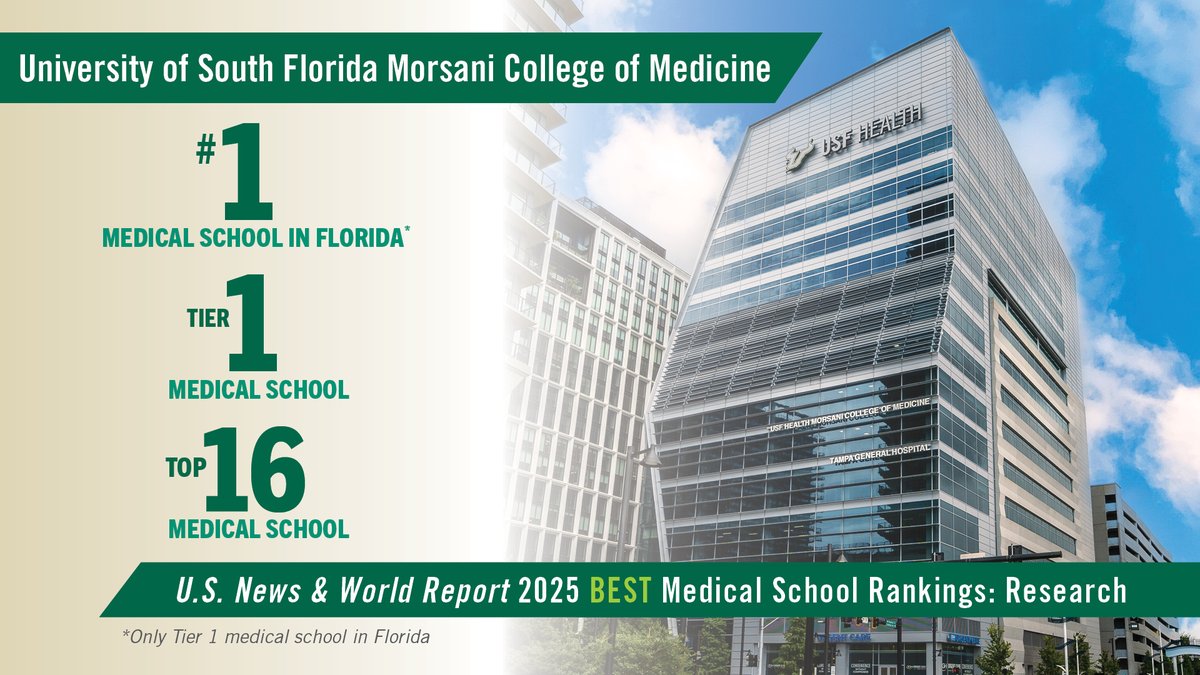
BREAKING NEWS: The @USFHealth Morsani College of Medicine is the #1 medical school in Florida — and the only program in the state to earn a Tier 1 ranking from @usnews. This places @USouthFlorida among the Top 16 medical schools nationwide.🤘#GoBulls
➡️ bit.ly/MCOMranking
2
9
624
Eleanor Lederer retweeted
23 Mar 2025
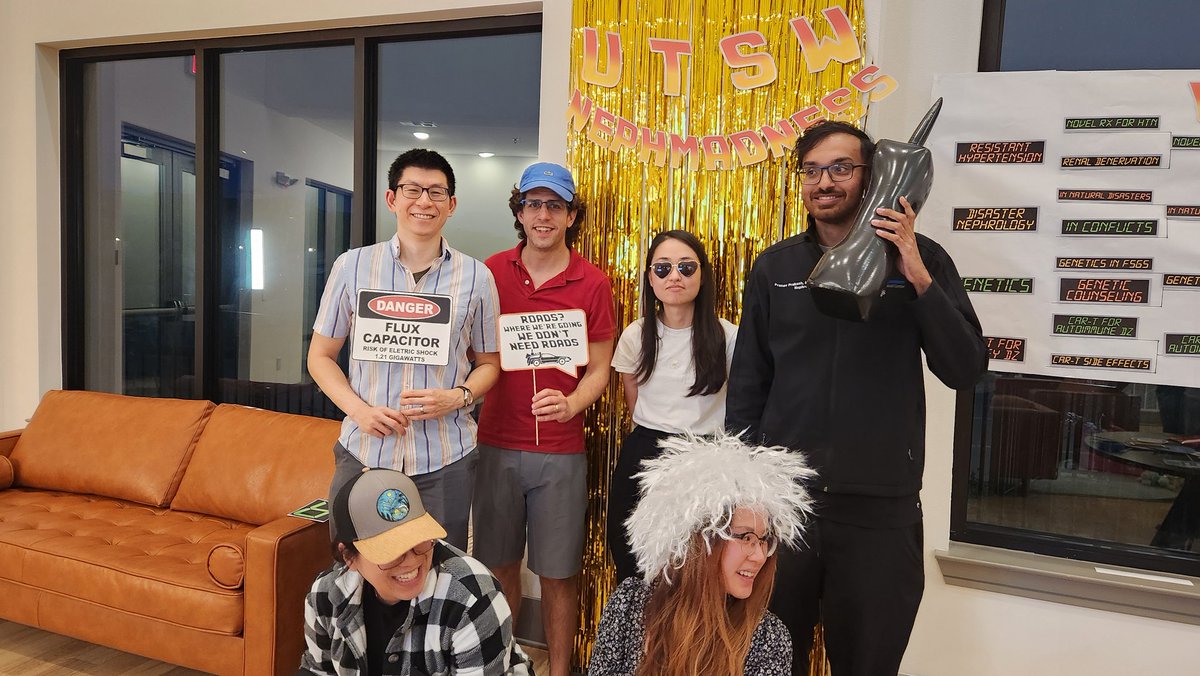
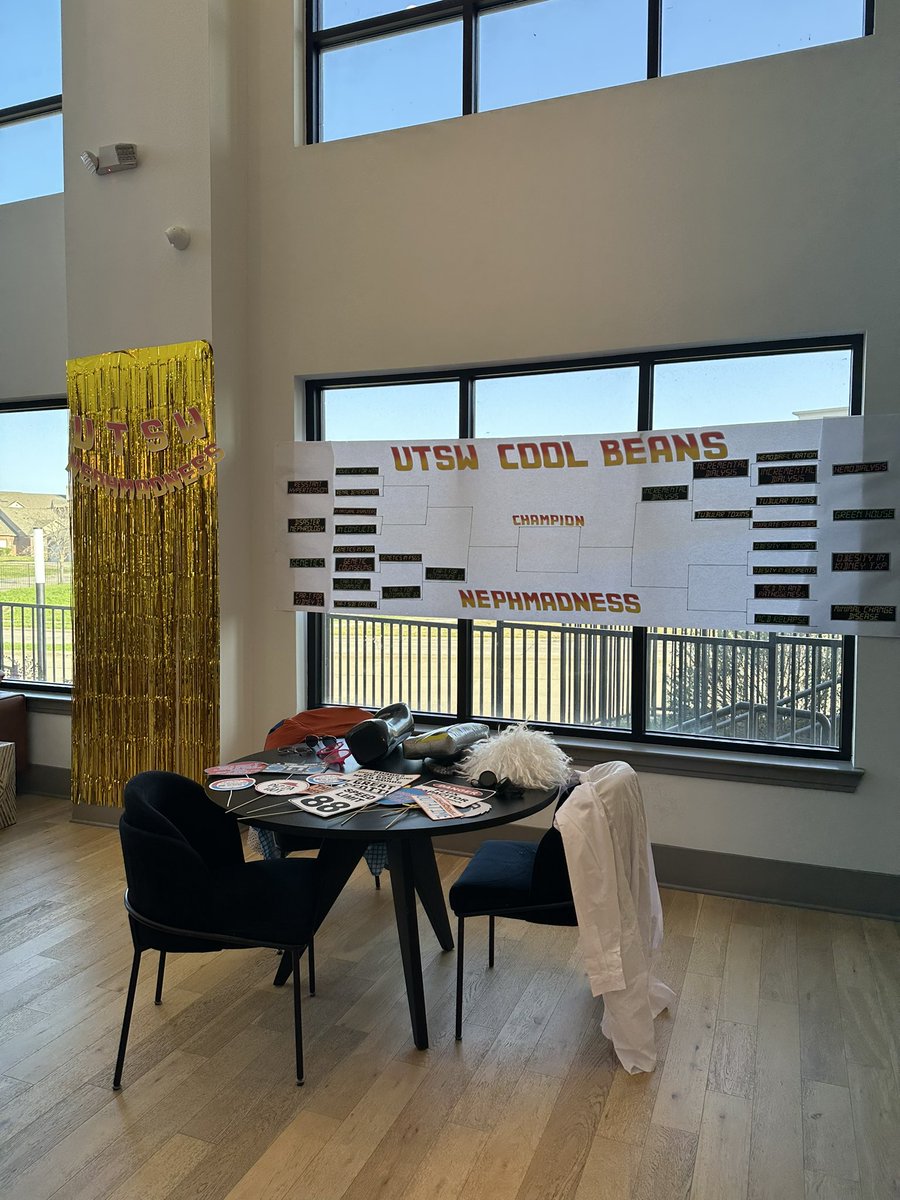
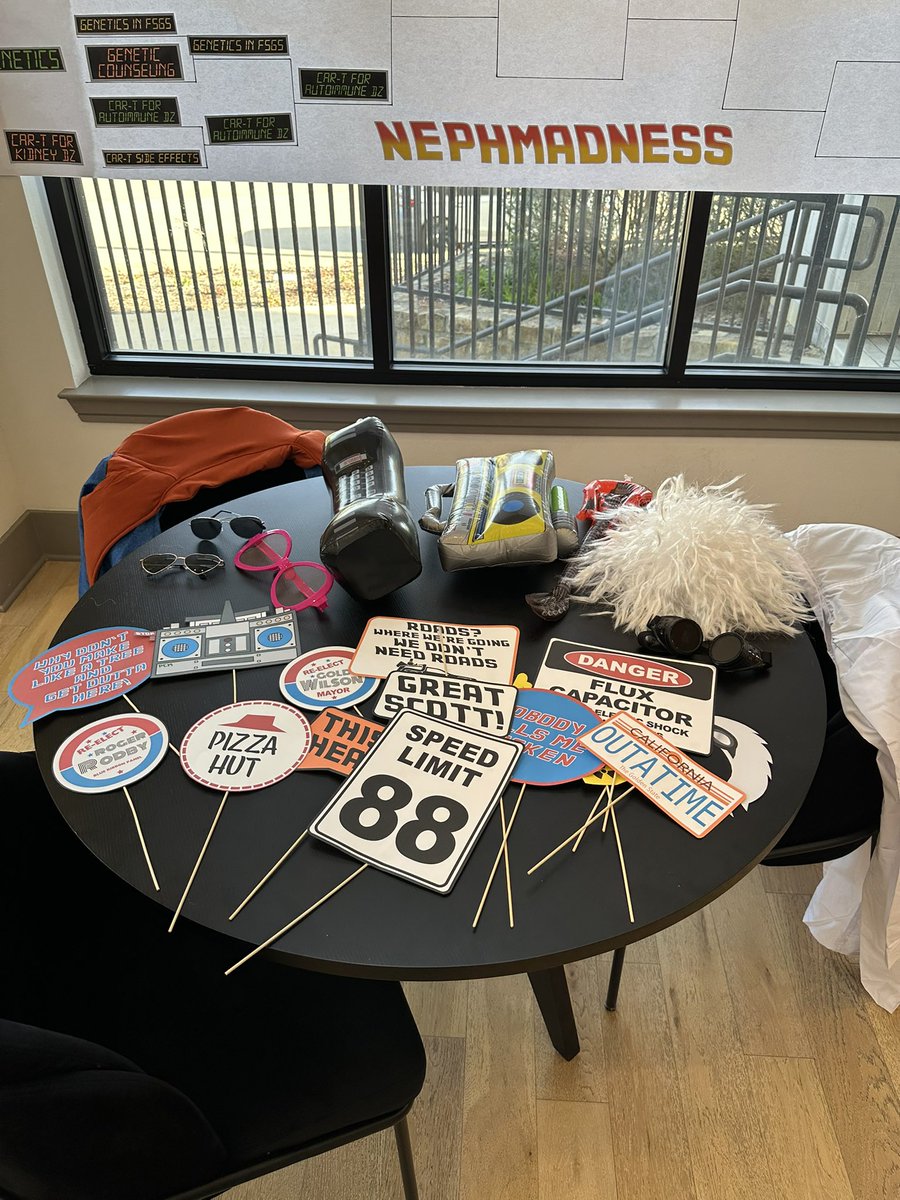
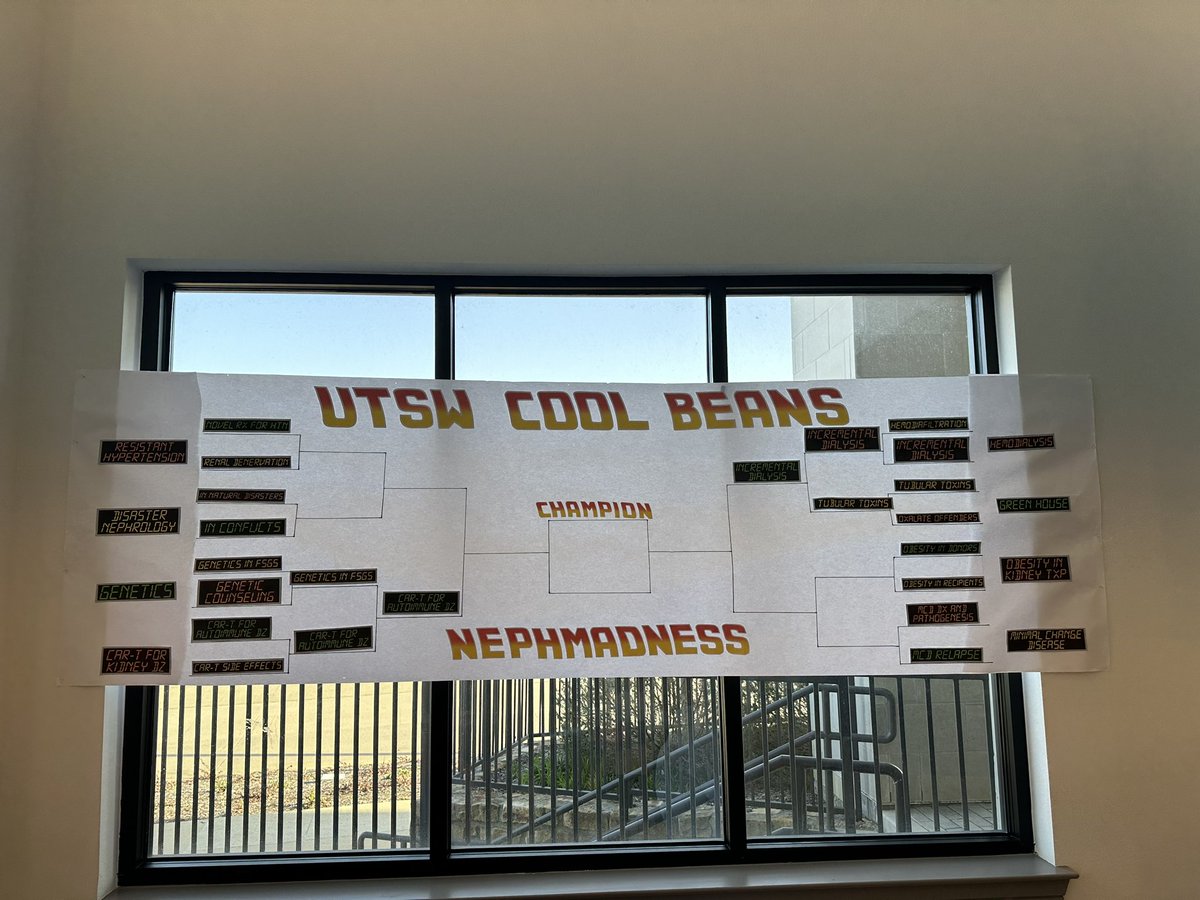
UTSW Cool Bean @NephMadness Party Part 2!
#NephMadnessParty
4
5
893
Eleanor Lederer retweeted
13 Mar 2025
Today is @worldkidneyday 2025!
#AreYourKidneysOK? Take the 'Are Your Kidneys Healthy?’ quiz to find out! #WorldKidneyDay
👉 worldkidneyday.org/2025-camp…
3
7
397
Eleanor Lederer retweeted

10 Mar 2025
With the participation of Virginia Health Sciences, IGNITE KUH has become a true Commonwealth of Virginia wide program from coast to the mountains. Excited for the growth of the program to build the pipeline of future scientists serving the mission of @NIDDKgov
10 Mar 2025

We are excited to join the IGNITE KUH pre- and postdoctoral training program, focusing on Kidney, Urology, and Hematology research! Virginia Health Sciences now partners with UVA, VCU, and Virginia Tech in this outstanding initiative. @Virginia_KUH med.virginia.edu/nephrology/…
5
8
461
Eleanor Lederer retweeted

7 Mar 2025
To all the trainees, please register to join us for an exciting Trainee Session at the PKD RRC Symposium next week, March 13. We have an exciting lineup of speakers.
Here: lnkd.in/g5RjHaKB
📷
2
2
195
Eleanor Lederer retweeted
21 Feb 2025
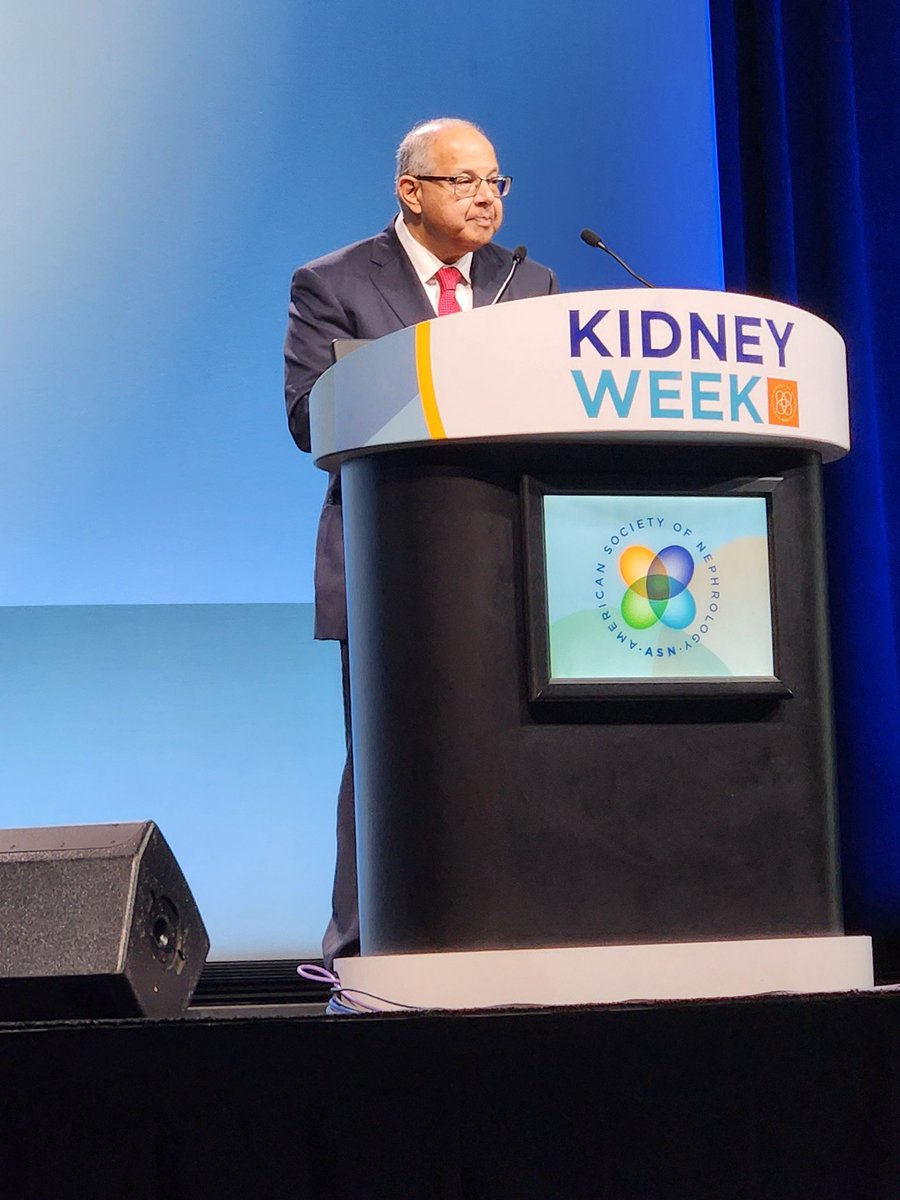
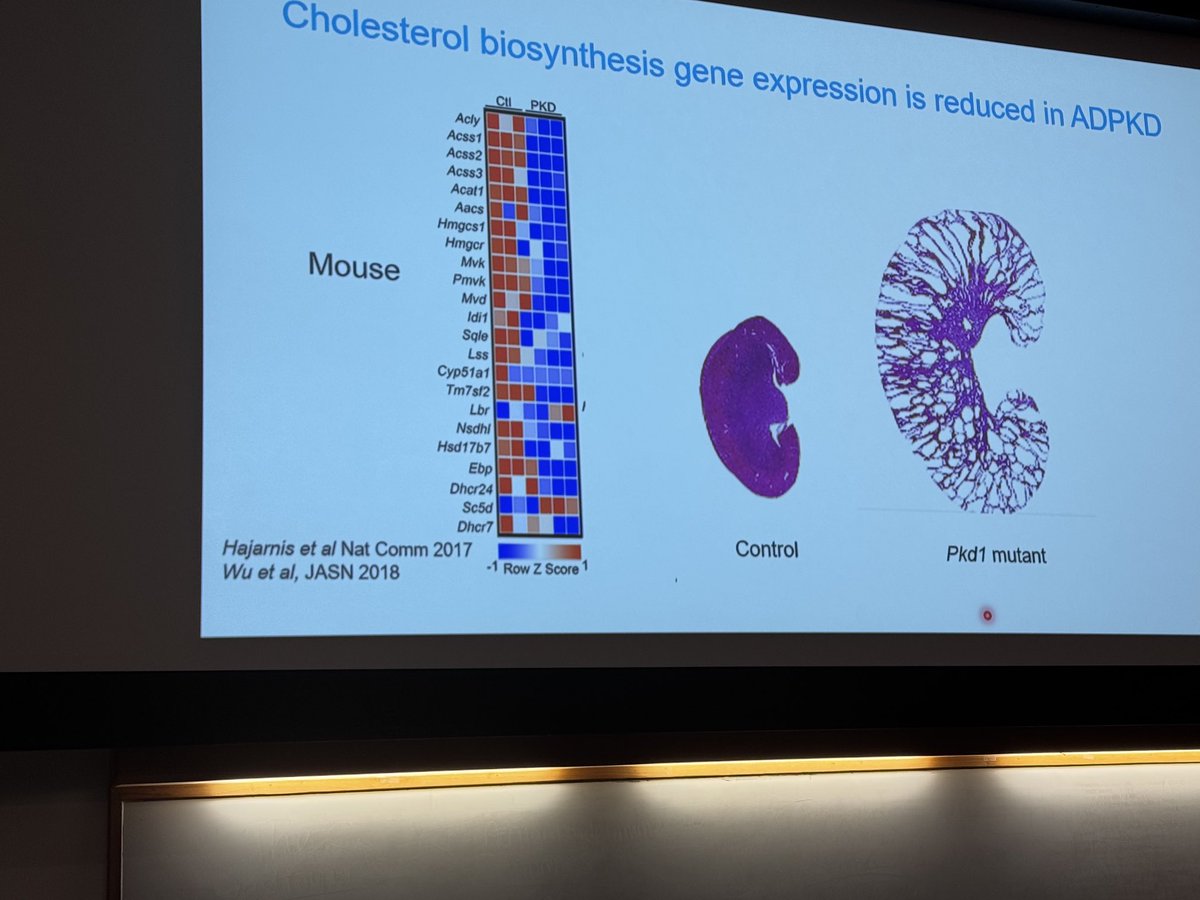
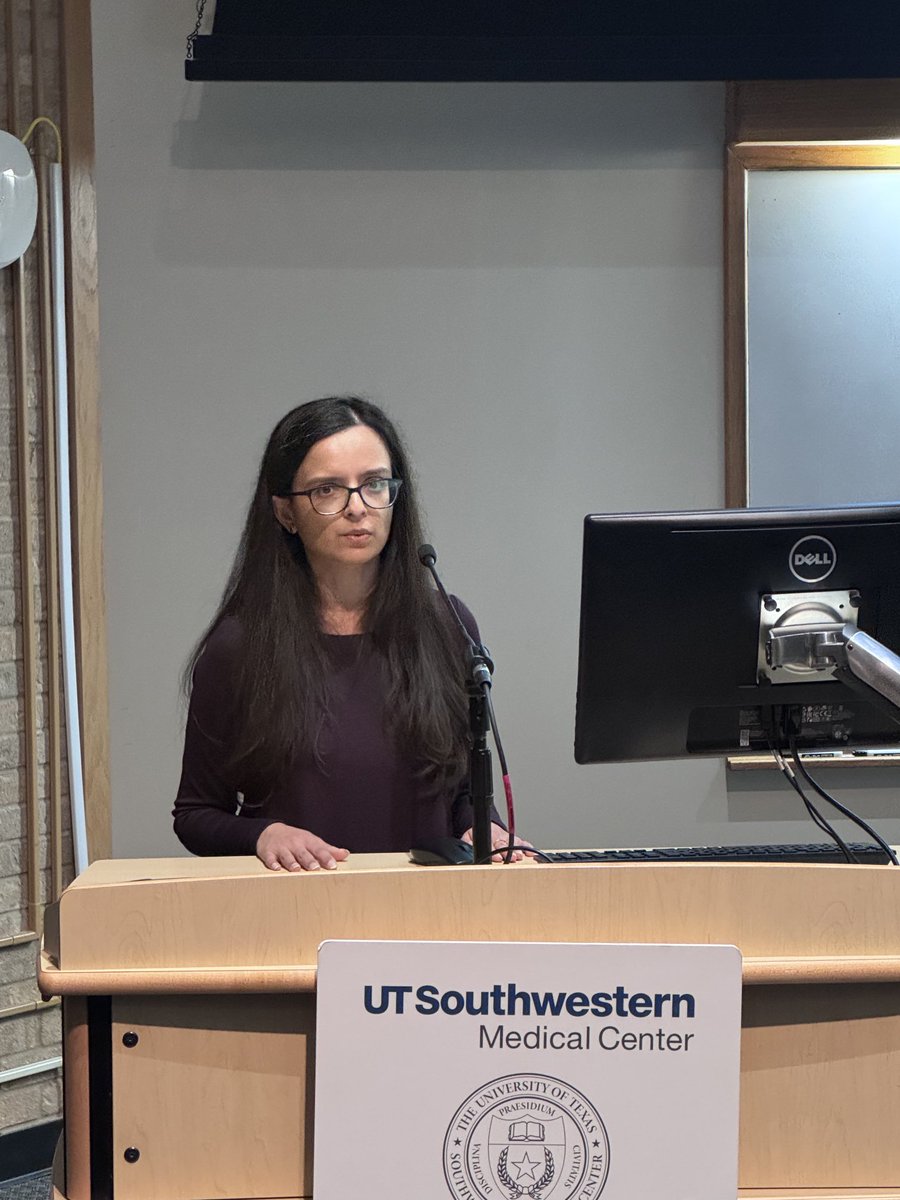
Bookending today’s medical grand rounds from @SonOfBarth for @UTSWInternalMed with @RonakLakhia1 delivering a cutting-edge lecture on new #ADPKD mechanisms for which she just commenced @NIDDKgov R01 funding
Congratulations Dr. Lakhia!!!
1
3
17
1,171
Eleanor Lederer retweeted

4 Feb 2025
Looking forward to celebrating our 10th year @NBLUniv Thank you to everyone in the nephrology community who volunteered and/or supported this great movement over the last 10 years! #nbluniv2025 - Nephrology Fellows do not forget to apply NBLuniv.com
4 Feb 2025

Calling all 2026 Nephrology Fellows to apply for NBLU 2025! Celebrate NBLU’s 10th anniversary with us!
Apply today for this unique conference focusing on the business and economics of nephrology. This is your chance to meet amazing mentors in your field.
Visit NBLUniv.org to learn more and apply to join us August 12th – 17th!
#NBLU10Years #NBLUniv #NBLUnivalumni #2026nephfellows @USRenaLink @USRenalCare
2
10
520
Eleanor Lederer retweeted

31 Jan 2025
⏰ Last chance to save $20!
Join or renew your ASN membership today and save $20 before prices go up. Be part of something innovative, influential, and dynamic in nephrology. Exclusive benefits await you all year long.
⏳ Don’t wait, time’s almost up! 🔗asn.kdny.info/JKOy50UPIC3

1
3
1,050
27 Jan 2025
Saw it! Congrats.
26 Jan 2025

Our recent review in collaboration with @DasingerJh and @AbaisBattad on novel immune cells in the development of hypertension and renal injury is now In Press @AJPRenal! @ResearchMUSC @CharlestonVAHCS
journals.physiology.org/doi/…
1
184
Eleanor Lederer retweeted

24 Jan 2025
Start working on your abstracts! We have trainee travel awards! Great program in the works!! @decaesmp1 @SiskindLeah 👇
22 Jan 2025

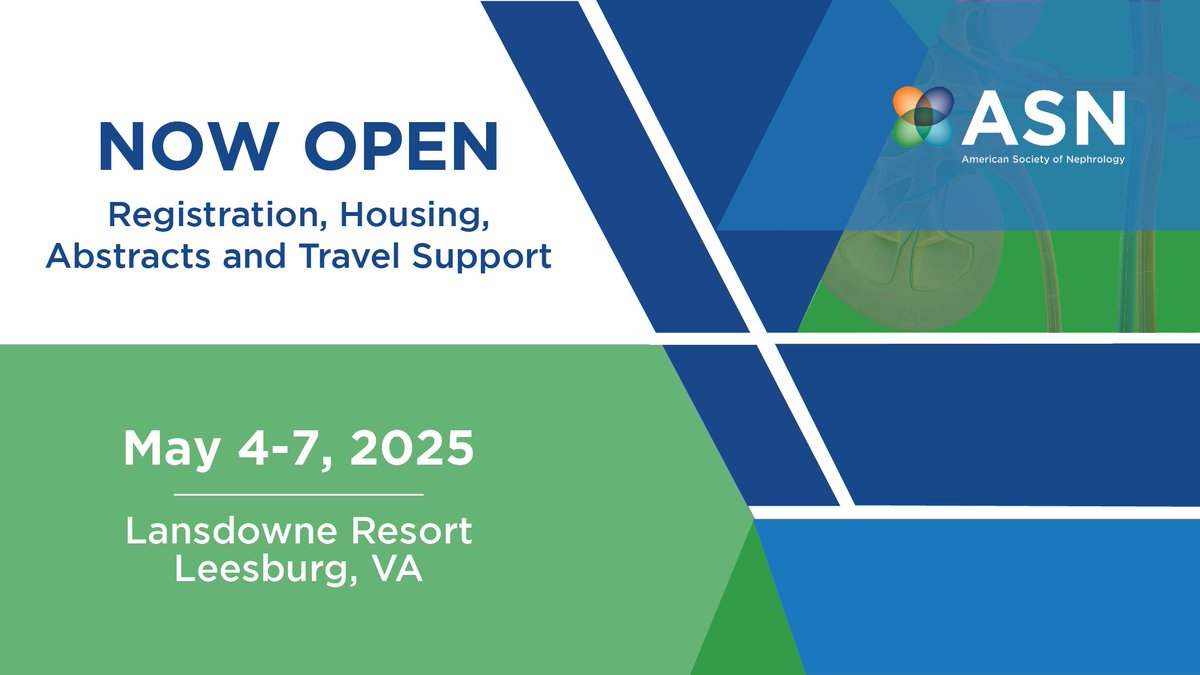
📢 Register now for the Acute Kidney Injury: From Bench to Bedside Conference!
Explore AI in AKI Research. Secure your spot, submit abstracts by March 12, and book housing before it fills up. Travel support is available—don’t miss out.
Learn more: bit.ly/AKIB2B
7
12
1,004
Eleanor Lederer retweeted

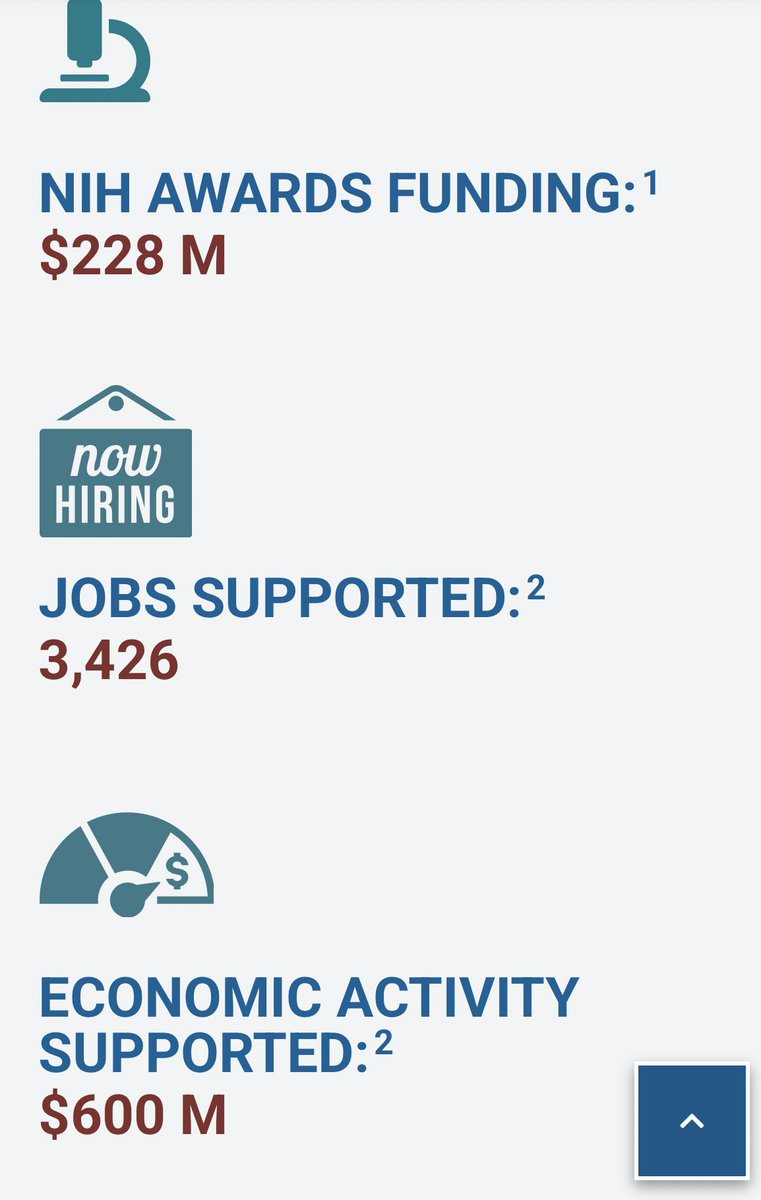
Louisiana relies on @NIH
$600M economic impact from $228M in grants @SenJohnKennedy please raise your voice, shutting down study sections and NIH councils means funding we have won, competed for, cannot be processed @Tulane @LSUHealthNO @XavierU @TulaneMedicine
2
5
20
1,717