i host Cosmopolitics on Substack. Founder @zivvymedia, @AmericanU, @CNN alum, #Badgers, proud Jersey girl.
Joined January 2009
- Tweets 11,562
- Following 6,086
- Followers 31,642
- Likes 2,357
186 Photos and videos



Jun 9
As the US prepares to host the World Cup, host of the fantastic Lords of Soccer podcast, @ConormPowell joins me to discuss how FIFA became one of the most powerful organizations in the world, the scandals that defined it,
and the challenges confronting the upcoming tournament
1
3
211
Jun 1
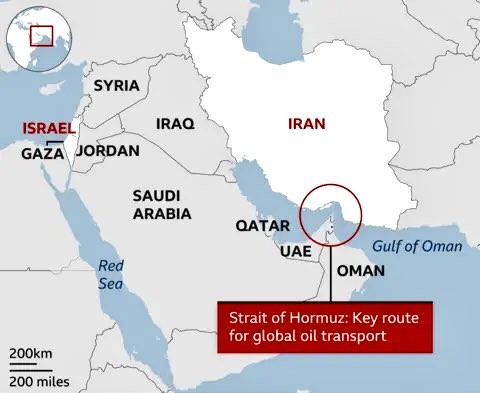
When Iranian recently described the Strait of Hormuz as Iran’s “atomic bomb,” it sounded like a throwaway line.
It may turn out to be one of the most important things said about the war.
open.substack.com/pub/labott…
1
2
153
Elise Labott retweeted

May 10
US intelligence-gathering flights are surging off Cuba, following a pattern similar to lead up to military operations in Iran and Venezuela.
May 10

NEW: The US has conducted at least 25 intelligence-gathering flights off the coast of Cuba since early February, per data from @FlightRadar24
Check out my analysis: cnn.com/2026/05/10/americas/…
55
1,099
2,943
493,751
Elise Labott retweeted

Apr 30
The defeat of the Iranian regime could mean game over for Islamism. Just imagine. washingtonpost.com/opinions/…
1
7
12
1,187
Apr 27
Even as facts emerged from the WHCD shooting,the instant analysis and partisan blame began. If anything is going to change, we must resist reflexive outrage and choose empathy - even when it’s hardest.That includes all of us, those with bylines included.
open.substack.com/pub/labott…
1
2
238
Apr 23
The real challenge isn’t convincing Lebanon to disarm Hezbollah. It’s helping them do it in a way that doesn’t burn the country down in the process.
open.substack.com/pub/labott…
1
1
189
Apr 9
This is shameful. What is insurance for if bot for a case like this @StateFarm ?

A bit of personal news.
Has anyone else lost their family property b/c of @StateFarm negligence & refusal to pay?
Because we just did.
4 generations of Setmayers.
Our 100yr family legacy lost, b/c of STATE Farm. Good neighbor is a LIE!
Can anyone help us right this wrong?
717
Elise Labott retweeted

Mar 21
🚨U.S. to allow Iran to get ~14 billion dollars (!!!) in oil revenue
🚨This is a huge financial concession to Iran by the U.S.
🚨It is the first time U.S. is buying Iranian oil since 1996
🚨It's all happening in the middle of a war against...Iran

Iran is the head of the snake for global terrorism, and through President Trump’s Operation Epic Fury, we are winning this critical fight at an even faster pace than anticipated. In response to Iran’s terrorist attacks against global energy infrastructure, the Trump Administration will continue to deploy America’s economic and military might to maximize the flow of energy to the world, strengthen global supply, and seek to ensure market stability.
Today, the Department of the Treasury is issuing a narrowly tailored, short-term authorization permitting the sale of Iranian oil currently stranded at sea.
At present, sanctioned Iranian oil is being hoarded by China on the cheap. By temporarily unlocking this existing supply for the world, the United States will quickly bring approximately 140 million barrels of oil to global markets, expanding the amount of worldwide energy and helping to relieve the temporary pressures on supply caused by Iran. In essence, we will be using the Iranian barrels against Tehran to keep the price down as we continue Operation Epic Fury.
This temporary, short-term authorization is strictly limited to oil that is already in transit and does not allow new purchases or production. Further, Iran will have difficulty accessing any revenue generated and the United States will continue to maintain maximum pressure on Iran and its ability to access the international financial system.
So far, the Trump Administration has been working to bring around 440 million additional barrels of oil to the global market, undercutting Iran’s ability to leverage its disruptions in the Strait of Hormuz.
President Trump’s pro-energy agenda has driven U.S. oil and gas production to record levels, strengthening energy security and lowering fuel costs. Any short-term disruption now will ultimately translate into longer-term economic gains for Americans – because there is no prosperity without security.
847
3,780
12,895
6,167,285
Elise Labott retweeted

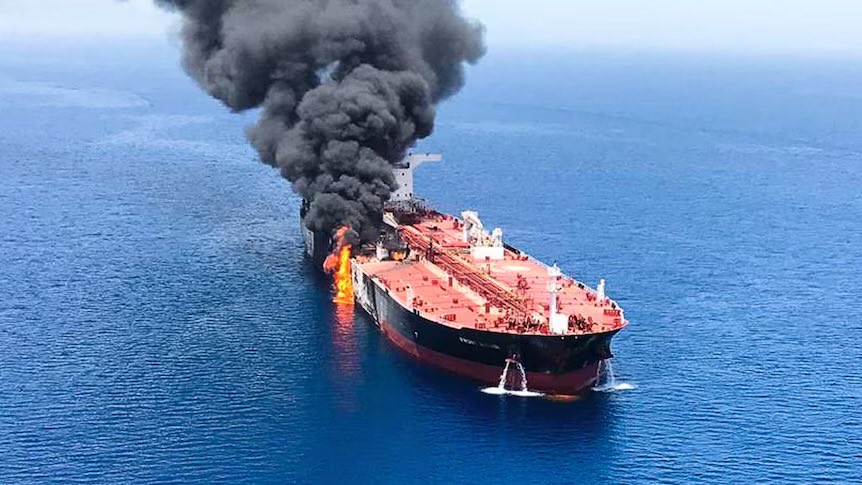
The war in the Strait of Hormuz will reach your local pharmacy within six weeks. Not because your pharmacist follows geopolitics. Because the active pharmaceutical ingredients in roughly half of America’s generic prescriptions begin as petrochemical derivatives manufactured in India, and India’s petrochemical industry begins as crude oil that transited 21 miles of water that closed on March 4.
Nearly 70 percent of the active ingredients in US generic drugs are produced in India. India imports approximately 40 percent of its crude oil through the Strait of Hormuz. The crude feeds refineries that produce naphtha. The naphtha feeds petrochemical crackers that produce intermediates. The intermediates feed pharmaceutical plants in Gujarat, Maharashtra, and Hyderabad that produce the API, the active pharmaceutical ingredient, that is shipped to contract manufacturers in the United States, Europe, and across Asia. The chain from the strait to the tablet is six steps long. Every step requires the one before it.
CNBC reported that the Hormuz closure puts America’s generic drug supply at risk. Fierce Pharma warned of longer-term effects on US manufacturing and generics. Think Global Health mapped the pharmaceutical supply chains most vulnerable to disruption. The consensus across trade publications, health policy analysts, and industry executives is identical: four to six weeks of current inventory exists in the pipeline. After that, shortages begin with the most complex formulations first.
Cancer drugs are the highest risk. Biologics requiring cold-chain storage have the shortest shelf life and the longest replenishment cycle. Clinical trial medications depend on uninterrupted supply chains that are now interrupted. Insulin analogues, antivirals, and cardiac medications all contain intermediates sourced from Indian manufacturers whose input costs are rising with every day the strait remains closed.
Air cargo is the emergency bypass. But air freight rates from India have climbed 200 to 350 percent on some routes since the war began, according to logistics tracking firms. Gulf air capacity is down 79 percent because airports in the UAE, Kuwait, and Qatar have been damaged or operate under restricted conditions. The Suez Canal route adds 10 to 14 days to maritime shipping times. The Cape of Good Hope route adds 21 to 28 days. Both alternatives assume the Red Sea remains navigable, which the Houthi threat has complicated since 2024.
The World Health Organisation reported a 70 percent funding gap for its operational response in the region. Medical supply chains to Iran itself have been devastated, with hospitals reporting shortages of surgical supplies, blood products, and anaesthetics. But the downstream pharmaceutical effect extends far beyond the war zone. Every Indian manufacturer that pays more for crude pays more for naphtha, pays more for intermediates, and passes the cost forward into API prices that American generic drug companies absorb until they cannot absorb any further.
The molecule does not know it is a medicine. The strait does not know it is a pharmacy. The petrochemical derivative that becomes a blood pressure tablet transits the same water as the petrochemical derivative that becomes a fertiliser pellet. Both are trapped. Both have shelf lives. Both have planting windows or prescription refill cycles that do not negotiate with blockades.
Six weeks. Then the pharmacy starts calling patients about substitutions.
open.substack.com/pub/shanak…

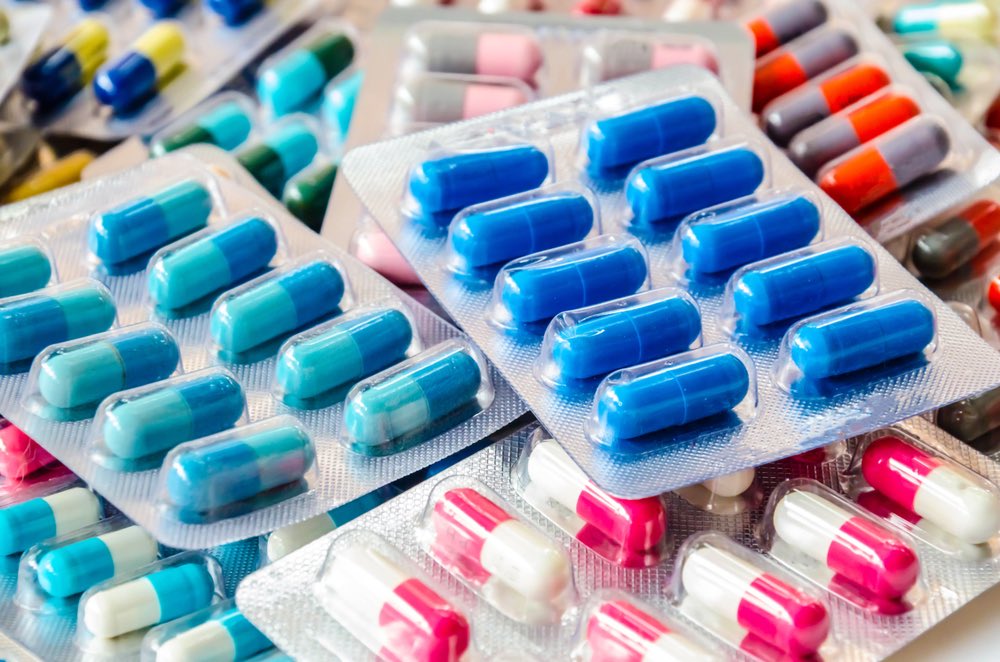
Your paracetamol is made from oil. The phenol comes from a cumene process that starts with naphtha. The naphtha comes from a refinery. The refinery’s feedstock transits the Strait of Hormuz. Ninety-nine percent of pharmaceutical feedstocks, solvents, reagents, and packaging are petrochemical-derived. The American Gas Association confirmed it. The medicine cabinet is the sixth layer of the Hormuz crisis and nobody is talking about it.
The war started with uranium. It moved to oil. Then fertiliser. Then water. Then plastic. Now medicine.
Paracetamol is 100 percent petrochemical. Phenol from cumene, converted to para-aminophenol, then acetylated. Ibuprofen is 100 percent petrochemical. Isobutylbenzene plus propionic acid derivatives. Metformin, the most prescribed diabetes drug on Earth, is 80 to 90 percent petrochemical. Dicyandiamide from natural gas derivatives. Antibiotics like amoxicillin and ciprofloxacin require methanol, acetone, and dichloromethane as solvents for extraction and crystallisation. Oncology drugs need cold-chain energy and plastic packaging. Every blister pack, every pill bottle, every syringe is PE, PP, or PET from Gulf naphtha.
India makes 40 to 47 percent of American generic medicines by volume. It imports $4.35 billion in active pharmaceutical ingredients annually, 74 percent from China. But the critical precursors, the methanol and ethylene glycol that feed Indian API synthesis, are 87.7 percent and roughly 100 percent Hormuz-dependent respectively. The Indian government has prioritised household LPG over industrial petrochemical feedstock, starving the downstream pharmaceutical chain. API costs have surged 30 percent in the last two weeks.
The typical buffer is two to three months of inventory. The war is nineteen days old. The clock started before the buffer was designed for this scenario.
A diabetic in Ohio takes metformin every morning. The dicyandiamide that becomes the active ingredient traces back through a Chinese intermediate to a natural gas derivative that originated in the Gulf. The methanol used to crystallise the compound in a Hyderabad factory was shipped from a terminal that now sits behind the same strait controlled by provincial commanders with sealed orders. The blister pack was moulded from polyethylene derived from naphtha that loaded at a facility the IRGC published satellite targeting images of yesterday.
One pill. Four petrochemical dependencies. One chokepoint.
The farmer in Iowa cannot plant corn because nitrogen costs $610. The diabetic in Ohio may not be able to fill a prescription because methanol costs whatever the strait permits. Both crises trace to the same 21 miles of water. Both are governed by the same sealed packets. Both operate on biological clocks that do not negotiate with doctrine.
Nitrogen decides whether the food grows. Methanol decides whether the medicine is synthesised. Polyethylene decides whether it reaches the shelf in a blister pack. Energy decides whether the cold chain holds for oncology and biologics. Every molecule in the pharmaceutical supply chain is now compromised by the same chokepoint that trapped the fertiliser, the gas, the plastic, and the water.
Europe said Iran is not their war. Their existing drug shortages, 400 to 1,500 medicines depending on the country, will deepen regardless. Bangladesh, Egypt, and sub-Saharan Africa depend on Indian generics for infectious disease and maternal health. The API depletion clock runs for everyone.
The strait does not distinguish between a urea molecule and a methanol molecule. Both are gated. Both are biological. And both determine whether human beings survive the next quarter.
Full analysis - open.substack.com/pub/shanak…
123
2,786
4,774
605,548
Mar 2
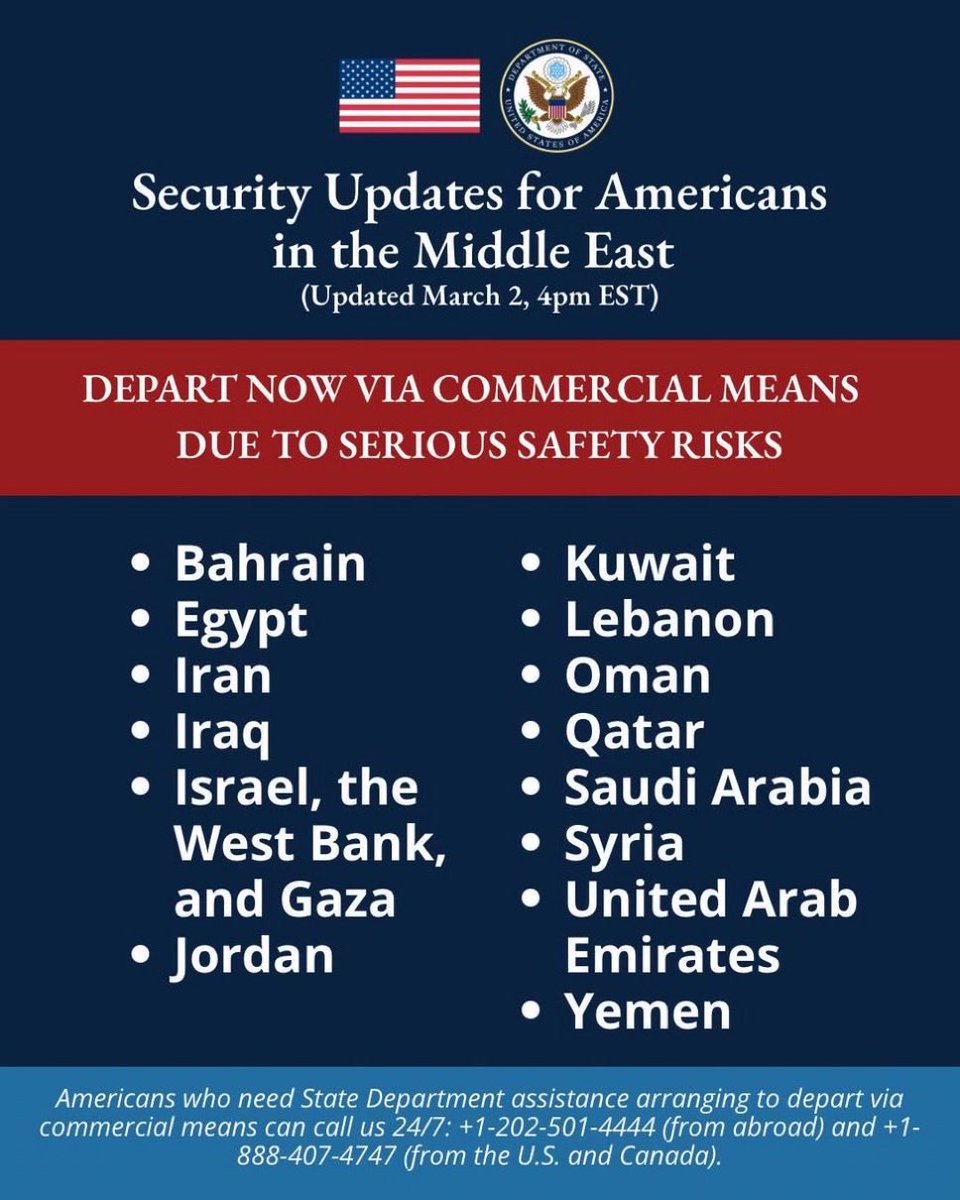
The @statedept sent urgent travel advisory urging Americans in 14 Middle Eastern countries to “depart now” due to “serious safety risks.”
check out travel.state.gov for the latest security information, including how to register with the local embassy or consulate.
2
2
5
7,686
Mar 1
It’s a good day for Iran. But this isn’t the Wizard of Oz - don’t expect a “ding dong the witch is dead “ moment just yet.
open.substack.com/pub/labott…
1
1
404
Jan 14
When a US president tells protesters to push forward, they hear it as a promise. They begin to believe that something is coming. That belief can keep people in the streets longer and it can raise expectations and change the movement’s risk calculus. cosmopolitics.news/p/in-iran…
11
6
10
3,937
Elise Labott retweeted

Jan 8
I talked with @EliseLabott of Cosmopolitics about Greenland and NATO earlier today. Watch and let us know what you think! newsletter.ivodaalder.com/p/…
1
7
1,392
Jan 10
Congrats @alaynatreene! This is so well-deserved.
Jan 7

CNN’s Alayna Treene has been promoted to Correspondent. Alayna will continue covering the White House for the network. Congratulations, @AlaynaTreene!

1
2
491
Jan 8
Thanks @IvoHDaalder for a substantive and clear-eyed conversation. Enjoyed having you!
Jan 8

I talked with @EliseLabott of Cosmopolitics about Greenland and NATO earlier today. Watch and let us know what you think! newsletter.ivodaalder.com/p/…
1
363
21 Dec 2025
The GOP's history with the John Birch Society in the 1960s offers vital lessons for today's clash over conspiracy theories and extremism recently highlighted at the Turning Point conference.
thepreamble.com/p/the-birche…
4
1
5
442
16 Dec 2025
The antisemitic attack in Australia was not about Middle East policy. It’s about the oldest hatred finding a new disguise. The between “criticism of Israel” and “globalize the Intifada” is the difference between political discourse and incitement to murder cosmopolitics.news/p/when-th…
1
1
2
317