Facts matter. Words matter. Just trying to approach things logically
Joined October 2020
- Tweets 1,160
- Following 81
- Followers 95
- Likes 234
42 Photos and videos





EngineerInTheMiddle retweeted

Jun 10
New: Cops keep getting arrested for using Flock to stalk people. Seemingly every week there's a new case, the details usually similar. Cops use unfettered access to Flock to surveil an ex. They most often search plates hundreds of times over months
404media.co/cops-keep-gettin…
52
1,472
3,422
203,163

This is a great explanation of why I typically tune out when someone turns a conversation to conspiracies.
Jun 8

If you want to have a good time in life, I think you should believe in some conspiracy theories. They're fun. Life is about having fun.
But if you want to be right, you should probably have a reflexive aversion to every conspiracy theory you hear. It's not that they're all wrong. It's more that the vast vast vast majority of them are incredibly stupid and don't really survive three seconds' thought (see post below for why it makes no sense for Karen Bass to rig an election to help a stronger candidate against her). More broadly, conspiracy theories almost always assume the extraordinary competency of a shadowy group of elites who are very good at keeping a secret. Haven't the last few decades proved that elites aren't that competent? Everybody accusing Karen Bass of expertly rigging the LA election on Twitter right now also thinks she sucks as mayor. What are the odds that the politician you hate, who you think sucks at everything, is exclusively good at rigging electoral outcomes to make you personally upset?
There's more to life than being right, so feel free to ignore the second paragraph. But people interested in being right should be much more reflexively judgmental of conspiracy theories.
8
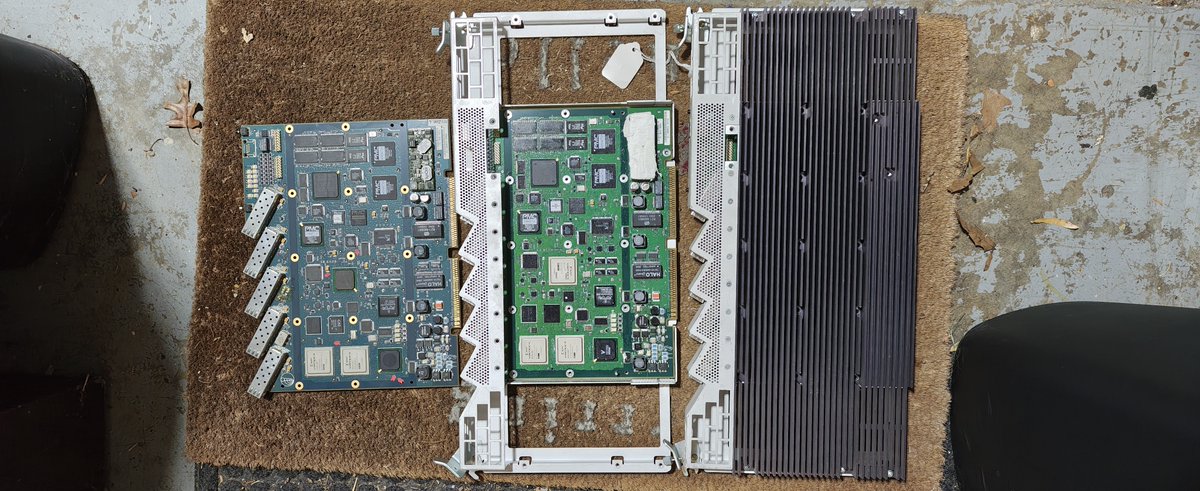
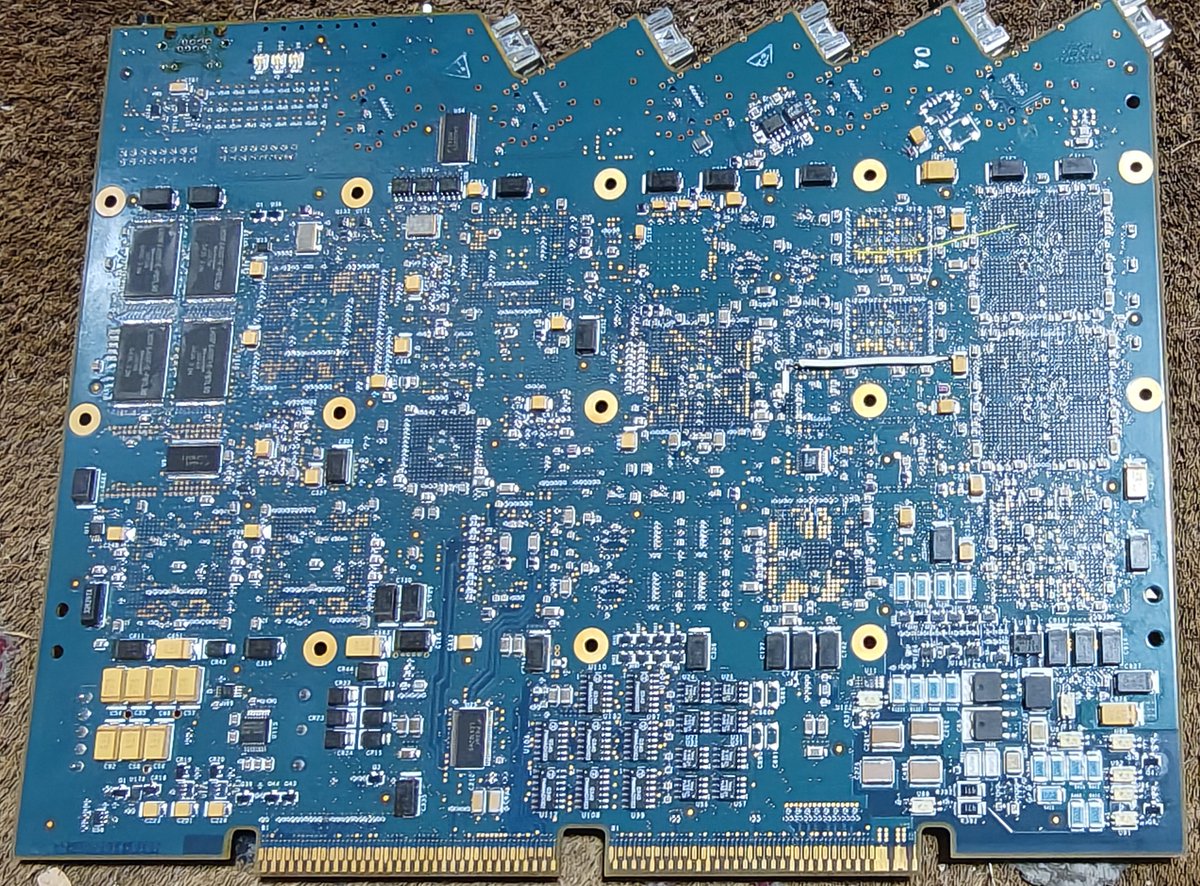
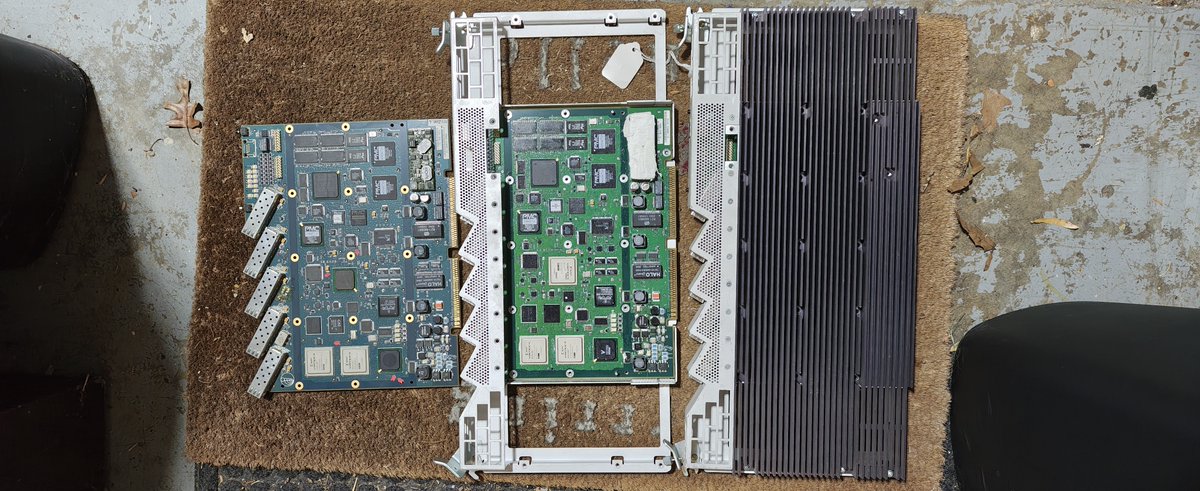
Thought some of you might find this thread interesting x.com/blind_via/status/20633…
Jun 6

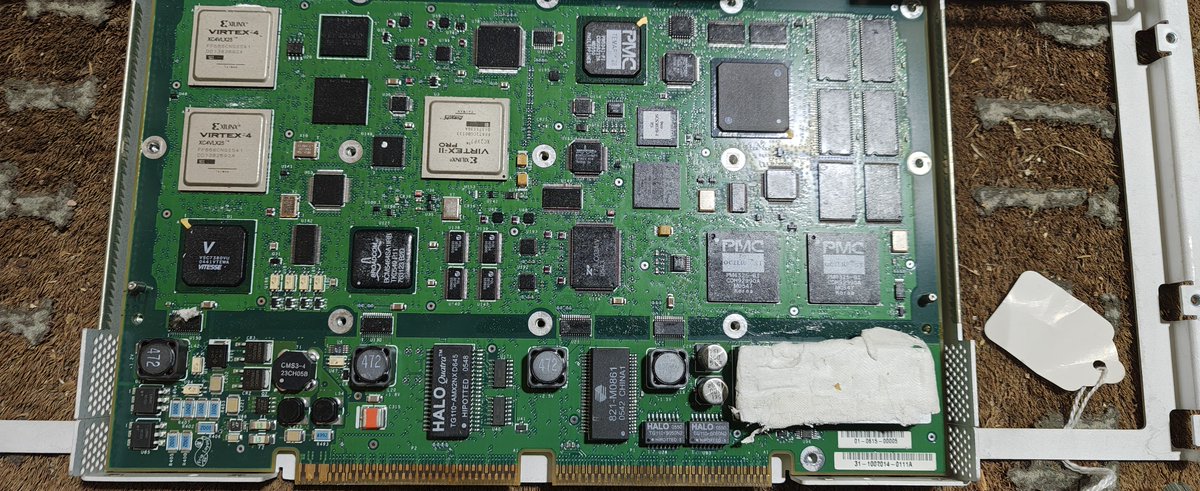
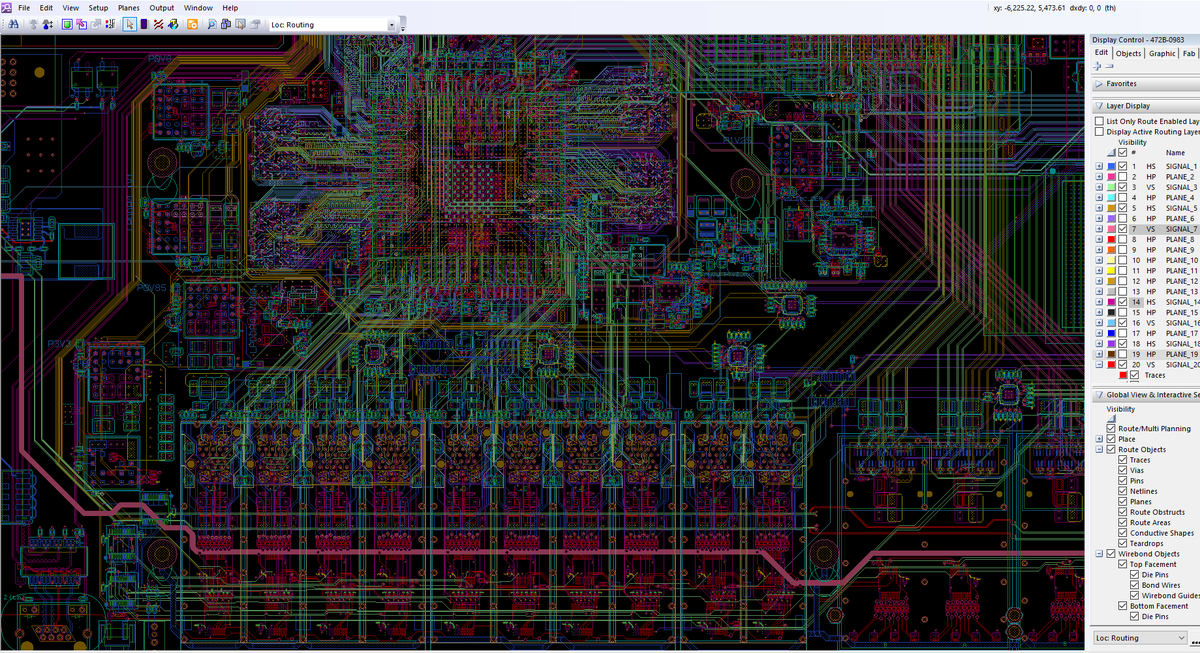
those chips that are straddle the heat sink area, are they coming into contact with the sink for thermal releif on their backside? this is the only reason I can see to put them RIGHT THERE along the heat sink line. or room isolation like I previously mentioned. you can even see the dgnd areas that are flooded directly under the ICs which support the single point ground concept
1
32
EngineerInTheMiddle retweeted

May 25
Reversing the 386 microarchitecture is a 3-part process:
1. Microcode extraction: taking photos of the 386 silicon die and recovering the 1s and 0s from the microcode ROM area (~100K bits). This can be done either completely manually or with the help of algorithms such as CNNs.
May 23

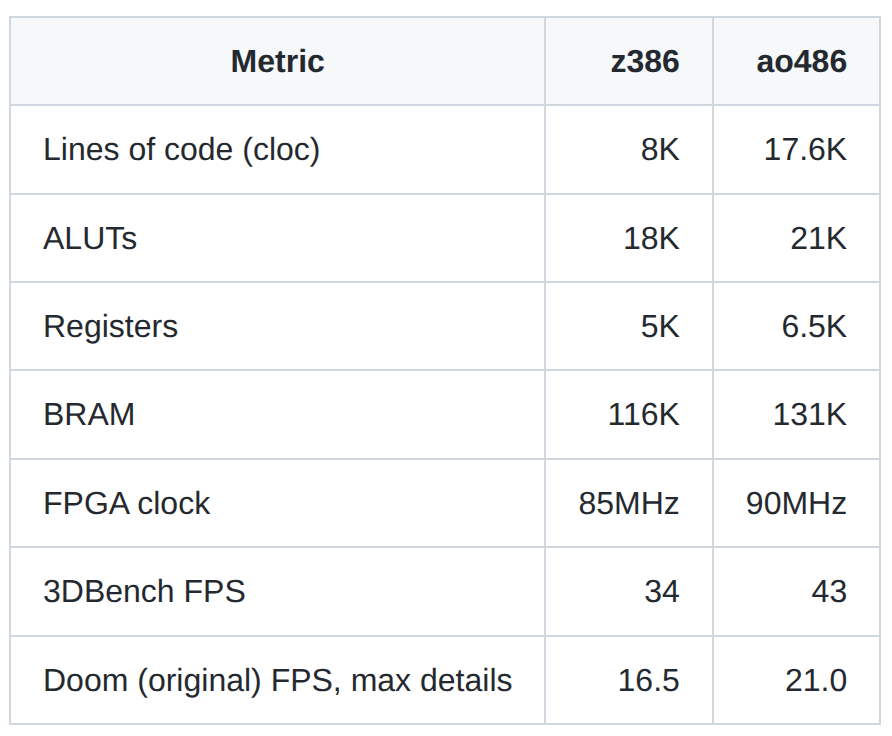
Introducing z386: an 80386-class FPGA CPU built around the original 386 microcode.
It’s more compact than ao486 and useful for studying how the 386 really worked.
Also: z386-MiSTer, an experimental PC MiSTer core built on z386.
github.com/nand2mario/z386
github.com/nand2mario/z386_M…

5
32
234
15,109
EngineerInTheMiddle retweeted

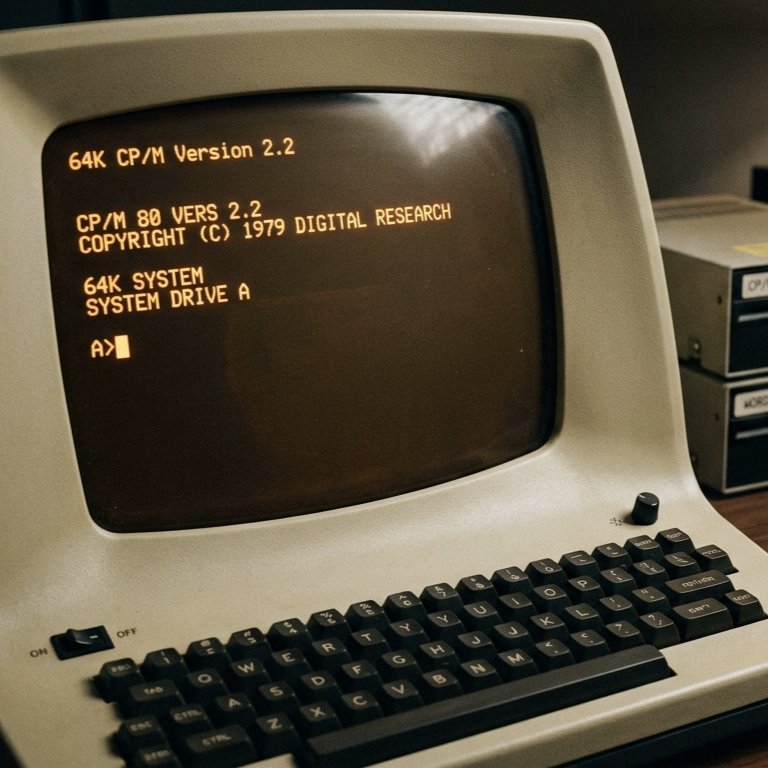
This virtual #OS museum lets you emulate an astonishing range of operating systems — from CP/M to #UNIX 👾 with a simple executable for #Linux 🐧 #macOS 🍏 or #Windows 🪟 Just pick an OS, and dive in
lesnumeriques.com/appli-logi…
#CPM #RetroComputing #Emulation #TechHistory
1
12
49
1,292
EngineerInTheMiddle retweeted

May 19
It has been a year or so since I was in the trenches on the election fraud claims, and I forgot how frustrating the pattern can be:
> person makes claim about fraud
> explain how you know the claim is misleading or invented
> person says claim never got heard by the courts
> explain how the claim was investigated by LEO or heard before a judge or a court and then got dismissed
> person says LEO/judge/courts are corrupt and in on the scheme
> explain that there are pro-Trump LEO/judge/courts who examined and dismissed the claim
> person says this is just because the truth would be too destabilizing for society
And around and around... Every now and again you break through and convince folks, which is worth it. But "stolen election" theories are so much more about vibes than hard evidence, which makes them extremely difficult to address. A lot of people just can't believe Biden beat Trump in 2020, and that's all it comes down to.
36
112
692
18,460
As if there needed to be further proof that Thomas has been out in weeds for a long time.
May 18

As promised, here is my thread on 18 U.S.C. § 1461, the Comstock Act. Justice Thomas did one of his "nobody else on the Court agrees with him" dissents on this issue last week.
Thomas is, of course, wrong, and it's totally understandable why this is an 8-1 issue.
14
EngineerInTheMiddle retweeted

Mar 24
if you are interested in getting into AI, the best way today is to start with karpathy's videos on backprop/gradient descent and then get pufferlib (puffer dot ai) and start training models
60
278
5,163
153,786
EngineerInTheMiddle retweeted

Apr 9
2
46
275
13,931
EngineerInTheMiddle retweeted

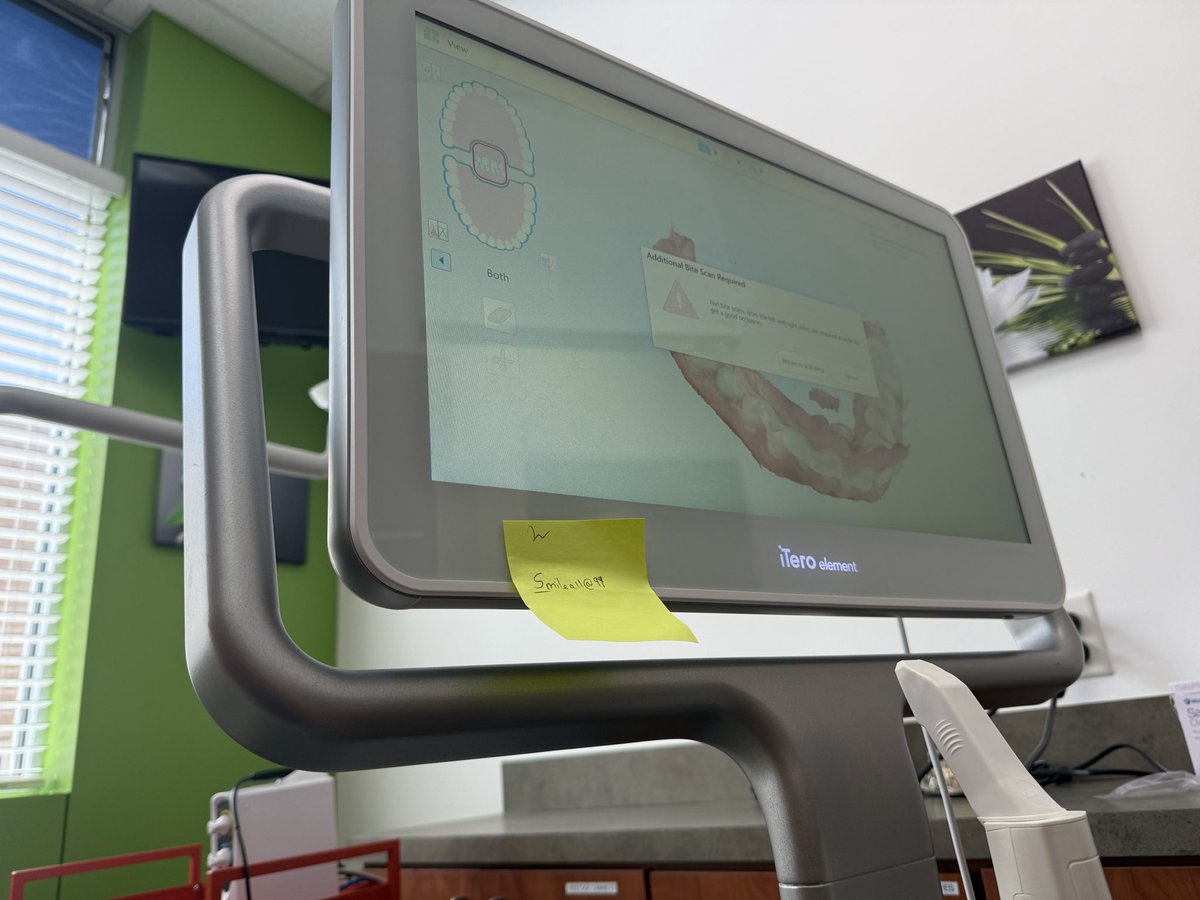
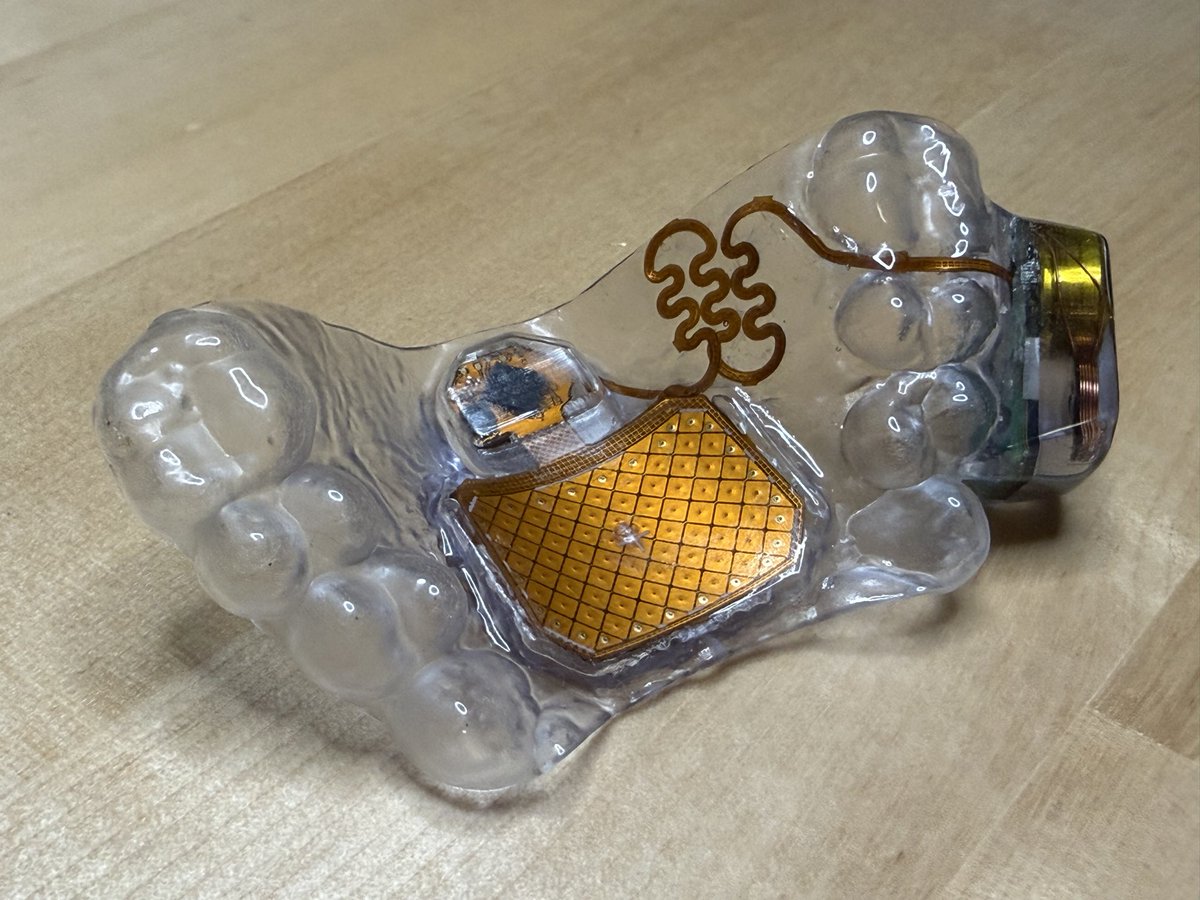
Dentist office was so confused when I asked to have the STL file. 👅 🖱️
67
149
12,233
1,211,285
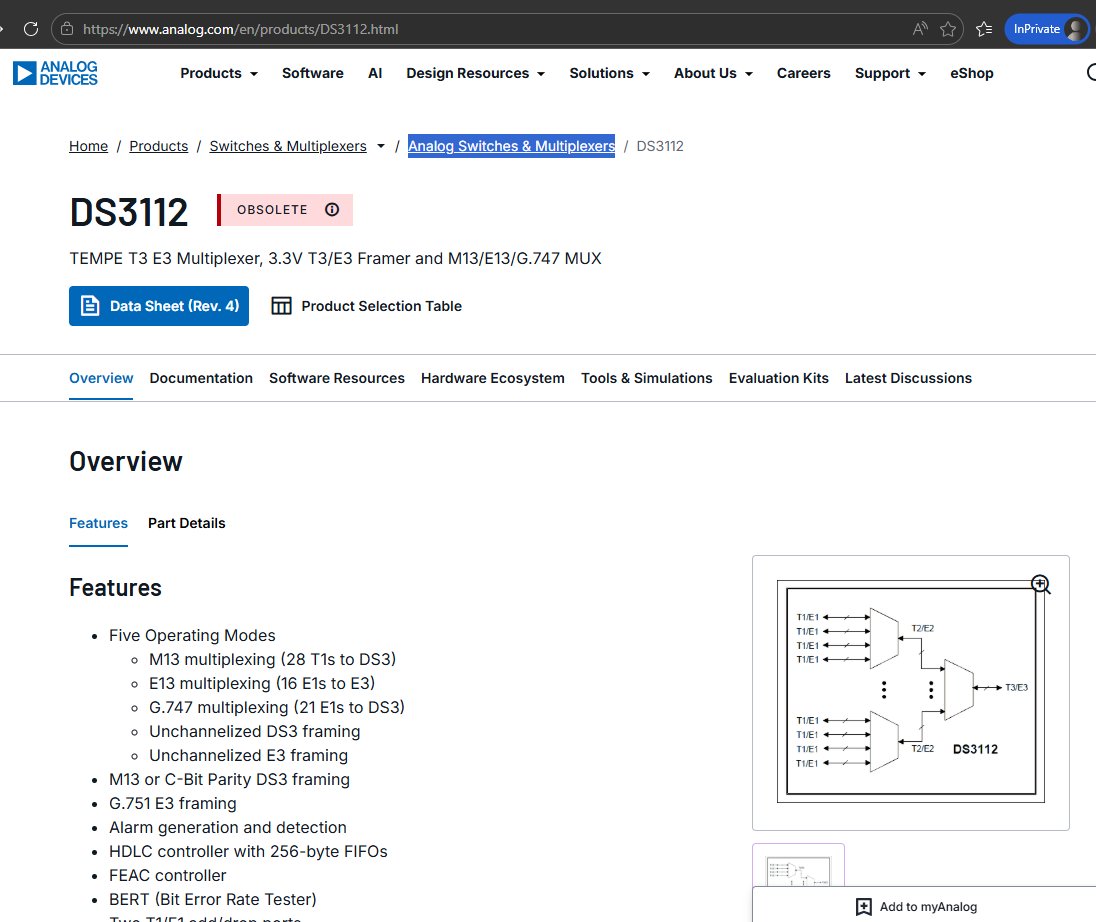
So when Analog Devices acquired Dallas Semi, did they use an intern to categorize their parts or something?
19
EngineerInTheMiddle retweeted

Apr 1
Você sabia que, embora o destino seja o mesmo, a trajetória para chegar até lá evoluiu muito? No vídeo, podemos ver a diferença visual entre as estratégias de voo:
• Apollo 8 (1968): A primeira missão tripulada a orbitar a Lua utilizou uma trajetória de aproximação direta para entrar em órbita lunar. A nave permaneceu relativamente próxima da superfície, em uma órbita baixa, ajudando a preparar o caminho para os pousos que viriam depois.
• Artemis I (2022): Já a missão Artemis utilizou uma Órbita Retrógrada Distante (DRO). Como mostra o gráfico, a nave Orion viajou muito mais longe da Lua, testando os limites de distância para missões tripuladas e aproveitando uma órbita gravitacionalmente estável, ideal para missões de longa duração.
Essas trajetórias não são apenas desenhos no espaço; elas representam um salto tecnológico. Saímos de missões de exploração mais curtas para a preparação de uma presença sustentável na Lua com o Programa Artemis.
Qual dessas trajetórias você achou mais impressionante: a precisão da Apollo ou a amplitude da Artemis?
12
242
1,630
168,934
EngineerInTheMiddle retweeted

Apr 1
Having been an orthopedic surgeon for 30 years...5 things I wish someone had told you before you walked into my office — in atraumatic joint and tendon pain.
Most of you will present with atraumatic joint and tendon pain... traumatic injuries are far less common in adults. And no... you didn't "sleep wrong."
33
63
533
278,391
EngineerInTheMiddle retweeted

8/ I covered all of it in this week's Substance Over Noise:
→ 2026 ACC/AHA guideline breakdown
→ Ez-PAVE full trial review
→ VESALIUS-CV subgroup analysis
→ CORALreef Lipids AddOn
→ How to answer every statin denialist argument
substance-over-noise.beehiiv…
44
31
226
71,632
EngineerInTheMiddle retweeted

Mar 28
someone at ANTHROPIC just showed CLAUDE finding ZERO DAY vulnerabilities in a live conference demo
claude has found zero day in Ghost, 50,000 stars on github, never had a critical security vulnerability in its entire, history...
it found the blind SQL injection in 90 minutes, stole the admin api key, then did the exact, same thing to the linux kernel
297
1,317
11,653
1,900,800
EngineerInTheMiddle retweeted

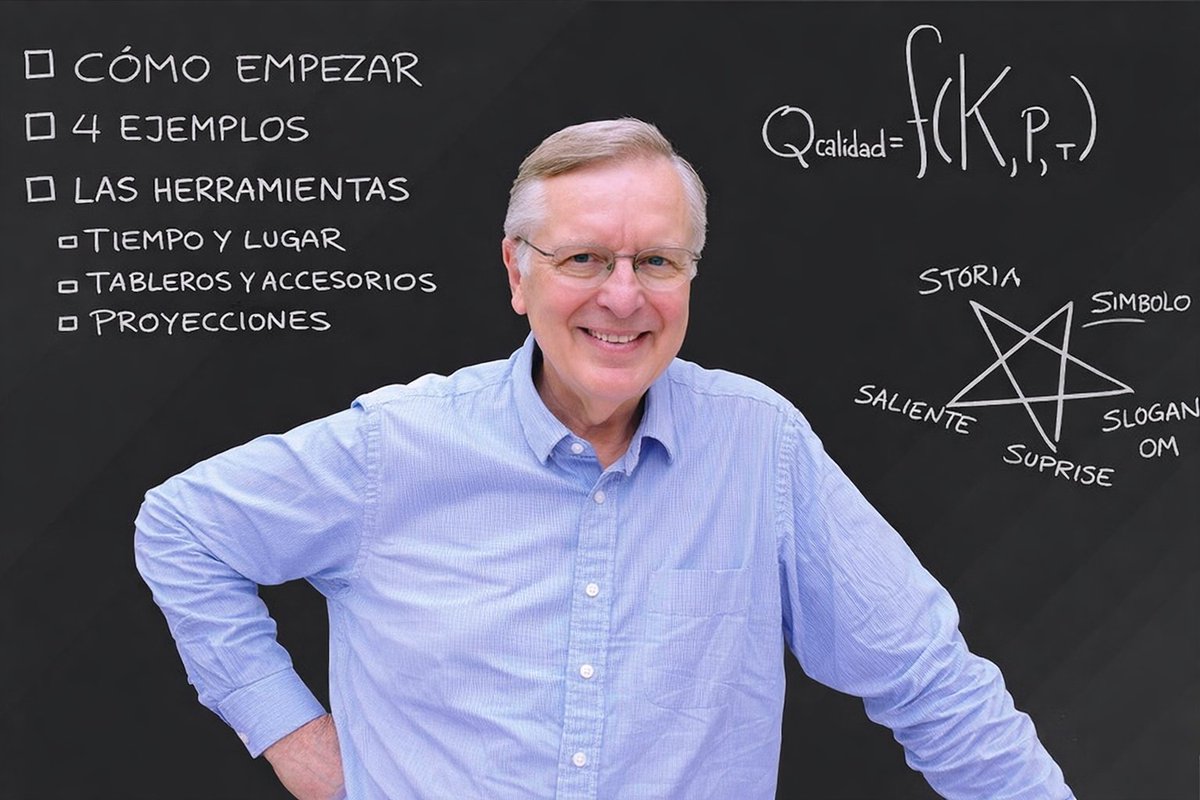
Un profesor del MIT dio la misma conferencia cada enero durante 40 años, y cada una de las veces no cabía ni un alma en el aula.
La vi a las 2 de la mañana y cambió por completo mi forma de entender la comunicación.
Su nombre era Patrick Winston. La conferencia se titula "Cómo hablar" (How to Speak).
Su frase de apertura te golpea como un camión: "Tu éxito en la vida vendrá determinado en gran medida por tu capacidad para hablar, tu capacidad para escribir y la calidad de tus ideas, en ese orden".
Ni tu nota media, ni tus títulos, ni tu coeficiente intelectual. Cómo hablas es lo que separa a las personas que son escuchadas de las que son ignoradas.
Este es el esquema que inculcó a los estudiantes del MIT durante cuatro décadas:
1) Nunca empieces con un chiste: Empieza diciendo a la gente exactamente qué es lo que va a aprender. "Prepara la bomba antes de verter nada". Él lo llamaba la "promesa de empoderamiento": dales una razón para no levantarse del asiento en los primeros 60 segundos.
2) La regla de las 5S: Para que una idea se quede grabada debe ser: Símbolo, Slogan, Sorpresa, Saliente (relevante) e Historia (Story). Cualquier idea que valga la pena recordar cumple al menos tres de estas.
3) La técnica del "casi acierto" (Near Miss): Esta parte me dejó alucinado. No te limites a mostrar lo que está bien; muestra lo que parece estar bien pero no lo está. Ese contraste es lo que hace que el cerebro registre algo de forma permanente.
4) Su regla final: Termina con una contribución, no con un resumen. No recapitules lo que ya dijiste. Dile a la gente qué les has dado que no tenían antes de entrar por la puerta.
He usado este esquema en ventas, entrevistas y presentaciones desde que lo vi, y los resultados no son sutiles.
Patrick Winston falleció en 2019, pero esta clase sigue siendo gratuita en el OpenCourseWare del MIT. Una hora, vista por millones de personas, y no cuesta absolutamente nada.
Video: "How to Speak", Patrick Winston, MIT OpenCourseWare, RES.TLL-005, January IAP 2018.
Fuente: MIT OpenCourseWare.
Licencia: CC BY-NC-SA.
Términos: ocw. mit. edu/ terms
133
4,645
22,516
1,999,779
EngineerInTheMiddle retweeted

11 Dec 2025
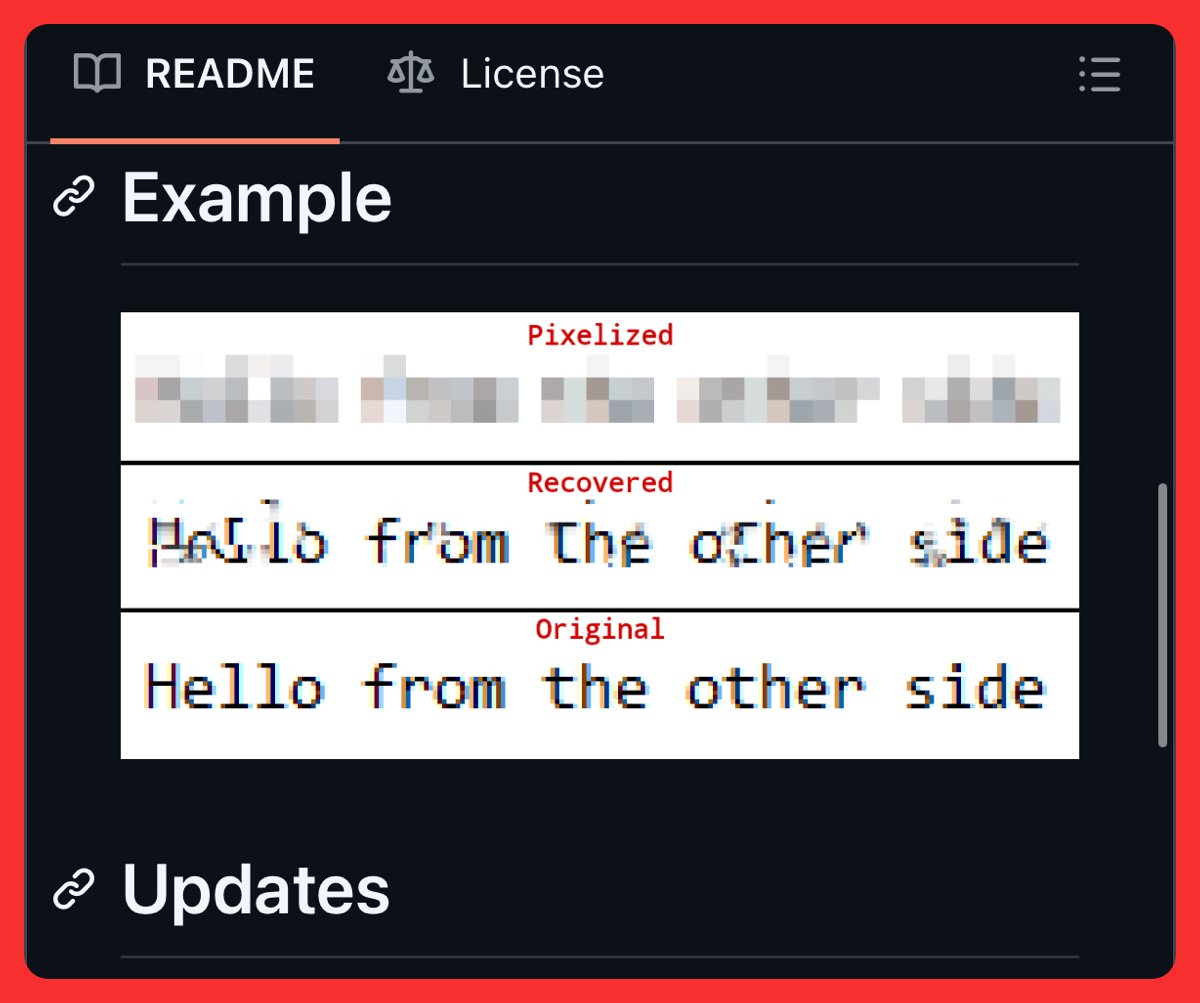
Recover plaintext from pixelized screenshots with this open-source tool
72
576
12,633
994,390
EngineerInTheMiddle retweeted

Mar 24
DOGE was a ruse that allowed Elon to bust up agencies that were going after his businesses while simultaneously destroying USAID which has caused hundreds of thousands of children to die.
•National Labor Relations Board (NLRB): Investigated SpaceX for illegally firing employees who criticized Musk in an open letter and had multiple unfair labor practice cases against Tesla for issues like worker retaliation and union-busting.
•Equal Employment Opportunity Commission (EEOC): Sued Tesla in 2023 for allowing widespread racial harassment of Black workers at its Fremont factory, including slurs, graffiti, and nooses; the case was ongoing when DOGE targeted the agency.
•National Highway Traffic Safety Administration (NHTSA): Conducted probes into Tesla’s Autopilot and Full Self-Driving features following crashes, including a fatal pedestrian incident, and investigated millions of vehicles over summon app issues.
•Federal Aviation Administration (FAA): Issued over $633,000 in fines to SpaceX for launch license violations in Florida and delayed approvals for Starship launches amid environmental reviews.
•Consumer Financial Protection Bureau (CFPB): Handled hundreds of consumer complaints against Tesla (e.g., for financing and vehicle issues) and could regulate X’s planned payment features; Musk publicly advocated for its abolition.
•Federal Election Commission (FEC): Reviewed complaints alleging violations by Musk’s America PAC, including potentially illegal voter incentives in swing states during the 2024 election.
•Department of Justice (DOJ): Sued SpaceX for discriminatory hiring practices against asylees and refugees (case dismissed); also investigated Tesla’s claims about vehicle autonomy features.
•Securities and Exchange Commission (SEC): Accused Musk of securities fraud for delaying disclosure of his Twitter stake in 2022, potentially costing investors $150 million; also oversaw related shareholder issues.
•Food and Drug Administration (FDA): Regulated Neuralink’s brain implant trials for safety and efficacy in human testing, including oversight of clinical trials for paralyzed patients.
•Environmental Protection Agency (EPA): Penalized Tesla $1.5 million for hazardous waste violations in California and fined SpaceX $148,000 for unauthorized water discharges into wetlands during tests.
•Department of Defense (DOD): Conducted reviews and denied Musk certain security clearances due to SpaceX’s non-compliance with protocols for handling state secrets and foreign contacts.
•U.S. Agency for International Development (USAID): Inspected Starlink’s provision of satellite terminals to Ukraine amid concerns over usage and contracts.
•U.S. Department of Agriculture (USDA): Investigated Neuralink for violations of the Animal Welfare Act related to animal testing and transport.
•Department of the Interior (DOI) / Fish and Wildlife Service (FWS): Monitored and investigated environmental impacts from SpaceX launches on wildlife habitats near Boca Chica, Texas.
•Department of Labor (DOL) / Office of Federal Contract Compliance Programs (OFCCP): Audited Tesla for workplace discrimination and investigated broader labor and safety violations at Tesla and SpaceX.
•Department of Transportation (DOT): Oversaw investigations into Tesla and SpaceX via its sub-agencies NHTSA and FAA (detailed above).
•Office of Government Ethics (OGE): Probed Musk’s potential conflicts of interest as a government advisor while holding federal contracts.
2
13
132
4,552
EngineerInTheMiddle retweeted

Mar 13
Life on Earth says you have no fucking clue what you're talking about. 🤡
There are creatures alive today demonstrating how our eyes evolved.
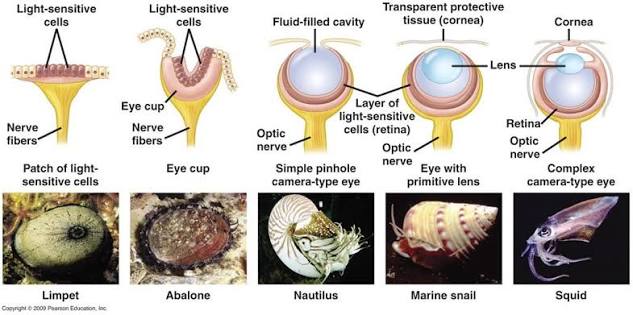

The human eye (and vertebrates in general) is perfectly designed for its purpose.
Evolutionists often claim we have "backwards retinas" and this is evidence of "poor design" that no intelligent agent would use - so evolution makes more sense.
They could not be more wrong.
There are very good reasons the retina is positioned the way it is.
1. Retinal positioning gives the eyes better health and longevity.
Light-sensing cells burn massive energy and produce toxins. The positioning of the retinas allows the nerves attached, which lead to the brain, to be bundled into a small hole. This allows the Retinal Pigment Epithelium (RPE) layer in to feed the cells nutrients, clear toxins quickly, absorb stray light for better optics, and it helps shield against UV/sun damage. Without this, we’d likely go blind before adulthood.
Evos often complain this gives us a blind spot - but when did you ever notice that? Each eye's blind spot, which only takes up maybe 1% of overall vision, overlaps with the other, rendering the blind spot unnoticeable. You're telling me evolution accidentally coordinated that? No no no. This is obviously designed.
2. Inverted retinas give us sharper vision.
Evos say nerves in front of photoreceptors block light and ruin vision quality. This is flat out false. Vertebrates have the sharpest vision on Earth – eagles spot prey from 2–3 miles away. Oil droplets in photoreceptors help to boost color vision while mitochondria bundles help to focus light like tiny lenses, maximizing vision acuity. Vertebrate vision is of the highest quality on Earth.
The orientation of the Retinal system in our eyes is optimal for their purpose. If the retinas were flipped the other way, like Cephalopods (who h Evos often use as a comparison), we would likely go blind before adulthood and have blurry vision at best.
The eye is a perfectly designed, irreducibly complex system for vision.
Irreducibly complex because it requires multiple systems to function: the light sensors, the pathway to send the light signal, and a processing center to interpret the signal (brain). Without all three systems, vision doesn't function. Even the very simplest vision system still requires this triune system.
Vision cannot evolve.
Life was designed.
Thank you for your attention to this matter!
Community note
The human eye, as with other vertebrate eyes, evolved through a series of intermediate steps. There are animals alive today that show these intermediate steps, & genetic studies trace the evolution of the eye via shared genes. It was not ‘designed’ in this current form.
nyas.org/ideas-insights…
40
693
8,491
210,685
EngineerInTheMiddle retweeted

During a job interview, if they ask:
“Tell me about a time you failed.”
Use the golden structure:
1. Situation – Briefly explain the mistake.
“I underestimated the timeline for a project and missed the initial deadline.”
2. Responsibility – Own it.
“I realized the issue was my planning and communication.”
3. Learning – Show growth.
“I started breaking projects into milestones and giving early progress updates.”
4. Result – End with improvement.
“Since then, every project has been delivered on time with better coordination.”
Failure isn’t the problem.
Failing to learn from it is.
4
9
7,424