
I try to make silicon understand when to switch on or off
Joined November 2021
- Tweets 203
- Following 41
- Followers 2,125
- Likes 34
19 Photos and videos






May 29
Building Flowcore, scaling Cloudusk, and running SkipLine.
Always chasing harder problems, bigger opportunities, and the next thing worth building.
Keep cooking.
55
May 23
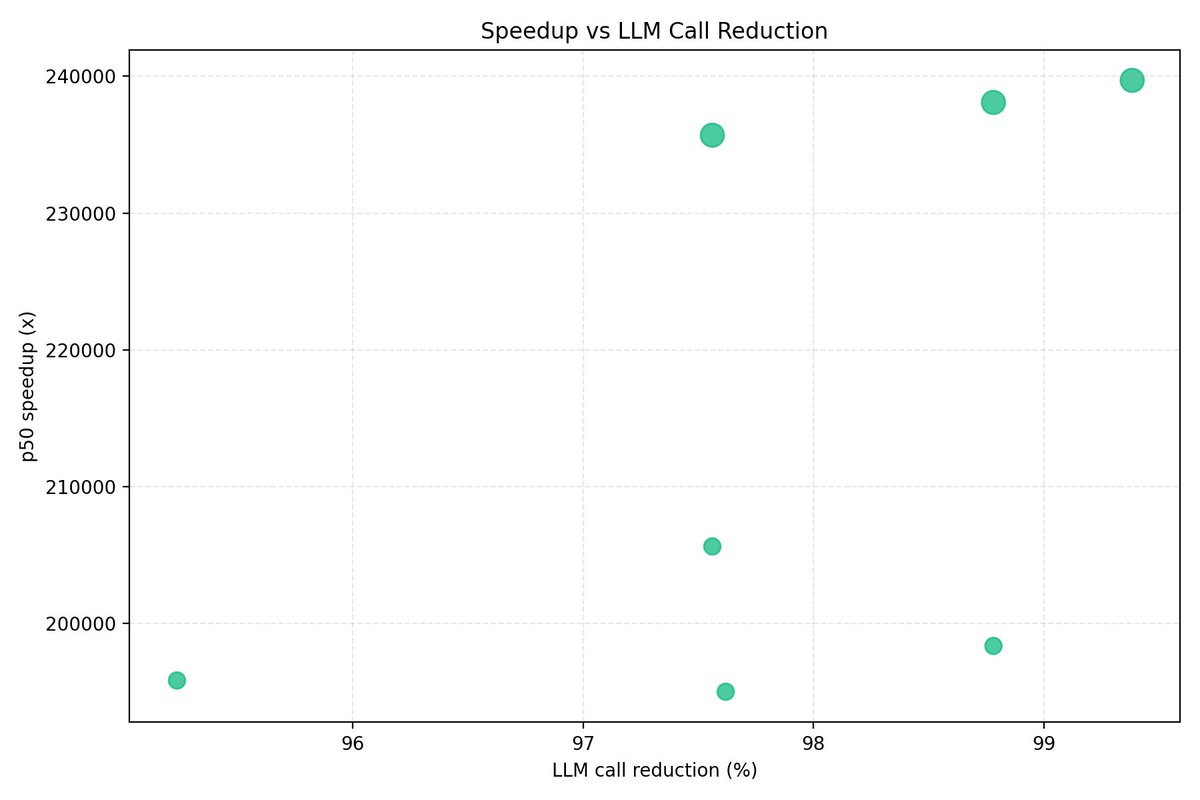
For a specific LLM agent workload, Flowcore avoided almost all model calls by reusing cached deterministic results.
2
1
103
Umair retweeted

May 22
Translation: if you’re a advanced researcher at OpenAI on the O1 visa (extraordinary ability) and you apply for a green card, they’ll make you go back abroad and wait years for an appointment. Of course, by then you probably no longer work at OpenAI.
May 22

EXCLUSIVE: Trump Admin Closes Loophole Letting Migrants Stay In US While Awaiting Green Cards: 'We're returning to the original intent of the law' dlvr.it/TSgK6R
89
77
2,049
263,616

embrace tokenmaxxing as glitch for rapid startup growth for s26 companies, so apply by may 25 to ace
May 21

OpenAI is offering $2M in tokens to every YC company in the spring and summer batches.
We extended the summer deadline to May 25 so more founders can get in on it.
ycombinator.com/apply
2
1
33
6,114

May 21
Applied to 11 startup programs between May 1–20. Currently refining and building Flowcore while awaiting application outcomes.
70
May 15
Feels like we’re still in the “single-threaded web server” era of AI agents.
A lot of the next breakthroughs will come from systems infrastructure, not prompts. @sdianahu
1
345
May 19
4. The solution to previous problem is persistent KV-cache infrastructure.
Instead of recomputing everything.
Base KV
|---- planning delta
|---- retrieval delta
|---- coding delta
Shared prefixes branch-local deltas.
1
95
May 20
5. Another problem: agents execute too conservatively.
The planner might:
- search the web
- query memory
- run code
Today agents wait to decide. Future systems will execute branches speculatively in parallel, then discard unused work. Like CPU speculative execution.
42

Did you catch the Moon-Venus conjunction?
On the night of May 18, our Moon and Venus had a celestial meetup, called a conjunction. Their position in the sky made them appear close together, despite being millions of miles apart in space.
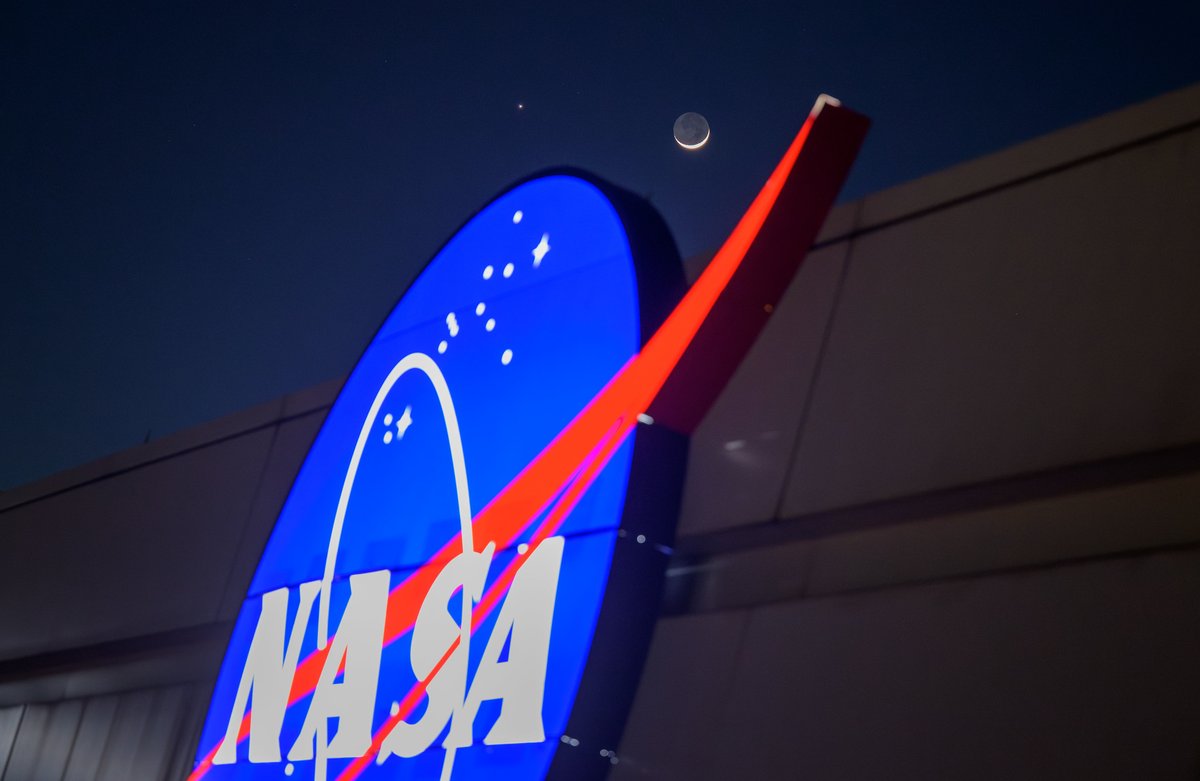
ALT The crescent moon and Venus, photographed in the sky just above the glowing NASA insignia on the Mary W. Jackson NASA Headquarters Building in Washington, D.C. Credit: NASA/Bill Ingalls
638
1,911
10,866
920,837
May 19
There should be clear visual feedback for application status and progress in startup accelerator dashboards. It would make the experience much simpler and easier for founders.
67
May 14
Rediscovering my love for hardware while working on inference infrastructure for AI agents.
1
451
May 14
Building the infrastructure layer for AI agents:
GPU orchestration, speculative execution, and adaptive inference routing.
Turns out optimizing agent workflows eventually pulls you into hardware.
123
Umair retweeted

May 14
We asked a dozen DevTool founders from companies like @RevenueCat, @greptile, @firecrawl, @infisical, @ollama, @resend, @mintlify, @UnslothAI, @porterdotrun, and @recallai, about the state of AI agents and the future of software engineering.
In this episode of Founder FAQ, we covered everything from agents as customers and the end of coding, to advice for founders starting out and what they're most excited about going forward. Their answers might surprise you.
00:00 – Meet the Founders
03:00 – Building for Agents First
04:22 – Biggest Early Mistakes
07:15 – Do Founders Still Write Code?
09:22 – Most Unexpected AI Discoveries
12:09 – What's Underrated Right Now
14:38 – Predictions & What's Next
26
29
181
27,348