Nothing posted here is meant to offend, generate 'cancel culture' demands, or threaten anyone's DBS credentials.
Joined April 2008
- Tweets 10,201
- Following 2,774
- Followers 1,722
- Likes 11,806
563 Photos and videos



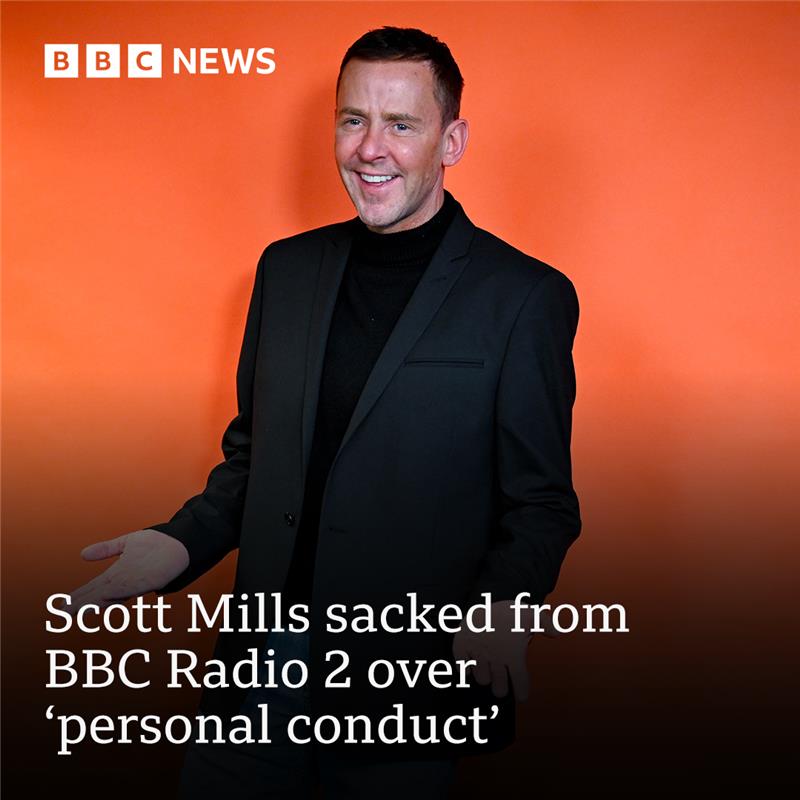
Once again, an MP thinks they can push through a highly controversial bill by using questionable parliamentary legal procedures- Assisted dying returns to parliament as MP urges peers to 'finish the job'. Politics is never fair or reasonable.
bbc.co.uk/news/articles/c4gy…
3

Jun 13
Psychology says people in their 70s who stay exceptionally positive tend to practice these 9 tiny habits share.google/755zBtn5JJdiov3…
3
Jun 12
A solar farm in southern England put 40 native sheep under 20,000 panels across about 30 acres to graze in winter, and the twist is that the flock didn’t just “mow the grass”, it helped protect wildflowers and pollinators - agrivoltaics share.google/qY9FinyckeYJtOe… #solar #Farming
7
Jun 11
Is this indecisive, dithering PM not putting the very safety of this country ahead of unstoppable rising costs of welfare & immigration? bbc.co.uk/news/live/cgqeg09p…
Armed Forces Minister Al Carns quits hours after Defence Secretary John Healey steps down over military spending plans
42
Jun 11
Courageous, principled man. One of only a few left in Starmer's cabinet. bbc.co.uk/news/live/cgqeg09p…
Defence Secretary John Healey resigns over military spending plans #Resignation #HealeyOut #DefenceShambles
1
50
Englishabc🎓 retweeted

Jun 11
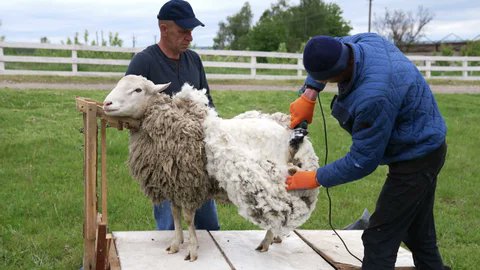
On a hillside this summer, a man will pay good money to take the coat off a sheep, then watch that coat earn him almost nothing at all.
This is the wool trade now. A thing his great grandfather built a life on, worn down to a chore he runs at a loss.
So look at the maths square in the face. It costs him around two pounds to shear one ewe. The fleece that comes off her, even now, in the best year for a decade, brings back about a pound and a half if she is a fine crossbred. If she is a hill sheep, a Welsh Mountain or a Swaledale, he might get thirty pence for the whole fleece. British Wool says the price would have to nearly double again just to cover the shearing.
So every sheep he clips, he loses on. And he has to clip every one.
A sheep left in her fleece overheats, cannot walk right, and gets eaten alive by maggots. The wool has to come off, for her sake, whatever it is worth. He pays, quite literally, for the privilege of being kind to his own animals.
Now feel the weight of what we have let go.
Wool once made this country rich. Whole towns were built on the back of it, and the great wool churches still standing across the Cotswolds were paid for with it. To this day the Lord Speaker of the House of Lords sits on a woolsack, set there centuries ago so nobody in the room would forget where England's wealth came from.
A fleece was worth fourteen pounds a kilo in the 1950s. The wool cheque, in his father's day, paid the rent for the year.
Today it will not cover the diesel to deliver it.
And so, in farmyards across the country, men who would rather not are quietly burning the fleeces off their own sheep, because a fire is cheaper than the trip to the depot. A material so fine that a kingdom was built on it, going up in smoke in the yard because nobody will pay a pound for it.
And what did we reach for instead. Plastic. Most of our clothes are now spun from oil, polyester and acrylic and nylon, shedding tiny threads into the sea with every wash, into the fish, into our own blood. It will not rot for generations.
So here we stand. A fibre that grows back every spring on nothing but grass and rain, that warms a child and then feeds the soil when its work is done, burning unwanted in a field.
While we dress ourselves, head to foot, in the very oil it was meant to spare us.
The sheep on that hill is still growing the finest coat in the world. We simply stopped being worthy of it.
122
842
2,325
25,538
Jun 10
First come, first served! Please enjoy one free audio review copy of The Art of Dying Well, now available on Audible. Redeem the one-time use code below at audible.com/acx-promo #Free #Audiobook #AudibleUS 9NZ4FGXJ55AYL
21
Jun 9
Does this not strike at the very heart of what it means to be British; an acute sense of fairness for all? So much for the British Citizenship Test's listed set of values if key people in government undermine it.
Jun 9

Absolutely disgraceful
I hope Labour are decimated at the election
12
Jun 9
Something positive this government is doing, for men. Extra 18m for TRANSFORM to reach screening prostatecanceruk.org/about-u… #prostatecancerUK #cancer #research
14
Jun 9
Warning! Graphic images of horror on British streets not covered by any mainstream media.

🚨Nightmare in Belfast Northern Ireland
The horrific video shows a Black African migrant stabbing a White British man in the face and neck multiple times while he lies on the street.
The knifeman screams in an unknown foreign language as he attempts to behead the victim.
Bystanders were slow to react but eventually started hitting and kicking the terrorist in the head until police arrived.
The victim was rushed to hospital with life-threatening injuries and remains in critical condition.
UK Police (PSNI) have refused to release the attacker’s identity, nationality, or immigration status despite the graphic footage going viral.
This has triggered massive outrage over Two-Tier Policing, mass migration failures, and Keir Starmer’s Labour government, which is now pushing Digital IDs and anti-free speech online censorship.
Earlier today Labour got hit with 4 separate Community Notes for trying to use their under-16 social media ban to install spyware on British phones.
Massive protests are being planned across Ireland, Northern Ireland, Scotland, Wales, and England.
The UK was already a powder keg after Henry Nowak… this Belfast video is the fuse.
x.com/europa/status/20641342…
21
Jun 9
These gangs are the lowest of the low - 'I was a prisoner in my home': Drug gangs 'cuckooing' hundreds of homes a week, police warn #cuckooing #drugs #Gangs
bbc.co.uk/news/articles/cd7p…
18
Englishabc🎓 retweeted

🚨 BREAKING: Keir Starmer threatens mandatory ID checks to use mobile phones
"Protecting children online is vital, but these are outrageous plans that will fail to address the underlying causes of online harm. This will only result in population-wide ID checks for all of us to use our phones, tablets and laptops.
"Put simply, the Labour Government is threatening ID checks for the internet. No one in a democracy should need to show their passport just to get online.
"These plans would replace efforts for meaningful tech and parental responsibility with performative, authoritarian government control that children can easily circumvent by accessing adult-registered devices. However, for the UK's 50 million adults using the internet, this backdoor digital ID requirement would invoke the death of anonymity and internet privacy.
"The Government's plan very likely means that unless you submit to intrusive identity checks when setting up your phone or computer, there will be a chokehold on your software and internet access leaving you with a child-locked device. Planned restrictions on messaging, streaming and browsing raise the potential of spyware in our pockets that will be exploited for other purposes before long.
"The Government mandating that all phones in Britain require ID and surveillance software is a crossing of the Rubicon that would make the UK one of the most authoritarian internet regimes in the world. This extreme technological censorship requires rigorous public and parliamentary scrutiny that is currently totally missing" - Silkie Carlo | @silkiecarlo
622
1,609
2,978
205,983
Jun 8
Too often, outsourcing comes at the expense of our services and the workers who keep them going. If you want public services to work for people, not just profit, sign the Record of Support for Labour’s insourcing pledge. #BankNursing megaphone.org.uk/petitions/o… via @megaphoneuk
7
Jun 8
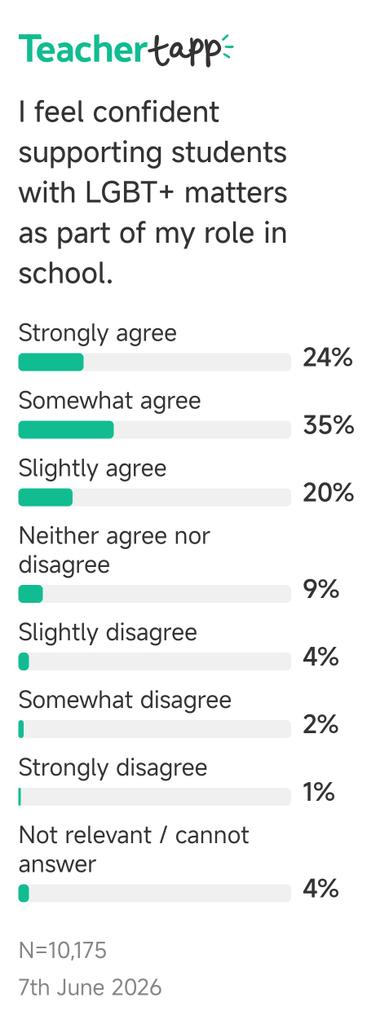
It's PRIDE month. Here's what teachers responded yesterday on teachertapp.co.uk #LGBTQA #PrideMonth #Schools #translovers
9
Jun 7
Wise words for keen job seekers -I was applying for hundreds of jobs - this tip helped me get one - BBC News
bbc.co.uk/news/articles/cd7p… #JobSearch #CVApplications #jobHunter
21
Jun 6
Change of His Majesty's Ambassador to Thailand: Nicola Pollitt gov.uk/government/news/chang…
An impressive CV and loyal service to the interests of the UK. #Thailand #Ambassador
17
Jun 6
Is this the democratic way forward, in these troubled times? save-europe-act.com/. #Europe #Migration #Culture
4
Jun 4
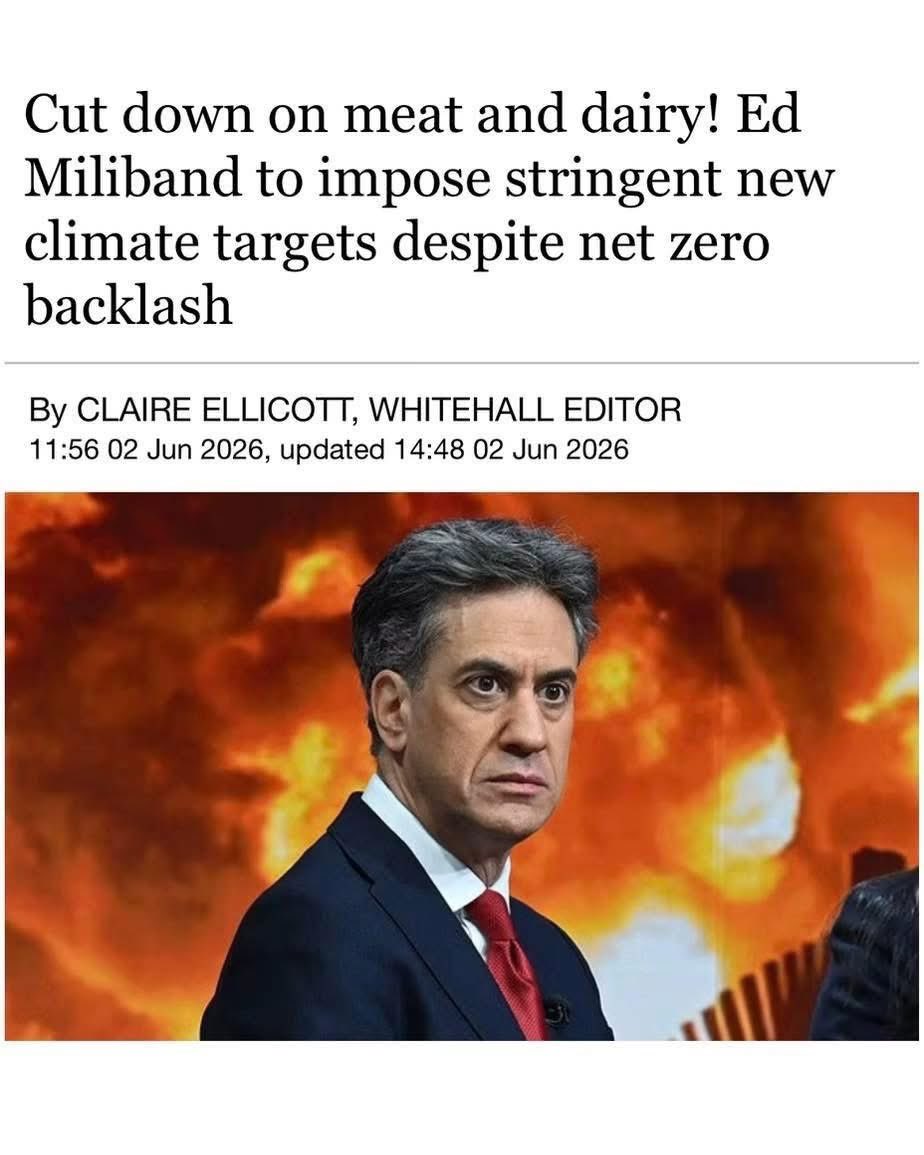
So, Mr. Milliband, how do you square your net zero policies with this clearly hypocritical plan, no doubt sanctioned by a colleague of yours in the Cabinet - x.com/i/status/2062550936640…

14
Jun 4

Let me categorically Debunk this utter rot. @sainsburys.
I am a poultry Breeder. The hens that lay white eggs (Amberline/White Star) DO NOT have a lower carbon footprint.
Yes they eat a bit less and produce roughly the same amount of eggs as the Brown egg layers (Bovan/Lowman/ISA Brown) but they live shorter lives, are prone to dying suddenly when startled, a flighty and nervous and because they live shorter productive lives (12 -18mnths) vs brown 18/24mnths (both commercial farmed), you have to incubate more which is increased (Electricity/gas costs) and their eggs are not the same quality.
I breed and keep 20 different breeds, including: ISA Brown hens and White Stars. All my hens are 100% free range, Not a single barn kept bird, I have ISA browns that are 5yrs old and still laying beautiful Brown eggs, I have not seen a White star live beyond 3yrs and certainly none have laid eggs past 18-24mnths.
White stars Lay themselves to death. They are slender birds and because they dont eat a lot, it drains their personal vitality to keep up laying the eggs you want to sell because of the nonsensical lie that they are "More Carbon Neutral"
You want to know about eggs, come talk to someone like me, Don't rely on some hairbrained imagination of a buyer who's trying to squeeze the profit margin for a few extra pennies at our expense and to the poor hens detriment.

1
24