We are a Dalit civil rights organization working for caste, gender, and racial equity and religious inclusion. 💙💛 linktr.ee/equalitylabs
Joined December 2016
- Tweets 2,528
- Following 1,003
- Followers 24,811
- Likes 3,787
572 Photos and videos
Equality Labs retweeted

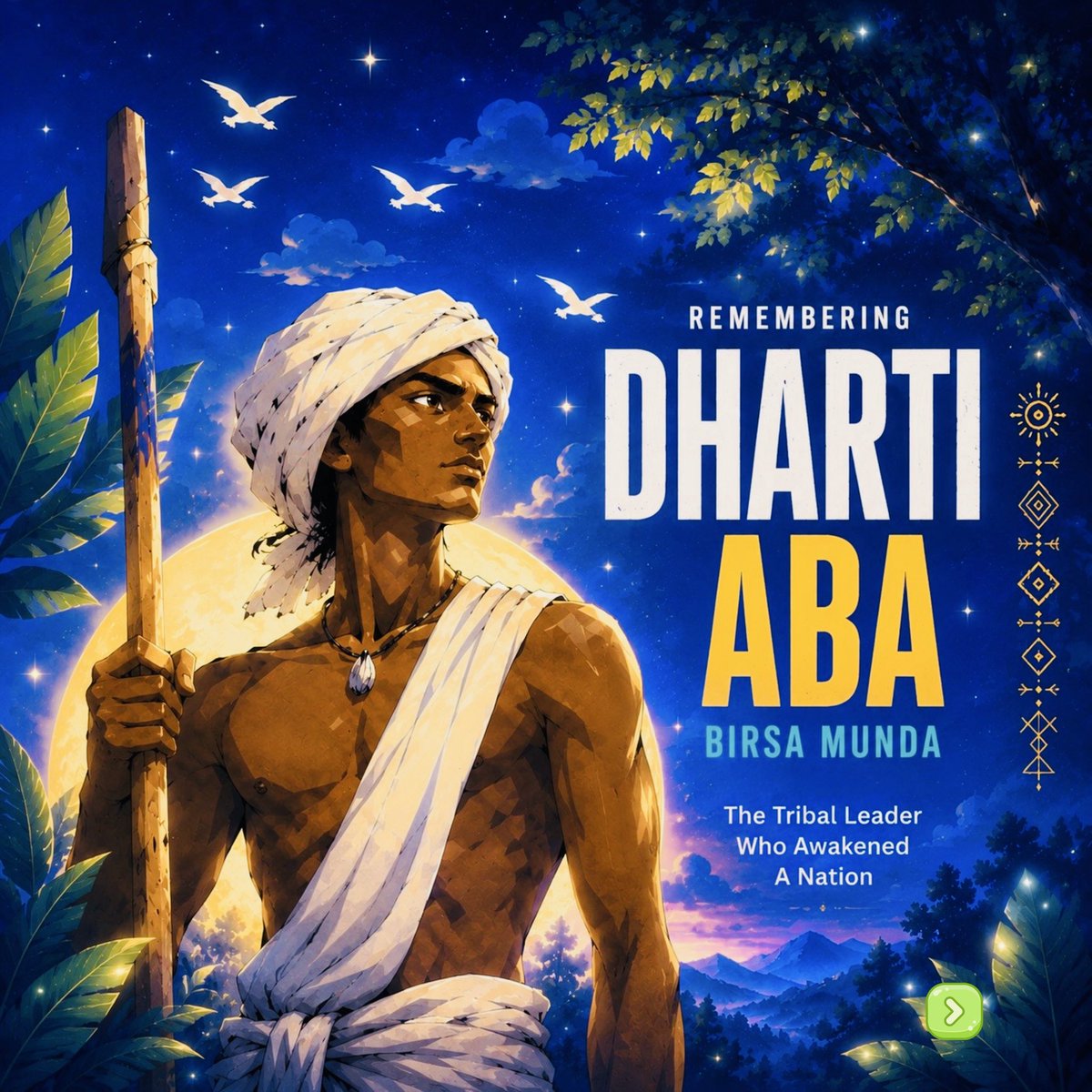
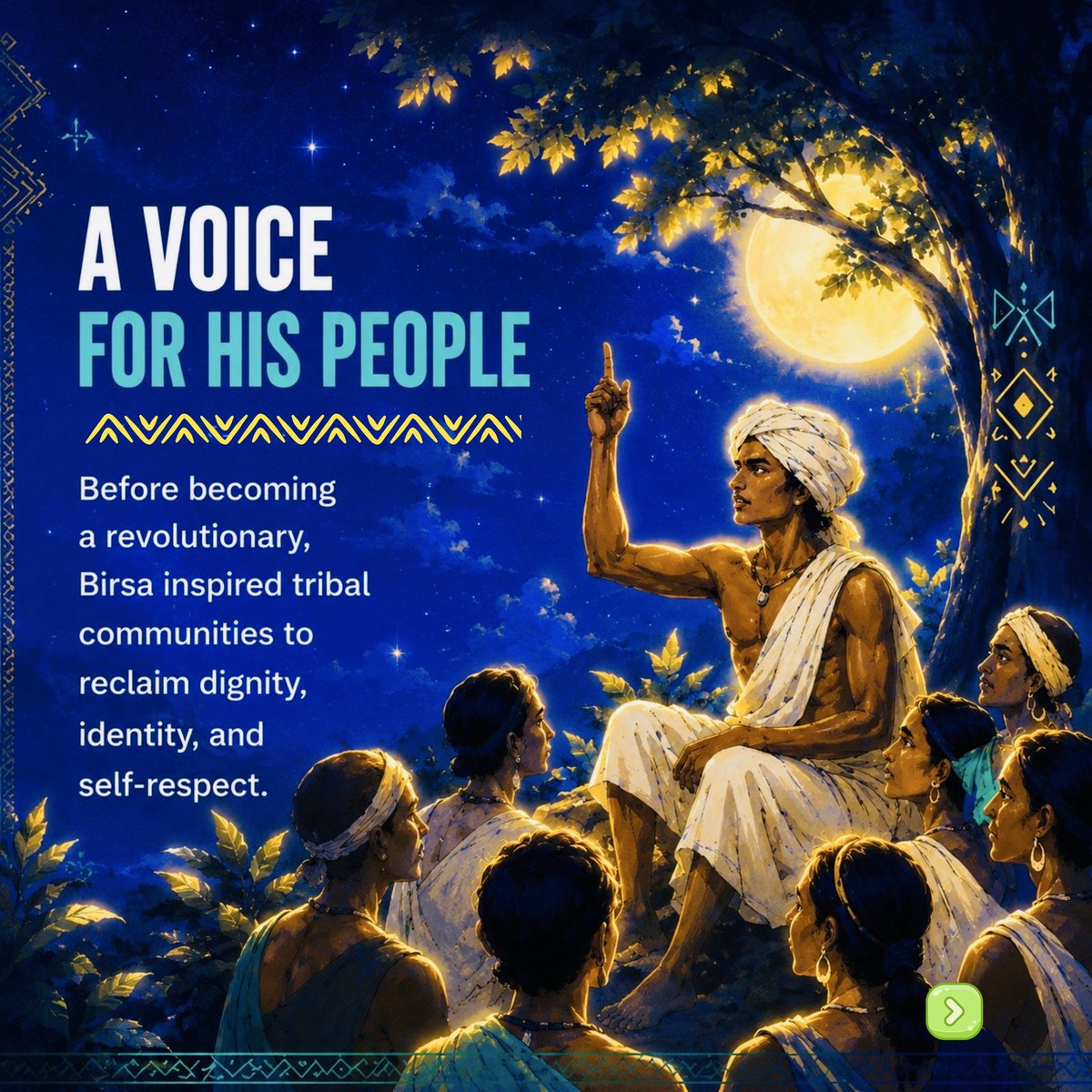
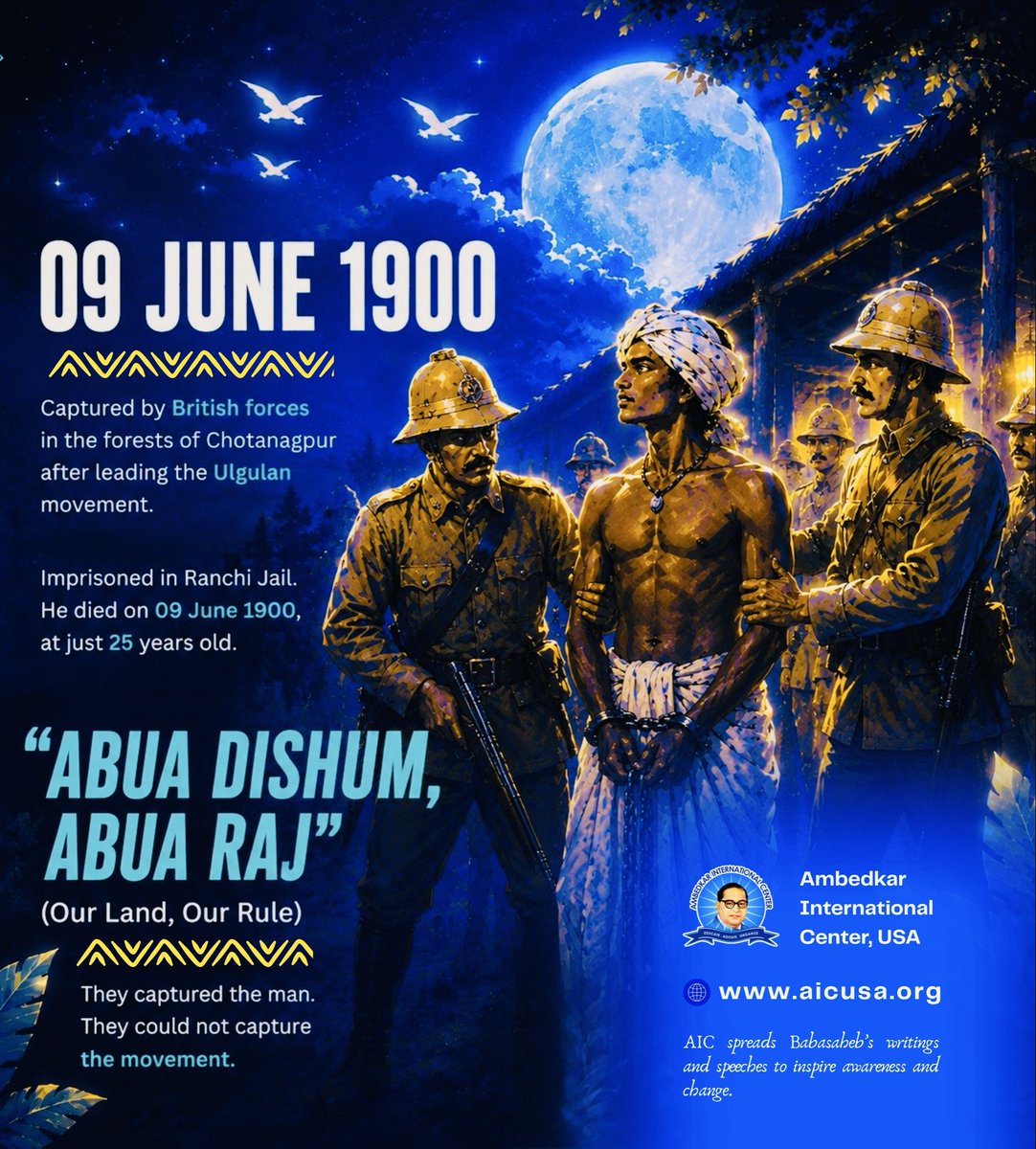
Born on 15 November 1875 in Ulihatu, present-day Jharkhand, Birsa Munda emerged as one of the most influential Indigenous leaders in India's history. At a time when colonial policies, forced labor practices, missionary influence, and land alienation were disrupting traditional tribal life, Birsa became a powerful voice for social reform, cultural identity, and community rights.
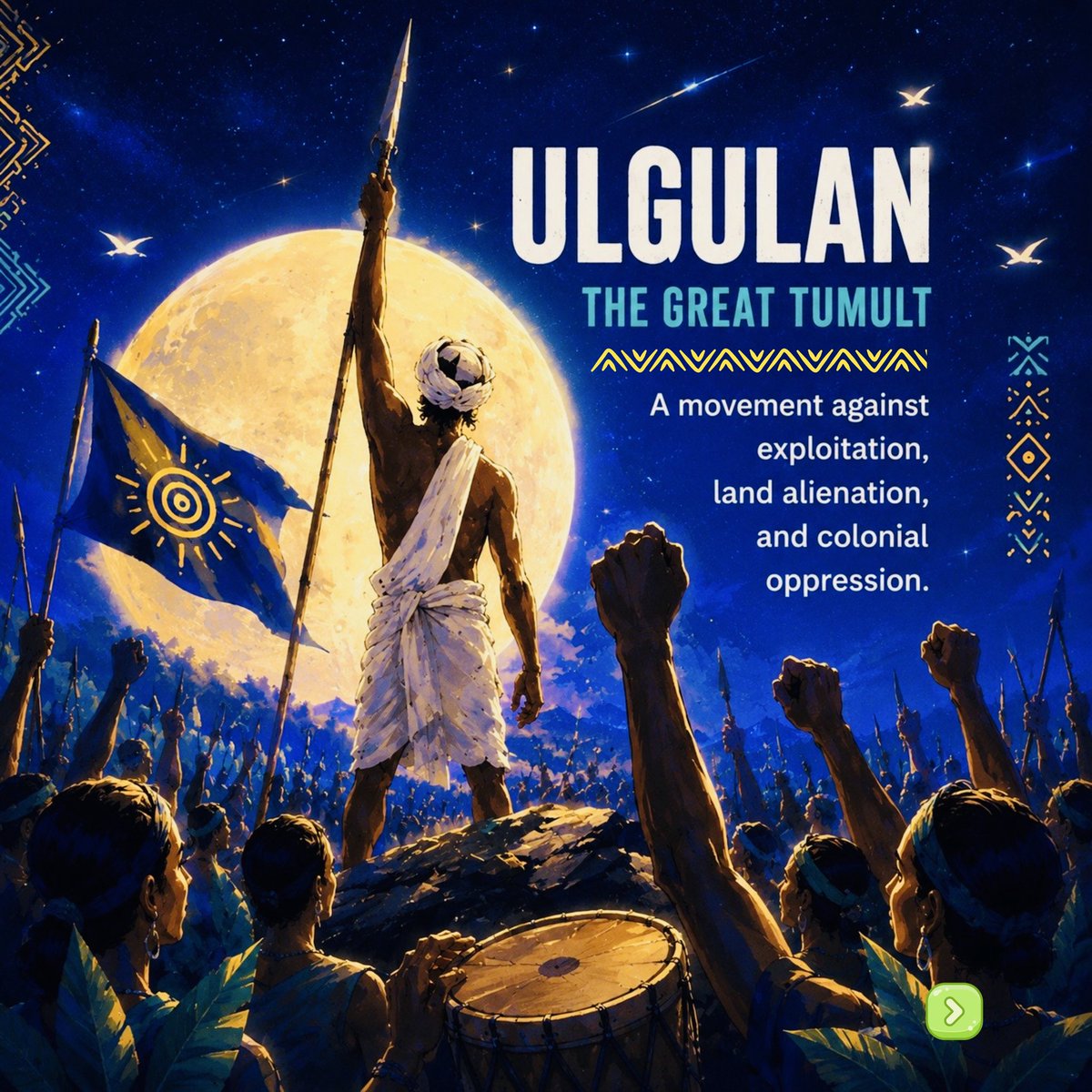
During the 1890s, he mobilized members of the Munda community and other tribal groups, encouraging them to resist exploitation and reclaim control over their land and way of life. His movement, known as Ulgulan (The Great Tumult), challenged both colonial authority and systems that marginalized Indigenous communities.
Birsa's message inspired thousands. He advocated for self-governance, social unity, and the protection of traditional rights, giving rise to the enduring slogan: “Abua Dishum, Abua Raj” - “Our Land, Our Rule.”
On 3 February 1900, British authorities captured Birsa Munda during a crackdown on the movement. He was imprisoned in Ranchi Jail, where he died on 9 June 1900 at the age of 25. The official colonial record cited cholera as the cause of death, though questions surrounding the circumstances of his death have continued to be discussed by historians and communities over the years.
Though his life was brief, his impact was profound. The movement he inspired contributed to later legal protections for tribal land rights, including the Chotanagpur Tenancy Act of 1908. Today, Birsa Munda is remembered as “Dharti Aba” (Father of the Earth) and remains a symbol of Indigenous resistance, self-determination, and social justice.
His legacy continues to remind us of the importance of preserving cultural identity, protecting community rights, and ensuring that marginalized voices remain part of the historical narrative.
Source:
Ministry of Tribal Affairs, Government of India; National Archives of India; Encyclopaedia Britannica.
#BirsaMunda #AdivasiHistory #AmbedkarInternationalCenter
18
69
974

May 29
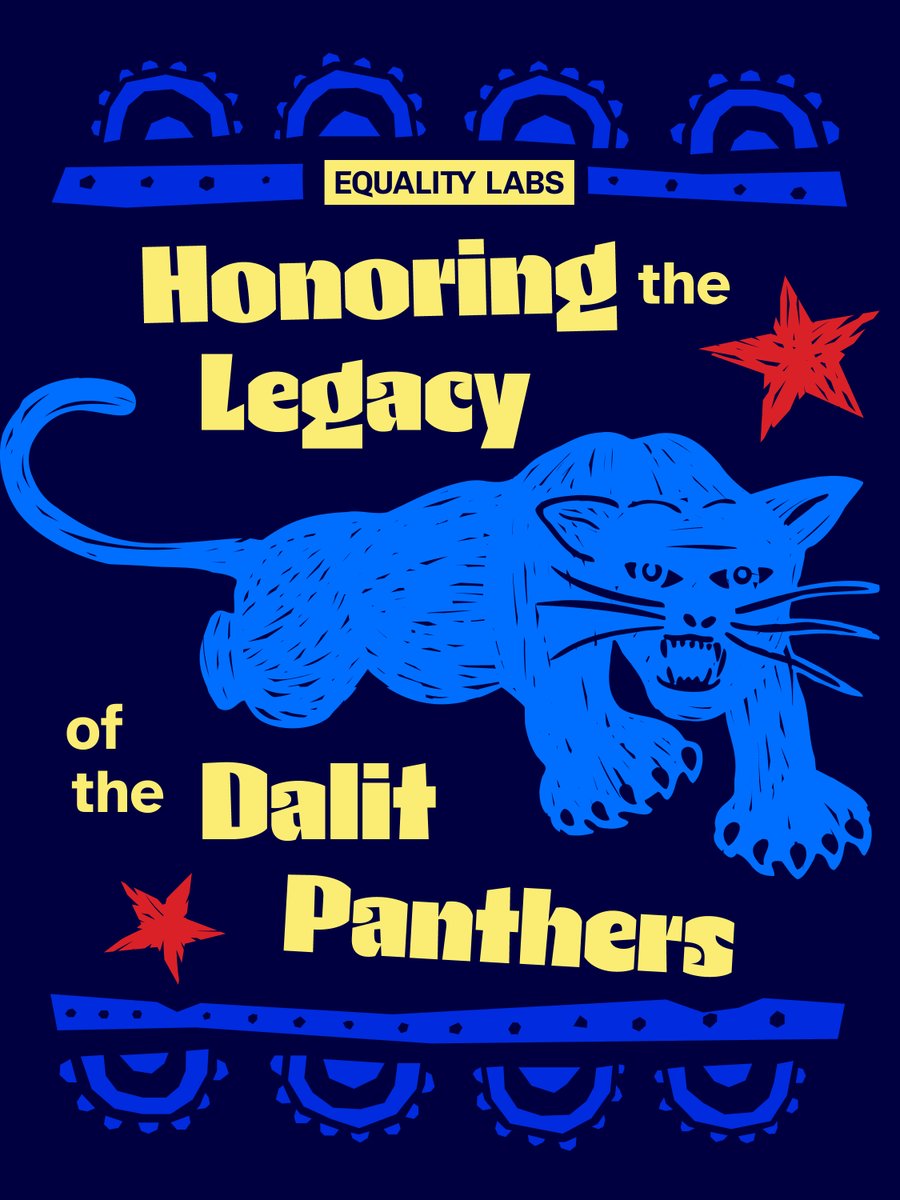
🩵✊🏾Today, we commemorate the founding of the Dalit Panthers — a movement that transformed anti-caste resistance in India & inspired generations to speak truth to power. Founded in 1972, the Dalit Panthers confronted caste violence & systemic injustice with fearless activism.
1
2
5
258
May 27
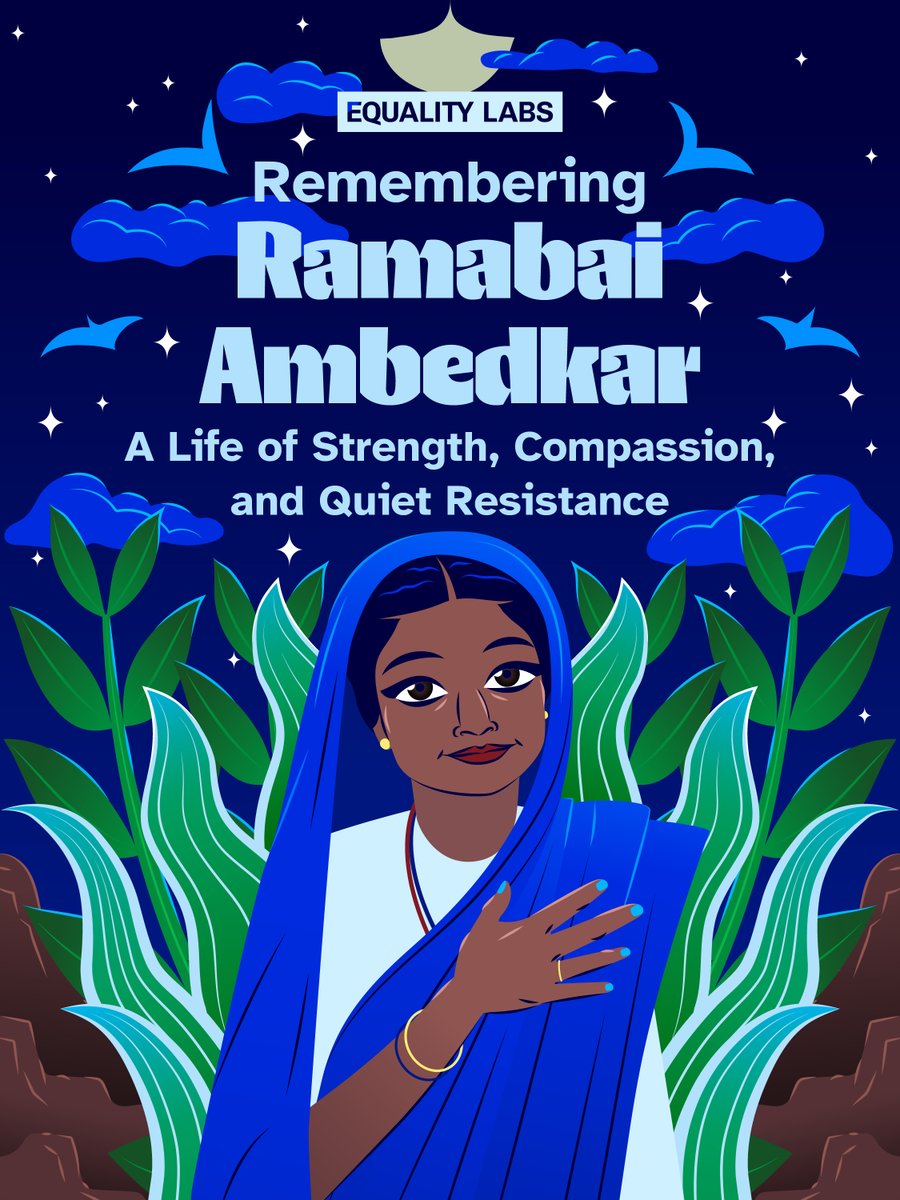
💫💙On Ramabai Ambedkar’s death anniversary, we remember a woman whose quiet strength & sacrifices played an essential role in one of history’s greatest struggles for equality & justice. Her legacy continues to inspire generations fighting for dignity, compassion, & social change
1
2
3
179
Equality Labs retweeted

May 21
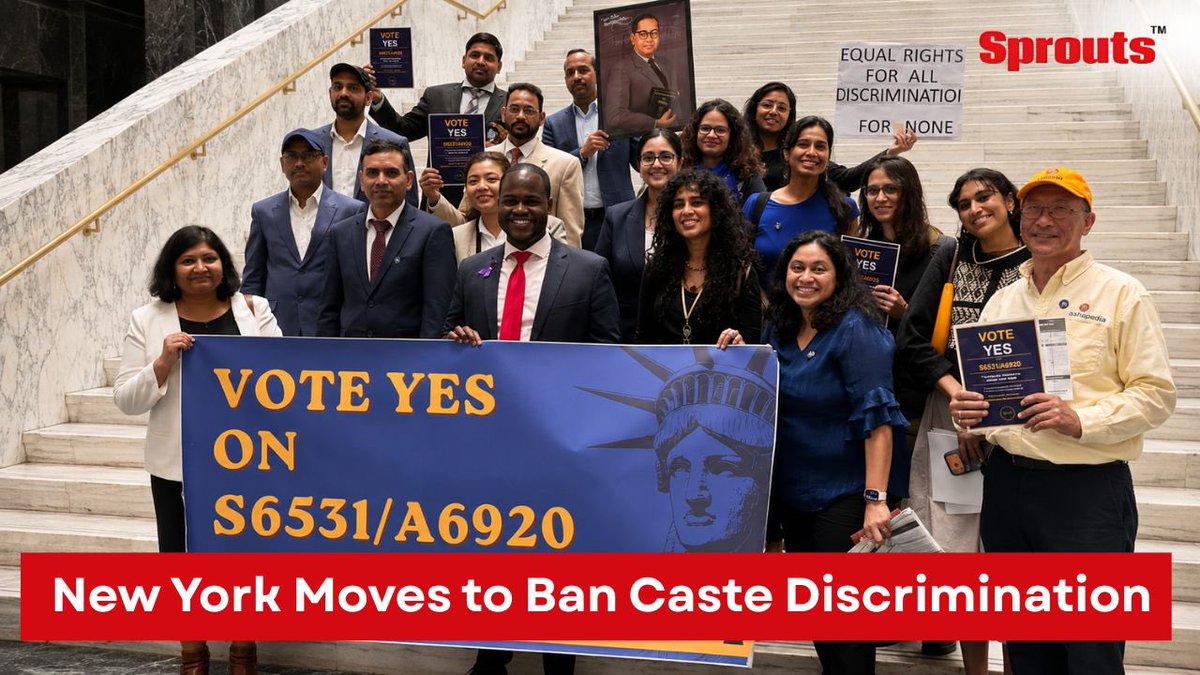
🚨 New York may become the FIRST U.S. state to explicitly ban caste discrimination in employment, housing & public services through Bill S6531/A6920.
🔗Read Full Report Below 👇 sproutsnews.com/caste-discri…
Led by Dalit attorney Swati Sawant, the legislation comes after real caste discrimination complaints reportedly lacked legal protection under existing law.
The bill has gained support from lawmakers, civil rights groups, labor unions, South Asian organizations, and even the United Nations Special Rapporteur on Racism.
If passed, New York could set a nationwide precedent for caste-based civil rights protections across the United States.
@GovKathyHochul @AndreaSCousins
@carlwastie
@NYSenDems @NYSA_Majority
@TheJusticeDept @USEEOC
@UNHumanRights
@HRC @EqualityLabs
@Hindus4HRUK @sikh_coalition
@KhaleelAnderson
@AOC @BernieSanders
@NYSA_Majority
@NYSenDems
@JSandersNYC
@RagaForQueens
#CasteDiscrimination #DalitLivesMatter #HumanRights #NewYork #CivilRights #Equality #AntiDiscrimination #SocialJustice #DalitRights #SouthAsian #EmploymentRights #HousingRights #UN #NYPolitics #Justice
1
3
6
404
Equality Labs retweeted

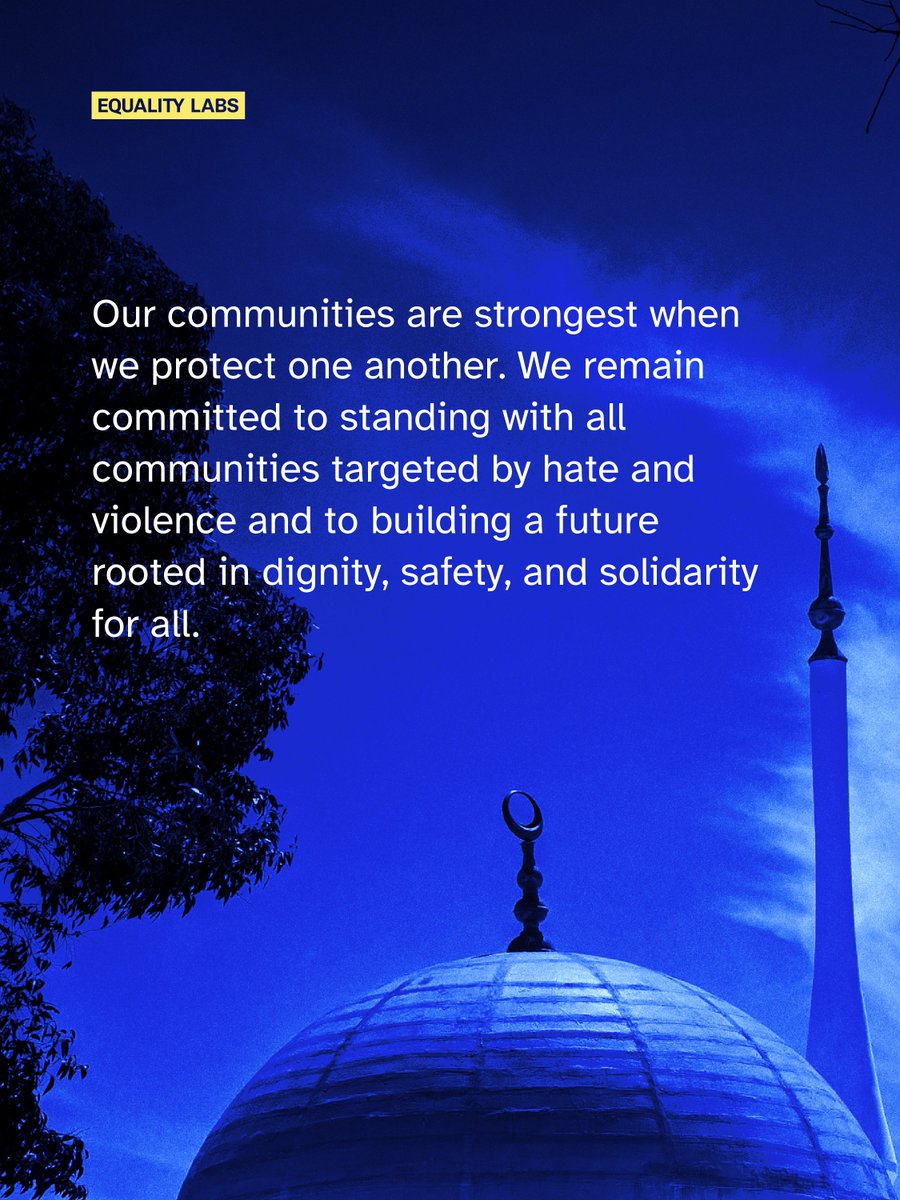
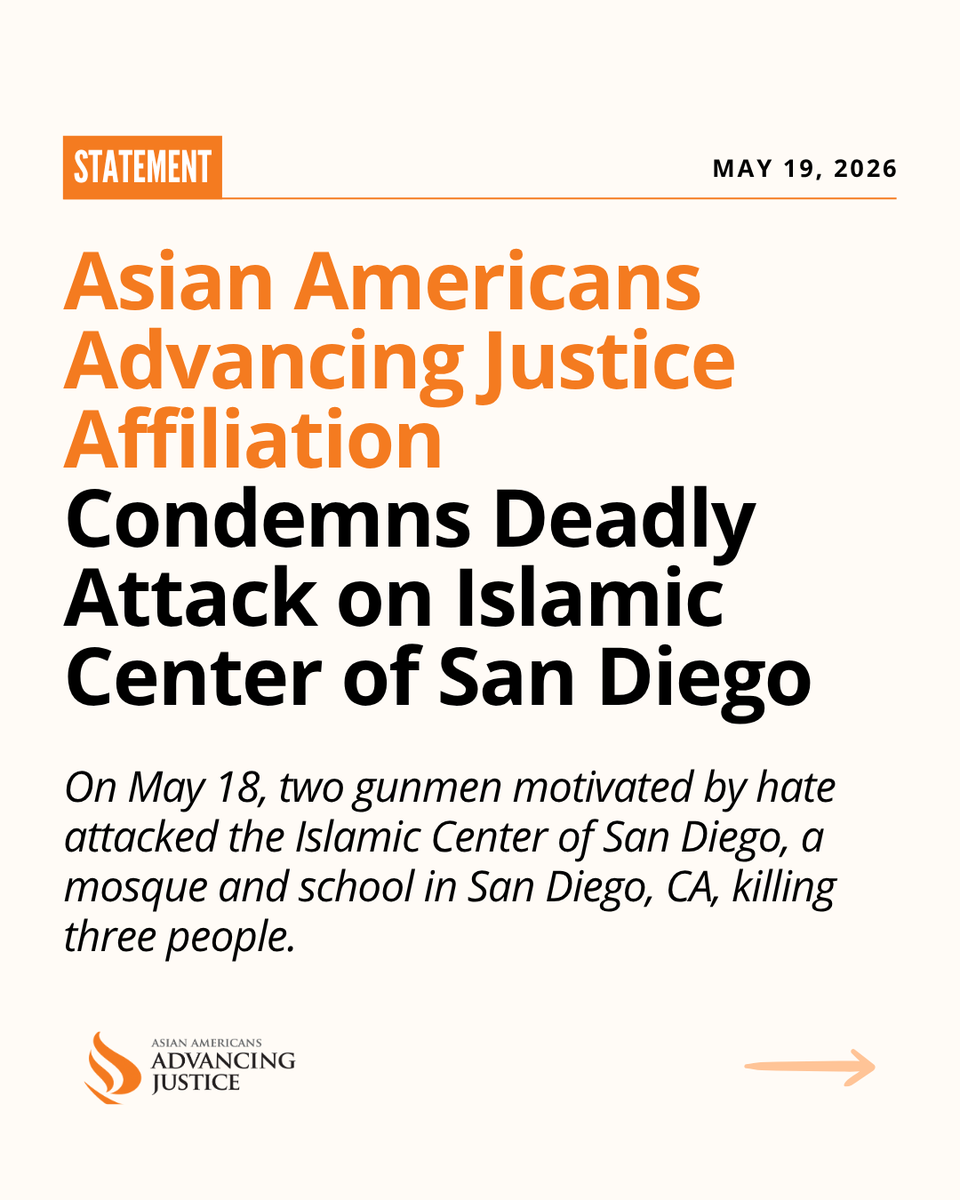
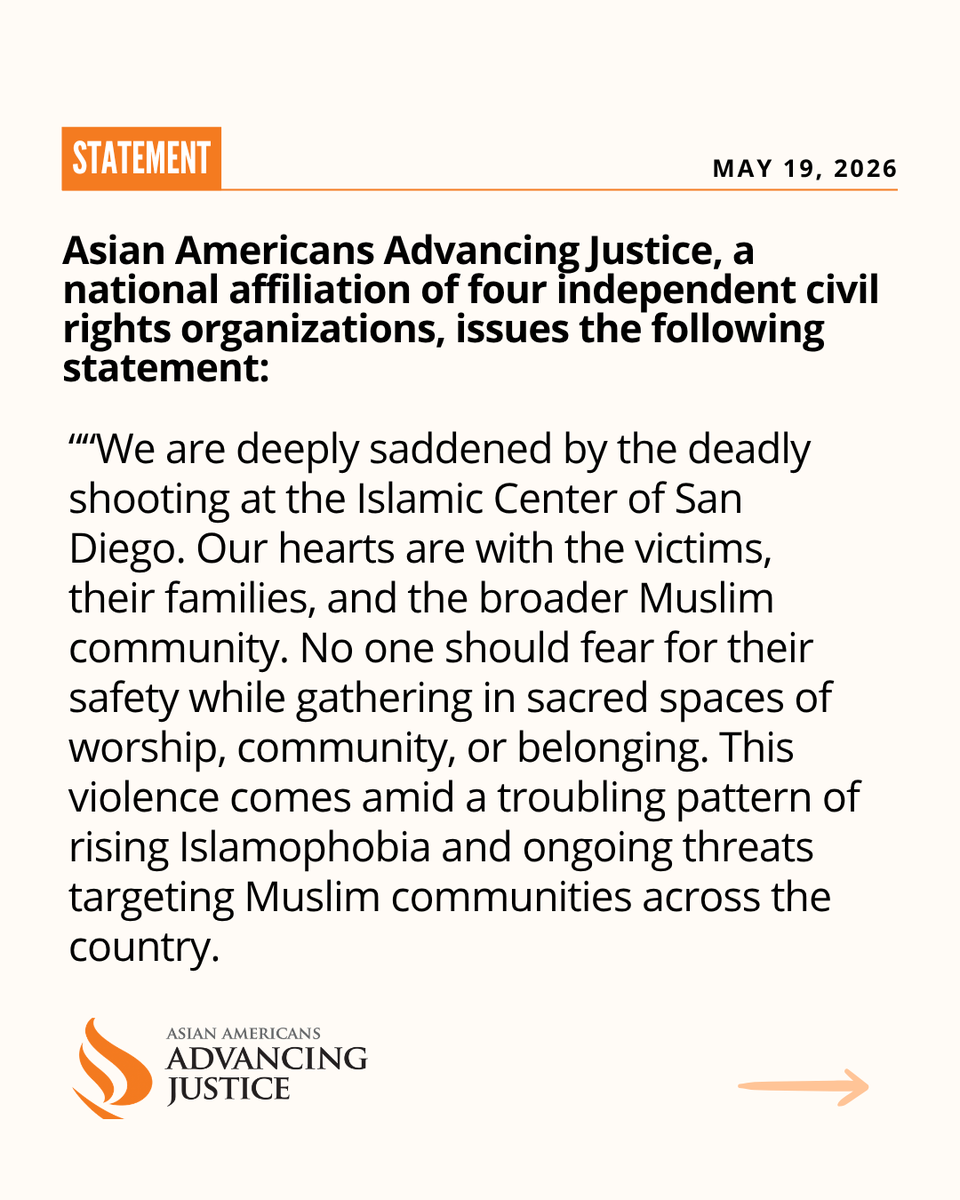
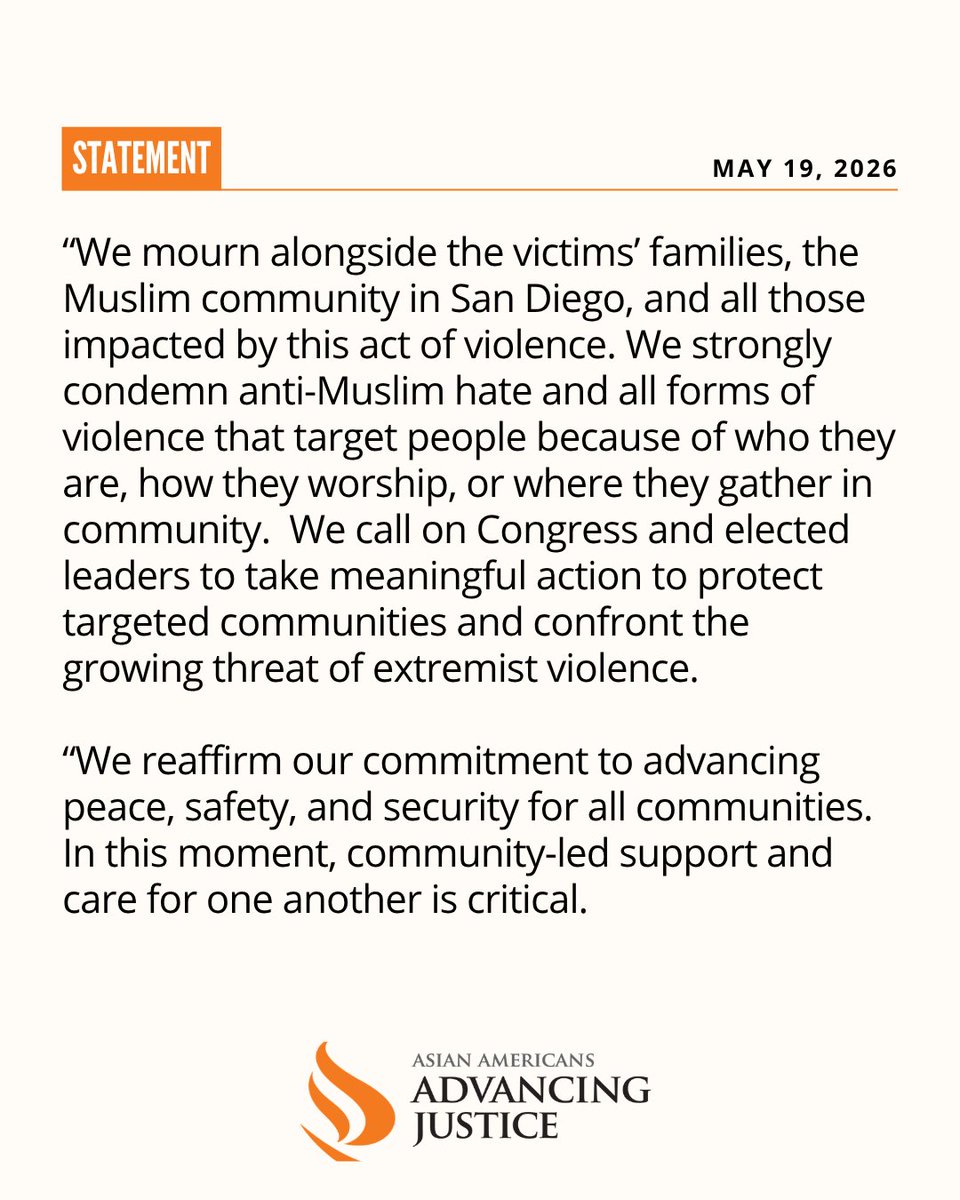
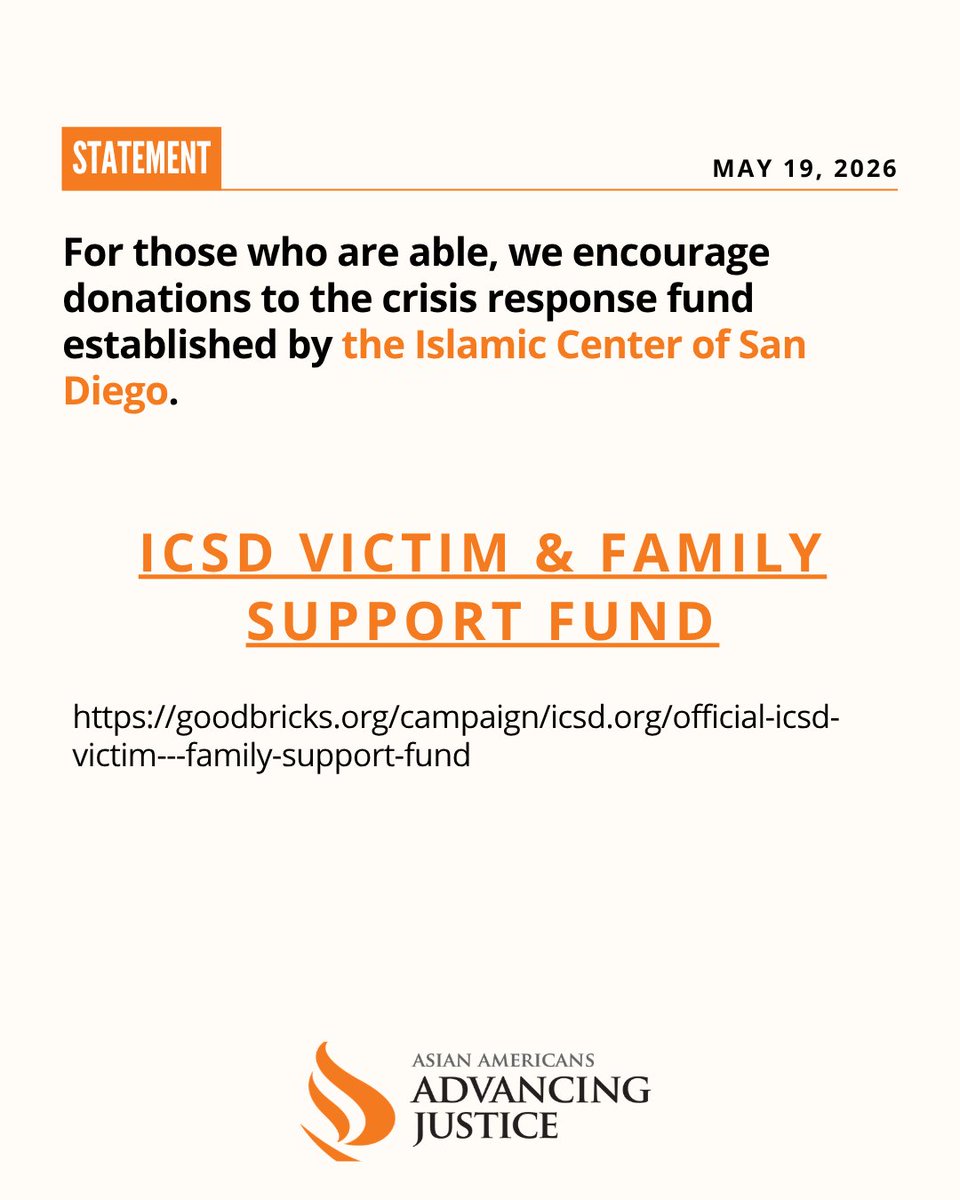
No one should fear for their safety while gathering in sacred spaces of worship, community, or belonging. We mourn alongside the victims’ families, the Muslim community in San Diego, and all those impacted by this act of violence.
5
5
268
May 20
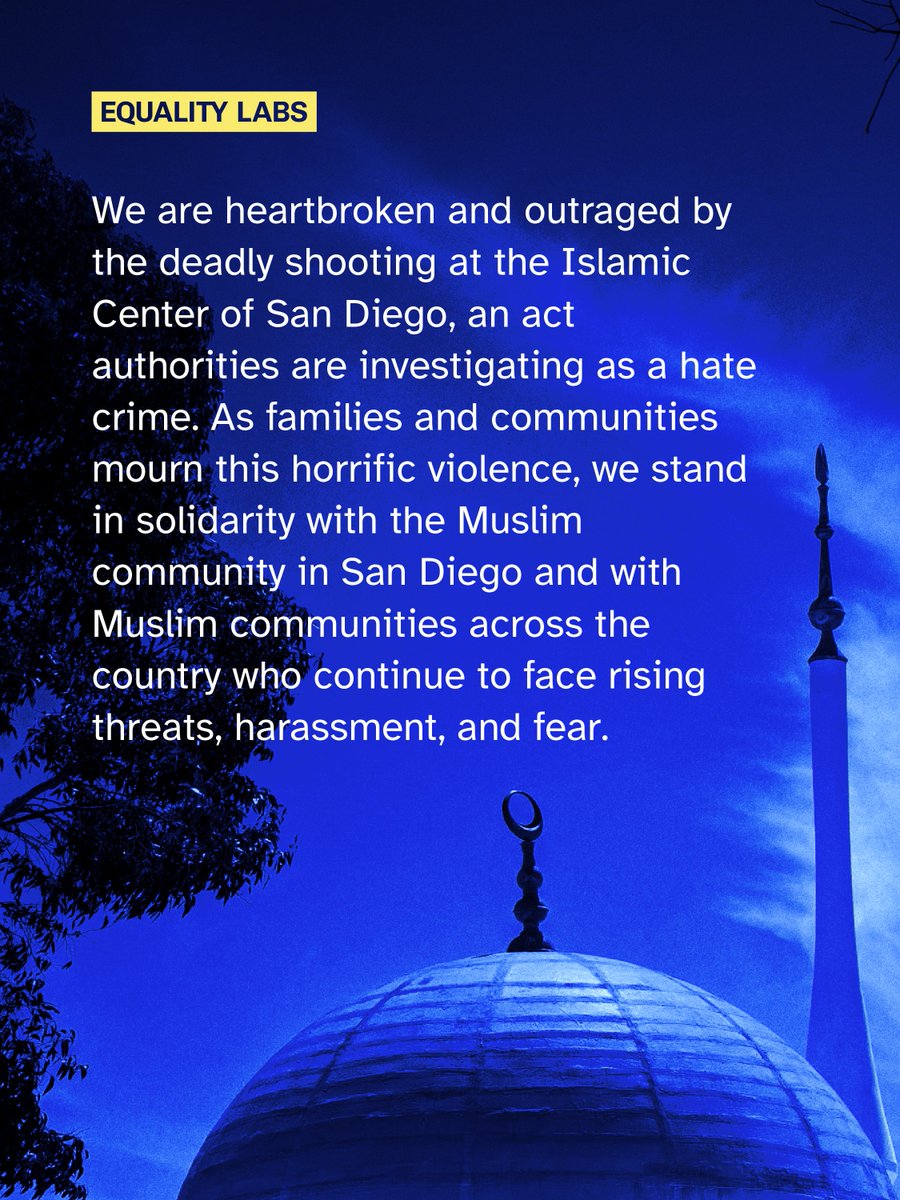
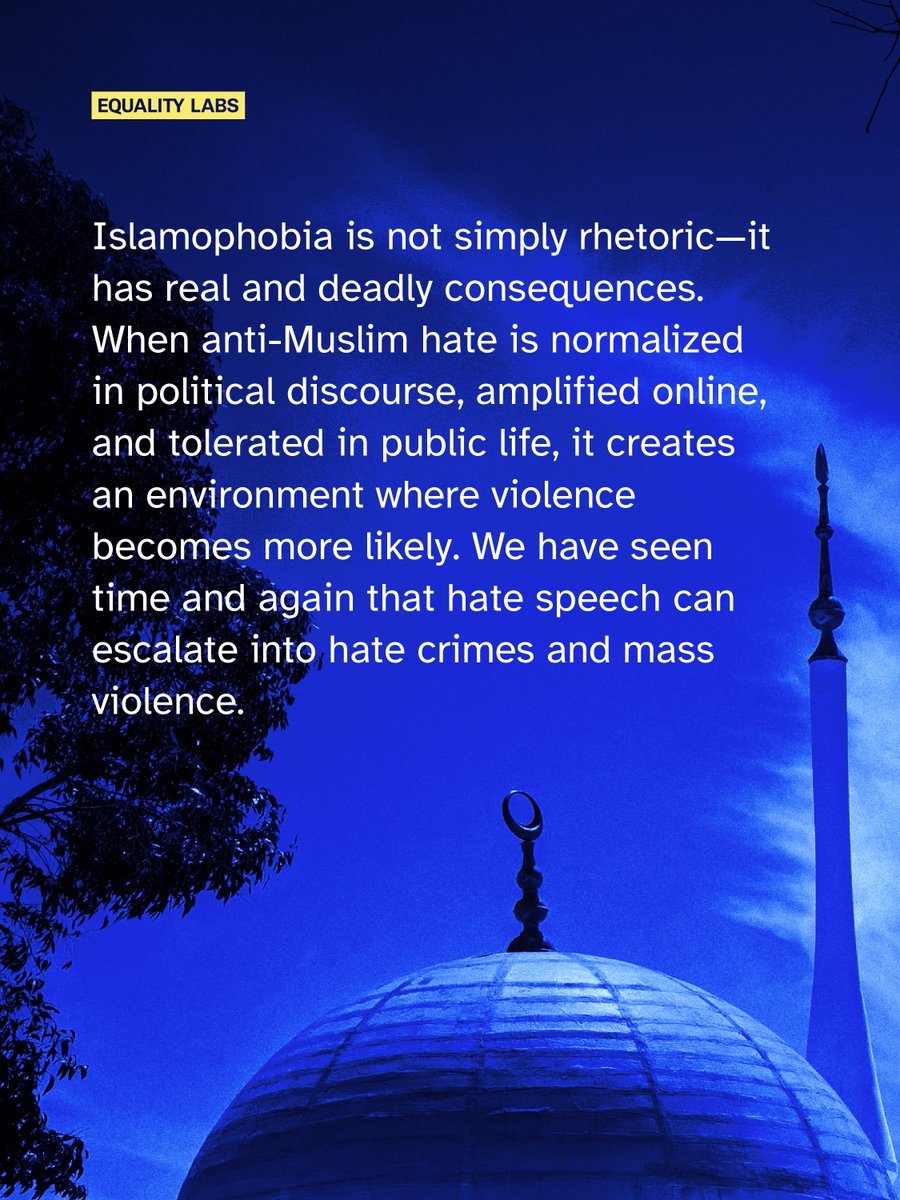
1/ We are devastated by the deadly shooting at the Islamic Center of San Diego. Islamophobia and anti-Muslim hate are not abstract—they have deadly consequences.
1
3
465
May 20
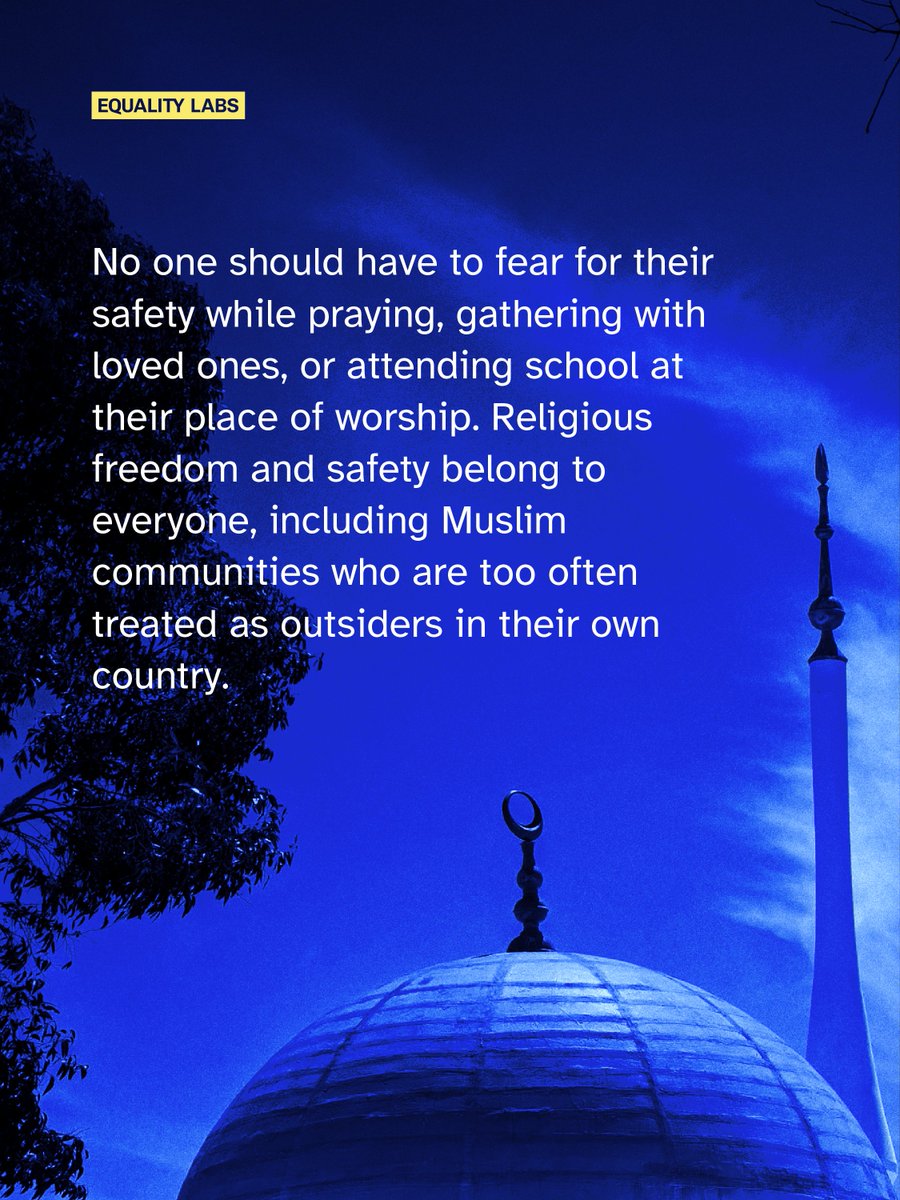
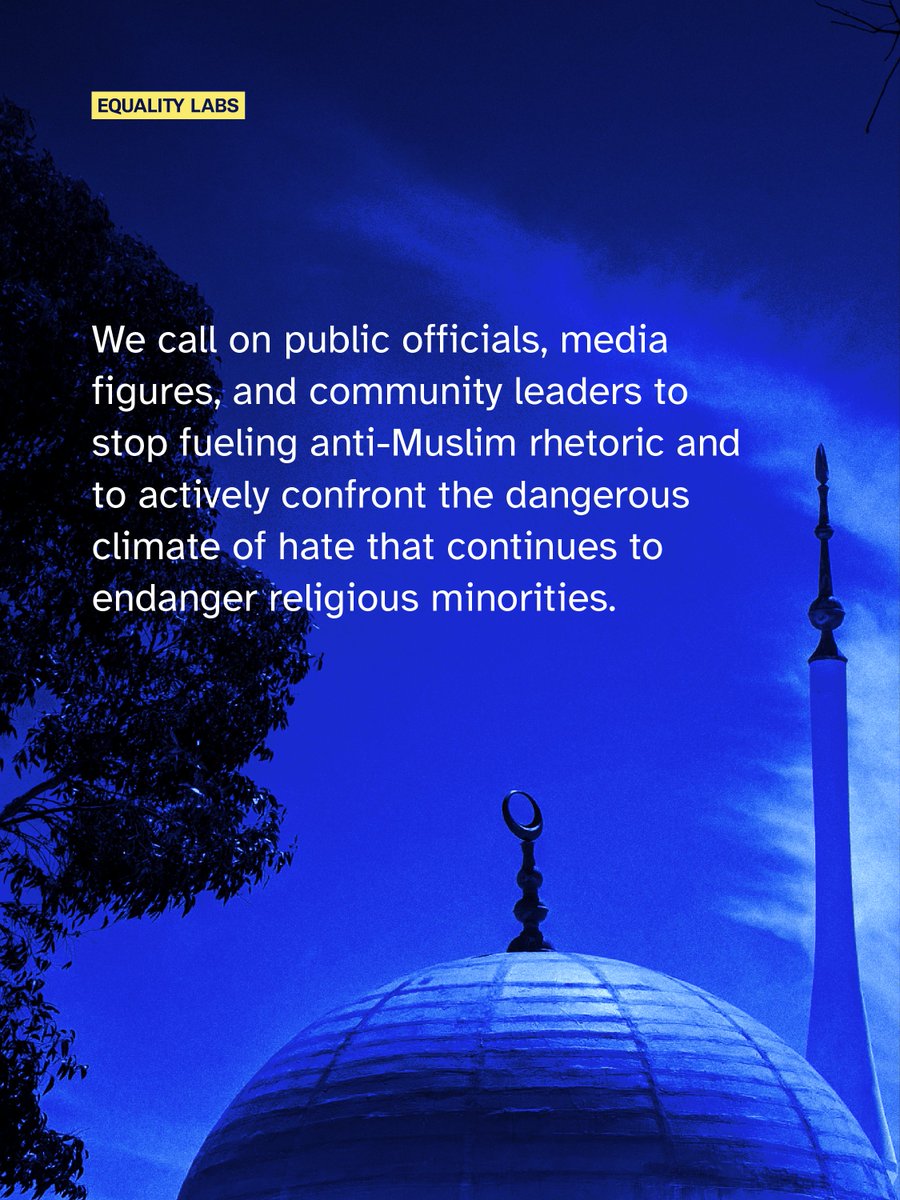
2/ No one should fear violence in their place of worship. We stand in solidarity with Muslim communities in San Diego and across the country and call for an end to the normalization of anti-Muslim rhetoric and hate. An attack on one faith community is an attack on all of us.💙💛

1
153
Equality Labs retweeted

May 19
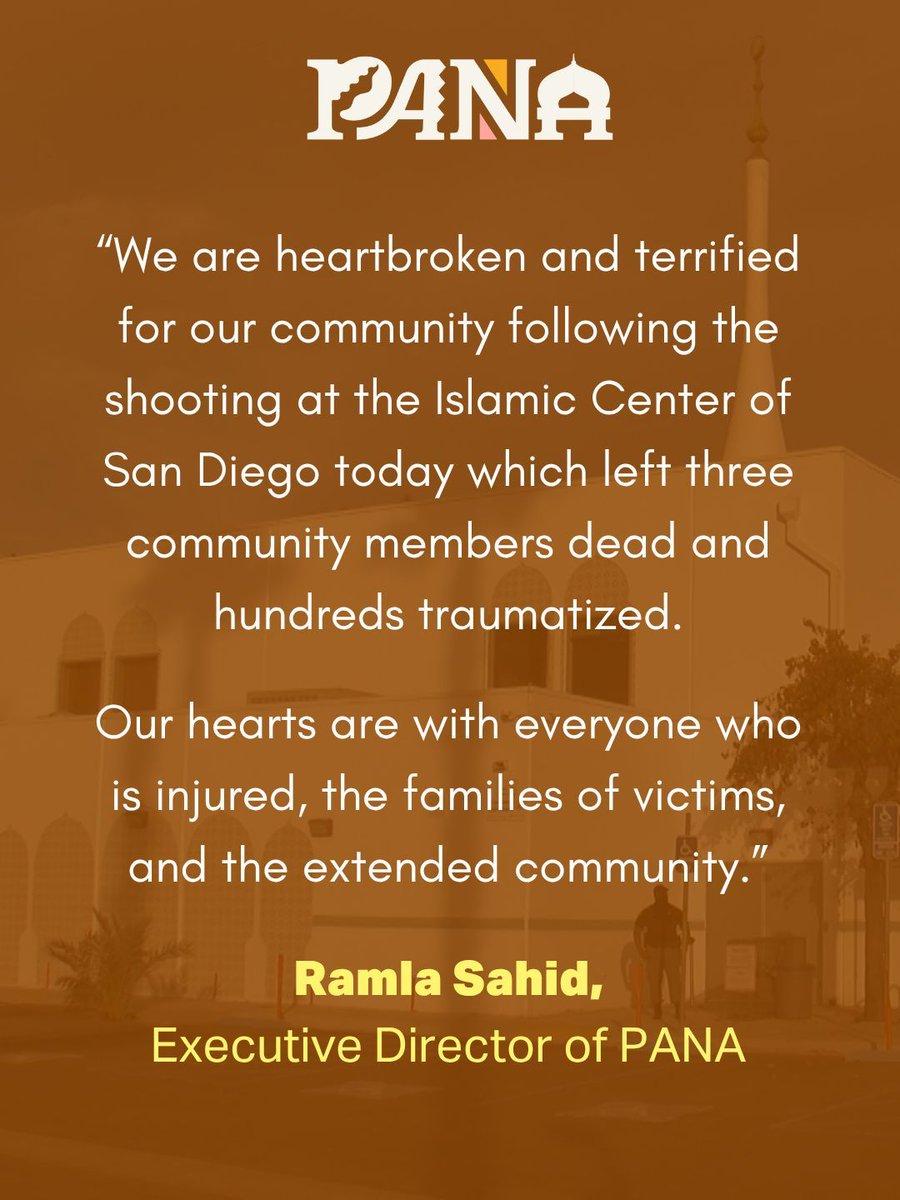
Please consider donating and supporting the families of the victims from today's tragic shooting at the Islamic Center of San Diego.bit.ly/ICSDsupport


3
10
10
1,229
May 19
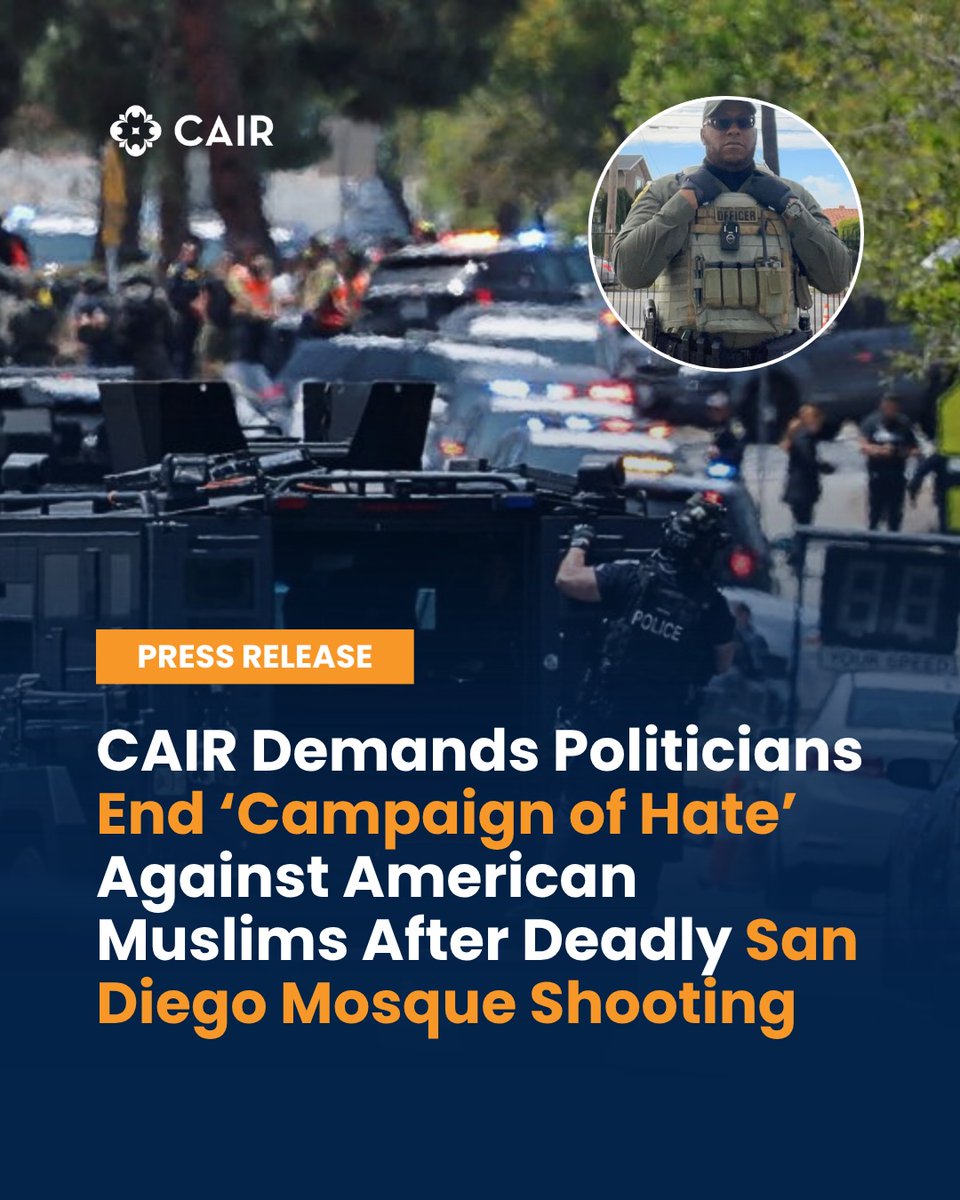
Islamophobia leads to real harm and violence. We stand with @CAIRNational and demand an end to this ongoing campaign of hate against the Muslim community.
May 19

We are deeply disturbed, but not at all surprised, to learn that those who attacked the Islamic Center of San Diego were reportedly motivated by anti-Muslim hate.
Hate against American Muslims is completely out of control. Numerous politicians have spent the past year claiming that all ‘mainstream Muslims’ should be destroyed, that American mosques and elementary schools should be shut down, and that American Muslims should be expelled from our nation. Just last week, House Republicans held a congressional hearing to fan the flames of hate against American Muslims, their houses of worship and even Muslim school children.
Time and time again, we have seen that hate speech like this can lead to hate crimes. The mass shooters who massacred families at the Christchurch mosques in New Zealand and worshipers at a mosque in Quebec all embraced the rhetoric of prominent anti-Muslim extremists.
A deadly attack on an American mosque was as predictable as it is unacceptable. Anti-Muslim hatred is one of the last acceptable forms of bigotry in American society, and it is long past time for the tolerance of this hate to end.
6
3
523
Equality Labs retweeted

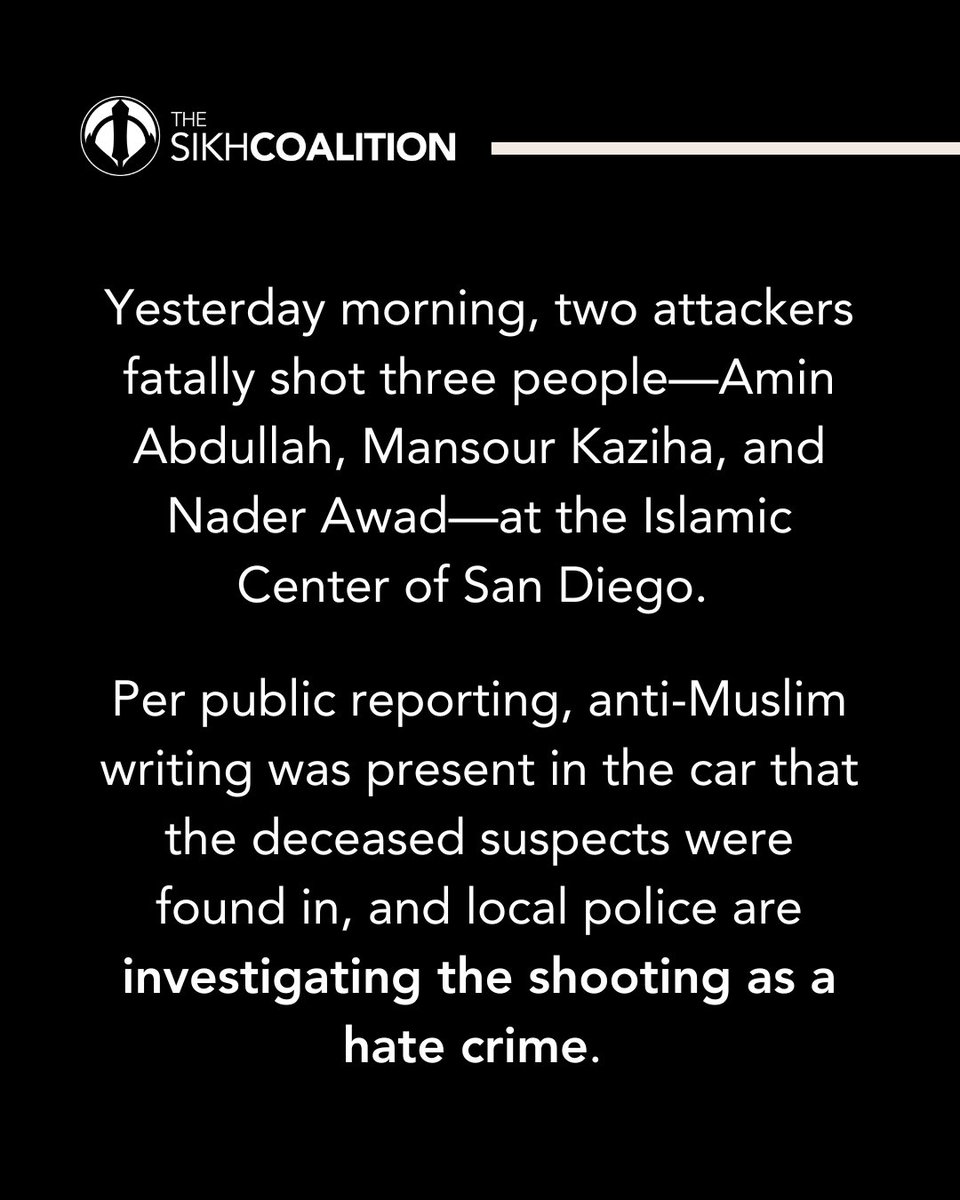
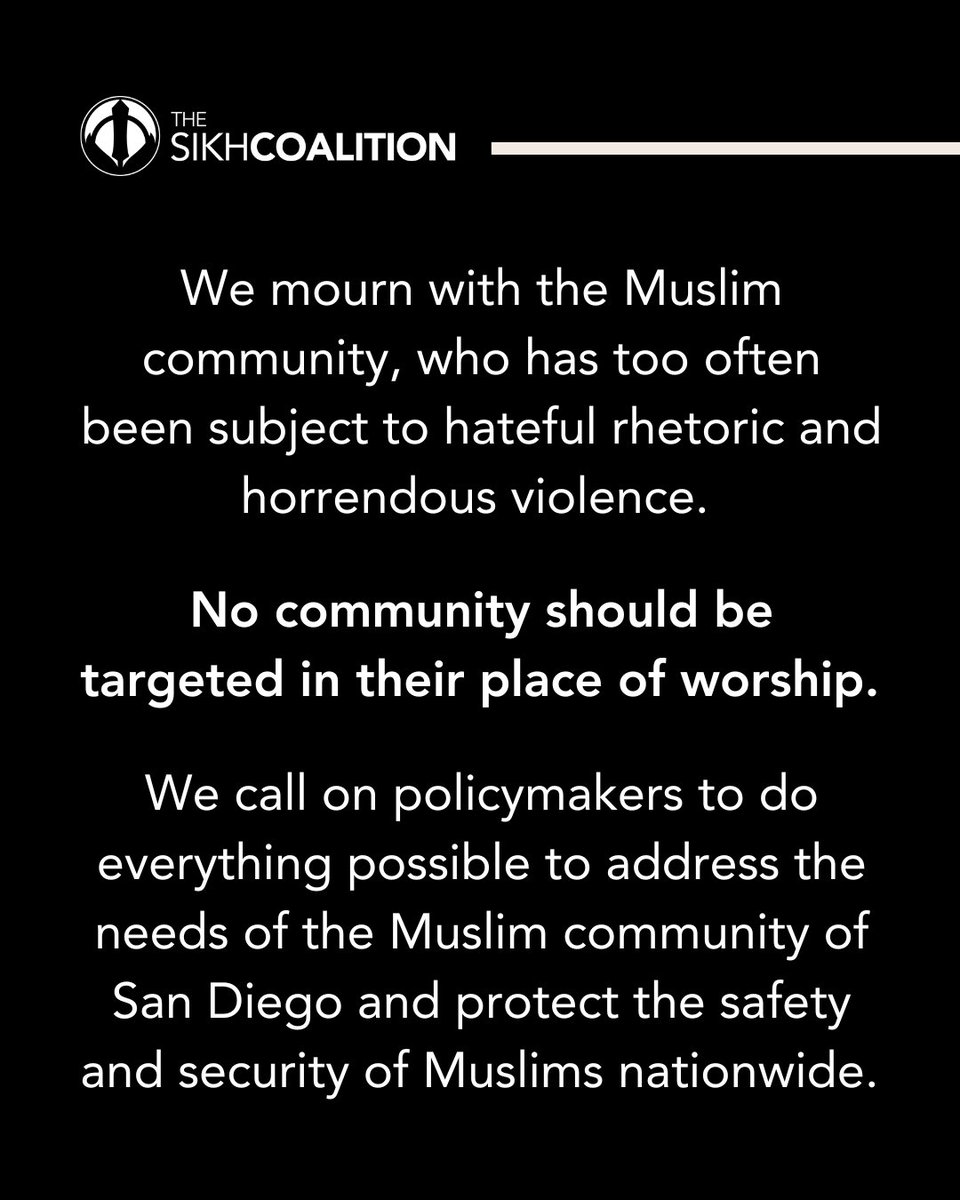
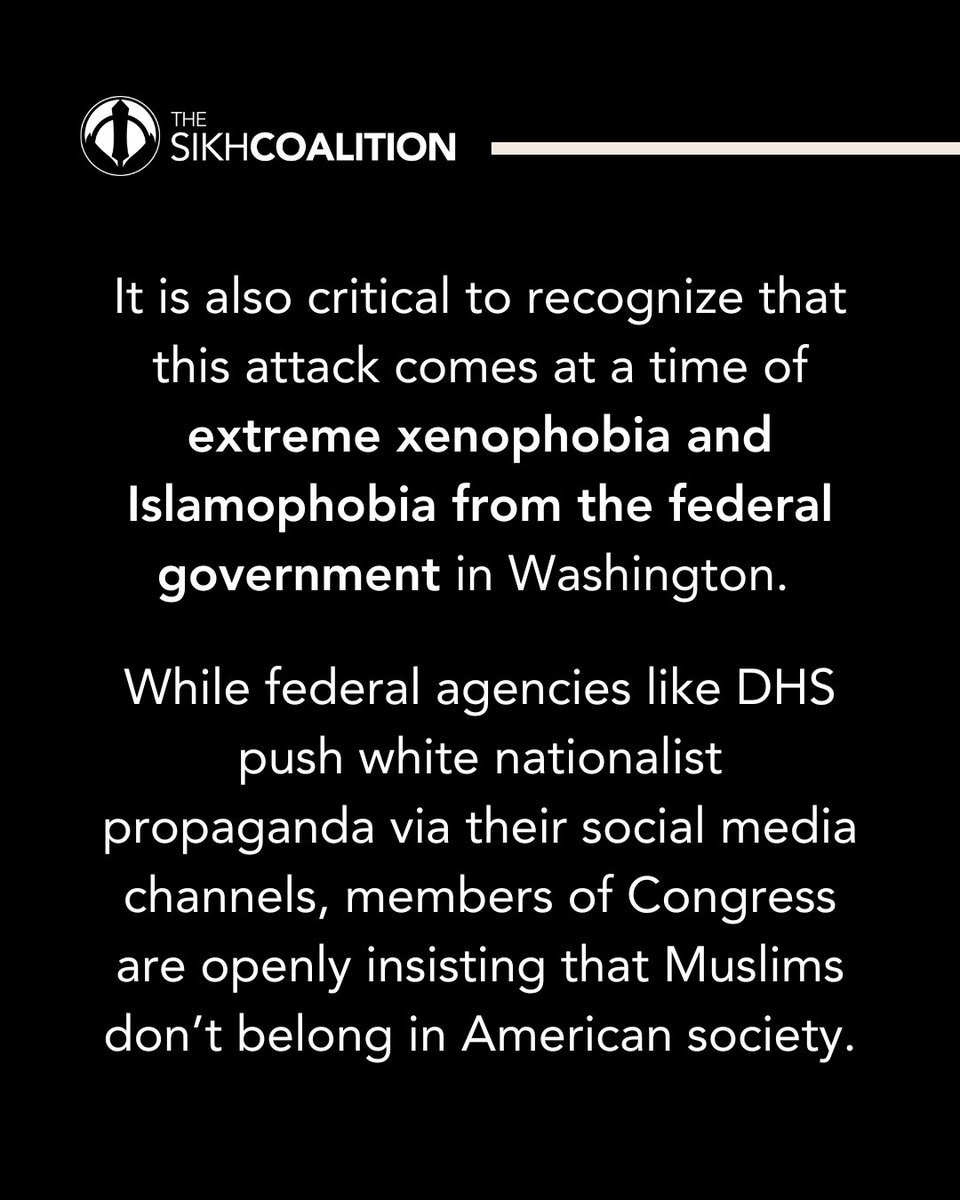
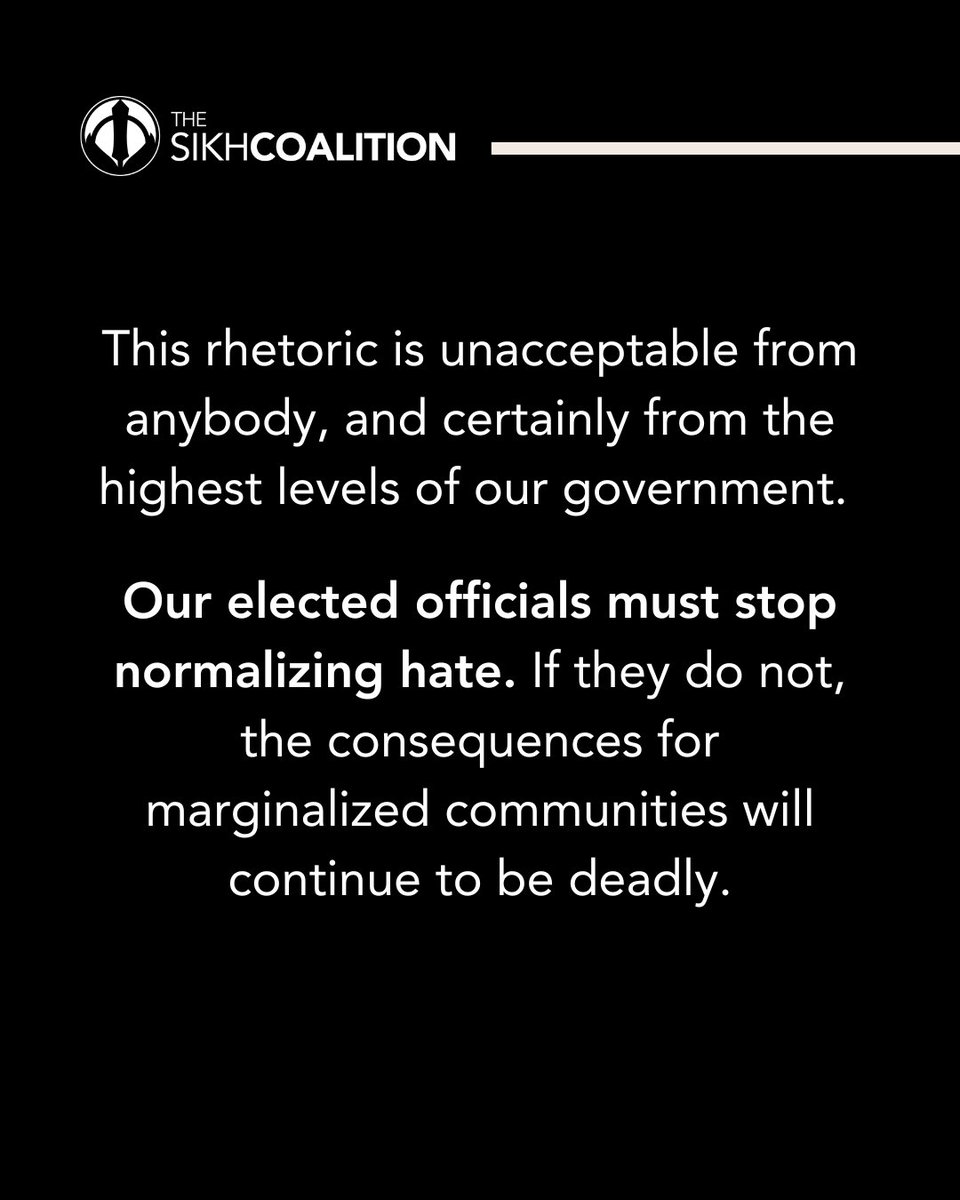
Our full statement in response to the deadly attack on the Islamic Center of San Diego.
1
4
14
684
Equality Labs retweeted

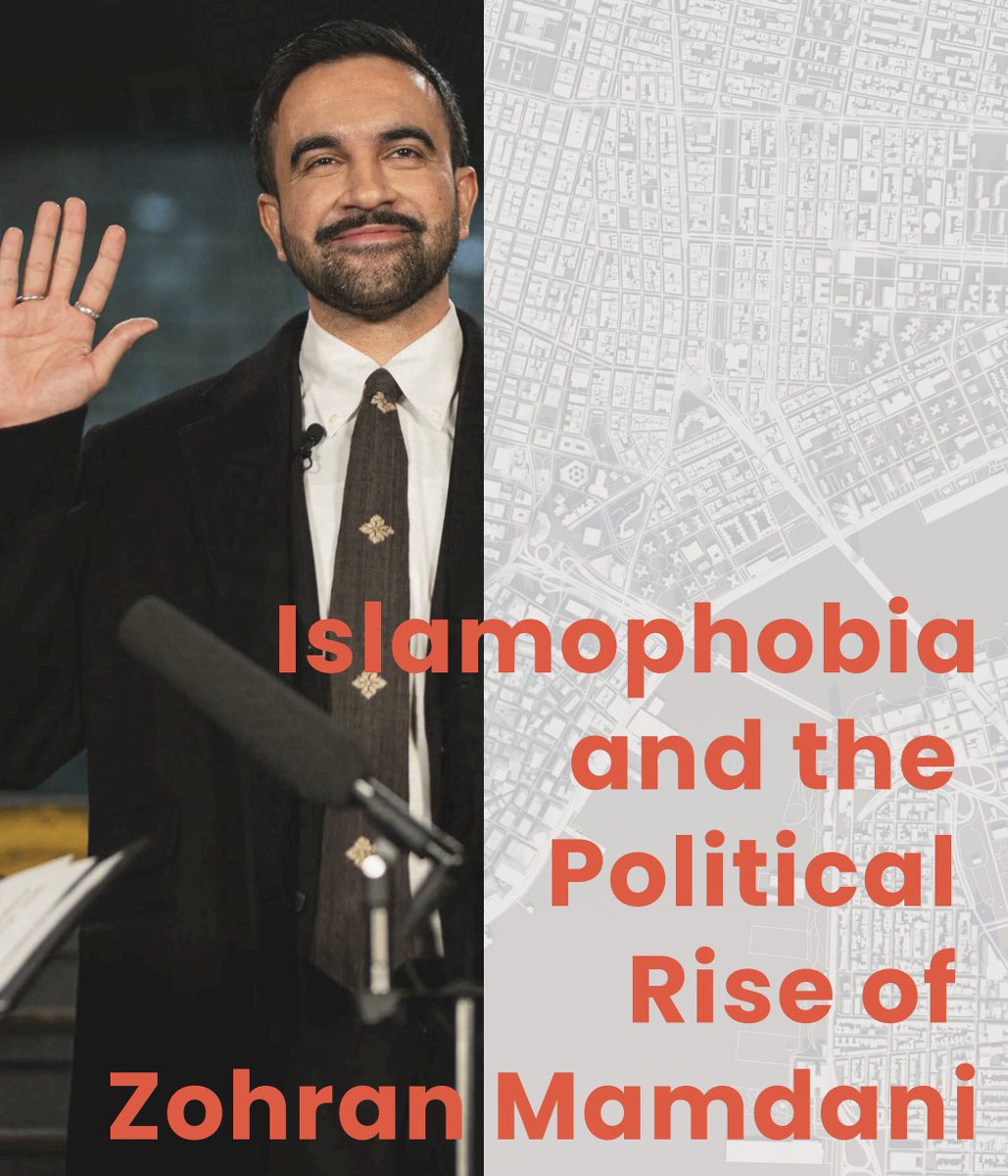
Our latest report uncovers how the age-old stereotypes and tropes depicting Muslims as dangerous, foreign, untrustworthy, and disloyal were used to smear Zohran Mamdani during his historic run and win for Mayor of NYC:
bridge.georgetown.edu/resear…
4
3
353
Equality Labs retweeted
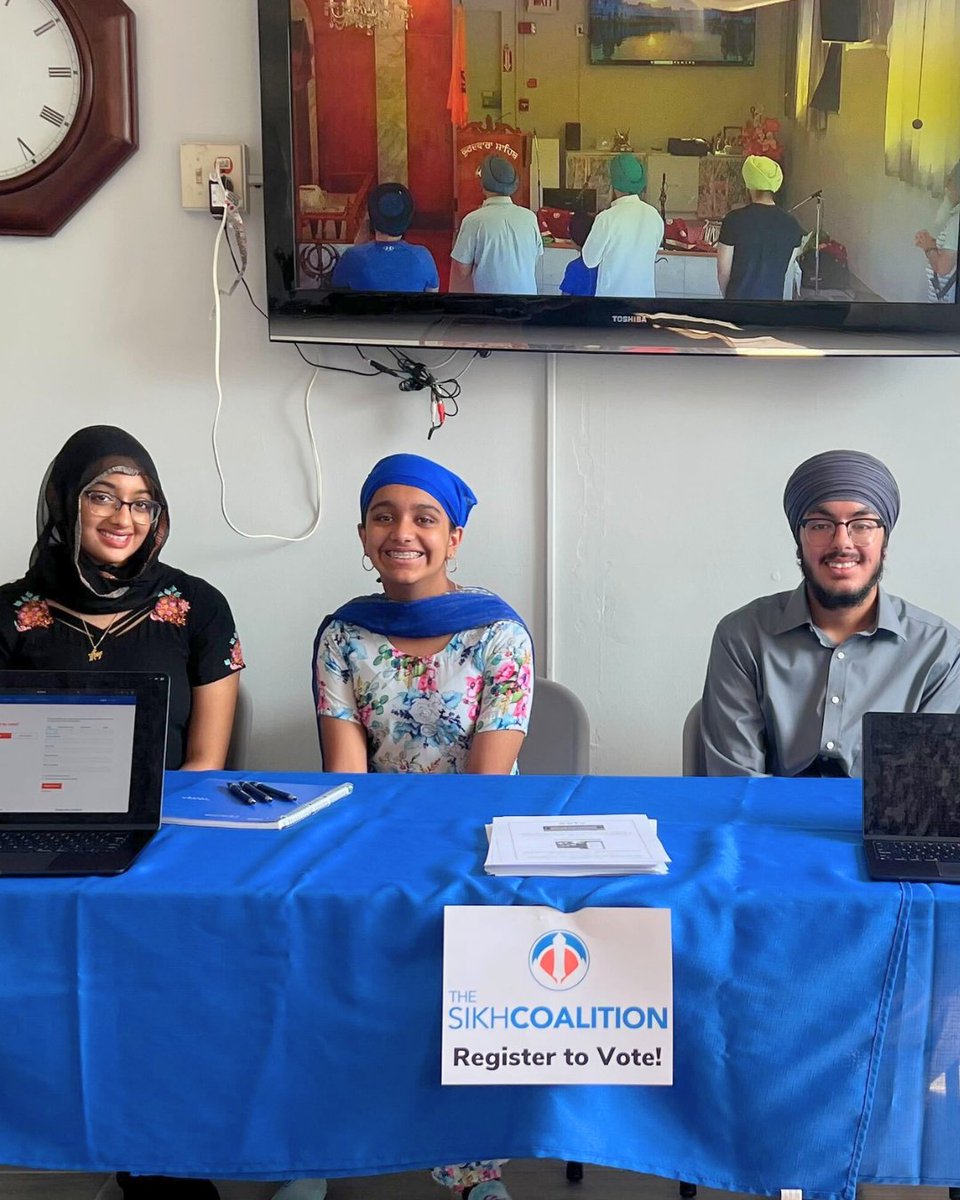
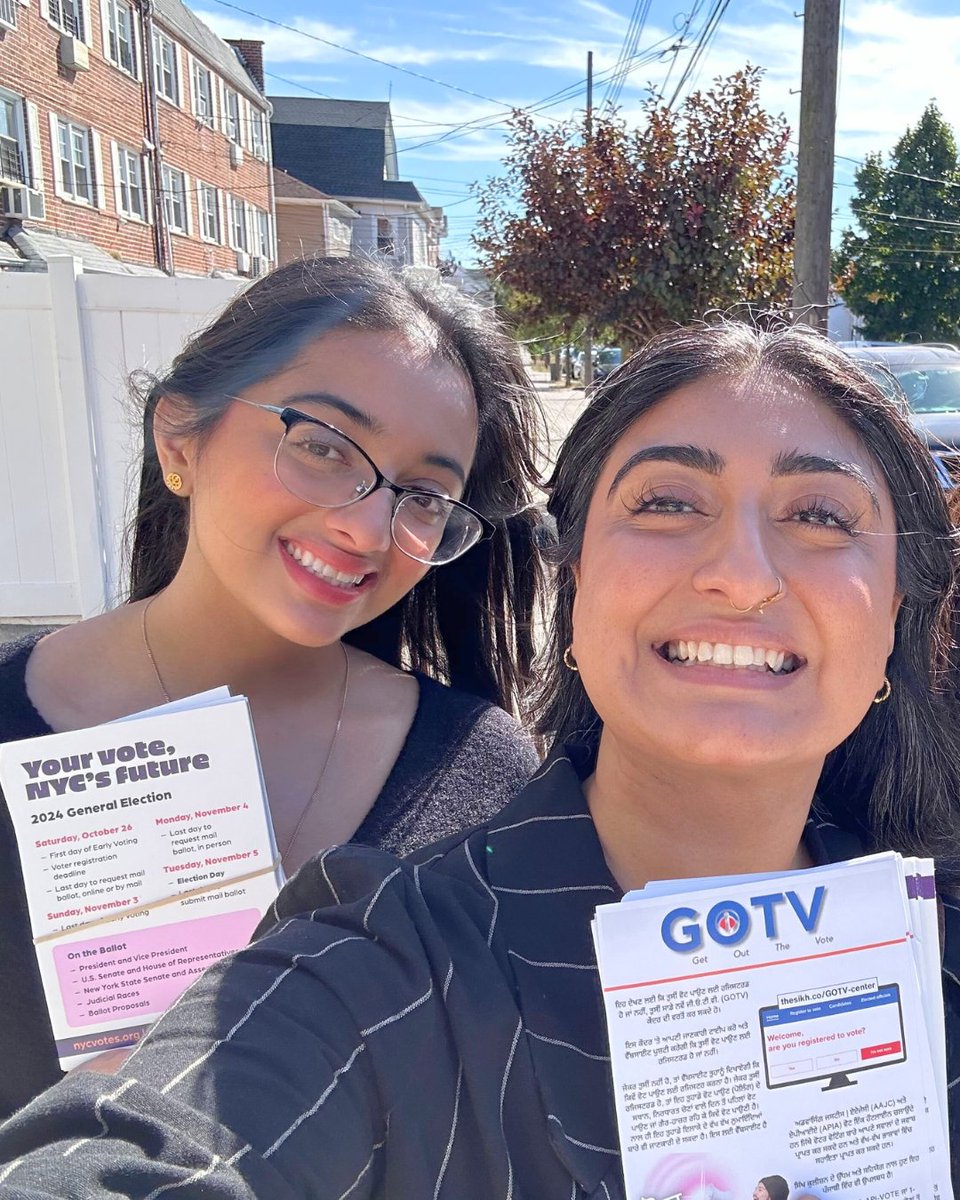
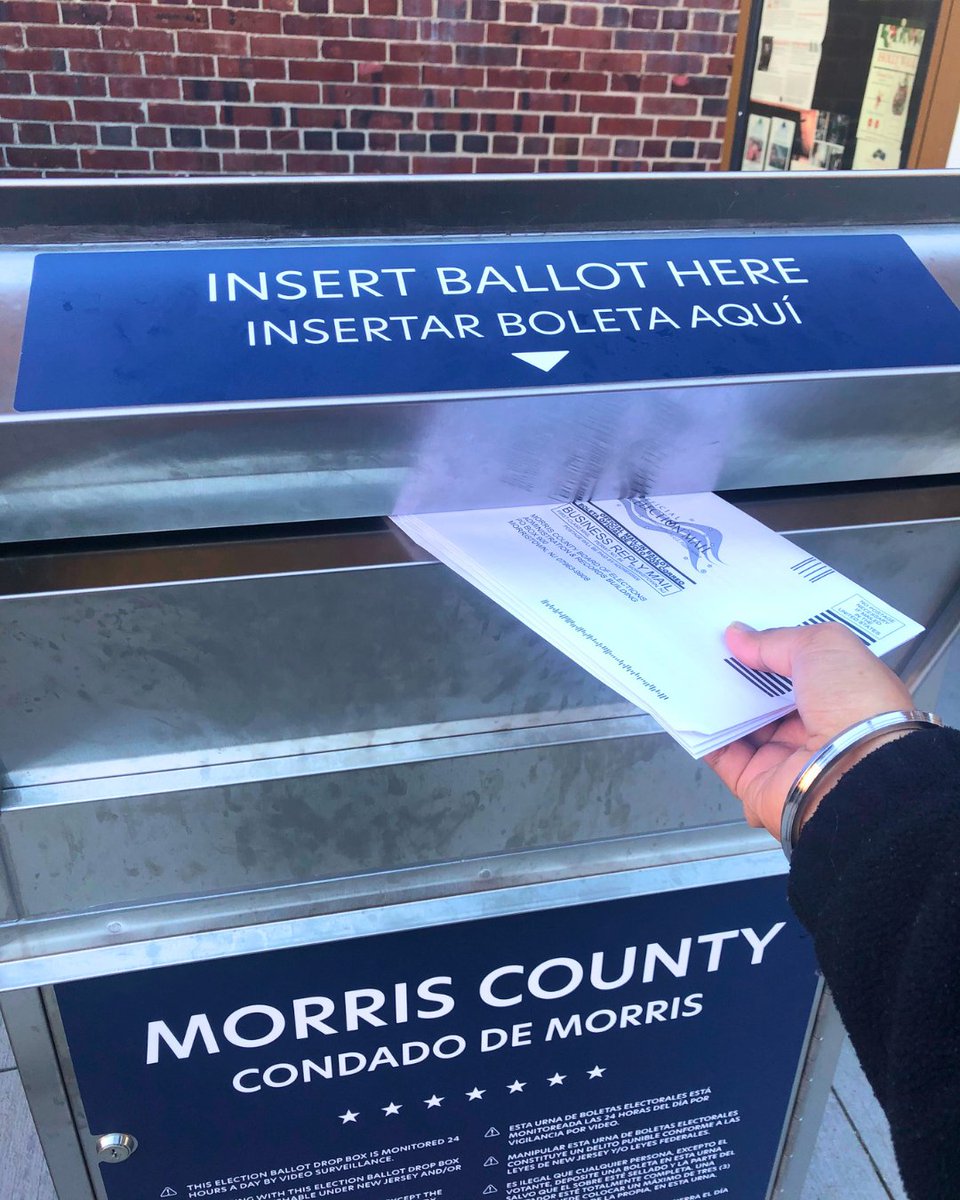
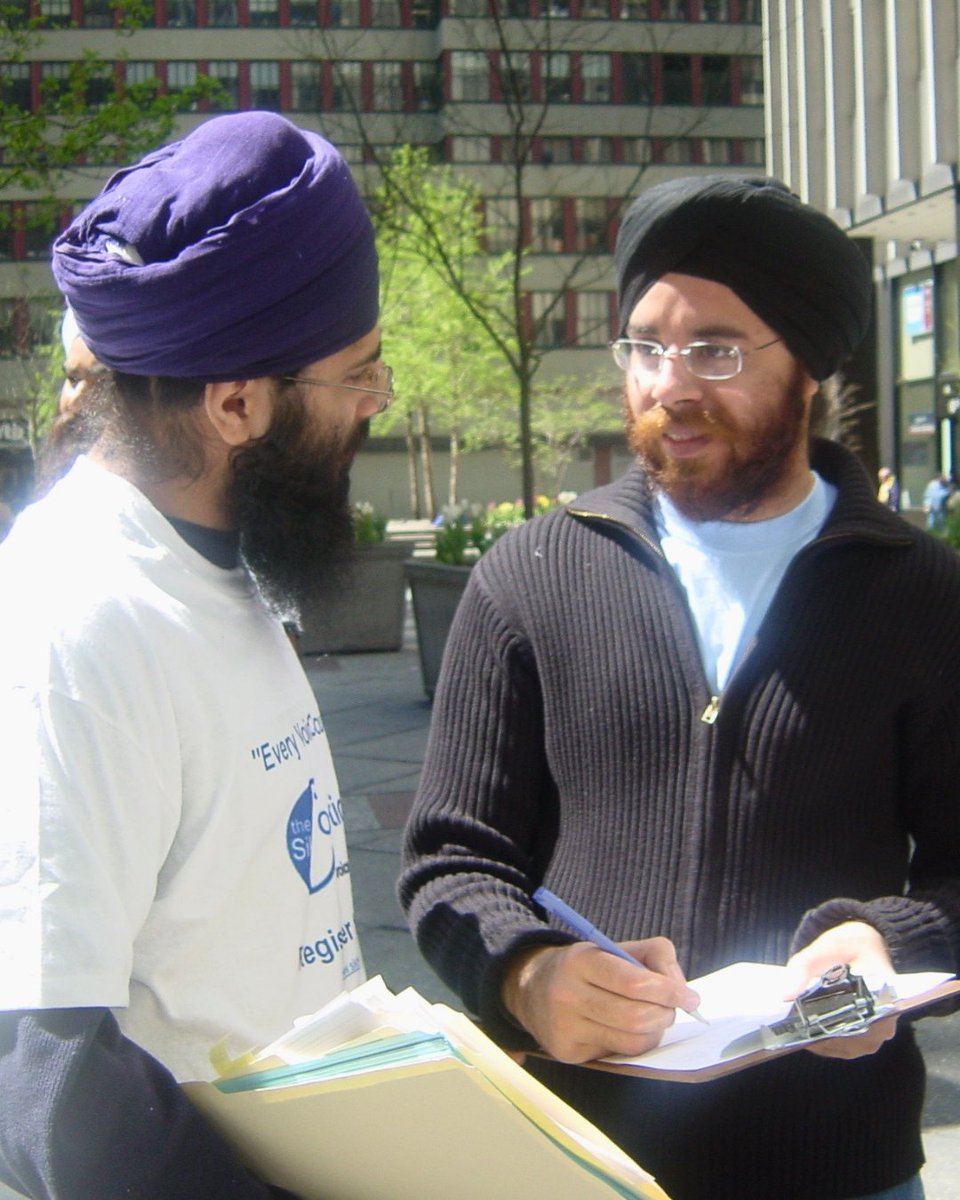
High School Juniors/Seniors and Undergraduates: Have you applied for our 2026 GOTV Fellowship yet?
If you're interested in raising Sikh civic engagement in your sangat, visit thesikh.co/GOTV-fellows-2026 today! Deadline is June 1.
2
5
505
Equality Labs retweeted
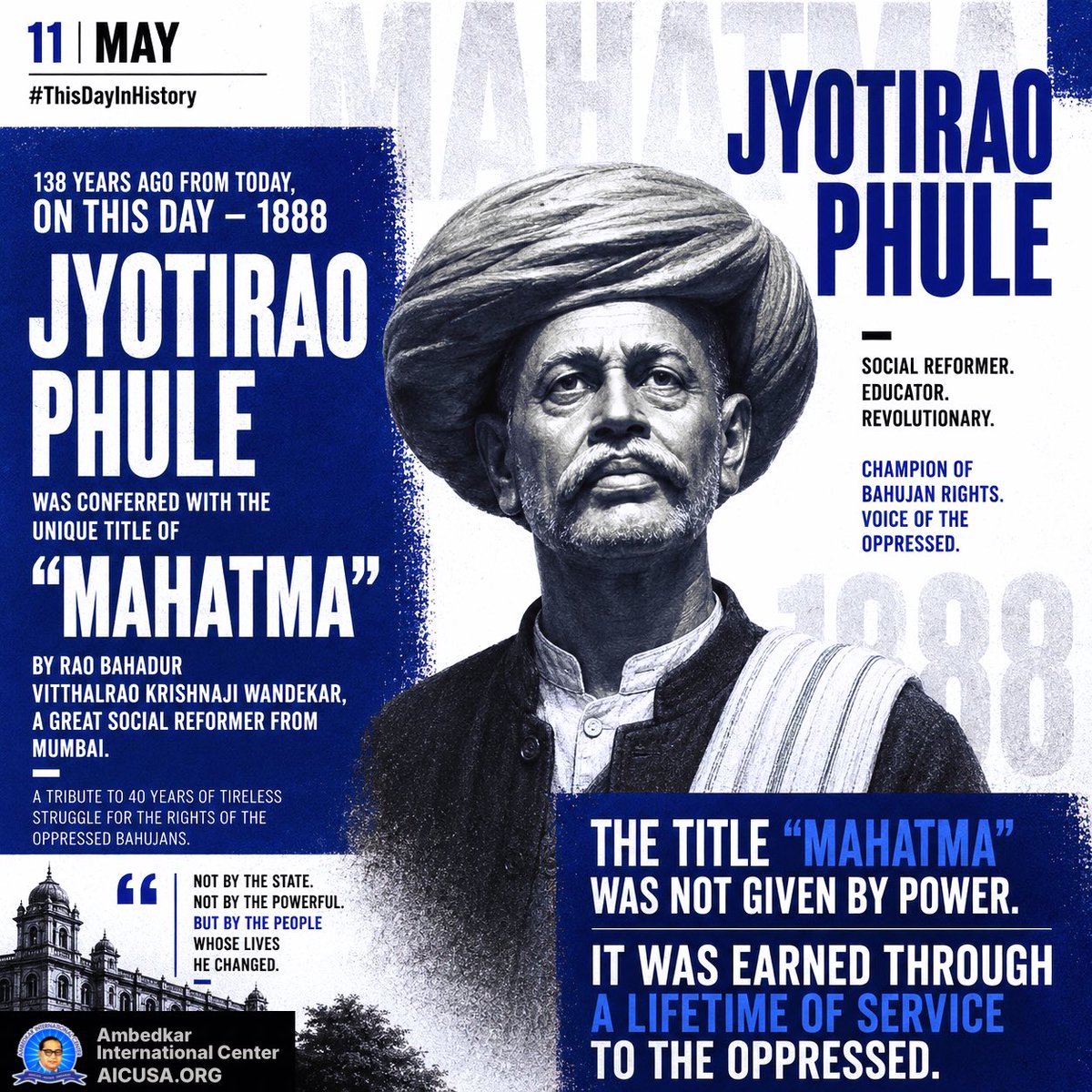
11 May #OnThisDay
138 years ago, in 1888, the great social reformer Jyotirao Phule was conferred with the title “Mahatma” in Bombay by social reformers and Satyashodhak activists led by Rao Bahadur Vitthalrao Krishnaji Wandekar.
By then, Jyotirao Phule had already dedicated nearly 40 years of his life to fighting caste oppression, expanding access to education, and working for the dignity and rights of oppressed Bahujan communities.
Through schools, social reform movements, and fearless activism, he challenged deeply rooted systems of inequality and became one of the most influential voices for social justice in Indian history.
The title “Mahatma” was not given by power.
It was earned through a lifetime of service to the oppressed.
Note: The portrait used in this post is an AI-generated artistic interpretation inspired by historical references of Mahatma Jyotirao Phule.
- AIC USA
1
28
75
1,305
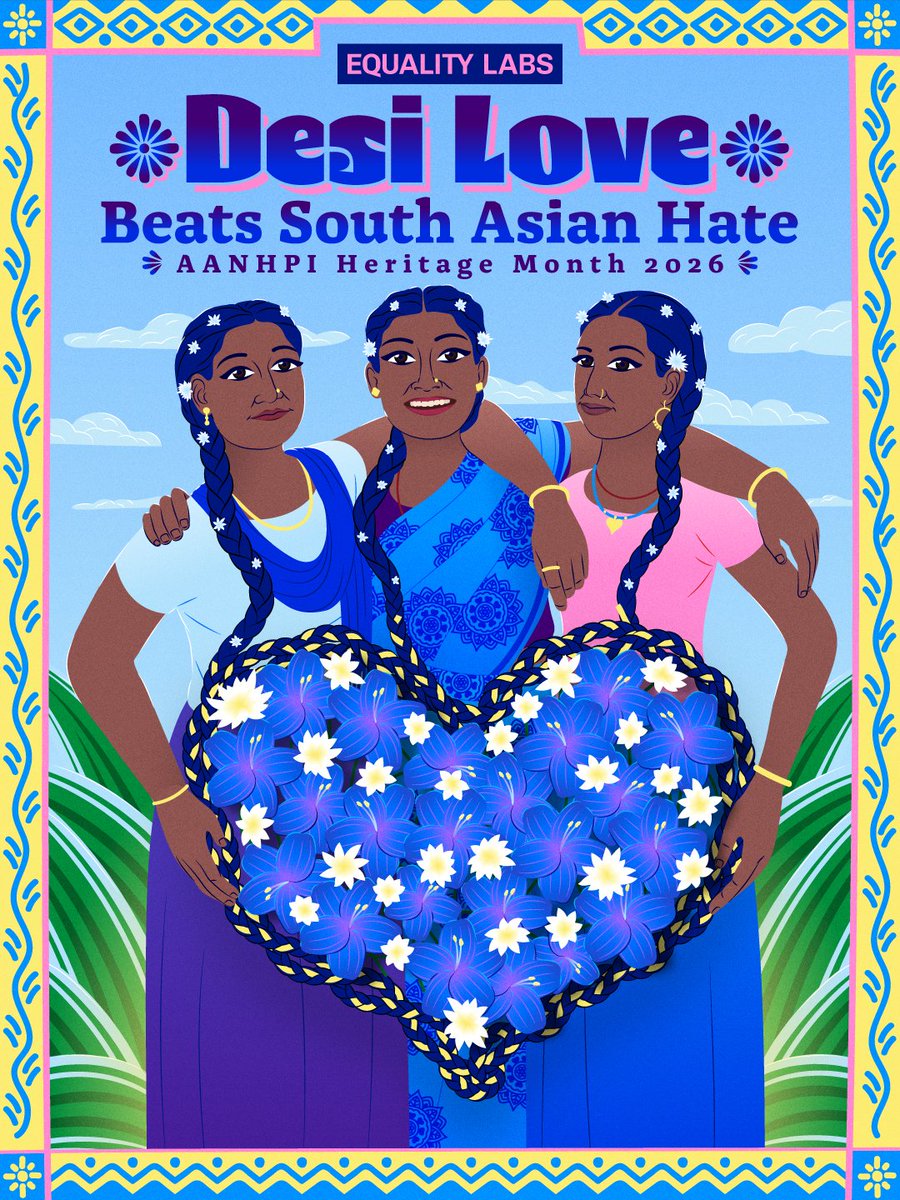
1/✊🏽✨“Desi Love Beats South Asian Hate” is more than a message. It is a refusal to be defined by fear, erasure, or discrimination.
🫂We know who we are. We know where our power lies, in our communities, in our collective voice, and in our refusal to stay silent.
1
2
5
358
2/🩵This AANHPI Heritage Month poster centers love, solidarity, and truth. It reminds us that our identities are not threats. They are sources of strength. Our histories, cultures, and contributions cannot be reduced to stereotypes or scapegoated in moments of political fear.
1
1
158
3/⚖️We move forward with purpose to fight for our rights, to stand against discrimination in all its forms, and to build a truly representative democracy where all of us are seen, heard, and valued.
🫶Desi love is resistance. And it will always be louder than hate.
118
Equality Labs retweeted

May 4
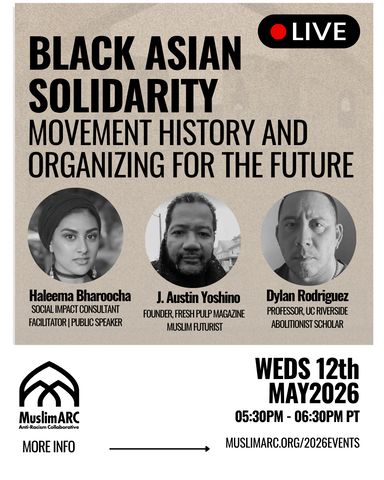
What does solidarity look like across communities, histories, and into the future? Join us for a conversation rooted in truth, memory, and collective action.
Featuring: @HaleemaTheB @dylanrodriguez & @FreshPulp #ManyHistoriesOneStruggle #MuslimARC #BlackAsianSolidarity
1
1
261
Apr 30
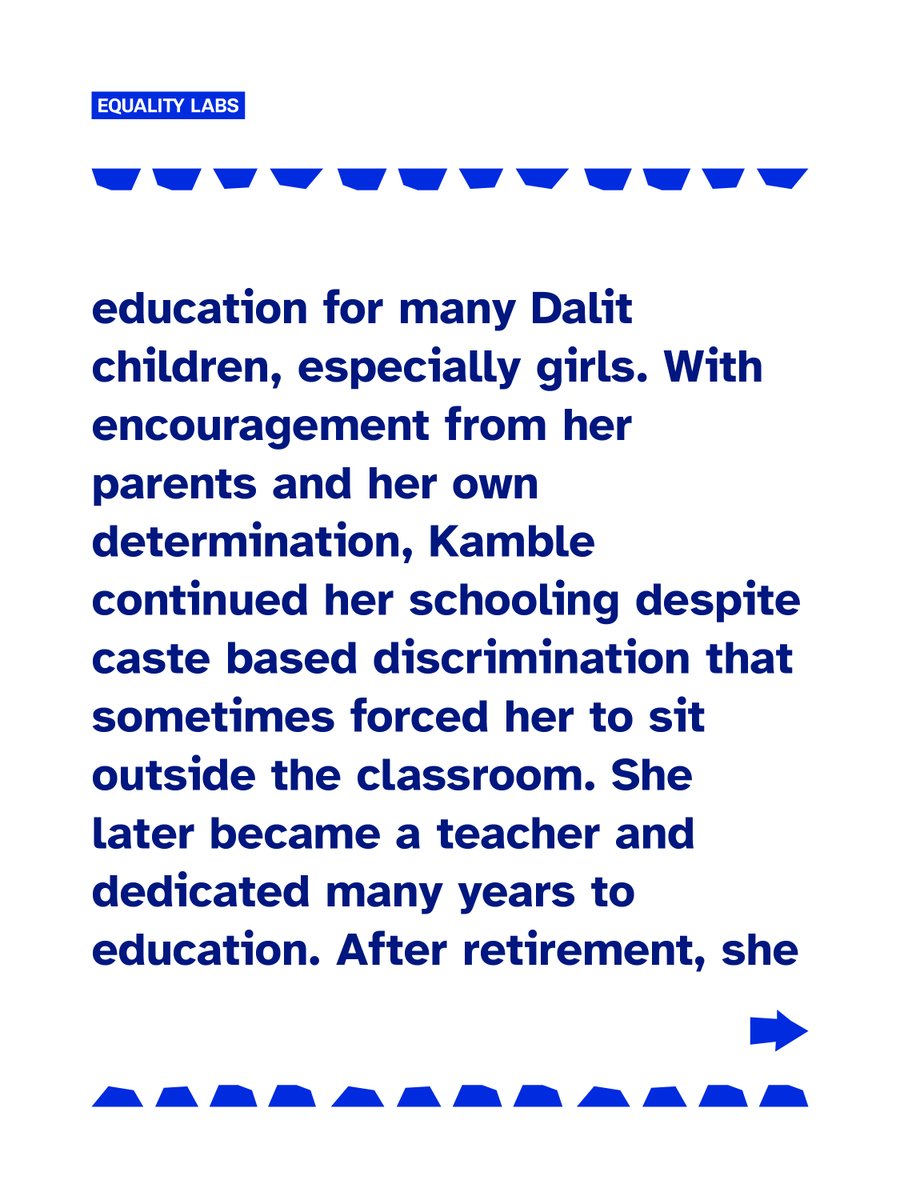
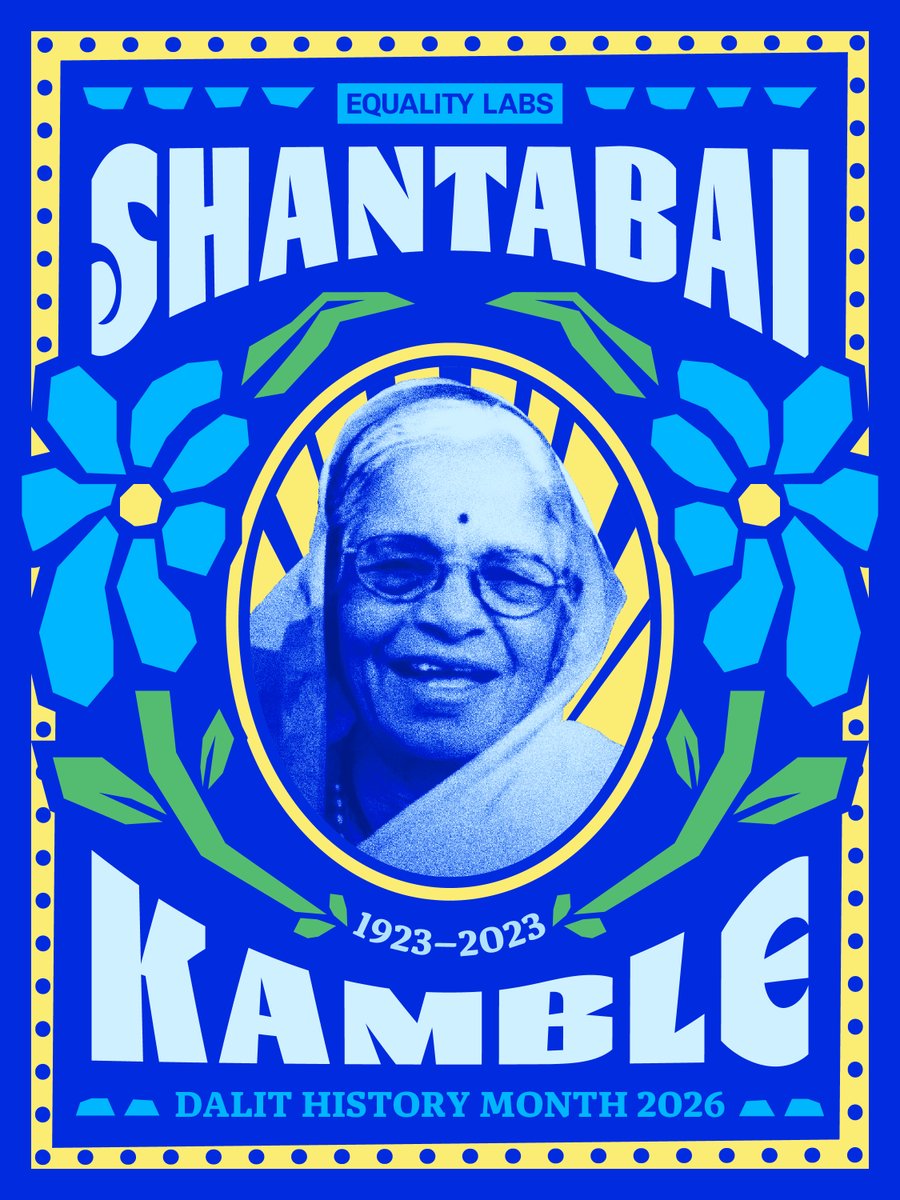
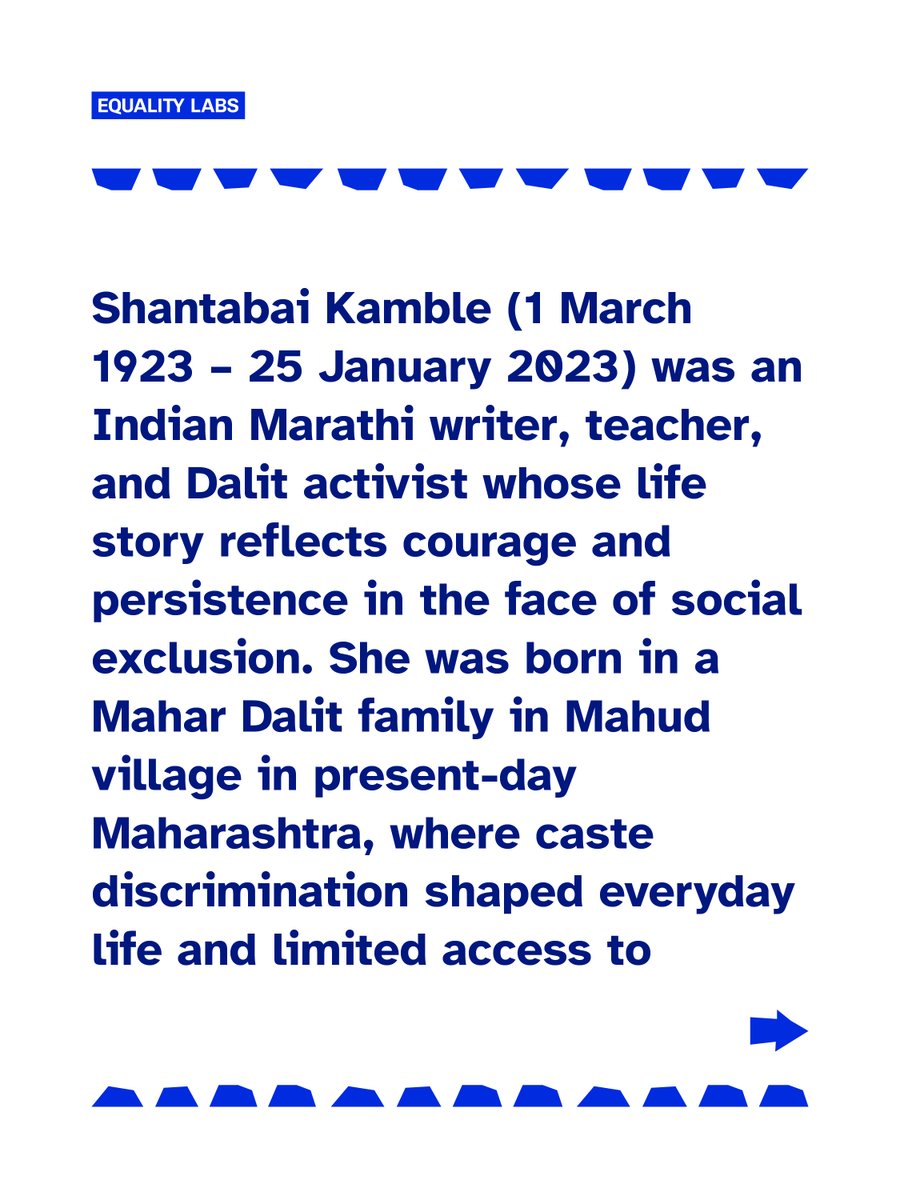
1/🌱As Dalit History Month comes to a close, we present to you Shantabai Kamble (1 March 1923 – 25 January 2023), an Indian Marathi writer, teacher, and Dalit activist whose life story reflects courage and persistence in the face of social exclusion. 🌱
1
2
7
314
Apr 30
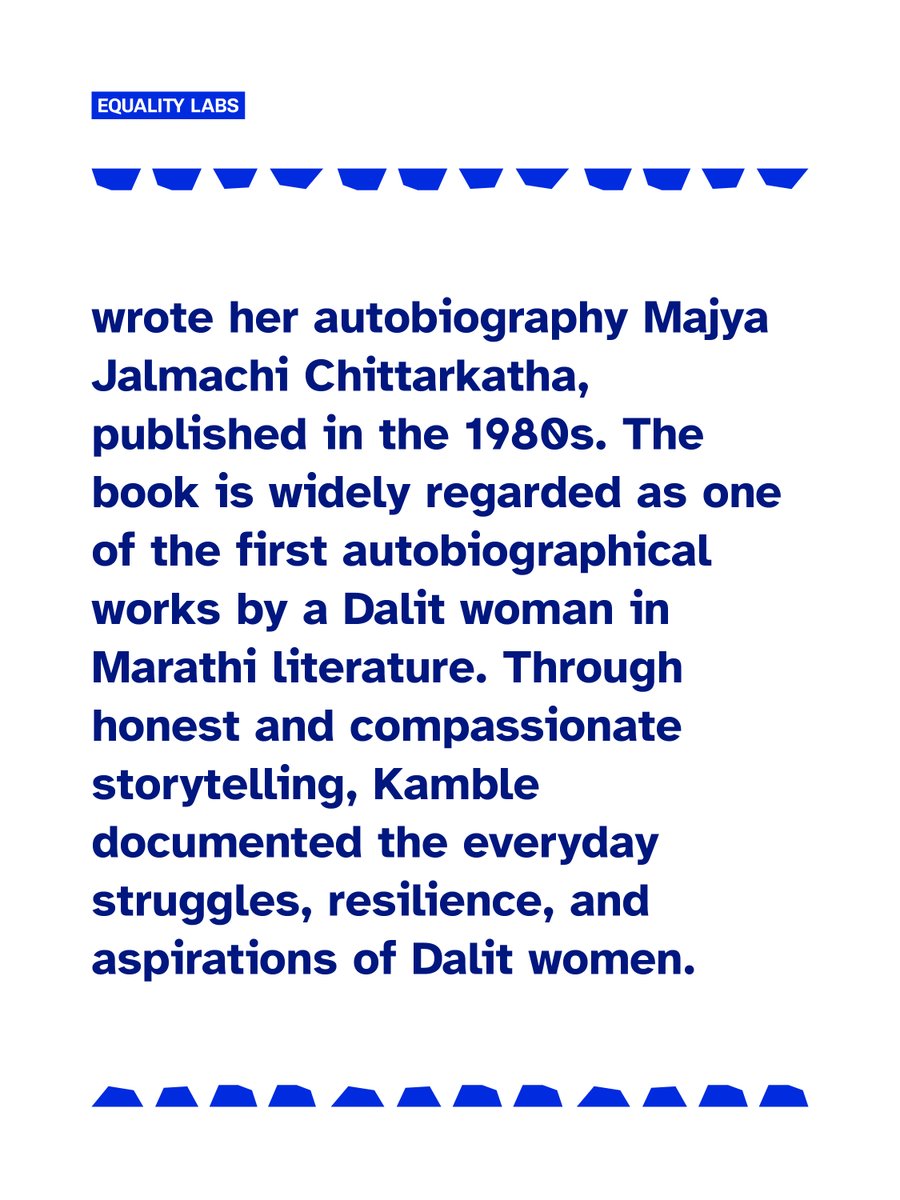
2/ 💙✊🏾She later became a teacher & dedicated many years to education. After retirement, she wrote her autobiography Majya Jalmachi Chittarkatha, published in the 1980s. The book is widely regarded as one of the first autobiographical works by a Dalit woman in Marathi literature
1
197
Apr 30
3/ Through honest and compassionate storytelling, Kamble documented the everyday struggles, resilience, and aspirations of Dalit women. ✊🏾💙
126