
Joined October 2022
- Tweets 545
- Following 81
- Followers 35
- Likes 978
125 Photos and videos




Pinned Tweet

26 Nov 2025
EQUATORLIN3 🇳🇬
26 Nov 2025

France is known for Hermes, Chanel and Dior. Italy is known for Gucci.
What is your country known for?
1
1
62

@EquatorLin3 Dey for you
May 28

If you like no buy clothes before tinubu enter second term you go naked finish
1
2
38
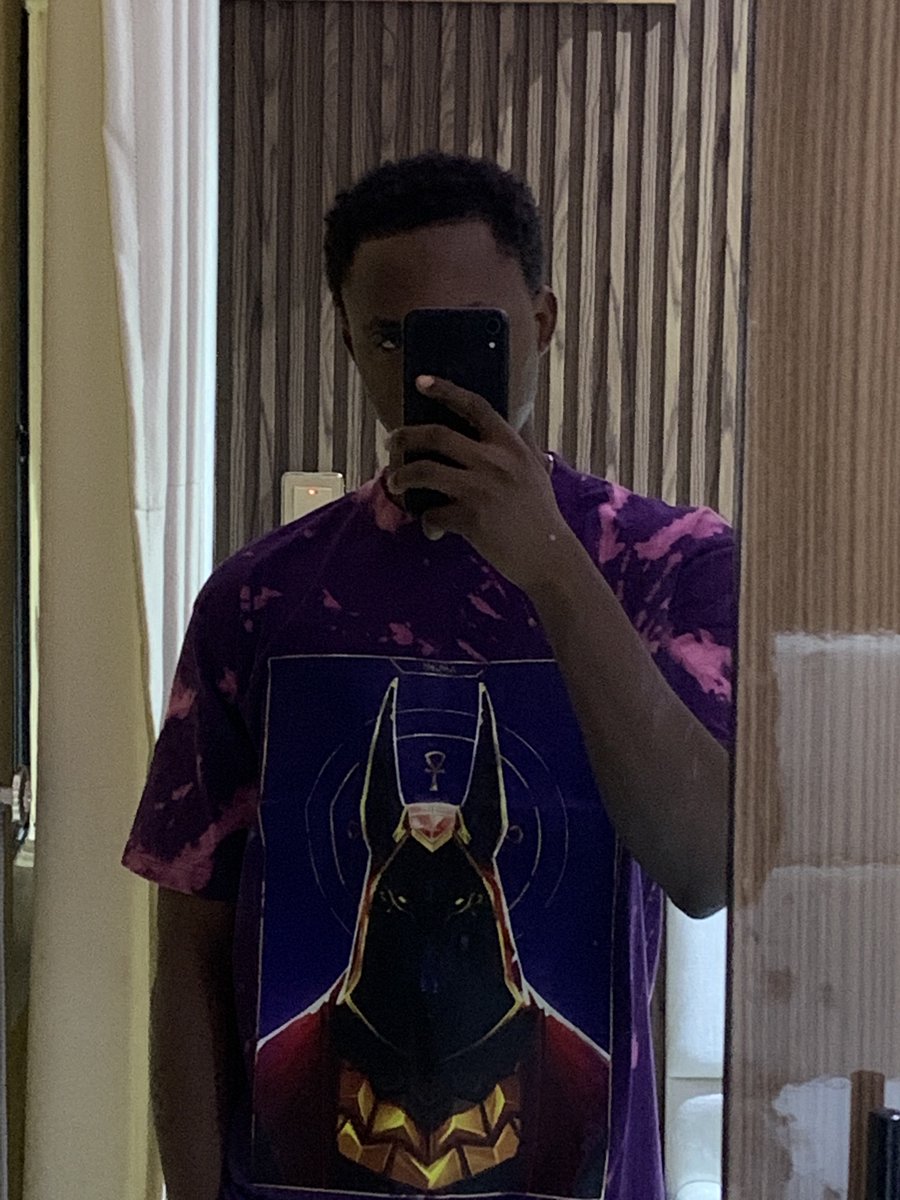
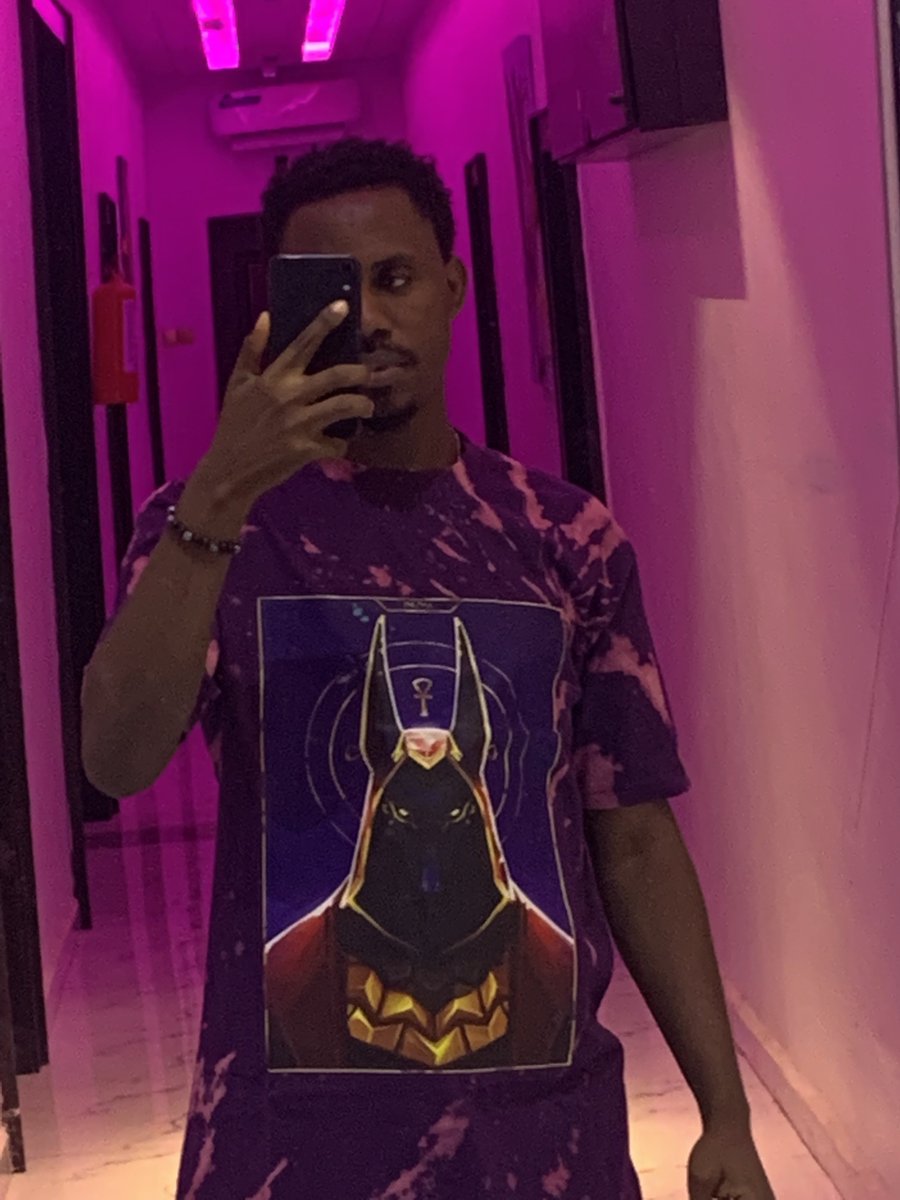
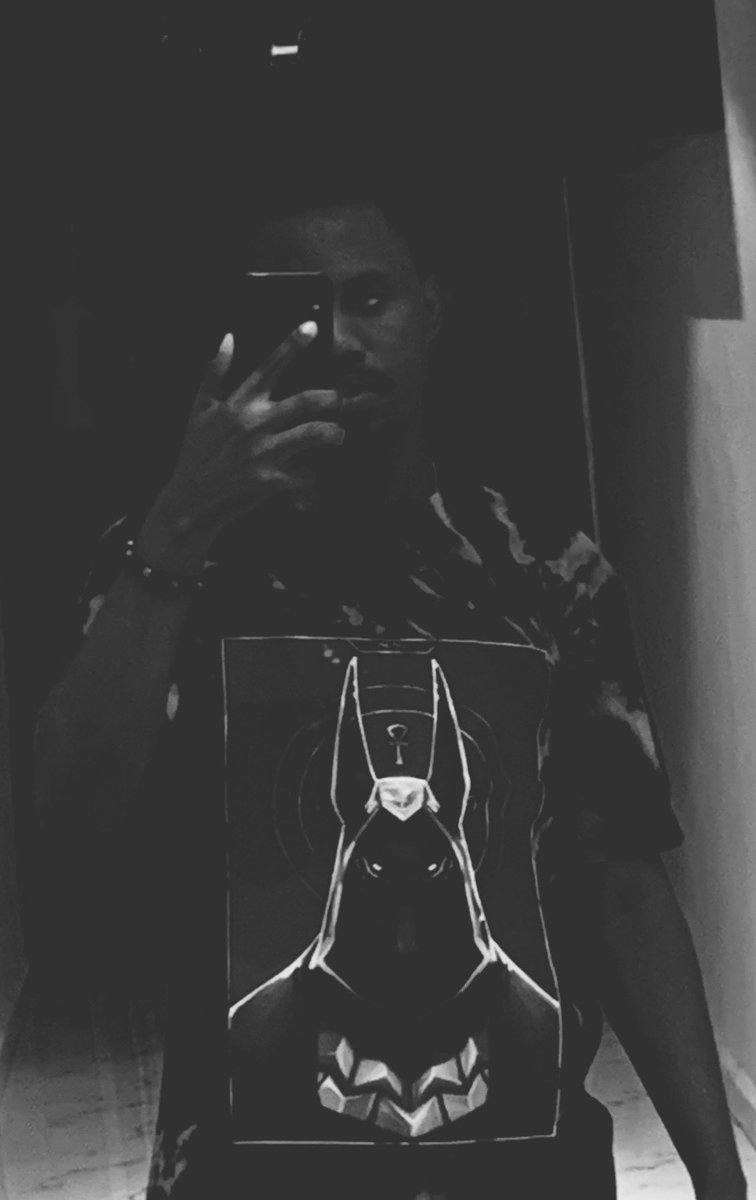
When I’m not making music, you can find me curating Fashion pieces for @EquatorLin3
It’s beyond Fashion Business 👑
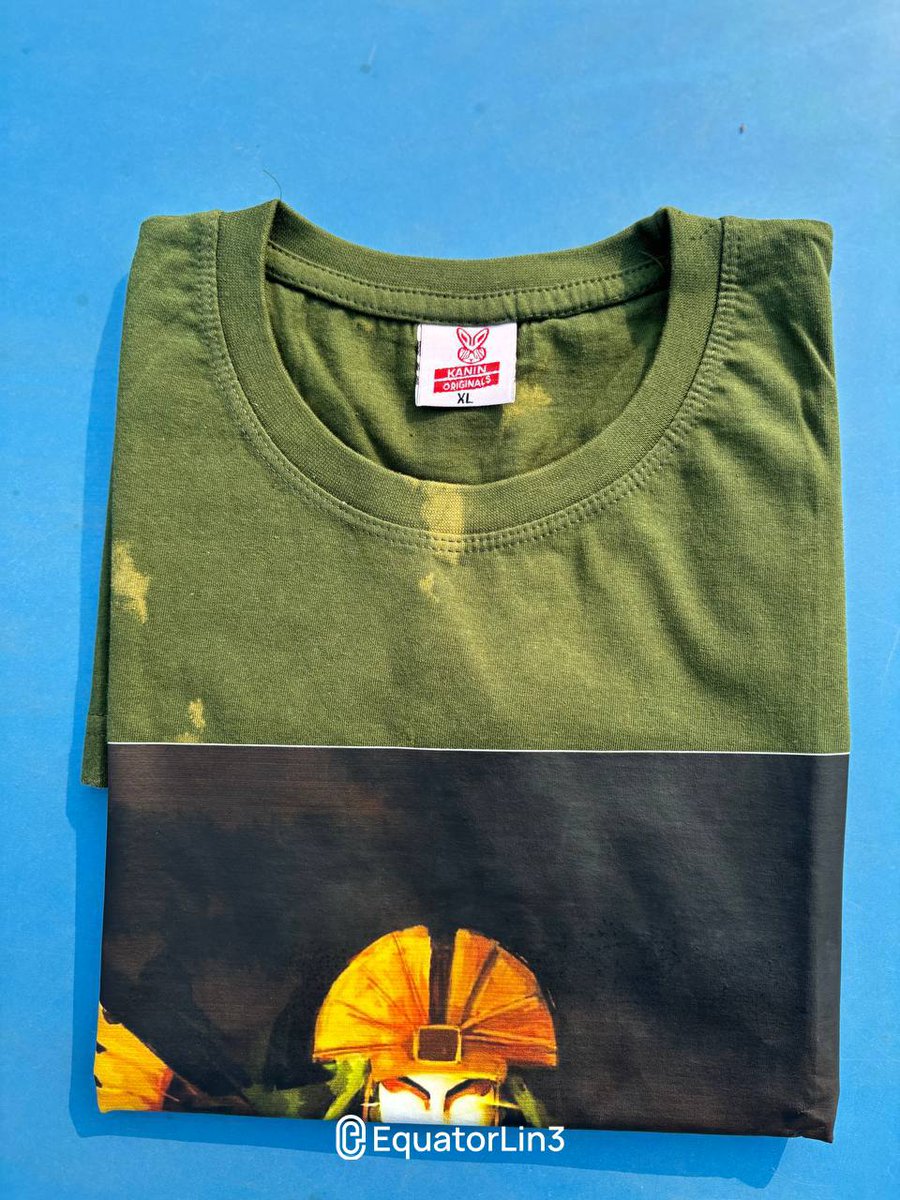
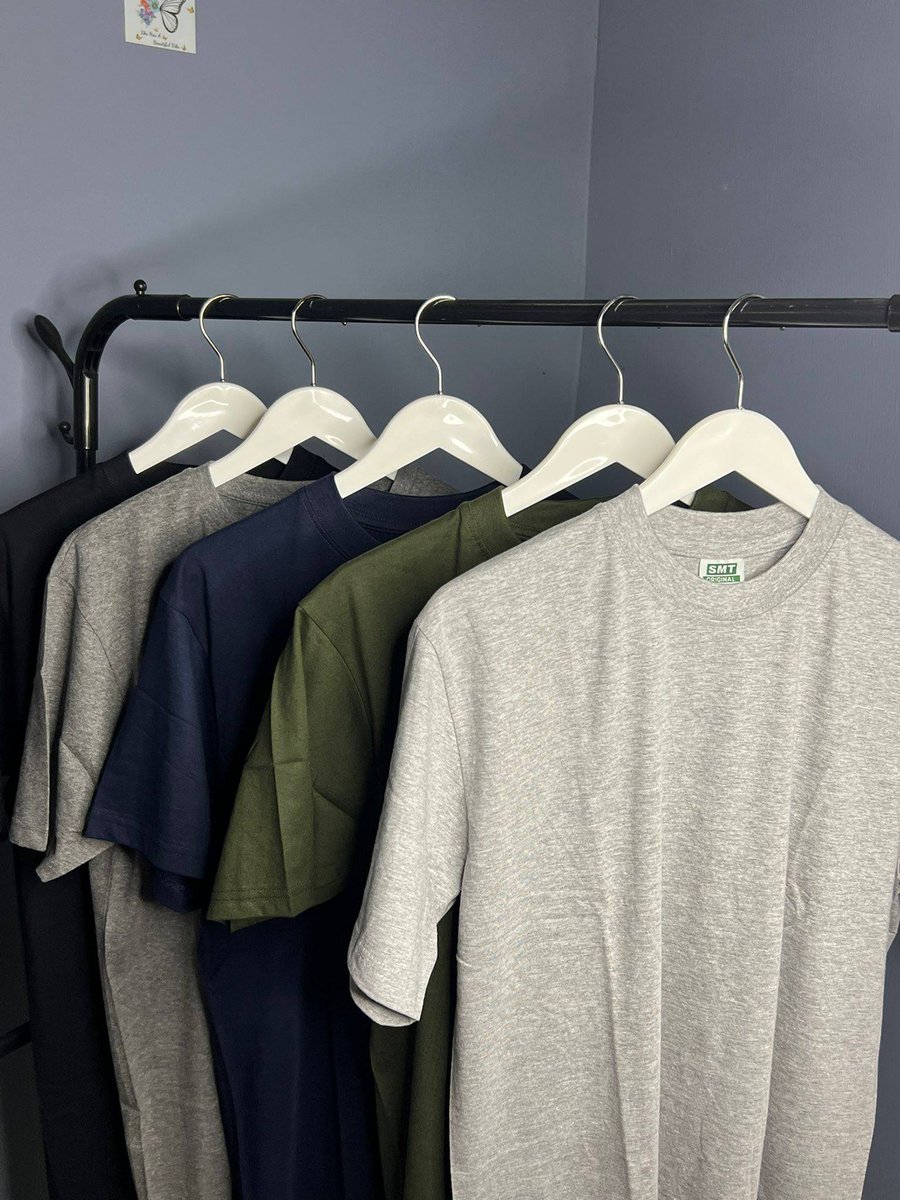
👕 Anubis Tee
Reposts are highly appreciated

2
5
295
Equator Lin3 retweeted

May 9
For a while now, I’ve endured coordinated attacks simply because I chose to correct misinformation about my culture and speak openly about Yorùbá traditions.
What started as me providing context and sharing history somehow became grounds for insults, smear campaigns, and being labelled things I have never been.
I’ve been called an extremist, an APC paid bot and even a terrorist for saying nothing more controversial than “This is Yoruba culture.” Meanwhile, I have never attacked anyone unprovoked, spread hate, or made bigoted statements about anybody. I’ve simply defended my culture when I saw it being misrepresented. When all of you preferred to look on while our cultural heritage gets continually watered down and dissected.
I’m Yorùbá and I've always been proud of it. I've had this handle for over a decade, before a Yorùbá man ever became Nigeria's president. People are free to disagree, but demonising me for cultural advocacy is unfair. I know my heart is clean, and I will never be ashamed of speaking the truth respectfully and standing by where I come from.
I honestly don’t care about any of those bigots spreading these narratives, my advocacy has always been for Yorùbá people to learn and embrace our culture. You don’t have to be as passionate about it as I am, but the least you can do is not pretend that there is no justification for the work I do. And I hope someday, you will see the need for this advocacy.
To everyone who defended me, checked in on me or simply showed kindness, thank you. I truly appreciate it.
Ènìyàn láṣọ mi. ❤️
156
593
1,999
40,369
May 6
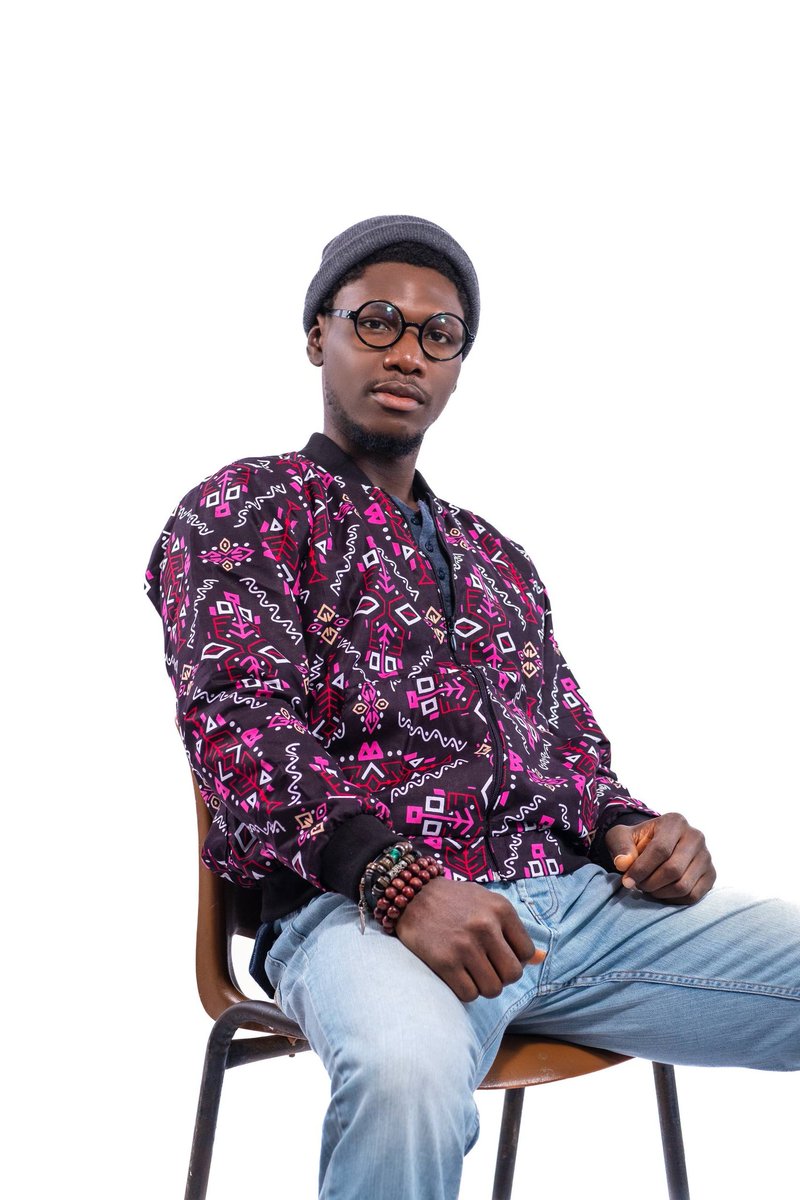
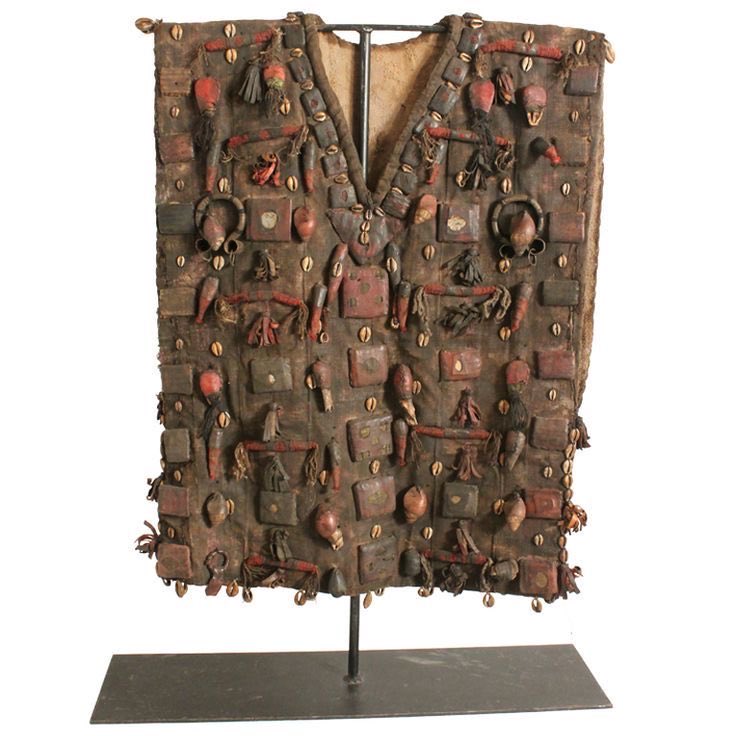
It's giving a similar aesthetic to our Owo Eyo Jacket

1
1
7
Equator Lin3 retweeted
Mar 30
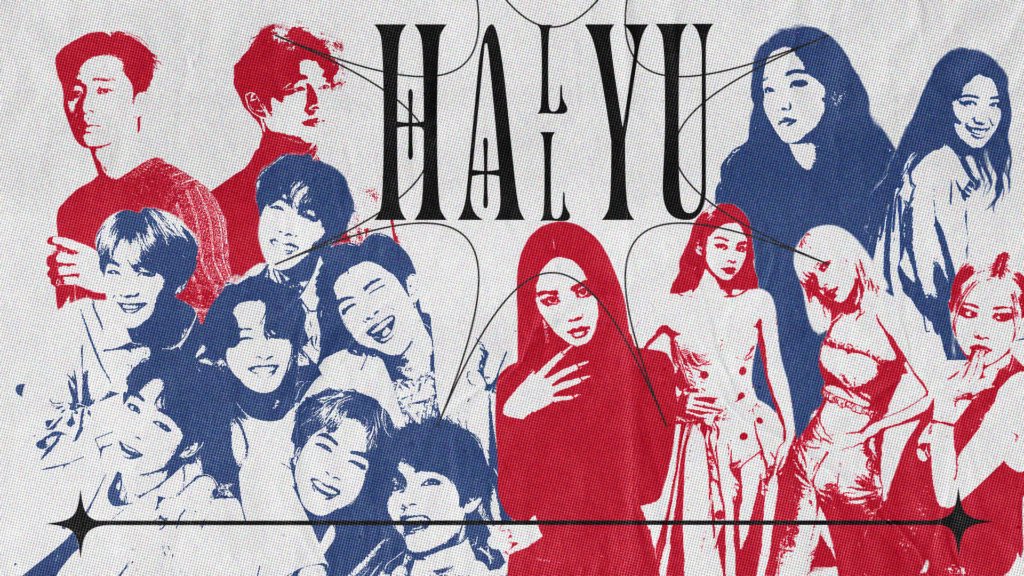
This is actually very intentional. What you’re noticing in Korean dramas is not by accident. It’s part of a bigger cultural strategy called 'The Korean Wave' or Hallyu.
South Korea has been very deliberate about using entertainment as a soft power tool. They invest in storytelling that reflects their society, values, and systems in a way that feels natural and encourages viewer buy in.
So when you’re watching a drama or listening to their music. You’re being introduced to how their world works.
Mar 29

I actually love how Korean dramas fully immerse you in the careers they portray. The processes feel real, the terminology is accurate, and there are always subtle lessons woven in. You’re entertained and learning at the same time.
2
9
39
4,040
Equator Lin3 retweeted

Mar 22
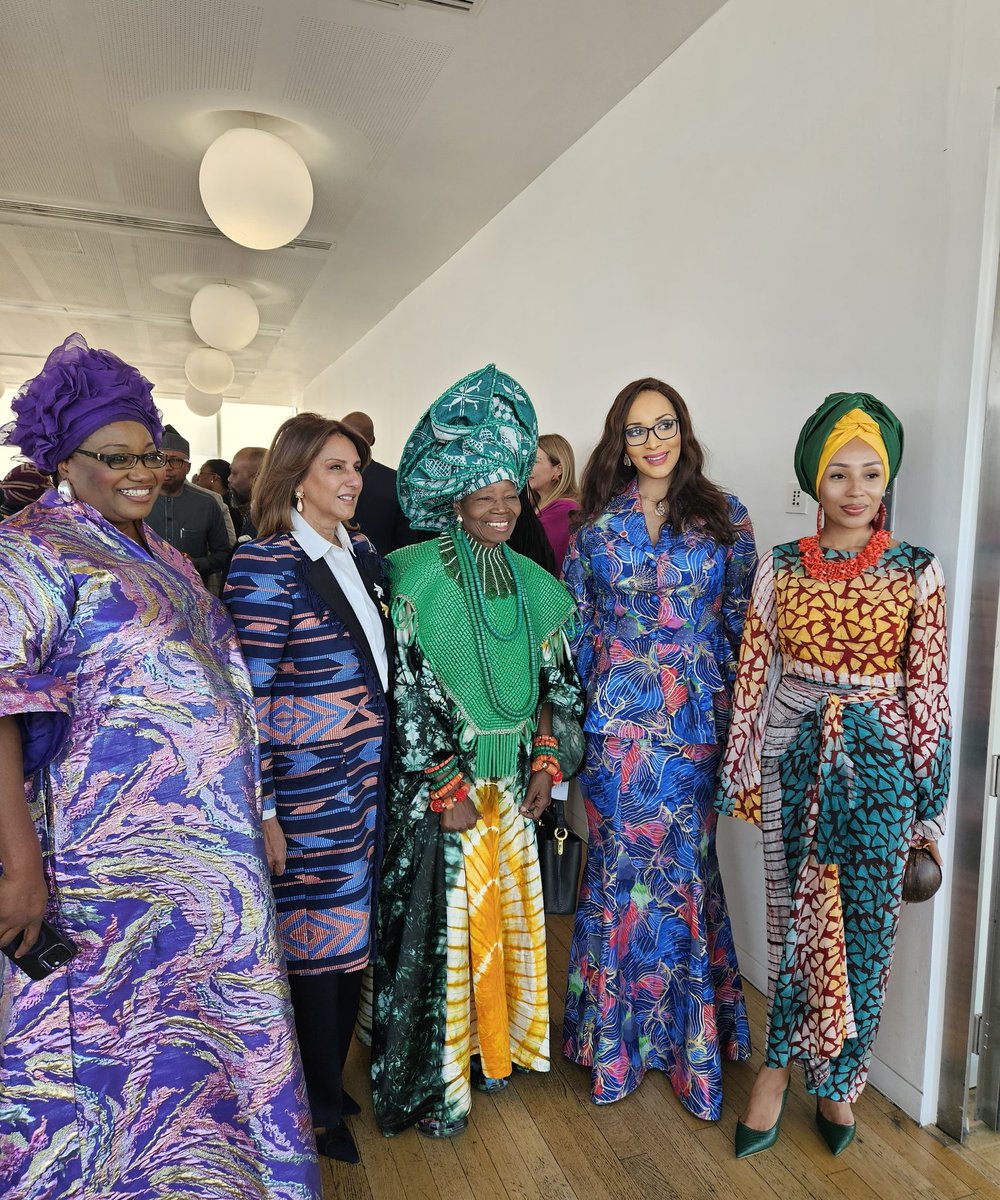
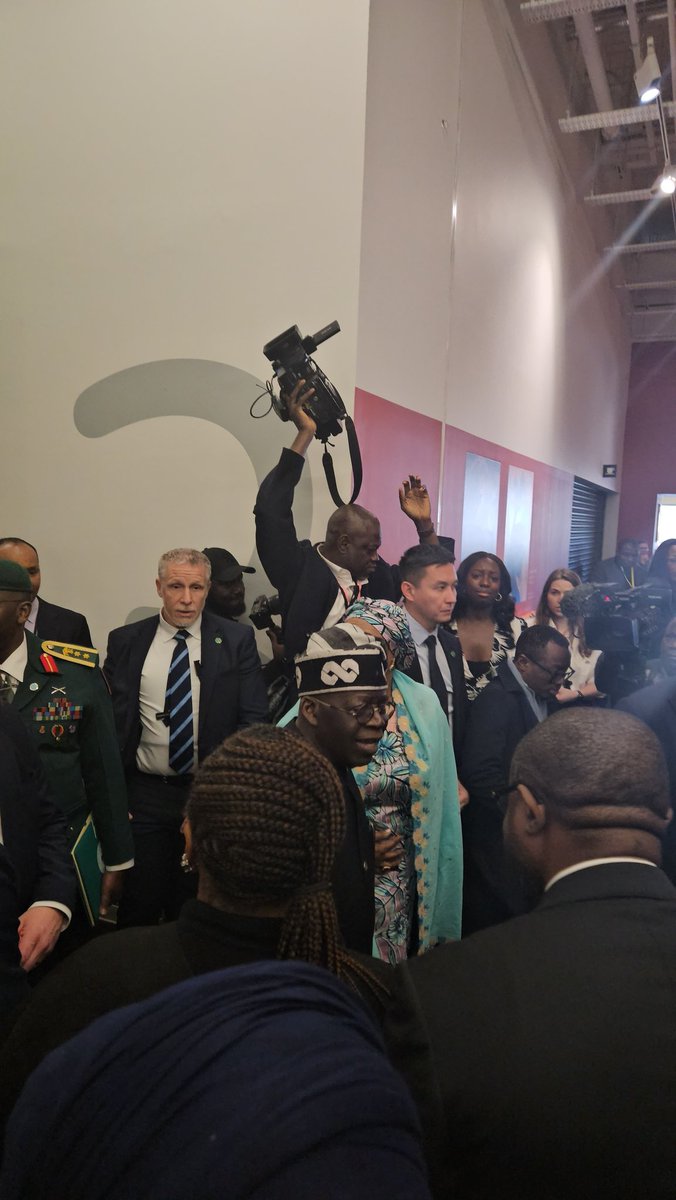
Màmá Niké Art in UK with Nigerian British official 🇳🇬🤝🇬🇧 the gèlè is unique 👍
3
35
247
2,299
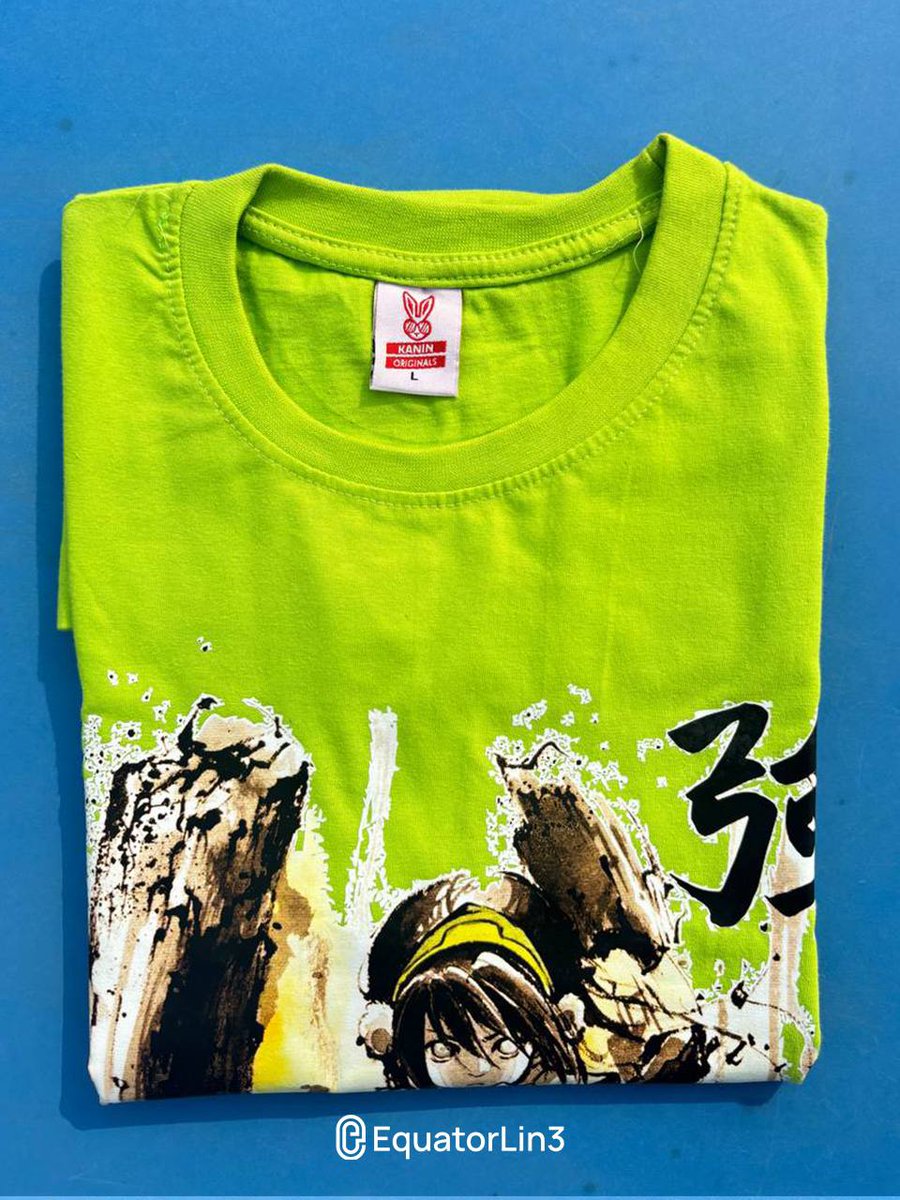
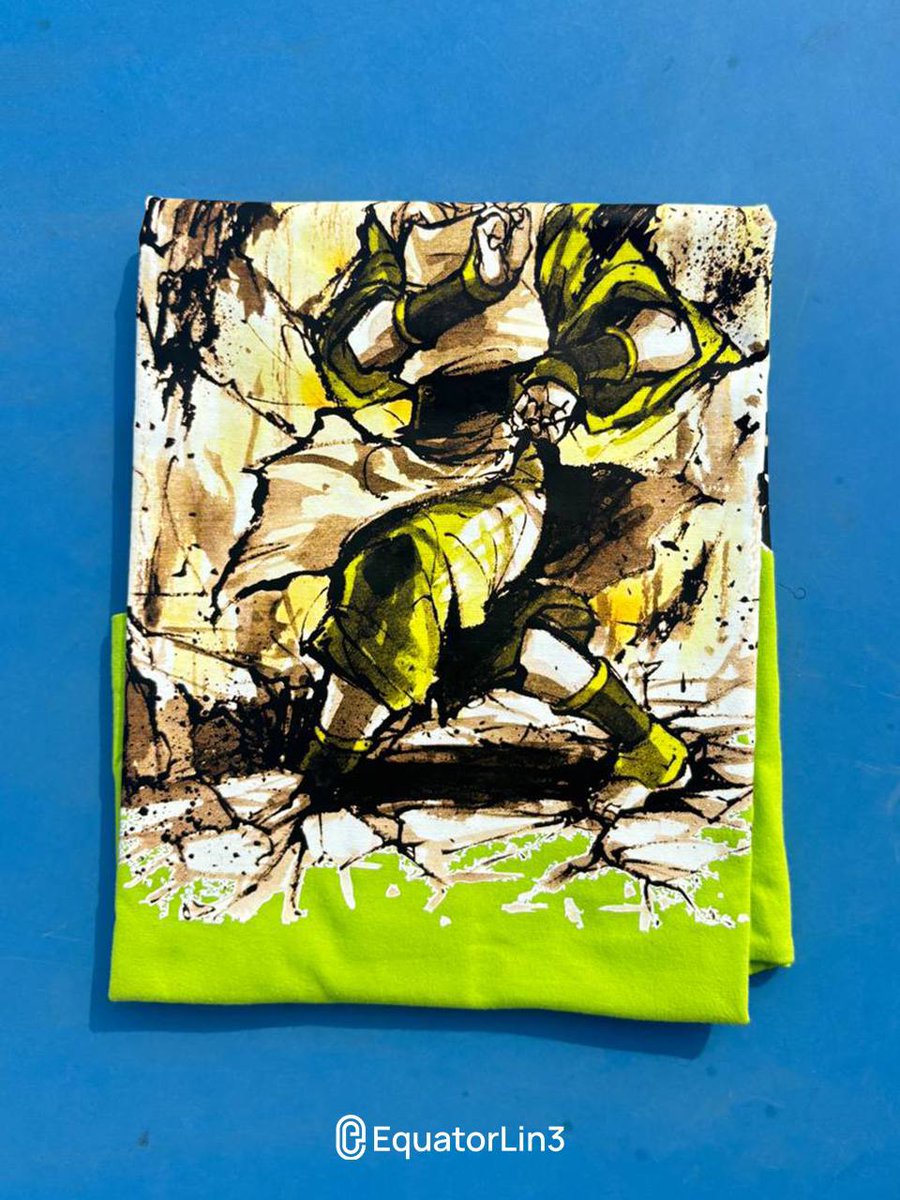
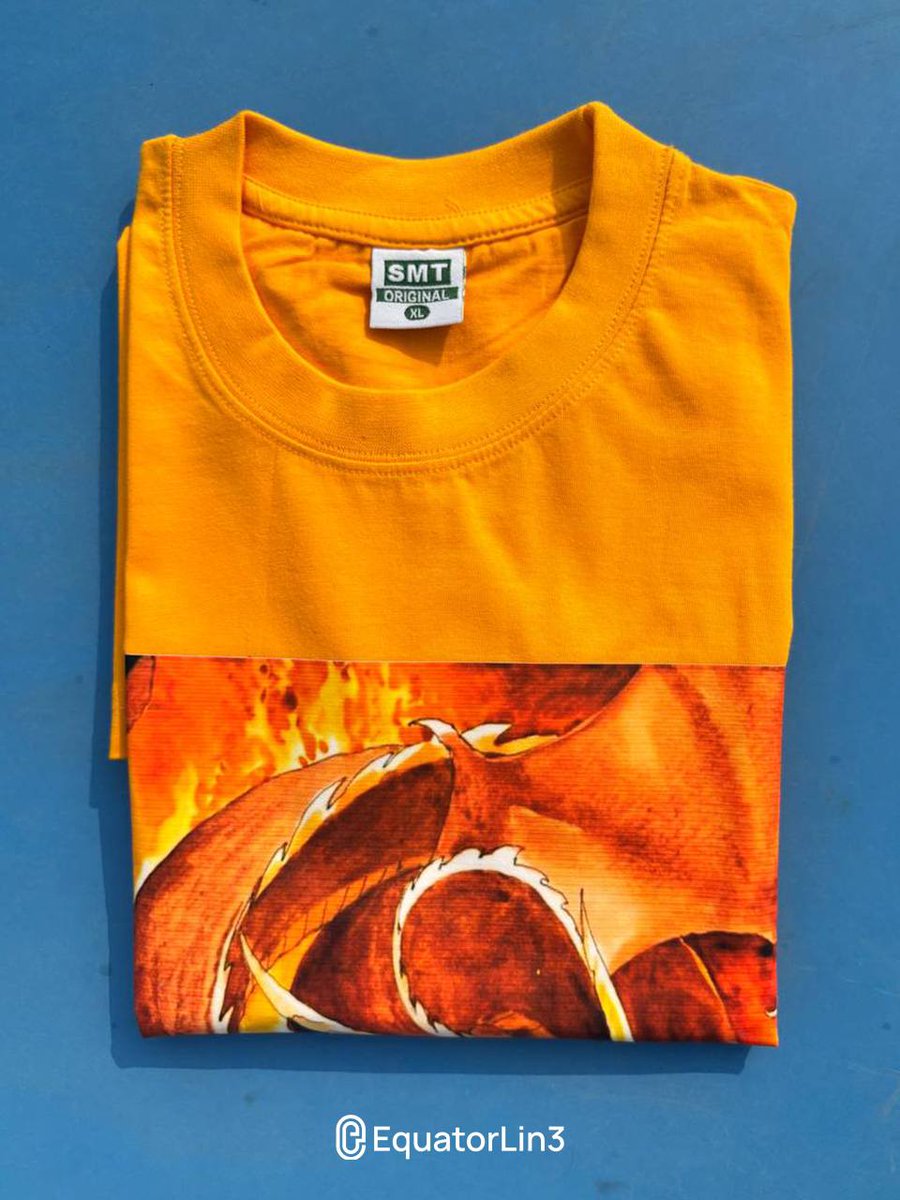
Two Limited Edition Pieces
An introduction into a new series #EgyptianCosmology & an evolution of one of our most adored series #AvatarSeries
ANUBIS PIECE featuring the Ankh (Key of Life )
&
Fire-Lord BAT TEE
Both piece are going for 35,000 Naira.
Nationwide 🚚
2
3
53
Equator Lin3 retweeted

Feb 20
On that Davolee Track.
There is a double entendre bar he used to describe Olamide.
"If he easy make your junior brother go sign, ko pada wa sofunwa boya Ọkọla lo wa nbe."
I dare you to do the exegesis.
Feb 20

my yoruba ninjas have started again
14
9
58
10,297

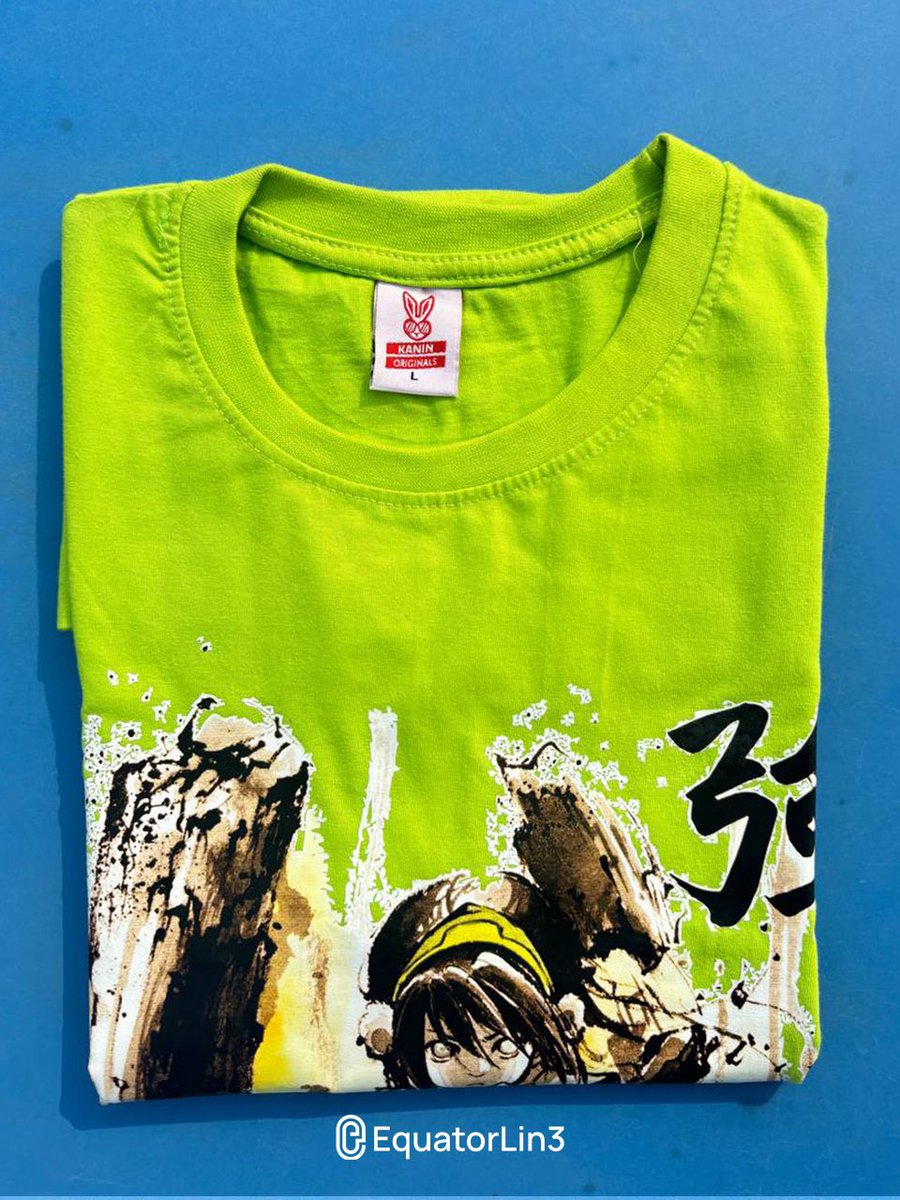
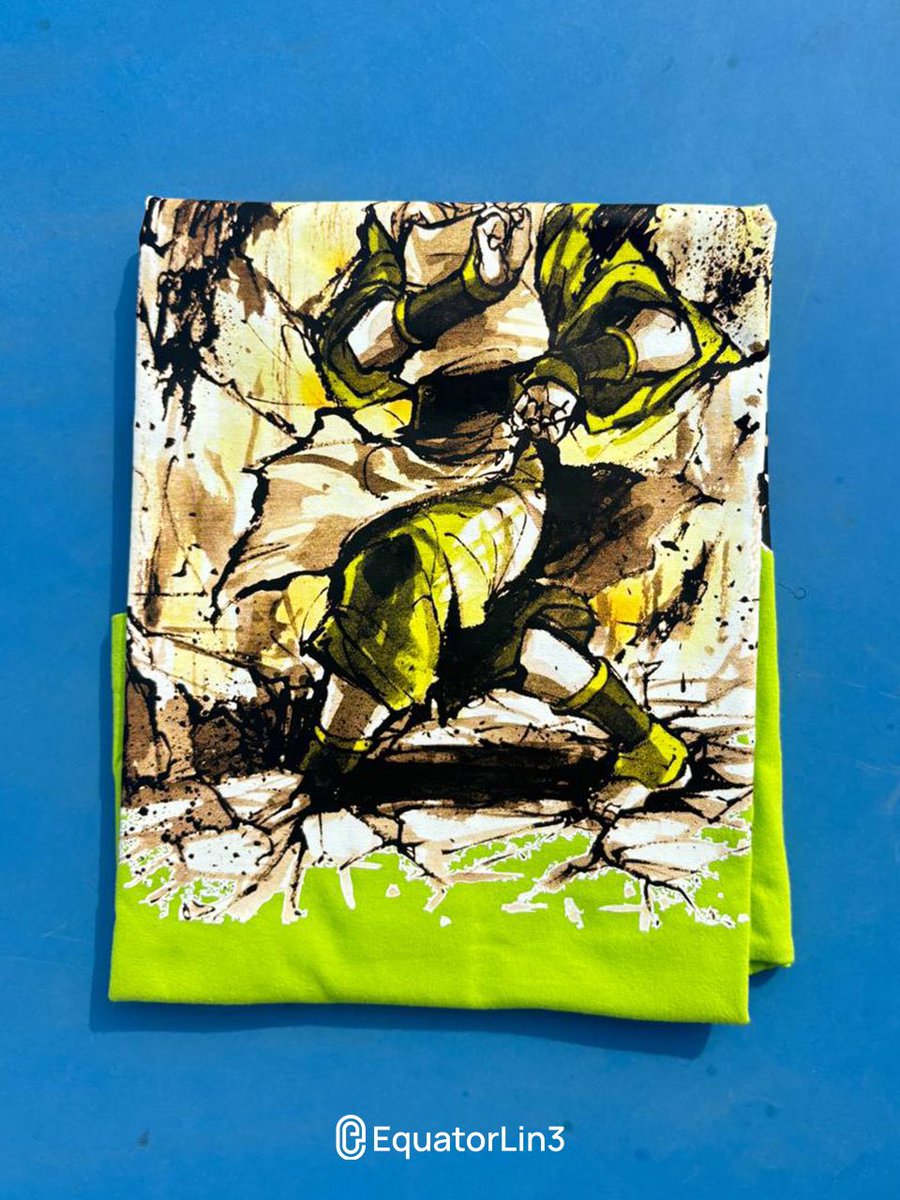
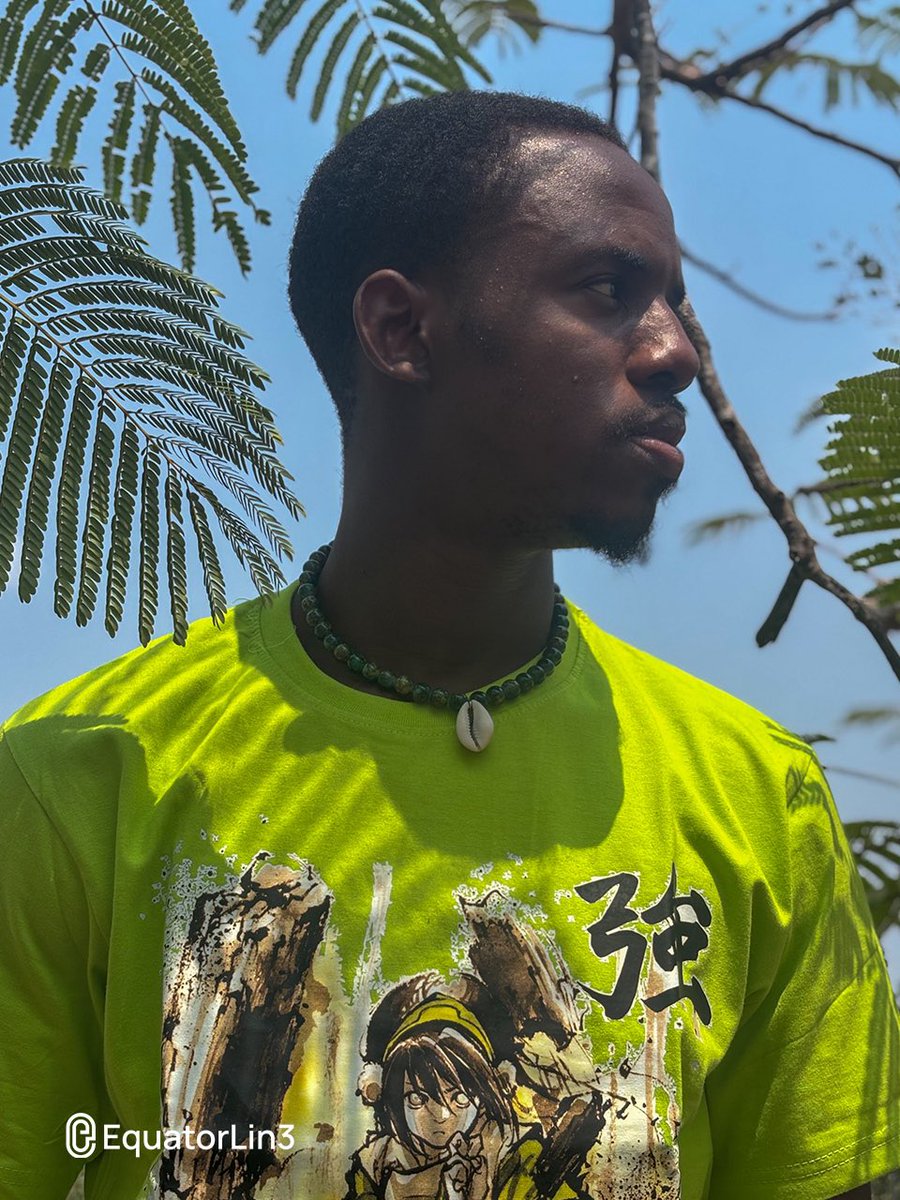
Her themed merch is one of my favorites from @EquatorLin3
She deserves her own spin-off for real
1
4
15
4,992
How we feel is what we sing
And the Drill is Rage
Where Dem Dey HAARD FIX
Conceptualized by Jude Henry
Bethel Directed
Out on Audiomack too 🚀
⚡️🖤⚡️
#music #drillmusic #tloem #discovermusic #afrobeats
1
2
4
106
Equator Lin3 retweeted
4 Nov 2025
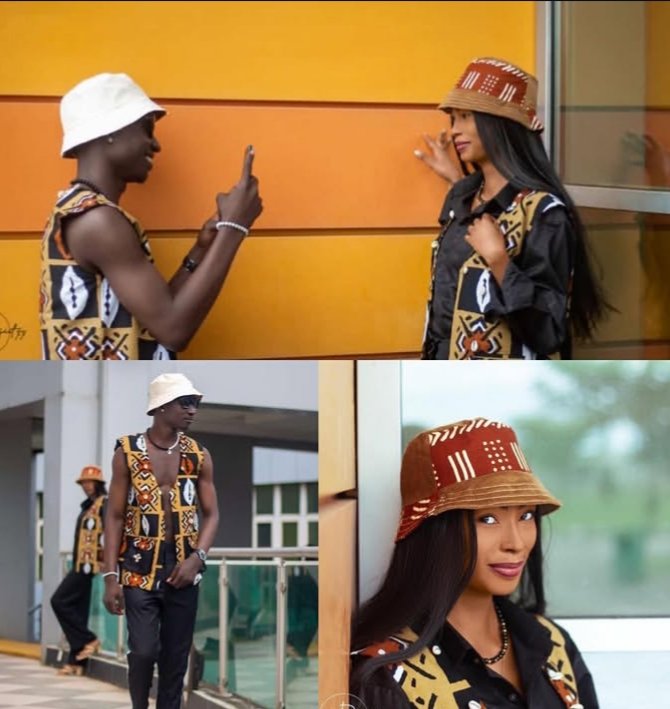
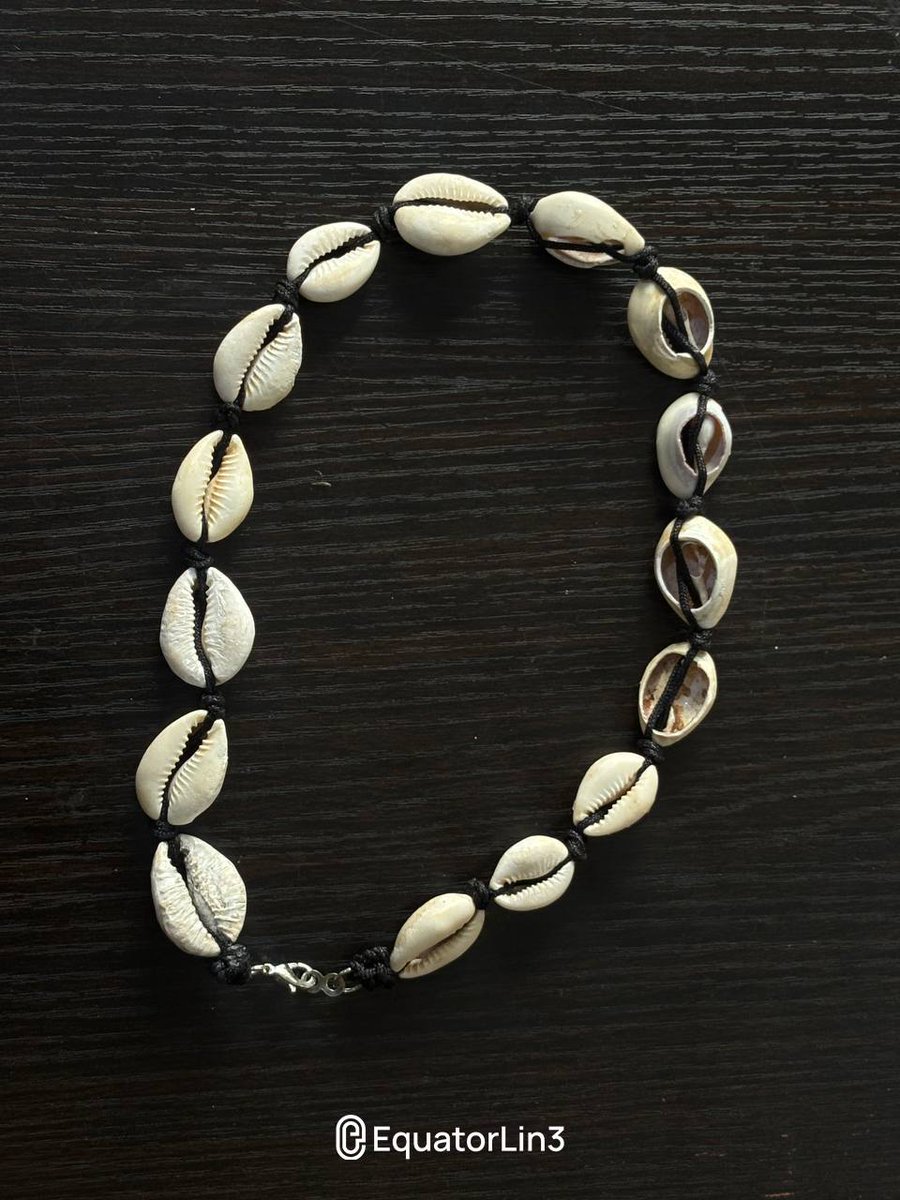
As a fashion company based in Nigeria.
We are telling the true story through merchandise and products
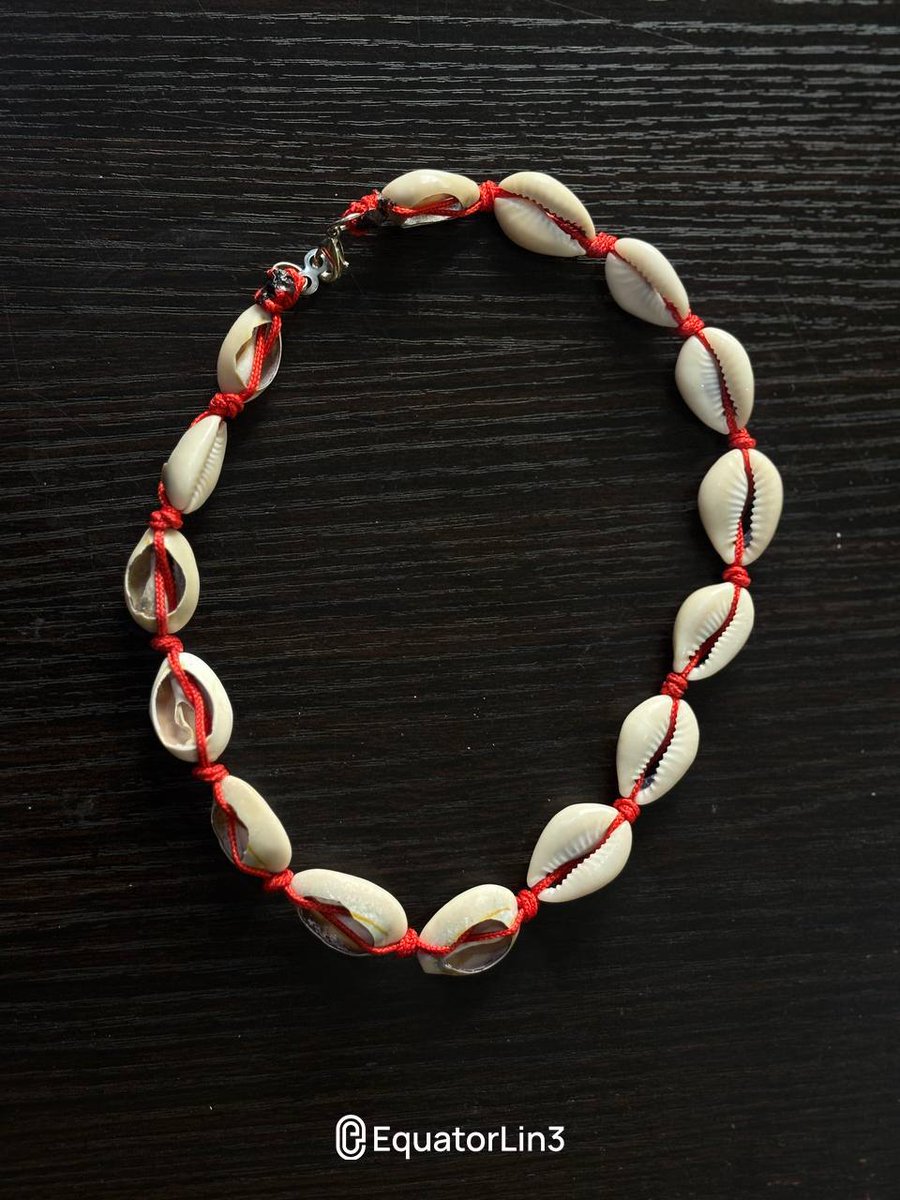
This cowrie pieces are called "Olokun"
Follow for more on the true stories of our people.
2
1
119
Equator Lin3 retweeted
18 Nov 2025
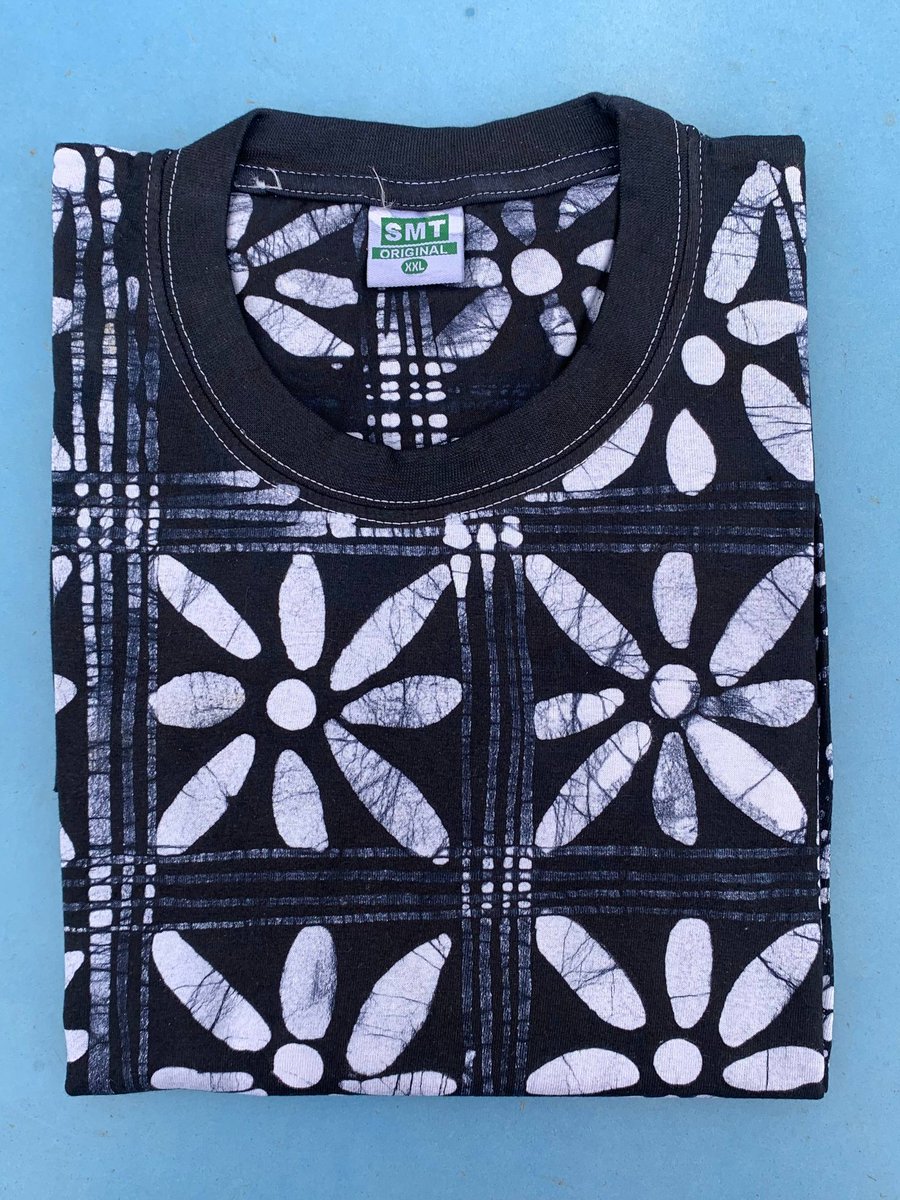
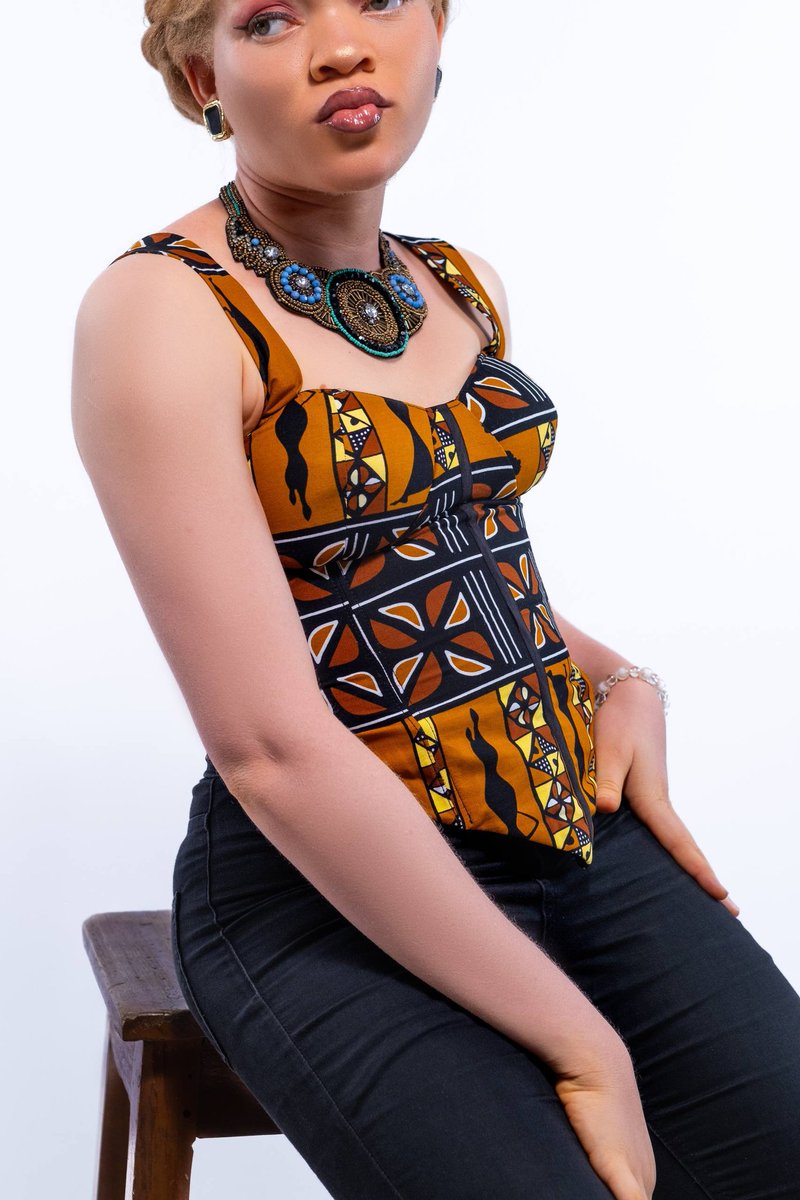
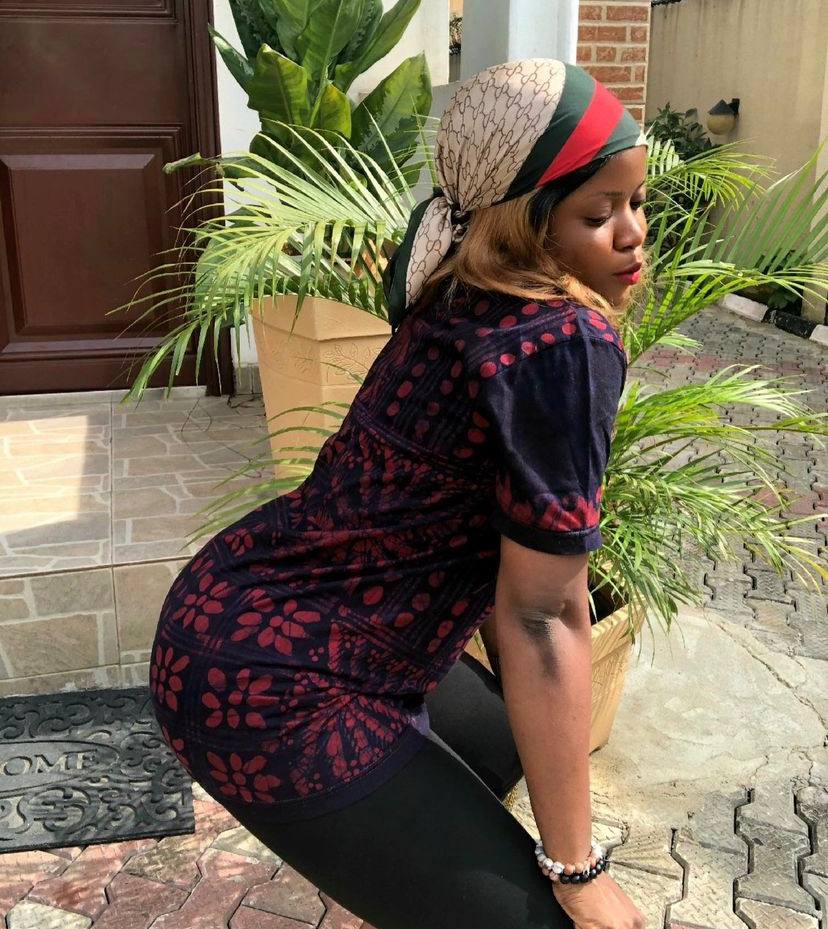
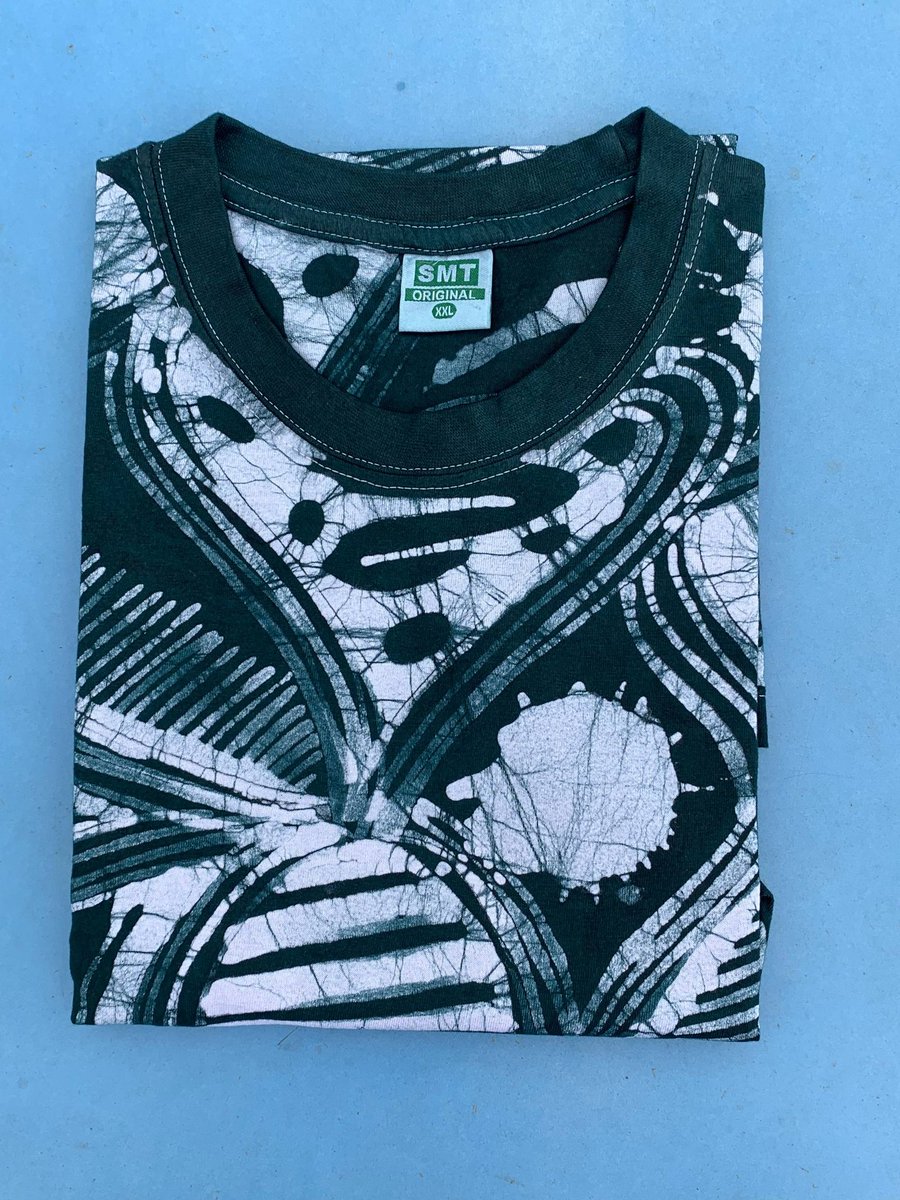
From the simplest plain tee to the BaTIK piece with floral patterns and sacred geometry.
Messages are passed 🔁

18 Nov 2025

Fashion
3
2
262
Equator Lin3 retweeted
12 Dec 2025
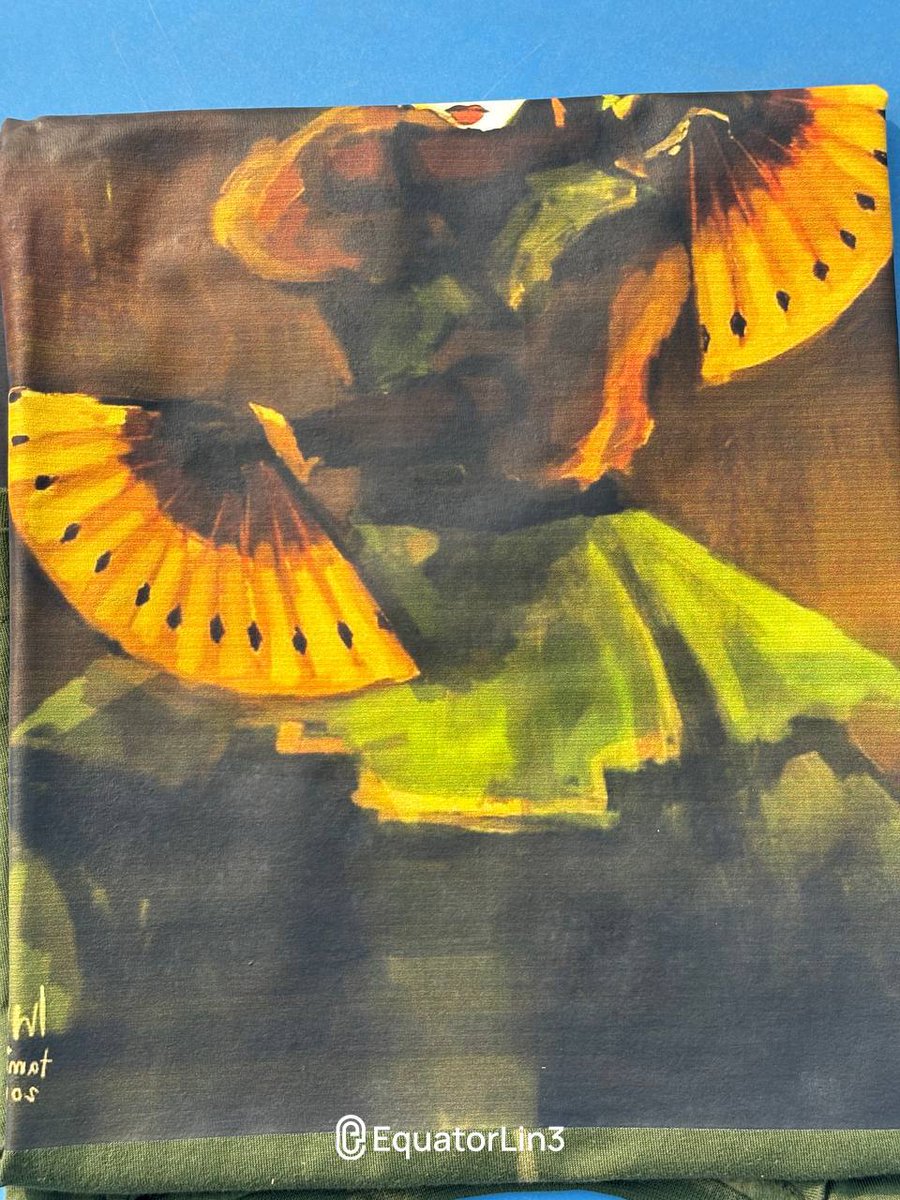
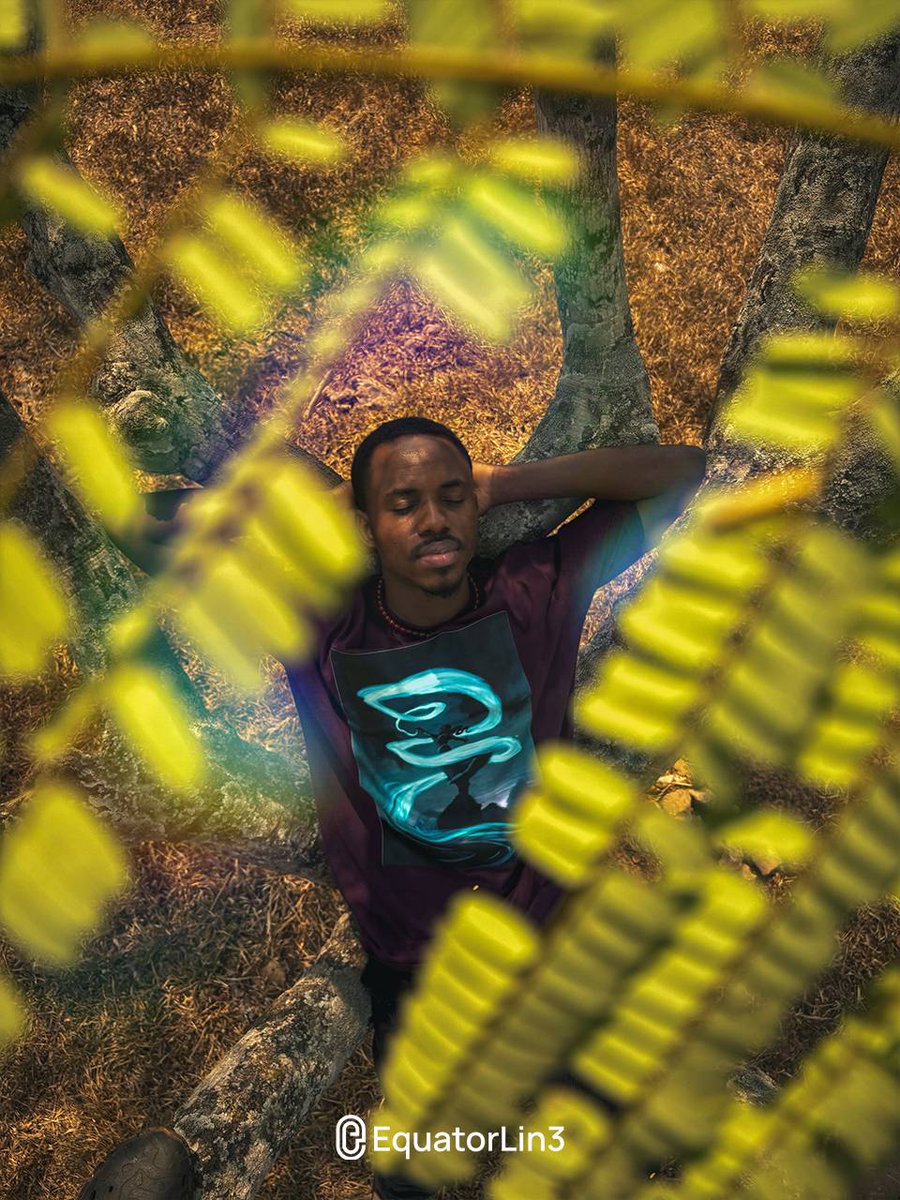
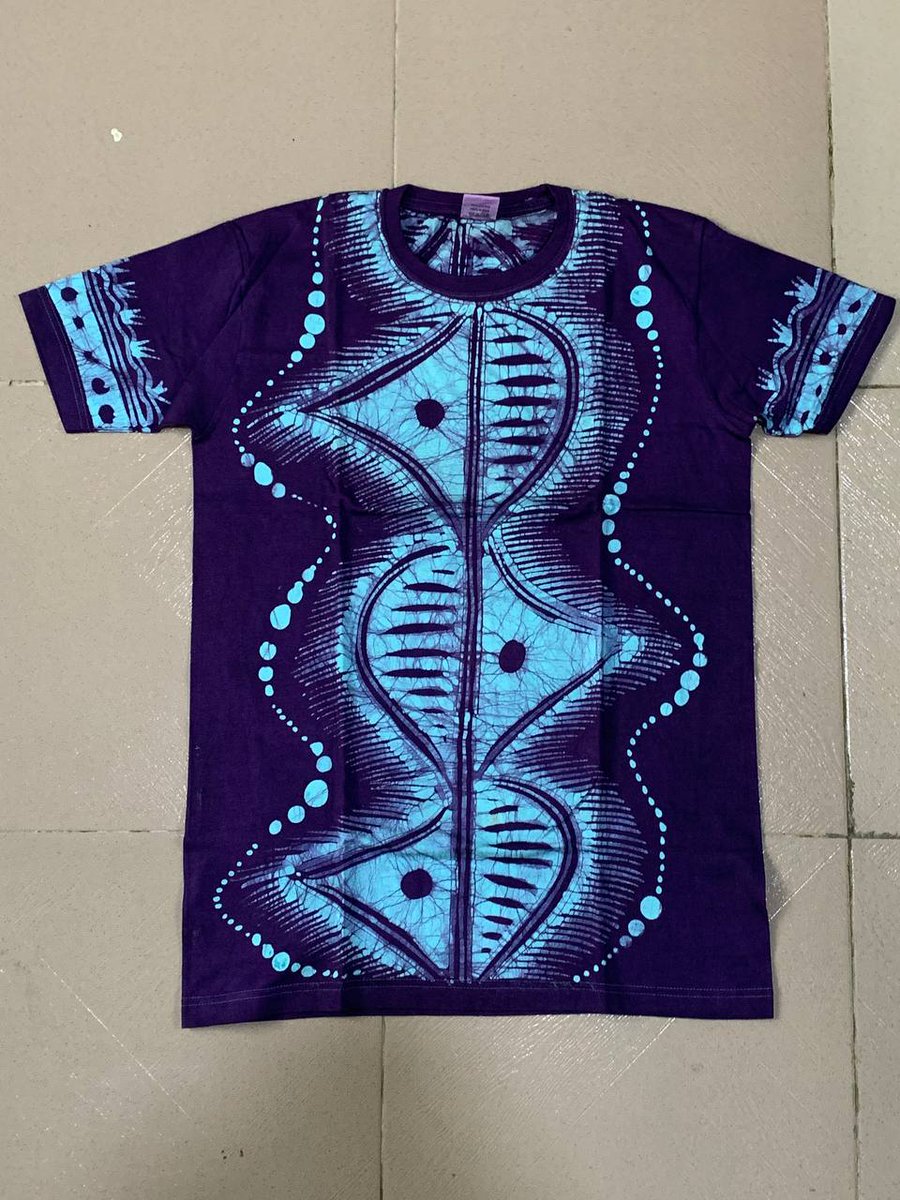
ALL SOLD OUT BUT CAN BE REPRODUCED BASED ON REQUEST (cost may vary from previous pricing due to the present economic situation)
#EQUATORLIN3
1
1
1
18
Equator Lin3 retweeted
7 Aug 2025
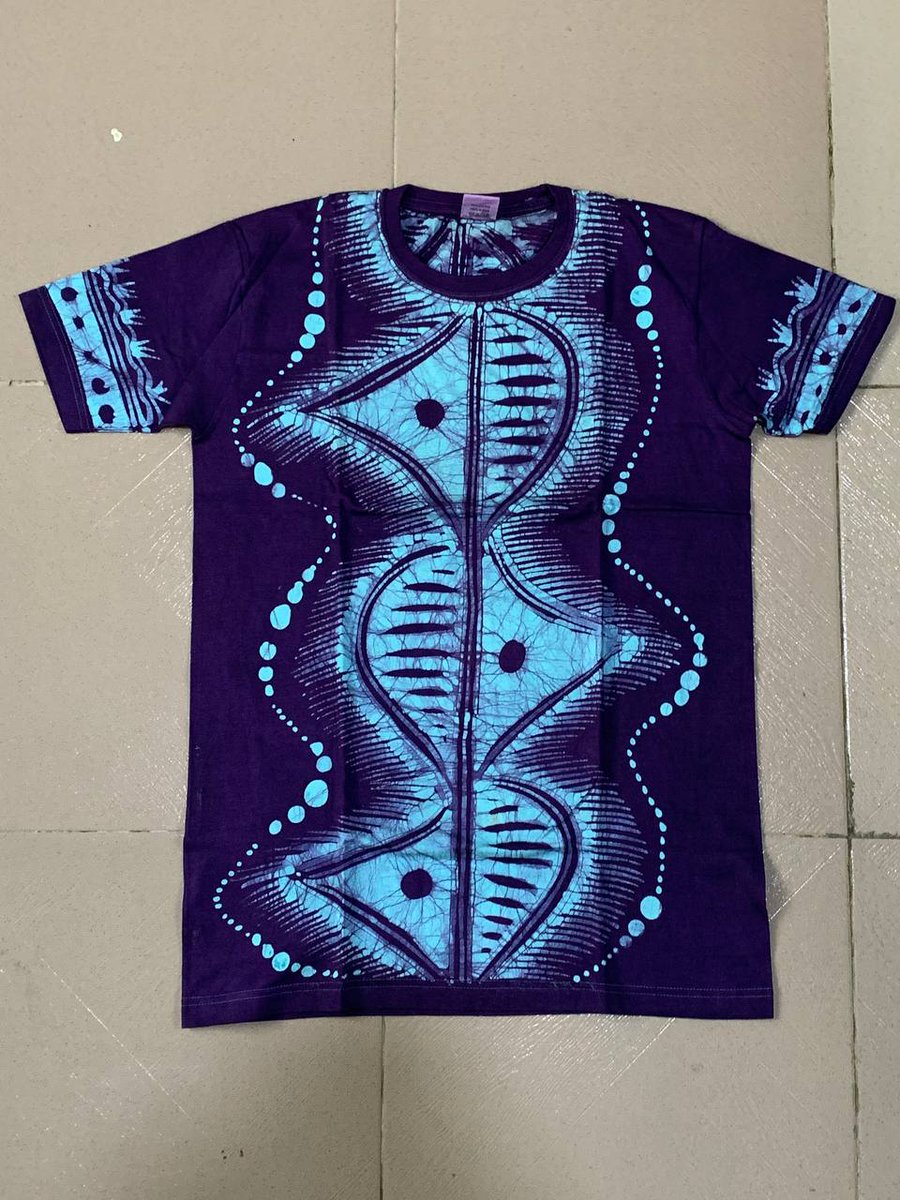
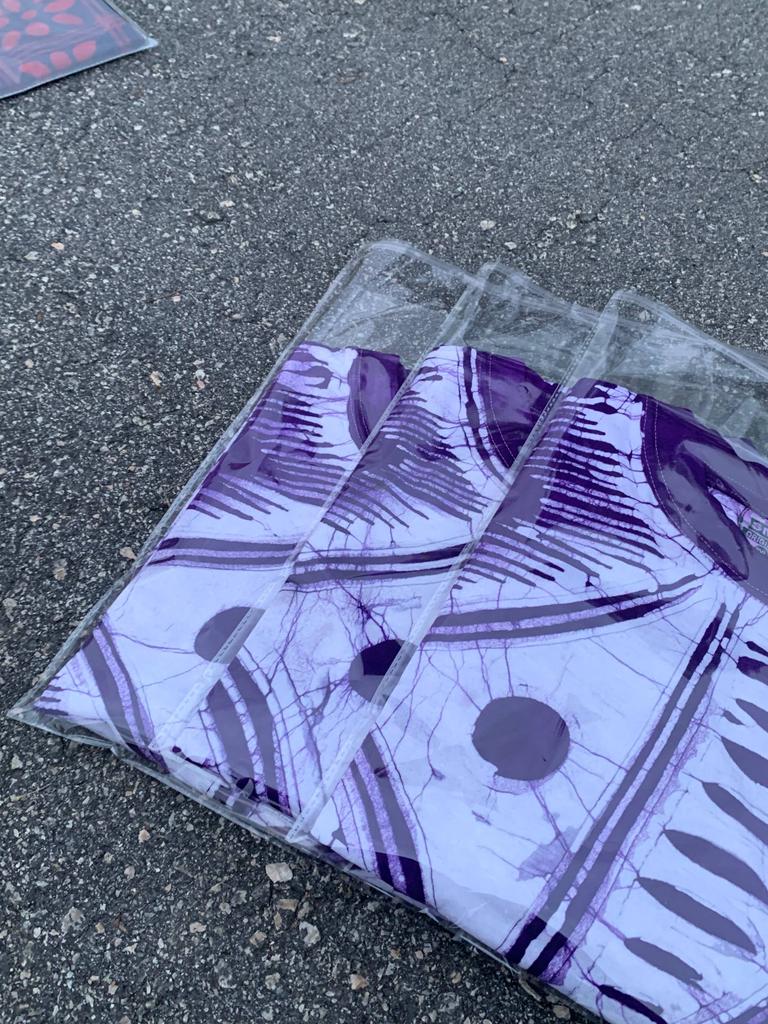
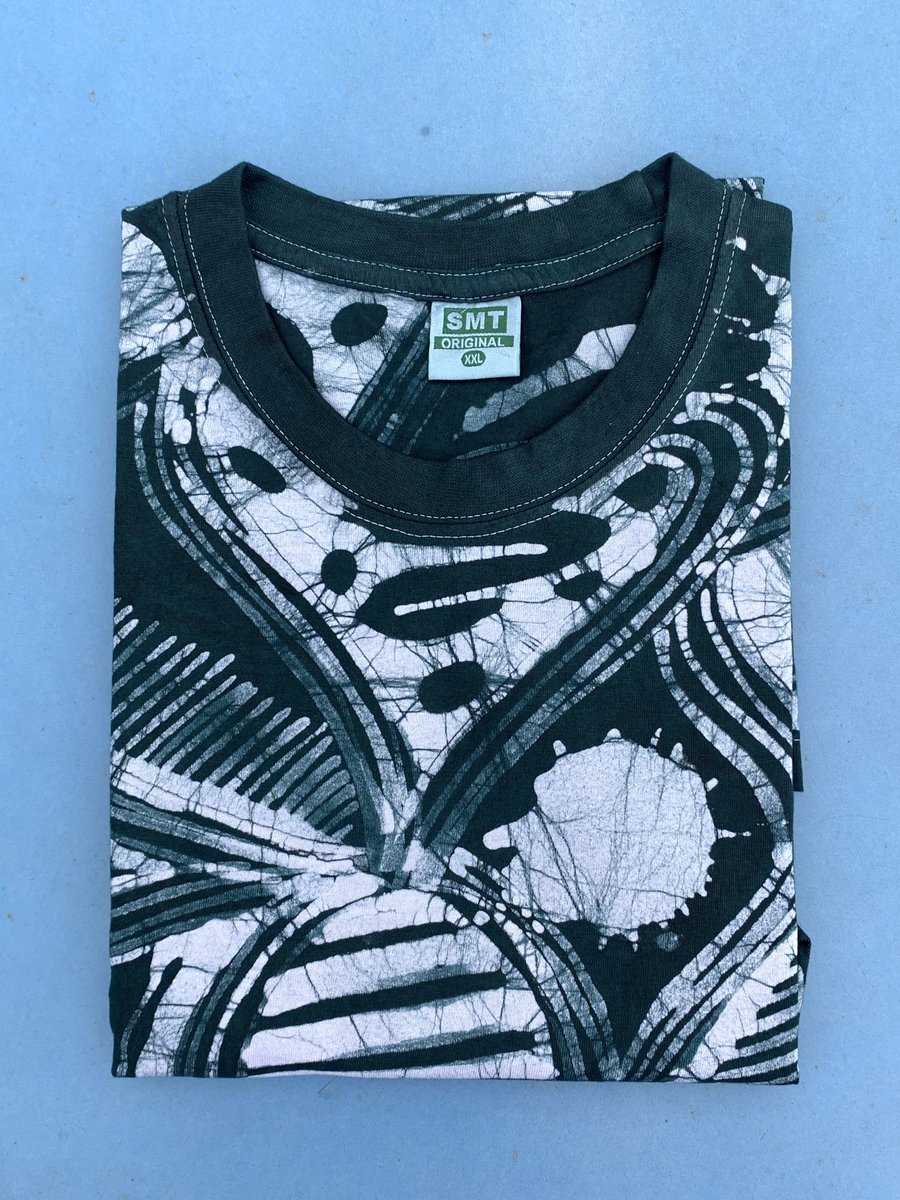
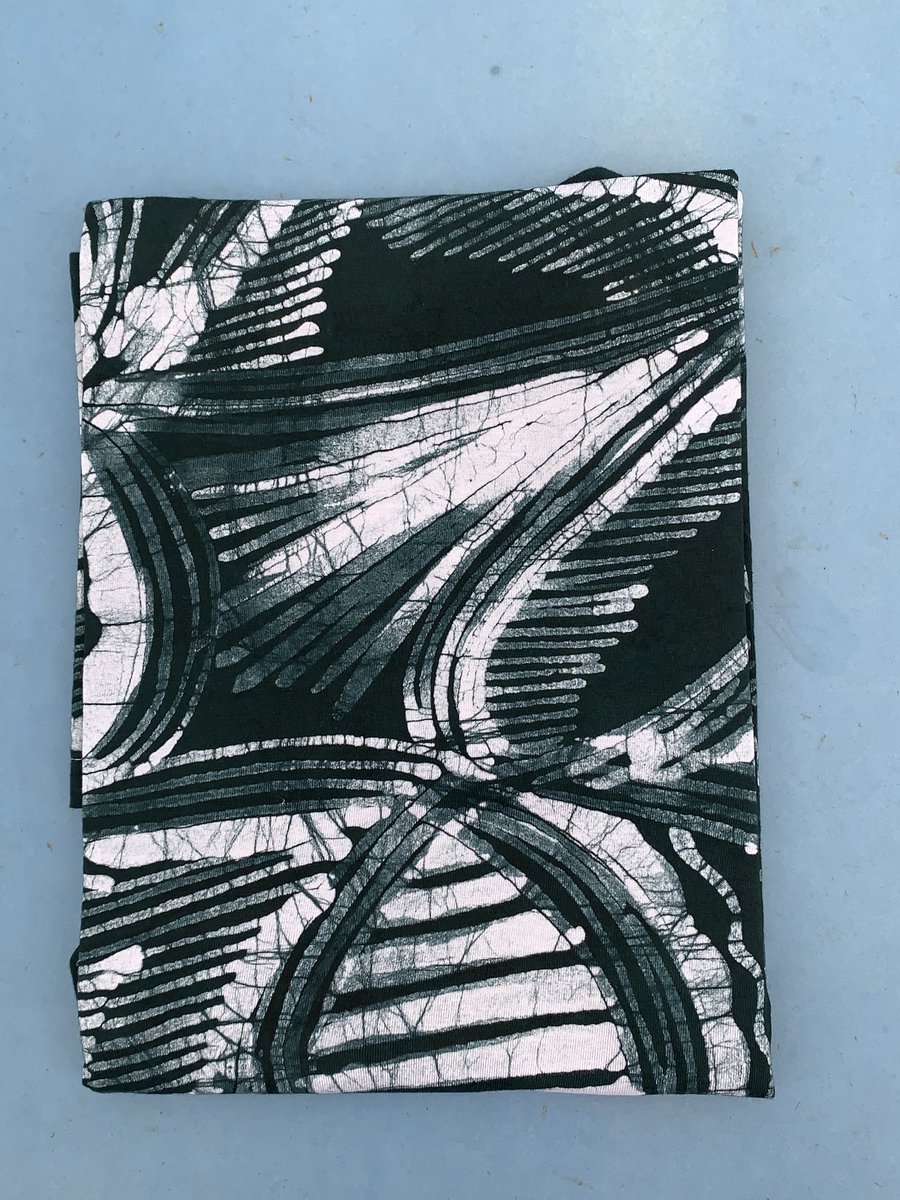
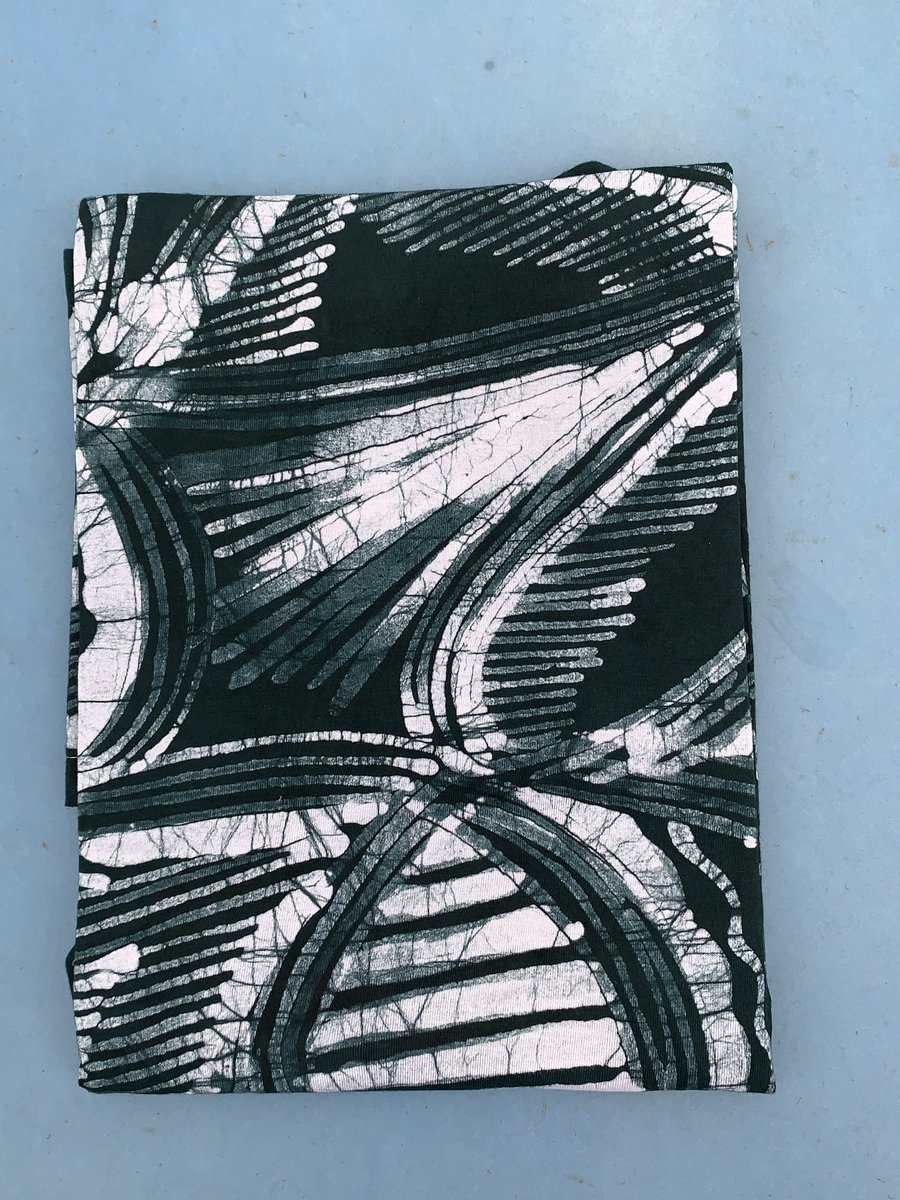
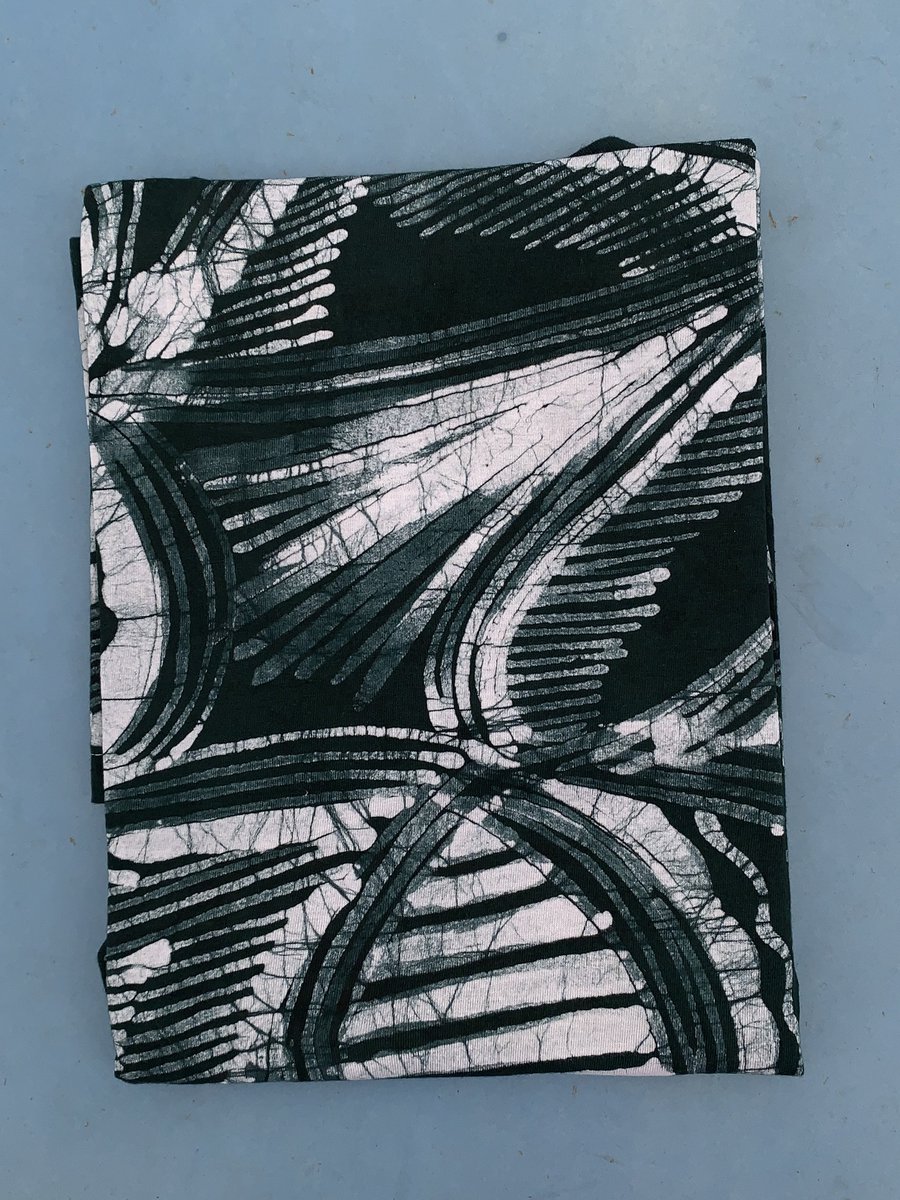
BaTIK TEE
Price - 28,000 Naira
Nationwide Delivery 🚚🇳🇬
Available for Purchase, as well as Bulk and Customized Orders
4
3
296
Equator Lin3 retweeted
12 Aug 2025
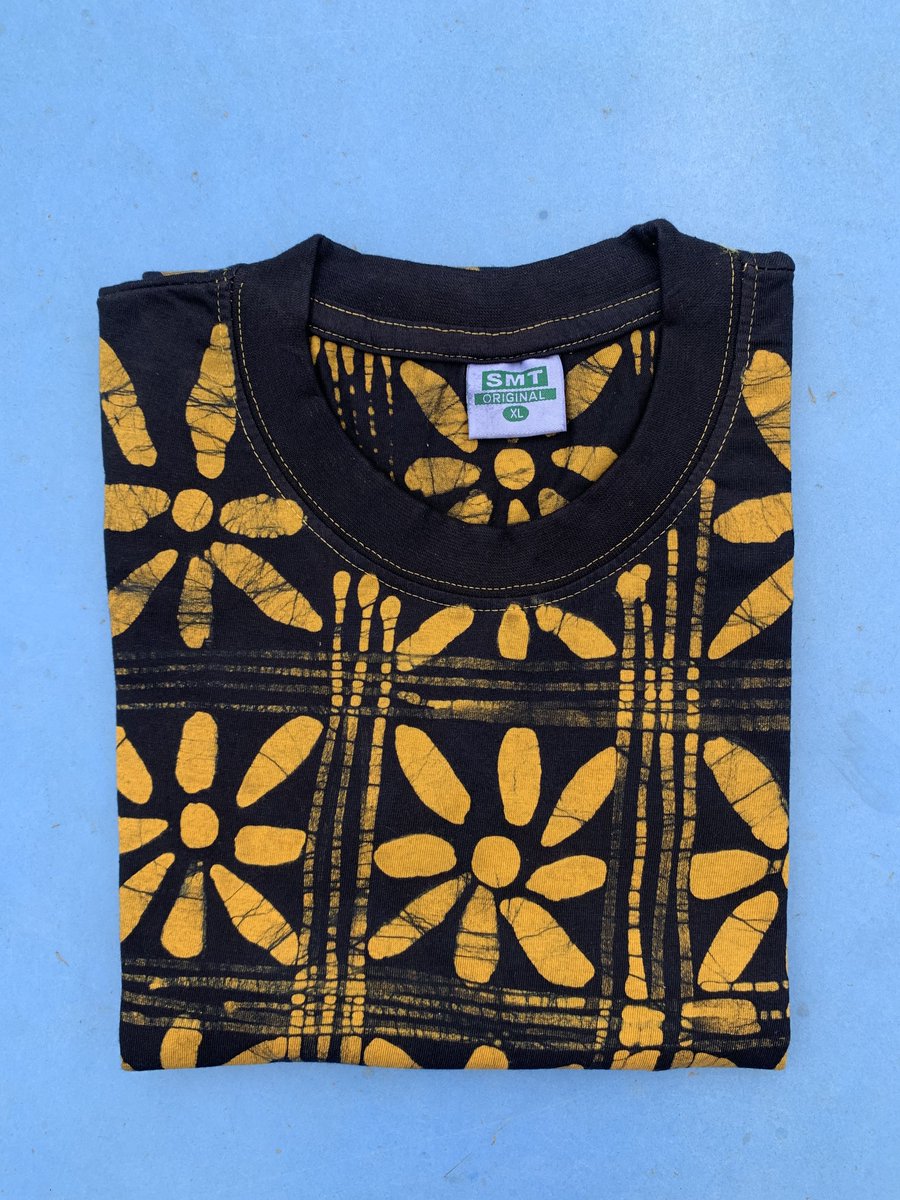
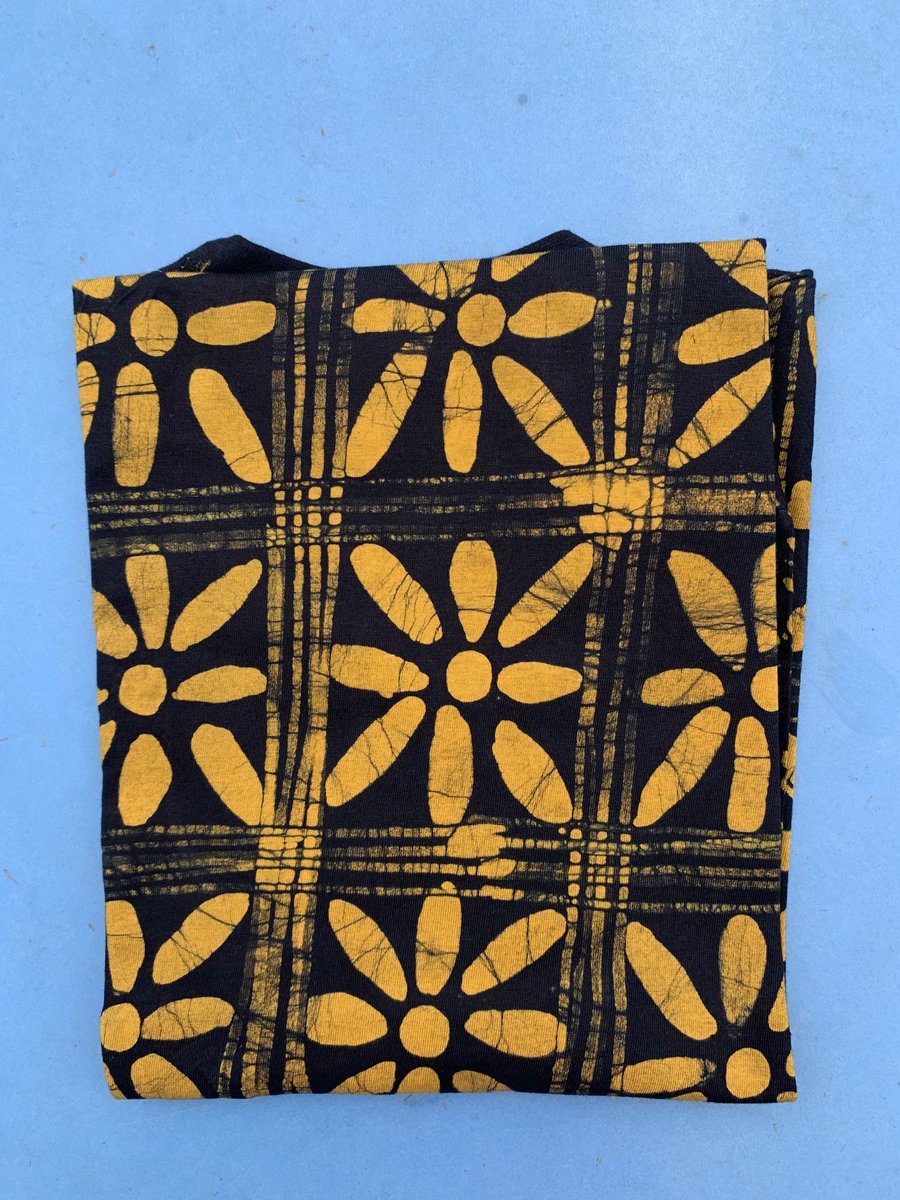
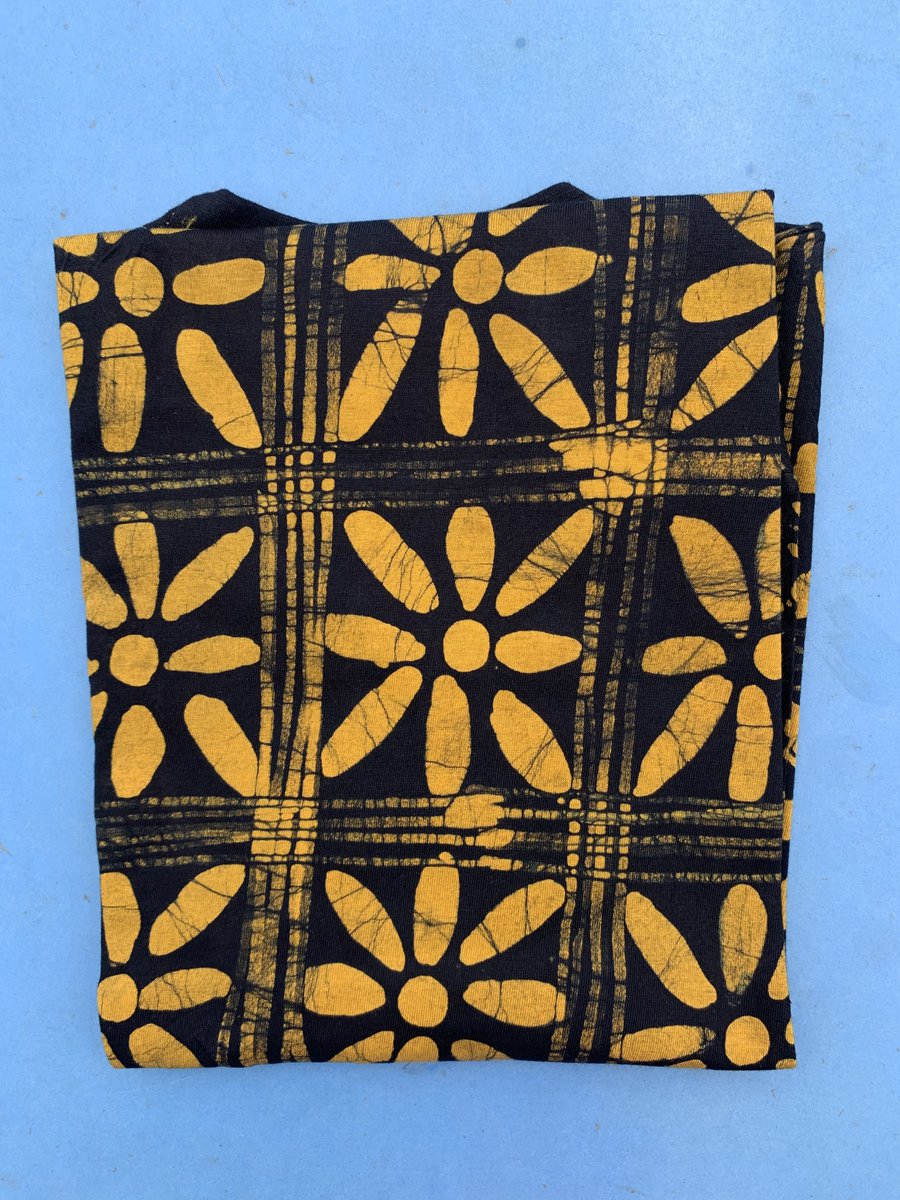
BaTIK TEE
Specially crafted with intentionality to showcase Indigenous arts
A piece acknowledging Sacred Geometry
Size - Xtra Large
Price - 28,000 Naira
Nationwide Delivery 🚚🇳🇬
Available for Purchase, as well as Bulk and Customized Orders

2
2
161
Equator Lin3 retweeted
Jan 21
Available for purchase
12 Aug 2025
BaTIK TEE
Specially crafted with intentionality to showcase Indigenous arts
A piece acknowledging Sacred Geometry
Size - Xtra Large
Price - 28,000 Naira
Nationwide Delivery 🚚🇳🇬
Available for Purchase, as well as Bulk and Customized Orders
1
1
9
Equator Lin3 retweeted

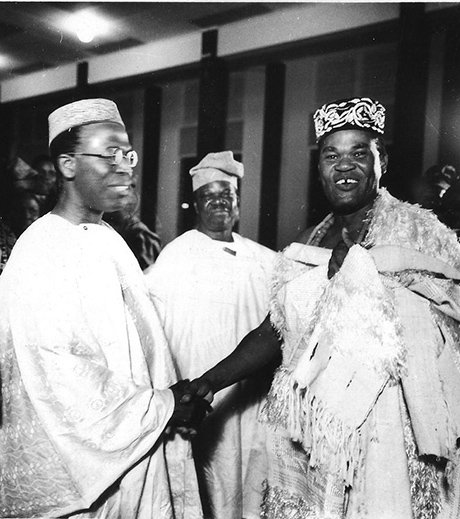
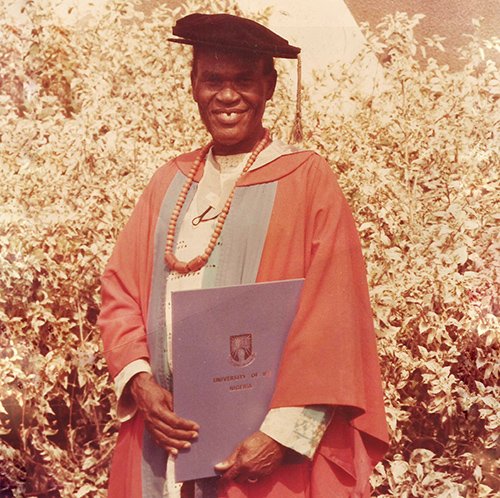
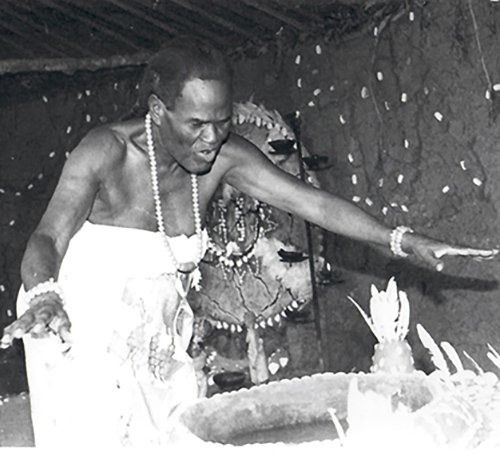
In the smoking aftermath of colonial subjugation, when the British Crown sought to silence Yorùbá tongues and erase our ancestral memory, one man dared to transform the stage into a battlefield—Hubert Ogunde, the father of contemporary Yorùbá theater, whose very performances became acts of cultural resurrection and political defiance.
While others hid their culture away or let it fade, Ogunde defiantly placed it center stage, making it impossible to ignore. He took the ancient oral traditions, the sacred rituals, and the communal storytelling of Yorùbáland and forged them into something that could stand against colonial erasure.
His 1945 production Strike and Hunger was so politically potent, so dangerous to the status quo, that terrified colonial authorities banned it outright—proof that his theater wasn't just entertainment, but a weapon they genuinely feared.
Ogunde transformed Yorùbá theater from whispered folklore into a living, breathing force that challenged power, united communities, and kept our people's spirit alive even in the darkest times. His legacy continues to influence Nigerian theater, film, and performance art today—ensuring that the Yorùbá spirit would never, ever be silenced.🔥🔥🔥
Credit: Think Yoruba First
Photo: Unknown
5
60
204
4,531